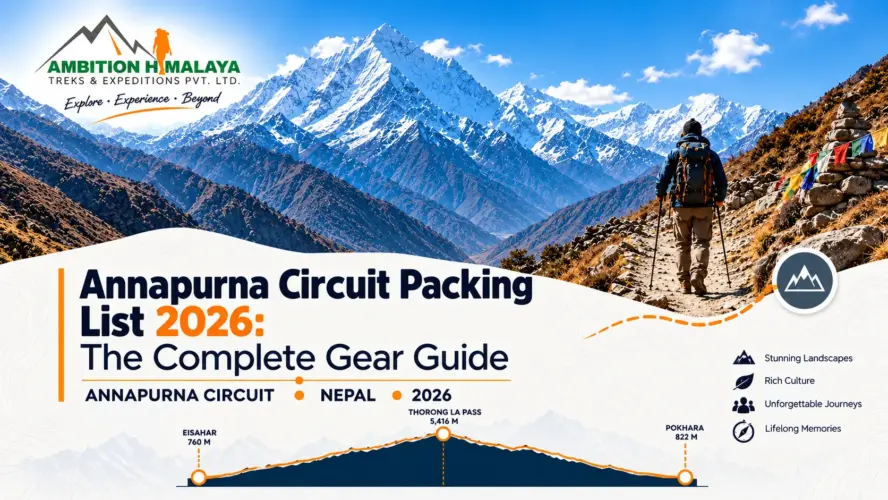

Annapurna Circuit Trek Packing List 2026: Complete Gear Guide

Annapurna Circuit Trek

Planning the Annapurna Circuit Trek in 2026? One of the most important things to prepare before arriving in Nepal is your trekking gear.

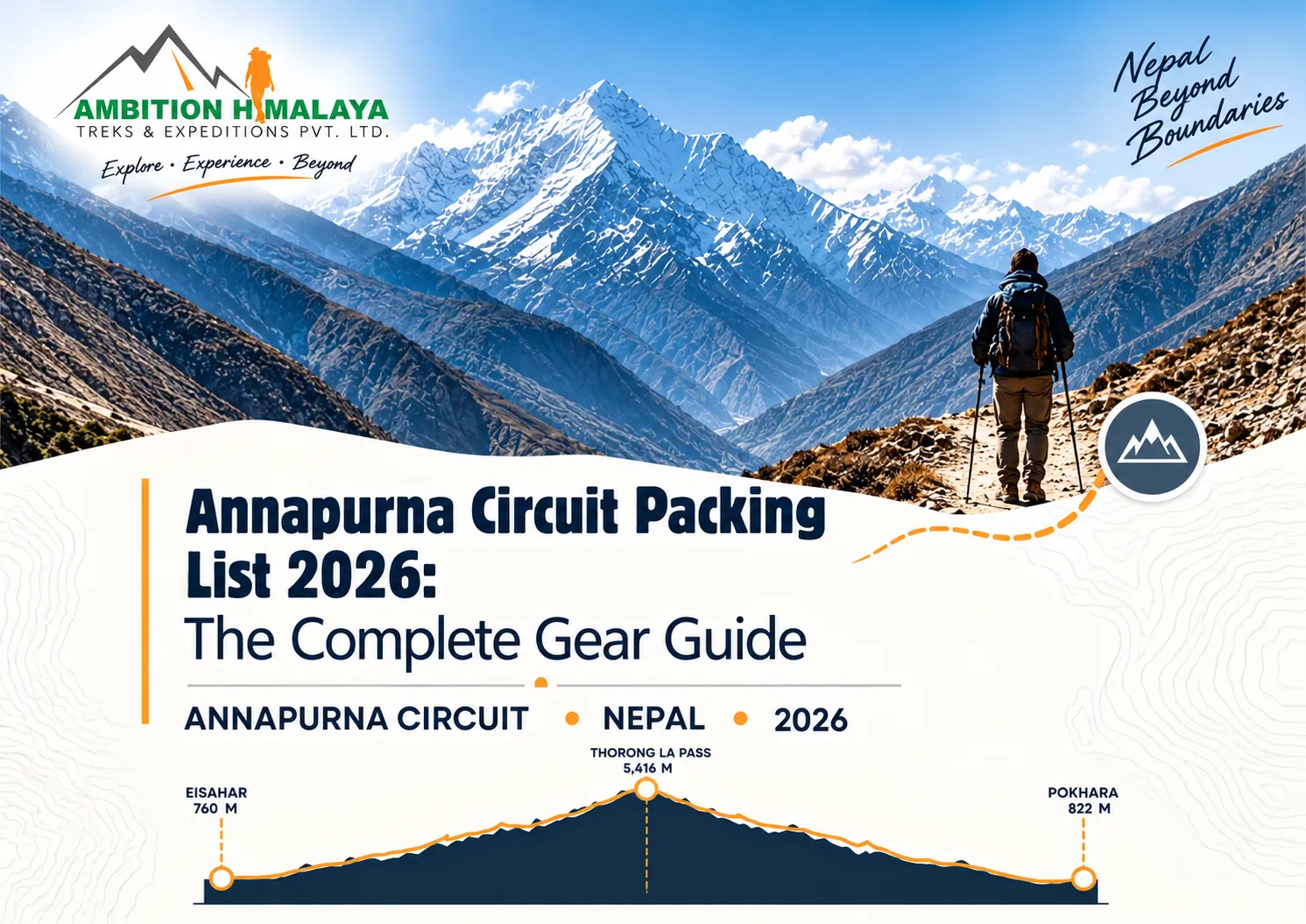
The Annapurna Circuit is different from many shorter Himalayan treks because the trail passes through several distinct environments. You may begin the journey in a relatively warm valley and gradually climb toward high-altitude landscapes, eventually reaching Thorong La Pass at 5,416 metres (17,769 feet).

That means your backpack needs to be prepared for changing temperatures, strong mountain winds, rain, cold mornings and potentially snow around the highest sections of the trail.

At Ambition Himalaya, we recommend packing smart rather than simply packing more. The goal is to carry everything you genuinely need while keeping your backpack manageable throughout the trek.

This Annapurna Circuit Trek Packing List 2026 explains what to bring, what you can rent in Nepal, what you should keep in your daypack, and which items you can safely leave behind.

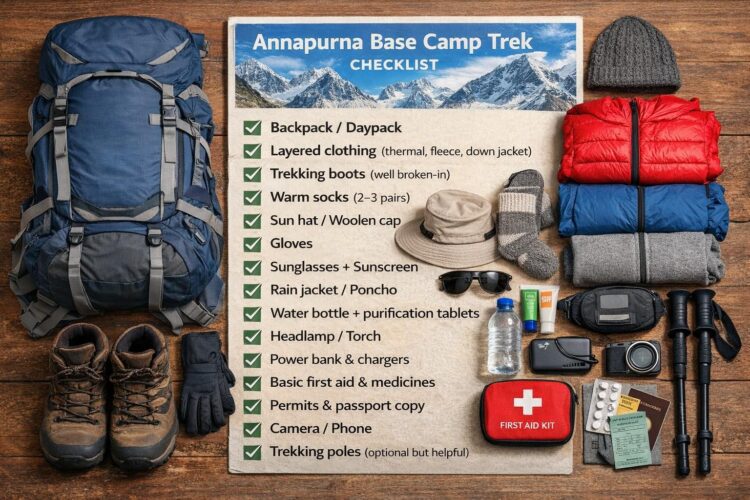
Annapurna Circuit Trek Packing List at a GlanceAnnapurna Circuit Trek Packing List at a Glance

Before going into every category, here is a quick checklist of the essential equipment.

Clothing

  • Moisture-wicking trekking T-shirts
  • Thermal base layers
  • Trekking trousers
  • Fleece jacket
  • Insulated/down jacket
  • Waterproof and windproof jacket
  • Waterproof trekking trousers
  • Warm hat
  • Sun hat or cap
  • Buff or neck gaiter
  • Trekking socks
  • Warm gloves
  • Underwear

Footwear

  • Comfortable trekking boots
  • Camp shoes or sandals
  • Trekking socks
  • Gaiters if travelling during snowy conditions

Trekking Gear

  • 25–40 litre daypack
  • Duffel bag if using a porter
  • Rain cover
  • Trekking poles
  • Headlamp
  • Water bottles or hydration system
  • Sleeping bag
  • Sleeping bag liner

Personal Essentials

  • Passport
  • Trekking permits and documents
  • Travel insurance details
  • Cash in Nepalese Rupees
  • Sunglasses
  • Sunscreen
  • Lip balm with SPF
  • Personal toiletries
  • Small towel

Health & Safety

  • Personal medication
  • Basic first-aid kit
  • Blister treatment
  • Oral rehydration salts
  • Water purification tablets/filter
  • Personal altitude medication prescribed by your doctor

Electronics

  • Smartphone
  • Camera
  • Power bank
  • Charging cables
  • Universal travel adapter
  • Spare batteries where required

Annapurna Circuit Trek Packing List at a Glance

Why Packing Correctly Matters on the Annapurna Circuit

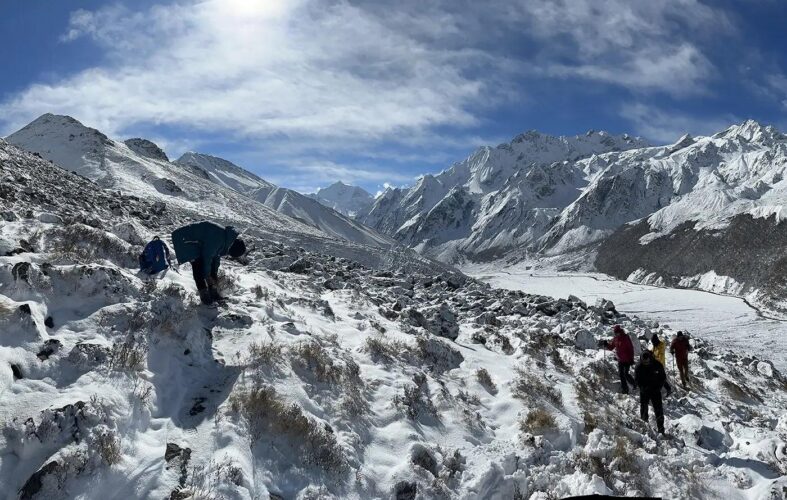
The Annapurna Circuit covers a dramatic range of elevations and landscapes. Lower sections can feel warm during the day, while the higher areas around Thorong La can become extremely cold, especially during early-morning crossings.

This is why a simple “summer clothes + one jacket” approach is not suitable.

The most useful strategy is layering.

Instead of carrying one extremely heavy jacket for every situation, use several layers that can be added or removed according to the temperature.

A practical layering system consists of:

Base layer → fleece/insulation → down jacket → waterproof/windproof outer shell

This gives you flexibility without unnecessarily increasing your pack weight.

1. Base Layers and Trekking Shirts

Your base layer sits directly against your skin and should move moisture away from your body.

Pack:

  • 2–3 quick-drying T-shirts
  • 1–2 thermal long-sleeve tops
  • 1–2 thermal bottoms
  • 4–5 pairs of trekking underwear

Merino wool or good-quality synthetic fabrics are preferable because they dry faster and manage moisture better than cotton.

Avoid Cotton

Cotton absorbs moisture and takes longer to dry.

On a Himalayan trek, wet clothing can become uncomfortable and cold very quickly.

For that reason, lightweight synthetic or merino clothing is generally more practical.

2. Trekking Trousers and Lower-Body Clothing

A pair of comfortable trekking trousers is one of the most frequently used items on the trail.

We recommend:

  • 2 pairs of trekking trousers
  • 1 lightweight pair of thermal bottoms
  • 1 optional lightweight short
  • Waterproof trekking trousers

Convertible trekking trousers can be useful in warmer lower sections.

As you gain elevation, however, long trousers and thermal layers become increasingly useful.

3. Fleece Jacket or Mid-Layer

A fleece jacket provides an important insulation layer without adding excessive weight.

A lightweight or medium-weight fleece is usually enough for everyday trekking conditions.

It can be worn:

  • During cool mornings
  • In shaded sections
  • Around higher villages
  • Inside teahouses during cold evenings

The advantage of fleece is that it works well as part of a layering system.

4. Down or Insulated Jacket

A proper insulated jacket is one of the most important pieces of equipment for the high sections of the Annapurna Circuit.

Temperatures can fall significantly around high camps and during early-morning sections of the Thorong La crossing.

Choose a jacket that:

  • Provides sufficient insulation
  • Packs reasonably small
  • Fits comfortably over your base and fleece layers
  • Protects you from cold mountain conditions

If you do not own a suitable down jacket, renting one in Kathmandu or Pokhara can be a practical option.

5. Waterproof and Windproof Jacket

Do not rely only on your down jacket for weather protection.

A lightweight waterproof shell provides protection against:

  • Rain
  • Snow
  • Strong wind
  • Sudden weather changes

Your outer shell should fit comfortably over your insulation layers.

A waterproof jacket is particularly useful because weather conditions in the mountains can change quickly.

6. Trekking Boots

Your trekking boots are arguably one of the most important items you will bring.

Choose boots that:

  • Are comfortable
  • Have good grip
  • Provide suitable ankle support
  • Are already broken in
  • Fit correctly with your trekking socks

Never Start the Trek With Brand-New Boots

Breaking in your boots before the trek can significantly reduce the possibility of painful hot spots and blisters.

Your boots should be comfortable before you arrive in Nepal.

7. Trekking Socks

Bring around 4–5 pairs of good-quality trekking socks.

Merino wool or technical synthetic socks are useful because they provide warmth while managing moisture.

Avoid wearing wet socks for long periods.

A simple habit that helps is keeping one dry pair specifically for evenings at the teahouse.

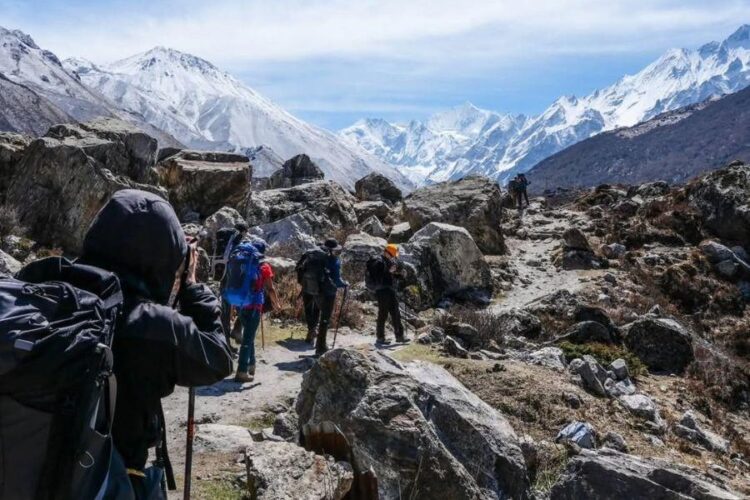
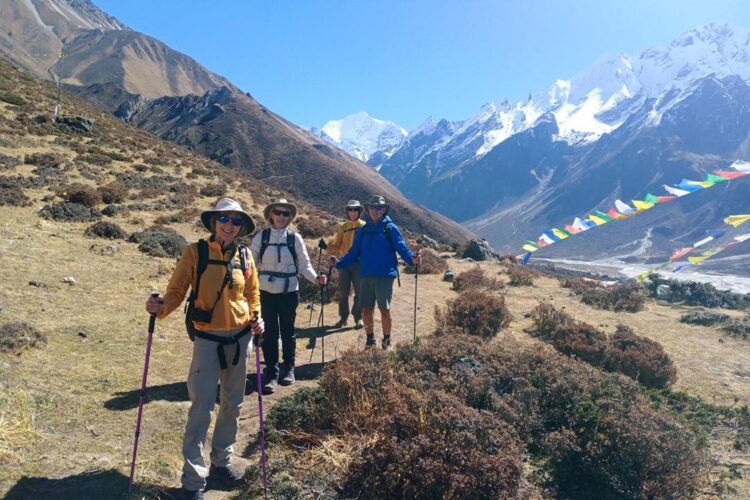
8. Trekking Poles

Trekking poles are optional, but many trekkers find them extremely useful on the Annapurna Circuit.

They can help with:

  • Long ascents
  • Uneven trails
  • Rocky sections
  • Descents
  • Reducing stress on knees

They become particularly useful during long downhill sections after crossing Thorong La.

If you are not travelling with poles, they can generally be purchased or rented in Nepal.

9. Backpack and Duffel Bag

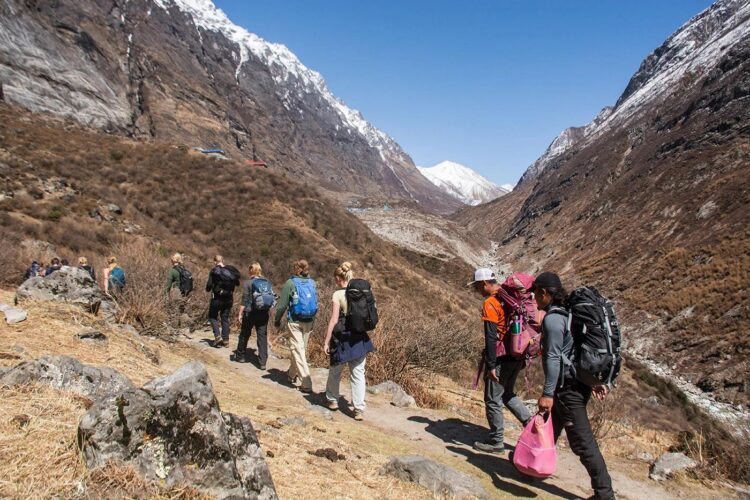
If you are using a porter, you normally do not need to carry your entire trekking wardrobe on your back.

A practical setup is:

Your Daypack

Approximately 25–40 litres, depending on how much you prefer to carry yourself.

Keep essential items accessible:

  • Water
  • Snacks
  • Waterproof jacket
  • Down jacket
  • Gloves
  • Hat
  • Sunglasses
  • Sunscreen
  • Camera
  • Documents
  • Medication
  • Power bank

Porter Duffel

Your main clothing and less frequently used equipment can go into a soft duffel bag.

Always keep important documents, valuables, electronics and essential medication with you rather than inside your porter bag.

10. Sleeping Bag

A warm sleeping bag can make a major difference to your comfort during the colder nights.

For the Annapurna Circuit, especially when travelling through the colder months or crossing the higher sections, choose a sleeping bag appropriate for the expected temperatures.

If you do not want to purchase one specifically for a single trek, sleeping bags are available for rent in Kathmandu and Pokhara.

The exact warmth required depends on your travel season, route variation and accommodation conditions.

11. Headlamp

A lightweight headlamp is an essential item.

It is useful for:

  • Early morning starts
  • Walking around the teahouse after dark
  • Power cuts
  • Preparing for a pre-dawn high-pass crossing

Bring spare batteries or make sure the rechargeable headlamp is fully charged before the trek.

12. Sunglasses and Sun Protection

High-altitude sunlight can be intense.

Your packing list should include:

  • UV-protection sunglasses
  • Sunscreen, preferably SPF 30–50+
  • SPF lip balm
  • Sun hat or cap
  • Buff or neck protection

Sunglasses become particularly important around exposed high-altitude terrain and snow because reflected sunlight can be uncomfortable and potentially harmful to your eyes.

13. Water and Hydration

Staying hydrated is important throughout the trek.

Carry:

  • Reusable water bottles
  • Water purification tablets or a suitable filter
  • Optional hydration bladder

A total carrying capacity of around 2 litres or more can be useful depending on the day’s route and water availability.

Avoid depending entirely on buying bottled water every day.

A reusable system is more convenient and helps reduce plastic waste along the trail.

14. Personal First-Aid Kit

You do not need to carry a large medical bag.

A compact personal kit can include:

  • Blister treatment
  • Adhesive bandages
  • Antiseptic wipes
  • Gauze
  • Pain-relief medication that you normally use
  • Oral rehydration salts
  • Personal prescription medicines
  • Any medication specifically prescribed for altitude by your doctor

If you have an existing medical condition or take prescription medication, speak with your doctor before travelling.

Altitude Awareness

The Annapurna Circuit reaches a significant altitude, particularly around Thorong La.

Knowing the symptoms of altitude sickness is more important than simply carrying medication.

If you develop concerning symptoms at altitude, tell your guide immediately and follow professional medical advice.

15. Toiletries and Personal Hygiene

Keep your toiletries lightweight.

Useful items include:

  • Toothbrush and toothpaste
  • Biodegradable soap
  • Small shampoo
  • Hand sanitizer
  • Wet wipes
  • Small quick-drying towel
  • Toilet paper or tissues
  • Moisturizer
  • Sunscreen
  • Lip balm

A small toiletry bag is enough.

There is no reason to carry full-size bottles of everything.

16. Electronics and Charging

Bring only the electronics you genuinely need.

Recommended:

  • Smartphone
  • Camera
  • Charging cable
  • Power bank
  • Universal adapter
  • Spare camera batteries

A 10,000–20,000 mAh power bank can be useful during a longer trek, particularly when charging availability becomes limited or inconvenient.

Keep electronic equipment protected from moisture.

17. Documents and Money

Keep your important documents safely accessible.

Carry:

  • Passport
  • Copies of important documents
  • Trekking permit information
  • Travel insurance documents
  • Emergency contact information
  • Nepalese cash

Do not keep all of your cash in a single location.

Your travel insurance should specifically cover trekking at the altitude relevant to your itinerary.

18. Snacks for the Trail

You can buy food along much of the Annapurna Circuit, but carrying a few personal snacks is useful.

Good options include:

  • Energy bars
  • Nuts
  • Chocolate
  • Dried fruit
  • Electrolyte sachets

Choose compact, high-energy foods that you actually enjoy eating.

19. What to Pack for Thorong La Pass

The Thorong La Pass at 5,416 metres is one of the most demanding parts of the Annapurna Circuit.

For the pass day, keep your warmest and most important equipment immediately accessible.

Your daypack should include:

  • Insulated/down jacket
  • Warm gloves
  • Warm hat
  • Thermal layer
  • Waterproof/windproof shell
  • Headlamp
  • Sunglasses
  • Water
  • Snacks
  • Personal medication
  • Sunscreen
  • Phone/camera
  • Power bank

Do not bury essential cold-weather equipment inside the main porter duffel.

20. What to Pack by Season

Spring: March to May

Spring generally brings a combination of cool mornings, warmer daytime temperatures and changing conditions at higher elevations.

Pack:

  • Lightweight layers
  • Fleece
  • Insulated jacket
  • Rain protection
  • Sun protection
  • Warm sleeping bag

Higher sections can still be very cold, so do not pack only for the lower valley.

Monsoon: June to August

The monsoon period requires additional rain protection.

Consider:

  • Waterproof jacket
  • Waterproof trousers
  • Backpack rain cover
  • Dry bags
  • Quick-drying clothing
  • Extra socks
  • Waterproof protection for electronics

Trail and weather conditions can vary considerably during this period.

Check current local conditions before departure.

Autumn: September to November

Autumn is a popular period for trekking in Nepal.

You should still prepare for cold conditions at higher elevations.

Pack:

  • Base layers
  • Fleece
  • Down/insulated jacket
  • Waterproof shell
  • Warm gloves
  • Hat
  • Sleeping bag
  • Strong sun protection

Clear weather does not mean the high-altitude sections will be warm.

Winter: December to February

Winter requires greater attention to cold-weather equipment.

Consider:

  • Warmer sleeping bag
  • Good insulated jacket
  • Thermal base layers
  • Warm gloves
  • Warm hat
  • Gaiters
  • Appropriate footwear
  • Additional cold-weather layers

Snow and trail conditions can vary, so always check current conditions with your trekking agency and guide before attempting a high-pass crossing.

What NOT to Pack for the Annapurna Circuit

Overpacking is one of the most common mistakes on a long Himalayan trek.

You can usually leave these items behind:

  • Heavy jeans
  • Too many T-shirts
  • Large bottles of shampoo
  • Excessive cosmetics
  • Multiple pairs of casual shoes
  • Expensive jewellery
  • Unnecessary electronics
  • Heavy books
  • Large towels
  • Duplicate jackets
  • Clothing you are unlikely to wear

Remember:

Every unnecessary kilogram becomes part of your journey.

Pack fewer items, but make sure the important ones are reliable.

What Can You Rent in Kathmandu or Pokhara?

You do not necessarily need to purchase every piece of trekking equipment before arriving in Nepal.

Depending on availability, commonly rented equipment can include:

  • Down jackets
  • Sleeping bags
  • Trekking poles
  • Duffel bags
  • Some trekking accessories

Renting can be particularly useful if you only trek occasionally and do not want to purchase bulky cold-weather equipment.

At Ambition Himalaya, we can also advise you about the equipment required for your specific itinerary and season before your trek begins.

A Practical Annapurna Circuit Packing Checklist

Clothing

☐ 2–3 trekking T-shirts
☐ 1–2 thermal tops
☐ 1–2 thermal bottoms
☐ 2 trekking trousers
☐ Fleece jacket
☐ Down/insulated jacket
☐ Waterproof jacket
☐ Waterproof trousers
☐ 4–5 pairs trekking socks
☐ Warm hat
☐ Sun hat
☐ Gloves
☐ Buff
☐ Underwear

Footwear

☐ Broken-in trekking boots
☐ Camp shoes/sandals
☐ Gaiters if required

Trekking Equipment

☐ Daypack
☐ Duffel bag
☐ Backpack rain cover
☐ Trekking poles
☐ Headlamp
☐ Sleeping bag
☐ Water bottles
☐ Water purification system

Health

☐ Personal medication
☐ First-aid kit
☐ Blister treatment
☐ ORS/electrolytes
☐ Sunscreen
☐ SPF lip balm

Electronics

☐ Smartphone
☐ Camera
☐ Power bank
☐ Charging cables
☐ Travel adapter
☐ Spare batteries

Documents

☐ Passport
☐ Permit documents
☐ Travel insurance
☐ Emergency contacts
☐ Nepalese cash

Frequently Asked Questions

How much should I pack for the Annapurna Circuit Trek?

Try to keep your equipment practical and lightweight. If you use a porter, keep the main bag manageable and carry only essential daily items in your daypack.

The exact weight depends on your personal needs, season and whether you use a porter.

Do I need a sleeping bag for the Annapurna Circuit?

A sleeping bag is strongly recommended, particularly for colder seasons and higher elevations. You can also consider renting one in Kathmandu or Pokhara.

Do I need a down jacket for Thorong La?

A warm insulated jacket is an important part of your high-altitude clothing system. The correct warmth level depends on the season and current conditions.

Can I rent trekking equipment in Nepal?

Yes. Kathmandu and Pokhara have trekking shops where travellers can commonly rent items such as sleeping bags, down jackets, trekking poles and duffel bags.

What shoes should I wear for the Annapurna Circuit?

Use comfortable, properly broken-in trekking boots with good grip. Avoid starting a long trek with brand-new footwear.

Do I need trekking poles?

They are optional, but many trekkers find them useful, especially on steep descents and uneven terrain.

What should I carry in my daypack?

Keep water, snacks, rain protection, warm layers, sunglasses, sunscreen, medication, documents, electronics and other essential items you may need during the day.

Is the Annapurna Circuit cold?

Temperatures vary significantly depending on altitude, season and time of day. Lower sections can be relatively warm while the high-altitude sections around Thorong La can be very cold.

What is the most important thing to remember when packing?

Pack according to the highest and coldest part of your itinerary, not only the conditions you expect at the beginning of the trek.

Pack Smart. Trek Confidently.

The Annapurna Circuit is one of Nepal’s most varied trekking journeys, taking you through changing landscapes, mountain villages, high-altitude terrain and the dramatic Thorong La Pass.

You do not need the biggest backpack or the most expensive equipment.

You need the right equipment for your route, season and altitude.

At Ambition Himalaya, our trekking team can help you understand what you actually need before starting your Annapurna Circuit adventure. From itinerary planning and trekking preparation to experienced local guides and logistical support, we aim to make your Himalayan journey organized and comfortable.

Planning your Annapurna Circuit Trek in 2026?

Explore the Annapurna Circuit Trek with Ambition Himalaya and speak with our team about your preferred itinerary, season and trekking requirements.

Ambition Himalaya – Your Local Partner for Himalayan Adventures in Nepal.

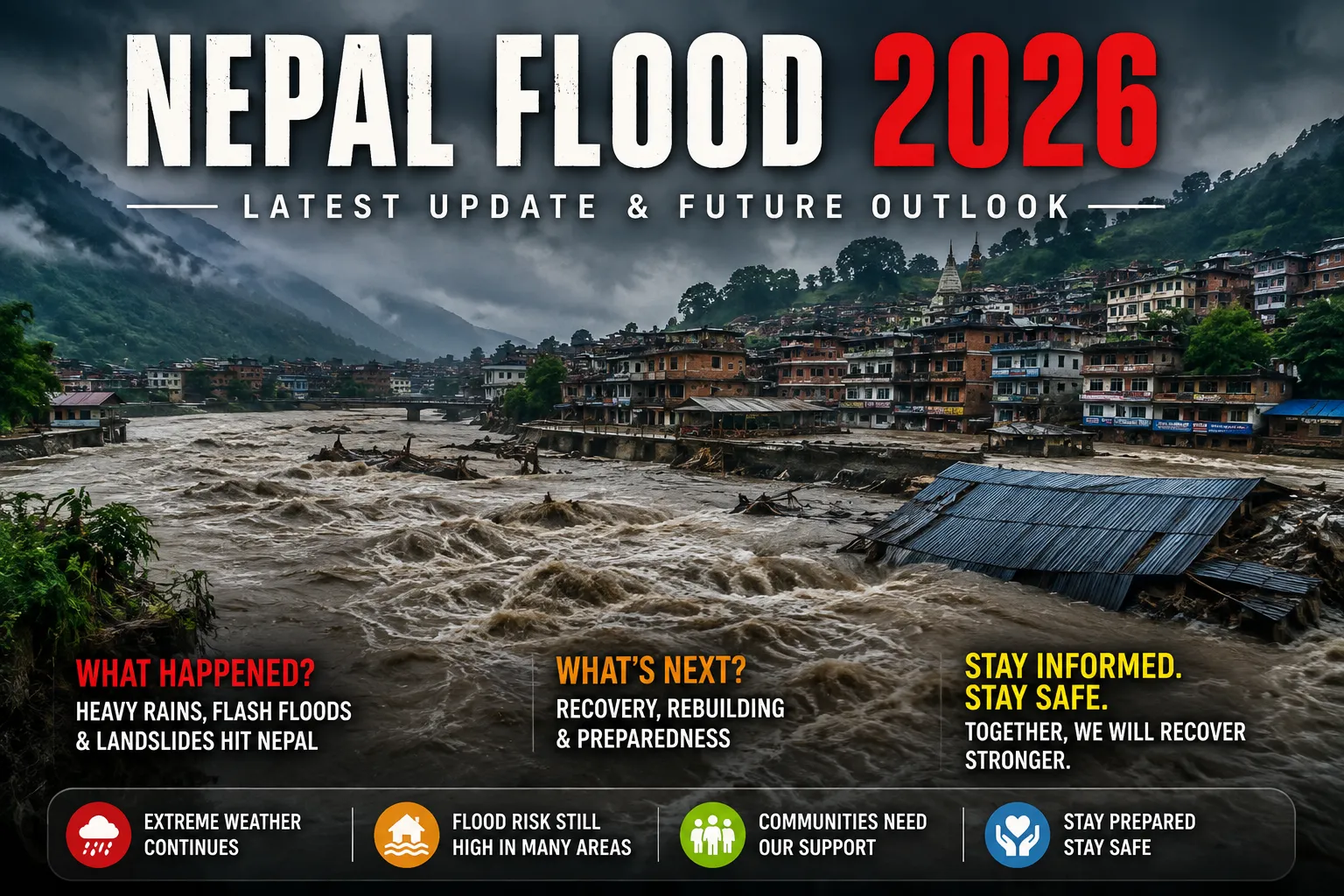
Nepal Flood 2026: What Travelers and Trekkers Need to Know

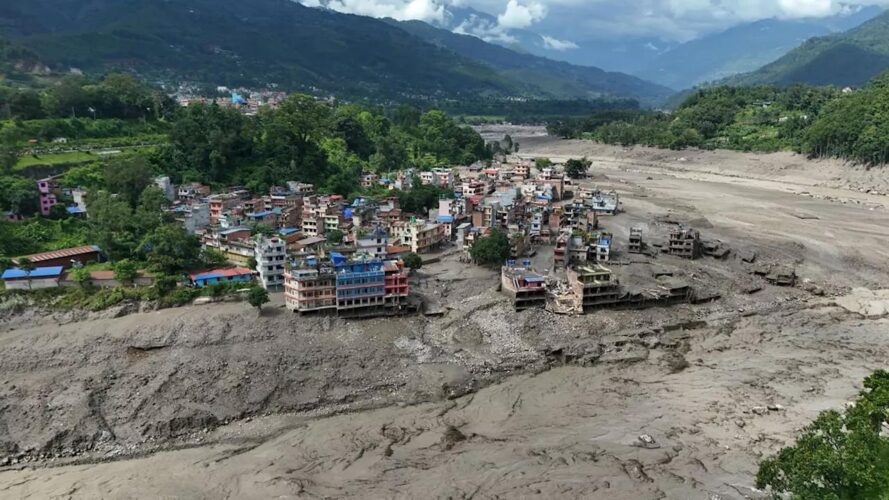
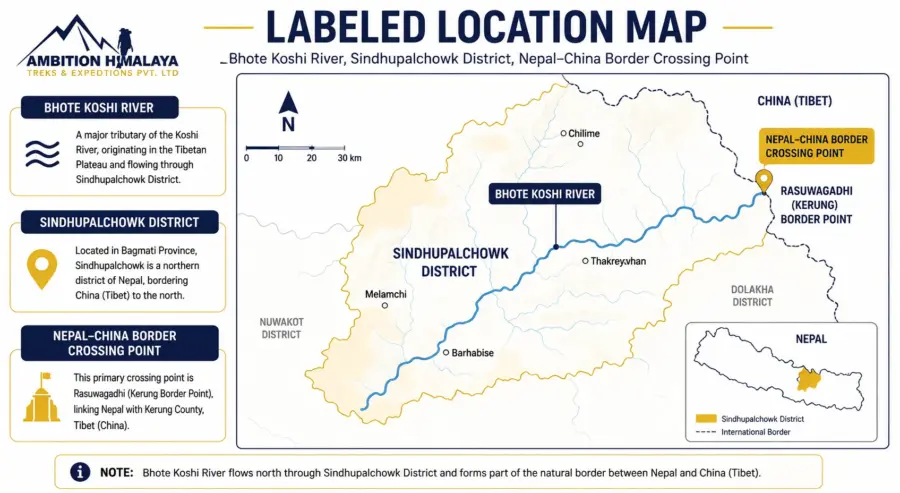
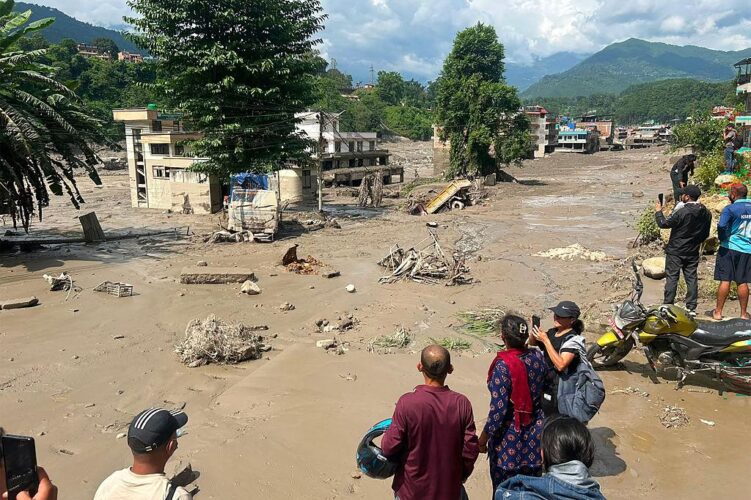
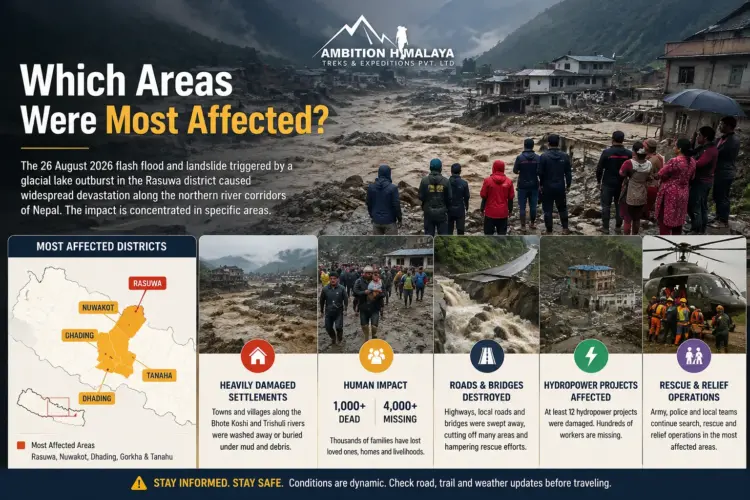
Nepal Flood 2026 Nepal has experienced a devastating flash flood in the Bhote Koshi River area following the events of August 26, 2026. The disaster has caused significant loss of life, damaged roads and bridges, and affected communities and travelers in parts of northern Nepal.
For people planning a trek or holiday in Nepal, the most important thing to understand is that the impact is concentrated in specific areas. Nepal as a whole remains open to international visitors, while authorities continue rescue, recovery, infrastructure assessment, and safety monitoring in the affected regions.

At Ambition Himalaya, we believe travelers should have clear and responsible information before making decisions about their journey. This guide explains what happened, which areas were affected, what travelers should know, and how to plan a Nepal trip safely.

What Happened in the Bhote Koshi River Area

What Happened in the Bhote Koshi River Area?

A severe flash flood struck the Bhote Koshi River area of Nepal on August 26, 2026. The flooding caused extensive damage across parts of the affected region, including houses, roads, bridges, hydropower infrastructure and other important facilities.

The sudden rise in water created extremely dangerous conditions for communities located close to the river system. Rescue teams, security personnel, local authorities and emergency services were mobilized to assist people in affected areas.

The exact scientific cause of the event is still being assessed. Initial reports have pointed toward a possible glacier- or slope-related event in the Himalayan region, rather than a conventional rainfall-driven flood.

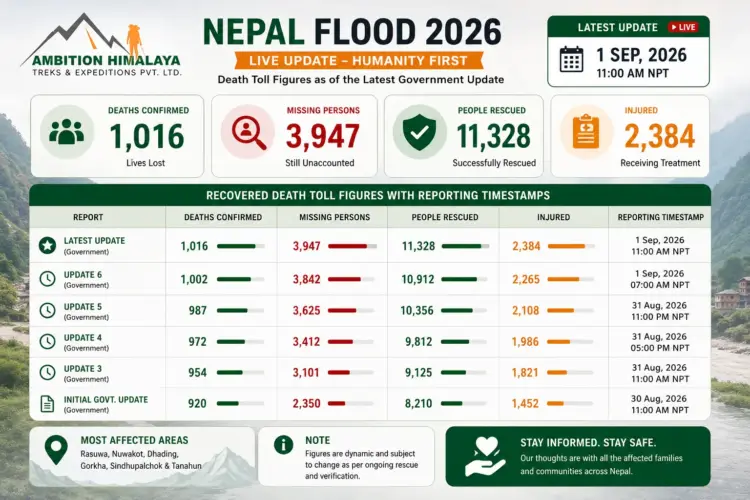
Because the situation developed rapidly, information and casualty figures have changed as rescue teams have reached areas that were initially difficult to access.

How Serious Was the Flood

How Serious Was the Flood?

The disaster has resulted in a major humanitarian emergency in the affected river corridor.

According to the Government of Nepal’s Ministry of Foreign Affairs update of August 28, 538 bodies had been recovered from the river areas, while many people were still missing. The government also reported extensive damage to infrastructure and continued search-and-rescue operations.

The authorities have emphasized that the situation is being continuously assessed and that information may change as recovery operations progress.

For travelers, this is an important reminder that Himalayan conditions can change quickly, particularly during the monsoon season and in areas close to major rivers and steep mountain terrain.

Which Areas Were Most Affected

Which Areas Were Most Affected?

The most serious impact has been reported around the Bhote Koshi River corridor and parts of Rasuwa, near Nepal’s northern border.

Infrastructure damage in the affected area has included:

  • Roads and highway sections
  • Bridges and river crossings
  • Houses and local settlements
  • Hydropower infrastructure
  • Border and transport facilities
  • Other essential community infrastructure

Some locations remain difficult to reach because roads and bridges were damaged.

Travelers who are planning to visit Rasuwa, Langtang or other destinations connected to the affected corridor should therefore check the latest local conditions before departure and work with an experienced local trekking company.

Is Nepal Still Open for Tourists

Is Nepal Still Open for Tourists?

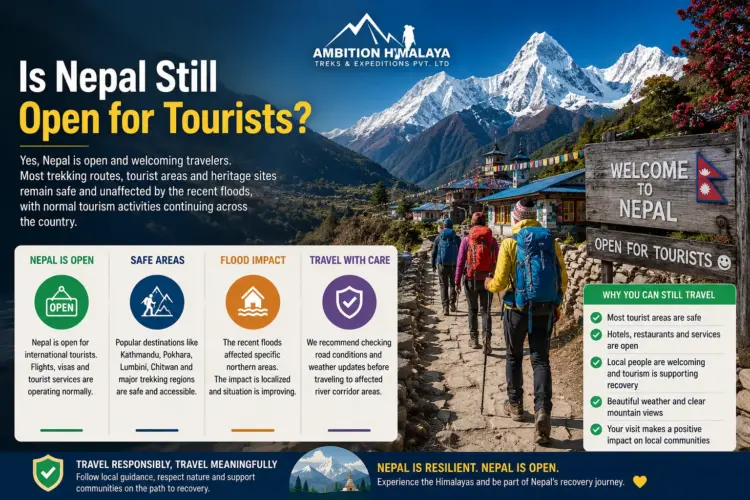
Yes. Nepal remains open to international travelers.

The flood has affected specific areas rather than the entire country. Nepal’s Ministry of Foreign Affairs stated in its August 28 update that Nepal remained open for international travelers and tourists, while rescue and relief operations continued in the affected region.

This distinction is important.

Nepal is a large country with many independent trekking and tourism regions. A natural disaster affecting one river corridor does not automatically mean that every trekking destination in Nepal is closed.

However, travelers should always check the latest route conditions before starting a trek, particularly during the monsoon period.

Are Popular Treks Such as Everest Base Camp Affected?

The Bhote Koshi flood should not be interpreted as a nationwide closure of Nepal’s trekking routes.

Popular destinations such as Everest, Annapurna and other major trekking regions are geographically separate from the primary flood-affected corridor.

However, conditions can change quickly in the Himalayas. Road access, domestic flights, bridges, trails and weather conditions should always be checked shortly before departure.

For trekkers planning an Everest Base Camp Trek, Annapurna Trek, Manaslu Trek or another Himalayan journey, the safest approach is to confirm the current route condition with a registered local operator before travelling.

What About Langtang Trek?

Langtang requires particular attention because parts of the region are connected to the wider Rasuwa area.

This does not automatically mean that the Langtang Valley Trek is closed. Instead, travelers should check the condition of the specific access road, bridges and trekking route at the time of travel.

A responsible trekking operator should verify current conditions before confirming transportation and itinerary arrangements.

At Ambition Himalaya, we recommend that travelers planning Langtang or nearby routes contact us before departure so that the latest available information can be reviewed and the itinerary adjusted if necessary.

Why Can Floods Happen So Suddenly in the Himalayas?

The Himalayas are an extremely dynamic mountain environment.

High-altitude glaciers, steep slopes, unstable terrain, rivers and rapidly changing weather can combine to create sudden hazards. One of these hazards is a Glacial Lake Outburst Flood (GLOF).

A GLOF can occur when water stored behind a natural glacier- or moraine-dammed lake is suddenly released. A large volume of water and debris can then travel rapidly downstream through narrow mountain valleys.

However, it is important not to describe every Himalayan flood as a GLOF before scientific investigations are complete.

In the case of the August 2026 Bhote Koshi event, authorities and scientists have been investigating the precise trigger.

nepal flood

What Is the Government Doing?

Nepal’s government has mobilized multiple agencies for the emergency response.

The response includes:

Search and Rescue

Nepal’s security forces and emergency teams have been involved in searching affected areas and assisting people who are stranded or displaced.

Evacuation and Emergency Assistance

People in vulnerable locations have been evacuated where necessary, with emergency medical and humanitarian assistance being provided.

Infrastructure Assessment

Authorities are assessing damaged roads, bridges, hydropower facilities and other infrastructure needed to restore access.

Monitoring of River Systems

River conditions and downstream flood risks are being monitored because secondary hazards can occur after major flooding.

Assistance for Foreign Nationals

Nepal’s Ministry of Foreign Affairs has established an emergency response mechanism to assist foreign nationals affected by the disaster and to coordinate information with diplomatic missions.

Emergency Contact for Foreign Nationals

The Government of Nepal has established an Emergency Response Team for foreign nationals affected by the Bhote Koshi flood.

For urgent assistance concerning affected or missing foreign nationals:

Emergency Hotline / WhatsApp:
+977-9744441227
+977-9744441228

Available: 7:00 AM – 10:00 PM Nepal Time

Email:
[email protected]

The Ministry has also advised families and members of the public to rely on official information and avoid spreading unverified reports on social media.

Should You Cancel Your Nepal Trip?

Not necessarily.

The right decision depends on where you are travelling, when you are travelling and which route you will use.

If your itinerary is completely outside the affected region, the flood does not automatically mean that your Nepal holiday should be cancelled.

If your trip includes Rasuwa, Langtang or routes that depend on infrastructure in the affected corridor, your itinerary may require additional checking or modification.

Before travelling, consider:

  • Current road conditions
  • Trail and bridge status
  • Weather forecasts
  • Local authority notices
  • Domestic flight conditions
  • Trekking permits and access requirements
  • Advice from your local trekking operator

Avoid making decisions based solely on social media posts or old news articles.

What Should Trekkers Do Before Starting Their Journey?

A few simple precautions can make a significant difference.

1. Check the Latest Information

Conditions in the mountains can change quickly. Check current information shortly before departure.

2. Use a Registered Local Trekking Company

A local operator can monitor route conditions and communicate with guides, transport providers and local authorities.

3. Keep Your Itinerary Flexible

During periods of unstable weather or infrastructure disruption, a flexible itinerary can be much safer than a rigid schedule.

4. Take Travel Insurance

Travel insurance should provide appropriate coverage for trekking and emergency situations at the altitude and destination you are visiting.

5. Follow Your Guide’s Advice

Your guide is often the person with the most up-to-date information about trail conditions, weather and local risks.

6. Avoid Restricted Areas

Never attempt to cross damaged bridges, blocked roads or restricted sections simply because they appear passable.

Nepal Remains a Himalayan Destination Worth Exploring

Natural disasters are a serious part of life in mountain regions, but they should not define an entire country.

Nepal continues to welcome travelers who want to experience its mountains, culture, villages, wildlife and diverse landscapes. From the Everest region and Annapurna to cultural journeys around Kathmandu and wildlife experiences in the Terai, the country offers destinations far beyond the area affected by the Bhote Koshi disaster.

The key is responsible travel.

Choose the right route, check conditions before departure, listen to local advice and allow your trekking company to make adjustments when conditions require them.

Travel Nepal With Local Experience

At Ambition Himalaya Treks & Expeditions, we understand that planning a Himalayan journey requires more than simply booking a package.

Our team works with experienced local guides and support staff and provides trekking, tours, helicopter experiences, climbing and customized Himalayan adventures across Nepal and other Himalayan destinations.

We have been operating since 2009 and focus on creating well-organized journeys with experienced local teams, transparent arrangements and ongoing support throughout the trip.

If you are planning to visit Nepal in the coming weeks or months and are unsure whether your chosen route is operating normally, contact our team before making your final arrangements.

We can help you review your itinerary and, where necessary, consider an alternative route or destination.

Frequently Asked Questions

Is Nepal safe to visit after the 2026 flood?

Nepal remains open to international travelers. However, conditions vary by region, and travelers should check the latest information before visiting areas affected by the flood.

Is Everest Base Camp Trek open?

The Bhote Koshi flood does not mean that the entire Everest region is closed. Travelers should still confirm current transportation, weather and route conditions before departure.

Is Langtang Trek affected?

The Langtang region requires additional attention because of its proximity and access connections to Rasuwa. Check the latest local route and road conditions before travelling.

Was the flood caused by a glacial lake outburst?

A glacier- or slope-related event has been investigated as a possible trigger. The exact scientific cause should be confirmed through official assessments rather than assumed from preliminary reports.

Can foreigners get emergency assistance?

Yes. Nepal’s Ministry of Foreign Affairs has established an Emergency Response Team for foreign nationals affected by the disaster. The official emergency numbers are +977-9744441227 and +977-9744441228.

Should I book my Nepal trek now?

You can plan your trip, but if your itinerary passes through an affected or potentially disrupted area, confirm current route conditions with a trusted local operator before finalizing your travel arrangements.

The August 2026 Bhote Koshi flood has been a tragic event for Nepal, particularly for communities and travelers caught in the affected areas.

At the same time, it is important to understand the situation accurately. A serious disaster in one part of Nepal does not mean the entire country is closed or unsafe for travel.

For anyone planning a Himalayan adventure, the best approach is informed and responsible travel: stay updated, choose your route carefully, follow local guidance and travel with an experienced team.

Nepal is still waiting to welcome you to the Himalayas.

Information in this article is based on official Government of Nepal updates available at the time of publication. Because rescue operations and route conditions can change, travelers should verify the latest information before departure.

Before You Trek Upper Mustang: Permits, Fees & Entry Requirements

Upper Mustang

Upper Mustang is one of Nepal’s most fascinating Himalayan destinations, where ancient Tibetan-influenced culture, dramatic desert landscapes, centuries-old monasteries and hidden mountain settlements come together in a remarkably remote setting.

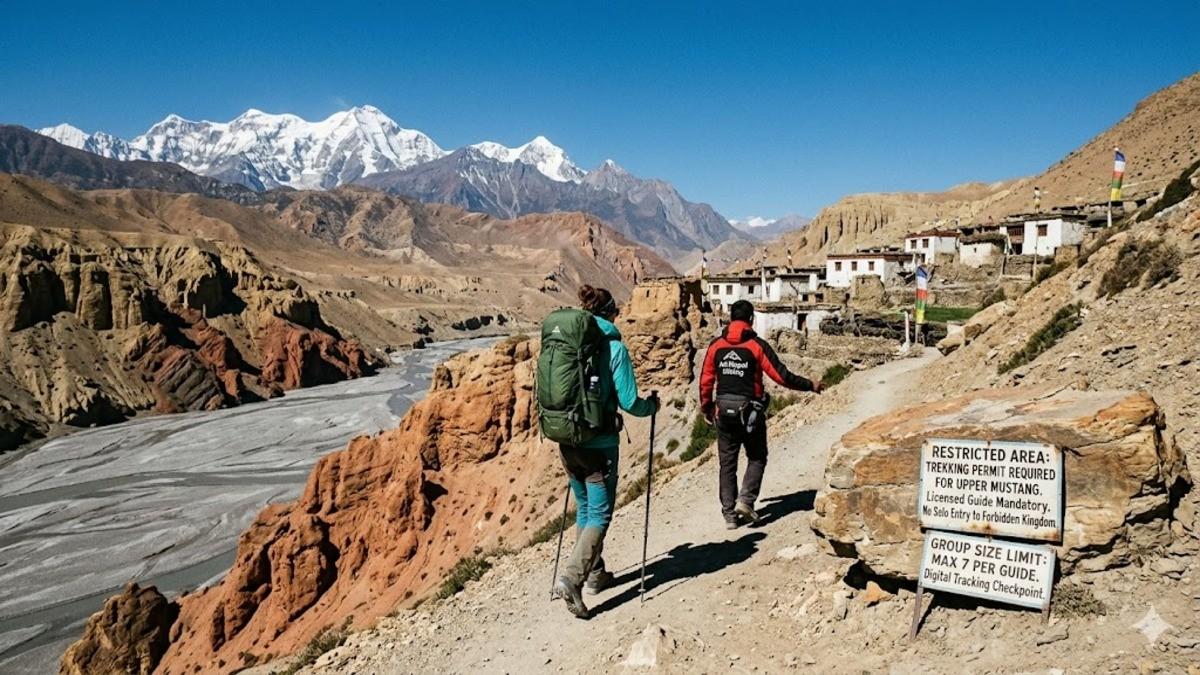
Unlike many popular trekking regions of Nepal, Upper Mustang is a restricted trekking area. That means travelers cannot simply arrive in Mustang and begin the trek independently. The journey requires specific permits and must be arranged through an authorized trekking agency.

If you are planning an Upper Mustang Trek, understanding the permit system in advance can save you time, prevent unnecessary complications and help you prepare the right documents before leaving Kathmandu.

In this guide, Ambition Himalaya explains the Upper Mustang trekking permit process, required documents, permit types, costs, application procedure, best seasons and other important information you should know before starting your journey.

Why Does Upper Mustang Require a Special Permit?

Upper Mustang lies in the northern part of Nepal, close to the Tibetan border. The region has a unique cultural and environmental character, including ancient villages, Buddhist monasteries, caves, traditional mud-brick architecture and a fragile high-altitude ecosystem.

Because of its location and cultural importance, access to Upper Mustang is regulated by the Government of Nepal.

The special permit system helps authorities:

  • Manage visitor numbers in the restricted region
  • Protect the traditional culture and heritage of Mustang
  • Support conservation of the Himalayan environment
  • Maintain records of trekkers entering the region
  • Improve safety and coordination in remote areas
  • Regulate travel near the international border

For this reason, obtaining the correct permits is an essential part of planning an Upper Mustang Trek.

What Permits Are Required for the Upper Mustang Trek

What Permits Are Required for the Upper Mustang Trek?

Depending on the current government regulations and your trekking itinerary, your trip generally involves the following permits and registrations:

1. Upper Mustang Restricted Area Permit

The Upper Mustang Restricted Area Permit is the most important authorization for entering the restricted section of Mustang.

This permit is issued under the regulations governing restricted areas of Nepal and is arranged through an authorized trekking agency.

The permit is connected to your trekking itinerary and the period for which you are authorized to remain in the restricted region. If your trekking duration changes, additional arrangements or fees may apply according to the prevailing government rules.

2. Annapurna Conservation Area Permit (ACAP)

The Upper Mustang trekking route passes through the Annapurna Conservation Area, so trekkers also need the applicable conservation-area permit.

The ACAP system contributes to the protection and management of the region’s natural environment, wildlife and trekking infrastructure.

Your journey can take you through landscapes that change dramatically from green valleys and river corridors to dry, wind-carved cliffs and high-altitude desert terrain.

3. TIMS Card

The Trekkers’ Information Management System (TIMS) registration is another important part of trekking administration in Nepal.

TIMS helps maintain trekking records and provides authorities with information about trekkers and their itineraries. This becomes particularly important in remote Himalayan areas where access to emergency assistance can be difficult.

Important: Permit requirements and fees can change when Nepal’s authorities update trekking regulations. Ambition Himalaya can confirm the applicable requirements for your nationality and travel dates before your trek begins.

Who Can Arrange the Upper Mustang Permit?

Upper Mustang is not a normal unrestricted trekking destination.

Foreign travelers generally need to arrange the restricted-area permit through a government-authorized trekking agency, rather than applying independently at a regular immigration counter.

At Ambition Himalaya, our team can coordinate the required trekking documentation and permit arrangements before you enter the restricted region.

This means you can concentrate on preparing for the trek instead of dealing with complicated administrative procedures in Kathmandu.

What Documents Are Needed?

To process the required permits, trekkers should normally prepare the following:

  • Valid passport
  • Valid Nepal visa
  • Passport-size photographs or digital photographs, where required
  • Confirmed trekking itinerary
  • Trekking agency and guide details
  • Other documents requested under current government regulations

Your passport information must match the details submitted for the permit application. It is therefore important to provide accurate information before the application is processed.

How Does the Upper Mustang Permit Process Work?

The process is much easier when handled by an experienced trekking agency.

Step 1: Choose Your Trekking Itinerary

First, decide your Upper Mustang itinerary, including your starting point, major overnight stops and total number of trekking days.

A well-planned itinerary also helps determine the appropriate permit period.

Step 2: Provide Your Documents

Send your passport details and the other required information to your trekking agency.

The agency checks the documents and prepares the necessary applications.

Step 3: Permit Application

The authorized trekking company submits the relevant paperwork to the appropriate government authorities in Kathmandu.

The Upper Mustang restricted-area authorization is processed according to the regulations applicable to your trek.

Step 4: Permit Confirmation

Once the application is approved and the required fees have been paid, the trekking agency receives the necessary permit documentation.

Step 5: Begin Your Trek

With your permits arranged, you can travel toward Mustang and begin the trekking itinerary with your authorized guide.

How Much Does the Upper Mustang Trek Permit Cost?

The cost of entering Upper Mustang depends on factors such as:

  • The nationality of the trekker
  • The number of days spent inside the restricted area
  • The applicable government fee structure
  • Current trekking regulations
  • Any additional days added to the original itinerary

The Upper Mustang Restricted Area Permit is generally the major permit expense, while other required registrations and conservation permits may be charged separately.

Because government fees can change, it is better not to rely on an old permit-price table found online.

Ambition Himalaya can provide the current applicable permit and trekking cost for your planned dates before you confirm your trip.

Can the Upper Mustang Permit Be Extended

Can the Upper Mustang Permit Be Extended?

If your trek takes longer than the period covered by your permit, you should not simply continue trekking without checking the applicable regulations.

Additional permit arrangements or fees may be required depending on the circumstances.

This is one reason why having a carefully prepared itinerary is important. Your trekking agency and guide can help you manage changes and communicate with the relevant authorities when necessary.

When Is the Best Time for Upper Mustang Trek?

One of the biggest advantages of Upper Mustang is its relatively dry climate compared with many other trekking regions of Nepal.

The region lies in the Himalayan rain shadow, which means it receives considerably less rainfall than areas south of the main Himalayan range.

Spring — March to May

Spring is an excellent period for trekking in Upper Mustang.

You can expect:

  • Generally favorable trekking conditions
  • Comfortable daytime temperatures at lower elevations
  • Clear mountain scenery on many days
  • Pleasant conditions for village and monastery exploration

Summer / Monsoon — June to August

Although monsoon brings heavy rainfall to many parts of Nepal, Upper Mustang remains comparatively dry because of its rain-shadow geography.

This makes Mustang one of the more interesting trekking destinations during Nepal’s monsoon season.

However, weather can still affect transportation, especially flights and road conditions around the lower Mustang region.

Autumn — September to November

Autumn is one of the most popular trekking seasons in Nepal.

The post-monsoon atmosphere can provide excellent visibility, comfortable trekking conditions and impressive Himalayan scenery.

Because demand is higher during this period, it is wise to arrange your trek and permits well in advance.

Winter — December to February

Winter transforms Upper Mustang into a much quieter destination.

Cold temperatures, snowfall and difficult high-altitude conditions can make trekking more challenging. Some services may also operate on a reduced basis during the coldest period.

Experienced trekkers who are properly equipped may still consider a winter journey, but careful planning is essential.

What Makes Upper Mustang Worth the Permit Process?

The permit is not simply an administrative requirement. It provides access to a region that feels dramatically different from many of Nepal’s better-known trekking destinations.

During the trek, you can experience:

Lo Manthang

The historic walled settlement of Lo Manthang is one of the defining highlights of Upper Mustang.

Its traditional architecture, monasteries, narrow lanes and Tibetan Buddhist heritage create an atmosphere unlike anywhere else in Nepal.

Ancient Monasteries

Upper Mustang contains numerous monasteries and religious sites that reflect centuries of Himalayan Buddhist traditions.

Exploring these places with respect for local customs provides a deeper understanding of the region.

Chhoser Caves

The caves around Chhoser are among Mustang’s most intriguing attractions.

Carved into steep cliffs, these ancient cave complexes demonstrate how people adapted to the harsh Himalayan environment over centuries.

Dramatic Himalayan Landscapes

The landscape changes dramatically as you travel deeper into Mustang.

Instead of the lush forests commonly associated with Himalayan trekking, you encounter:

  • Wind-shaped cliffs
  • Deep gorges
  • Dry river valleys
  • Colorful rock formations
  • High-altitude plateaus
  • Traditional mountain villages

Muktinath

Many Upper Mustang itineraries connect with the wider Mustang region and may include Muktinath, an important pilgrimage destination revered by both Hindus and Buddhists.

Its religious significance makes it one of the most memorable places to visit in the region.

Is Upper Mustang Trek Difficult?

Upper Mustang is generally considered a moderate to challenging Himalayan trek.

The difficulty does not come only from altitude. The terrain can include long walking days, steep ascents and descents, rocky trails and exposed sections.

Strong preparation is recommended.

Before the trek, focus on:

  • Cardiovascular fitness
  • Regular walking
  • Uphill training
  • Strength and endurance
  • Proper acclimatization
  • Hydration
  • Appropriate trekking equipment

You do not necessarily need to be an elite mountaineer, but you should be comfortable walking for several hours on consecutive days.

Do You Need a Guide for Upper Mustang?

Yes, travelers entering the restricted Upper Mustang region must follow the current government requirements regarding authorized trekking arrangements and guides.

A professional guide is valuable for more than permit compliance.

A knowledgeable local guide can also help with:

  • Route navigation
  • Altitude awareness
  • Local customs
  • Monastery etiquette
  • Accommodation arrangements
  • Communication with local communities
  • Emergency coordination
  • Changes in weather or trail conditions

For a remote destination such as Upper Mustang, experienced local support can make the journey considerably safer and more comfortable.

Travel Insurance for Upper Mustang

Travel insurance is strongly recommended for Himalayan trekking.

Your policy should ideally cover high-altitude trekking and emergency medical evacuation where applicable.

Before purchasing insurance, carefully check the altitude limit and whether helicopter evacuation is covered under the policy.

Do not assume that a standard travel insurance policy automatically covers high-altitude trekking.

What Should You Pack for Upper Mustang?

Your packing list should reflect the season and altitude.

Essential items generally include:

  • Good-quality trekking boots
  • Warm layers
  • Waterproof or windproof outer layer
  • Sleeping bag suitable for the season
  • Sunglasses
  • Sunscreen
  • Water bottle or hydration system
  • Personal medication
  • Basic first-aid supplies
  • Headlamp
  • Power bank
  • Trekking poles
  • Gloves and warm hat
  • Passport and permit-related documents

Because Upper Mustang can be extremely dry and windy, sun protection and hydration are particularly important.

Why Trek Upper Mustang with Ambition Himalaya?

A restricted-area trek requires more than simply booking a route.

At Ambition Himalaya, we focus on making the entire journey organized from the preparation stage to the final day of the trek.

Our team can assist with:

  • Trekking itinerary planning
  • Permit arrangements
  • Licensed trekking guides
  • Transportation coordination
  • Accommodation
  • Trekking logistics
  • Safety and acclimatization planning
  • Local cultural experiences
  • Emergency support and coordination

We believe that Upper Mustang should not be rushed. The best experience comes from having enough time to appreciate its landscapes, villages, monasteries and unique Himalayan culture.

Frequently Asked Questions

Do I need a special permit for Upper Mustang?

Yes. Upper Mustang is a restricted area, so travelers need the applicable restricted-area authorization in addition to other required trekking permits and registrations.

Can I trek Upper Mustang independently?

Foreign trekkers must follow the current government rules for restricted-area trekking, which require authorized trekking arrangements. An experienced trekking agency can handle the necessary permits and logistics.

How early should I arrange my Upper Mustang permit?

It is best to arrange your permits before traveling toward Mustang. During busy trekking periods, early preparation also helps ensure that your itinerary and logistics are properly organized.

Does the Upper Mustang permit price change by season?

The permit fee is determined by government regulations rather than simply by whether it is peak or off-season. However, other trekking expenses can vary depending on the season and availability of transportation and accommodation.

Is Upper Mustang suitable during the monsoon?

Yes. Upper Mustang lies in a rain-shadow area and is considerably drier than many other parts of Nepal during the monsoon. Nevertheless, weather and transportation conditions can still affect your journey.

How many days are needed for Upper Mustang?

The duration depends on the itinerary, transportation and places you want to visit. A well-planned Upper Mustang journey commonly takes around two weeks or more when travel, acclimatization and exploration days are included.

What is the main attraction of Upper Mustang?

Lo Manthang, ancient monasteries, traditional Tibetan-influenced villages, dramatic desert-like Himalayan landscapes and the mysterious cave settlements are among the region’s major attractions.

Can Ambition Himalaya arrange the Upper Mustang permits?

Yes. Ambition Himalaya can assist with the required trekking documentation and permit arrangements as part of your Upper Mustang trekking preparation.

Ready to Explore Upper Mustang?

Planning your journey to the hidden kingdom of Upper Mustang? Let Ambition Himalaya take care of your trekking permits, itinerary, transportation and local arrangements so you can focus on experiencing the extraordinary landscapes and culture of Mustang.

Whether you need help understanding the Upper Mustang Restricted Area Permit, want to customize your trekking itinerary, or simply have questions before booking, our experienced team is ready to assist.

Plan Your Upper Mustang Trek with Ambition Himalaya

Ambition Himalaya Treks & Expeditions
Thamel-26, Kathmandu, Nepal
Phone: +977 1 4518413
WhatsApp: +977 9851148898
Email: [email protected]

Explore the Upper Mustang Trek:
https://ambitionhimalaya.com/upper-mustang-trek/

Start planning your Himalayan adventure with Ambition Himalaya today.

Langtang Valley Trek 11 Days: Into the Heart of the Himalayas

Langtang Valley

Langtang Valley Trek 11 Days: Journey to Kyanjin Gompa

The Langtang Valley Trek 11 Days is one of Nepal’s most rewarding Himalayan journeys for travelers who want spectacular mountain scenery, traditional mountain culture, beautiful forests, high-altitude landscapes and an authentic trekking experience without committing to a very long expedition.

Located north of Kathmandu near the Nepal–Tibet border, the Langtang region combines dramatic Himalayan landscapes with centuries-old Tamang and Tibetan-influenced culture. The trail begins at Syabrubesi, follows the Langtang Khola through dense forests and mountain villages, and gradually climbs toward Kyanjin Gompa, one of the most beautiful destinations in the Langtang Valley.

The journey becomes even more memorable with an optional high-altitude excursion toward Tserko Ri, reaching around 5,000 meters, or a more moderate alternative to Langsisa Kharka.

Unlike some of Nepal’s more crowded trekking routes, Langtang offers a quieter Himalayan experience while still providing remarkable mountain views. During the trek, travelers encounter rhododendron and oak forests, waterfalls, yak pastures, Buddhist prayer walls, monasteries, mountain streams and panoramic views of peaks including Langtang Lirung and Ganchenpo.

This carefully designed 11-day Langtang Valley Trek itinerary also includes Kathmandu sightseeing before the trek, allowing travelers to experience some of Nepal’s most important cultural and historical landmarks.

Why Choose the Langtang Valley Trek 11 Days

The Langtang Valley Trek is an excellent choice for travelers looking for a combination of mountains, culture, nature and adventure within a relatively compact trekking schedule.

One of the biggest advantages of this route is its accessibility. From Kathmandu, trekkers can reach Syabrubesi by road and begin walking directly into the Himalayan landscape.

The trek offers an impressive variety of scenery within a single journey:

  • Dense Himalayan forests
  • Rhododendron and oak trees
  • Waterfalls and mountain streams
  • Tamang villages
  • Buddhist monasteries
  • Mani walls and prayer wheels
  • Yak grazing pastures
  • Traditional mountain settlements
  • High Himalayan valleys
  • Langtang Lirung views
  • Ganchenpo mountain scenery
  • Kyanjin Gompa
  • Tserko Ri
  • Langsisa Kharka

For travelers who want a meaningful Himalayan adventure without spending three weeks or more on the trail, the Langtang Valley Trek 11 Days provides an excellent balance.

                   Langtang Valley Trek at a Glance

Trek Information Details
Trek Name Langtang Valley Trek 11 Days
Destination Langtang Valley, Nepal
Starting Point Kathmandu
Trek Starting Point Syabrubesi
Main Destination Kyanjin Gompa
Highest Point Approximately 5,000 m at Tserko Ri
Trek Duration 11 Days
Walking Days Approximately 5 days
Trekking Region Langtang
Accommodation Hotels and mountain guesthouses
Meals During Trek Breakfast, Lunch and Dinner
Main Cultural Group Tamang communities
Guide English-speaking licensed trekking guide
Transportation Private city transportation and bus/optional private jeep
Difficulty Moderate to challenging depending on high-altitude hike
Major Highlight Kyanjin Gompa and Tserko Ri
Best For Adventure, culture, nature and Himalayan views

Langtang Valley Trek 11 Days Cost

The group discount pricing for this trekking package is designed to make the journey more affordable for travelers booking together.

                                              Group Discount Price

Number of People Price Per Person
1 person US$750
2 people US$650
3–5 people US$600
6–9 people US$550
10–15 people US$530
16+ people US$500

Langtang Valley Trek

The price per person decreases as the group size increases, making the Langtang Valley Trek 11 Days particularly attractive for friends, families, private groups and organized trekking groups.

What Can Affect the Final Trek Cost?

The final cost of a Langtang trek can depend on several factors, including:

  • Group size
  • Transportation preference
  • Private jeep versus local bus
  • Hotel category in Kathmandu
  • Additional accommodation requirements
  • Personal expenses
  • Travel insurance
  • Emergency evacuation coverage
  • Optional services
  • Additional activities

Travelers who prefer more comfortable transportation can choose the private jeep option between Kathmandu and Syabrubesi at an additional cost.

Detailed Langtang Valley Trek 11 Days Itinerary

Day 1: Arrival in Kathmandu – Transfer to Hotel

Altitude: 1,300 m / 4,265 ft approximately
Transportation: Private car
Driving Time: Approximately 30 minutes
Accommodation: Hotel
Meals: Dinner

Your Langtang adventure begins when you arrive at Tribhuvan International Airport in Kathmandu.

A representative from the trekking team will meet you at the airport and transfer you to your hotel by private vehicle.

After checking in, you can take some time to relax and recover from your journey.

In the evening, a traditional Nepali welcome dinner is arranged. This provides your first opportunity to experience Nepalese cuisine, hospitality, music and cultural traditions.

Your trekking guide will also provide an introduction to the upcoming journey and explain important information regarding the trail, accommodation, meals, altitude, walking conditions and trekking preparation.

Overnight

Hotel in Kathmandu.

Day 2: Kathmandu Sightseeing and Trek Preparation

Altitude: 1,300 m
Transportation: Private vehicle
Duration: Approximately 6–7 hours
Accommodation: Hotel
Meals: Breakfast

Before heading toward the mountains, you will spend a day exploring the cultural heritage of Kathmandu Valley.

Kathmandu is home to centuries-old temples, monasteries, stupas, palaces and traditional neighborhoods.

Depending on the sightseeing schedule, the itinerary includes some of the valley’s most significant heritage landmarks:

Pashupatinath Temple

One of Nepal’s most important Hindu religious sites, Pashupatinath stands on the banks of the Bagmati River and is known for its intricate architecture and spiritual significance.

Swayambhunath Stupa

Also popularly known as the Monkey Temple, Swayambhunath sits on a hill overlooking Kathmandu Valley and provides impressive views of the city.

Boudhanath Stupa

Boudhanath is one of the largest Buddhist stupas in Nepal and an important center of Tibetan Buddhist culture.

Kathmandu Durbar Square

The historic palace square features traditional Newari architecture, courtyards, temples and monuments.

The sightseeing day also provides time to make final preparations for the trek.

Overnight

Hotel in Kathmandu.

Day 3: Kathmandu to Syabrubesi

Altitude: 1,420 m / 4,658 ft
Transportation: Bus
Driving Time: Approximately 7–8 hours
Accommodation: Guesthouse
Meals: Breakfast, Lunch and Dinner

After an early breakfast, the journey toward the Langtang region begins.

The road follows the northern hills of Nepal and eventually reaches Syabrubesi, the main gateway to the Langtang Valley Trek.

There are different road approaches toward Syabrubesi, and the journey generally passes through scenic hill settlements and follows sections of the Trishuli River.

As Kathmandu gradually disappears behind you, the landscape changes from urban surroundings to green hills, river valleys and mountain settlements.

Syabrubesi is a small mountain village surrounded by spectacular Himalayan scenery. On clear days, views toward the surrounding Himalayan ranges can be seen from the region.

This is your final overnight stop before beginning the main trekking section.

Overnight

Mountain guesthouse in Syabrubesi.

Day 4: Syabrubesi to Lama Hotel

Altitude: 2,350 m / 7,709 ft
Walking: Approximately 5–6 hours
Accommodation: Guesthouse
Meals: Breakfast, Lunch and Dinner

Today you officially begin walking on the Langtang Valley trail.

The route crosses the Bhote Koshi and gradually follows the Langtang Khola through a beautiful forest environment.

The trail passes through dense vegetation dominated by rhododendron, oak and other Himalayan trees.

One of the highlights of the day is Bamboo, where trekkers can stop for a rest before continuing toward Lama Hotel.

The forest is also home to a variety of Himalayan flora and fauna. Depending on the season and conditions, you may encounter birds and other wildlife along the trail.

The trail continues gradually uphill until reaching Lama Hotel.

Overnight

Guesthouse at Lama Hotel.

Day 5: Lama Hotel to Langtang Village

Altitude: 3,500 m / 11,482 ft
Walking: Approximately 5–6 hours
Accommodation: Guesthouse
Meals: Breakfast, Lunch and Dinner

The landscape begins changing significantly as you climb higher into the Langtang Valley.

The trail continues through forested sections and opens into areas with waterfalls, streams, meadows and mountain views.

You will reach Ghoda Tabela, traditionally associated with a horse stable, where trekkers normally take a break and have lunch.

As the trail continues, the valley gradually becomes wider and the Himalayan mountains become increasingly visible.

You will encounter yak grazing areas and traditional settlements as you approach Langtang Village.

Langtang Village has an important and emotional history. The settlement was severely affected by the devastating 2015 earthquake, but the local community has worked hard to rebuild and restore life in the region.

Today, Langtang remains an important cultural and trekking settlement.

Overnight

Guesthouse in Langtang Village.

Day 6: Langtang Village to Kyanjin Gompa

Altitude: 3,860 m / 12,664 ft
Walking: Approximately 3–4 hours
Accommodation: Guesthouse
Meals: Breakfast, Lunch and Dinner

Today is one of the most exciting days of the Langtang Valley Trek 11 Days.

After breakfast, you continue toward Kyanjin Gompa, the highest overnight settlement on this itinerary.

The walking distance is relatively short compared with previous days, giving you time to enjoy the surroundings and gradually adjust to the increasing altitude.

Along the route, you will encounter:

  • Mani walls
  • Prayer wheels
  • Buddhist shrines
  • Water mills
  • Mountain streams
  • Traditional stone houses
  • Himalayan pastureland

The trail passes through Mundu and continues toward Kyanjin Gompa.

As you approach the settlement, the surrounding Himalayan landscape becomes increasingly dramatic.

Kyanjin Gompa is a Buddhist cultural site and one of the main highlights of the entire trek.

The area also has a famous local cheese production tradition, giving visitors an opportunity to experience another part of the region’s mountain culture.

From Kyanjin Gompa, you can enjoy magnificent views of surrounding peaks, including Langtang Lirung and Ganchenpo.

Overnight

Guesthouse at Kyanjin Gompa.

Day 7: Tserko Ri or Langsisa Kharka Excursion

Highest Optional Altitude: Approximately 5,000 m at Tserko Ri
Alternative: Langsisa Kharka, approximately 4,300 m
Walking: Approximately 5–6 hours
Accommodation: Guesthouse
Meals: Breakfast, Lunch and Dinner

This is the major adventure day of the Langtang Valley Trek 11 Days.

There are two possible excursion options depending on your physical condition, weather, trail conditions and trekking preference.

Option 1: Tserko Ri

For trekkers who are physically prepared and comfortable with high-altitude walking, the route can continue toward Tserko Ri, reaching approximately 5,000 meters.

The climb is demanding, but the panoramic views from the upper sections make the effort worthwhile.

From the viewpoint, trekkers can experience an expansive Himalayan panorama and look across the spectacular mountains surrounding Langtang Valley.

Because of the altitude, the Tserko Ri option should be approached carefully and only when conditions are suitable.

Option 2: Langsisa Kharka

For travelers who prefer a less demanding alternative, Langsisa Kharka offers an excellent excursion through beautiful Himalayan pastureland.

The area is known for yak grazing and open mountain landscapes.

After the day’s excursion, everyone returns to Kyanjin Gompa for another night.

Overnight

Guesthouse at Kyanjin Gompa.

Day 8: Kyanjin Gompa to Lama Hotel

Altitude: 2,350 m / 7,709 ft
Walking: Approximately 6–7 hours
Accommodation: Guesthouse
Meals: Breakfast, Lunch and Dinner

After reaching the highest point of the journey, it is time to begin the descent.

The trail follows the route back toward Lama Hotel.

Interestingly, the return journey often feels completely different from the ascent. Descending through the valley allows you to see familiar landscapes from a different perspective.

You can stop at Tamang settlements, enjoy waterfalls and observe the changing vegetation as you lose altitude.

The lower sections of the route are rich in forests and may provide opportunities to observe Himalayan flora and fauna.

After several hours of walking, you arrive at Lama Hotel.

Overnight

Guesthouse at Lama Hotel.

Day 9: Lama Hotel to Syabrubesi

Altitude: 1,420 m / 4,658 ft
Walking: Approximately 5–6 hours
Accommodation: Guesthouse
Meals: Breakfast, Lunch and Dinner

Today is the final walking day of the Langtang trek.

The trail continues downhill toward Syabrubesi, passing through forested areas and mountain villages.

Although the route is familiar, the scenery can look completely different when traveling in the opposite direction.

You will have time to enjoy the final sections of the trail, interact with local communities and appreciate the landscapes of the Langtang region.

Eventually, you arrive back in Syabrubesi.

This marks the completion of the trekking portion of your Himalayan journey.

Overnight

Guesthouse in Syabrubesi.

Day 10: Syabrubesi to Kathmandu

Altitude: 1,300 m
Transportation: Bus
Driving: Approximately 7–8 hours
Accommodation: Hotel
Meals: Breakfast and Lunch

After breakfast, you leave Syabrubesi and begin the return journey to Kathmandu.

The road once again follows sections of the Trishuli River before continuing toward the Kathmandu Valley.

The journey takes several hours because of the mountainous terrain and road conditions.

After reaching Kathmandu, you will transfer to your hotel and have time to rest.

In the evening, you can enjoy the atmosphere of Thamel, Kathmandu’s famous tourist district, with its restaurants, cafés, shops and lively streets.

Overnight

Hotel in Kathmandu.

Day 11: Departure from Nepal or Extend Your Journey

Transportation: Private car
Duration: Approximately 30 minutes
Meals: Breakfast

Your Langtang Valley Trek 11 Days officially concludes today.

After breakfast, the trekking team will arrange your transfer to Tribhuvan International Airport according to your flight schedule.

If you have additional time in Nepal, you can also extend your holiday with another trekking route, cultural tour, wildlife experience or adventure activity.

The trekking company can assist with onward travel arrangements depending on your plans.

What Makes the Langtang Valley Trek Special

What Makes the Langtang Valley Trek Special?

1. Kyanjin Gompa

Kyanjin Gompa is the spiritual and geographical heart of the upper Langtang Valley.

Surrounded by mountains and high-altitude landscapes, it provides one of the most memorable overnight experiences of the trek.

2. Tserko Ri

For adventurous trekkers, Tserko Ri provides the opportunity to reach approximately 5,000 meters and enjoy spectacular Himalayan views.

3. Tamang Culture

The Langtang region is strongly associated with Tamang communities whose culture, traditions, architecture and Buddhist practices contribute significantly to the character of the trek.

4. Himalayan Forests

Lower sections of the route pass through beautiful rhododendron and oak forests.

During spring, rhododendron blooms can add vibrant colors to the trail.

5. Yak Pastures

Higher sections of the Langtang Valley contain open grazing areas where yaks are traditionally kept by local communities.

6. Buddhist Heritage

Prayer wheels, Mani walls, inscriptions, monasteries and shrines appear throughout the route.

These cultural elements make the Langtang trek more than just a mountain walk.

Langtang Valley Trek Difficulty

The Langtang Valley Trek 11 Days is generally considered a moderate trek, although the difficulty increases significantly if you choose the Tserko Ri excursion.

The main factors that determine difficulty include:

  • Daily walking duration
  • Increasing altitude
  • Trail conditions
  • Weather
  • Individual fitness
  • Previous trekking experience
  • Pace of walking
  • Acclimatization
  • Choice of high-altitude excursion

Most days involve approximately 3–8 hours of movement depending on the route and transportation schedule.

The Tserko Ri climb is considerably more demanding because of the altitude.

Trekkers should prepare through regular walking, hiking, cardiovascular exercise and strength training before arriving in Nepal.

Altitude on the Langtang Valley Trek

Altitude is an important consideration on this trek.

The itinerary progresses approximately as follows:

Kathmandu – 1,300 m

Syabrubesi – 1,420 m

Lama Hotel – 2,350 m

Langtang Village – 3,500 m

Kyanjin Gompa – 3,860 m

Tserko Ri – approximately 5,000 m

Lama Hotel – 2,350 m

Syabrubesi – 1,420 m

Kathmandu – 1,300 m

The gradual progression and overnight stop at Kyanjin Gompa allow trekkers to spend time adjusting before attempting the optional high-altitude excursion.

However, altitude affects everyone differently, so trekkers should always communicate with their guide if they experience unusual symptoms.

Best Time for Langtang Valley Trek

Best Time for Langtang Valley Trek

The best seasons for trekking in the Langtang region are generally the spring and autumn seasons.

Spring – March to May

Spring brings warmer temperatures, clearer mountain views and blooming rhododendrons.

This is an excellent period for travelers who want to combine Himalayan scenery with colorful mountain forests.

Autumn – September to November

Autumn is traditionally one of the most popular trekking periods in Nepal.

The weather is generally favorable, skies can be clear and mountain visibility is often excellent.

Winter – December to February

Winter can bring cold temperatures and snow at higher elevations.

Experienced trekkers who are properly equipped can still enjoy the region, but conditions may be more challenging.

Monsoon – June to August

The monsoon season brings rainfall, wet trails, clouds and possible road difficulties.

Travel is still possible in Nepal during this period, but trekkers should be prepared for changing conditions.

What Is Included in the Langtang Valley Trek 11 Days?

The trekking package includes the following services:

Transportation

  • Airport pickup and drop-off by private vehicle
  • Kathmandu city transportation for sightseeing
  • Kathmandu to Syabrubesi transportation
  • Syabrubesi to Kathmandu transportation
  • Optional private jeep available at additional cost

Accommodation

  • Kathmandu hotel accommodation according to the itinerary
  • Complimentary breakfast in Kathmandu
  • Mountain guesthouse/lodge accommodation during the trek

Meals

Full-board meals during the trekking section:

  • Breakfast
  • Lunch
  • Dinner

Trekking Guide

A professional English-speaking trekking guide is provided.

The guide is:

  • Government licensed
  • Ministry of Tourism trained
  • First-aid trained
  • Experienced in Himalayan trekking
  • Provided with salary, accommodation, meals, transportation and insurance

Porter Service

Strong porters are provided based on the stated group arrangement, with one porter shared between two paying trekkers.

Porter services include:

  • Salary
  • Food
  • Accommodation
  • Transportation
  • Insurance

Trekking Equipment

The package also includes:

  • Down jacket
  • Sleeping bag
  • Trekking map
  • Trekking T-shirt
  • Duffel bag

The down jacket, sleeping bag and duffel bag are provided for the trek and must be returned afterward as specified by the operator.

Other Services

The package also covers:

  • Required trekking permits
  • Necessary paperwork
  • Government and local taxes
  • Company service charges
  • First-aid medicines carried by the guide
  • Welcome Nepali dinner
  • Trekking achievement certificate

What Is Not Included?

The following expenses are not included in the standard package price:

  • International airfare
  • Nepal visa fee
  • Travel insurance
  • Rescue and emergency evacuation insurance
  • Kathmandu sightseeing entrance fees
  • Mineral water
  • Cold drinks
  • Bar bills
  • Hot showers
  • Telephone expenses
  • Laundry
  • Personal expenses
  • Additional activities
  • Additional porter requirements
  • Lunch and dinner in Kathmandu
  • Extra accommodation caused by flight delays or early arrival
  • Extra accommodation resulting from natural disasters or unforeseen circumstances
  • Tips and gratuities for guides and porters
  • Services not specifically mentioned in the included section

Travelers should have appropriate travel and rescue insurance before beginning the trek.

Optional Add-Ons

Travelers can customize the trip with additional services.

Private Jeep

Instead of traveling by local bus between Kathmandu and Syabrubesi, you can choose a private jeep for greater comfort and flexibility.

Luxury Kathmandu Hotel

A higher-category or luxury hotel can be arranged in Kathmandu at an additional cost.

What Should You Pack for the Langtang Valley Trek?

A well-prepared packing list can make your trek considerably more comfortable.

Clothing

  • Trekking T-shirts
  • Thermal base layers
  • Fleece jacket
  • Down jacket
  • Waterproof jacket
  • Trekking trousers
  • Warm trousers
  • Underwear
  • Warm socks
  • Gloves
  • Woolen hat
  • Sun hat

Footwear

  • Comfortable trekking boots
  • Lightweight camp shoes
  • Extra socks

Personal Items

  • Sunglasses
  • Sunscreen
  • Lip balm
  • Water bottle
  • Headlamp
  • Personal toiletries
  • Small towel
  • Power bank
  • Camera
  • Personal medication

Documents

Carry:

  • Passport
  • Visa documentation
  • Travel insurance details
  • Emergency contact information
  • Trekking permit-related documents

A duffel bag and sleeping bag are provided as part of the package according to the stated inclusions.

Accommodation During the Langtang Trek

Accommodation changes as you move from Kathmandu into the mountains.

In Kathmandu, travelers stay in a hotel according to the selected package.

During the trekking section, accommodation is generally provided in local mountain guesthouses or lodges.

These establishments are simple but offer the essential facilities needed by trekkers.

Rooms are generally basic, and facilities become more limited as altitude increases.

Travelers should therefore approach mountain accommodation as part of the Himalayan trekking experience rather than expecting city-hotel facilities.

Food During the Langtang Valley Trek

The trekking package includes breakfast, lunch and dinner during the trekking portion.

Mountain lodges commonly serve a mixture of local and familiar trekking meals.

Possible food options include:

  • Dal Bhat
  • Rice
  • Vegetables
  • Noodles
  • Soups
  • Pasta
  • Potatoes
  • Eggs
  • Bread
  • Tibetan-style dishes
  • Tea
  • Coffee

Dal Bhat remains one of the most popular choices among trekkers because it provides carbohydrates, vegetables and protein while being filling and practical for long trekking days.

Responsible Tourism in Langtang

The Langtang region is not simply a trekking destination. It is also home to mountain communities, wildlife, forests and culturally important sites.

Responsible travelers should:

  • Carry reusable water bottles
  • Avoid unnecessary plastic
  • Use designated waste areas
  • Respect monasteries and religious sites
  • Ask before photographing local people
  • Avoid damaging plants
  • Stay on established trails
  • Respect local customs
  • Minimize noise
  • Support locally owned businesses where possible

Responsible tourism helps preserve the Langtang Valley for future generations.

Who Is the Langtang Valley Trek 11 Days Suitable For?

This trek can be suitable for:

  • First-time Himalayan trekkers with good fitness
  • Experienced trekkers
  • Couples
  • Friends traveling together
  • Families with suitable preparation
  • Solo travelers
  • Small private groups
  • Adventure travelers
  • Nature lovers
  • Photography enthusiasts
  • Travelers interested in Buddhist and Tamang culture

The Tserko Ri option requires additional physical preparation because of the altitude and demanding ascent.

Is Langtang Valley Trek Suitable for Beginners?

Yes, the standard Langtang Valley route can be suitable for reasonably fit beginners with proper preparation and an experienced guide.

However, beginners should understand that this is a genuine Himalayan trek.

The challenge is not only the walking distance. Altitude, weather, terrain and long trekking days all contribute to the difficulty.

Beginners should train before the trip and maintain a comfortable walking pace rather than trying to rush.

Langtang Valley Trek vs Other Nepal Treks

One reason travelers choose Langtang is its combination of accessibility and Himalayan scenery.

Compared with longer trekking routes, Langtang can provide a complete mountain experience within a shorter itinerary.

The route offers:

Shorter Himalayan adventure + authentic villages + Buddhist culture + high mountain scenery + Kyanjin Gompa + optional 5,000 m viewpoint

This makes it an excellent alternative for travelers who have already explored Kathmandu but do not have enough time for a much longer Himalayan expedition.

Why Kyanjin Gompa Is the Highlight of the Trek

Kyanjin Gompa is more than simply another overnight stop.

It is where several important aspects of the Langtang experience come together:

  • High-altitude Himalayan scenery
  • Buddhist culture
  • Traditional architecture
  • Mountain pastures
  • Yak herding
  • Cheese-making traditions
  • Hiking opportunities
  • Access to Tserko Ri
  • Views of surrounding peaks

Spending time here allows travelers to slow down and experience the upper Langtang Valley rather than simply passing through it.

Travel Tips for Langtang Valley Trek

Start Walking Early

Morning starts are generally useful because mountain weather can change during the day.

Stay Hydrated

Drink enough water throughout the trek, particularly as you gain altitude.

Walk at Your Own Pace

There is no advantage in rushing at high altitude.

Listen to Your Guide

Your guide understands the route, weather conditions and altitude-related challenges.

Keep Your Backpack Light

Carry only the essentials.

Protect Yourself From the Sun

High-altitude sunlight can be intense, so sunglasses, sunscreen and appropriate clothing are important.

Carry Some Cash

Card facilities may not be available everywhere along the trail.

Keep Emergency Insurance

Travel and rescue insurance is strongly recommended for Himalayan trekking.

Frequently Asked Questions

How many days is the Langtang Valley Trek?

This package is designed as an 11-day Langtang Valley Trek, including Kathmandu arrival, sightseeing, trekking, return transportation and departure.

What is the highest point of the Langtang Valley Trek?

The standard overnight destination is Kyanjin Gompa at approximately 3,860 meters. The optional Tserko Ri excursion reaches approximately 5,000 meters.

How much does the Langtang Valley Trek 11 Days cost?

The group rate starts at US$750 for a solo traveler and decreases to US$500 per person for groups of 16 or more, based on the provided pricing structure.

Is Tserko Ri compulsory?

No. Tserko Ri is an optional high-altitude excursion. Depending on physical condition and preference, travelers can choose the Langsisa Kharka alternative.

Is food included?

Yes. Breakfast, lunch and dinner are included during the trekking section.

Is Kathmandu accommodation included?

Yes, Kathmandu hotel accommodation according to the itinerary is included, with complimentary breakfast.

Is a trekking guide included?

Yes. A government-licensed, English-speaking trekking guide is included.

Are porters included?

Yes. The package includes porter services based on the stated arrangement of one porter shared between two paying trekkers.

Is transportation included?

Yes. Airport transfers and Kathmandu city transportation are included. Transportation between Kathmandu and Syabrubesi is included by local bus, with private jeep available as an optional upgrade.

Do I need travel insurance?

Yes. Appropriate travel insurance covering trekking and emergency evacuation is strongly recommended.

Can beginners do the Langtang Valley Trek?

Yes, reasonably fit beginners can undertake the standard route with proper preparation and professional guidance. The Tserko Ri excursion is more demanding because of the altitude.

What is the best season for Langtang Trek?

Spring and autumn are generally the most popular seasons because of favorable trekking conditions and mountain visibility.

Where does the Langtang Trek start?

The walking portion of the trek starts at Syabrubesi, which is reached by road from Kathmandu.

What is the main highlight of Langtang Trek?

Kyanjin Gompa is the central highlight, while Tserko Ri, Langtang Lirung views, Tamang villages, Buddhist heritage and Himalayan landscapes add to the overall experience.

Where the Langtang Trail Becomes More Than a Trek

The Langtang Valley Trek 11 Days is more than a journey through the mountains. It is an experience that brings together the raw beauty of the Himalayas, the warmth of Tamang communities, ancient Buddhist traditions, peaceful forests, dramatic valleys and the unforgettable high-altitude landscape surrounding Kyanjin Gompa.

From the winding roads beside the Trishuli River to the forest trails leading toward Lama Hotel, from the rebuilt community of Langtang Village to the breathtaking surroundings of Kyanjin Gompa, every stage of the journey reveals a different side of Nepal.

The optional climb toward Tserko Ri at around 5,000 meters adds another level of adventure for trekkers who want to stand above the valley and experience a wider Himalayan panorama. Those looking for a more relaxed high-altitude excursion can instead explore Langsisa Kharka, with its open mountain landscapes and traditional yak-grazing areas.

What makes this journey especially appealing is the balance it offers. You can experience authentic Himalayan villages, Buddhist heritage, mountain wildlife, rhododendron forests, waterfalls and spectacular peaks without committing to an extremely long trekking expedition.

With group prices ranging from US$750 per person for a solo traveler to US$500 per person for groups of 16 or more, the itinerary also provides flexible options for solo adventurers, couples, families, friends and larger private groups.

Begin Your Langtang Journey with Ambition Himalaya

At Ambition Himalaya, we believe a Himalayan trek should be about more than simply reaching a destination. It should be a well-organized journey where you can enjoy the landscape, connect with local culture and experience the mountains with the support of an experienced trekking team.

From your arrival in Kathmandu and trek preparation to transportation, trekking permits, accommodation, meals, professional guide and porter support, the Langtang Valley Trek 11 Days is designed to make your journey across the Langtang region comfortable, organized and memorable.

If Kyanjin Gompa, Tserko Ri, Tamang villages and the Himalayan landscapes of Langtang are on your Nepal travel list, this 11-day adventure could be the perfect way to experience them.

Ready to explore Langtang Valley?

Ambition Himalaya Treks & Expeditions
Website: www.ambitionhimalaya.com
Email: [email protected]
Contact: +977 9851148898

Plan Your Langtang Valley Adventure

Book the Langtang Valley Trek: https://ambitionhimalaya.com/langtang-valley-trek/

Walk into the Himalayas with Ambition Himalaya — and take home a journey worth remembering.

Everest Base Camp Trek – 14 Days: The Complete Nepal Trekking Guide with Itinerary

Everest Base Camp TrekEverest Base Camp Trek – 14 Days

The Everest Base Camp Trek – 14 Days is one of the most iconic trekking adventures in the world. Walking through traditional Sherpa villages, crossing thrilling suspension bridges, exploring ancient Buddhist monasteries, and finally standing beneath the world’s highest mountain creates memories that last forever.

Reaching Everest Base Camp (5,364 m) and watching sunrise from Kala Patthar (5,545 m) are unforgettable experiences for every trekking enthusiast.

This 14-day journey combines breathtaking Himalayan scenery, rich Sherpa culture, and the excitement of trekking inside the UNESCO World Heritage-listed Sagarmatha National Park.

Whether you are an experienced hiker or planning your first Himalayan expedition, this itinerary offers the perfect balance of adventure, acclimatization, safety, and comfort.

Everest Base Camp Trek Highlights

  • Reach Everest Base Camp (5,364 m)
  • Sunrise from Kala Patthar (5,545 m)
  • Scenic flight to Lukla
  • Explore Namche Bazaar
  • Visit Tengboche Monastery
  • Experience authentic Sherpa culture
  • Walk through Sagarmatha National Park
  • Cross famous Hillary Suspension Bridge
  • Incredible views of Everest, Lhotse, Nuptse, Ama Dablam and Pumori
  • Comfortable tea house accommodation
  • Professional trekking guide and porter support

Quick Facts

Duration 14 Days
Destination Everest Region, Nepal
Maximum Altitude 5,545 meters
Difficulty Moderate to Challenging
Trek Start Kathmandu
Trek Ends Kathmandu
Best Season Spring & Autumn
Accommodation Hotel + Mountain Lodge
Meals Breakfast, Lunch & Dinner during trek

Everest Base Camp Trek Private Group Discount

No. of People Price Per Person
1 Pax US$ 1450
2 Pax US$ 1299
3–5 Pax US$ 1260
6–9 Pax US$ 1200
10–15 Pax US$ 1150
16+ Pax US$ 1100

Detailed 14 Days Everest Base Camp Trek Itinerary

Day 1 – Welcome to Kathmandu (1,300m)

Upon arrival at Tribhuvan International Airport, our representative warmly welcomes you and transfers you to your hotel.

After check-in, relax from your journey before attending a trip briefing in the evening. Meet your trekking guide, review your itinerary, inspect your equipment, and enjoy a traditional Nepali welcome dinner.

Meals: Welcome Dinner

Accommodation: 3-Star Hotel

Altitude: 1,300m

Day 2 – Flight to Lukla (2,860m) and Trek to Phakding (2,610m)

An exciting mountain flight takes you to Lukla, considered one of the world’s most spectacular airports.

After breakfast in Lukla, begin trekking through beautiful Sherpa villages including Cheplung and Ghat before reaching the peaceful riverside village of Phakding.

Walking Time: 3–4 Hours

Flight: 30 Minutes

Accommodation: Lodge

Day 3 – Trek to Namche Bazaar (3,440m)

Follow the Dudh Koshi River, cross multiple suspension bridges, and enter Sagarmatha National Park.

Today’s highlight is the first breathtaking view of Mount Everest before arriving in the lively Sherpa capital, Namche Bazaar.

Walking: 6–7 Hours

Day 4 – Acclimatization Day in Namche Bazaar

To help your body adjust to the altitude, enjoy a short hike to the famous Everest View Hotel.

Panoramic mountain views include:

  • Mount Everest
  • Ama Dablam
  • Lhotse
  • Nuptse
  • Thamserku

Visit the Sherpa Museum and local market before returning to your lodge.

Day 5 – Trek to Tengboche (3,860m)

Today’s trail offers some of the most beautiful scenery of the Everest region.

Walk through rhododendron forests before arriving at the famous Tengboche Monastery, surrounded by snow-covered Himalayan peaks.

Walking: 5–6 Hours

Day 6 – Trek to Dingboche (4,410m)

Cross charming Sherpa villages including Deboche and Pangboche while enjoying spectacular views of Ama Dablam and Island Peak.

Dingboche is one of the best villages for acclimatization.

Walking: 5–6 Hours

Day 7 – Acclimatization at Dingboche

Today includes a rewarding hike to Nangkartshang Hill.

This viewpoint offers incredible panoramic views of:

  • Makalu
  • Lhotse
  • Ama Dablam
  • Amphu Laptsa

Return to Dingboche for overnight rest.

Day 8 – Trek to Lobuche (4,940m)

Continue through alpine landscapes and reach Thukla Pass, home to memorials dedicated to climbers who lost their lives on Everest.

Continue gradually to Lobuche.

Walking: 4–5 Hours

Day 9 – Trek to Everest Base Camp (5,364m)

One of the most anticipated days of the expedition.

After reaching Gorakshep, continue toward Everest Base Camp while walking beside the Khumbu Glacier.

Witness:

  • Khumbu Icefall
  • Everest Base Camp
  • Pumori
  • Nuptse
  • Khumbutse

Celebrate reaching one of the world’s most famous trekking destinations before returning to Gorakshep.

Walking: 8–9 Hours

Day 10 – Kala Patthar (5,545m) and Trek to Pangboche

Wake before sunrise and hike to Kala Patthar.

This viewpoint offers the best panoramic view of Mount Everest available during the trek.

After photography and sunrise, descend through Gorakshep and continue toward Pangboche.

Walking: 9–10 Hours

Day 11 – Trek to Namche Bazaar

Descend through forests and Sherpa villages while enjoying easier walking.

Spend another relaxing evening in Namche Bazaar.

Day 12 – Trek to Lukla

Retrace your steps through Phakding and complete your unforgettable Himalayan adventure in Lukla.

Celebrate your successful Everest Base Camp journey with your trekking crew.

Day 13 – Flight Back to Kathmandu

Take the scenic mountain flight back to Kathmandu.

Relax at your hotel, enjoy a spa treatment or explore the city’s vibrant markets.

Day 14 – Departure

After breakfast, transfer to Tribhuvan International Airport for your onward journey.

If you wish to extend your Nepal holiday, we can arrange additional adventures including:

  • Annapurna Base Camp Trek
  • Chitwan Jungle Safari
  • Pokhara Tour
  • Langtang Valley Trek
  • Luxury Nepal Tour

Accommodation During Everest Base Camp Trek

Accommodation includes:

  • 3-Star Hotel in Kathmandu
  • Comfortable Mountain Tea Houses
  • Twin-sharing Rooms
  • Warm Blankets
  • Dining Hall with Heating

Meals Included

  • Welcome Dinner
  • Breakfast
  • Lunch
  • Dinner during trekking

Typical meals include:

  • Dal Bhat
  • Fried Rice
  • Noodles
  • Sherpa Stew
  • Pancakes
  • Tibetan Bread
  • Pasta
  • Tea & Coffee

Difficulty LevelDifficulty Level

The Everest Base Camp Trek is considered moderate to challenging.

You do not need climbing experience, but good physical fitness and mental preparation are essential.

Best Time for Everest Base Camp Trek

Best Time for Everest Base Camp Trek

Spring (March–May)

  • Rhododendron forests
  • Stable weather
  • Clear mountain views

Autumn (September–November)

  • Best visibility
  • Comfortable temperatures
  • Peak trekking season

Why Choose Ambition Himalaya?

Choosing the right trekking company can make all the difference in your Everest adventure. Ambition Himalaya is committed to delivering safe, authentic, and unforgettable trekking experiences across the Himalayas. Our experienced local guides, personalized service, and attention to detail ensure every journey is memorable from start to finish.

Why Trek with Ambition Himalaya?

  • Government Registered Nepal Trekking Company
  • Experienced & Licensed Local Trekking Guides
  • Professional Sherpa Support Team
  • Small Group & Private Trek Options
  • Flexible Departure Dates
  • Airport Pick-up & Drop-off
  • Comfortable Hotels & Mountain Lodges
  • Hygienic Meals Throughout the Trek
  • 24/7 Customer Support
  • Safety First with Proper Acclimatization
  • Best Price Guarantee
  • No Hidden Costs
  • Customized Trekking Packages
  • Responsible & Sustainable Tourism
  • Excellent Customer Satisfaction

Nepal Tourist Visa

Most international travelers can obtain a Tourist Visa on Arrival at Tribhuvan International Airport (TIA), Kathmandu, or at designated land border entry points. Travelers should ensure their passport is valid for at least six months and check the latest visa requirements before traveling. The Government of Nepal also provides an online visa application system for added convenience.

Official Government Visa Portal:

Trekking Permits for Everest Base Camp Trek

The Everest Base Camp Trek requires valid trekking permits issued by the relevant authorities. Trekkers must carry their permits throughout the journey, as they may be checked at various checkpoints along the trail. Certain trekking regions in Nepal also require additional permits issued by the Department of Immigration. Always verify the latest regulations before your trip.

Official Government Resources:

Travel Advisory

Before traveling to Nepal, we recommend reviewing the latest visa regulations, trekking permit requirements, and travel notices published by the Government of Nepal. For the most accurate and up-to-date information, always refer to the official government websites listed above

Book Your Everest Base Camp Trek with Ambition Himalaya

Ready to experience the adventure of a lifetime?

Join Ambition Himalaya on the unforgettable Everest Base Camp Trek – 14 Days. From the thrilling flight to Lukla to standing at the foot of the world’s highest mountain, every moment is carefully planned by our experienced local team to ensure a safe, comfortable, and memorable Himalayan journey.

Why Travel with Ambition Himalaya?

  • ✔ Government Registered Trekking Company
  • ✔ Licensed & Experienced Trekking Guides
  • ✔ Small Group & Private Departures
  • ✔ Comfortable Hotels & Mountain Lodges
  • ✔ No Hidden Costs
  • ✔ 24/7 Customer Support
  • ✔ Airport Pick-up & Drop-off
  • ✔ Best Price Guarantee
  • ✔ Customized Trekking Packages
  • ✔ Safety First with Proper Acclimatization

Start Your Journey with Ambition Himalaya

Website: www.ambitionhimalaya.com

Office: Thamel, Kathmandu, Nepal

Email: [email protected]

Phone: +977-1-4518413

WhatsApp: +977-9851148898

Hidden Lake Trek – 11 Days: Complete Trek Itinerary & Package Cost in Nepal

Hidden Lake TrekThe Hidden Lake Trek – 11 Days is one of Nepal’s most spectacular and less-explored trekking adventures in the Annapurna region. Known locally as Khayer Lake Trek, this route offers a perfect combination of natural beauty, cultural richness, and Himalayan wilderness.

Surrounded by towering peaks like Annapurna South (7,219m), Hiunchuli (6,441m), Machhapuchhre (6,993m), Nilgiri, and Dhaulagiri, this trek is ideal for travelers who want to experience Nepal beyond the crowded trails.

Unlike commercial trekking routes, the Hidden Lake Trek takes you deep into peaceful forests, traditional Gurung settlements, and high alpine landscapes where nature remains untouched and pure.

For official trekking rules, permits, and conservation area guidelines, you can also check the Government of Nepal – Department of National Parks and Wildlife Conservation (DNPWC):
https://dnpwc.gov.np

Trek Overview

Trek Overview

The Hidden Lake Trek – 11 Days is a rewarding off-the-beaten-path adventure in the Annapurna region of Nepal. Designed for trekkers seeking peaceful trails, breathtaking mountain scenery, and an authentic Himalayan experience, this trek leads to the beautiful Hidden Lake, a pristine alpine lake surrounded by snow-capped peaks and rugged landscapes.

The journey begins in Kathmandu before driving to Pokhara and continuing towards the trekking trail. Along the way, you’ll pass through charming Gurung and Magar villages, lush forests of rhododendron and pine, alpine meadows, and high mountain ridges offering spectacular views of the Annapurna and Dhaulagiri ranges. The highlight of the trek is reaching Hidden Lake, where crystal-clear waters reflect the surrounding Himalayan peaks, creating an unforgettable natural setting.

With moderate to challenging trekking days and gradual altitude gain, this itinerary is suitable for trekkers with a reasonable level of fitness. Proper acclimatization and experienced guid

es ensure a safe and enjoyable journey throughout the trek.

Whether you’re looking to escape the crowds, discover untouched Himalayan landscapes, or experience Nepal’s rich mountain culture, the Hidden Lake Trek offers a perfect combination of adventure, nature, and tranquility.

Trip Highlights

  • Explore one of Nepal’s hidden alpine lakes in the Annapurna region.
  • Enjoy panoramic views of Annapurna, Dhaulagiri, Machhapuchhre, and surrounding Himalayan peaks.
  • Trek through traditional Gurung and Magar villages.
  • Experience peaceful off-the-beaten-path trekking trails.
  • Walk through rhododendron forests, alpine meadows, and high mountain landscapes.
  • Witness spectacular sunrise and sunset views over the Himalayas.
  • Experience authentic local culture, hospitality, and mountain lifestyle.
  • Perfect for adventure seekers looking for a less crowded Himalayan trekking experience.
Trip Facts Details
Destination Hidden Lake (Khayer Lake), Annapurna Region
 Duration 11 Days
 Maximum Elevation 4,660 m (15,289 ft) – Hidden Lake
 Trek Grade Moderate to Challenging
 Best Seasons Spring (March–May) & Autumn (September–November)
 Accommodation Hotels in Kathmandu & Pokhara, Local Tea Houses/Guesthouses During Trek
 Meals Breakfast, Lunch & Dinner During the Trek
 Starting Point Kathmandu, Nepal
 Ending Point Kathmandu, Nepal

Why Choose the Hidden Lake Trek

Why Choose the Hidden Lake Trek?

The Hidden Lake Trek is perfect for trekkers who want a quiet, authentic, and scenic Himalayan experience.

Major Highlights:

  • Visit the sacred Hidden Lake (Khayer Lake)
  • Explore Annapurna Conservation Area (ACAP region)
  • Stunning sunrise over Annapurna South & Machhapuchhre
  • Traditional Gurung villages like Ghandruk
  • Dense rhododendron forests (especially in spring)
  • Natural hot spring at Jhinu Danda
  • Less crowded and peaceful trekking route
  • Ideal for photography, meditation, and nature lovers

For conservation and trekking permit information, visit:
https://ntb.gov.np (Nepal Tourism Board)

Hidden Lake Trek – 11 Days Itinerary

Day 1 – Arrival in Kathmandu (1,300m)

Arrival at Tribhuvan International Airport. Our team welcomes you and transfers you to the hotel. Evening briefing and welcome dinner.

Meals: Dinner

Day 2 – Drive Kathmandu to Pokhara (820m)

  • Distance: 200 km
  • Duration: 7–8 hours

Scenic drive through rivers, hills, and villages.

Meals: Breakfast

Day 3 – Drive to Ghandruk (1,940m)

Visit the beautiful Gurung village of Ghandruk, explore culture, museum, and mountain views.

Meals: Breakfast, Lunch & Dinner

Day 4 – Trek to Tadapani (2,630m)

Trek through rhododendron forests with views of Annapurna South and Machhapuchhre.

Meals: Breakfast, Lunch & Dinner

Day 5 – Trek to Dobato (3,550m)

A quieter trail with increasing alpine scenery and fewer trekkers.

Meals: Breakfast, Lunch & Dinner

Day 6 – Trek to Pode Kharka (4,060m)

Reach high alpine meadows surrounded by Himalayan peaks.

Meals: Breakfast, Lunch & Dinner

Day 7 – Hidden Lake Excursion (4,660m) & Trek to Tribung

Today is the most important day of the trek.

You hike to Hidden Lake (Khayer Lake), a sacred alpine lake located beneath Annapurna South. The peaceful environment, prayer flags, and mountain reflections make it a spiritual and unforgettable experience.

After exploring the lake, return and descend to Tribung.

Meals: Breakfast, Lunch & Dinner

Day 8 – Trek to Jhinu Danda (1,560m)

Descend through forests and villages. Relax in the famous natural hot spring.

Meals: Breakfast, Lunch & Dinner

Day 9 – Drive to Pokhara

Return to Pokhara and enjoy Lakeside city life.

Meals: Breakfast & Lunch

Day 10 – Drive to Kathmandu

Scenic return journey via Prithvi Highway.

Meals: Breakfast

Day 11 – Departure

Transfer to airport or extend your stay in Nepal.

Meals: Breakfast

Hidden Lake Trek Cost (Group Pricing)

Group Size Price Per Person
1 Person US$ 850
2 People US$ 750
3–5 People US$ 700
6–9 People US$ 650
10–15 People US$ 600
16+ People US$ 550

Best Time for Hidden Lake Trek

Spring (March–May)

  • Rhododendron bloom
  • Clear mountain views
  • Pleasant weather

 Autumn (September–November)

  • Stable climate
  • Best visibility
  • Ideal trekking conditions

Difficulty Level

Difficulty Level

This trek is moderate to challenging.

You should be prepared for:

  • 5–7 hours walking daily
  • Steep ascents and descents
  • High altitude conditions

No technical climbing skills required.

What Makes Hidden Lake Special?

Hidden Lake is considered a sacred Himalayan lake located in the Annapurna Conservation Area. It is less commercialized, making it perfect for travelers seeking peace and raw natural beauty.

The reflection of Annapurna South on the lake surface, combined with prayer flags and silence, creates a truly spiritual atmosphere.

What to Pack

  • Trekking boots (waterproof recommended)
  • Down jacket
  • Warm layers
  • Sleeping bag
  • Trekking poles
  • Gloves & hat
  • Sunglasses & sunscreen
  • Water bottle / hydration system
  • Personal medicines

Frequently Asked Questions

Is the Hidden Lake Trek safe?

Yes, it is safe with a licensed guide and proper preparation.

Do I need permits?

Yes, you need ACAP permit and TIMS card. These are regulated by the Government of Nepal.

 Official info: https://ntb.gov.np
Conservation info: https://dnpwc.gov.np

What is the highest point?

The highest point is approximately 4,660 meters at Hidden Lake.

Is a guide necessary?

Yes, a licensed guide is strongly recommended for safety and navigation.

Are there tea houses?

Yes, basic but comfortable tea houses are available along the route.

Book Your Hidden Lake Trek – 11 Days with Ambition Himalaya

Ready to discover one of Nepal’s most breathtaking hidden alpine destinations? The Hidden Lake Trek – 11 Days offers an unforgettable journey through traditional Himalayan villages, lush rhododendron forests, spectacular mountain landscapes, and the pristine beauty of Hidden Lake (Khayer Lake).

Whether you’re an experienced trekker, a solo traveler, a couple, or a group of friends, Ambition Himalaya provides professionally guided trekking experiences with flexible itineraries tailored to your schedule, fitness level, and budget. Our experienced local guides, reliable logistics, and commitment to exceptional service ensure a safe, enjoyable, and memorable adventure from start to finish.

Why Book with Ambition Himalaya?

  • ✔️ Experienced local trekking guides
  • ✔️ Customized private and group departures
  • ✔️ Competitive prices with no hidden costs
  • ✔️ Comfortable accommodation and transportation
  • ✔️ 24/7 customer support throughout your journey
  • ✔️ Special discounts for groups and early bookings

Contact Us Today

Website: www.ambitionhimalaya.com
Booking Page: https://ambitionhimalaya.com/hidden-lake-trek-11-days/
Phone / WhatsApp: +977-9851148898

Don’t miss the opportunity to experience one of Nepal’s most scenic and less-crowded Himalayan adventures. Book your Hidden Lake Trek today with Ambition Himalaya and let our expert team take care of every detail while you create unforgettable memories in the heart of the Annapurna region.