
Kathmandu Chitwan Poon Hill Tour: From Heritage Streets to Himalayan Sunrise
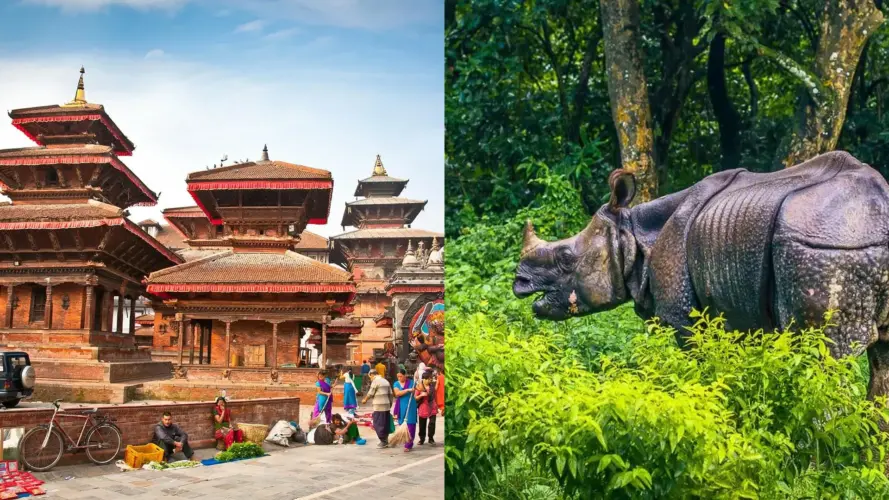
Nepal is a country where ancient cities, subtropical forests, peaceful lakes and snow-covered mountains can all become part of the same journey. The Kathmandu Chitwan Poon Hill Tour brings these experiences together in 12 days, taking you from the historic streets of the Kathmandu Valley to the wildlife habitats of Chitwan and the mountain trails of the Annapurna foothills.
The journey begins in Kathmandu, where centuries-old temples, Buddhist stupas and traditional Newari architecture introduce you to Nepal’s cultural heritage. From there, travel to Chitwan for wildlife activities, riverside scenery and an introduction to Tharu culture. Continue to Pokhara, a lakeside city surrounded by green hills and Himalayan landscapes, before beginning the trekking section towards Ulleri, Ghorepani, Poon Hill, Tadapani and Ghandruk.
One of the most memorable moments comes early in the morning at Poon Hill, approximately 3,210 metres above sea level. When the sky is clear, the first sunlight reaches the Annapurna and Dhaulagiri ranges, revealing layers of Himalayan peaks above the surrounding valleys.
This is not just a mountain trek or a sightseeing holiday. It is a varied Nepal journey that combines cultural discovery, nature, local communities and moderate trekking in one carefully planned itinerary.
Kathmandu Chitwan Poon Hill Tour at a Glance
- Duration: 12 days
- Start and finish: Kathmandu, Nepal
- Main destinations: Kathmandu, Patan, Bhaktapur, Chitwan, Pokhara, Ulleri, Ghorepani, Poon Hill, Tadapani and Ghandruk
- Highest planned point: Poon Hill, approximately 3,210 m
- Trip style: Cultural sightseeing, wildlife experiences, road travel and trekking
- Trekking difficulty: Moderate
- Accommodation: Hotels and trekking lodges, according to the confirmed package
- Transport: Tourist bus and private vehicle, according to the itinerary
- Best seasons: Spring and autumn are popular for this combination of sightseeing and trekking
- Main experience: Discover Nepal’s heritage, wildlife, mountain villages and Himalayan sunrise scenery
What Makes This 12-Day Nepal Tour Special?
Discover Kathmandu’s Living Heritage
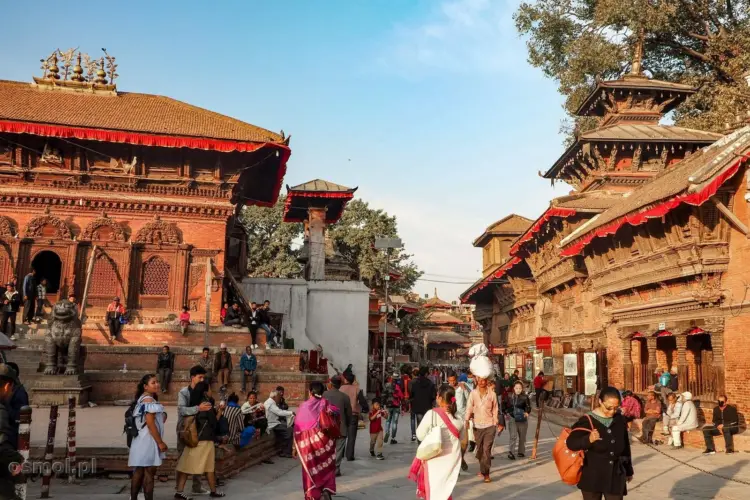 Kathmandu is more than Nepal’s capital. It is a centre of Hindu and Buddhist traditions, historic architecture, traditional craftsmanship and everyday urban life. Visiting Pashupatinath, Boudhanath, Swayambhunath and Kathmandu Durbar Square gives you a broad introduction to the valley’s cultural identity.
Experience Chitwan’s Natural Environment
 Chitwan brings a completely different landscape into the itinerary. The subtropical lowlands are known for forests, grasslands, wetlands and diverse wildlife. Guided nature activities can offer opportunities to observe birds, crocodiles and other animals in their natural habitats.
Enjoy Pokhara Before the Mountain Trek
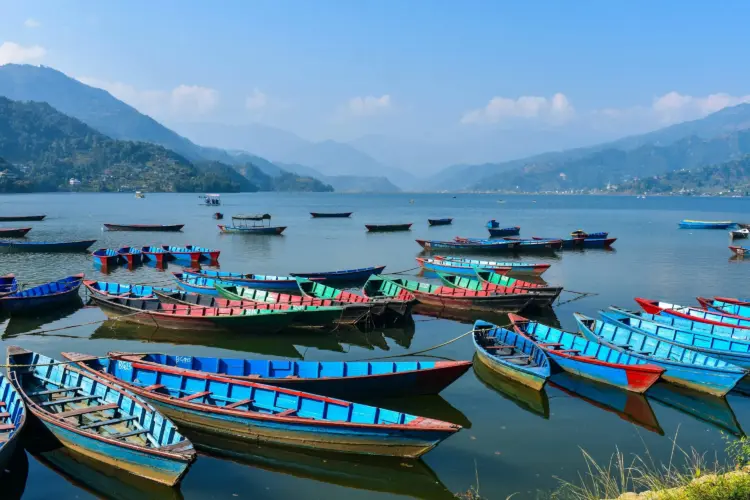 Pokhara provides a relaxing transition between the warmer lowlands and the Annapurna foothills. Its lakeside atmosphere, surrounding hills and mountain scenery make it a natural place to rest before beginning the trek.
Walk Through Traditional Himalayan Villages
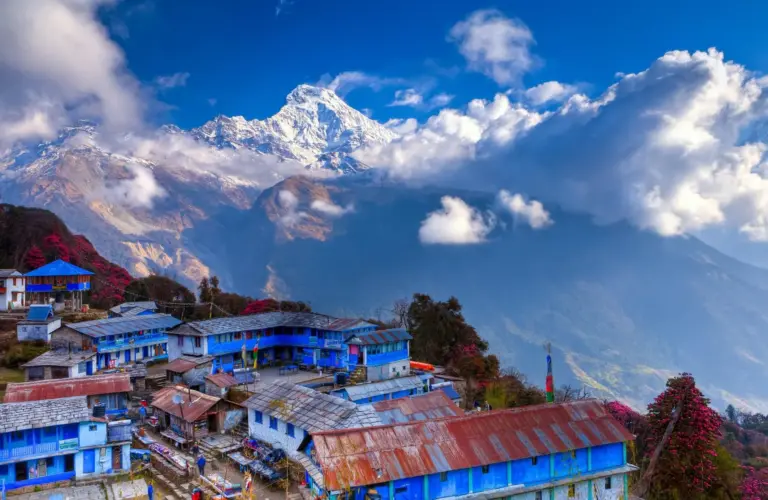 The trekking route passes through villages, terraced farmland, forest trails and stone stairways. Ulleri, Ghorepani and Ghandruk each offer a different perspective on life in the Annapurna region.
Watch the Sunrise from Poon Hill
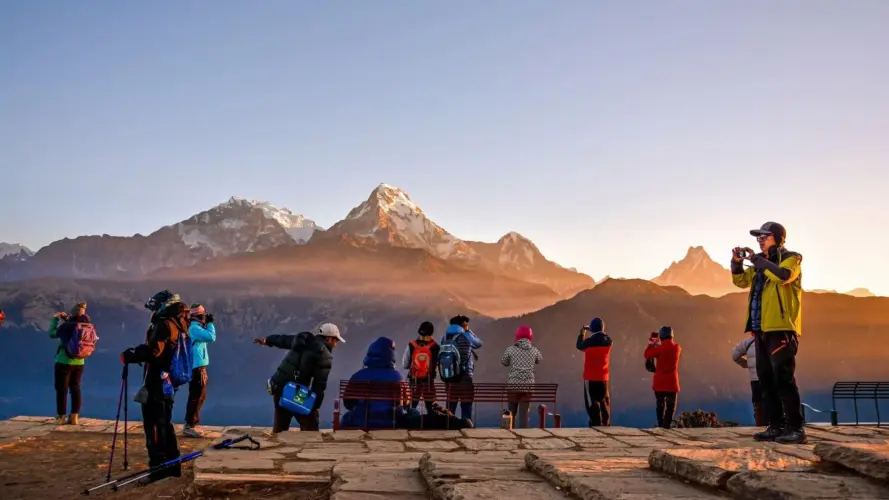 The early-morning walk to Poon Hill is the main trekking highlight. On a clear day, the viewpoint offers a wide panorama of Himalayan peaks, including parts of the Annapurna and Dhaulagiri ranges.
Detailed 12-Day Kathmandu Chitwan Poon Hill Tour Itinerary
Day 1: Arrive in Kathmandu and Transfer to Your Hotel
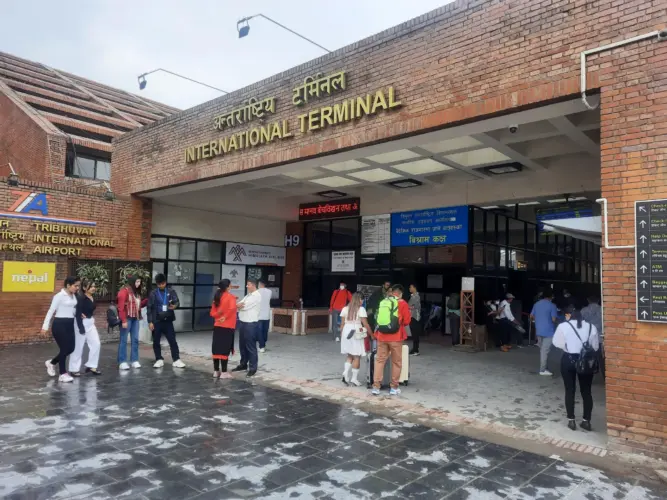
Your Nepal holiday begins at Tribhuvan International Airport in Kathmandu. After you arrive, a representative from Ambition Himalaya will meet you and arrange your transfer to the hotel in a private vehicle.
Once you have checked in, take time to settle in after your flight. Depending on your arrival time, you may have an opportunity to walk around the nearby streets, visit local shops or enjoy your first Nepali meal.
Kathmandu offers an interesting introduction to the country. Even a short walk can reveal small temples, colourful market stalls, traditional buildings and the daily routines of local residents.
If your arrival time permits and the arrangement is included in your package, you may enjoy a traditional Nepali dinner with cultural music and dance in the evening.
Overnight: Kathmandu
Main activities: Airport pickup, hotel transfer and free time
Day 2: Kathmandu Valley Sightseeing – Pashupatinath, Boudhanath, Swayambhunath and Durbar Square
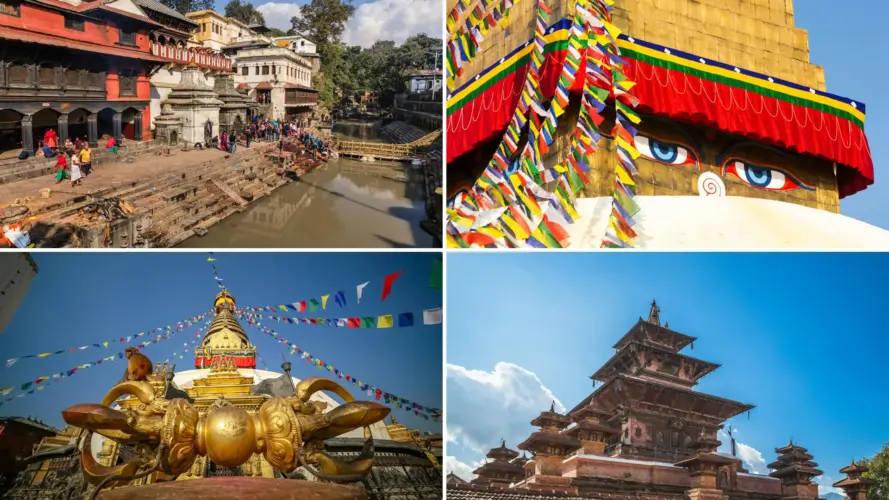
After breakfast, begin a guided sightseeing tour of Kathmandu’s important religious and historical landmarks. Allow approximately six to seven hours for the planned visits, depending on traffic and time spent at each location.
Your first stop is Pashupatinath Temple, one of the most important Hindu pilgrimage sites in Nepal. Located beside the Bagmati River, the complex is known for its religious ceremonies, traditional architecture and sacred riverside setting. Visitors should dress respectfully and follow the rules governing access to different parts of the complex.
Continue to Boudhanath Stupa, a major centre of Tibetan Buddhist culture. Its white dome, prayer flags, surrounding monasteries and prayer wheels create a distinctive atmosphere. You can walk around the stupa with local pilgrims and observe the traditions practised here.
Next, visit Swayambhunath Stupa, commonly known as the Monkey Temple. Located on a hill overlooking Kathmandu, it offers views across much of the valley when visibility is good. The site includes Buddhist shrines, traditional artwork and steps leading towards the main complex.
Later, explore Kathmandu Durbar Square, a historic royal area with temples, courtyards and examples of Newari architecture. Depending on opening arrangements and access, you may also learn about the Kumari tradition associated with the living goddess.
Return to your hotel after the sightseeing tour. The evening can be used to relax or prepare for the following day.
Overnight: Kathmandu
Sightseeing duration: Approximately 6–7 hours
Day 3: Explore Patan and Bhaktapur Durbar Squares
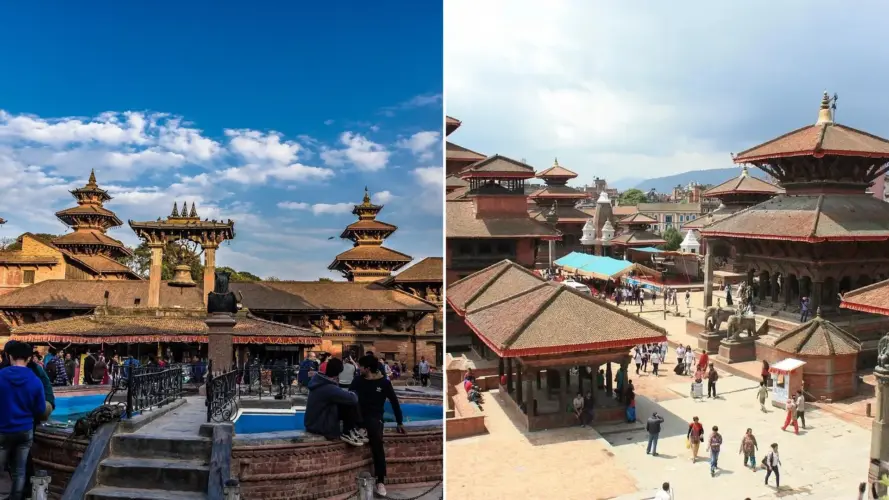
Today, discover two historic cities in the Kathmandu Valley: Patan, also known as Lalitpur, and Bhaktapur. Both are known for traditional Newari architecture, religious monuments and craftsmanship that continues to influence local culture.
Begin in Patan, where Patan Durbar Square and its surrounding streets feature temples, courtyards and historic buildings. The Golden Temple and Krishna Temple are among the well-known landmarks in the area. Take time to notice the stone carvings, metalwork, wooden details and traditional designs.
Continue to Bhaktapur, a city with a distinctive old-town atmosphere. Visit Bhaktapur Durbar Square, the 55-Window Palace area, Nyatapola Temple and Dattatreya Temple, subject to the day’s schedule and access arrangements.
Pottery Square is another interesting stop. Depending on local activity, you may see artisans working with clay or traditional pottery displayed in the square. Siddha Pokhari, a historic pond near the old city, provides a quieter place to pause.
Wear comfortable shoes because the sightseeing involves walking along brick streets and uneven surfaces. Heritage-site entry tickets may be required and should be confirmed with your operator.
After approximately six to seven hours of sightseeing, return to Kathmandu.
Overnight: Kathmandu
Main destinations: Patan and Bhaktapur
Sightseeing duration: Approximately 6–7 hours
Day 4: Drive from Kathmandu to Chitwan National Park
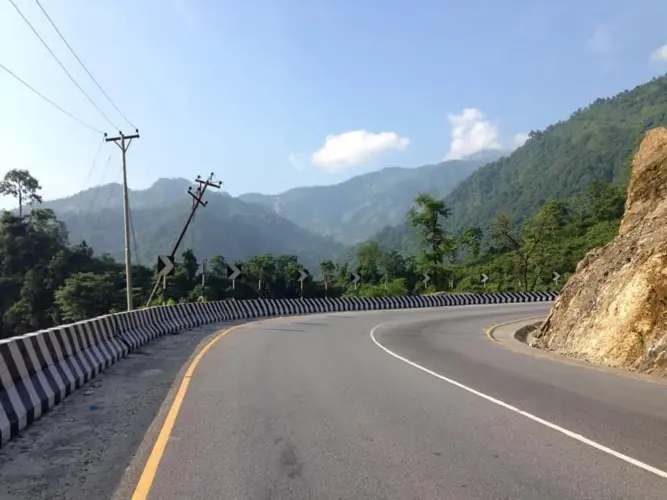 After breakfast, leave Kathmandu and travel by tourist bus towards Chitwan in Nepal’s southern lowlands. The journey generally takes around five to six hours, but traffic, road conditions and weather can affect the actual travel time.
As the road moves away from the valley, the scenery changes from hills and roadside settlements to river corridors, agricultural land and warmer subtropical surroundings.
After reaching the Chitwan area, transfer to your accommodation and settle in. Following lunch or a short rest, a village walk or visit to a local Tharu cultural museum may be arranged, depending on the package.
The Tharu community has a distinctive cultural heritage shaped by life in the Terai. A village visit can provide an introduction to traditional houses, local customs, food and everyday life.
Later, you may visit a suitable viewpoint near the Rapti River to enjoy the evening scenery. A Tharu cultural dance and music programme may also be available through your accommodation or local operator.
Chitwan provides a different experience from the Kathmandu Valley. The landscape is lower, warmer and closely connected with forests, rivers and wildlife conservation.
Overnight: Chitwan
Transport: Tourist bus
Approximate driving time: 5–6 hours
Activities: Village visit and cultural programme, subject to availability
Day 5: Wildlife Safari and Nature Activities in Chitwan
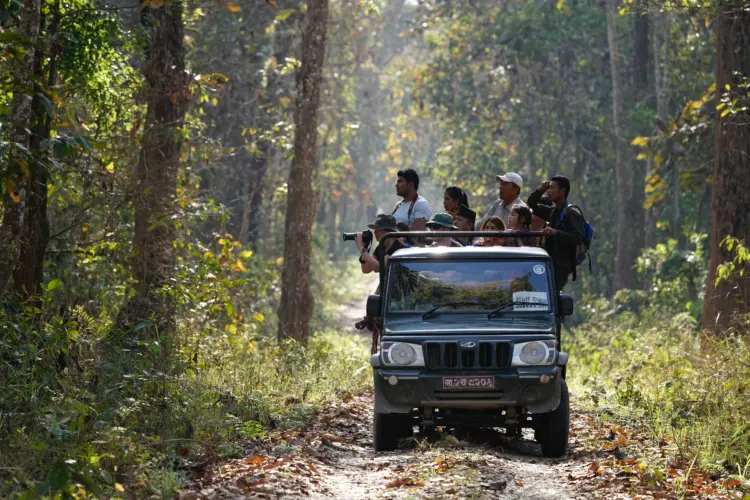 Spend the day exploring Chitwan’s wildlife and natural surroundings. Chitwan National Park is known for its one-horned rhinoceroses, rich birdlife, crocodiles and other species that inhabit the region’s forests, grasslands and wetlands.
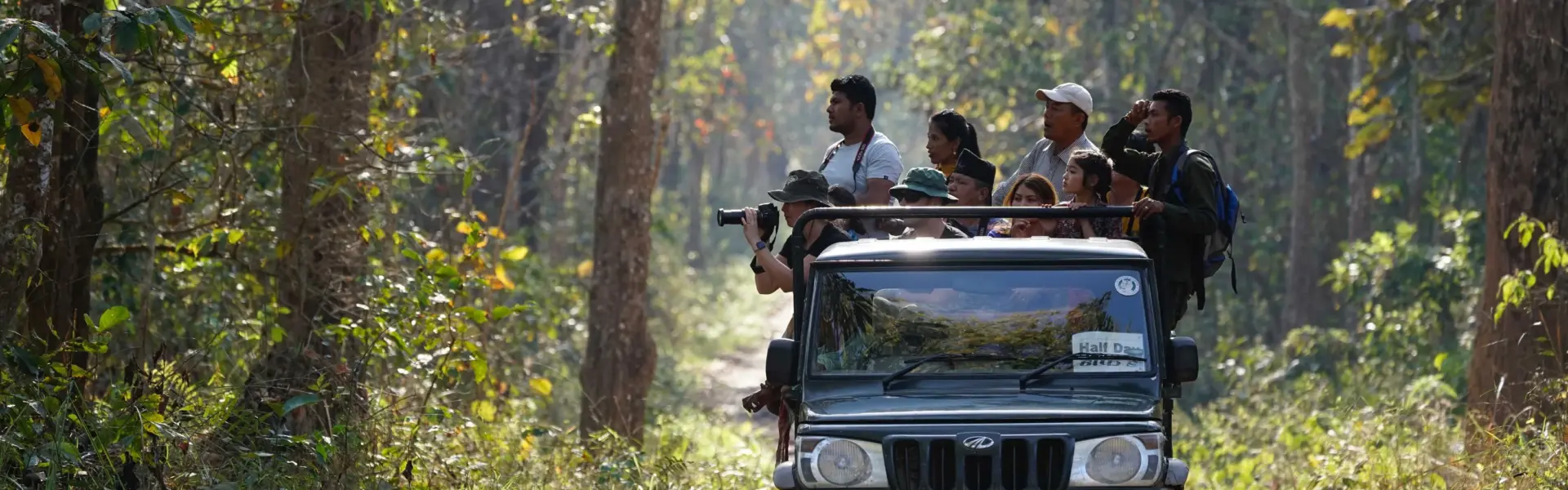
The day’s programme depends on the confirmed package, park regulations, season and local operating conditions. Activities may include a guided jeep safari, birdwatching, a canoe ride on an approved river section or a guided nature walk.
During a canoe trip, you may observe waterbirds along the riverbanks and crocodiles resting near the water. The region is associated with gharials and marsh mugger crocodiles, although sightings depend on conditions.
A guided nature walk offers a closer look at the habitat, vegetation and smaller signs of wildlife. Always follow your guide’s instructions, keep a safe distance from animals and avoid feeding or approaching them.
A jeep safari may provide opportunities to search for rhinoceroses, deer, wild boar, monkeys and a variety of birds. Bengal tigers also inhabit the wider region, but sightings are rare and never guaranteed.
Some itineraries offer visits to wildlife conservation or breeding facilities. Confirm which centres are open and what activities are currently permitted before departure. Choose responsible wildlife experiences that follow local regulations and prioritise animal welfare.
Overnight: Chitwan
Main activities: Wildlife safari, birdwatching, canoeing or guided nature exploration, according to the confirmed programme
For destination information, visit the Nepal Tourism Board’s Chitwan National Park page.
Day 6: Morning Birdwatching and Drive to Pokhara
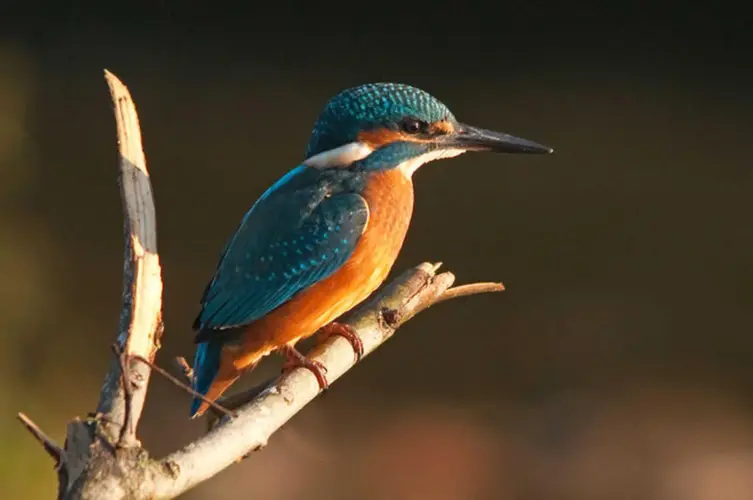 Start the day with a morning birdwatching walk or another scheduled nature activity if it is included in your package. Chitwan’s mixture of wetlands, forests and grasslands attracts a wide range of resident and migratory birds.
After breakfast, travel to Pokhara by tourist bus. The drive usually takes approximately five to six hours, depending on traffic and road conditions.
Along the way, you will pass rivers, villages, agricultural land and green hills. The journey offers a look at Nepal beyond its major cities, although road delays can occur, so keep your plans flexible.
After arriving in Pokhara, transfer to your hotel and enjoy some free time. You may choose to walk along the Phewa Lake waterfront, explore the lakeside streets or enjoy a relaxed dinner.
Pokhara is a well-known gateway to the Annapurna region. On clear days, the surrounding landscape can provide views towards the mountains, while the lakeside area offers a pleasant place to rest before the trekking section.
Overnight: Pokhara
Transport: Tourist bus
Approximate driving time: 5–6 hours
Evening: Free time
Day 7: Drive to Nayapul and Trek to Ulleri (2,070 m)
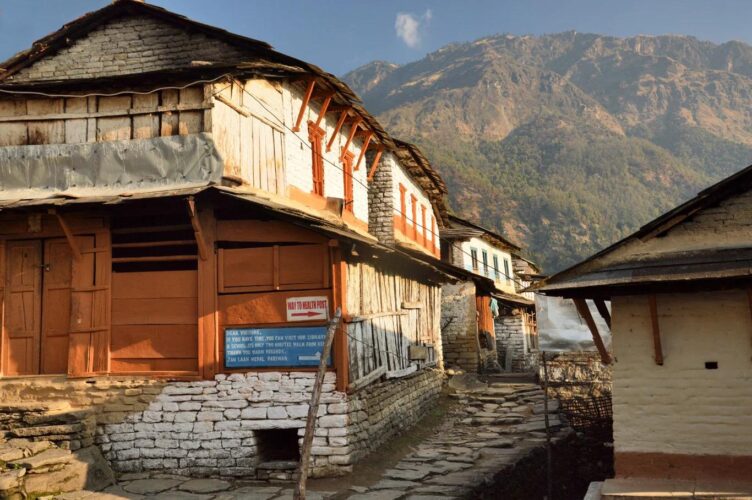 After breakfast, travel by private vehicle to Nayapul, the starting point for the trekking section described in this itinerary. The drive generally takes around one hour, subject to the departure point and road conditions.
Begin walking through settlements, farmland and trails in the Annapurna foothills. The route passes through Birethanti and continues towards Tikhedhunga. Along the way, you will encounter terraced fields, riverside scenery and traditional settlements.
The trail becomes steeper as you climb towards Ulleri. This section includes stone steps and sustained uphill walking, so take your time and maintain a steady pace. Regular water breaks and short rests will help you manage the climb.
Ulleri is a hillside village known for its traditional setting and views of the surrounding landscape. It provides a useful overnight stop before the ascent towards Ghorepani.
The walk generally takes around four to five hours, depending on your pace, stops and trail conditions.
Overnight: Ulleri
Elevation: Approximately 2,070 m
Trekking time: Around 4–5 hours
Difficulty: Moderate, with steep uphill sections
Day 8: Trek from Ulleri to Ghorepani (2,853 m)
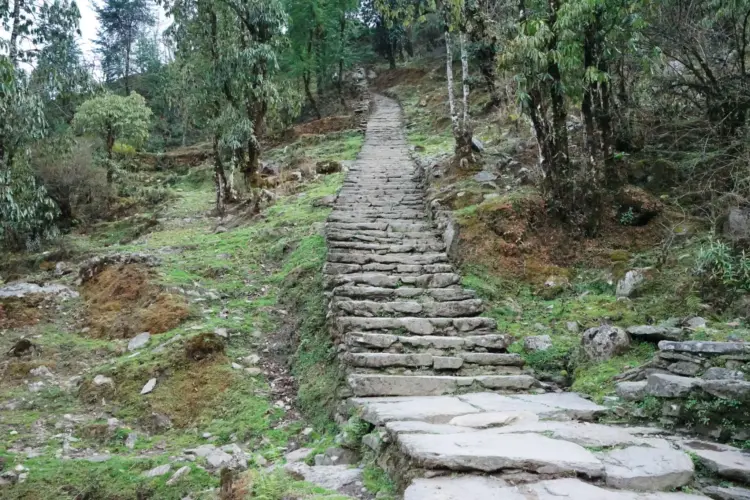 After breakfast, continue towards Ghorepani along forested trails and mountain paths. The route climbs through the Annapurna foothills, passing woodland, settlements and areas of rhododendron forest.
Depending on the precise trail, you may pass through places such as Banthanti and Nangethanti. The forest changes with the season, and spring can bring rhododendron flowers to parts of the route.
As you gain elevation, the air becomes cooler, particularly in the morning and evening. Keep a warm layer accessible and take regular breaks as needed.
Ghorepani is a well-known trekking village and the main overnight stop before the early-morning walk to Poon Hill. When the weather is clear, the surrounding area offers views towards the Annapurna and Dhaulagiri ranges.
After arriving at your lodge, enjoy a meal and rest. Prepare your daypack, warm clothing and headlamp for the following morning. Your guide can advise you on the departure time based on the sunrise and current trail conditions.
Overnight: Ghorepani
Elevation: Approximately 2,853 m
Trekking time: Around 4–5 hours
Day 9: Poon Hill Sunrise and Trek to Tadapani (2,630 m)
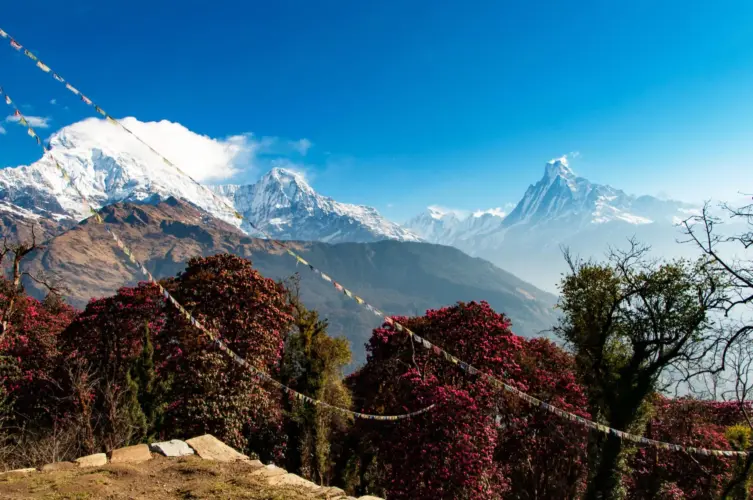 Today is the main highlight of the trekking section. Wake up early, usually around 4:30–5:00 am depending on the season, and walk towards Poon Hill. Because the hike starts before sunrise, a headlamp or torch is essential.
Poon Hill stands at approximately 3,210 metres above sea level and is famous for its wide Himalayan panorama. On a clear morning, the first sunlight gradually reaches the snow-covered peaks of the Annapurna and Dhaulagiri ranges.
Depending on visibility, you may see Dhaulagiri, Annapurna I, Annapurna South, Machhapuchhre and Nilgiri among the surrounding mountains. The exact view depends on cloud cover, haze and weather conditions, so a clear sunrise cannot be guaranteed.
After spending time at the viewpoint, return to Ghorepani for breakfast. Continue trekking towards Tadapani through forested trails and sections of uphill and downhill walking.
This is a demanding day because it combines the early-morning viewpoint hike with a longer trek. Walk at a comfortable pace, keep water and snacks available, and follow your guide’s advice about timing and rest breaks.
Tadapani is surrounded by woodland and offers a peaceful overnight setting in the Annapurna foothills.
Overnight: Tadapani
Highest point: Poon Hill, approximately 3,210 m
Route: Ghorepani – Poon Hill – Tadapani
Approximate total walking time: 6–7 hours, depending on pace and trail conditions
Day 10: Trek from Tadapani to Ghandruk and Kimche, Then Drive to Pokhara
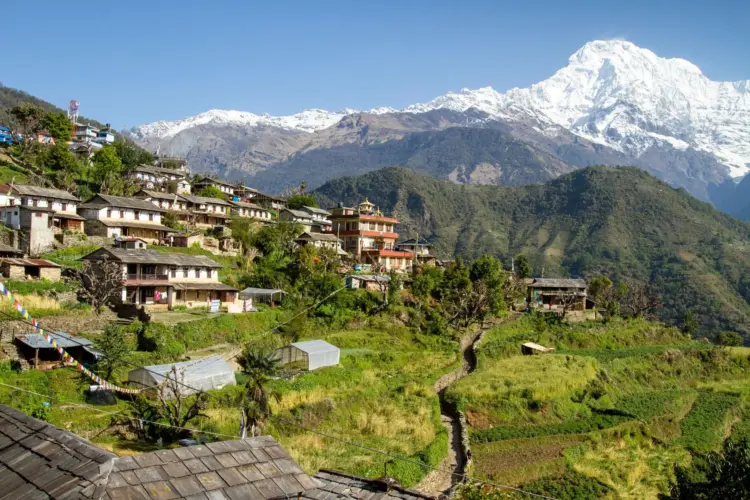 After breakfast, leave Tadapani and follow the trail towards Ghandruk. The route passes through forested sections before reaching one of the best-known traditional villages in the Annapurna region.
Ghandruk is home to a large Gurung community and is known for its traditional stone houses, cultural heritage and mountain scenery. Depending on weather conditions, you may enjoy views towards Annapurna South and Machhapuchhre from parts of the village.
Take time to walk through the settlement and observe its traditional architecture. The village offers an opportunity to learn about Gurung culture and the communities that live in Nepal’s mountain foothills.
Continue downhill towards Kimche according to the route confirmed by your guide. After reaching Kimche, meet your vehicle for the drive back to Pokhara.
The drive generally takes around two hours, although road conditions can affect the journey. On arrival in Pokhara, check in to your hotel and relax after the trekking section.
Overnight: Pokhara
Trekking route: Tadapani – Ghandruk – Kimche
Approximate walking time: 4–5 hours
Drive to Pokhara: Around 2 hours, depending on road conditions
Day 11: Drive from Pokhara to Kathmandu
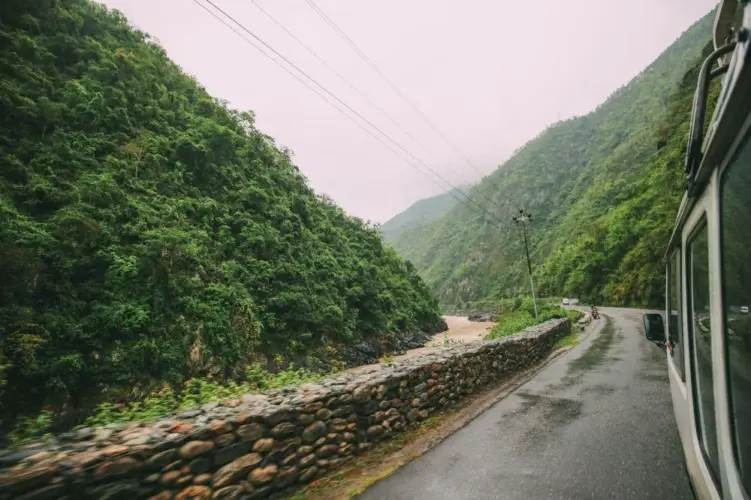 After breakfast, return to Kathmandu by tourist bus. The road journey usually takes six to seven hours, but traffic, roadworks and weather may affect the schedule.
The route passes through river valleys, hills, villages and agricultural landscapes. It is a chance to reflect on the different experiences of your journey, from the heritage sites of the Kathmandu Valley to the forests of Chitwan and the mountain trails around Poon Hill.
An alternative is to take a flight from Pokhara to Kathmandu if a suitable service is available. The flight itself generally takes around 25–30 minutes, but airport transfers, check-in and possible weather-related delays add to the total journey time. Any additional airfare should be confirmed before booking.
After arriving in Kathmandu, transfer to your hotel. You may have time for shopping, a relaxed dinner or a final walk around the city.
Overnight: Kathmandu
Transport: Tourist bus or optional flight
Approximate road journey: 6–7 hours
Day 12: Departure from Kathmandu
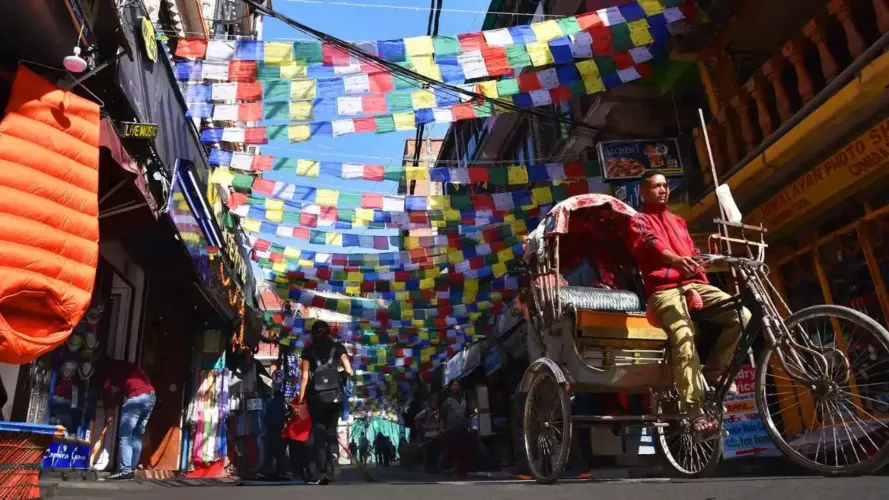
Your 12-day Nepal journey comes to an end today. Depending on your flight schedule, enjoy breakfast and complete check-out at your hotel.
A representative from Ambition Himalaya will arrange your transfer to Tribhuvan International Airport according to the confirmed departure details. Allow sufficient time for airport procedures and Kathmandu traffic.
You will leave Nepal with memories of historic temples, cultural encounters, subtropical wildlife, peaceful lakeside scenery, traditional mountain villages and the early-morning hike to Poon Hill.
If you have extra time before leaving Nepal, you can discuss additional sightseeing or another destination with the team.
Main activity: Hotel check-out and airport transfer
Tour ends: Kathmandu, Nepal
Kathmandu Chitwan Poon Hill Tour Price and Group Discounts
The supplied group price chart offers different rates according to the number of travellers. Travelling with a larger private group can reduce the per-person price.
| Number of people | Price per person |
|---|---|
| 1 person | US$900 |
| 2 people | US$800 |
| 3–5 people | US$770 |
| 6–9 people | US$720 |
| 10–15 people | US$620 |
| 16 or more | US$580 |
These are the prices from the supplied chart. Before confirming a booking, ask Ambition Himalaya for a written quotation that states the accommodation category, meals, transport, guide services, permits, entry fees and wildlife activities included in the price.
The final cost may depend on travel dates, room arrangements, group size and any optional services requested.
What Is the Best Time for the Kathmandu Chitwan Poon Hill Tour?
The best travel period depends on what you want to prioritise. Kathmandu sightseeing and Chitwan wildlife activities are possible during much of the year, but the mountain trekking section is more affected by rainfall, cloud, temperature and trail conditions.
Autumn: September to November
Autumn is a popular season for trekking in the Annapurna foothills. Conditions are often more favourable for mountain views after the monsoon, especially during clear weather. Early autumn can still bring rain, so check the forecast before departure.
Spring: March to May
Spring brings milder daytime conditions across many parts of the trekking route, and rhododendron forests may be in bloom. Cloud, haze and occasional rain can still affect visibility.
Winter: December to February
Winter can bring clear days, but early mornings and evenings at Ghorepani and Poon Hill can be very cold. Pack suitable insulating layers and check trail conditions before starting the trek.
Monsoon: June to September
Monsoon rainfall can make trails slippery and increase the possibility of road delays, landslides and poor visibility. If travelling during this period, keep your schedule flexible and follow local advice.
These are general seasonal patterns, not guarantees for a particular departure date.
Latest Weather Information for Kathmandu, Chitwan, Pokhara and Poon Hill
Weather can differ considerably between Nepal’s lowlands and the Annapurna foothills. Chitwan is generally warmer than the trekking villages, while temperatures around Ghorepani and Poon Hill can drop significantly before sunrise.
For the most reliable planning, check the official forecast close to your travel dates:
Official live weather forecast: Nepal Department of Hydrology and Meteorology
Use the forecast for the relevant destination rather than relying on Kathmandu conditions alone. Ask your guide to check local conditions before the Poon Hill hike, especially if rain, fog, strong winds or poor visibility are expected.
Weather Preparation by Destination
- Kathmandu: Carry comfortable walking clothes, a light jacket and rain protection appropriate for the season.
- Chitwan: Pack breathable clothing, sun protection and insect protection for outdoor activities.
- Pokhara: Keep a light jacket and waterproof layer available for changing conditions.
- Ulleri and Ghorepani: Bring warm layers, trekking shoes with good grip and clothing suitable for rain or cold weather.
- Poon Hill: Carry a headlamp, warm jacket, gloves if needed and extra layers for the pre-dawn walk.
No tour operator can guarantee clear mountain views or a particular wildlife sighting. Safety and route decisions should always take priority over a planned viewpoint or activity.
How Difficult Is the Poon Hill Trek?
The trekking section of this itinerary is generally considered moderate. Technical climbing skills are not required for the standard route, but several hours of walking each day, uphill sections, downhill trails and stone steps require reasonable fitness.
The ascent towards Ulleri can be demanding because of the steep steps. The walk from Ghorepani to Poon Hill starts early and is followed by the trek to Tadapani, making Day 9 one of the most active days.
You can prepare by walking regularly, practising stair climbing and wearing your trekking shoes before the trip. Take breaks, drink water and maintain a pace that feels comfortable.
If you have a health condition that may affect exercise at altitude, consult a qualified health professional before travelling. Tell your guide promptly if you feel unwell during the trek.
What to Pack for the 12-Day Nepal Tour
Packing for this trip means preparing for cultural sightseeing, warmer lowland conditions and cold mountain mornings.
Clothing
- Comfortable clothes for Kathmandu and Pokhara
- Lightweight clothing for Chitwan
- Warm fleece or insulating jacket for the trek
- Waterproof jacket and rain protection
- Trekking trousers and suitable base layers
- Warm hat and gloves for early mornings
- Spare socks and comfortable evening clothes
Trekking essentials
- Well-fitting trekking shoes with good grip
- Small daypack
- Headlamp or torch with spare batteries
- Reusable water bottle
- Trekking poles if you prefer extra support
- Sun protection, including sunglasses and sunscreen
Personal essentials
- Passport and travel documents
- Personal toiletries
- Prescribed medicines and personal first-aid items
- Insect protection for the lowland portion
- Some local cash for personal expenses
Adjust your packing list to the season and the latest weather forecast. Your guide or operator can advise you about additional equipment needed for your departure.
Responsible Tourism During Your Nepal Journey
A rewarding trip should respect local communities, cultural traditions and the natural environment.
- Dress respectfully when visiting temples and religious sites.
- Ask permission before photographing people.
- Follow national park rules and the instructions of wildlife guides.
- Never feed or approach wild animals.
- Stay on designated trekking trails.
- Carry rubbish back to an appropriate disposal point.
- Support local businesses and artisans where possible.
- Choose wildlife activities that follow current regulations and responsible animal-welfare practices.
- Be considerate of local residents and their customs.
For official tourism information, visit the Nepal Tourism Board. For national park and wildlife conservation information, visit the Department of National Parks and Wildlife Conservation.
Frequently Asked Questions About the Kathmandu Chitwan Poon Hill Tour
How many days does the tour take?
The itinerary takes 12 days, including arrival and departure in Kathmandu, cultural sightseeing, Chitwan wildlife activities, Pokhara and the Poon Hill trekking section.
What is the highest elevation on this trip?
The highest planned point is Poon Hill, at approximately 3,210 metres above sea level.
Can beginners do the Poon Hill trek?
Travellers without previous trekking experience may be able to complete the route if they have reasonable fitness and prepare for several hours of walking. The steep steps and the long Day 9 itinerary require particular care.
Is the sunrise at Poon Hill guaranteed?
No. Clouds, fog, rain and other weather conditions can affect visibility. The viewpoint is famous for Himalayan panoramas, but a clear sunrise cannot be promised.
What animals can I see in Chitwan?
Chitwan is known for one-horned rhinoceroses, crocodiles, deer, monkeys and many bird species. Tigers and other elusive animals inhabit the region, but sightings are not guaranteed.
Is an elephant-back safari included?
The original itinerary mentions elephant-back safari as one possible activity, but availability, current regulations and animal-welfare considerations should be confirmed before booking. Ask the operator which wildlife activities are offered and consider responsible, observation-focused alternatives such as an authorised jeep safari.
Are the tour prices fixed?
The supplied price chart lists rates according to group size. Confirm the final quotation, travel dates, room arrangements and package inclusions with Ambition Himalaya before making a booking.
Are permits and entry fees included?
The itinerary provided does not confirm whether all trekking permits, heritage-site tickets, national park fees and activity charges are included. Request a written list of inclusions and exclusions.
Can I fly from Pokhara to Kathmandu?
A flight may be available as an alternative to the road journey. Check flight availability, the additional cost and possible weather-related disruptions before making plans.
Where can I check live weather conditions?
Use the official Nepal Department of Hydrology and Meteorology website. Check conditions for the actual destinations and ask your guide for a local assessment before the Poon Hill hike.
Plan Your Kathmandu Chitwan Poon Hill Tour with Ambition Himalaya
From the historic squares of Kathmandu Valley to the forests of Chitwan and the mountain trails of the Annapurna foothills, this 12-day journey brings together several of Nepal’s most distinctive experiences.
Discover local culture in Kathmandu, Patan and Bhaktapur. Explore Chitwan’s natural environment with authorised guides. Enjoy Pokhara’s lakeside atmosphere before walking through Ulleri, Ghorepani, Poon Hill, Tadapani and Ghandruk.
The early-morning walk to Poon Hill provides a memorable highlight, while the traditional villages and changing landscapes along the route make the journey rewarding beyond the viewpoint itself.
If you are planning a Nepal holiday that combines heritage, wildlife and a moderate Himalayan trek, contact Ambition Himalaya to confirm the itinerary, travel dates, accommodation, transport and group discount options.
- Website: https://ambitionhimalaya.com/
- Email: [email protected]
- Phone: +977 1 4518413
- Mobile: +977 9851148898
- Address: Thamel-26, Kathmandu, Nepal
Plan your dates, confirm your group size and request a detailed quotation before booking.
Travel note: The itinerary and group prices above are based on the details supplied for this tour. Confirm the final schedule, activity availability, accommodation, transport, permits, fees and package inclusions directly with Ambition Himalaya.