

Bhutan Jomolhari Trek


 Trip Duration
 Group Size
 Max. Altitude
 Difficulty
 Meals
Meals
- Breakfast
- Lunch
- Dinner
 Accommodation
- Hotel
- Camp
- Tent
 Activities
- Trekking
- Sightseeing
 Best Season
- Mar-May
- Sep-Nov
$ 3800USD
- No. of Pax Per person
-
1 -
1 person
US$ 5200
-
2 -
4 people
US$ 4500
-
5 -
10 people
US$ 4200
-
11 -
16 people
US$ 4000
-
17 + people
9999
US$ 3800
Total Cost:
US$ 5200
- Private trip departures everyday
- No hidden cost
- Local based company
- We can help for big group
- Over 17 years of experience
- According to your needs, we can Customize the itinerary.

Bhutan Jomolhari Trek Photo Gallery
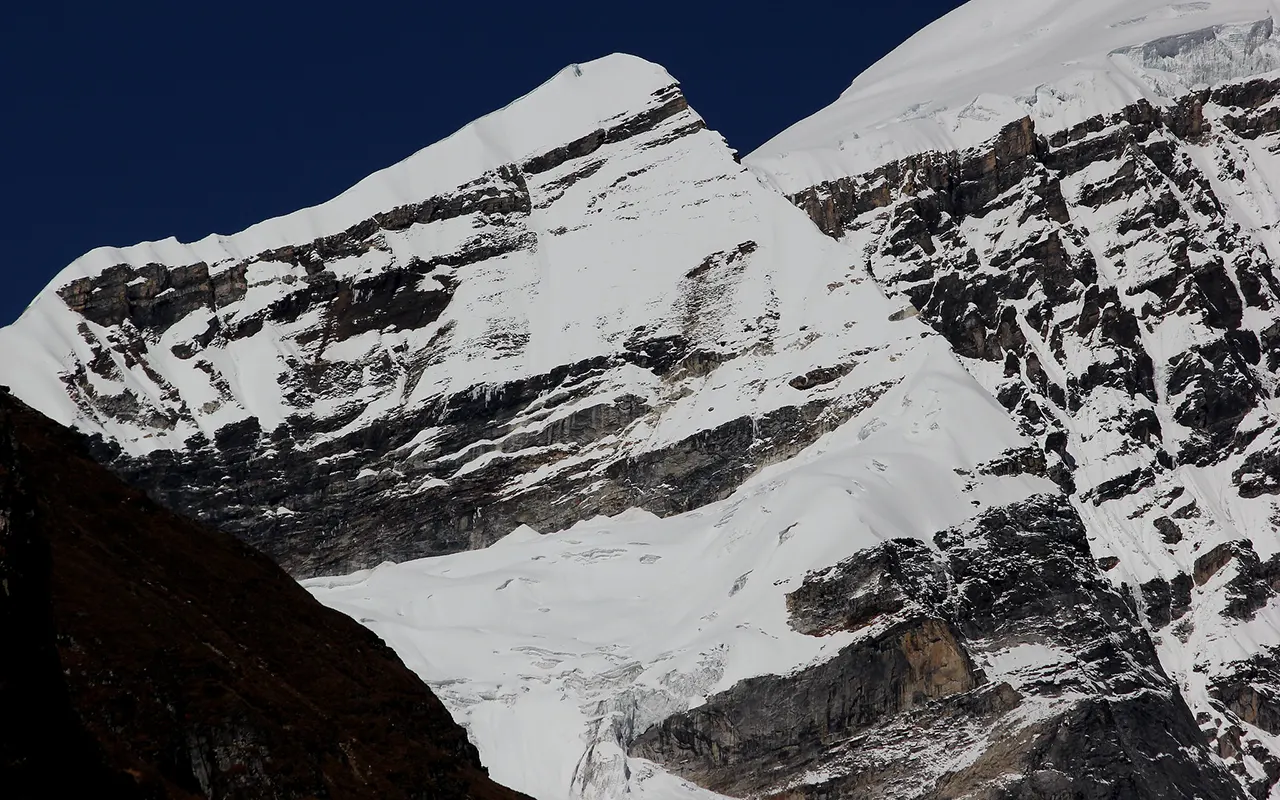
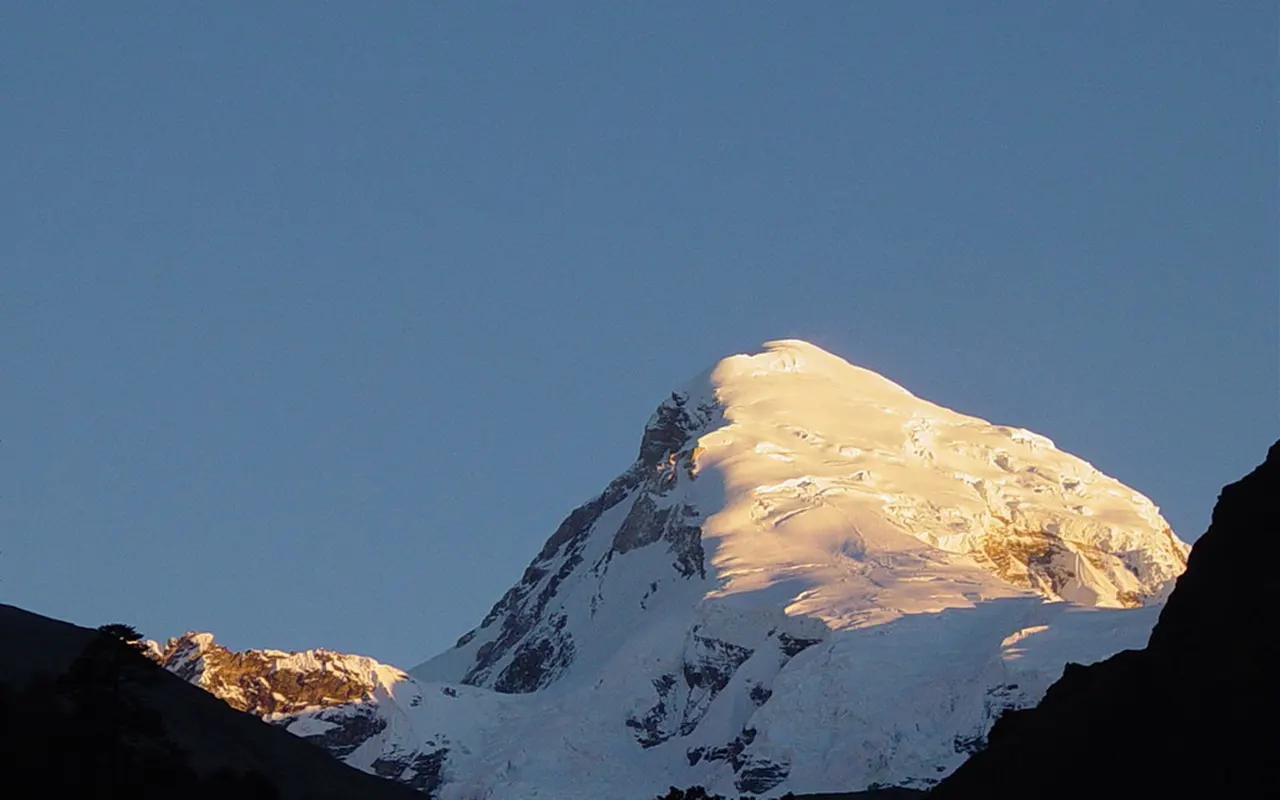
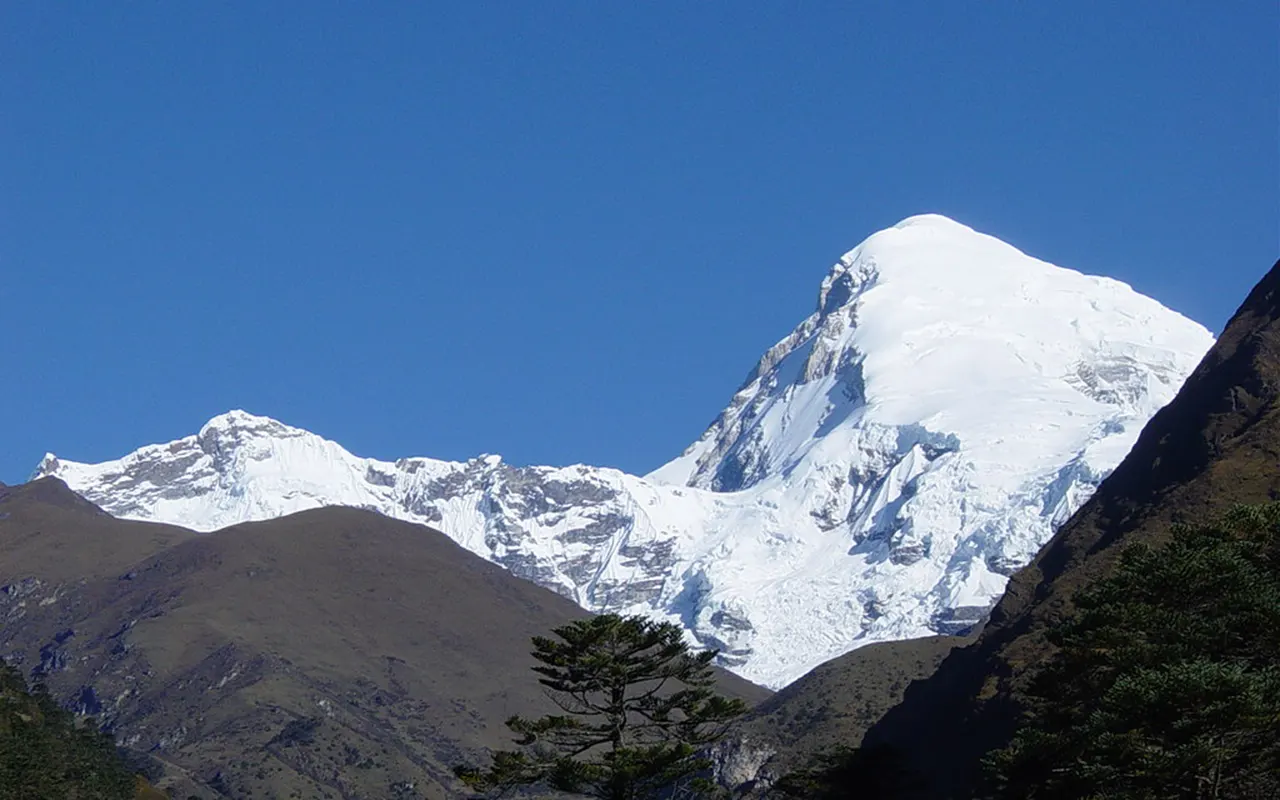
Itinerary of Bhutan Jomolhari Trek
Includes/Excludes
What's included
- Pick-up and drop-off services to the airport by a private vehicle
- Ground transportation in a private vehicleaccording to the itinerary.
- Government visa and sustainability fee of the Bhutan Government.
- All the necessary trekking permissions, park entry charges, and formalities.
- Accommodation in Paro twin share basis.
- Fully serviced camping facilities in the wilderness on the trek.
- Full board meals during the trek (11 breakfasts, 11 lunches, and 11 dinners).
- A local trekking guide who speaks English.
- Pack animals will carry up to 20 kg of personal equipment per trekker.
- Logistics and camping gear of the groups.
- Safety gears such as a portable altitude chamber, satellite phone, and group medical kit.
- Tours and entry charges as shown in the itinerary.
- High-quality trekking gear, such as a sleeping bag, insulated mat, down or fibre-fill jacket (to be brought back after the trek).
What is excluded
- Airfare to and out of Bhutan.
- High-altitude trekking and emergency evacuation travel insurance.
- Other meals are not in the itinerary.
- The individual costs include laundry, shopping and other services.
- Bottled water, soft drinks,and alcoholic drinks.
- Guide, porter, and trekking personnel tips and gratuities.
- Any other services/ items that are not listed in the what is included section.
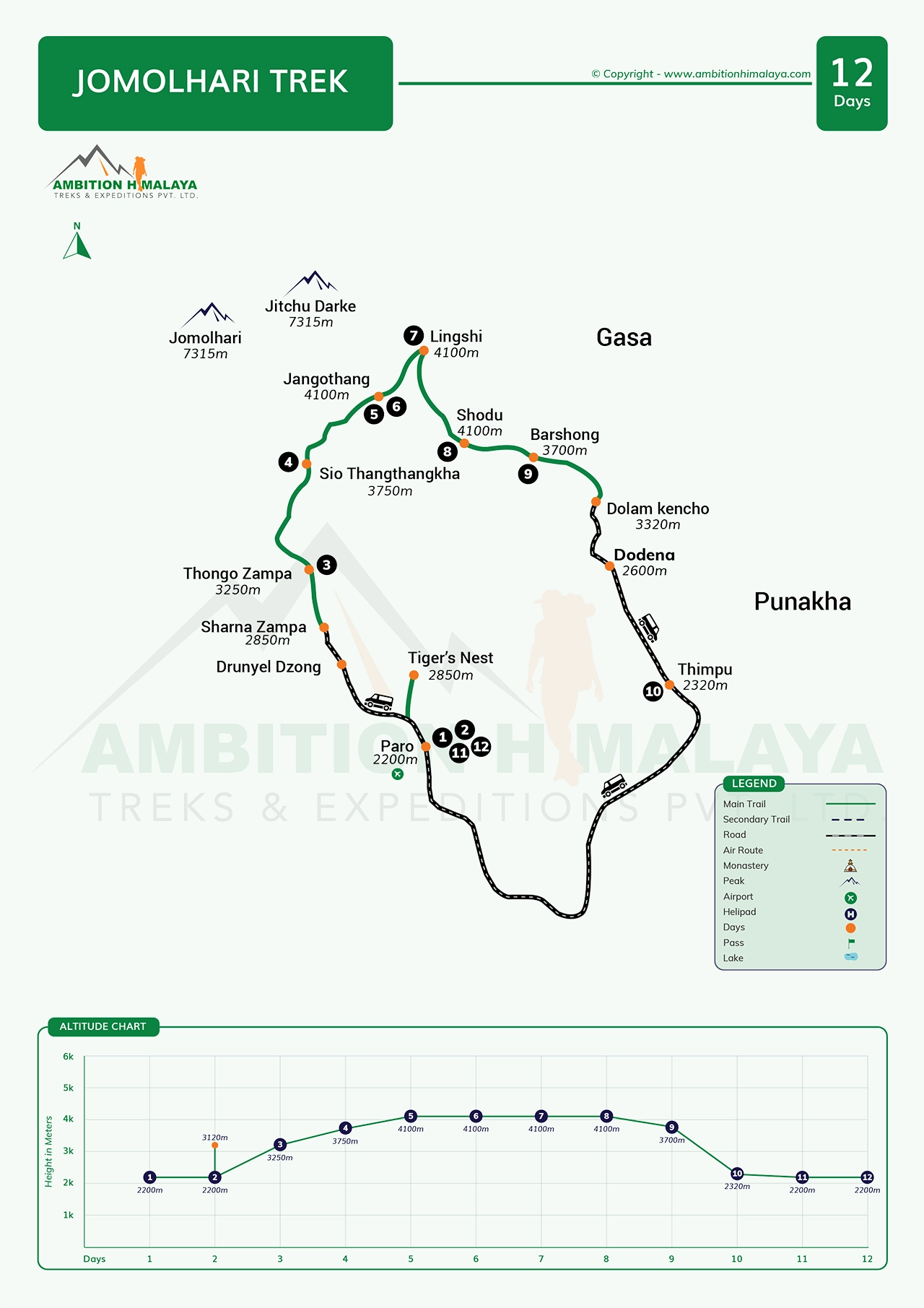
Route Map & Altitude Chart
Private Group Discounts Available
| No. of People | Price Per Person |
| 1 Pax | US$ 5200 |
| 2-4 Pax | US$ 4500 |
| 5-10 Pax | US$ 4200 |
| 11-16 Pax | US$ 4000 |
| 17 Over | US$ 3800 |
Trip Information
Trek Difficulty and Who This Trek Is For?
The Bhutan Jomolhari Trek is said to be a moderately difficult to tough trek and can be undertaken by individuals who are physically fit and have prior experience in trekking. The trail consists of long-distance walks of long distance, sharp hikes, and mountain passes, up to 4,930 m (16,174 ft). The trails are well marked, although the hiking can be strenuous due to the altitude and the varying terrain.
It is an adventure that should be considered by people who love remote nature and cultural experiences. Beginners are also welcome as long as they are well-equipped and not scared to walk about 6-8 hours a day. Experience of hiking at higher altitudes would be beneficial, but not obligatory.
The Bhutan Jomolhari Trek is a place that is ideal if one wishes to unite natural beauty with the Bhutanese culture. Through proper guidance and assistance of a good operator such as Ambition Himalaya, the trekkers are guaranteed a safe and fruitful experience in the Himalayas.
Weather and Best Season
The ideal season to go through the Bhutan Jomolhari Trek is in spring (March-May) and autumn (September-November). The seasons are favorable with good weather, clear skies, and a good view of the mountains. It has blooming rhododendrons in the spring and is cool in the autumn.
The temperature is different according to the altitude. The weather is pleasant in the lower regions, such as Paro (2,200 m / 7,218 ft). There are, however, cold nights at higher camps like Jangothang (4,080 m / 13,386 ft) where the temperatures sometimes drop down to below freezing.
Summer seasons have monsoon rains, and trails become slippery and not very pleasant. The cold of winter is terrible, and when there is a heavy snowfall, it may block the way at high passes.
The selection of the season to undertake the Bhutan Jomolhari Trek is based on the fact that it is safe, easier to see, and it is more enjoyable to experience the trek as a whole.
Food & Drink on the Trek
On the Bhutan Jomolhari Trek, you get to eat meals that have been cooked by an exclusive trekking staff who accompany you. The food is simple, fresh, and meant to give sufficient energy to one to walk long distances. A combination of Bhutanese and simple international food, like rice, vegetables, noodles, soups, and lentils, is to be expected.
Porridge, eggs, or bread are part of breakfast, and lunch is taken on the trail. Dinner is friendly and nourishing, and your body is back on track after a productive day of trekking. There are hot beverages such as tea and coffee, particularly in the mornings and evenings.
In larger camps such as Jangothang (4,080 m / 13,386 ft), the food is nutritious but more of a base level due to the isolation of the location.
Trekking is comfortable and enjoyable, with hygienic food quality being well checked with experienced teams like Ambition Himalaya.
Altitude Sickness and Acclimatization
Altitude sickness is an important factor to consider on the Bhutan Jomolhari Trek, as the trail reaches high elevations, including 4,930 m (16,174 ft).The air gets thinner as you rise in altitude and your body requires time to adjust.
The itinerary will incorporate gradual ascent and acclimatization days to minimize the risk, particularly at Jangothang (4,080 m / 13,386 ft). In these rest days, a brief hikeimproves the adaptation of your body.
The typical signs of altitude sickness include headache, nausea, and fatigue. You need to walk slowly, keep yourself hydrated, and listen to your body. In case of serious symptoms, brought down to a lower altitude.
The Bhutan Jomolhari Trek is a safe trek with proper planning and advice. The guidesfrom Ambition Himalaya are trained to watch over trekkers and act promptly in case of any problems.
Preparation and Fitness Requirement
Bhutan Jomolhari Trek is not an easy walk that can be done without proper preparation. The trek will require days of walking at high altitude. You have to begin training at least a few weeks before you start the trek.
Work on endurance by engaging in frequent activities like hiking, jogging, cycling or climbing stairs. Building leg and core strength is also helpful, as it makes the trek more comfortable and prepares you for walking 6–7 hours each day.
The highest point of the trek is 4,930 m (16,174 ft), and thus, the psychological conditioning is as necessary as the physical fitness. Being optimistic and having a constant flow will aid in tackling tough parts.
A good level of fitness is required,and it will go a long way in ensuring that you have a good time in the Bhutan Jomolhari Trek and enjoy it to the fullest.
Visa and Trekking Permits
The trek to Bhutan needs a visa and special trekking permits. Any foreign nationals, except Indian and Bangladeshi citizens, and those from the Maldives, will require a visa before entry. This is normally organized via a licensed tour operator.
Trekking permits are not an exception, since the trail crosses the areas of protection, remote areas. These permits are used to control tourism and conserve the natural environment of Bhutan.
Ambition Himalaya takes care of all visa and permit formalities, so that you need not worry about it, and you can simply enjoy the trek.
A valid passport is required, and it is recommended to apply in advance to avoid any delays.Proper documentation will ensure easy traveling and will enable you to enjoy the Bhutan Jomolhari Trek to the full without an administrative worry.
Health & Safety on the Trek
The Bhutan Jomolhari Trek is also relevant to health and safety, particularly because of the remote location and the high altitude. The trekreaches the heights of 4,000 m (13 123 ft), the weather conditions may rapidly alter, and medical services are not readily available.
One should also have a basic first aid kit and personal medications. Being hydrated, well-fed, and having sufficient rest will keep your energy levels up through the trek.
The skilled guides are concernedwith safety. They keep an eye on your progress, control the speed, and give you a helping hand when necessary. Emergency evacuation plans are there in case of any emergency.
The Bhutan Jomolhari Trek may be completed without difficulty with the right planning and the assistance of trusted guides from Ambition Himalaya, who will ensure that you can enjoy the adventure fully.
Transportation
Logistics for the Bhutan Jomolhari Trek are well arranged, and it is generally part of your trekking package. The trip starts with a flight and landing in Paro,the only international airport in Bhutan, at 2,200 m (7,218 ft).
You leave Paro by private vehicle and go to the starting point of the trek at Drukgyel Dzong, near Paro. The roads are in good condition, and the drive provides a gorgeous sight of valleys, rivers, and the old-fashioned villages.
By the end of the trek, transportation is arrangedfrom the ending point back to Thimphu or Paro. Every transfer will be organized to make it comfortable and convenient.
Logistics are managed well by Ambition Himalayaand you are able to concentrate on the experience. Accessibility and dependability of transport will make the Bhutan Jomolhari Trek less hectic from the beginning to the end.
Travel Insurance Requirement
The Bhutan Jomolhari Trek is one of the places where travel insurance will be strongly suggested because of its remote nature and elevation. The trek goes to altitudes that are more than 4,930 m (16,174 ft); hence, there is always the possibility of altitude-related complications or sudden weather changes.
An effective travel insurance must include high altitude trekking, medical billsand evacuation in case of an emergency including rescue by helicopters. In Bhutan, there is a lack of access to advanced medical facilities in remote areas during trekking, hence proper coverage is important to relax.
Before your trip, you should carefully check your insurance plan to make sure it covers high-altitude trekking.You should also bring a copy of your insurance documents on the trek.
Having the appropriate insurance would enable you to enjoy the Bhutan Jomolhari Trek, and at the same time, you would be covered just in case of any unforeseen circumstances.
The Alternative Routes and Extensions
The Bhutan Jomolhari Trek can be upgraded or altered to visit the remotest regions of Bhutan. The most popular is to proceed towards Laya or Lunana, which will add additional days and take you further into the realms of high mountains. These long paths provide greater culture and breathtaking scenery.
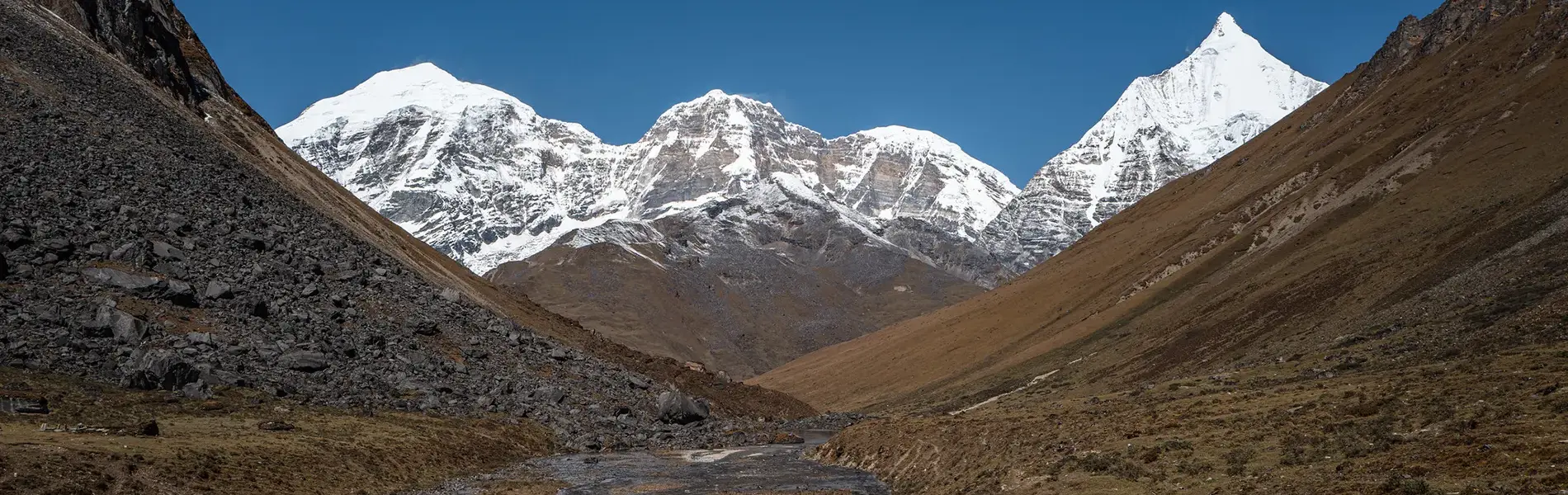
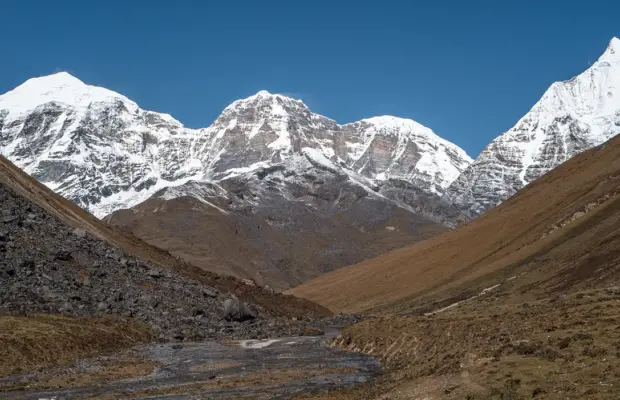
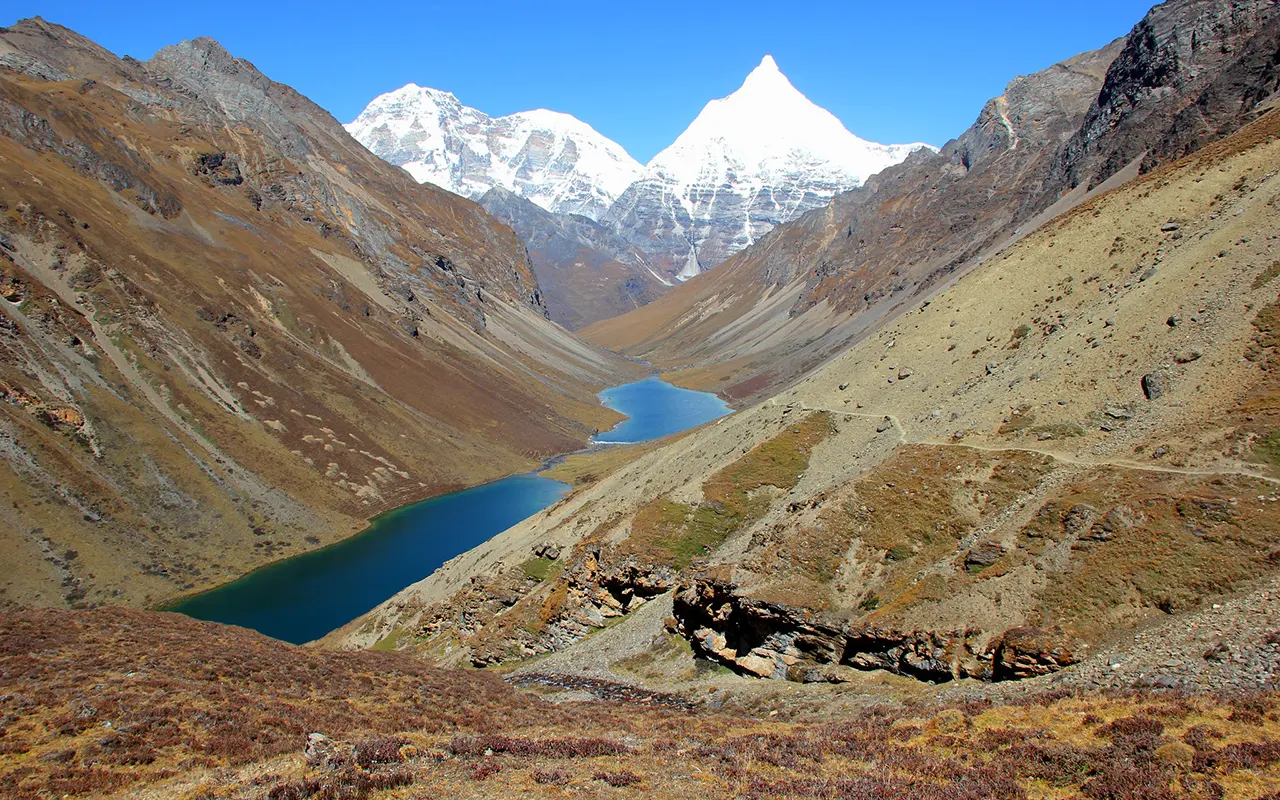
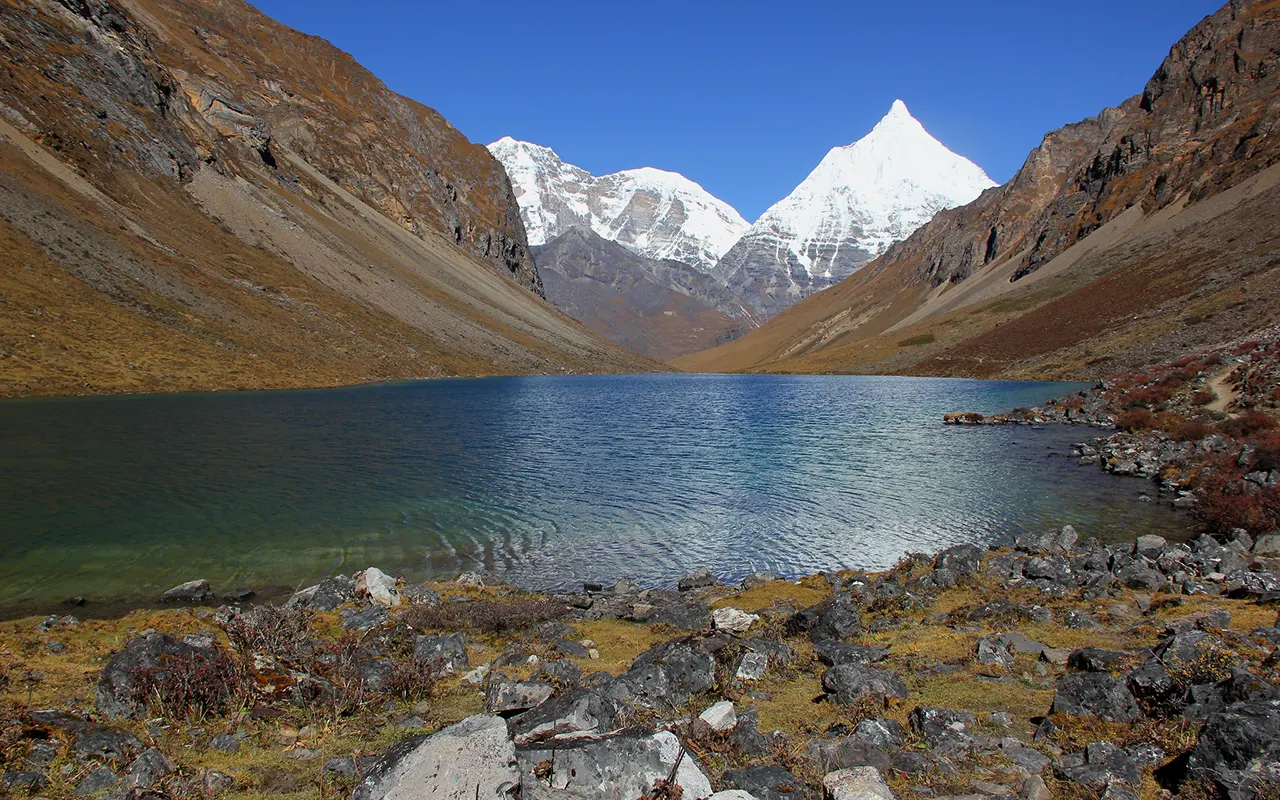
Some trekkers do not go far longer distances but instead aim at the Jomolhari Base Camp region, which can equally offer splendid sights of Mount Jomolhari (7,326 m / 24,035 ft). This would be the best choice when one has little time and yet desires to have an enriching trekking experience.
It is possible to add side trips or extensions to see more of the natural beauty and unique culture of Bhutan.
Through flexible planning and assistance of experienced operators such as Ambition Himalaya, you will be able to make the Bhutan Jomolhari Trek suit your schedule, interests, and fitness level.
Additional Costs & Budgeting
When planning the Bhutan Jomolhari Trek, other costs other than the main package need to be taken into consideration. Most of the costs, which are usually covered, like accommodation, meals, permits, and guides, among others, have been covered, but the individual costs still need to be budgeted.
These can be guide and porter tips, beverages, snacks, personal equipment, and souvenirs. You might also need to plan the budget for travel insurance, international flights, and visa fees.
The higher prices in Bhutan may be attributed to the controlled tourism policy, which, in its turn, also guarantee high-quality experience and its controlled management. All the necessary facilities are also organized even in higher camps such as Jangothang (4,080 m / 13,386 ft).
Budget planning will assist you in taking care of the unforeseen costs, and you will be able to have a splendid time at the Bhutan Jomolhari Trek without worrying about money.
Language & Communication
In Bhutan, English is commonly spoken, particularly by guides, hotel employeesand individuals who are employed in the tourism sector. This simplifies communication in the Bhutan Jomolhari Trek for the majority of international travelers.
Your trekking guide will have a good command of English and will assist in explaining the local culture, traditions and everyday practices. At the village, they can speak the national language, Dzongkha, but with a few simple words and gestures, basic communication can be achieved.
Learning some local greetings will help you have a better experience and have a cordial interaction with locals.
There is no difficulty in maintaining contact with your guide and team, even in the distant regions of the trek. Through systematic assistance, the language does not pose much of a problem and you can enjoy the trip and experience the culture to the fullest.
Internet, Charging, Mobile Network
The Bhutan Jomolhari Trek has very little coverage of mobile networks, particularly as you ascend to higher and more distant places. In such towns as Paro (2,200 m / 7,218 ft), you will enjoy an excellent network connection and internet access.
Nevertheless, when the trek starts, the connection is poor or absent in most areas. To avoid being out of touch with family and friends, it is better to let them know beforehand that you can be away for a few days.
There is also a lack of charging services on the trail. Certain camps will have basic power provision, which is charged with solar power, yet this is not a guarantee. The use of a power bank or additional batteries should also be considered.
Taking a break from the internet is a good experience to be shared during the Bhutan Jomolhari Trek, where you can concentrate on nature and the serene environment without interruption.
Extension of the Trip
Some of the travelers who complete the Bhutan Jomolhari Trek opt to continue with the trip to see more of Bhutan. The most common choices are taking a trip to Punakha, where one can see the beautiful dzong, and have a warm climate, or venture into Phobjikha Valley, which has gorgeous landscapes and black-necked cranes.
You may also take more time in Thimphu or Paro, sightseeing around some of the cultural sites, monasteries, and the local markets. These extensions are a further insight into Bhutanese customs and way of life.
To enjoy an alternative view, or to relax, the addition of a few days in a lower valley such as Punakha (1,200 m / 3,937 ft) would be a welcome relief after high altitude trekking.
The Bhutan Jomolhari Trek can be extended easily and most rewardingly with flexible planning by Ambition Himalaya.
Travel Tips for Nepal as a First-Time Visitor
In case you are planning your Bhutan Jomolhari Trek, there are a few tips that can be useful to follow. Bhutan is a land of varied culture, hospitable people, and a beautiful country.
It is easy to feel overwhelmed in the city, so it is important to stay patient, open-minded, and respectful of the local environment. One should always have some small cash because not every place has a card reader.
Wear simple and modest clothes when going to temples and observe the traditions. Traffic may be unexpected, which means that people should give themselves more time when moving around the city.
You can also make your visit interesting by trying local food and visiting cultural heritage sites. The Bhutan Jomolhari Trek is a profitable and worthwhile Himalayan adventure.

Good to know, before you travel
Want to learn more about this journey in-depth? Essential Trip Information includes a thorough itinerary, information for visa processing, Accommodations, Food , Acclimatization’s and pretty much anything else you could possibly need to know about this tour. Read more inside.
Frequently Asked Question
The normal itinerary would be 12 days,including arrival, acclimatization, days of the trek, and departure.
The highest point is the Yeli La Pass (4,930 m / 16,174 ft), where the trek has a panoramic view of the Himalayas and is the most difficult part of the entire trek.
This trek begins at Drukgyel Dzong and concludes at Dodena, and a trip to Thimphu is made to complete it.
The Paro hotels and fully serviced wilderness camping facilities in the trek are part of the accommodation.
Prior experience is desirable but not mandatory; excellent physical conditioning and training are necessary to be able to execute the trek safely.
Yes, in Bhutan, there must be licensed guides when trekking, and this is a government regulation that guarantees safety, cultural knowledge, and correct directional control.
Different kinds of Himalayan birds, blue sheep, and Yaks may be found by the trekkers, particularly in the regions of high altitude like Jangothang Base Camp.
Pack animals are used to carry up to 20 kg of personal belongings per trekker, allowing you to walk comfortably with just a daypack.
Yes, there is acclimatization at Jangothang (4,080 m / 13,386 ft) so that the trekkers get adjusted to a higher altitude safely.
The route is made up of forests, river valleys, alpine meadows, rock walks, and mountain passes, which are a variety of landscapes of different kinds and alternating.
Drinking water is normally supplied by boiled or treated water, but it is best to carry purification tablets or a filter of your own in case.
Yes, a majority of trekking crew can support vegetarian and simple diets, provided they are notified ahead of time prior to starting the trek.
The walk involves traveling to monasteries, dzongs, and villages, where one can get an understanding of Bhutanese customs, religion, and the local way of life.
The trek passes through remote Himalayan regions with basic infrastructure and offers a quiet and less crowded trekking experience.
Guides have safety equipment and communication devices. The evacuation process is organized in case of necessity and depends on the circumstances and conditions.
Quick Inquiry Form
 Read all reviews in Tripadvisor


$ 3800USD
- No. of Pax Per person
-
1 -
1 person
US$ 5200
-
2 -
4 people
US$ 4500
-
5 -
10 people
US$ 4200
-
11 -
16 people
US$ 4000
-
17 + people
9999
US$ 3800
Total Cost:
US$ 5200
- Private trip departures everyday
- No hidden cost
- Local based company
- Over 17 years of experience
- Trip Customization