

Lower Dolpo Trek
- Breakfast
- Lunch
- Dinner
- Hotel
- Lodge
- Teahouse
- Camp
- Trekking
- Camping
- Sightseeing
- Autumn
- Spring
You can talk with our travel experts for departure dates and price details.
- Private trip departures everyday
- No hidden cost
- Local based company
- We can help for big group
- Over 17 years of experience
- According to your needs, we can Customize the itinerary.

Highlights of Lower Dolpo Trek
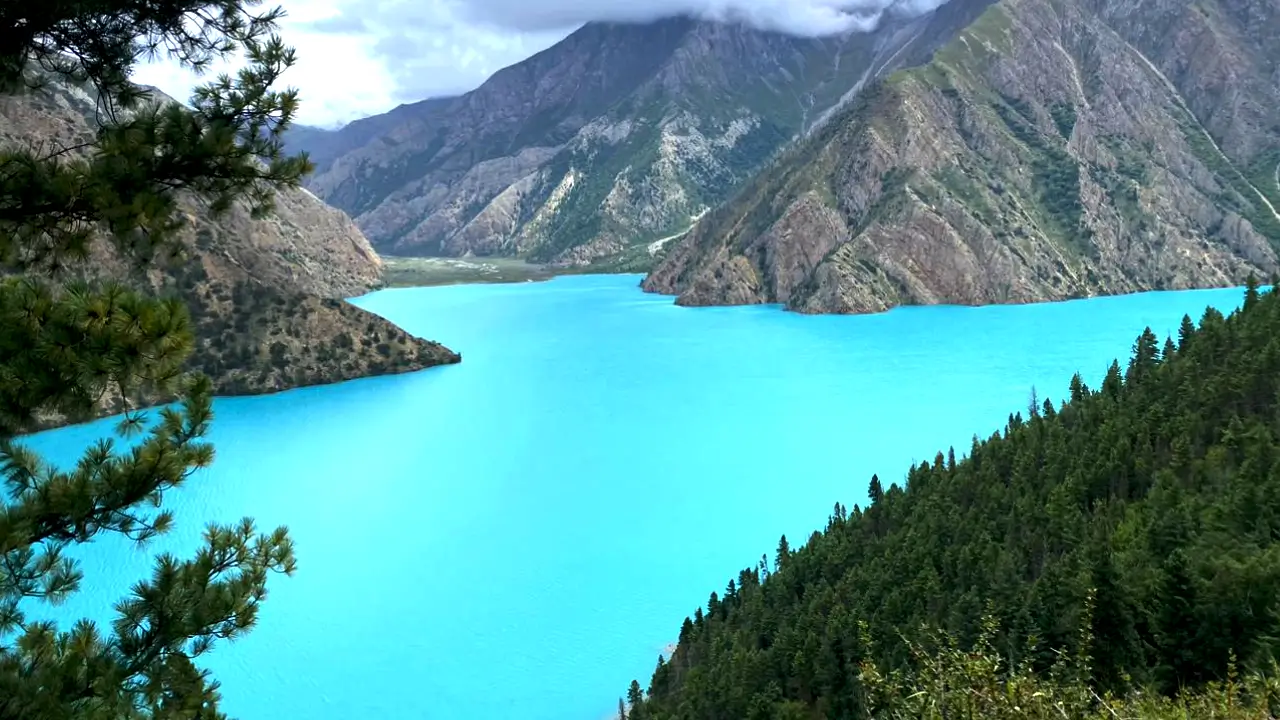
- Visit Shey Phoksundo National Park and its gorgeous turquoise lake
- Cross two Himalayan mountain passes (Numa La 5,190 m & Baga La 5,070 m)
- Walk through remote Dolpo villages and historic Buddhist & Bon monasteries.
- Experience traditional Tibetan-influenced pastoral life far from the modern world
- Hike past deep gorges, alpine meadows and pine forests
- See rare wildlife including blue sheep, musk deer and possibly a snow leopard.
- Enjoy scenic mountain flights on the Lower Dolpo Trek and pristine camping under the stars
Overview of Lower Dolpo Trek
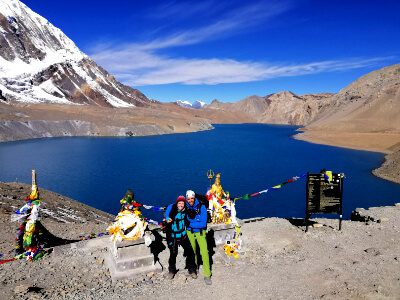
The Lower Dolpo Trek is a 19-day journey through one of Nepal’s most remote, culturally rich regions. This trek leads you deep into the secluded valleys of Dolpo in western Nepal (Karnali Province) and offers you a rare glimpse of unspoiled landscapes and ancient traditions. Trekkers pass through Shey Phoksundo National Park—home to Nepal’s deepest lake, Phoksundo (max depth 136–145 m)—and cross high mountain passes above 5,000 meters. The route offers you dramatic gorges, high cliffs, and stunning vistas of snow-capped peaks such as the far-off Dhaulagiri range.
Unlike more popular trekking routes, the Lower Dolpo Trek is little-visited, meaning trails are quiet and far from the crowds. Each day you’ll walk beside crystal-clear rivers, camp under starry skies and visit traditional villages where Buddhism and Bonpo shamanism work hand in hand. The local population of Dolpo in their unique costumes and traditional way of life graciously welcome you, offering genuine cultural experiences.
This trek is physically demanding yet highly rewarding. You’ll take on challenging climbs up to two passes – Numa La (5,190 m) and Baga La (5,070 m) – with staggering Himalayan views. The carefully planned Lower Dolpo Trek itinerary includes ample acclimatization time. With a skilled crew, these challenges turn out to be the highlights of your journey.
From the scenic flight into Juphal airstrip until the moment you stand on the shores of Phoksundo Lake, the Lower Dolpo Trek is a once-in-a-lifetime experience. This trek is an off-the-beaten-path adventure for outdoor enthusiasts and offers endless inspiration for photographers in Dolpo’s otherworldly terrain. If you are looking for solitude, untouched natural beauty and deep cultural immersion, Lower Dolpo Trek itinerary will provide an unforgettable Himalayan experience.
Itinerary of Lower Dolpo Trek
| Day | Mode | Route Itinerary | Elev.(m) | Duration | Overnight | Included |
|---|---|---|---|---|---|---|
| 01 | Fligh | Arrival in Kathmandu | 1,300 | 30m | Hotel | Dinner |
| 02 | Restday | Trek permit preparation and rest day | 1,300 | ..... | Hotel | Breakfast |
| 03 | Flight | Kathmandu - Nepalgunj flight | 150 | 1 hour | Hotel | Breakfast |
| 04 | Fly/trek | Flight from Nepalgunj to Juphal and trek to Dunai | 2,850 | 4/5 hrs | Guesthouse | B L D |
| 05 | Trek | Dunai to Tarakot | 2,543 | 6/7 hrs | Guesthouse | B L D |
| 06 | Trek | Tarako - Laini | 3,160 | 6/7 hrs | Tea house | B L D |
| 07 | Trek | Laini - Nawarpani | 3,545 | 5/6 hrs | teahouse/camp | B L D |
| 08 | Trek | Nawarpani - Dho Tarap | 4,090 | 7/8 hr | teahouse/camp | B L D |
| 09 | Restday | Acclimatization Day in Dho Tarap ( Visit beautiful vlllage | 4,090 | ..... | Teahouse/Camp | B L D |
| 10 | Trek | Trek from Dho Tarap - Numa La Base Camp | 4,440 | 6/7 hrs | Teahouse/Camp | B L D |
| 11 | Trek | Numa La Base Camp - Pelung Tang via Numa La Pass | 5,190/4,465 | 6/7 hrs | Teahouse/Camp | B L D |
| 12 | Trek | Penung Tang to Dajok Tang via Baga La Pass | 5,070/4,080 | 6/7 hrs | Teahouse/Camp | B L D |
| 13 | Trek | Trek from Dajok Tang - Ringmo | 3,600 | 4/5 hrs | Teahouse | B L D |
| 14 | Trek | Ringmo to Phoksundo Lake & Visit Phoksundo lake and looking surrounding beautiful place | 3,661 | ..... | Teahouse/Camp | B L D |
| 15 | Trek | Phoksundo - Shyanta | 2,520 | 7/8 hrs | Guesthouse | B L D |
| 16 | Trek | Shyanta - Juphal | 2,320 | 7/8 hrs | Guesthosue | B L D |
| 17 | Flight | Juphal - Nepalgunja and flight to Kathmandu | 1,300 | 4/5 hrs | Hotel | B L |
| 18 | Free/rest | Today is buuferday and free day | 1.300 | ...... | Hotel | Breakfast |
| 19 | Flight | Departure From Kathmandu | ..... | ..... | .... | Breakfast |
Detail Itinerary - Day to Day Route Description
Arrival in Kathmandu
Welcome to Nepal! When you arrive at Tribhuvan International Airport, Kathmandu, our team will welcome you and assist you to your hotel. You can relax or enjoy walks in Thamel after your long journey or go to local temples. In the evening we will enjoy a welcome dinner with traditional Nepali cuisine. You will meet your trek guide, who will explain the upcoming Lower Dolpo Trek and answer any last questions. Take a good rest in Kathmandu before you begin the Dolpo journey.
Trek Permit Preparation and Rest Day in Kathmandu
Today you have a free day in Kathmandu to get ready for the Lower Dolpo Trek and to see the city if you want. In the morning we will go to the Department of Immigration to get the special permits that are needed for the Lower Dolpo Trek. Our staff will handle the paperwork, but you may have to present your passport and other travel documents.
After obtaining the permits, you are free to spend the rest of the day as you like. Many travelers relax at the hotel or visit UNESCO World Heritage Sites in Kathmandu. You can join a guided tour that includes cultural landmarks such as Swayambhunath (the ‘Monkey Temple’), Boudhanath Stupa, and Pashupatinath Temple.
Flight from Kathmandu to Nepalgunj
After breakfast we will head to the airport for a flight to Nepalgunj in western Nepal. The flight lasts about one hour and features various landscapes as we leave the Kathmandu Valley and fly over the plains of the Terai. Nepalgunj (150 m) is a busy town close to the Indian border. It’s a city with a hot, tropical climate and dynamic markets.
Upon arrival, we will assist you to your hotel in Nepalgunj. At the hotel you can relax, or you can have a rickshaw ride in town to visit a local bazaar. This stop sets us up for tomorrow’s flight into the remote Dolpo region. Review all your essential equipment and get a good night’s sleep because the adventure begins with the next flight.
Flight Nepalgunj to Juphal (2,475 m/ 8,120 ft) and Trek to Dunai (2,000–2,140 m)
From Nepalgunj we will fly in the morning to Juphal Airport. It takes about 45 minutes. The plane goes over green hills and reveals the Himalayas, Annapurna and Dhaulagiri rising in the distance. When we arrive on the small airstrip at Juphal, we will notice the cold air of the mountains, so different from that of the lowlands.
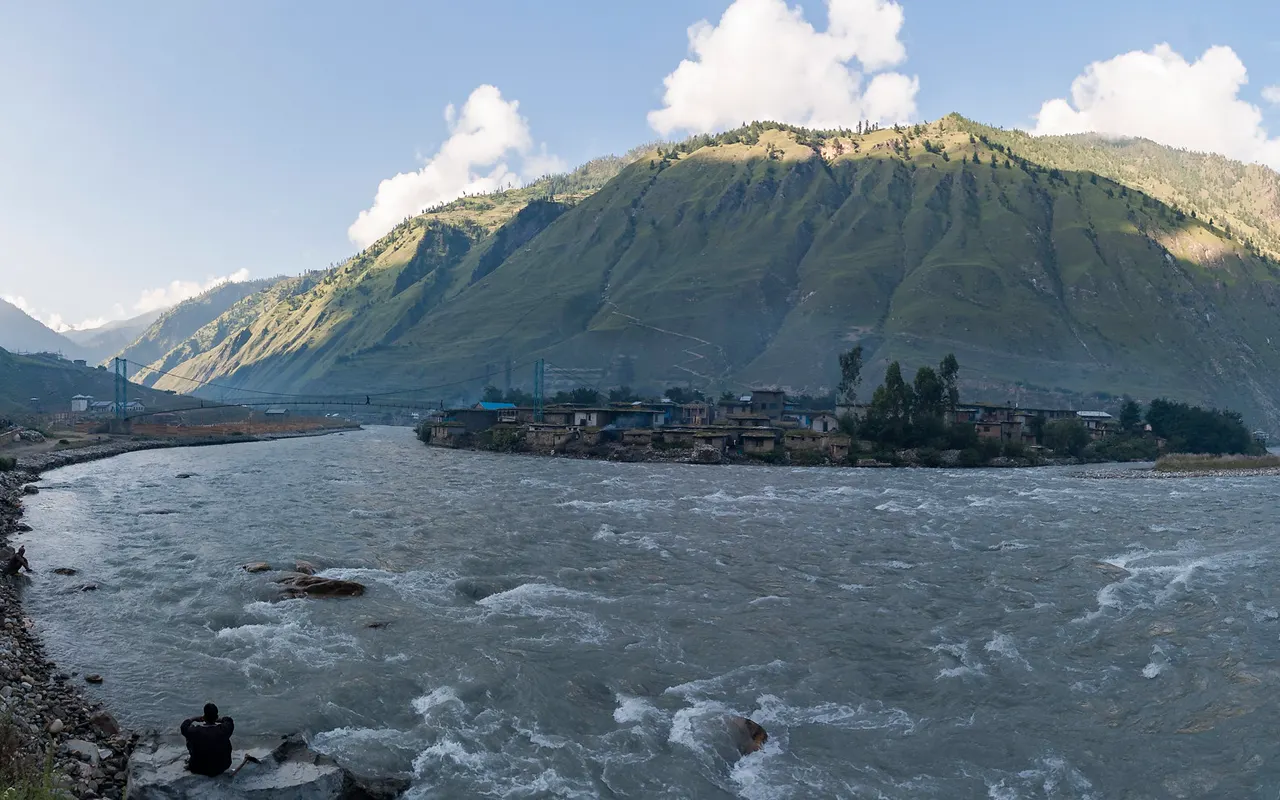
After a short preparation, we will begin the Lower Dolpo Trek. We will go across terraced fields and gradually down to the Thuli Bheri River. The trail goes along the river gorge on a gentle path and passes through a narrow canyon with pine trees on the cliffs. A few hours later we reach Dunai (≈2,140 m), the main town of Dolpa District. will stay overnight in a small teahouse or a camp in Dunai for the preparation for the next part of Lower Dolpo.
Trek from Dunai to Tarakot (2543 m)
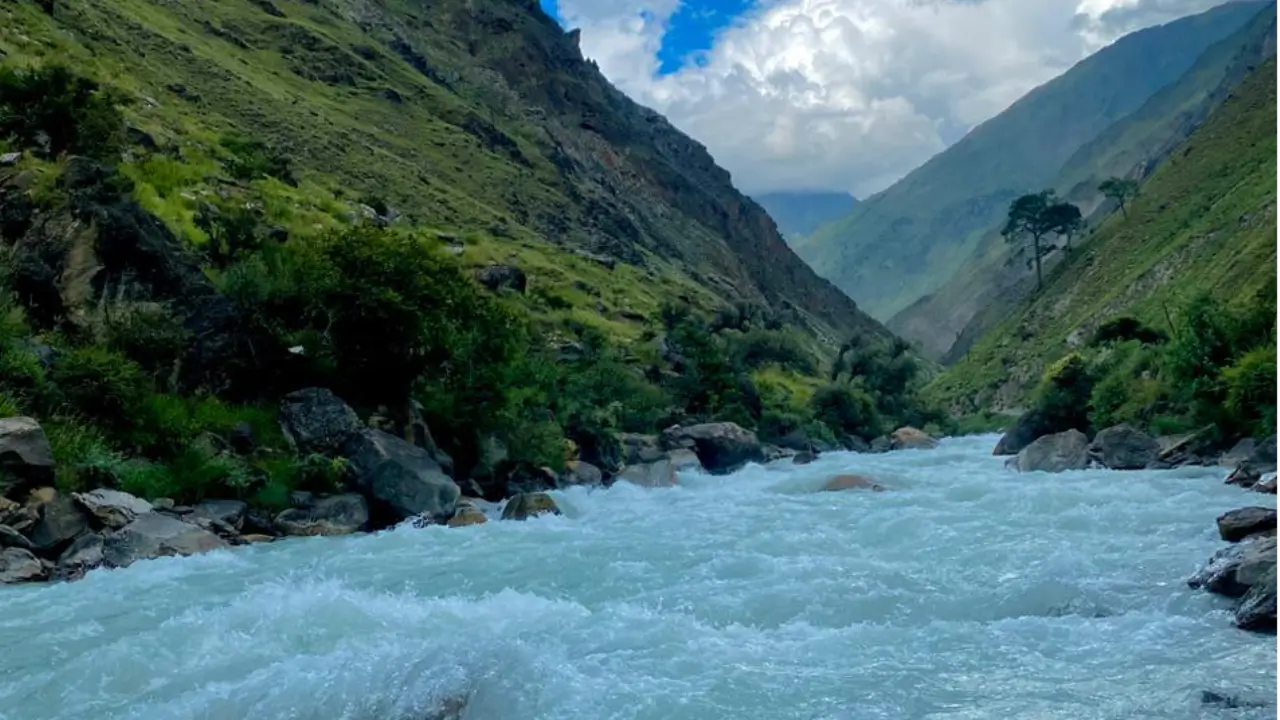
We will walk on the south side of the Bheri River to the upper end. The hike passes through a deep gorge. We’ll cross several suspension bridges and we see steep canyon walls and pine trees above us. In certain locations, the trail is constructed high up on the Cliffside showing how skillfully the trail was built.
After a while, we reach the valley and around Tarakot we see bright terraced fields. Tarakot (2543 m high) is an old fortress village on an alluvial hill south of the river. It was a kingdom known as Dzong, and being a stopping point on a trader’s route through Dolpo. The shells of the old fort and the stone walls that defended the town can still be seen. We will stay in a very basic teahouse and we will review our trekking equipment again and provide an explanation of the trek route.
Trek from Tarakot to Laini (3160 m)
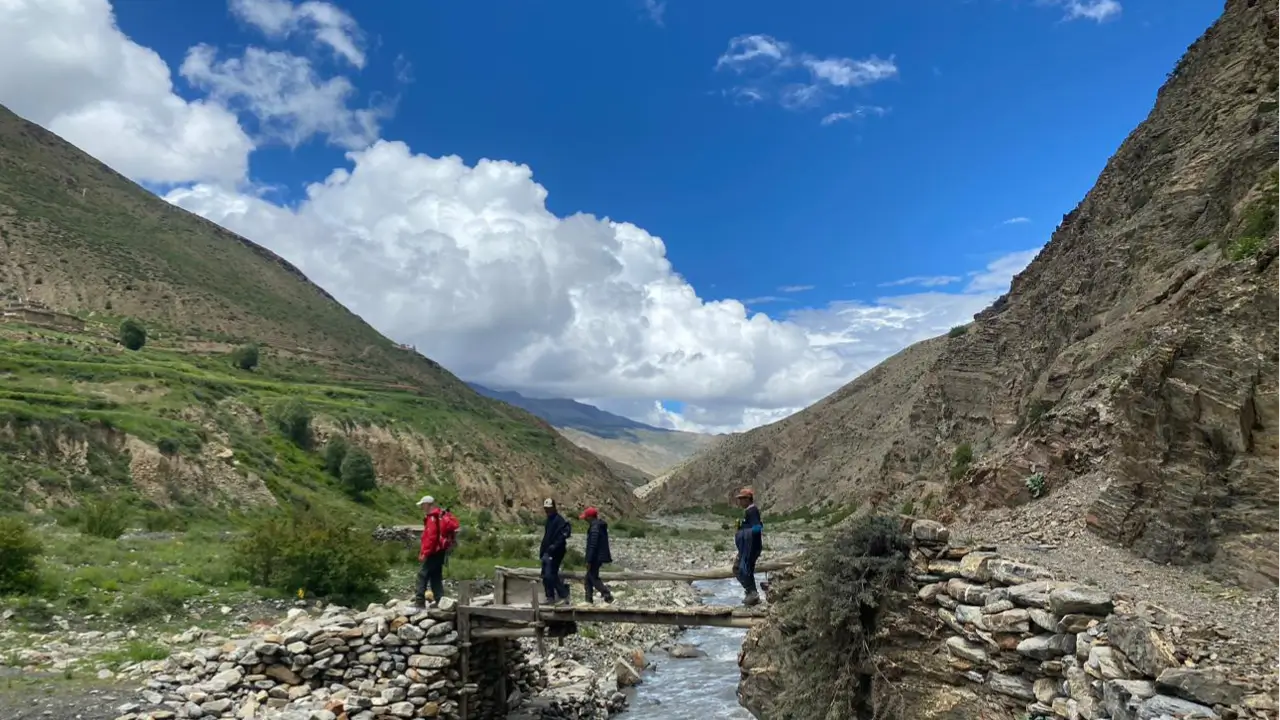
Today’s trek takes us east into the rugged Tarap Valley. We will follow the Tarap Chu, sometimes crossing brief log or wooden bridges. The route passes through terraced fields and villages of small size, and we get the chance to experience daily life in Dolpo. We will see a monastery near the confluence of the Barbung Khola and the Tarap Chu. The valley becomes narrower the further we travel. We will keep going higher. In the late afternoon we will arrive in Laini, a riverside campsite with a few teahouses.
Trek from Laini to Nawarpani (3545 m)
After breakfast we will continue our trek into the remote area of the Tarap Gorge. We will trek high above the water over Cliffside ledges. We will go through a dramatic section where the path has been cut out of the rock wall – an exciting section with stunning views to the river below. We cross streams that flow to the Tarap River and then return to the edge of the river.
In the afternoon we then reach Nawarpani, a place in Nepal that translates the name to “new water.” It is a tiny spot beside the river, which is frequently used by trekkers for camping. We will set up camp for the night. You can sit down by the riverside and enjoy the isolation – Up this high, there are no villages; the only sounds you can hear are the valley’s wind and the sound of rushing water.
Trek from Nawarpani to Dho Tarap (4090 m)
We will begin the day by going up a hill at a very slow pace. The narrow gorge eventually opens up. We will arrive at two streams whose confluence is called Kamattarka where the Tarap Chu and a small stream from the east flow into each other. From here we will break out of the narrow canyon.
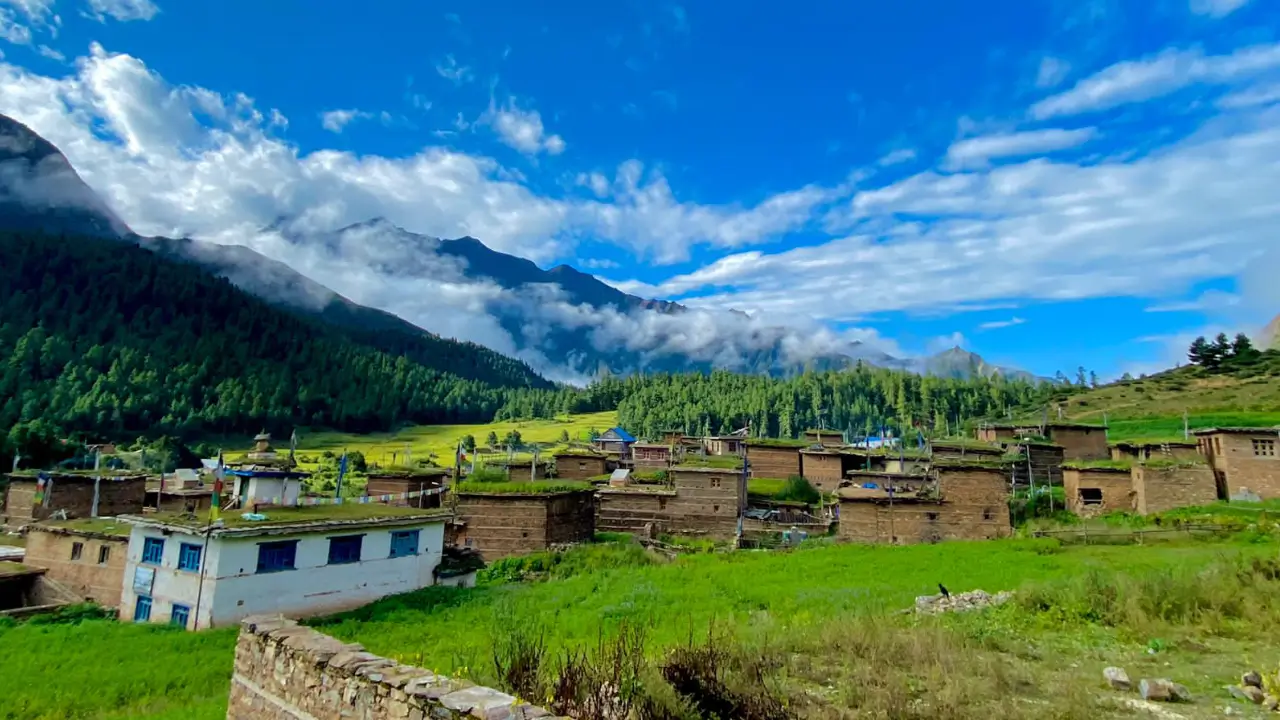
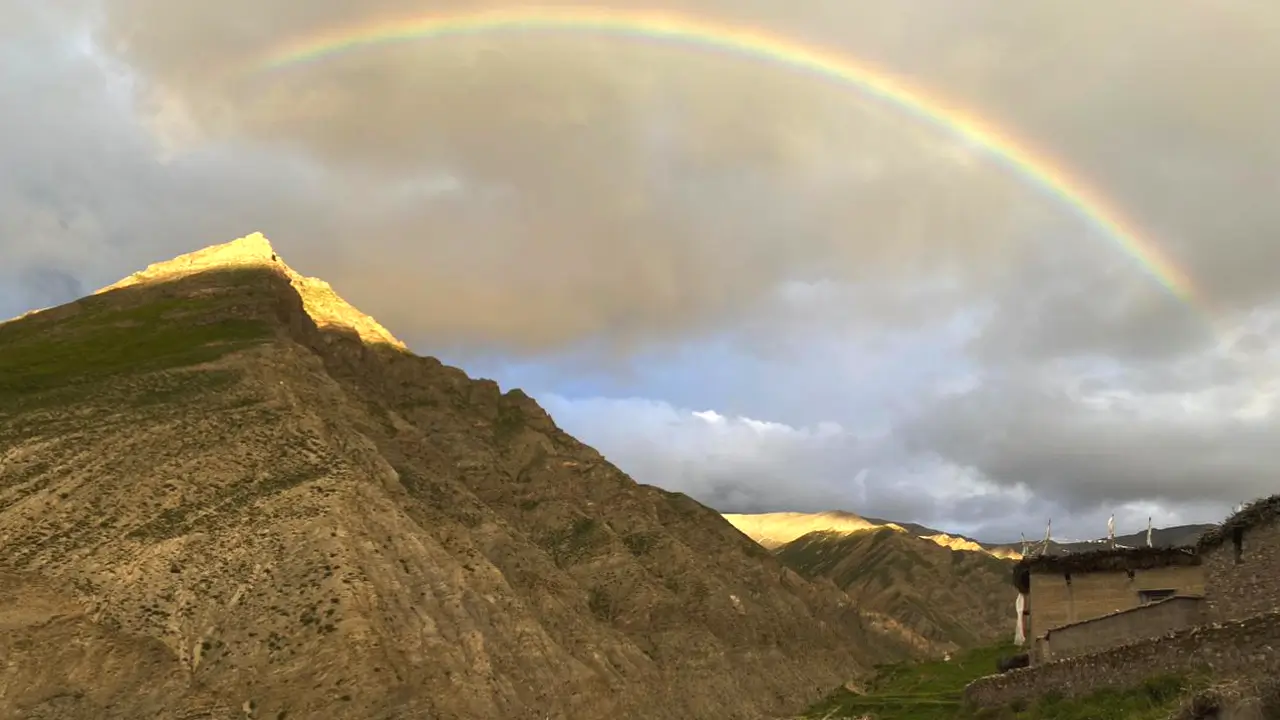
After a long hike we will finally reach the high village of Dho Tarap (4090 m). It is one of the world’s highest permanent villages. The village is encircled within old stone walls and comprises mud-brick dwellings and monasteries. Religion here is Tibetan Buddhism (of the Nyingma sect) and the old Bon religion. We are still a novelty so you will very likely be greeted by interested locals. We will camp near the village and dine on a good dinner and rest at around 4,000m.
Acclimatization day in Dho Tarap
We will stay another day in Dho Tarap for altitude acclimatization. This is important before tackling higher passes on the Lower Dolpo Trek. During the day we do short walks and hikes around the village and its surrounds which aids acclimatization by “climbing high and sleeping low.”
We can go to Ribo Bhumpa Monastery, the main Buddhist monastery in Dho Tarap, and walk up to the Bonpo monastery on the edge of the village. The people might be hospitable to offer us salted butter tea or local brew, and share stories in a blend of Tibetan and Nepali.
We will experience the serene atmosphere of Dho Tarap. Yaks and cattle graze in the valley, prayer flags flap in the cold wind. Now the thin air will be noticeable so take it easy and drink plenty of water. This rest day will help us safely continue the Lower Dolpo Trek over the high passes.
Trek from Dho Tara to Numa La Base Camp (4440 m)
After breakfast in Dho Tarap we say goodbye to the villagers and continue higher up the valley. The trail winds along the Tarap Chu up the upper Tarap Valley. Compared to the previous steep gorges, this valley is broad and has easy terrain. On both sides of the river the grassy meadows are used for pastures in which here and there yaks are let graze by the inhabitants of the area.
In the afternoon we will begin a steeper ascent in order to reach the base of Numa La. Numa La Base Camp (4440m) is a flat grassy expanse at the foot of the pass where we will set up our camp. It’s a remote, open campsite beneath Numa La with big night skies. In the evening we will watch the star-packed clear night sky and mentally ready ourselves for tomorrow’s big pass crossing.
Trek from Numa La Base to Pelung Tang (4465 m) via Numa La Pass (5190 m)
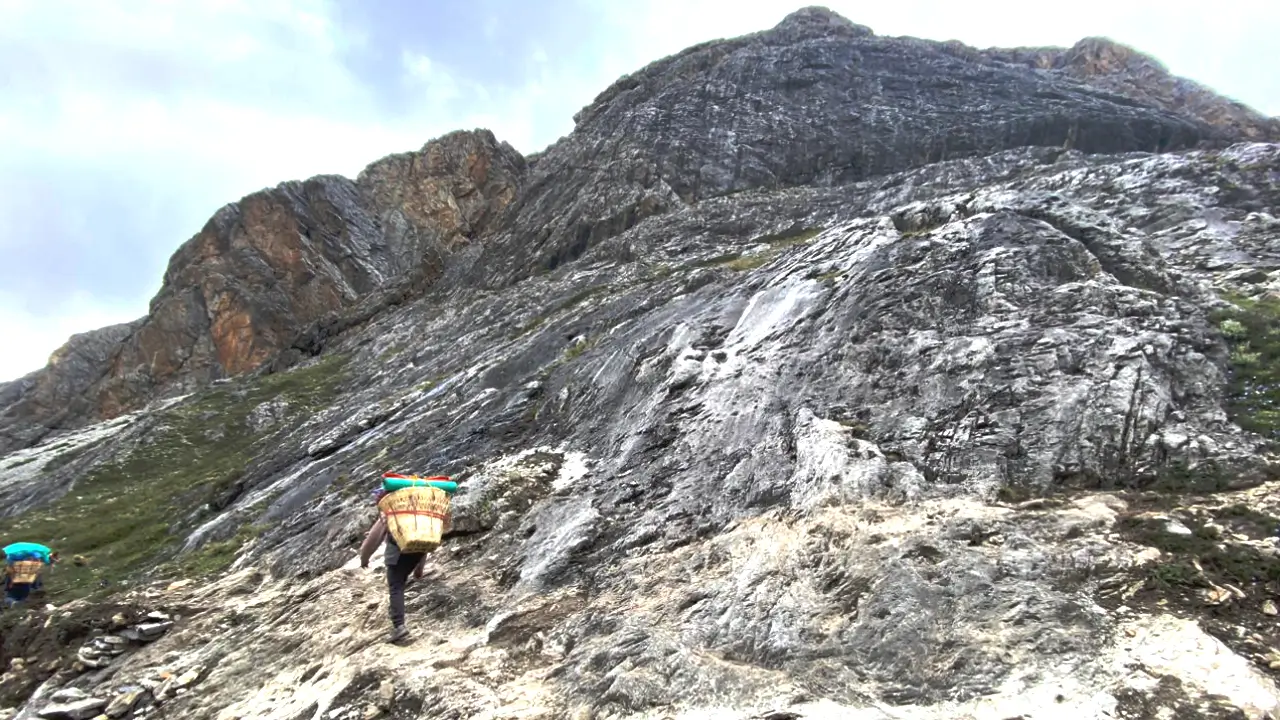
After breakfast, we start early because it’s one of the most challenging days. From camp the slope trundles straight up and zig-zags toward Numa La Pass. The climb is steep and steady. We’ll notice altitude on every step we take. Walk slowly, stop to rest and enjoy the expanding views behind you.
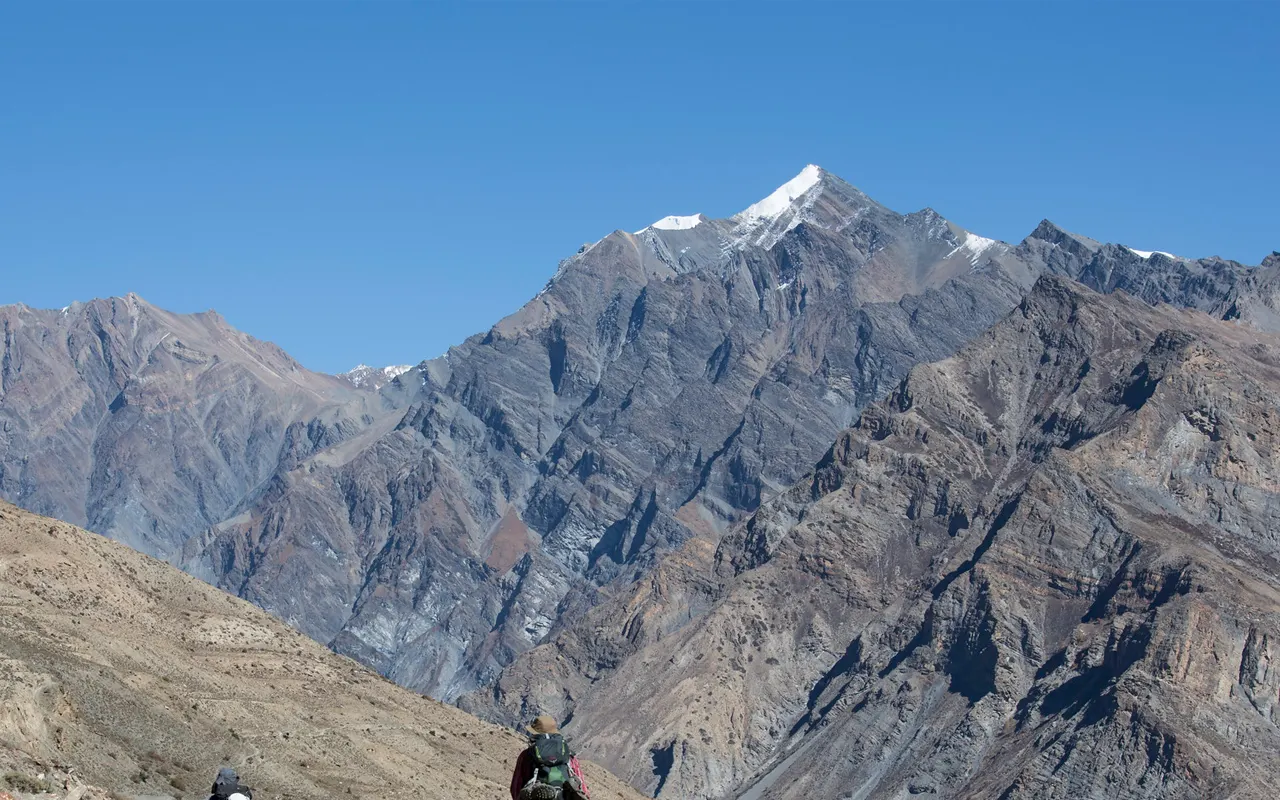
After hours of walking, we reach the top of Numa La Pass (5190 m), the highest point on the Lower Dolpo Trek. From the windy peak we can view the brown mountains of Dolpo on all sides. On clear days we can see Dhaulagiri (8,167 m) and other peaks. After a few hours, the trail levels out into the Pelung Tang valley (4,465 m). We will set up camp here and enjoy a well-earned rest. With this, the toughest section of the Lower Dolpo Trek is behind us.
Trek from Pelung Tang to Dajok Tang (4080 m) via Baga La Pass (5070 m)
Feeling refreshed from Numa La we will head into our second pass today. The trail climbs over rocky slopes and areas of snow to Baga La Pass (5070 m). The climb is hard but slightly less than yesterday.
The Kanjiroba Himal is often visible in the morning; its snow-covered peaks are a highlight. Prayer flags of the previous trekkers adorn the pass. After about three hours we descend to the verdant campsite at Dajok Tang (4080 m). The grassland includes shrubs and perhaps grazing yaks. We will pitch tents for the night; with two high passes behind us we can relax and look forward to Phoksundo Lake.
Trek from Dajok Tang to Ringmo (3600 m)
We will begin our trek through a lovely pine and birch forest from Dajok Tang. The trail has a rise and fall with smaller climbs. Along the way the landscape changes – we will be at lower altitudes, so the air is more humid and the vegetation thicker.
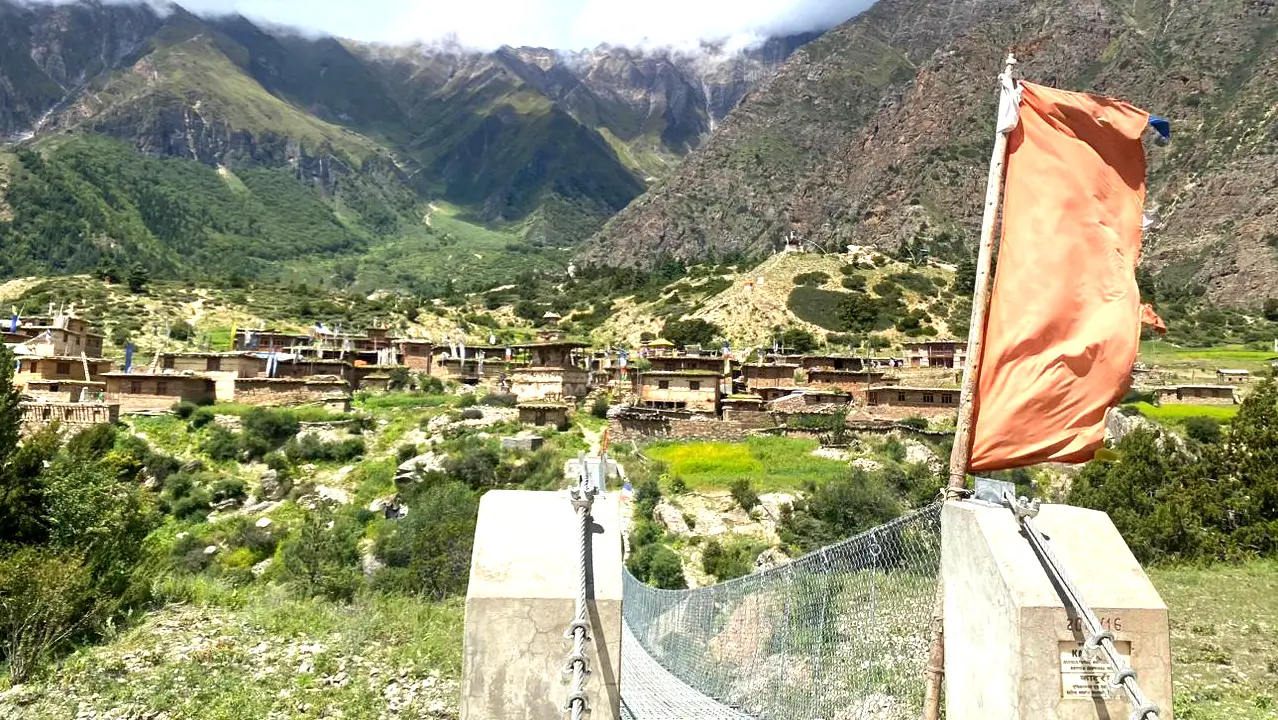
After a peaceful walk we will reach Ringmo (3600 m), a small village on the edge of Phoksundo Lake. Ringmo has a Bon (an ancient Tibetan religion) and Buddhist community. The flat-topped houses and chortens (stupas) give it a timeless appearance.
We’ll rest in a teahouse or camp around Ringmo. The afternoon is available for walking around the village, chatting with people or just chilling. From the campsite we can see the turquoise waters of Phoksundo just hiding beneath the trees, creating excitement for tomorrow.
Trek from Ringmo to Phoksundo Lake (3611 m) - Exploration Day
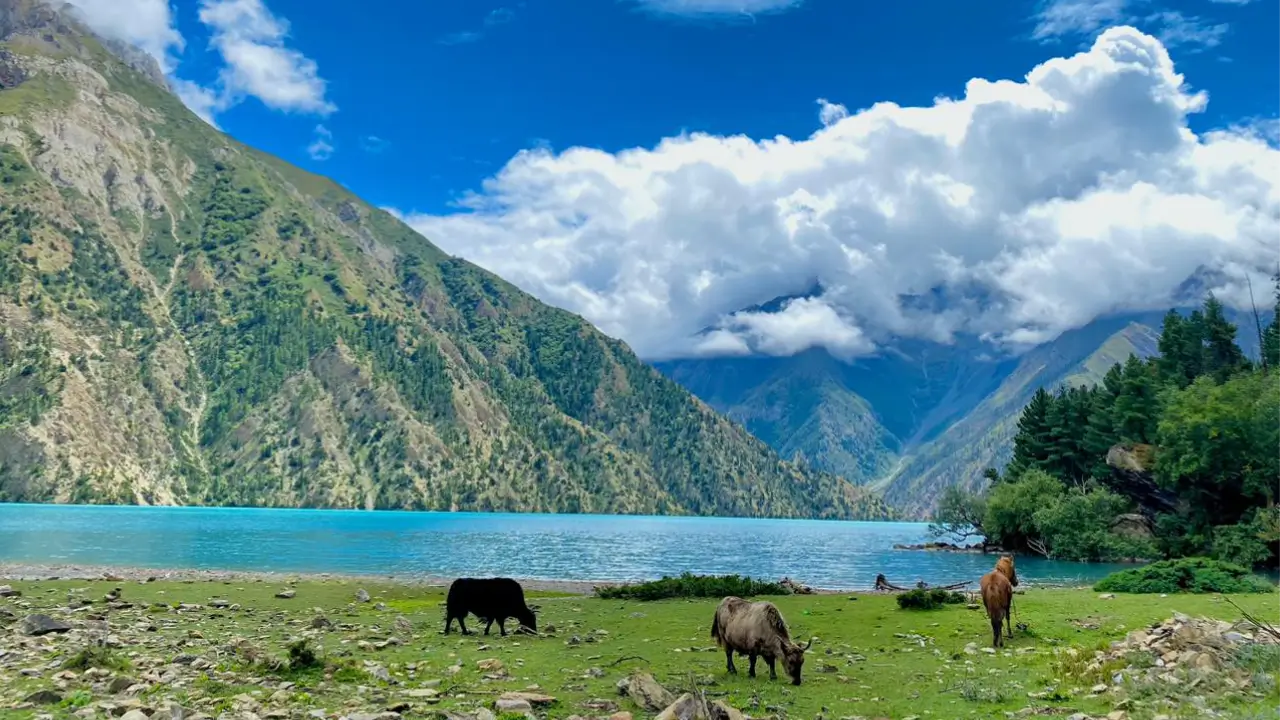
Today we will get a close look at Shey Phoksundo Lake. In the mornings we will walk a short way from Ringmo to the lake shore. The color of the lake is bright blue-green, which will surprise you. It is surrounded by snowy mountains and beautiful cliffs, so it’s a magical sight.
We spend the day walking around the lake. A side ridge can be climbed for a view from above of the entire lake and village of Ringmo. Another highlight is the Phoksundo (Suligad) Waterfall at the lake’s outlet—about 167 m high and among Nepal’s tallest.
During the day we can relax by this magical lake. Locals believe it is sacred and the water has no fish in it. It is a perfect spot for photography. Because the trail travels to Upper Dolpo and Tibet, we may see yak caravans. After a day full of exploration we will go back to camp on the lakeside and sleep under the stars.
Trek from Phoksundo Lake to Shyanta (2520 m)
After reaching the lake, we will begin our return journey. The path leads away from the lake, and down through birch and juniper woodlands. We will descend on a steep trail known as the Devil’s Trail.
We will track the Phoksundo Khola downwards to its confluence with the larger Suli Gad River. The trail then follows the Suli Gad River, winding through scenic valleys covered with forests and open grasslands.
By late afternoon we will reach Shyanta, a small settlement of a few teahouses. After losing considerable altitude, the warmer air feels refreshing. We will stay in a basic teahouse and celebrate finishing the toughest parts of the Lower Dolpo Trek.
Trek from Shyanta to Juphal (2320 m)
Our last trekking day will start today. From Shyanta we continue down the Suli Gad River. We will leave Shey Phoksundo National Park and pass the trail check-post at Sulighat. After the Sulighat the trail climbs gently away from the river.
We will trek up through fields and villages as we climb higher and make our way towards Juphal. It is a long steady climb for several hours. We will walk between high birch trees and we can see again part of the large valley. As we approach the ridge near Juphal, we will spot the ridge that contains Juphal’s airstrip, as well as the wide lower valley. We check into a local teahouse in Juphal. The village will feel much livelier than the wilderness. In the evening we have a farewell dinner with our trekking team and appreciate their assistance. Get a good sleep prior to the next flight.
Flight from Juphal to Nepalgunj and Kathmandu
In the early morning we will walk to Juphal Airport to fly out of Dolpo. We bid farewell to the local staff and porters and take to the small plane. The flight to Nepalgunj takes 45 minutes and we get to see t the mountains and hills of western Nepal.
We take an hour-long flight to Kathmandu after arriving in Nepalgunj. We return you to your hotel when you arrive in Kathmandu. Take your time to settle in because the busy city can feel a little overwhelming after the calm wilderness of the Lower Dolpo Trek.
In the evening, we host a farewell dinner in Kathmandu to celebrate finishing our Lower Dolpo Trek. We can listen to Nepali music and dance and celebrate your success.
Free Day in Kathmandu (Buffer Day)
Due to Dolpo’s unpredictable weather, today is free to allow for flight delays over the mountains. You can rest at your hotel or do things in the town. Explore the bustling markets of Thamel to shop for souvenirs such as pashmina shawls, handicrafts, spices, and Thangka paintings. You can also go to cultural places like Kathmandu Durbar Square to learn about Nepal’s history. The extra day makes sure you are not rushed before your international flight after the Lower Dolpo Trek.
Final Departure from Kathmandu
Our Lower Dolpo Trek adventure is over. After breakfast we can help plan activities for the rest of the day. If you are flying out today we will provide you with a transfer to Tribhuvan International Airport in time. If you wish to stay longer, we can organize more tours or activities for you.
Otherwise we hope you have a safe journey. You will leave Nepal with wonderful memories about your trekking in a peaceful, magical land.
Thank you for joining us on the Lower Dolpo Trek. We hope to see you for more fun in the future.
Not satisfied with this itinerary? Customize Now
Includes/Excludes
What's included
- All the required airport and hotel transfers by private vehicle
- Twin-sharing accommodation in Kathmandu wit 3 star hotel and breakfast
- Your Kathmandu to Nepalgunj and Nepalgunj Flight als for guide
- Your flight Nepalgunj to Juphal and Juphal to Nepalgunj Flight along for guide as well.
- Tea House/Home Stay/tent accommodation during the trekking days in the mountain
- Full board standard meals (Breakfast, Lunch, and Dinner) with 3 cup of hot drinks per day during the trek
- Government license holder trekking guide and with his expenses and Insurance
- Necessary porter during trekking with their expenses and Insurance
- Special trekking permit of Shey Phoksundo National Park and local taxes
- Food/Salary/accommodation and medical or accidental insurance for all the trekking staff
- Ambition Himalaya Treks Medical kit bag
- Farewell dinner after the trip completion in Kathmandu.
- All the government and local taxes
- Ambition Himalaya duffle bag
- Achievement Certificate from Ambition Himalaya Trek as gift for your success
Optional Addons
(Available addons on extra cost)
- Deluxe hotel in Kathmandu
- World heritage sites tour in Kathmandu
What is excluded
- International airfares, Travel/medical insurance, and Nepal entry visa fees.( Visa fee: 15 days 30 USD . 30 Days 50 USD )
- Emergency rescue by helicopter or Evacuation etc.
- Your travel Insurance
- Extra night hotel Nepalgunj due to bad weather and earlier back to Kathmandu
- Riding horse along the trek
- Alcoholic beverages, bottle mineral water, soft drinks, and snack foods Hot showers and Extra tea coffee and
- Gratitude for the guide and porters
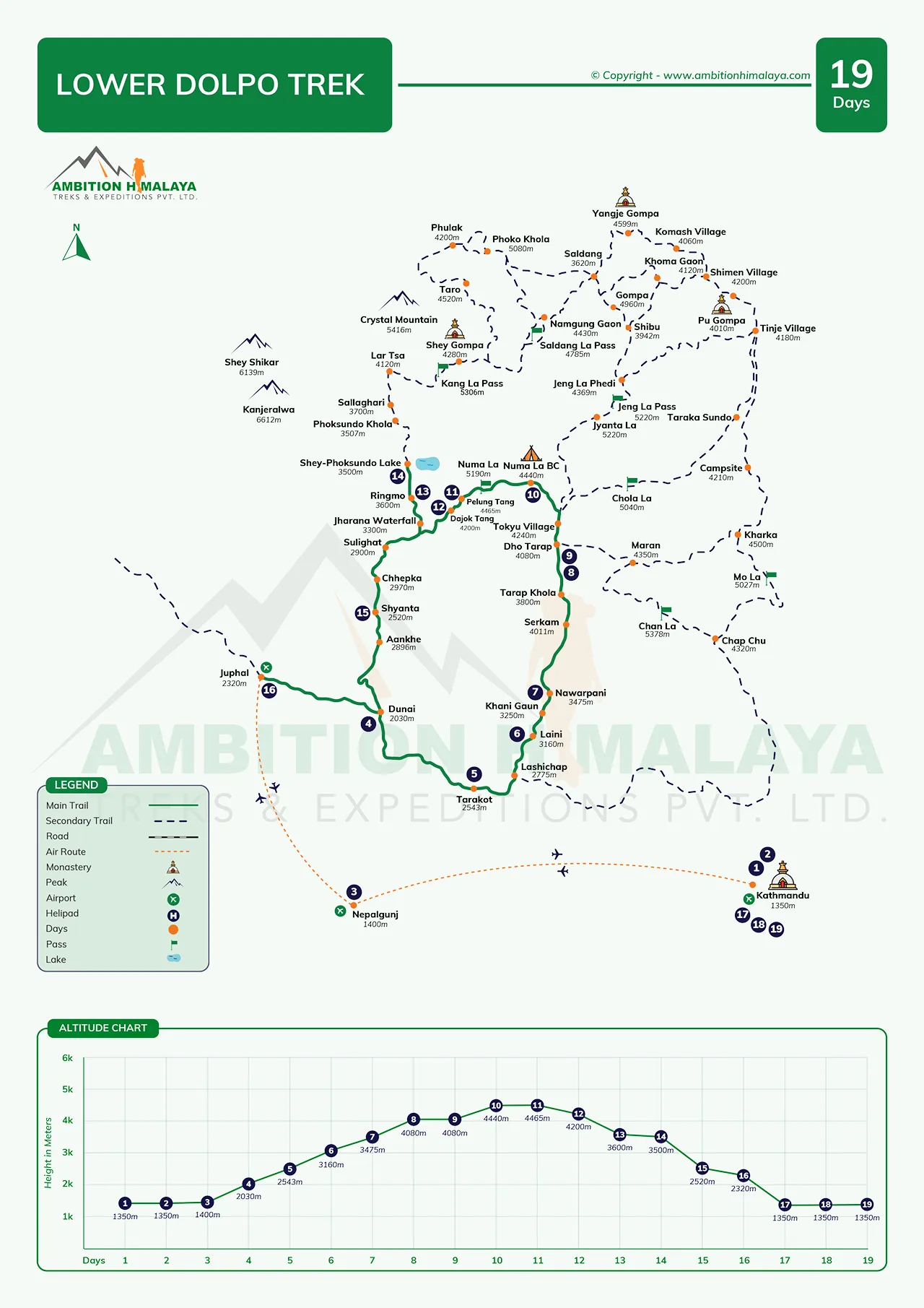
Route Map & Altitude Chart
Trip Information
Difficulty & Fitness for Lower Dolpo Trek
The Lower Dolpo Trek is hard and best for people who have trekked before. On the hardest days you will walk 7–8 hours, tackle substantial ascents, and cross two passes above 5,000 m (Numa La 5,190 m; Baga La 5,070 m). Exercise before the trip for several months. Take walks on hills, stairs, jogging, cycling or swimming. Train with a weighted backpack; improve your core and shoulder strength to cope with uneven terrain. Be prepared for early starts, long days and unpredictable weather. Walk at a steady pace, converse with your guide, drink plenty of water and eat well at each meal. With proper training and attitude a sense of great achievement will be felt during the trek.
Altitude & Acclimatization Plan for 19 days Lower Dolpo Trek
We will climb at a gradual pace and there are planned rest days. Before the high passes, near Dho Tarap (4,090 m), we will acclimatize for one whole day. As much as conditions permit, we will practice “climbs high, sleep low.”
We will walk at a comfortable, steady pace drink water regularly and refrain from alcohol and smoking. Our guide carefully monitor for symptoms of altitude sickness (headache, dizziness or nausea) and if any symptoms are noted, we will immediately reduce pace, introduce rest or descend.
Some trekkers choose acetazolamide (Diamox) to support acclimatization; we kindly recommend discussing this with your healthcare provider in advance to confirm it’s appropriate for you.
Best Season for the Lower Dolpo Trekking
Best times to visit are spring (March-May) and autumn (September–early November). Flights are more reliable and skies are clearerand flights. Dolpo is in a rain-shadow area so early June or late August works fine but flight delays and slippery trails are to be expected. Winter (December – February) is very cold and many passes are snow-covered. This trek is not recommended in winter unless you are an experienced high-altitude trekker.
Tea Houses & Camping
Infrastructure is limited. Unlike Everest or Annapurna, the Lower Dolpo Trek mostly relies on camping. Some villages (e.g. Dunai, Tarakot, Dho Tarap, Ringmo) offer basic teahouses or homestays. Food is mostly just dal bhat, noodles, or potatoes and beds are rather simple. Many nights we camp in expedition tents with sleeping mats and a dining tent. This lets you enjoy remote, beautiful camps. When available, electricity usually comes from solar power. Hot showers are rare, but embracing the simple life is part of Dolpo’s charm.
Transportation & Trail Facilities
Reaching Dolpo typically involves two flights: from Kathmandu to Nepalgunj to Juphal (STOL airstrip). There are strict baggage limits (usually about 10 kg checked + 5 kg hand, varies by airline). It’s possible to drive to Dunai by jeep, but it’s a rough couple of days. Once you’re on the trail, there are no roads. Porters and pack animals carry group gear while you hike with a daypack. Dunai has a small health station and some stores; beyond Dunai there are no ATMs or pharmacies. You will need to boil or filter your drinking water. In brief, once you’re in Dolpo, you’ll have to leave behind the modern luxuries.
What to Expect on Lower Dolpo Trekking
The trails are often stony and steep, with few other trekkers around. The landscape shifts from canyons and forests to open, windswept alpine valleys. Villages feel timeless, stone houses, yak caravans and living Bon and Tibetan Buddhist traditions. Walk clockwise around chortens and mani walls. Mornings are early; weather can be anything from blustery winds to bright sunshine. Flights can be delayed, so we include a buffer day. The team will adjust plans as conditions change, with safety first.
Guide & Staff
A licensed guide is a must in Dolpo’s restricted areas. The guide leads the trek with the support of porters, camp cook. The guide is in charge of safety, health checks, permits, and logistics and is also familiar with wilderness first aid. The staff handle camping, cooking, and water so you can focus on walking. Many trekkers leave the trek feeling like part of the family.
Is It Beginner‑Friendly?
Generally, no. The trek is lengthy, remote and high altitude, and should be done by trekkers with some experience of multi-day trekking and some altitude exposure. Most people can do it with a well-known operator if they train a lot, take additional rest days, and are fitter than the average person, but those undertaking a solo needs to know that it is a challenge and they are advised to follow the advice in this guide.
Altitude Sickness
Anyone above 2,500 m can experience altitude sickness, but gradual climbs and rest days help minimize the risk. Headache, nausea, dizziness, poor sleep are all early signs to look out for, so be sure to report them. First aid is rest, water and walking slowly. If symptoms worsen we must descend. Guides carry first-aid kits and can use an oximeter. Evacuation plans—usually by helicopter when weather allows—are in place. Insurance coverage with special conditions for high altitude trekking and emergency evacuation is required.
Gadgets, Charging & Internet
Fully charge devices in Kathmandu or Nepalgunj; afterward, charging is rare and only available in a few villages for a fee. There is almost no mobile or WiFi after Dunai. Carry power banks and extra batteries, and consider a small solar panel. Keep your devices warm at night to preserve battery life. We have a satellite phone in case of emergencies.
Permit Essentials & Restricted Area Rules on Lower Dolpo Trek
Lower Dolpo Restricted Area Permit (RAP): USD 20 per person per week, plus USD 5 per person per day after the first week. Issued only through registered trekking agencies and requires a minimum of two trekkers.
Shey Phoksundo National Park Entry Permit: about NPR 3,000 for foreign nationals (SAARC lower).
Carry your passport for check-ups, follow your guide, and stay on designated routes.
Your Extra Expenses
Budget for a Nepal visa (about USD 30–50) and comprehensive insurance that covers high altitude and emergency evacuation. City meals are not included so bring cash for that and snacks and drinks for the trek. It’s common to tip the crew, you may choose the quantity. Set aside a little for delays or having to stay an extra night in the hotel. Gear (sleeping bag, down jacket, etc): available for rent in Kathmandu.
Photo Hotspots & Sunrise Tips
Shey Phoksundo Lake (3,611 m): turquoise water. Shoot from Ringmo’s lakeshore and nearby viewpoints when the light is calm in the morning and at sunset.
Numa La and Baga La: open ridgeline with Dhaulagiri and trans-Himalayan views. Early morning light is beautiful.
Villages such as Dho Tarap: stone houses, local clothes, yaks. Ask permission before photographing people.
Night sky: camps at high altitude offer amazing views of the Milky Way at night on clear nights. Prepare additional batteries and memory cards as there are a lot of scenes.
Wildlife & Natural highlights on Loder Dolpo Trek
Blue sheep (bharal), Himalayan tahr, musk deer, marmots and such as griffon vultures and golden eagles are present in the largest Shey Phoksundo National Park, Nepal. Snow leopards occur in the park but are rarely seen. In the summer, alpine flowers and medicinal plants develop. The Phoksundo (Suligad) Waterfall 167 m high, cascades from the lake’s outlet and is among Nepal’s tallest.
The cliffs, layered rock formations, and deep gorges like the Tarap Chu showcase impressive geology. While the waters of Phoksundo are ultra-clear with very little to no visible aquatic life. The Phoksundo (Suligad) Waterfall is a 167-m cascade at the lake’s outlet; it is best photographed from Ringmo’s side trails or higher although it can also be viewed on the main trail in an open and bright morning or evening light.
Good to know, before you travel
Want to learn more about this journey in-depth? Essential Trip Information includes a thorough itinerary, information for visa processing, Accommodations, Food , Acclimatization’s and pretty much anything else you could possibly need to know about this tour. Read more inside.
Frequently Asked Question
Spring (Mar-May) and autumn (Sept-Nov) are optimal, for stable weather and clear skies. Monsoon often disrupts flights, and winter is too cold with passes blocked by snow.
It is a difficult journey with long days, altitude and remote trails. You should be already familiar with trekking and be fit.
A Licensed guide is a must. Because Lower Dolpo is a restricted area you cannot trek alone.
Lower Dolpo Restricted Area Permit and Shey Phoksundo National Park Entry Permits are required. A TIMS card is not needed.
Yes, as you cross passes over 5,000 m. We plan rest days and gradual climbs in order to minimize the risk.
You’ll most often be staying in tents, although we will have some simple homestays. Meals are simple but hearty, like dal bhat, noodles and porridge.
Very limited. A few villages are set up with solar energy or have weak mobile signal, but most of the trek is without electricity. Bring power banks.
Guides carry a first aid kit and satellite phone. If the problem is very serious, we arrange an evacuation (often helicopter, weather permitting). Insurance is required.
Warm sleeping bag, trekking boots, layered clothing, waterproof clothing, trekking poles, sun protection, head torch and spare batteries/power banks.
Yes, we can change the Lower Dolpo Trek schedule, adding more rest or sightseeing days to fit your plans.
Quick Inquiry Form
Trip Reviews
iker VVerified El viaje de una vida ⭐⭐⭐⭐⭐ Acabo de completar el trekking de 14 días al Campo Base del Everest con Ambition Himalaya y solo puedo decir que ha sido una experiencia inolvidable. El trekking es simplemente espectacular. Poder caminar entre algunas de las montañas más impresionantes del planeta y llegar al Campo Base del Everest era un sueño que tenía desde niño, y vivirlo en persona superó por completo todas mis expectativas. Pero si algo hizo este viaje realmente especial fueron las personas. Quiero destacar especialmente a Bharat y Samir. Bharat fue mucho más que un guía; durante estas dos semanas se convirtió en un amigo. Siempre atento, ayudando en todo momento, compartiendo risas, historias y haciendo que disfrutáramos cada día del trekking. Su profesionalidad es increíble, pero su calidad humana lo es aún más. Y qué decir de Samir. Siempre con una sonrisa, una energía contagiosa y una actitud admirable. Fue una parte fundamental de la experiencia y una de esas personas que dejan huella. Compartir esta aventura con Bharat y Samir hizo que el viaje fuera muchísimo más especial y que Nepal se sintiera como un lugar aún más acogedor. También quiero agradecer a Shishir su excelente gestión y organización. Desde el primer contacto todo fue sencillo, claro y perfectamente preparado. El Campo Base del Everest era uno de mis mayores sueños desde niño, y gracias a Ambition Himalaya pude disfrutarlo de la mejor manera posible. Si algún día vuelvo a Nepal, no tengo ninguna duda de que volveré a hacerlo con ellos. ¡Gracias, Bharat, Samir y Shishir, por una experiencia que nunca olvidaré! 🙏🏔️❤️ moagVerified One of my best experiences in nepal To be honest, this trek wasn't even my first choice when I started planning my nepal trip. After speaking with Shishir from ambition himalaya, I decided to give it a try, and I'm really happy I did. Looking back now, it was easily the highlight of my entire visit. The route was peaceful, the mountain scenery kept getting better every day, and standing beside the hidden alpine lake felt unreal after days of hiking. our guide was fantastic throughout the journey, always checking on everyone and sharing interesting stories about the places we passed. the tea houses were comfortable, everything was well organized, and I never felt rushed. If I return to nepal for another trek, Ambition Himalaya will definitely be the first company I contact DanielVerified 45 days in nepal and this was my favorite ,memory I've been traveling around Nepal for the last 45 days, and this trek easily became my favorite part of the trip. the mountains were incredible, but what really stayed with me was the kindness of the people. everywhere we stopped, locals greeted us with genuine smiles and made us feel welcome. I booked with ambition himalaya, and I'm glad I did. nothing felt rushed or overly planned. our guide knew when to chat and when to simply let us enjoy the silence of the mountains. walking into annapurna base camp after days on the trail was an unforgettable feeling, and it's a memory I'll carry home with me. MazamVerified Worth Every Step to Annapurna Base Camp I wasn't sure what to expect before starting the Annapurna Base Camp Trek, but it turned out to be one of the best trips I've done. The trails were beautiful, the villages felt welcoming, and the mountain views kept getting better each day. Our guide was excellent—always on time, easy to talk to, and happy to answer every question. He made sure everyone walked at a comfortable pace and stayed safe throughout the trek. The whole trip was well managed, and I never had to worry about anything. If you're thinking about doing ABC, I'd happily recommend this team. MdalVerified Every day on this trek was worth It I just finished the annapurna base camp trek, and I'm still thinking about the experience. every day felt different, with beautiful forests, quiet villages, and incredible mountain views along the trail. reaching base camp and seeing the mountains up close was a moment I'll never forget. I booked through ambition himalaya, and everything was well organized. Our guide was friendly, supportive, and always made sure the group was comfortable. I'd happily recommend this trek to anyone. RafqVerified An Unforgettable Manaslu Circuit Trek The 16day Manaslu Circuit Trek was an incredible experience from start to finish. The changing landscapes, peaceful villages, suspension bridges, and breathtaking mountain views made every day special. Crossing Larke Pass was challenging, but the feeling of reaching the top was unforgettable. Everything was organized exactly as promised, and I never had to worry about anything during the trek. A special thanks to Shishir from Ambition Himalaya, who answered all my questions before the trip and made sure everything was perfectly arranged. The guide was friendly, professional, and always supportive. This was a truly memorable adventure, and I would happily recommend Ambition Himalaya to anyone planning the Manaslu Circuit Trek in Nepal. MatthewVerified Manaslu Circuit Trek I spent around 2 months in Nepal (May–June) and completed the 16 days Manaslu Circuit Trek during this time, and I’m still staying here for 15 more days. The trek felt like real mountain life, walking daily through rivers, forests, suspension bridges, and remote villages where everything is very simple and slow. Tea houses were basic but warm after long tiring hikes, and locals were always kind and welcoming. The guide was very friendly and supportive throughout the journey, which made the whole experience easier and more enjoyable. Special thanks to Shishir, owner of Ambition Himalaya, for arranging everything so smoothly. The hardest part was Larke La Pass with cold wind and altitude, but the views were unforgettable. No luxury, just raw Himalayas, silence, and a real experience that stays in mind. הלל פינסVerified amazing annapurna base camp trek last month i completed the annapurna base camp trek with ambition himalaya treks & expeditions and it was my first trekking experience. everything went very smoothly from start to finish. mr shishir organized the trip very well and was always helpful. the people of nepal were kind and welcoming. i had a wonderful time and am planning to visit nepal again this october. highly recommended.. Timothe BVerified Best trek experience — highly recommend Ambition Himalaya We just completed the Annapurna Circuit with Ambition Himalaya and it was an absolutely perfect experience from start to finish. From the very beginning, Shishir was incredibly helpful in adapting our itinerary to fit our availability and adjusted both the trek and the pricing accordingly — without any hassle. That kind of flexibility and transparency made a huge difference. Our guide Bharat and porter Shyam were simply outstanding. Both were kind, attentive, and genuinely cared about our wellbeing throughout the entire trek. They always made sure we were comfortable, well-paced, and enjoying every moment. We couldn't have asked for better people to share this experience with. Everything went exactly as planned — and then some. As a bonus, we got to do Ice Lake, which wasn't originally part of our itinerary. It was an incredible, unexpected highlight that we'll never forget. I recommend Ambition Himalaya 100% without hesitation. If you're looking for a trustworthy, professional, and genuinely warm team to guide you through Nepal, look no further. I would not hesitate to trek with them again. Sofía RodríguezVerified Everest Base Camp Trek – Unforgettable Experience Last month, I completed the Everest Base Camp Trek with my friends through Ambition Himalaya Treks & Expeditions, and it was truly an unforgettable experience. Reaching EBC had always been a dream, and the entire team made the journey smooth and enjoyable from start to finish. Our guide was friendly, professional, and always there whenever we needed help. The views were incredible, the accommodations were well arranged, and everything was managed perfectly. Standing at Everest Base Camp with my friends was one of the best moments of my life. I highly recommend this company to anyone planning a trek in Nepal. Thank you for making this dream come true.Verified by TrustindexTrustindex verified badge is the Universal Symbol of Trust. Only the greatest companies can get the verified badge who has a review score above 4.5, based on customer reviews over the past 12 months. Read more
You can talk with our travel experts for departure dates and price details.
- Private trip departures everyday
- No hidden cost
- Local based company
- Over 17 years of experience
- Trip Customization