
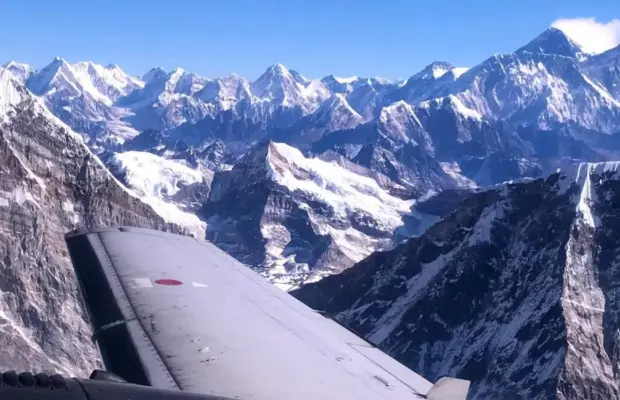
Everest Mountain Flight in Nepal: Weather, Best Time, Cost, Route and Complete Travel Guide
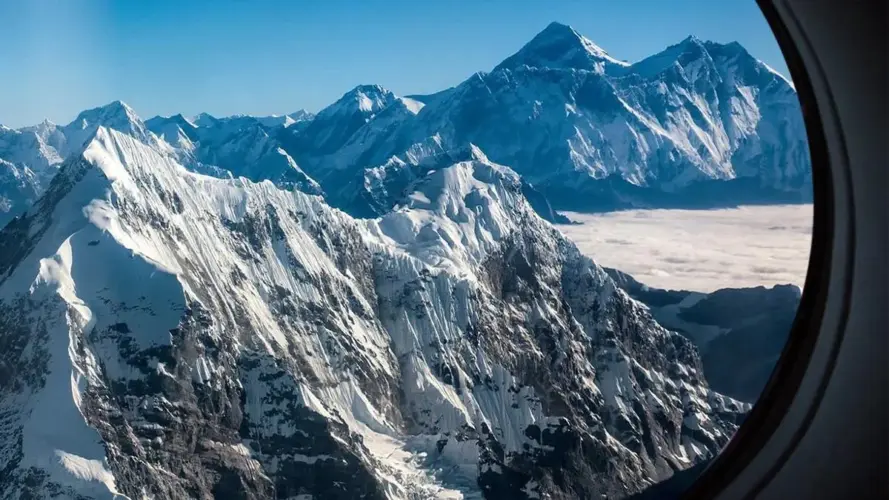
Introduction: Experience Mount Everest From the Sky
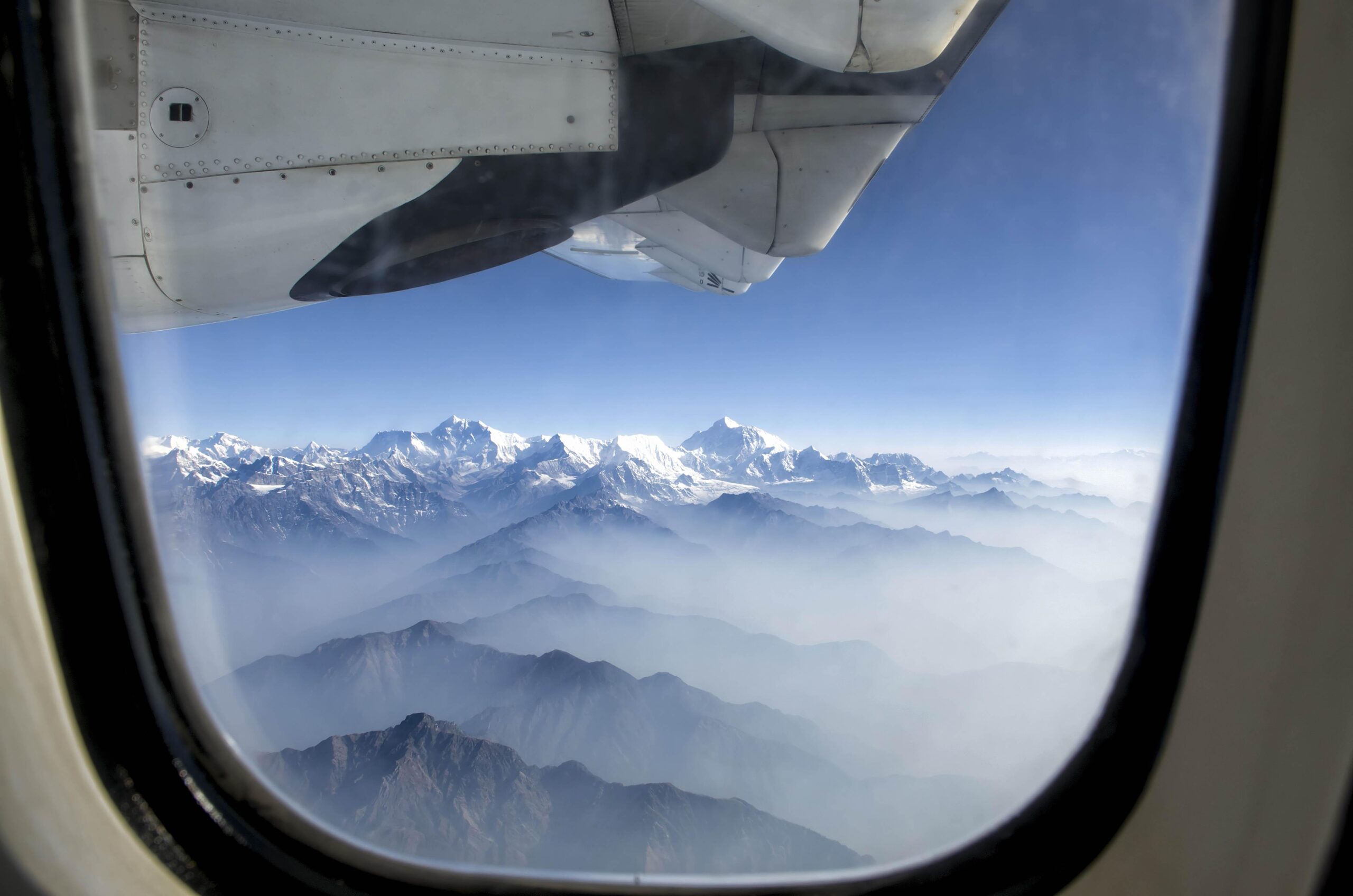
Imagine leaving Kathmandu early in the morning, watching the city gradually disappear beneath the aircraft and seeing the Himalayan horizon emerge beyond the clouds. Snow-covered ridges, enormous mountain faces and distant glaciers create a landscape that is difficult to appreciate fully from the ground.
An Everest Mountain Flight gives travellers an opportunity to experience this extraordinary scenery without spending days trekking through the Everest region.
For visitors with a limited holiday, the experience can be a convenient addition to a Nepal itinerary. It is also an option for families, photographers and travellers who want to see the Himalayas without undertaking a demanding trek.
However, there is one important detail to understand before booking: a scheduled flight does not guarantee a clear view of Mount Everest. Weather, cloud cover, visibility and airline operating decisions all influence the experience.
This guide by Ambition Himalaya explains when to travel, how seasonal weather affects mountain visibility, what happens during the flight, how to prepare for cancellations and where to find official information before departure.
What Is an Everest Mountain Flight?
An Everest Mountain Flight is a scenic sightseeing flight that normally departs from Tribhuvan International Airport in Kathmandu and follows a designated route along the Himalayan mountain range.
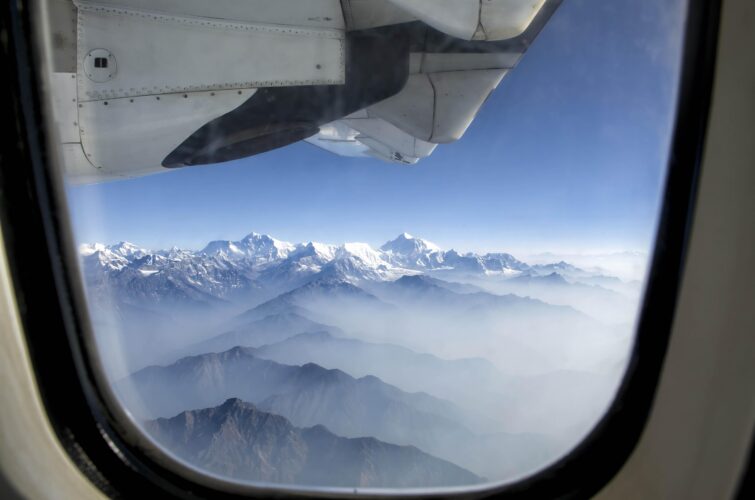
Passengers remain on the aircraft throughout the standard sightseeing experience. The aircraft returns to Kathmandu after completing its route rather than landing at Everest Base Camp.
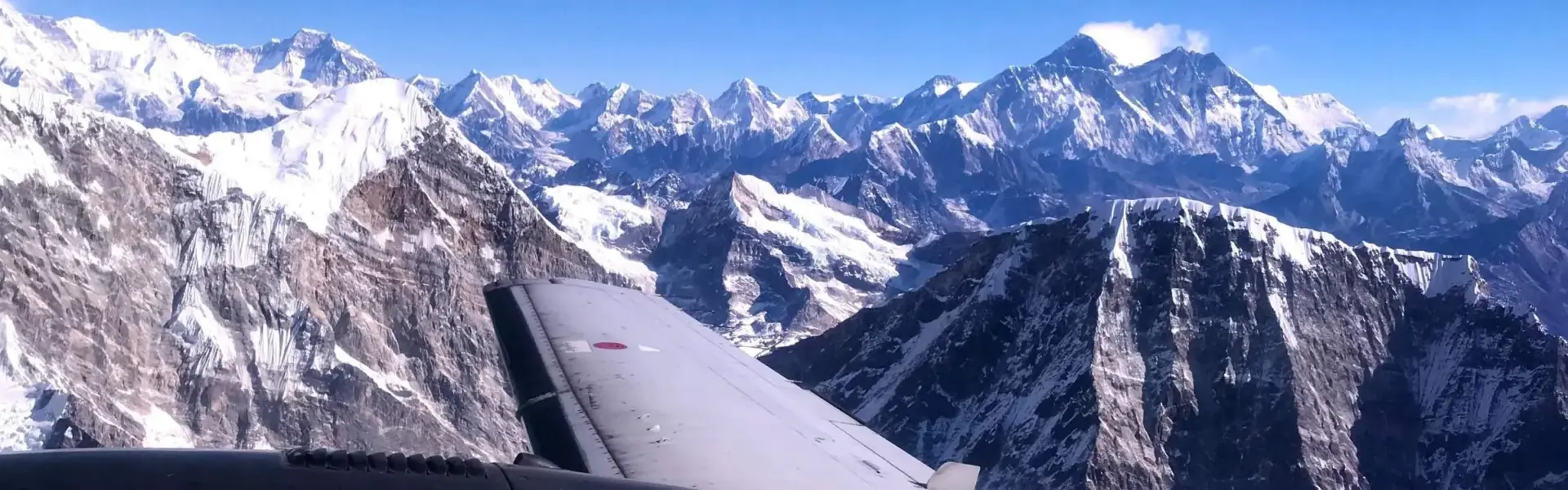
During suitable conditions, passengers may see Mount Everest and other prominent Himalayan peaks. The exact mountains visible depend on the flight path, visibility and weather.
The experience is especially suitable for travellers who want to enjoy mountain scenery in a short period without the physical demands, altitude exposure and time commitment associated with trekking.
Everest Mountain Flight at a Glance
- Starting location: Kathmandu, Nepal
- Departure airport: Tribhuvan International Airport
- Typical time in the air: Approximately 50–60 minutes, depending on the operator and conditions
- Operating time: Usually early morning, subject to the airline’s schedule
- Main attraction: Aerial views of the Himalayas and, when visibility permits, Mount Everest
- Trekking experience: Not required
- Mountain landing: Not included in a standard mountain flight
- Weather dependency: Significant
- Booking requirement: Confirm the operator, current fare, departure time and cancellation conditions
Flight duration and operating arrangements should always be verified with the airline or authorised booking provider.
Why Is the Everest Mountain Flight So Popular?
See the Himalayas Without a Multi-Day Trek
The Everest Base Camp Trek requires considerable time, walking and preparation for altitude. A mountain flight provides a different experience for visitors who cannot commit to a trekking itinerary.
You can enjoy an aerial perspective of the mountain range and return to Kathmandu on the same morning, provided the flight operates as scheduled.
Enjoy a Different Perspective of Everest
From the ground, mountains often appear as individual peaks separated by ridges and valleys. From the air, the wider Himalayan landscape becomes more apparent.
The view may reveal enormous mountain walls, snowfields and layers of distant summits. Actual visibility varies, and individual peaks cannot be guaranteed.
Make Better Use of a Short Nepal Holiday
A mountain flight can fit into a short Kathmandu visit. Depending on the arrival time, you may have the rest of the day available for sightseeing, cultural experiences or other activities.
Nevertheless, keep your itinerary flexible if the flight is an important part of your trip.
A Comfortable Alternative to Trekking
There is no hiking involved in the standard flight. This can make it an appealing choice for people who prefer sightseeing from an aircraft rather than walking at high altitude.
Travellers should still consider their comfort with flying, personal medical needs and the airline’s passenger requirements.
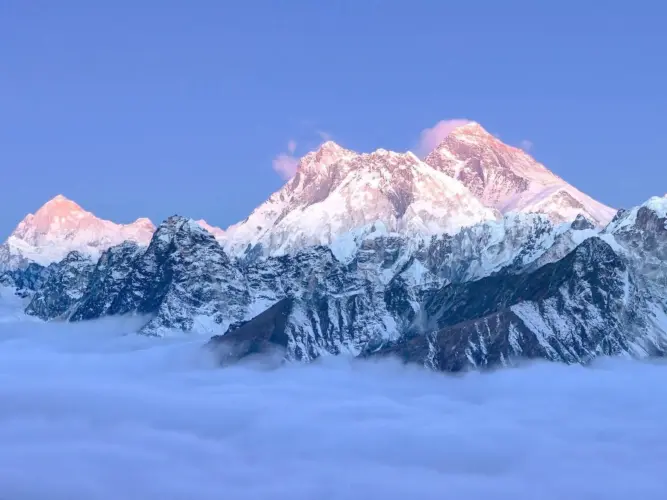
Everest Mountain Flight Weather: Why It Matters
Weather is one of the most important factors when choosing a date for your Everest Mountain Flight.
A morning can appear clear in Kathmandu while clouds cover parts of the Himalayan range. Equally, changing conditions may create excellent mountain views on one day and limited visibility on another.
Three factors are particularly important.
1. Cloud Cover
Clouds can obscure the mountain summits even when the aircraft is able to operate.
Low cloud around Kathmandu can also affect departure conditions. Cloud development along the scenic route may be different from conditions at the airport.
A general weather forecast for Kathmandu therefore cannot guarantee visibility at Everest.
2. Visibility and Atmospheric Haze
Visibility determines how clearly distant mountain features can be seen. Haze, moisture, dust and atmospheric conditions can reduce contrast, making faraway peaks appear faint.
A flight may operate even when the scenery is not as clear as passengers hoped. Ask the operator how its visibility and cancellation policies work before booking.
3. Wind, Turbulence and Changing Conditions
Wind and atmospheric conditions may affect flight operations, comfort and the route selected by the airline.
Pilots and operators make decisions according to applicable safety requirements. Passengers should not assume that an apparently calm morning guarantees a departure or a particular flight path.
Important: Weather suitability for safe operation and weather suitability for sightseeing are not exactly the same thing. An aircraft operating safely does not automatically mean Mount Everest will be visible.
Best Time for Everest Mountain Flight in Nepal
Nepal has distinct seasonal weather patterns, and each season offers different advantages and challenges for mountain sightseeing.
Autumn and spring are popular periods for visiting Nepal. Winter can offer excellent clarity on suitable mornings, while the monsoon season generally presents greater challenges because of clouds and rainfall.
Autumn: September to November
Autumn is one of the most popular travel seasons in Nepal.
As monsoon conditions retreat, many areas experience improving visibility. Clear mornings can reveal the Himalayan range in impressive detail.
October and November are often attractive months for travellers combining a mountain flight with Kathmandu sightseeing or a longer trekking holiday.
However, autumn is also a busy travel season. Book in advance and allow time for a possible rescheduled flight.
Best for: Travellers looking for a classic autumn visit to Nepal, with flexible morning plans.
Winter: December to February
Winter can provide crisp mountain views, particularly on clear mornings. Snow-covered peaks may look especially striking under bright sunlight.
However, winter conditions can also create challenges around Kathmandu, including morning fog or other weather-related delays. Conditions along the mountain route may differ from those at the airport.
Dress comfortably for early-morning travel and check your flight status before leaving your hotel.
Best for: Travellers who appreciate cool weather and can accommodate possible schedule changes.
Spring: March to May
Spring is another popular season for visiting Nepal.
Early mornings may offer good mountain visibility, while warmer conditions develop as the season progresses. Haze and cloud development can affect visibility, especially later in the day.
Spring is also a busy trekking season, so travellers combining a mountain flight with an Everest-region trek should coordinate the flight with their wider itinerary.
Best for: Visitors planning a Nepal holiday during the spring travel season.
Monsoon: June to August
Monsoon brings increased rainfall and widespread cloud development across many parts of Nepal.
Mountain views can become less predictable, and flight delays or cancellations may occur. A clear morning is still possible, but travellers should not rely on a single date for a guaranteed view.
If you travel during this period, consider a flexible itinerary and understand the cancellation and rescheduling conditions before paying.
Best for: Flexible travellers who understand that mountain visibility may be limited.
Which Month Should You Choose?
For many visitors, October, November, March and April are sensible months to consider. However, the best actual flight day depends on the forecast and conditions at the time.
No season guarantees a clear view of Everest.
A useful strategy is to schedule the flight early during your stay in Kathmandu, leaving another morning available if the airline cancels or visibility is poor.
Month-by-Month Everest Mountain Flight Planning Guide
The following table is a general seasonal planning guide, not a live weather forecast or a guarantee of visibility.
| Month | General seasonal pattern | Planning advice |
|---|---|---|
| January | Cold winter mornings; fog may affect Kathmandu | Keep a backup morning |
| February | Winter conditions continue; visibility varies | Check the latest forecast |
| March | Spring conditions begin developing | Prefer an early departure |
| April | Popular spring travel period | Book ahead and check visibility |
| May | Increasing warmth and possible haze or cloud | Keep plans flexible |
| June | Monsoon conditions may develop | Understand cancellation rules |
| July | Rain and cloud can affect mountain views | Avoid tight connections |
| August | Monsoon weather remains a consideration | Allow additional flexibility |
| September | Conditions can improve as monsoon retreats | Check actual conditions |
| October | Popular autumn travel period | Book early |
| November | Often favourable autumn conditions | Keep a backup date |
| December | Winter begins; clear mornings are possible | Check fog and flight status |
These descriptions are broad seasonal tendencies. They are not historical probability scores or predictions for a particular date.
How to Check the Weather Before Your Flight
Instead of relying on social media photographs or a generic weather app alone, use official sources to plan your departure.
Official Nepal Government and Tourism Resources
1. Nepal Department of Hydrology and Meteorology (DHM)
Website: https://www.dhm.gov.np/
DHM is Nepal’s official meteorological authority and publishes general weather information, forecasts, warnings and aviation-related weather products.
Look for the current forecast and aviation information relevant to your travel date. Where available, review the relevant airport or route information rather than assuming that Kathmandu’s city forecast represents conditions across the Himalayas.
2. DHM aviation forecast information
Website: https://www.dhm.gov.np/
Use the official DHM website to locate its aviation forecast products and relevant meteorological bulletins. Availability and the precise forecast products may change.
A public weather forecast should be treated as planning information, not as a replacement for the airline’s operational decision.
3. Tribhuvan International Airport flight information
Official flight information: https://www.tiairport.com.np/public/index.php/flight-information
The airport’s flight information page lists scheduled and actual flight information, including domestic services and mountain-flight departures where displayed.
Check the relevant departure information before travelling to the airport. The airline or booking provider remains the best contact for your individual reservation and any cancellation or rescheduling arrangements.
4. Civil Aviation Authority of Nepal (CAAN)
Official website: https://caanepal.gov.np/
CAAN is Nepal’s civil aviation regulator and provides aviation-related information, notices and safety resources.
Use official aviation resources for general regulatory and safety information. For the status of your specific ticket, contact the operating airline.
5. Nepal Tourism Board: Everest
Official destination page: https://ntb.gov.np/en/everest
The Nepal Tourism Board provides background information about the Everest region, its mountain landscape, trekking destinations and tourism experiences.
This is a useful reference for travellers who want to understand the wider region beyond the mountain flight.
6. Nepal Tourism Board: Official website
Website: https://ntb.gov.np/
Use the official tourism portal to explore Nepal travel information, destination guides and practical resources for planning your visit.
A Simple Weather-Checking Routine
The evening before your flight:
- Review the latest official forecast and any relevant weather warnings.
- Confirm your reporting time with the operator.
- Ask whether the flight remains scheduled.
- Confirm your hotel pickup, if included.
- Review the cancellation and refund terms.
On the morning of the flight:
- Check the airport’s current flight information.
- Contact the airline or operator if the status is unclear.
- Follow instructions from the airline regarding delays, cancellations or revised departure times.
- Avoid assuming that a clear view from your hotel means the mountain route is clear.
A forecast can change, so the final decision rests with the airline and the relevant aviation authorities.
Understanding Weather Forecasts for Mountain Flights
Weather terminology can be confusing, especially for international visitors unfamiliar with Nepal’s mountain climate.
Here are several terms worth understanding.
Clear sky: Few or no clouds are present in the relevant forecast area. This is encouraging, but it does not guarantee that every Himalayan peak will be visible.
Cloud cover: The proportion of the sky covered by clouds. Cloud cover over Kathmandu may differ from cloud cover near Everest.
Visibility: The distance at which objects can be seen clearly. Haze or moisture can reduce visibility even without extensive cloud cover.
Fog: A cloud of tiny water droplets near the ground that can reduce visibility around the airport.
Precipitation: Rain, snow or other forms of water falling from the atmosphere. Precipitation and associated weather conditions may affect flight operations.
Wind: Wind conditions may influence aviation operations, particularly when conditions change along the route.
Aviation forecast: Weather information prepared for aviation purposes. It may include information relevant to airports, visibility, clouds, winds and other operational conditions.
For your own planning, remember that a general Kathmandu forecast is only one part of the picture. The weather along the mountain route matters too.
What Happens If the Flight Is Delayed or Cancelled?
Weather-related changes are a practical consideration when booking an Everest Mountain Flight.
A flight may be delayed, rescheduled or cancelled because of conditions at the airport, along the route or for other operational reasons.
Your options depend on the operating airline and the terms of the ticket you purchased.
If the Flight Is Delayed
Remain in contact with the airline or booking provider and follow the revised reporting instructions. Do not leave the airport or make alternative arrangements without understanding the latest information.
If you have arranged private transport, confirm whether the pickup or return transfer can be adjusted.
If the Flight Is Cancelled
Ask the operator to explain your available options in writing.
These may include rescheduling or a refund where permitted by the applicable fare rules and booking terms. Do not assume that every ticket has the same refund conditions.
If the Flight Operates but Everest Is Not Visible
This is an important distinction.
A flight cancellation and a completed flight with poor mountain visibility may be treated differently under the operator’s policy.
Before booking, ask what happens if the aircraft operates but clouds obscure Mount Everest. Request a clear explanation of any visibility-related guarantee, refund condition or rescheduling arrangement.
How to Reduce the Risk of Missing the Experience
Schedule your flight near the beginning of your Kathmandu stay if possible. Keep a backup morning available and avoid making an international departure dependent on the mountain flight returning at a particular time.
This is especially important during periods of unsettled weather.
Everest Mountain Flight Route: What to Expect
The standard experience begins at Tribhuvan International Airport in Kathmandu.
After check-in and boarding, the aircraft follows its scheduled scenic route towards the Himalayan range. Passengers may see the mountain landscape emerge beyond the hills and valleys as the aircraft approaches the scenic section.
During favourable conditions, the flight may offer views of Mount Everest and neighbouring peaks. The aircraft then returns to Kathmandu.
The precise route and viewing opportunities depend on the operator, flight plan, weather and operational requirements.
Step 1: Arrival at Kathmandu Airport
Arrive at the time specified by your airline. Check your booking confirmation for the reporting location and any required documents.
Step 2: Boarding and Safety Instructions
Follow the crew’s instructions, secure your seat belt as directed and listen to the safety briefing.
Step 3: Scenic Mountain Viewing
As the aircraft follows its route, passengers can look for major Himalayan peaks and photograph the scenery when permitted.
Step 4: Return to Kathmandu
The aircraft returns after completing the scheduled sightseeing route. Actual flight time may differ from the advertised duration because of operational conditions.
Can You See Everest on Every Flight?
No. Mount Everest is the main attraction, but cloud cover, haze and changes to the route can affect visibility.
If a clear view is essential to your trip, ask about the operator’s policy before booking and allow time for a possible alternative departure.
Which Mountains Can You See During the Flight?
The wider Himalayan landscape includes several of the world’s highest peaks.
Mount Everest
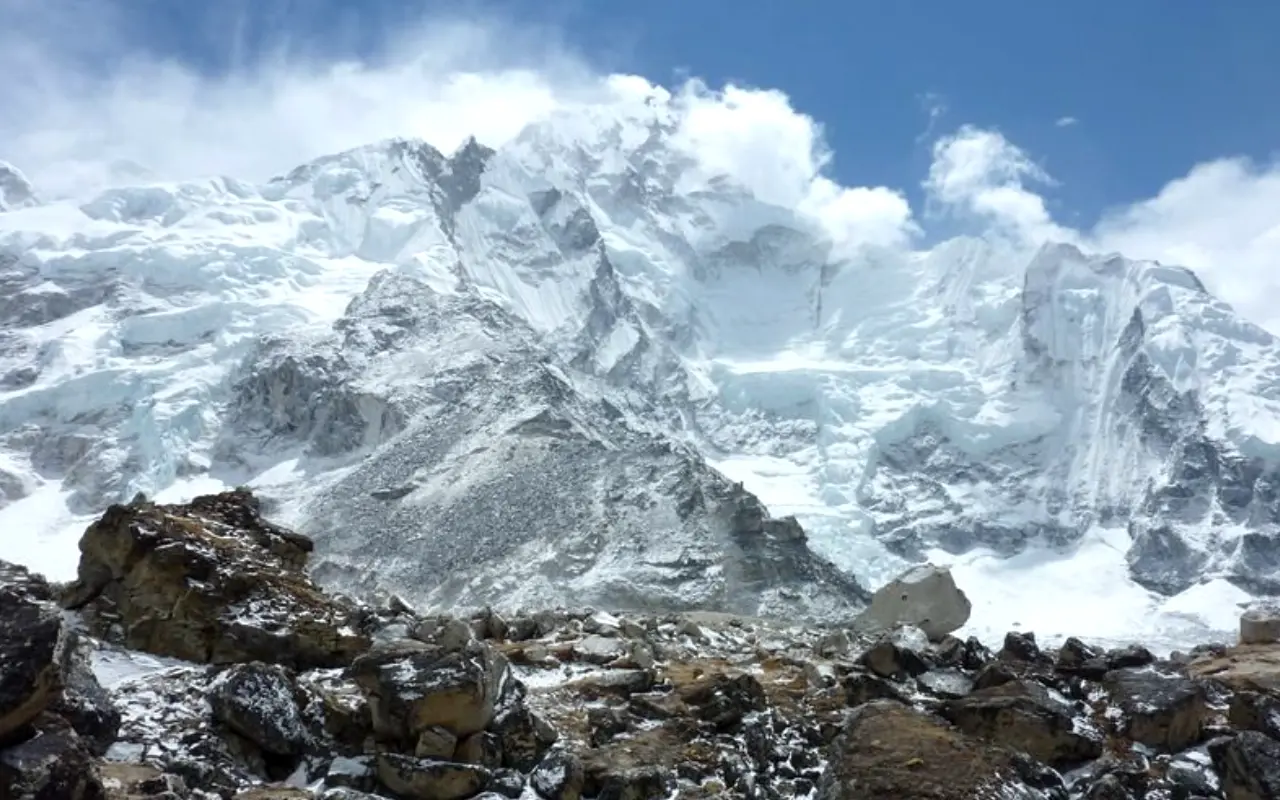
Mount Everest is the highest mountain above sea level. It is known as Sagarmatha in Nepal and Chomolungma in Tibetan.
Its immense elevation and prominent position make it the highlight for most passengers. The Nepal Tourism Board’s official Everest page provides further background on the region.
Lhotse
Lhotse lies close to Everest and forms part of the same dramatic high-mountain landscape.
Nuptse
Nuptse is another prominent peak near Everest, known for its rugged ridges and steep mountain faces.
Cho Oyu
Cho Oyu is one of the world’s highest mountains and forms part of the broader Himalayan region.
Gauri Shankar and Other Peaks
Depending on the route and visibility, the wider mountain panorama may include Gauri Shankar and other prominent Himalayan summits.
Do not treat this list as a guarantee of the exact peaks visible on a particular flight. Ask the operator for route information if you want to identify specific mountains.
Everest Mountain Flight Cost: What Should You Budget For?
The total cost depends on the airline, passenger category, travel date, fare availability and any additional services included in the booking.
Rather than relying on an old price published in a blog, request a current quotation for your actual travel date.
Items to Confirm Before Paying
- Current ticket price for each passenger
- Applicable airport or government charges
- Whether hotel pickup and drop-off are included
- The airline and scheduled departure time
- Baggage and identification requirements
- Cancellation and rescheduling conditions
- Refund rules when the flight is cancelled due to weather
- Policy when the flight operates but visibility is poor
- Payment method and booking confirmation details
If two offers have different inclusions, compare the total cost rather than the advertised base fare.
Ambition Himalaya can help travellers enquire about available arrangements. Confirm all prices and inclusions directly before booking.
Everest Mountain Flight vs Helicopter Tour
A mountain flight and a helicopter tour can both provide impressive views of the Himalayas, but they are different experiences.
| Feature | Everest Mountain Flight | Everest Helicopter Tour |
|---|---|---|
| Main purpose | Aerial sightseeing | Aerial sightseeing with a more specialised itinerary |
| Typical duration | Around one hour in the air | Depends on the route and itinerary |
| Landing in the Everest region | Not included on a standard flight | May be included where permitted |
| Cost | Usually lower | Usually higher |
| Physical effort | Minimal | Minimal, although high-altitude landings can be demanding |
| Best for | Travellers seeking a shorter scenic experience | Travellers seeking a more specialised aerial tour |
Actual prices, route, duration and landing arrangements vary.
A helicopter landing at altitude may involve additional health considerations. Do not assume that a landing is included or guaranteed simply because it appears in a promotional description.
Everest Mountain Flight vs Everest Base Camp Trek
A mountain flight offers a brief aerial perspective of the Himalayas. The Everest Base Camp Trek provides a longer journey through the Khumbu region, with mountain villages, Sherpa culture and time spent on walking trails.
Choose the flight if your time is limited or you prefer not to trek.
Choose the trek if you have enough time, enjoy walking and want to experience the mountain region more closely.
The Nepal Tourism Board’s official Everest page is a useful starting point for understanding the wider destination: https://ntb.gov.np/en/everest
Is an Everest Mountain Flight Safe?
Passengers should use an established operator and follow all airline instructions.
Flight operations depend on weather, aircraft condition, operational requirements and the decisions of qualified aviation personnel.
Passengers should remain seated and use seat belts as instructed. Photography and movement inside the aircraft must follow the crew’s directions.
If you have a medical condition that may affect your ability to fly, seek appropriate medical advice and discuss any relevant requirements with the airline before booking.
No travel provider should promise that a flight will operate regardless of weather conditions.
What Should You Bring?
The standard mountain flight does not require trekking equipment. A few simple items can make the morning more comfortable.
Identification: Carry the documents required by the airline.
Booking confirmation: Keep your ticket details and the operator’s contact information accessible.
Camera or smartphone: Charge your device before leaving your hotel and ensure that you have sufficient storage.
Comfortable clothing: Early mornings in Kathmandu can be cool, especially in winter.
Essential medication: Carry any medication you normally need during travel.
Travel insurance details: Understand the coverage relevant to your trip and any exclusions that may apply.
Follow the airline’s baggage and security rules. Avoid carrying unnecessary luggage.
Can Families and Older Travellers Take the Flight?
The flight may be a convenient sightseeing option for families and older travellers because it does not involve a trek or extended walking.
However, passenger age policies and seating arrangements vary by airline. Confirm requirements for infants and children before booking.
Older travellers should consider their comfort with flying, any relevant medical needs and the early departure time.
The fact that no trekking is required does not mean every passenger will have the same level of comfort. Ask the airline about any special assistance you may need.
Combine the Flight With Kathmandu Sightseeing
If the flight operates early and returns on schedule, you may have time for additional sightseeing during the same day.
Possible options include:
Boudhanath Stupa: A major Buddhist landmark with a distinctive white dome and prayer flags.
Pashupatinath Temple: An important Hindu pilgrimage complex along the Bagmati River.
Kathmandu Durbar Square: A historic area known for traditional architecture and cultural heritage.
Swayambhunath Stupa: A hilltop religious site with views over Kathmandu Valley.
Plan these activities around your actual flight arrival time. Avoid booking non-refundable sightseeing services too close to the scheduled return.
How to Book an Everest Mountain Flight With Confidence
Choose Your Travel Date
Select a morning that fits your itinerary and leaves room for a possible weather-related change.
Confirm the Operating Airline
Ask which airline will operate the flight and confirm the scheduled departure time.
Compare the Complete Price
Check whether airport charges, hotel transfers and other services are included.
Understand the Cancellation Terms
Request written details for weather cancellations, rescheduling and poor-visibility situations.
Confirm the Reservation
Review passenger names, required documents, reporting time and the contact details of the operator.
Check the Latest Information
Use official weather resources and airport flight information for planning, and contact the airline for reservation-specific updates.
Why Plan Your Mountain Flight With Ambition Himalaya?
Planning a Himalayan experience should be straightforward, with clear information about the itinerary, cost and practical arrangements.
Ambition Himalaya helps travellers organise their Nepal visit according to their available time and interests. A mountain flight can be considered as part of a short Kathmandu holiday, a cultural tour or a longer Himalayan adventure.
When making an enquiry, provide your preferred date, number of passengers, accommodation location and any transfer requirements.
Our team can then help you explore available arrangements, subject to current schedules, weather and operator confirmation.
Contact Ambition Himalaya to enquire about Everest Mountain Flight availability and plan your Himalayan sightseeing experience.
Frequently Asked Questions
1. How long does an Everest Mountain Flight take?
The flight usually takes around 50–60 minutes in the air, although the exact duration depends on the operator and operational conditions. Allow additional time for airport procedures and transfers.
2. What is the best month for an Everest Mountain Flight?
October, November, March and April are popular months to consider. However, clear visibility depends on the weather on your actual travel date.
3. Can I see Mount Everest from Kathmandu?
Mount Everest is not normally visible from central Kathmandu in the way it is viewed during a dedicated mountain flight. The scenic flight is designed to provide an aerial perspective of the Himalayan range.
4. Can I check the official weather forecast before booking?
Yes. Visit the Department of Hydrology and Meteorology at https://www.dhm.gov.np/ for official weather information and available aviation forecast products.
5. Where can I check mountain-flight departures?
Visit the official Tribhuvan International Airport flight information page at https://www.tiairport.com.np/public/index.php/flight-information and contact the operating airline for your booking-specific status.
6. Does a clear Kathmandu forecast guarantee a clear Everest view?
No. Weather conditions can differ between Kathmandu and the Himalayan route. Cloud cover, haze and other factors may affect visibility.
7. What happens if my flight is cancelled because of bad weather?
The airline’s policy determines whether rescheduling or a refund is available. Review the written terms before paying.
8. What if the flight operates but I cannot see Everest?
A completed flight with poor visibility may be treated differently from a cancellation. Ask about the operator’s specific policy before booking.
9. Does a mountain flight land at Everest Base Camp?
No. A standard Everest Mountain Flight is a sightseeing flight that returns to Kathmandu without landing at Everest Base Camp.
10. Is a window seat guaranteed?
Seating policies depend on the operator and aircraft. Confirm the arrangement when making your reservation.
11. Is trekking experience required?
No. A standard mountain flight does not require trekking experience or hiking equipment.
12. Can I combine the flight with a Nepal trekking trip?
Yes. You can consider it before or after a trek, depending on your itinerary. Allow flexibility for possible flight changes.
13. Which official website provides Everest region information?
The Nepal Tourism Board’s official Everest page is https://ntb.gov.np/en/everest.
14. Should I schedule the flight on my departure day?
It is generally better to schedule the flight earlier in your stay. A delay or cancellation on your international departure day could disrupt your travel plans.
15. How do I book through Ambition Himalaya?
Contact Ambition Himalaya with your travel date, passenger count and hotel location. Confirm the available operator, price, inclusions and cancellation policy before paying.
Experience the Himalayas With Ambition Himalaya
An Everest Mountain Flight is a wonderful way to see the Himalayas when you don’t have time for a long trek. On a clear morning, the views of Mount Everest and the surrounding peaks can be unforgettable. Since mountain weather can change quickly, check the forecast and confirm your flight before heading to the airport.
Planning a trip to Nepal? Ambition Himalaya can help you explore mountain flights, trekking adventures and other travel experiences across Nepal.
Visit our website to plan your next Himalayan adventure: https://ambitionhimalaya.com/
Useful Official Resources
- Nepal Weather Forecast — Department of Hydrology and Meteorology
- Kathmandu Airport Flight Information
- Civil Aviation Authority of Nepal
- Everest Region — Nepal Tourism Board
- Official Nepal Tourism Website