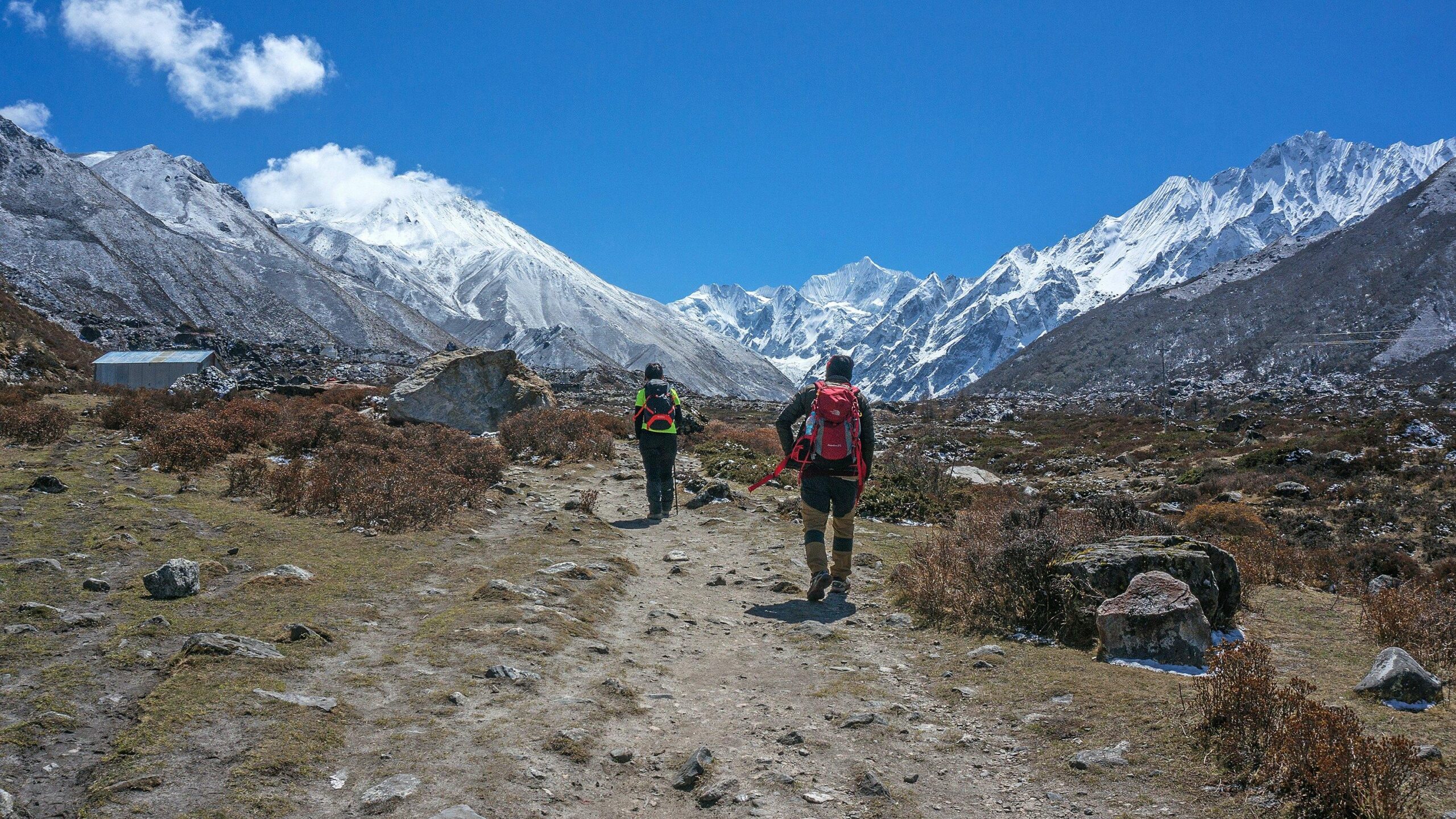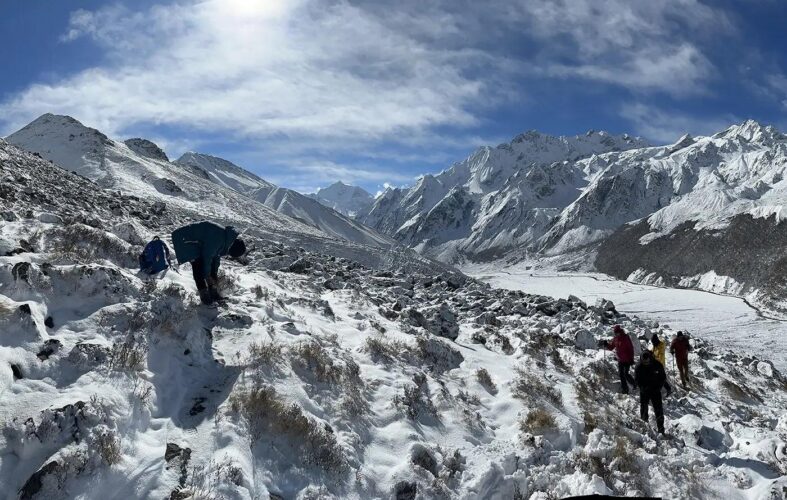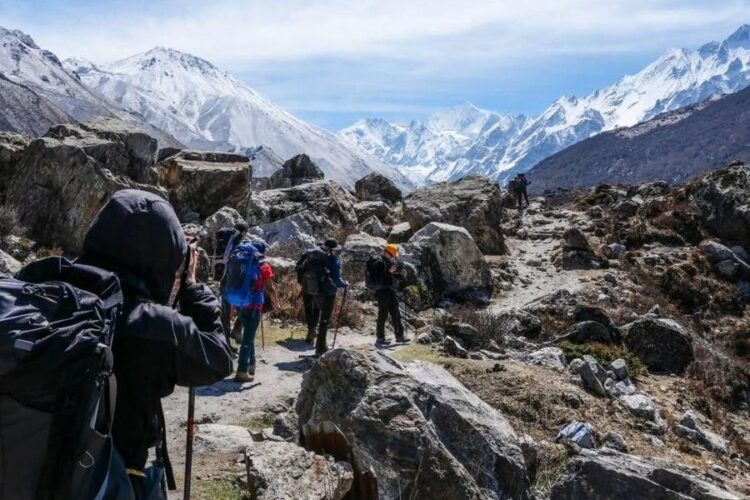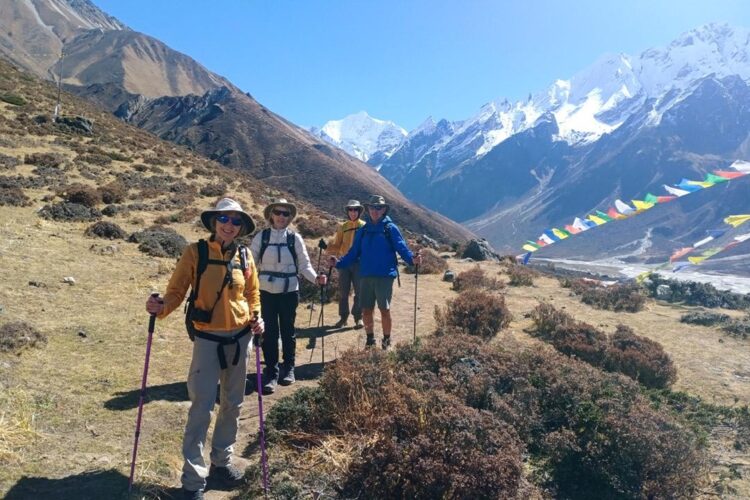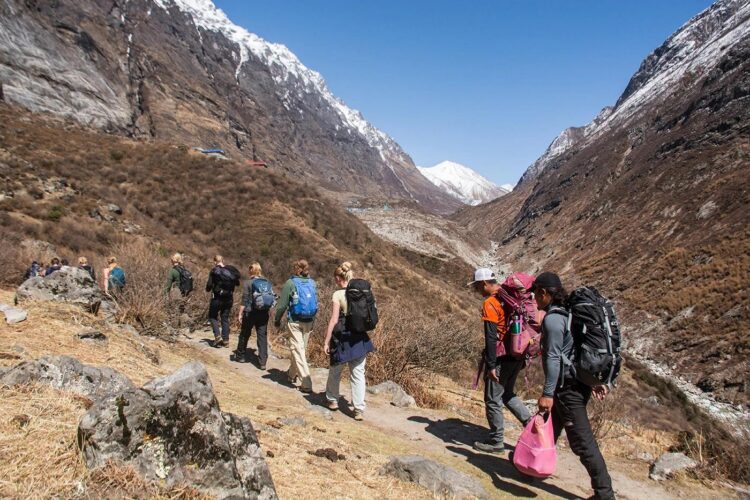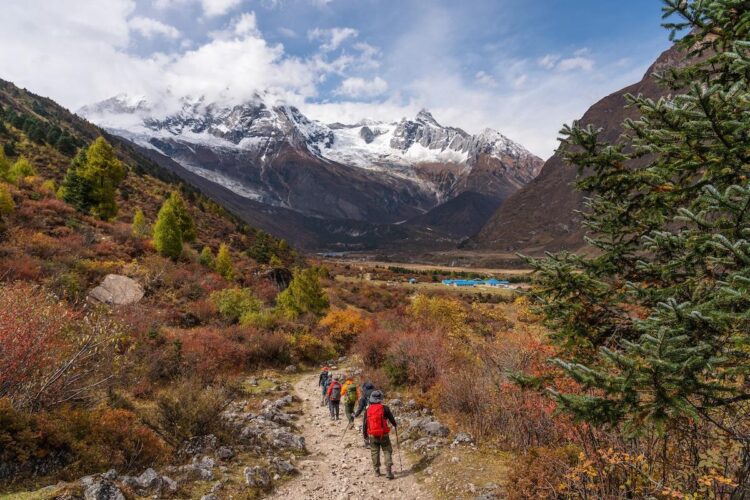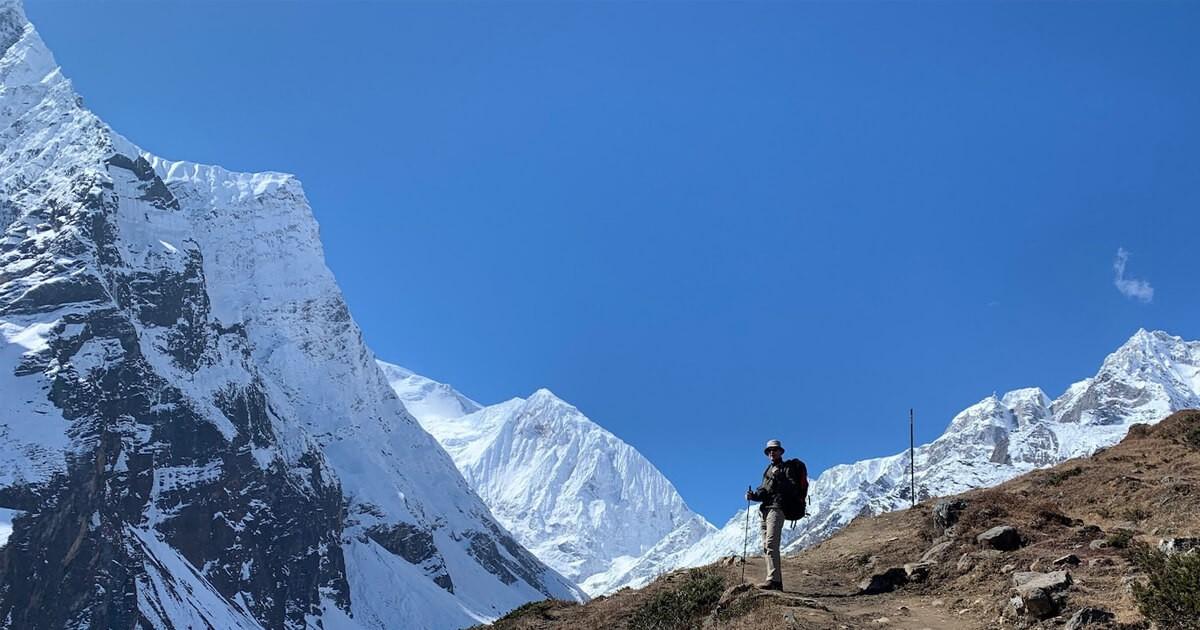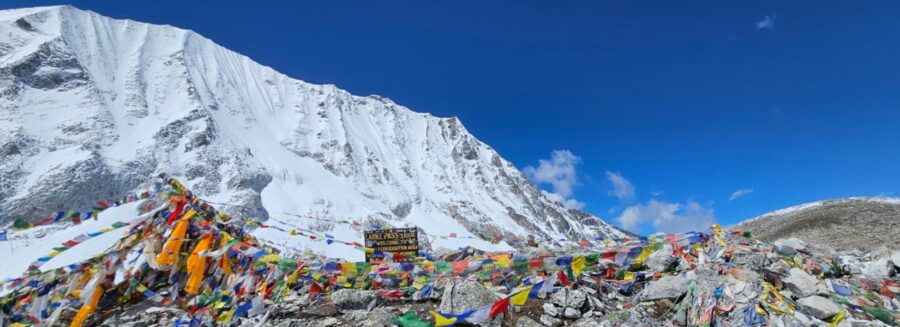

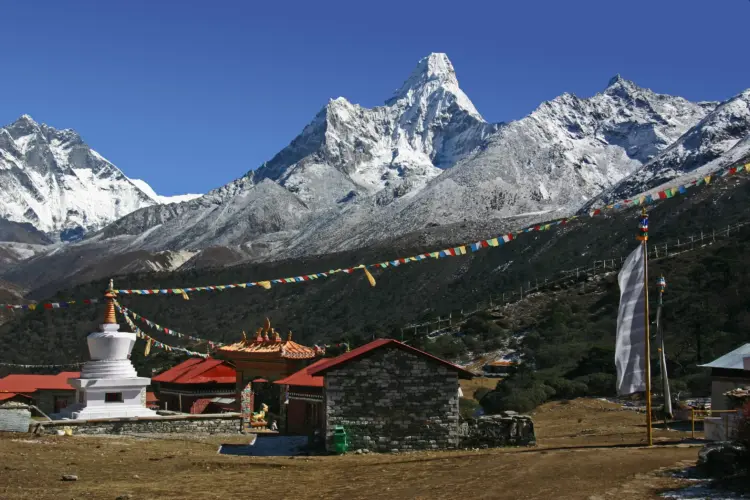
Everest Panorama Trek: 7 Days of Himalayan Views, Sherpa Villages and Mountain Trails

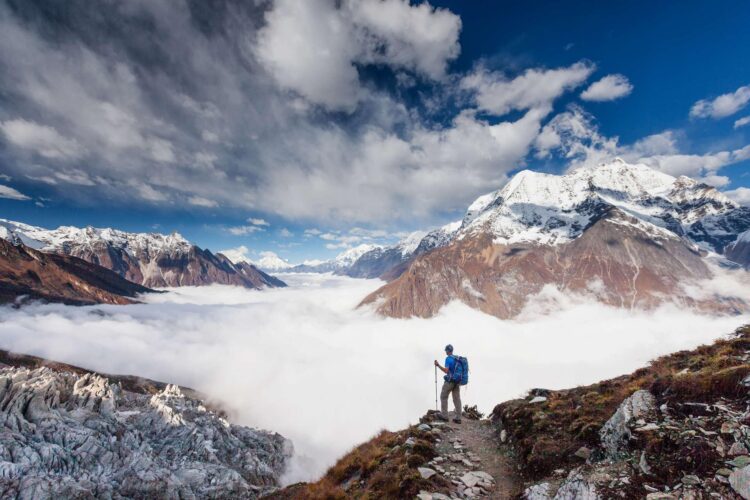
Everest Panorama TrekNot everyone has two weeks to trek to Everest Base Camp, but that does not mean you have to miss the beauty of the Everest region. The Everest Panorama Trek offers a shorter way to experience the Himalayas, combining mountain scenery, traditional Sherpa villages, Buddhist monasteries and some of the region’s most memorable viewpoints.

This 7-day journey takes you from Kathmandu to Lukla before following the Dudh Koshi River towards Namche Bazaar, the lively Sherpa trading town that serves as a gateway to the higher Everest region. From here, the trail climbs towards the famous Everest View Hotel, continues through the mountain landscape around Khumjung and leads to Tengboche Monastery, one of the best-known spiritual landmarks in the Khumbu.

Unlike the full Everest Base Camp Trek, this itinerary does not require you to reach Everest Base Camp or spend many days at extreme altitude. Instead, it focuses on the landscapes, communities and viewpoints that make the lower Everest region so special.

The journey also includes a dedicated acclimatization day around Namche Bazaar, giving trekkers an opportunity to adjust to the increasing altitude while exploring the surrounding villages.

The Everest Panorama Trek is ideal for travellers who want to experience the Everest region in one week without committing to a longer expedition.

With Ambition Himalaya, you can plan this Himalayan adventure around your available time and travel preferences.

Everest Panorama Trek – 7 Days at a Glance
Everest Panorama Trek 7 Days at a Glance

  • Destination: Everest region, Khumbu, Nepal
  • Duration: 7 days
  • Starting point: Kathmandu
  • Trek starting point: Lukla
  • Maximum planned elevation: Approximately 3,962 metres at Everest View Hotel
  • Main destinations: Phakding, Namche Bazaar, Everest View Hotel, Khumjung, Tengboche and Monjo
  • Highest overnight stop: Approximately 3,860 metres at Tengboche
  • Trekking difficulty: Moderate to challenging, depending on fitness and trail conditions
  • Accommodation: Teahouses and mountain lodges during the trek
  • Meals: Breakfast, lunch and dinner on trekking days, as specified in the itinerary
  • Best seasons: Spring and autumn are popular choices
  • Flight arrangements: Kathmandu–Lukla–Kathmandu, subject to the confirmed flight schedule and operational conditions
  • Suitable for: Travellers seeking a shorter Himalayan trekking experience with mountain views and cultural encounters

Walking hours and distances are approximate. Actual conditions depend on the route, weather, trail conditions and individual walking pace.

Why Choose the Everest Panorama Trek?

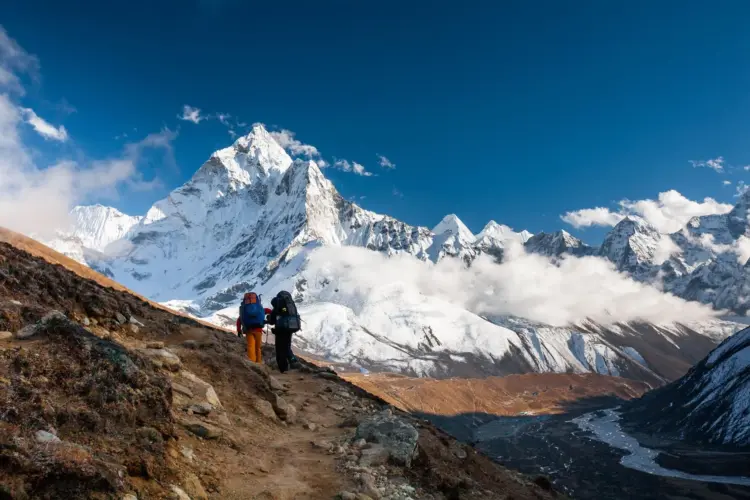
The Everest region is famous for its extraordinary mountain landscapes, but its appeal extends far beyond the peaks themselves. Traditional settlements, prayer flags, Buddhist monasteries and the everyday life of Sherpa communities all contribute to the experience.

The Everest Panorama Trek brings these elements together in a compact itinerary.
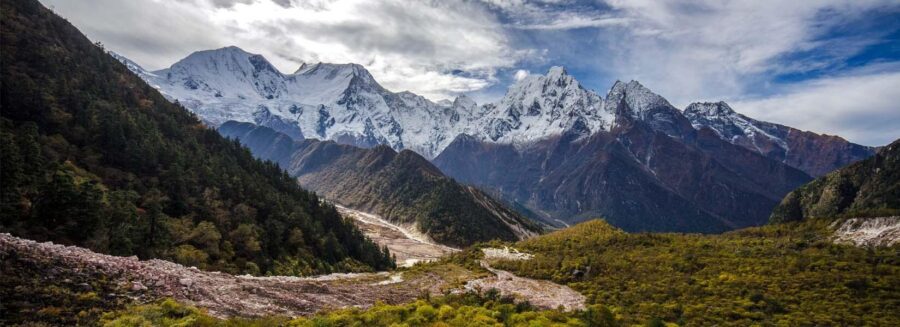
The Everest region is famous for its extraordinary mountain landscapes

1. Enjoy Views of the World’s Highest Mountain

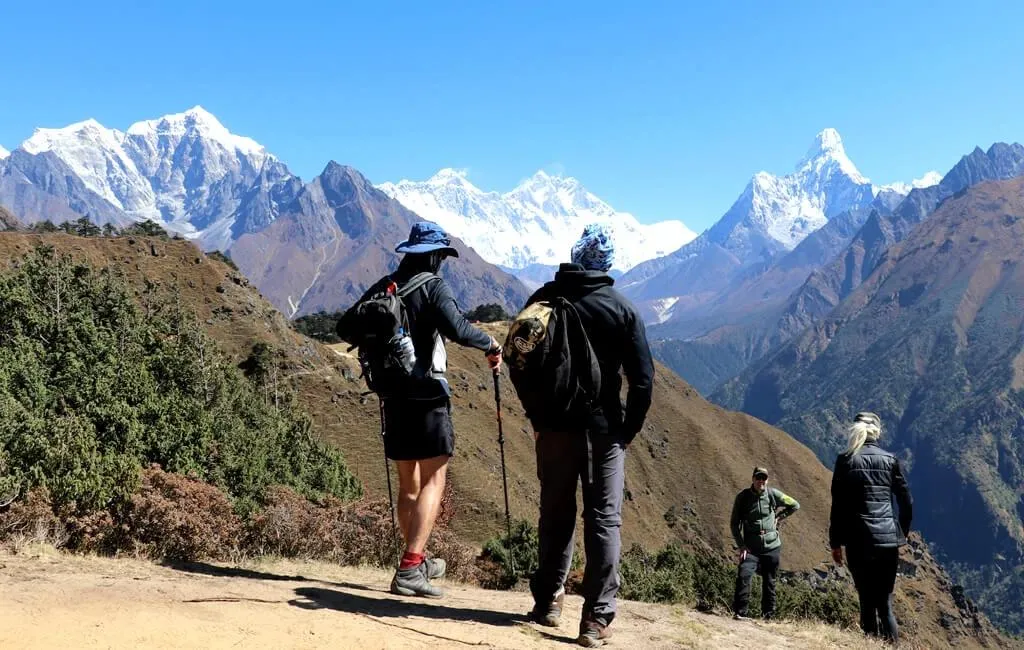
One of the main attractions is the opportunity to see Mount Everest from viewpoints around the Khumbu region. The Everest View Hotel area is particularly popular for its elevated mountain panoramas.

On clear days, the surrounding landscape may reveal Everest, Lhotse, Nuptse, Ama Dablam and other impressive peaks. Visibility varies with the weather, so mountain views cannot be guaranteed every day.

2. Explore Namche Bazaar

Namche Bazaar is one of the most recognisable settlements in the Everest region. Built along a mountainside, the town has shops, bakeries, cafés, lodges and a long history as a trading centre for communities in the Khumbu.

It is also an important stop for trekkers adjusting to the altitude before travelling farther into the mountains.

3. Visit Tengboche Monastery

Tengboche Monastery is one of the best-known Buddhist monasteries in the Everest region. Its location, surrounded by forest and high mountain scenery, makes it a memorable stop on the trek.

Visitors may have an opportunity to observe the monastery’s peaceful atmosphere and learn about the Buddhist traditions that remain central to life in the region. Access to particular areas and ceremonies depends on local arrangements.

4. Experience Sherpa Culture

The route passes through settlements where mountain traditions, Buddhist practices and community life remain closely connected.

Walking through villages, seeing mani walls and prayer flags, and visiting local monasteries provides a glimpse into the cultural landscape of the Khumbu.

Trekkers should respect local customs, ask before photographing people and follow any instructions when visiting religious sites.

5. Complete a Himalayan Trek in One Week

The seven-day itinerary offers a practical option for travellers with limited time.

It combines a scenic mountain flight, several days of walking, an acclimatization day and visits to important viewpoints without extending all the way to Everest Base Camp.

However, a shorter itinerary still requires preparation. The walking involves uphill and downhill sections, and the altitude can make ordinary physical activity feel more demanding.

Detailed Everest Panorama Trek Itinerary – 7 Days

Day 1: Kathmandu to Lukla and Trek to Phakding

Altitude: Lukla 2,860 m; Phakding approximately 2,610 m
Flight duration: Approximately 30 minutes, subject to the confirmed flight
Walking time: Approximately 3 hours
Accommodation: Teahouse
Meals: Breakfast, lunch and dinner, according to the package arrangement

Your Everest Panorama Trek begins with a flight from Kathmandu to Lukla, the mountain town that serves as a major gateway to the Khumbu trekking region.

The flight offers aerial views of Nepal’s hills, valleys and Himalayan landscapes when weather conditions permit. Lukla’s mountain setting provides a memorable introduction to the journey ahead.

After landing, you meet your trekking guide, organise your equipment and begin walking towards Phakding.

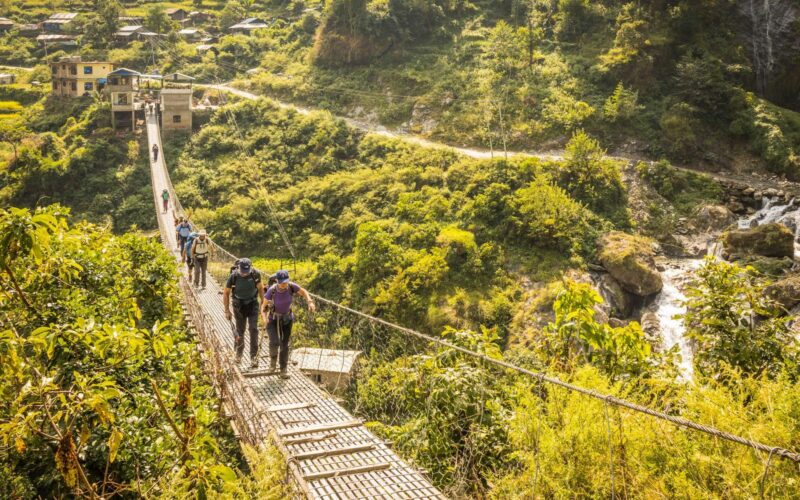
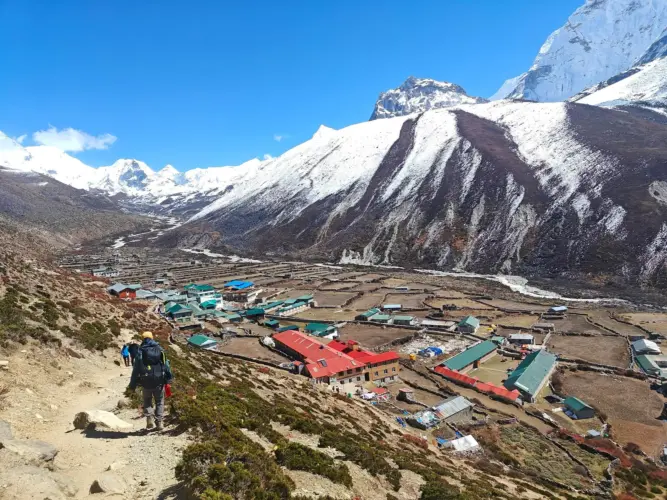
The trail descends gradually through the Dudh Koshi valley, passing small settlements, forested slopes and suspension bridges decorated with colourful prayer flags. Stone houses, mani walls and the sound of the river create an atmosphere quite different from Kathmandu.

The first day’s walk is designed to be relatively gentle compared with the climb to Namche Bazaar on the following day.

Arriving in Phakding, you settle into a local teahouse, enjoy a warm meal and rest before continuing farther into the Everest region.

Day highlight: Your first walk through the Khumbu landscape, with riverside trails, mountain villages and suspension bridges.

Day 2: Trek from Phakding to Namche Bazaar

Altitude: Approximately 3,440 m
Walking time: Approximately 6–7 hours
Accommodation: Teahouse
Meals: Breakfast, lunch and dinner

After breakfast, the trail follows the Dudh Koshi River through small villages and wooded sections of the valley.

You cross several suspension bridges as the route gradually gains elevation. One of the notable crossings is the Hillary Suspension Bridge, which provides a dramatic perspective of the river valley below.

The route continues towards Monjo, where trekkers enter the Sagarmatha National Park area and complete the required permit checks.

Beyond Monjo, the trail becomes steeper as it climbs towards Namche Bazaar. This is one of the more physically demanding sections of the trek, so a steady pace and regular breaks are important.

As you gain height, the surrounding landscape begins to open up. Depending on visibility, you may catch your first distant views of the Himalayan peaks.

Namche Bazaar sits in a natural mountain amphitheatre and is one of the main centres of the Khumbu region. After arriving, you can explore the town, browse its shops or relax at a local café.

Day highlight: Crossing suspension bridges and reaching Namche Bazaar, the main gateway to the higher Everest region.

Day 3: Namche Bazaar to Everest View Hotel and Khumjung

Maximum altitude: Approximately 3,962 m at Everest View Hotel
Walking time: Approximately 4–6 hours, depending on the route and stops
Accommodation: Teahouse in the Namche area
Meals: Breakfast, lunch and dinner

Today is dedicated to acclimatization and exploration around Namche Bazaar.

Rather than spending the entire day resting indoors, you take a gradual hike towards the Everest View Hotel area. The trail climbs above Namche and passes through mountain scenery with views of the surrounding valleys.

The Everest View Hotel is a well-known viewpoint in the region. On clear days, the panorama may include Mount Everest, Ama Dablam, Lhotse and other Himalayan peaks.

After spending time enjoying the scenery, the route continues towards Khumjung, a traditional Sherpa village surrounded by mountain slopes and open fields.

Khumjung provides an opportunity to learn more about village life in the Khumbu. Depending on opening arrangements and your guide’s advice, you may explore the village and learn about local institutions such as the Khumjung school and monastery.

Later, you return towards Namche Bazaar for another night at altitude.

This day is important because it allows you to explore the surrounding area while giving your body additional time to adjust before continuing to Tengboche.

Day highlight: Panoramic mountain views from the Everest View Hotel area and an introduction to traditional Sherpa village life.

Day 4: Trek from Namche Bazaar to Tengboche

Altitude: Approximately 3,860 m
Walking time: Approximately 5–6 hours
Accommodation: Teahouse
Meals: Breakfast, lunch and dinner

After breakfast, you leave Namche Bazaar and follow a scenic trail above the Dudh Koshi valley.

The route includes a mixture of relatively gentle traverses, descents and uphill sections. Forests of pine and, in suitable seasons, rhododendron add variety to the landscape.

Along the way, mountain views appear between the trees and across the valley. The scenery changes as the trail descends towards the river before climbing again towards Tengboche.

The final ascent requires patience, especially because you are walking at altitude. Taking breaks and maintaining a comfortable pace can help make the day more manageable.

Tengboche is famous for its monastery and its setting amid the mountains. The monastery is an important spiritual centre for the local Buddhist community and a significant cultural landmark for trekkers visiting the Everest region.

If access and local conditions allow, you can visit the monastery grounds and appreciate the quiet atmosphere.

The surrounding scenery is particularly impressive when the weather is clear, with forested hills and high Himalayan peaks creating a dramatic backdrop.

Day highlight: Reaching Tengboche Monastery and experiencing one of the most memorable cultural and mountain settings in the Khumbu.

Day 5: Trek from Tengboche to Namche Bazaar and Monjo

Altitude: Namche Bazaar approximately 3,440 m; Monjo approximately 2,835 m
Walking time: Approximately 6–8 hours
Accommodation: Teahouse
Meals: Breakfast, lunch and dinner

After breakfast, you begin descending from Tengboche towards Namche Bazaar.

The trail passes through forested sections and follows familiar paths through the Khumbu landscape. Descending provides a different perspective of the valley, and the walk offers opportunities to appreciate details that may have been less noticeable while climbing.

After reaching Namche Bazaar, you can take a break and enjoy lunch before continuing downhill.

The route then follows the trail towards the Dudh Koshi valley, passing suspension bridges and settlements on the way to Monjo.

Monjo is close to the Sagarmatha National Park entrance area, where trekking permits may be checked.

Although the overall direction is downhill, the route still includes uneven surfaces, steps and occasional uphill sections. Trekking poles can be useful, particularly for travellers who find long descents tiring.

After arriving in Monjo, you settle into your teahouse and enjoy a well-earned rest.

Day highlight: Retracing the trail through Namche Bazaar and descending towards the quieter riverside settlements.

Day 6: Trek from Monjo to Lukla

Altitude: Approximately 2,860 m
Walking time: Approximately 4–5 hours
Accommodation: Teahouse
Meals: Breakfast, lunch and dinner

Today is the final full day of trekking.

After breakfast, you follow the trail from Monjo through villages, forested hillsides and sections of the Dudh Koshi valley.

The route includes a mixture of descents, flatter stretches and uphill sections. Although you are returning towards Lukla, the trail is not continuously downhill.

Along the way, you pass settlements and familiar suspension bridges, with opportunities to enjoy the landscape at a relaxed pace.

As you approach Lukla, the journey begins to feel complete. The town is a gathering point for trekkers and guides returning from the Everest region, and its lodges provide a place to rest before the flight back to Kathmandu.

After reaching Lukla, you can relax, organise your belongings and reflect on the mountain scenery and cultural experiences of the previous days.

Day highlight: Completing the trekking section and returning to Lukla with memories of the Everest region.

Day 7: Flight from Lukla to Kathmandu

Flight duration: Approximately 30 minutes, subject to the flight schedule and operating conditions
Accommodation: Kathmandu hotel, if included in the package
Meals: Breakfast

After breakfast, you prepare for the return flight from Lukla to Kathmandu.

When weather and operational conditions permit, the flight offers another opportunity to enjoy Nepal’s hills, valleys and mountain scenery from above.

Mountain flights are weather-dependent, and schedules can change. It is important to maintain flexibility and avoid arranging an international departure with insufficient time after the planned Lukla flight.

On arrival in Kathmandu, you can transfer to your hotel if this service is included in your package.

Your seven-day Everest Panorama Trek concludes with a collection of experiences that combine mountain trails, Sherpa settlements, Buddhist heritage and Himalayan viewpoints.

Day highlight: Returning to Kathmandu after a week exploring the Everest region.

Everest Panorama Trek Route and Altitude Profile

The trek begins with a flight from Kathmandu to Lukla before following the trail towards Phakding and Namche Bazaar.

The itinerary then gains elevation towards the Everest View Hotel area, before reaching Tengboche. The return route descends through Namche Bazaar and Monjo before finishing in Lukla.

everest_panorama_route_altitude_ambition_himalaya_corrected

Location Approximate elevation
Kathmandu Approximately 1,400 m
Lukla 2,860 m
Phakding 2,610 m
Namche Bazaar 3,440 m
Everest View Hotel 3,962 m
Khumjung Approximately 3,790 m
Tengboche 3,860 m
Monjo Approximately 2,835 m

Elevations are approximate and may vary slightly between maps and accommodation locations.

Important: The highest point reached during this itinerary is approximately 3,962 metres at the Everest View Hotel area. This is not an Everest Base Camp trek, and the itinerary does not reach Everest Base Camp.

Difficulty of the Everest Panorama Trek

The Everest Panorama Trek is generally considered a moderate-to-challenging trek because of its elevation, uneven mountain trails and the significant climb between Phakding and Namche Bazaar.

You do not need technical mountaineering skills for the standard route, but you should be comfortable walking for several hours on consecutive days.

Physical Preparation

Regular walking, stair climbing and aerobic exercise in the weeks before departure can help prepare you for the trail.

It is also useful to practise walking on uneven surfaces and carrying a light daypack.

Altitude Considerations

Namche Bazaar, Everest View Hotel and Tengboche are all at elevations where some trekkers may experience symptoms of altitude illness.

The itinerary includes an acclimatization day around Namche Bazaar, but individual responses to altitude vary. Acclimatization cannot eliminate all risks.

Walk at a comfortable pace, stay hydrated and tell your guide immediately if you develop symptoms such as a headache, nausea, dizziness or unusual fatigue.

Severe or worsening symptoms require prompt medical assessment and may require descending to a lower elevation. Do not continue ascending when experiencing possible altitude illness.

Travellers with relevant medical conditions should seek professional advice before undertaking a high-altitude trek.

Best Time for the Everest Panorama Trek

Spring and autumn are popular seasons for trekking in the Everest region, although each season has different conditions.

Spring: March to May

Spring brings milder daytime temperatures at lower elevations and the possibility of rhododendron blooms along parts of the trail.

Clear mornings can provide excellent mountain views, although clouds may develop later in the day. Higher elevations remain cold, particularly at night.

Autumn: September to November

Autumn is one of Nepal’s busiest trekking seasons.

As monsoon conditions retreat, visibility can improve, offering attractive views of the surrounding mountains. October and November are especially popular with international visitors.

Accommodation and flights can be in higher demand during this period, so advance planning is recommended.

Winter: December to February

Winter offers quieter trails in some periods, but temperatures can fall considerably, particularly at night and at higher elevations.

Snow, ice and cold conditions may affect trail accessibility and walking times. Appropriate clothing and a flexible itinerary are important.

Monsoon: June to August

The monsoon season brings increased rainfall, cloud cover and potentially slippery trails.

Flight disruptions may also occur because of weather. Trekkers travelling during this period should be prepared for changing conditions and possible itinerary adjustments.

What Is the Best Month?

For many trekkers, October, November, March and April are useful months to consider.

However, no month guarantees clear mountain views or uninterrupted flights. Actual conditions depend on the weather during your trip.

Everest Panorama Trek Group Price

Ambition Himalaya’s supplied group pricing is shown below. These rates are listed in US dollars per person and vary according to group size.

Group Size Price Per Person
1 person US$1,050
2 people US$950
3–5 people US$900
6–9 people US$820
10–15 people US$750
16 or more people US$700

Private Group Discounts

Travelling with friends, family or a private group can reduce the per-person price.

For example, the supplied rate for a group of 2 is US$950 per person, while groups of 10–15 are listed at US$750 per person. Groups of 16 or more are listed at US$700 per person.

The prices above are based on the information provided for this package. Before publishing them as a live offer, confirm the current rates, inclusions, exclusions and any seasonal adjustments with Ambition Himalaya.

The final price may depend on the confirmed services, flight arrangements, accommodation and other package conditions.

What Is Included in the Everest Panorama Trek?

The supplied itinerary lists meals and teahouse accommodation during the trekking days, together with flights between Kathmandu and Lukla.

However, the complete inclusion list was not provided with the itinerary. Confirm the following details with Ambition Himalaya before publishing or booking:

  • Kathmandu–Lukla and Lukla–Kathmandu flights
  • Trekking guide and porter arrangements
  • Teahouse accommodation
  • Meals during the trek
  • Sagarmatha National Park permit and other applicable permits
  • Kathmandu hotel accommodation and airport transfers
  • Guide and porter insurance
  • Emergency support arrangements
  • Any applicable taxes and service charges

Only mark a service as included after confirming that it forms part of the current package.

What Is Not Included?

The exclusions should be confirmed against the actual package terms. Common items that may be charged separately include:

  • International flights to and from Nepal
  • Nepal entry visa fees
  • Travel insurance, including appropriate high-altitude trekking coverage
  • Personal trekking equipment and clothing
  • Drinks, snacks and personal purchases
  • Hot showers, device charging and Wi-Fi where charged separately
  • Tips for guides and porters
  • Additional hotel nights caused by delays or itinerary changes
  • Personal expenses and services not specified in the confirmed inclusions

These are typical items to check, not a verified list of exclusions for this particular package.

Accommodation and Meals During the Trek

Accommodation is generally provided in local teahouses along the route.

Teahouses offer a practical way to experience mountain hospitality while travelling through the Everest region. Room facilities vary by location, and private bathrooms, hot showers, charging and internet access may not always be available or included.

The supplied itinerary lists breakfast, lunch and dinner for Days 1–6, with breakfast on Day 7.

Confirm the final meal plan with Ambition Himalaya, particularly whether meals are included during the Kathmandu stay and what arrangements apply if flight delays extend the itinerary.

If you have dietary requirements, inform your operator before departure so suitable arrangements can be discussed.

What Should You Pack?

Packing appropriately helps you remain comfortable as temperatures and weather change along the trail.

Consider bringing:

  • Comfortable trekking boots with good grip
  • Moisture-wicking base layers
  • Warm insulating layers
  • A waterproof jacket and trousers
  • Gloves, a warm hat and sun protection
  • Sunglasses and sunscreen
  • A reusable water bottle
  • A small daypack
  • Trekking poles, if you find them helpful
  • Personal medication and a basic first-aid kit
  • A headlamp
  • Identification, permits and travel documents
  • A sleeping bag if recommended by your operator

Temperatures can vary considerably between Kathmandu, the lower valleys and the higher villages. Your packing list should reflect the season and the latest guidance from your trekking operator.

Responsible Trekking in the Everest Region

The Everest region is not just a mountain destination. It is also home to communities whose traditions, livelihoods and religious practices are closely connected to the landscape.

A few simple habits help make your visit more respectful.

  • Follow your guide’s advice on local customs and religious sites.
  • Ask permission before photographing people.
  • Walk carefully around mani walls, chortens and prayer wheels.
  • Carry reusable water bottles where practical.
  • Avoid leaving litter on the trail.
  • Use established paths and respect local wildlife.
  • Treat porters, guides and lodge staff with consideration.
  • Follow the rules and instructions of Sagarmatha National Park.

Responsible trekking helps preserve the landscape and supports a better experience for both visitors and local communities.

Why Book Your Everest Panorama Trek With Ambition Himalaya?

Planning a short Himalayan trek involves more than choosing a route. Flights, accommodation, meals, permits, guide arrangements and altitude considerations all need to fit together.

Ambition Himalaya helps travellers explore trekking experiences in Nepal and organise their journeys around their available time and interests.

The Everest Panorama Trek is an option for those who want to experience the Khumbu region without undertaking the full Everest Base Camp itinerary.

Before confirming your booking, ask for the final itinerary, a written list of inclusions and exclusions, current group prices, flight arrangements and cancellation conditions.

To enquire about this seven-day trek, visit the official website:

Ambition Himalaya – Official Website

Contact the team with your preferred travel dates, group size and any special requirements so the arrangements can be checked before booking.

Frequently Asked Questions About the Everest Panorama Trek

1. How many days does the Everest Panorama Trek take?

This itinerary is planned for seven days, beginning with a flight from Kathmandu to Lukla and ending with a return flight to Kathmandu.

2. How high does the Everest Panorama Trek go?

The highest planned point is approximately 3,962 metres at the Everest View Hotel area.

3. Can I see Mount Everest on this trek?

Mount Everest may be visible from suitable viewpoints around the Everest View Hotel area and other parts of the route when weather conditions permit. Visibility is never guaranteed.

4. Does the Everest Panorama Trek reach Everest Base Camp?

No. This is a shorter trekking route around Namche Bazaar, Khumjung and Tengboche. It does not reach Everest Base Camp.

5. Is the Everest Panorama Trek suitable for beginners?

It may suit beginners who have a reasonable level of fitness and are prepared for several hours of walking at altitude. Previous trekking experience is helpful but is not necessarily essential.

6. Is there an acclimatization day?

Yes. Day 3 is planned as an acclimatization and exploration day around Namche Bazaar, including the Everest View Hotel area and Khumjung.

7. What is the best season for the Everest Panorama Trek?

Spring and autumn are popular choices. October, November, March and April are often considered when planning a trip, although conditions vary.

8. How much does the Everest Panorama Trek cost?

The supplied prices range from US$700 to US$1,050 per person, depending on group size. Confirm current prices and package inclusions directly with Ambition Himalaya before booking.

9. What accommodation is available during the trek?

The itinerary specifies teahouse accommodation during the trekking days. Facilities vary between villages and lodges.

10. Are meals included?

The supplied itinerary lists breakfast, lunch and dinner during Days 1–6 and breakfast on Day 7. Confirm the final meal arrangements and any exceptions with your operator.

11. Are Kathmandu–Lukla flights included?

The supplied itinerary includes flights between Kathmandu and Lukla, but the final package inclusions should be confirmed in writing before payment.

12. What happens if the Lukla flight is delayed?

Flights may be affected by weather and operational conditions. Delays can change the itinerary, so allow flexibility and ask about the operator’s arrangements for additional accommodation and rescheduling.

13. Do I need travel insurance?

Appropriate travel insurance is strongly recommended. Check that it covers trekking at your planned altitude and the relevant emergency evacuation arrangements.

14. What should I bring for the trek?

Bring suitable trekking footwear, layered clothing, rain protection, sun protection, personal medication and other essentials appropriate to the season.

15. How can I book the Everest Panorama Trek?

Visit Ambition Himalaya to enquire about available departures, private group arrangements and the current package price.

Start Planning Your Everest Panorama Trek

Seven days in the Everest region can introduce you to a remarkable mix of mountain scenery, Sherpa villages, suspension bridges and Buddhist heritage.

From the riverside trail to Phakding to the viewpoints above Namche Bazaar and the peaceful surroundings of Tengboche Monastery, this journey offers a different perspective on the Himalayas without extending all the way to Everest Base Camp.

The key to enjoying the trek is to prepare for the altitude, walk at a comfortable pace and remain flexible when mountain weather affects travel arrangements.

If this sounds like the right trip for you, explore the available options with Ambition Himalaya and start planning your seven-day Himalayan adventure.

Website: https://ambitionhimalaya.com/
Manaslu Tsum Valley Trek – 22 Days Through the Hidden Himalayan Valleys of Nepal

Manaslu Tsum Valley Trek – 22 Days Through the Hidden Himalayan Valleys of Nepal

The Manaslu Tsum Valley Trek is a journey for travellers who want to experience a quieter and more remote side of the Nepal Himalayas.

Far from the busy trails of the Everest and Annapurna regions, this trek leads through the dramatic landscapes surrounding Mount Manaslu, traditional Gurung villages, ancient Buddhist monasteries, narrow mountain gorges and the culturally rich Tsum Valley.

What makes this journey particularly special is the contrast between its different sections. The trail begins with the rushing Budi Gandaki River and green hills before gradually moving into higher, colder and more rugged terrain. In the Tsum Valley, the atmosphere changes again, with Tibetan Buddhist traditions, centuries-old monasteries and isolated settlements surrounded by high Himalayan peaks.

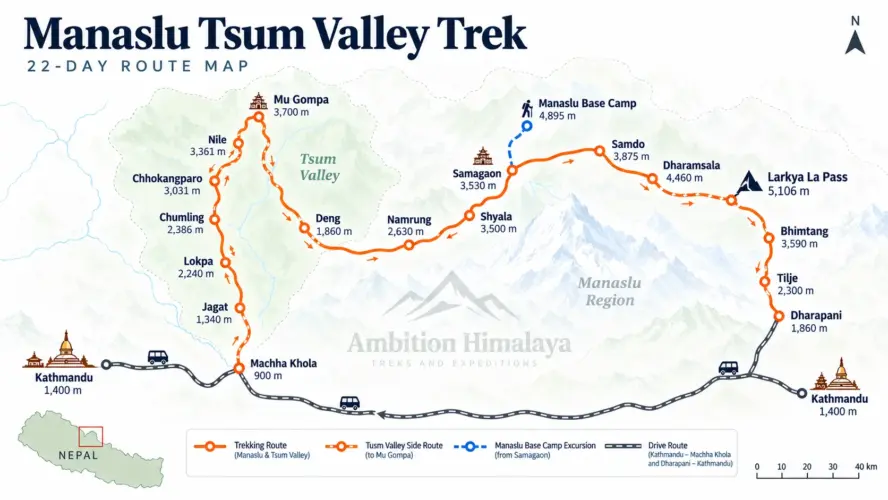
The journey eventually continues towards Samagaon and Manaslu Base Camp before reaching its highest point at Larkya La Pass at 5,160 metres. From there, the trail descends through Bhimtang, Tilje and Dharapani before returning towards Kathmandu.

This 22-day Manaslu Tsum Valley Trek is not simply about reaching one destination. It is a long Himalayan journey through changing landscapes, cultures and elevations, with every section offering something different.

Manaslu Tsum Valley Trek Highlights

Manaslu Tsum Valley Trek Highlights

  • Explore the remote and culturally rich Tsum Valley
  • Trek through traditional Gurung and Tibetan-influenced villages
  • Experience the dramatic Budi Gandaki Valley
  • Visit Milarepa Piren Phu Cave
  • Explore Mu Gompa and Dhephu Gompa
  • Visit Rachen Gompa
  • Experience the mountain villages of Chumling, Chhokangparo and Nile
  • Explore Samagaon and the upper Manaslu region
  • Trek to Manaslu Base Camp
  • Visit Birendra Lake
  • Cross the challenging Larkya La Pass
  • Reach the highest point of the trek at 5,160 metres
  • Enjoy views of Manaslu, Himalchuli, Ganesh Himal, Himlung, Annapurna II and surrounding peaks
  • Walk through rhododendron and pine forests
  • Experience remote Himalayan communities away from the busier trekking routes
  • Private group discounts available

Manaslu Tsum Valley Trek at a Glance

Trek Details Information
Duration 22 Days
Region Manaslu & Tsum Valley
Maximum Altitude 5,160 m / 16,929 ft
Highest Point Larkya La Pass
Trek Starting Point Machha Khola
Trek Ending Point Dharapani
Major Highlight Manaslu Base Camp
Tsum Valley Highlight Mu Gompa & Milarepa Cave
Difficulty Challenging
Accommodation Hotels & Mountain Guest Houses
Trekking Style Guided Trek
Group Type Private / Group
Best Seasons Spring & Autumn

Why Choose the Manaslu Tsum Valley TrekWhy Choose the Manaslu Tsum Valley Trek?

The Manaslu Tsum Valley Trek is ideal for trekkers looking beyond Nepal’s popular routes and wanting a deeper Himalayan experience. This 22-day adventure combines remote mountain scenery, authentic Tibetan Buddhist culture, traditional villages, ancient monasteries, and the challenging Larkya La Pass.

  • Remote & Less Crowded: Experience peaceful trails far from Nepal’s busiest trekking routes.
  • Two Treks in One: Explore the mystical Tsum Valley before continuing through the spectacular Manaslu Circuit.
  • Rich Tibetan Culture: Discover centuries-old monasteries, prayer walls, chortens and traditional Himalayan communities.
  • Exceptional Mountain Views: Enjoy dramatic views of Manaslu, Ganesh Himal, Himalchuli and other Himalayan peaks.
  • Mu Gompa Experience: Visit the remote and culturally significant Mu Gompa in the upper Tsum Valley.
  • Larkya La Adventure: Cross the famous 5,106-meter Larkya La Pass surrounded by impressive high-altitude scenery.
  • Authentic Himalayan Villages: Stay in local teahouses and experience the traditional lifestyle of mountain communities.
  • Varied Landscapes: Trek through lush forests, river valleys, alpine terrain, glacial landscapes and high mountain passes.
  • Perfect for Adventure Seekers: A rewarding combination of cultural discovery, wilderness, high-altitude trekking and Himalayan exploration.

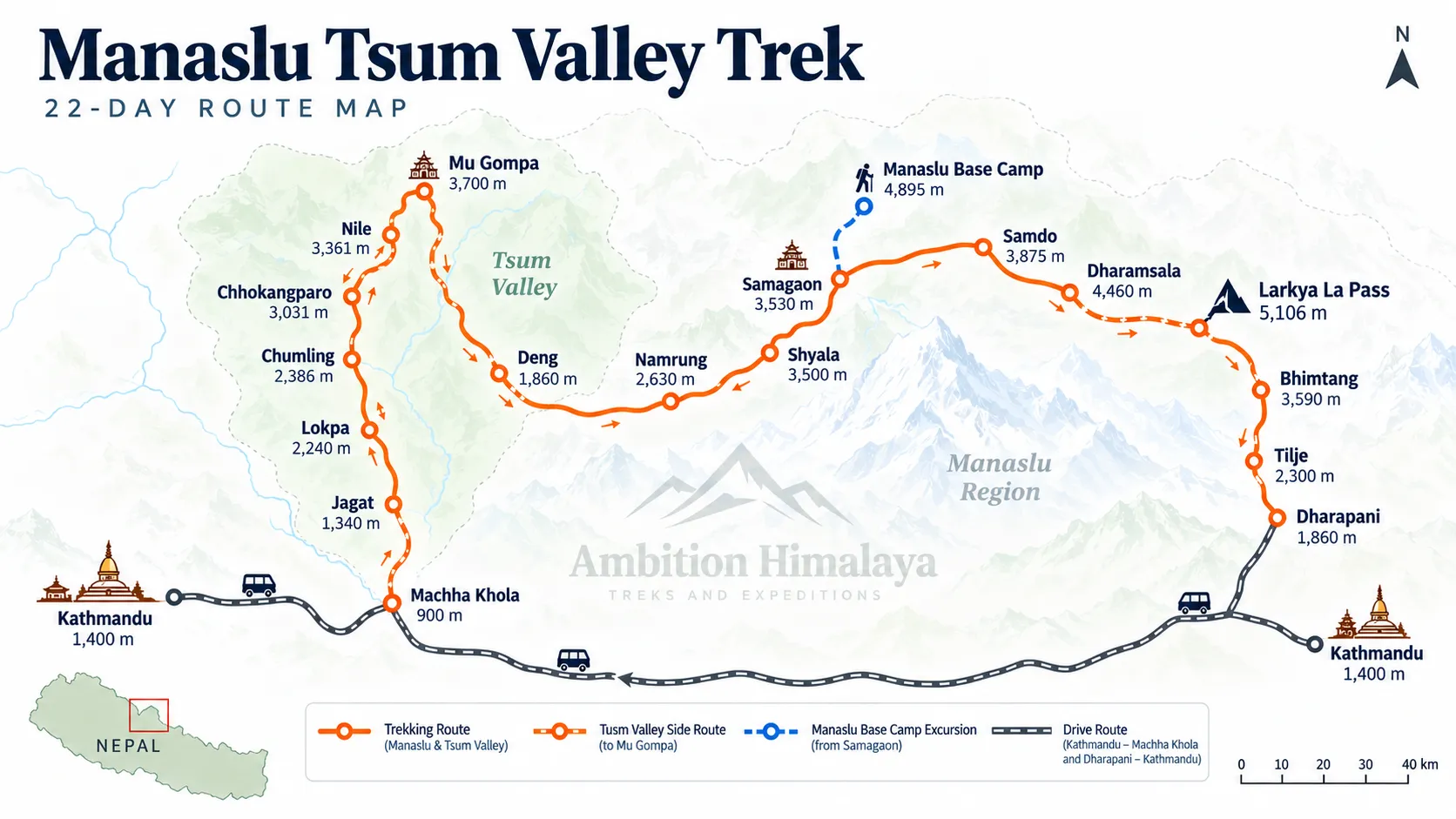
Manaslu Tsum Valley Trek Route

22-Day Manaslu Tsum Valley Trek Itinerary

Day 1: Arrival in Kathmandu

Altitude: 1,350 m
Accommodation: Hotel
Meal: Dinner

Your Manaslu Tsum Valley Trek begins in Kathmandu.

After arriving at Tribhuvan International Airport, our representative will meet you at the terminal and transfer you to your hotel.

Once you have settled in, you can rest after your journey or take a short walk around the neighbourhood.

The evening is kept relaxed, with time to meet the trekking team and prepare mentally for the adventure ahead.

A welcome dinner gives you an opportunity to experience traditional Nepali food before the trek begins.

Day 2: Free Day and Trek Preparation in Kathmandu

Altitude: 1,350 m
Accommodation: Hotel
Meals: Breakfast & Lunch

Before heading into the mountains, you have a preparation day in Kathmandu.

This is the time to check your trekking equipment, organise your backpack and make sure you have the essentials required for the journey.

Important trekking equipment includes good trekking boots, trekking poles, layered clothing, warm gloves, a warm sleeping bag, sunglasses, sunscreen, a sun hat, water purification supplies and personal medication.

You can also use part of the day to explore Kathmandu before the long trek begins.

A little preparation today can make a big difference once you are several days into the mountains.

Day 3: Drive from Kathmandu to Machha Khola

Distance: Approximately 160 km
Accommodation: Guest House
Meals: Breakfast, Lunch & Dinner

Today you leave Kathmandu by road and travel towards Machha Khola, the starting point of the trekking section.

The journey takes you away from the busy capital and into the countryside.

The route initially follows the Prithvi Highway before turning towards the northern valleys. Along the way, you pass through areas including Dhading Besi and Aarughat before continuing towards Machha Khola.

The scenery gradually changes from urban surroundings to terraced farmland, forested hills and river valleys.

Machha Khola is the final major settlement before the trek begins in earnest.

Overnight at a local guest house.

Day 4: Machha Khola to Jagat

Distance: Approximately 21 km
Walking: 6–7 hours
Accommodation: Guest House
Meals: Breakfast, Lunch & Dinner

Today marks your first full trekking day.

The trail follows the Budi Gandaki River through a landscape of green hills, rocky paths and traditional villages.

You pass Khorlabesi and continue towards Tatopani, where natural hot springs provide an interesting stop along the route.

The trail then continues towards Dobhan and Yaru Bagar, involving several ascents, descents and suspension bridge crossings.

Eventually, you reach Jagat, a traditional Gurung settlement at around 1,340 metres.

Jagat is an important point on the Manaslu trekking route and provides your first real feeling of being inside the Himalayan trail network.

Day 5: Jagat to Lokpa

Distance: Approximately 18 km
Walking: 6–7 hours
Altitude: 2,240 m
Accommodation: Guest House
Meals: Breakfast, Lunch & Dinner

The trail begins climbing more noticeably today.

Leaving Jagat, you follow the Budi Gandaki upstream through farmland and small settlements before reaching Ekle Bhatti.

From there, the landscape becomes increasingly rugged.

The route passes through a narrow gorge before reaching Philim. After Philim, the trail enters forested terrain dominated by rhododendron and pine.

This section feels considerably more isolated than the earlier part of the trek.

After several hours of walking through forest and mountain terrain, you arrive at Lokpa.

Day 6: Lokpa to Chumling

Distance: Approximately 8 km
Walking: About 4 hours
Altitude: 2,386 m
Accommodation: Guest House
Meals: Breakfast, Lunch & Dinner

Today is a shorter trekking day, giving you time to enjoy the changing landscape.

The trail descends towards the Lungwa River before continuing through lush pine and rhododendron forests.

After crossing a suspension bridge, the route climbs towards Gumling.

From here, you can enjoy views towards Ganesh Himal and Baudha Himal.

The trail continues through a series of climbs and descents before crossing the Syar Khola and reaching Chumling, also known as Lower Chum.

The village provides your first deeper introduction to the unique culture of the Tsum Valley.

Day 7: Chumling to Chhokangparo

Distance: Approximately 10 km
Walking: 5–6 hours
Altitude: 3,010 m
Accommodation: Guest House
Meals: Breakfast, Lunch & Dinner

The trail continues deeper into the Tsum Valley.

Following the Syar Khola, you walk through pine woodland towards Domje, one of the larger settlements in the lower Tsum Valley.

The route then continues towards Gho, where you can visit a local gompa before continuing uphill.

The final part of the day involves a gradual ascent to Chhokangparo, also known as Upper Chum.

As you gain altitude, the mountain scenery becomes increasingly impressive, with views towards Himalchuli and Ganesh Himal.

Day 8: Chhokangparo to Nile via Milarepa Piren Phu Cave

Distance: Approximately 10 km
Walking: 4–5 hours
Altitude: Around 3,500 m
Accommodation: Guest House
Meals: Breakfast, Lunch & Dinner

One of the cultural highlights of the Manaslu Tsum Valley Trek awaits today.

The trail leads towards Lamagaon and then to the famous Milarepa Piren Phu Cave.

According to local Buddhist tradition, the cave is associated with the great Tibetan Buddhist master Milarepa, who is believed to have meditated here.

The cave and surrounding religious sites provide a fascinating glimpse into the spiritual history of the valley.

After exploring the area, you continue through Phurbe, Pang and Chhule before crossing the Syar Khola and reaching Nile.

The landscape is increasingly high-altitude now, with traditional villages surrounded by barren Himalayan slopes.

Day 9: Nile to Mu Gompa and Hike to Dhephu Gompa

Mu Gompa: Approximately 3,700 m
Dhephu Gompa: Approximately 4,060 m
Walking: 2.5–3 hours to Mu Gompa + day hike
Accommodation: Guest House
Meals: Breakfast, Lunch & Dinner

Today’s journey is shorter in distance but rich in cultural and spiritual experiences.

From Nile, the trail follows the Syar Khola towards Mu Gompa.

The gradual climb passes chortens and traditional Buddhist features before reaching the remote monastery settlement.

After checking into the accommodation, you continue with a day hike towards Dhephu Gompa.

Situated at a higher elevation, Dhephu Gompa offers a quiet mountain setting and an opportunity to experience the spiritual atmosphere of this remote part of the Himalayas.

After the hike, return to Mu Gompa for the night.

Day 10: Nile to Chumling

Distance: Approximately 18 km
Walking: 6–7 hours
Altitude: 2,386 m
Accommodation: Guest House
Meals: Breakfast, Lunch & Dinner

The route now begins its return through the Tsum Valley.

You descend alongside the Syar Khola towards Chhule before continuing towards Rachen Gompa.

Rachen Gompa is an important Buddhist nunnery in the valley and offers another opportunity to experience the religious heritage of the region.

After visiting the area, the trail continues towards Pang and Phurbe before reaching Lamagaon.

From Lamagaon, you continue downhill towards Chumling.

The lower elevation becomes noticeable as the air grows warmer and the vegetation becomes thicker.

Day 11: Chumling to Deng

Distance: Approximately 19 km
Walking: About 7 hours
Altitude: 1,860 m
Accommodation: Guest House
Meals: Breakfast, Lunch & Dinner

Leaving Chumling, the trail descends through forested terrain towards Lokpa.

After reaching Lokpa, the route continues along the Syar Khola.

The landscape is filled with forest, river valleys and dramatic mountain slopes, with views towards Sringi Himal.

You cross Ghatta Khola before beginning the final section towards Deng.

Deng sits at a considerably lower elevation than the villages you have recently visited, making the change in climate noticeable.

Day 12: Deng to Namrung

Distance: Approximately 19 km
Walking: 7+ hours
Altitude: 2,630 m
Accommodation: Guest House
Meals: Breakfast, Lunch & Dinner

The trail climbs again today.

After crossing the Budi Gandaki River, you continue towards Rana and Bihi.

Waterfalls, forests and mountain scenery accompany much of the route.

The trail then reaches Ghap, where chortens and mani walls begin to appear more frequently.

From Ghap, it takes roughly another hour and a half to reach Namrung.

Namrung marks another important transition point as the landscape begins to take on a more alpine character.

Day 13: Namrung to Shyala

Distance: Approximately 10 km
Walking: About 6 hours
Accommodation: Guest House
Meals: Breakfast, Lunch & Dinner

After yesterday’s long walking day, today’s route is shorter but involves a significant climb.

The trail leaves Namrung and gradually ascends through oak forest towards Sho.

Continuing higher, you reach Lho, a culturally important village known for Ribung Monastery.

The monastery provides both cultural interest and beautiful views towards the Manaslu range.

From Lho, the trail continues across wider mountain paths before reaching Shyala.

The views become increasingly dramatic as the surrounding peaks begin to dominate the skyline.

Day 14: Shyala to Samagaon via Pungyen Gompa

Distance: Approximately 17 km
Walking: 4–5 hours
Maximum Altitude: Approximately 4,050 m
Accommodation: Guest House
Meals: Breakfast, Lunch & Dinner

Today brings you into the high Manaslu landscape.

Leaving Shyala, you walk through open grassland and thin woodland before reaching the junction towards Pungyen Gompa.

The trail leads towards yak pastureland where you can enjoy wide views across the surrounding mountains.

Pungyen Gompa sits in an impressive setting and is an important cultural stop on the route.

After exploring the area, the trail descends before continuing towards Samagaon.

At around 3,530 metres, Samagaon is one of the most important settlements in the upper Manaslu region.

Day 15: Samagaon to Manaslu Base Camp and Return

Manaslu Base Camp: Approximately 4,800 m
Distance: Approximately 12 km round trip
Walking: Around 7 hours
Accommodation: Guest House
Meals: Breakfast, Lunch & Dinner

Today is one of the major highlights of the entire trek.

From Samagaon, you begin the climb towards Manaslu Base Camp.

The trail initially climbs gradually towards Birendra Lake before becoming more rugged.

As you move higher, the terrain changes to rocky paths, small streams and increasingly barren mountain surroundings.

After several hours of climbing, you reach Manaslu Base Camp.

The enormous Manaslu massif rises above the valley, creating an unforgettable Himalayan panorama.

After spending time at Base Camp, you retrace your steps and return to Samagaon for the night.

Day 16: Samagaon to Samdo

Distance: Approximately 9 km
Walking: About 4 hours
Altitude: Approximately 3,860 m
Accommodation: Guest House
Meals: Breakfast, Lunch & Dinner

The trail continues towards the remote village of Samdo.

From Samagaon, you climb towards Birendra Lake before continuing through meadows and glacial streams.

Chortens and mani walls appear along the trail as you move deeper into the upper Manaslu landscape.

Samdo is a small settlement located close to the Tibetan border and strongly influenced by Tibetan Buddhist culture.

The short walking day gives you time to appreciate the stark beauty of this high-altitude environment.

Day 17: Samdo to Dharamsala

Distance: Approximately 12 km
Walking: About 5 hours
Altitude: Approximately 4,460 m
Accommodation: Guest House
Meals: Breakfast, Lunch & Dinner

The trail becomes more rugged as you approach the Larkya La section.

Leaving Samdo, you cross the Budi Gandaki River before following a gradual ascent towards Larke Bazaar.

This seasonal settlement provides views towards the Shyacha Glacier and the surrounding high mountain valley.

Beyond Larke Bazaar, the vegetation becomes increasingly sparse.

The trail crosses rocky terrain, chortens and mani walls before the final climb towards Dharamsala, also known as Larke Phedi.

With the Larkya La Pass crossing coming tomorrow, an early night’s rest is important.

Day 18: Dharamsala to Bhimtang via Larkya La Pass

Distance: Approximately 24.7 km
Walking: 7–8 hours
Larkya La Pass: 5,160 m
Accommodation: Guest House
Meals: Breakfast, Lunch & Dinner

This is the most demanding and memorable day of the Manaslu Tsum Valley Trek.

The trail begins with an early ascent across rocky terrain.

As you climb higher, the landscape becomes increasingly barren and alpine. The route continues along ridges marked by cairns before eventually reaching the summit of Larkya La Pass at approximately 5,160 metres.

This is the highest point of the trek.

From the pass, the surrounding panorama opens dramatically. Depending on weather and visibility, you can see peaks including Cheo Himal, Himlung, Kang Guru and Annapurna II.

After taking time to appreciate the achievement, the trail begins its long descent towards Bhimtang.

The descent can be steep and challenging, particularly after the long climb to the pass. The landscape gradually changes from rocky terrain to grassy areas and eventually rhododendron forest.

By the time you reach Bhimtang, one of the toughest sections of the journey is behind you.

Day 19: Bhimtang to Tilje

Distance: Approximately 20 km
Walking: Around 7 hours
Accommodation: Guest House
Meals: Breakfast, Lunch & Dinner

The landscape changes dramatically as you descend.

From Bhimtang, the trail gradually loses elevation towards Yak Kharka, with beautiful views across the Manaslu Himalayan range.

The route then continues through pine and rhododendron forests towards Karche.

Further downhill, you pass Goa, a traditional Gurung settlement surrounded by farmland.

The final section takes you towards Tilje, a larger Gurung village with several accommodation options.

After spending many days at high altitude, the warmer environment and greener landscape are a welcome change.

Day 20: Tilje to Dharapani and Drive to Kathmandu

Walking: Approximately 4 hours
Distance: Approximately 8 km trekking + road journey
Accommodation: Hotel
Meals: Breakfast, Lunch & Dinner

The final trekking section begins with a gradual descent through forests and terraced farmland.

After reaching Thonje, the route continues towards Dharapani.

A suspension bridge over the Marsyangdi River leads you towards Dharapani, where the trekking portion of the journey officially comes to an end.

After lunch, you board a vehicle for the journey towards Kathmandu.

After weeks of walking through remote Himalayan landscapes, returning to the city feels like entering another world.

Day 21: Rest and Kathmandu Exploration

Altitude: 1,350 m
Accommodation: Hotel
Meals: Breakfast

This day provides time to relax after the trek.

You can explore Kathmandu, shop for souvenirs or simply enjoy a comfortable day in the city.

A sightseeing tour around Kathmandu Valley can also be arranged if you wish to explore some of Nepal’s historic and cultural attractions.

According to the provided itinerary, sightseeing on this day is not included in the trekking package and is charged separately. Pasted text

This day can also serve as a contingency day in case unexpected circumstances during the trek have caused delays.

Day 22: Final Departure from Kathmandu

Altitude: 1,350 m

Your Manaslu Tsum Valley Trek officially comes to an end today.

After breakfast, our representative will meet you at your hotel and escort you to the airport approximately three hours before your scheduled flight.

After completing a long Himalayan journey through the Tsum Valley, Manaslu Base Camp and Larkya La Pass, you leave Nepal with memories of remote villages, Buddhist monasteries, high mountain landscapes and days spent walking far from the usual tourist routes.

Manaslu Tsum Valley Trek Difficulty

The Manaslu Tsum Valley Trek is a challenging trek and is best suited to travellers who are comfortable with long walking days and significant changes in elevation.

The difficulty comes from several factors:

  • Long trekking days
  • Steep ascents and descents
  • Remote mountain terrain
  • High-altitude sections
  • The 5,160 m Larkya La Pass
  • Rocky and uneven trails
  • Changing Himalayan weather
  • Limited facilities in remote areas

You should prepare with regular walking, hiking, cardiovascular training and uphill exercise before arriving in Nepal.

Best Time for Manaslu Tsum Valley Trek

The best seasons for the Manaslu Tsum Valley Trek are generally spring and autumn.

Spring – March to May

Spring brings warmer conditions, blooming rhododendrons and generally favourable trekking weather.

Autumn – September to November

Autumn is one of the most popular trekking seasons in Nepal. After the monsoon, the skies are often clearer and mountain visibility can be excellent.

Winter

Winter brings much colder conditions, particularly around the higher sections and Larkya La Pass.

Monsoon

Heavy rainfall can affect lower sections of the trail, road conditions and visibility.

Manaslu Tsum Valley Trek Cost

The private group pricing provided for this trek is:

No. of People Price Per Person
2 Pax US$1,500
3–5 Pax US$1,400
6–9 Pax US$1,350
10–15 Pax US$1,300
16+ Pax US$1,200

Private group discounts are available for larger groups.

The supplied pricing table begins from 2 people and does not list a single-person rate. Pasted text

What Makes the Tsum Valley Special?

The Tsum Valley is one of the most distinctive parts of this trek.

The valley has a strong Tibetan Buddhist influence, visible through its monasteries, prayer flags, mani walls, chortens and traditional villages.

The journey through Chumling, Chhokangparo and Nile feels very different from trekking through Nepal’s busier routes.

Milarepa Piren Phu Cave adds another layer of history, while Mu Gompa and Dhephu Gompa provide some of the most memorable cultural experiences of the route.

This is where the trek becomes more than a physical journey.

Manaslu Base Camp Experience

Reaching Manaslu Base Camp is another major highlight.

The trail from Samagaon climbs through increasingly rugged terrain towards the mountain’s base. Birendra Lake provides an impressive early landmark before the route becomes more exposed and rocky.

At Base Camp, the surrounding mountains create a dramatic amphitheatre.

Standing there after travelling from the lower Budi Gandaki Valley and through the Tsum Valley gives the experience a real sense of achievement.

Larkya La Pass – The Highest Point

At 5,160 metres, Larkya La Pass is the highest point of this itinerary.

The approach begins from Dharamsala and requires an early start.

The climb is demanding, but reaching the summit provides a huge sense of accomplishment.

The surrounding Himalayan panorama can include Cheo Himal, Himlung, Kang Guru and Annapurna II.

The descent towards Bhimtang is equally important to respect because the trail can be steep and tiring after crossing the pass.

What to Pack for the Manaslu Tsum Valley Trek

A practical packing list includes:

  • Good-quality trekking boots
  • Trekking poles
  • Warm sleeping bag
  • Down jacket
  • Fleece layer
  • Thermal base layers
  • Waterproof jacket
  • Waterproof trousers
  • Trekking trousers
  • Warm gloves
  • Wool socks
  • Sun hat
  • Warm hat
  • Sunglasses
  • Sunscreen
  • Water purification tablets
  • Reusable water bottle
  • Headlamp
  • Personal medication
  • Basic first-aid supplies
  • Energy bars
  • Backpack and daypack

Because the route reaches more than 5,000 metres, warm clothing and suitable footwear are particularly important.

Frequently Asked Questions

How long is the Manaslu Tsum Valley Trek?

The provided itinerary is 22 days, including Kathmandu arrival, preparation, trekking, return to Kathmandu, a rest/contingency day and departure. Pasted text

What is the highest point of the trek?

The highest point is Larkya La Pass at approximately 5,160 metres. Pasted text

Does the trek include Manaslu Base Camp?

Yes. The itinerary includes a dedicated day from Samagaon to Manaslu Base Camp and back, reaching approximately 4,800 metres. Pasted text

What is the main highlight of Tsum Valley?

The Tsum Valley section includes Milarepa Piren Phu Cave, Mu Gompa, Dhephu Gompa and Rachen Gompa, along with traditional villages and Tibetan Buddhist culture. Pasted text

Is Larkya La Pass difficult?

Yes. The pass is the highest and one of the most physically demanding parts of the trek. The itinerary covers approximately 24.7 km from Dharamsala to Bhimtang on this day. Pasted text

Is this trek suitable for beginners?

The route is challenging because of its length, remote terrain, altitude and Larkya La Pass. Good physical preparation is strongly recommended.

Plan Your Manaslu Tsum Valley Trek with Ambition Himalaya

Whether you are travelling as a couple, with friends or as a private group, Ambition Himalaya can help you organise your journey through the Manaslu and Tsum Valley region.

Email: [email protected]
Phone: +97714518413
Mobile / WhatsApp: +9779851148898
Office: Thamel-26, Kathmandu, Nepal
Website: Ambition Himalaya

Ambition Himalaya

Your Journey to the Himalayas Begins Here.

Langtang Valley Trek 11 Days: Into the Heart of the Himalayas

Langtang Valley

Langtang Valley Trek 11 Days: Journey to Kyanjin Gompa

The Langtang Valley Trek 11 Days is one of Nepal’s most rewarding Himalayan journeys for travelers who want spectacular mountain scenery, traditional mountain culture, beautiful forests, high-altitude landscapes and an authentic trekking experience without committing to a very long expedition.

Located north of Kathmandu near the Nepal–Tibet border, the Langtang region combines dramatic Himalayan landscapes with centuries-old Tamang and Tibetan-influenced culture. The trail begins at Syabrubesi, follows the Langtang Khola through dense forests and mountain villages, and gradually climbs toward Kyanjin Gompa, one of the most beautiful destinations in the Langtang Valley.

The journey becomes even more memorable with an optional high-altitude excursion toward Tserko Ri, reaching around 5,000 meters, or a more moderate alternative to Langsisa Kharka.

Unlike some of Nepal’s more crowded trekking routes, Langtang offers a quieter Himalayan experience while still providing remarkable mountain views. During the trek, travelers encounter rhododendron and oak forests, waterfalls, yak pastures, Buddhist prayer walls, monasteries, mountain streams and panoramic views of peaks including Langtang Lirung and Ganchenpo.

This carefully designed 11-day Langtang Valley Trek itinerary also includes Kathmandu sightseeing before the trek, allowing travelers to experience some of Nepal’s most important cultural and historical landmarks.

Why Choose the Langtang Valley Trek 11 Days

The Langtang Valley Trek is an excellent choice for travelers looking for a combination of mountains, culture, nature and adventure within a relatively compact trekking schedule.

One of the biggest advantages of this route is its accessibility. From Kathmandu, trekkers can reach Syabrubesi by road and begin walking directly into the Himalayan landscape.

The trek offers an impressive variety of scenery within a single journey:

  • Dense Himalayan forests
  • Rhododendron and oak trees
  • Waterfalls and mountain streams
  • Tamang villages
  • Buddhist monasteries
  • Mani walls and prayer wheels
  • Yak grazing pastures
  • Traditional mountain settlements
  • High Himalayan valleys
  • Langtang Lirung views
  • Ganchenpo mountain scenery
  • Kyanjin Gompa
  • Tserko Ri
  • Langsisa Kharka

For travelers who want a meaningful Himalayan adventure without spending three weeks or more on the trail, the Langtang Valley Trek 11 Days provides an excellent balance.

                   Langtang Valley Trek at a Glance

Trek Information Details
Trek Name Langtang Valley Trek 11 Days
Destination Langtang Valley, Nepal
Starting Point Kathmandu
Trek Starting Point Syabrubesi
Main Destination Kyanjin Gompa
Highest Point Approximately 5,000 m at Tserko Ri
Trek Duration 11 Days
Walking Days Approximately 5 days
Trekking Region Langtang
Accommodation Hotels and mountain guesthouses
Meals During Trek Breakfast, Lunch and Dinner
Main Cultural Group Tamang communities
Guide English-speaking licensed trekking guide
Transportation Private city transportation and bus/optional private jeep
Difficulty Moderate to challenging depending on high-altitude hike
Major Highlight Kyanjin Gompa and Tserko Ri
Best For Adventure, culture, nature and Himalayan views

Langtang Valley Trek 11 Days Cost

The group discount pricing for this trekking package is designed to make the journey more affordable for travelers booking together.

                                              Group Discount Price

Number of People Price Per Person
1 person US$750
2 people US$650
3–5 people US$600
6–9 people US$550
10–15 people US$530
16+ people US$500

Langtang Valley Trek

The price per person decreases as the group size increases, making the Langtang Valley Trek 11 Days particularly attractive for friends, families, private groups and organized trekking groups.

What Can Affect the Final Trek Cost?

The final cost of a Langtang trek can depend on several factors, including:

  • Group size
  • Transportation preference
  • Private jeep versus local bus
  • Hotel category in Kathmandu
  • Additional accommodation requirements
  • Personal expenses
  • Travel insurance
  • Emergency evacuation coverage
  • Optional services
  • Additional activities

Travelers who prefer more comfortable transportation can choose the private jeep option between Kathmandu and Syabrubesi at an additional cost.

Detailed Langtang Valley Trek 11 Days Itinerary

Day 1: Arrival in Kathmandu – Transfer to Hotel

Altitude: 1,300 m / 4,265 ft approximately
Transportation: Private car
Driving Time: Approximately 30 minutes
Accommodation: Hotel
Meals: Dinner

Your Langtang adventure begins when you arrive at Tribhuvan International Airport in Kathmandu.

A representative from the trekking team will meet you at the airport and transfer you to your hotel by private vehicle.

After checking in, you can take some time to relax and recover from your journey.

In the evening, a traditional Nepali welcome dinner is arranged. This provides your first opportunity to experience Nepalese cuisine, hospitality, music and cultural traditions.

Your trekking guide will also provide an introduction to the upcoming journey and explain important information regarding the trail, accommodation, meals, altitude, walking conditions and trekking preparation.

Overnight

Hotel in Kathmandu.

Day 2: Kathmandu Sightseeing and Trek Preparation

Altitude: 1,300 m
Transportation: Private vehicle
Duration: Approximately 6–7 hours
Accommodation: Hotel
Meals: Breakfast

Before heading toward the mountains, you will spend a day exploring the cultural heritage of Kathmandu Valley.

Kathmandu is home to centuries-old temples, monasteries, stupas, palaces and traditional neighborhoods.

Depending on the sightseeing schedule, the itinerary includes some of the valley’s most significant heritage landmarks:

Pashupatinath Temple

One of Nepal’s most important Hindu religious sites, Pashupatinath stands on the banks of the Bagmati River and is known for its intricate architecture and spiritual significance.

Swayambhunath Stupa

Also popularly known as the Monkey Temple, Swayambhunath sits on a hill overlooking Kathmandu Valley and provides impressive views of the city.

Boudhanath Stupa

Boudhanath is one of the largest Buddhist stupas in Nepal and an important center of Tibetan Buddhist culture.

Kathmandu Durbar Square

The historic palace square features traditional Newari architecture, courtyards, temples and monuments.

The sightseeing day also provides time to make final preparations for the trek.

Overnight

Hotel in Kathmandu.

Day 3: Kathmandu to Syabrubesi

Altitude: 1,420 m / 4,658 ft
Transportation: Bus
Driving Time: Approximately 7–8 hours
Accommodation: Guesthouse
Meals: Breakfast, Lunch and Dinner

After an early breakfast, the journey toward the Langtang region begins.

The road follows the northern hills of Nepal and eventually reaches Syabrubesi, the main gateway to the Langtang Valley Trek.

There are different road approaches toward Syabrubesi, and the journey generally passes through scenic hill settlements and follows sections of the Trishuli River.

As Kathmandu gradually disappears behind you, the landscape changes from urban surroundings to green hills, river valleys and mountain settlements.

Syabrubesi is a small mountain village surrounded by spectacular Himalayan scenery. On clear days, views toward the surrounding Himalayan ranges can be seen from the region.

This is your final overnight stop before beginning the main trekking section.

Overnight

Mountain guesthouse in Syabrubesi.

Day 4: Syabrubesi to Lama Hotel

Altitude: 2,350 m / 7,709 ft
Walking: Approximately 5–6 hours
Accommodation: Guesthouse
Meals: Breakfast, Lunch and Dinner

Today you officially begin walking on the Langtang Valley trail.

The route crosses the Bhote Koshi and gradually follows the Langtang Khola through a beautiful forest environment.

The trail passes through dense vegetation dominated by rhododendron, oak and other Himalayan trees.

One of the highlights of the day is Bamboo, where trekkers can stop for a rest before continuing toward Lama Hotel.

The forest is also home to a variety of Himalayan flora and fauna. Depending on the season and conditions, you may encounter birds and other wildlife along the trail.

The trail continues gradually uphill until reaching Lama Hotel.

Overnight

Guesthouse at Lama Hotel.

Day 5: Lama Hotel to Langtang Village

Altitude: 3,500 m / 11,482 ft
Walking: Approximately 5–6 hours
Accommodation: Guesthouse
Meals: Breakfast, Lunch and Dinner

The landscape begins changing significantly as you climb higher into the Langtang Valley.

The trail continues through forested sections and opens into areas with waterfalls, streams, meadows and mountain views.

You will reach Ghoda Tabela, traditionally associated with a horse stable, where trekkers normally take a break and have lunch.

As the trail continues, the valley gradually becomes wider and the Himalayan mountains become increasingly visible.

You will encounter yak grazing areas and traditional settlements as you approach Langtang Village.

Langtang Village has an important and emotional history. The settlement was severely affected by the devastating 2015 earthquake, but the local community has worked hard to rebuild and restore life in the region.

Today, Langtang remains an important cultural and trekking settlement.

Overnight

Guesthouse in Langtang Village.

Day 6: Langtang Village to Kyanjin Gompa

Altitude: 3,860 m / 12,664 ft
Walking: Approximately 3–4 hours
Accommodation: Guesthouse
Meals: Breakfast, Lunch and Dinner

Today is one of the most exciting days of the Langtang Valley Trek 11 Days.

After breakfast, you continue toward Kyanjin Gompa, the highest overnight settlement on this itinerary.

The walking distance is relatively short compared with previous days, giving you time to enjoy the surroundings and gradually adjust to the increasing altitude.

Along the route, you will encounter:

  • Mani walls
  • Prayer wheels
  • Buddhist shrines
  • Water mills
  • Mountain streams
  • Traditional stone houses
  • Himalayan pastureland

The trail passes through Mundu and continues toward Kyanjin Gompa.

As you approach the settlement, the surrounding Himalayan landscape becomes increasingly dramatic.

Kyanjin Gompa is a Buddhist cultural site and one of the main highlights of the entire trek.

The area also has a famous local cheese production tradition, giving visitors an opportunity to experience another part of the region’s mountain culture.

From Kyanjin Gompa, you can enjoy magnificent views of surrounding peaks, including Langtang Lirung and Ganchenpo.

Overnight

Guesthouse at Kyanjin Gompa.

Day 7: Tserko Ri or Langsisa Kharka Excursion

Highest Optional Altitude: Approximately 5,000 m at Tserko Ri
Alternative: Langsisa Kharka, approximately 4,300 m
Walking: Approximately 5–6 hours
Accommodation: Guesthouse
Meals: Breakfast, Lunch and Dinner

This is the major adventure day of the Langtang Valley Trek 11 Days.

There are two possible excursion options depending on your physical condition, weather, trail conditions and trekking preference.

Option 1: Tserko Ri

For trekkers who are physically prepared and comfortable with high-altitude walking, the route can continue toward Tserko Ri, reaching approximately 5,000 meters.

The climb is demanding, but the panoramic views from the upper sections make the effort worthwhile.

From the viewpoint, trekkers can experience an expansive Himalayan panorama and look across the spectacular mountains surrounding Langtang Valley.

Because of the altitude, the Tserko Ri option should be approached carefully and only when conditions are suitable.

Option 2: Langsisa Kharka

For travelers who prefer a less demanding alternative, Langsisa Kharka offers an excellent excursion through beautiful Himalayan pastureland.

The area is known for yak grazing and open mountain landscapes.

After the day’s excursion, everyone returns to Kyanjin Gompa for another night.

Overnight

Guesthouse at Kyanjin Gompa.

Day 8: Kyanjin Gompa to Lama Hotel

Altitude: 2,350 m / 7,709 ft
Walking: Approximately 6–7 hours
Accommodation: Guesthouse
Meals: Breakfast, Lunch and Dinner

After reaching the highest point of the journey, it is time to begin the descent.

The trail follows the route back toward Lama Hotel.

Interestingly, the return journey often feels completely different from the ascent. Descending through the valley allows you to see familiar landscapes from a different perspective.

You can stop at Tamang settlements, enjoy waterfalls and observe the changing vegetation as you lose altitude.

The lower sections of the route are rich in forests and may provide opportunities to observe Himalayan flora and fauna.

After several hours of walking, you arrive at Lama Hotel.

Overnight

Guesthouse at Lama Hotel.

Day 9: Lama Hotel to Syabrubesi

Altitude: 1,420 m / 4,658 ft
Walking: Approximately 5–6 hours
Accommodation: Guesthouse
Meals: Breakfast, Lunch and Dinner

Today is the final walking day of the Langtang trek.

The trail continues downhill toward Syabrubesi, passing through forested areas and mountain villages.

Although the route is familiar, the scenery can look completely different when traveling in the opposite direction.

You will have time to enjoy the final sections of the trail, interact with local communities and appreciate the landscapes of the Langtang region.

Eventually, you arrive back in Syabrubesi.

This marks the completion of the trekking portion of your Himalayan journey.

Overnight

Guesthouse in Syabrubesi.

Day 10: Syabrubesi to Kathmandu

Altitude: 1,300 m
Transportation: Bus
Driving: Approximately 7–8 hours
Accommodation: Hotel
Meals: Breakfast and Lunch

After breakfast, you leave Syabrubesi and begin the return journey to Kathmandu.

The road once again follows sections of the Trishuli River before continuing toward the Kathmandu Valley.

The journey takes several hours because of the mountainous terrain and road conditions.

After reaching Kathmandu, you will transfer to your hotel and have time to rest.

In the evening, you can enjoy the atmosphere of Thamel, Kathmandu’s famous tourist district, with its restaurants, cafés, shops and lively streets.

Overnight

Hotel in Kathmandu.

Day 11: Departure from Nepal or Extend Your Journey

Transportation: Private car
Duration: Approximately 30 minutes
Meals: Breakfast

Your Langtang Valley Trek 11 Days officially concludes today.

After breakfast, the trekking team will arrange your transfer to Tribhuvan International Airport according to your flight schedule.

If you have additional time in Nepal, you can also extend your holiday with another trekking route, cultural tour, wildlife experience or adventure activity.

The trekking company can assist with onward travel arrangements depending on your plans.

What Makes the Langtang Valley Trek Special

What Makes the Langtang Valley Trek Special?

1. Kyanjin Gompa

Kyanjin Gompa is the spiritual and geographical heart of the upper Langtang Valley.

Surrounded by mountains and high-altitude landscapes, it provides one of the most memorable overnight experiences of the trek.

2. Tserko Ri

For adventurous trekkers, Tserko Ri provides the opportunity to reach approximately 5,000 meters and enjoy spectacular Himalayan views.

3. Tamang Culture

The Langtang region is strongly associated with Tamang communities whose culture, traditions, architecture and Buddhist practices contribute significantly to the character of the trek.

4. Himalayan Forests

Lower sections of the route pass through beautiful rhododendron and oak forests.

During spring, rhododendron blooms can add vibrant colors to the trail.

5. Yak Pastures

Higher sections of the Langtang Valley contain open grazing areas where yaks are traditionally kept by local communities.

6. Buddhist Heritage

Prayer wheels, Mani walls, inscriptions, monasteries and shrines appear throughout the route.

These cultural elements make the Langtang trek more than just a mountain walk.

Langtang Valley Trek Difficulty

The Langtang Valley Trek 11 Days is generally considered a moderate trek, although the difficulty increases significantly if you choose the Tserko Ri excursion.

The main factors that determine difficulty include:

  • Daily walking duration
  • Increasing altitude
  • Trail conditions
  • Weather
  • Individual fitness
  • Previous trekking experience
  • Pace of walking
  • Acclimatization
  • Choice of high-altitude excursion

Most days involve approximately 3–8 hours of movement depending on the route and transportation schedule.

The Tserko Ri climb is considerably more demanding because of the altitude.

Trekkers should prepare through regular walking, hiking, cardiovascular exercise and strength training before arriving in Nepal.

Altitude on the Langtang Valley Trek

Altitude is an important consideration on this trek.

The itinerary progresses approximately as follows:

Kathmandu – 1,300 m

↓

Syabrubesi – 1,420 m

↓

Lama Hotel – 2,350 m

↓

Langtang Village – 3,500 m

↓

Kyanjin Gompa – 3,860 m

↓

Tserko Ri – approximately 5,000 m

↓

Lama Hotel – 2,350 m

↓

Syabrubesi – 1,420 m

↓

Kathmandu – 1,300 m

The gradual progression and overnight stop at Kyanjin Gompa allow trekkers to spend time adjusting before attempting the optional high-altitude excursion.

However, altitude affects everyone differently, so trekkers should always communicate with their guide if they experience unusual symptoms.

Best Time for Langtang Valley Trek

Best Time for Langtang Valley Trek

The best seasons for trekking in the Langtang region are generally the spring and autumn seasons.

Spring – March to May

Spring brings warmer temperatures, clearer mountain views and blooming rhododendrons.

This is an excellent period for travelers who want to combine Himalayan scenery with colorful mountain forests.

Autumn – September to November

Autumn is traditionally one of the most popular trekking periods in Nepal.

The weather is generally favorable, skies can be clear and mountain visibility is often excellent.

Winter – December to February

Winter can bring cold temperatures and snow at higher elevations.

Experienced trekkers who are properly equipped can still enjoy the region, but conditions may be more challenging.

Monsoon – June to August

The monsoon season brings rainfall, wet trails, clouds and possible road difficulties.

Travel is still possible in Nepal during this period, but trekkers should be prepared for changing conditions.

What Is Included in the Langtang Valley Trek 11 Days?

The trekking package includes the following services:

Transportation

  • Airport pickup and drop-off by private vehicle
  • Kathmandu city transportation for sightseeing
  • Kathmandu to Syabrubesi transportation
  • Syabrubesi to Kathmandu transportation
  • Optional private jeep available at additional cost

Accommodation

  • Kathmandu hotel accommodation according to the itinerary
  • Complimentary breakfast in Kathmandu
  • Mountain guesthouse/lodge accommodation during the trek

Meals

Full-board meals during the trekking section:

  • Breakfast
  • Lunch
  • Dinner

Trekking Guide

A professional English-speaking trekking guide is provided.

The guide is:

  • Government licensed
  • Ministry of Tourism trained
  • First-aid trained
  • Experienced in Himalayan trekking
  • Provided with salary, accommodation, meals, transportation and insurance

Porter Service

Strong porters are provided based on the stated group arrangement, with one porter shared between two paying trekkers.

Porter services include:

  • Salary
  • Food
  • Accommodation
  • Transportation
  • Insurance

Trekking Equipment

The package also includes:

  • Down jacket
  • Sleeping bag
  • Trekking map
  • Trekking T-shirt
  • Duffel bag

The down jacket, sleeping bag and duffel bag are provided for the trek and must be returned afterward as specified by the operator.

Other Services

The package also covers:

  • Required trekking permits
  • Necessary paperwork
  • Government and local taxes
  • Company service charges
  • First-aid medicines carried by the guide
  • Welcome Nepali dinner
  • Trekking achievement certificate

What Is Not Included?

The following expenses are not included in the standard package price:

  • International airfare
  • Nepal visa fee
  • Travel insurance
  • Rescue and emergency evacuation insurance
  • Kathmandu sightseeing entrance fees
  • Mineral water
  • Cold drinks
  • Bar bills
  • Hot showers
  • Telephone expenses
  • Laundry
  • Personal expenses
  • Additional activities
  • Additional porter requirements
  • Lunch and dinner in Kathmandu
  • Extra accommodation caused by flight delays or early arrival
  • Extra accommodation resulting from natural disasters or unforeseen circumstances
  • Tips and gratuities for guides and porters
  • Services not specifically mentioned in the included section

Travelers should have appropriate travel and rescue insurance before beginning the trek.

Optional Add-Ons

Travelers can customize the trip with additional services.

Private Jeep

Instead of traveling by local bus between Kathmandu and Syabrubesi, you can choose a private jeep for greater comfort and flexibility.

Luxury Kathmandu Hotel

A higher-category or luxury hotel can be arranged in Kathmandu at an additional cost.

What Should You Pack for the Langtang Valley Trek?

A well-prepared packing list can make your trek considerably more comfortable.

Clothing

  • Trekking T-shirts
  • Thermal base layers
  • Fleece jacket
  • Down jacket
  • Waterproof jacket
  • Trekking trousers
  • Warm trousers
  • Underwear
  • Warm socks
  • Gloves
  • Woolen hat
  • Sun hat

Footwear

  • Comfortable trekking boots
  • Lightweight camp shoes
  • Extra socks

Personal Items

  • Sunglasses
  • Sunscreen
  • Lip balm
  • Water bottle
  • Headlamp
  • Personal toiletries
  • Small towel
  • Power bank
  • Camera
  • Personal medication

Documents

Carry:

  • Passport
  • Visa documentation
  • Travel insurance details
  • Emergency contact information
  • Trekking permit-related documents

A duffel bag and sleeping bag are provided as part of the package according to the stated inclusions.

Accommodation During the Langtang Trek

Accommodation changes as you move from Kathmandu into the mountains.

In Kathmandu, travelers stay in a hotel according to the selected package.

During the trekking section, accommodation is generally provided in local mountain guesthouses or lodges.

These establishments are simple but offer the essential facilities needed by trekkers.

Rooms are generally basic, and facilities become more limited as altitude increases.

Travelers should therefore approach mountain accommodation as part of the Himalayan trekking experience rather than expecting city-hotel facilities.

Food During the Langtang Valley Trek

The trekking package includes breakfast, lunch and dinner during the trekking portion.

Mountain lodges commonly serve a mixture of local and familiar trekking meals.

Possible food options include:

  • Dal Bhat
  • Rice
  • Vegetables
  • Noodles
  • Soups
  • Pasta
  • Potatoes
  • Eggs
  • Bread
  • Tibetan-style dishes
  • Tea
  • Coffee

Dal Bhat remains one of the most popular choices among trekkers because it provides carbohydrates, vegetables and protein while being filling and practical for long trekking days.

Responsible Tourism in Langtang

The Langtang region is not simply a trekking destination. It is also home to mountain communities, wildlife, forests and culturally important sites.

Responsible travelers should:

  • Carry reusable water bottles
  • Avoid unnecessary plastic
  • Use designated waste areas
  • Respect monasteries and religious sites
  • Ask before photographing local people
  • Avoid damaging plants
  • Stay on established trails
  • Respect local customs
  • Minimize noise
  • Support locally owned businesses where possible

Responsible tourism helps preserve the Langtang Valley for future generations.

Who Is the Langtang Valley Trek 11 Days Suitable For?

This trek can be suitable for:

  • First-time Himalayan trekkers with good fitness
  • Experienced trekkers
  • Couples
  • Friends traveling together
  • Families with suitable preparation
  • Solo travelers
  • Small private groups
  • Adventure travelers
  • Nature lovers
  • Photography enthusiasts
  • Travelers interested in Buddhist and Tamang culture

The Tserko Ri option requires additional physical preparation because of the altitude and demanding ascent.

Is Langtang Valley Trek Suitable for Beginners?

Yes, the standard Langtang Valley route can be suitable for reasonably fit beginners with proper preparation and an experienced guide.

However, beginners should understand that this is a genuine Himalayan trek.

The challenge is not only the walking distance. Altitude, weather, terrain and long trekking days all contribute to the difficulty.

Beginners should train before the trip and maintain a comfortable walking pace rather than trying to rush.

Langtang Valley Trek vs Other Nepal Treks

One reason travelers choose Langtang is its combination of accessibility and Himalayan scenery.

Compared with longer trekking routes, Langtang can provide a complete mountain experience within a shorter itinerary.

The route offers:

Shorter Himalayan adventure + authentic villages + Buddhist culture + high mountain scenery + Kyanjin Gompa + optional 5,000 m viewpoint

This makes it an excellent alternative for travelers who have already explored Kathmandu but do not have enough time for a much longer Himalayan expedition.

Why Kyanjin Gompa Is the Highlight of the Trek

Kyanjin Gompa is more than simply another overnight stop.

It is where several important aspects of the Langtang experience come together:

  • High-altitude Himalayan scenery
  • Buddhist culture
  • Traditional architecture
  • Mountain pastures
  • Yak herding
  • Cheese-making traditions
  • Hiking opportunities
  • Access to Tserko Ri
  • Views of surrounding peaks

Spending time here allows travelers to slow down and experience the upper Langtang Valley rather than simply passing through it.

Travel Tips for Langtang Valley Trek

Start Walking Early

Morning starts are generally useful because mountain weather can change during the day.

Stay Hydrated

Drink enough water throughout the trek, particularly as you gain altitude.

Walk at Your Own Pace

There is no advantage in rushing at high altitude.

Listen to Your Guide

Your guide understands the route, weather conditions and altitude-related challenges.

Keep Your Backpack Light

Carry only the essentials.

Protect Yourself From the Sun

High-altitude sunlight can be intense, so sunglasses, sunscreen and appropriate clothing are important.

Carry Some Cash

Card facilities may not be available everywhere along the trail.

Keep Emergency Insurance

Travel and rescue insurance is strongly recommended for Himalayan trekking.

Frequently Asked Questions

How many days is the Langtang Valley Trek?

This package is designed as an 11-day Langtang Valley Trek, including Kathmandu arrival, sightseeing, trekking, return transportation and departure.

What is the highest point of the Langtang Valley Trek?

The standard overnight destination is Kyanjin Gompa at approximately 3,860 meters. The optional Tserko Ri excursion reaches approximately 5,000 meters.

How much does the Langtang Valley Trek 11 Days cost?

The group rate starts at US$750 for a solo traveler and decreases to US$500 per person for groups of 16 or more, based on the provided pricing structure.

Is Tserko Ri compulsory?

No. Tserko Ri is an optional high-altitude excursion. Depending on physical condition and preference, travelers can choose the Langsisa Kharka alternative.

Is food included?

Yes. Breakfast, lunch and dinner are included during the trekking section.

Is Kathmandu accommodation included?

Yes, Kathmandu hotel accommodation according to the itinerary is included, with complimentary breakfast.

Is a trekking guide included?

Yes. A government-licensed, English-speaking trekking guide is included.

Are porters included?

Yes. The package includes porter services based on the stated arrangement of one porter shared between two paying trekkers.

Is transportation included?

Yes. Airport transfers and Kathmandu city transportation are included. Transportation between Kathmandu and Syabrubesi is included by local bus, with private jeep available as an optional upgrade.

Do I need travel insurance?

Yes. Appropriate travel insurance covering trekking and emergency evacuation is strongly recommended.

Can beginners do the Langtang Valley Trek?

Yes, reasonably fit beginners can undertake the standard route with proper preparation and professional guidance. The Tserko Ri excursion is more demanding because of the altitude.

What is the best season for Langtang Trek?

Spring and autumn are generally the most popular seasons because of favorable trekking conditions and mountain visibility.

Where does the Langtang Trek start?

The walking portion of the trek starts at Syabrubesi, which is reached by road from Kathmandu.

What is the main highlight of Langtang Trek?

Kyanjin Gompa is the central highlight, while Tserko Ri, Langtang Lirung views, Tamang villages, Buddhist heritage and Himalayan landscapes add to the overall experience.

Where the Langtang Trail Becomes More Than a Trek

The Langtang Valley Trek 11 Days is more than a journey through the mountains. It is an experience that brings together the raw beauty of the Himalayas, the warmth of Tamang communities, ancient Buddhist traditions, peaceful forests, dramatic valleys and the unforgettable high-altitude landscape surrounding Kyanjin Gompa.

From the winding roads beside the Trishuli River to the forest trails leading toward Lama Hotel, from the rebuilt community of Langtang Village to the breathtaking surroundings of Kyanjin Gompa, every stage of the journey reveals a different side of Nepal.

The optional climb toward Tserko Ri at around 5,000 meters adds another level of adventure for trekkers who want to stand above the valley and experience a wider Himalayan panorama. Those looking for a more relaxed high-altitude excursion can instead explore Langsisa Kharka, with its open mountain landscapes and traditional yak-grazing areas.

What makes this journey especially appealing is the balance it offers. You can experience authentic Himalayan villages, Buddhist heritage, mountain wildlife, rhododendron forests, waterfalls and spectacular peaks without committing to an extremely long trekking expedition.

With group prices ranging from US$750 per person for a solo traveler to US$500 per person for groups of 16 or more, the itinerary also provides flexible options for solo adventurers, couples, families, friends and larger private groups.

Begin Your Langtang Journey with Ambition Himalaya

At Ambition Himalaya, we believe a Himalayan trek should be about more than simply reaching a destination. It should be a well-organized journey where you can enjoy the landscape, connect with local culture and experience the mountains with the support of an experienced trekking team.

From your arrival in Kathmandu and trek preparation to transportation, trekking permits, accommodation, meals, professional guide and porter support, the Langtang Valley Trek 11 Days is designed to make your journey across the Langtang region comfortable, organized and memorable.

If Kyanjin Gompa, Tserko Ri, Tamang villages and the Himalayan landscapes of Langtang are on your Nepal travel list, this 11-day adventure could be the perfect way to experience them.

Ready to explore Langtang Valley?

Ambition Himalaya Treks & Expeditions
Website: www.ambitionhimalaya.com
Email: [email protected]
Contact: +977 9851148898

Plan Your Langtang Valley Adventure

Book the Langtang Valley Trek: https://ambitionhimalaya.com/langtang-valley-trek/

Walk into the Himalayas with Ambition Himalaya — and take home a journey worth remembering.

Manaslu Tsum Valley Trek – 22 Days Hidden Himalayan Adventure with Larkya La Pass

Trek Highlights

The Manaslu Tsum Valley Trek is one of Nepal’s most rewarding off-the-beaten-path trekking adventures. Combining the remote Tsum Valley, ancient Tibetan Buddhist culture, hidden monasteries, and the thrilling Larkya La Pass (5,106m), this trek offers an unforgettable Himalayan experience.

Unlike the crowded Everest and Annapurna regions, this trail takes you through peaceful villages, deep river gorges, dense forests, alpine meadows, and spectacular mountain landscapes. Along the way you’ll visit sacred monasteries like Mu Gompa, Rachen Gompa, and Pungen Gompa, making this trek perfect for both nature lovers and cultural explorers.

Manaslu Tsum Valley Trek

Trek Highlights

  • Explore the hidden and sacred Tsum Valley, one of Nepal’s most remote Himalayan regions.
  • Cross the spectacular Larkya La Pass (5,106 m) with breathtaking mountain panoramas.
  • Trek around the majestic Mount Manaslu (8,163 m), the world’s eighth-highest peak.
  • Visit ancient Buddhist monasteries including Mu Gompa, Rachen Gompa, and Pungyen Gompa.
  • Experience authentic Tibetan-influenced culture and warm hospitality in traditional mountain villages.
  • Walk through lush forests, deep river gorges, alpine meadows, and glacial valleys.
  • Enjoy stunning views of Manaslu, Himalchuli, Ngadi Chuli, Ganesh Himal, Cheo Himal, Kang Guru, and Annapurna II.
  • Cross dramatic suspension bridges over the Budhi Gandaki River.
  • Discover centuries-old mani walls, prayer wheels, chortens, and colorful prayer flags.
  • Spot Himalayan wildlife such as blue sheep, Himalayan thar, musk deer, and colorful pheasants.
  • Stay in comfortable local teahouses while experiencing authentic mountain life.
  • Visit the pristine Birendra Lake near Samagaon.
  • Explore the famous Manaslu Conservation Area, rich in biodiversity and natural beauty.
  • Enjoy a less-crowded trekking experience compared to Everest and Annapurna.

Complete one of Nepal’s most rewarding 22-day Himalayan adventures combining culture, spirituality, and high-altitude trekking.

           Manaslu Tsum Valley Trek Overview

Trip Details Information
Duration 22 Days
Maximum Elevation 5,106 meters
Trek Grade Moderate to Challenging
Accommodation Hotel & Tea House
Meals Breakfast, Lunch & Dinner during trek
Best Season Spring & Autumn
Trek Region Manaslu Conservation Area
Starting Point Kathmandu
Ending Point Kathmandu

Detailed 22 Days Itinerary

Detailed 22 Days Itinerary

Day 1: Arrival in Kathmandu (1,300m)

Arrive at Tribhuvan International Airport where our representative will welcome you and transfer you to your hotel. In the evening enjoy a welcome dinner and trekking briefing.

Accommodation: Hotel
Meals: Dinner


Day 2: Trek Preparation Day

Today is reserved for permit processing, equipment checking and final trek briefing. Explore Kathmandu if time permits.

Accommodation: Hotel
Meals: Breakfast


Day 3: Drive Kathmandu to Machha Khola

  • Distance: 180 km
  • Duration: 7–8 Hours
  • Elevation: 930m

Drive through beautiful hills, rivers and rural villages before reaching Machha Khola.

Accommodation: Guesthouse

Meals: Breakfast, Lunch & Dinner


Day 4: Trek to Jagat

  • Distance: 21 km
  • Duration: 6–7 Hours
  • Elevation: 1,340m

Walk beside the Budhi Gandaki River through forests and suspension bridges before reaching Jagat.


Day 5: Trek to Lokpa

  • Distance: 18 km
  • Duration: 6–7 Hours
  • Elevation: 1,830m

Today’s trail enters the beautiful Tsum Valley region with scenic mountain landscapes.


Day 6: Trek to Chumling

  • Distance: 8 km
  • Duration: 4–5 Hours
  • Elevation: 2,386m

Cross suspension bridges and walk through pine forests before arriving at the beautiful village of Chumling.


Day 7: Trek to Chhekampar (Upper Chum)

  • Distance: 9 km
  • Duration: 4–5 Hours
  • Elevation: 3,030m

Enjoy spectacular views of Ganesh Himal while exploring traditional Tibetan villages.


Day 8: Trek to Nile via Milarepa Cave

  • Distance: 10 km
  • Duration: 5–6 Hours
  • Elevation: 3,361m

Visit the sacred Milarepa Cave before reaching Nile, the last village near the Tibetan border.


Day 9: Hike to Mu Gompa

  • Distance: 8 km
  • Duration: 3–4 Hours
  • Elevation: 3,709m

Explore the ancient Mu Gompa monastery, one of the spiritual highlights of Tsum Valley.

Return to Nile.


Day 10: Trek Back to Chumling

  • Distance: 18 km
  • Duration: 7–8 Hours
  • Elevation: 2,386m

Descend through beautiful landscapes back toward Chumling.


Day 11: Trek to Deng

  • Distance: 19 km
  • Duration: 7–8 Hours
  • Elevation: 1,860m

Reconnect with the Manaslu Circuit trail and continue to Deng.


Day 12: Trek to Namrung

  • Distance: 19 km
  • Duration: 7–8 Hours
  • Elevation: 2,540m

Walk through forests, rivers and Tibetan settlements with stunning mountain scenery.


Day 13: Trek to Shyala

  • Distance: 12 km
  • Duration: 4–5 Hours
  • Elevation: 3,500m

Enjoy panoramic views of Manaslu, Himalchuli and Ngadi Chuli.


Day 14: Trek to Samagaon via Pungen Gompa

  • Distance: 11 km
  • Duration: 4–5 Hours
  • Elevation: 3,530m

Visit the famous Pungen Gompa before reaching Samagaon.


Day 15: Acclimatization Day

Optional hike to Manaslu Base Camp or explore Samagaon village for proper acclimatization.


Day 16: Trek to Samdo

  • Distance: 9 km
  • Duration: 3–4 Hours
  • Elevation: 3,690m

A short walk through alpine landscapes leads to Samdo village.


Day 17: Trek to Dharamsala

  • Distance: 10 km
  • Duration: 4–5 Hours
  • Elevation: 4,460m

Prepare for tomorrow’s exciting Larkya Pass crossing.


Day 18: Cross Larkya La Pass – Trek to Bhimtang

  • Distance: 24 km
  • Duration: 8–9 Hours
  • Highest Point: 5,106m
  • Overnight: 3,590m

The most adventurous day of the trek with breathtaking Himalayan panoramas.


Day 19: Trek to Tilje

  • Distance: 20 km
  • Duration: 7–8 Hours
  • Elevation: 2,300m

Descend through forests and beautiful valleys.


Day 20: Trek to Dharapani & Drive to Kathmandu

After breakfast trek to Dharapani before driving back to Kathmandu.

Accommodation: Hotel

Meals: Breakfast, Lunch & Dinner


Day 21: Free Day in Kathmandu

Enjoy shopping, sightseeing or relaxing before your departure.

Accommodation: Hotel

Meals: Breakfast & Lunch


Day 22: Final Departure

Transfer to Tribhuvan International Airport according to your flight schedule.

Meals: Breakfast

                          Private Group Cost

Group Size Price Per Person
2 People US$ 1,500
3–5 People US$ 1,400
6–9 People US$ 1,350
10–15 People US$ 1,300
16+ People US$ 1,200

Best Time for Manaslu Tsum Valley Trek

Best Time for Manaslu Tsum Valley Trek

The best seasons are:

Trek Difficulty

The Manaslu Tsum Valley Trek is considered moderate to challenging. Previous trekking experience is recommended due to long walking days, high altitude, and the crossing of Larkya La Pass (5,106m).

Permits Required

You will need:

Accommodation & Meals

Accommodation is provided in comfortable hotels in Kathmandu and local tea houses during the trek. Meals include a variety of Nepali and international dishes, with Breakfast, Lunch, and Dinner served throughout the trekking days.

Why Choose This Trek?

The Manaslu Tsum Valley Trek is ideal for travelers seeking a quieter Himalayan adventure with authentic culture, sacred monasteries, dramatic mountain scenery, and one of Nepal’s most spectacular high mountain passes. It combines the spiritual beauty of Tsum Valley with the classic Manaslu Circuit, creating a unique trekking experience away from the crowds.

Frequently Asked Questions

Everything you need to know before trekking in the Manaslu Tsum Valley.

>How difficult is the Manaslu Tsum Valley Trek?

The Manaslu Tsum Valley Trek is considered moderate to challenging. It involves long trekking days, remote mountain trails, and crossing the Larkya La Pass (5,106 m), making good physical fitness and preparation essential.
What is the highest point of the trek?
The highest point is Larkya La Pass, located at an elevation of 5,106 meters (16,752 ft). It offers breathtaking Himalayan views and is the highlight of the trek.
Do I need a guide for this trek?
Yes. The Manaslu region is a restricted area, and Nepal government regulations require all trekkers to be accompanied by a licensed guide with the necessary trekking permits.
How long is the Manaslu Tsum Valley Trek?
The standard itinerary lasts 22 days, including arrival in Kathmandu, permit arrangements, acclimatization, trekking, and departure.
Is altitude sickness a concern?
Yes. Since the trek reaches over 5,000 meters, altitude sickness is a potential risk. Proper acclimatization, drinking plenty of water, maintaining a slow pace, and following your guide’s advice significantly reduce the chances of altitude-related illness.

Limited Seats Available for 2026 Departures

Book Your Manaslu Tsum Valley Trek Today

Embark on a once-in-a-lifetime journey through the hidden valleys of Nepal. Discover centuries-old monasteries, authentic Tibetan culture, breathtaking Himalayan scenery, and conquer the spectacular Larkya La Pass (5,106m). Our experienced local guides, carefully planned itinerary, and personalized service ensure a safe, comfortable, and unforgettable trekking experience from start to finish.

✔ Government Registered Company
Professional & trusted trekking operator.
✔ Expert Local Guides
Friendly, experienced & licensed mountain guides.
✔ Best Price Guarantee
Transparent pricing with no hidden costs.
✔ 24/7 Customer Support
Quick assistance before and during your trek.

Why Trek With Ambition Himalaya?

With years of experience leading trekkers across Nepal, Ambition Himalaya is committed to delivering safe, authentic, and unforgettable adventures. From permit arrangements and comfortable accommodations to professional guides and personalized service, we take care of every detail so you can fully enjoy your Himalayan journey.

↑