


Everest Base Camp Group Joining Trek for 2027
The Everest region is one of Nepal’s most popular trekking destinations, attracting travelers who want to experience the Himalayas, traditional Sherpa villages and views of some of the world’s highest mountains. Everest Base Camp Group Joining Trek is a practical approach for those who are looking for an adventure in the region without having to organize a private trek on their own in 2027.
When travelling in a group, you can share the trekking experience with other adventurers, including solo travelers, couples and friends. It also helps to share some of the trip costs and is a great choice for those who would like professional assistance at a more affordable rate.
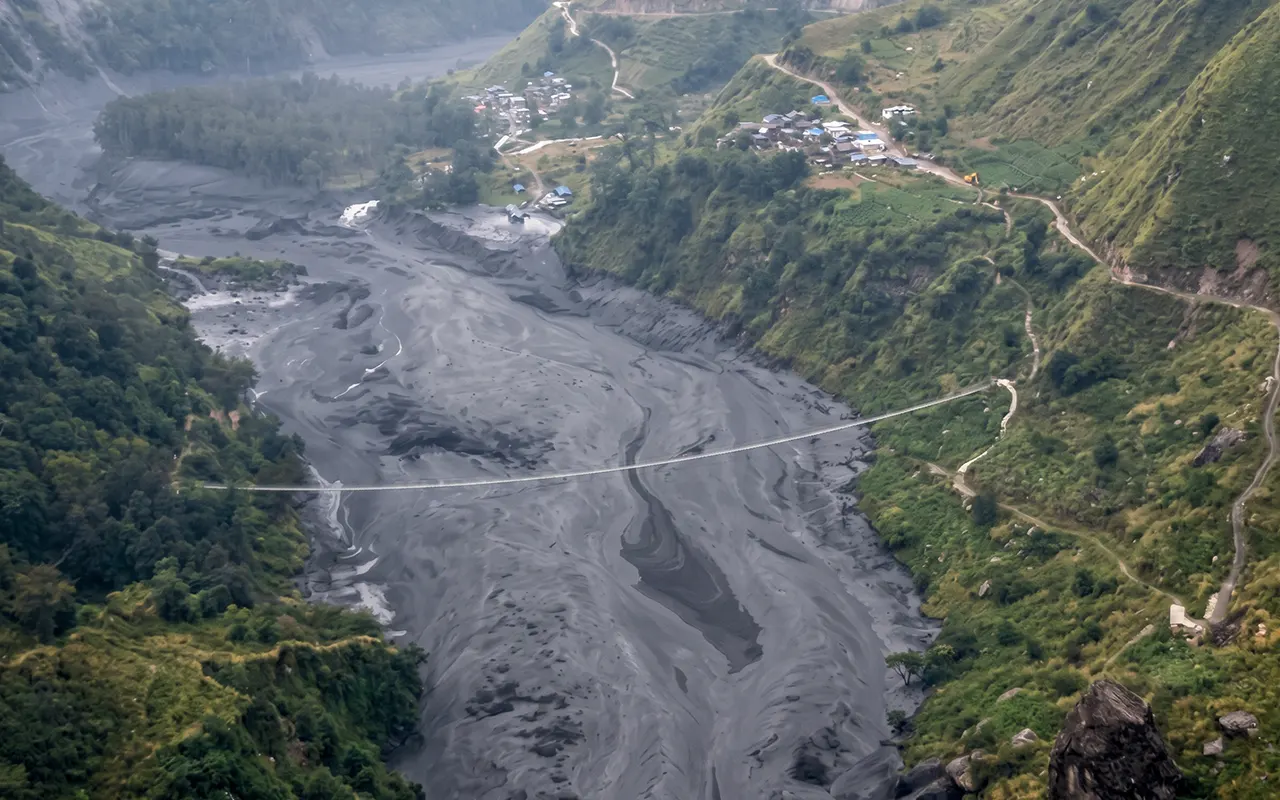
This trek is through the Khumbu region where you will walk through mountain trails, cross suspension bridges, visit Buddhist monasteries and slowly descend towards the base of Mount Everest. The hike also offers a chance to learn about the Sherpa culture and their way of life in the mountain villages.
Ambition Himalaya Treks provides a 14-day Everest Base Camp trekking package, with fixed departures for people who want to join the group. The published 2026 group departure price is a good guide for 2027 planning but the final 2027 price will be determined before booking.
This guide outlines the route, budget, meeting points, best seasons, difficulty where to stay, permits and preparation needed for the trek.
Everest Base Camp Group Joining Trek Overview
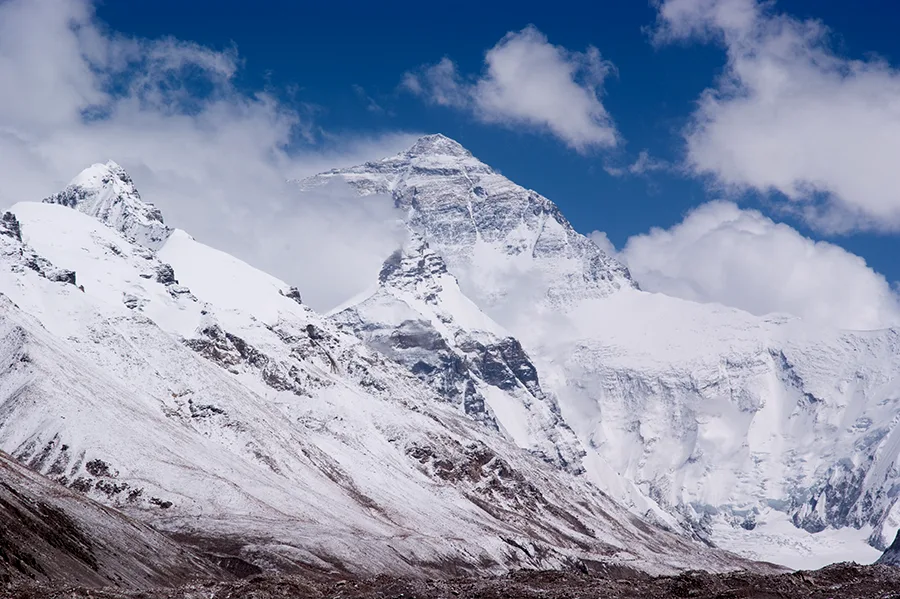
Everest Base Camp Group Joining Trek is a classic trekking route from Lukla to Phakding, Namche Bazaar, Tengboche, Dingboche, Gorak Shep and finally to Everest Base Camp.
Normally, there will be acclimatization days on most treks to allow for the body’s adaptation to the rising altitude. One of the best vantage points for seeing Mount Everest and the other peaks in the Himalayas is the hike to Kala Patthar.
| Trip information | Details |
| Destination | Everest Base Camp, Nepal |
| Duration | Approximately 14 days |
| Starting point | Kathmandu |
| Trekking starting point | Lukla |
| Trekking region | Khumbu, Everest |
| Highest overnight stop | Gorak Shep, approximately 5,164 m (16,942 ft) |
| Maximum hiking elevation | Kala Patthar, approximately 5,545 m (18,192 ft) |
| Everest Base Camp elevation | Approximately 5,364 m (17,598 ft) |
| Difficulty | Moderate to challenging |
| Accommodation | Hotels and mountain teahouses |
| Best seasons | Spring and autumn |
| Group arrangement | Fixed departure, subject to confirmation |
| Indicative 2027 price | Around US$1,350 per person, subject to confirmation |
The above elevations are approximate. The actual hike and overnight stop may be slightly different based on the weather, trail conditions and route.
What Is an Everest Base Camp Group Joining Trek?
A group is a trip that participants sign up for together to go on a single trip. Participants share a trekking guide and go on the same itinerary, instead of hiring a private guide and team.
A group trek to Everest Base Camp is a good option for those who like to interact with new travel companions and experience the outdoors in an adventurous way. No need to come with a lot of friends, as you can find others to trek with on a pre-arranged schedule in Nepal.
The group will typically proceed at the same speed, with the guide helping to arrange daily activities, provide background information on the local area and track the group’s progress. But all participants ought to be ready to walk for a number of hours every day and deal with the physical challenge of high altitude.
It is also easier to have a group because services like guiding and transportation arrangements are organized with the group. Actual savings are subject to the package and services included.
When booking, please inquire about the minimum group size, departure status, accommodations, porter services, meal policy and what happens in the event of flight delays or changes in the departure date.
US$ 1130
Everest Base Camp Trek Cost 2027
One factor to take into account when making plans for this trip is the cost. The final price varies according to the trekking season, trekking group size, accommodations, meals, guide and porter service, flights and package.
Ambition Himalaya Treks lists its 14-day Everest Base Camp trek at US$1,350 for several 2026 fixed departures. The website also features lower ticket costs for some other flights and offers. The prices are for planning purposes only and are not officially confirmed prices for 2027.
The following provisional estimate is for the 2027 budget.
| Cost details | Estimated price per person |
| Reference price from 2026 group departures | US$1,350 |
| Indicative budget for a similar 2027 package | Around US$1,350 to US$1,500 |
| International flights | Additional |
| Nepal tourist visa | Additional |
| Travel insurance with high-altitude trekking coverage | Additional |
| Personal trekking equipment | Depends on what you own or rent |
| Tips, snacks, drinks and personal expenses | Additional |
Important price note: The US$1,350 to US$1,500 range is a planning estimate, not a confirmed 2027 quotation from Ambition Himalaya Treks. Inclusions, fixed departure dates and the final rate are subject to confirmation with the company before booking.
What Does the Package Price Usually Include?
Services provided in a standard organized trekking package can include the following:
- Kathmandu airport transfers
- Hotel accommodation in Kathmandu where specified
- Domestic flights between Kathmandu and Lukla or the designated alternative departure airport
- Tea house lodging on the trek to the mountain
- An experienced trekking guide
- Required trekking permits
- Ground transport in the package
- If requested, porters’ services
- Meals during the trek, if included in the package
- Basic support for trekking logistics and arrangements
Do not assume every service is included simply because it is a group package. Request an itemized list of what is included and what is not in the price before making payment.
What Is Usually Excluded?
A trekking package typically doesn’t cover the following costs:
- International airfares from and to Nepal
- Nepal visa fees
- Meals in Kathmandu unless stated otherwise
- Personal travel insurance and/or rescue insurance
- Clothing and personal equipment for trekking
- Extra accommodation caused by delays or itinerary changes
- Bottled liquids, charges for charging, hot showers and personal snacks
- Important guidance for guides and porters
- Additional transportation and optional activities
How Can You Manage Your Trekking Budget?
Book international flights early, compare packages based on the package content and ask questions about the guide, porter, domestic flights, permits and meals.
Take a few Nepalese rupees in hand for small purchases in the mountains. ATMs and card payments might be limited or unavailable in some parts of the trail. Keeping an emergency buffer for unplanned housing, transportation and weather-induced delays is also prudent.
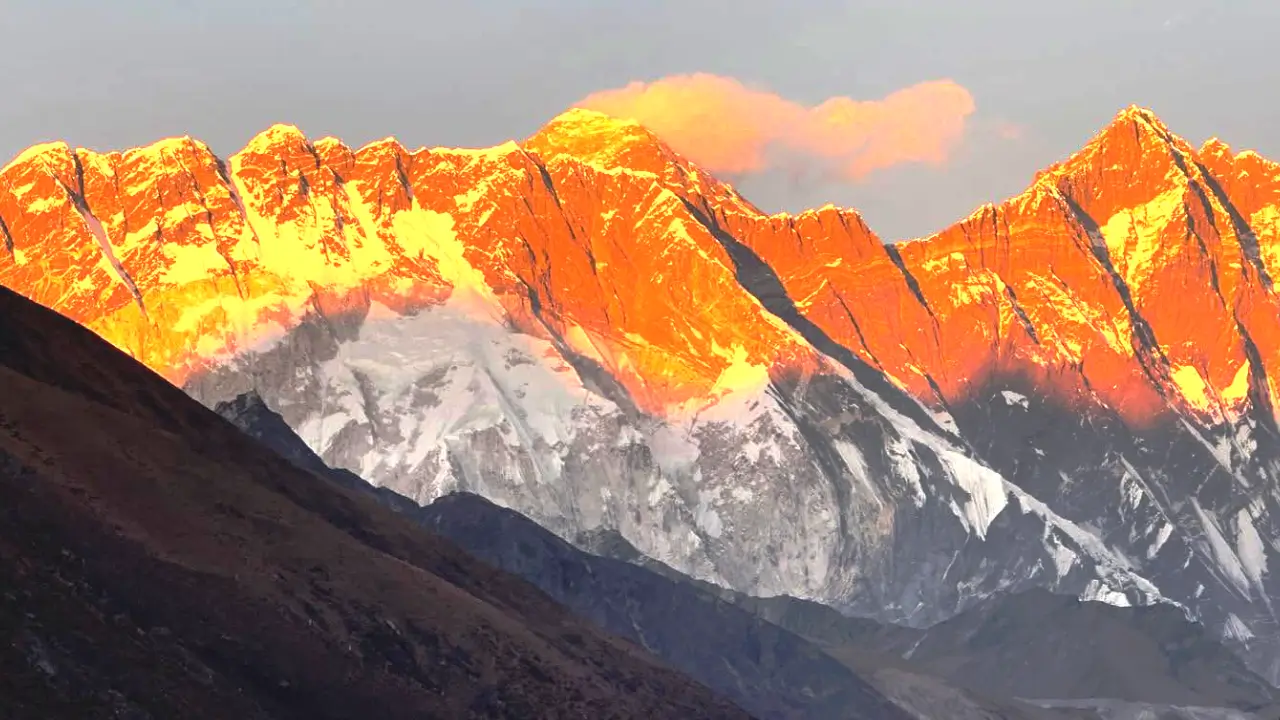
Everest Base Camp Group Joining Trek Itinerary: 14 Days
Here is a sample of a 14-day classic trip. The actual timetable will be confirmed with your trekking company on their 2027 departure.
These are approximate walking times and may vary depending on group pace, acclimatization requirements, trail conditions and weather.
| Day | Route and activity | Approximate elevation |
| 1 | Arrive in Kathmandu and transfer to your hotel | Kathmandu: 1,400 m (4,593 ft) |
| 2 | Trek preparation, briefing and final equipment checks | Kathmandu: 1,400 m (4,593 ft) |
| 3 | Fly to Lukla and trek to Phakding | Lukla: 2,860 m (9,383 ft); Phakding: 2,610 m (8,563 ft) |
| 4 | Trek from Phakding to Namche Bazaar | Namche: 3,440 m (11,286 ft) |
| 5 | Acclimatization day in Namche Bazaar | Namche: 3,440 m (11,286 ft) |
| 6 | Trek from Namche Bazaar to Tengboche | Tengboche: 3,860 m (12,664 ft) |
| 7 | Trek from Tengboche to Dingboche | Dingboche: 4,410 m (14,469 ft) |
| 8 | Acclimatization day in Dingboche | Dingboche: 4,410 m (14,469 ft) |
| 9 | Trek from Dingboche to Lobuche | Lobuche: 4,940 m (16,207 ft) |
| 10 | Trek from Lobuche to Gorak Shep and visit Everest Base Camp | Gorak Shep: 5,164 m (16,942 ft); Base Camp: approximately 5,364 m (17,598 ft) |
| 11 | Early hike to Kala Patthar and trek toward Pheriche | Kala Patthar: approximately 5,545 m (18,192 ft); Pheriche: 4,240 m (13,911 ft) |
| 12 | Trek from Pheriche to Namche Bazaar | Namche: 3,440 m (11,286 ft) |
| 13 | Trek to Lukla | Lukla: 2,860 m (9,383 ft) |
| 14 | Fly to Kathmandu and transfer to your hotel or onward departure | Kathmandu: 1,400 m (4,593 ft) |
This is an outline schedule, not a guarantee of the daily schedule. Some operators use a different sequence, include additional nights in Kathmandu or allow more time for acclimatization. Changes may also occur due to weather conditions that may disrupt flights.
Major Highlights of the Trek
- Take in the stunning scenery of Mt. Everest and the surrounding peaks
- Arrive at EBC at around 5364 m (17598 ft)
- Hike to Kala Patthar for breathtaking mountain views
- Explore the lively Sherpa town of Namche Bazaar
- Go to the renowned Tengboche Monastery
- Colored prayer flags on cross suspension bridges
- Learn about the traditional Sherpa culture and mountain village life
- Walk through Sagarmatha National Park and its diverse landscapes.
- Take an aerial tour to and from Lukla
- Enjoy an awesome Himalayan experience with other trekkers.
Route, Trekking Distance and Walking Hours
The classic route involves a flight from Kathmandu to Lukla and then a hike through Phakding, Namche Bazaar, Tengboche, Dingboche, Lobuche and Gorak Shep.
Walking distance will vary depending on route, side hikes and return. A normal walk back takes about 120-130 km (75-81 miles) which includes a trek to Kala Patthar and Everest Base Camp. This is a guess and not a specific distance for each package.
The typical trek day is 5-7 hours, depending on the weather. Some days are shorter and the higher parts may be longer as a result of steep terrain, rest stops and lower walking speeds at higher elevation.
It’s not a technical climb. It requires, however, a steady walk up and down on rocky paths, stone steps and exposed areas. Well-fitting shoes and a consistent pace are essential during the ride.
US$ 1350
How Difficult Is the Everest Base Camp Group Joining Trek?
Everest Base Camp Group Joining Trek is considered a moderate to difficult trek. Advanced mountaineering skills are not required but you should be used to walking for extended periods of time and getting used to high altitudes.
The key difficulties are:
- Reduced oxygen availability can cause altitude sickness, even in physically fit trekkers
- Multiple days of walking may result in tiredness and pain
- It can get cold at night and on early morning hikes
- Rocky trails, loose stones and steep descents require concentration
- Conditions such as rain, snow, wind and cloud cover may impact the route and flight schedule
Who Can Join?
The trek is suitable for healthy adults who have some fitness and are willing to prepare. Those who have done the trek once before can also take part provided they receive training beforehand and are aware of the requirements of the trek.
Does not require an athlete. Walking, stair climbing, hiking and aerobic exercises/week/month pre-departure will help, however.
Please note that if you have a medical condition that may affect your ability to exercise at altitude, please consult a qualified healthcare professional before booking.
Altitude and Acclimatization
The height is one of the most important criteria to take into account when planning this trip. The higher you get, the less oxygen (air) you can get from each breath so it becomes harder to be physically active.
Appropriate acclimatization stops should be planned on the itinerary, especially at Namche Bazaar and Dingboche. These rest days give time to acclimatize but will not rule out the possibility of altitude sickness.
Do as your guide says, take your time, drink plenty of fluids and avoid alcohol while acclimatizing. Avoid climbing to a higher sleeping elevation if symptoms indicate that you may have altitude sickness.
If the headache is increasing in severity, vomiting, problems walking in a straight line, confusion or difficulty breathing at rest, it may be a serious medical emergency. Let your guide know right away. Urgent medical assistance and descent may be needed.
Best Time for the Trek in 2027
Spring and autumn are generally the most popular seasons for this journey.
| Season | Conditions | Suitability |
| Spring, March to May | Generally favorable trekking conditions, with increasingly mild daytime weather | Excellent for mountain scenery and the spring climbing season |
| Autumn, September to November | Often clear skies and good mountain visibility after the monsoon | Excellent for classic trekking conditions |
| Winter, December to February | Colder nights, possible snow and fewer trekkers | Suitable for well-prepared travelers who can manage cold conditions |
| Monsoon, June to August | More rain, cloud and potential travel disruption | Less predictable; flight and trail conditions require extra flexibility |
For many first-time visitors, March to May and September to November are the most practical periods to consider.
When booking a fixed departure in 2027 inquire about the exact dates and whether the company is going to run the trip on schedule. Conditions are better in favorable seasons but there cannot be clear views or continuous flights.
Accommodation and Food During the Trek
Most accommodation is in mountain teahouses. These typically offer a bed, blankets and shared or private bathrooms.
The facilities at higher elevations are more basic. Common areas may be heated and charging and hot showers may incur extra fees.
Typically, they eat dal bhat, noodles, fried rice soups, potatoes, eggs, porridge and many simple dishes. Vegetarian alternatives will be widely available but may be less so in remote settlements.
Eat on a scheduled basis and find foods that don’t upset you. Use treated or properly purified water instead of untreated tap water or water from a stream.
Find out if the package includes all three meals a day or just some meals. This difference will have a substantial impact on the total budget.
Permits Required for the Trek
For the classic Everest Base Camp route, there are, in general, two main local permits required:
- Sagarmatha National Park entry permit: Required to enter the protected area.
- Khumbu Pasang Lhamu Rural Municipality permit: Required for trekking in the local area.
Current published guidance lists a national park fee of NPR 3,000 for foreign visitors, plus applicable VAT and a local permit fee of NPR 3,000 for many foreign trekkers. The amounts are subject to change, as are eligibility requirements so please check rates for 2027.
As of now, it’s a pretty normal route in the Khumbu that doesn’t necessarily require a TIMS card. Your trekking operator should check the rules that are in effect at the time of your trip and ensure that you get the required permits as outlined in your package.
Bring your passport and requested documentation with you. Checks are allowed at specific locations on the trail.
Flights to Lukla and Travel Arrangements
The typical itinerary involves flying from Kathmandu to Lukla which is the entry point to the Everest trekking area. In peak seasons, flight operations can be made at Ramechhap airport in lieu of the main airport of Kathmandu.
If you were planning to travel to Ramechhap from your itinerary, another road transfer might be necessary. Ask if this is part of the package.
The visibility and wind conditions and the operational situation, are the key factors for mountain flights. It may get delayed and cancelled even in the peak tour seasons.
Thus, it is advisable to have a buffer day after your return to Kathmandu before a significant flight over the country. If there is a predetermined onward travel plan, check with the operator what contingency plans are in place and any potential additional fees.
What to Pack for the Trek
Pack the right items to keep you comfortable in cold mornings, warm afternoons and all weather conditions in between. Make sure to pack enough clothes to be able to layer up or down according to the weather.
Essential items include:
- Base layers that wick moisture, fleece, insulated jacket, waterproof jacket and trousers, trekking trousers and warm socks
- Trekking boots (broken in) with good grip and comfortable camp shoes
- An appropriate sleeping bag for nights in cold mountain weather, unless you have been assured that this is included in the package
- A comfortable backpack to carry water, snacks, extra layers and personal items.
- Sunglasses, sun cream, lip cream, warm hat, gloves, sun hat
- Personal medication, a small first-aid kit, water purification supplies and any medication prescribed by your healthcare professional for altitude purposes
- Passport, travel insurance details, flight information and copies of important documents
Main luggage should be easily manageable and ask the operator about porter weight limits. Bring expensive objects, critical drugs and paperwork with you.
Safety Tips for Group Trekkers
Participating in a group provides guidance and group arrangements but each person will have to communicate his/her health concerns and follow the safety guidelines.
Here are some things to remember:
- Don’t hurry to catch up with the quickest trekkers
- Report symptoms of headache, nausea, dizziness or unusual breathing
- Never press on when suspected of altitude sickness
- Obey signs and stay off suspension bridges and exposed trails
- Stay warm and dry, especially in the early morning
- Use treated water and food regularly
- Have appropriate insurance that specifically covers trekking at the desired elevation and emergency helicopter evacuation
- Plan for additional time for delays and inclement weather
The company should inform them about the trip and discuss the risks of altitude, as well as have a clear emergency plan. Inquire about arrangements with the guide, communication, evacuation and assistance if someone wants to get down early.
Tips for First-Time Trekkers
If it’s your first time trekking the Himalayas, make sure to prepare for the trip a few months before you head out. Start walking every day, gradually build up how far you walk and add hills or stairs when available. Wear your trekking boots before the trekking adventure to minimise the risk of blisters.
Take rest if necessary, have regular meals and don’t hurry to reach the next village. Follow your guide and express yourself openly and honestly, particularly at the higher elevations. It is also important to have your travel paperwork and insurance information handy, have some cash on hand and be flexible with your plans if the weather keeps you from doing some parts of your trip. Above all, have fun with the process and don’t worry about how quickly or slow you are compared to anyone else in the group.
US$ 1150
Frequently Asked Questions
How much does the Everest Base Camp Group Joining Trek cost in 2027?
A provisional planning budget is around US$1,350 to US$1,500 per person for a comparable 14-day organized trek. Ambition Himalaya Treks lists several 2026 group departures at US$1,350 which provides a reference point. Please check the final price before booking, as the booking price for 2027 has not been independently verified.
Can I join the trek alone?
Yes. In the event that the operator takes individual bookings and that the departure is available, a solo traveller can reserve a seat on a fixed departure. The organized trekking experience will be shared with other participants; the room arrangement and any single supplement will be confirmed prior to the trek.
How many days are required for the trek?
A typical trip lasts 12-14 days, depending on the program, acclimatisation plans and logistics. A 14-day program provides a good guideline for adding rest and return days.
Is the trek suitable for beginners?
It is not for a beginner who is not physically conditioned, does not train for it and is not familiar with the problems of altitude. Experience in hiking is a plus but not a requirement. Being able to walk several hours a day and follow safety directions is important.
What is the highest point of the trek?
The most frequented viewpoint is Kala Patthar (5,545 m or 18,192 ft). The height of Everest Base Camp is about 5364 m or 17 598 ft. Conditions such as weather, health and trail conditions may impact getting to either location.
Are meals included in the package?
This will depend on the package you have. There are some itineraries that provide meals along the way and others that provide accommodation and guiding and require trekkers to pay for meals separately. Please check before booking; food prices are higher in more remote mountain villages.
Do I need a guide?
A guide is normally included in an organized service for a group joining a package. Ensure that the operator has made all arrangements, whether the guide goes with the group on the trek or not and what support there is in place for those who are to walk at a different pace.
What happens if the Lukla flight is canceled?
Due to weather and operational conditions, flights can be delayed or cancelled. You will be offered an alternative transfer or a later flight, depending on availability, by your operator. There could be extra transport or accommodation prices so please make sure to review the package policy and have an extra travel budget.
Should I book the trek in advance for 2027?
Reservations can help you get your desired dates and give you time to plan. Ask for a written confirmation of the date of departure, price, group size, inclusions, nature of cancellation and refund arrangements before paying.
Is travel insurance necessary?
It is recommended to purchase travel insurance. Select a policy that includes high-altitude trekking at the peak heights of your trip, medical treatment in an emergency and helicopter evacuation if required. Be sure to read the fine print and don’t assume that you have this coverage in your general travel insurance.
Why Choose Ambition Himalaya Treks?
Always target a trekking operator that is more than the advertised price. A proper package should include a detailed itinerary, a list of inclusions and exclusions, proper acclimatisation and an experienced trekking guide.
If you are thinking of trekking in the Everest region, Ambition Himalaya Treks offers you planned itineraries and group trekking tours. The published prices for 2026 are a good indicator of what to expect budget-wise for 2027.
When booking, be sure to ask the company about the departure date, minimum group size, final price, meals, porter arrangements, domestic flights, permits and emergency support. These details will help you understand exactly what you are paying for.
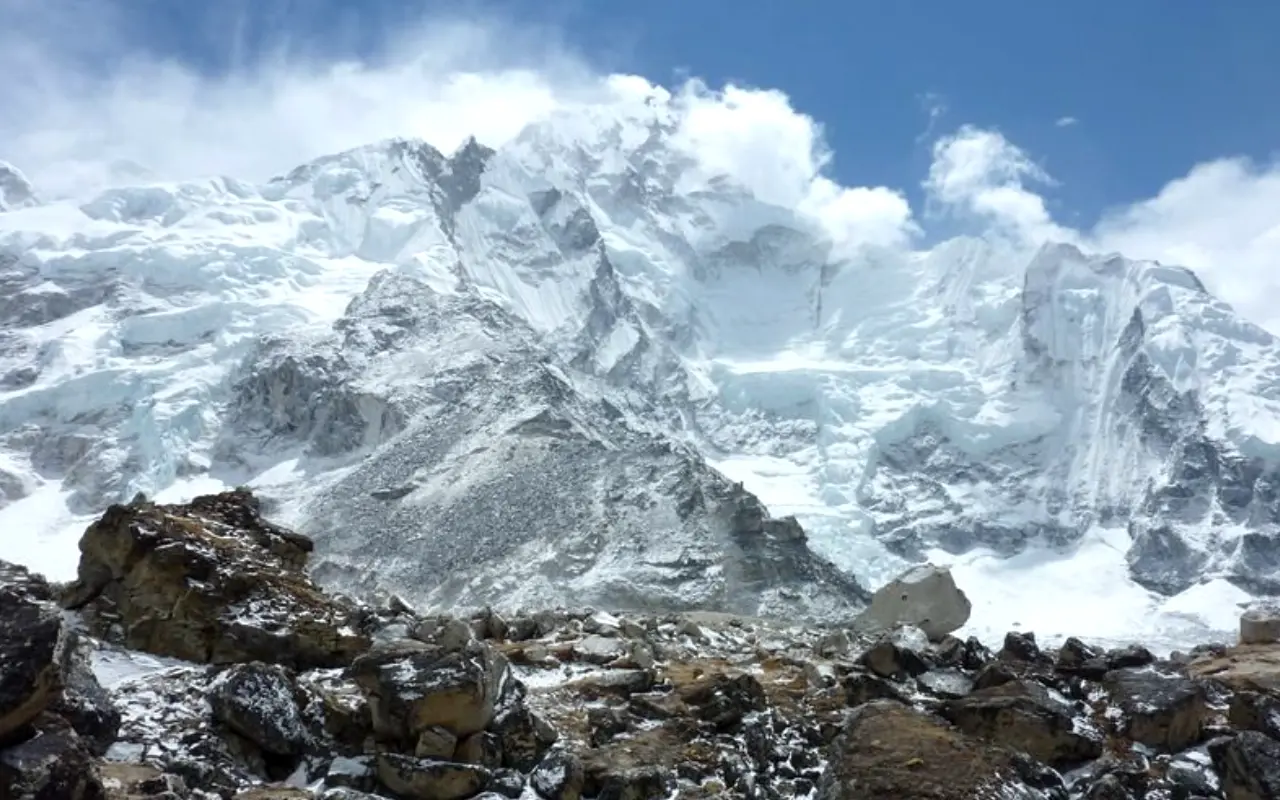
Book Your Everest Base Camp Group Joining Trek for 2027
The Everest Base Camp Group Joining Trek lets you explore the Khumbu region, experience Sherpa culture and walk toward the base of the world’s highest mountain with other trekkers. However, if prepared properly, a well-planned trip to the Himalayas, combined with proper attention to safety at high altitudes, can be rewarding for both those who have not yet visited and those who have.
To view group departures for 2027, first choose a season to start with and then view the group departures for that season. Make sure to check package inclusions thoroughly, plan for fitness and be patient for delays due to mountain flying.
Ambition Himalaya Treks’ published 2026 group departure rate of US$1,350 provides a useful price reference but confirm the final 2027 quotation before making a booking. Some of the planning that needs to be done will be time-consuming, particularly when it comes to flights, insurance, equipment and other travel needs so planning early will give you more time.
Ready to Plan Your Trekking? Contact us
More Blog Posts