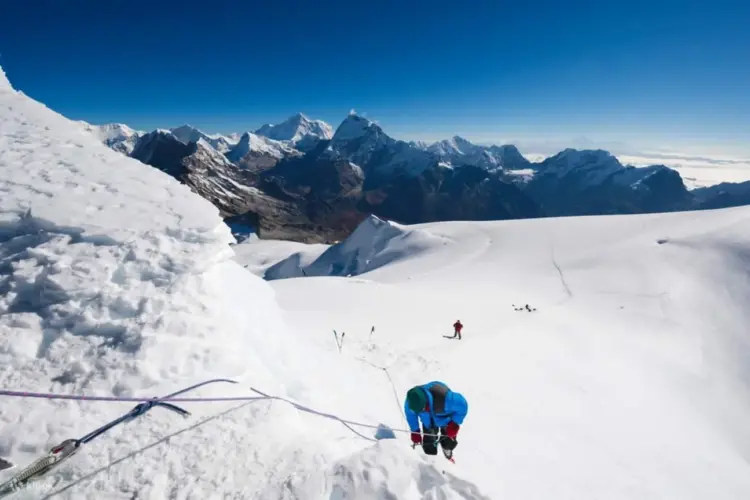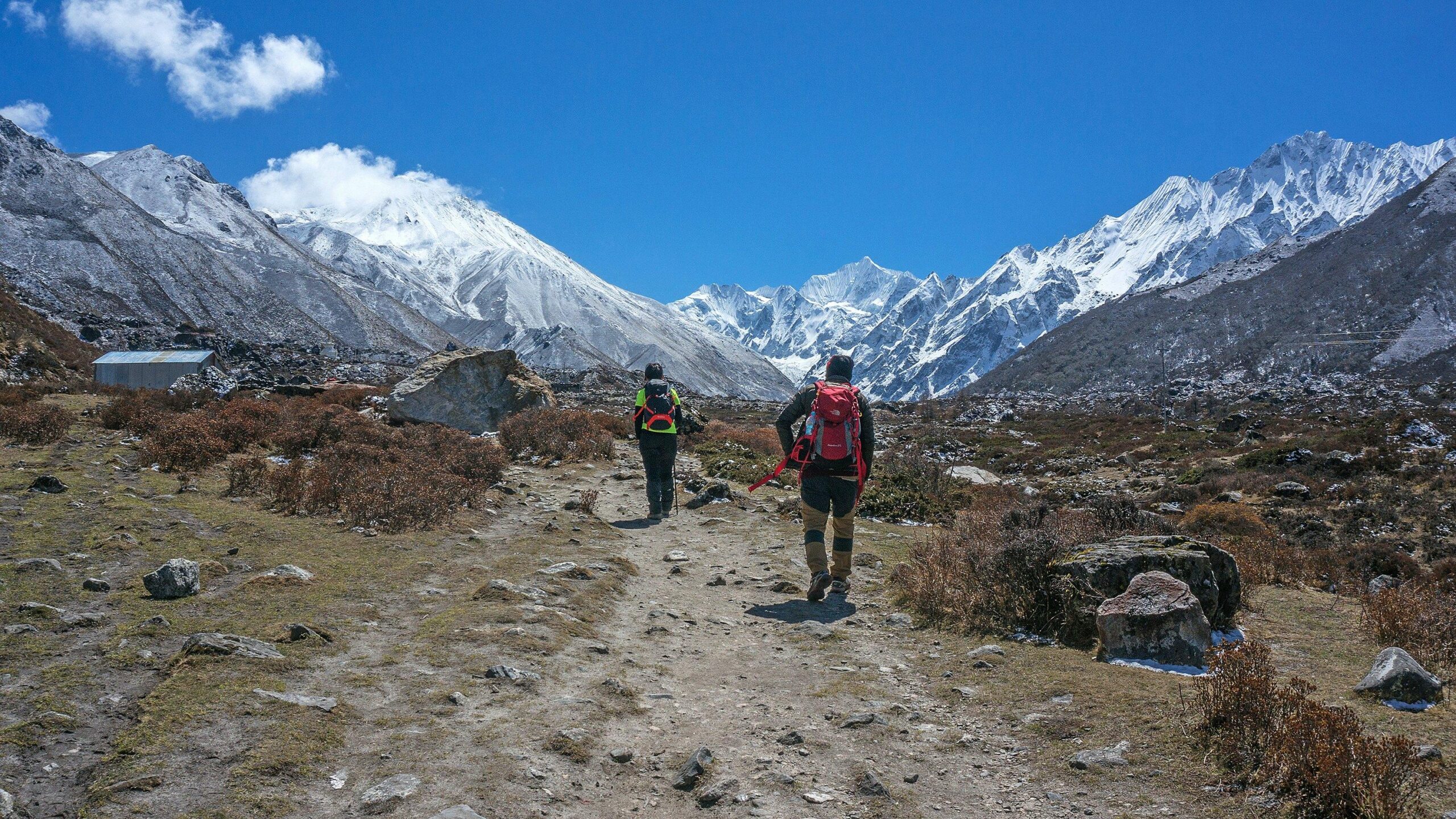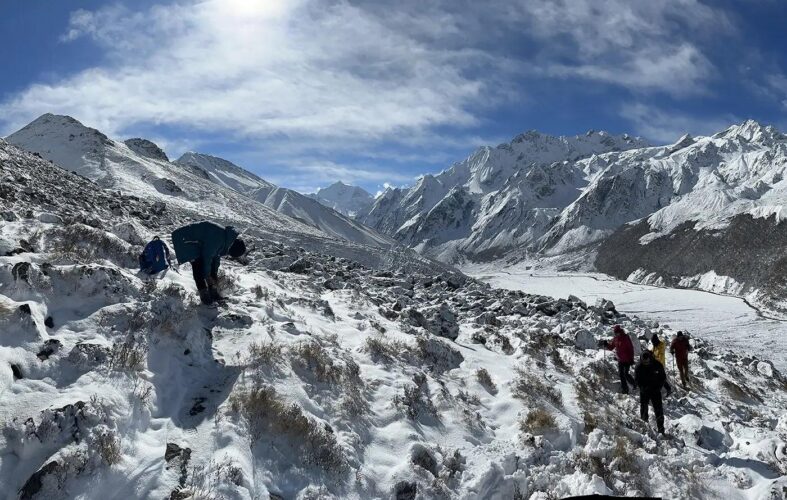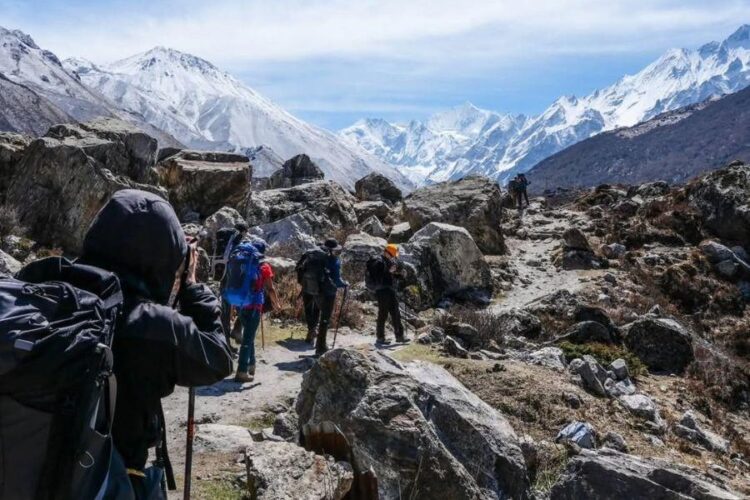

Langtang Valley Trek 11 Days: Into the Heart of the Himalayas

Langtang Valley

Langtang Valley Trek 11 Days: Journey to Kyanjin Gompa

The Langtang Valley Trek 11 Days is one of Nepal’s most rewarding Himalayan journeys for travelers who want spectacular mountain scenery, traditional mountain culture, beautiful forests, high-altitude landscapes and an authentic trekking experience without committing to a very long expedition.

Located north of Kathmandu near the Nepal–Tibet border, the Langtang region combines dramatic Himalayan landscapes with centuries-old Tamang and Tibetan-influenced culture. The trail begins at Syabrubesi, follows the Langtang Khola through dense forests and mountain villages, and gradually climbs toward Kyanjin Gompa, one of the most beautiful destinations in the Langtang Valley.

The journey becomes even more memorable with an optional high-altitude excursion toward Tserko Ri, reaching around 5,000 meters, or a more moderate alternative to Langsisa Kharka.

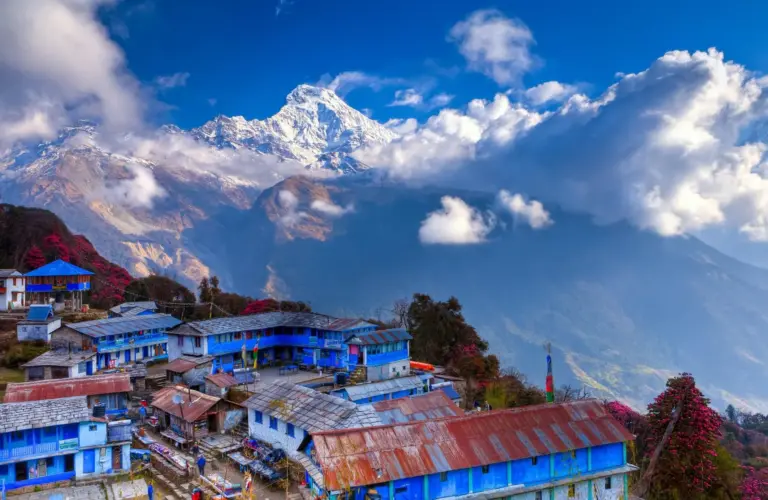
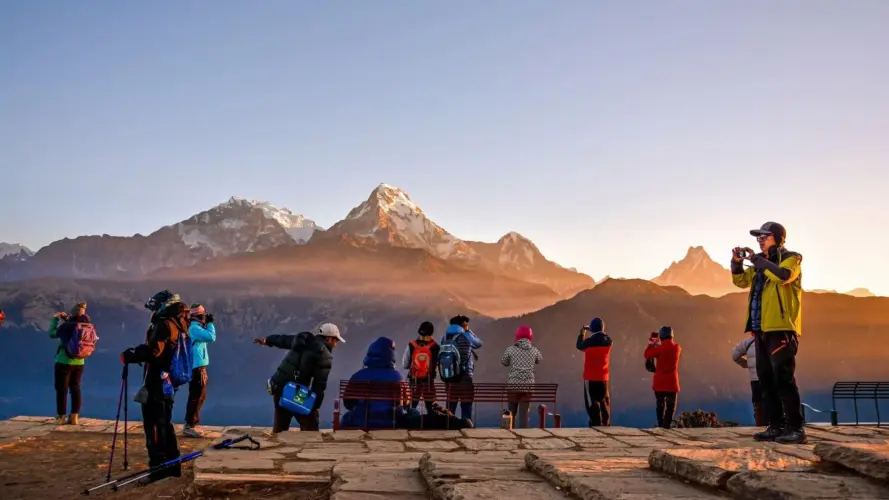
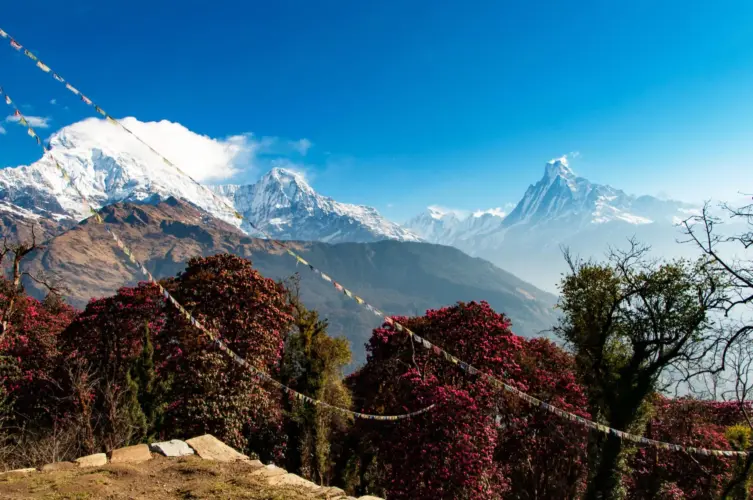
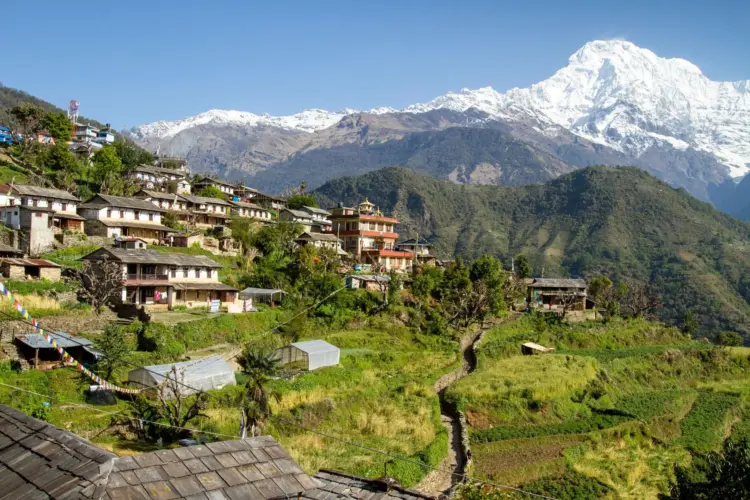
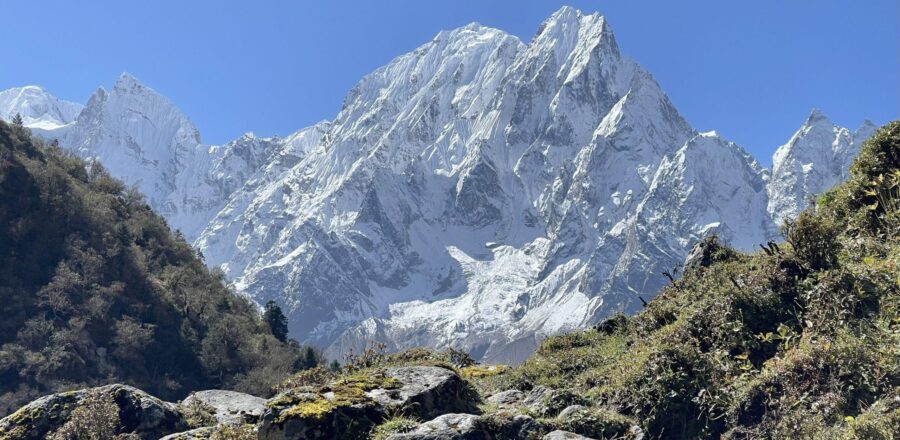
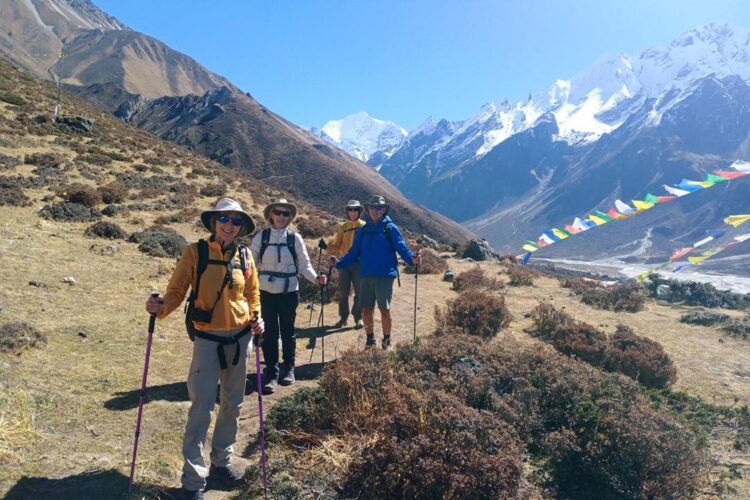
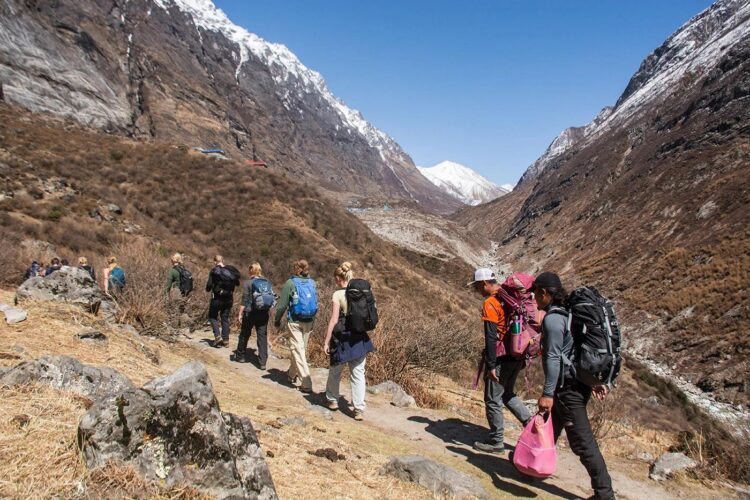
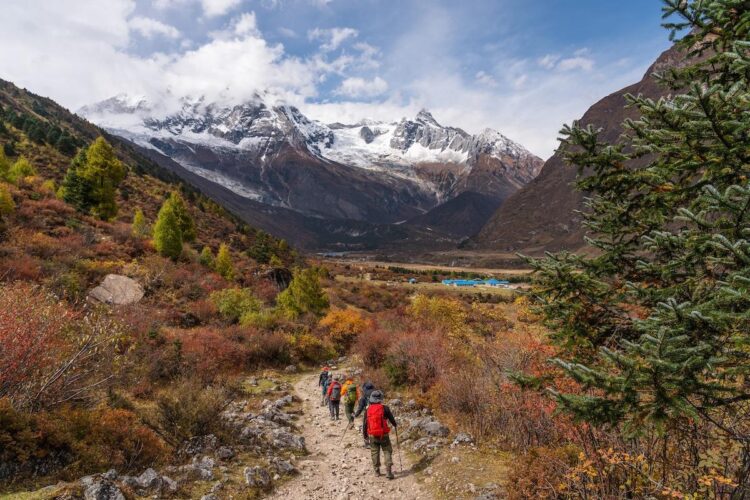
Unlike some of Nepal’s more crowded trekking routes, Langtang offers a quieter Himalayan experience while still providing remarkable mountain views. During the trek, travelers encounter rhododendron and oak forests, waterfalls, yak pastures, Buddhist prayer walls, monasteries, mountain streams and panoramic views of peaks including Langtang Lirung and Ganchenpo.

This carefully designed 11-day Langtang Valley Trek itinerary also includes Kathmandu sightseeing before the trek, allowing travelers to experience some of Nepal’s most important cultural and historical landmarks.

Why Choose the Langtang Valley Trek 11 Days

The Langtang Valley Trek is an excellent choice for travelers looking for a combination of mountains, culture, nature and adventure within a relatively compact trekking schedule.

One of the biggest advantages of this route is its accessibility. From Kathmandu, trekkers can reach Syabrubesi by road and begin walking directly into the Himalayan landscape.

The trek offers an impressive variety of scenery within a single journey:

  • Dense Himalayan forests
  • Rhododendron and oak trees
  • Waterfalls and mountain streams
  • Tamang villages
  • Buddhist monasteries
  • Mani walls and prayer wheels
  • Yak grazing pastures
  • Traditional mountain settlements
  • High Himalayan valleys
  • Langtang Lirung views
  • Ganchenpo mountain scenery
  • Kyanjin Gompa
  • Tserko Ri
  • Langsisa Kharka

For travelers who want a meaningful Himalayan adventure without spending three weeks or more on the trail, the Langtang Valley Trek 11 Days provides an excellent balance.

                   Langtang Valley Trek at a Glance

Trek Information Details
Trek Name Langtang Valley Trek 11 Days
Destination Langtang Valley, Nepal
Starting Point Kathmandu
Trek Starting Point Syabrubesi
Main Destination Kyanjin Gompa
Highest Point Approximately 5,000 m at Tserko Ri
Trek Duration 11 Days
Walking Days Approximately 5 days
Trekking Region Langtang
Accommodation Hotels and mountain guesthouses
Meals During Trek Breakfast, Lunch and Dinner
Main Cultural Group Tamang communities
Guide English-speaking licensed trekking guide
Transportation Private city transportation and bus/optional private jeep
Difficulty Moderate to challenging depending on high-altitude hike
Major Highlight Kyanjin Gompa and Tserko Ri
Best For Adventure, culture, nature and Himalayan views

Langtang Valley Trek 11 Days Cost

The group discount pricing for this trekking package is designed to make the journey more affordable for travelers booking together.

                                              Group Discount Price

Number of People Price Per Person
1 person US$750
2 people US$650
3–5 people US$600
6–9 people US$550
10–15 people US$530
16+ people US$500

Langtang Valley Trek

The price per person decreases as the group size increases, making the Langtang Valley Trek 11 Days particularly attractive for friends, families, private groups and organized trekking groups.

What Can Affect the Final Trek Cost?

The final cost of a Langtang trek can depend on several factors, including:

  • Group size
  • Transportation preference
  • Private jeep versus local bus
  • Hotel category in Kathmandu
  • Additional accommodation requirements
  • Personal expenses
  • Travel insurance
  • Emergency evacuation coverage
  • Optional services
  • Additional activities

Travelers who prefer more comfortable transportation can choose the private jeep option between Kathmandu and Syabrubesi at an additional cost.

Detailed Langtang Valley Trek 11 Days Itinerary

Day 1: Arrival in Kathmandu – Transfer to Hotel

Altitude: 1,300 m / 4,265 ft approximately
Transportation: Private car
Driving Time: Approximately 30 minutes
Accommodation: Hotel
Meals: Dinner

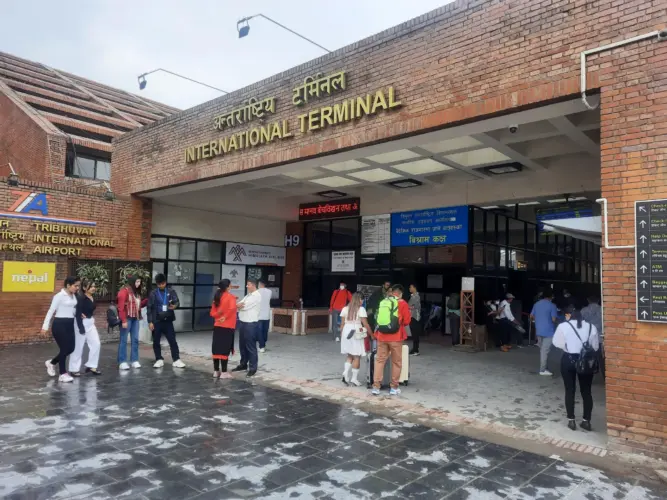
Your Langtang adventure begins when you arrive at Tribhuvan International Airport in Kathmandu.

A representative from the trekking team will meet you at the airport and transfer you to your hotel by private vehicle.

After checking in, you can take some time to relax and recover from your journey.

In the evening, a traditional Nepali welcome dinner is arranged. This provides your first opportunity to experience Nepalese cuisine, hospitality, music and cultural traditions.

Your trekking guide will also provide an introduction to the upcoming journey and explain important information regarding the trail, accommodation, meals, altitude, walking conditions and trekking preparation.

Overnight

Hotel in Kathmandu.

Day 2: Kathmandu Sightseeing and Trek Preparation

Altitude: 1,300 m
Transportation: Private vehicle
Duration: Approximately 6–7 hours
Accommodation: Hotel
Meals: Breakfast

Before heading toward the mountains, you will spend a day exploring the cultural heritage of Kathmandu Valley.

Kathmandu is home to centuries-old temples, monasteries, stupas, palaces and traditional neighborhoods.

Depending on the sightseeing schedule, the itinerary includes some of the valley’s most significant heritage landmarks:

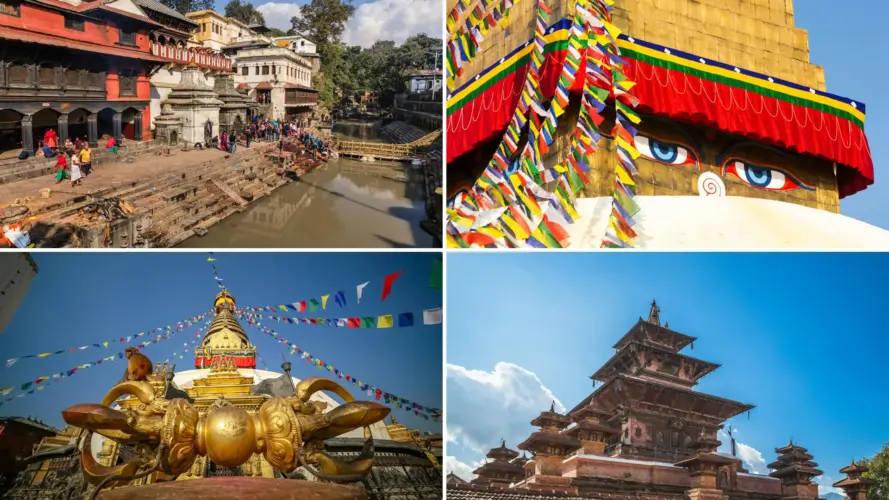
Pashupatinath Temple

One of Nepal’s most important Hindu religious sites, Pashupatinath stands on the banks of the Bagmati River and is known for its intricate architecture and spiritual significance.

Swayambhunath Stupa

Also popularly known as the Monkey Temple, Swayambhunath sits on a hill overlooking Kathmandu Valley and provides impressive views of the city.

Boudhanath Stupa

Boudhanath is one of the largest Buddhist stupas in Nepal and an important center of Tibetan Buddhist culture.

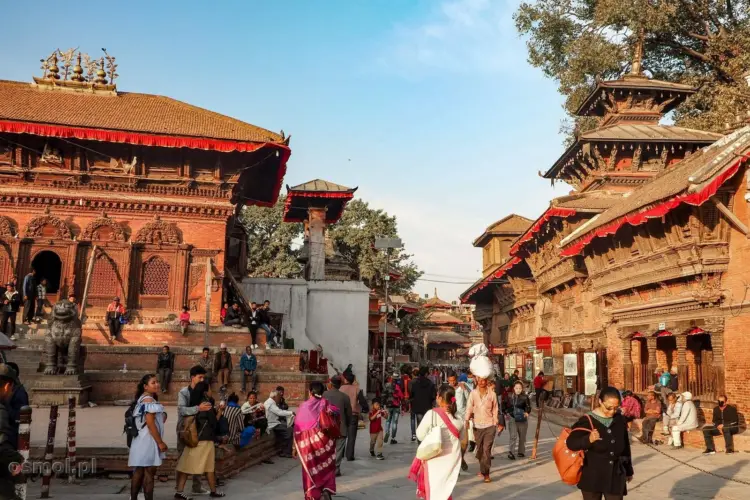
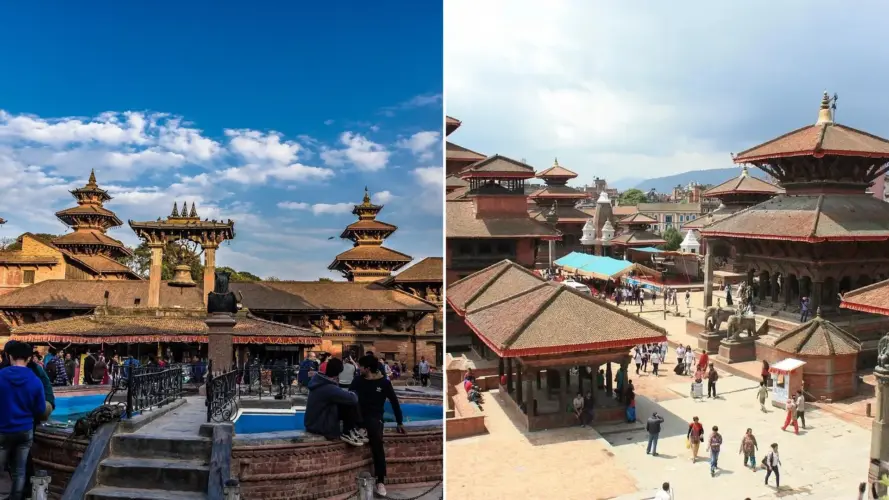
Kathmandu Durbar Square

The historic palace square features traditional Newari architecture, courtyards, temples and monuments.

The sightseeing day also provides time to make final preparations for the trek.

Overnight

Hotel in Kathmandu.

Day 3: Kathmandu to Syabrubesi

Altitude: 1,420 m / 4,658 ft
Transportation: Bus
Driving Time: Approximately 7–8 hours
Accommodation: Guesthouse
Meals: Breakfast, Lunch and Dinner

After an early breakfast, the journey toward the Langtang region begins.

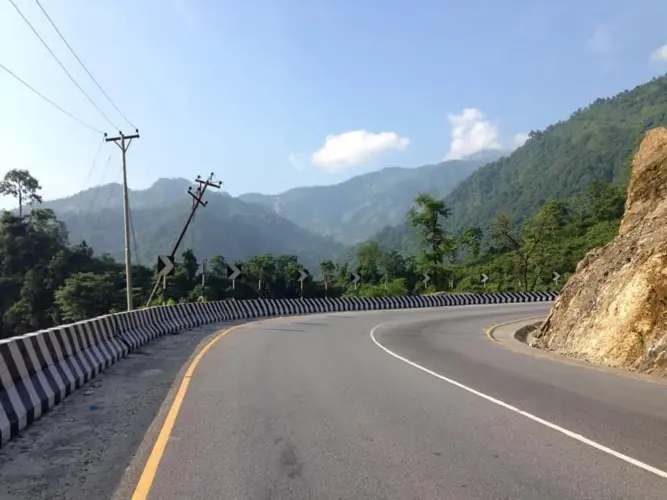
The road follows the northern hills of Nepal and eventually reaches Syabrubesi, the main gateway to the Langtang Valley Trek.

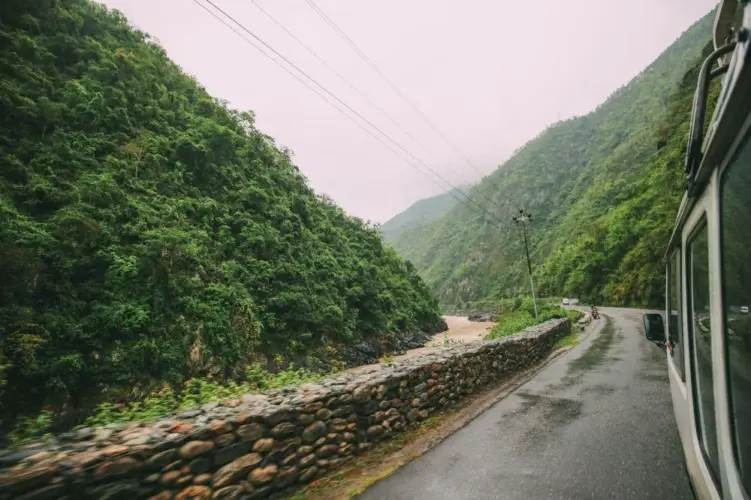
There are different road approaches toward Syabrubesi, and the journey generally passes through scenic hill settlements and follows sections of the Trishuli River.

As Kathmandu gradually disappears behind you, the landscape changes from urban surroundings to green hills, river valleys and mountain settlements.

Syabrubesi is a small mountain village surrounded by spectacular Himalayan scenery. On clear days, views toward the surrounding Himalayan ranges can be seen from the region.

This is your final overnight stop before beginning the main trekking section.

Overnight

Mountain guesthouse in Syabrubesi.

Day 4: Syabrubesi to Lama Hotel

Altitude: 2,350 m / 7,709 ft
Walking: Approximately 5–6 hours
Accommodation: Guesthouse
Meals: Breakfast, Lunch and Dinner

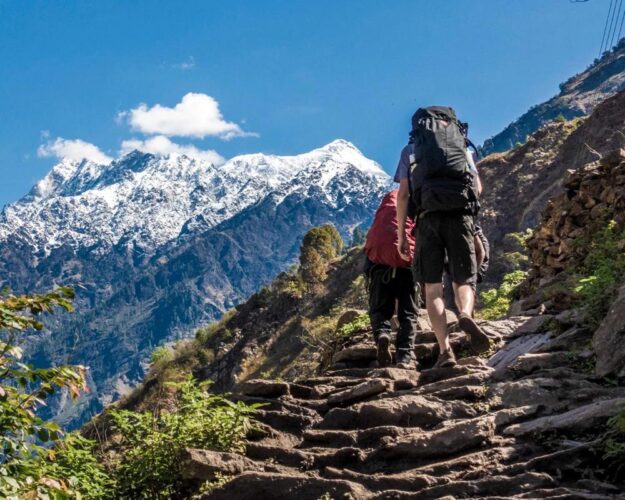
Today you officially begin walking on the Langtang Valley trail.

The route crosses the Bhote Koshi and gradually follows the Langtang Khola through a beautiful forest environment.

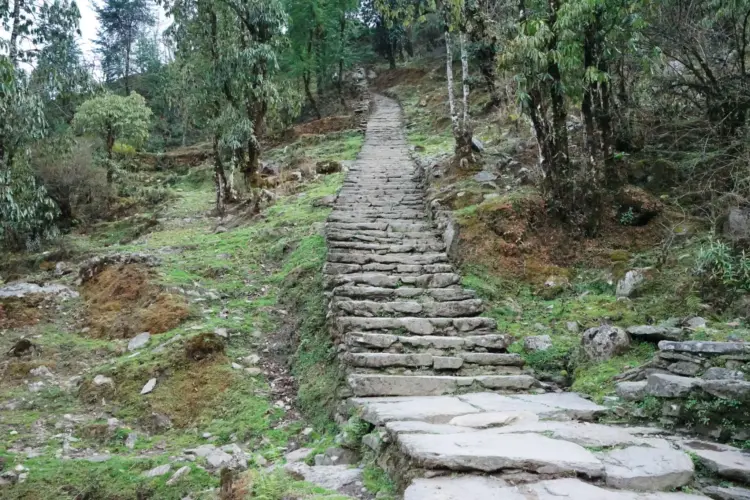
The trail passes through dense vegetation dominated by rhododendron, oak and other Himalayan trees.

One of the highlights of the day is Bamboo, where trekkers can stop for a rest before continuing toward Lama Hotel.

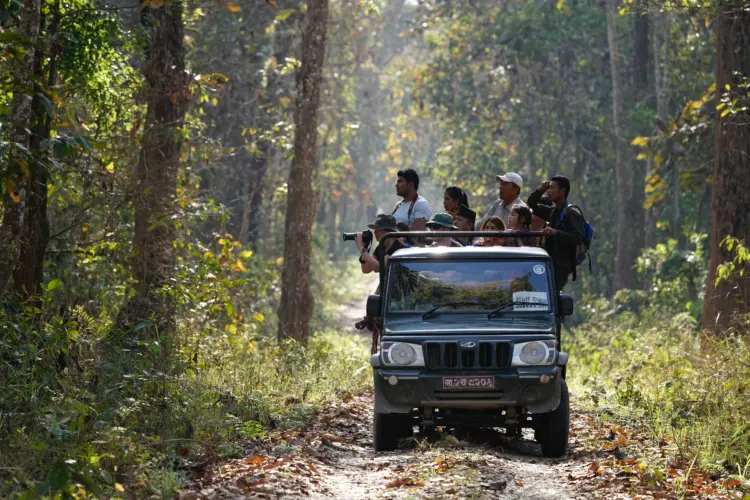
The forest is also home to a variety of Himalayan flora and fauna. Depending on the season and conditions, you may encounter birds and other wildlife along the trail.

The trail continues gradually uphill until reaching Lama Hotel.

Overnight

Guesthouse at Lama Hotel.

Day 5: Lama Hotel to Langtang Village

Altitude: 3,500 m / 11,482 ft
Walking: Approximately 5–6 hours
Accommodation: Guesthouse
Meals: Breakfast, Lunch and Dinner

The landscape begins changing significantly as you climb higher into the Langtang Valley.

The trail continues through forested sections and opens into areas with waterfalls, streams, meadows and mountain views.

You will reach Ghoda Tabela, traditionally associated with a horse stable, where trekkers normally take a break and have lunch.

As the trail continues, the valley gradually becomes wider and the Himalayan mountains become increasingly visible.

You will encounter yak grazing areas and traditional settlements as you approach Langtang Village.

Langtang Village has an important and emotional history. The settlement was severely affected by the devastating 2015 earthquake, but the local community has worked hard to rebuild and restore life in the region.

Today, Langtang remains an important cultural and trekking settlement.

Overnight

Guesthouse in Langtang Village.

Day 6: Langtang Village to Kyanjin Gompa

Altitude: 3,860 m / 12,664 ft
Walking: Approximately 3–4 hours
Accommodation: Guesthouse
Meals: Breakfast, Lunch and Dinner

Today is one of the most exciting days of the Langtang Valley Trek 11 Days.

After breakfast, you continue toward Kyanjin Gompa, the highest overnight settlement on this itinerary.

The walking distance is relatively short compared with previous days, giving you time to enjoy the surroundings and gradually adjust to the increasing altitude.

Along the route, you will encounter:

  • Mani walls
  • Prayer wheels
  • Buddhist shrines
  • Water mills
  • Mountain streams
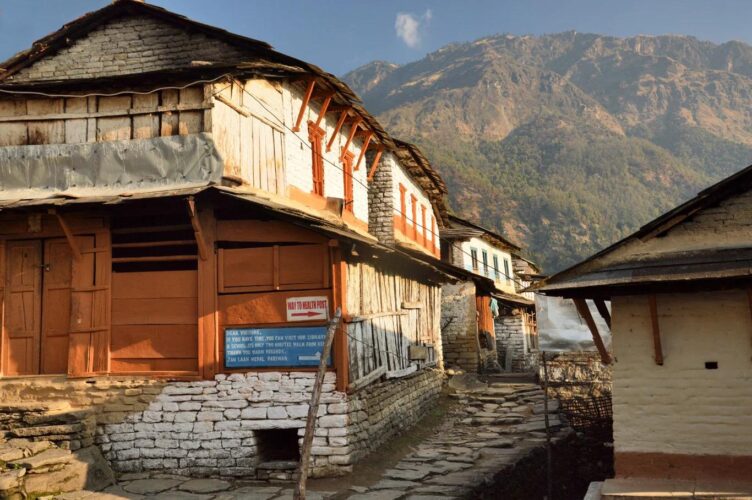
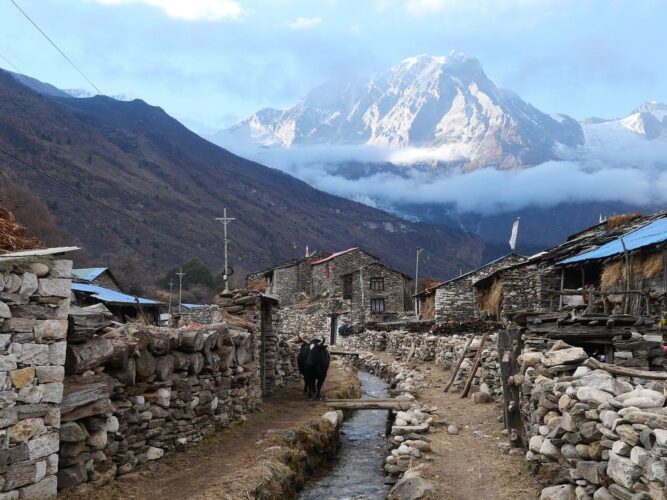
  • Traditional stone houses
  • Himalayan pastureland

The trail passes through Mundu and continues toward Kyanjin Gompa.

As you approach the settlement, the surrounding Himalayan landscape becomes increasingly dramatic.

Kyanjin Gompa is a Buddhist cultural site and one of the main highlights of the entire trek.

The area also has a famous local cheese production tradition, giving visitors an opportunity to experience another part of the region’s mountain culture.

From Kyanjin Gompa, you can enjoy magnificent views of surrounding peaks, including Langtang Lirung and Ganchenpo.

Overnight

Guesthouse at Kyanjin Gompa.

Day 7: Tserko Ri or Langsisa Kharka Excursion

Highest Optional Altitude: Approximately 5,000 m at Tserko Ri
Alternative: Langsisa Kharka, approximately 4,300 m
Walking: Approximately 5–6 hours
Accommodation: Guesthouse
Meals: Breakfast, Lunch and Dinner

This is the major adventure day of the Langtang Valley Trek 11 Days.

There are two possible excursion options depending on your physical condition, weather, trail conditions and trekking preference.

Option 1: Tserko Ri

For trekkers who are physically prepared and comfortable with high-altitude walking, the route can continue toward Tserko Ri, reaching approximately 5,000 meters.

The climb is demanding, but the panoramic views from the upper sections make the effort worthwhile.

From the viewpoint, trekkers can experience an expansive Himalayan panorama and look across the spectacular mountains surrounding Langtang Valley.

Because of the altitude, the Tserko Ri option should be approached carefully and only when conditions are suitable.

Option 2: Langsisa Kharka

For travelers who prefer a less demanding alternative, Langsisa Kharka offers an excellent excursion through beautiful Himalayan pastureland.

The area is known for yak grazing and open mountain landscapes.

After the day’s excursion, everyone returns to Kyanjin Gompa for another night.

Overnight

Guesthouse at Kyanjin Gompa.

Day 8: Kyanjin Gompa to Lama Hotel

Altitude: 2,350 m / 7,709 ft
Walking: Approximately 6–7 hours
Accommodation: Guesthouse
Meals: Breakfast, Lunch and Dinner

After reaching the highest point of the journey, it is time to begin the descent.

The trail follows the route back toward Lama Hotel.

Interestingly, the return journey often feels completely different from the ascent. Descending through the valley allows you to see familiar landscapes from a different perspective.

You can stop at Tamang settlements, enjoy waterfalls and observe the changing vegetation as you lose altitude.

The lower sections of the route are rich in forests and may provide opportunities to observe Himalayan flora and fauna.

After several hours of walking, you arrive at Lama Hotel.

Overnight

Guesthouse at Lama Hotel.

Day 9: Lama Hotel to Syabrubesi

Altitude: 1,420 m / 4,658 ft
Walking: Approximately 5–6 hours
Accommodation: Guesthouse
Meals: Breakfast, Lunch and Dinner

Today is the final walking day of the Langtang trek.

The trail continues downhill toward Syabrubesi, passing through forested areas and mountain villages.

Although the route is familiar, the scenery can look completely different when traveling in the opposite direction.

You will have time to enjoy the final sections of the trail, interact with local communities and appreciate the landscapes of the Langtang region.

Eventually, you arrive back in Syabrubesi.

This marks the completion of the trekking portion of your Himalayan journey.

Overnight

Guesthouse in Syabrubesi.

Day 10: Syabrubesi to Kathmandu

Altitude: 1,300 m
Transportation: Bus
Driving: Approximately 7–8 hours
Accommodation: Hotel
Meals: Breakfast and Lunch

After breakfast, you leave Syabrubesi and begin the return journey to Kathmandu.

The road once again follows sections of the Trishuli River before continuing toward the Kathmandu Valley.

The journey takes several hours because of the mountainous terrain and road conditions.

After reaching Kathmandu, you will transfer to your hotel and have time to rest.

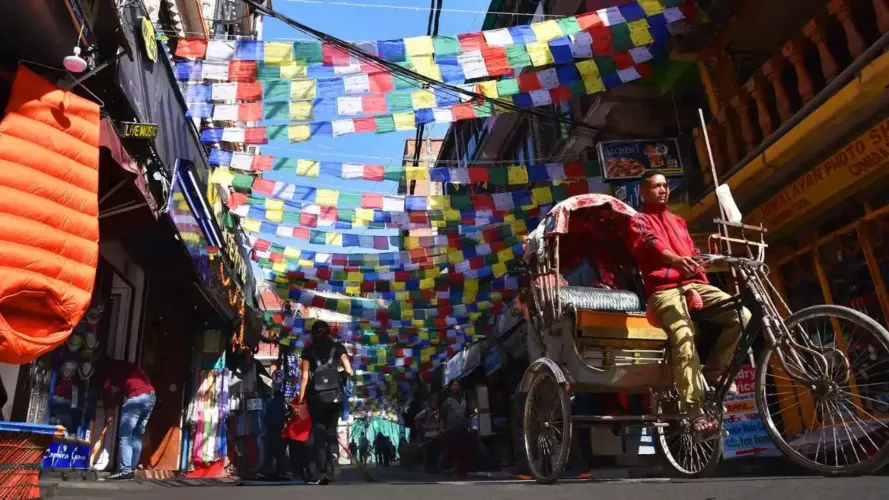
In the evening, you can enjoy the atmosphere of Thamel, Kathmandu’s famous tourist district, with its restaurants, cafés, shops and lively streets.

Overnight

Hotel in Kathmandu.

Day 11: Departure from Nepal or Extend Your Journey

Transportation: Private car
Duration: Approximately 30 minutes
Meals: Breakfast

Your Langtang Valley Trek 11 Days officially concludes today.

After breakfast, the trekking team will arrange your transfer to Tribhuvan International Airport according to your flight schedule.

If you have additional time in Nepal, you can also extend your holiday with another trekking route, cultural tour, wildlife experience or adventure activity.

The trekking company can assist with onward travel arrangements depending on your plans.

What Makes the Langtang Valley Trek Special

What Makes the Langtang Valley Trek Special?

1. Kyanjin Gompa

Kyanjin Gompa is the spiritual and geographical heart of the upper Langtang Valley.

Surrounded by mountains and high-altitude landscapes, it provides one of the most memorable overnight experiences of the trek.

2. Tserko Ri

For adventurous trekkers, Tserko Ri provides the opportunity to reach approximately 5,000 meters and enjoy spectacular Himalayan views.

3. Tamang Culture

The Langtang region is strongly associated with Tamang communities whose culture, traditions, architecture and Buddhist practices contribute significantly to the character of the trek.

4. Himalayan Forests

Lower sections of the route pass through beautiful rhododendron and oak forests.

During spring, rhododendron blooms can add vibrant colors to the trail.

5. Yak Pastures

Higher sections of the Langtang Valley contain open grazing areas where yaks are traditionally kept by local communities.

6. Buddhist Heritage

Prayer wheels, Mani walls, inscriptions, monasteries and shrines appear throughout the route.

These cultural elements make the Langtang trek more than just a mountain walk.

Langtang Valley Trek Difficulty

The Langtang Valley Trek 11 Days is generally considered a moderate trek, although the difficulty increases significantly if you choose the Tserko Ri excursion.

The main factors that determine difficulty include:

  • Daily walking duration
  • Increasing altitude
  • Trail conditions
  • Weather
  • Individual fitness
  • Previous trekking experience
  • Pace of walking
  • Acclimatization
  • Choice of high-altitude excursion

Most days involve approximately 3–8 hours of movement depending on the route and transportation schedule.

The Tserko Ri climb is considerably more demanding because of the altitude.

Trekkers should prepare through regular walking, hiking, cardiovascular exercise and strength training before arriving in Nepal.

Altitude on the Langtang Valley Trek

Altitude is an important consideration on this trek.

The itinerary progresses approximately as follows:

Kathmandu – 1,300 m

Syabrubesi – 1,420 m

Lama Hotel – 2,350 m

Langtang Village – 3,500 m

Kyanjin Gompa – 3,860 m

Tserko Ri – approximately 5,000 m

Lama Hotel – 2,350 m

Syabrubesi – 1,420 m

Kathmandu – 1,300 m

The gradual progression and overnight stop at Kyanjin Gompa allow trekkers to spend time adjusting before attempting the optional high-altitude excursion.

However, altitude affects everyone differently, so trekkers should always communicate with their guide if they experience unusual symptoms.

Best Time for Langtang Valley Trek

Best Time for Langtang Valley Trek

The best seasons for trekking in the Langtang region are generally the spring and autumn seasons.

Spring – March to May

Spring brings warmer temperatures, clearer mountain views and blooming rhododendrons.

This is an excellent period for travelers who want to combine Himalayan scenery with colorful mountain forests.

Autumn – September to November

Autumn is traditionally one of the most popular trekking periods in Nepal.

The weather is generally favorable, skies can be clear and mountain visibility is often excellent.

Winter – December to February

Winter can bring cold temperatures and snow at higher elevations.

Experienced trekkers who are properly equipped can still enjoy the region, but conditions may be more challenging.

Monsoon – June to August

The monsoon season brings rainfall, wet trails, clouds and possible road difficulties.

Travel is still possible in Nepal during this period, but trekkers should be prepared for changing conditions.

What Is Included in the Langtang Valley Trek 11 Days?

The trekking package includes the following services:

Transportation

  • Airport pickup and drop-off by private vehicle
  • Kathmandu city transportation for sightseeing
  • Kathmandu to Syabrubesi transportation
  • Syabrubesi to Kathmandu transportation
  • Optional private jeep available at additional cost

Accommodation

  • Kathmandu hotel accommodation according to the itinerary
  • Complimentary breakfast in Kathmandu
  • Mountain guesthouse/lodge accommodation during the trek

Meals

Full-board meals during the trekking section:

  • Breakfast
  • Lunch
  • Dinner

Trekking Guide

A professional English-speaking trekking guide is provided.

The guide is:

  • Government licensed
  • Ministry of Tourism trained
  • First-aid trained
  • Experienced in Himalayan trekking
  • Provided with salary, accommodation, meals, transportation and insurance

Porter Service

Strong porters are provided based on the stated group arrangement, with one porter shared between two paying trekkers.

Porter services include:

  • Salary
  • Food
  • Accommodation
  • Transportation
  • Insurance

Trekking Equipment

The package also includes:

  • Down jacket
  • Sleeping bag
  • Trekking map
  • Trekking T-shirt
  • Duffel bag

The down jacket, sleeping bag and duffel bag are provided for the trek and must be returned afterward as specified by the operator.

Other Services

The package also covers:

  • Required trekking permits
  • Necessary paperwork
  • Government and local taxes
  • Company service charges
  • First-aid medicines carried by the guide
  • Welcome Nepali dinner
  • Trekking achievement certificate

What Is Not Included?

The following expenses are not included in the standard package price:

  • International airfare
  • Nepal visa fee
  • Travel insurance
  • Rescue and emergency evacuation insurance
  • Kathmandu sightseeing entrance fees
  • Mineral water
  • Cold drinks
  • Bar bills
  • Hot showers
  • Telephone expenses
  • Laundry
  • Personal expenses
  • Additional activities
  • Additional porter requirements
  • Lunch and dinner in Kathmandu
  • Extra accommodation caused by flight delays or early arrival
  • Extra accommodation resulting from natural disasters or unforeseen circumstances
  • Tips and gratuities for guides and porters
  • Services not specifically mentioned in the included section

Travelers should have appropriate travel and rescue insurance before beginning the trek.

Optional Add-Ons

Travelers can customize the trip with additional services.

Private Jeep

Instead of traveling by local bus between Kathmandu and Syabrubesi, you can choose a private jeep for greater comfort and flexibility.

Luxury Kathmandu Hotel

A higher-category or luxury hotel can be arranged in Kathmandu at an additional cost.

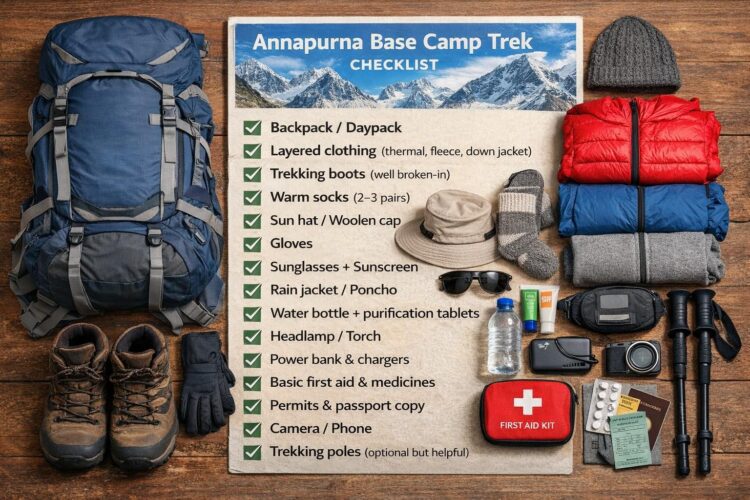
What Should You Pack for the Langtang Valley Trek?

A well-prepared packing list can make your trek considerably more comfortable.

Clothing

  • Trekking T-shirts
  • Thermal base layers
  • Fleece jacket
  • Down jacket
  • Waterproof jacket
  • Trekking trousers
  • Warm trousers
  • Underwear
  • Warm socks
  • Gloves
  • Woolen hat
  • Sun hat

Footwear

  • Comfortable trekking boots
  • Lightweight camp shoes
  • Extra socks

Personal Items

  • Sunglasses
  • Sunscreen
  • Lip balm
  • Water bottle
  • Headlamp
  • Personal toiletries
  • Small towel
  • Power bank
  • Camera
  • Personal medication

Documents

Carry:

  • Passport
  • Visa documentation
  • Travel insurance details
  • Emergency contact information
  • Trekking permit-related documents

A duffel bag and sleeping bag are provided as part of the package according to the stated inclusions.

Accommodation During the Langtang Trek

Accommodation changes as you move from Kathmandu into the mountains.

In Kathmandu, travelers stay in a hotel according to the selected package.

During the trekking section, accommodation is generally provided in local mountain guesthouses or lodges.

These establishments are simple but offer the essential facilities needed by trekkers.

Rooms are generally basic, and facilities become more limited as altitude increases.

Travelers should therefore approach mountain accommodation as part of the Himalayan trekking experience rather than expecting city-hotel facilities.

Food During the Langtang Valley Trek

The trekking package includes breakfast, lunch and dinner during the trekking portion.

Mountain lodges commonly serve a mixture of local and familiar trekking meals.

Possible food options include:

  • Dal Bhat
  • Rice
  • Vegetables
  • Noodles
  • Soups
  • Pasta
  • Potatoes
  • Eggs
  • Bread
  • Tibetan-style dishes
  • Tea
  • Coffee

Dal Bhat remains one of the most popular choices among trekkers because it provides carbohydrates, vegetables and protein while being filling and practical for long trekking days.

Responsible Tourism in Langtang

The Langtang region is not simply a trekking destination. It is also home to mountain communities, wildlife, forests and culturally important sites.

Responsible travelers should:

  • Carry reusable water bottles
  • Avoid unnecessary plastic
  • Use designated waste areas
  • Respect monasteries and religious sites
  • Ask before photographing local people
  • Avoid damaging plants
  • Stay on established trails
  • Respect local customs
  • Minimize noise
  • Support locally owned businesses where possible

Responsible tourism helps preserve the Langtang Valley for future generations.

Who Is the Langtang Valley Trek 11 Days Suitable For?

This trek can be suitable for:

  • First-time Himalayan trekkers with good fitness
  • Experienced trekkers
  • Couples
  • Friends traveling together
  • Families with suitable preparation
  • Solo travelers
  • Small private groups
  • Adventure travelers
  • Nature lovers
  • Photography enthusiasts
  • Travelers interested in Buddhist and Tamang culture

The Tserko Ri option requires additional physical preparation because of the altitude and demanding ascent.

Is Langtang Valley Trek Suitable for Beginners?

Yes, the standard Langtang Valley route can be suitable for reasonably fit beginners with proper preparation and an experienced guide.

However, beginners should understand that this is a genuine Himalayan trek.

The challenge is not only the walking distance. Altitude, weather, terrain and long trekking days all contribute to the difficulty.

Beginners should train before the trip and maintain a comfortable walking pace rather than trying to rush.

Langtang Valley Trek vs Other Nepal Treks

One reason travelers choose Langtang is its combination of accessibility and Himalayan scenery.

Compared with longer trekking routes, Langtang can provide a complete mountain experience within a shorter itinerary.

The route offers:

Shorter Himalayan adventure + authentic villages + Buddhist culture + high mountain scenery + Kyanjin Gompa + optional 5,000 m viewpoint

This makes it an excellent alternative for travelers who have already explored Kathmandu but do not have enough time for a much longer Himalayan expedition.

Why Kyanjin Gompa Is the Highlight of the Trek

Kyanjin Gompa is more than simply another overnight stop.

It is where several important aspects of the Langtang experience come together:

  • High-altitude Himalayan scenery
  • Buddhist culture
  • Traditional architecture
  • Mountain pastures
  • Yak herding
  • Cheese-making traditions
  • Hiking opportunities
  • Access to Tserko Ri
  • Views of surrounding peaks

Spending time here allows travelers to slow down and experience the upper Langtang Valley rather than simply passing through it.

Travel Tips for Langtang Valley Trek

Start Walking Early

Morning starts are generally useful because mountain weather can change during the day.

Stay Hydrated

Drink enough water throughout the trek, particularly as you gain altitude.

Walk at Your Own Pace

There is no advantage in rushing at high altitude.

Listen to Your Guide

Your guide understands the route, weather conditions and altitude-related challenges.

Keep Your Backpack Light

Carry only the essentials.

Protect Yourself From the Sun

High-altitude sunlight can be intense, so sunglasses, sunscreen and appropriate clothing are important.

Carry Some Cash

Card facilities may not be available everywhere along the trail.

Keep Emergency Insurance

Travel and rescue insurance is strongly recommended for Himalayan trekking.

Frequently Asked Questions

How many days is the Langtang Valley Trek?

This package is designed as an 11-day Langtang Valley Trek, including Kathmandu arrival, sightseeing, trekking, return transportation and departure.

What is the highest point of the Langtang Valley Trek?

The standard overnight destination is Kyanjin Gompa at approximately 3,860 meters. The optional Tserko Ri excursion reaches approximately 5,000 meters.

How much does the Langtang Valley Trek 11 Days cost?

The group rate starts at US$750 for a solo traveler and decreases to US$500 per person for groups of 16 or more, based on the provided pricing structure.

Is Tserko Ri compulsory?

No. Tserko Ri is an optional high-altitude excursion. Depending on physical condition and preference, travelers can choose the Langsisa Kharka alternative.

Is food included?

Yes. Breakfast, lunch and dinner are included during the trekking section.

Is Kathmandu accommodation included?

Yes, Kathmandu hotel accommodation according to the itinerary is included, with complimentary breakfast.

Is a trekking guide included?

Yes. A government-licensed, English-speaking trekking guide is included.

Are porters included?

Yes. The package includes porter services based on the stated arrangement of one porter shared between two paying trekkers.

Is transportation included?

Yes. Airport transfers and Kathmandu city transportation are included. Transportation between Kathmandu and Syabrubesi is included by local bus, with private jeep available as an optional upgrade.

Do I need travel insurance?

Yes. Appropriate travel insurance covering trekking and emergency evacuation is strongly recommended.

Can beginners do the Langtang Valley Trek?

Yes, reasonably fit beginners can undertake the standard route with proper preparation and professional guidance. The Tserko Ri excursion is more demanding because of the altitude.

What is the best season for Langtang Trek?

Spring and autumn are generally the most popular seasons because of favorable trekking conditions and mountain visibility.

Where does the Langtang Trek start?

The walking portion of the trek starts at Syabrubesi, which is reached by road from Kathmandu.

What is the main highlight of Langtang Trek?

Kyanjin Gompa is the central highlight, while Tserko Ri, Langtang Lirung views, Tamang villages, Buddhist heritage and Himalayan landscapes add to the overall experience.

Where the Langtang Trail Becomes More Than a Trek

The Langtang Valley Trek 11 Days is more than a journey through the mountains. It is an experience that brings together the raw beauty of the Himalayas, the warmth of Tamang communities, ancient Buddhist traditions, peaceful forests, dramatic valleys and the unforgettable high-altitude landscape surrounding Kyanjin Gompa.

From the winding roads beside the Trishuli River to the forest trails leading toward Lama Hotel, from the rebuilt community of Langtang Village to the breathtaking surroundings of Kyanjin Gompa, every stage of the journey reveals a different side of Nepal.

The optional climb toward Tserko Ri at around 5,000 meters adds another level of adventure for trekkers who want to stand above the valley and experience a wider Himalayan panorama. Those looking for a more relaxed high-altitude excursion can instead explore Langsisa Kharka, with its open mountain landscapes and traditional yak-grazing areas.

What makes this journey especially appealing is the balance it offers. You can experience authentic Himalayan villages, Buddhist heritage, mountain wildlife, rhododendron forests, waterfalls and spectacular peaks without committing to an extremely long trekking expedition.

With group prices ranging from US$750 per person for a solo traveler to US$500 per person for groups of 16 or more, the itinerary also provides flexible options for solo adventurers, couples, families, friends and larger private groups.

Begin Your Langtang Journey with Ambition Himalaya

At Ambition Himalaya, we believe a Himalayan trek should be about more than simply reaching a destination. It should be a well-organized journey where you can enjoy the landscape, connect with local culture and experience the mountains with the support of an experienced trekking team.

From your arrival in Kathmandu and trek preparation to transportation, trekking permits, accommodation, meals, professional guide and porter support, the Langtang Valley Trek 11 Days is designed to make your journey across the Langtang region comfortable, organized and memorable.

If Kyanjin Gompa, Tserko Ri, Tamang villages and the Himalayan landscapes of Langtang are on your Nepal travel list, this 11-day adventure could be the perfect way to experience them.

Ready to explore Langtang Valley?

Ambition Himalaya Treks & Expeditions
Website: www.ambitionhimalaya.com
Email: [email protected]
Contact: +977 9851148898

Plan Your Langtang Valley Adventure

Book the Langtang Valley Trek: https://ambitionhimalaya.com/langtang-valley-trek/

Walk into the Himalayas with Ambition Himalaya — and take home a journey worth remembering.

Everest Base Camp Trek – 14 Days: The Complete Nepal Trekking Guide with Itinerary

Everest Base Camp TrekEverest Base Camp Trek – 14 Days

The Everest Base Camp Trek – 14 Days is one of the most iconic trekking adventures in the world. Walking through traditional Sherpa villages, crossing thrilling suspension bridges, exploring ancient Buddhist monasteries, and finally standing beneath the world’s highest mountain creates memories that last forever.

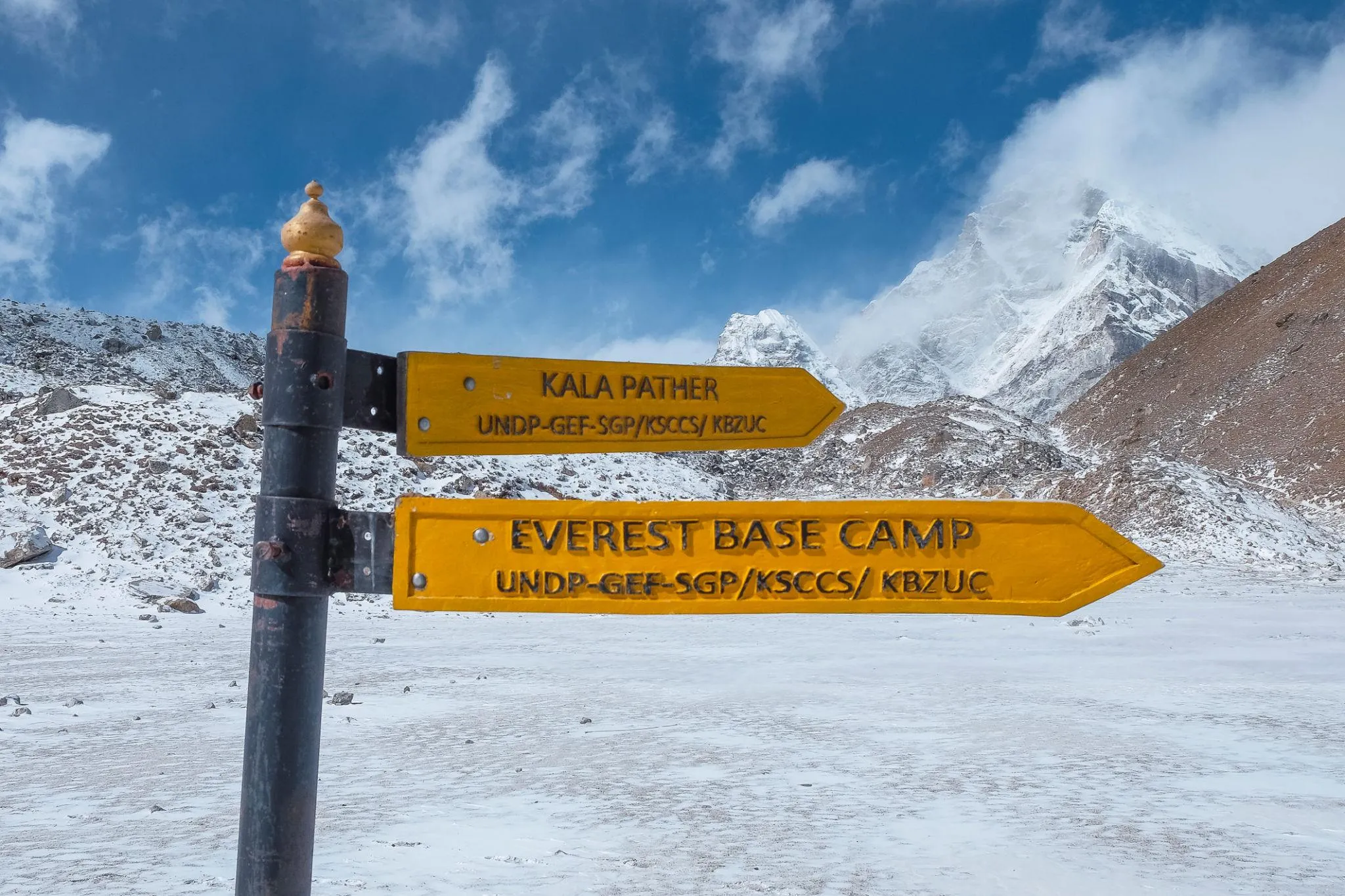
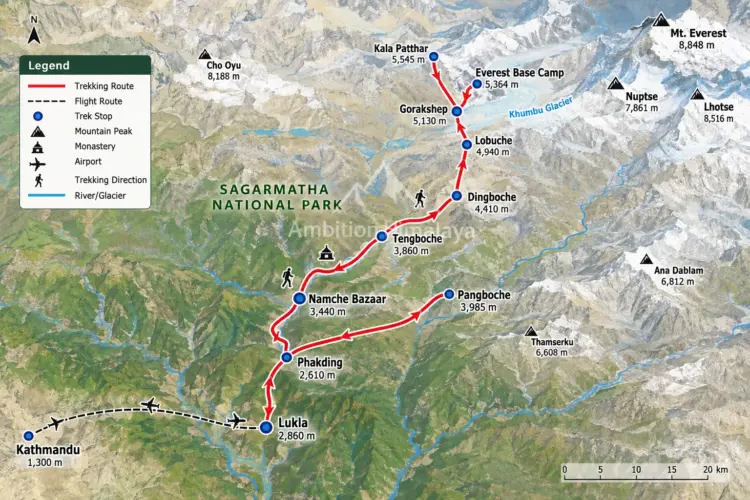
Reaching Everest Base Camp (5,364 m) and watching sunrise from Kala Patthar (5,545 m) are unforgettable experiences for every trekking enthusiast.

This 14-day journey combines breathtaking Himalayan scenery, rich Sherpa culture, and the excitement of trekking inside the UNESCO World Heritage-listed Sagarmatha National Park.

Whether you are an experienced hiker or planning your first Himalayan expedition, this itinerary offers the perfect balance of adventure, acclimatization, safety, and comfort.

Everest Base Camp Trek Highlights

  • Reach Everest Base Camp (5,364 m)
  • Sunrise from Kala Patthar (5,545 m)
  • Scenic flight to Lukla
  • Explore Namche Bazaar
  • Visit Tengboche Monastery
  • Experience authentic Sherpa culture
  • Walk through Sagarmatha National Park
  • Cross famous Hillary Suspension Bridge
  • Incredible views of Everest, Lhotse, Nuptse, Ama Dablam and Pumori
  • Comfortable tea house accommodation
  • Professional trekking guide and porter support

Quick Facts

Duration 14 Days
Destination Everest Region, Nepal
Maximum Altitude 5,545 meters
Difficulty Moderate to Challenging
Trek Start Kathmandu
Trek Ends Kathmandu
Best Season Spring & Autumn
Accommodation Hotel + Mountain Lodge
Meals Breakfast, Lunch & Dinner during trek

Everest Base Camp Trek Private Group Discount

No. of People Price Per Person
1 Pax US$ 1450
2 Pax US$ 1299
3–5 Pax US$ 1260
6–9 Pax US$ 1200
10–15 Pax US$ 1150
16+ Pax US$ 1100

Detailed 14 Days Everest Base Camp Trek Itinerary

Day 1 – Welcome to Kathmandu (1,300m)

Upon arrival at Tribhuvan International Airport, our representative warmly welcomes you and transfers you to your hotel.

After check-in, relax from your journey before attending a trip briefing in the evening. Meet your trekking guide, review your itinerary, inspect your equipment, and enjoy a traditional Nepali welcome dinner.

Meals: Welcome Dinner

Accommodation: 3-Star Hotel

Altitude: 1,300m

Day 2 – Flight to Lukla (2,860m) and Trek to Phakding (2,610m)

An exciting mountain flight takes you to Lukla, considered one of the world’s most spectacular airports.

After breakfast in Lukla, begin trekking through beautiful Sherpa villages including Cheplung and Ghat before reaching the peaceful riverside village of Phakding.

Walking Time: 3–4 Hours

Flight: 30 Minutes

Accommodation: Lodge

Day 3 – Trek to Namche Bazaar (3,440m)

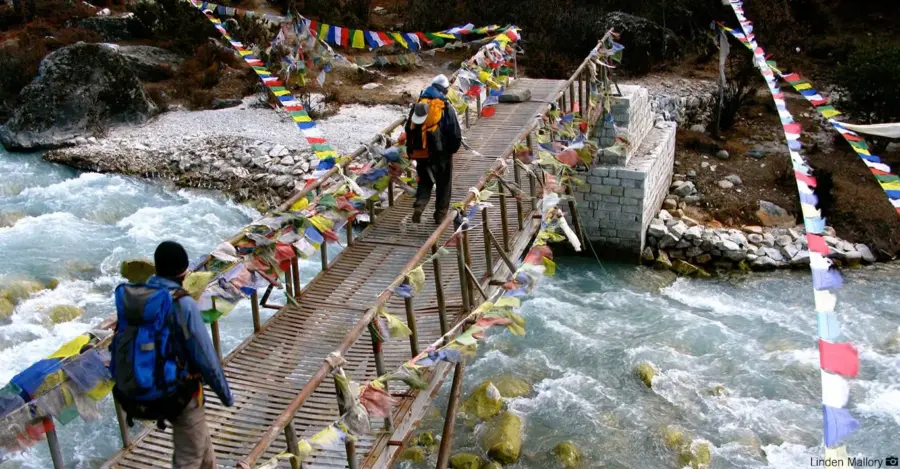
Follow the Dudh Koshi River, cross multiple suspension bridges, and enter Sagarmatha National Park.

Today’s highlight is the first breathtaking view of Mount Everest before arriving in the lively Sherpa capital, Namche Bazaar.

Walking: 6–7 Hours

Day 4 – Acclimatization Day in Namche Bazaar

To help your body adjust to the altitude, enjoy a short hike to the famous Everest View Hotel.

Panoramic mountain views include:

  • Mount Everest
  • Ama Dablam
  • Lhotse
  • Nuptse
  • Thamserku

Visit the Sherpa Museum and local market before returning to your lodge.

Day 5 – Trek to Tengboche (3,860m)

Today’s trail offers some of the most beautiful scenery of the Everest region.

Walk through rhododendron forests before arriving at the famous Tengboche Monastery, surrounded by snow-covered Himalayan peaks.

Walking: 5–6 Hours

Day 6 – Trek to Dingboche (4,410m)

Cross charming Sherpa villages including Deboche and Pangboche while enjoying spectacular views of Ama Dablam and Island Peak.

Dingboche is one of the best villages for acclimatization.

Walking: 5–6 Hours

Day 7 – Acclimatization at Dingboche

Today includes a rewarding hike to Nangkartshang Hill.

This viewpoint offers incredible panoramic views of:

  • Makalu
  • Lhotse
  • Ama Dablam
  • Amphu Laptsa

Return to Dingboche for overnight rest.

Day 8 – Trek to Lobuche (4,940m)

Continue through alpine landscapes and reach Thukla Pass, home to memorials dedicated to climbers who lost their lives on Everest.

Continue gradually to Lobuche.

Walking: 4–5 Hours

Day 9 – Trek to Everest Base Camp (5,364m)

One of the most anticipated days of the expedition.

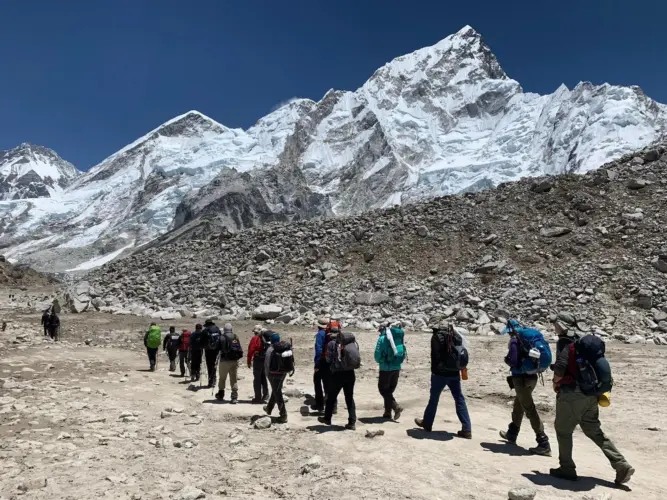
After reaching Gorakshep, continue toward Everest Base Camp while walking beside the Khumbu Glacier.

Witness:

  • Khumbu Icefall
  • Everest Base Camp
  • Pumori
  • Nuptse
  • Khumbutse

Celebrate reaching one of the world’s most famous trekking destinations before returning to Gorakshep.

Walking: 8–9 Hours

Day 10 – Kala Patthar (5,545m) and Trek to Pangboche

Wake before sunrise and hike to Kala Patthar.

This viewpoint offers the best panoramic view of Mount Everest available during the trek.

After photography and sunrise, descend through Gorakshep and continue toward Pangboche.

Walking: 9–10 Hours

Day 11 – Trek to Namche Bazaar

Descend through forests and Sherpa villages while enjoying easier walking.

Spend another relaxing evening in Namche Bazaar.

Day 12 – Trek to Lukla

Retrace your steps through Phakding and complete your unforgettable Himalayan adventure in Lukla.

Celebrate your successful Everest Base Camp journey with your trekking crew.

Day 13 – Flight Back to Kathmandu

Take the scenic mountain flight back to Kathmandu.

Relax at your hotel, enjoy a spa treatment or explore the city’s vibrant markets.

Day 14 – Departure

After breakfast, transfer to Tribhuvan International Airport for your onward journey.

If you wish to extend your Nepal holiday, we can arrange additional adventures including:

  • Annapurna Base Camp Trek
  • Chitwan Jungle Safari
  • Pokhara Tour
  • Langtang Valley Trek
  • Luxury Nepal Tour

Accommodation During Everest Base Camp Trek

Accommodation includes:

  • 3-Star Hotel in Kathmandu
  • Comfortable Mountain Tea Houses
  • Twin-sharing Rooms
  • Warm Blankets
  • Dining Hall with Heating

Meals Included

  • Welcome Dinner
  • Breakfast
  • Lunch
  • Dinner during trekking

Typical meals include:

  • Dal Bhat
  • Fried Rice
  • Noodles
  • Sherpa Stew
  • Pancakes
  • Tibetan Bread
  • Pasta
  • Tea & Coffee

Difficulty LevelDifficulty Level

The Everest Base Camp Trek is considered moderate to challenging.

You do not need climbing experience, but good physical fitness and mental preparation are essential.

Best Time for Everest Base Camp Trek

Best Time for Everest Base Camp Trek

Spring (March–May)

  • Rhododendron forests
  • Stable weather
  • Clear mountain views

Autumn (September–November)

  • Best visibility
  • Comfortable temperatures
  • Peak trekking season

Why Choose Ambition Himalaya?

Choosing the right trekking company can make all the difference in your Everest adventure. Ambition Himalaya is committed to delivering safe, authentic, and unforgettable trekking experiences across the Himalayas. Our experienced local guides, personalized service, and attention to detail ensure every journey is memorable from start to finish.

Why Trek with Ambition Himalaya?

  • Government Registered Nepal Trekking Company
  • Experienced & Licensed Local Trekking Guides
  • Professional Sherpa Support Team
  • Small Group & Private Trek Options
  • Flexible Departure Dates
  • Airport Pick-up & Drop-off
  • Comfortable Hotels & Mountain Lodges
  • Hygienic Meals Throughout the Trek
  • 24/7 Customer Support
  • Safety First with Proper Acclimatization
  • Best Price Guarantee
  • No Hidden Costs
  • Customized Trekking Packages
  • Responsible & Sustainable Tourism
  • Excellent Customer Satisfaction

Nepal Tourist Visa

Most international travelers can obtain a Tourist Visa on Arrival at Tribhuvan International Airport (TIA), Kathmandu, or at designated land border entry points. Travelers should ensure their passport is valid for at least six months and check the latest visa requirements before traveling. The Government of Nepal also provides an online visa application system for added convenience.

Official Government Visa Portal:

Trekking Permits for Everest Base Camp Trek

The Everest Base Camp Trek requires valid trekking permits issued by the relevant authorities. Trekkers must carry their permits throughout the journey, as they may be checked at various checkpoints along the trail. Certain trekking regions in Nepal also require additional permits issued by the Department of Immigration. Always verify the latest regulations before your trip.

Official Government Resources:

Travel Advisory

Before traveling to Nepal, we recommend reviewing the latest visa regulations, trekking permit requirements, and travel notices published by the Government of Nepal. For the most accurate and up-to-date information, always refer to the official government websites listed above

Book Your Everest Base Camp Trek with Ambition Himalaya

Ready to experience the adventure of a lifetime?

Join Ambition Himalaya on the unforgettable Everest Base Camp Trek – 14 Days. From the thrilling flight to Lukla to standing at the foot of the world’s highest mountain, every moment is carefully planned by our experienced local team to ensure a safe, comfortable, and memorable Himalayan journey.

Why Travel with Ambition Himalaya?

  • ✔ Government Registered Trekking Company
  • ✔ Licensed & Experienced Trekking Guides
  • ✔ Small Group & Private Departures
  • ✔ Comfortable Hotels & Mountain Lodges
  • ✔ No Hidden Costs
  • ✔ 24/7 Customer Support
  • ✔ Airport Pick-up & Drop-off
  • ✔ Best Price Guarantee
  • ✔ Customized Trekking Packages
  • ✔ Safety First with Proper Acclimatization

Start Your Journey with Ambition Himalaya

Website: www.ambitionhimalaya.com

Office: Thamel, Kathmandu, Nepal

Email: [email protected]

Phone: +977-1-4518413

WhatsApp: +977-9851148898

Annapurna Base Camp Trek – Discover Nepal’s Iconic Himalayan Adventure in 14 Days

Annapurna Base Camp TrekAnnapurna Base Camp Trek – 14 Days

Nestled deep within the spectacular Annapurna Sanctuary, the Annapurna Base Camp Trek – 14 Days is one of Nepal’s most iconic trekking adventures and a dream destination for nature lovers, photographers, and mountain enthusiasts from around the world. Combining breathtaking Himalayan landscapes, authentic mountain villages, ancient cultural traditions, dense forests, cascading waterfalls, and panoramic snow-covered peaks, this remarkable journey offers everything a trekking adventure should be.

Unlike many high-altitude expeditions that demand technical climbing skills, the Annapurna Base Camp Trek provides an achievable yet incredibly rewarding experience for trekkers with a reasonable level of fitness. Reaching an elevation of 4,130 meters (13,549 feet), the trek allows travelers to stand in the heart of the Annapurna Sanctuary while being surrounded by some of the world’s highest mountains, including Annapurna I (8,091m), Machhapuchhre (Fishtail Mountain), Hiunchuli, Annapurna South, Gangapurna, Tent Peak, Nilgiri, and the mighty Dhaulagiri Range. Few trekking destinations anywhere on Earth offer such dramatic mountain scenery within a relatively accessible trekking route.

Your adventure begins in Nepal’s vibrant capital, Kathmandu, where centuries-old temples, colorful markets, and UNESCO World Heritage Sites introduce you to the country’s fascinating history and rich cultural heritage. Before heading into the Himalayas, you’ll explore sacred landmarks including Pashupatinath Temple, Boudhanath Stupa, Swayambhunath (Monkey Temple), and Kathmandu Durbar Square, providing the perfect cultural introduction to your journey.

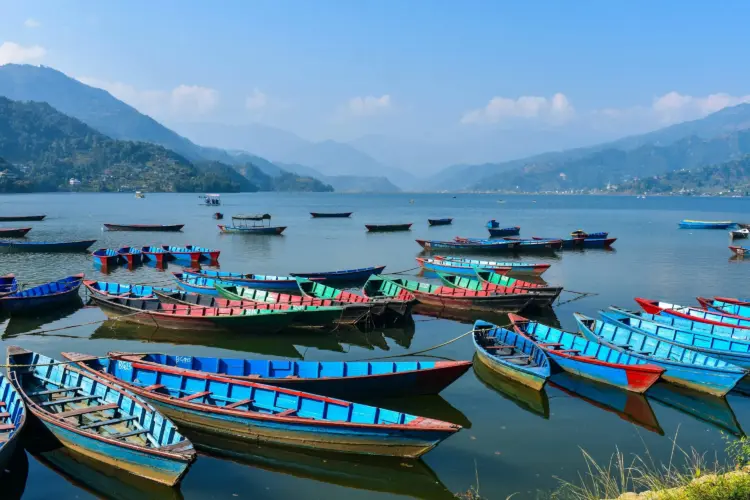
From Kathmandu, the adventure continues with a scenic drive to the beautiful lakeside city of Pokhara, often referred to as the tourism capital of Nepal. Surrounded by tranquil lakes and magnificent Himalayan peaks, Pokhara serves as the gateway to the Annapurna region. The peaceful atmosphere of Phewa Lake, vibrant cafés, and breathtaking reflections of Machhapuchhre Mountain make Pokhara one of the country’s most beloved destinations.

The trekking journey officially begins from Birethanti, following ancient Himalayan trails through charming villages such as Ulleri, Ghorepani, Tadapani, Chhomrong, Sinuwa, Bamboo, Deurali, Machhapuchhre Base Camp, and finally the magnificent Annapurna Base Camp itself. Every day introduces a completely different landscape, ensuring that the journey remains exciting from start to finish.

As you walk through the Annapurna Conservation Area, you’ll pass lush rhododendron forests, dense bamboo groves, crystal-clear rivers, dramatic waterfalls, alpine meadows, glacial valleys, and towering cliffs carved by nature over thousands of years. During spring, the forests transform into a breathtaking sea of colorful rhododendron blossoms, painting the hillsides with shades of red, pink, and white. In autumn, crystal-clear skies provide uninterrupted panoramic views of the surrounding Himalayan giants, making it one of the best trekking seasons in Nepal.

One of the trek’s most unforgettable experiences is the early morning hike to Poon Hill (3,210 meters), widely regarded as one of Nepal’s finest sunrise viewpoints. Before dawn, trekkers ascend the short trail to the summit, where the first rays of sunlight gradually illuminate the snow-covered peaks of Annapurna, Dhaulagiri, Machhapuchhre, Hiunchuli, Nilgiri, Tukuche Peak, Mardi Himal, and countless surrounding mountains. Watching the golden sunrise spread across the Himalayas is a magical moment that remains with travelers long after the trek has ended.

As the trail climbs higher into the Annapurna Sanctuary, the scenery becomes increasingly dramatic. Dense forests give way to alpine terrain, rocky valleys, glaciers, and towering snow-covered cliffs. The crisp mountain air, peaceful surroundings, and ever-changing landscapes create an unforgettable sense of adventure. Every turn reveals new panoramic views, making each day unique and rewarding.

Before reaching Annapurna Base Camp, trekkers spend a memorable night at Machhapuchhre Base Camp (MBC). Situated beneath the sacred and unclimbed Machhapuchhre Mountain, this location offers spectacular close-up views of one of Nepal’s most iconic peaks. Often called the Matterhorn of Asia,” Machhapuchhre is considered sacred by local communities and remains officially closed to climbers, preserving its untouched beauty for future generations.

The final ascent from Machhapuchhre Base Camp to Annapurna Base Camp is undoubtedly one of the highlights of the entire journey. As you gradually enter the heart of the Annapurna Sanctuary, towering Himalayan peaks surround you from every direction, creating an incredible natural amphitheater unlike anywhere else in the world. Standing at 4,130 meters, you’ll witness breathtaking 360-degree views of Annapurna I, Annapurna South, Hiunchuli, Gangapurna, Tent Peak, Machhapuchhre, and numerous glaciers that dominate the surrounding landscape.

Sunrise at Annapurna Base Camp is an experience beyond words. As the first light of dawn paints the snow-covered mountains in shades of gold, orange, and crimson, the entire sanctuary comes alive with breathtaking beauty. For many trekkers, this unforgettable sunrise becomes the defining moment of their Himalayan adventure and one of the greatest travel experiences of their lives.

Beyond the mountains, the Annapurna Base Camp Trek offers an extraordinary cultural journey. Throughout the trek, you’ll stay in traditional tea houses operated by welcoming Gurung and Magar families, providing opportunities to experience authentic Nepali hospitality and local mountain life. You’ll enjoy freshly prepared meals, learn about centuries-old traditions, and discover the unique customs that have shaped Himalayan communities for generations.

Nature lovers will also appreciate the incredible biodiversity of the Annapurna Conservation Area. The region is home to hundreds of plant species, colorful birds, butterflies, and wildlife including the Himalayan Monal (Nepal’s national bird), Musk Deer, Himalayan Tahr, Langur Monkeys, Barking Deer, and numerous alpine species. Every season presents new opportunities to observe Nepal’s rich natural heritage in one of the country’s largest protected conservation areas.

After the excitement of reaching Annapurna Base Camp, the return journey offers one final reward—a relaxing visit to the famous Jhinu Danda Natural Hot Springs. Nestled beside the Modi Khola River, these naturally heated mineral pools provide the perfect place to soothe tired muscles while reflecting on the incredible journey through the Himalayas.

Whether you’re searching for breathtaking landscapes, authentic cultural experiences, world-class trekking, or the personal satisfaction of standing beneath some of the highest mountains on Earth, the Annapurna Base Camp Trek – 14 Days delivers an unforgettable adventure at every step. Combining spectacular mountain scenery, diverse ecosystems, traditional Himalayan villages, and warm local hospitality, this trek remains one of Nepal’s most celebrated trekking experiences and an adventure that will inspire you long after you’ve returned home.

Trek Highlights

Why Choose the Annapurna Base Camp Trek?

Not all Himalayan treks offer the perfect balance of adventure, accessibility, cultural immersion, and breathtaking scenery quite like the Annapurna Base Camp Trek. It is one of the few trekking routes in Nepal where every single day brings an entirely new experience. From exploring the bustling heritage streets of Kathmandu and relaxing beside the tranquil waters of Pokhara to walking through ancient forests, crossing suspension bridges, visiting remote mountain villages, and finally standing beneath the towering Annapurna Massif, this journey offers remarkable diversity that appeals to trekkers of all ages and experience levels.

Unlike more remote expeditions that require domestic flights or technical mountaineering skills, the Annapurna Base Camp Trek is accessible by road and follows well-established trekking trails supported by comfortable mountain lodges. This makes it an excellent choice for first-time trekkers while still providing enough challenge and excitement for experienced adventurers seeking one of Nepal’s most rewarding Himalayan journeys.

The trek is also famous for its exceptional mountain panoramas. Few places in the world allow trekkers to stand in the center of a natural amphitheater surrounded by towering peaks exceeding 7,000 and 8,000 meters. Every sunrise, every mountain pass, and every village reveals another unforgettable perspective of the Himalayas, making the Annapurna Base Camp Trek one of the world’s truly iconic trekking adventures.

Overview of the Annapurna Base Camp Trek – 14 Days

Trip Highlights of the Annapurna Base Camp Trek – 14 Days

The Annapurna Base Camp Trek is much more than a mountain hike—it’s a complete Himalayan experience that blends spectacular scenery, rich culture, diverse wildlife, and unforgettable adventures into one incredible journey. Every day introduces something new, whether it’s a breathtaking sunrise, a charming mountain village, a peaceful forest trail, or panoramic views of snow-covered Himalayan giants. Here are some of the most memorable highlights that make this trek one of Nepal’s most sought-after adventures.

Journey to the Heart of the Annapurna Sanctuary

The ultimate highlight of this trek is reaching Annapurna Base Camp (4,130m), located in the center of the magnificent Annapurna Sanctuary. Surrounded by towering Himalayan peaks on all sides, the base camp offers one of the most dramatic mountain settings anywhere in the world. Standing beneath Annapurna I, the tenth-highest mountain on Earth, is a moment that every trekker remembers for a lifetime.

Spectacular Sunrise from Poon Hill

One of the most iconic experiences of the trek is the early morning hike to Poon Hill (3,210m). Before sunrise, you’ll climb to this famous viewpoint where the first golden rays of sunlight illuminate the Annapurna and Dhaulagiri mountain ranges. The panoramic view stretches across more than a dozen Himalayan peaks, creating one of Nepal’s most photographed landscapes.

Close-Up Views of the Himalayan Giants

Throughout the trek, you’ll enjoy incredible views of some of Nepal’s most famous mountains, including:

  • Annapurna I (8,091m)
  • Annapurna South
  • Machhapuchhre (Fishtail)
  • Hiunchuli
  • Gangapurna
  • Dhaulagiri
  • Nilgiri
  • Tukuche Peak
  • Mardi Himal
  • Tent Peak

Every day offers a different perspective of these magnificent mountains, making the journey visually rewarding from beginning to end.

Explore Traditional Gurung and Magar Villages

The Annapurna region is home to the indigenous Gurung and Magar communities, known for their warm hospitality and rich cultural traditions. Villages such as Ulleri, Ghorepani, Chhomrong, and Jhinu Danda provide opportunities to experience authentic Himalayan lifestyles, traditional stone houses, local cuisine, and centuries-old customs that have been preserved for generations.

Walk Through the Annapurna Conservation Area

The trail passes through Nepal’s largest protected conservation area, home to an incredible variety of flora and fauna. Depending on the season, you’ll walk through colorful rhododendron forests, dense bamboo groves, pine forests, alpine meadows, and glacial valleys while enjoying pristine natural surroundings.

Wildlife commonly found in the region includes:

  • Himalayan Monal (Nepal’s National Bird)
  • Musk Deer
  • Himalayan Tahr
  • Langur Monkeys
  • Barking Deer
  • Various species of pheasants and butterflies

Visit the Famous Machhapuchhre Base Camp (MBC)

Before reaching Annapurna Base Camp, trekkers spend time at Machhapuchhre Base Camp, situated beneath the sacred Fishtail Mountain. The unique twin-peaked summit of Machhapuchhre dominates the skyline and provides one of the most spectacular mountain views in the Himalayas. Since the mountain is considered sacred, it remains untouched by climbers, preserving its pristine beauty.

Relax at Jhinu Danda Natural Hot Springs

After several days of trekking through the mountains, you’ll have the opportunity to unwind at the famous Jhinu Danda Hot Springs. Located beside the Modi Khola River, these natural mineral-rich pools offer the perfect place to relax and soothe tired muscles while enjoying peaceful views of the surrounding hills.

Experience Authentic Himalayan Tea House Living

Unlike camping expeditions, the Annapurna Base Camp Trek offers comfortable stays in traditional mountain tea houses operated by local families. Every evening provides a chance to enjoy freshly prepared Nepali meals, warm hospitality, and conversations with fellow trekkers from around the world while experiencing genuine Himalayan culture.

Explore Kathmandu and Pokhara

The journey isn’t limited to mountain trails alone. Before and after the trek, you’ll explore two of Nepal’s most famous destinations.

Kathmandu introduces you to Nepal’s rich history through UNESCO World Heritage Sites, ancient temples, and vibrant local culture.

Pokhara, often called the gateway to the Annapurna region, offers peaceful lakes, mountain reflections, lively cafés, and stunning views of the Himalayas.

An Adventure Suitable for Most Trekkers

Although the Annapurna Base Camp Trek reaches an altitude of 4,130 meters, it is considered one of Nepal’s most accessible high-altitude treks. The well-established trail, gradual ascent, comfortable accommodations, and carefully planned itinerary make it an excellent choice for both first-time Himalayan trekkers and experienced adventurers seeking a rewarding mountain experience.


Trip Facts – Annapurna Base Camp Trek

The Annapurna Base Camp Trek is a well-balanced adventure that combines trekking, cultural exploration, sightseeing, and relaxation. Over the course of 14 days, you’ll experience Nepal’s rich heritage, breathtaking Himalayan scenery, and authentic mountain hospitality while staying in comfortable hotels and traditional tea houses.

Trip Name Annapurna Base Camp Trek – 14 Days
Duration 14 Days / 13 Nights
Maximum Altitude 4,130 meters (13,549 ft)
Difficulty Level Moderate
Destination Annapurna Conservation Area
Accommodation 5 Nights Hotel & 8 Nights Mountain Lodge
Meals Included 13 Breakfasts + Lunch & Dinner During Trek
Activities Trekking, Sightseeing, Cultural Experience
Transportation Private Vehicle & Tourist Bus
Best Seasons March–May & September–December
Starting Point Kathmandu
Ending Point Kathmandu
Group Size Solo to Private Groups
Highest Viewpoint Poon Hill (3,210m)
Base Camp Elevation Annapurna Base Camp (4,130m)

The Annapurna Base Camp Trek is designed for travelers seeking a perfect combination of adventure, breathtaking landscapes, cultural immersion, and personal achievement. With professionally planned itineraries, experienced guides, and comfortable accommodations, it remains one of Nepal’s finest trekking experiences.

Complete Overview of the Annapurna Base Camp Trek – 14 Days

The Annapurna Base Camp Trek – 14 Days is one of Nepal’s most celebrated trekking adventures, offering an unforgettable journey through the heart of the Himalayas. Designed for travelers seeking the perfect blend of breathtaking mountain scenery, rich cultural heritage, diverse landscapes, and authentic Himalayan hospitality, this trek has become one of the most popular trekking routes in the world. Every year, thousands of adventure seekers choose this incredible journey to experience the majestic beauty of the Annapurna region while exploring one of Nepal’s largest protected conservation areas.

Situated within the spectacular Annapurna Conservation Area, the trek leads you deep into the famous Annapurna Sanctuary, a natural amphitheater surrounded by towering Himalayan peaks. Unlike many other high-altitude expeditions, the Annapurna Base Camp Trek offers a rewarding adventure without requiring technical climbing skills or mountaineering experience. With a maximum elevation of 4,130 meters (13,549 feet), the trek is considered moderately challenging and is suitable for anyone with a good level of physical fitness and a passion for exploring the mountains.

One of the greatest advantages of the Annapurna Base Camp Trek is the incredible diversity of landscapes encountered throughout the journey. The adventure begins in Nepal’s vibrant capital city of Kathmandu before continuing to the picturesque lakeside city of Pokhara, where the breathtaking reflection of Machhapuchhre Mountain on Phewa Lake creates one of Nepal’s most iconic views. From there, the trail gradually climbs through fertile farmland, traditional villages, dense forests, alpine valleys, glacial rivers, and snow-covered mountain landscapes, offering something new and exciting every single day.

Unlike many trekking routes where the scenery remains relatively similar throughout the journey, the Annapurna Base Camp Trek continuously changes its character. During the lower sections of the trek, you’ll walk through charming villages surrounded by terraced rice fields, waterfalls, and lush subtropical forests. As the altitude increases, the dense rhododendron forests slowly transform into alpine woodlands filled with pine, fir, oak, bamboo, and juniper trees. Eventually, the vegetation gives way to rocky glacial terrain, where towering Himalayan peaks dominate the skyline in every direction.

One of the most unforgettable moments of the trek is the famous Poon Hill Sunrise Experience. Before dawn, trekkers make a short climb to the summit of Poon Hill, one of Nepal’s most renowned viewpoints. As the first rays of sunlight slowly illuminate the Annapurna and Dhaulagiri mountain ranges, the entire Himalayan landscape transforms into brilliant shades of gold, orange, and crimson. On clear mornings, more than a dozen magnificent peaks become visible, including Annapurna I, Annapurna South, Hiunchuli, Machhapuchhre, Nilgiri, Dhaulagiri, Tukuche Peak, Mardi Himal, and several other snow-covered summits stretching across the horizon.

Beyond its incredible natural beauty, the Annapurna Base Camp Trek also offers an enriching cultural experience. The trail passes through traditional villages inhabited primarily by the Gurung and Magar communities, two of Nepal’s most respected ethnic groups. These mountain communities have preserved their unique customs, architecture, festivals, and way of life for centuries. Staying in locally operated tea houses allows trekkers to enjoy authentic Nepali hospitality while learning about daily life in the Himalayas. Every evening becomes an opportunity to interact with local families, sample traditional dishes such as Dal Bhat, Momos, Tibetan Bread, and Thukpa, and gain a deeper appreciation of Nepal’s rich mountain culture.

The Annapurna Conservation Area itself is another remarkable highlight of the journey. Covering more than 7,600 square kilometers, it is Nepal’s largest protected conservation region and home to an extraordinary variety of flora and fauna. Throughout the trek, nature lovers may encounter colorful rhododendron forests, rare orchids, bamboo groves, alpine meadows, medicinal herbs, and countless species of wildflowers depending on the season. Wildlife enthusiasts may also have the chance to spot Himalayan Monal (Nepal’s national bird), Musk Deer, Himalayan Tahr, Langur Monkeys, Barking Deer, Himalayan Black Bears, and numerous species of butterflies and mountain birds.

As the journey continues beyond Chhomrong and Sinuwa, the environment gradually becomes more rugged and dramatic. Dense forests slowly disappear, revealing spectacular glacial valleys carved over thousands of years by ancient ice flows. Crystal-clear rivers rush beneath suspension bridges, waterfalls cascade down towering cliffs, and every corner reveals another breathtaking mountain panorama. The peaceful atmosphere, fresh mountain air, and complete absence of urban noise create an experience unlike any other.

One of the most exciting stages of the trek is reaching Machhapuchhre Base Camp (MBC). Located beneath the sacred Machhapuchhre Mountain, this area offers incredibly close views of one of Nepal’s most iconic peaks. Known internationally as Fishtail Mountain due to its unique twin-peaked summit, Machhapuchhre is considered sacred by local communities and remains officially closed to climbers, making it one of the few untouched Himalayan giants. The dramatic beauty of this mountain leaves a lasting impression on every visitor.

From Machhapuchhre Base Camp, the trail continues through breathtaking alpine landscapes toward the final destination—Annapurna Base Camp. As you enter the Annapurna Sanctuary, you’ll find yourself surrounded by towering mountains on every side. Standing at an elevation of 4,130 meters, Annapurna Base Camp offers one of the world’s most spectacular mountain amphitheaters. Massive snow-covered peaks including Annapurna I (8,091m), Annapurna South, Hiunchuli, Gangapurna, Tent Peak, Machhapuchhre, and several unnamed glaciers rise dramatically above the valley, creating a truly unforgettable Himalayan panorama.

The sunrise at Annapurna Base Camp is often described as the emotional highlight of the entire journey. As dawn breaks over the Himalayas, golden sunlight slowly illuminates the surrounding peaks while the glaciers shimmer beneath the clear mountain sky. The silence, beauty, and overwhelming scale of the landscape create a magical atmosphere that words simply cannot fully describe. It is this extraordinary experience that inspires thousands of trekkers to visit Annapurna Base Camp every year.

The return journey offers a completely different perspective of the trail while allowing trekkers to appreciate the scenery from new angles. Descending through forests and mountain villages, you’ll eventually reach Jhinu Danda, famous for its natural hot springs located beside the Modi Khola River. After days of trekking through the Himalayas, soaking in the warm mineral-rich waters while surrounded by lush green hills provides the perfect opportunity to relax both body and mind before returning to Pokhara.

Another reason why the Annapurna Base Camp Trek remains one of Nepal’s most recommended trekking adventures is the excellent infrastructure available throughout the route. Comfortable mountain lodges, freshly prepared meals, experienced local guides, reliable communication facilities, and well-maintained trails make the journey both enjoyable and safe. Unlike remote camping expeditions, trekkers can travel comfortably while still experiencing the authentic beauty of the Himalayas.

Whether your goal is adventure, photography, cultural exploration, personal achievement, or simply escaping into nature, the Annapurna Base Camp Trek – 14 Days offers an experience unlike any other. Every day presents new challenges, unforgettable scenery, welcoming local communities, and moments that remain etched in your memory forever. From the bustling streets of Kathmandu to the peaceful shores of Pokhara, from ancient forests and mountain villages to the majestic Annapurna Sanctuary itself, this trek showcases the very best of Nepal in a single extraordinary journey.

For travelers dreaming of standing beneath some of the highest mountains on Earth while experiencing authentic Himalayan culture and breathtaking natural beauty, the Annapurna Base Camp Trek is more than just a trekking holiday—it’s a life-changing adventure that continues to inspire explorers from around the globe.

Book Your Annapurna Base Camp Trek with Ambition Himalaya

Your dream of standing beneath the majestic peaks of the Annapurna Himalayas is just one step away. Whether you’re an experienced trekker or planning your very first Himalayan adventure, Ambition Himalaya is committed to providing a safe, professionally organized, and unforgettable trekking experience. With years of expertise in Nepal’s trekking industry, licensed local guides, carefully planned itineraries, and personalized service, we ensure that every moment of your journey is comfortable, memorable, and truly rewarding.

From the moment you arrive in Kathmandu until your departure, our dedicated team takes care of every detail—including airport transfers, accommodation, transportation, trekking permits, experienced guides, and full logistical support. This allows you to focus entirely on enjoying the spectacular Himalayan landscapes, authentic mountain culture, and the adventure of a lifetime.

Whether you’re traveling solo, as a couple, with family, or in a private group, we offer flexible departures and customized trekking experiences tailored to your schedule and preferences. Our commitment to safety, exceptional service, and local expertise has made Ambition Himalaya one of Nepal’s trusted trekking companies for travelers from around the world.

Reserve Your Trek Today

Ready to experience one of Nepal’s most iconic Himalayan adventures? Contact our trekking experts today to check availability, customize your itinerary, or secure your preferred departure date.

 Trek Package:
Annapurna Base Camp Trek – 14 Days

 Phone / WhatsApp:
+977 9851148898

 Email:
[email protected]

 Office Address:
Thamel-26, Kathmandu, Nepal

Your unforgettable journey to the heart of the Annapurna Sanctuary begins with Ambition Himalaya. Let our experienced team guide you through breathtaking mountain landscapes, vibrant local culture, and world-class trekking experiences as you create memories that will last a lifetime. Book your Annapurna Base Camp Trek – 14 Days today and discover why the Himalayas continue to inspire adventurers from across the globe.

Annapurna Base Camp Trek – 14 Days Guide (2026): Itinerary, Cost & Best Time

Annapurna Base Camp Trek – Experience Nepal's Most Beautiful Himalayan JourneyAnnapurna Base Camp Trek – Experience Nepal’s Most Beautiful Himalayan Journey

The Annapurna Base Camp Trek (ABC Trek) is one of Nepal’s most rewarding trekking adventures, offering breathtaking mountain scenery, traditional Gurung villages, rhododendron forests, waterfalls, and unforgettable Himalayan sunrises. Standing at an altitude of 4,130 meters (13,549 ft), Annapurna Base Camp sits in the heart of the Annapurna Sanctuary, surrounded by towering peaks including Annapurna I (8,091m), Machhapuchhre (Fishtail), Hiunchuli, Annapurna South, Gangapurna, and Tent Peak.

Unlike many high-altitude treks, the Annapurna Base Camp Trek combines incredible mountain landscapes with rich cultural experiences and comfortable teahouse accommodation. Whether you are an experienced trekker or planning your first Himalayan adventure, this 14-day itinerary offers the perfect balance of adventure, nature, and local hospitality.Annapurna Base Camp Trek HighlightsAnnapurna Base Camp Trek Highlights

  • Reach Annapurna Base Camp (4,130m)
  • Witness sunrise over Annapurna Massif
  • Visit the famous Poon Hill viewpoint
  • Walk through lush rhododendron forests
  • Experience authentic Gurung villages
  • Relax in Jhinu Natural Hot Springs
  • Explore UNESCO Heritage Sites in Kathmandu
  • Enjoy beautiful Pokhara Lakeside
  • Stay in traditional mountain teahouses
  • Spectacular views of Annapurna, Machhapuchhre, Hiunchuli, Dhaulagiri, Nilgiri and Gangapurna

Annapurna Base Camp Trek Overview

Duration 14 Days
Maximum Altitude 4,130 meters
Trek Grade Moderate
Trekking Hours 5–7 hours daily
Accommodation Hotel & Tea House
Meals Breakfast, Lunch & Dinner during trek
Starting Point Kathmandu
Ending Point Kathmandu
Best Seasons Spring & Autumn

Why Choose the Annapurna Base Camp TrekThe Annapurna Base Camp Trek is ideal for trekkers who want spectacular Himalayan scenery without climbing extremely high altitudes like Everest Base Camp.

The trail offers incredible diversity. You begin in lush green valleys, cross suspension bridges, pass terraced farmland, walk through dense forests, climb stone staircases, visit traditional villages, and finally enter the glacial amphitheater of Annapurna Sanctuary.

Along the route, you’ll experience warm Nepali hospitality while enjoying panoramic views that change every single day.

Detailed 14 Days Annapurna Base Camp Trek Itinerary

Day 1 – Arrival in Kathmandu (1,300m)

Upon arrival at Tribhuvan International Airport, our representative welcomes you and transfers you to your hotel. After checking in, relax and recover from your journey. In the evening, enjoy a traditional Nepali cultural dance performance accompanied by authentic Nepali cuisine.

Day 2 – Kathmandu Sightseeing

Spend the day exploring Kathmandu Valley’s UNESCO World Heritage Sites.

Visit:

  • Pashupatinath Temple
  • Boudhanath Stupa
  • Swayambhunath (Monkey Temple)
  • Kathmandu Durbar Square

After sightseeing, your trekking guide will conduct a final briefing and equipment check.

Day 3 – Drive to Pokhara (822m)

Distance: 200 km

Driving Time: 6–7 Hours

Enjoy one of Nepal’s most scenic highway journeys following the Trishuli and Marsyangdi Rivers. Upon reaching Pokhara, relax beside the beautiful Phewa Lake and prepare for the trek ahead.

Day 4 – Drive to Birethanti & Trek to Ulleri (2,050m)

Drive: 1.5 Hours

Walk: 4–5 Hours

Drive to Birethanti before beginning your trek through picturesque villages including Matathanti, Sudame, Hile, Tikhedhunga, and finally climb the famous stone staircase leading to Ulleri.

Highlights:

  • Suspension bridges
  • Modi River
  • Traditional villages
  • First mountain views

Day 5 – Ulleri to Ghorepani (2,860m)

Walking Time: 5 Hours

Today’s trail climbs gradually through dense rhododendron forests filled with colorful blooms during spring. Along the way you’ll pass Banthanti and Nangethanti before reaching Ghorepani.

Mountain Views:

  • Annapurna South
  • Machhapuchhre
  • Hiunchuli
  • Dhaulagiri
  • Nilgiri

Day 6 – Poon Hill Sunrise & Trek to Tadapani

Altitude:

Poon Hill: 3,210m

Tadapani: 2,630m

Walking Time: 6–7 Hours

Wake before dawn for a short hike to Poon Hill, one of Nepal’s most famous viewpoints. Watch the sunrise illuminate the Annapurna and Dhaulagiri ranges before continuing your trek through beautiful forests to Tadapani.

Day 7 – Tadapani to Sinuwa

Altitude: 2,340m

Walking Time: 6–7 Hours

Descend through forests before climbing toward Chhomrong, the largest Gurung village on the route. Continue across suspension bridges and forest trails before arriving at peaceful Sinuwa.

Day 8 – Sinuwa to Deurali

Altitude: 3,100m

Walking Time: 6–7 Hours

The trail enters dense bamboo and alpine forests while gradually gaining elevation.

Wildlife occasionally spotted includes:

  • Himalayan Monal
  • Musk Deer
  • Himalayan Tahr
  • Langur Monkeys

Spend the night in Deurali surrounded by spectacular mountain scenery.

Day 9 – Trek to Annapurna Base Camp (4,130m)

Walking Time: 5–6 Hours

Today is the highlight of the trek.

Walk via Machhapuchhre Base Camp before entering the magnificent Annapurna Sanctuary. Surrounded by snow-covered peaks from every direction, Annapurna Base Camp offers one of Nepal’s most unforgettable mountain experiences.

Visible Peaks:

  • Annapurna I
  • Annapurna South
  • Machhapuchhre
  • Gangapurna
  • Hiunchuli
  • Tent Peak

Day 10 – Sunrise at ABC & Trek to Bamboo

Walking Time: 6–7 Hours

Wake early to witness an unforgettable Himalayan sunrise over Annapurna I. After breakfast, descend through Bamboo forests to Bamboo village for an overnight stay.

Day 11 – Bamboo to Jhinu Danda

Walking Time: 5–6 Hours

Continue descending through forests to Jhinu Danda.

One of today’s biggest attractions is the natural hot spring located beside the Modi River where trekkers can relax after several days of hiking.

Day 12 – Trek to Siwai & Drive to Pokhara

Walk: 2–3 Hours

Drive: 2 Hours

Complete the final section of the trek before driving back to Pokhara. Spend the evening exploring Lakeside, enjoying local restaurants, cafés, and shopping.

Day 13 – Drive Back to Kathmandu

Driving Time: 6–7 Hours

Travel back through Nepal’s scenic countryside following river valleys before arriving in Kathmandu.

Celebrate the successful completion of your Himalayan adventure.

Day 14 – Departure

Depending on your flight schedule, you’ll be transferred to Tribhuvan International Airport for your onward journey. If you wish, you can also extend your stay with another trekking or sightseeing adventure in Nepal.

Annapurna Base Camp Trek Difficulty

The Annapurna Base Camp Trek is considered moderately difficult. Daily trekking ranges from 5 to 7 hours with continuous ascents and descents. No technical climbing skills are required, but a reasonable level of physical fitness is recommended.

Proper acclimatization, hydration, and steady pacing make the trek achievable for most healthy travelers.

Best Time for Annapurna Base Camp Trek

Spring (March–May)

  • Rhododendron forests in full bloom
  • Pleasant temperatures
  • Excellent visibility
  • Popular trekking season

Autumn (September–November)

  • Crystal-clear mountain views
  • Stable weather
  • Comfortable temperatures
  • Best trekking conditions

Winter (December–February)

Cold but quieter trails with occasional snowfall near base camp.

Monsoon (June–August)

Lush green landscapes but frequent rainfall and slippery trails.

Permits Required

Trekkers need:

Always carry your passport and permit documents during the trek.

Frequently Asked Questions

How difficult is the Annapurna Base Camp Trek?

It is a moderate trek suitable for beginners with good fitness.

How high is Annapurna Base Camp?

4,130 meters (13,549 feet).

How many days does the trek take?

The complete itinerary takes 14 days including arrival and departure.

Is altitude sickness common?

The risk exists above 3,000 meters, but gradual ascent and proper acclimatization significantly reduce the chances.

What is the best month to trek?

October, November, April, and May offer the best weather and mountain views.

Why This Trek Should Be on Your Bucket List

The Annapurna Base Camp Trek is more than just a hike—it’s an unforgettable journey through Nepal’s breathtaking Himalayan landscapes, rich mountain culture, and peaceful villages. From exploring the historic landmarks of Kathmandu to witnessing the golden sunrise over the Annapurna range at Poon Hill and standing beneath the towering peaks at Annapurna Base Camp, every day offers a unique and rewarding experience.

Whether you’re a first-time trekker or an experienced adventurer, this 14-day itinerary combines stunning natural beauty, comfortable teahouse stays, and authentic local hospitality into one remarkable adventure. With well-planned acclimatization, diverse scenery, and panoramic views of some of the world’s highest mountains, the Annapurna Base Camp Trek is truly one of Nepal’s finest trekking experiences.

If you’re looking for an adventure that blends mountain exploration, cultural discovery, and lifelong memories, the Annapurna Base Camp Trek deserves a place at the top of your travel bucket list. Plan your journey today and experience the majestic beauty of the Himalayas like never before.

Book Your Annapurna Base Camp Trek with Ambition Himalaya

Ready to experience one of Nepal’s most spectacular Himalayan adventures? Let Ambition Himalaya Treks & Expeditions take care of every detail—from airport transfers and comfortable accommodations to experienced local guides, permits, and personalized trekking support. With years of expertise in organizing safe and memorable Himalayan journeys, our dedicated team is committed to making your Annapurna Base Camp Trek an unforgettable experience.

Whether you’re traveling solo, with friends, or in a group, we offer flexible departures, professional guides, and 24/7 assistance throughout your journey. Contact us today to customize your itinerary or reserve your preferred trekking dates.

Book Your Trek:
Annapurna Base Camp Trek Package

Contact Information

Phone / WhatsApp: +977 9851138898

Email: [email protected]

Office: Thamel-26, Kathmandu, Nepal

Start planning your Himalayan adventure today with Ambition Himalaya and create memories that will last a lifetime.

Manaslu Tsum Valley Trek – 22 Days Hidden Himalayan Adventure with Larkya La Pass

Trek Highlights

The Manaslu Tsum Valley Trek is one of Nepal’s most rewarding off-the-beaten-path trekking adventures. Combining the remote Tsum Valley, ancient Tibetan Buddhist culture, hidden monasteries, and the thrilling Larkya La Pass (5,106m), this trek offers an unforgettable Himalayan experience.

Unlike the crowded Everest and Annapurna regions, this trail takes you through peaceful villages, deep river gorges, dense forests, alpine meadows, and spectacular mountain landscapes. Along the way you’ll visit sacred monasteries like Mu Gompa, Rachen Gompa, and Pungen Gompa, making this trek perfect for both nature lovers and cultural explorers.

Manaslu Tsum Valley Trek

Trek Highlights

  • Explore the hidden and sacred Tsum Valley, one of Nepal’s most remote Himalayan regions.
  • Cross the spectacular Larkya La Pass (5,106 m) with breathtaking mountain panoramas.
  • Trek around the majestic Mount Manaslu (8,163 m), the world’s eighth-highest peak.
  • Visit ancient Buddhist monasteries including Mu Gompa, Rachen Gompa, and Pungyen Gompa.
  • Experience authentic Tibetan-influenced culture and warm hospitality in traditional mountain villages.
  • Walk through lush forests, deep river gorges, alpine meadows, and glacial valleys.
  • Enjoy stunning views of Manaslu, Himalchuli, Ngadi Chuli, Ganesh Himal, Cheo Himal, Kang Guru, and Annapurna II.
  • Cross dramatic suspension bridges over the Budhi Gandaki River.
  • Discover centuries-old mani walls, prayer wheels, chortens, and colorful prayer flags.
  • Spot Himalayan wildlife such as blue sheep, Himalayan thar, musk deer, and colorful pheasants.
  • Stay in comfortable local teahouses while experiencing authentic mountain life.
  • Visit the pristine Birendra Lake near Samagaon.
  • Explore the famous Manaslu Conservation Area, rich in biodiversity and natural beauty.
  • Enjoy a less-crowded trekking experience compared to Everest and Annapurna.

Complete one of Nepal’s most rewarding 22-day Himalayan adventures combining culture, spirituality, and high-altitude trekking.

           Manaslu Tsum Valley Trek Overview

Trip Details Information
Duration 22 Days
Maximum Elevation 5,106 meters
Trek Grade Moderate to Challenging
Accommodation Hotel & Tea House
Meals Breakfast, Lunch & Dinner during trek
Best Season Spring & Autumn
Trek Region Manaslu Conservation Area
Starting Point Kathmandu
Ending Point Kathmandu

Detailed 22 Days Itinerary

Detailed 22 Days Itinerary

Day 1: Arrival in Kathmandu (1,300m)

Arrive at Tribhuvan International Airport where our representative will welcome you and transfer you to your hotel. In the evening enjoy a welcome dinner and trekking briefing.

Accommodation: Hotel
Meals: Dinner


Day 2: Trek Preparation Day

Today is reserved for permit processing, equipment checking and final trek briefing. Explore Kathmandu if time permits.

Accommodation: Hotel
Meals: Breakfast


Day 3: Drive Kathmandu to Machha Khola

  • Distance: 180 km
  • Duration: 7–8 Hours
  • Elevation: 930m

Drive through beautiful hills, rivers and rural villages before reaching Machha Khola.

Accommodation: Guesthouse

Meals: Breakfast, Lunch & Dinner


Day 4: Trek to Jagat

  • Distance: 21 km
  • Duration: 6–7 Hours
  • Elevation: 1,340m

Walk beside the Budhi Gandaki River through forests and suspension bridges before reaching Jagat.


Day 5: Trek to Lokpa

  • Distance: 18 km
  • Duration: 6–7 Hours
  • Elevation: 1,830m

Today’s trail enters the beautiful Tsum Valley region with scenic mountain landscapes.


Day 6: Trek to Chumling

  • Distance: 8 km
  • Duration: 4–5 Hours
  • Elevation: 2,386m

Cross suspension bridges and walk through pine forests before arriving at the beautiful village of Chumling.


Day 7: Trek to Chhekampar (Upper Chum)

  • Distance: 9 km
  • Duration: 4–5 Hours
  • Elevation: 3,030m

Enjoy spectacular views of Ganesh Himal while exploring traditional Tibetan villages.


Day 8: Trek to Nile via Milarepa Cave

  • Distance: 10 km
  • Duration: 5–6 Hours
  • Elevation: 3,361m

Visit the sacred Milarepa Cave before reaching Nile, the last village near the Tibetan border.


Day 9: Hike to Mu Gompa

  • Distance: 8 km
  • Duration: 3–4 Hours
  • Elevation: 3,709m

Explore the ancient Mu Gompa monastery, one of the spiritual highlights of Tsum Valley.

Return to Nile.


Day 10: Trek Back to Chumling

  • Distance: 18 km
  • Duration: 7–8 Hours
  • Elevation: 2,386m

Descend through beautiful landscapes back toward Chumling.


Day 11: Trek to Deng

  • Distance: 19 km
  • Duration: 7–8 Hours
  • Elevation: 1,860m

Reconnect with the Manaslu Circuit trail and continue to Deng.


Day 12: Trek to Namrung

  • Distance: 19 km
  • Duration: 7–8 Hours
  • Elevation: 2,540m

Walk through forests, rivers and Tibetan settlements with stunning mountain scenery.


Day 13: Trek to Shyala

  • Distance: 12 km
  • Duration: 4–5 Hours
  • Elevation: 3,500m

Enjoy panoramic views of Manaslu, Himalchuli and Ngadi Chuli.


Day 14: Trek to Samagaon via Pungen Gompa

  • Distance: 11 km
  • Duration: 4–5 Hours
  • Elevation: 3,530m

Visit the famous Pungen Gompa before reaching Samagaon.


Day 15: Acclimatization Day

Optional hike to Manaslu Base Camp or explore Samagaon village for proper acclimatization.


Day 16: Trek to Samdo

  • Distance: 9 km
  • Duration: 3–4 Hours
  • Elevation: 3,690m

A short walk through alpine landscapes leads to Samdo village.


Day 17: Trek to Dharamsala

  • Distance: 10 km
  • Duration: 4–5 Hours
  • Elevation: 4,460m

Prepare for tomorrow’s exciting Larkya Pass crossing.


Day 18: Cross Larkya La Pass – Trek to Bhimtang

  • Distance: 24 km
  • Duration: 8–9 Hours
  • Highest Point: 5,106m
  • Overnight: 3,590m

The most adventurous day of the trek with breathtaking Himalayan panoramas.


Day 19: Trek to Tilje

  • Distance: 20 km
  • Duration: 7–8 Hours
  • Elevation: 2,300m

Descend through forests and beautiful valleys.


Day 20: Trek to Dharapani & Drive to Kathmandu

After breakfast trek to Dharapani before driving back to Kathmandu.

Accommodation: Hotel

Meals: Breakfast, Lunch & Dinner


Day 21: Free Day in Kathmandu

Enjoy shopping, sightseeing or relaxing before your departure.

Accommodation: Hotel

Meals: Breakfast & Lunch


Day 22: Final Departure

Transfer to Tribhuvan International Airport according to your flight schedule.

Meals: Breakfast

                          Private Group Cost

Group Size Price Per Person
2 People US$ 1,500
3–5 People US$ 1,400
6–9 People US$ 1,350
10–15 People US$ 1,300
16+ People US$ 1,200

Best Time for Manaslu Tsum Valley Trek

Best Time for Manaslu Tsum Valley Trek

The best seasons are:

Trek Difficulty

The Manaslu Tsum Valley Trek is considered moderate to challenging. Previous trekking experience is recommended due to long walking days, high altitude, and the crossing of Larkya La Pass (5,106m).

Permits Required

You will need:

Accommodation & Meals

Accommodation is provided in comfortable hotels in Kathmandu and local tea houses during the trek. Meals include a variety of Nepali and international dishes, with Breakfast, Lunch, and Dinner served throughout the trekking days.

Why Choose This Trek?

The Manaslu Tsum Valley Trek is ideal for travelers seeking a quieter Himalayan adventure with authentic culture, sacred monasteries, dramatic mountain scenery, and one of Nepal’s most spectacular high mountain passes. It combines the spiritual beauty of Tsum Valley with the classic Manaslu Circuit, creating a unique trekking experience away from the crowds.

Frequently Asked Questions

Everything you need to know before trekking in the Manaslu Tsum Valley.

>How difficult is the Manaslu Tsum Valley Trek?

The Manaslu Tsum Valley Trek is considered moderate to challenging. It involves long trekking days, remote mountain trails, and crossing the Larkya La Pass (5,106 m), making good physical fitness and preparation essential.
What is the highest point of the trek?
The highest point is Larkya La Pass, located at an elevation of 5,106 meters (16,752 ft). It offers breathtaking Himalayan views and is the highlight of the trek.
Do I need a guide for this trek?
Yes. The Manaslu region is a restricted area, and Nepal government regulations require all trekkers to be accompanied by a licensed guide with the necessary trekking permits.
How long is the Manaslu Tsum Valley Trek?
The standard itinerary lasts 22 days, including arrival in Kathmandu, permit arrangements, acclimatization, trekking, and departure.
Is altitude sickness a concern?
Yes. Since the trek reaches over 5,000 meters, altitude sickness is a potential risk. Proper acclimatization, drinking plenty of water, maintaining a slow pace, and following your guide’s advice significantly reduce the chances of altitude-related illness.

Limited Seats Available for 2026 Departures

Book Your Manaslu Tsum Valley Trek Today

Embark on a once-in-a-lifetime journey through the hidden valleys of Nepal. Discover centuries-old monasteries, authentic Tibetan culture, breathtaking Himalayan scenery, and conquer the spectacular Larkya La Pass (5,106m). Our experienced local guides, carefully planned itinerary, and personalized service ensure a safe, comfortable, and unforgettable trekking experience from start to finish.

✔ Government Registered Company
Professional & trusted trekking operator.
✔ Expert Local Guides
Friendly, experienced & licensed mountain guides.
✔ Best Price Guarantee
Transparent pricing with no hidden costs.
✔ 24/7 Customer Support
Quick assistance before and during your trek.

Why Trek With Ambition Himalaya?

With years of experience leading trekkers across Nepal, Ambition Himalaya is committed to delivering safe, authentic, and unforgettable adventures. From permit arrangements and comfortable accommodations to professional guides and personalized service, we take care of every detail so you can fully enjoy your Himalayan journey.