Everest Base Camp Trek Cost from USA, Europe, India & Australia (2026/2027): Plan Your Trip Budget Wisely

Everest Base Camp Trek Cost is among the initial considerations made by tourists planning a trip to the Himalayas. This adventure is not merely that of arriving at a well-known place, but also knowing what you will spend on the trip.

Prices are all over the place, based on the mode of travel, time of year, and the nation you are visiting, be it the Everest base camp trek of the USA, the Everest base camp trek of India, the Everest base camp trek cost of Australia, or the Everest base camp trek cost of Europe. It is better to plan so that you do not run into any unnecessary costs, and your trek will be a more comfortable journey.

Everest Base Camp Trek Cost USA Europe India Australia 2026 2027

Overview of the Everest Base Camp trek

The Everest Base Camp trek will bring you to the center of the Khumbu region in Nepal. The trip is typically initiated by air travel to Lukla and followed by the mountain village, forest, and high-altitude scenic path.

The last point is Everest Base Camp (5,364 m / 17,598 ft), where trekkers see the base of the highest mountain in the world. Along the way, you experience Sherpa culture, Buddhist monasteries, and stunning Himalayan views.

Why is understanding the total trip cost important?

Knowing the Everest Base Camp Trek Cost beforehand enables you to plan ahead in terms of the financial side and avoid stress along the way. Most tourists are preoccupied with the cost of the packages when they fail to consider other costs such as food, permits, equipment, and insurance.

Having a definite budget will enable you to select the appropriate mode of travel, and you will not end up spending more than you have allocated for the trek.

Major factors affecting the EBC trek cost in 2026/2027

The overall price is determined by several factors such as international flights, trekking permits, accommodation, guide and porter services, and daily food expenditures.

The seasonal demand also contributes significantly since the months when it is at its peak are more costly. Nepal also experiences slight exchange rates and inflation that can slightly alter overall pricing every year.

Average budget range by travel style

Everest Base Camp Trek Price is dependent on the level of comfort. The trekkers on a budget can consider spending less on simple tea houses and group service, while trekkers on the mid-range opt for a guided arrangement of better comfort.

Helicopter returns and luxury lodges might be added to luxury trekkers. The average price is between economical budget travel and luxury experience, based on personal choice and planning.

Everest Base Camp Trek Cost Overview 2026/2027

Everest Base Camp Trek Cost in 2026 and 2027 is primarily based on the type of travel experience you desire and the degree of comfort you would desire throughout the journey. Other trekkers are interested in a simple and cost-effective strategy, but some are interested in comfort, convenience, and time-saving alternatives. The total cost is influenced by international flights, accommodation, food, permits, guide services, and optional upgrades such as a helicopter return.

Average Total Cost by Traveler Type

The general price of the trek varies, depending on the mode of travel and comfort level. The least expensive one is a budget trek, which concentrates on the simple services and common facilities. There is a better comfort with a typical guided trek that includes the assistance of a professional guide, porters, and a well-designed itinerary.

Luxury trek consists of better lodges, better food, and better logistics to have a more comfortable experience. Another option is the helicopter return by some travelers, which adds to the overall cost but saves trekking days on the descent, and adds a lot of convenience.

Budget trekker

The Everest Base Camp Trek Cost is maintained at a low limit by a budget trekker who opts to stay in simple tea house accommodation and simple local meals on the way. Budget trekkers are mostly involved in group departures to share transport and guide expenses. They also hire out trekking equipment in Kathmandu rather than purchasing equipment that is very costly.

The rooms are commonly shared, or very simple, and comfort is not so much, yet the experience of the Himalayas is without alteration. This is the best choice because one is flexible, physically ready, and more oriented towards the journey than the comfort. Costs are managed on a day-to-day basis, and this is the most cost-effective means of accessing Everest Base Camp.

Standard guided trekker

Many travelers prefer a normal guided trek, which is the most balanced one. It comes with a licensed guide attending to navigation, permits, safety, and daily planning, thus eliminating stress in the trek. A porter is also provided to transport heavy luggage, making the journey easier physically.

In this category, accommodation is normally in better tea houses where there are better rooms, cleaner facilities, and more reliable food. The program is designed in order, and therefore, trekkers can concentrate more on the scenery than on the logistics. This is the best choice when one wishes to experience comfort and safety without going into the high-end luxury market.

Luxury trekker

The highest comfort that one can enjoy in the Everest Base Camp route is a luxury trek. Trekkers will be accommodated in top lodges with their own rooms, higher beddings, attached baths in lower areas, and enhanced food service. Food is more diverse and cooked with better quality products than in normal tea houses.

Some common features of luxury packages are private guides, flexible schedules, hot showers, WiFi in some places, and priority services. All is pre-planned to make it a stress-free experience. This alternative will greatly escalate the total Everest Base Camp Trek Price but is suitable for individuals wanting comfort, privacy, and a less vigorous trekking speed.

Helicopter return option

The helicopter return involves trekkers who do not wish to make the long and laborious trek down after visiting the Everest Base Camp. Rather than having to walk back to take a few days to get there, you can fly with a helicopter right to high altitude places such as Gorak Shep or Phoriche straight to Kathmandu or Lukla.

This alternative is very time- and energy-saving, particularly for those who have few travel days. It also has beautiful aerial pictures of the Himalayas. Nevertheless, it incurs a significant expense on the overall Everest Base Camp Trek Cost, thus being one of the most expensive yet time-saving options.

Quick Cost Breakdown Table

Expense Estimated Cost (USD)
International flights 600 to 1,900 USD
Nepal visa 30 to 125 USD
Trek permits 55 to 65 USD
Domestic Lukla flight 230 to 450 USD one way
Guide and porter Guide 25 to 50 USD|
Porter 15 to 25 USD
Accommodation 10 to 50 USD per night
Food and drinks 35 to 60 USD per day
Travel insurance 60 to 250 USD
Gear and equipment 200 to 1,000 USD
Tips and personal expenses 150 to 400 USD

This breakdown will enable you to have a clear understanding of where your Everest Base Camp Trek Cost goes and where the various categories add up to the overall budget.

Everest Base Camp Trek Cost from the USA

The cost of the Everest Base Camp Trek in the USA is typically higher than in other countries due to long-haul international flights and other travel time. American trekkers can look forward to the total cost of the journey amounting to different things in 2026 and 2027, depending on the comfort, style of trekking, and season. The average cost of the entire adventure, including flights, permits, accommodation, food, guide services, and personal costs are between 2,500 USD and 6,500 USD.

International Flight Cost from the USA to Nepal

The USA to Kathmandu flights constitutes a significant part of the overall budget. The majority of the routes involve one or two stopovers, usually in Doha, Dubai, Istanbul, or Delhi. Such connecting flights are usually a comfortable flight but may be lengthy, usually ranging between 18 and 25 hours, depending on the route.

Popular departure cities

The largest cities of departure are New York, Los Angeles, San Francisco, Chicago, Boston, and Washington DC. Geographical closeness to Asia tends to provide the West Coast cities a slightly reduced and shorter flight time than the East Coast routes.

Best airlines and routes

The airlines that are popular on this route are Qatar Airways, Emirates, Turkish Airlines, Singapore Airlines, and Air India. These airlines are favored because of their stable service, increased baggage allowance to carry trekking equipment, and easy international links. The majority of the travelers prefer the routes that have the least number of layover hours so that they can be tired of that before they begin the trek.

Average airfare in 2026/2027

By the year 2026 and 2027, airfare will remain between 1,000 USD to 1,900 USD. During high season trekking, in the spring and autumn seasons, when demand is high, prices can be high. And the best method to get lower fares is to book early.

Estimated Total EBC Trek Cost for Americans

Everest Base Camp Trek Cost USA: The cost of the Everest Base Camp trek differs according to the comfort of the travel and the services provided.

Trekking Style Estimated Total Cost (USD)
Budget trek 2,000 to 3,200 USD
Mid-range trek 3,200 to 5,000 USD
Luxury trek 5,000 to 8,000+ USD

Basic tea houses, collective transportation, and leaving as a group are all common among the budget trekkers. Mid-range trekkers have a guided experience with improved accommodation, food, and porter service. Premium lodges, private services, and optional helicopter return are some of the luxuries offered to luxury trekkers, but they increase the total expense.

Money-Saving Tips for USA Travelers

Best booking season

Making reservations and trekking packages 3-5 months in advance saves the total cost of the Everest Base Camp Trek. Seasons immediately prior to or immediately after the peak months provide better prices and fewer crowds on the trail.

Group joining vs private trek

A group trek is relatively cheaper since the cost of a guide and others, such as porters and logistic costs, is distributed among the trekkers.

The private treks provide flexibility to the schedule and pace, and also add a great deal of money to the overall budget.

Insurance recommendations

This trek is essential for travel insurance. It must cover high altitude, emergency medical evacuation, and helicopter rescue to at least (5,500 m / 18,044 ft).

Comparison of various insurance companies will assist USA travelers in getting appropriate coverage at an affordable cost, as well as guarantee their safety during the hike.

Everest Base Camp Trek Cost from Europe

The price of the Everest Base Camp Trek in Europe is relatively average in comparison to North America because, in many cases, airline routes to Nepal are more relaxed and even less expensive. The overall price of a European traveler in the year 2026 and 2027 will depend on the city of departure, mode of trekking, and the season. The total cost of the trip with flights, permits, accommodation, and trekking services is between 2,300 USD and 6,000 USD on average.

Flight Cost from Major European Cities

Europe to Kathmandu flights are typically with one landing at cities such as Doha, Istanbul, Dubai, or Delhi. There are no direct routes, and the connections are efficient and frequent.

London

London flights normally cost between 700 USD and 1,400 USD, depending on the time of booking and season. Some of the most common connections to Kathmandu are in London.

Paris

Airfare between Paris is typically between 750 USD and 1,500 USD, most often as one-stop flights.

Frankfurt

Frankfurt is well connected internationally, with the average fares ranging between 700 USD and 1300 USD; it is usually cheaper to leave the city than other departure points.

Amsterdam

The average price of flights between Amsterdam is 750 USD to 1,500 USD with secure transit services via the Middle Eastern hubs.

Europe to Nepal Travel Budget

Everest Base Camp Trek Price for European travelers covers the costs of the flights and the trekking costs. The total trip costs are based on your independence or comfort level of travel.

Package cost estimates

Budget packages will be between 2,300 USD and 3,000 USD, mid-range guided treks will be between 3,000 USD and 4,500 USD, and luxury packages will be between 4,500 USD and 6,000 USD. Such packages commonly comprise permits, accommodation, guide services, as well as meals during the trek.

Independent trekking costs

Independent trekkers might save on guide services but will require permits, accommodation, food, and flights. This alternative is slightly cheaper, but it needs additional planning and navigation experience.

Tips for European Trekkers

Schengen travelers’ insurance advice

European trekkers would want to take insurance that includes trekking at high altitude (at least 5,500 m / 18,044 ft) and emergency evacuation, as well as trip cancellation. Most Schengen travel insurance will provide a global cover, and hence it is easy to get the right cover.

Cheapest transit routes

The cheapest flights normally go through Istanbul or Doha. The Everest Base Camp Trek Cost in Europe can be greatly lowered by booking in advance and being flexible with the travel dates. Flights on a midweek are usually cheaper than those on the weekend, particularly when there are high trekking seasons.

Everest Base Camp Trek Cost from India

Everest Base Camp Trek Cost in India is normally less than in Western countries due to the short distance of travel as well as cheaper modes of travel by flight or land to Nepal.

Indian trekkers will be able to spend more or less depending on the comfort level, the type of travel, and the services provided in 2026 and 2027. The complete trip, including travel, permits, accommodation, food, and trekking services costs between 1200 USD and 3000 USD on average.

Kathmandu Travel Options from India

There are also various convenient and simple options in which Indian travelers can arrive at Kathmandu, hence making the total cost of the Everest Base Camp Trek a lot cheaper.

Flights

There are direct flights between Indian cities such as Delhi, Mumbai, Kolkata, and Bangalore and Kathmandu. They are the quickest and most convenient and tend to take 1.5 to 2 hours. The airfare is usually between 120 USD and 300 USD based on the time of year and time of booking.

Train + bus combinations

Budgeters tend to take a train to border towns such as Gorakhpur or Raxaul and take a bus or jeep to Nepal. This alternative is more time-consuming and less expensive in terms of transportation.

Direct overland travel

Another cheap method of overland entry is by Sunauli, Kakarbhita, or Birgunj. Once it crosses the border, travelers are transported to Kathmandu by local buses or shared jeeps. This is the cheapest means of accessing Nepal.

Budget-Friendly EBC Trek for Indian Travelers

The proximity and low travelling costs generally make Indian trekkers gain in terms of cost savings. Several opt to go on a budget or tailor their trek to save on unwarranted expenses but still experience the entire Everest experience.

Affordable package options

Budget trekking packages typically offer basic accommodation, group transport, permits, and group guided services. The Everest Base Camp Trek Cost of these packages is low and suitably addresses all the necessary needs.

Shared jeep and local transport choices

You can save on transportation costs by using shared jeeps and local buses in Nepal. This alternative is the choice of many Indian trekkers, as opposed to using personal vehicles, in order to save money on the trip to Lukla and the areas around it.

Estimated Cost for Indian Trekkers

The Indian Cost of the Everest Base Camp Trek varies with the nature of service, comfort, and style of trek. The following will be a clear breakdown to better understand.

Trekking Type Estimated Cost (USD) Description
Budget trekking 1,200 to 1,800 USD Includes basic tea house accommodation, group trekking, simple meals, and minimal extra services. Best for cost-conscious trekkers.
Guided trekking 1,800 to 2,500 USD Includes a licensed guide, porter support, an organized itinerary, and better accommodations along the route. Offers a balanced experience.
Premium trekking 2,500 to 3,000 USD Includes upgraded lodges, improved meals, smoother logistics, and more comfort throughout the journey. Ideal for a more relaxed experience.

Everest Base Camp Trek Cost from Australia

Everest Base Camp Trek prices in Australia tend to be higher than in the Asian countries, primarily due to the international long-distance flights. Australian trekkers can expect a range of prices for the entire trip in 2026 and 2027, depending on the cost of flights, the type of trekking, and the comfort. The total cost of the trip that covers flights, permits, accommodation, food, and trekking services is averaged to 2,800 USD to 6,500 USD.

Australia to Nepal Flight Cost

Australia Kathmandu flights are long-distance flights that typically have one or two stopovers in a major transit point like Singapore, Kuala Lumpur, Doha, Bangkok, or even in Hong Kong. The average length of the trip is about 14 to 25 hours, based on the airline, route, and the length of the layover. As they constitute a significant portion of the Everest Base Camp Trek Cost to Australian travelers, early booking and flexible dates can save a lot of money.

The table below shows a city-wise average round-trip airfare between Australia and Nepal in 2026 and 2027.

Departure City Average Flight Cost (USD) Details
Sydney 900 to 1,700 USD One of the most common routes has frequent international connections and multiple airline options.
Melbourne 900 to 1,700 USD Similar pricing to Sydney with routes via Southeast Asia or Middle Eastern hubs.
Brisbane 950 to 1,800 USD Slightly higher fares at times, depending on season and seat availability.
Perth 800 to 1,600 USD Often more affordable due to closer proximity to Asian transit hubs and shorter travel routes.

On the whole, airfare is a significant portion of the Everest Base Camp Trek Cost in Australia, and thus, flexible travel dates, choosing airlines, and booking some months in advance will allow you to save the overall budget considerably.

Complete EBC Trek Budget for Australians

The price of the Everest Base Camp Trek in Australia varies with the kind of package and comfort one opts for. Flights are the biggest expense, followed by trekking services in Nepal.

Economy trekking budget

Economy trekking is approximately 2,800 USD to 3,500 USD. This comprises low-cost flights, simple tea house stays, group trekking, and simple food. It is appropriate for travelers who wish to maintain low costs but accomplish the trek safely.

Standard trekking package

Normal trekking costs 3,500 USD to 5,000 USD and involves a certified guide, assistance of porters, superior housing, and more structured logistics. This is the most favored option of Australian trekkers.

Luxury experience

Luxury treks cost between 5,000 USD and 6,500 USD. Such packages comprise premium lodges, upgraded meals, flexible itineraries, optional helicopter return, which provide maximum comfort when traveling.

Australian Travel Tips

Best airlines

The popular airlines are Qatar Airways, Emirates, Singapore Airlines, and Thai Airways. These airlines provide solid links, reasonable baggage capacity to carry trekking equipment, and comfortable long-haul flights.

Best trekking seasons

The spring (March to May) and autumn (September to November) are the most suitable seasons for Australian trekkers. These are the months of good weather, clear skies, and mountain views, and prices are a little higher, as it is in demand.

Everest Base Camp Trek Budget Guide 2026 2027 International Travelers

Nepal Visa Cost for Everest Base Camp Trek

A Nepal visa is not complicated, and most tourists intending to visit the Everest Base Camp Trek find it easy to acquire. You can get it at the time of arrival in Tribhuvan International Airport, Kathmandu, or at the land borders. The visa fee will vary depending on how many days you plan to spend in Nepal.

Nepal Tourist Visa Fees

Visa Type Cost (USD) Notes
15-day visa 30 USD Suitable for short trips
30-day visa 50 USD Most common for the EBC trek
90-day visa 125 USD For extended travel

 Visa Extension Information

In case your trek or travel agenda exceeds your visa, then you can easily renew it in Kathmandu. Extension is done at the Department of Immigration. You will be required to provide your passport, visa information and extension fee. The extensions are normally charged on a per-day basis, and processing tends to be a smooth process provided that it is done before the expiry date.

Where and how to extend

Extension of visas can be made at the immigration office in Kathmandu. It is advisable to apply in advance of your existing visa to prevent fines or inconvenience.

Everest Base Camp Trek Permit Costs 2026/2027

The Everest Base Camp Trek requires trekkers to acquire certain permits. They are needed to gain access to safeguarded regions and localities. It is a simple procedure that is typically done by trekking agencies or is acquired in Kathmandu.

Required Trekking Permits

Permit Type Cost (USD) Purpose
Sagarmatha National Park Permit 30 USD Entry to the Everest region
Khumbu Pasang Lhamu Permit 20 to 30 USD Local area permit

Updated Permit Prices

The cost of the total permit is affordable in 2026 and 2027, with an average of 50 USD to 60 USD for most international trekkers. The prices can be subject to slight changes following government amendments.

SAARC vs foreigner pricing

Indian trekkers, as well as the nationals of SAARC, are usually charged less or offered a discount on their tariffs than foreign tourists. The two permits cost the same as those charged to foreign trekkers.

In general, the permit costs constitute a minor yet essential component of the total Everest Base Camp Trek Cost and provide legal access to the trekking area.

Lukla Flight Cost in 2026/2027

The Lukla flight is one of the key components of the cost of the Everest Base Camp Trek, as it links Kathmandu or Ramechhap to the base of the trek. The prices change according to season, demand, and weather conditions.

Kathmandu to Lukla Flight Price

The Kathmandu to Lukla flights normally cost 230 to 450 USD one way. Due to the high demand and the limited windows of flights, the price is higher during peak seasons when trekking is in high demand.

Peak season vs off-season rates

Prices are on the higher end during peak seasons (spring and autumn) as flights fill fast. During the low season, the prices can be a little cheaper; however, delays due to weather are more frequent, and it can influence the travel arrangements.

Ramechhap Flight Information

In peak seasons, numerous Lukla flights are made between Ramechhap and Kathmandu. The reason why certain flights are made out of Ramechhap is that Ramechhap Airport is used to minimize air traffic in Kathmandu. It also enables a higher frequency of flights to Lukla in popular months of trekking. Fliers normally take a 4-5 hour ride to Kathmandu and then board the flight to Ramechhap.

Helicopter Flight Cost to Lukla or EBC

An alternative is faster and more expensive (Helicopter flights).

Shared helicopter: 600-1200 USD per head.

Charters: 3,000-6,000 USD based on route and group size.

Helicopters are also common in situations when flights are delayed or when trekkers prefer a direct scenic transport.

Everest Base Camp Trek Guide and Porter Cost

The Everest Base Camp Trek: The cost of hiring a guide and a porter is a significant expense to most trekkers. It enhances safety, lessens physical effort, and assists in locating in mountainous remote regions.

Hiring a Licensed Guide

An authorized guide will cost approximately 25 USD to 50 USD a day. Guides are oriented in navigation, altitude awareness, and emergency response.

Daily guide rates

Accommodation, meals, and insurance of the guide are included in the daily rate and considered to be organized by trekking agencies.

Guide benefits and safety

A guide offers route designing, culture clarification, permit management, and assistance throughout altitude sickness conditions. This will render the trek more comfortable and safe, particularly for first-time trekkers.

Porter Cost

The average price of a porter is between 15 USD and 25 USD per day. A single porter is capable of carrying 20-25 kg of goods.

Shared porter vs private porter

Certain trekkers also share a porter at a lower price, whereas other trekkers have a private porter so that they can travel more easily and more quickly. Shared options will lower the Everest Base Camp Trek Cost but necessitate the organization of other trekkers.

Everest Base Camp Trek Price Comparison USA Europe India Australia

Guided Package vs Independent Trek

Guided packages have guide and porter services, accommodation, and logistics all in one. Independent trekking can save initial expenses but involves handling all aspects independently.

Which is better in 2026/2027

Generally, guided trekking is advised during 2026 and 2027 because of a higher level of safety, the necessity of permits, and the convenience of traveling. It provides superior performance in remote locations and minimizes the hazards of altitude and navigation.

Accommodation Cost During the Trek

The accommodation on the Everest Base Camp path is primarily in simple tea houses owned by the local families. The higher you go, the more primitive the facilities are and the higher the cost becomes gradually as a result of the difficulty of transport.

Everest Base Camp Trek Cost directly depends on the location of stay, particularly in high-altitude villages where the supply level is low. The following is a definite list of the accommodation and additional service costs in the trek.

Tea House Prices

Location Cost per Night Notes
Lower elevation (Lukla, Phakding) 10 to 20 USD Basic tea houses with shared bathrooms
Mid elevation (Namche, Tengboche) 20 to 30 USD Better facilities and more food options
Higher elevation (Dingboche, Lobuche, Gorak Shep) 30 to 70 USD Very basic rooms due to transport difficulty

Luxury Lodge Upgrades

Upgraded and luxury lodges are only found in the lower regions and are more comfortable than the standard tea houses. These options increase the overall Everest Base Camp Trek Cost but provide better sleeping conditions and privacy.

Type Cost Features
Premium lodges (lower regions only) 50+ USD An upgrade in terms of beds, private rooms, and enhanced comfort.

Additional Services along the Trail

There are other services, such as charging, WiFi, and hot showers, that are not included in accommodation, and they are charged per stop.

Service Cost
Charging devices 2 to 5 USD per hour
WiFi access 3 to 10 USD
Hot shower 3 to 8 USD

Food and Drink Cost on the Everest Base Camp Trek

The higher you go, the more the food is costly since all the food is transported by porters or animals. The Everest Base Camp Trek Food Cost is determined by your eating habits, altitude, and the meals you eat. The menus of most tea houses are similar, though they vary with elevation.

Meal Costs by Type

Meal Cost
Breakfast 6 to 12 USD
Lunch 10 to 18 USD
Dinner 12 to 22 USD

Drinks Cost

Item Cost Notes
Bottled water 1 to 4 USD Increases at higher altitude
Tea / Coffee 2 to 5 USD Herbal tea is common

Water Options

Option Cost Benefit
Bottled water High cost Convenient but expensive
Purification tablets Low cost Budget-friendly and eco-friendly
Water filters One-time cost Long-term savings

 Daily Food Budget

Category Cost per Day
Food & drinks total 35 to 60 USD

Travel Insurance Cost for EBC Trek

Everest Base Camp trek requires travel insurance due to the threat of high altitude and remote mountain conditions. In Nepal, medical care is costly, particularly when helicopter evacuation is needed. Insurance should never be left out in the Everest base camp trek cost, as it provides safety and peace of mind.

Why Insurance is Essential

The insurance covers you against unforeseen circumstances such as altitude sickness, injuries, flight delays, and cancellation of the trip. In the Himalayas, it can be very expensive when there is an emergency.

High-altitude evacuation coverage

Your policy should go as far as helicopter rescue to at least (5,500 m / 18,044 ft) since the majority of trekking emergencies are above this altitude.

Average Insurance Price by Country

Country Cost (USD)
USA 120 to 250
Europe 100 to 200
India 60 to 150
Australia 120 to 250

What Your Insurance Must Cover

  • High altitude trekking insurance.
  • Emergency helicopter evacuation
  • Medical treatment in Nepal
  • Trip cancellation and delays
  • Loss of equipment or baggage.

Everest Base Camp Trek Gear Cost

The right equipment will be valuable for safety and comfort during the trek. The Everest Base Camp Trek Price would add to the price when you rent or purchase equipment before the journey.

Everest Base Camp Trek Expenses by Country 2026 2027 Travel Cost Guide

Renting vs Buying Trekking Gear

In Kathmandu, renting is less expensive and more efficient when one wants to travel short-term, whereas purchasing is most suitable when one is a frequent trekker.

Gear Items

Item Cost Range (USD) Notes
Jackets 50 to 300 A down jacket is essential for cold weather
Sleeping bags 30 to 150 (rent) Must handle -10°C to -20°C conditions
Trekking poles 10 to 50 Helpful for steep sections
Boots 80 to 250 Waterproof and sturdy recommended

Gear Cost Estimates

Setup Type Total Cost
Budget gear setup 200 to 400 USD
Premium gear setup 500 to 1000 USD

Hidden Costs You Should Know

Most trekkers simply think about packages, but there are some hidden costs that can escalate the overall cost of the Everest Base Camp Trek when travelling.

Common Extra Expenses

Expense Cost
Tipping guides and porters 100 to 200 USD total
Snacks and bakery items 5 to 15 USD per day
Charging electronics 2 to 5 USD per hour
Souvenirs 20 to 100 USD
Emergency evacuation (without insurance) 5000 to 10,000 USD

How to Reduce the Everest Base Camp Trek Cost

It is possible to cut the cost of the Everest Base Camp Trek with a good plan and correct decisions made prior to and during the trip. The trek in itself is a final cost, such as permits and flights, but most of the daily costs can be kept down when you make feasible choices. Minor changes in style, schedule, and services of travel will result in a large amount saved without compromising the Himalayas experience.

Smart Budget Tips

Among the simplest methods of saving money is planning. Advanced booking of international flights can save airfares by a significant percentage. Selecting a group package rather than a personal trek is also a way of minimizing guide, porter, and transportation expenses.

The ability to carry only the necessary things will save the extra porter costs and make the hike more effective. Unnecessary expenses, such as eating local food rather than eating high-quality meals, can also be used to manage the expenses of the day.

Travel in groups

One of the best methods of reducing the cost of the Everest Base Camp Trek is by joining a group trek. When traveling in groups, expenses on guides, porters, and in a few cases, transportation are borne by all trekkers.

This saves personal costs but does not compromise on safety and assistance on the trail. It also renders the trek more social and less challenging for first-time trekkers.

Rent gear in Kathmandu

Trekking gear can be expensive if bought in your home country. Equipment renting in Kathmandu is more affordable and feasible for short-term trekkers. Products such as down jackets, sleeping bags, trekking poles, and backpacks can be readily found at affordable prices.

This assists in minimizing initial capital expenditure and yet still getting the right gear in cold conditions at the higher altitudes, such as (5,364 m / 17,598 ft) at Everest Base Camp.

Avoid unnecessary luxury services.

Most trekkers waste their money on optional services that are not necessary. Being in luxurious lodges, ordering costly food, or picking flights by helicopters privately may put a huge strain on the overall budget.

By keeping to the traditional tea houses, simple meals, and shared services, the cost is kept in balance, and yet a full trekking experience is provided.

Cheapest Time to Trek

Timing is significant in controlling the Everest Base Camp Trek Cost. Shoulder seasons or off-peak periods of travel can result in cheaper travel, accommodation, and services. Nevertheless, weather conditions should be taken into account as well.

Winter and monsoon considerations

Trekking in winter seasons is cheaper but has the disadvantage of being extremely cold with fewer services at high altitudes. Monsoon is cheaper, and the rainfall is high, but the sky is cloudy, and delays in flights are common in Lukla.

These are the seasons when more experienced trekkers come and choose to save more than to stay in a comfortable place and see a clear mountain view.

Everest Base Camp Trek Package Cost Comparison

The overall Everest Base Camp Trek Cost is largely influenced by the selection of the trekking package. The packages are developed according to the level of comfort, the services provided, and flexibility. Others are concerned with affordability, whereas others are concerned with comfort and convenience.

Budget Package

Budget packages are offered to travelers with a tight budget who desire to undergo the trek at the minimal cost. They generally involve the basic tea house accommodation, common rooms, standard meals, and group trekking services. Guides are frequently shared between groups, and porters are only engaged due to the necessary luggage.

It is the most affordable Trek Cost because it maintains the Everest Base Camp Trek on a low budget, but demands flexibility and the accommodating nature of the simple forms of living during the trip.

Standard Package

The most common among trekkers are standard packages. They have a licensed guide, a porter support, booked accommodation, and three meals a day. Comfort level is moderate, and a cleaner tea house and more trustworthy services.

This is a package that is cost-effective and comfortable, and thus is suitable for most international travelers who seek a stress-free trekking experience as opposed to spending a lot.

Luxury Package

Comfort and quality services are provided during the trek in luxury packages. Trekkers spend the night in the most comfortable lodges, eat enhanced meals, and have personalized service from the guides and staff.

Others contain hot showers, internet connectivity, and flexible schedules. This is the most expensive alternative to the Everest Base Camp Trek but offers a highly comfortable and stress-free trip even in the far-flung mountain areas.

Helicopter Return Package

Helicopter returned trip consists of trekking up to Everest Base Camp and returning by helicopter rather than walking. This alternative will save a number of days of walking and will alleviate the physical burden.

It also provides breathtaking aerial scenic views of the Himalayas. Nevertheless, it is one of the priciest possible alternatives and introduces a significant addition to the overall Everest Base Camp Trek Cost.

Suggested Budget for 12–14 Days EBC Trek

The overall cost of a 12 to 14-day Everest Base Camp trek varies based on the mode of travel, services, and individual spending patterns. This estimate does not include international flights, but concentrates on domestic costs in Nepal.

Budget Traveler Estimate

An economy traveler will spend between 1,400 to 2,000 USD. This involves simple accommodation, simple food, collective transport, and group trekking services. It is the cheapest method to make the journey, but physical fitness and malleability.

Mid-Range Traveler Estimate

Mid-range travelers tend to spend 1,800 USD to 3,000 USD. This involves a certified guide, porter assistance, superior lodging, and more agreeable meals. It is the most affordable and experience-wise balanced.

Luxury Traveler Estimate

Luxury travelers make an expenditure of 4,000 USD to 7,000 USD or above. This consists of quality lodges, enhanced food, personalized services, and an optional helicopter return. It is the most comfortable and costs the entire Everest Base Camp Trek.

Frequently Asked Questions

What will be the cost of the Everest Base Camp trek in 2026/2027?

Everest Base Camp Trek is a trek that is commonly priced between 2,000 and 6,500 USD in 2026 and 2027, depending on the mode of travel, the country of origin, and the type of package.

Is it costly to visit Everest Base Camp?

It is fairly costly compared to other treks. Prices are all over the board, yet it is affordable to most travelers due to budget options.

Is it possible that I trek EBC without a guide?

Yes, you can trek on your own, but it is highly advisable to have a guide because it is safer and easier to navigate and have local assistance.

What is the amount of cash that I will carry?

The average trekker is carrying between 300 USD and 600 USD in cash to buy food, beverages, tips, and miscellaneous items on the trek.

Is it worth it to go by helicopter?

It is based on your budget and time. It is costly, yet it saves a few days of walking, and it is an exclusive aerial adventure.

Conclusion

The Everest base camp trek is a life-changing adventure that offers a blend of adventure, culture, and natural beauty in the Himalayas. Knowing the cost of the Everest Base Camp Trek is going to help you plan adequately and be free of the financial burden you might have had to bear in the course of the trek.

The overall cost is not predetermined and may vary depending on your mode of travel, level of comfort, and the country you originate from. Before planning your trip to the Everest base camp trek in the USA, or the Everest base camp trek cost from Australia, or the Everest base camp trek cost from Europe, a well-thought-out budget would be the difference between your enjoyment of the whole experience.

Everest Base Camp Trek Cost

Final budget recommendations by country

The overall price is very different, and it depends on your place of departure. Indian travelers tend to spend the minimum due to a shorter travel distance and cheaper access to Nepal. The general budgets of American and Australian trekkers are high as they take long international flights and other travel time.

European travelers tend to lie in the middle category, but the prices may vary depending on the city of departure and the time of flight reservation. No matter which country you are going to, the correct selection of a package and budgeting the expenses correctly can help to keep the total Everest Base Camp Trek Cost within its limits.

Importance of planning early

One of the best methods of cutting down expenses and making your trekking experience more enjoyable is by planning it early. Early flights may lead to reduced flights and improved seat tickets. Early reservation also assists in getting a trekking date of choice, particularly during peak seasons when the demand is high.

Accommodation and guide services can also be organized in advance, and there is less chance of last-minute price hikes or the lack of options. You also have additional time to plan and train both physically and psychologically on high altitude trekking, such as reaching heights of 5,364 m / 17,598 ft, such as the Everest Base Camp.

Choosing the right trekking style for your budget

The different trekking styles that are adopted should be chosen to balance cost and comfort. Budget trekking is ideal for people who would like to save money and are not much into fancy facilities. Normal trekking is a moderate experience that has good comfort, safety, and affordable cost.

Luxury trekking is the choice of the most comfortable and convenient ones, and helicoptering back is the most suitable for those who have a little time to spend and do not want to put much effort into their bodies. The proper style will help to make sure that your Everest Base Camp Trek Cost will be exactly what you expect and your travel objectives in general.

Annapurna Circuit Guided Trek vs Independent Trek: Which Is Better?

The Annapurna Circuit Trek is one of the most iconic trekking trails in the Himalayas. It lies inside the breathtaking geography of the Annapurna region in Nepal. This trekking journey offers an unforgettable adventure through dramatic landscapes, remote villages, ancient cultures, and high mountain passes.

For decades, trekkers from all across the world have traveled to Nepal just to experience the Annapurna Circuit and its magic. The trail of the Annapurna Circuit trek revolves the massive Annapurna Range. It passes through the lush forests, meadows, rugged terrains, valleys as well as high-altitude deserts like geography. The Annapurna trek is popular among trekkers and travelers for its natural diversity, both in terms of nature as well cultural experiences of Himalayas.

Annapurna Circuit

With such diverse trekking trails, trekkers are often left with a dilemma: whether to trek with the guide or trek independently. Both options offer features of adventures of their sides and unique challenges. The decision between these two options, often depends on your trekking experience, budget, and your personal preference for your trekking journey.

A guided trek refers to joining an organized trek which is managed by a trekking company, where a professional and experienced team manages your logistics as well provides support during your trek. While, on the other hand, an independent trek involves planning and managing every aspect such as itinerary, logistics and route planning for a trekking journey on your own.

So, in this guide, we will talk about the differences between guided and independent treks for the Annapurna Circuit trek. We will too provide insight from both sides with it’s pros and cons. It will help you to decide which options are better for you and your trekking journey according to your preference in the your journey in the Himalayas.

Overview of the Annapurna Circuit Trek

The Annapurna Circuit Trek is located in the Annapurna Region, which is itself known for its spectacular secrecy and diversity of nature. It is one of Nepal’s most popular trekking destination. The trail circles the Annapurna massif, crossing the high mountain terrains which offer incredible natural beauty.

Distance and Duration

The Annapurna circuit covers about 230km, traditionally, but with the recent road development in some sections, the modern trekking trail typically covers the distance of 160km to 200km. It also depends on the starting and ending places of the journey.

Most trekkers complete the circuit trek in between 12 and 20 days. Again, it also depends upon the pace of trekkers as well as the itinerary.

Major highlights of the Annapurna Circuit Trek

Thorong La Pass (5,416 m)

The most popular highlighted section of this trek is the Thorong La Pass, which stands at an elevation of 5416m. Crossing such high altitudes during the trek is considered a difficult task in a long-duration journey.


Manang Village

Another popular stop during the trek is the Manang Village. It is a very beautiful high-altitude settlement surrounded by towering peaks and dramatic landscapes. Trekker’s usually keep it as a stop and to spend an extra day here for acclimatization as well as attempting to summit the Thorong La Pass. Manang also offers majestic views, teahouses, and fascinating Tibetan-influenced culture.

Muktinath Temple

After passing through the Thorong La Pass, trekkers descend to the Muktinath temple. It is also a sacred pilgrimage site for both Hindus and Buddhists.

The area of the temple is known as 108 water spouts with eternal flame, which makes it a spiritual destination in the Himalayas.

Muktinath

Diverse landscapes and cultures

The main reason that makes the Annapurna Region a popular and highly chosen among the trekkers is its diverse landscapes and cultures. It offers,

  • Subtropical forests
  • Terraced farmlands with traditional farming
  • High alpine valleys
  • Desert-like high altitude terrain in Mustang

The routes also pass through the villages where Gurung, Thakali, and Tibetan-influenced communities offer unique cultural experiences.

Difficulty level and altitude challenges

The difficulty for the Annapurna Circuit Trek is considered moderately difficult as well as challenging in some sections. So it is more about the adventurous trek.

Trekkers are recommended to properly acclimatize in different sections before heading to the higher altitude gap to avoid Altitude Sickness. It is more important while crossing Thorong La Pass, which is above an altitude of 5000m.

What is a Guided Annapurna Circuit Trek?

A guided Annapurna Circuit Trek is a trekking journey that is organized by a professional trekking agency with an experienced team.

In a guided trek, travelers join in a planned itinerary which is led by the licensed trekking guide who manages navigation, safety, and basic logistics during the trek.

Guided treks are very common in Nepal, and are more popular among international trekkers.

What’s included in a guided Trek?

A guided trek includes,

Licensed trekking guide

A professional guide leading the trek ensures that the trekkers stay on the correct route while providing information about aspects such as local culture, mountains, and traditions that are encountered during the trekking journey.

Porter support

Guided trek includes the porters if needed. It is necessary to carry heavy backpacks and essentials, allowing trekkers to walk comfortably without a heavy load, which helps to enhance the experience.

Accommodation and meals

Most packages in guided trek include accommodation in teahouses along with breakfast and meals.

Permits (ACAP & TIMS)

To do adventure activities like trekking inside the Annapurna Circuit Trek, trekkers must obtain permits such as

  • Annapurna Conservation Area Permits
  • TIMS Card

So, trekking agencies in guided treks usually arrange these permits in advance.

Transportation and logistics

Guided trek often offers transportation to the starting point as well as from the ending point of the trekking routes.

Who Usually Chooses Guided Treks

A guided trek is a well-managed trekking journey with a properly designed itinerary. So, it is often chosen by,

  • First-time and beginner trekkers in the Himalayas
  • International travelers who are unfamiliar with the region
  • Trekkers who prefer a comfortable and well-managed trekking experience.

Pros of a Guided Annapurna Circuit Trek

Safety and Local Expertise

The biggest advantage of a guided trek is safety. Professional guides understand and know the nature of terrains, whether patterns and altitude risks properly. They also monitor trekkers for symptoms of altitude sickness to avoid its further effects and adjust the itinerary if necessary.

Cultural Insights

Guides provide insights about the local culture and traditions in the practice of mountain communities. During the trek, you will get to know about local customs, religious practices, and the history of villages.

Logistics Handled for You

Organizing a long-duration trek in the Himalayas often gets complicated. So guided treks help to avoid the burden and stress of carrying and managing the trekking aspects, such as

  • Permit works
  • Accommodation
  • Route planning and trail navigation
  • Transportation arrangements

It ensures trekkers simply focus on enjoying the trekking journey.

Emergency Support

In the uncertain case of injury or altitude sickness, a guided trek gives trekkers the flexibility to arrange emergency evacuation or medical assistance in an emergency.

Cons of a Guided Annapurna Circuit Trek

Guided trek offers advantages, while they also have some drawbacks to follow,

Higher Costs

Guided treks are more expensive than the independent trek as they include expenses such as guide fees, porter wages, and agency service charges.

Less flexibility in the itinerary

During the guided trek, trekkers must follow the planned itinerary designed by the agency, which limits the ability to change plans midway or for a longer stay in certain villages. Also, group schedules may limit the independence of pace and schedule during the trek.

What is an Independent Annapurna Circuit Trek?

An independent trek refers to a trekking journey that is done without a guide or is an unorganized tour. Independent trekkers have to plan and manage every aspect of the trek by themselves, which includes navigation, accommodation, permits, and daily route management.

What You Must Arrange for Yourself

Independent trekkers must organize several aspects that are necessary during the trek. Such as,

Trek permits

Trekkers must get the permits, such as the Annapurna Conservation Areas Permits and the Trekkers Information Management Systems.

Accommodation

Teahouses are available through the trails of the Annapurna Circuit. But trekkers must find and manage them while on a trek, which sometimes feels overwhelming.

Route planning

Although the Annapurna Circuit trail is a well-marked trekking trail, trekkers must plan for their route and navigate themselves on their own and carefully.

Transportation and gear

Independent trekkers must arrange for transportation on their own, ensuring they can carry the proper gear. It is a headache in itself.

Who chooses the independent trek in the Annapurna Circuit Trek?

  • Experienced trekkers who know the trekking aspects properly
  • Budget travelers who want to spend their expenses wisely
  • Adventure seekers who prefer flexibility and who want their own pace

Pros of an Independent Annapurna Circuit Trek

Lower Cost

One of the best advantages of an independent trek is the lower cost it requires. Without guide wages or agency fees, trekkers can significantly reduce their expenses by planning on their own.

Freedom and Flexibility

Independent trekkers hold their own flexibility and freedom to choose their own pace and choices during the trek.

They can

  • Choose their own pace.
  • Spend extra days in certain villages.
  • Can adjust routes and trails on weather or interests
  • Personal adventure experience with one’s own decision, with independent exploration of certain regions

Cons of an Independent Trek

Navigation Challenges

Most of the section of the Annapurna Circuit trek is generally clear, but some sections can be confusing, especially in bad weather.

Safety Concerns

Without an experienced guide and proper navigation, trekkers must handle the emergencies themselves, which can often turn vital if delayed.

Logistics Planning

Independent trekkers need to handle all the planning themselves during the journey. It can be time-consuming as well as overwhelming while you are on a longer trekking journey.

Cost Comparison: Guided vs Independent Trek

Here is the proper comparison of the cost between a guided trek and an independent trek.

Trek Type                                  Average Cost
Guided Trek                              $900 – $2000+
Independent Trek                      $400 – $900

Also, there are some factors that can affect the total cost during the journey.

  • Guide and porter fees
  • Accommodation standards
  • Trek duration
  • Transportation costs

Safety Considerations

After the altitude gain of 35000m, trekkers may experience altitude sickness if proper precautions are not followed. Proper acclimatization as well as hydration are needed.

Weather conditions in the Himalayas

Weather conditions are always uncertain at higher altitudes due to natural factors. So, weather conditions need proper navigation.

Annapurna Circuit Guided Trek vs Independent Trek

Emergency Planning

Guides can properly improve the journey by

  • Adjusting the health conditions
  • Monitoring the pace
  • Arranging emergency evacuation if needed

Who Should Choose a Guided Trek?

A guided trek should be chosen by those who are first-time trekkers in the Himalayas or who are beginners in trekking experience. Solo travelers who seek safety, as well as trekkers unfamiliar with the high-altitude factors. Also, people who want to get proper cultural insights from local guides.

Who Should Choose an Independent Trek?

An independent trek is ideal and better for those who are experienced and seek budget travelling. Adventure seekers who prefer flexibility also prefer to do independent treks. And for those trekkers who seek to navigate the remote trails and routes comfortably.

Best Time for the Annapurna Circuit Trek

The best time for trekking in the Annapurna Circuit Trek is considered and picked for the seasons of Spring and Autumn.

During the spring, the landscapes bloom and become scenic. Due to the pre-monsoon rain, the visibility gets clearer and refreshing. You will also get longer days to have your own pace properly. The weather will get stable. Overall, during the spring season, you will get a refreshing as well as scenic journey.

During the season of Autumn, you will get a colorful trail with a mesmerizing journey with a warm hue. The pleasant temperature offers stable weather and the clearest visibility of any other season of the year. Overall, you will get a pleasant and mesmerizing journey with picturesque trails during the season of Autumn.

The season of winter and monsoon can also be considered for empty trails. But factors like colder temperatures and heavy rainfall can be challenging.

Final Verdict: Which Is Better?

Both guided trek and independent trek are incredible experiences, depending on your choice and preference.

A guided trek is generally better for the trekkers who seek and prioritize safety, convenience, and cultural insights during the journey.

An independent trek is preferred for those who are experienced trekkers and want flexibility as well as lower budgets.

Ultimately, it depends upon the choice of trekkers, such as

  • Trekking experience
  • Budget
  • Preferred travel style

Conclusion

The Annapurna Circuit Trek remains one of the most admired trekking trails in Nepal. With the breathtaking landscapes, diverse culture, and thrilling challenges, it offers trekkers an unforgettable lifetime experience.

Both guided and independent trekking options are equally feasible, as per personal preference. Both provide unique experiences on their side. Guided treks offer safety and convenience, as well as proper navigation, and are helpful for beginners, too. On the other hand, an independent trek offers freedom and adventure on your own.

By choosing any of them according to your needs and interests, you can fully enjoy the spectacular journey of Annapurna Circuit Trek, the magic of the Himalayas.


Top 10 Most Challenging Treks in Nepal for Adventure Seekers

Nepal is one of the best countries for adventure in the world, offering trekking routes that range from gentle walks in the hills to the Top 10 Most Challenging Treks in Nepal for Adventure Seekers, including some of the most difficult high-altitude trekking routes on Earth.

The hardest of the treks take place in untamed country, up steep slopes, and through mountain passes, and long days without modern comforts. To trekkers willing to challenge themselves, the Himalayas of Nepal offer untamed adventure, mind-blowing views, and a thoroughly satisfying experience that goes beyond the normal.

Kanchenjunga Base Camp Trek

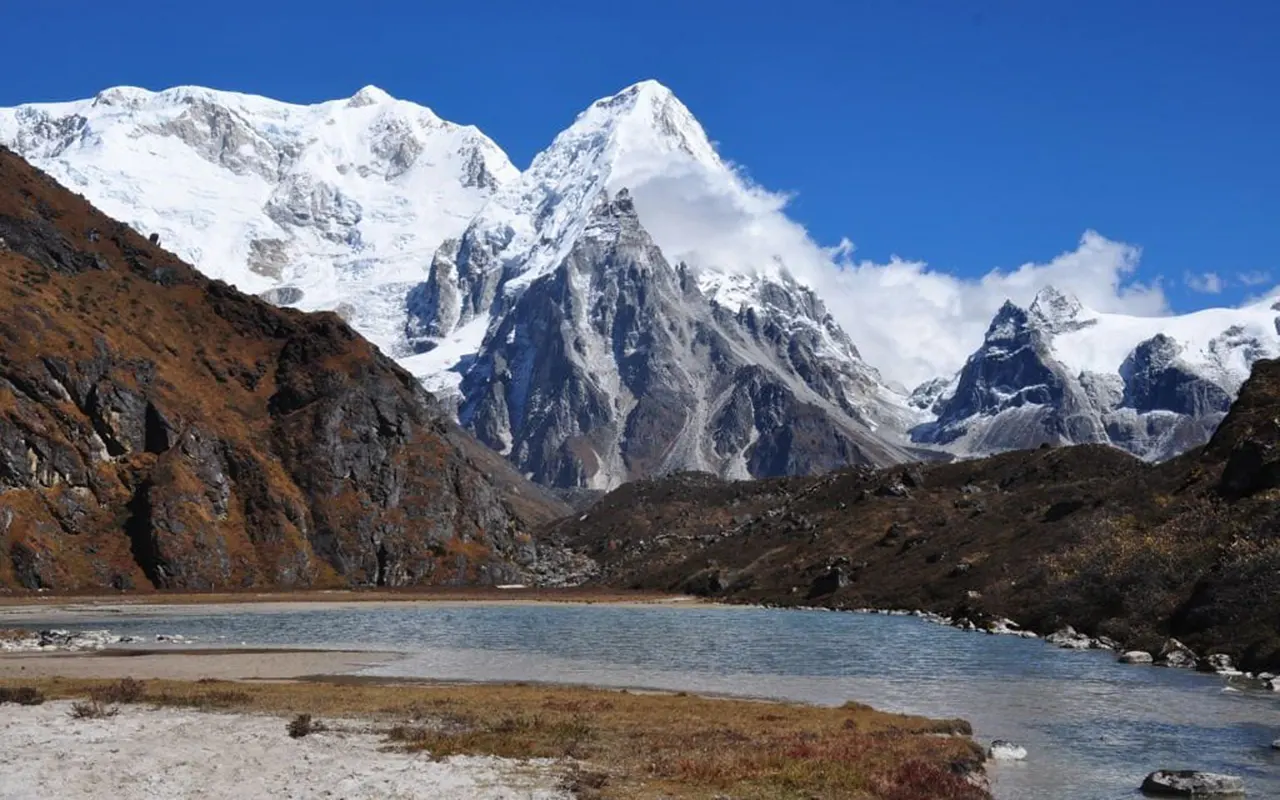
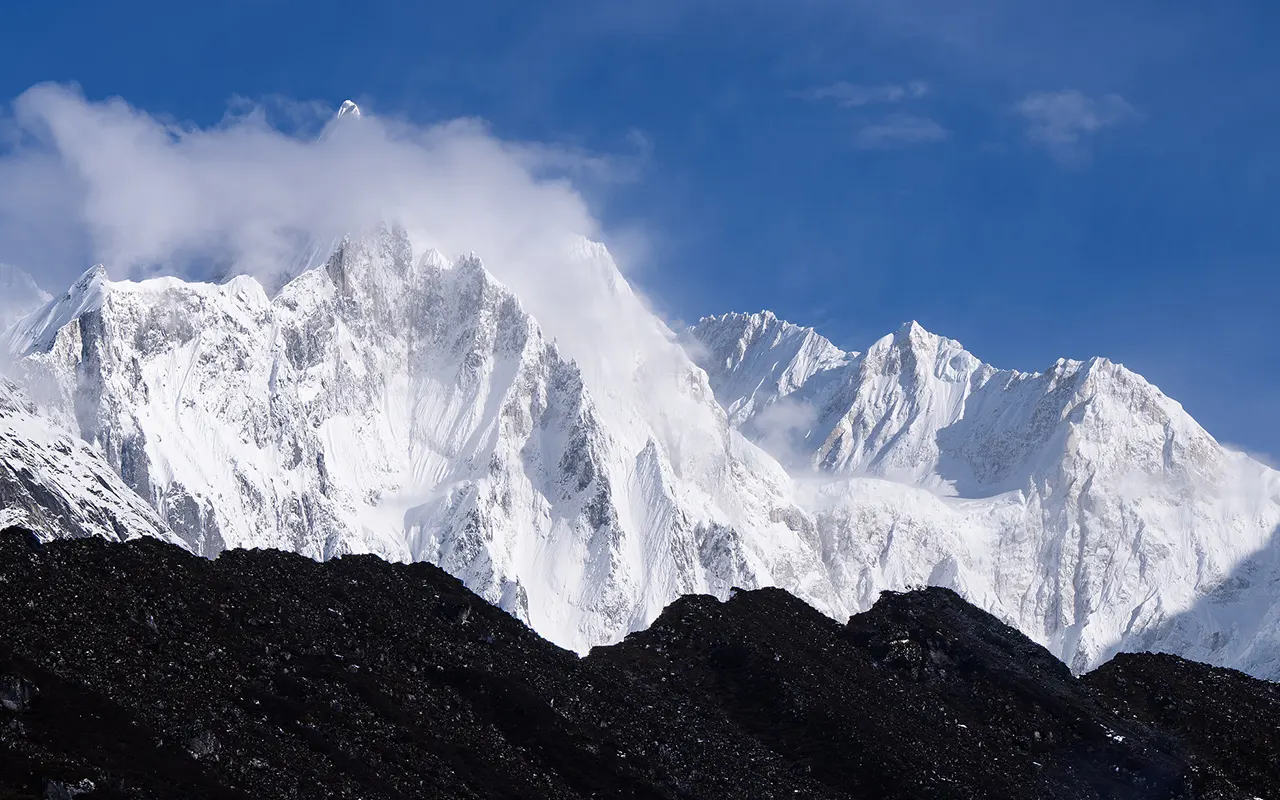
The Kanchenjunga Base Camp Trek in the far eastern side of Nepal is a journey that is very long and challenging, and encircles the third-highest mountain in the world. It is one of the most difficult treks in Nepal due to the length, the seclusion, and the harsh trail. The path lasts between three and four weeks, in which the trekkers explore distant villagesoff the bustling routes and into the pristine wilderness of the Himalayas.

The trek starts in the warm lowland valleys, which consist of terraced farms, forests, and small villages. Slowly, on by slowly changing the landscape is the turn into the alpine meadows, the rocky trails, the ice glaciers.

Kanchenjunga Base Camp Trek

The path is physically strenuous, and it is full of steep ups and downs that are tough physically. One of the significant milestones and achievements that require good fitness and proper acclimatisation is the North Base Camp at 5,140 meters, which is known as Pangpema.

The remoteness of the region is one of the greatest problems. The road to Kathmandu is long and difficult, and facilities on the trail are very limited. Teahouses are simple and not always available, particularly during non-peak season, and trekkers are therefore forced to camp and carry along additional supplies.

There is additional difficulty in crossing high passes such as Mirgin La and Lapsang La, and the addition of snow, wind, and thin air makes things difficult.

The payoffs are outstanding despite the struggles. The expedition presents intimate shots of the huge ice walls of Kanchenjunga and the mountains around it, generating an impression of bare Himalayan magnificence. Trekking up the mountain, trekkers go through the Limbu and Rai villages of the lower parts, and Tibetans influenced communities of the higher parts.

This combination of epic scenery, in-depth cultural experience, and actual isolation is what makes the Kanchenjunga Base Camp Trek a legendary endeavour for a serious adventurer.

Dhaulagiri Circuit Trek

The Dhaulagiri Circuit is a rugged and arduous circuit around the 8,167 meters Dhaulagiri massif, the 7thhighest mountain in the world, making its way around it in a loop. This adventure-style trek is in remote western Nepal, and comfort is forgotten once the last villages disappear.

During the higher part of the trail, the trekkers are left to camp in a dismal landscape, and they are alone; they have to walk through rugged roads and spend the nights in the camps, which require extraordinary power and strength.

During the period of approximately 18 to 21 days, the landscape is converted radically. The route passes through the thick forests and side valleys and ascends on the glaciers and in the plateaus of the high Alps.

It becomes very hard at the two great mountain passes. The pass at 5,360 meters is French Pass.It views the immense ice face of Dhaulagiri and enters the raw beauty of Hidden Valley. Not long after, one has to pass Dhampus, 5,244 meters, and encircling it is a wall of giants of 7,000 and 8,000 meters, making the passage really extreme.

These passes are severe and intolerant. Icy ground, thin air, and loose rock, as well as Glacial moraine slows down each step, and check both lungs and attention. The onset of winter is also a vital factor since deep snow may cover the path, and thus late spring and early autumn are the most appropriate periods to venture on the expedition.

There is virtually no infrastructure provision in the elevated areas, and this contributes to the feeling of utter wilderness. Some of these camps, such as Italian Base Camp and Dhauligari Base Camp, will provide memorable evenings under skies full of stars.

The accomplishment is enormous when the trail finally enters the Kali Gandaki Valley and reaches Jomsom. The Dhaulagiri Circuit is an effective challenge of perseverance, which is compensated by some of the most insane and captivating views in the Himalayas.

Upper Dolpo Trek

The Upper Dolpo Trek, for those trekkers who are in search of the wilderness, explores one of the most inaccessible and unexplored areas of Nepal, hidden behind the Dhaulagiri and Annapurna ranges. Frequently called a living fragment of ancient Tibet, Dolpo was not open to foreigners many years ago and still has to be closed with the help of special permits and a licensed guide. It normally takes over three weeks and passes through the expansive and rough sceneries of the Shey Phoksundo National Park.

Theupper Dolpo has been physically demanding. It passes through several high passes that are over 5,000 meters, like Numa La and Baga La, where every step is stressful due to steep heights and chilly air. Walking days are very frequent, and there are frequent ups and downs, which even experienced trekkers will find daunting.

The facilities are also very minimal, and this contributes to the difficulty. A majority of the nights are spent in open highlands or along cold mountain rivers in camping. Pack animals have to carry and/or transport food and supplies, and it may take days to reach a permanent village. The seclusion is severe and very tranquil.

The highlight of the Upper Dolpo is that it has maintained its culture and is very beautiful. Such villages as Ringmo are located close to the waters of the turquoise lake called Phoksundo, and ancient Tibetan Buddhist culture can be encapsulated in religious places such as Shey Gompa.

Top 10 Most Challenging Treks in Nepal Banner Upper Dolpo Trek

It also changes the landscape of the forest-lined valleys into elevated dry plateaus that are formed by wind and sun. Dolpo is chosen as the ideal place to do the summer trekking in a rain-shadow area, and provides one of the purest and most memorable Himalayan experiences in Nepal.

Makalu Base Camp Trek

The Makalu Base Camp Trek is known to traverse into one of the most remote and undeveloped areas in the Himalayas in Nepal. The adventure is located in Makalu-Barun National Park, at the base of the fifth-highest mountain in the world, Makalu, and is at an elevation of 8,485 meters. Quite unlike the regular paths of Everest and Annapurna, this path is wild and silent and actually exploratory.

The expedition normally takes 18 to 22 days and ascends through the subtropical valleys at approximately 800 meters to Makalu Base Camp at approximately 4,870 meters. It is rugged and challenging, with the endless steep uphill and downhill movements along the ridges and up and down the river beds. The initial days are spent in rhododendron-oak forests, where the heat, humidity, and ascents soon exhaust the energy.

At a higher elevation, the trail traverses isolated saddles, including the Shipton La and Keke La, and then it enters the picturesque Barun Valley. These parts may be wet and greasy, particularly after a downpour, and environmental changes are very fast between warm jungles and freezing alpine icy regions.

There is a lack of facilities during the trek. Plain teahouses can only be found in lower villages, whereas high regions need plain lodges or camping. It is necessary to plan carefully and be self-reliant.

The Makalu Base Camp is, by all means, a tough physical and mental challenge, yet the rewards are astounding. It is the achievement and the feeling of attaining base camp by Makalu south face that remains quiet and untouched, owing to the beauty of its surrounding mountains and the stunning scenic beauty of the country, which almost provides one of the purest trekking experiences in Nepal.

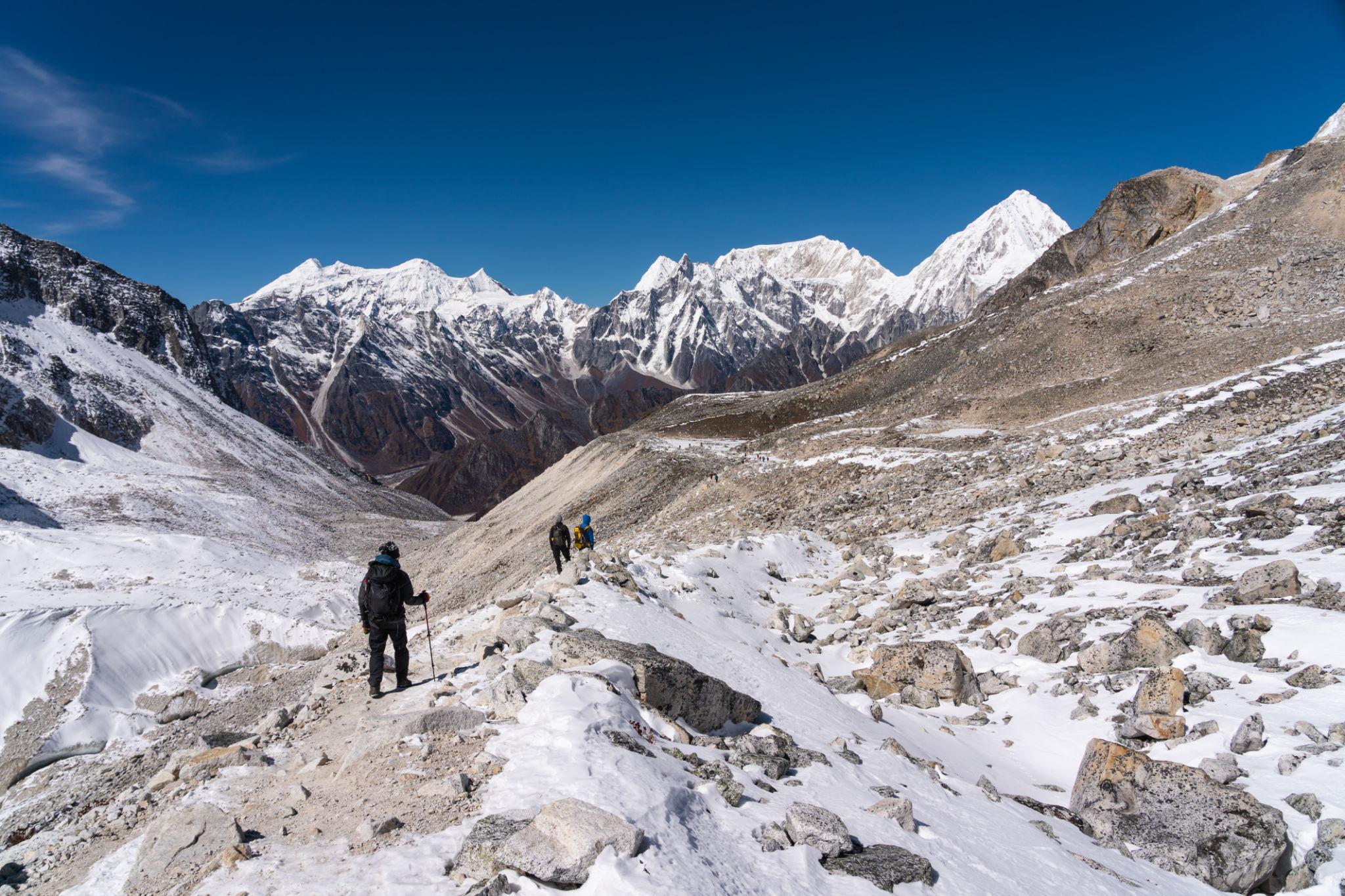
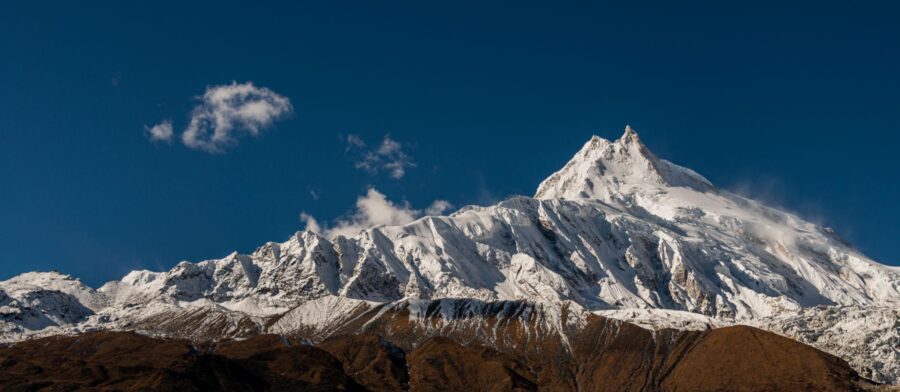
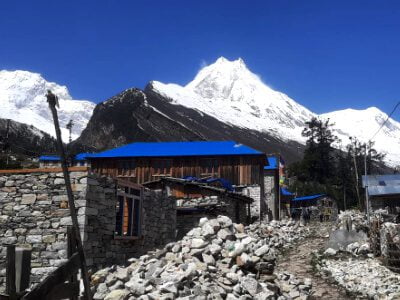
Manaslu Circuit Trek

Surrounding Mt. Manaslu at 8,163 meters, the Manaslu Circuit Trek is a gratifying combination of rough Himalayan physical landscapes and profound cultural experience. This is also often referred to as a quieter version of the Annapurna Circuit, as its restricted area trek demands that one have permits and a guide, something that has kept this remote nature intact. The expedition normally spans 14-18 days, starting at the green hills in Gorkha and gradually ascending up to the high alpine land.

The trek is still a hard one, although teahouses are there along the route. Roads are also rugged and bumpy, and even the treks are lengthy and demanding to the legs and lungs. The altitude is rapidly attained, and once the trekkers hit Samagaon or Samdo, it is crucial to have adequate acclimatisation. This is complicated by cold weather with heavy winds and occasional snowfalls, particularly in the hilly areas.

Manaslu Circuit Trek

The best and most demanding challenge of the journey is the Larkya La Pass at an altitude of 5,160 meters. Trekker starts before dawn, walks across frozen ground to the top, which is covered with prayer flags. Above, there is a panoramic view of Himlung Himal, Cheo Himal, Kang Guru, and Annapurna II to justify the work. The deep and sharp fall down to the Marsyangdi Valley is tiresome yet memorable.

Manaslu is a rich and diverse culture. The lower villages are representative of Hindu cultures, and the high areas are heavily controlled by Tibetan Buddhism. The serene ambience is very genuine and serene with monasteries, prayer wheels, yak herders, and silent trails.

The Manaslu Circuit Trek is a serious adventure, with a high pass, challenging topography, and spectacular mountain sceneries that bring both solitude, adventure, and some of the best Himalayan sceneries, but without the crowd.

Annapurna Circuit with Tilicho Lake

The Annapurna Circuit is regarded as one of the best treks in the world, as it traverses the whole of the Annapurna Massif, encompassing rice terraces and reaching the border of the Tibetan plateau. It makes it more difficult and more rewarding to add a side trip to Tilicho Lake. This long path will lengthen the adventure to approximately 18-20 days and induce some severe climbing, turning the expedition into a more difficult and more adventurous one.

Prolonged exposure to an elevated altitude is one of the major challenges. On arrival at Manang, the road diverts onto the Tilicho Lake on narrower and rugged trails that pass through slopes with landslides and cliffs covered with scree.

On your way to Tilicho Base Camp and the lake, which is almost 4,919 meters high, the air becomes thinner, and the temperatures get extremely low. Night is frozen, and the additional altitude needs to be paced and acclimatised.

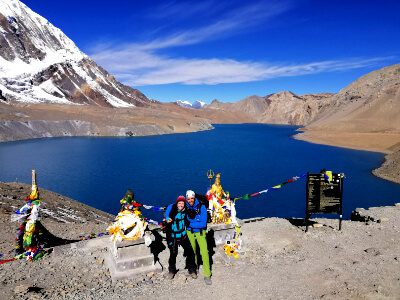
The lake itself is one of the attractions of the trek. The turquoise waters that are deep, with snow-covered mountains looming above them, are almost unreal. However, going to the lake is an additional cost on both days and weariness to the largest test yet to come. Trekker is expected to be ready to face Thorong La Pass after rejoining the main circuit, which is the highest point of the journey, with a height of 5,416 meters.

The day when Thorong La is crossed is usually the most difficult day of the trek. You begin before daybreak, and ascending, you go upwards with icy air, wind, and thin air. The top is compensated with panoramic views of the Himalayas, and then a long and steep ride down to the arid Mustang area.

The trek, despite being challenging, is an immensely satisfying one. It is a combination of dramatic scenery, multicultural environments, and high-altitude adventure, and a total Himalayan experience that will not only test the body but will make incredible memories of the natural beauty of Nepal.

Everest Three Passes Trek

Trekking to Everest is a great opportunity for trekkers seeking to experience more than just the popular Everest Base Camp can offer with the Everest Three Passes Trek. This is a strenuous route that traverses 3 high mountain passes of 5,000, over Thame, Gokyo, and Khumbu valleys. It is a complete, 360-degree experience in the Everest area, which, however, demands good fitness, good acclimatisation, and sheer force.

The expedition lasts about three weeks, and most of the nights are at altitudes over 4,000 meters. Although the way follows the already developed Everest area with teahouses, the physical requirements are extreme. There are long days that are characterised by steep ascents and descents of 800 to 1,000 meters, with thin air that may easily cause one to lose energy. The altitude is punishing even to seasoned trekkers.

The adventure is characterised by the three passes. Renjo La starts with fantastic scenery of the Gokyo Lakes and the Everest giants in the distance. Cho La can be the most challenging, and it can include the crossing of glaciers, icy parts, and some scrambling. The last test of strength of mind and body is the highest and most remote-feeling pass, Kongma La. They do not involve any technical climbing, but one must have strength.

The journey may be as mentally difficult as it is physically. There are days of high altitude, and then they are one after another, and it is necessary to be patient, not to hurry, and to listen to your body. To prevent accidents and failures, proper acclimatisation is essential in such locations as Namche and Gokyo.

The reward is unmatched. Between the base camp and Kala Patthar of Everest and the silent wonderland of the Gokyo Valley, the landscape is fantastic. One of the biggest honours in the Everest game is to complete the Three Passes Trek, and it provides the whole experience that is the most complete and difficult that Everest can offer.

Nar Phu Valley Trek

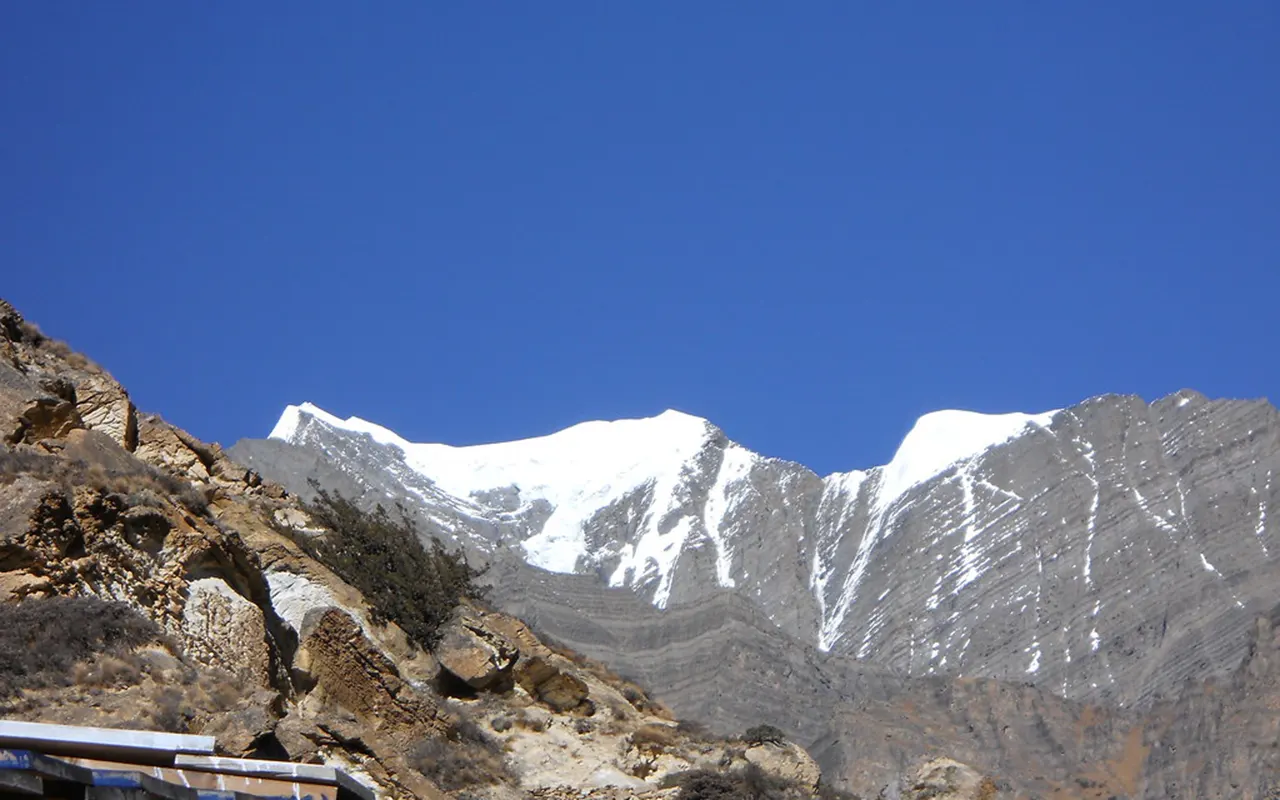
The Nar Phu Valley Trek, which lies between the Manaslu and Annapurna, is like entering an unheard-of location in the Himalayas. Until very recently, when they were opened up to non-locals and special permits must be obtained and a licensed guide employed, these isolated valleys received hardly any trekkers. Nar Phu is often included on a side trip on the route of the Annapurna Circuit because it is an isolated, rugged, and unspoiled Tibetan culture.
Nar Phu Valley Trek

The route quits the main road at Koto and, in a few minutes, is in a more placid realm of small canyons, suspension bridges, pine forests, and spectacular cliffs hewn out by the Nar Khola. Buried within the valleys are the villages of Phu and Nar, old stone villages, characterised by monasteries, prayer flags, herds of yaks, and a way of life that appears to have been the same since the dawn of time.

The physical aspect of the trek is strenuous because of the altitude and mountain passes. The most difficult part is the Kang La Pass, 5,320 meters, a sharp ascent which is complicated by thin air and sometimes even snow. The strain is further increased by some of the routes also having extra passes or rejoining through Thorong La.

Facilities are quite primitive, and teahouses and some camping are needed. Long, quiet days are common. Nar Phu provides a rare solitude, strong cultural immersion, and a strong sense of exploration for experienced trekkers to be found in one of the most isolated valleys in Nepal.

Rolwaling Valley Trek (Tashi Lapcha Pass)

The Rolwaling Valley Trek is also the least travelled and most challenging adventure in Nepal, and mostly culminating in the Tashi Lapcha Pass crossing of 5,755 meters into the Everest zone. Rolwaling is rugged, remote, and hidden west of Khumbu and is only visited by very experienced trekkers who are well-fitted and have fundamental mountaineering capabilities.

The trip normally lasts 18 to 20 days, beginning with the green hills of Dolakha and ascending through forests, terraced and deep valleys. The road is rough, and there is a continuous uphill and downhill movement, which gradually becomes tiresome. Places such as Beding and Na are the last inhabited spots before the scenery becomes hostile and alpine.

The biggest attraction is Tsho Rolpa, a large glacial lake of approximately 4,540 meters with massive ice-covered mountains on the side. After this, the expedition becomes technical. The process of traversing glaciers and establishing a high camp also brings on the difficulty of the Tashi Lapcha Pass, which usually needs crampons, ice axes, and, in some instances, fixed ropes.

The pass is a reward to the trekkers as it offers them panoramic views of the Rolwaling and Everest regions. The road to the valley of Thame is very sharp and hard. Lonely and hard, Rolwaling is a unique blend of wilderness, challenge, and a high-mountain success about which one will never forget.

Ganja La Pass Trek

Ganja La Pass Trek in the Langtang area demonstrates that some treks do not necessarily take longer than the Himalayan ones to be as challenging. Although it takes the popular Langtang Valley path initially, Ganja La is generally regarded as the most difficult trek in the area and one of the hardest in Nepal in case of unfavourable weather.

Ganja La Pass Trek

The trek ends in Kyanjin Gompa, and then it divides to the distant Ganja La Pass that is approximately 5,106 meters. At this point, the challenge becomes intense. It is a mountainous climb with steep and rocky paths, and it may be icy, which might require the use of hands to balance. Crampons and ropes are occasionally needed in snowy weather, which locates the trek near the mountaineering domain.

The pass does not have any teahouses, and thus, it is necessary to camp. Trekkers need to come with tents, food, and equipment, or they have to come with a full support crew. The high rate of altitude attainment, unreliable weather, and low accessibility of rescue require high preparation and experience.

The season is also best in autumn and dangerous in winter and during the monsoon. Nevertheless, Ganja La compensates the trekkers with dramatic views of the mountains and with a rare experience between the Tamang villages of Langtang and the Yolmo villages of Helambu. To experienced trekkers, the Ganja La crossing is such an experience, fastening, and very gratifying.

Preparation and Conclusion

It is no small thing to undertake any of the ten difficult treks that Nepal has to offer, but the experience can change people’s lives in a very fundamental way. These paths extend way beyond the normal hiking and require great physical condition, clever thinking and respect towards the mountains. Preparation is key.

Pre-train by trekking and becoming strong, schedule the right acclimatisation days, and never forget to leave a leeway in case of weather or route changes. In most of these adventures, a guide is necessary because they give a local understanding of the environment, which in many cases is indispensable in saving lives and making decisions.

It is also important to have the right equipment. Good boots, warm clothesand protective gear cannot be compromised in isolated areas where being self-sufficient is important. In addition to the physical challenge, it is also important to trek responsibly. These are delicate landscapes that are closely linked to local cultures.

Enhance the respect, diminish your intrusion, and assist mountain communities. Treated with humility, patience and planning, even the most difficult treks in Nepal are a rewarding experience and will make one respect the might of the Himalayas.