
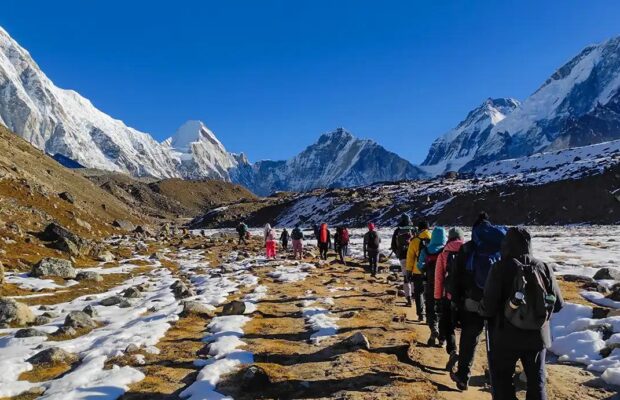
Everest Base Camp Trek in September: Weather, Cost, Crowds & Complete Guide
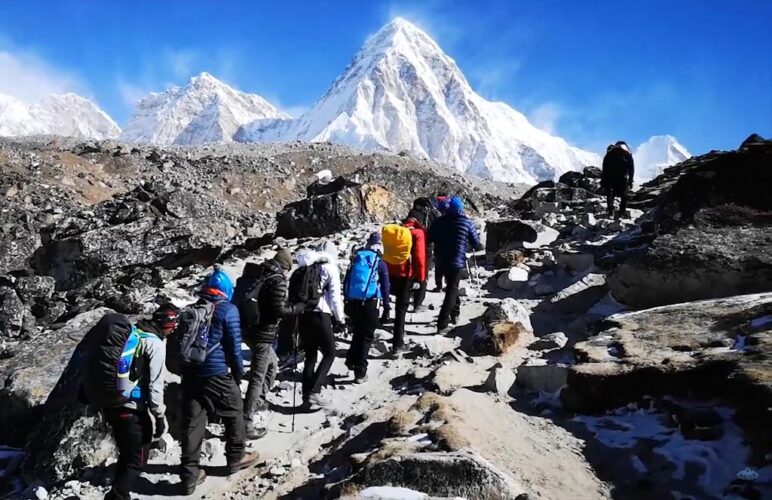 The Everest Base Camp Trek in September is a fascinating choice for trekkers who want to experience the Khumbu region just as Nepal’s monsoon season begins to fade. September is a transition month, which means conditions can change considerably from the beginning to the end of the month.
The first part of September can still bring rain, clouds and wet trails, particularly around Lukla, Phakding and Namche Bazaar. However, as the month progresses, the weather generally becomes more stable. By the final weeks of September, trekkers can enjoy clearer mountain views, greener valleys and fewer people on the trail compared with the busy October season.
For travelers who want a quieter Himalayan experience without completely moving away from the autumn trekking window, late September can be an excellent time for Everest Base Camp.
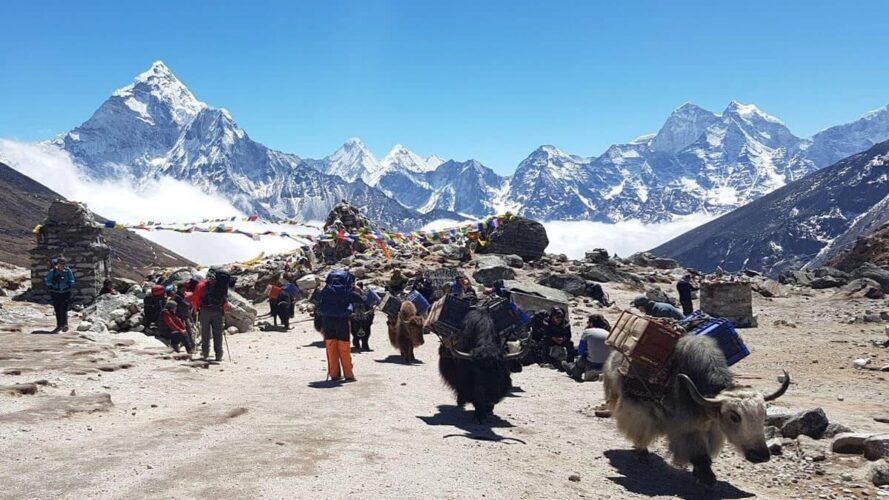
| Category | September Conditions |
|---|---|
| Trek Duration | 14 Days |
| Best Part of September | Mid to Late September |
| Maximum Altitude | 5,545m at Kala Patthar |
| Everest Base Camp Altitude | 5,364m |
| Difficulty | Moderate to Challenging |
| Weather | Wet early, increasingly clear later |
| Mountain Views | Variable early, much better late |
| Crowds | Lower than October |
| Lukla Flights | Possible delays during unstable weather |
| Best For | Quiet trails, photographers and flexible trekkers |
September should not simply be considered a “good” or “bad” month. The exact departure date makes a significant difference.
A trek beginning in the first week may feel quite different from one beginning after September 26.
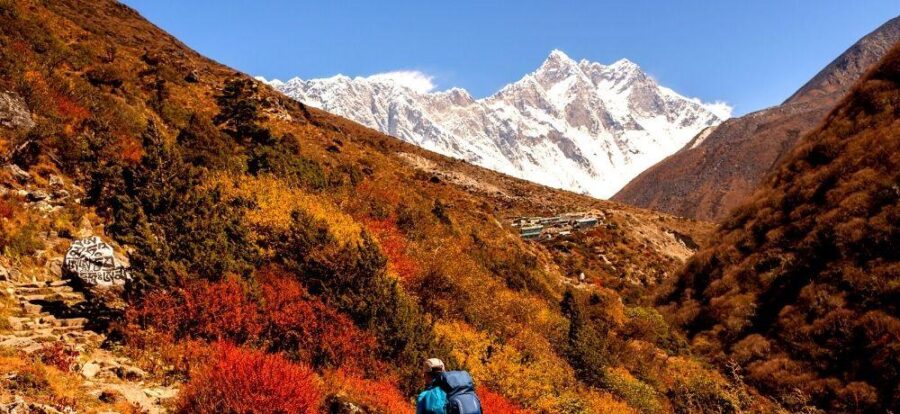
Yes, September can be a good month for the Everest Base Camp Trek, particularly during the second half of the month.
The main reason is the transition from monsoon toward autumn. Early September can still have cloudy skies and occasional rainfall, while late September often brings much better visibility and drier trekking conditions.
Another advantage is that September generally sees fewer trekkers than October. If you prefer walking through the Himalayas without the busiest autumn crowds, September can offer a more peaceful atmosphere.
For the best balance between weather and quieter trails, late September is usually the more attractive option.
Everest Base Camp Weather in September
Weather is the biggest factor to consider when planning an EBC trek in September.
Early September
The first days of September can still feel like the tail end of the monsoon season.
You may experience:
- Occasional rainfall
- Cloudy mountain views
- Wet and muddy trails
- Humid conditions at lower elevations
- Possible flight delays to Lukla
- Slippery stone sections
The lower parts of the trail are generally more affected by rain than the higher areas.
Mid-September
Conditions usually begin to improve as September progresses.
Rain becomes less frequent, mornings can be clearer and the trail gradually starts drying. Mountain views may still disappear behind afternoon clouds, but there can be excellent periods of visibility.
Mid-September can therefore be a good compromise for trekkers who want fewer crowds but do not want to deal with the wettest part of the month.
Late September
The final part of September is generally the most attractive period.
Clearer mornings, cooler temperatures and better mountain visibility can make the journey particularly rewarding. The surrounding hills remain beautifully green after the monsoon, while the higher mountains begin to show their classic autumn appearance.
For many trekkers, the last 10 days of September provide the best September experience.
Temperature During the Everest Base Camp Trek in September
Temperature changes significantly as you gain altitude.
| Location | Approx. Day Temperature | Approx. Night Temperature |
| Lukla | 15–20°C | 5–10°C |
| Namche Bazaar | 10–16°C | 0–5°C |
| Tengboche | 8–13°C | Around 0°C |
| Dingboche | 5–12°C | Below 0°C |
| Lobuche | 2–8°C | Around -5°C to -10°C |
| Gorak Shep | 0–6°C | Around -10°C or lower |
| Everest Base Camp | Around 0–5°C | Can fall well below freezing |
These are approximate ranges rather than guaranteed daily temperatures. Weather in the high Himalayas can change quickly.
Trail Conditions in September
Trail conditions are another important consideration.
The lower Khumbu region can remain wet after weeks of monsoon rainfall. Sections between Lukla, Phakding and Namche Bazaar may be muddy, while stone steps and rocky sections can become slippery.
At the same time, September has one beautiful advantage: the landscape is exceptionally green.
Waterfalls are flowing strongly, forests are lush and the Dudh Koshi valley can look completely different from the dry landscape seen later in the season.
What Should Trekkers Expect?
- Muddy sections at lower elevations
- Wet stone steps
- Strong-flowing streams and waterfalls
- Green forests and valleys
- Gradually drier trails toward late September
- Possible cloud cover around mountain viewpoints
A good pair of waterproof trekking boots and proper rain protection can make a major difference.
Mountain Views During the September EBC Trek
Mountain visibility is one of the biggest questions travelers have about September.
The answer depends heavily on the date.
Early September can bring cloud cover that hides Everest, Ama Dablam, Lhotse and other peaks. However, clear windows can still appear, particularly in the morning.
By late September, visibility generally improves considerably.
The combination of recently washed mountain air and green landscapes can create beautiful photography conditions. Photographers may enjoy the contrast between deep green valleys and snow-covered Himalayan peaks.
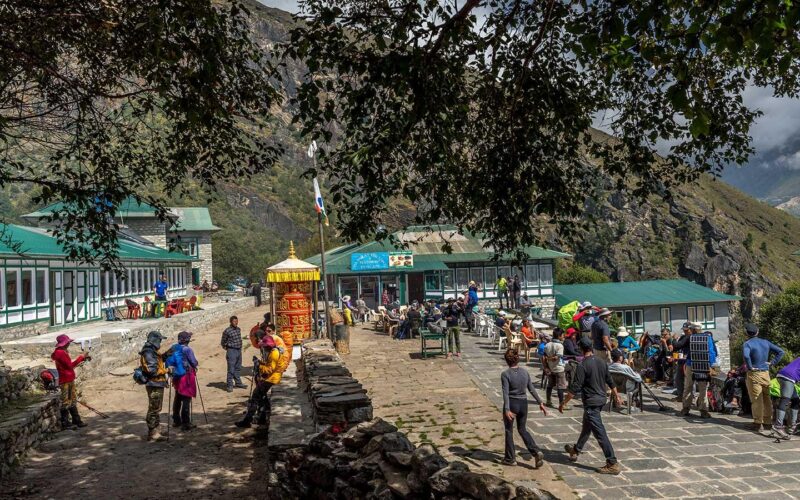
Everest Base Camp Trek in September – 14 Days Detailed Itinerary
The 14-day Everest Base Camp Trek takes you from the vibrant streets of Kathmandu into the heart of the Khumbu Himalayas. The itinerary includes important acclimatization days at Namche Bazaar and Dingboche before reaching Everest Base Camp and Kala Patthar.
September can bring changing weather conditions, particularly during the first half of the month, so the daily schedule may be adjusted slightly according to flight conditions, trail conditions and the advice of the trekking team.
Day 01: Arrival in Kathmandu – Transfer to Hotel
Welcome to Kathmandu, the capital city of Nepal.
Our representative will meet you at Tribhuvan International Airport and transfer you to your hotel. After checking in, you can rest and relax or take a short walk around the nearby streets.
In the evening, your trekking guide will meet you at the hotel for a detailed briefing about the Everest Base Camp Trek. You will also enjoy a traditional welcome dinner at a local restaurant.
Since the next morning starts early, an early night is recommended.
Transportation: Private Car – approximately 30 minutes
Accommodation: 3-Star Hotel
Meals: Welcome Dinner
Altitude: 1,300 m / 4,264 ft
Day 02: Fly to Lukla and Trek to Phakding
Today marks the beginning of your Everest adventure.
After an early breakfast, you will head toward the airport for your flight to Lukla. During the busy spring and autumn trekking seasons, Lukla flights may operate from Ramechhap Airport depending on airport and flight arrangements. In that situation, you will travel by private vehicle to Ramechhap before taking the short flight to Lukla.
After landing at Lukla, you will have breakfast before beginning the first walk of the trek.
The trail descends gradually through Cheplung before continuing toward Ghat and eventually reaching Phakding. The relatively short walking day gives your body time to begin adapting to the increasing altitude.
Flight: Approximately 30 minutes
Walking: 3–4 hours
Accommodation: Lodge
Meals: Breakfast, Lunch & Dinner
Altitude: Lukla – 2,860 m / 9,383 ft
Day 03: Trek from Phakding to Namche Bazaar
After breakfast, you will follow the Dudh Koshi River through the beautiful Khumbu valley.
The trail passes through Benkar before reaching Monjo and Jorsalle. From here, you enter Sagarmatha National Park and continue toward the famous Namche Bazaar.
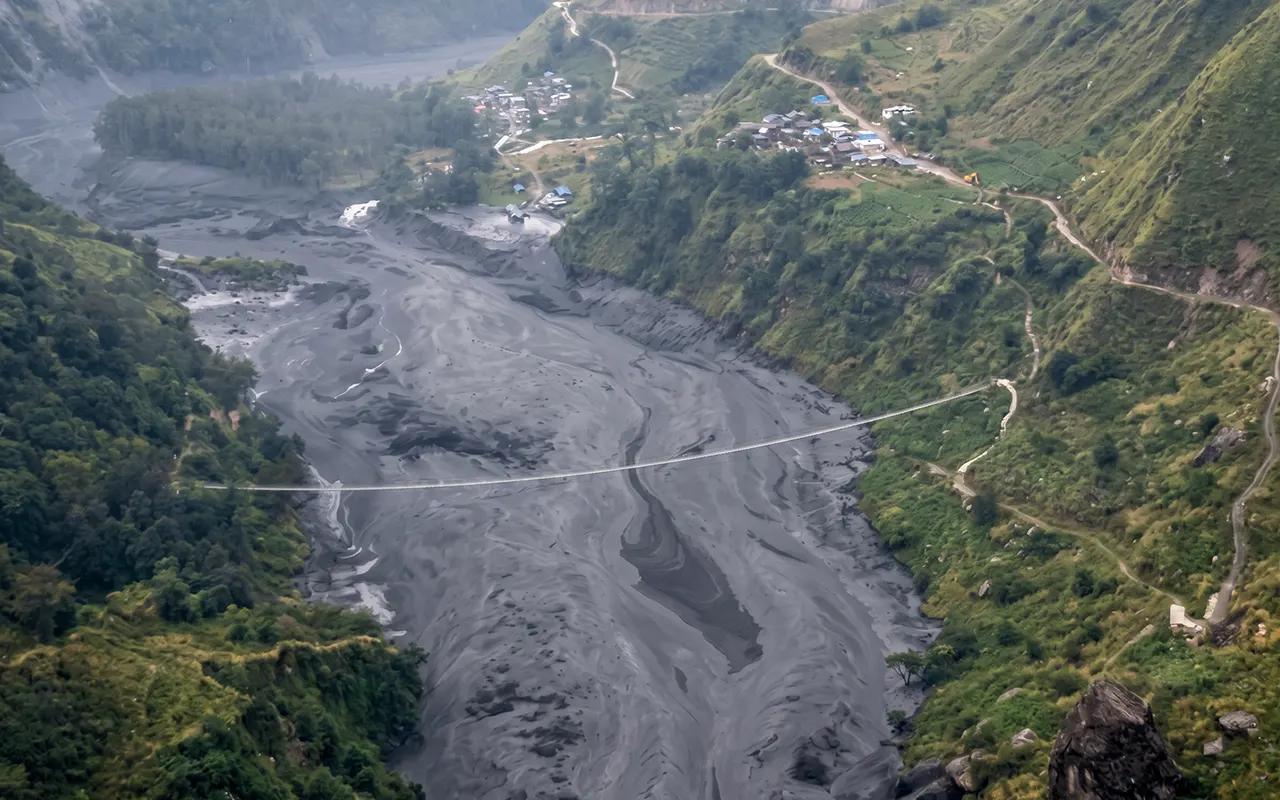
Several suspension bridges and uphill sections make this a more demanding day than the previous stage. As you approach Namche, you may catch your first views of Mount Everest and other Himalayan peaks depending on the weather.
Namche Bazaar is the major trading and cultural center of the Khumbu region and will be your home for the night.
Walking: 6–7 hours
Accommodation: Lodge
Meals: Breakfast, Lunch & Dinner
Altitude: 3,440 m / 11,286 ft
Day 04: Acclimatization Day in Namche Bazaar
Today is an important acclimatization day.
Rather than continuing higher, you will spend the day exploring Namche Bazaar and taking a short hike to a higher elevation before returning to the lodge.
One of the popular viewpoints is the Everest View Hotel, where you can enjoy impressive views of Mount Everest, Ama Dablam, Lhotse, Nuptse and surrounding peaks when the weather is clear.
You can also explore the Sagarmatha National Park Museum and learn more about the Sherpa people, Himalayan culture and the history of mountaineering in the Everest region.
The afternoon is free to explore Namche or simply rest.
Accommodation: Lodge
Meals: Breakfast, Lunch & Dinner
Altitude: 3,440 m / 11,286 ft
Day 05: Trek from Namche Bazaar to Tengboche
After breakfast, you will leave Namche Bazaar and follow a scenic trail overlooking the Himalayan valleys.
The route gradually descends before crossing the Imja Khola near Phungithanga. From here, the trail climbs through beautiful rhododendron and pine forests toward Tengboche.
Tengboche is famous for its historic monastery and spectacular mountain surroundings. On a clear September day, you can enjoy views of Everest, Lhotse, Nuptse, Thamserku and the striking Ama Dablam.
After exploring the monastery and surrounding area, you will spend the night at a local lodge.
Walking: 5–6 hours
Accommodation: Lodge
Meals: Breakfast, Lunch & Dinner
Altitude: 3,860 m / 12,664 ft
Day 06: Trek from Tengboche to Dingboche
Today the trail continues deeper into the high Himalayas.
You will descend toward Deboche before crossing the river and continuing toward Pangboche. The route passes traditional villages, Mani walls and beautiful alpine scenery.
As you gain altitude, the landscape gradually becomes more open and rugged. You will eventually arrive at Dingboche, a traditional high-altitude settlement surrounded by dramatic Himalayan peaks.
From Dingboche, you can enjoy views of Ama Dablam, Lhotse and Island Peak.
Walking: 5–6 hours
Accommodation: Lodge
Meals: Breakfast, Lunch & Dinner
Altitude: 4,410 m / 14,468 ft
Day 07: Acclimatization Day in Dingboche
Another important acclimatization day is scheduled at Dingboche.
After breakfast, you will take a gradual hike toward Nangkartshang Hill. The climb provides excellent views across the surrounding Himalayan landscape and is useful for helping your body adjust to the altitude.
From higher viewpoints, you may see impressive peaks including Makalu and Amphu Lapcha.
After enjoying the scenery, you will return to Dingboche and spend a relaxed afternoon at the lodge.
Accommodation: Lodge
Meals: Breakfast, Lunch & Dinner
Altitude: 4,410 m / 14,468 ft
Day 08: Trek from Dingboche to Lobuche
The journey continues toward the high-altitude settlement of Lobuche.
The trail begins with a scenic traverse through the Khumbu landscape, offering views of the surrounding valleys and peaks such as Cholatse.
You will reach Dughla and then continue toward the Thukla Pass. The pass contains memorials dedicated to climbers who lost their lives in the Himalayas, creating a quiet and reflective section of the journey.
From the pass, the trail continues through rugged terrain toward Lobuche, where you will spend the night.
Walking: 4–5 hours
Accommodation: Lodge
Meals: Breakfast, Lunch & Dinner
Altitude: 4,940 m / 16,207 ft
Day 09: Lobuche to Gorakshep – Everest Base Camp – Return to Gorakshep
Today is one of the biggest highlights of the entire Everest Base Camp Trek.
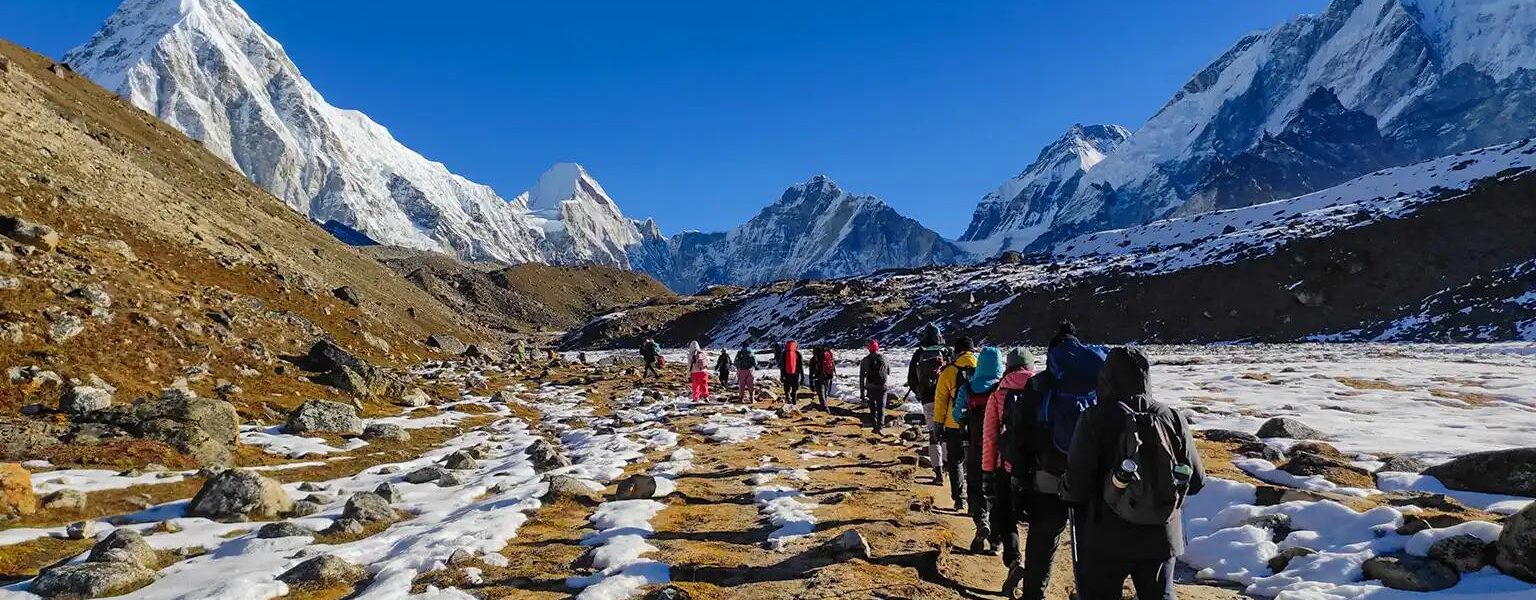
You will start early and walk toward Gorakshep through the high-altitude landscape of the Khumbu region. After reaching Gorakshep and taking a short break, you will continue toward Everest Base Camp.
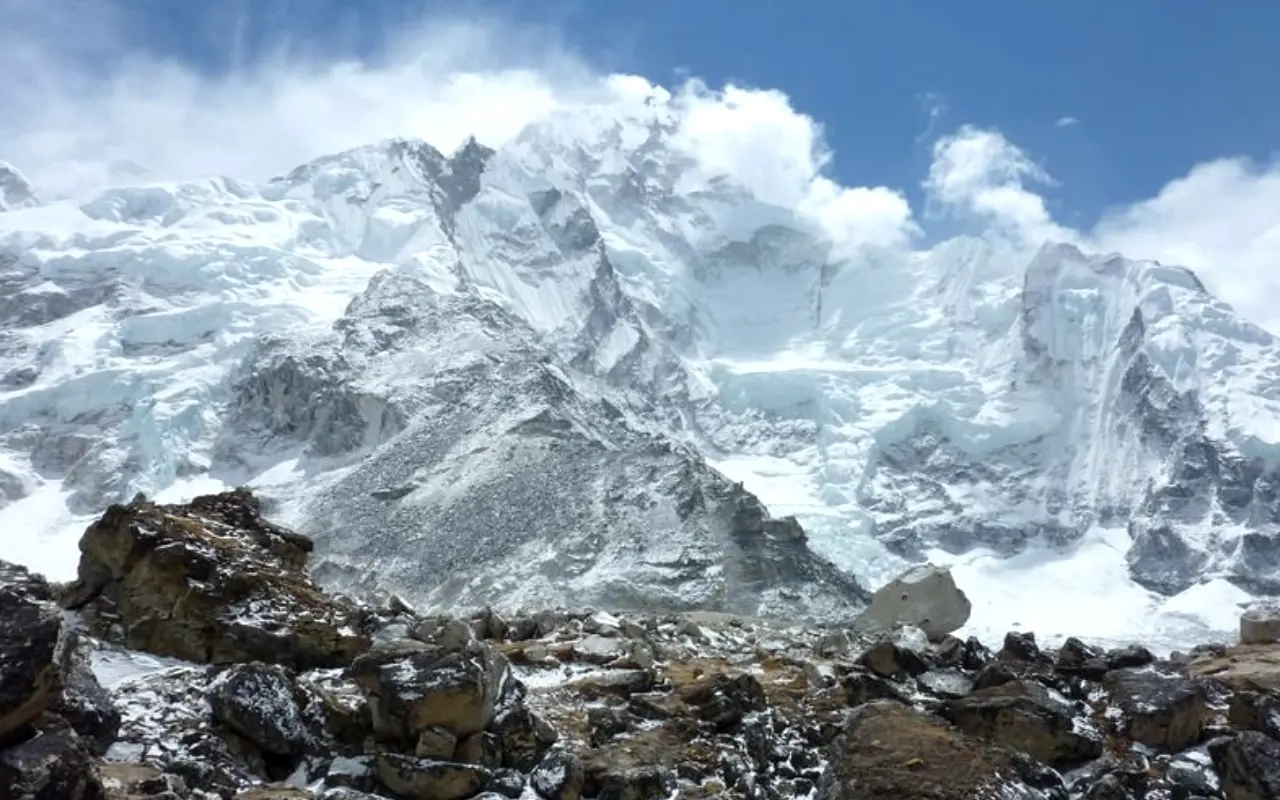
The trail becomes increasingly rugged as you approach the base camp area. At Everest Base Camp, you can experience the atmosphere of the world’s highest mountain region and enjoy views toward the Khumbu Icefall, Nuptse, Pumori and Khumbutse.
After spending time at the base camp and taking photographs, you will return to Gorakshep for the night.
This is a long and demanding day, so maintaining a steady pace is important.
Walking: 8–9 hours
Accommodation: Lodge
Meals: Breakfast, Lunch & Dinner
Altitude: Gorakshep – 5,130 m / 16,830 ft
Everest Base Camp: 5,364 m / 17,598 ft
Day 10: Kala Patthar Sunrise – Descend to Pangboche
An early morning start takes you toward Kala Patthar, one of the most famous viewpoints in the Everest region.
With headlamps lighting the trail, you will climb gradually toward the viewpoint. Reaching approximately 5,545 meters, Kala Patthar offers one of the finest panoramic views of Mount Everest.
Sunrise over Everest, Nuptse, Pumori and Ama Dablam can be an unforgettable moment, particularly when the September sky is clear.
After enjoying the sunrise, you will descend toward Gorakshep before continuing down the valley. The trail eventually takes you toward Pangboche, where you will spend the night.
Walking: 9–10 hours
Accommodation: Lodge
Meals: Breakfast, Lunch & Dinner
Altitude: Kala Patthar – 5,545 m / 18,192 ft
Pangboche: 3,985 m / 13,074 ft
Day 11: Trek from Pangboche to Namche Bazaar
The return journey begins in earnest today.
After breakfast, you will retrace parts of the familiar trail through the Khumbu valley. The descent becomes easier as you move toward lower elevations and the air becomes warmer.
You will pass through beautiful forests of rhododendron and conifer before continuing toward Tengboche and eventually Namche Bazaar.
After several demanding days at high altitude, reaching Namche feels like a welcome return to a lively Himalayan town.
Walking: 6–7 hours
Accommodation: Lodge
Meals: Breakfast, Lunch & Dinner
Altitude: Namche Bazaar – 3,440 m / 11,286 ft
Day 12: Trek from Namche Bazaar to Lukla
Today is the final long walking day of the trek.
You will descend through the same beautiful Khumbu valley, crossing suspension bridges and following the Dudh Koshi River toward Phakding.
After lunch, the trail continues toward Lukla. Along the way, you can reflect on the journey from the lower valleys all the way to Everest Base Camp.
Once you reach Lukla, you can relax at the lodge and enjoy your final evening in the Everest region.
Walking: 6–7 hours
Accommodation: Lodge
Meals: Breakfast, Lunch & Dinner
Altitude: Lukla – 2,860 m / 9,383 ft
Day 13: Fly from Lukla to Kathmandu
After breakfast, you will head to the Lukla airport for your return flight to Kathmandu.
The flight takes approximately 30 minutes, although departure times can be affected by mountain weather and operational conditions.
After arriving in Kathmandu, you will transfer to your hotel and have the rest of the day to relax. You can enjoy a hot shower, explore the city, shop for souvenirs or simply recover after the trek.
Flight: Approximately 30 minutes
Accommodation: 3-Star Hotel
Meals: Breakfast
Altitude: Kathmandu – 1,300 m / 4,264 ft
Day 14: Final Departure from Nepal
Your Everest Base Camp adventure comes to an end today.
Depending on your flight schedule, you will have some free time in Kathmandu before our representative transfers you to Tribhuvan International Airport for your departure.
If you have additional time in Nepal, Ambition Himalaya can also help you arrange another trekking adventure, cultural tour, wildlife experience or sightseeing trip.
We hope your journey through the Everest region leaves you with unforgettable memories of the Himalayas.
Transportation: Private Car
Meals: Breakfast
Trip: Departure or optional extension
Everest Base Camp Trek Cost in September
September can offer good value compared with the busiest autumn period, although the exact cost depends on itinerary, group size, accommodation, transportation and inclusions.
Ambition Himalaya currently lists its 14-day Everest Base Camp Trek from US$1,130 per person, with lower per-person rates for larger private groups.
Private Group Discount
| No. of People | Price Per Person |
| 1 Pax | US$ 1450 |
| 2 Pax | US$ 1320 |
| 3–5 Pax | US$ 1280 |
| 6–9 Pax | US$ 1230 |
| 10–15 Pax | US$ 1180 |
| 16+ Pax | US$ 1130 |
The final price should always be confirmed with Ambition Himalaya before booking because transportation, itinerary and seasonal arrangements can affect the total cost.
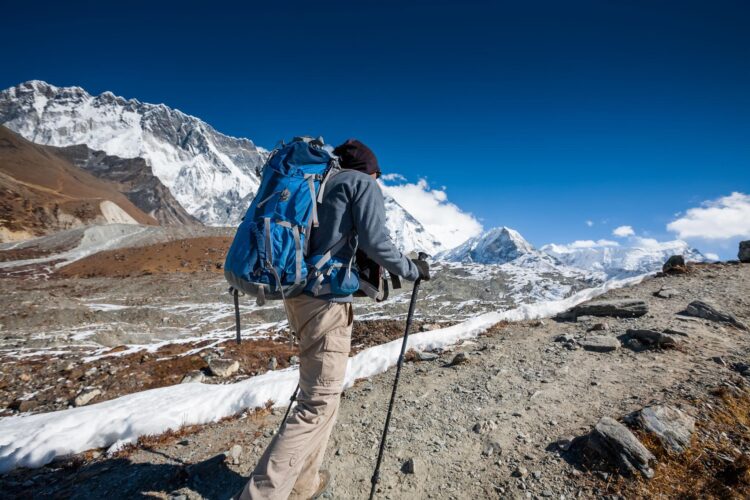
What to Pack for Everest Base Camp in September
Because September can include both wet and cold conditions, packing should cover more than one type of weather.
Clothing
- Moisture-wicking base layers
- Fleece or warm mid-layer
- Down jacket
- Waterproof jacket
- Waterproof trekking trousers
- Warm trekking pants
- Thermal underwear
- Warm hat and gloves
Footwear
- Waterproof trekking boots
- Comfortable trekking socks
- Spare socks
- Lightweight camp shoes
Trekking Equipment
- Trekking poles
- Backpack
- Sleeping bag suitable for cold temperatures
- Headlamp
- Water bottle
- Sunglasses
- Sunscreen
- Backpack rain cover
Personal Essentials
- Basic first-aid supplies
- Personal medications
- Water purification tablets or filtration system
- Power bank
- Camera
- Passport and required documents
If you are trekking during the first half of September, proper rain protection should be treated as essential rather than optional.
Is Everest Base Camp Trek in September Difficult?
The Everest Base Camp Trek is a moderate to challenging high-altitude trek, regardless of the month.
September can add some extra difficulty during the early part of the month because of rain and slippery trails.
However, the biggest challenge remains altitude.
The trek reaches Everest Base Camp at 5,364m, while Kala Patthar reaches approximately 5,545m. Proper acclimatization and a sensible walking pace are therefore extremely important.
Do not rush simply because you want to complete the itinerary quickly.
How to Stay Safe During the September EBC Trek
A safe trek requires flexibility.
Follow a gradual itinerary
Acclimatization days at Namche Bazaar and Dingboche are important.
Watch the weather
Do not ignore heavy rain, poor visibility or unsafe trail conditions simply to stay on schedule.
Allow flight flexibility
Keep extra days available for possible Lukla flight disruptions.
Stay hydrated
Drink regularly throughout the trek, particularly as you move into higher elevations.
Listen to your body
Headache, dizziness, unusual tiredness or other altitude-related symptoms should not be ignored.
Trek with experienced support
A knowledgeable local trekking team can help monitor trail conditions, weather changes and altitude-related concerns.
September vs October: Which Is Better?
Both months have their own advantages.
| Factor | September | October |
| Weather | Improving throughout the month | Generally more stable |
| Rain | Possible early | Usually much lower |
| Mountain Views | Variable early, better late | Usually excellent |
| Crowds | Lower | Higher |
| Accommodation | More availability | More demand |
| Landscape | Very green | Drier and clearer |
| Flights | More weather-sensitive early | Generally more reliable |
| Overall | Quiet and flexible | Classic peak-season experience |
If your priority is reliable weather and consistently clear mountain views, October may be preferable.
If you want fewer crowds, greener scenery and a quieter experience, late September can be an excellent alternative.
Who Should Choose the Everest Base Camp Trek in September?
September can suit several types of trekkers.
First-Time Trekkers
Choose the second half of September if you are visiting Everest Base Camp for the first time and want a better balance between weather and crowds.
Photographers
Early September offers dramatic clouds and lush green landscapes, while late September can provide clearer Himalayan views.
Budget-Conscious Travelers
September can provide good value before the busiest autumn period begins.
Experienced Trekkers
Trekkers comfortable with changing weather may enjoy the quieter trails and changing landscapes throughout the month.
Private Groups
September is particularly attractive for friends, families and private groups who want more flexibility and can take advantage of group pricing.
Everest Base Camp Trek in September: Pros and Cons
Advantages
- Fewer crowds than October
- Beautiful green landscapes
- Strong waterfalls and rivers
- Better accommodation availability
- Excellent late-month mountain visibility
- Good option for private groups
Disadvantages
- Rain is still possible early in September
- Lower trails can be muddy
- Lukla flights may face weather disruptions
- Mountain views can be unpredictable early in the month
- Conditions can change quickly
Final Verdict: Is September Worth It?
Yes, the Everest Base Camp Trek in September is worth considering, especially if you plan your departure carefully.
The first part of September requires more flexibility because of the remaining monsoon influence. But as the month moves toward its final weeks, the weather generally becomes more favorable, mountain views improve and the trail begins to take on the character of the autumn trekking season.
For trekkers who want a quieter experience than October without giving up the possibility of clear Himalayan views, late September is one of the most interesting windows to consider.
With the right preparation, suitable rain protection, enough acclimatization and some extra flexibility for Lukla flights, September can deliver a memorable journey through the Khumbu region.
Ready to plan your Everest adventure?
Explore the Everest Base Camp Trek – 14 Days with Ambition Himalaya and speak with our trekking team about the best September departure for your group.
Everest Base Camp Trek in September – FAQs
Is September a good month for Everest Base Camp?
Yes. The second half of September is generally more favorable because the monsoon influence begins to weaken and mountain visibility often improves.
Does it rain on Everest Base Camp Trek in September?
Rain is possible, particularly during the first part of September. The chance generally decreases as the month progresses.
Can I see Mount Everest in September?
Yes. Clear mountain views are possible throughout September, but late September generally offers more favorable visibility than the beginning of the month.
Is Everest Base Camp crowded in September?
September is generally less crowded than October, although the final week can become busier as the autumn trekking season starts gaining momentum.
Are Lukla flights reliable in September?
Lukla flights are weather-dependent. Early September can have a higher risk of delays because of clouds and rain, so keeping extra buffer days is recommended.
What temperature should I expect at Everest Base Camp in September?
Temperatures can vary significantly. Days can be relatively mild in direct sunlight, while nighttime temperatures at high elevations can fall well below freezing.
How many days does the Everest Base Camp Trek take?
A classic itinerary commonly takes around 14 days, including acclimatization and travel days. Ambition Himalaya currently offers a 14-day Everest Base Camp Trek.
What should I pack for September?
Bring waterproof trekking boots, rain protection, warm layers, a down jacket, trekking poles, a sleeping bag, gloves, a warm hat and other high-altitude essentials.
Is September suitable for first-time trekkers?
Yes, provided you are reasonably prepared for high-altitude trekking. For first-time trekkers, the later part of September is generally the more comfortable choice.
Can I do a private Everest Base Camp Trek in September?
Yes. Ambition Himalaya offers group-joining and private trip options, with per-person pricing becoming lower for larger private groups.
Ready to Trek to Everest Base Camp?
Your journey to the world’s most famous mountain is waiting.
If you are planning the Everest Base Camp Trek in September, Ambition Himalaya can help you organize the complete journey with experienced local guides, carefully planned acclimatization days, comfortable mountain accommodation and trekking support throughout the route.
Whether you are traveling solo, with friends, family or as a private group, our team can help you choose the right departure date and prepare for the changing September conditions.
Book Your Everest Base Camp Trek with Ambition Himalaya
Everest Base Camp Trek – 14 Days
- Duration: 14 Days
- Maximum Altitude: 5,545 m / 18,192 ft
- Difficulty: Moderate to Challenging
- Best Time: September to December
- Trek Region: Everest / Khumbu Region
- Starting Point: Kathmandu
- Destination: Everest Base Camp
Why Trek with Ambition Himalaya?
Experienced Local Team
Trek with knowledgeable local guides who understand the Everest region, its trails and changing mountain conditions.
Carefully Planned Itinerary
The 14-day itinerary includes acclimatization days at Namche Bazaar and Dingboche to make the high-altitude journey more comfortable.
Private Group Options
Travel with your own friends or family and enjoy flexible arrangements based on your group size and preferences.
Complete Trekking Support
From Kathmandu to Lukla, Everest Base Camp and back, our team is there to support you throughout the journey.
Start Planning Your Everest Adventure
Don’t just dream about standing beneath Mount Everest—start planning your journey to the Khumbu Himalayas.
Book Everest Base Camp Trek – 14 Days →
For general trip information, availability and other Nepal trekking experiences:
Ambition Himalaya – Your Journey to the Himalayas Begins Here.
Ready to Plan Your Trekking? Contact us
More Blog Posts