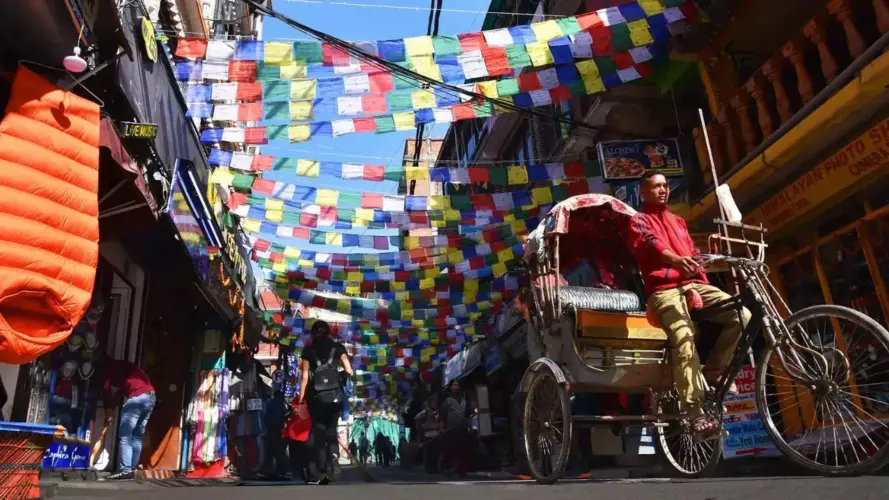

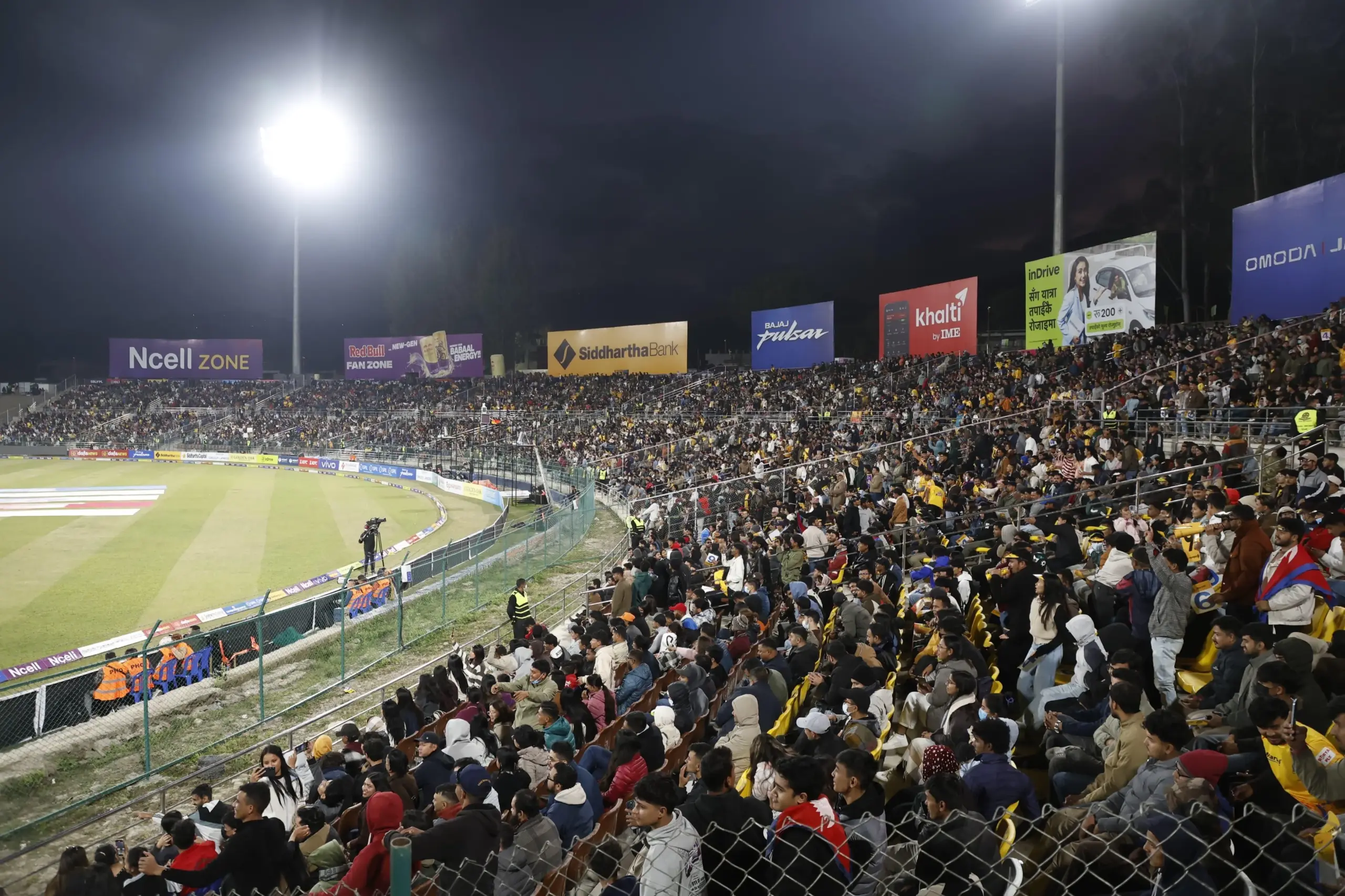
Nepal is a country where a cricket match can bring an entire community together. From the excitement around the cricket grounds of Kathmandu to conversations about the national team in local cafés, cricket has become an important part of the country’s modern sporting identity. But for international visitors, there is another reason to discover Nepal: the opportunity to combine a cricket experience with Himalayan adventures, cultural exploration, wildlife encounters, and unforgettable journeys through the country.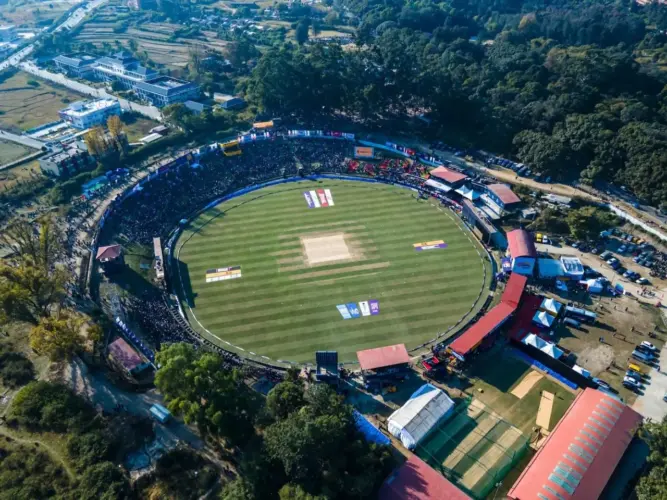 Imagine spending the afternoon watching a competitive cricket match in Kathmandu, enjoying the atmosphere among passionate local supporters, and then travelling beyond the city to explore ancient heritage sites, peaceful mountain villages, beautiful lakes, and some of the world’s most remarkable trekking destinations.
This is the idea behind cricket tourism in Nepal.
For cricket fans, a visit to Nepal can be much more than a stadium experience. It can become a complete holiday that brings together sport, travel, nature, culture, and adventure. Whether you are visiting for an international fixture, following the Nepal Premier League, travelling with friends, or simply looking for a different way to experience the country, Nepal offers an exciting combination of sporting energy and natural beauty.
At Ambition Himalaya Treks & Expeditions, we believe that the best journeys are those that allow visitors to experience more than one side of a destination. Our Nepal travel experiences bring together cultural tours, trekking adventures, wildlife journeys, and personalised travel arrangements for visitors from around the world.
What Is Cricket Tourism in Nepal?
Cricket tourism is a form of sports tourism in which travellers visit a destination to watch cricket matches, attend tournaments, follow their favourite teams, or experience the local cricket culture.
In Nepal, this idea has considerable potential because cricket is connected with a wider travel experience. Visitors can enjoy the atmosphere of a match in Kathmandu and then discover the country’s historic cities, traditional communities, national parks, and mountain destinations.
Nepal’s cricket development has also attracted increasing international attention. The Cricket Association of Nepal (CAN), the national governing body for cricket, was established in 1946 and has played an important role in developing the game across the country.
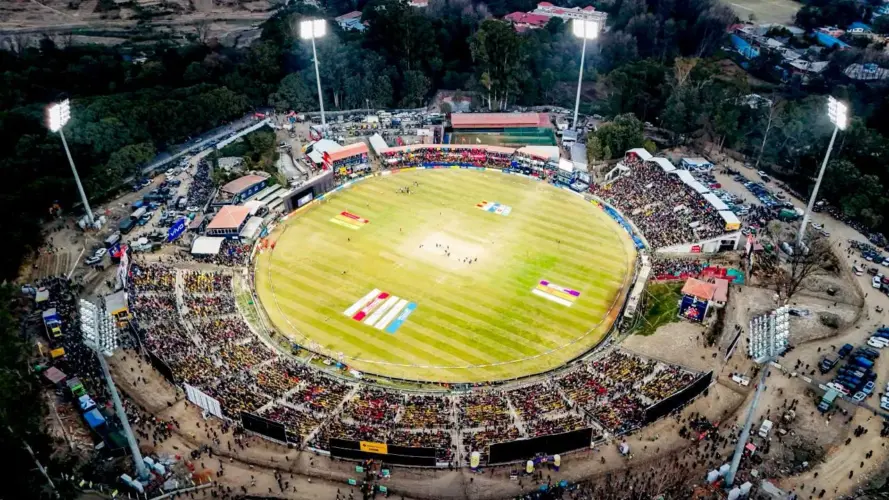
The growing popularity of domestic and international cricket has created new opportunities to connect sporting events with tourism. The Nepal Premier League (NPL), in particular, provides a platform for fans to experience Nepal’s cricket atmosphere while discovering the destination beyond the boundary.
Cricket tourism is therefore not simply about purchasing a match ticket. It is about building a travel experience around the event.
Why Nepal Is an Exciting Destination for Cricket Fans
Nepal offers something that many traditional sports destinations cannot easily combine: an energetic cricket culture and extraordinary natural diversity within one relatively compact country.
A cricket visitor can experience a match in the Kathmandu Valley and, depending on the available travel time, continue towards the lakeside city of Pokhara, the wildlife landscapes of Chitwan, the cultural heritage of Bhaktapur, or the trekking trails of the Himalayas.
1. Experience the Passion of Nepali Cricket
Cricket has developed a strong following throughout Nepal. National team matches attract enthusiastic supporters, while domestic competitions give local fans opportunities to follow teams and emerging players.
For visitors, attending a match can provide a different perspective on Nepal. The atmosphere, crowd reactions, conversations among supporters, and excitement around important moments offer an opportunity to experience a part of everyday Nepali life.
A cricket match is also a natural meeting point for visitors interested in sport, local culture, and the people who make the destination special.
2. Visit the Home of Nepal Cricket in Kirtipur
One of the most recognisable cricket venues in Nepal is the Tribhuvan University International Cricket Ground in Kirtipur, Kathmandu.
Often associated with the development of Nepali cricket, this ground has hosted important matches and has become a familiar destination for local supporters. Watching a match here allows visitors to experience cricket in an environment closely connected with the country’s cricketing journey.
Kirtipur itself is also worth exploring. The area has a distinct Newari cultural identity, traditional architecture, local food, historic streets, and a quieter atmosphere compared with some of the busier parts of Kathmandu.
A visit to the cricket ground can therefore be combined with a cultural outing, depending on match schedules, access arrangements, and available time.
3. Discover Mulpani International Cricket Ground
Another important cricket venue is Mulpani International Cricket Ground in Kathmandu.
The ground adds to the country’s growing cricket infrastructure and provides another location connected with Nepal’s developing cricket scene.
For cricket enthusiasts interested in the sport beyond the match itself, learning about the venues, their development, and the growth of the domestic game can add an interesting dimension to a Nepal visit.
Stadium access and match schedules should always be checked through the official cricket authorities before planning a visit.
4. Combine Cricket with the Beauty of the Himalayas
The most distinctive part of a Nepal cricket holiday is the opportunity to continue travelling after the match.
A few days in Kathmandu can be followed by a journey towards the Annapurna region, a short Himalayan trek, or a longer adventure in the Everest region.
Depending on the season and available time, visitors can choose from mountain viewpoints, traditional villages, lakeside destinations, and trekking routes.
For travellers who have always wanted to see the Himalayas, a cricket event can become the starting point of a much larger Nepal adventure.
The Best Cricket Experiences to Include in a Nepal Holiday
The best cricket-focused trip depends on your travel dates, match schedule, interests, and the amount of time you have in Nepal.
Here are some experiences worth considering.
Watch a Nepal Premier League Match
The Nepal Premier League is one of the country’s major domestic cricket competitions and an exciting opportunity for visitors to experience Nepali cricket culture.
A live match can introduce international visitors to the enthusiasm of local supporters and the growing profile of the country’s domestic teams.
If your visit coincides with the tournament, you can plan your Kathmandu stay around the published match calendar.
Match dates, venues, participating teams, ticket arrangements, and entry conditions may change from one edition to another. Always check the latest announcements from the Cricket Association of Nepal before making travel arrangements.
Follow Nepal’s National Cricket Team
International fixtures involving Nepal can be a particularly exciting reason to visit the country.
The national team’s matches attract considerable interest among local supporters, and international cricket events can create a lively atmosphere around the host city.
If you are planning a trip around an international match, consider allowing additional time for sightseeing and travel after the game. This gives you an opportunity to experience more of Nepal rather than making the journey only for the fixture.
Explore the Local Cricket Culture
Cricket is not limited to professional grounds. It can also be seen in school fields, neighbourhood spaces, local clubs, and community competitions.
A cultural visit around Kathmandu can provide a broader understanding of how sport fits into everyday life in Nepal.
For visitors who enjoy meeting local people and learning about a destination, these smaller experiences can sometimes become the most memorable part of a journey.
Beyond the Cricket Ground: Places to Explore in Nepal
A Nepal cricket holiday becomes even more rewarding when you combine sporting activities with the country’s famous destinations.
Kathmandu: Heritage, Food and Cricket
Kathmandu is the natural starting point for many cricket-focused journeys in Nepal.
The capital provides access to cricket venues, hotels, restaurants, cultural attractions, and international travel connections. It is also an excellent place to begin discovering Nepal’s history and architecture.
During your stay, consider visiting:
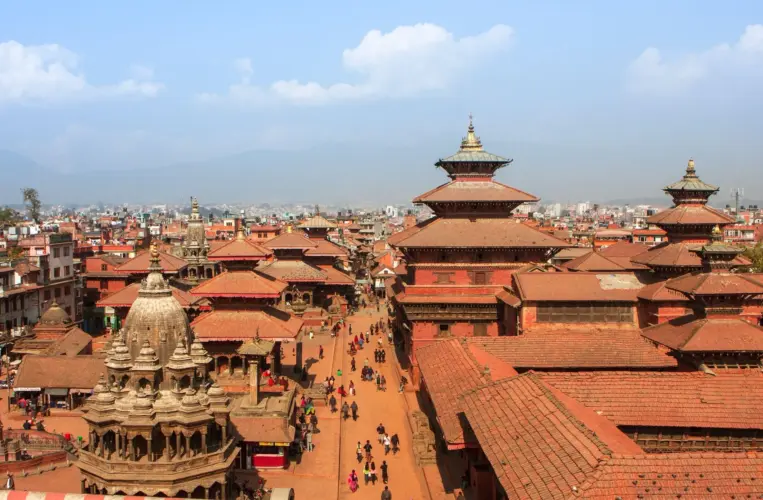
- Kathmandu Durbar Square: A historic palace complex surrounded by traditional architecture and cultural landmarks.
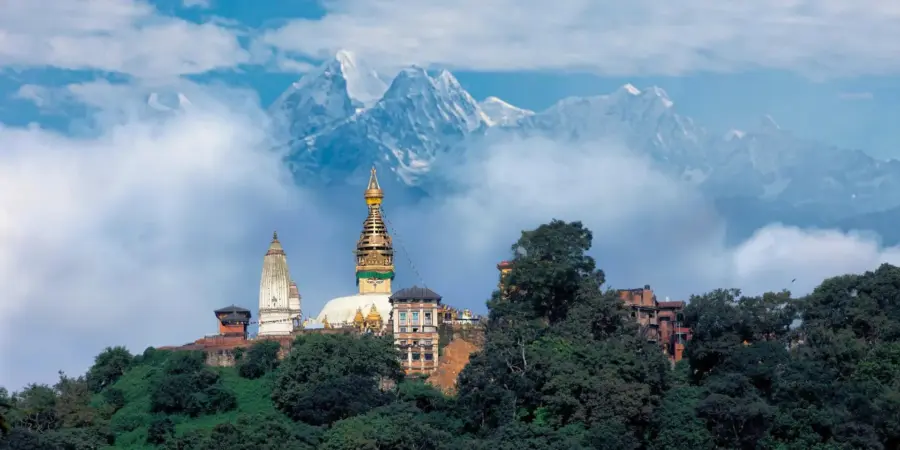
- Swayambhunath: A hilltop religious site offering views across Kathmandu Valley.
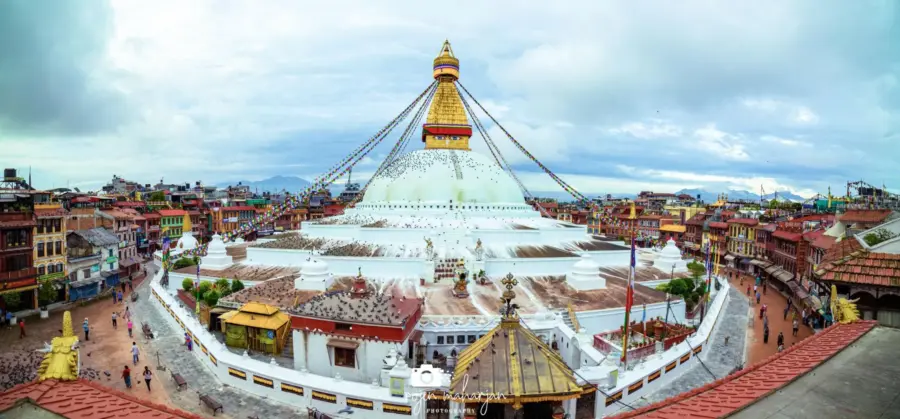
- Boudhanath Stupa: One of the most important Buddhist pilgrimage sites in Nepal.
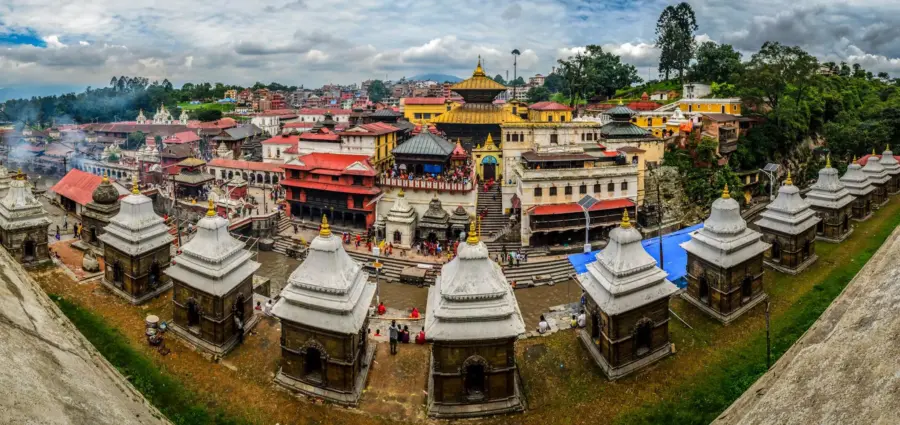
- Pashupatinath Temple: A major Hindu religious complex beside the Bagmati River.
- Kirtipur: A historic Newari settlement with traditional streets, local food, and access to the TU cricket ground.
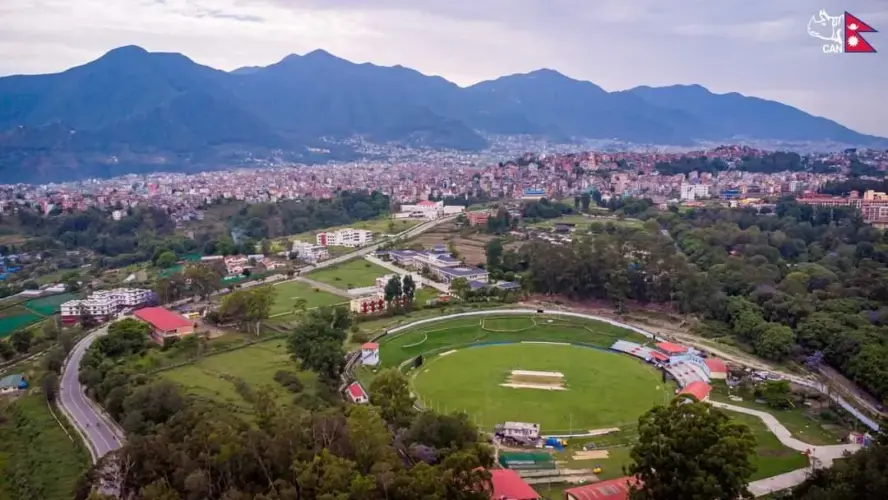
A day or two in Kathmandu can provide an excellent balance of sport, heritage, and local experiences.
Pokhara: Lakeside Relaxation and Mountain Views
Pokhara is one of Nepal’s most popular travel destinations, known for Phewa Lake, mountain scenery, and outdoor activities.
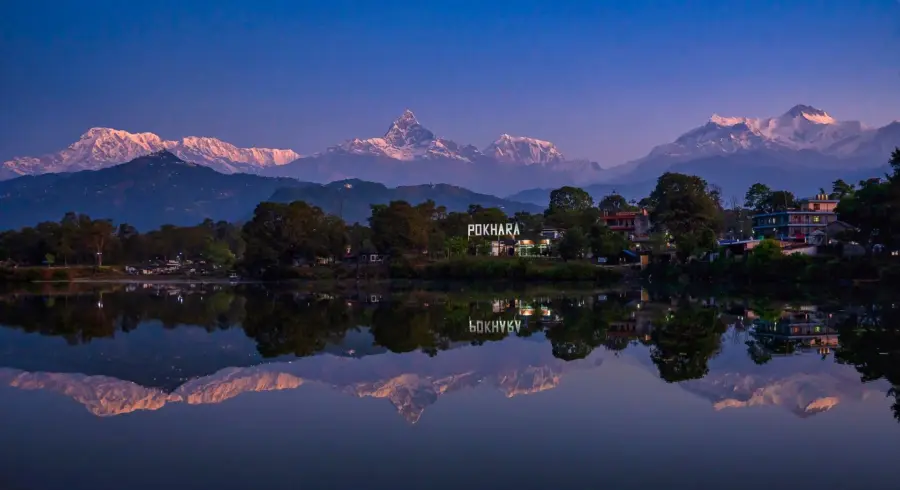
After the excitement of a cricket tournament, Pokhara offers a more relaxed atmosphere. Visitors can enjoy lakeside walks, boat rides, mountain viewpoints, local cafés, and beautiful views of the Annapurna range when weather conditions are favourable.
Popular places to explore include:
- Phewa Lake
- World Peace Pagoda
- Davis Falls
- Gupteshwor Mahadev Cave
- Sarangkot viewpoint
- International Mountain Museum
Pokhara is also an excellent starting point for trekking adventures in the Annapurna region.
Chitwan: Wildlife and Nature Experiences
For visitors interested in wildlife, Chitwan offers a completely different side of Nepal.
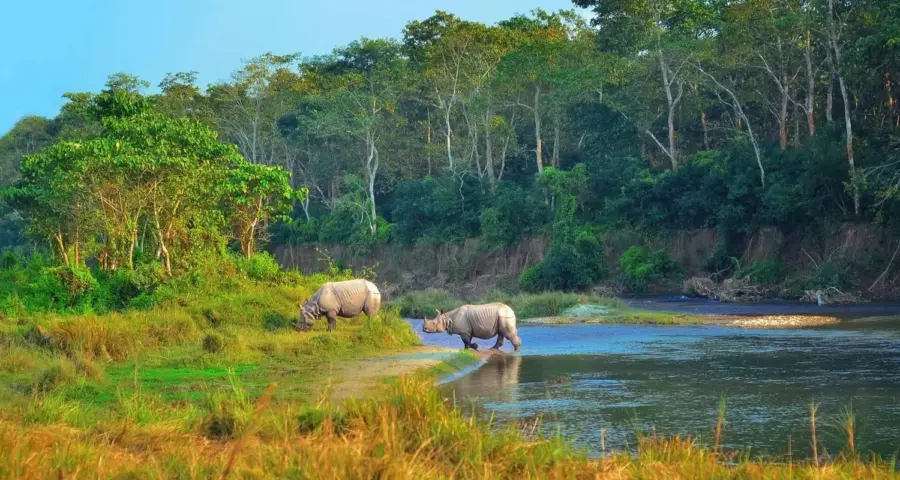
Chitwan National Park is known for its subtropical forests, grasslands, river systems, and diverse wildlife. Travellers can explore the region through guided nature walks, birdwatching, canoe experiences where available, and responsible wildlife-viewing activities.
A Chitwan visit can be a rewarding addition to a cricket holiday, particularly for families and travellers who want to experience more than city sightseeing.
The activities available depend on park regulations, local conditions, and responsible wildlife practices.
Lumbini: Discover the Birthplace of Buddha
Lumbini is one of Nepal’s most important cultural and spiritual destinations.
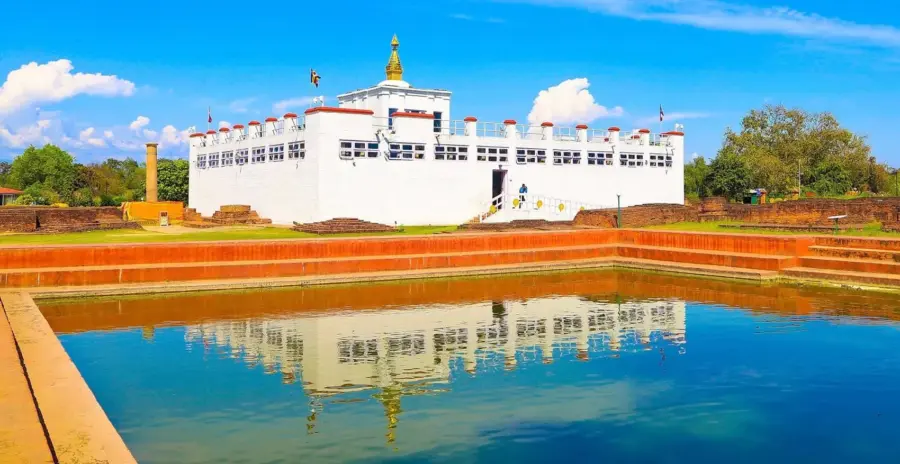
Recognised as a UNESCO World Heritage Site, it attracts visitors interested in Buddhist history, architecture, meditation, and pilgrimage.
The Maya Devi Temple, sacred garden, monasteries, and international monastic zone make Lumbini a meaningful destination for travellers who want to explore Nepal’s spiritual heritage.
A visit to Lumbini can be included in a longer journey through the southern plains of Nepal.
Best Trekking Experiences to Combine with Cricket Tourism
For travellers who want to experience the mountains after watching cricket, Nepal offers trekking routes for different interests, fitness levels, and available travel periods.
Ambition Himalaya organises trekking experiences across several regions of Nepal. Depending on your schedule, you may consider one of the following journeys.
Everest View Trek
The Everest View Trek is an excellent option for travellers who want to experience the atmosphere of the Khumbu region without undertaking the complete Everest Base Camp route.
The journey includes a flight to Lukla, trekking through the Dudh Koshi valley, a visit to Namche Bazaar, and an excursion towards the Everest View Hotel and Khumjung Village.
It offers an introduction to Sherpa culture, Himalayan landscapes, and the mountain environment of the Everest region.
Explore: Everest View Trek – 5 Days
Ghorepani Poon Hill Trek
The Ghorepani Poon Hill Trek is one of Nepal’s best-known short trekking experiences.
The route passes through traditional villages, forest trails, stone staircases, and beautiful mountain landscapes. The highlight is an early-morning walk to Poon Hill, where visitors can enjoy a sunrise panorama over the Annapurna and Dhaulagiri ranges when the weather is clear.
It is a rewarding option for travellers who want to combine a city-based cricket experience with a Himalayan adventure.
Mardi Himal Trek
For travellers looking for a quieter mountain experience, the Mardi Himal Trek offers a journey through forested ridges, traditional settlements, and high-altitude viewpoints.
The trail gradually opens towards impressive views of Machhapuchhre, Annapurna South, and surrounding Himalayan peaks.
It is an attractive option for visitors who have additional time after their cricket holiday.
Everest Base Camp Trek
The Everest Base Camp Trek is a more demanding and longer adventure for travellers who want to explore the Khumbu region in greater depth.
The journey passes through famous Sherpa settlements, suspension bridges, mountain valleys, and high-altitude landscapes before reaching Everest Base Camp.
This trek requires proper preparation, sufficient time, and an understanding of altitude risks. It is best suited to travellers who are comfortable with extended mountain walking.
Annapurna Base Camp Trek
The Annapurna Base Camp Trek offers an immersive experience in the Annapurna Sanctuary.
The route travels through traditional villages, forested paths, terraced hillsides, and mountain valleys before reaching the spectacular high-mountain amphitheatre of Annapurna Base Camp.
It is an excellent choice for visitors who want to turn a cricket-focused holiday into a longer Himalayan journey.
Suggested Nepal Cricket and Travel Itineraries
Every cricket visitor has a different schedule. Some may have only a few days around a match, while others may want to spend two or three weeks discovering Nepal.
The following are sample travel concepts rather than fixed match packages. Actual match attendance depends on confirmed fixtures, venue access, and ticket availability.
Option 1: Kathmandu Cricket and Heritage Holiday – 4 to 5 Days
A short visit for travellers who want to experience cricket and Kathmandu’s cultural attractions.
Suggested experiences:
- Arrival in Kathmandu and hotel transfer.
- Explore Kathmandu Durbar Square and nearby heritage areas.
- Attend a scheduled cricket match, subject to availability.
- Visit Kirtipur and discover its traditional Newari character.
- Explore Boudhanath and Pashupatinath.
- Departure from Kathmandu.
Option 2: Cricket, Kathmandu and Pokhara – 7 to 8 Days
A balanced holiday combining city experiences, cricket, lakeside relaxation, and mountain scenery.
Suggested experiences:
- Arrive in Kathmandu.
- Attend a scheduled cricket match if available.
- Explore Kathmandu Valley heritage sites.
- Travel to Pokhara.
- Enjoy Phewa Lake and Sarangkot viewpoints.
- Explore local attractions and mountain scenery.
- Return to Kathmandu and depart.
Option 3: Cricket, Chitwan and Pokhara – 9 to 10 Days
An excellent choice for visitors who want a combination of sport, wildlife, and natural scenery.
Suggested experiences:
- Arrive in Kathmandu.
- Explore cultural attractions and attend a scheduled cricket match.
- Travel to Chitwan.
- Experience guided nature activities and wildlife viewing.
- Continue to Pokhara.
- Enjoy lakeside activities and mountain viewpoints.
- Return to Kathmandu for departure.
Option 4: Cricket and Himalayan Trekking Holiday – 12 to 15 Days
For adventurous cricket fans who want to explore the Himalayas after attending a match.
Suggested experiences:
- Arrive in Kathmandu.
- Explore heritage sites and attend a confirmed cricket fixture.
- Travel to Pokhara.
- Begin a suitable Annapurna-region trek, such as the Ghorepani Poon Hill route.
- Experience mountain villages and Himalayan viewpoints.
- Return to Pokhara and Kathmandu.
- Depart Nepal.
The final duration should be adjusted to the selected trek, weather, transport, and individual fitness.
When Is the Best Time for Cricket Tourism in Nepal?
The best time to visit Nepal for cricket tourism depends on two main factors: the cricket calendar and the weather conditions for your chosen travel activities.
Spring: March to May
Spring is a popular season for trekking and sightseeing in Nepal. The weather is generally favourable for many outdoor activities, and the lower Himalayan forests become colourful with seasonal flowers.
Travellers interested in combining cricket with trekking or cultural exploration may find this period attractive, depending on the scheduled matches.
Autumn: September to November
Autumn is one of Nepal’s most popular travel seasons. After the monsoon, many destinations offer pleasant conditions for sightseeing and trekking, with good opportunities for Himalayan views.
This is an excellent period for visitors who want to combine a cricket-focused trip with outdoor adventures.
Winter: December to February
Winter brings colder temperatures in the mountain regions, while Kathmandu and the southern plains can still offer enjoyable sightseeing conditions.
Travellers should consider the weather and available events before choosing their travel dates.
Monsoon: June to September
The monsoon season brings rainfall to many parts of Nepal. Some trekking routes become slippery, mountain visibility can be limited, and road or flight travel may be affected.
However, the season also brings green landscapes and a different perspective on the country.
Important: Cricket tournaments do not necessarily follow the trekking seasons. Check the official cricket calendar first, then plan the rest of your holiday around the confirmed match dates.
How to Plan a Cricket Holiday in Nepal
A well-planned cricket holiday should balance match schedules with sightseeing and travel time.
Before confirming your trip, consider the following points.
1. Check the Cricket Calendar
Start by identifying the tournament or international fixture you want to attend. Check the dates, match venue, ticket announcements, and any changes to the schedule through official sources.
2. Book Your Accommodation Early
Major tournaments and popular travel seasons can increase demand for hotels in Kathmandu and other host cities.
Booking accommodation in advance can help you secure a suitable location and avoid last-minute difficulties.
3. Allow Time for Travel
Nepal’s geography can make travel times longer than expected. Mountain roads, weather conditions, domestic flights, and local traffic may affect your schedule.
Avoid planning a long-distance journey immediately before an important match or international departure.
4. Choose the Right Travel Experience
Think about what you would like to do outside the cricket ground.
You may prefer heritage sightseeing, wildlife experiences, short hikes, a lakeside holiday, or a multi-day Himalayan trek.
Selecting the right combination makes your visit more enjoyable and avoids an unnecessarily rushed itinerary.
5. Check Entry and Travel Requirements
International visitors should check current visa, passport, travel insurance, and entry requirements before departure.
If your holiday includes trekking, confirm the relevant route documentation and park-entry requirements with your trekking operator.
Why Travel with Ambition Himalaya?
A successful Nepal holiday requires more than choosing attractive destinations. It also needs careful coordination of transport, accommodation, guides, activities, and travel timing.
Ambition Himalaya Treks & Expeditions is a Kathmandu-based travel and trekking company established in 2009. The company offers trekking, tours, wildlife experiences, short hikes, peak climbing, and travel arrangements across Nepal and other Himalayan destinations.
Our aim is to help visitors experience Nepal in a way that suits their interests, available time, and travel expectations.
Local Knowledge and Experienced Guides
Understanding local routes, mountain conditions, culture, and travel logistics is important when exploring Nepal.
Ambition Himalaya highlights its experienced, licensed trekking guides and local support as part of its travel services.
Travel Experiences Beyond One Destination
A cricket-focused visit can be combined with several types of travel experiences, including:
- Kathmandu Valley cultural tours
- Everest-region trekking
- Annapurna-region trekking
- Pokhara sightseeing
- Chitwan wildlife holidays
- Short Himalayan hikes
- Private Nepal tours
- Customised multi-destination itineraries
Flexible Travel Planning
Not every visitor has the same interests. Some travellers want a short city holiday, while others prefer a longer journey involving trekking and wildlife.
Ambition Himalaya can help you discuss a suitable travel plan based on your available dates, interests, group size, and budget.
Support Before and During Your Trip
Travel planning involves several practical details, especially when visitors are combining a scheduled sporting event with activities in different regions.
Our team can assist with discussing the itinerary, travel arrangements, accommodation options, and trekking requirements.
Please note: Cricket match tickets, stadium entry, tournament access, and official event arrangements are subject to the relevant organisers. They should be confirmed separately unless specifically included in a written travel package.
Frequently Asked Questions About Cricket Tourism in Nepal
1. What is cricket tourism in Nepal?
Cricket tourism in Nepal involves travelling to the country to watch cricket matches, attend tournaments, explore local cricket culture, and combine sporting experiences with sightseeing, trekking, and other travel activities.
2. Where can I watch cricket in Nepal?
Important cricket venues include Tribhuvan University International Cricket Ground in Kirtipur and Mulpani International Cricket Ground in Kathmandu. Always check the official match schedule and venue information before visiting.
3. Can international tourists attend Nepal Premier League matches?
International visitors can plan to attend matches when public ticketing and entry arrangements are available. Ticket availability and access conditions depend on the tournament organisers and the specific fixture.
4. What is the best time to visit Nepal for cricket tourism?
The best time depends on the cricket schedule. Spring and autumn are also popular seasons for sightseeing and trekking, making them attractive periods for visitors who want to combine cricket with outdoor activities.
5. Can I combine cricket with trekking in Nepal?
Yes. You can plan a cricket-focused visit in Kathmandu and then travel to trekking destinations such as the Everest or Annapurna regions. The appropriate route depends on your available time, fitness, and travel season.
6. How many days should I spend in Nepal for a cricket holiday?
A short visit may require four to five days, while a combination of cricket, sightseeing, wildlife, and trekking may require ten days or more. Your itinerary should be based on confirmed match dates and travel requirements.
7. Can Ambition Himalaya organise a customised cricket and trekking holiday?
You can contact Ambition Himalaya to discuss a customised Nepal itinerary combining sightseeing, trekking, wildlife experiences, and travel arrangements around your preferred cricket dates. Match tickets and stadium access must be confirmed with the official organisers.
8. Can I visit Chitwan or Pokhara after watching a cricket match?
Yes. Both destinations can be included in a longer Nepal holiday. Chitwan offers wildlife and nature experiences, while Pokhara is known for its lake, mountain scenery, and access to Annapurna trekking routes.
9. Do I need a guide for trekking after a cricket event?
Trekking requirements depend on the route and current regulations. A qualified local guide can help with route planning, mountain conditions, safety, and local cultural experiences. Confirm the latest requirements for your selected trekking route before departure.
10. How can I plan a Nepal cricket and adventure holiday?
Begin by checking the official cricket calendar. Once your match dates are confirmed, contact a local travel company to arrange accommodation, transfers, sightseeing, and any additional trekking or wildlife activities.
Discover Nepal Beyond the Cricket Ground
A cricket match may be the reason you first consider visiting Nepal, but the country has much more to offer once you arrive.
You can experience the excitement of local supporters in Kathmandu, explore centuries-old cultural landmarks, enjoy the peaceful atmosphere of Pokhara, discover wildlife in Chitwan, or walk through the mountain villages of the Himalayas.
For cricket lovers, this combination creates a holiday that connects sport with travel in a memorable way.
Whether you are planning a short cricket break, a family holiday, a trip with friends, or an extended Himalayan adventure, Ambition Himalaya can help you explore the possibilities.
Plan your Nepal cricket and adventure holiday with Ambition Himalaya Treks & Expeditions.
Website: https://ambitionhimalaya.com/
Email: [email protected]
Phone: +977 1 4518413
Mobile / WhatsApp: +977 9851148898
Address: Thamel-26, Kathmandu, Nepal
Contact our team to discuss your travel dates and create a Nepal experience that goes beyond the cricket ground.
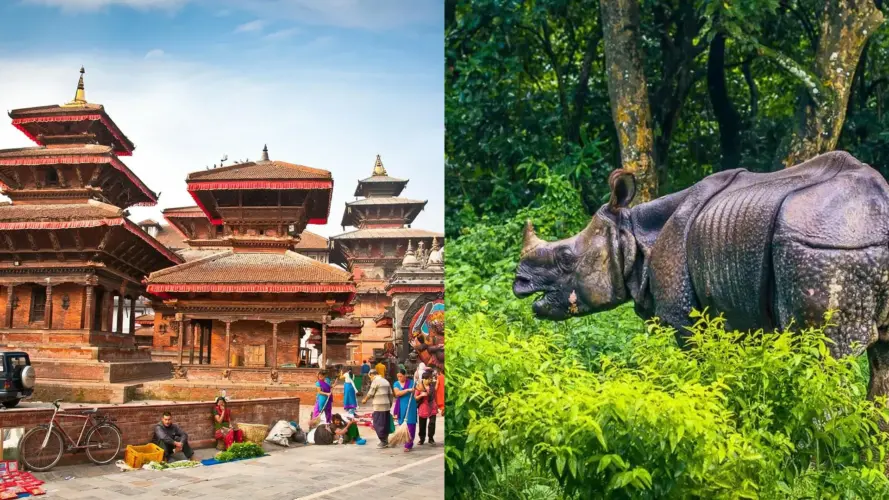
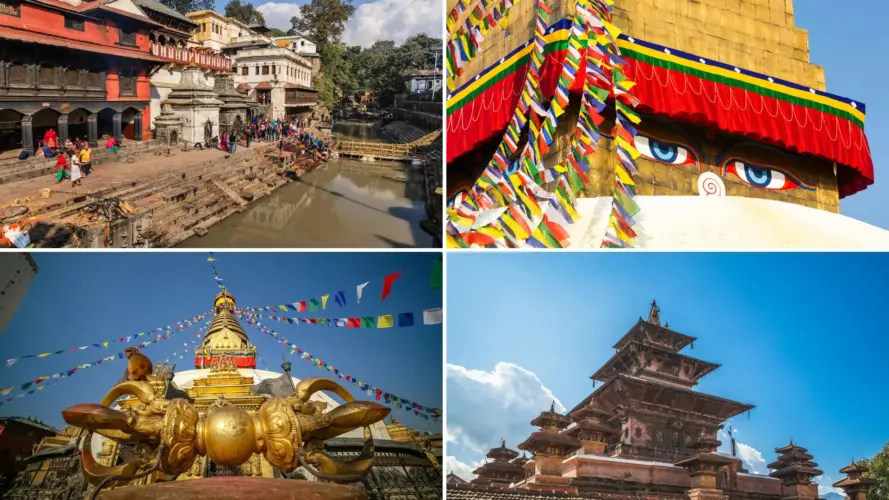
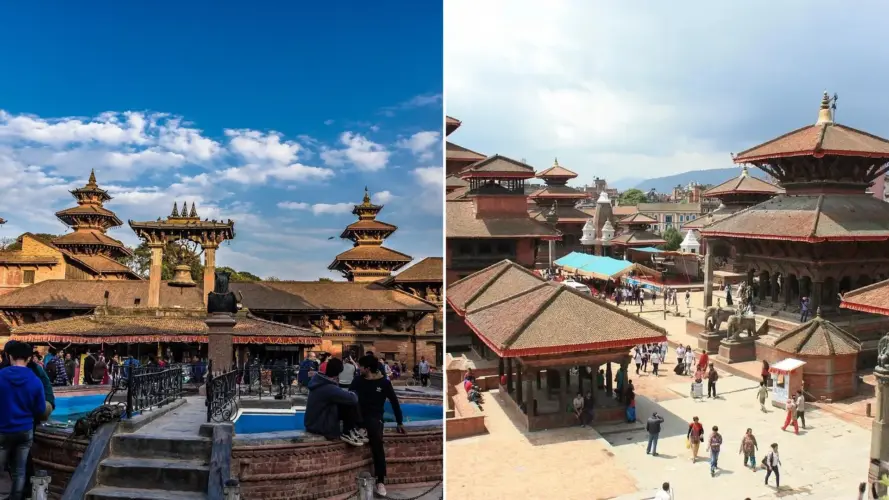
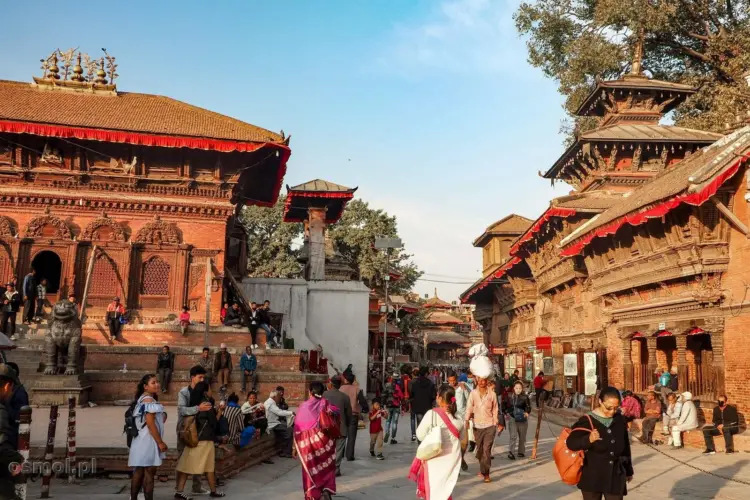 Kathmandu is more than Nepal’s capital. It is a centre of Hindu and Buddhist traditions, historic architecture, traditional craftsmanship and everyday urban life. Visiting Pashupatinath, Boudhanath, Swayambhunath and Kathmandu Durbar Square gives you a broad introduction to the valley’s cultural identity.
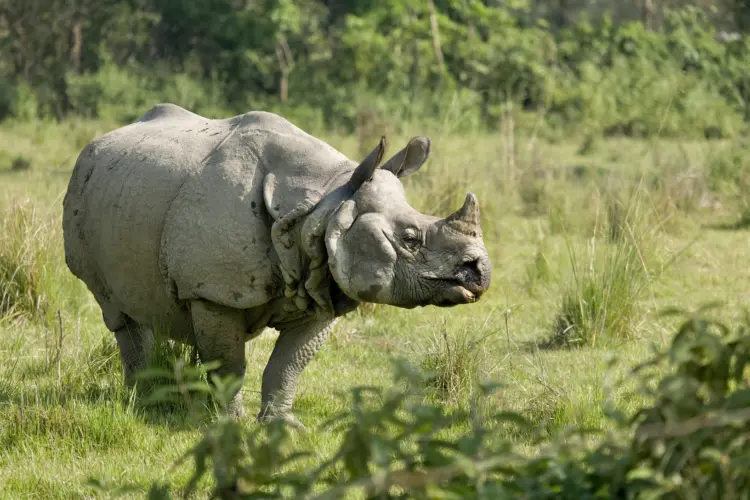 Chitwan brings a completely different landscape into the itinerary. The subtropical lowlands are known for forests, grasslands, wetlands and diverse wildlife. Guided nature activities can offer opportunities to observe birds, crocodiles and other animals in their natural habitats.
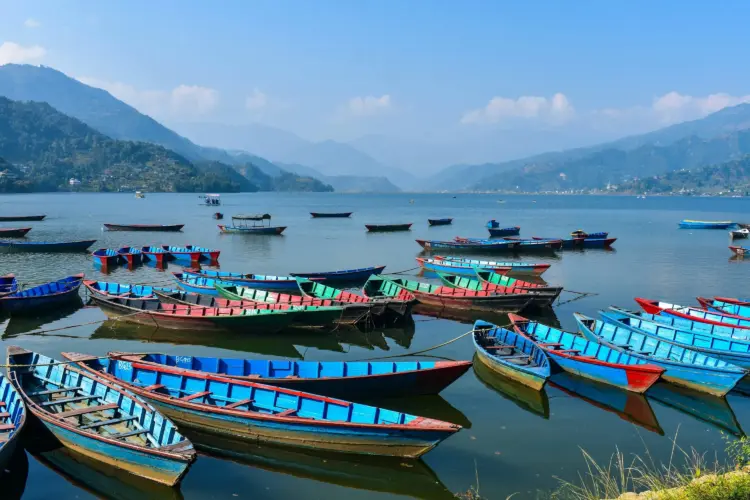 Pokhara provides a relaxing transition between the warmer lowlands and the Annapurna foothills. Its lakeside atmosphere, surrounding hills and mountain scenery make it a natural place to rest before beginning the trek.
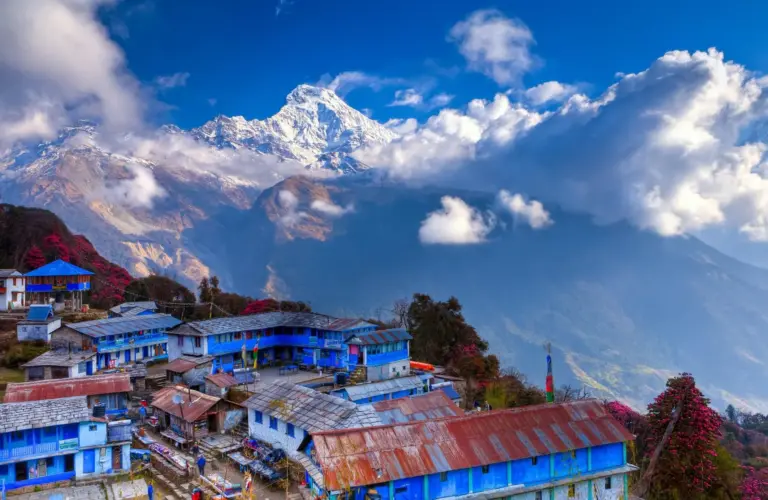 The trekking route passes through villages, terraced farmland, forest trails and stone stairways. Ulleri, Ghorepani and Ghandruk each offer a different perspective on life in the Annapurna region.
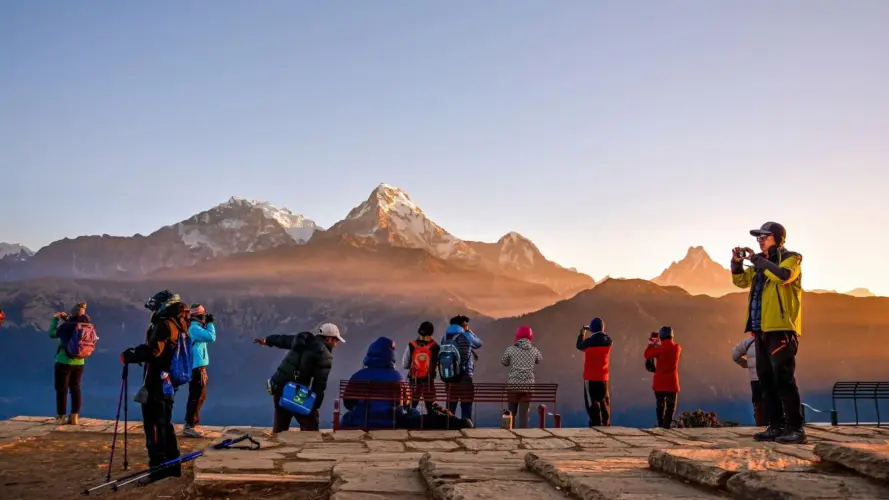 The early-morning walk to Poon Hill is the main trekking highlight. On a clear day, the viewpoint offers a wide panorama of Himalayan peaks, including parts of the Annapurna and Dhaulagiri ranges.
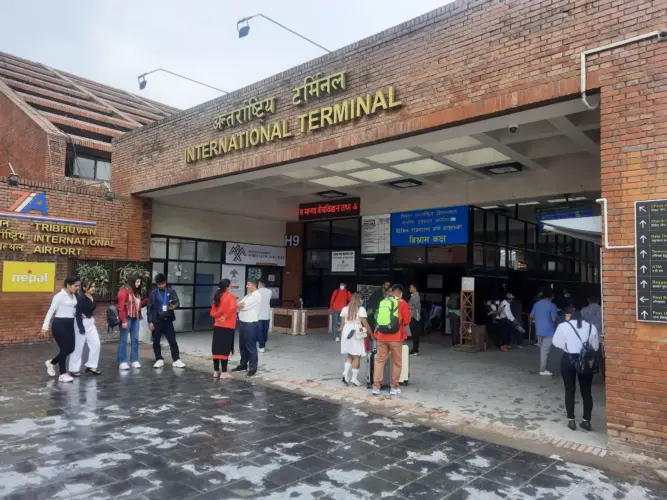
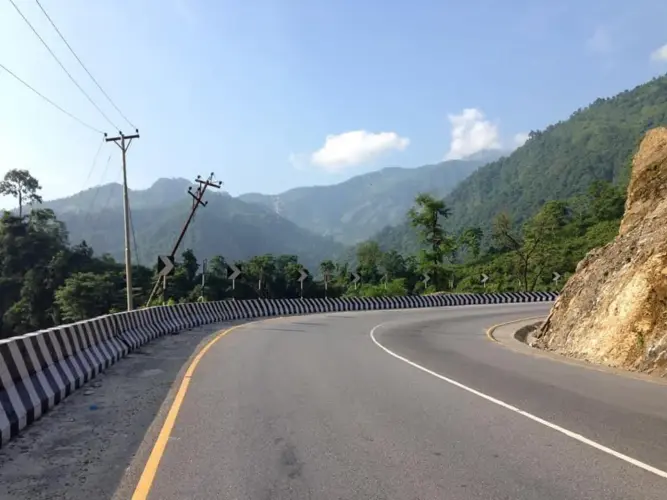 After breakfast, leave Kathmandu and travel by tourist bus towards Chitwan in Nepal’s southern lowlands. The journey generally takes around five to six hours, but traffic, road conditions and weather can affect the actual travel time.
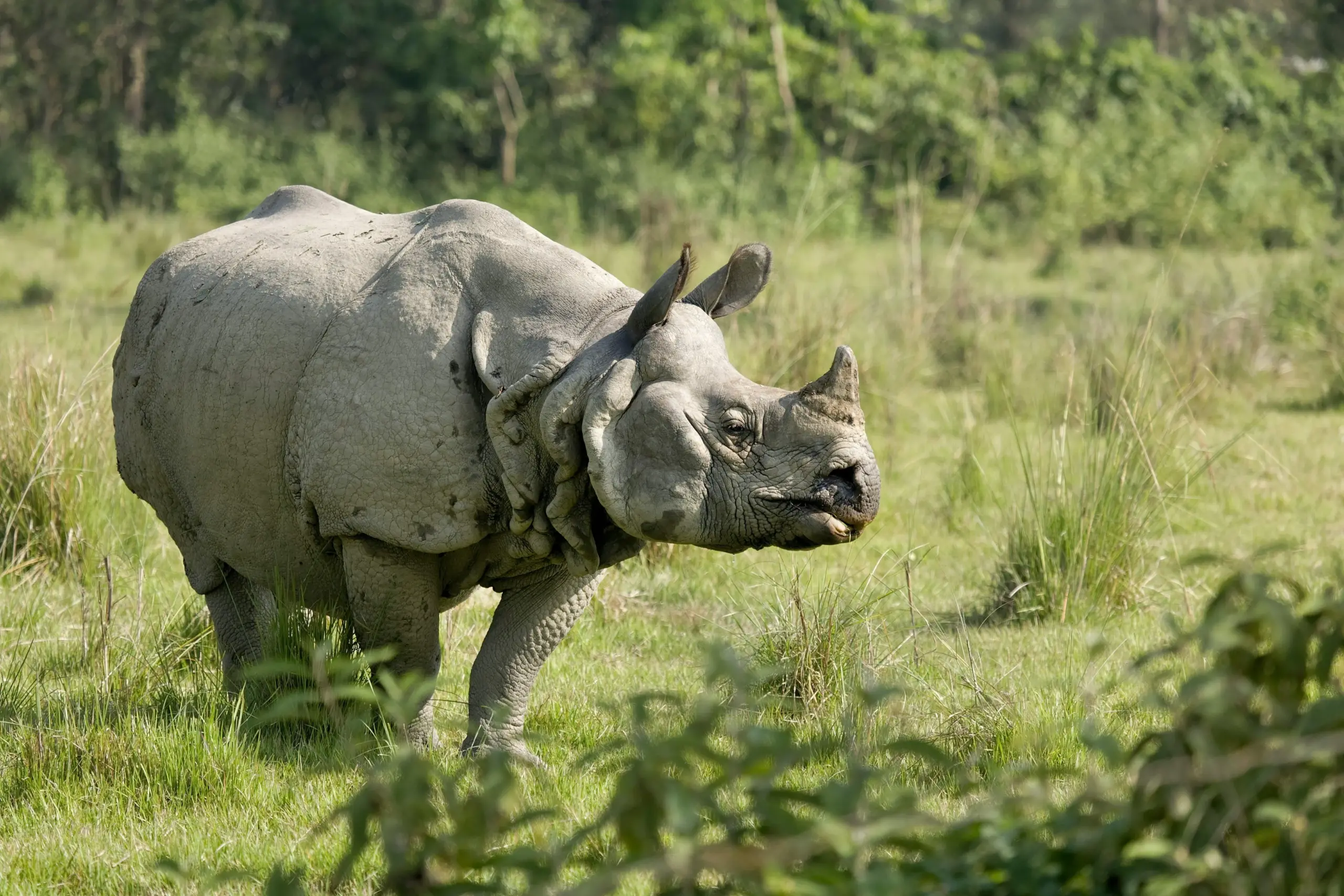
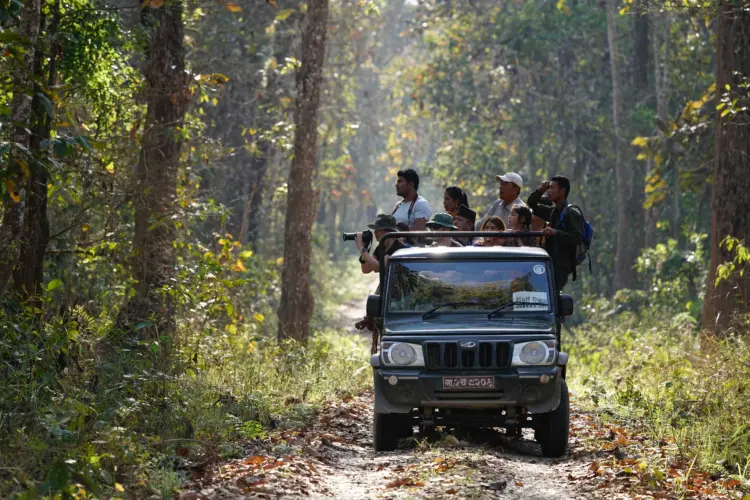 Spend the day exploring Chitwan’s wildlife and natural surroundings. Chitwan National Park is known for its one-horned rhinoceroses, rich birdlife, crocodiles and other species that inhabit the region’s forests, grasslands and wetlands.
 Start the day with a morning birdwatching walk or another scheduled nature activity if it is included in your package. Chitwan’s mixture of wetlands, forests and grasslands attracts a wide range of resident and migratory birds.
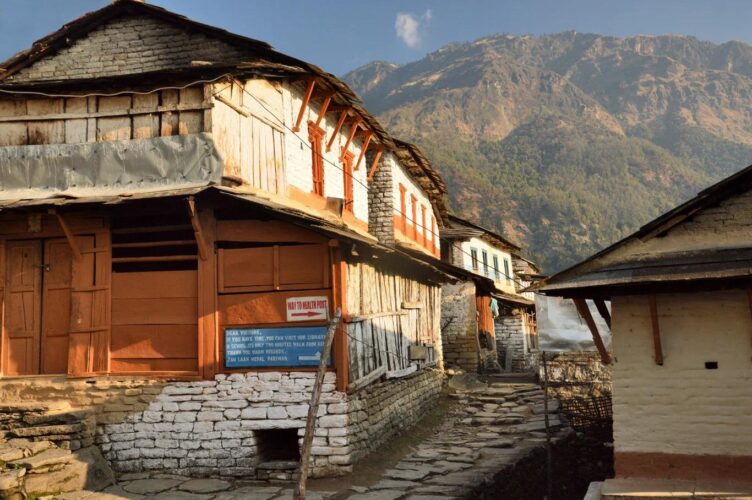 After breakfast, travel by private vehicle to Nayapul, the starting point for the trekking section described in this itinerary. The drive generally takes around one hour, subject to the departure point and road conditions.
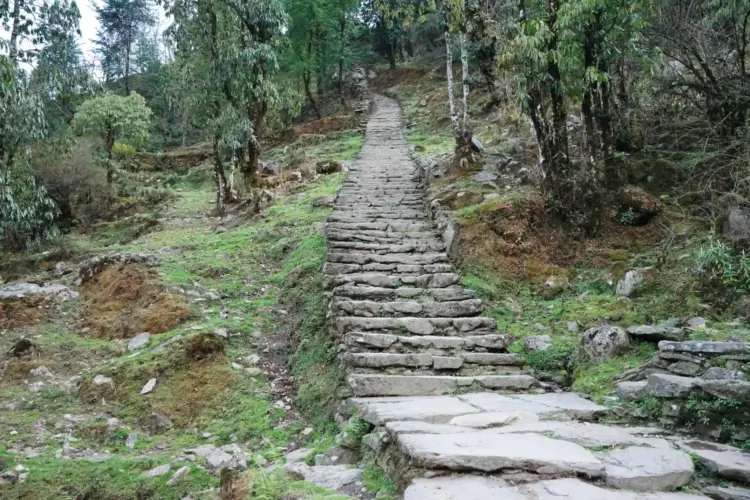 After breakfast, continue towards Ghorepani along forested trails and mountain paths. The route climbs through the Annapurna foothills, passing woodland, settlements and areas of rhododendron forest.
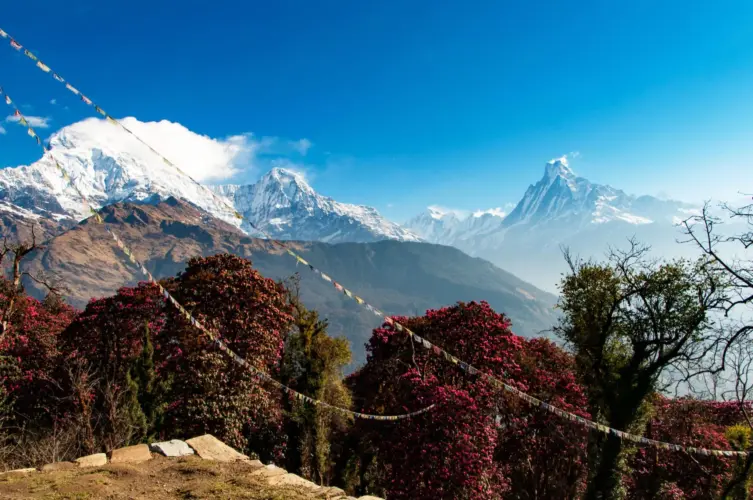 Today is the main highlight of the trekking section. Wake up early, usually around 4:30–5:00 am depending on the season, and walk towards Poon Hill. Because the hike starts before sunrise, a headlamp or torch is essential.
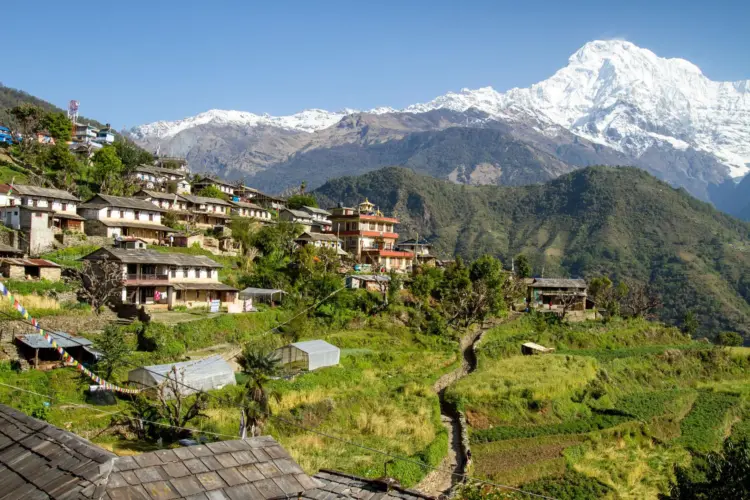 After breakfast, leave Tadapani and follow the trail towards Ghandruk. The route passes through forested sections before reaching one of the best-known traditional villages in the Annapurna region.
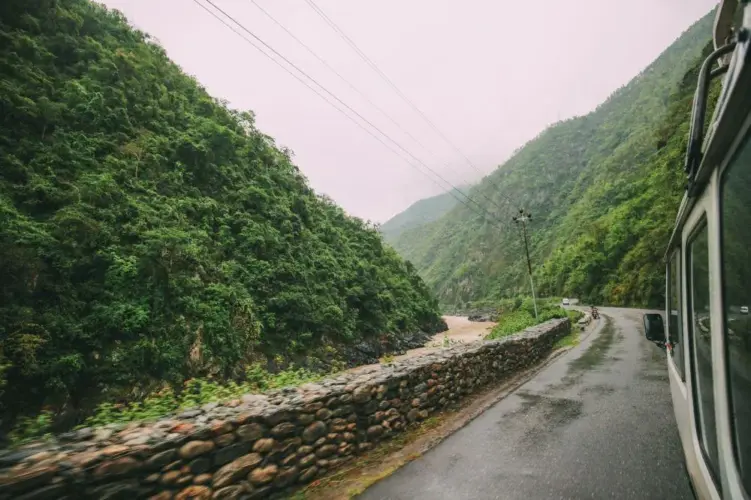 After breakfast, return to Kathmandu by tourist bus. The road journey usually takes six to seven hours, but traffic, roadworks and weather may affect the schedule.