
Everest Base Camp Luxury Trek 16 Days

Experience Everest in Comfort and Style

The Everest Base Camp Luxury Trek – 16 Days is the perfect combination of adventure, comfort, culture, and breathtaking Himalayan scenery. Designed for travelers who want to experience the legendary Everest Base Camp route without sacrificing comfort, this luxury trekking package offers premium accommodation, expert guides, luxury mountain lodges, quality meals, and personalized service throughout the journey.

Experience-Everest-in-Comfort-and-Style

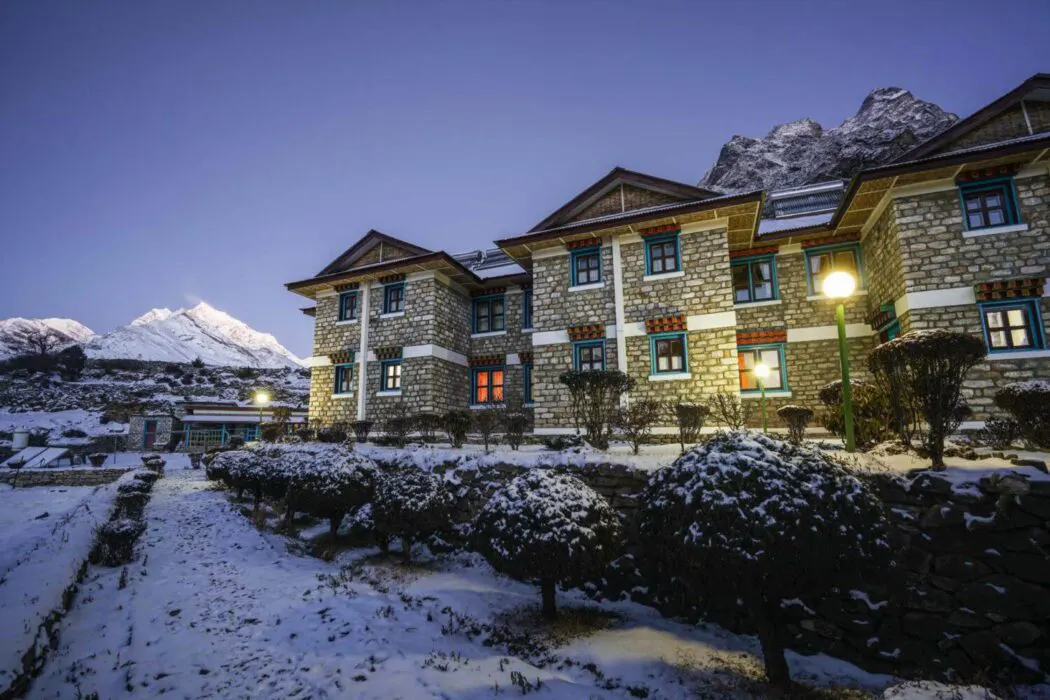
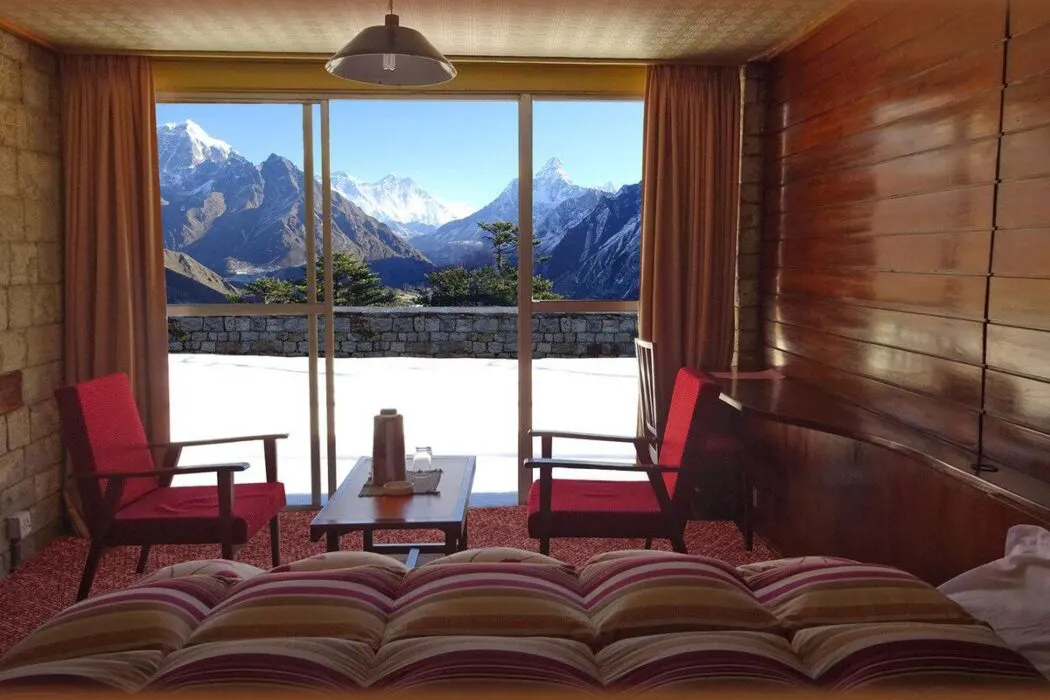
Unlike a standard Everest Base Camp trek, this luxury version includes a 5-star hotel stay in Kathmandu, Yeti Mountain Home luxury lodges in the lower Everest region, and the best available lodges at higher elevations. You will trek through beautiful Sherpa villages, ancient Buddhist monasteries, lush forests, and glacial valleys while enjoying some of the finest accommodations available in the Himalayas.

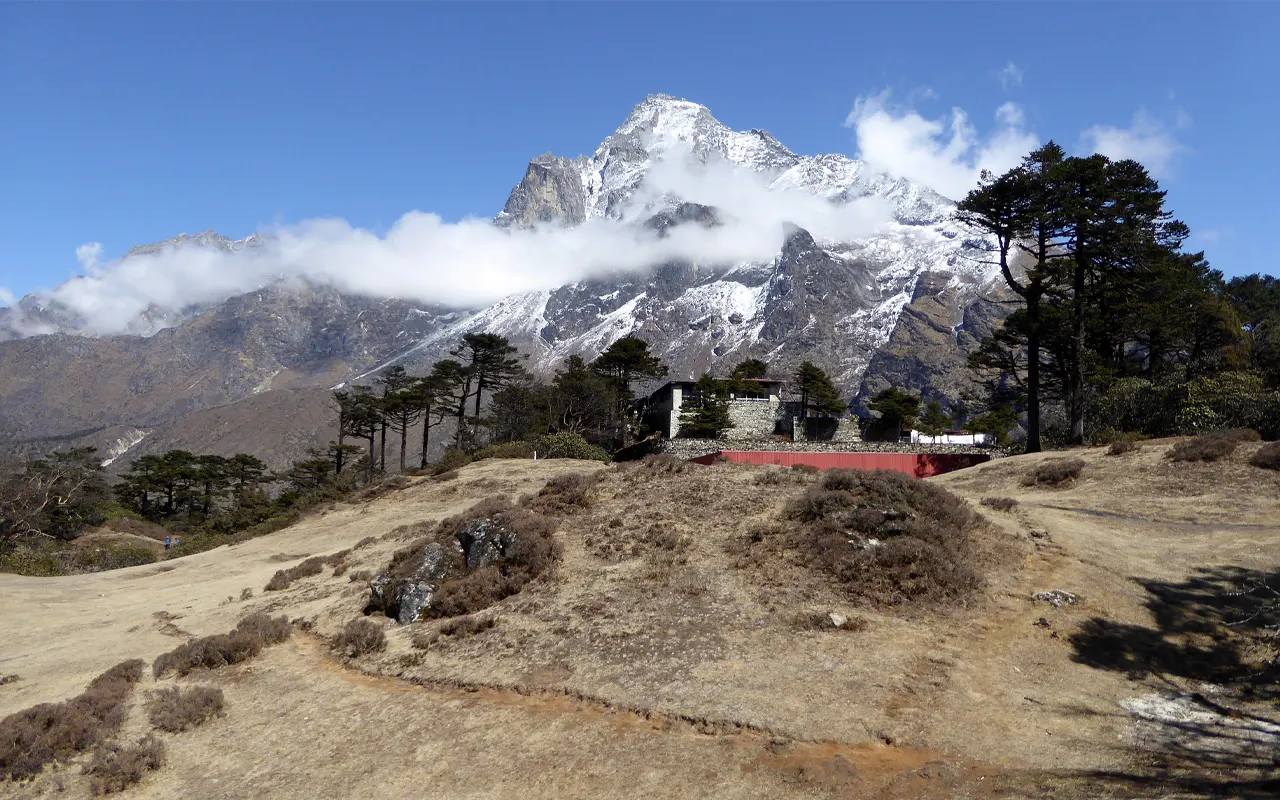
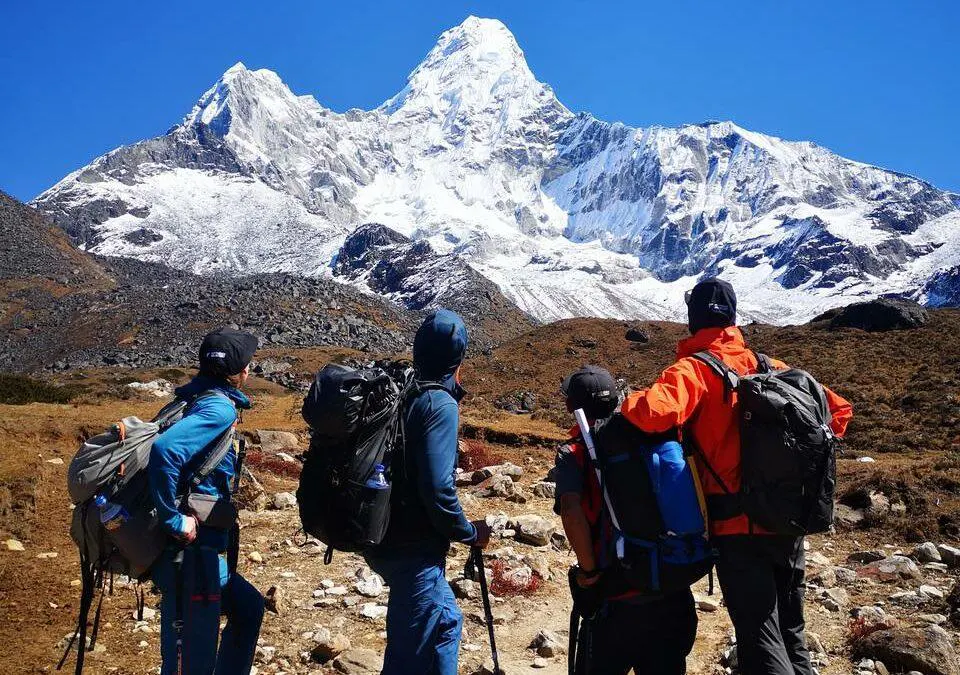
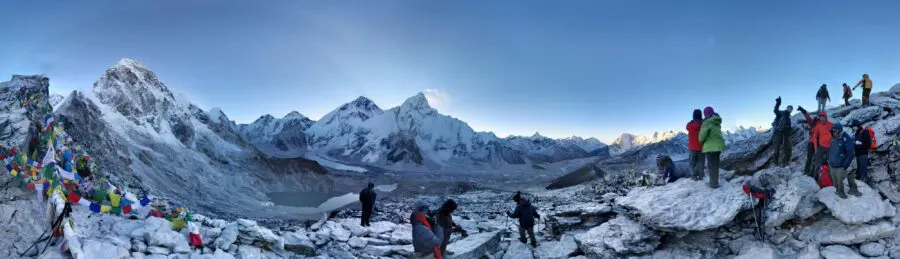
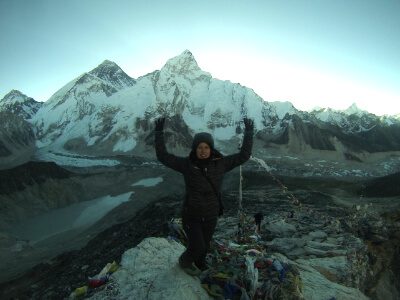
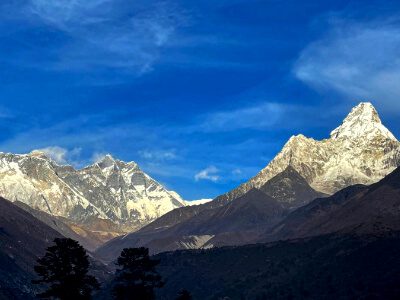
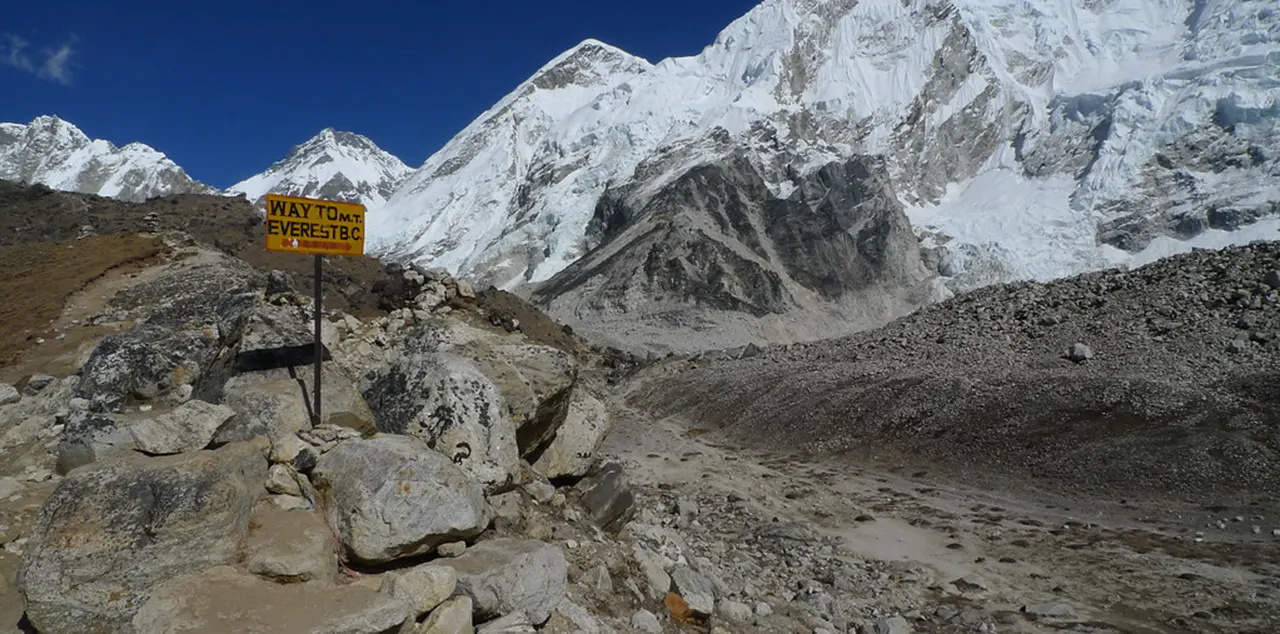
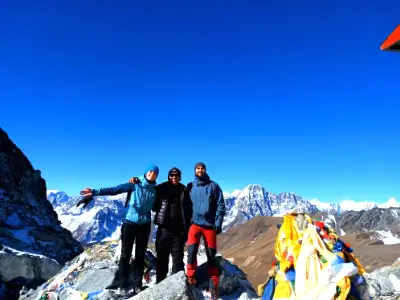
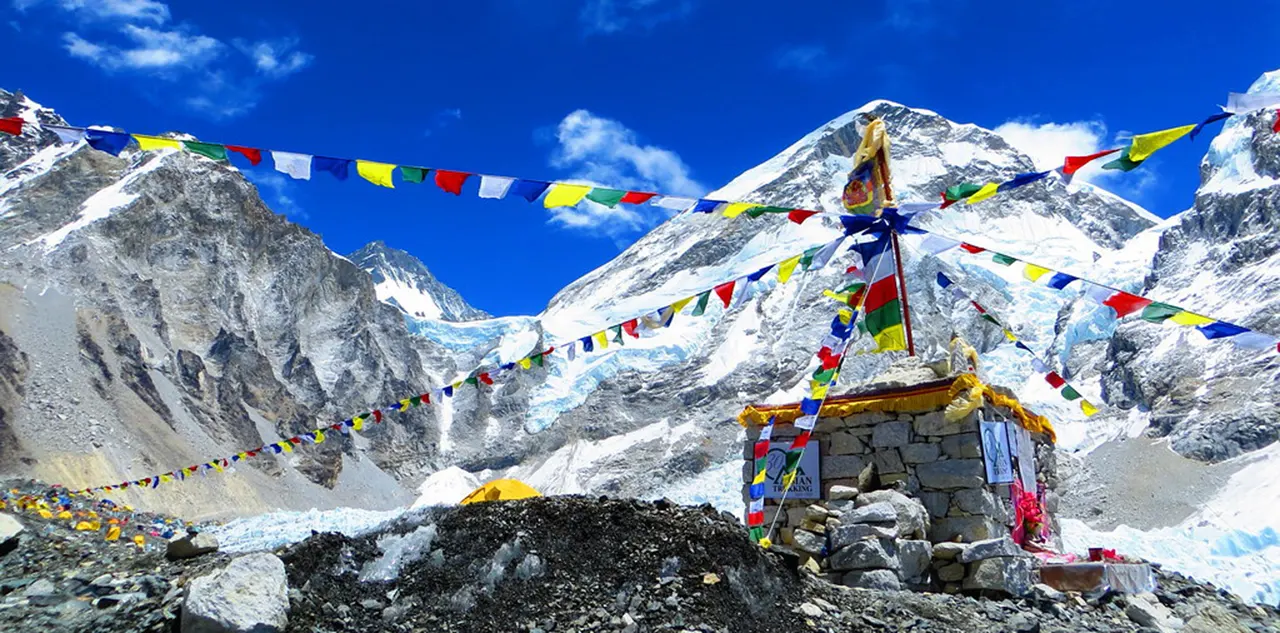
The journey culminates at Everest Base Camp (5,364m) and Kala Patthar (5,545m), offering some of the most spectacular mountain views on Earth, including Mount Everest, Lhotse, Nuptse, Ama Dablam, Pumori, and many other Himalayan giants.

Everest Luxury Trek – 9 Days
Experience Everest in Comfort and Style The Everest Base Camp Luxury Trek – 16 Days is the perfect combination of...
9
Moderate

US$ 2700

Whether you are a first-time trekker or an experienced adventurer seeking a premium Everest experience, the Everest Base Camp Luxury Trek provides the ultimate Himalayan journey.

Trip-Overview

Trip Overview

Trip Facts Details
Trip Duration 16 Days
Group Size 1–20 People
Maximum Altitude 5,545m / 18,192 ft
Difficulty Moderate
Accommodation 4 Nights Hotel in Kathmandu, 5 Nights Yeti Mountain Home, 6 Nights Best Available Lodge
Meals 15 Breakfasts, 11 Lunches, 12 Dinners
Trek Region Everest Region
Best Season Spring & Autumn
Start Point Kathmandu
End Point Kathmandu

Everest Base Camp Luxury Trek Highlights

  • Reach Everest Base Camp (5,364m)
  • Hike to Kala Patthar (5,545m)
  • Stay at luxury Yeti Mountain Home lodges
  • 4 nights in a luxury hotel in Kathmandu
  • Scenic flight to Lukla
  • Explore UNESCO World Heritage Sites in Kathmandu
  • Visit the famous Tengboche Monastery
  • Experience authentic Sherpa culture
  • Trek through Sagarmatha National Park
  • Complimentary Spa Session
  • Traditional Nepali Welcome Dinner
  • Professional Guides and Porters
  • WiFi, Charging and Hot Shower Included
  • Stunning views of Everest, Lhotse, Ama Dablam and Nuptse

Why-Choose-the-Everest-Base-Camp-Luxury-Trek

Why Choose the Everest Base Camp Luxury Trek?

The Everest Base Camp Luxury Trek is specially designed for travelers who want to experience the beauty of the Himalayas without compromising on comfort. Instead of basic tea houses throughout the route, you stay in premium accommodations wherever possible.
The package includes luxury lodges, quality meals, hot showers, WiFi access, comfortable bedding, and personalized services. This trek also offers a carefully planned itinerary with sufficient acclimatization days to maximize safety and enjoyment while trekking at high altitude.
Detailed 16-Day Everest Base Camp Luxury Trek Itinerary

Detailed-16-Day-Everest-Base-Camp-Luxury-Trek-Itinerary

Day 1: Arrive in Kathmandu (1,300m)

Upon arrival at Tribhuvan International Airport, our representative will welcome you and transfer you to your hotel.After check-in, relax and recover from your journey. In the evening, enjoy a traditional Nepali welcome dinner and meet your trekking team.Overnight in Kathmandu.

Short Everest Base Camp Trek – 10 Days
Experience Everest in Comfort and Style The Everest Base Camp Luxury Trek – 16 Days is the perfect combination of...
10 Days
Challenging

US$ 970

Day 2: Kathmandu Sightseeing Tour and Trek Preparation

After breakfast, enjoy a guided sightseeing tour of Kathmandu Valley.

Visit:

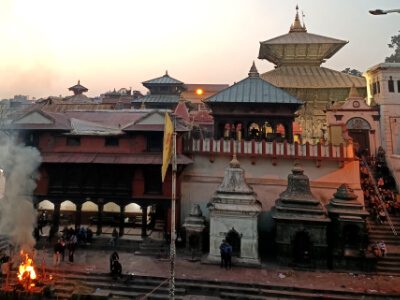
  • Pashupatinath Temple
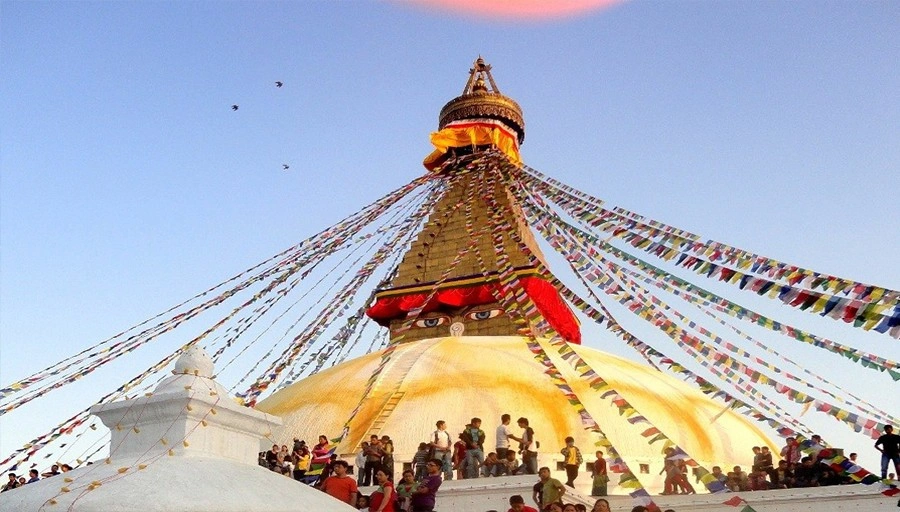
  • Boudhanath Stupa
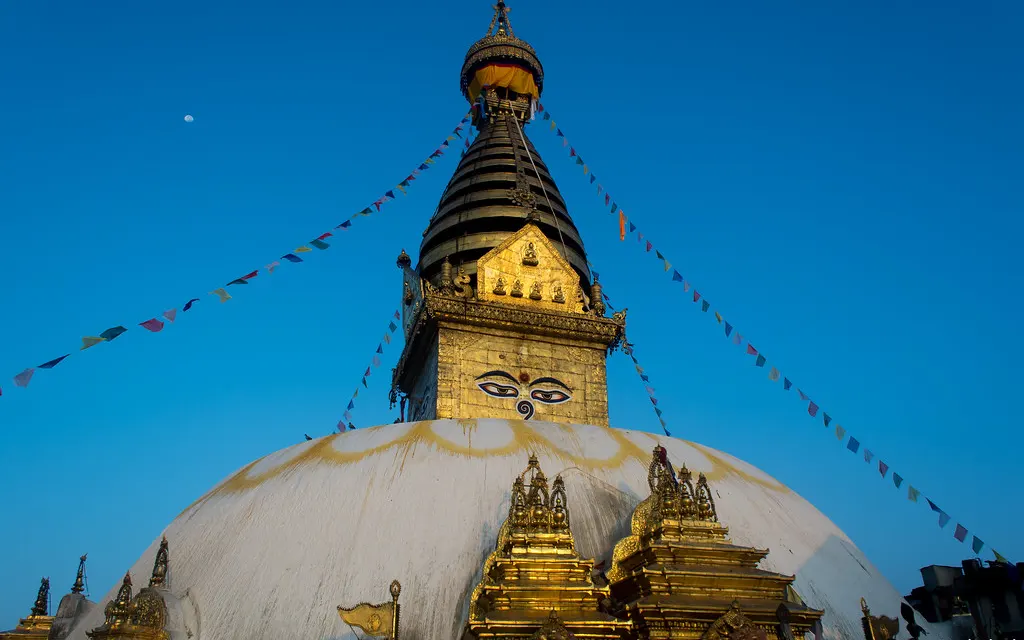
  • Swayambhunath (Monkey Temple)

These cultural landmarks offer fascinating insights into Nepal’s spiritual heritage.

In the afternoon, attend a detailed trek briefing and final equipment check.

Overnight in Kathmandu.

Day 3: Fly to Lukla (2,860m) and Trek to Phakding (2,652m)

Distance: 8 km

Walking Time: 3–4 Hours

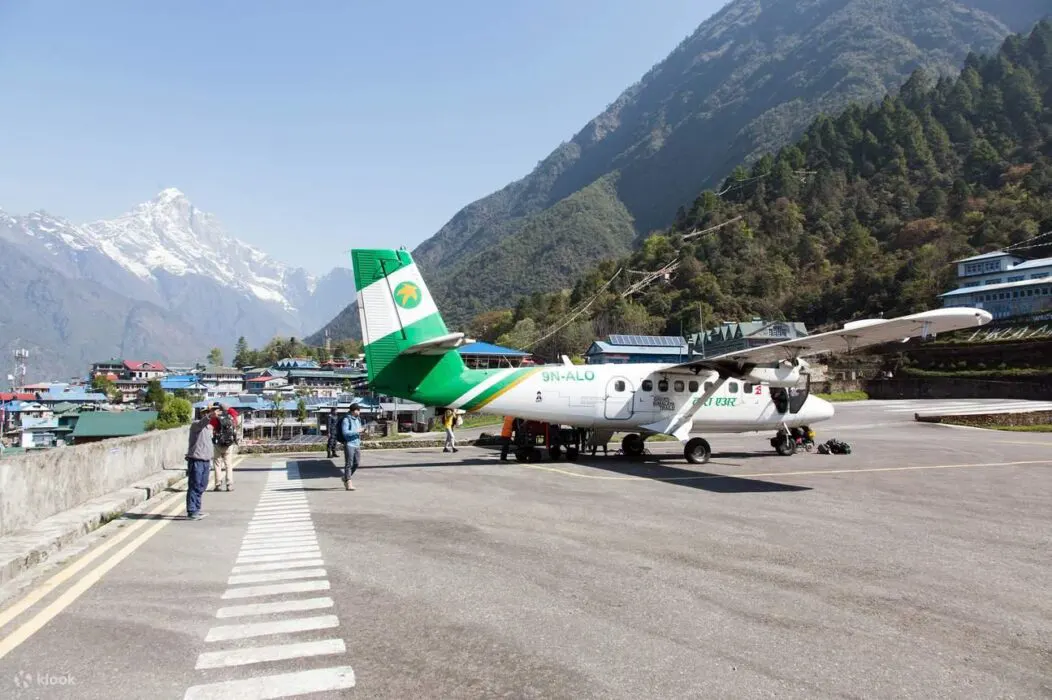
Enjoy a scenic mountain flight to Lukla, one of the world’s most famous mountain airports.

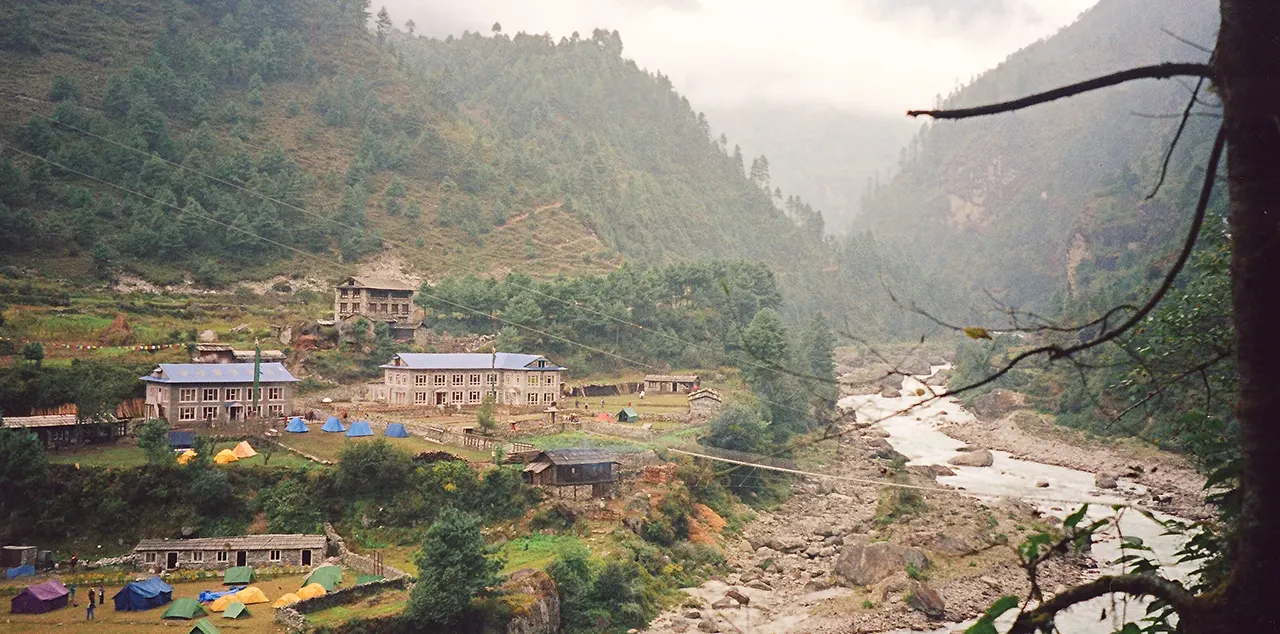
After landing, begin your trek through beautiful Sherpa settlements and lush forests before arriving at Phakding.

Overnight at Luxury Lodge.

Day 4: Trek from Phakding to Namche Bazaar (3,440m)

Distance: 10–12 km

Walking Time: 6–7 Hours

Today’s trek follows the Dudh Koshi River and crosses several suspension bridges.

Enter Sagarmatha National Park at Monjo and continue climbing toward Namche Bazaar.

Weather permitting, you may catch your first glimpse of Mount Everest.

Overnight at Yeti Mountain Home.

Day 5: Acclimatization Day and Hike to Everest View Hotel

Distance: 4–5 km

Walking Time: 3–4 Hours

Today is dedicated to altitude acclimatization.

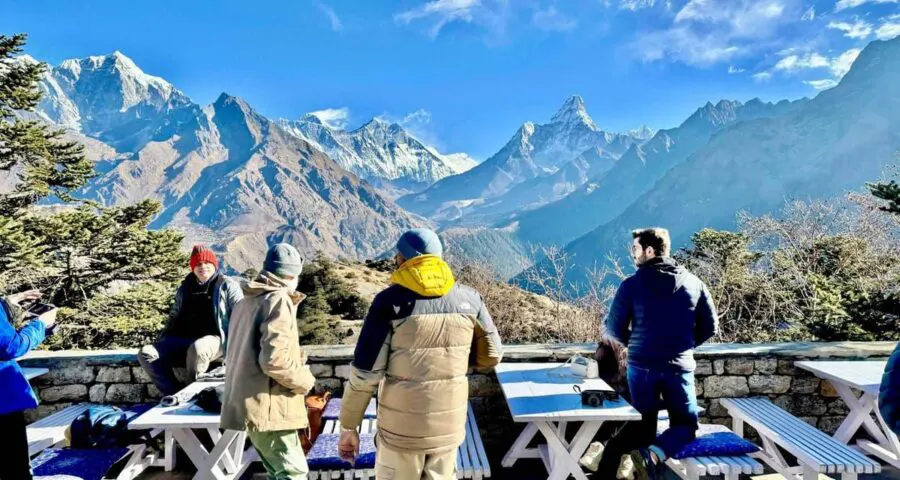
Hike to the famous Everest View Hotel and enjoy panoramic views of:

  • Mount Everest
  • Ama Dablam
  • Lhotse
  • Thamserku

Spend the afternoon exploring Namche Bazaar and learning about Sherpa culture.

Overnight at Yeti Mountain Home.

Day 6: Trek from Namche to Tengboche (3,860m)

Distance: 10–11 km

Walking Time: 5–6 Hours

Follow a scenic trail to Tengboche while enjoying incredible mountain views.

Visit the famous Tengboche Monastery, the spiritual center of the Khumbu region.

Colorful prayer flags, ancient traditions, and stunning Himalayan scenery make this day unforgettable.

Overnight at Lodge.

Day 7: Trek from Tengboche to Dingboche (4,410m)

Distance: 11–12 km

Walking Time: 5 Hours

Pass through Pangboche village and beautiful alpine landscapes.

Enjoy incredible views of Ama Dablam, Island Peak, and Lhotse.

Overnight at Lodge.

Day 8: Acclimatization Hike to Nagerjun Hill

Distance: 6–7 km

Walking Time: 4–5 Hours

Climb to Nagerjun Hill for spectacular panoramic views of:

  • Lhotse
  • Makalu
  • Ama Dablam
  • Cholatse
  • Taboche

Return to Dingboche for overnight stay.

Day 9: Trek from Dingboche to Lobuche (4,910m)

Distance: 8–9 km

Walking Time: 5–6 Hours

The trail gradually ascends through dramatic glacial landscapes.

Pass memorials dedicated to climbers who lost their lives on Everest before reaching Lobuche.

Overnight at Lodge.

Day 10: Lobuche – Gorakshep – Everest Base Camp – Gorakshep

Distance: 14–15 km

Walking Time: 8–9 Hours

Today is one of the most exciting days of the trek.

Trek alongside the Khumbu Glacier to reach Everest Base Camp (5,364m).

Explore the legendary base camp area and enjoy breathtaking views of the Khumbu Icefall.

Return to Gorakshep for overnight stay.

Day 11: Kala Patthar (5,545m) and Trek to Pheriche

Distance: 13–14 km

Walking Time: 7–8 Hours

Wake up early for the climb to Kala Patthar.

This viewpoint offers the best close-up panorama of Mount Everest and surrounding peaks.

After sunrise, descend to Gorakshep for breakfast and continue trekking to Pheriche.

Overnight at Lodge.

Day 12: Trek from Pheriche to Namche Bazaar

Distance: 17–18 km

Walking Time: 8–9 Hours

Descend through beautiful Sherpa villages and rhododendron forests.

Celebrate your successful journey upon arrival in Namche Bazaar.

Overnight at Yeti Mountain Home.

Day 13: Trek from Namche Bazaar to Lukla

Distance: 18–19 km

Walking Time: 7–8 Hours

The final trekking day retraces the route back to Lukla.

Celebrate the completion of your Everest adventure with your guide and fellow trekkers.

Overnight at Yeti Mountain Home.

Day 14: Fly Back to Kathmandu

Take an early morning flight from Lukla to Kathmandu.

Transfer to your hotel and enjoy a well-deserved rest.

Overnight in Kathmandu.

Day 15: Free Day in Kathmandu

Relax, enjoy a spa treatment, explore local markets, or join optional cultural tours.

This extra day also serves as a buffer in case of Lukla flight delays.

Overnight in Kathmandu.

Day 16: Departure

Transfer to the airport for your onward journey or extend your stay in Nepal for additional adventures.

Everest View Trek – 5 Days
Experience Everest in Comfort and Style The Everest Base Camp Luxury Trek – 16 Days is the perfect combination of...
5 Days
Easy

US$ 620

Accommodation During the Trek

Kathmandu

  • Luxury 5-Star Hotel
  • Modern amenities
  • Complimentary breakfast
  • Spa facilities

Yeti Mountain Home Lodges

  • Premium mountain accommodation
  • Comfortable rooms
  • Excellent dining
  • Professional hospitality

Higher Elevation Lodges

Above Tengboche, the best available lodges are provided with comfortable dining facilities and warm hospitality.

Meals Included

The package includes:

  • 15 Breakfasts
  • 11 Lunches
  • 12 Dinners

Meals include:

  • Dal Bhat
  • Pasta
  • Soups
  • Fried Rice
  • Pancakes
  • Tibetan Bread
  • Eggs
  • Potatoes
  • Tea & Coffee

Fresh seasonal fruits are provided after dinner during the trek.

Required Permits

The following permits are required:

All permits and paperwork are included in the package.

Nepal Tourist Visa Information

Visa fees:

Duration Cost
15 Days USD 30
30 Days USD 50
90 Days USD 125

Official Nepal Immigration Website:  https://www.immigration.gov.np

Private Group Discounts Available

No. of People Price Per Person
1 Pax US$ 4,200
2 Pax US$ 3,400
3–5 Pax US$ 3,200
6–9 Pax US$ 3,000
10–15 Pax US$ 2,800
16+ Pax US$ 2,600

What’s Included

  • Airport Pick-up and Drop-off
  • 4 Nights Luxury Hotel in Kathmandu
  • Kathmandu–Lukla Roundtrip Flight
  • 5 Nights Yeti Mountain Home Lodges
  • 6 Nights Best Available Lodges
  • Kathmandu Sightseeing Tour
  • Sightseeing Entrance Fees
  • Domestic Flight Taxes
  • Trekking Permits
  • Breakfast, Lunch and Dinner During Trek
  • Tea, Coffee and Hot Water
  • WiFi, Charging and Hot Shower
  • Seasonal Fruits
  • Professional Guide
  • Porter Service
  • Down Jacket, Sleeping Bag and Duffel Bag
  • Free Trek T-Shirt
  • Free Trek Map
  • First Aid Kit
  • Welcome Dinner
  • Complimentary 1 Hour Spa Massage
  • Rescue Coordination Assistance
  • Trek Completion Certificate

What’s Excluded

  • International Airfare
  • Nepal Visa Fee
  • Travel Insurance
  • Emergency Rescue Cost
  • Alcoholic Drinks
  • Bottled Water
  • Personal Expenses
  • Additional Meals in Kathmandu
  • Tips for Staff
  • Extra Hotel Nights
  • Optional Activities
  • Any Services Not Mentioned Above Lukla Flight Information Flights to Lukla depend on weather conditions. In case of flight delays or cancellations, helicopter transfers may be arranged at an additional cost of approximately USD 400–600 per person depending on availability and passenger numbers.During peak trekking seasons, flights may operate from Ramechhap Airport instead of Kathmandu. Complimentary transportation between Kathmandu and Ramechhap is provided when necessary.

Best-Time-for-Everest-Base-Camp-Luxury-Trek

Spring (March – May)

  • Rhododendron blooms
  • Pleasant temperatures
  • Excellent mountain visibility

Autumn (September – November)

  • Clear skies
  • Stable weather
  • Best trekking conditions

Everest Base Camp Luxury Trek Difficulty

The trek is classified as Moderate.

You should be prepared for:

  • 5–8 hours of walking daily
  • High-altitude trekking
  • Steep ascents and descents
  • Cold mountain temperatures

No technical climbing experience is required.

Why-Book-This-Luxury-Everest-Adventures

Why Book This Luxury Everest Adventure?

The Everest Base Camp Luxury Trek combines the thrill of reaching Everest Base Camp with the comfort of premium accommodation and professional service.

Everest Base Camp Trek with Helicopter Return
Experience Everest in Comfort and Style The Everest Base Camp Luxury Trek – 16 Days is the perfect combination of...
13 Days
Moderate

US$ 2400

With luxury hotels, Yeti Mountain Home lodges, expert guides, scenic flights, breathtaking Himalayan landscapes, and carefully planned acclimatization days, this trek delivers one of the finest trekking experiences available in Nepal.

Whether you are celebrating a special occasion, traveling with family, or simply seeking a more comfortable Everest adventure, this luxury trek offers an unforgettable journey to the foot of the world’s highest mountain.

Jeep Rental Service in Nepal: Costs, Routes, and Travel Tips

Introduction

When people think about traveling through Nepal, they often picture mountain trails and tea houses. But before you reach the trailhead, there is almost always a long road ahead, and that road matters more than most people realize.

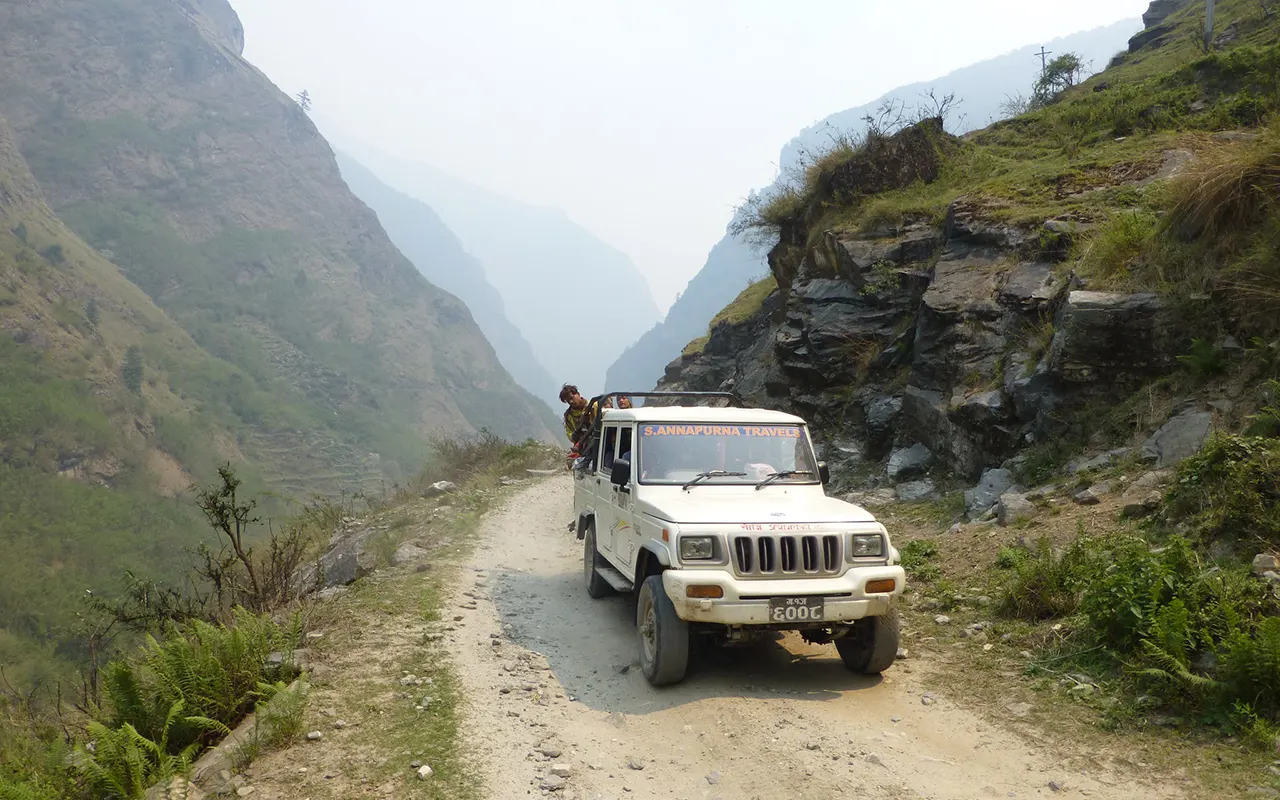
At Ambition Himalaya Treks, we have spent years helping travelers reach the most beautiful corners of this country. In that time, we have learned that the vehicle you choose can change your entire experience. A jeep with four wheel drive is often the only way to reach remote villages, trek starting points, and hidden valleys. Buses and shared vans follow fixed routes and schedules. They stop often and cannot handle the roughest trails. A private jeep gives you freedom.

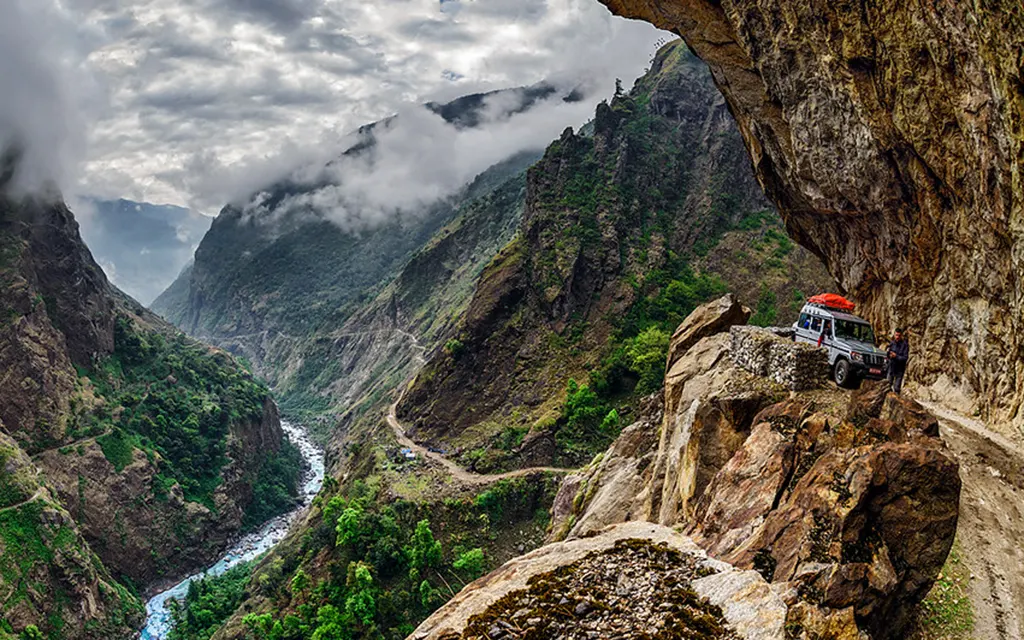
Why has jeep travel become so popular in Nepal? The answer is simple. Our roads are adventurous. The hills are steep. The rivers cut deep gorges. In the rainy season, mud and landslides block many routes. During winter, ordinary cars are unsafe on the roads due to the presence of ice and snow. A sturdy jeep is much better equipped to deal with such circumstances as compared to a normal sedan. For anyone traveling outside the three main cities, a jeep is often the smartest choice.

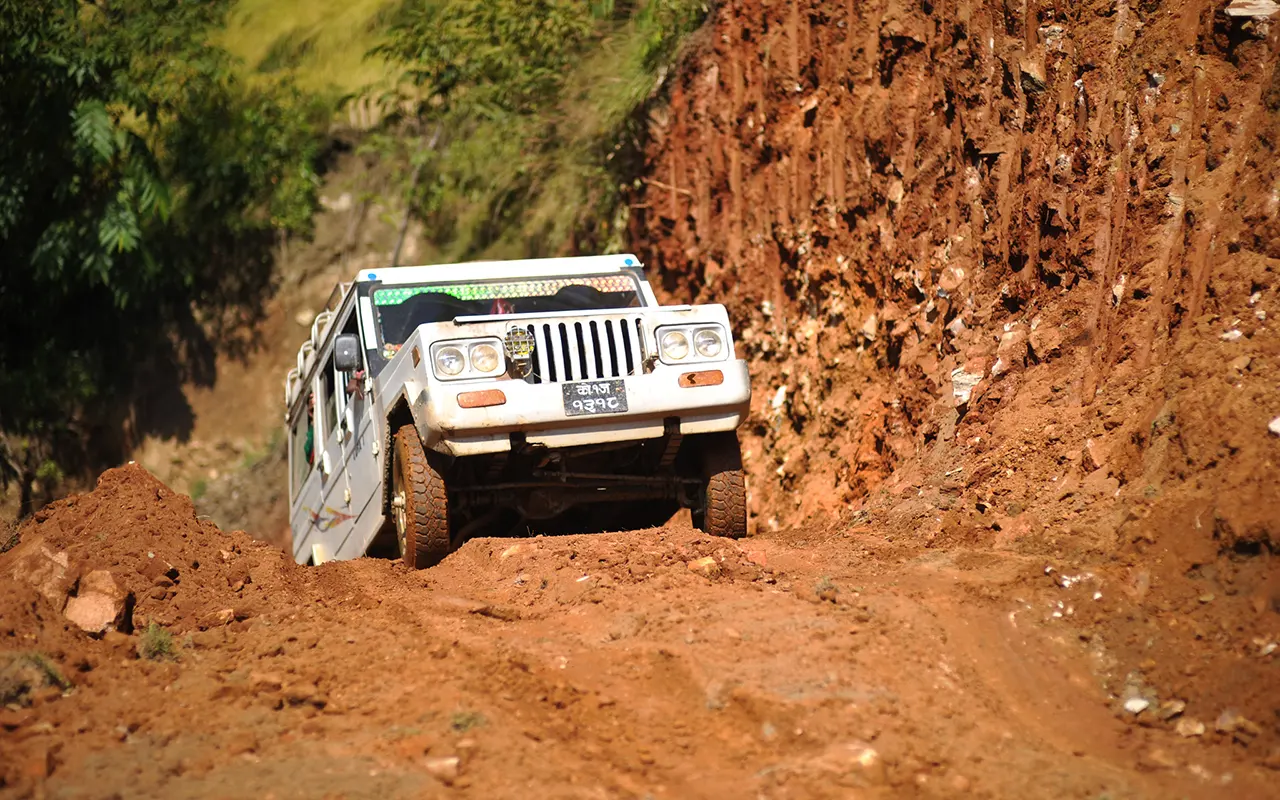
The importance of a 4WD vehicle for mountain and rural roads cannot be overstated. Many of the roads we use to reach trekking areas are unpaved. They are small, coiled and shared with trucks that transport supplies to isolated villages. The 4WD jeep not only gives you the strength to go up steep hills, but also the ability to come down safely. It also provides the ground clearance needed to pass over rocks and through small streams without damaging the vehicle.

Annapurna Jeep Tour (Manang Tour)
Introduction When people think about traveling through Nepal, they often picture mountain trails and tea houses. But before...
14 days
Easy to Moderate

US$ 1100

So who should rent a jeep in Nepal? The list is longer than you might think. Families with young children or older adults will appreciate the comfort and privacy. Groups of friends traveling together will find that splitting the cost makes a jeep very affordable. Adventure travelers who want to explore off the tourist trail need a jeep to reach those less visited places. Photographers benefit from being able to stop whenever they see a good shot. Even solo travelers sometimes rent a jeep to share with other backpackers they meet along the way. Simply put, a jeep rental is worth considering in case you appreciate comfort, flexibility, and safety.

This guide will guide you through all the things you need to know. We will discuss the different kinds of jeeps we have, their prices, the routes that people love the most, and some tips that will help you to have a smooth and enjoyable time with the jeeps. This information comes directly from our team at Ambition Himalaya Treks. We have driven these roads. We know the challenges. And we want to help you travel wisely.

Tourist Jeep Hire Nepal

Why Choose a Jeep Rental Service in Nepal

When you plan a trip to Nepal, you have several options for getting around. You can take local buses, fly to certain destinations, or hire a private vehicle. Over the years, we have noticed that more and more visitors choose jeep rentals. There are good reasons for this.

Comfortable Travel in Mountain Regions

Let us be honest. Long distance bus travel in Nepal can be a test of patience. The seats are often cramped. The suspension is stiff. The bus stops at every small town to pick up passengers and their goods. A private jeep changes that completely. You get proper seats with space to stretch your legs. You can control the temperature inside. You can play your own music or enjoy the silence. Most importantly, you are not sharing the space with dozens of other travelers. After a long flight to Nepal, that comfort matters.

Access to Remote Trekking Destinations

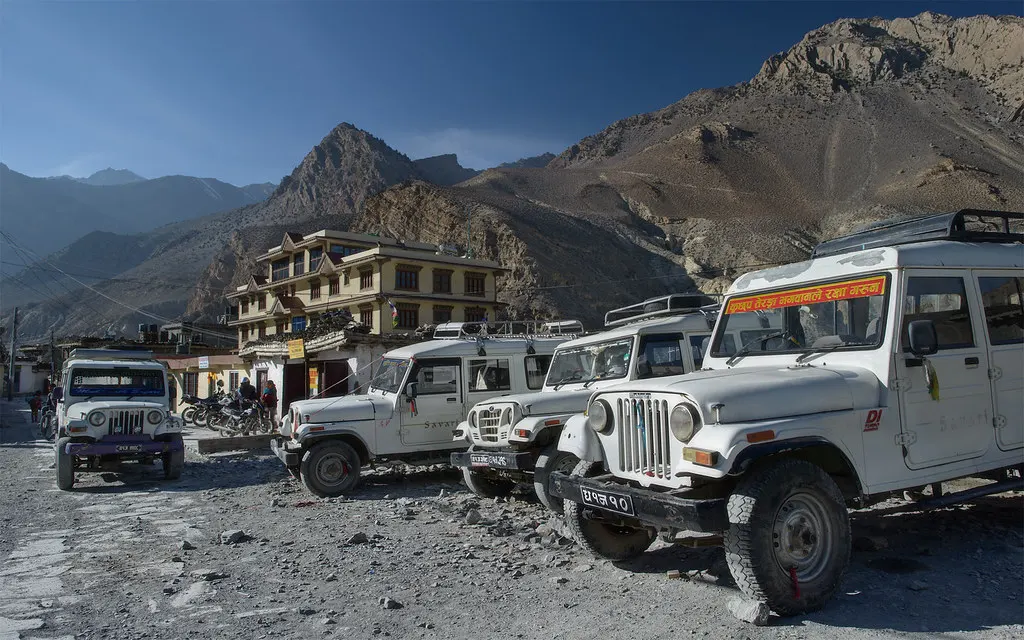
Many of the best trekking trails in Nepal do not start from a bus stop. You have to travel deep into the hills to find the trailhead. For example, the road to Syabrubesi for the Langtang trek is rough and rocky. The drive to Jomsom in Mustang requires crossing rivers on unpaved roads. Ordinary vehicles cannot make these trips. Our jeeps are chosen specifically for these conditions. We use vehicles that have been tested on Nepali roads and proven reliable.

Safer Option During Monsoon and Winter

Nepal has two seasons that make driving difficult. The monsoon from June to August brings heavy rain. Roads become slippery. Small landslides are common. In winter, the high passes and some mountain roads get snow and ice. A 4WD jeep gives you better traction and control. The higher ground clearance also helps when water collects on the road. We always advise our clients to avoid travel during heavy rain. But if you must travel, a jeep is your safest choice.

Ideal for Families, Groups, and Adventure Travelers

We have helped all kinds of travelers book jeep rentals. A family with two young children needs space for luggage, snacks, and rest stops. A group of four or five friends can split the cost and enjoy a private tour. Adventure travelers who want to combine trekking with sightseeing need a vehicle that can wait for them at the trailhead. A jeep fits all these situations. You are not tied to a bus schedule. You decide when to leave and where to stop.

Flexible Travel Compared to Public Transport

Flexibility is perhaps the biggest advantage of renting a jeep. Suppose you fall in love with a small village along the way. With a private jeep, you can stay longer. Suppose the weather turns bad and you decide to change your route. You can do that. Public transport follows a fixed timetable. If you miss the bus, you wait for the next one. If the bus is full, you wait even longer. A jeep rental puts you in control of your own schedule.

Types of Jeeps Available for Rent in Nepal

Not all jeeps are the same. Over the years, we have tested many different models on Nepali roads. Some are better for short trips on paved roads. Others are built for serious off road adventures. Here are the most common types you will find for rent in Nepal.

Mahindra Scorpio

The Mahindra Scorpio is everywhere in Nepal. You cannot drive for ten minutes on a mountain road without seeing one. This vehicle is popular for good reason. It is tough, easy to repair, and parts are available even in small towns. The Scorpio seats up to seven people including the driver. The ground clearance is good. The engine has enough power for most mountain roads. For a group of four to six travelers, this is a very practical choice.

Toyota Land Cruiser

If you want the best, you choose a Toyota Land Cruiser. This vehicle is more expensive to rent, but the difference is noticeable. The ride is smoother. The engine is more powerful. The interior is more comfortable. For very rough routes like the road to Upper Mustang or the drive to Rara Lake, the Land Cruiser is our first recommendation. It handles extreme conditions with less stress on the vehicle and the passengers.

Suzuki Vitara

The Suzuki Vitara is smaller and lighter than the Scorpio or Land Cruiser. It is a good choice for two to three travelers who want a more economical option. The Vitara handles paved roads very well. It can also manage moderately rough roads. However, we do not recommend it for the most difficult routes. If you plan to go deep into the mountains, the larger jeeps are safer and more comfortable.

Ford Everest

The Ford Everest is less common in Nepal, but you can find it with some rental companies. It offers a good balance of comfort and capability. The interior is more modern than the Scorpio. The ride quality is good. However, because it is less common, finding replacement parts in remote areas can be difficult. For routes near Kathmandu or Pokhara, the Everest is fine. For very remote areas, we suggest sticking with the more common models.

Bolero Camper and Pickup Jeeps

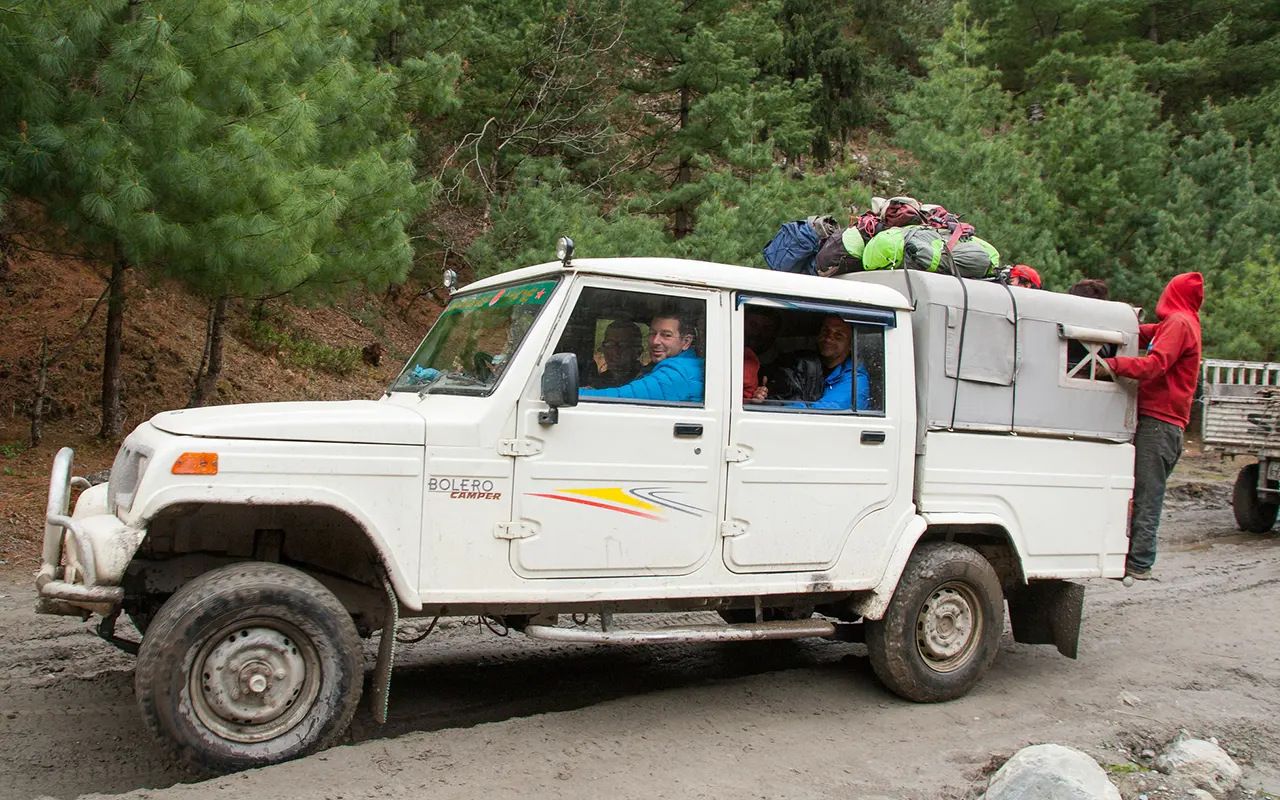
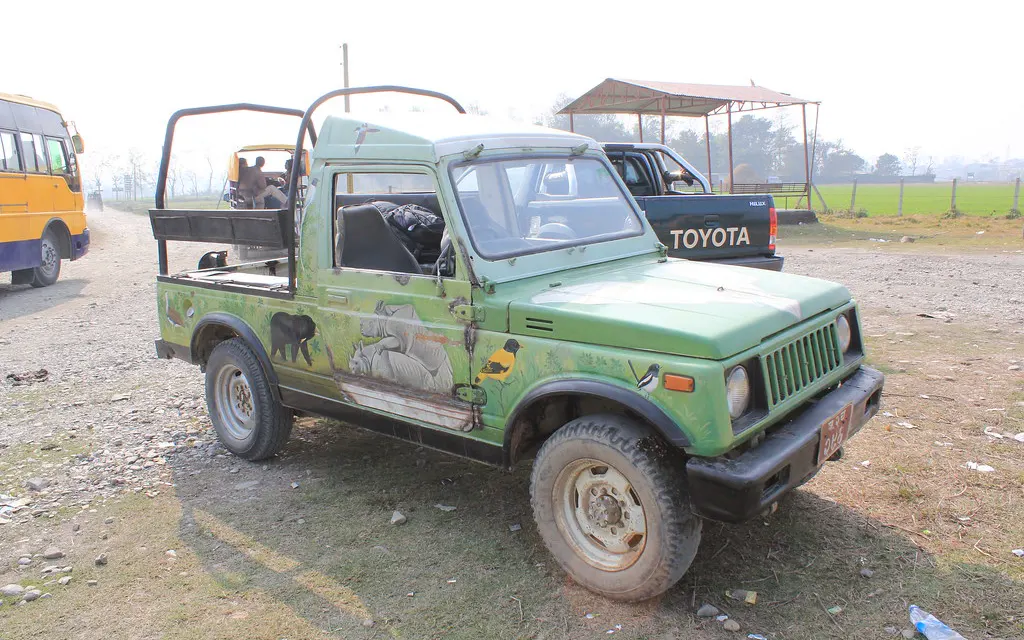
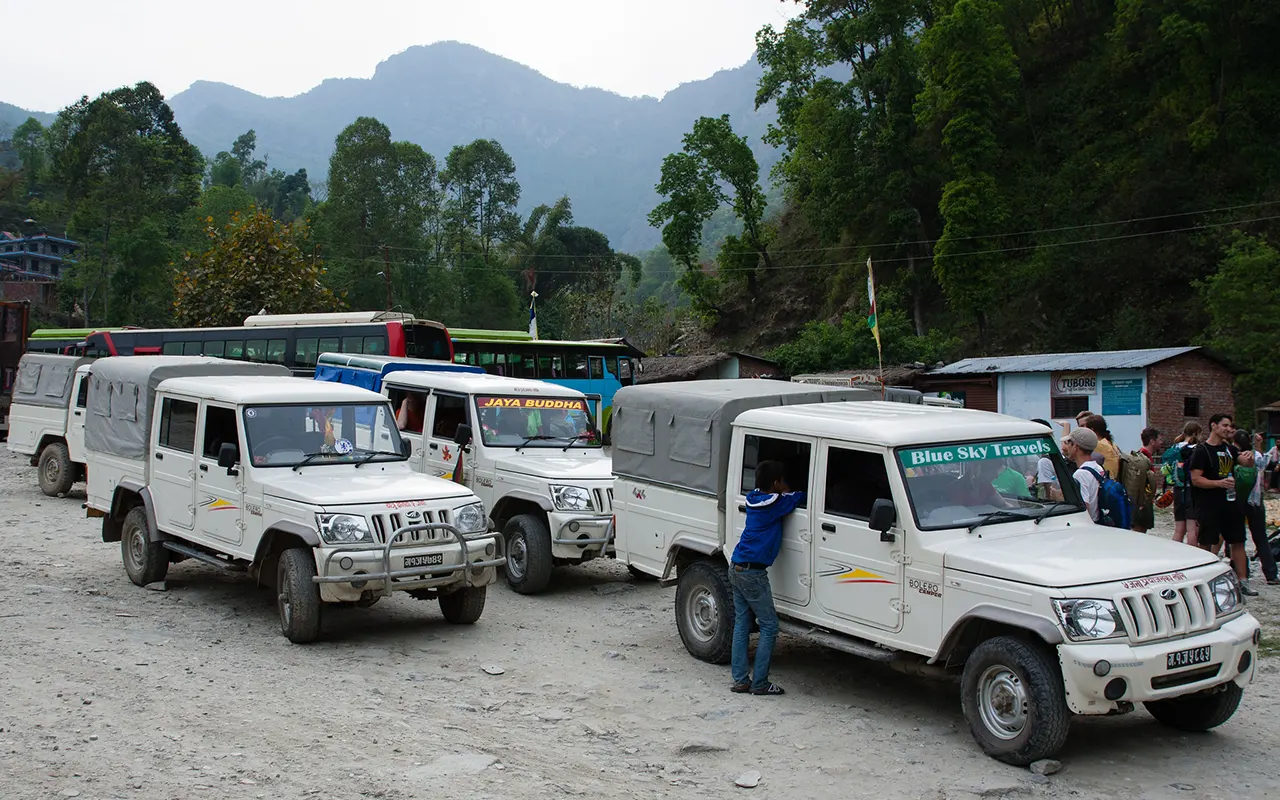
These vehicles are designed for utility more than comfort. The Bolero Camper has a covered back area that some travelers use for camping trips. Pickup jeeps have an open back where you can sit or store large amounts of equipment. We do not usually recommend these for standard tourist travel. They are rough. They are loud. And they offer very little protection from dust and weather. However, for large groups carrying camping gear or for filming expeditions, they serve a purpose.

Jeep Rental Costs in Nepal

Money is always a practical concern. We want to be clear about costs so you can plan your budget accurately. Jeep rental prices in Nepal vary based on many factors. But we will give you real numbers based on our current rates.

Average Jeep Rental Prices

For travel within the Kathmandu Valley, such as a day trip to Bhaktapur, Patan, or Nagarkot, you can expect to pay between 50 and 80 US dollars per day. This includes the driver and fuel for a standard route.

For long distance mountain routes, the pricing is different. A trip from Kathmandu to Pokhara and back might cost 250 to 350 dollars total. A one way drop to a remote area like Syabrubesi or Salleri costs between 300 and 500 dollars depending on the route and vehicle.

Daily rates for multi day trips are more economical. If you book a jeep for three or more days, the daily price usually drops. A typical rate for a Mahindra Scorpio on a multi day trip is 120 to 180 dollars per day including driver and fuel. A Toyota Land Cruiser will be 200 to 300 dollars per day.

Note: The prices above reflect our premium fleet with experienced English-speaking drivers. Budget options using older Mahindra Scorpios or shared jeeps are available for 30 to 50 percent less through local operators. We charge more since we focus on the state of vehicles, experience of the drivers, and complete insurance.

Nepal Mountain Road Jeep

Quick Reference Price Table    

Route Vehicle Type Price (USD) Includes
Kathmandu Valley day trip (Nagarkot, Bhaktapur, Dhulikhel) Mahindra Scorpio / Suzuki Vitara 50–50–80 Driver, fuel, parking
Kathmandu → Pokhara (one way) Mahindra Scorpio 120–120–160 Driver, fuel, tolls
Kathmandu → Pokhara (round trip) Mahindra Scorpio 200–200–280 Driver, fuel, tolls
Kathmandu → Chitwan (one way) Mahindra Scorpio 100–100–150 Driver, fuel
Kathmandu → Syabrubesi (Langtang trek start) Mahindra Scorpio 150–150–220 Driver, fuel
Kathmandu → Syabrubesi (Langtang trek start) Toyota Land Cruiser 280–280–400 Driver, fuel
Kathmandu → Salleri / Phaplu (Everest region) Toyota Land Cruiser 350–350–480 Driver, fuel
Kathmandu → Jomsom / Lower Mustang Toyota Land Cruiser 400–400–550 Driver, fuel
Kathmandu → Upper Mustang (restricted area) Toyota Land Cruiser 500–500–700 Driver, fuel
Kathmandu → Rara Lake (3–4 day drive) Toyota Land Cruiser 600–600–850 Driver, fuel, driver meals
Multi-day mountain trip (per day) Mahindra Scorpio 100–100–150 per day Driver, fuel
Multi-day mountain trip (per day) Toyota Land Cruiser 180–180–260 per day Driver, fuel

Note: The costs are on individual jeep rentals with a local professional pilot. Divided jeeps are 40-60% cheaper and have set time departure. High season (October-November) can add 10-20 to the price. Rates can also be influenced by the fluctuation in fuel prices. Always confirm what is included before booking.

Upper Mustang Jeep Tour
Introduction When people think about traveling through Nepal, they often picture mountain trails and tea houses. But before...
13 days
Difficult

US$ 1300

Factors That Affect Jeep Rental Prices

Many things influence what you will pay for a jeep rental. Let us go through them one by one.

Route condition is the biggest factor. Driving to Mustang is harder on the vehicle and the driver than driving to Pokhara. The rougher the road, the higher the price.

Fuel prices change regularly in Nepal. When diesel prices go up, rental prices follow. Our rates would remain constant, but we cannot disregard the fuel prices.

This is important as we are paying the driver on a day-to-day basis. Even if you are not driving far, the driver is away from home and cannot take another booking.

Driver allowances include food and accommodation. For multi day trips, we need to cover these costs for our driver. This is usually included in the price we quote you.

Seasonal demand affects availability. In October and November, almost every jeep is booked. Prices go up. In the summer monsoon, fewer people travel, so prices are lower.

The vehicle type is obvious. A Land Cruiser costs more to buy, maintain, and fuel than a Scorpio. That difference shows in the rental price.

Cost Breakdown

To help you understand where your money goes, here is a typical breakdown for a three day jeep trip on a mountain route.

Fuel costs usually take about 40 percent of the total. Mountain roads use more fuel than highways because you are constantly climbing and descending.

Driver charges take about 25 percent. Our drivers work hard. They navigate dangerous roads. They help with luggage. They deserve fair pay.

Parking fees and toll taxes take about 5 percent. Some roads have toll booths. Some towns charge for overnight parking.

Permit expenses vary. If your route requires special permits, those costs are separate. We always tell you about these in advance.

The remaining amount covers vehicle maintenance, insurance, and our company overhead. Running a safe fleet costs money, but we believe it is worth it.

Tips to Save Money on Jeep Rentals

We want your trip to be affordable. Here are some practical ways to save money.

Group sharing is the most effective way. A jeep that seats six people costs about the same as a jeep that seats two. If you fill the seats, each person pays much less.

Off season travel saves you money. In June, July, and August, we have lower prices because fewer people are traveling. The roads are wet, but you can still have a wonderful trip.

Booking in advance helps you lock in a good price. Last minute bookings during peak season are always more expensive because jeeps are scarce.

Choosing local operators like Ambition Himalaya Treks gives you better prices than international booking websites. We have direct relationships with vehicle owners and drivers. There is no middle person taking a cut.

Most Popular Jeep Routes in Nepal

Over the years, we have sent jeeps to almost every corner of Nepal. Some routes are requested again and again. Here are the most popular ones.

Kathmandu to Pokhara

This is the most common jeep route in Nepal. The distance is about 200 kilometers. The road is mostly paved now. Travel time is six to eight hours depending on traffic.

The road conditions have improved a lot in recent years. There are still rough sections, especially near the river gorges. But overall, this is a comfortable drive.

Travel time is shorter if you leave early in the morning. Traffic in Kathmandu can add an hour to your trip. We always advise starting at 6 AM.

Scenic highlights include the Trishuli River valley, views of Manaslu on clear days, and the lush hills of central Nepal. Your driver will know the best spots for a quick photo stop.

Kathmandu to Mustang

This route is for true adventure seekers. Mustang lies north of the main Himalayan range. The landscape is dry and dramatic, almost like a desert.

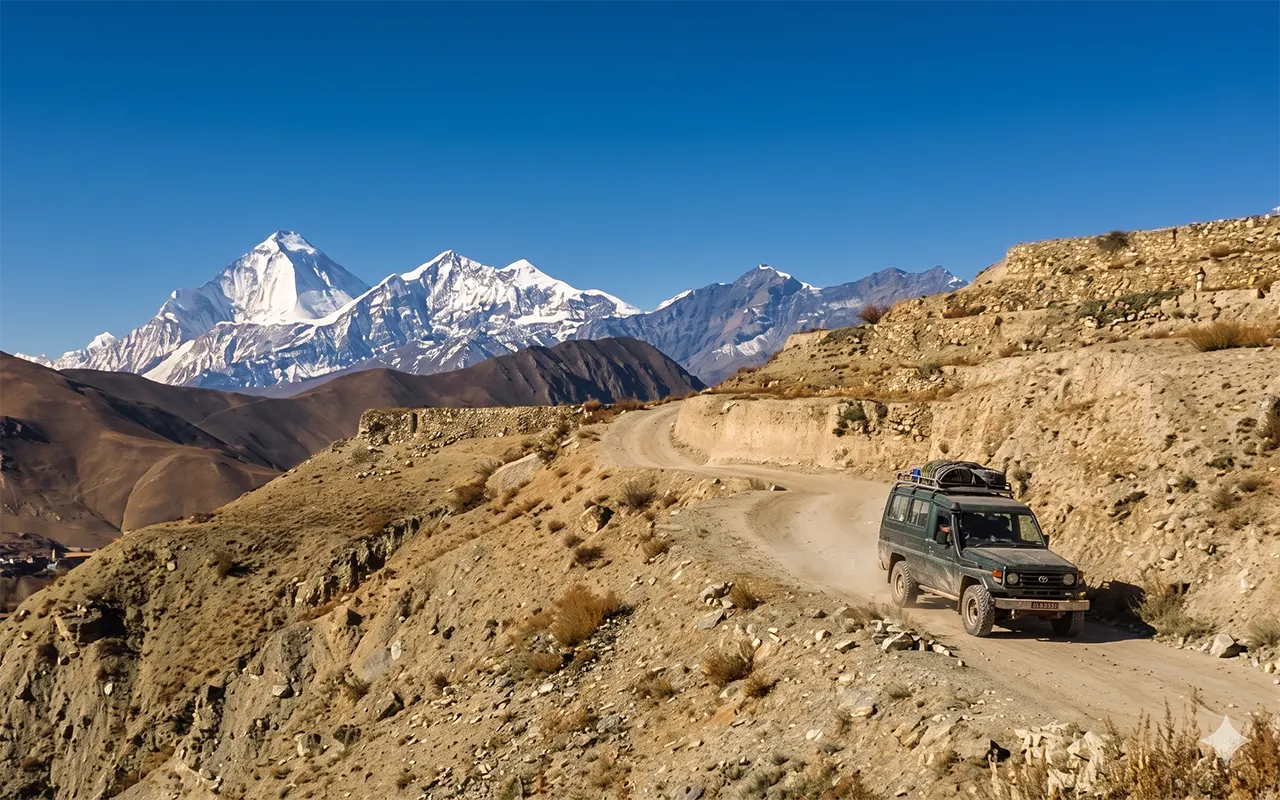
The off road adventure experience starts after Beni. The road becomes rough and dusty. You cross the Kali Gandaki river several times. The winds can be strong. But the views of Dhaulagiri and Nilgiri are worth every bump.

The best travel seasons for Mustang are spring from March to May and autumn from September to November. Winter is very cold. Summer rains can make the roads dangerous.

Required permits for Mustang are special. Upper Mustang requires a restricted area permit that costs 500 US dollars for ten days. Lower Mustang only needs the Annapurna Conservation Area permit. We handle both for our clients.

Kathmandu to Manang

Manang is another Annapurna region destination. The road goes through Besisahar and then follows the Marsyangdi river. This route is less crowded than the Pokhara highway. The villages along the way are traditional and welcoming. The drive takes two days if you want to go at a relaxed pace.

Kathmandu to Rara Lake

Rara Lake is the largest lake in Nepal. It is in a remote northwestern corner of the country. The drive takes three to four days from Kathmandu. You pass through Surkhet, Jumla, and then reach the lake. This is a long commitment, but the reward is a peaceful blue lake surrounded by pine forests. Few tourists make this trip, so you will have the place almost to yourself.

Kathmandu to Everest Region (Salleri or Phaplu)

You cannot drive all the way to Everest Base Camp. But you can drive to Salleri or Phaplu, which are the main road heads for the Everest region. From there, you trek to Namche Bazaar and beyond. The road is rough after Jiri. A good 4WD jeep is essential. The views of Everest from the road near Salleri are surprising and beautiful.

Kathmandu to Syabrubesi (Langtang Trek)

Syabrubesi is the starting point for the Langtang Valley trek. The drive takes about seven to nine hours from Kathmandu. The road follows the Trishuli river and then climbs into the mountains. The last section before Syabrubesi is narrow and winding. But the forest is beautiful, and you might see monkeys along the roadside.

Kathmandu to Dharapani and Annapurna Circuit

The Annapurna Circuit is famous around the world. The road now reaches Dharapani and even further to Manang. Many trekkers use a jeep to skip the lower section of the circuit and save time. This is a smart strategy if you have limited days. The drive to Dharapani takes two days at a relaxed pace. The views of Manaslu and the surrounding peaks are excellent.

Sightseeing Tour in Kathmandu – 5 days
Introduction When people think about traveling through Nepal, they often picture mountain trails and tea houses. But before...
5 Days
Easy

US$ 427

Important Travel Tips Before Renting a Jeep

We have learned many lessons from years of operating jeep rentals. Here are our most important tips.

Check Vehicle Condition

Before you pay, look at the jeep. Check the tires. They should have good tread and no cracks. Check the spare tire. Many people forget this. Look under the car for leaks. Sit inside and make sure the seatbelts work. A good rental company will happily let you inspect the vehicle.

Hire Experienced Mountain Drivers

The driver matters as much as the vehicle. A good driver knows when to slow down. He knows where landslides happen. He knows which streams to cross and which to avoid. At Ambition Himalaya Treks, we only work with drivers who have years of experience on Nepali mountain roads. Do not let a company send a driver who has never been on your route.

Understand Rental Terms

Read your rental agreement carefully. Does the price include fuel? Does it include the driver’s food and accommodation? What happens if there is a breakdown? Who pays for repairs? What is the cancellation policy? We include all these details in our agreements. Do not accept vague promises.

Carry Essential Documents

You need your passport. You need your visa. You need trekking permits if your route requires them. Keep copies of everything in a separate bag. Our drivers carry copies of the vehicle registration and insurance. Ask to see these before you start.

Pack Smart for Long Road Journeys

Mountain roads are dusty. Use bags that can close tightly. Keep one small bag with your essentials like water, snacks, medicine, and a warm layer. Keep this bag inside the jeep with you. The rest of the luggage can go in the back. Pack light if possible. Heavy luggage makes the vehicle work harder on steep climbs.

Prepare for Altitude and Weather Changes

Some of these routes go above 3000 meters. The temperature drops quickly at high altitude. Carry a warm jacket even if it is warm in Kathmandu. Drink plenty of water. Altitude sickness can affect anyone, even if you are just driving. If you feel dizzy or have a headache, tell your driver immediately.

Nepal Private Jeep Rental

Safety Tips for Jeep Travel in Nepal

Safety is our first priority at Ambition Himalaya Treks. We never compromise on it.

Driving on Himalayan Roads

Himalayan roads are different from what most visitors are used to. They are narrow. They have blind curves. Trucks coming downhill have the right of way because they cannot stop easily. Our drivers know these rules. As a passenger, the best thing you can do is stay calm and trust your driver.

Seat Belt and Safety Practices

Wear your seat belt at all times. This seems simple, but many travelers forget. The roads are bumpy. A sudden stop can throw you forward. Seat belts save lives. Also, do not stand up or lean out of the window while the jeep is moving.

Road Closures and Landslides

Landslides happen in Nepal, especially during the monsoon. Roads can close for hours or days. Your driver will know the current situation. But you should also be flexible. Have extra food and water in the jeep. Be prepared to wait or turn back if the road is too dangerous.

Emergency Supplies to Carry

We provide a basic first aid kit in every jeep. But you should also carry your own personal medicines. A flashlight is useful. A power bank for your phone is smart. Some cash in small bills is essential because ATMs are rare in remote areas.

Travel Insurance Recommendations

Do not drive into the mountains without travel insurance. Your insurance must cover emergency evacuation. If you have a serious accident on a remote road, a helicopter rescue may be needed. That costs thousands of dollars. Good travel insurance is not expensive. It is peace of mind.

How to Book a Jeep Rental Service in Nepal

Booking a jeep is easy if you know the right steps.

Booking Through Travel Agencies

Travel agencies like Ambition Himalaya Treks are the safest way to book. We check our vehicles and drivers. We handle the paperwork. We stay in contact during your trip. If there is a problem, you have someone to call. Booking directly on the street might save a few dollars, but it adds risk.

Online Booking Options

You can book with us through our website. We also accept bookings by email and WhatsApp. Tell us your route, your dates, and your group size. We will send you a quote within a few hours.

What to Ask Before Booking

Ask about the vehicle model. Ask about the driver’s experience. Ask what happens if the jeep breaks down. Ask for a clear breakdown of costs. A professional company will answer all these questions politely and clearly.

Confirming Driver and Vehicle Details

When you book, request the name of the driver and his phone number. Ask for the vehicle number. Message the driver to check the pickup time and location a day before your trip, message the driver to confirm the pickup time and place. This avoids any confusion on the morning of your departure.

Common Mistakes to Avoid

We have seen travelers make the same mistakes again and again. Learn from them.

Choosing the cheapest option only is a mistake. The cheapest jeep may be old. The cheapest driver may be inexperienced. You are traveling on dangerous roads. Safety is worth paying for.

Before you go out of town, it is important to consider weather conditions. Check the forecast for your route. In case of heavy rain, then you should delay your departure.

It is dangerous to overload the vehicle. A jeep rated for six people should not carry eight. The extra weight affects braking and handling.

Not checking hidden costs leads to arguments later. Does the price include fuel? Does it include the driver’s return trip? Clarify everything in writing.

Booking last minute during peak season leaves you with few choices. In October and November, book your jeep at least two weeks in advance.

Kathmandu Valley Tour – 3 Days
Introduction When people think about traveling through Nepal, they often picture mountain trails and tea houses. But before...
3 Days
Easy

US$ 210

Frequently Asked Questions About Jeep Rental in Nepal

How much does jeep rental cost in Nepal?

Prices range from 50 dollars for a short valley trip to 500 dollars for a remote multi day route. The average for a standard mountain route is 150 to 250 dollars per day.

Are drivers included in the rental price?

Yes, all our jeeps come with an experienced local driver. Though legally, self-drive is available to tourists, with an IDP and minimum age of 21, we do not provide it because of safety and insurance considerations. Our drivers are familiar with the roads and your safety is our priority.

Is self drive jeep rental available in Nepal?

Technically yes, but with important conditions. Foreign tourists can drive in Nepal if they have both a valid home license and an International Driving Permit (IDP), and are at least 21 years old. However, most companies require a large security deposit (typically 500–2,000), and Nepal’s mountain roads are genuinely dangerous for inexperienced drivers.

Which routes require a 4WD jeep?

Any route that leaves the main highways requires 4WD. This includes Mustang, Manang, Rara Lake, the Everest road, Langtang, and most trekking trailheads. Even some sections of the Kathmandu to Pokhara road benefit from 4WD.

Can tourists book shared jeep services?

Yes. In many towns, you can find shared jeeps that leave when full. These are cheaper but less comfortable. You share the space with up to seven other passengers and their luggage. You also have no control over the departure time.

Jeep Rental Service In Nepal

Conclusion

At Ambition Himalaya Treks, we have been helping travelers explore Nepal by road for many years. We know the joy of a smooth journey and the frustration of a bad one. We are out to give you safe, comfortable and honest service. In case you have any questions related to any of the routes or prices listed here, contact our team. We are always happy to help you plan your adventure.

Before you go, we want to leave you with one final thought. A jeep journey through Nepal is not just about reaching a destination. It is about the moments in between. The tea breaks at small roadside shops. The conversations with villagers who wave as you pass. The sudden view of a snow capped peak that appears when you round a corner. These are the memories that stay with you long after the road dust has been washed away.

We feel lucky to share these roads with our guests. And we promise to treat your trip with the same care we would give to our own family. When you are ready to book, or even if you just have more questions before deciding, our team is here. No pressure. No hidden fees. Simple simple tips by people who like Nepal and wish you like it as well.

Nepal Tour Package Cost 2026–2027: Complete Kathmandu, Pokhara and Chitwan Travel Price Guide

Nepal remains among the most enticing tourist spots in Asia for international tourists who plan their holidays in 2026 and 2027. Nepal presents a variety of experiences that most travelers can enjoy due to its breathtaking Himalayan scenery, its rich cultural heritage, abundant wildlife, and affordable travel opportunities. Whether a person is fascinated with ancient temples, mountain views, jungle safari, adventure sports, or the local culture, the country offers a myriad of opportunities in a relatively small geographical territory.

One of the main reasons why tourists choose Nepal is the number of experiences that can be received during one trip. Palaces and temples that are centuries old can be seen in Kathmandu by visitors. In Pokhara, they get to enjoy peaceful lakes and views of mountains and wildlife safaris in Chitwan National Park. Together, these three places form the most popular tourist circuit in Nepal and have frequently formed part of travel plans.

Kathmandu Pokhara Chitwan Tour – 8 days
Nepal remains among the most enticing tourist spots in Asia for international tourists who plan their holidays in...
8 Days
Easy

US$ 430

Nepal keeps on improving its tourism infrastructure. With improved roads, airports, increased hotel facilities and enhanced tourism services, travel is more convenient than ever before. With the rising number of visitors, most travelers are starting to check the cost of Nepal Tour Package they expect prior to booking their vacation. The knowledge about the expenses can assist visitors in planning budgets that are feasible and choosing the appropriate package based on the way they travel.

It is projected that there will be an increase in tourism demand in the years 2026 and 2027. Although Nepal is a very cheap destination compared to most other nations, prices of hotels, transportation fees, and activities will undergo incremental growth because of inflation and a rise in demand. Consequently, travelers need to be well aware of the prevailing market rates before they can book a holiday.

This comprehensive guide explains everything travelers need to know about the Nepal Tour Package Cost for 2026–2027. It covers the cost of travelling to Kathmandu, Pokhara and Chitwan separately, comparisons of various categories of packages, updated pricing tables, and the issues that are considered in determining the cost of travelling. At the conclusion of this guide, the reader will have all the information necessary about the anticipated Nepal Tour Package Cost and how to select the most appropriate one to meet their budget and travel objectives.

Nepal Tour Package Budget Planning

Why Choose Nepal for a Tour in 2026–2027?

Nepal has continued to be one of the best places to visit in the world due to the fact that in one country, it has natural beauty, rich culture, adventure activities, as well as affordability. There are not many places that can be so diverse and at the same time affordable to tourists on various budgets.

The natural scenery of the land is by far the most appealing thing that the country has to offer. Eight out of the fourteen highest mountains in the world are found in Nepal, and these include Mount Everest. Many areas can offer great Himalayan scenery, without the need to hike long distances, to visitors. The landscapes of mountain views, lakes, rivers, forests and rolling hills are considered to be attractive to photographers, nature admirers, as well as adventure-seekers.

Apart from its natural attractions, Nepal is known for its cultural heritage. The Kathmandu Valley is home to a number of UNESCO World Heritage Sites that reveal centuries of history, architecture and religious practices. Visitors can enjoy a peculiar mixture of spiritual and cultural influences in Hindu temples, Buddhist monasteries, ancient palaces and sacred stupas.

Another factor that attracts many tourists to Nepal is adventure tourism. The nation has trekking, mountain biking, rafting, canyoning, paragliding, ziplining, ultralight flights and jungle safaris. Even non-adventurous travelers can take short hikes, enjoy scenic views and experience serene nature on the hike.

Another significant benefit is affordability. Nepal offers great value for money compared to most destinations in Europe, North America and East Asia. The overall Nepal Tour Package Cost is affordable to both high and low-end users, as accommodation, transportation, food and sightseeing can be experienced at reasonable costs.

Tourism services and safety have also been enhanced. Increased road networks, enhanced communication services, improved guiding services, and modern hotels make travelling a lot easier. With these developments, Nepal is becoming a more attractive destination for families, couples, solo travelers, and groups who are planning their holidays in 2026 and 2027.

Overview of Nepal Tour Packages (2026–2027)

The travel agencies in Nepal have very diverse tour packages that can fit various budgets, interests, and travel time. Being aware of the package categories that are offered will allow the travelers to have a better estimate of the Nepal Tour Package Cost, and be able to select the one that would best suit them.

As a rule, Nepal tour packages are classified into three types: budget, standard, and luxury.

Budget Package

Budget packages are concerned with price. These packages typically have tourist-quality hotels, communal transportation, minimal sightseeing facilities, and fundamental travel provisions. They are a favorite amongst backpackers, students, and tourists who wish to spend the least amount of money and yet enjoy the significant attractions in Nepal.

Standard Package

The balance between comfort and cost is offered by the standard packages. Tourists usually stay in 3-star or 4-star hotels, travel by tourist buses or personal cars, and have sightseeing tours. This is the most popular category of tourists visiting Nepal as it is relatively cheap and not that expensive to add to the total cost of the Nepal Tour Package.

Luxury Package

Comfort, convenience, and customized services are the main concerns of luxury packages. Tourists will be staying in the best hotels and resorts; they will be traveling by private cars or by domestic flights, and they will be having their own guides and specially tailored itineraries. These packages are more comfortable and flexible, but also cost more.

The length of the tour is also a significant factor in the cost of the Nepal Tour package. Three- to five-day tours typically revolve around Kathmandu or Kathmandu and Pokhara. Itineraries of six to eight days usually cover Kathmandu, Pokhara and Chitwan. Extended tours over ten days can also cover other places like Lumbini, Nagarkot, Bandipur or other trekking areas.

Accommodation, transportation, airport transfers, sightseeing arrangements and guide services are usually a part of most tour packages. Others do come with meals, and some just offer breakfast. The full-board meals are usually included in the Chitwan packages as the safari activities are usually arranged by the jungle resorts.

The table below indicates the broad packages that are offered in Nepal.

Nepal Tour Package Categories

Package Type Accommodation Transport Guide Service Suitable For
Budget Guesthouses and Tourist Hotels Tourist Bus Shared Guide Budget Travelers
Standard 3-Star to 4-Star Hotels Tourist Bus or Private Vehicle Professional Guide Most Tourists
Luxury 4-Star to 5-Star Hotels and Resorts Private Vehicle or Flights Private Guide Luxury Travelers

Typical Nepal Tour Duration

Tour Duration Destinations Covered
3–5 Days Kathmandu or Kathmandu + Pokhara
6–8 Days Kathmandu + Pokhara + Chitwan
10+ Days Extended Nepal Tour

These categories can assist travelers in choosing a package that is suitable to their expectations and budget. As accommodation and transport constitute a significant part of the costs, these decisions affect the overall Nepal Tour Package Cost considerably.

Kathmandu Tour Cost 2026–2027

The capital city and the cultural center of Nepal is Kathmandu, which is at about 1,350 m (4,429 ft). All visitors entering Nepal take time to visit Kathmandu on their way to other places.

The historical sites, religious monuments, traditional structures, and the local culture of the city are popular. There are also UNESCO World Heritage Sites such as Kathmandu Durbar Square, Patan Durbar Square, Bhaktapur Durbar Square, Swayambhunath Stupa, Boudhanath Stupa, and Pashupatinath Temple to visit.

Sightseeing Tour in Kathmandu – 5 days
Nepal remains among the most enticing tourist spots in Asia for international tourists who plan their holidays in...
5 Days
Easy

US$ 427

Kathmandu provides the traveler with a chance to enjoy the history of Nepal, modern restaurants, cafes, shopping centers, and cultural shows. Due to the many attractions it offers, Kathmandu tends to be the starting point of any list of destinations that list Kathmandu as a part of the Nepal Tour Package Cost.

Nepal Tour Package Budget Planning

Kathmandu Daily Cost Breakdown

The cost of travel in Kathmandu depends on the accommodation, food, mode of transport, and various tourism attractions.

Kathmandu Daily Travel Cost

Expense Category Budget Traveler Mid-Range Traveler Luxury Traveler
Accommodation $8–20 $30–80 $150–300+
Food $5–10 $15–30 $40–80+
Transportation $3–10 $10–20 $30–80+
Entry Fees $10–20 $15–25 $20–40
Daily Total $20–40 $50–100 $120–300+

With a budget between 20 and 40 dollars per day, budget travelers will have an easy time exploring Kathmandu. This is a budget that typically includes a hostel, local food, transportation, and some sightseeing.

Mid-range travelers normally have a spending range of between 50 and 100 dollars a day. This will accommodate hotels, personal transportation where required, dining at restaurants and availability of major attractions.

Luxury travelers find it easy to spend between 120 and 300 or more dollars a day, and this is based on the hotel category, food, and transportation preferences.

Key Expenses in Kathmandu

One of the primary costs of travel in Kathmandu is accommodation. Budget guesthouses and hostels are cheap, and 3-star hotels are a good compromise between comfort and cost. Five-star hotels offer high-quality facilities and custom-made services. Food is relatively cheap, with local Nepali food like dal bhat, although international restaurants are also common.

There is a difference in transportation costs, as travelers can use the services of public buses, taxis, or personal vehicles. UNESCO World Heritage Sites entry fees should also be taken into account, as visiting a number of attractions may make a significant change in the overall Nepal Tour Package Cost when visiting the Kathmandu tour.

Recommended Kathmandu Package Prices

Travel agencies have provided a range of short Kathmandu tour packages that can be used by visitors who have a constrained time.

Kathmandu Tour Price

Package Duration Budget Package Standard Package Luxury Package
2 Days / 1 Night $120–180 $180–300 $350–700
3 Days / 2 Nights $180–250 $250–500 $500–1,000+

These packages usually incorporate lodging, airport transfer, sightseeing guided tours, in-city transportation, and some cultural experiences of choice. Premium hotels, personal guides, and tailored itineraries may be luxury options too.

To tourists who are starting their tour in Nepal, Kathmandu provides a great introduction to the history, culture, and tradition of Nepal and adds a significant element to the total cost of Nepal Tour Packages.

Pokhara Tour Cost 2026–2027

Why Pokhara Is Nepal’s Tourism Capital

Pokhara is the tourist capital of Nepal, located at an elevation of about 822 m (2,697 ft). The city is situated approximately 200 kilometers west of Kathmandu, and it is a beautiful lake with mountain scenery, adventure sports, and a quiet environment attracting tourists.

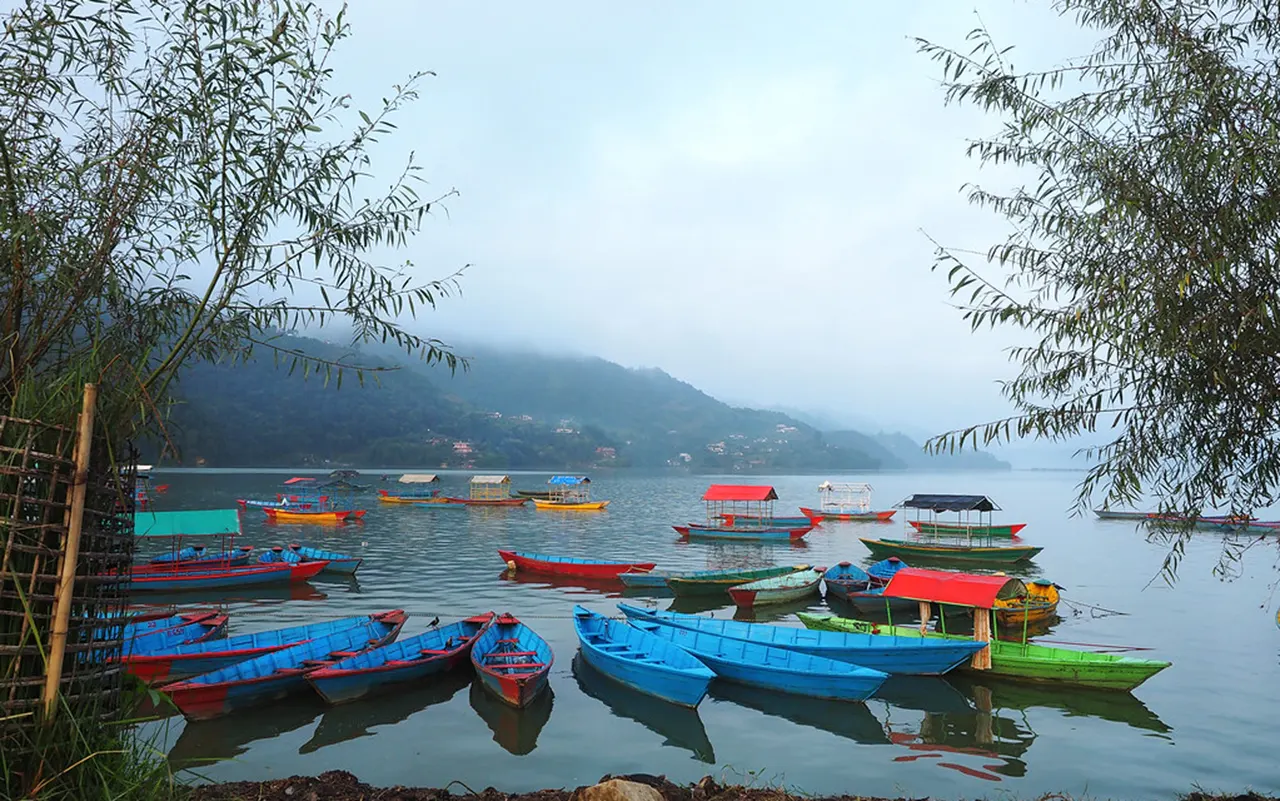
Compared to the crowded Kathmandu, Pokhara is a quiet place, with visitors being able to enjoy nature and at the same time access modern tourism facilities. This city is also known for Phewa Lake, where visitors can also take boat rides as they look at the reflection of the Annapurna and other mountain ranges, namely Machhapuchre.

Pokhara is also the starting point to numerous trekking trails within the Annapurna area. Visitors who are not intending a hiking trip come to Pokhara to see stunning Himalayan views through such viewpoints as Sarangkot, which is about 1,600 m (5,249 ft) high.

Along with the natural beauty, Pokhara is the number one adventure destination in Nepal. Paragliding, ziplining, ultralight flights, mountain biking, and boating are some of the activities that attract thousands of visitors annually. Due to the numerous attractions, Pokhara is a significant part of most itineraries in estimating the total cost of the Nepal Tour Package.

Pokhara Daily Cost Breakdown

The prices of travelling in Pokhara depend upon the level of accommodation, mode of transport, and activities chosen.

Pokhara Daily Travel Cost

Expense Category Budget Traveler Mid-Range Traveler Luxury Traveler
Accommodation $10–25 $40–100 $150–300+
Food $7–15 $20–35 $40–80+
Local Transport $3–10 $10–20 $30–60+
Activities & Sightseeing $5–20 $20–50 $50–150+
Daily Total $25–50 $60–120 $150–400+

Travelers who are on a low budget can comfortably explore Pokhara spending between 25 and $50 a day. This is a typical budget that will include basic accommodation, local food, transport in the country, and some sightseeing.

The comfort of staying in a hotel, dining out, and other leisure activities can be enjoyed by mid-range travelers who spend between 60 and 120 dollars per day.

Luxury travelers tend to incur a range of 150-400 or more a day based on the standards of accommodation and adventure activities.

Major Expenses in Pokhara

One of the biggest travelling costs in Pokhara is accommodation. The majority of tourists want to stay in the center of the city in the tourist area known as Lakeside. Lakeside has convenient access to restaurants, shops, cafes and recreational activities. Hotels that are located further from Lakeside tend to be cheaper.

Budget rooms are typically priced between 10 and 25 a night. Usually, 3 and 4-star hotels are comfortable and cost between 40 and 120 dollars a night. High-end lakeside hotels and resorts can be as expensive as $150 to 300 or more a night.

The prices of food are lower in Pokhara. The traditional Nepali foods are very cheap, whilst foreign restaurants have a large range of food that is average priced.

The overall cost of the Nepal Tour Package is largely affected by adventure activities. Paragliding is another popular activity in Pokhara. Flying out of Sarangkot, the visitors will have a chance to see mountains, lakes, and valleys from the air. Sailing Phewa Lake is another common activity, and is not very expensive. Adventure lovers can also opt to go ziplining, on ultralight flights, bungee jumping, or mountain biking.

Popular Activity Costs in Pokhara

Activity Estimated Cost
Phewa Lake Boating $5–15
Paragliding $70–120
Zipline $50–90
Ultra-Light Flight $100–250
International Mountain Museum $5–10

Another high cost is transportation between Kathmandu and Pokhara.

Affordable Nepal Tour Package

Kathmandu–Pokhara Transportation Cost

Transport Type One-Way Cost Per Person
Tourist Bus $10–20
Deluxe Tourist Bus $15–30
Private Car $80–150
Private Jeep $120–250
Domestic Flight $80–130

The cheapest option continues to be tourist buses. Domestic flights are cost-effective in time and offer mountain views at the expense of a Nepal tour package.

Pokhara Package Cost Examples

There are different package durations in travel agencies according to the preferences of travelers.

Pokhara Package Price Estimates

Package Duration Budget Package Standard Package Luxury Package
2 Days / 1 Night $150–250 $250–400 $500–900
3 Days / 2 Nights $250–400 $400–600 $700–1,200
4 Days / 3 Nights $350–500 $500–800 $1,000–1,500+

The majority of them come with accommodation, transportation, sightseeing, airport or bus station transfers, and activities of choice. Staying longer usually gives the advantage, as the cost of transportation is spread over more days.

Chitwan Tour Cost 2026–2027

Introduction to Chitwan National Park

Chitwan National Park is the most renowned wildlife site in Nepal and one of the most significant conservation sites in South Asia. The park is found in the southern plains of Nepal, and it comprises vast forests, grasslands, wetlands, and river systems.

Chitwan is considered a UNESCO World Heritage Site where one-horned rhinoceros, Bengal tigers, crocodiles, deer, wild boars, monkeys, and hundreds of bird species can be found. Chitwan offers an entirely different experience to many visitors, compared to the mountains and cultural sites of other parts of Nepal.

The majority of tourists lodge in Sauraha, the major tourist entry to Chitwan National Park. The area is one of the most significant destinations to consider when the total Nepal Tour Package Cost is calculated due to the jungle lodges, safari resorts, cultural programs, and wildlife activities.

Chitwan Daily Cost Breakdown

Chitwan Daily Travel Cost

Expense Category Budget Traveler Mid-Range Traveler Luxury Traveler
Accommodation $20–50 $50–120 $150–400+
Meals $5–15 $15–30 $30–60+
Safari Activities $10–25 $30–70 $70–150+
Entry Fees & Miscellaneous $5–10 $10–20 $20–40
Daily Total $30–60 $70–150 $200–500+

Low-end travelers tend to spend between 30 and 60 a day. Mid-range travelers tend to spend between 70-150 per day/luxury can spend between 200 and 500 or higher per day, depending on the category of resorts and safari experiences.

Main Expenses in Chitwan

A major cost of travelling in Chitwan is the safari activities. One of the most popular is jeep safaris, as they enable the visitors to visit deeper parts of the national park and see as much wildlife as possible. Rafting on the Rapti River is a way to view crocodiles, birds, and river ecosystems. Guided jungle walks and birdwatching excursions are also available.

Chitwan Jungle Safari – 3 Days
Nepal remains among the most enticing tourist spots in Asia for international tourists who plan their holidays in...
3 Days
Easy

US$ 130

The cost of accommodation is quite different. The budget lodges are simple and comfortable facilities, whereas the luxury jungle resorts are luxurious with amenities, swimming pools, landscaped grounds, and personalized services.

Most safari packages usually cover national park entry fees; however, in some cases, they are charged individually. Before travelers can book a package, they need to check the inclusions of the package.

The other way that cultural programs enhance visitor experience is through cultural programs. Traditional dance shows by Tharu people and tours of the villages enable tourists to gain knowledge about the native people dwelling around the national park.

Chitwan Package Cost Examples

The Chitwan package costs are given below for different packages:

Chitwan Safari Package Rates

Package Duration Budget Package Standard Package Luxury Package
2 Days / 1 Night $100–150 $150–250 $300–500
3 Days / 2 Nights $150–250 $250–450 $500–900
4 Days / 3 Nights $250–400 $400–700 $800–1,200+

The safari packages which are provided by most safari companies feature accommodation, meals, jungle activities, guide services, cultural programs, and transportation in the destination.

Kathmandu–Pokhara–Chitwan Combined Tour Package Cost

The Kathmandu Pokhara Chitwan Tour Package is the most renowned in Nepal. It is a trip that is an combination of the cultural, natural, and wildlife attractions in the country, and is an all-in-one travel experience.

A 6-8 day trip is the most common itinerary used by most visitors since it allows them to visit the key sites without the need to hurry. The tours normally start in Kathmandu, travel to Pokhara, and end with a safari adventure in Chitwan and back to Kathmandu.

The total cost of the Nepal Tour Package of this itinerary is mostly dependent on the accommodation standards, mode of transportation, and activities involved.

Chitwan

Combined Package Cost Breakdown

Package Type 6 Days 7 Days 8 Days
Budget Package $350–500 $400–550 $450–600
Standard Package $600–900 $700–1,000 $800–1,200
Luxury Package $1,200–1,800 $1,500–2,200 $1,800–2,500+

What Is Usually Included?

Service Budget Standard Luxury
Hotel Accommodation
Tourist Bus Transport Optional
Private Vehicle Optional
Domestic Flights Optional Often Included
Breakfast Included Included Included
Guided Sightseeing Basic Included Private Guide
Chitwan Safari Activities Premium Activities
Airport Transfers Included Included Included

The Kathmandu Pokhara Chitwan Tour Package is the best to introduce first-time visitors to Nepal and offers great value for money.

Factors Affecting Nepal Tour Costs

The Total Nepal Tour Package Cost is dependent on several factors. The most significant is the travel season, when prices are usually higher during the best seasons of spring (March–May) and fall (September–November). The accommodation options also have an impact on costs, where luxury hotels are very expensive compared to budget guesthouses.

Another critical variable is transportation since personal vehicles and domestic flights are more expensive than tourist buses. Group tours can save money since transportation and guide fees are distributed among the group members. Tailor-made packages tend to be more expensive compared to fixed packages. Travel costs might also be affected by inflation, fuel prices and exchange-rate fluctuations in 20262027.

Money-Saving Tips for Nepal Tour

Nepal is also one of the cheapest Asian travel destinations, and with proper planning, travelers can save even more. Travelling during the off-season is one of the best methods of lowering the total cost of Nepal Tour Package. The winter and monsoon months are usually the time when hotel rates are cheaper, and package deals are offered at attractive prices when compared to the spring and fall seasons.

Transport decisions also impact the cost of travel. Tourist buses tend to be significantly less expensive than domestic flights or personal vehicles and could greatly reduce the cost of travel. Another good option that will save money is to book a whole tour package, as the tour operators are usually given discounts by the hotels and transport providers.

The process of accommodation selection is also important. Guesthouses and tourist-grade hotels offer good accommodation at a lower price compared to luxury accommodation. The travelers can also save money by trying local Nepali cuisine like dal bhat, which is cheap but with high nutritional value.

Another good alternative that can help to save money is group travel, as transportation expenses and guide fees can be divided between multiple travelers. Lastly, it is always good to book a trip early in order to get a better bargain and space. The following are just a few tips that can assist travelers in dealing with the Nepal Tour Package Cost and still have a memorable experience in Nepal.

Sample Itineraries with Costs

The simplest method to get an idea of the likely Nepal Tour Package Cost is to have a look at some sample itineraries. The table below gives realistic estimates of prices of some of the most popular travel routes in Nepal in the year 2026–2027.

3-Day Kathmandu Tour

The Kathmandu tour is a perfect tourism choice when one has limited time and wishes to experience the cultural and historical heritage of Nepal.

The first day is usually an arrival at the airport, hotel check-in, and sightseeing of Kathmandu city. Thamel and other cultural places are frequented by visitors. The second day is normally spent on UNESCO World Heritage Sites, which are Kathmandu Durbar Square, Swayambhunath, Boudhanath, and Pashupatinath Temple. The third day will give time to do more sightseeing.

3-Day Kathmandu Tour Cost Breakdown

Expense Budget Standard Luxury
Hotel $40–60 $100–180 $300–600
Meals $20–40 $50–80 $100–200
Transport $20–40 $50–100 $150–300
Entry Fees $30–50 $30–50 $30–50
Total Cost $150–250 $250–500 $600–1,150+

This Nepal Tour Package will be a fantastic introduction to Nepal culture at a relatively low Nepal Tour Package Cost.

5-Day Kathmandu and Pokhara Tour

This itinerary will be a mix of cultural sightseeing, natural scenery, and mountain views.

Before going to Pokhara, travelers normally spend two days in Kathmandu. The other days will be spent in Lakeside, Phewa Lake, Sarangkot, Davis Falls, Gupteshwor Cave, and other local sites.

5-Day Kathmandu and Pokhara Cost Breakdown

Expense Budget Standard Luxury
Hotel $80–150 $200–400 $600–1,200
Meals $40–80 $80–150 $200–350
Transportation $40–80 $100–250 $300–700
Sightseeing & Activities $50–100 $100–200 $200–500
Total Cost $300–500 $500–1,000 $1,300–2,750+

This is still among the most frequented itineraries of tourists who want to enjoy a mixture of culture and nature.

7–8 Day Kathmandu Pokhara Chitwan Tour Package

The Kathmandu Pokhara Chitwan Tour Package is the most complete introductory itinerary to Nepal.

Tourists start their journey in Kathmandu, proceed to Pokhara where they observe the mountainous landscape and other recreational activities, and complete their journey in Chitwan, where they do a wildlife tour and cultural tours.

7–8 Day Kathmandu Pokhara Chitwan Tour Package Cost

Expense Category Budget Standard Luxury
Accommodation $120–200 $350–700 $1,000–2,000
Meals $60–120 $150–250 $350–600
Transportation $80–150 $200–450 $500–1,200
Activities & Entry Fees $100–150 $150–300 $300–700
Total Cost $400–600 $850–1,700 $2,150–4,500+

This itinerary is generally the most optimal and includes the most well-known destinations in Nepal among most travelers.

Best Tour Operators in Nepal

The selection of the appropriate tour operator is critical in order to have a happy and flawless journey in Nepal. Travelers need to seek companies that are legally registered under the tourism government of Nepal and have a good reputation in the field. Authorized operators have higher chances of offering quality services, trained employees, and professional trip management.

Travelers can get an idea of the quality of service provided by a company by reading customer reviews and testimonials. Good responses about the communication facilities, transportation, accommodation, and guide services are generally a positive indicator. Seasoned operators can also negotiate more favourable deals with hotels and other local service providers, which makes travelling more comfortable.

Comparison of package inclusions should also be done. Packages with similar appearances can differ in terms of accommodation, mode of transportation, meals, sightseeing and entry charges. This knowledge will allow tourists to consider the real Nepal Tour Package Cost and make sure they do not spend unplanned money.

Advanced booking is advisable in the high seasons of spring and autumn, which are the busiest, and the supply can be scarce.

FAQs About Nepal Tour Cost

Is Nepal a costly tourist destination?

No. Nepal is a cheap country that offers budget, mid-range, and luxury travel options.

What will a 7-day tour of Nepal cost?

The average price of a 7-day tour is between 400 -600$ for a budget traveler, 850-1,700$ for a normal traveler, and 2,000$ and above for a high-end traveler.

How can I travel in Nepal cheaply?

Ride tourist buses, stay in guesthouses, eat local foods and participate in group tours.

Is Nepal a safe destination to solo travel?

Yes. Nepal is typically a safe destination for solo travel, but it is advisable to take typical precautions when traveling.

Do Nepal tour packages include flights?

International flights are usually not included. Some premium packages may include domestic flights.

What is the best time to visit Nepal?

The most favorable season is spring (March-May) and autumn (September-November) with the best weather and views of the mountains.

Nepal Adventure Tour
Nepal remains among the most enticing tourist spots in Asia for international tourists who plan their holidays in...
11 Days
Difficult

US$ 500

Do tour packages include entry fees?

There are those that contain the entry fees, and there are those that charge it separately. It is important to always verify inclusions before booking.

Pokhara

Conclusion

Nepal will remain a great destination for tourists in need of cultural, natural, adventure, and wildlife tourism in the year 2026 and 2027. Although tourism demand and operating expenses have been on a gradual increase, the country is still among the cheapest in Asia.

Knowing the Nepal Tour Package Cost they are expected to have will enable tourists to plan their holidays better and choose the most suitable type of packages that suit their budget and expectations. Low-cost travelers will be able to experience memorable moments at comparatively low prices, whereas luxury travelers will be able to get premium services and accommodation at affordable prices.

Kathmandu also presents the rich history and cultural heritage of Nepal to the visitors. Pokhara offers picturesque lakes, mountain ranges, as well as adventure. Chitwan has memorable wildlife experiences and jungles. These destinations collectively form the most sought-after tourism circuit of the country and are still the basis of most travel plans.

The traditional Kathmandu Pokhara Chitwan Tour Package still offers the best introduction to Nepal. Regardless of whether the travelers are on a budget, standard, or luxury trip, this itinerary provides a good mix of culture, scenery, and wildlife.

With the ever-increasing tourism, studying the most recent Nepal Tour Package Price 2026-2027 will assist tourists in getting the best price. Through proper planning, visitors will have an unforgettable Nepal holiday and keep their Nepal Tour Package Cost within the envisioned budget.


Everest Base Camp Trek Cost from USA, Europe, India & Australia (2026/2027): Plan Your Trip Budget Wisely

Everest Base Camp Trek Cost is among the initial considerations made by tourists planning a trip to the Himalayas. This adventure is not merely that of arriving at a well-known place, but also knowing what you will spend on the trip.

Prices are all over the place, based on the mode of travel, time of year, and the nation you are visiting, be it the Everest base camp trek of the USA, the Everest base camp trek of India, the Everest base camp trek cost of Australia, or the Everest base camp trek cost of Europe. It is better to plan so that you do not run into any unnecessary costs, and your trek will be a more comfortable journey.

Everest Base Camp Trek Expenses by Country 2026 2027 Travel Cost Guide

Overview of the Everest Base Camp trek

The Everest Base Camp trek will bring you to the center of the Khumbu region in Nepal. The trip is typically initiated by air travel to Lukla and followed by the mountain village, forest, and high-altitude scenic path.

Everest Base Camp Trek -12 days
Everest Base Camp Trek Cost is among the initial considerations made by tourists planning a trip to the...
12 days
Moderate

US$ 950

The last point is Everest Base Camp (5,364 m / 17,598 ft), where trekkers see the base of the highest mountain in the world. Along the way, you experience Sherpa culture, Buddhist monasteries, and stunning Himalayan views.

Why is understanding the total trip cost important?

Knowing the Everest Base Camp Trek Cost beforehand enables you to plan ahead in terms of the financial side and avoid stress along the way. Most tourists are preoccupied with the cost of the packages when they fail to consider other costs such as food, permits, equipment, and insurance.

Having a definite budget will enable you to select the appropriate mode of travel, and you will not end up spending more than you have allocated for the trek.

Major factors affecting the EBC trek cost in 2026/2027

The overall price is determined by several factors such as international flights, trekking permits, accommodation, guide and porter services, and daily food expenditures.

The seasonal demand also contributes significantly since the months when it is at its peak are more costly. Nepal also experiences slight exchange rates and inflation that can slightly alter overall pricing every year.

Average budget range by travel style

Everest Base Camp Trek Price is dependent on the level of comfort. The trekkers on a budget can consider spending less on simple tea houses and group service, while trekkers on the mid-range opt for a guided arrangement of better comfort.

Helicopter returns and luxury lodges might be added to luxury trekkers. The average price is between economical budget travel and luxury experience, based on personal choice and planning.

Everest Base Camp Trek Cost Overview 2026/2027

Everest Base Camp Trek Cost in 2026 and 2027 is primarily based on the type of travel experience you desire and the degree of comfort you would desire throughout the journey. Other trekkers are interested in a simple and cost-effective strategy, but some are interested in comfort, convenience, and time-saving alternatives. The total cost is influenced by international flights, accommodation, food, permits, guide services, and optional upgrades such as a helicopter return.

Average Total Cost by Traveler Type

The general price of the trek varies, depending on the mode of travel and comfort level. The least expensive one is a budget trek, which concentrates on the simple services and common facilities. There is a better comfort with a typical guided trek that includes the assistance of a professional guide, porters, and a well-designed itinerary.

Luxury trek consists of better lodges, better food, and better logistics to have a more comfortable experience. Another option is the helicopter return by some travelers, which adds to the overall cost but saves trekking days on the descent, and adds a lot of convenience.

Budget trekker

The Everest Base Camp Trek Cost is maintained at a low limit by a budget trekker who opts to stay in simple tea house accommodation and simple local meals on the way. Budget trekkers are mostly involved in group departures to share transport and guide expenses. They also hire out trekking equipment in Kathmandu rather than purchasing equipment that is very costly.

The rooms are commonly shared, or very simple, and comfort is not so much, yet the experience of the Himalayas is without alteration. This is the best choice because one is flexible, physically ready, and more oriented towards the journey than the comfort. Costs are managed on a day-to-day basis, and this is the most cost-effective means of accessing Everest Base Camp.

Standard guided trekker

Many travelers prefer a normal guided trek, which is the most balanced one. It comes with a licensed guide attending to navigation, permits, safety, and daily planning, thus eliminating stress in the trek. A porter is also provided to transport heavy luggage, making the journey easier physically.

In this category, accommodation is normally in better tea houses where there are better rooms, cleaner facilities, and more reliable food. The program is designed in order, and therefore, trekkers can concentrate more on the scenery than on the logistics. This is the best choice when one wishes to experience comfort and safety without going into the high-end luxury market.

Luxury trekker

The highest comfort that one can enjoy in the Everest Base Camp route is a luxury trek. Trekkers will be accommodated in top lodges with their own rooms, higher beddings, attached baths in lower areas, and enhanced food service. Food is more diverse and cooked with better quality products than in normal tea houses.

Everest Luxury Trek – 9 Days
Everest Base Camp Trek Cost is among the initial considerations made by tourists planning a trip to the...
9
Moderate

US$ 2700

Some common features of luxury packages are private guides, flexible schedules, hot showers, WiFi in some places, and priority services. All is pre-planned to make it a stress-free experience. This alternative will greatly escalate the total Everest Base Camp Trek Price but is suitable for individuals wanting comfort, privacy, and a less vigorous trekking speed.

Helicopter return option

The helicopter return involves trekkers who do not wish to make the long and laborious trek down after visiting the Everest Base Camp. Rather than having to walk back to take a few days to get there, you can fly with a helicopter right to high altitude places such as Gorak Shep or Phoriche straight to Kathmandu or Lukla.

This alternative is very time- and energy-saving, particularly for those who have few travel days. It also has beautiful aerial pictures of the Himalayas. Nevertheless, it incurs a significant expense on the overall Everest Base Camp Trek Cost, thus being one of the most expensive yet time-saving options.

Everest Base Camp Trek Cost USA Europe India Australia 2026 2027

Quick Cost Breakdown Table

Expense Estimated Cost (USD)
International flights 600 to 1,900 USD
Nepal visa 30 to 125 USD
Trek permits 55 to 65 USD
Domestic Lukla flight 230 to 450 USD one way
Guide and porter Guide 25 to 50 USD|
Porter 15 to 25 USD
Accommodation 10 to 50 USD per night
Food and drinks 35 to 60 USD per day
Travel insurance 60 to 250 USD
Gear and equipment 200 to 1,000 USD
Tips and personal expenses 150 to 400 USD

This breakdown will enable you to have a clear understanding of where your Everest Base Camp Trek Cost goes and where the various categories add up to the overall budget.

Everest Base Camp Trek Cost from the USA

The cost of the Everest Base Camp Trek in the USA is typically higher than in other countries due to long-haul international flights and other travel time. American trekkers can look forward to the total cost of the journey amounting to different things in 2026 and 2027, depending on the comfort, style of trekking, and season. The average cost of the entire adventure, including flights, permits, accommodation, food, guide services, and personal costs are between 2,500 USD and 6,500 USD.

International Flight Cost from the USA to Nepal

The USA to Kathmandu flights constitutes a significant part of the overall budget. The majority of the routes involve one or two stopovers, usually in Doha, Dubai, Istanbul, or Delhi. Such connecting flights are usually a comfortable flight but may be lengthy, usually ranging between 18 and 25 hours, depending on the route.

Popular departure cities

The largest cities of departure are New York, Los Angeles, San Francisco, Chicago, Boston, and Washington DC. Geographical closeness to Asia tends to provide the West Coast cities a slightly reduced and shorter flight time than the East Coast routes.

Best airlines and routes

The airlines that are popular on this route are Qatar Airways, Emirates, Turkish Airlines, Singapore Airlines, and Air India. These airlines are favored because of their stable service, increased baggage allowance to carry trekking equipment, and easy international links. The majority of the travelers prefer the routes that have the least number of layover hours so that they can be tired of that before they begin the trek.

Average airfare in 2026/2027

By the year 2026 and 2027, airfare will remain between 1,000 USD to 1,900 USD. During high season trekking, in the spring and autumn seasons, when demand is high, prices can be high. And the best method to get lower fares is to book early.

Estimated Total EBC Trek Cost for Americans

Everest Base Camp Trek Cost USA: The cost of the Everest Base Camp trek differs according to the comfort of the travel and the services provided.

Trekking Style Estimated Total Cost (USD)
Budget trek 2,000 to 3,200 USD
Mid-range trek 3,200 to 5,000 USD
Luxury trek 5,000 to 8,000+ USD

Basic tea houses, collective transportation, and leaving as a group are all common among the budget trekkers. Mid-range trekkers have a guided experience with improved accommodation, food, and porter service. Premium lodges, private services, and optional helicopter return are some of the luxuries offered to luxury trekkers, but they increase the total expense.

Money-Saving Tips for USA Travelers

Best booking season

Making reservations and trekking packages 3-5 months in advance saves the total cost of the Everest Base Camp Trek. Seasons immediately prior to or immediately after the peak months provide better prices and fewer crowds on the trail.

Group joining vs private trek

A group trek is relatively cheaper since the cost of a guide and others, such as porters and logistic costs, is distributed among the trekkers.

The private treks provide flexibility to the schedule and pace, and also add a great deal of money to the overall budget.

Insurance recommendations

This trek is essential for travel insurance. It must cover high altitude, emergency medical evacuation, and helicopter rescue to at least (5,500 m / 18,044 ft).

Comparison of various insurance companies will assist USA travelers in getting appropriate coverage at an affordable cost, as well as guarantee their safety during the hike.

Everest Base Camp Trek with Helicopter Return
Everest Base Camp Trek Cost is among the initial considerations made by tourists planning a trip to the...
13 Days
Moderate

US$ 2400

Everest Base Camp Trek Cost from Europe

The price of the Everest Base Camp Trek in Europe is relatively average in comparison to North America because, in many cases, airline routes to Nepal are more relaxed and even less expensive. The overall price of a European traveler in the year 2026 and 2027 will depend on the city of departure, mode of trekking, and the season. The total cost of the trip with flights, permits, accommodation, and trekking services is between 2,300 USD and 6,000 USD on average.

Flight Cost from Major European Cities

Europe to Kathmandu flights are typically with one landing at cities such as Doha, Istanbul, Dubai, or Delhi. There are no direct routes, and the connections are efficient and frequent.

London

London flights normally cost between 700 USD and 1,400 USD, depending on the time of booking and season. Some of the most common connections to Kathmandu are in London.

Paris

Airfare between Paris is typically between 750 USD and 1,500 USD, most often as one-stop flights.

Frankfurt

Frankfurt is well connected internationally, with the average fares ranging between 700 USD and 1300 USD; it is usually cheaper to leave the city than other departure points.

Amsterdam

The average price of flights between Amsterdam is 750 USD to 1,500 USD with secure transit services via the Middle Eastern hubs.

Europe to Nepal Travel Budget

Everest Base Camp Trek Price for European travelers covers the costs of the flights and the trekking costs. The total trip costs are based on your independence or comfort level of travel.

Package cost estimates

Budget packages will be between 2,300 USD and 3,000 USD, mid-range guided treks will be between 3,000 USD and 4,500 USD, and luxury packages will be between 4,500 USD and 6,000 USD. Such packages commonly comprise permits, accommodation, guide services, as well as meals during the trek.

Independent trekking costs

Independent trekkers might save on guide services but will require permits, accommodation, food, and flights. This alternative is slightly cheaper, but it needs additional planning and navigation experience.

Tips for European Trekkers

Schengen travelers’ insurance advice

European trekkers would want to take insurance that includes trekking at high altitude (at least 5,500 m / 18,044 ft) and emergency evacuation, as well as trip cancellation. Most Schengen travel insurance will provide a global cover, and hence it is easy to get the right cover.

Cheapest transit routes

The cheapest flights normally go through Istanbul or Doha. The Everest Base Camp Trek Cost in Europe can be greatly lowered by booking in advance and being flexible with the travel dates. Flights on a midweek are usually cheaper than those on the weekend, particularly when there are high trekking seasons.

Everest Base Camp Trek Cost from India

Everest Base Camp Trek Cost in India is normally less than in Western countries due to the short distance of travel as well as cheaper modes of travel by flight or land to Nepal.

Indian trekkers will be able to spend more or less depending on the comfort level, the type of travel, and the services provided in 2026 and 2027. The complete trip, including travel, permits, accommodation, food, and trekking services costs between 1200 USD and 3000 USD on average.

Kathmandu Travel Options from India

There are also various convenient and simple options in which Indian travelers can arrive at Kathmandu, hence making the total cost of the Everest Base Camp Trek a lot cheaper.

Flights

There are direct flights between Indian cities such as Delhi, Mumbai, Kolkata, and Bangalore and Kathmandu. They are the quickest and most convenient and tend to take 1.5 to 2 hours. The airfare is usually between 120 USD and 300 USD based on the time of year and time of booking.

Train + bus combinations

Budgeters tend to take a train to border towns such as Gorakhpur or Raxaul and take a bus or jeep to Nepal. This alternative is more time-consuming and less expensive in terms of transportation.

Direct overland travel

Another cheap method of overland entry is by Sunauli, Kakarbhita, or Birgunj. Once it crosses the border, travelers are transported to Kathmandu by local buses or shared jeeps. This is the cheapest means of accessing Nepal.

Budget-Friendly EBC Trek for Indian Travelers

The proximity and low travelling costs generally make Indian trekkers gain in terms of cost savings. Several opt to go on a budget or tailor their trek to save on unwarranted expenses but still experience the entire Everest experience.

Affordable package options

Budget trekking packages typically offer basic accommodation, group transport, permits, and group guided services. The Everest Base Camp Trek Cost of these packages is low and suitably addresses all the necessary needs.

Shared jeep and local transport choices

You can save on transportation costs by using shared jeeps and local buses in Nepal. This alternative is the choice of many Indian trekkers, as opposed to using personal vehicles, in order to save money on the trip to Lukla and the areas around it.

Everest Base Camp Trek Price Comparison USA Europe India Australia

Estimated Cost for Indian Trekkers

The Indian Cost of the Everest Base Camp Trek varies with the nature of service, comfort, and style of trek. The following will be a clear breakdown to better understand.

Trekking Type Estimated Cost (USD) Description
Budget trekking 1,200 to 1,800 USD Includes basic tea house accommodation, group trekking, simple meals, and minimal extra services. Best for cost-conscious trekkers.
Guided trekking 1,800 to 2,500 USD Includes a licensed guide, porter support, an organized itinerary, and better accommodations along the route. Offers a balanced experience.
Premium trekking 2,500 to 3,000 USD Includes upgraded lodges, improved meals, smoother logistics, and more comfort throughout the journey. Ideal for a more relaxed experience.

Everest Base Camp Trek Cost from Australia

Everest Base Camp Trek prices in Australia tend to be higher than in the Asian countries, primarily due to the international long-distance flights. Australian trekkers can expect a range of prices for the entire trip in 2026 and 2027, depending on the cost of flights, the type of trekking, and the comfort. The total cost of the trip that covers flights, permits, accommodation, food, and trekking services is averaged to 2,800 USD to 6,500 USD.

Australia to Nepal Flight Cost

Australia Kathmandu flights are long-distance flights that typically have one or two stopovers in a major transit point like Singapore, Kuala Lumpur, Doha, Bangkok, or even in Hong Kong. The average length of the trip is about 14 to 25 hours, based on the airline, route, and the length of the layover. As they constitute a significant portion of the Everest Base Camp Trek Cost to Australian travelers, early booking and flexible dates can save a lot of money.

The table below shows a city-wise average round-trip airfare between Australia and Nepal in 2026 and 2027.

Departure City Average Flight Cost (USD) Details
Sydney 900 to 1,700 USD One of the most common routes has frequent international connections and multiple airline options.
Melbourne 900 to 1,700 USD Similar pricing to Sydney with routes via Southeast Asia or Middle Eastern hubs.
Brisbane 950 to 1,800 USD Slightly higher fares at times, depending on season and seat availability.
Perth 800 to 1,600 USD Often more affordable due to closer proximity to Asian transit hubs and shorter travel routes.

On the whole, airfare is a significant portion of the Everest Base Camp Trek Cost in Australia, and thus, flexible travel dates, choosing airlines, and booking some months in advance will allow you to save the overall budget considerably.

Complete EBC Trek Budget for Australians

The price of the Everest Base Camp Trek in Australia varies with the kind of package and comfort one opts for. Flights are the biggest expense, followed by trekking services in Nepal.

Economy trekking budget

Economy trekking is approximately 2,800 USD to 3,500 USD. This comprises low-cost flights, simple tea house stays, group trekking, and simple food. It is appropriate for travelers who wish to maintain low costs but accomplish the trek safely.

Standard trekking package

Normal trekking costs 3,500 USD to 5,000 USD and involves a certified guide, assistance of porters, superior housing, and more structured logistics. This is the most favored option of Australian trekkers.

Luxury experience

Luxury treks cost between 5,000 USD and 6,500 USD. Such packages comprise premium lodges, upgraded meals, flexible itineraries, optional helicopter return, which provide maximum comfort when traveling.

Australian Travel Tips

Best airlines

The popular airlines are Qatar Airways, Emirates, Singapore Airlines, and Thai Airways. These airlines provide solid links, reasonable baggage capacity to carry trekking equipment, and comfortable long-haul flights.

Best trekking seasons

The spring (March to May) and autumn (September to November) are the most suitable seasons for Australian trekkers. These are the months of good weather, clear skies, and mountain views, and prices are a little higher, as it is in demand.

Nepal Visa Cost for Everest Base Camp Trek

A Nepal visa is not complicated, and most tourists intending to visit the Everest Base Camp Trek find it easy to acquire. You can get it at the time of arrival in Tribhuvan International Airport, Kathmandu, or at the land borders. The visa fee will vary depending on how many days you plan to spend in Nepal.

Nepal Tourist Visa Fees

Visa Type Cost (USD) Notes
15-day visa 30 USD Suitable for short trips
30-day visa 50 USD Most common for the EBC trek
90-day visa 125 USD For extended travel

Visa Extension Information

In case your trek or travel agenda exceeds your visa, then you can easily renew it in Kathmandu. Extension is done at the Department of Immigration. You will be required to provide your passport, visa information and extension fee. The extensions are normally charged on a per-day basis, and processing tends to be a smooth process provided that it is done before the expiry date.

Where and how to extend

Extension of visas can be made at the immigration office in Kathmandu. It is advisable to apply in advance of your existing visa to prevent fines or inconvenience.

Everest Base Camp Trek Permit Costs 2026/2027

The Everest Base Camp Trek requires trekkers to acquire certain permits. They are needed to gain access to safeguarded regions and localities. It is a simple procedure that is typically done by trekking agencies or is acquired in Kathmandu.

Everest Base Camp Trek – 14 days
Everest Base Camp Trek Cost is among the initial considerations made by tourists planning a trip to the...
14 Days
Moderate

US$ 1130

Required Trekking Permits

Permit Type Cost (USD) Purpose
Sagarmatha National Park Permit 30 USD Entry to the Everest region
Khumbu Pasang Lhamu Permit 20 to 30 USD Local area permit

Updated Permit Prices

The cost of the total permit is affordable in 2026 and 2027, with an average of 50 USD to 60 USD for most international trekkers. The prices can be subject to slight changes following government amendments.

SAARC vs foreigner pricing

Indian trekkers, as well as the nationals of SAARC, are usually charged less or offered a discount on their tariffs than foreign tourists. The two permits cost the same as those charged to foreign trekkers.

In general, the permit costs constitute a minor yet essential component of the total Everest Base Camp Trek Cost and provide legal access to the trekking area.

Lukla Flight Cost in 2026/2027

The Lukla flight is one of the key components of the cost of the Everest Base Camp Trek, as it links Kathmandu or Ramechhap to the base of the trek. The prices change according to season, demand, and weather conditions.

Kathmandu to Lukla Flight Price

The Kathmandu to Lukla flights normally cost 230 to 450 USD one way. Due to the high demand and the limited windows of flights, the price is higher during peak seasons when trekking is in high demand.

Peak season vs off-season rates

Prices are on the higher end during peak seasons (spring and autumn) as flights fill fast. During the low season, the prices can be a little cheaper; however, delays due to weather are more frequent, and it can influence the travel arrangements.

Ramechhap Flight Information

In peak seasons, numerous Lukla flights are made between Ramechhap and Kathmandu. The reason why certain flights are made out of Ramechhap is that Ramechhap Airport is used to minimize air traffic in Kathmandu. It also enables a higher frequency of flights to Lukla in popular months of trekking. Fliers normally take a 4-5 hour ride to Kathmandu and then board the flight to Ramechhap.

Helicopter Flight Cost to Lukla or EBC

An alternative is faster and more expensive (Helicopter flights).

Shared helicopter: 600-1200 USD per head.

Charters: 3,000-6,000 USD based on route and group size.

Helicopters are also common in situations when flights are delayed or when trekkers prefer a direct scenic transport.

Everest Base Camp Trek Guide and Porter Cost

The Everest Base Camp Trek: The cost of hiring a guide and a porter is a significant expense to most trekkers. It enhances safety, lessens physical effort, and assists in locating in mountainous remote regions.

Hiring a Licensed Guide

An authorized guide will cost approximately 25 USD to 50 USD a day. Guides are oriented in navigation, altitude awareness, and emergency response.

Daily guide rates

Accommodation, meals, and insurance of the guide are included in the daily rate and considered to be organized by trekking agencies.

Guide benefits and safety

A guide offers route designing, culture clarification, permit management, and assistance throughout altitude sickness conditions. This will render the trek more comfortable and safe, particularly for first-time trekkers.

Porter Cost

The average price of a porter is between 15 USD and 25 USD per day. A single porter is capable of carrying 20-25 kg of goods.

Shared porter vs private porter

Certain trekkers also share a porter at a lower price, whereas other trekkers have a private porter so that they can travel more easily and more quickly. Shared options will lower the Everest Base Camp Trek Cost but necessitate the organization of other trekkers.

Guided Package vs Independent Trek

Guided packages have guide and porter services, accommodation, and logistics all in one. Independent trekking can save initial expenses but involves handling all aspects independently.

Which is better in 2026/2027

Generally, guided trekking is advised during 2026 and 2027 because of a higher level of safety, the necessity of permits, and the convenience of traveling. It provides superior performance in remote locations and minimizes the hazards of altitude and navigation.

Accommodation Cost During the Trek

The accommodation on the Everest Base Camp path is primarily in simple tea houses owned by the local families. The higher you go, the more primitive the facilities are and the higher the cost becomes gradually as a result of the difficulty of transport.

Everest Base Camp Trek Cost directly depends on the location of stay, particularly in high-altitude villages where the supply level is low. The following is a definite list of the accommodation and additional service costs in the trek.

Tea House Prices

Location Cost per Night Notes
Lower elevation (Lukla, Phakding) 10 to 20 USD Basic tea houses with shared bathrooms
Mid elevation (Namche, Tengboche) 20 to 30 USD Better facilities and more food options
Higher elevation (Dingboche, Lobuche, Gorak Shep) 30 to 70 USD Very basic rooms due to transport difficulty

Luxury Lodge Upgrades

Upgraded and luxury lodges are only found in the lower regions and are more comfortable than the standard tea houses. These options increase the overall Everest Base Camp Trek Cost but provide better sleeping conditions and privacy.

Type Cost Features
Premium lodges (lower regions only) 50+ USD An upgrade in terms of beds, private rooms, and enhanced comfort.

Additional Services along the Trail

There are other services, such as charging, WiFi, and hot showers, that are not included in accommodation, and they are charged per stop.

Service Cost
Charging devices 2 to 5 USD per hour
WiFi access 3 to 10 USD
Hot shower 3 to 8 USD

Food and Drink Cost on the Everest Base Camp Trek

The higher you go, the more the food is costly since all the food is transported by porters or animals. The Everest Base Camp Trek Food Cost is determined by your eating habits, altitude, and the meals you eat. The menus of most tea houses are similar, though they vary with elevation.

Meal Costs by Type

Meal Cost
Breakfast 6 to 12 USD
Lunch 10 to 18 USD
Dinner 12 to 22 USD

Drinks Cost

Item Cost Notes
Bottled water 1 to 4 USD Increases at higher altitude
Tea / Coffee 2 to 5 USD Herbal tea is common

Water Options

Option Cost Benefit
Bottled water High cost Convenient but expensive
Purification tablets Low cost Budget-friendly and eco-friendly
Water filters One-time cost Long-term savings

Daily Food Budget

Category Cost per Day
Food & drinks total 35 to 60 USD

Travel Insurance Cost for EBC Trek

Everest Base Camp trek requires travel insurance due to the threat of high altitude and remote mountain conditions. In Nepal, medical care is costly, particularly when helicopter evacuation is needed. Insurance should never be left out in the Everest base camp trek cost, as it provides safety and peace of mind.

Why Insurance is Essential

The insurance covers you against unforeseen circumstances such as altitude sickness, injuries, flight delays, and cancellation of the trip. In the Himalayas, it can be very expensive when there is an emergency.

High-altitude evacuation coverage

Your policy should go as far as helicopter rescue to at least (5,500 m / 18,044 ft) since the majority of trekking emergencies are above this altitude.

Average Insurance Price by Country

Country Cost (USD)
USA 120 to 250
Europe 100 to 200
India 60 to 150
Australia 120 to 250

What Your Insurance Must Cover

  • High altitude trekking insurance.
  • Emergency helicopter evacuation
  • Medical treatment in Nepal
  • Trip cancellation and delays
  • Loss of equipment or baggage.

Everest Base Camp Trek Budget Guide 2026 2027 International Travelers

Everest Base Camp Trek Gear Cost

The right equipment will be valuable for safety and comfort during the trek. The Everest Base Camp Trek Price would add to the price when you rent or purchase equipment before the journey.

Renting vs Buying Trekking Gear

In Kathmandu, renting is less expensive and more efficient when one wants to travel short-term, whereas purchasing is most suitable when one is a frequent trekker.

Gear Items

Item Cost Range (USD) Notes
Jackets 50 to 300 A down jacket is essential for cold weather
Sleeping bags 30 to 150 (rent) Must handle -10°C to -20°C conditions
Trekking poles 10 to 50 Helpful for steep sections
Boots 80 to 250 Waterproof and sturdy recommended

Gear Cost Estimates

Setup Type Total Cost
Budget gear setup 200 to 400 USD
Premium gear setup 500 to 1000 USD

Hidden Costs You Should Know

Most trekkers simply think about packages, but there are some hidden costs that can escalate the overall cost of the Everest Base Camp Trek when travelling.

Common Extra Expenses

Expense Cost
Tipping guides and porters 100 to 200 USD total
Snacks and bakery items 5 to 15 USD per day
Charging electronics 2 to 5 USD per hour
Souvenirs 20 to 100 USD
Emergency evacuation (without insurance) 5000 to 10,000 USD

How to Reduce the Everest Base Camp Trek Cost

It is possible to cut the cost of the Everest Base Camp Trek with a good plan and correct decisions made prior to and during the trip. The trek in itself is a final cost, such as permits and flights, but most of the daily costs can be kept down when you make feasible choices. Minor changes in style, schedule, and services of travel will result in a large amount saved without compromising the Himalayas experience.

Smart Budget Tips

Among the simplest methods of saving money is planning. Advanced booking of international flights can save airfares by a significant percentage. Selecting a group package rather than a personal trek is also a way of minimizing guide, porter, and transportation expenses.

The ability to carry only the necessary things will save the extra porter costs and make the hike more effective. Unnecessary expenses, such as eating local food rather than eating high-quality meals, can also be used to manage the expenses of the day.

Travel in groups

One of the best methods of reducing the cost of the Everest Base Camp Trek is by joining a group trek. When traveling in groups, expenses on guides, porters, and in a few cases, transportation are borne by all trekkers.

This saves personal costs but does not compromise on safety and assistance on the trail. It also renders the trek more social and less challenging for first-time trekkers.

Rent gear in Kathmandu

Trekking gear can be expensive if bought in your home country. Equipment renting in Kathmandu is more affordable and feasible for short-term trekkers. Products such as down jackets, sleeping bags, trekking poles, and backpacks can be readily found at affordable prices.

This assists in minimizing initial capital expenditure and yet still getting the right gear in cold conditions at the higher altitudes, such as (5,364 m / 17,598 ft) at Everest Base Camp.

Avoid unnecessary luxury services

Most trekkers waste their money on optional services that are not necessary. Being in luxurious lodges, ordering costly food, or picking flights by helicopters privately may put a huge strain on the overall budget.

By keeping to the traditional tea houses, simple meals, and shared services, the cost is kept in balance, and yet a full trekking experience is provided.

Cheapest Time to Trek

Timing is significant in controlling the Everest Base Camp Trek Cost. Shoulder seasons or off-peak periods of travel can result in cheaper travel, accommodation, and services. Nevertheless, weather conditions should be taken into account as well.

Winter and monsoon considerations

Trekking in winter seasons is cheaper but has the disadvantage of being extremely cold with fewer services at high altitudes. Monsoon is cheaper, and the rainfall is high, but the sky is cloudy, and delays in flights are common in Lukla.

These are the seasons when more experienced trekkers come and choose to save more than to stay in a comfortable place and see a clear mountain view.

Everest Base Camp Trek for Beginners
Everest Base Camp Trek Cost is among the initial considerations made by tourists planning a trip to the...
18 Days
Moderate

US$ 2700

Everest Base Camp Trek Package Cost Comparison

The overall Everest Base Camp Trek Cost is largely influenced by the selection of the trekking package. The packages are developed according to the level of comfort, the services provided, and flexibility. Others are concerned with affordability, whereas others are concerned with comfort and convenience.

Budget Package

Budget packages are offered to travelers with a tight budget who desire to undergo the trek at the minimal cost. They generally involve the basic tea house accommodation, common rooms, standard meals, and group trekking services. Guides are frequently shared between groups, and porters are only engaged due to the necessary luggage.

It is the most affordable Trek Cost because it maintains the Everest Base Camp Trek on a low budget, but demands flexibility and the accommodating nature of the simple forms of living during the trip.

Standard Package

The most common among trekkers are standard packages. They have a licensed guide, a porter support, booked accommodation, and three meals a day. Comfort level is moderate, and a cleaner tea house and more trustworthy services.

This is a package that is cost-effective and comfortable, and thus is suitable for most international travelers who seek a stress-free trekking experience as opposed to spending a lot.

Luxury Package

Comfort and quality services are provided during the trek in luxury packages. Trekkers spend the night in the most comfortable lodges, eat enhanced meals, and have personalized service from the guides and staff.

Others contain hot showers, internet connectivity, and flexible schedules. This is the most expensive alternative to the Everest Base Camp Trek but offers a highly comfortable and stress-free trip even in the far-flung mountain areas.

Helicopter Return Package

Helicopter returned trip consists of trekking up to Everest Base Camp and returning by helicopter rather than walking. This alternative will save a number of days of walking and will alleviate the physical burden.

It also provides breathtaking aerial scenic views of the Himalayas. Nevertheless, it is one of the priciest possible alternatives and introduces a significant addition to the overall Everest Base Camp Trek Cost.

Everest Base Camp Trek Budget

Suggested Budget for 12–14 Days EBC Trek

The overall cost of a 12 to 14-day Everest Base Camp trek varies based on the mode of travel, services, and individual spending patterns. This estimate does not include international flights, but concentrates on domestic costs in Nepal.

Budget Traveler Estimate

An economy traveler will spend between 1,400 to 2,000 USD. This involves simple accommodation, simple food, collective transport, and group trekking services. It is the cheapest method to make the journey, but physical fitness and malleability.

Mid-Range Traveler Estimate

Mid-range travelers tend to spend 1,800 USD to 3,000 USD. This involves a certified guide, porter assistance, superior lodging, and more agreeable meals. It is the most affordable and experience-wise balanced.

Luxury Traveler Estimate

Luxury travelers make an expenditure of 4,000 USD to 7,000 USD or above. This consists of quality lodges, enhanced food, personalized services, and an optional helicopter return. It is the most comfortable and costs the entire Everest Base Camp Trek.

Frequently Asked Questions

What will be the cost of the Everest Base Camp trek in 2026/2027?

Everest Base Camp Trek is a trek that is commonly priced between 2,000 and 6,500 USD in 2026 and 2027, depending on the mode of travel, the country of origin, and the type of package.

Is it costly to visit Everest Base Camp?

It is fairly costly compared to other treks. Prices are all over the board, yet it is affordable to most travelers due to budget options.

Is it possible that I trek EBC without a guide?

Yes, you can trek on your own, but it is highly advisable to have a guide because it is safer and easier to navigate and have local assistance.

What is the amount of cash that I will carry?

The average trekker is carrying between 300 USD and 600 USD in cash to buy food, beverages, tips, and miscellaneous items on the trek.

Is it worth it to go by helicopter?

It is based on your budget and time. It is costly, yet it saves a few days of walking, and it is an exclusive aerial adventure.

Conclusion

The Everest base camp trek is a life-changing adventure that offers a blend of adventure, culture, and natural beauty in the Himalayas. Knowing the cost of the Everest Base Camp Trek is going to help you plan adequately and be free of the financial burden you might have had to bear in the course of the trek.

The overall cost is not predetermined and may vary depending on your mode of travel, level of comfort, and the country you originate from. Before planning your trip to the Everest base camp trek in the USA, or the Everest base camp trek cost from Australia, or the Everest base camp trek cost from Europe, a well-thought-out budget would be the difference between your enjoyment of the whole experience.

Final budget recommendations by country

The overall price is very different, and it depends on your place of departure. Indian travelers tend to spend the minimum due to a shorter travel distance and cheaper access to Nepal. The general budgets of American and Australian trekkers are high as they take long international flights and other travel time.

European travelers tend to lie in the middle category, but the prices may vary depending on the city of departure and the time of flight reservation. No matter which country you are going to, the correct selection of a package and budgeting the expenses correctly can help to keep the total Everest Base Camp Trek Cost within its limits.

Importance of planning early

One of the best methods of cutting down expenses and making your trekking experience more enjoyable is by planning it early. Early flights may lead to reduced flights and improved seat tickets. Early reservation also assists in getting a trekking date of choice, particularly during peak seasons when the demand is high.

Accommodation and guide services can also be organized in advance, and there is less chance of last-minute price hikes or the lack of options. You also have additional time to plan and train both physically and psychologically on high altitude trekking, such as reaching heights of 5,364 m / 17,598 ft, such as the Everest Base Camp.

Choosing the right trekking style for your budget

The different trekking styles that are adopted should be chosen to balance cost and comfort. Budget trekking is ideal for people who would like to save money and are not much into fancy facilities. Normal trekking is a moderate experience that has good comfort, safety, and affordable cost.

Everest Base Camp Helicopter Tour – 1 day
Everest Base Camp Trek Cost is among the initial considerations made by tourists planning a trip to the...
1 Day
Easy

US$ 1250

Luxury trekking is the choice of the most comfortable and convenient ones, and helicoptering back is the most suitable for those who have a little time to spend and do not want to put much effort into their bodies. The proper style will help to make sure that your Everest Base Camp Trek Cost will be exactly what you expect and your travel objectives in general.

Breaking: Nepal Allows Solo Permit Applications for Restricted-Area Treks – Everything You Need to Know

Nepal has made a major update which has been long awaited by many trekkers. The government is now allowing solo travelers to apply for permits to trek in restricted areas. This is a change that is included in the updated The March 2026 permit update for restricted areas and a direct impact on how people plan their remote trekking trip.

In the past, trekkers were required to have a minimum of two people to get a permit to these areas. That rule often gave travelers who wanted to plan a private journey problems. Many had to wait in Kathmandu, change destinations or join random groups.

Now, with Nepal Allows Solo Trekking in Restricted Areas, the process has become more flexible. However, it is very important to know what “solo” actually means in this context.

You can now go off as a single client but you still cannot trek on your own in restricted areas.

There remains the need for a licensed guide and a registered trekking agency. This system maintains a balance between flexibility and safety.

This blog will explain what changed, what’s still the same and how you can plan your trek under the new system.

Nar phu valley

What are restricted trekking areas in Nepal?

Restricted areas in Nepal are special regions for trekking, which are under the control of the Government. These areas are typically near to international borders or in remote mountain areas.

Because of their location and significance to culture, these areas are visited by special permit. Normal trekking permit is not sufficient. You require Nepal restricted area permit, which is issued by a registered trekking agency.

Some of the famous restricted areas are Upper Mustang, Upper Dolpo, Manaslu, Nar Phu Valley, Tsum Valley and parts of Humla.

Manaslu Trek – 12 days
Nepal has made a major update which has been long awaited by many trekkers. The government is now...
12 Days
Challenging

US$ 790

These regions differ from popular trekking routes such as Everest or Annapurna. They are not as crowded and are a more traditional experience, but they require more control and management.

Before this update, solo trekking in restricted areas Nepal was not allowed at all. A group of people of at least two had to be present for trekkers. This meant that it was difficult for travelers who wanted a private trekking experience.

What changed under The March 2026 permit update for restricted areas?

The main change is a simple change but a significant one. Solo travelers can now apply for restricted area permits Nepal as individual clients.

This eliminates the need of forming group with another foreign trekker. It gives more room for planning and for those who want to make the trip easier on many travelers.

The permit system remains in the hands of the trekking agencies still but it is getting more organized. Agencies now have better handling of documentation and the traveler is required to provide visa details while applying.

Key updates you should know:

  • Solo travelers can now book Nepal Allows Solo Trekking in Restricted Areas routes as individual clients
  • No need to strike group of two trekkers
  • Permits processing is done through registered agencies
  • Visa information required for permit application
  • Planning private trekking trips has become easier

These changes make it more accessible to trek and yet keep the management in place.

What has not changed?

Even though now, Nepal allows solo bookings, there are still some important rules the same. These rules are important for safety as well as proper trekking management.

You cannot yet trek all by yourself in restricted areas. A licensed guide is required for all trekkers in these regions because they are necessary for safety, navigation, and to adhere to government regulations in remote areas.

Permits also have to be arranged for through a registered trekking agency. Restricted permits are not available to apply for yourself.

Permit fees are also still required and depend on the region. Some places have fixed rates according to a certain number of days; others by day.

You may also need more permits expedition depending on your trekking route. These can be conservation area permits such as ACAP or MCAP.

Important rules to remember:

  •  A licensed guide is obligatory
  • Trek must be organised through a registered agency
  • Nepal Restricted area permit required
  • Additional permits may be required based on the route
  • Solo booking is permitted, Independent trekking is not.

This is one of the most important things to understand when reading about Nepal Allows Solo Trekking in Restricted Areas.

Upper Dolpo

Why this change matters for travelers

This update is particularly useful to travellers who prefer to take private trips. Many people are interested in traveling their own way and not fitting a group schedule.

Earlier, trekkers were forced to wait to find a partner or join a group just to meet permit rules. This frequently caused delays or altered travel plans.

Now, solo trekking in restricted areas Nepal becomes easier in terms of booking. You can schedule your trip according to your own time and preferences.

This helps also during the quieter seasons. Even if there is a lesser number of trekkers, you can go ahead with your plan without waiting.

Benefits for trekkers:

  • Greater flexibility in planning
  • No need to rely on another traveler
  • Easier to organize private trekking trips
  • Access to less congested and remote areas
  • Better travel experience for the solo traveler
  • This change may also aid in promoting local tourism.

Which trekking routes benefit the most?

Several restricted trekking routes are likely to be more popular due to this update.

One of the most known restricted areas is Upper Mustang. It has a unique landscape and has a system for permits so it’s a good choice for solo travellers.

The Manaslu Circuit is another popular choice. It has a combination of mountain views and cultural experience and connects with the Annapurna region.

Nar Phu Valley is also a good option for those seeking a less crowded route. It is less crowded and creates a more remote trekking experience.

Upper Dolpo and other far western areas may also experience a greater interest. These parts are less travelled and provide a different type of journey.

Even with the new rules, these treks do require proper planning. Transport, permits and logistics are important.

Upper Mustang trek

How to plan your trek under the new system

Planning a trek under the new rules is easier, but you still need to take the proper steps.

Start by selecting your trekking region depending on your interest, time and budget. Some areas are more costly and take longer to visit.

Next, contact a trekking agency that is registered in Nepal. They will assist you on permits, guidance and logistics.

The visa information should be prepared before the permit application. This is now a part of the application process.

Simple planning steps:

  • Choose your trekking route
  • Contact with a registered trekking agency
  • Share details about passport and visa
  • Confirm guide and itinerary
  • Apply for restricted areas permit Nepal
  • Prepare your budget and gear

This process is now more smooth than in the past.

Cost and permit system explained simply

The price of restricted area permits Nepal varies with the region you choose. Each area has their own fee structure.

Permit fees vary by region. Some places have fixed rates according to a certain number of days; others by day.

For example the Upper Mustang and Upper Dolpo have a higher permit cost. Other regions such as Manaslu might have less expensive costs yet still require multiple permits.

Apart from the restricted permit, you may also require conservation permits based on your route.

It is always better to check the current permit cost with your trekking agency before planning your trek.

Best time for restricted area trekking in Nepal

The best time for Nepal Allows Solo Trekking in Restricted Areas routes is during spring and autumn.

Spring (March to May) has stable weather and good visibility. Autumn (September to November) is also a popular time because of clear skies and comfortable temperatures.

Winter trekking is possible in some regions but could be cold and more challenging. Monsoon season can have an impact on trails, especially in the lower regions, although some areas such as Upper Mustang are not so impacted by the rain.

Upper Mustang Jeep Tour
Nepal has made a major update which has been long awaited by many trekkers. The government is now...
13 days
Difficult

US$ 1300

The right season makes your trek more comfortable and safer.

Tips for solo trekkers

Even though you are going as a solo client, preparation is important. Remote trekking areas require careful planning.

It is important to communicate with your guide. A good guide is good for navigating, keeping you safe, and understanding the area.

Packing the right gear is also important. Weather conditions can change rapidly so proper clothing is necessary.

Travel insurance is highly recommended. It should include trekking at high altitudes as well as emergency evacuation.

Useful tips:

  • Choose a good trekking agency
  • Communicating clearly with your guide
  • Walk at a constant and comfortable pace
  • Pack appropriate clothing and equipment
  • Get travel insurance (that includes evacuation coverage)
  • Keep extra days for delays
  • Avoid the mistake of thinking “solo” means totally independent trekking. There is still a need for support and structure in the system.

What this means for the future of trekking in Nepal

This revision reflects that Nepal is coping with the modern needs of travel. Many travelers are now going for flexible and private trips.

At the same time, the country is upholding the standards of safety by retaining the guide system.

Nepal Allows Solo Trekking in Restricted Areas may attract more travelers to less visited regions. This can help in reducing pressure on popular trekking routes.

It can also serve local communities by increasing the visitor base in remote areas.

Overall this change results in a balance between flexibility and responsible tourism.

Common mistakes to avoid in restricted area trekking

Even though the update that Nepal Allows Solo Trekking in Restricted Areas makes planning easier, many trekkers still make small mistakes that can affect their overall experience. Understanding these early can help you to avoid unnecessary problems during your trip.

One mistake is very common: misunderstanding what “solo” means. Many travelers think that solo trekking in restricted areas Nepal means they can trek completely alone. This is not correct. You can travel as an individual client, but a licensed guide as well as agency support is still required.

Another mistake is underestimating the permit process. Some trekkers think that they can arrange permits upon arriving in the region. In fact, restricted area permits Nepal have to be organized beforehand through a registered agency. Missing this step can slow you down from your trek.

Budget planning is another thing where people are wrong. Restricted areas typically are more expensive, with permits fees and additional expenses for transport, guides, and accommodation. Not planning your budget correctly can cause stress during the trip.

Some trekkers also don’t pay any importance to the physical preparation. Even though the trails are not technical they can be long and demanding. Without the proper preparation, walking as a daily routine can be more difficult than you think.

Weather and timing are also important. Choosing the wrong season can make a difference in the visibility, trail conditions and overall comfort. It is better to plan your trek during the stable seasons.

Common mistakes to avoid:

  • Thinking by oneself means trekking without a guide
  • Failure to arrange for permits in advance
  • Underestimating the total costs of trekking
  • Neglecting physical preparation
  • Choosing the wrong season of trekking

Avoiding the following simple mistakes can make your trekking experience that much smoother: As more travelers explore routes under Nepal Allows Solo Trekking in Restricted Areas, being well prepared will help you enjoy the journey without unnecessary stress.

Nepal Allows Solo Trekking in Restricted Areas

Final thoughts

The update that Nepal Allows Solo Trekking in Restricted Areas is a positive step for travelers. It eliminates one of the largest limitations that were present before.

You may now plan your trek as an individual without the need for a partner. However trekking is organized via agencies and also requires the presence of a licensed guide.

If you are interested in trekking paths in remote areas, this is a good time to explore them. With the right planning, permissions and preparation, your journey can be a smooth and enjoyable one.

Annapurna Base Camp Short Trek – 10 days
Nepal has made a major update which has been long awaited by many trekkers. The government is now...
10 Days
Moderate

US$ 410

Understanding the rules clearly will allow you to avoid confusion and make better decisions on planning your trip. Understanding the rules clearly will help you avoid confusion and make better decisions while planning your trip.

Annapurna Circuit Guided Trek vs Independent Trek: Which Is Better?

The Annapurna Circuit Trek is one of the most iconic trekking trails in the Himalayas. It lies inside the breathtaking geography of the Annapurna region in Nepal. This trekking journey offers an unforgettable adventure through dramatic landscapes, remote villages, ancient cultures, and high mountain passes.

For decades, trekkers from all across the world have traveled to Nepal just to experience the Annapurna Circuit and its magic. The trail of the Annapurna Circuit trek revolves the massive Annapurna Range. It passes through the lush forests, meadows, rugged terrains, valleys as well as high-altitude deserts like geography. The Annapurna trek is popular among trekkers and travelers for its natural diversity, both in terms of nature as well cultural experiences of Himalayas.

Annapurna Circuit

With such diverse trekking trails, trekkers are often left with a dilemma: whether to trek with the guide or trek independently. Both options offer features of adventures of their sides and unique challenges. The decision between these two options, often depends on your trekking experience, budget, and your personal preference for your trekking journey.

Annapurna Circuit Trek – 18 days
The Annapurna Circuit Trek is one of the most iconic trekking trails in the Himalayas. It lies inside...
18 Days
Moderate

US$ 920

A guided trek refers to joining an organized trek which is managed by a trekking company, where a professional and experienced team manages your logistics as well provides support during your trek. While, on the other hand, an independent trek involves planning and managing every aspect such as itinerary, logistics and route planning for a trekking journey on your own.

So, in this guide, we will talk about the differences between guided and independent treks for the Annapurna Circuit trek. We will too provide insight from both sides with it’s pros and cons. It will help you to decide which options are better for you and your trekking journey according to your preference in the your journey in the Himalayas.

Overview of the Annapurna Circuit Trek

The Annapurna Circuit Trek is located in the Annapurna Region, which is itself known for its spectacular secrecy and diversity of nature. It is one of Nepal’s most popular trekking destination. The trail circles the Annapurna massif, crossing the high mountain terrains which offer incredible natural beauty.

Distance and Duration

The Annapurna circuit covers about 230km, traditionally, but with the recent road development in some sections, the modern trekking trail typically covers the distance of 160km to 200km. It also depends on the starting and ending places of the journey.

Most trekkers complete the circuit trek in between 12 and 20 days. Again, it also depends upon the pace of trekkers as well as the itinerary.

Major highlights of the Annapurna Circuit Trek

Thorong La Pass (5,416 m)

The most popular highlighted section of this trek is the Thorong La Pass, which stands at an elevation of 5416m. Crossing such high altitudes during the trek is considered a difficult task in a long-duration journey.


Manang Village

Another popular stop during the trek is the Manang Village. It is a very beautiful high-altitude settlement surrounded by towering peaks and dramatic landscapes. Trekker’s usually keep it as a stop and to spend an extra day here for acclimatization as well as attempting to summit the Thorong La Pass. Manang also offers majestic views, teahouses, and fascinating Tibetan-influenced culture.

Muktinath Temple

After passing through the Thorong La Pass, trekkers descend to the Muktinath temple. It is also a sacred pilgrimage site for both Hindus and Buddhists.

The area of the temple is known as 108 water spouts with eternal flame, which makes it a spiritual destination in the Himalayas.

Muktinath

Diverse landscapes and cultures

The main reason that makes the Annapurna Region a popular and highly chosen among the trekkers is its diverse landscapes and cultures. It offers,

  • Subtropical forests
  • Terraced farmlands with traditional farming
  • High alpine valleys
  • Desert-like high altitude terrain in Mustang

The routes also pass through the villages where Gurung, Thakali, and Tibetan-influenced communities offer unique cultural experiences.

Difficulty level and altitude challenges

The difficulty for the Annapurna Circuit Trek is considered moderately difficult as well as challenging in some sections. So it is more about the adventurous trek.

Trekkers are recommended to properly acclimatize in different sections before heading to the higher altitude gap to avoid Altitude Sickness. It is more important while crossing Thorong La Pass, which is above an altitude of 5000m.

What is a Guided Annapurna Circuit Trek?

A guided Annapurna Circuit Trek is a trekking journey that is organized by a professional trekking agency with an experienced team.

In a guided trek, travelers join in a planned itinerary which is led by the licensed trekking guide who manages navigation, safety, and basic logistics during the trek.

Guided treks are very common in Nepal, and are more popular among international trekkers.

What’s included in a guided Trek?

A guided trek includes,

Licensed trekking guide

A professional guide leading the trek ensures that the trekkers stay on the correct route while providing information about aspects such as local culture, mountains, and traditions that are encountered during the trekking journey.

Porter support

Guided trek includes the porters if needed. It is necessary to carry heavy backpacks and essentials, allowing trekkers to walk comfortably without a heavy load, which helps to enhance the experience.

Accommodation and meals

Most packages in guided trek include accommodation in teahouses along with breakfast and meals.

Permits (ACAP & TIMS)

To do adventure activities like trekking inside the Annapurna Circuit Trek, trekkers must obtain permits such as

  • Annapurna Conservation Area Permits
  • TIMS Card

So, trekking agencies in guided treks usually arrange these permits in advance.

Transportation and logistics

Guided trek often offers transportation to the starting point as well as from the ending point of the trekking routes.

Who Usually Chooses Guided Treks

A guided trek is a well-managed trekking journey with a properly designed itinerary. So, it is often chosen by,

  • First-time and beginner trekkers in the Himalayas
  • International travelers who are unfamiliar with the region
  • Trekkers who prefer a comfortable and well-managed trekking experience.

Pros of a Guided Annapurna Circuit Trek

Short Annapurna Circuit Trek – 12 days
The Annapurna Circuit Trek is one of the most iconic trekking trails in the Himalayas. It lies inside...
12 days
Moderate

US$ 640

Safety and Local Expertise

The biggest advantage of a guided trek is safety. Professional guides understand and know the nature of terrains, whether patterns and altitude risks properly. They also monitor trekkers for symptoms of altitude sickness to avoid its further effects and adjust the itinerary if necessary.

Cultural Insights

Guides provide insights about the local culture and traditions in the practice of mountain communities. During the trek, you will get to know about local customs, religious practices, and the history of villages.

Logistics Handled for You

Organizing a long-duration trek in the Himalayas often gets complicated. So guided treks help to avoid the burden and stress of carrying and managing the trekking aspects, such as

  • Permit works
  • Accommodation
  • Route planning and trail navigation
  • Transportation arrangements

It ensures trekkers simply focus on enjoying the trekking journey.

Emergency Support

In the uncertain case of injury or altitude sickness, a guided trek gives trekkers the flexibility to arrange emergency evacuation or medical assistance in an emergency.

Cons of a Guided Annapurna Circuit Trek

Guided trek offers advantages, while they also have some drawbacks to follow,

Higher Costs

Guided treks are more expensive than the independent trek as they include expenses such as guide fees, porter wages, and agency service charges.

Less flexibility in the itinerary

During the guided trek, trekkers must follow the planned itinerary designed by the agency, which limits the ability to change plans midway or for a longer stay in certain villages. Also, group schedules may limit the independence of pace and schedule during the trek.

What is an Independent Annapurna Circuit Trek?

An independent trek refers to a trekking journey that is done without a guide or is an unorganized tour. Independent trekkers have to plan and manage every aspect of the trek by themselves, which includes navigation, accommodation, permits, and daily route management.

What You Must Arrange for Yourself

Independent trekkers must organize several aspects that are necessary during the trek. Such as,

Trek permits

Trekkers must get the permits, such as the Annapurna Conservation Areas Permits and the Trekkers Information Management Systems.

Accommodation

Teahouses are available through the trails of the Annapurna Circuit. But trekkers must find and manage them while on a trek, which sometimes feels overwhelming.

Route planning

Although the Annapurna Circuit trail is a well-marked trekking trail, trekkers must plan for their route and navigate themselves on their own and carefully.

Transportation and gear

Independent trekkers must arrange for transportation on their own, ensuring they can carry the proper gear. It is a headache in itself.

Who chooses the independent trek in the Annapurna Circuit Trek?

  • Experienced trekkers who know the trekking aspects properly
  • Budget travelers who want to spend their expenses wisely
  • Adventure seekers who prefer flexibility and who want their own pace

Pros of an Independent Annapurna Circuit Trek

Lower Cost

One of the best advantages of an independent trek is the lower cost it requires. Without guide wages or agency fees, trekkers can significantly reduce their expenses by planning on their own.

Freedom and Flexibility

Independent trekkers hold their own flexibility and freedom to choose their own pace and choices during the trek.

They can

  • Choose their own pace.
  • Spend extra days in certain villages.
  • Can adjust routes and trails on weather or interests
  • Personal adventure experience with one’s own decision, with independent exploration of certain regions

Cons of an Independent Trek

Navigation Challenges

Most of the section of the Annapurna Circuit trek is generally clear, but some sections can be confusing, especially in bad weather.

Safety Concerns

Without an experienced guide and proper navigation, trekkers must handle the emergencies themselves, which can often turn vital if delayed.

Logistics Planning

Independent trekkers need to handle all the planning themselves during the journey. It can be time-consuming as well as overwhelming while you are on a longer trekking journey.

Cost Comparison: Guided vs Independent Trek

Here is the proper comparison of the cost between a guided trek and an independent trek.

Trek Type                                  Average Cost
Guided Trek                              $900 – $2000+
Independent Trek                      $400 – $900

Also, there are some factors that can affect the total cost during the journey.

  • Guide and porter fees
  • Accommodation standards
  • Trek duration
  • Transportation costs

Safety Considerations

After the altitude gain of 35000m, trekkers may experience altitude sickness if proper precautions are not followed. Proper acclimatization as well as hydration are needed.

Weather conditions in the Himalayas

Weather conditions are always uncertain at higher altitudes due to natural factors. So, weather conditions need proper navigation.

Annapurna Circuit Guided Trek vs Independent Trek

Emergency Planning

Guides can properly improve the journey by

  • Adjusting the health conditions
  • Monitoring the pace
  • Arranging emergency evacuation if needed

Who Should Choose a Guided Trek?

A guided trek should be chosen by those who are first-time trekkers in the Himalayas or who are beginners in trekking experience. Solo travelers who seek safety, as well as trekkers unfamiliar with the high-altitude factors. Also, people who want to get proper cultural insights from local guides.

Who Should Choose an Independent Trek?

An independent trek is ideal and better for those who are experienced and seek budget travelling. Adventure seekers who prefer flexibility also prefer to do independent treks. And for those trekkers who seek to navigate the remote trails and routes comfortably.

Annapurna Circuit with Tilicho Lake Trek – 20 days
The Annapurna Circuit Trek is one of the most iconic trekking trails in the Himalayas. It lies inside...
20 Days
Challenging

US$ 950

Best Time for the Annapurna Circuit Trek

The best time for trekking in the Annapurna Circuit Trek is considered and picked for the seasons of Spring and Autumn.

During the spring, the landscapes bloom and become scenic. Due to the pre-monsoon rain, the visibility gets clearer and refreshing. You will also get longer days to have your own pace properly. The weather will get stable. Overall, during the spring season, you will get a refreshing as well as scenic journey.

During the season of Autumn, you will get a colorful trail with a mesmerizing journey with a warm hue. The pleasant temperature offers stable weather and the clearest visibility of any other season of the year. Overall, you will get a pleasant and mesmerizing journey with picturesque trails during the season of Autumn.

The season of winter and monsoon can also be considered for empty trails. But factors like colder temperatures and heavy rainfall can be challenging.

Final Verdict: Which Is Better?

Both guided trek and independent trek are incredible experiences, depending on your choice and preference.

A guided trek is generally better for the trekkers who seek and prioritize safety, convenience, and cultural insights during the journey.

An independent trek is preferred for those who are experienced trekkers and want flexibility as well as lower budgets.

Ultimately, it depends upon the choice of trekkers, such as

  • Trekking experience
  • Budget
  • Preferred travel style

Conclusion

The Annapurna Circuit Trek remains one of the most admired trekking trails in Nepal. With the breathtaking landscapes, diverse culture, and thrilling challenges, it offers trekkers an unforgettable lifetime experience.

Both guided and independent trekking options are equally feasible, as per personal preference. Both provide unique experiences on their side. Guided treks offer safety and convenience, as well as proper navigation, and are helpful for beginners, too. On the other hand, an independent trek offers freedom and adventure on your own.

By choosing any of them according to your needs and interests, you can fully enjoy the spectacular journey of Annapurna Circuit Trek, the magic of the Himalayas.