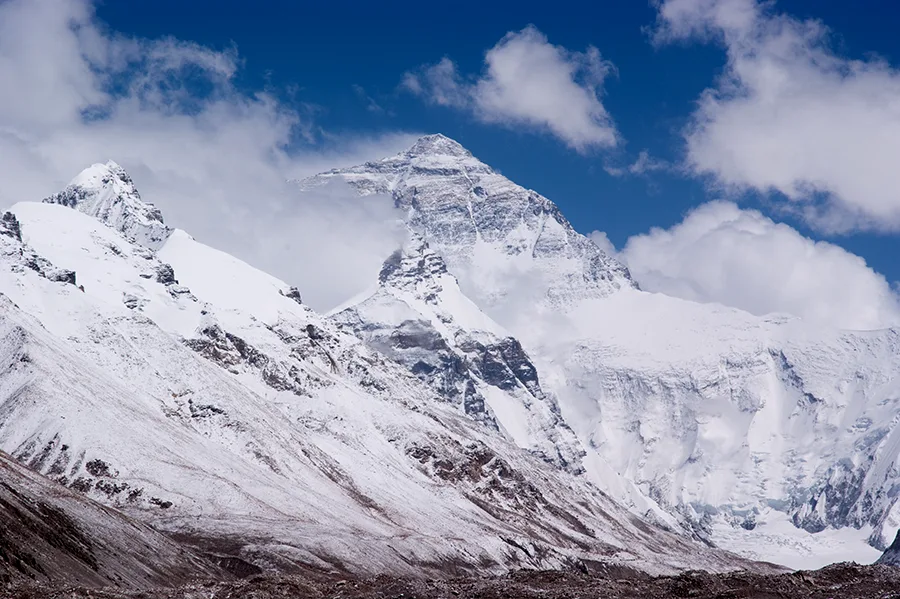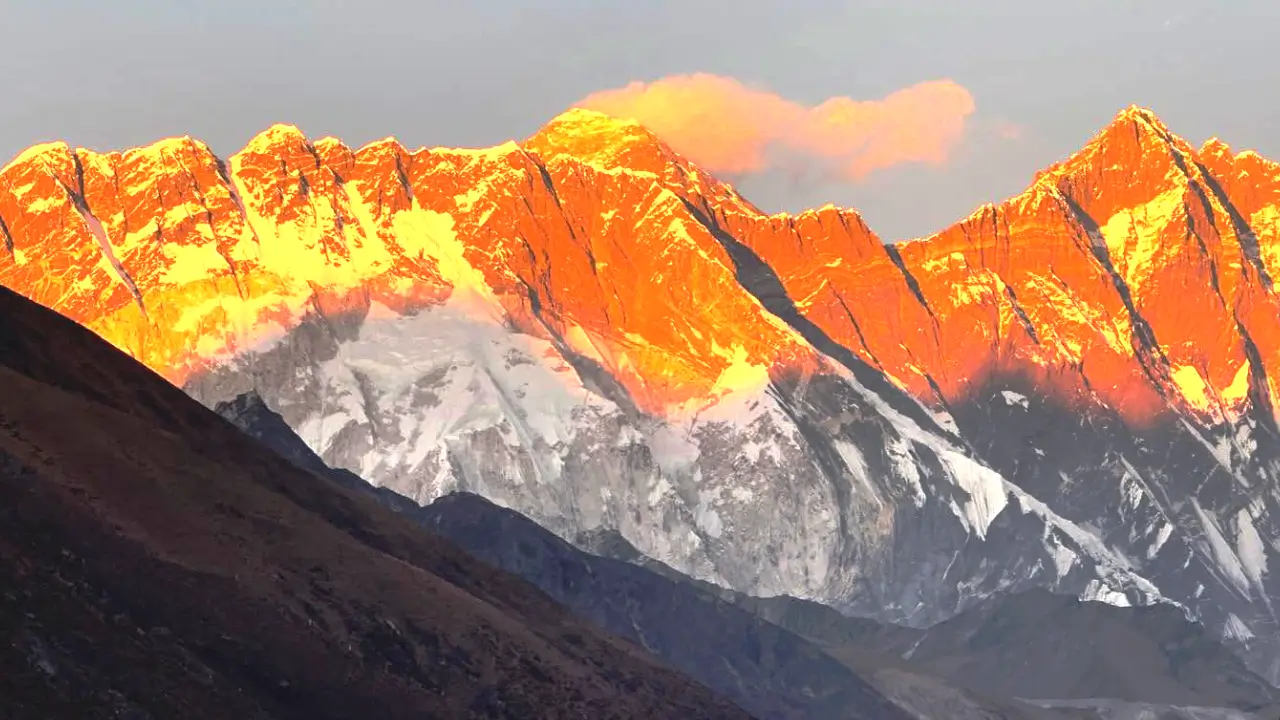

Top 10 Hardest Mountains to Climb for Professional Mountaineers

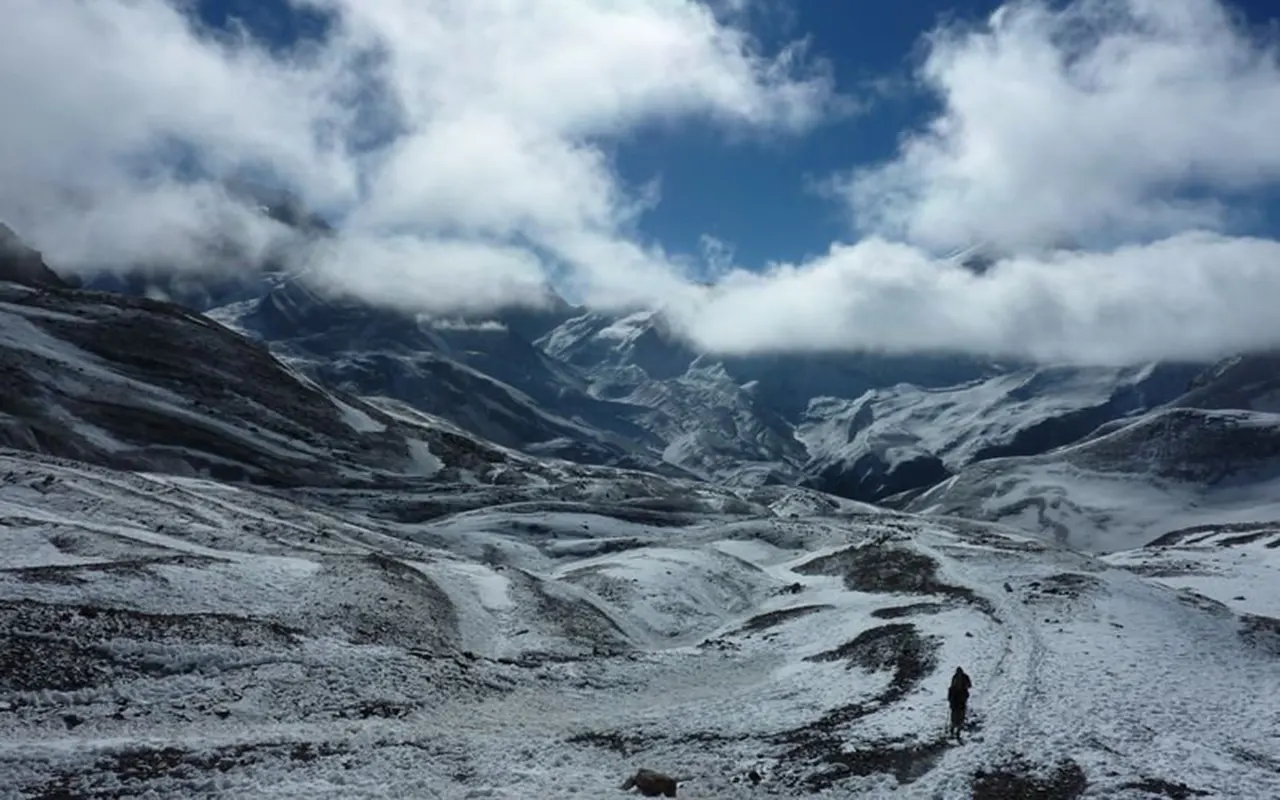
A lot of people assume that the tallest mountain is automatically the hardest. That is not really how it works. Yes, height matters. But what makes hardest mountains to climb truly difficult is a mix of things: how dangerous the route is, what the weather does, how long you have to spend at very high altitude, how remote the location is, and what happens if something goes wrong. When you add all of that together, some mountains stand clearly apart from the rest.

This list covers ten mountains that professional mountaineers consistently describe as the hardest mountains to climb. Some of them are famous. A few are barely known outside serious climbing circles. But all of them have a well-documented history of stopping experienced, skilled, and well-prepared teams.

We put this together to give a clear and honest look at what these peaks actually involve, not to exaggerate the danger, but to help mountaineers understand what separates a difficult climb from a genuinely extreme one.

1. Annapurna I – 8,091 m (Nepal)

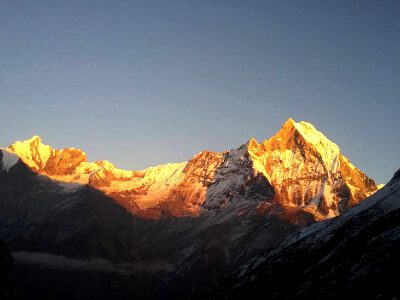
If you look at the historical ratio of summit successes to deaths, Annapurna I sits at the top of this list. Historically, it recorded the highest fatality to summit ratio of any 8,000 meter peak. Although safety has improved over the years, Annapurna remains widely regarded as the most dangerous of the world’s fourteen 8,000 meter mountains.

The main danger on Annapurna is the enormous hanging ice formations, called seracs, on the north face. These can break off and collapse at any time. There is no way to fully predict when it will happen, and no amount of skill protects you from being in the wrong place when it does. That kind of uncontrollable risk is part of what makes this mountain so serious.

Annapurna Base Camp Short Trek – 10 days
A lot of people assume that the tallest mountain is automatically the hardest. That is not really how...
10 Days
Moderate

US$ 410

Maurice Herzog and Louis Lachenal reached the top in 1950. It was the first time any 8,000-meter peak had ever been climbed. Both men came back with severe frostbite and lost most of their fingers and toes. The mountain made clear from day one what it was willing to take from the people who tried it.

Annapurna

Better equipment and improved safety practices have helped in recent years, but Annapurna I is still widely considered the most dangerous 8,000-meter peak in the world. The reputation is earned.

2. K2 – 8,611 m (Pakistan / China)

K2 is the second highest mountain in the world and is widely regarded as the hardest 8,000 meter peak from a technical climbing standpoint. Everest has been reached by thousands of people. K2 has far fewer successful ascents, and every route on the mountain is a serious undertaking. The most commonly used line, the Abruzzi Spur, involves steep rock and ice climbing at very high altitude with limited shelter.

The mountain sits in the Karakoram range on the Pakistan-China border. Getting to base camp is already a multi-day journey through remote terrain. From there, all routes pass through a narrow section near the top called the Bottleneck, which runs below a large serac band. In 2008 a serac collapsed and killed eleven climbers in a single day. It remains one of the worst disasters in the mountain’s history.

K2 was not climbed in winter until February 2021, when ten Nepali climbers reached the summit together. It was the last 8,000-meter peak to have a winter ascent and the achievement is considered a landmark moment in modern mountaineering.

Historically, K2 has recorded one of the highest fatality to summit ratios among the 8,000 meter peaks. It is a mountain that does not forgive technical mistakes, and the margin for error at these altitudes is extremely small.

3. Kangchenjunga – 8,586 m (Nepal / India)

Kangchenjunga is the third highest mountain in the world. It lies on the border between Nepal and the Indian state of Sikkim and sees far fewer visitors than most other big peaks, partly because of how remote it is and partly because it asks a great deal from any team that wants to attempt it.

The routes are long and technically involved. The standard line on the southwest face requires multiple camps and several weeks of sustained climbing. There is very little established infrastructure compared to more popular peaks, which means teams need to be more self-sufficient than they would be on, say, Everest.

Everest Base Camp Trek for Beginners
A lot of people assume that the tallest mountain is automatically the hardest. That is not really how...
18 Days
Moderate

US$ 2700

There is also a long-standing tradition on Kangchenjunga where climbers stop just short of the true summit out of respect for local beliefs in Sikkim, where the peak is considered sacred. Almost every team that attempts the mountain observes this practice.

George Band and Norman Hardie made the first ascent in 1955. Historically, Kangchenjunga has recorded a high fatality to summit ratio and continues to be treated with great respect by experienced Himalayan climbers.

4. Nanga Parbat – 8,126 m (Pakistan)

Nanga Parbat is at the western end of the Himalayas in Pakistan and has a difficult history going back almost a century. A German expedition in 1937 lost its entire team when an avalanche buried their camp while they slept. The number of deaths on Nanga Parbat during the early decades of Himalayan climbing was high enough that the name “Killer Mountain” got attached to it, and it has stuck around in climbing culture ever since.

The mountain has three major faces. The Rupal face on the south side is the tallest mountain face on earth, rising around 4,500 meters from bottom to top. Any route on Nanga Parbat is a long and committed effort regardless of which side you approach from.

Hermann Buhl made the first ascent in 1953 and did it alone, after his climbing partner turned back due to conditions. He spent a night standing on the upper mountain without a tent or sleeping bag and descended the next day. It is one of the most talked-about solo achievements in climbing history.

Historically, Nanga Parbat has recorded one of the higher fatality to summit ratios among the 8,000 meter peaks. Access to the mountain also changed after a targeted attack at base camp in 2013 that killed several climbers and guides, adding a layer of risk that teams now have to consider before planning an attempt.

5. Gasherbrum I – 8,080 m (Pakistan / China)

Gasherbrum I, sometimes called Hidden Peak, sits in the Karakoram alongside its neighbor Gasherbrum II. It does not get as much public attention as K2 or Annapurna, but many experienced alpinists regard it as one of the most demanding 8,000 meter peaks in the Karakoram.

The approach alone is a serious commitment. Teams walk for several days through the Baltoro Glacier system, one of the longest glaciers outside the polar regions, before even reaching base camp. By the time climbing starts, a significant logistical effort is already behind you.

The routes on Gasherbrum I, primarily the northwest face and the southwest ridge, are technical and exposed. Pete Schoening and Andrew Kauffman made the first ascent in 1958 as part of an American expedition. Not many teams attempt the peak each season, which also means less shared route knowledge and less support infrastructure along the way.

Historically, Gasherbrum I has recorded a high fatality to summit ratio compared with many other 8,000 meter peaks. Climbers who have summited describe a peak that demands consistent focus and technical competence throughout, not just on one difficult section.

6. Makalu – 8,485 m (Nepal / China)

Makalu is the fifth highest mountain in the world and sits east of Everest in the Mahalangur Himalaya. It does not come up in casual mountain conversations as often as some of the other peaks on this list, but experienced high-altitude climbers know it well and treat it with care.

The standard route follows the northwest and northeast ridges and includes a narrow exposed section near the top that has caused real problems for many teams. At the altitude where this section sits, your body and your mind are both working less effectively than they would be lower down. Precise movement on exposed ground under those conditions is a different challenge than it would be at sea level.

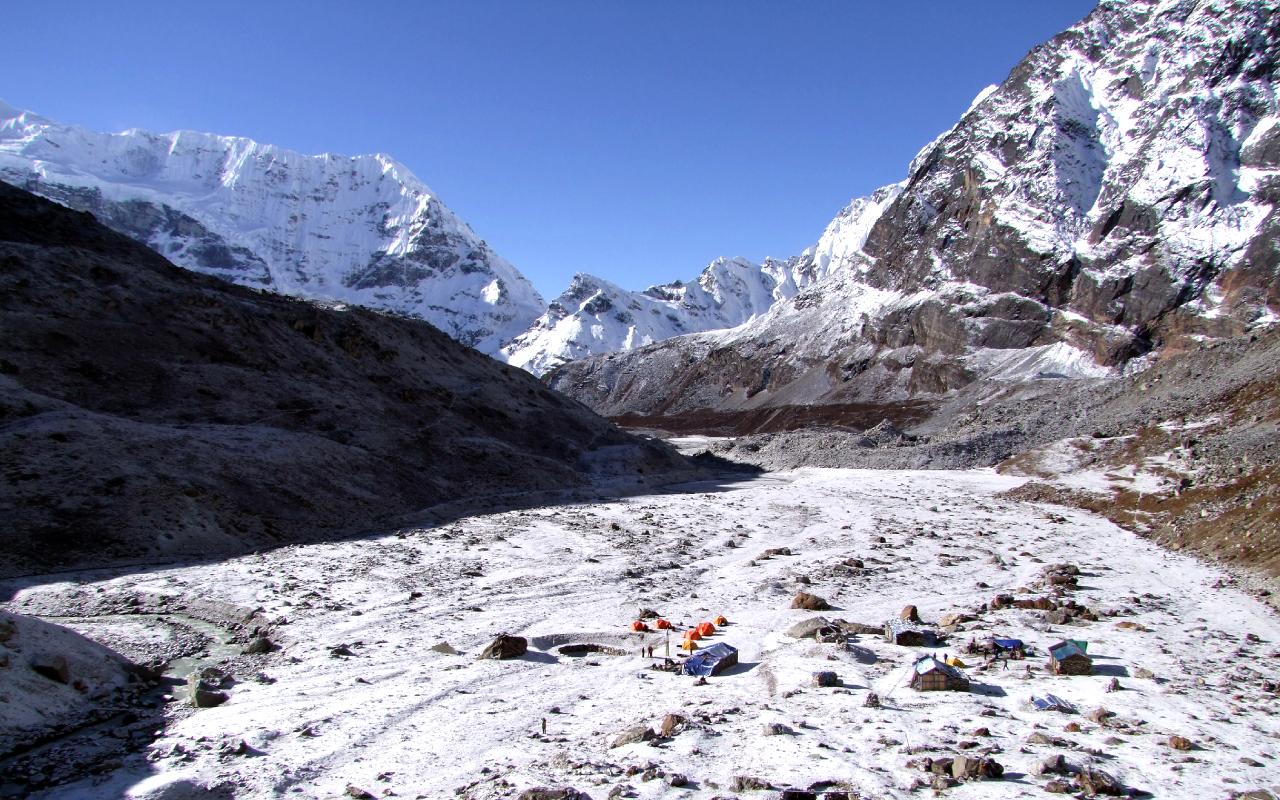
Makalu Base Camp
Makalu Base Camp

Lionel Terray and Jean Couzy led the first ascent in 1955 and the rest of the team also reached the summit on that expedition, making it an unusually complete early success on an 8,000-meter peak. Since then the mountain has pushed back many attempts.

Historically, Makalu has recorded a high fatality to summit ratio, reflecting the mountain’s technical challenges and demanding conditions. The infrastructure along the route is minimal and teams need to manage their own logistics throughout. It is a mountain that rewards careful planning and punishes overconfidence.

7. Dhaulagiri I – 8,167 m (Nepal)

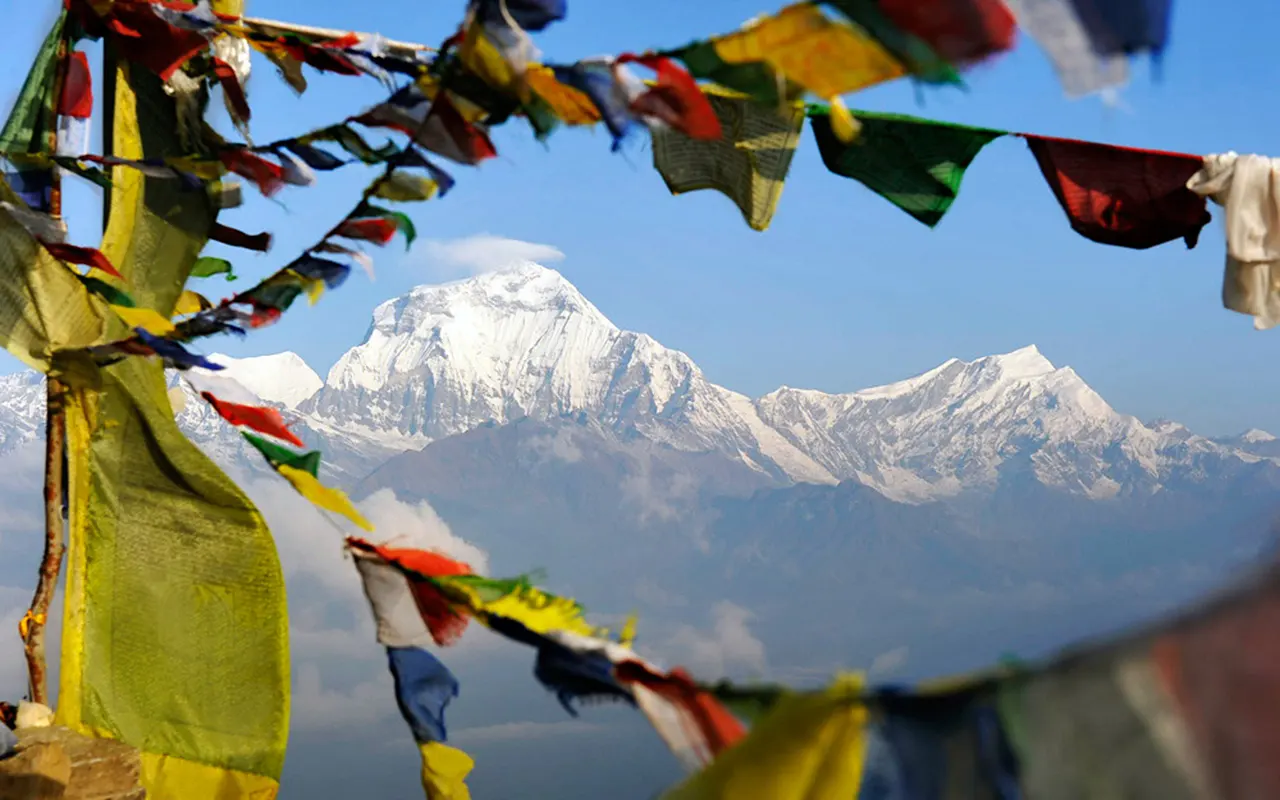
Dhaulagiri sits in northwest Nepal and before Annapurna was first climbed in 1950, surveyors actually believed Dhaulagiri might be the highest mountain in the world. The survey was later corrected, but the peak has always held its own reputation as a serious objective.

The standard route on the northeast ridge is long and requires sustained technical climbing across exposed ground. The bigger challenge is often the weather. Dhaulagiri sits in a position where storms can arrive from multiple directions with little warning. Teams have been stuck at high camps for days waiting for a window that never came. Getting the timing right on Dhaulagiri is as important as any technical preparation.

Dhaulagiri

A Swiss-Austrian team made the first ascent in 1960. Historically, Dhaulagiri has recorded a high fatality to summit ratio, and the mountain has defeated many well-organized expeditions, often because of severe weather rather than technical climbing alone.

In recent years more climbers have turned their attention to Dhaulagiri as an alternative to the more crowded routes on Everest, and it has gained wider recognition as the serious and demanding peak that Nepali guides and local mountaineers have always known it to be.

8. Jannu (Kumbhakarna) – 7,710 m (Nepal)

Jannu, or Kumbhakarna, is considered by many to be one of the most technically challenging mountains in the world due to its steep rock walls, long mixed climbing and very demanding routes. Located in eastern Nepal near Kangchenjunga, it presents a greater technical challenge than many 8,000 meter peaks despite its lower elevation. Among elite alpinists, Jannu is respected as one of the finest tests of climbing ability in the Himalayas.

The mountain’s famous north face is considered one of the greatest objectives in Himalayan mountaineering. Climbers encounter steep rock faces, unstable ice, deep snow, and the challenge of route finding, all in the context of unpredictable weather and long segments of exposed terrain. Each section requires sophisticated technical skills, meticulous planning, and superb teamwork.

The extreme difficulty of the mountain has meant that successful ascents have been few since the first ascent by a French expedition in 1962. Today, Jannu continues to be recognized by professional mountaineers as one of the ultimate tests of technical alpine climbing.

9. Broad Peak – 8,051 m (Pakistan / China)

Broad Peak sits right next to K2 in the Karakoram and shares that region’s character. It was first climbed in 1957 by an Austrian team that included Hermann Buhl, who had made the first ascent of Nanga Parbat four years before. All four members of the team reached the summit and did so without supplemental oxygen, which was a remarkable achievement for the time.

The mountain gets its name from the wide plateau near the summit, which stretches around three kilometers across. That plateau creates an unusual problem. After working through the technical lower and middle sections of the route, climbers arriving at the top face a long exposed traverse across the plateau at extreme altitude before reaching the true summit. Many teams have stopped at a false summit, genuinely believing they had finished, and turned back without reaching the real top.

The fatality rate on Broad Peak is around 10 to 12 percent, lower than several others on this list but still a serious number. Helicopter rescue in this part of the Karakoram is difficult, and the closeness to K2 means weather can shift hard and fast.

The mountain has been climbed in winter and is regarded by experienced Karakoram climbers as a genuinely demanding peak, not a stepping stone to something harder but a serious objective in its own right.

10. Latok I – 7,145 m (Pakistan)

Latok I is widely regarded as one of the world’s hardest mountains because of its steep granite faces, technical mixed climbing, and unpredictable weather. It is in Pakistan’s Karakoram range and has tested the best alpinists for decades, most notably on its famous north ridge which resisted successful ascents for many years before finally being climbed in 2018. The mountain is a symbol of technical excellence in modern mountaineering.

Unlike many 8,000 meter peaks, Latok I requires advanced rock, ice and mixed climbing skills along the entire route. Climbers contend with complex route finding, unstable snow and ice, steep exposed terrain and rapidly changing weather that can turn a manageable climb into a dangerous one in a matter of hours. Every section requires careful decision making and precise climbing technique.

Although it is lower than many Himalayan giants, Latok I has earned a reputation as one of the ultimate tests of technical mountaineering. Successful ascents remain rare, and the mountain continues to be respected by professional climbers for its sustained difficulty, commitment, and demanding alpine conditions.

What Actually Makes These Mountains So Much Harder?

These peaks are not just bigger than other mountains. Several specific factors stack up together to create the level of difficulty that places them on this list.

  • Time at extreme altitude: Above 7,500 meters, the human body cannot recover properly. The longer a route keeps you up there, the more your physical and mental condition deteriorates. Some of these mountains require days at that altitude just to have a chance at the summit.
  • Uncontrollable hazards: Seracs, hanging glaciers, and avalanche-loaded slopes create risks that skill cannot fully remove. You can reduce your exposure but you cannot eliminate it. Some climbers have died on these mountains doing everything right.
  • Weather windows: On several of these peaks, periods of safe weather are short and hard to predict. A team can wait at base camp for three weeks and never get the clear window they need. When the window comes, it may only last 24 to 48 hours.
  • Technical ground at altitude: Steep ice, mixed rock and snow, and exposed ridges are hard enough at lower elevations. At 7,000 to 8,000 meters, where your thinking is slower and your body is weaker, the same ground becomes a completely different challenge.
  • Distance from help: Several peaks on this list sit far from any realistic rescue option. If something goes wrong high on the mountain, the team has to solve the problem themselves. That raises the stakes of every decision made above base camp.
  • Cold: Wind chill temperatures on these peaks can reach minus 40 degrees Celsius or lower. Staying warm enough to function while moving efficiently through technical terrain is a constant and draining task.

Who Actually Attempts These Mountains?

The people who take on peaks like these are not casual trekkers or weekend adventurers. They are typically climbers with many years of high altitude experience, strong technical skills across rock, ice, and mixed terrain, and multiple 8,000-meter summits already behind them.

Many of the strongest climbers on these peaks in recent years have come from Nepal and Pakistan. Kami Rita Sherpa, Nirmal Purja, Mingma Gyalje Sherpa, and others from the Nepali climbing community have set records and completed ascents in conditions that were previously thought impossible. Their achievements have changed how the broader mountaineering world thinks about what is possible on the highest peaks.

International climbers who make serious attempts on these mountains tend to have decades of experience in the greater ranges. Speed records and winter ascents continue to be pushed forward, but the mountains themselves are as demanding as they have ever been. Better gear and communication tools have improved safety in some ways, but they have not made the actual climbing easier.

These peaks do not become manageable through preparation alone. That is what puts them in a different category from every other mountain on earth.

A Final Word

The hardest mountains to climb are not simply obstacles. They are complex environments that have been testing climbers for over a century. The history of these peaks includes some of the most impressive achievements in the history of human endurance, and also some very serious losses.

For professional mountaineers, these peaks represent the upper end of what the sport asks of a person. Careful planning, deep experience, strong physical preparation, and the willingness to turn back when conditions demand it are all required. None of those qualities alone is enough. All of them together give you a chance.

The mountains on this list have not been made safe. They have been visited, sometimes climbed, and always respected by the people who know them best. That honest relationship between climber and mountain, built on realistic thinking rather than wishful thinking, is what good mountaineering is built on.


Jeep Car Hire in Nepal: Complete Guide to Routes, Costs, and Booking Tips

Planning a road trip in Nepal is very different from planning in many other countries. Even though highways connect major cities in Nepal, most of the trekking areas, mountain villages and remote places can only be reached via rugged and difficult roads. This is the reason why most of the travelers prefer jeep car hire in Nepal as opposed to using the public transport or a normal car. A four wheel drive jeep is better equipped, more adaptable and can access places that cannot be easily accessed by ordinary vehicles.

We have been providing trekkers, families, photographers and adventure travelers with private jeep transportation over Nepal at Ambition Himalaya Treks over many years. After making short trips between cities and long tours to the mountains, we know what vehicles can be most appropriate on various routes, what passengers should expect on the road, and how to organize the comfortable trip without any unnecessary surprises.

This guide is everything you need to know prior to booking a jeep. We will describe the prices of rental, the most appropriate routes, the various types of vehicles, booking hints, and useful tips of traveling in Nepal, to make your journey safe and secure in all parts.

Tourist Jeep Hire Nepal

What Makes Jeep Car Hire the Right Choice in Nepal

Nepal is not a country you can fully experience from a bus window. Yes, buses connect the major cities. Yes, there are flights to some regional airports. But if you want to reach the places that most people come to Nepal for, you often need a vehicle that can handle rough terrain and unpredictable road conditions. That is where jeep car hire in Nepal becomes the best option.

Public buses in Nepal follow fixed routes and fixed schedules. They stop frequently, they are often crowded, and they cannot take you to remote trailheads or small villages off the main highway. A private jeep gives you the freedom to go where you want, stop when you want, and travel at a pace that suits your group.

There is also a practical safety argument. Many mountain roads in Nepal have no barriers on the outer edge. They are often shared with trucks carrying supplies to villages that have no other access route. The combination of narrow roads, steep drops, and heavy traffic makes a capable four wheel drive vehicle far safer than an ordinary sedan. A proper jeep gives the driver better control, better braking, and better ground clearance when the road gets rough.

Upper Mustang Jeep Tour
Planning a road trip in Nepal is very different from planning in many other countries. Even though highways...
13 days
Difficult

US$ 1300

Families and Groups

A family traveling with young children or older adults will appreciate the extra space and the ability to stop whenever needed. You are not tied to a bus schedule, so rest breaks happen when the family needs them rather than when the timetable allows. Groups of four to six people can also split the cost of a jeep very effectively, making it more affordable per person than buying multiple bus tickets in many cases.

Solo Travelers and Couples

Even for one or two people, jeep car hire in Nepal is worth considering. Some travelers book a jeep for the comfort and privacy it provides after a long international flight. Others prefer it because they want the flexibility to change plans along the way. We have also arranged shared jeeps for solo travelers who wanted to reduce costs by joining with other travelers heading to the same destination.

Photographers and Nature Lovers

For anyone who wants to stop at viewpoints, villages, or roadside scenes to take photographs, a private jeep is far more practical than public transport. Your driver will know the good spots and can pull over safely when you want to capture something. Buses do not stop for photos.

Jeep Models Available for Hire in Nepal

Not every jeep in Nepal is the same, and the right vehicle depends on where you are going and how many people are in your group. Here is a straightforward overview of the vehicles we most commonly use and recommend.

Mahindra Scorpio

The Mahindra Scorpio is the most widely used jeep for travel in Nepal. You will see it on almost every mountain road in the country. It seats up to seven passengers including the driver and offers a good balance of durability and comfort. Spare parts are available even in remote towns, which matters when you are far from Kathmandu. For most routes and most group sizes, the Scorpio is a solid and reliable choice.

Toyota Land Cruiser

The Toyota Land Cruiser is the premium option. It is more comfortable on long journeys, more powerful on steep climbs, and better equipped for the roughest roads in the country. If you are traveling to Upper Mustang, Rara Lake, or any of the more remote western routes, we recommend the Land Cruiser. The ride quality and engine performance make a real difference when you are spending eight or ten hours on a rough road. It costs more than the Scorpio, but for difficult terrain, the extra cost is worth it.

Nepal Off Road Jeep

Suzuki Vitara

The Vitara is a smaller and lighter vehicle that works well for shorter trips and paved or moderately rough roads. It is a good option for two or three travelers who are doing a day trip or staying close to the main highways. We do not recommend it for the most challenging mountain routes where ground clearance and engine power really matter.

Bolero and Pickup Variants

These vehicles are made for utility purposes like moving big loads of equipment or supplies; some groups use them for camping expeditions or filming projects that require bulk gear transportation. The comfort level of these vehicles is lower than the Scorpio or Land Cruiser, so suggest them only for specific reasons.

Jeep Car Hire Costs in Nepal

The cost of jeep car hire in Nepal depends on the route, vehicle type, number of days, and the season. We want to give you real numbers, so you know how to plan your budget, not just guess.

Day Trips Within the Kathmandu Valley

A day trip to places like Bhaktapur, Patan, Nagarkot or Dhulikhel, will usually cost you between 50 and 80 US dollars for a Mahindra Scorpio, including driver and fuel.  These routes are mostly paved and do not require anything more than a standard jeep.

Long Distance Mountain Routes

Longer routes that go into mountain regions are priced differently because of the road conditions, the fuel consumption, and the time the driver spends away from home. A one way trip from Kathmandu to Syabrubesi for the Langtang trek costs between 150 and 220 dollars in a Mahindra Scorpio and between 280 and 400 dollars in a Toyota Land Cruiser. A one way trip from Kathmandu to Pokhara costs between 120 and 160 dollars in a Scorpio.

Multi Day Trips

For trips that span three or more days, we offer a daily rate. A Mahindra Scorpio on a multi day trip is generally between 100 and 150 dollars per day with driver and fuel included. A Toyota Land Cruiser runs between 180 and 260 dollars per day. The daily rate drops slightly when you book for a longer period because the driver can plan his time more efficiently.

Quick Reference: Jeep Hire Price Guide

Route Vehicle Price (USD) Includes
Kathmandu Valley day trip Mahindra Scorpio $50 to $80 Driver, fuel, parking
Kathmandu to Pokhara (one way) Mahindra Scorpio $120 to $160 Driver, fuel, tolls
Kathmandu to Pokhara (round trip) Mahindra Scorpio $200 to $280 Driver, fuel, tolls
Kathmandu to Chitwan (one way) Mahindra Scorpio $100 to $150 Driver, fuel
Kathmandu to Syabrubesi (Langtang) Mahindra Scorpio $150 to $220 Driver, fuel
Kathmandu to Syabrubesi (Langtang) Toyota Land Cruiser $280 to $400 Driver, fuel
Kathmandu to Salleri or Phaplu (Everest region) Toyota Land Cruiser $350 to $480 Driver, fuel
Kathmandu to Jomsom or Lower Mustang Toyota Land Cruiser $400 to $550 Driver, fuel
Kathmandu to Upper Mustang Toyota Land Cruiser $500 to $700 Driver, fuel, permits arranged separately
Kathmandu to Rara Lake (3 to 4 day drive) Toyota Land Cruiser $600 to $850 Driver, fuel, driver meals
Multi day mountain trip (per day) Mahindra Scorpio $100 to $150 per day Driver, fuel
Multi day mountain trip (per day) Toyota Land Cruiser $180 to $260 per day Driver, fuel

Note: Prices reflect a private jeep with an experienced driver and fuel included. Shared jeeps cost 40 to 60 percent less but follow fixed departure times. Peak season months of October and November may add 10 to 20 percent. Fuel price changes can also affect rates. Always confirm the full cost breakdown before confirming your booking.

Private Jeep Hire Nepal

What Affects the Price of Jeep Car Hire in Nepal

It is useful to understand why two quotes for what looks like the same trip can be quite different. Several real factors drive the final price, and knowing them helps you compare fairly.

Road Condition and Route Difficulty

Driving to Mustang puts far more wear on a vehicle than driving to Pokhara. The engine works harder. The tires take more punishment. The driver needs more skill and concentration. Routes with rough terrain, river crossings, and high altitude passes cost more because the demands on the vehicle and the driver are higher.

Fuel Costs

Fuel prices in Nepal change regularly. When diesel costs go up, the cost of running a jeep goes up too. We try to keep our prices stable, but fuel is a genuine variable that affects what we need to charge for longer routes. We will always tell you upfront if a fuel adjustment applies to your trip.

Driver Allowances and Overnight Costs

For multi day trips, the driver is away from home. He needs meals and a place to sleep. These costs are real and they are factored into our pricing. We include them in the overall quote rather than adding them as surprise charges at the end. When you get a quote from us, the driver’s food and accommodation for overnight trips is already in the number we give you.

Permits and Special Area Access

Some routes in Nepal require special permits. Upper Mustang is the most well known example. The restricted area permit for Upper Mustang costs 500 US dollars for ten days. If your route requires permits, we will tell you clearly and help you arrange them. The permit cost is always listed separately from the jeep hire cost so you can see exactly what you are paying for.

Season and Demand

October and November are the busiest months for travel in Nepal. Almost every jeep is booked during these weeks and prices reflect that demand. June, July, and August are the quietest months. Prices are lower and availability is easier. The roads can be wet during the monsoon season, but travel is still possible on most routes.

Popular Jeep Routes in Nepal

Over the years we have driven jeeps to nearly every reachable corner of Nepal. Some routes are requested again and again. Here are the ones that our clients love most and what to expect on each one.

Kathmandu to Pokhara

This is the most traveled jeep route in Nepal. The distance is around 200 kilometers and the drive takes six to eight hours depending on traffic and road conditions. The road is mostly paved now but there are still rough stretches near the river gorges. We always recommend leaving Kathmandu early in the morning to avoid city traffic and reach Pokhara before evening. Along the way you will follow the Trishuli River valley, and on a clear day you can see the distant outline of Manaslu from certain points on the road.

Kathmandu to Mustang

Mustang is one of the most interesting destinations in Nepal. It sits north of the main Himalayan range in a dry, wind-sculpted landscape that feels very different from the green hills most people associate with Nepal. The road to Mustang passes through Pokhara and then heads north through Beni and along the Kali Gandaki river. After Beni, the road becomes rough and dusty. River crossings are part of the journey. The winds in the Kali Gandaki gorge can be strong in the afternoon. The best time to travel to Mustang is spring from March to May or autumn from September to November. Upper Mustang requires a restricted area permit and we handle that process for our clients.

Kathmandu to Langtang via Syabrubesi

Syabrubesi is the starting point for the Langtang Valley trek, one of the most rewarding short treks in Nepal. The drive from Kathmandu takes seven to nine hours. The road follows the Trishuli River before climbing into pine forests and small mountain villages. The final section of road before Syabrubesi is narrow and winding, but the views of the surrounding hills are worth the extra care the driver needs to take. We often see langur monkeys in the forest along this road, especially in the early morning.

Kathmandu to Everest Region via Salleri or Phaplu

You cannot drive all the way to Everest Base Camp, but you can drive to Salleri or Phaplu, which serve as the main road entry points to the Everest region. From either of these towns, trekkers continue on foot to Namche Bazaar and the trails beyond. The road is rough after Jiri and a capable four wheel drive vehicle is important. The views of distant peaks from the road near Salleri come as a pleasant surprise to many travelers who did not expect mountain scenery from inside a jeep.

Kathmandu to Rara Lake

Rara Lake is Nepal’s largest lake and one of its least visited destinations. Reaching it by road from Kathmandu takes three to four days. The route passes through Surkhet and Jumla before arriving at the lake. It is a long journey and a real commitment of time, but the reward is a very peaceful and beautiful place that most tourists never see. We have taken small groups to Rara Lake and the response has always been the same: they cannot believe how quiet and undisturbed it is compared to more popular destinations.

Annapurna Circuit via Besisahar and Dharapani

The road into the Annapurna region now extends as far as Dharapani and in some seasons even further toward Manang. Many trekkers choose to hire a jeep to skip the lower and less interesting section of the Annapurna Circuit and start their trek from a higher point. This is a smart approach for anyone with limited time. The drive from Kathmandu to Dharapani takes about two days at a comfortable pace and offers views of Manaslu and the surrounding peaks along the way.

Kathmandu to Chitwan

Chitwan National Park is one of Nepal’s most visited natural areas and the drive from Kathmandu takes around four to five hours depending on traffic. The road descends from the hills into the flat plains of the Terai region. This is an easy and comfortable route for most vehicles, and many families and tour groups choose to travel this way rather than taking the tourist bus. We can arrange a drop-off at your resort or hotel inside or near the park.

Practical Tips Before You Hire a Jeep in Nepal

We have been arranging jeep hire in Nepal long enough to see where things go wrong. These tips come from real experience, not from a checklist written in an office.

Annapurna Jeep Tour (Manang Tour)
Planning a road trip in Nepal is very different from planning in many other countries. Even though highways...
14 days
Easy to Moderate

US$ 1100

Look at the Vehicle Before You Pay

Before you confirm the booking or hand over any payment, spend five minutes looking at the jeep. Check the tires for wear and cracks. Check the spare tire because many people forget this one. Look underneath the vehicle for any obvious fluid leaks. Sit inside and check that the seatbelts work properly. Open the hood if possible and look at the general condition of the engine. A trustworthy company will have no problem with you doing this. If a company is reluctant to let you inspect the vehicle, that is a sign worth paying attention to.

Jeep Rental Nepal

Understand What Is Included in the Price

Before you agree to any price, make sure you know exactly what it covers. Does the price include fuel for the whole trip? Is the driver’s food and accommodation included for overnight journeys? Who pays if there is a breakdown on the road? What is the policy if bad weather or a road closure forces a change of route or an early return? These are not unusual questions and a professional company will answer all of them clearly. Get the agreed scope in writing if you can, even a simple WhatsApp message confirming the details is better than nothing.

Your Driver Matters as Much as the Vehicle

The quality of your driver has a direct effect on the quality of your trip. A good driver knows the roads, knows when to slow down, knows where landslides tend to happen, and knows which river crossings are safe at different times of year. At Ambition Himalaya Treks, we only send drivers who have genuine experience on Nepali mountain roads. We do not send someone unfamiliar with your route simply because our usual driver is not available. Ask about your driver’s experience before you confirm the booking and ask for his phone number so you can be in direct contact on the day of travel.

Carry the Right Documents

You will need your passport and visa for travel within Nepal, especially if you pass through any checkpoint areas. If your route requires trekking permits or conservation area permits, these need to be arranged before you leave Kathmandu. Our team helps clients with permit arrangements as part of the booking process. The driver should also carry the vehicle registration and insurance documents. Ask to see these before departure and keep copies of your own documents in a separate bag from your main luggage.

Pack Wisely for Long Road Trips

Mountain roads in Nepal are dusty even in good weather. Use bags that can be closed properly to keep dust out of your clothes and electronics. Keep a small day bag inside the jeep with water, snacks, any personal medicines, and a warm layer because temperatures drop quickly as you gain altitude. Put the rest of your luggage in the back of the jeep. Travel as light as you reasonably can because excess weight makes the vehicle work harder on steep climbs and is harder on the brakes on the way down.

Plan for Altitude Changes

Several of the popular jeep routes in Nepal pass through areas above 3000 meters. Even if you are sitting in a vehicle and not walking, altitude can affect people in unexpected ways. Headaches, mild dizziness, and fatigue are all possible as you gain elevation quickly. Drink more water than you normally would, avoid alcohol on the day before and during high altitude travel, and tell your driver immediately if you feel unwell. On most of these routes there are options to descend if needed, but catching early symptoms is always better than waiting until you feel seriously unwell.

Safety on Nepal’s Mountain Roads

We take road safety seriously at Ambition Himalaya Treks. Our drivers are selected and trained with safety as the first priority, not speed. Here is what you should know before traveling by road in the mountains.

How Nepali Mountain Roads Work

Mountain roads in Nepal are not like highways in Europe or North America. They are narrow and they have sharp corners where you cannot see what is coming in the other direction. Trucks and buses coming downhill generally have the right of way because they cannot stop quickly. Our drivers know these rules and follow them without needing to be asked. As a passenger, the best thing you can do is stay calm, keep your seatbelt on, and trust the person behind the wheel.

Monsoon and Landslide Risks

From June to August, Nepal receives heavy rainfall. Landslides are a real risk during this period and roads can close for hours or sometimes longer. We monitor road conditions before and during trips and will advise clients if a route is not safe to use on a particular day. If you are traveling during the monsoon, build some flexibility into your schedule so that a road closure does not ruin your plans. We always carry extra food and water in the jeep for situations where waiting is necessary.

Winter Road Conditions

At higher elevations, especially on passes above 3500 meters, snow and ice are possible from December through February. A four wheel drive vehicle with experienced mountain driving skills handles these conditions much better than a standard car, but there are still situations where the safest choice is to wait or turn back. Our drivers will never take unnecessary risks to keep to a schedule.

Emergency Preparations

Every jeep we operate carries a basic first aid kit. We also recommend that travelers carry their own personal medications and keep a small amount of cash in local currency since ATMs are not available in remote areas. A power bank for your phone is practical since charging options can be limited. Travel insurance that covers emergency evacuation is something we strongly recommend for anyone going into remote mountain areas. A helicopter evacuation from a remote location in Nepal can cost several thousand dollars without insurance.

How to Book Jeep Car Hire with Ambition Himalaya Treks

Booking a jeep with us is simple. We have helped travelers book from countries all over the world and the process is straightforward regardless of where you are when you get in touch.

What Information We Need From You

When you contact us, tell us your starting point and destination, your travel dates, the number of people in your group, and whether you have any specific requirements such as a child seat, luggage space for large bags, or a preference for a particular vehicle model. If you are not sure which route is right for your plans, just tell us where you want to end up and we will advise you on the best road to take.

How We Respond

During working days at Kathmandu, we tend to reply to booking requests within hours. We will reply with a transparent quote that includes the vehicle, the route, the total price, and the inclusion. You may use the quote as a source of questions and we are glad to go through the same with you. We do not apply pressure tactics and we do not include things in the bill once you have accepted a price.

Confirming the Booking

After you are satisfied with the quote we book and send you the name and phone number of the driver. We require clients to send a message to the driver the day before the departure to make sure the pickup time and place is correct. This simple step avoids confusion on the morning of travel and gives you a direct point of contact.

Payment

We accept payment in cash at the time of travel. For advance bookings where a deposit is needed to secure the vehicle during peak season, we can discuss payment options with you. We will never ask for payment before we have confirmed the vehicle and driver to you in writing.

Frequently Asked Questions About Jeep Car Hire in Nepal

How much does jeep car hire in Nepal cost?

Prices range from around 50 US dollars for a short valley day trip to over 800 dollars for a multi day remote route. The most common mountain routes fall between 120 and 400 dollars depending on the distance and the vehicle. Our price table above covers the most popular routes in detail.

Is a driver always included?

Yes. All our jeep hire arrangements include an experienced local driver. We do not offer self-drive hire because Nepal’s mountain roads require local knowledge that most visitors do not have, and insurance requirements for self-drive rentals are more complicated.

Can I book a shared jeep to save money?

Yes. Shared jeeps are available on many popular routes. You pay for your seat rather than the whole vehicle, which makes the cost considerably lower. The compromise is that you cannot control the departure time because the jeep departs when it is full and you share the space with other passengers and their luggage.

Are there routes I require a special permit?

Yes, there are places in Nepal where special permit is needed over the regular tourist visa. There is a limited area permit which costs 500 US dollars and is ten days long, necessary in Upper Mustang. Manaslu and some other trekking areas also have their own permit requirements.

What will happen in the case of road breakdown?

Breakdowns are rare with well-maintained vehicles, but they do happen occasionally on rough mountain roads. In case of a mechanical problem, our driver will call us instantly, and we will decide to either repair or change the vehicle in the shortest time possible.

What is the most appropriate time of the year to rent a jeep in Nepal?

The best seasons are October and November with least cloudy weather and stable road conditions. March to May is also a good time. The monsoon months of June through August bring rain and occasional road closures, though many routes remain passable. December through February is cold at altitude but often very clear and quiet.

Jeep Car Hire In Nepal

A Final Word From Our Team

Road travel in Nepal is one of those things that can either be a wonderful part of your trip or a stressful one, and the difference usually comes down to preparation and the people you travel with. A good jeep, a skilled driver, a clear plan, and a bit of flexibility for what the road might bring are all you really need.

At Ambition Himalaya Treks, we have been helping travelers reach the places they came to Nepal to see for many years. We know these roads well. We know which sections are challenging, where the best viewpoints are, and where to stop for a good cup of tea along the way. Our drivers are not just vehicle operators. They are experienced guides who genuinely know the country they are driving through.

When you hire a jeep through us, you are not just booking a vehicle. You are working with a team that cares about your trip and takes responsibility for making it go well. We never cut corners on vehicle maintenance, we don’t put inexperienced drivers on challenging routes and we don’t add hidden costs after you’ve agreed a price.

If you have questions about any of the routes or costs mentioned in this guide, or if you want to discuss an itinerary not covered here, please get in touch with us. We’re always happy to help you explore your options and find the best solution for your trip. No pressure, no complicated booking systems, just straightforward advice from people who know Nepal and want your time here to be as good as it can be.

Annapurna Base Camp Trek Cost in 2027: Full Expense Guide

One of the initial things that you need to do before trekking in Nepal is to plan your budget. The Annapurna Base Camp trek price of 2027 is related to various factors, such as your itinerary, transport, lodging, a guide and personal expenses.

A budget trek would cost USD 500- USD 700, a comfortable mid-range trek would cost USD 700- USD 1,000 and a fully organized trek with other services would cost USD 900- USD 1,500 or even more. The final amount depends on your transportation, accommodation, guide services, meals, gear and personal spending.

Annapurna Base Camp Trek – 14 days
One of the initial things that you need to do before trekking in Nepal is to plan your...
14 Days
Moderate

US$ 620

You will stay in tea houses, experience mountain life, eat local cuisine and enjoy the beautiful surroundings of some of the highest mountains in the world on the trek to Annapurna Base Camp (4,130 m / 13,550 ft).

This guide covers all of the major expenses that are likely to be incurred in 2027. From permits and transportation to accommodation, meals, guides and personal spending, this complete Annapurna Base Camp trek cost breakdown will help you plan a realistic budget. Whether you want a budget adventure or a more comfortable trek understanding the Annapurna Base Camp trek price will help you prepare accordingly.

Annapurna Base Camp Mountain View

What Affects the Annapurna Base Camp Trek Cost in 2027?

The Annapurna Base Camp trek cost 2027 is different for every traveler because several factors influence the total budget.

The itinerary is the most critical thing. Some trekkers take a total of 7 or 8 days from Pokhara and others opt to trek longer with other destinations like Ghorepani Poon Hill or Ghandruk. The more days spent trekking, the more money will be spent on lodging, food and guide services. A standard 7-to-9-day Annapurna Base Camp trek price is usually lower than a 10-to-14-day itinerary, simply because you spend fewer nights on the trail.

Another aspect of transportation that’s worth considering is your budget. Most trekkers leave Kathmandu to drive to Pokhara before taking the trail. A tourist bus costs around NPR 1,000 to NPR 2,000 (USD 8 to USD 16) one way, while a domestic flight costs approximately USD 100 to USD 140 one way. Choosing the bus can significantly reduce the overall Annapurna Base Camp trek cost 2027.

This is another key consideration which is the type of accommodation you are looking at. Standard tea houses usually charge NPR 500 to NPR 1,000 (USD 4 to USD 8) per night at lower elevations, while rooms near Annapurna Base Camp generally cost NPR 800 to NPR 1,500 (USD 6 to USD 12) because supplies must be transported into the mountains.

The use of a licensed guide or porter also affects the cost. A licensed guide generally costs USD 30 to USD 40 per day, while a porter costs around USD 20 to USD 30 per day. A guide will improve safety, assist with logistics, share local knowledge and help if weather or trail conditions change, while a porter allows you to carry only a light daypack.

Last but not least, personal spending can have a huge impact on your overall spending. The Annapurna Base Camp trek cost breakdown includes items such as snacks, coffee, bottled water, hot showers, internet access, charging electronic devices and souvenirs. Depending on your habits, these extras can add USD 10 to USD 25 per day to your budget.

Permit Costs

All trekkers are required to obtain permits, and they should always be considered as part of the Annapurna Base Camp trek cost 2027.

The main permit required is the Annapurna Conservation Area Permit (ACAP), which costs NPR 3,000 (approximately USD 23) per foreign visitor. For visitors from SAARC countries, the permit costs NPR 1,000.

Since April 2023, trekkers in the Annapurna region are also required to hire a licensed guide. The former TIMS Card is no longer required for most trekkers in the Annapurna Conservation Area, making the ACAP the primary trekking permit.

Permit regulations can change, so it is always wise to check the latest requirements before travelling. Most registered trekking companies include permit arrangements in their packages making the process simple.

Transportation Costs

Another significant aspect of the cost of the Annapurna Base Camp trek is transportation. The majority of international tourists make their way to Kathmandu before travelling to Pokhara which is the gateway to the Annapurna region. The cheapest are tourist buses which take approximately seven to nine hours depending on road conditions and cost around USD 8 to USD 16 (NPR 1,000 to NPR 2,000) one way.

Those wishing to bypass the hassle of international travel can opt for domestic flights, which take approximately 25 minutes but cost around USD 100 to USD 140 one way.

Once you arrive in Pokhara, you will have to get to your starting point by local transportation. From where you start the trek, it can be from either Siwai, Jhinu Danda, Ghandruk, Nayapul, Kimche or another village nearby. Shared jeeps and buses generally cost USD 8 to USD 20 per person, while private jeeps usually cost USD 70 to USD 120 per vehicle. The trek ends with another jeep or bus ride back to Pokhara at a similar cost.

One of the most convenient ways to save on the price of the Annapurna Base Camp trek is to travel by tourist bus instead of flying.

Annapurna Base Camp Panorama

Guide and Porter Costs

Trekking with a licensed guide is an essential component of trekking in Nepal and should be added to the Annapurna Base Camp trek in Annapurna cost for 2027.

The highlight of the tour is the navigation, accommodation, communication with the tea house, weather updates and local information of a tour guide. They are also able to react promptly to unforeseen circumstances on the journey.

Another popular option for trekkers is to have their gear hauled by a porter. This will make long uphill climbs easier and more enjoyable and will allow you to enjoy the view without having to carry a large backpack.

A licensed guide generally costs around USD 30 to USD 40 per day, while a porter usually costs USD 20 to USD 30 per day. The price is based on experience, language abilities and hiring from a trekking firm or independently. Agency packages typically cover the agency guide’s salary, insurance, accommodation, meals and transportation.

Ghorepani Poon Hill Trek – 9 days
One of the initial things that you need to do before trekking in Nepal is to plan your...
9 Days
Easy

US$ 370

Accommodation Costs

The Annapurna Base Camp trek cost breakdown includes accommodation, which is one of the less costly aspects of the trek.

The majority of villages on the way have family-run tea houses that provide basic twin-sharing rooms, beds, blankets and shared bathrooms. The facilities tend to be good at low levels and are more basic toward the mountains. Room prices generally range from USD 4 to USD 12 (NPR 500 to NPR 1,500) per night depending on the season and location.

The accommodation at Annapurna Base Camp (4,130 m / 13,550 ft) is usually at the higher end of this range, as everything is brought into the mountains.

For those who eat breakfast and dinner in the same lodge, many tea houses offer a low price for rooms or even provide the room free of charge. This is not uncommon in the Annapurna area; it helps to keep the Annapurna Base Camp trek affordable in 2027.

Food and Drink Costs

Another high cost on the trek is food and the cost of the Annapurna Base Camp trek cost 2027 should always include this. Meals are sold in tea houses along the way and the cost for each increase as you climb higher and further from the base due to the need for supplies to be carried up the mountain on a vehicle, porter or mule. Most trekkers spend around USD 25 to USD 40 per day on food and drinks during the trek.

The most popular dish eaten by trekkers is dal bhat, which is not only tasty but also quite nutritious and is usually offered with free refills. A serving of dal bhat typically costs around NPR 700 to NPR 1,200 (USD 5 to USD 9). Other popular choices include fried rice, noodles, pasta, soups, potatoes, momos, eggs, pancakes, porridge and Tibetan bread, with most meals costing between NPR 500 and NPR 1,200 (USD 4 to USD 9). Typically, breakfast is basic and the lunch and dinner menus are the same along the way.

Nearly all tea houses have tea, coffee, hot chocolate and lemon honey ginger tea. Hot drinks are not only more expensive at higher altitudes, but also a great way to stay warm after a long day on the trails. A cup of tea generally costs NPR 150 to NPR 350 (USD 1 to USD 3), while coffee usually costs NPR 250 to NPR 500 (USD 2 to USD 4).

Drinking Water Expenses

It is very important to stay properly hydrated while on the trail in the higher elevations. Many trekkers to Annapurna Base Camp tend to underestimate this cost while making the Annapurna Base Camp trek cost breakdown.

It can be costly to purchase bottled water daily and it also contributes to the mountain with additional plastic waste. Bottled water generally costs NPR 100 to NPR 150 (USD 1 to USD 1.5) at lower elevations and NPR 300 to NPR 500 (USD 2.5 to USD 4) near Annapurna Base Camp. Consider bringing your own water bottle and using water purification tablets, filters or a UV purifier. Most tea houses also offer boiled drinking water, which is a safer and more eco-friendly alternative costing NPR 100 to NPR 300 (USD 1 to USD 2.5) per refill.

As you climb to Annapurna Base Camp at 4,130 m / 13,550 ft, you face even greater danger of dehydration due to dry mountain air and activity.

Annapurna Circuit with Tilicho Lake Trek – 20 days
One of the initial things that you need to do before trekking in Nepal is to plan your...
20 Days
Challenging

US$ 950

Trekking Gear and Equipment

Equipment costs will vary according to your own equipment. In case you have appropriate trekking equipment, your cost of the Annapurna Base Camp trek is going to be reduced in 2027. New trekkers might have to purchase or hire the necessary items before embarking on the trek.

One of the key equipment items is a good pair of trekking boots. Other essentials for changing mountain weather include warm clothes, a waterproof jacket, thermal clothing, gloves, a hat, a good backpack and good old boots.

Many shops in Kathmandu and Pokhara rent sleeping bags, down jackets, trekking poles and other equipment at reasonable prices if one does not want to buy expensive equipment. Travelers who are not planning on trekking regularly may find it to be the most convenient choice to rent. Renting the essential trekking gear usually costs around USD 40 to USD 80 for the entire trek, while purchasing new equipment can cost USD 300 or more, depending on the quality and brands chosen.

Travel Insurance

One of the most crucial components of the cost of a trek to Annapurna Base Camp is travel insurance. This adds a little to your budget, but can save a lot of money if you have an emergency.

You should have high altitude trekking insurance up to at least 4,130 m / 13,550 ft, which should also include emergency helicopter evacuation. Additionally, it’s wise to select a policy that includes medical treatment, trip cancellation, delayed flights and lost baggage coverage.

The price of insurance is determined by the age, country of residence, length of travel and insurance coverage. Most trekkers spend around USD 60 to USD 180 on travel insurance, depending on their policy and country of residence.

Annapurna Base Camp Route

WiFi, Charging and Hot Showers

Services not included in the room price are usually provided in most tea houses. These optional costs should be included when estimating the Annapurna Base Camp trek cost 2027.

In many villages, WiFi is available, although the internet slows down and is not as reliable the higher you go. WiFi usually costs around NPR 200 to NPR 500 (USD 2 to USD 4) per device. Mobile phone charging, camera charging and power bank charging generally cost NPR 200 to NPR 500 (USD 2 to USD 4) each, as electricity is limited in the mountains.

Lots of tea houses also have hot showers, which generally cost NPR 300 to NPR 600 (USD 2.5 to USD 5) per shower. Taking a fully charged power bank with you before leaving Pokhara will help reduce charging costs during the trek.

These costs are not mandatory, but add to the total Annapurna Base Camp trek cost if they are utilized each day.

Personal Expenses

Each traveller has a different level of spending. Some trekkers may be paying only for the lodging and food and others may be paying extra for snacks, coffee, soft drinks, dessert, souvenirs or extra services. Most trekkers budget around USD 50 to USD 150 for personal expenses during the trek.

Numerous trekkers also go to villages along the route to buy a few small handicrafts or eat additional snacks when they reach Annapurna Base Camp. These are additional options, but still cost as part of your Annapurna Base Camp trek.

Tipping is customary in Nepal. It is not mandatory, but is welcome as an acknowledgment of good service and as a help to local workers. Many trekkers tip around USD 50 to USD 100 for a guide and USD 30 to USD 60 for a porter after completing the trek. It’s also a good idea to maintain a small emergency fund in case of changes in transportation plans or weather.

Estimated Budget

The price of the Annapurna Base Camp trek varies by the mode of travel you choose and is ultimately determined by your transportation preferences.

A more affordable option is to opt for tourist buses, standard tea houses, local food, and keep personal spending in check for the budget conscious trekker. A budget trek generally costs around USD 500 to USD 700.

For those who use a licensed guide, stay at comfortable tea houses and make use of services like WiFi or hot showers, a mid-range budget generally falls between USD 700 and USD 1,000.

Domestic flights, private transport, upgraded hotels before and after the trek and fully organized trekking packages are all options available to travellers who seek maximum comfort. These choices add to the cost of the Annapurna Base Camp trek, with prices generally ranging from USD 900 to USD 1,500 or more depending on the itinerary and services included.

It’s easier to budget when you are booking a whole package, as all the permits, lodging, transportation, guide services and most meals are all included in one price.

How to Reduce Your Trekking Costs

The Annapurna Base Camp trek is one of the most popular treks in Nepal and there are several ways you can save money on it without sacrificing the quality of your experience.

It can be a great way to save on transportation expenses by opting for tourist buses rather than air travel. If it is your first trek, another good way to save money is to rent the equipment instead of purchasing new equipment.

Drinking water from a reusable water bottle with a water purification system will be cost-effective daily and help protect the environment. Other tips for keeping spending on track involve going out for dinner or a snack rather than purchasing unnecessary items, and planning a day’s worth of spending in advance.

It’s also a good idea to compare tours from trusted local trekking operators if permits, lodging, transport and guide expenses are bundled into the price.

Is the Trek Worth the Cost?

The answer for most travellers is yes. In comparison to numerous trekking places around the globe, the Base Camp trek to Annapurna is a great deal of value. In a few days, you will get to see beautiful forests, traditional villages, rivers and mountain landscapes leading up to Annapurna Base Camp (4,130 m / 13,550 ft).

Mardi Himal Trek – 9 days
One of the initial things that you need to do before trekking in Nepal is to plan your...
9 Days
Moderate

US$ 400

The trail offers scenic vistas, cultural experiences, a great place to stay at a tea house, and a stable trekking infrastructure. Even if you do it on the cheap or opt for something more luxurious, you will have memories to last a lifetime and have had a close encounter with the Himalayas.

Annapurna Base Camp Trek Cost

Final Thoughts

If you know what you can expect to cost you on the Annapurna Base Camp trek, you will be able to make a proper budget for your trip and have a practical estimation and thus you will not be surprised by any cost. This will vary with your tour plans, travel, how you stay, guide services, food, gear, insurance and your personal preferences on the trail.

This trek to Annapurna Base Camp trek cost breakdown will give you a good idea of how your money will be spent and which travel style suits you best depending on your budget. Planning also helps you to enjoy the journey without worrying about the costs that you may not have been prepared for.

The price of the Annapurna Base Camp trek is still one of the most economical trekking packages in the trekking industry of Nepal. With careful planning and good budgeting, you can have a rewarding experience in the Himalayas, enjoy welcoming local people, comfortable tea houses and unforgettable scenery.

Everest Base Camp Luxury Trek 16 Days

Experience Everest in Comfort and Style

The Everest Base Camp Luxury Trek – 16 Days is the perfect combination of adventure, comfort, culture, and breathtaking Himalayan scenery. Designed for travelers who want to experience the legendary Everest Base Camp route without sacrificing comfort, this luxury trekking package offers premium accommodation, expert guides, luxury mountain lodges, quality meals, and personalized service throughout the journey.

Experience-Everest-in-Comfort-and-Style

Unlike a standard Everest Base Camp trek, this luxury version includes a 5-star hotel stay in Kathmandu, Yeti Mountain Home luxury lodges in the lower Everest region, and the best available lodges at higher elevations. You will trek through beautiful Sherpa villages, ancient Buddhist monasteries, lush forests, and glacial valleys while enjoying some of the finest accommodations available in the Himalayas.

The journey culminates at Everest Base Camp (5,364m) and Kala Patthar (5,545m), offering some of the most spectacular mountain views on Earth, including Mount Everest, Lhotse, Nuptse, Ama Dablam, Pumori, and many other Himalayan giants.

Everest Luxury Trek – 9 Days
Experience Everest in Comfort and Style The Everest Base Camp Luxury Trek – 16 Days is the perfect combination of...
9
Moderate

US$ 2700

Whether you are a first-time trekker or an experienced adventurer seeking a premium Everest experience, the Everest Base Camp Luxury Trek provides the ultimate Himalayan journey.

Trip-Overview

Trip Overview

Trip Facts Details
Trip Duration 16 Days
Group Size 1–20 People
Maximum Altitude 5,545m / 18,192 ft
Difficulty Moderate
Accommodation 4 Nights Hotel in Kathmandu, 5 Nights Yeti Mountain Home, 6 Nights Best Available Lodge
Meals 15 Breakfasts, 11 Lunches, 12 Dinners
Trek Region Everest Region
Best Season Spring & Autumn
Start Point Kathmandu
End Point Kathmandu

Everest Base Camp Luxury Trek Highlights

  • Reach Everest Base Camp (5,364m)
  • Hike to Kala Patthar (5,545m)
  • Stay at luxury Yeti Mountain Home lodges
  • 4 nights in a luxury hotel in Kathmandu
  • Scenic flight to Lukla
  • Explore UNESCO World Heritage Sites in Kathmandu
  • Visit the famous Tengboche Monastery
  • Experience authentic Sherpa culture
  • Trek through Sagarmatha National Park
  • Complimentary Spa Session
  • Traditional Nepali Welcome Dinner
  • Professional Guides and Porters
  • WiFi, Charging and Hot Shower Included
  • Stunning views of Everest, Lhotse, Ama Dablam and Nuptse

Why-Choose-the-Everest-Base-Camp-Luxury-Trek

Why Choose the Everest Base Camp Luxury Trek?

The Everest Base Camp Luxury Trek is specially designed for travelers who want to experience the beauty of the Himalayas without compromising on comfort. Instead of basic tea houses throughout the route, you stay in premium accommodations wherever possible.

The package includes luxury lodges, quality meals, hot showers, WiFi access, comfortable bedding, and personalized services. This trek also offers a carefully planned itinerary with sufficient acclimatization days to maximize safety and enjoyment while trekking at high altitude.

Detailed 16-Day Everest Base Camp Luxury Trek Itinerary

Detailed-16-Day-Everest-Base-Camp-Luxury-Trek-Itinerary

Day 1: Arrive in Kathmandu (1,300m)

Upon arrival at Tribhuvan International Airport, our representative will welcome you and transfer you to your hotel.After check-in, relax and recover from your journey. In the evening, enjoy a traditional Nepali welcome dinner and meet your trekking team.Overnight in Kathmandu.

Short Everest Base Camp Trek – 10 Days
Experience Everest in Comfort and Style The Everest Base Camp Luxury Trek – 16 Days is the perfect combination of...
10 Days
Challenging

US$ 970

Day 2: Kathmandu Sightseeing Tour and Trek Preparation

After breakfast, enjoy a guided sightseeing tour of Kathmandu Valley.

Visit:

  • Pashupatinath Temple
  • Boudhanath Stupa
  • Swayambhunath (Monkey Temple)

These cultural landmarks offer fascinating insights into Nepal’s spiritual heritage.

In the afternoon, attend a detailed trek briefing and final equipment check.

Overnight in Kathmandu.

Day 3: Fly to Lukla (2,860m) and Trek to Phakding (2,652m)

Distance: 8 km

Walking Time: 3–4 Hours

Enjoy a scenic mountain flight to Lukla, one of the world’s most famous mountain airports.

After landing, begin your trek through beautiful Sherpa settlements and lush forests before arriving at Phakding.

Overnight at Luxury Lodge.

Day 4: Trek from Phakding to Namche Bazaar (3,440m)

Distance: 10–12 km

Walking Time: 6–7 Hours

Today’s trek follows the Dudh Koshi River and crosses several suspension bridges.

Enter Sagarmatha National Park at Monjo and continue climbing toward Namche Bazaar.

Weather permitting, you may catch your first glimpse of Mount Everest.

Overnight at Yeti Mountain Home.

Day 5: Acclimatization Day and Hike to Everest View Hotel

Distance: 4–5 km

Walking Time: 3–4 Hours

Today is dedicated to altitude acclimatization.

Hike to the famous Everest View Hotel and enjoy panoramic views of:

  • Mount Everest
  • Ama Dablam
  • Lhotse
  • Thamserku

Spend the afternoon exploring Namche Bazaar and learning about Sherpa culture.

Overnight at Yeti Mountain Home.

Day 6: Trek from Namche to Tengboche (3,860m)

Distance: 10–11 km

Walking Time: 5–6 Hours

Follow a scenic trail to Tengboche while enjoying incredible mountain views.

Visit the famous Tengboche Monastery, the spiritual center of the Khumbu region.

Colorful prayer flags, ancient traditions, and stunning Himalayan scenery make this day unforgettable.

Overnight at Lodge.

Day 7: Trek from Tengboche to Dingboche (4,410m)

Distance: 11–12 km

Walking Time: 5 Hours

Pass through Pangboche village and beautiful alpine landscapes.

Enjoy incredible views of Ama Dablam, Island Peak, and Lhotse.

Overnight at Lodge.

Day 8: Acclimatization Hike to Nagerjun Hill

Distance: 6–7 km

Walking Time: 4–5 Hours

Climb to Nagerjun Hill for spectacular panoramic views of:

  • Lhotse
  • Makalu
  • Ama Dablam
  • Cholatse
  • Taboche

Return to Dingboche for overnight stay.

Day 9: Trek from Dingboche to Lobuche (4,910m)

Distance: 8–9 km

Walking Time: 5–6 Hours

The trail gradually ascends through dramatic glacial landscapes.

Pass memorials dedicated to climbers who lost their lives on Everest before reaching Lobuche.

Overnight at Lodge.

Day 10: Lobuche – Gorakshep – Everest Base Camp – Gorakshep

Distance: 14–15 km

Walking Time: 8–9 Hours

Today is one of the most exciting days of the trek.

Trek alongside the Khumbu Glacier to reach Everest Base Camp (5,364m).

Explore the legendary base camp area and enjoy breathtaking views of the Khumbu Icefall.

Return to Gorakshep for overnight stay.

Day 11: Kala Patthar (5,545m) and Trek to Pheriche

Distance: 13–14 km

Walking Time: 7–8 Hours

Wake up early for the climb to Kala Patthar.

This viewpoint offers the best close-up panorama of Mount Everest and surrounding peaks.

After sunrise, descend to Gorakshep for breakfast and continue trekking to Pheriche.

Overnight at Lodge.

Day 12: Trek from Pheriche to Namche Bazaar

Distance: 17–18 km

Walking Time: 8–9 Hours

Descend through beautiful Sherpa villages and rhododendron forests.

Celebrate your successful journey upon arrival in Namche Bazaar.

Overnight at Yeti Mountain Home.

Day 13: Trek from Namche Bazaar to Lukla

Distance: 18–19 km

Walking Time: 7–8 Hours

The final trekking day retraces the route back to Lukla.

Celebrate the completion of your Everest adventure with your guide and fellow trekkers.

Overnight at Yeti Mountain Home.

Day 14: Fly Back to Kathmandu

Take an early morning flight from Lukla to Kathmandu.

Transfer to your hotel and enjoy a well-deserved rest.

Overnight in Kathmandu.

Day 15: Free Day in Kathmandu

Relax, enjoy a spa treatment, explore local markets, or join optional cultural tours.

This extra day also serves as a buffer in case of Lukla flight delays.

Overnight in Kathmandu.

Day 16: Departure

Transfer to the airport for your onward journey or extend your stay in Nepal for additional adventures.

Everest View Trek – 5 Days
Experience Everest in Comfort and Style The Everest Base Camp Luxury Trek – 16 Days is the perfect combination of...
5 Days
Easy

US$ 620

Accommodation During the Trek

Kathmandu

  • Luxury 5-Star Hotel
  • Modern amenities
  • Complimentary breakfast
  • Spa facilities

Yeti Mountain Home Lodges

  • Premium mountain accommodation
  • Comfortable rooms
  • Excellent dining
  • Professional hospitality

Higher Elevation Lodges

Above Tengboche, the best available lodges are provided with comfortable dining facilities and warm hospitality.

Meals Included

The package includes:

  • 15 Breakfasts
  • 11 Lunches
  • 12 Dinners

Meals include:

  • Dal Bhat
  • Pasta
  • Soups
  • Fried Rice
  • Pancakes
  • Tibetan Bread
  • Eggs
  • Potatoes
  • Tea & Coffee

Fresh seasonal fruits are provided after dinner during the trek.

Required Permits

The following permits are required:

All permits and paperwork are included in the package.

Nepal Tourist Visa Information

Visa fees:

Duration Cost
15 Days USD 30
30 Days USD 50
90 Days USD 125

Official Nepal Immigration Website:  https://www.immigration.gov.np

Private Group Discounts Available

No. of People Price Per Person
1 Pax US$ 4,200
2 Pax US$ 3,400
3–5 Pax US$ 3,200
6–9 Pax US$ 3,000
10–15 Pax US$ 2,800
16+ Pax US$ 2,600

What’s Included

  • Airport Pick-up and Drop-off
  • 4 Nights Luxury Hotel in Kathmandu
  • Kathmandu–Lukla Roundtrip Flight
  • 5 Nights Yeti Mountain Home Lodges
  • 6 Nights Best Available Lodges
  • Kathmandu Sightseeing Tour
  • Sightseeing Entrance Fees
  • Domestic Flight Taxes
  • Trekking Permits
  • Breakfast, Lunch and Dinner During Trek
  • Tea, Coffee and Hot Water
  • WiFi, Charging and Hot Shower
  • Seasonal Fruits
  • Professional Guide
  • Porter Service
  • Down Jacket, Sleeping Bag and Duffel Bag
  • Free Trek T-Shirt
  • Free Trek Map
  • First Aid Kit
  • Welcome Dinner
  • Complimentary 1 Hour Spa Massage
  • Rescue Coordination Assistance
  • Trek Completion Certificate

What’s Excluded

  • International Airfare
  • Nepal Visa Fee
  • Travel Insurance
  • Emergency Rescue Cost
  • Alcoholic Drinks
  • Bottled Water
  • Personal Expenses
  • Additional Meals in Kathmandu
  • Tips for Staff
  • Extra Hotel Nights
  • Optional Activities
  • Any Services Not Mentioned Above Lukla Flight Information Flights to Lukla depend on weather conditions. In case of flight delays or cancellations, helicopter transfers may be arranged at an additional cost of approximately USD 400–600 per person depending on availability and passenger numbers.During peak trekking seasons, flights may operate from Ramechhap Airport instead of Kathmandu. Complimentary transportation between Kathmandu and Ramechhap is provided when necessary.

Best-Time-for-Everest-Base-Camp-Luxury-Trek

Spring (March – May)

  • Rhododendron blooms
  • Pleasant temperatures
  • Excellent mountain visibility

Autumn (September – November)

  • Clear skies
  • Stable weather
  • Best trekking conditions

Everest Base Camp Luxury Trek Difficulty

The trek is classified as Moderate.

You should be prepared for:

  • 5–8 hours of walking daily
  • High-altitude trekking
  • Steep ascents and descents
  • Cold mountain temperatures

No technical climbing experience is required.

Why-Book-This-Luxury-Everest-Adventures

Why Book This Luxury Everest Adventure?

The Everest Base Camp Luxury Trek combines the thrill of reaching Everest Base Camp with the comfort of premium accommodation and professional service.

Everest Base Camp Trek with Helicopter Return
Experience Everest in Comfort and Style The Everest Base Camp Luxury Trek – 16 Days is the perfect combination of...
13 Days
Moderate

US$ 2400

With luxury hotels, Yeti Mountain Home lodges, expert guides, scenic flights, breathtaking Himalayan landscapes, and carefully planned acclimatization days, this trek delivers one of the finest trekking experiences available in Nepal.

Whether you are celebrating a special occasion, traveling with family, or simply seeking a more comfortable Everest adventure, this luxury trek offers an unforgettable journey to the foot of the world’s highest mountain.

Jeep Rental Service in Nepal: Costs, Routes, and Travel Tips

Introduction

When people think about traveling through Nepal, they often picture mountain trails and tea houses. But before you reach the trailhead, there is almost always a long road ahead, and that road matters more than most people realize.

At Ambition Himalaya Treks, we have spent years helping travelers reach the most beautiful corners of this country. In that time, we have learned that the vehicle you choose can change your entire experience. A jeep with four wheel drive is often the only way to reach remote villages, trek starting points, and hidden valleys. Buses and shared vans follow fixed routes and schedules. They stop often and cannot handle the roughest trails. A private jeep gives you freedom.

Why has jeep travel become so popular in Nepal? The answer is simple. Our roads are adventurous. The hills are steep. The rivers cut deep gorges. In the rainy season, mud and landslides block many routes. During winter, ordinary cars are unsafe on the roads due to the presence of ice and snow. A sturdy jeep is much better equipped to deal with such circumstances as compared to a normal sedan. For anyone traveling outside the three main cities, a jeep is often the smartest choice.

The importance of a 4WD vehicle for mountain and rural roads cannot be overstated. Many of the roads we use to reach trekking areas are unpaved. They are small, coiled and shared with trucks that transport supplies to isolated villages. The 4WD jeep not only gives you the strength to go up steep hills, but also the ability to come down safely. It also provides the ground clearance needed to pass over rocks and through small streams without damaging the vehicle.

Annapurna Jeep Tour (Manang Tour)
Introduction When people think about traveling through Nepal, they often picture mountain trails and tea houses. But before...
14 days
Easy to Moderate

US$ 1100

So who should rent a jeep in Nepal? The list is longer than you might think. Families with young children or older adults will appreciate the comfort and privacy. Groups of friends traveling together will find that splitting the cost makes a jeep very affordable. Adventure travelers who want to explore off the tourist trail need a jeep to reach those less visited places. Photographers benefit from being able to stop whenever they see a good shot. Even solo travelers sometimes rent a jeep to share with other backpackers they meet along the way. Simply put, a jeep rental is worth considering in case you appreciate comfort, flexibility, and safety.

This guide will guide you through all the things you need to know. We will discuss the different kinds of jeeps we have, their prices, the routes that people love the most, and some tips that will help you to have a smooth and enjoyable time with the jeeps. This information comes directly from our team at Ambition Himalaya Treks. We have driven these roads. We know the challenges. And we want to help you travel wisely.

Tourist Jeep Hire Nepal

Why Choose a Jeep Rental Service in Nepal

When you plan a trip to Nepal, you have several options for getting around. You can take local buses, fly to certain destinations, or hire a private vehicle. Over the years, we have noticed that more and more visitors choose jeep rentals. There are good reasons for this.

Comfortable Travel in Mountain Regions

Let us be honest. Long distance bus travel in Nepal can be a test of patience. The seats are often cramped. The suspension is stiff. The bus stops at every small town to pick up passengers and their goods. A private jeep changes that completely. You get proper seats with space to stretch your legs. You can control the temperature inside. You can play your own music or enjoy the silence. Most importantly, you are not sharing the space with dozens of other travelers. After a long flight to Nepal, that comfort matters.

Access to Remote Trekking Destinations

Many of the best trekking trails in Nepal do not start from a bus stop. You have to travel deep into the hills to find the trailhead. For example, the road to Syabrubesi for the Langtang trek is rough and rocky. The drive to Jomsom in Mustang requires crossing rivers on unpaved roads. Ordinary vehicles cannot make these trips. Our jeeps are chosen specifically for these conditions. We use vehicles that have been tested on Nepali roads and proven reliable.

Safer Option During Monsoon and Winter

Nepal has two seasons that make driving difficult. The monsoon from June to August brings heavy rain. Roads become slippery. Small landslides are common. In winter, the high passes and some mountain roads get snow and ice. A 4WD jeep gives you better traction and control. The higher ground clearance also helps when water collects on the road. We always advise our clients to avoid travel during heavy rain. But if you must travel, a jeep is your safest choice.

Ideal for Families, Groups, and Adventure Travelers

We have helped all kinds of travelers book jeep rentals. A family with two young children needs space for luggage, snacks, and rest stops. A group of four or five friends can split the cost and enjoy a private tour. Adventure travelers who want to combine trekking with sightseeing need a vehicle that can wait for them at the trailhead. A jeep fits all these situations. You are not tied to a bus schedule. You decide when to leave and where to stop.

Flexible Travel Compared to Public Transport

Flexibility is perhaps the biggest advantage of renting a jeep. Suppose you fall in love with a small village along the way. With a private jeep, you can stay longer. Suppose the weather turns bad and you decide to change your route. You can do that. Public transport follows a fixed timetable. If you miss the bus, you wait for the next one. If the bus is full, you wait even longer. A jeep rental puts you in control of your own schedule.

Types of Jeeps Available for Rent in Nepal

Not all jeeps are the same. Over the years, we have tested many different models on Nepali roads. Some are better for short trips on paved roads. Others are built for serious off road adventures. Here are the most common types you will find for rent in Nepal.

Mahindra Scorpio

The Mahindra Scorpio is everywhere in Nepal. You cannot drive for ten minutes on a mountain road without seeing one. This vehicle is popular for good reason. It is tough, easy to repair, and parts are available even in small towns. The Scorpio seats up to seven people including the driver. The ground clearance is good. The engine has enough power for most mountain roads. For a group of four to six travelers, this is a very practical choice.

Toyota Land Cruiser

If you want the best, you choose a Toyota Land Cruiser. This vehicle is more expensive to rent, but the difference is noticeable. The ride is smoother. The engine is more powerful. The interior is more comfortable. For very rough routes like the road to Upper Mustang or the drive to Rara Lake, the Land Cruiser is our first recommendation. It handles extreme conditions with less stress on the vehicle and the passengers.

Suzuki Vitara

The Suzuki Vitara is smaller and lighter than the Scorpio or Land Cruiser. It is a good choice for two to three travelers who want a more economical option. The Vitara handles paved roads very well. It can also manage moderately rough roads. However, we do not recommend it for the most difficult routes. If you plan to go deep into the mountains, the larger jeeps are safer and more comfortable.

Ford Everest

The Ford Everest is less common in Nepal, but you can find it with some rental companies. It offers a good balance of comfort and capability. The interior is more modern than the Scorpio. The ride quality is good. However, because it is less common, finding replacement parts in remote areas can be difficult. For routes near Kathmandu or Pokhara, the Everest is fine. For very remote areas, we suggest sticking with the more common models.

Bolero Camper and Pickup Jeeps

These vehicles are designed for utility more than comfort. The Bolero Camper has a covered back area that some travelers use for camping trips. Pickup jeeps have an open back where you can sit or store large amounts of equipment. We do not usually recommend these for standard tourist travel. They are rough. They are loud. And they offer very little protection from dust and weather. However, for large groups carrying camping gear or for filming expeditions, they serve a purpose.

Jeep Rental Costs in Nepal

Money is always a practical concern. We want to be clear about costs so you can plan your budget accurately. Jeep rental prices in Nepal vary based on many factors. But we will give you real numbers based on our current rates.

Average Jeep Rental Prices

For travel within the Kathmandu Valley, such as a day trip to Bhaktapur, Patan, or Nagarkot, you can expect to pay between 50 and 80 US dollars per day. This includes the driver and fuel for a standard route.

For long distance mountain routes, the pricing is different. A trip from Kathmandu to Pokhara and back might cost 250 to 350 dollars total. A one way drop to a remote area like Syabrubesi or Salleri costs between 300 and 500 dollars depending on the route and vehicle.

Daily rates for multi day trips are more economical. If you book a jeep for three or more days, the daily price usually drops. A typical rate for a Mahindra Scorpio on a multi day trip is 120 to 180 dollars per day including driver and fuel. A Toyota Land Cruiser will be 200 to 300 dollars per day.

Note: The prices above reflect our premium fleet with experienced English-speaking drivers. Budget options using older Mahindra Scorpios or shared jeeps are available for 30 to 50 percent less through local operators. We charge more since we focus on the state of vehicles, experience of the drivers, and complete insurance.

Nepal Mountain Road Jeep

Quick Reference Price Table    

Route Vehicle Type Price (USD) Includes
Kathmandu Valley day trip (Nagarkot, Bhaktapur, Dhulikhel) Mahindra Scorpio / Suzuki Vitara 50–50–80 Driver, fuel, parking
Kathmandu → Pokhara (one way) Mahindra Scorpio 120–120–160 Driver, fuel, tolls
Kathmandu → Pokhara (round trip) Mahindra Scorpio 200–200–280 Driver, fuel, tolls
Kathmandu → Chitwan (one way) Mahindra Scorpio 100–100–150 Driver, fuel
Kathmandu → Syabrubesi (Langtang trek start) Mahindra Scorpio 150–150–220 Driver, fuel
Kathmandu → Syabrubesi (Langtang trek start) Toyota Land Cruiser 280–280–400 Driver, fuel
Kathmandu → Salleri / Phaplu (Everest region) Toyota Land Cruiser 350–350–480 Driver, fuel
Kathmandu → Jomsom / Lower Mustang Toyota Land Cruiser 400–400–550 Driver, fuel
Kathmandu → Upper Mustang (restricted area) Toyota Land Cruiser 500–500–700 Driver, fuel
Kathmandu → Rara Lake (3–4 day drive) Toyota Land Cruiser 600–600–850 Driver, fuel, driver meals
Multi-day mountain trip (per day) Mahindra Scorpio 100–100–150 per day Driver, fuel
Multi-day mountain trip (per day) Toyota Land Cruiser 180–180–260 per day Driver, fuel

Note: The costs are on individual jeep rentals with a local professional pilot. Divided jeeps are 40-60% cheaper and have set time departure. High season (October-November) can add 10-20 to the price. Rates can also be influenced by the fluctuation in fuel prices. Always confirm what is included before booking.

Upper Mustang Jeep Tour
Introduction When people think about traveling through Nepal, they often picture mountain trails and tea houses. But before...
13 days
Difficult

US$ 1300

Factors That Affect Jeep Rental Prices

Many things influence what you will pay for a jeep rental. Let us go through them one by one.

Route condition is the biggest factor. Driving to Mustang is harder on the vehicle and the driver than driving to Pokhara. The rougher the road, the higher the price.

Fuel prices change regularly in Nepal. When diesel prices go up, rental prices follow. Our rates would remain constant, but we cannot disregard the fuel prices.

This is important as we are paying the driver on a day-to-day basis. Even if you are not driving far, the driver is away from home and cannot take another booking.

Driver allowances include food and accommodation. For multi day trips, we need to cover these costs for our driver. This is usually included in the price we quote you.

Seasonal demand affects availability. In October and November, almost every jeep is booked. Prices go up. In the summer monsoon, fewer people travel, so prices are lower.

The vehicle type is obvious. A Land Cruiser costs more to buy, maintain, and fuel than a Scorpio. That difference shows in the rental price.

Cost Breakdown

To help you understand where your money goes, here is a typical breakdown for a three day jeep trip on a mountain route.

Fuel costs usually take about 40 percent of the total. Mountain roads use more fuel than highways because you are constantly climbing and descending.

Driver charges take about 25 percent. Our drivers work hard. They navigate dangerous roads. They help with luggage. They deserve fair pay.

Parking fees and toll taxes take about 5 percent. Some roads have toll booths. Some towns charge for overnight parking.

Permit expenses vary. If your route requires special permits, those costs are separate. We always tell you about these in advance.

The remaining amount covers vehicle maintenance, insurance, and our company overhead. Running a safe fleet costs money, but we believe it is worth it.

Tips to Save Money on Jeep Rentals

We want your trip to be affordable. Here are some practical ways to save money.

Group sharing is the most effective way. A jeep that seats six people costs about the same as a jeep that seats two. If you fill the seats, each person pays much less.

Off season travel saves you money. In June, July, and August, we have lower prices because fewer people are traveling. The roads are wet, but you can still have a wonderful trip.

Booking in advance helps you lock in a good price. Last minute bookings during peak season are always more expensive because jeeps are scarce.

Choosing local operators like Ambition Himalaya Treks gives you better prices than international booking websites. We have direct relationships with vehicle owners and drivers. There is no middle person taking a cut.

Most Popular Jeep Routes in Nepal

Over the years, we have sent jeeps to almost every corner of Nepal. Some routes are requested again and again. Here are the most popular ones.

Kathmandu to Pokhara

This is the most common jeep route in Nepal. The distance is about 200 kilometers. The road is mostly paved now. Travel time is six to eight hours depending on traffic.

The road conditions have improved a lot in recent years. There are still rough sections, especially near the river gorges. But overall, this is a comfortable drive.

Travel time is shorter if you leave early in the morning. Traffic in Kathmandu can add an hour to your trip. We always advise starting at 6 AM.

Scenic highlights include the Trishuli River valley, views of Manaslu on clear days, and the lush hills of central Nepal. Your driver will know the best spots for a quick photo stop.

Kathmandu to Mustang

This route is for true adventure seekers. Mustang lies north of the main Himalayan range. The landscape is dry and dramatic, almost like a desert.

The off road adventure experience starts after Beni. The road becomes rough and dusty. You cross the Kali Gandaki river several times. The winds can be strong. But the views of Dhaulagiri and Nilgiri are worth every bump.

The best travel seasons for Mustang are spring from March to May and autumn from September to November. Winter is very cold. Summer rains can make the roads dangerous.

Required permits for Mustang are special. Upper Mustang requires a restricted area permit that costs 500 US dollars for ten days. Lower Mustang only needs the Annapurna Conservation Area permit. We handle both for our clients.

Kathmandu to Manang

Manang is another Annapurna region destination. The road goes through Besisahar and then follows the Marsyangdi river. This route is less crowded than the Pokhara highway. The villages along the way are traditional and welcoming. The drive takes two days if you want to go at a relaxed pace.

Kathmandu to Rara Lake

Rara Lake is the largest lake in Nepal. It is in a remote northwestern corner of the country. The drive takes three to four days from Kathmandu. You pass through Surkhet, Jumla, and then reach the lake. This is a long commitment, but the reward is a peaceful blue lake surrounded by pine forests. Few tourists make this trip, so you will have the place almost to yourself.

Kathmandu to Everest Region (Salleri or Phaplu)

You cannot drive all the way to Everest Base Camp. But you can drive to Salleri or Phaplu, which are the main road heads for the Everest region. From there, you trek to Namche Bazaar and beyond. The road is rough after Jiri. A good 4WD jeep is essential. The views of Everest from the road near Salleri are surprising and beautiful.

Kathmandu to Syabrubesi (Langtang Trek)

Syabrubesi is the starting point for the Langtang Valley trek. The drive takes about seven to nine hours from Kathmandu. The road follows the Trishuli river and then climbs into the mountains. The last section before Syabrubesi is narrow and winding. But the forest is beautiful, and you might see monkeys along the roadside.

Kathmandu to Dharapani and Annapurna Circuit

The Annapurna Circuit is famous around the world. The road now reaches Dharapani and even further to Manang. Many trekkers use a jeep to skip the lower section of the circuit and save time. This is a smart strategy if you have limited days. The drive to Dharapani takes two days at a relaxed pace. The views of Manaslu and the surrounding peaks are excellent.

Sightseeing Tour in Kathmandu – 5 days
Introduction When people think about traveling through Nepal, they often picture mountain trails and tea houses. But before...
5 Days
Easy

US$ 427

Important Travel Tips Before Renting a Jeep

We have learned many lessons from years of operating jeep rentals. Here are our most important tips.

Check Vehicle Condition

Before you pay, look at the jeep. Check the tires. They should have good tread and no cracks. Check the spare tire. Many people forget this. Look under the car for leaks. Sit inside and make sure the seatbelts work. A good rental company will happily let you inspect the vehicle.

Hire Experienced Mountain Drivers

The driver matters as much as the vehicle. A good driver knows when to slow down. He knows where landslides happen. He knows which streams to cross and which to avoid. At Ambition Himalaya Treks, we only work with drivers who have years of experience on Nepali mountain roads. Do not let a company send a driver who has never been on your route.

Understand Rental Terms

Read your rental agreement carefully. Does the price include fuel? Does it include the driver’s food and accommodation? What happens if there is a breakdown? Who pays for repairs? What is the cancellation policy? We include all these details in our agreements. Do not accept vague promises.

Carry Essential Documents

You need your passport. You need your visa. You need trekking permits if your route requires them. Keep copies of everything in a separate bag. Our drivers carry copies of the vehicle registration and insurance. Ask to see these before you start.

Pack Smart for Long Road Journeys

Mountain roads are dusty. Use bags that can close tightly. Keep one small bag with your essentials like water, snacks, medicine, and a warm layer. Keep this bag inside the jeep with you. The rest of the luggage can go in the back. Pack light if possible. Heavy luggage makes the vehicle work harder on steep climbs.

Prepare for Altitude and Weather Changes

Some of these routes go above 3000 meters. The temperature drops quickly at high altitude. Carry a warm jacket even if it is warm in Kathmandu. Drink plenty of water. Altitude sickness can affect anyone, even if you are just driving. If you feel dizzy or have a headache, tell your driver immediately.

Nepal Private Jeep Rental

Safety Tips for Jeep Travel in Nepal

Safety is our first priority at Ambition Himalaya Treks. We never compromise on it.

Driving on Himalayan Roads

Himalayan roads are different from what most visitors are used to. They are narrow. They have blind curves. Trucks coming downhill have the right of way because they cannot stop easily. Our drivers know these rules. As a passenger, the best thing you can do is stay calm and trust your driver.

Seat Belt and Safety Practices

Wear your seat belt at all times. This seems simple, but many travelers forget. The roads are bumpy. A sudden stop can throw you forward. Seat belts save lives. Also, do not stand up or lean out of the window while the jeep is moving.

Road Closures and Landslides

Landslides happen in Nepal, especially during the monsoon. Roads can close for hours or days. Your driver will know the current situation. But you should also be flexible. Have extra food and water in the jeep. Be prepared to wait or turn back if the road is too dangerous.

Emergency Supplies to Carry

We provide a basic first aid kit in every jeep. But you should also carry your own personal medicines. A flashlight is useful. A power bank for your phone is smart. Some cash in small bills is essential because ATMs are rare in remote areas.

Travel Insurance Recommendations

Do not drive into the mountains without travel insurance. Your insurance must cover emergency evacuation. If you have a serious accident on a remote road, a helicopter rescue may be needed. That costs thousands of dollars. Good travel insurance is not expensive. It is peace of mind.

How to Book a Jeep Rental Service in Nepal

Booking a jeep is easy if you know the right steps.

Booking Through Travel Agencies

Travel agencies like Ambition Himalaya Treks are the safest way to book. We check our vehicles and drivers. We handle the paperwork. We stay in contact during your trip. If there is a problem, you have someone to call. Booking directly on the street might save a few dollars, but it adds risk.

Online Booking Options

You can book with us through our website. We also accept bookings by email and WhatsApp. Tell us your route, your dates, and your group size. We will send you a quote within a few hours.

What to Ask Before Booking

Ask about the vehicle model. Ask about the driver’s experience. Ask what happens if the jeep breaks down. Ask for a clear breakdown of costs. A professional company will answer all these questions politely and clearly.

Confirming Driver and Vehicle Details

When you book, request the name of the driver and his phone number. Ask for the vehicle number. Message the driver to check the pickup time and location a day before your trip, message the driver to confirm the pickup time and place. This avoids any confusion on the morning of your departure.

Common Mistakes to Avoid

We have seen travelers make the same mistakes again and again. Learn from them.

Choosing the cheapest option only is a mistake. The cheapest jeep may be old. The cheapest driver may be inexperienced. You are traveling on dangerous roads. Safety is worth paying for.

Before you go out of town, it is important to consider weather conditions. Check the forecast for your route. In case of heavy rain, then you should delay your departure.

It is dangerous to overload the vehicle. A jeep rated for six people should not carry eight. The extra weight affects braking and handling.

Not checking hidden costs leads to arguments later. Does the price include fuel? Does it include the driver’s return trip? Clarify everything in writing.

Booking last minute during peak season leaves you with few choices. In October and November, book your jeep at least two weeks in advance.

Kathmandu Valley Tour – 3 Days
Introduction When people think about traveling through Nepal, they often picture mountain trails and tea houses. But before...
3 Days
Easy

US$ 210

Frequently Asked Questions About Jeep Rental in Nepal

How much does jeep rental cost in Nepal?

Prices range from 50 dollars for a short valley trip to 500 dollars for a remote multi day route. The average for a standard mountain route is 150 to 250 dollars per day.

Are drivers included in the rental price?

Yes, all our jeeps come with an experienced local driver. Though legally, self-drive is available to tourists, with an IDP and minimum age of 21, we do not provide it because of safety and insurance considerations. Our drivers are familiar with the roads and your safety is our priority.

Is self drive jeep rental available in Nepal?

Technically yes, but with important conditions. Foreign tourists can drive in Nepal if they have both a valid home license and an International Driving Permit (IDP), and are at least 21 years old. However, most companies require a large security deposit (typically 500–2,000), and Nepal’s mountain roads are genuinely dangerous for inexperienced drivers.

Which routes require a 4WD jeep?

Any route that leaves the main highways requires 4WD. This includes Mustang, Manang, Rara Lake, the Everest road, Langtang, and most trekking trailheads. Even some sections of the Kathmandu to Pokhara road benefit from 4WD.

Can tourists book shared jeep services?

Yes. In many towns, you can find shared jeeps that leave when full. These are cheaper but less comfortable. You share the space with up to seven other passengers and their luggage. You also have no control over the departure time.

Jeep Rental Service In Nepal

Conclusion

At Ambition Himalaya Treks, we have been helping travelers explore Nepal by road for many years. We know the joy of a smooth journey and the frustration of a bad one. We are out to give you safe, comfortable and honest service. In case you have any questions related to any of the routes or prices listed here, contact our team. We are always happy to help you plan your adventure.

Before you go, we want to leave you with one final thought. A jeep journey through Nepal is not just about reaching a destination. It is about the moments in between. The tea breaks at small roadside shops. The conversations with villagers who wave as you pass. The sudden view of a snow capped peak that appears when you round a corner. These are the memories that stay with you long after the road dust has been washed away.

We feel lucky to share these roads with our guests. And we promise to treat your trip with the same care we would give to our own family. When you are ready to book, or even if you just have more questions before deciding, our team is here. No pressure. No hidden fees. Simple simple tips by people who like Nepal and wish you like it as well.

Nepal Tour Package Cost 2026–2027: Complete Kathmandu, Pokhara and Chitwan Travel Price Guide

Nepal remains among the most enticing tourist spots in Asia for international tourists who plan their holidays in 2026 and 2027. Nepal presents a variety of experiences that most travelers can enjoy due to its breathtaking Himalayan scenery, its rich cultural heritage, abundant wildlife, and affordable travel opportunities. Whether a person is fascinated with ancient temples, mountain views, jungle safari, adventure sports, or the local culture, the country offers a myriad of opportunities in a relatively small geographical territory.

One of the main reasons why tourists choose Nepal is the number of experiences that can be received during one trip. Palaces and temples that are centuries old can be seen in Kathmandu by visitors. In Pokhara, they get to enjoy peaceful lakes and views of mountains and wildlife safaris in Chitwan National Park. Together, these three places form the most popular tourist circuit in Nepal and have frequently formed part of travel plans.

Kathmandu Pokhara Chitwan Tour – 8 days
Nepal remains among the most enticing tourist spots in Asia for international tourists who plan their holidays in...
8 Days
Easy

US$ 430

Nepal keeps on improving its tourism infrastructure. With improved roads, airports, increased hotel facilities and enhanced tourism services, travel is more convenient than ever before. With the rising number of visitors, most travelers are starting to check the cost of Nepal Tour Package they expect prior to booking their vacation. The knowledge about the expenses can assist visitors in planning budgets that are feasible and choosing the appropriate package based on the way they travel.

It is projected that there will be an increase in tourism demand in the years 2026 and 2027. Although Nepal is a very cheap destination compared to most other nations, prices of hotels, transportation fees, and activities will undergo incremental growth because of inflation and a rise in demand. Consequently, travelers need to be well aware of the prevailing market rates before they can book a holiday.

This comprehensive guide explains everything travelers need to know about the Nepal Tour Package Cost for 2026–2027. It covers the cost of travelling to Kathmandu, Pokhara and Chitwan separately, comparisons of various categories of packages, updated pricing tables, and the issues that are considered in determining the cost of travelling. At the conclusion of this guide, the reader will have all the information necessary about the anticipated Nepal Tour Package Cost and how to select the most appropriate one to meet their budget and travel objectives.

Nepal Tour Package Budget Planning

Why Choose Nepal for a Tour in 2026–2027?

Nepal has continued to be one of the best places to visit in the world due to the fact that in one country, it has natural beauty, rich culture, adventure activities, as well as affordability. There are not many places that can be so diverse and at the same time affordable to tourists on various budgets.

The natural scenery of the land is by far the most appealing thing that the country has to offer. Eight out of the fourteen highest mountains in the world are found in Nepal, and these include Mount Everest. Many areas can offer great Himalayan scenery, without the need to hike long distances, to visitors. The landscapes of mountain views, lakes, rivers, forests and rolling hills are considered to be attractive to photographers, nature admirers, as well as adventure-seekers.

Apart from its natural attractions, Nepal is known for its cultural heritage. The Kathmandu Valley is home to a number of UNESCO World Heritage Sites that reveal centuries of history, architecture and religious practices. Visitors can enjoy a peculiar mixture of spiritual and cultural influences in Hindu temples, Buddhist monasteries, ancient palaces and sacred stupas.

Another factor that attracts many tourists to Nepal is adventure tourism. The nation has trekking, mountain biking, rafting, canyoning, paragliding, ziplining, ultralight flights and jungle safaris. Even non-adventurous travelers can take short hikes, enjoy scenic views and experience serene nature on the hike.

Another significant benefit is affordability. Nepal offers great value for money compared to most destinations in Europe, North America and East Asia. The overall Nepal Tour Package Cost is affordable to both high and low-end users, as accommodation, transportation, food and sightseeing can be experienced at reasonable costs.

Tourism services and safety have also been enhanced. Increased road networks, enhanced communication services, improved guiding services, and modern hotels make travelling a lot easier. With these developments, Nepal is becoming a more attractive destination for families, couples, solo travelers, and groups who are planning their holidays in 2026 and 2027.

Overview of Nepal Tour Packages (2026–2027)

The travel agencies in Nepal have very diverse tour packages that can fit various budgets, interests, and travel time. Being aware of the package categories that are offered will allow the travelers to have a better estimate of the Nepal Tour Package Cost, and be able to select the one that would best suit them.

As a rule, Nepal tour packages are classified into three types: budget, standard, and luxury.

Budget Package

Budget packages are concerned with price. These packages typically have tourist-quality hotels, communal transportation, minimal sightseeing facilities, and fundamental travel provisions. They are a favorite amongst backpackers, students, and tourists who wish to spend the least amount of money and yet enjoy the significant attractions in Nepal.

Standard Package

The balance between comfort and cost is offered by the standard packages. Tourists usually stay in 3-star or 4-star hotels, travel by tourist buses or personal cars, and have sightseeing tours. This is the most popular category of tourists visiting Nepal as it is relatively cheap and not that expensive to add to the total cost of the Nepal Tour Package.

Luxury Package

Comfort, convenience, and customized services are the main concerns of luxury packages. Tourists will be staying in the best hotels and resorts; they will be traveling by private cars or by domestic flights, and they will be having their own guides and specially tailored itineraries. These packages are more comfortable and flexible, but also cost more.

The length of the tour is also a significant factor in the cost of the Nepal Tour package. Three- to five-day tours typically revolve around Kathmandu or Kathmandu and Pokhara. Itineraries of six to eight days usually cover Kathmandu, Pokhara and Chitwan. Extended tours over ten days can also cover other places like Lumbini, Nagarkot, Bandipur or other trekking areas.

Accommodation, transportation, airport transfers, sightseeing arrangements and guide services are usually a part of most tour packages. Others do come with meals, and some just offer breakfast. The full-board meals are usually included in the Chitwan packages as the safari activities are usually arranged by the jungle resorts.

The table below indicates the broad packages that are offered in Nepal.

Nepal Tour Package Categories

Package Type Accommodation Transport Guide Service Suitable For
Budget Guesthouses and Tourist Hotels Tourist Bus Shared Guide Budget Travelers
Standard 3-Star to 4-Star Hotels Tourist Bus or Private Vehicle Professional Guide Most Tourists
Luxury 4-Star to 5-Star Hotels and Resorts Private Vehicle or Flights Private Guide Luxury Travelers

Typical Nepal Tour Duration

Tour Duration Destinations Covered
3–5 Days Kathmandu or Kathmandu + Pokhara
6–8 Days Kathmandu + Pokhara + Chitwan
10+ Days Extended Nepal Tour

These categories can assist travelers in choosing a package that is suitable to their expectations and budget. As accommodation and transport constitute a significant part of the costs, these decisions affect the overall Nepal Tour Package Cost considerably.

Kathmandu Tour Cost 2026–2027

The capital city and the cultural center of Nepal is Kathmandu, which is at about 1,350 m (4,429 ft). All visitors entering Nepal take time to visit Kathmandu on their way to other places.

The historical sites, religious monuments, traditional structures, and the local culture of the city are popular. There are also UNESCO World Heritage Sites such as Kathmandu Durbar Square, Patan Durbar Square, Bhaktapur Durbar Square, Swayambhunath Stupa, Boudhanath Stupa, and Pashupatinath Temple to visit.

Sightseeing Tour in Kathmandu – 5 days
Nepal remains among the most enticing tourist spots in Asia for international tourists who plan their holidays in...
5 Days
Easy

US$ 427

Kathmandu provides the traveler with a chance to enjoy the history of Nepal, modern restaurants, cafes, shopping centers, and cultural shows. Due to the many attractions it offers, Kathmandu tends to be the starting point of any list of destinations that list Kathmandu as a part of the Nepal Tour Package Cost.

Nepal Tour Package Budget Planning

Kathmandu Daily Cost Breakdown

The cost of travel in Kathmandu depends on the accommodation, food, mode of transport, and various tourism attractions.

Kathmandu Daily Travel Cost

Expense Category Budget Traveler Mid-Range Traveler Luxury Traveler
Accommodation $8–20 $30–80 $150–300+
Food $5–10 $15–30 $40–80+
Transportation $3–10 $10–20 $30–80+
Entry Fees $10–20 $15–25 $20–40
Daily Total $20–40 $50–100 $120–300+

With a budget between 20 and 40 dollars per day, budget travelers will have an easy time exploring Kathmandu. This is a budget that typically includes a hostel, local food, transportation, and some sightseeing.

Mid-range travelers normally have a spending range of between 50 and 100 dollars a day. This will accommodate hotels, personal transportation where required, dining at restaurants and availability of major attractions.

Luxury travelers find it easy to spend between 120 and 300 or more dollars a day, and this is based on the hotel category, food, and transportation preferences.

Key Expenses in Kathmandu

One of the primary costs of travel in Kathmandu is accommodation. Budget guesthouses and hostels are cheap, and 3-star hotels are a good compromise between comfort and cost. Five-star hotels offer high-quality facilities and custom-made services. Food is relatively cheap, with local Nepali food like dal bhat, although international restaurants are also common.

There is a difference in transportation costs, as travelers can use the services of public buses, taxis, or personal vehicles. UNESCO World Heritage Sites entry fees should also be taken into account, as visiting a number of attractions may make a significant change in the overall Nepal Tour Package Cost when visiting the Kathmandu tour.

Recommended Kathmandu Package Prices

Travel agencies have provided a range of short Kathmandu tour packages that can be used by visitors who have a constrained time.

Kathmandu Tour Price

Package Duration Budget Package Standard Package Luxury Package
2 Days / 1 Night $120–180 $180–300 $350–700
3 Days / 2 Nights $180–250 $250–500 $500–1,000+

These packages usually incorporate lodging, airport transfer, sightseeing guided tours, in-city transportation, and some cultural experiences of choice. Premium hotels, personal guides, and tailored itineraries may be luxury options too.

To tourists who are starting their tour in Nepal, Kathmandu provides a great introduction to the history, culture, and tradition of Nepal and adds a significant element to the total cost of Nepal Tour Packages.

Pokhara Tour Cost 2026–2027

Why Pokhara Is Nepal’s Tourism Capital

Pokhara is the tourist capital of Nepal, located at an elevation of about 822 m (2,697 ft). The city is situated approximately 200 kilometers west of Kathmandu, and it is a beautiful lake with mountain scenery, adventure sports, and a quiet environment attracting tourists.

Compared to the crowded Kathmandu, Pokhara is a quiet place, with visitors being able to enjoy nature and at the same time access modern tourism facilities. This city is also known for Phewa Lake, where visitors can also take boat rides as they look at the reflection of the Annapurna and other mountain ranges, namely Machhapuchre.

Pokhara is also the starting point to numerous trekking trails within the Annapurna area. Visitors who are not intending a hiking trip come to Pokhara to see stunning Himalayan views through such viewpoints as Sarangkot, which is about 1,600 m (5,249 ft) high.

Along with the natural beauty, Pokhara is the number one adventure destination in Nepal. Paragliding, ziplining, ultralight flights, mountain biking, and boating are some of the activities that attract thousands of visitors annually. Due to the numerous attractions, Pokhara is a significant part of most itineraries in estimating the total cost of the Nepal Tour Package.

Pokhara Daily Cost Breakdown

The prices of travelling in Pokhara depend upon the level of accommodation, mode of transport, and activities chosen.

Pokhara Daily Travel Cost

Expense Category Budget Traveler Mid-Range Traveler Luxury Traveler
Accommodation $10–25 $40–100 $150–300+
Food $7–15 $20–35 $40–80+
Local Transport $3–10 $10–20 $30–60+
Activities & Sightseeing $5–20 $20–50 $50–150+
Daily Total $25–50 $60–120 $150–400+

Travelers who are on a low budget can comfortably explore Pokhara spending between 25 and $50 a day. This is a typical budget that will include basic accommodation, local food, transport in the country, and some sightseeing.

The comfort of staying in a hotel, dining out, and other leisure activities can be enjoyed by mid-range travelers who spend between 60 and 120 dollars per day.

Luxury travelers tend to incur a range of 150-400 or more a day based on the standards of accommodation and adventure activities.

Major Expenses in Pokhara

One of the biggest travelling costs in Pokhara is accommodation. The majority of tourists want to stay in the center of the city in the tourist area known as Lakeside. Lakeside has convenient access to restaurants, shops, cafes and recreational activities. Hotels that are located further from Lakeside tend to be cheaper.

Budget rooms are typically priced between 10 and 25 a night. Usually, 3 and 4-star hotels are comfortable and cost between 40 and 120 dollars a night. High-end lakeside hotels and resorts can be as expensive as $150 to 300 or more a night.

The prices of food are lower in Pokhara. The traditional Nepali foods are very cheap, whilst foreign restaurants have a large range of food that is average priced.

The overall cost of the Nepal Tour Package is largely affected by adventure activities. Paragliding is another popular activity in Pokhara. Flying out of Sarangkot, the visitors will have a chance to see mountains, lakes, and valleys from the air. Sailing Phewa Lake is another common activity, and is not very expensive. Adventure lovers can also opt to go ziplining, on ultralight flights, bungee jumping, or mountain biking.

Popular Activity Costs in Pokhara

Activity Estimated Cost
Phewa Lake Boating $5–15
Paragliding $70–120
Zipline $50–90
Ultra-Light Flight $100–250
International Mountain Museum $5–10

Another high cost is transportation between Kathmandu and Pokhara.

Affordable Nepal Tour Package

Kathmandu–Pokhara Transportation Cost

Transport Type One-Way Cost Per Person
Tourist Bus $10–20
Deluxe Tourist Bus $15–30
Private Car $80–150
Private Jeep $120–250
Domestic Flight $80–130

The cheapest option continues to be tourist buses. Domestic flights are cost-effective in time and offer mountain views at the expense of a Nepal tour package.

Pokhara Package Cost Examples

There are different package durations in travel agencies according to the preferences of travelers.

Pokhara Package Price Estimates

Package Duration Budget Package Standard Package Luxury Package
2 Days / 1 Night $150–250 $250–400 $500–900
3 Days / 2 Nights $250–400 $400–600 $700–1,200
4 Days / 3 Nights $350–500 $500–800 $1,000–1,500+

The majority of them come with accommodation, transportation, sightseeing, airport or bus station transfers, and activities of choice. Staying longer usually gives the advantage, as the cost of transportation is spread over more days.

Chitwan Tour Cost 2026–2027

Introduction to Chitwan National Park

Chitwan National Park is the most renowned wildlife site in Nepal and one of the most significant conservation sites in South Asia. The park is found in the southern plains of Nepal, and it comprises vast forests, grasslands, wetlands, and river systems.

Chitwan is considered a UNESCO World Heritage Site where one-horned rhinoceros, Bengal tigers, crocodiles, deer, wild boars, monkeys, and hundreds of bird species can be found. Chitwan offers an entirely different experience to many visitors, compared to the mountains and cultural sites of other parts of Nepal.

The majority of tourists lodge in Sauraha, the major tourist entry to Chitwan National Park. The area is one of the most significant destinations to consider when the total Nepal Tour Package Cost is calculated due to the jungle lodges, safari resorts, cultural programs, and wildlife activities.

Chitwan Daily Cost Breakdown

Chitwan Daily Travel Cost

Expense Category Budget Traveler Mid-Range Traveler Luxury Traveler
Accommodation $20–50 $50–120 $150–400+
Meals $5–15 $15–30 $30–60+
Safari Activities $10–25 $30–70 $70–150+
Entry Fees & Miscellaneous $5–10 $10–20 $20–40
Daily Total $30–60 $70–150 $200–500+

Low-end travelers tend to spend between 30 and 60 a day. Mid-range travelers tend to spend between 70-150 per day/luxury can spend between 200 and 500 or higher per day, depending on the category of resorts and safari experiences.

Main Expenses in Chitwan

A major cost of travelling in Chitwan is the safari activities. One of the most popular is jeep safaris, as they enable the visitors to visit deeper parts of the national park and see as much wildlife as possible. Rafting on the Rapti River is a way to view crocodiles, birds, and river ecosystems. Guided jungle walks and birdwatching excursions are also available.

Chitwan Jungle Safari – 3 Days
Nepal remains among the most enticing tourist spots in Asia for international tourists who plan their holidays in...
3 Days
Easy

US$ 130

The cost of accommodation is quite different. The budget lodges are simple and comfortable facilities, whereas the luxury jungle resorts are luxurious with amenities, swimming pools, landscaped grounds, and personalized services.

Most safari packages usually cover national park entry fees; however, in some cases, they are charged individually. Before travelers can book a package, they need to check the inclusions of the package.

The other way that cultural programs enhance visitor experience is through cultural programs. Traditional dance shows by Tharu people and tours of the villages enable tourists to gain knowledge about the native people dwelling around the national park.

Chitwan Package Cost Examples

The Chitwan package costs are given below for different packages:

Chitwan Safari Package Rates

Package Duration Budget Package Standard Package Luxury Package
2 Days / 1 Night $100–150 $150–250 $300–500
3 Days / 2 Nights $150–250 $250–450 $500–900
4 Days / 3 Nights $250–400 $400–700 $800–1,200+

The safari packages which are provided by most safari companies feature accommodation, meals, jungle activities, guide services, cultural programs, and transportation in the destination.

Kathmandu–Pokhara–Chitwan Combined Tour Package Cost

The Kathmandu Pokhara Chitwan Tour Package is the most renowned in Nepal. It is a trip that is an combination of the cultural, natural, and wildlife attractions in the country, and is an all-in-one travel experience.

A 6-8 day trip is the most common itinerary used by most visitors since it allows them to visit the key sites without the need to hurry. The tours normally start in Kathmandu, travel to Pokhara, and end with a safari adventure in Chitwan and back to Kathmandu.

The total cost of the Nepal Tour Package of this itinerary is mostly dependent on the accommodation standards, mode of transportation, and activities involved.

Chitwan

Combined Package Cost Breakdown

Package Type 6 Days 7 Days 8 Days
Budget Package $350–500 $400–550 $450–600
Standard Package $600–900 $700–1,000 $800–1,200
Luxury Package $1,200–1,800 $1,500–2,200 $1,800–2,500+

What Is Usually Included?

Service Budget Standard Luxury
Hotel Accommodation
Tourist Bus Transport Optional
Private Vehicle Optional
Domestic Flights Optional Often Included
Breakfast Included Included Included
Guided Sightseeing Basic Included Private Guide
Chitwan Safari Activities Premium Activities
Airport Transfers Included Included Included

The Kathmandu Pokhara Chitwan Tour Package is the best to introduce first-time visitors to Nepal and offers great value for money.

Factors Affecting Nepal Tour Costs

The Total Nepal Tour Package Cost is dependent on several factors. The most significant is the travel season, when prices are usually higher during the best seasons of spring (March–May) and fall (September–November). The accommodation options also have an impact on costs, where luxury hotels are very expensive compared to budget guesthouses.

Another critical variable is transportation since personal vehicles and domestic flights are more expensive than tourist buses. Group tours can save money since transportation and guide fees are distributed among the group members. Tailor-made packages tend to be more expensive compared to fixed packages. Travel costs might also be affected by inflation, fuel prices and exchange-rate fluctuations in 20262027.

Money-Saving Tips for Nepal Tour

Nepal is also one of the cheapest Asian travel destinations, and with proper planning, travelers can save even more. Travelling during the off-season is one of the best methods of lowering the total cost of Nepal Tour Package. The winter and monsoon months are usually the time when hotel rates are cheaper, and package deals are offered at attractive prices when compared to the spring and fall seasons.

Transport decisions also impact the cost of travel. Tourist buses tend to be significantly less expensive than domestic flights or personal vehicles and could greatly reduce the cost of travel. Another good option that will save money is to book a whole tour package, as the tour operators are usually given discounts by the hotels and transport providers.

The process of accommodation selection is also important. Guesthouses and tourist-grade hotels offer good accommodation at a lower price compared to luxury accommodation. The travelers can also save money by trying local Nepali cuisine like dal bhat, which is cheap but with high nutritional value.

Another good alternative that can help to save money is group travel, as transportation expenses and guide fees can be divided between multiple travelers. Lastly, it is always good to book a trip early in order to get a better bargain and space. The following are just a few tips that can assist travelers in dealing with the Nepal Tour Package Cost and still have a memorable experience in Nepal.

Sample Itineraries with Costs

The simplest method to get an idea of the likely Nepal Tour Package Cost is to have a look at some sample itineraries. The table below gives realistic estimates of prices of some of the most popular travel routes in Nepal in the year 2026–2027.

3-Day Kathmandu Tour

The Kathmandu tour is a perfect tourism choice when one has limited time and wishes to experience the cultural and historical heritage of Nepal.

The first day is usually an arrival at the airport, hotel check-in, and sightseeing of Kathmandu city. Thamel and other cultural places are frequented by visitors. The second day is normally spent on UNESCO World Heritage Sites, which are Kathmandu Durbar Square, Swayambhunath, Boudhanath, and Pashupatinath Temple. The third day will give time to do more sightseeing.

3-Day Kathmandu Tour Cost Breakdown

Expense Budget Standard Luxury
Hotel $40–60 $100–180 $300–600
Meals $20–40 $50–80 $100–200
Transport $20–40 $50–100 $150–300
Entry Fees $30–50 $30–50 $30–50
Total Cost $150–250 $250–500 $600–1,150+

This Nepal Tour Package will be a fantastic introduction to Nepal culture at a relatively low Nepal Tour Package Cost.

5-Day Kathmandu and Pokhara Tour

This itinerary will be a mix of cultural sightseeing, natural scenery, and mountain views.

Before going to Pokhara, travelers normally spend two days in Kathmandu. The other days will be spent in Lakeside, Phewa Lake, Sarangkot, Davis Falls, Gupteshwor Cave, and other local sites.

5-Day Kathmandu and Pokhara Cost Breakdown

Expense Budget Standard Luxury
Hotel $80–150 $200–400 $600–1,200
Meals $40–80 $80–150 $200–350
Transportation $40–80 $100–250 $300–700
Sightseeing & Activities $50–100 $100–200 $200–500
Total Cost $300–500 $500–1,000 $1,300–2,750+

This is still among the most frequented itineraries of tourists who want to enjoy a mixture of culture and nature.

7–8 Day Kathmandu Pokhara Chitwan Tour Package

The Kathmandu Pokhara Chitwan Tour Package is the most complete introductory itinerary to Nepal.

Tourists start their journey in Kathmandu, proceed to Pokhara where they observe the mountainous landscape and other recreational activities, and complete their journey in Chitwan, where they do a wildlife tour and cultural tours.

7–8 Day Kathmandu Pokhara Chitwan Tour Package Cost

Expense Category Budget Standard Luxury
Accommodation $120–200 $350–700 $1,000–2,000
Meals $60–120 $150–250 $350–600
Transportation $80–150 $200–450 $500–1,200
Activities & Entry Fees $100–150 $150–300 $300–700
Total Cost $400–600 $850–1,700 $2,150–4,500+

This itinerary is generally the most optimal and includes the most well-known destinations in Nepal among most travelers.

Best Tour Operators in Nepal

The selection of the appropriate tour operator is critical in order to have a happy and flawless journey in Nepal. Travelers need to seek companies that are legally registered under the tourism government of Nepal and have a good reputation in the field. Authorized operators have higher chances of offering quality services, trained employees, and professional trip management.

Travelers can get an idea of the quality of service provided by a company by reading customer reviews and testimonials. Good responses about the communication facilities, transportation, accommodation, and guide services are generally a positive indicator. Seasoned operators can also negotiate more favourable deals with hotels and other local service providers, which makes travelling more comfortable.

Comparison of package inclusions should also be done. Packages with similar appearances can differ in terms of accommodation, mode of transportation, meals, sightseeing and entry charges. This knowledge will allow tourists to consider the real Nepal Tour Package Cost and make sure they do not spend unplanned money.

Advanced booking is advisable in the high seasons of spring and autumn, which are the busiest, and the supply can be scarce.

FAQs About Nepal Tour Cost

Is Nepal a costly tourist destination?

No. Nepal is a cheap country that offers budget, mid-range, and luxury travel options.

What will a 7-day tour of Nepal cost?

The average price of a 7-day tour is between 400 -600$ for a budget traveler, 850-1,700$ for a normal traveler, and 2,000$ and above for a high-end traveler.

How can I travel in Nepal cheaply?

Ride tourist buses, stay in guesthouses, eat local foods and participate in group tours.

Is Nepal a safe destination to solo travel?

Yes. Nepal is typically a safe destination for solo travel, but it is advisable to take typical precautions when traveling.

Do Nepal tour packages include flights?

International flights are usually not included. Some premium packages may include domestic flights.

What is the best time to visit Nepal?

The most favorable season is spring (March-May) and autumn (September-November) with the best weather and views of the mountains.

Nepal Adventure Tour
Nepal remains among the most enticing tourist spots in Asia for international tourists who plan their holidays in...
11 Days
Difficult

US$ 500

Do tour packages include entry fees?

There are those that contain the entry fees, and there are those that charge it separately. It is important to always verify inclusions before booking.

Pokhara

Conclusion

Nepal will remain a great destination for tourists in need of cultural, natural, adventure, and wildlife tourism in the year 2026 and 2027. Although tourism demand and operating expenses have been on a gradual increase, the country is still among the cheapest in Asia.

Knowing the Nepal Tour Package Cost they are expected to have will enable tourists to plan their holidays better and choose the most suitable type of packages that suit their budget and expectations. Low-cost travelers will be able to experience memorable moments at comparatively low prices, whereas luxury travelers will be able to get premium services and accommodation at affordable prices.

Kathmandu also presents the rich history and cultural heritage of Nepal to the visitors. Pokhara offers picturesque lakes, mountain ranges, as well as adventure. Chitwan has memorable wildlife experiences and jungles. These destinations collectively form the most sought-after tourism circuit of the country and are still the basis of most travel plans.

The traditional Kathmandu Pokhara Chitwan Tour Package still offers the best introduction to Nepal. Regardless of whether the travelers are on a budget, standard, or luxury trip, this itinerary provides a good mix of culture, scenery, and wildlife.

With the ever-increasing tourism, studying the most recent Nepal Tour Package Price 2026-2027 will assist tourists in getting the best price. Through proper planning, visitors will have an unforgettable Nepal holiday and keep their Nepal Tour Package Cost within the envisioned budget.