

Top 10 Hardest Mountains to Climb for Professional Mountaineers
A lot of people assume that the tallest mountain is automatically the hardest. That is not really how it works. Yes, height matters. But what makes hardest mountains to climb truly difficult is a mix of things: how dangerous the route is, what the weather does, how long you have to spend at very high altitude, how remote the location is, and what happens if something goes wrong. When you add all of that together, some mountains stand clearly apart from the rest.
This list covers ten mountains that professional mountaineers consistently describe as the hardest mountains to climb. Some of them are famous. A few are barely known outside serious climbing circles. But all of them have a well-documented history of stopping experienced, skilled, and well-prepared teams.
We put this together to give a clear and honest look at what these peaks actually involve, not to exaggerate the danger, but to help mountaineers understand what separates a difficult climb from a genuinely extreme one.
1. Annapurna I – 8,091 m (Nepal)
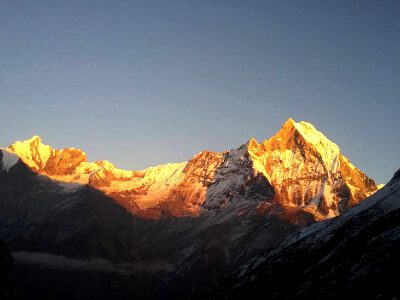
If you look at the historical ratio of summit successes to deaths, Annapurna I sits at the top of this list. Historically, it recorded the highest fatality to summit ratio of any 8,000 meter peak. Although safety has improved over the years, Annapurna remains widely regarded as the most dangerous of the world’s fourteen 8,000 meter mountains.
The main danger on Annapurna is the enormous hanging ice formations, called seracs, on the north face. These can break off and collapse at any time. There is no way to fully predict when it will happen, and no amount of skill protects you from being in the wrong place when it does. That kind of uncontrollable risk is part of what makes this mountain so serious.
US$ 410
Maurice Herzog and Louis Lachenal reached the top in 1950. It was the first time any 8,000-meter peak had ever been climbed. Both men came back with severe frostbite and lost most of their fingers and toes. The mountain made clear from day one what it was willing to take from the people who tried it.
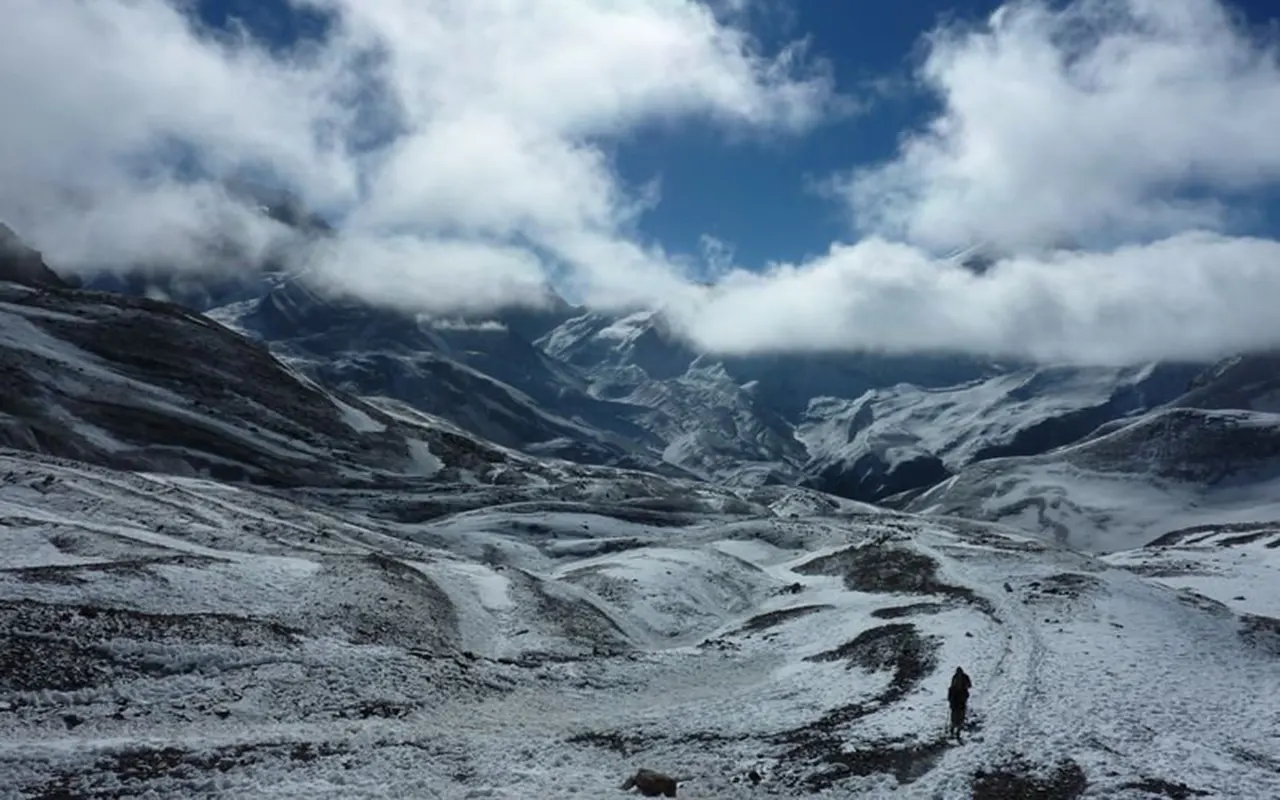
Better equipment and improved safety practices have helped in recent years, but Annapurna I is still widely considered the most dangerous 8,000-meter peak in the world. The reputation is earned.
2. K2 – 8,611 m (Pakistan / China)
K2 is the second highest mountain in the world and is widely regarded as the hardest 8,000 meter peak from a technical climbing standpoint. Everest has been reached by thousands of people. K2 has far fewer successful ascents, and every route on the mountain is a serious undertaking. The most commonly used line, the Abruzzi Spur, involves steep rock and ice climbing at very high altitude with limited shelter.
The mountain sits in the Karakoram range on the Pakistan-China border. Getting to base camp is already a multi-day journey through remote terrain. From there, all routes pass through a narrow section near the top called the Bottleneck, which runs below a large serac band. In 2008 a serac collapsed and killed eleven climbers in a single day. It remains one of the worst disasters in the mountain’s history.
K2 was not climbed in winter until February 2021, when ten Nepali climbers reached the summit together. It was the last 8,000-meter peak to have a winter ascent and the achievement is considered a landmark moment in modern mountaineering.
Historically, K2 has recorded one of the highest fatality to summit ratios among the 8,000 meter peaks. It is a mountain that does not forgive technical mistakes, and the margin for error at these altitudes is extremely small.
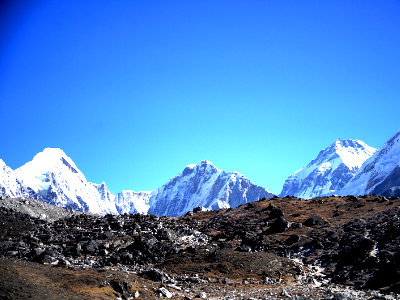
3. Kangchenjunga – 8,586 m (Nepal / India)
Kangchenjunga is the third highest mountain in the world. It lies on the border between Nepal and the Indian state of Sikkim and sees far fewer visitors than most other big peaks, partly because of how remote it is and partly because it asks a great deal from any team that wants to attempt it.
The routes are long and technically involved. The standard line on the southwest face requires multiple camps and several weeks of sustained climbing. There is very little established infrastructure compared to more popular peaks, which means teams need to be more self-sufficient than they would be on, say, Everest.
US$ 2700
There is also a long-standing tradition on Kangchenjunga where climbers stop just short of the true summit out of respect for local beliefs in Sikkim, where the peak is considered sacred. Almost every team that attempts the mountain observes this practice.
George Band and Norman Hardie made the first ascent in 1955. Historically, Kangchenjunga has recorded a high fatality to summit ratio and continues to be treated with great respect by experienced Himalayan climbers.
4. Nanga Parbat – 8,126 m (Pakistan)
Nanga Parbat is at the western end of the Himalayas in Pakistan and has a difficult history going back almost a century. A German expedition in 1937 lost its entire team when an avalanche buried their camp while they slept. The number of deaths on Nanga Parbat during the early decades of Himalayan climbing was high enough that the name “Killer Mountain” got attached to it, and it has stuck around in climbing culture ever since.
The mountain has three major faces. The Rupal face on the south side is the tallest mountain face on earth, rising around 4,500 meters from bottom to top. Any route on Nanga Parbat is a long and committed effort regardless of which side you approach from.
Hermann Buhl made the first ascent in 1953 and did it alone, after his climbing partner turned back due to conditions. He spent a night standing on the upper mountain without a tent or sleeping bag and descended the next day. It is one of the most talked-about solo achievements in climbing history.
Historically, Nanga Parbat has recorded one of the higher fatality to summit ratios among the 8,000 meter peaks. Access to the mountain also changed after a targeted attack at base camp in 2013 that killed several climbers and guides, adding a layer of risk that teams now have to consider before planning an attempt.
5. Gasherbrum I – 8,080 m (Pakistan / China)
Gasherbrum I, sometimes called Hidden Peak, sits in the Karakoram alongside its neighbor Gasherbrum II. It does not get as much public attention as K2 or Annapurna, but many experienced alpinists regard it as one of the most demanding 8,000 meter peaks in the Karakoram.
The approach alone is a serious commitment. Teams walk for several days through the Baltoro Glacier system, one of the longest glaciers outside the polar regions, before even reaching base camp. By the time climbing starts, a significant logistical effort is already behind you.
The routes on Gasherbrum I, primarily the northwest face and the southwest ridge, are technical and exposed. Pete Schoening and Andrew Kauffman made the first ascent in 1958 as part of an American expedition. Not many teams attempt the peak each season, which also means less shared route knowledge and less support infrastructure along the way.
Historically, Gasherbrum I has recorded a high fatality to summit ratio compared with many other 8,000 meter peaks. Climbers who have summited describe a peak that demands consistent focus and technical competence throughout, not just on one difficult section.
6. Makalu – 8,485 m (Nepal / China)
Makalu is the fifth highest mountain in the world and sits east of Everest in the Mahalangur Himalaya. It does not come up in casual mountain conversations as often as some of the other peaks on this list, but experienced high-altitude climbers know it well and treat it with care.
The standard route follows the northwest and northeast ridges and includes a narrow exposed section near the top that has caused real problems for many teams. At the altitude where this section sits, your body and your mind are both working less effectively than they would be lower down. Precise movement on exposed ground under those conditions is a different challenge than it would be at sea level.
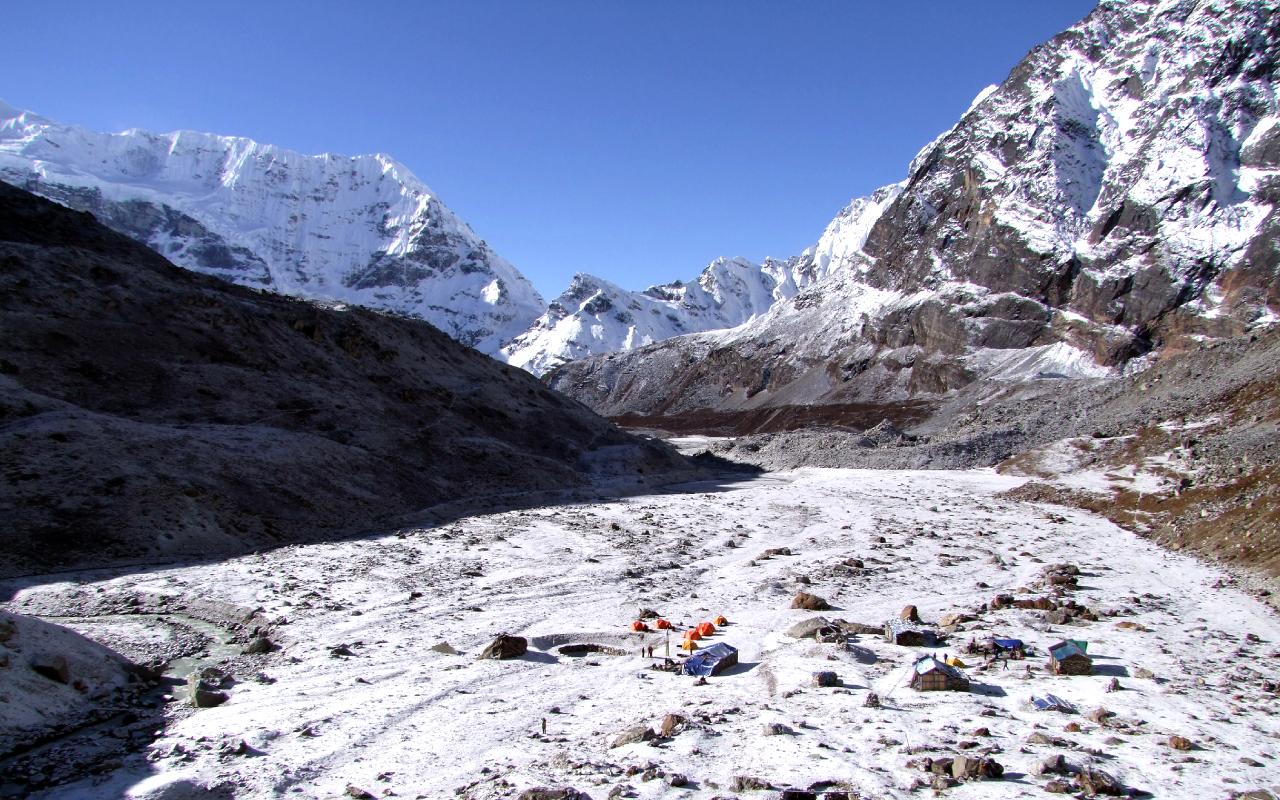
Lionel Terray and Jean Couzy led the first ascent in 1955 and the rest of the team also reached the summit on that expedition, making it an unusually complete early success on an 8,000-meter peak. Since then the mountain has pushed back many attempts.
Historically, Makalu has recorded a high fatality to summit ratio, reflecting the mountain’s technical challenges and demanding conditions. The infrastructure along the route is minimal and teams need to manage their own logistics throughout. It is a mountain that rewards careful planning and punishes overconfidence.
7. Dhaulagiri I – 8,167 m (Nepal)
Dhaulagiri sits in northwest Nepal and before Annapurna was first climbed in 1950, surveyors actually believed Dhaulagiri might be the highest mountain in the world. The survey was later corrected, but the peak has always held its own reputation as a serious objective.
The standard route on the northeast ridge is long and requires sustained technical climbing across exposed ground. The bigger challenge is often the weather. Dhaulagiri sits in a position where storms can arrive from multiple directions with little warning. Teams have been stuck at high camps for days waiting for a window that never came. Getting the timing right on Dhaulagiri is as important as any technical preparation.
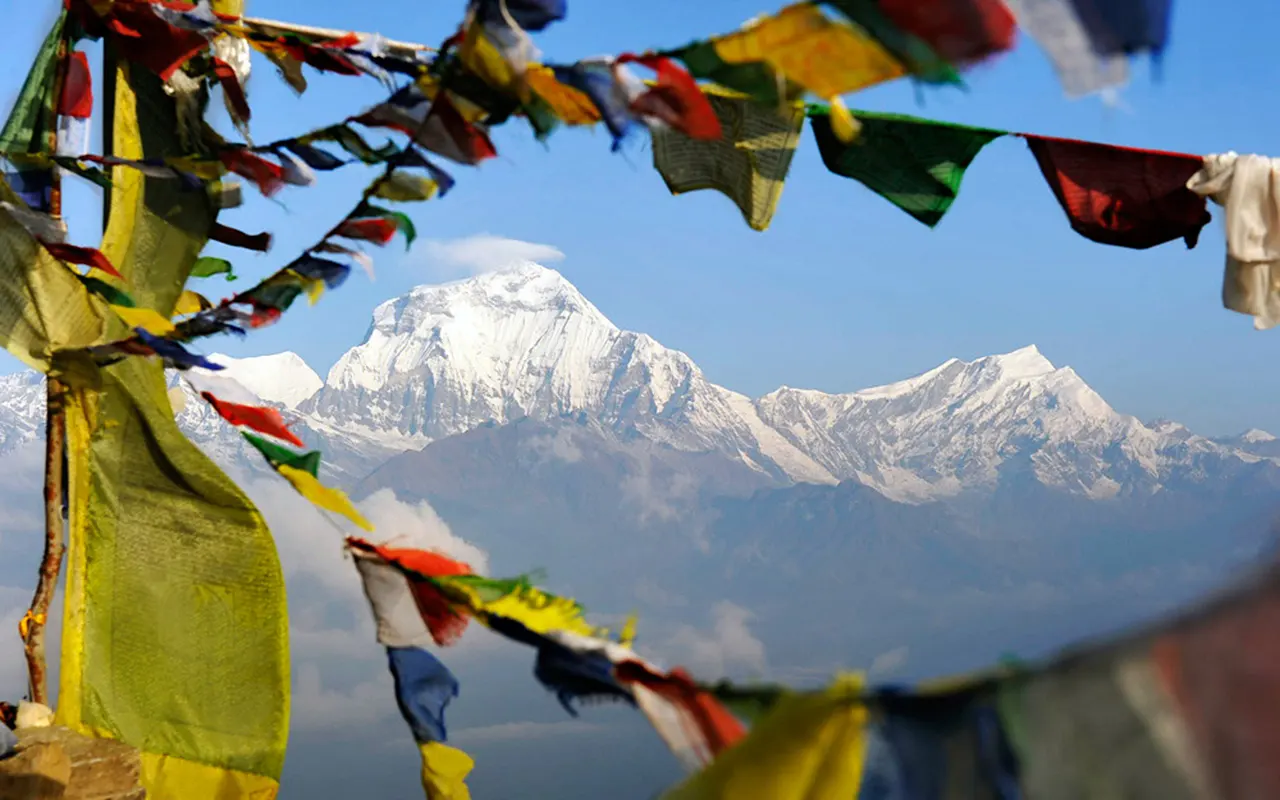
A Swiss-Austrian team made the first ascent in 1960. Historically, Dhaulagiri has recorded a high fatality to summit ratio, and the mountain has defeated many well-organized expeditions, often because of severe weather rather than technical climbing alone.
In recent years more climbers have turned their attention to Dhaulagiri as an alternative to the more crowded routes on Everest, and it has gained wider recognition as the serious and demanding peak that Nepali guides and local mountaineers have always known it to be.
8. Jannu (Kumbhakarna) – 7,710 m (Nepal)
Jannu, or Kumbhakarna, is considered by many to be one of the most technically challenging mountains in the world due to its steep rock walls, long mixed climbing and very demanding routes. Located in eastern Nepal near Kangchenjunga, it presents a greater technical challenge than many 8,000 meter peaks despite its lower elevation. Among elite alpinists, Jannu is respected as one of the finest tests of climbing ability in the Himalayas.
The mountain’s famous north face is considered one of the greatest objectives in Himalayan mountaineering. Climbers encounter steep rock faces, unstable ice, deep snow, and the challenge of route finding, all in the context of unpredictable weather and long segments of exposed terrain. Each section requires sophisticated technical skills, meticulous planning, and superb teamwork.
The extreme difficulty of the mountain has meant that successful ascents have been few since the first ascent by a French expedition in 1962. Today, Jannu continues to be recognized by professional mountaineers as one of the ultimate tests of technical alpine climbing.
9. Broad Peak – 8,051 m (Pakistan / China)
Broad Peak sits right next to K2 in the Karakoram and shares that region’s character. It was first climbed in 1957 by an Austrian team that included Hermann Buhl, who had made the first ascent of Nanga Parbat four years before. All four members of the team reached the summit and did so without supplemental oxygen, which was a remarkable achievement for the time.
The mountain gets its name from the wide plateau near the summit, which stretches around three kilometers across. That plateau creates an unusual problem. After working through the technical lower and middle sections of the route, climbers arriving at the top face a long exposed traverse across the plateau at extreme altitude before reaching the true summit. Many teams have stopped at a false summit, genuinely believing they had finished, and turned back without reaching the real top.
The fatality rate on Broad Peak is around 10 to 12 percent, lower than several others on this list but still a serious number. Helicopter rescue in this part of the Karakoram is difficult, and the closeness to K2 means weather can shift hard and fast.
The mountain has been climbed in winter and is regarded by experienced Karakoram climbers as a genuinely demanding peak, not a stepping stone to something harder but a serious objective in its own right.
10. Latok I – 7,145 m (Pakistan)
Latok I is widely regarded as one of the world’s hardest mountains because of its steep granite faces, technical mixed climbing, and unpredictable weather. It is in Pakistan’s Karakoram range and has tested the best alpinists for decades, most notably on its famous north ridge which resisted successful ascents for many years before finally being climbed in 2018. The mountain is a symbol of technical excellence in modern mountaineering.
Unlike many 8,000 meter peaks, Latok I requires advanced rock, ice and mixed climbing skills along the entire route. Climbers contend with complex route finding, unstable snow and ice, steep exposed terrain and rapidly changing weather that can turn a manageable climb into a dangerous one in a matter of hours. Every section requires careful decision making and precise climbing technique.
Although it is lower than many Himalayan giants, Latok I has earned a reputation as one of the ultimate tests of technical mountaineering. Successful ascents remain rare, and the mountain continues to be respected by professional climbers for its sustained difficulty, commitment, and demanding alpine conditions.
What Actually Makes These Mountains So Much Harder?
These peaks are not just bigger than other mountains. Several specific factors stack up together to create the level of difficulty that places them on this list.
- Time at extreme altitude: Above 7,500 meters, the human body cannot recover properly. The longer a route keeps you up there, the more your physical and mental condition deteriorates. Some of these mountains require days at that altitude just to have a chance at the summit.
- Uncontrollable hazards: Seracs, hanging glaciers, and avalanche-loaded slopes create risks that skill cannot fully remove. You can reduce your exposure but you cannot eliminate it. Some climbers have died on these mountains doing everything right.
- Weather windows: On several of these peaks, periods of safe weather are short and hard to predict. A team can wait at base camp for three weeks and never get the clear window they need. When the window comes, it may only last 24 to 48 hours.
- Technical ground at altitude: Steep ice, mixed rock and snow, and exposed ridges are hard enough at lower elevations. At 7,000 to 8,000 meters, where your thinking is slower and your body is weaker, the same ground becomes a completely different challenge.
- Distance from help: Several peaks on this list sit far from any realistic rescue option. If something goes wrong high on the mountain, the team has to solve the problem themselves. That raises the stakes of every decision made above base camp.
- Cold: Wind chill temperatures on these peaks can reach minus 40 degrees Celsius or lower. Staying warm enough to function while moving efficiently through technical terrain is a constant and draining task.
Who Actually Attempts These Mountains?
The people who take on peaks like these are not casual trekkers or weekend adventurers. They are typically climbers with many years of high altitude experience, strong technical skills across rock, ice, and mixed terrain, and multiple 8,000-meter summits already behind them.
Many of the strongest climbers on these peaks in recent years have come from Nepal and Pakistan. Kami Rita Sherpa, Nirmal Purja, Mingma Gyalje Sherpa, and others from the Nepali climbing community have set records and completed ascents in conditions that were previously thought impossible. Their achievements have changed how the broader mountaineering world thinks about what is possible on the highest peaks.
International climbers who make serious attempts on these mountains tend to have decades of experience in the greater ranges. Speed records and winter ascents continue to be pushed forward, but the mountains themselves are as demanding as they have ever been. Better gear and communication tools have improved safety in some ways, but they have not made the actual climbing easier.
These peaks do not become manageable through preparation alone. That is what puts them in a different category from every other mountain on earth.
A Final Word
The hardest mountains to climb are not simply obstacles. They are complex environments that have been testing climbers for over a century. The history of these peaks includes some of the most impressive achievements in the history of human endurance, and also some very serious losses.
For professional mountaineers, these peaks represent the upper end of what the sport asks of a person. Careful planning, deep experience, strong physical preparation, and the willingness to turn back when conditions demand it are all required. None of those qualities alone is enough. All of them together give you a chance.
The mountains on this list have not been made safe. They have been visited, sometimes climbed, and always respected by the people who know them best. That honest relationship between climber and mountain, built on realistic thinking rather than wishful thinking, is what good mountaineering is built on.
Ready to Plan Your Trekking? Contact us
More Blog Posts
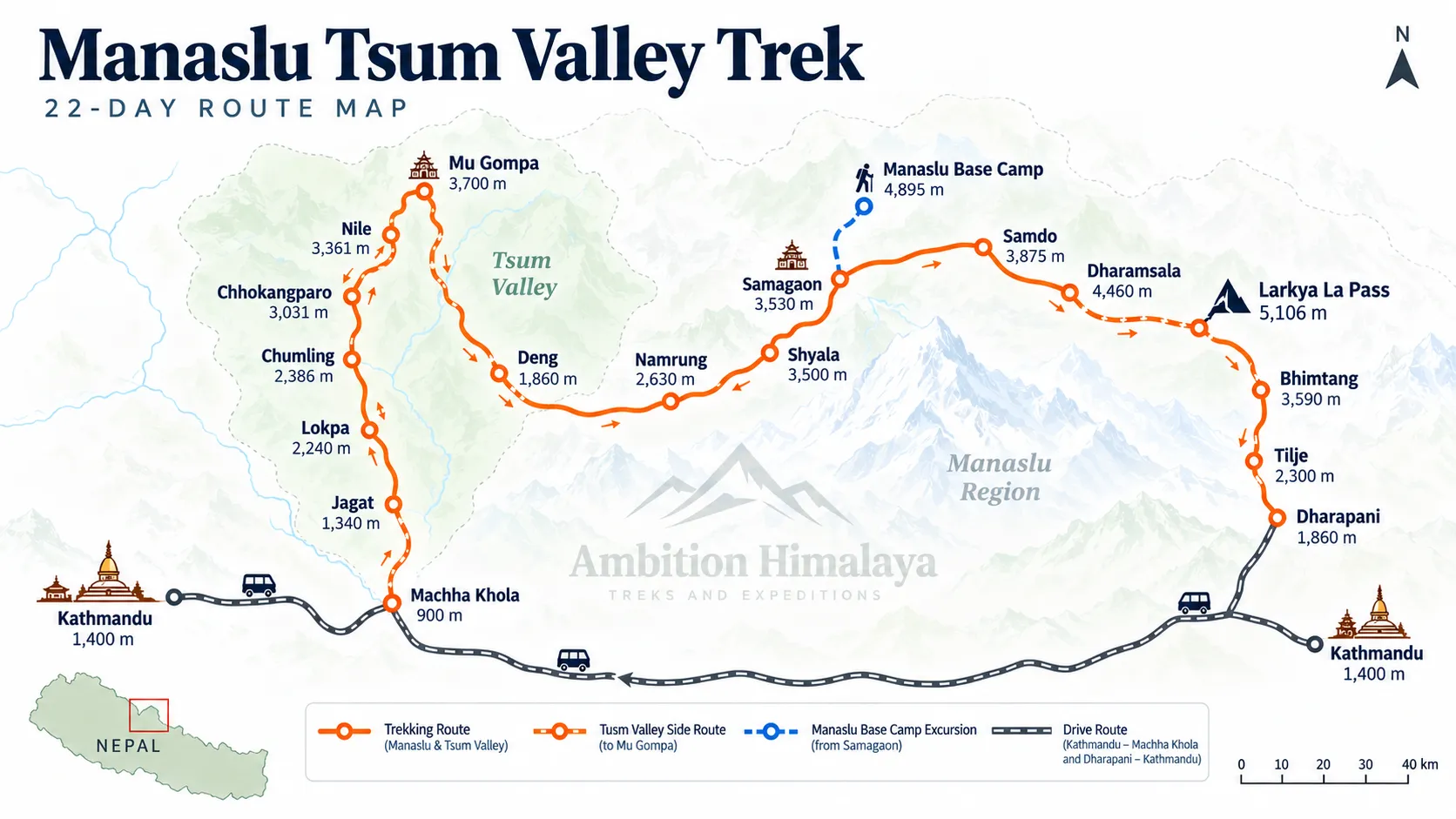
Everest Base Camp Trek – 14 Days to the Foot of Mount Everest