
Budhi Gandaki Flood Latest Update 2026: What Trekkers and Local Communities Should Know
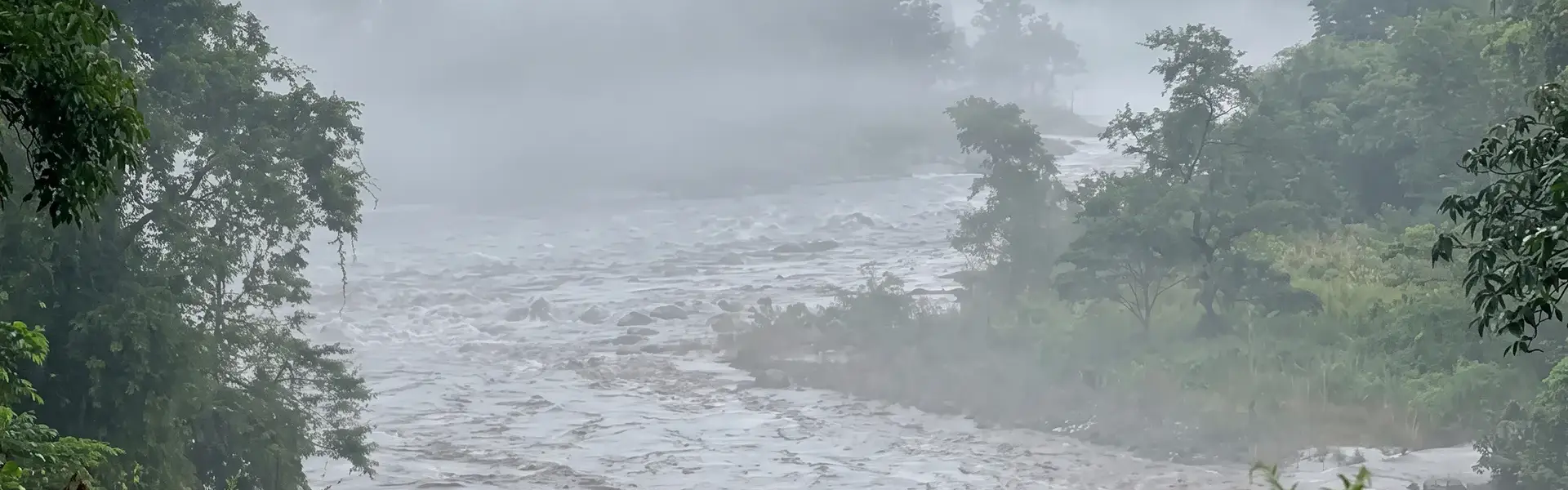
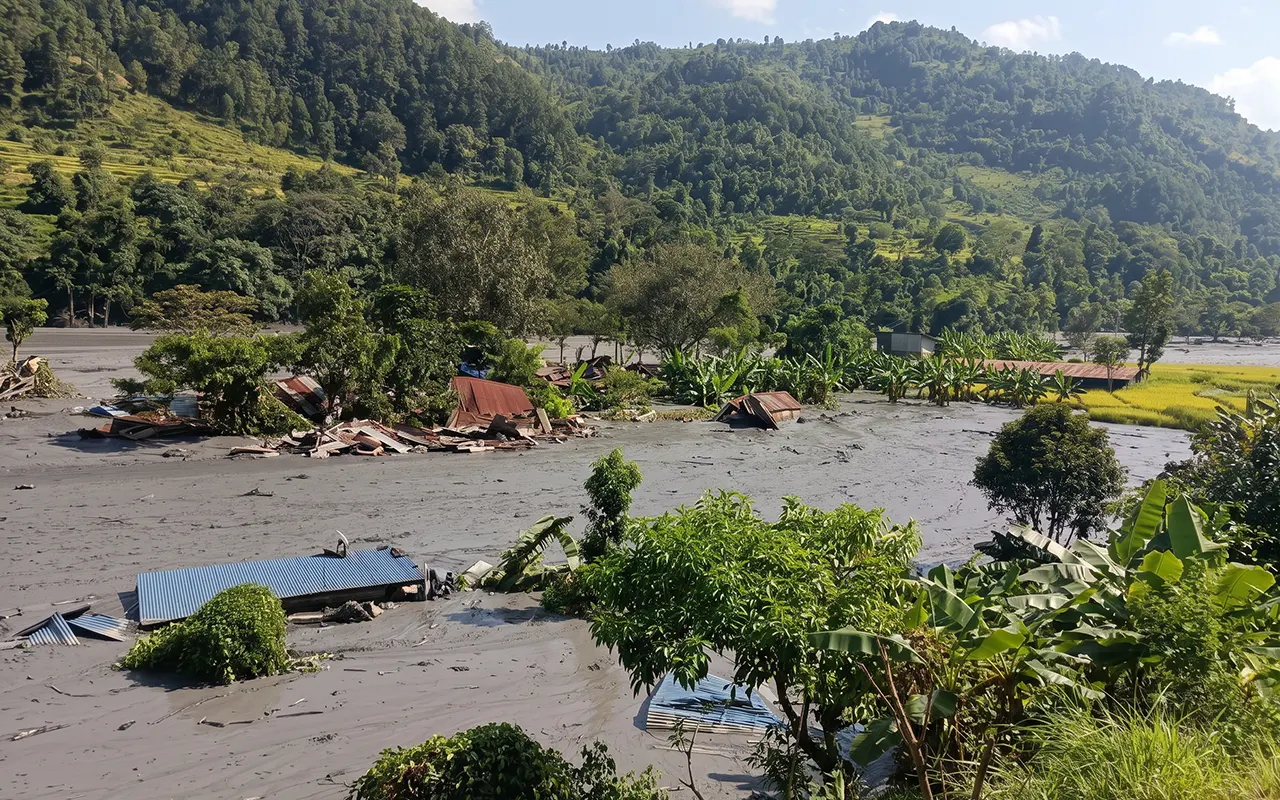
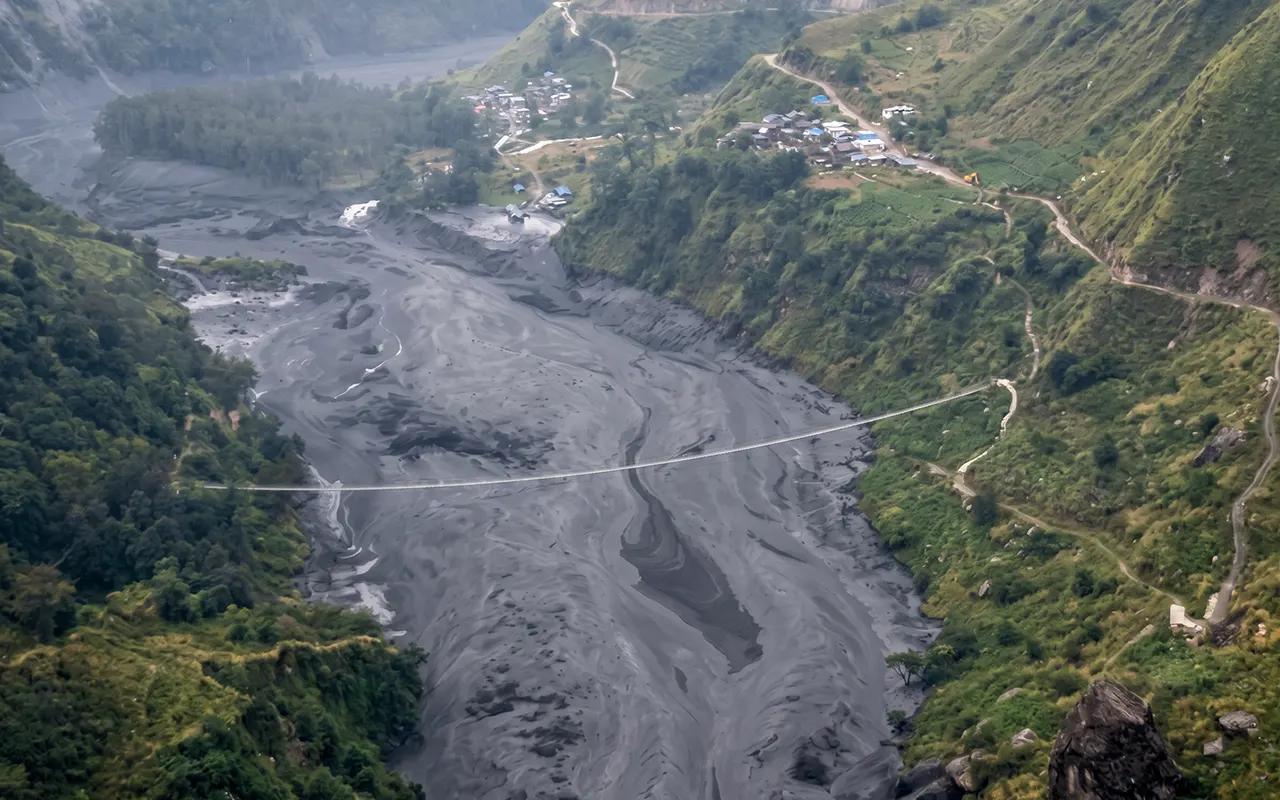
A sudden flood swept through parts of the Budhi Gandaki valley in northern Gorkha on 11 October 2026. The flood carried mud, stones and other debris through riverside settlements and damaged homes, bridges, trails and project infrastructure.
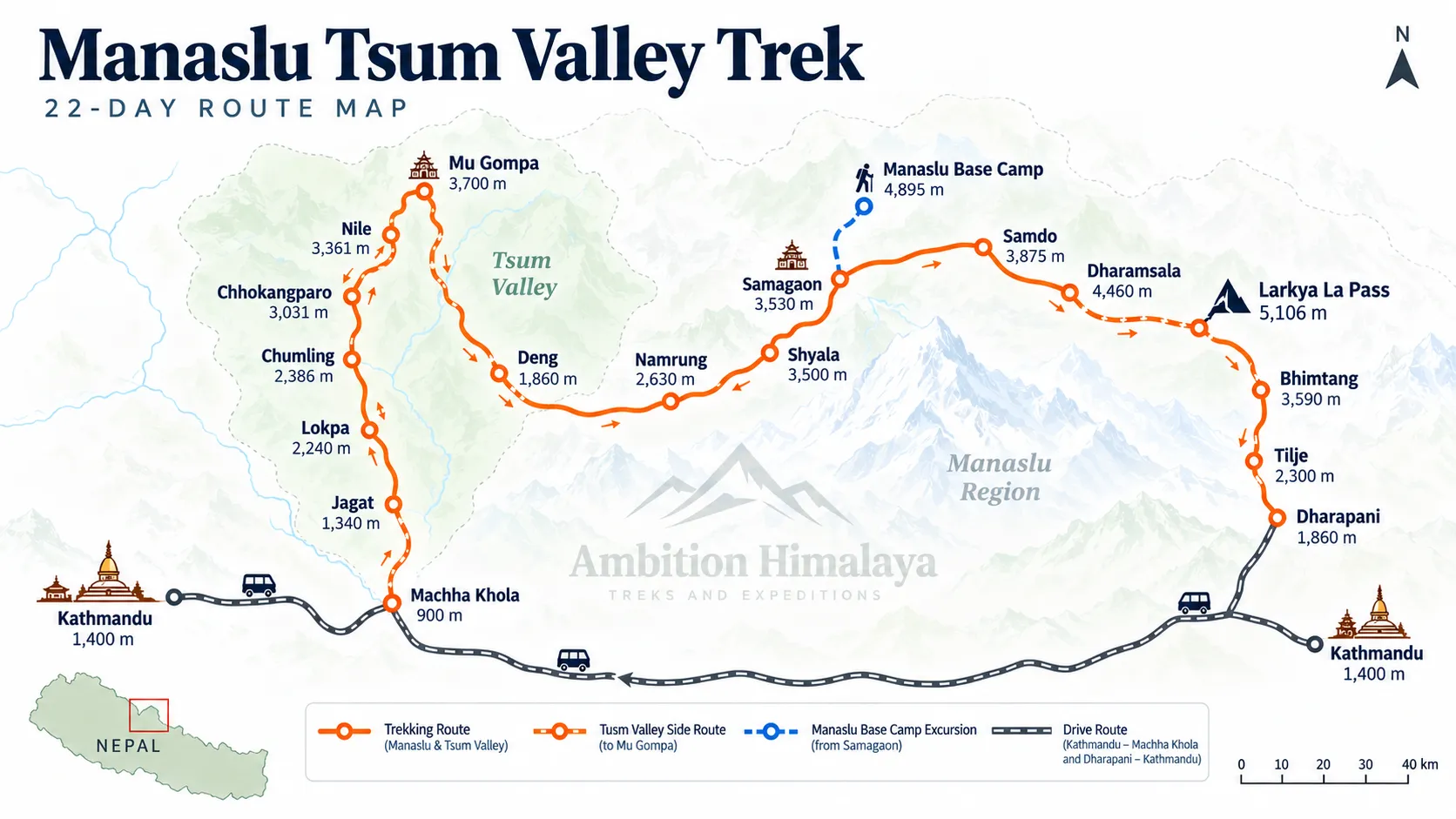
The affected valley also serves as an important approach to the Manaslu Circuit and Tsum Valley. The event therefore affects two groups at the same time: residents who live and work beside the river, and trekkers who depend on the same bridges, trails, lodges and local services.
The Budhi Gandaki Flood Latest Update 2026 remains provisional because officials are still assessing the damage. Officials have not completed a full inspection, and several figures may change as teams reach remote settlements. This article explains what travellers should understand before visiting the area and why local communities need careful, well-informed support rather than rushed tourism.
A sudden event in a narrow mountain valley
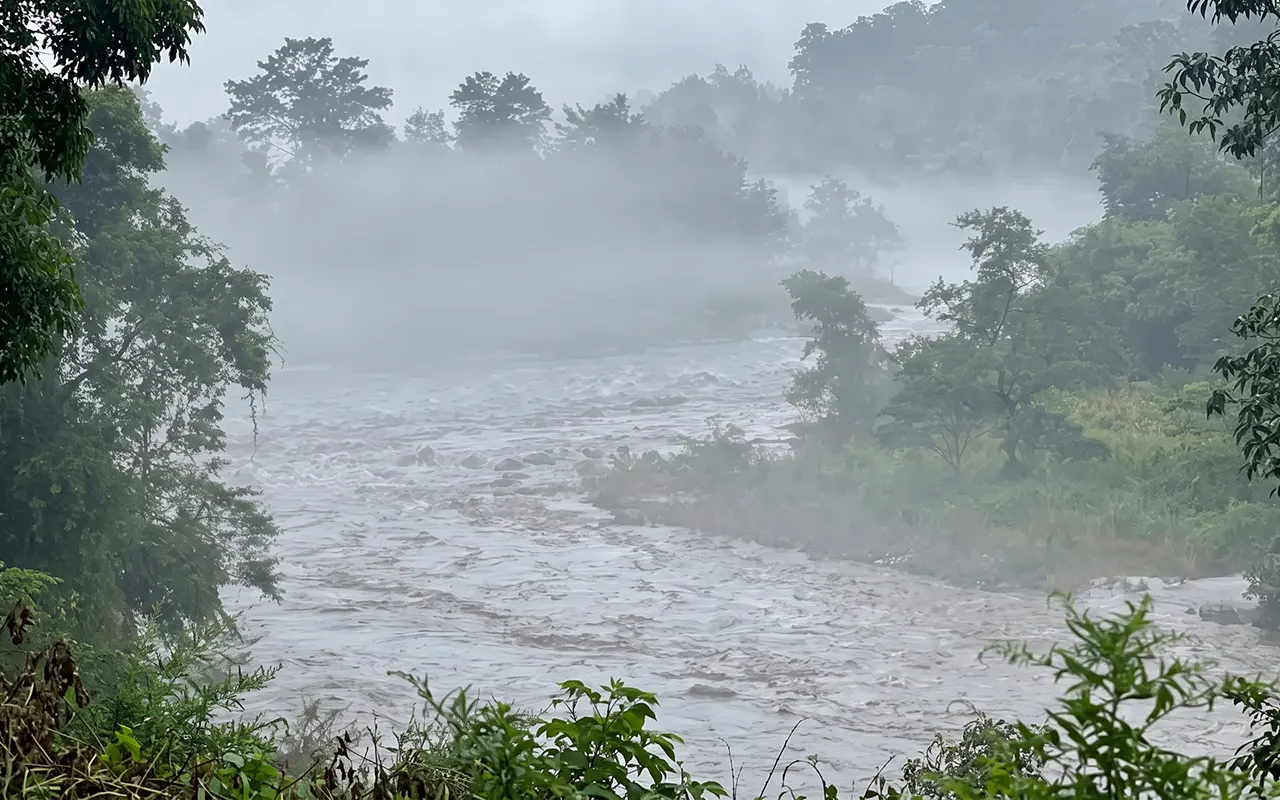
The flood began before dawn on Sunday, 11 October. Residents reported a loud sound from upstream and a rapid change in the river. Water then moved down the valley with a heavy load of mud, gravel, rocks and debris.
Preliminary reports suggested that a landslide near Chumchet may have temporarily blocked the Budhi Gandaki River or a connected tributary. Water may have accumulated behind the blockage before surging downstream. Officials still need to confirm the exact location and sequence of events.
Early reports mentioned places near Chumchet, Lokpa, Chumling and Philim. They also used different names for nearby tributaries, including Ungilung Khola, Syar Khola and Wingling Khola. These names may describe connected parts of the same drainage system, but readers should treat the detailed source location as provisional.
The event did not simply involve high water. The flood carried loose material through a confined mountain corridor, increasing the pressure on homes, bridges, trails and other structures close to the river. This explains why some settlements suffered serious damage even though the flood lasted for a limited period.
What is the human impact so far?
The flood affected communities in Chumnubri and Dharche rural municipalities. Reports named Jagat, Bagar, Paiyu, Salleri, Ghattikhola, Sirdibas, Machha Khola, Dobhan, Soti and Arughat among the areas that faced damage or warnings.
Kathmandu Post estimated that 35 to 40 houses had been swept away in several settlements. Other reports gave smaller numbers for individual locations. These differences do not necessarily mean that one source is wrong. Rescue teams gathered information at different times and could not immediately inspect every riverside structure.
At least five people were reported missing or unaccounted for. Early reports linked the missing people to a shed near the Ungilung river in Chumchet, although details varied between initial accounts. Separate reports also mentioned several herders who could not be contacted after travelling between Sirdibas and Chumling.
The reports reviewed for this article did not confirm deaths or injuries. However, the missing-person search and damage assessment were still active, so travellers should avoid describing the situation as fully resolved.
Nepal Army helicopters, police teams, the Armed Police Force and local authorities supported rescue and evacuation work. Different reports gave different totals for people moved to safety. Some counted helicopter evacuations, while others included people relocated by ground teams. These figures will become clearer after officials complete their records.
US$ 950
How did the flood affect local services?
Mountain communities depend on the same infrastructure that trekkers use. A bridge connects families to markets, schools, health services and neighbouring villages. A trail carries food, building materials and emergency supplies as well as visitors.
When floodwater removes a bridge or damages a trail, the effect goes beyond tourism. Local residents may struggle to move livestock, buy supplies, visit health posts or contact relatives. Lodge owners may lose rooms, kitchens, equipment and food stocks. Guides and porters may lose work during the busiest trekking period.
The flood also damaged communications and energy infrastructure. Reports described damage to electric poles, telephone towers and a construction camp connected with a hydropower project near Salleri. Nearby houses and project equipment also suffered damage.
The following summary shows why the Budhi Gandaki Flood Latest Update 2026 matters for everyday life as well as trekking plans:
| Damaged facility | Effect on local communities |
| Suspension and motorable bridges | Reduced access between villages and markets |
| Riverside trails | Difficult movement for residents, porters and rescue teams |
| Houses and sheds | Displacement and loss of personal belongings |
| Telephone towers and electric poles | Weaker communication and power access |
| Hydropower construction facilities | Loss of equipment, work areas and local employment |
| Lodges and market structures | Reduced income and fewer services for residents and visitors |
These effects may continue even after river levels fall. Local families need time and support to understand what they have lost and what they can safely use again.
What does this mean for trekking?
The Manaslu Circuit and Tsum Valley routes pass through the affected river corridor. Trekkers normally depend on a series of bridges and trail sections between Soti Khola, Machha Khola, Jagat, Philim and the higher villages.
Early reports described serious damage between Yaru Bagar and Jagat. The route beyond Lokpa toward Tsum Valley also faced major obstructions. Reports mentioned damaged or destroyed crossings near Nyakchet, Sirdibas, Philim, Machha Khola, Kerauja, Soti and Dobhan.
These reports do not prove that every section of the full Manaslu route is closed. They do show that trekkers cannot safely plan the journey by checking only one village or one checkpoint. A group may reach a safe lodge and still find that the next bridge has disappeared.
The latest Budhi Gandaki trekking route conditions remain uncertain, as access varies between affected sections. Officials and local teams need to inspect the path, bridge foundations, riverbanks and lodges before they can give reliable opening information.
A report published on 12 October 2026 confirmed that the foot trail connecting Jagat and Salleri had been washed away, cutting off access between the two villages. More than 100 trekkers were reported stranded in the affected area. Trekkers should confirm the latest access information before travelling toward Manaslu or Tsum Valley.
A practical route picture
| Route area | What current reports suggest | Travel meaning |
| Soti Khola and Arughat | Local crossings and transport links suffered damage | Confirm road and bridge access before arrival |
| Machha Khola and nearby villages | Floodwater affected lower settlements and crossings | Ask whether lodges and supplies remain available |
| Yaru Bagar to Jagat | Trail damage disrupted normal movement | Do not begin without a current inspection report |
| Nyakchet, Sirdibas and Philim | Bridge connections require careful checking | Confirm the exact crossing with a local guide |
| Lokpa and Tsum Valley branch | Obstructions affected the route beyond Lokpa | Request a current route update before booking |
| Higher Manaslu villages | Full access assessment was not yet available | Check the lower route before assuming continuation is possible |
Travellers should view the Latest Budhi Gandaki trekking route conditions as a live situation, not as a permanent statement about the entire region. Local teams may reopen one section while they continue work on another.
How can visitors travel responsibly?
Responsible travel matters more during a local emergency. Visitors should avoid entering a damaged area simply because they already arranged transport or want to keep a fixed holiday schedule.
Before travelling, ask a local agency or guide for information from the same day. Confirm whether the planned road, trail, bridge and lodge remain usable. Also ask what will happen if the route closes after you arrive.
A responsible visitor should:
- Follow evacuation instructions and local closures.
- Avoid broken bridges and unsafe riverbanks.
- Do not take pictures or film of a rescue in progress.
- Respect families who have lost homes, livestock or income.
- Bring a sufficient amount of medicine, water and warm clothes in case of delays.
- Have flexible dates where possible in case of longer duration of repair or inspections.
- Support local businesses only when the community can safely receive visitors.
Travellers also need not make their donations or distribute supplies without guidance. Good intentions may bring confusion when they fail to conform to local needs. Well-intended help can create confusion if it does not match local needs. Agencies, local authorities and recognised organisations can explain where support will help most.
What should trekkers do if they already booked?
Travellers with an upcoming Manaslu or Tsum Valley departure should contact their trekking agency before travelling to Gorkha. They should ask for a current Manaslu trekking safety update 2026, not only a general statement that the region remains open or closed.
A useful update should answer these questions:
- Which trail section did a guide or official inspect most recently?
- Which bridges can trekkers use safely?
- Can lodges along the planned route receive guests?
- Can guides communicate with the next village?
- What safe option exists if the group cannot continue?
- Does travel insurance cover postponement or evacuation?
Guests travelling with Ambition Himalaya Treks can contact our team for a route review before departure. We will check information from guides and local contacts instead of relying on an old online post.
The safest Manaslu trekking safety update may recommend postponement. Even a small delay can save trekkers unsafe crossings, scarce food supplies, lengthy wait time and arduous emergency access.
US$ 1200
What if a trekker is already in the valley?
Trekkers already on the route should remain with their guide and follow instructions from local officials. They should avoid travelling alone, crossing damaged bridges or walking beside a river that has recently changed level.
Keep your passport, phone, money, water, medication and warm clothing in a small daypack. Tell your family or emergency contact where you are waiting. Ask your guide to keep the trekking agency informed.
If a local authority asks people to move, leave promptly. Do not wait near the river to watch the water level. In some cases, the safest plan may involve staying in a secure village until officials confirm the next stage of travel.
How Ambition Himalaya Treks approaches the situation
We monitor information from local guides, lodge owners and contacts in the affected communities. We understand that trekkers need honest information, especially when a natural event changes a planned journey.
Our team will not describe the route as ready simply because one checkpoint or lodge remains safe. We will review the road, trail, crossing and accommodation situation before confirming departures.
If you plan to travel later, Ambition Himalaya Treks can help you compare postponement, route changes and other trekking options. Each alternative still needs its own weather and access check.
We also encourage guests to remember that the people living beside the Budhi Gandaki river need space, safety and practical support. Trekkers can contribute by following local rules, respecting private property and using local services only when communities can receive visitors safely.
When can visitors return?
Authorities have not provided a reliable reopening date for every affected section. Local teams must inspect bridges, trails, lodges, riverbanks and communication links before they can make a responsible decision.
Some parts of the route may reopen earlier than others. A village may receive supplies while a bridge remains unsafe. A temporary crossing may also require testing before guides take groups across it.
The Budhi Gandaki Flood Latest Update 2026 will continue to affect travel planning until officials complete these checks. Visitors should check the publication date of each route update before making travel arrangements. They should not choose a travel date based only on a standard itinerary or an early social media announcement.
Our team checks the Latest Budhi Gandaki trekking route conditions and will share a new
safety update 2026 when reliable local information becomes available. Until then, guests should keep their plans flexible and avoid rushed departures.
Final message for trekkers and communities
The flood damaged an important river corridor in Gorkha and interrupted normal movement toward Manaslu and Tsum Valley. It also affected homes, bridges, communications, work sites and local businesses that residents depend on every day.
Budhi Gandaki Flood Latest Update 2026 indicates an effect broader than a short-term trekking postponement. Communities should be closely evaluated and assisted with practical means until normal travel is possible. Trekkers can contribute by waiting until they have good information, adhering to local directions and respecting the needs of affected families.
Prior to traveling, ask about the current conditions of the Budhi Gandaki trekking route and an up to date Manaslu trekking safety brief 2026. If the information remains uncertain, postpone the trip or choose another route after checking its conditions separately.
Ambition Himalaya Treks will continue to follow the situation and provide clear advice as local authorities and guides complete their assessments. When travel resumes, visitors should use qualified guides, follow approved routes and treat every bridge and trail section with care.