
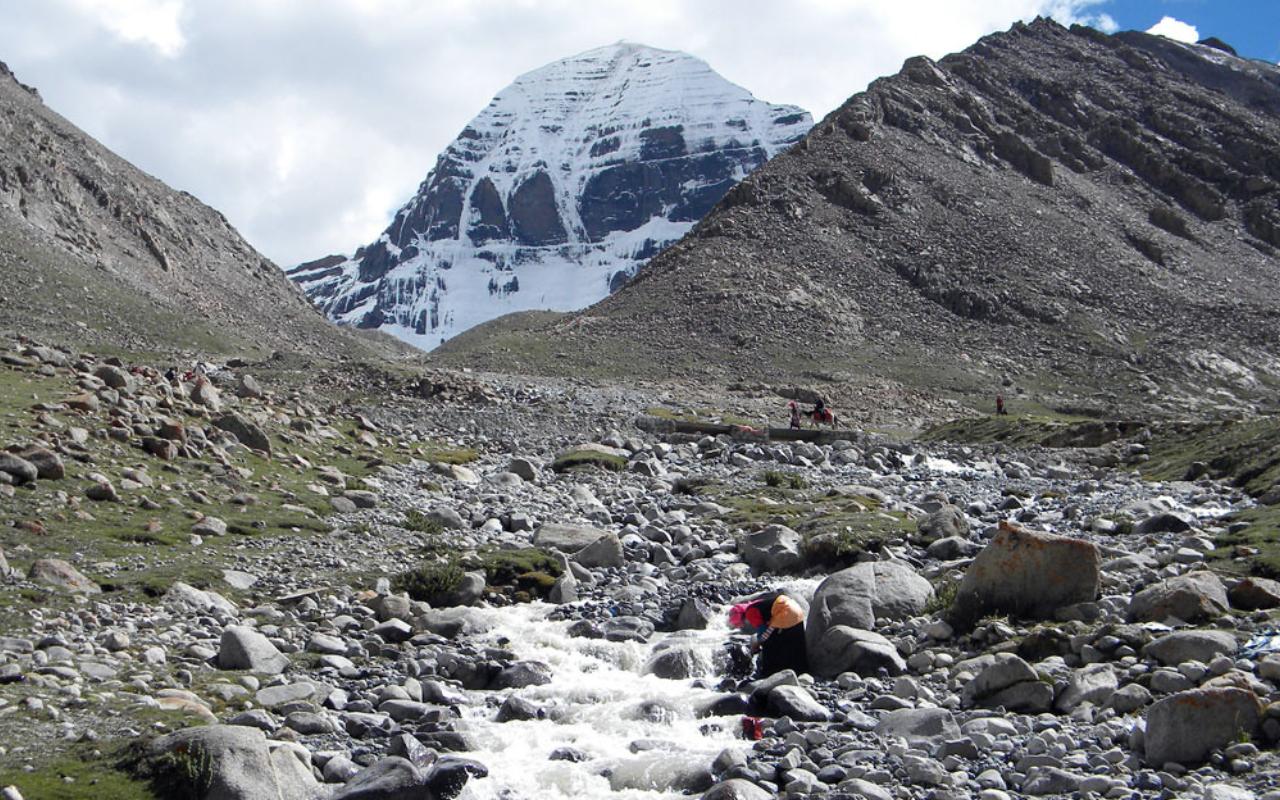
Top Hidden Places in Pokhara You Need to Explore

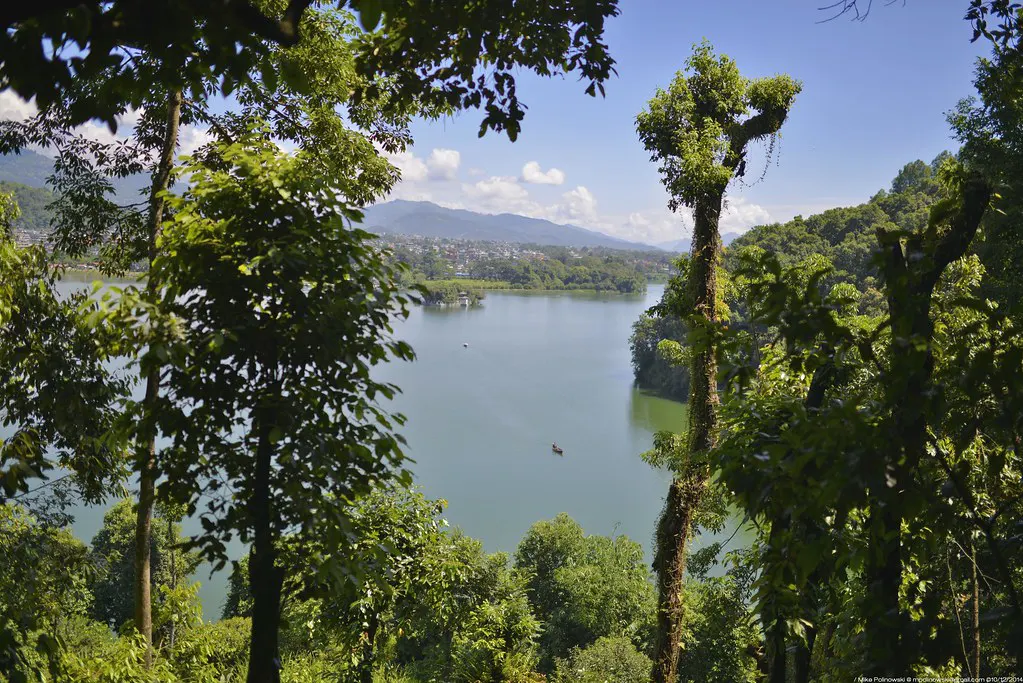
This city of lakes, Pokhara, is a haven for nature lovers, adventure seekers, and peace enthusiasts. The serenity in the environment, comprising majestic lakes and snow-capped mountains, forms a perfect escape from the chaos of city life. Besides the popular spots, the hidden places in Pokhara are for those desiring an authentic and intimate experience where nature and culture merge.

The secret spots of Pokhara allow for unique experiences that range from hidden waterfalls and viewpoints in peaceful settings to villages that have preserved their age-old way of surviving. These special places will create a deeper attachment to the natural and cultural riches of the region.

For those who love adventure, many hidden places in Pokhara can amaze them with thrilling experiences: finding a cave secluded deep inside the mountains or maybe some tranquil lake that is far away from people. Such off-track destinations promise great views and may allow you to witness wild animals in their natural habitat without the hassle of the city center.

A trip to these hidden places in Pokhara ensures benefits among the local communities, addressing the issues of sustainable tourism. This will help to preserve the cultural and natural heritage and also provide a non-congested atmosphere for travelers. Exploring these quiet corners ensures that the magic of Pokhara remains unspoiled for future generations.

Several places in the city of Pokhara are hidden, symbolizing unseen beauty with different experiences for every traveler. Be it the picnic spots beside peaceful lakes or far-away trekking trails with panoramic views, these few hidden places in Pokhara represent the ideal setting that makes an experience unforgettable.

These places of Pokhara also represent the hidden glimpses of the lifestyle and traditions of locals; homestay options in rural villages show the real culture. These less touristy places show you Pokhara from within and understand the real spirit of the city, which very few other ordinary tourists get to experience.

Following are the top 5 hidden places in Pokhara you need to explore, which you will surely enjoy:

The Nepal Royal Trek

Nepal Royal Trek from Pokhara is a perfect selection for beginners who desire to see the hidden places of Pokhara. It is one of the easiest trekking routes in the Pokhara region that shows the Himalayas and gives a glimpse into Nepalese hillside life.

The Nepal Royal Trek is perfect for those searching for hidden places in Pokhara with stunning landscapes and cultural experiences within a short itinerary.

Starting from the Pokhara lakeside, a scenic drive reaches Bijayapur, the trailhead. Then, the trek trails go via terraced fields and traditional Gurung villages, showing hidden places in Pokhara both as cultural treasures and natural beauty. The route is interesting with welcoming locals and mud cottages, as one finds detailed views of Nepalese hospitality.

The Nepal Royal Trek gets its name from Prince Charles, who followed this very track in the year 1981. It follows a route through villages of the British Gurkha soldiers, making it even more of a trek that holds historical significance.

You will be able to walk where royalty once had as you uncover hidden places in Pokhara. Expect an easy journey of trekking with majestic views of the Annapurna range, particularly the beautiful Machhapuchhre, better known as Fishtail Peak.

The highest point of the trail, Kalikasthan, is at an altitude of 1,730 meters. The Nepal Royal Trek from Pokhara can be suitable for all ages, from families with children to elderly travelers. Since the trek does not reach high altitudes, minimal risks regarding altitude sickness are prevalent, hence letting the trekkers enjoy the hidden places in Pokhara without any concern.

The overnight accommodation in local ‘tea houses’ during this trek provides the opportunity to be closely associated with the local lifestyle and traditions. These tea houses are very basic, usually having basic amenities, but are in a very scenic location, further making it special for any uninhibited discovery of hidden places at Pokhara.

Concluding the trek at serene Begnas Lake, one of the natural wonders, yet the third-largest lake in Nepal, provides a wonderful end to the adventure.

Every step in this area exposes and offers captivating scenery with panoramic views of the Himalayas, lush landscapes, and charming villages. Whether you are a beginner trekker or an experienced traveler, this short and scenic trek is an excellent opportunity to explore the hidden places of the Pokhara Valley and the surrounding Himalayan foothills.

Matepani Gumba

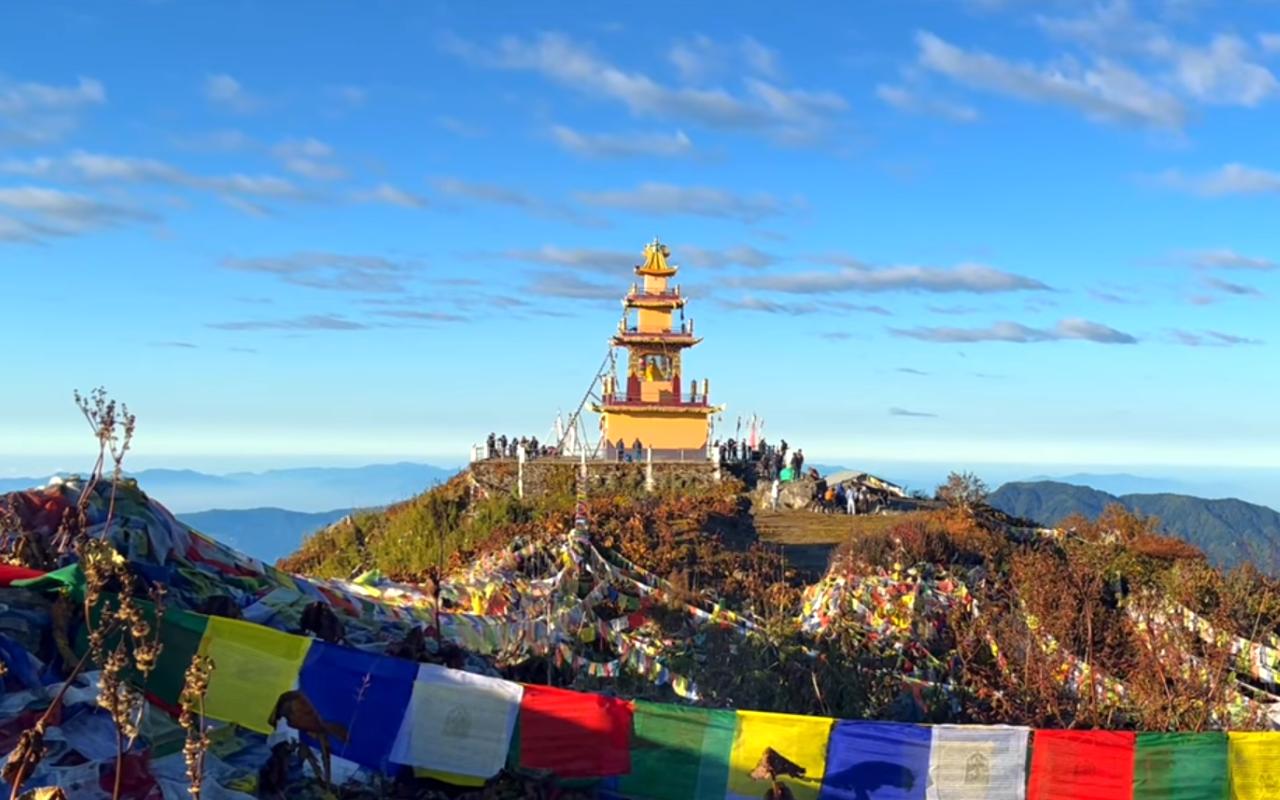
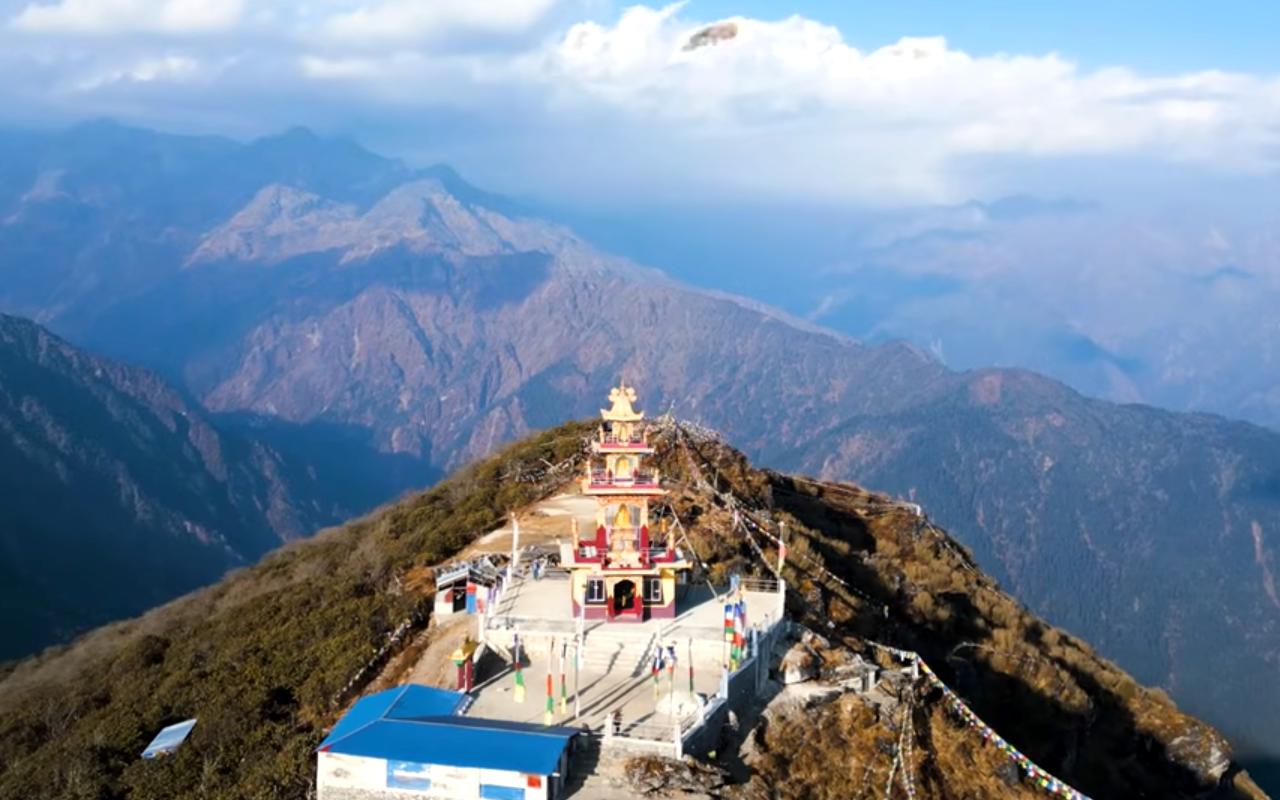
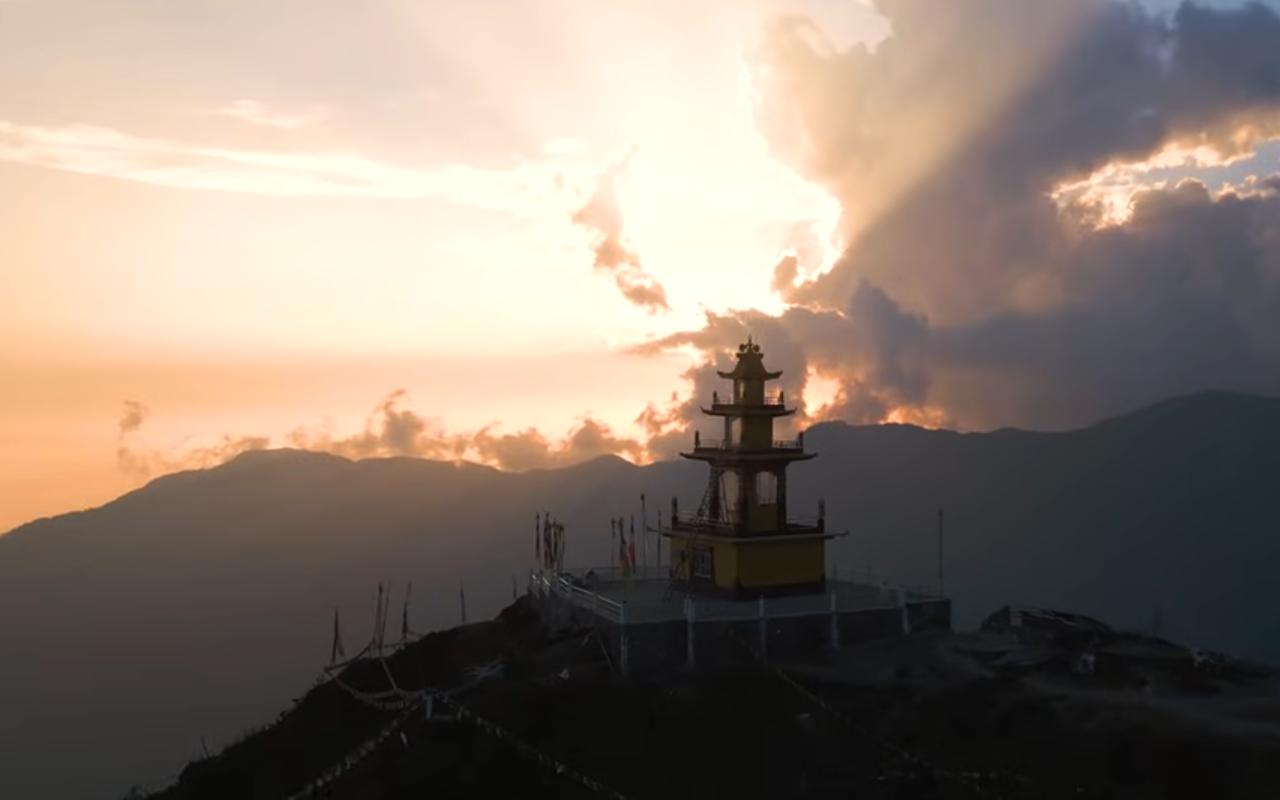
If you’re looking for some hidden places in Pokhara that offer a blend of spiritualism and scenic beauty, then Matepani Gumba is a very feasible destination to head toward. It lies atop a hill and is considered one of the oldest monasteries in Pokhara.

Founded in 1960 by the Nyeshang community of Manang District, Matepani Gumba is located in the Kundhara area and lies just a distance of 5 km away from Mahendrapul, serving as an ideal retreat for people seeking an inner peaceful lifestyle of monks and richness in Buddhism.

This monastery consists of beautifully engraved architecture with paintings of significant events in the life of Buddha. The great hall forms an enthralling sight for the visitors, housing the 11-foot-tall statue of Buddha and inviting a sense of tranquility. This monastery ranks among the various hidden places in Pokhara, housing beautiful statues of Guru Rinpoche, the founder of Tibetan Buddhism.

Watched by some 50 young monks, Matepani Gumba is a buzzing place. Though the monastery is supposed to be spiritual, it also has the elements of learning. The young monks take regular classes in Buddhism, along with the regular curriculum followed by the country.
This hidden place in Pokhara is brought to life with their jolly spirits, often laughing, playing, and even kicking a football around the premises of the monastery.

The panoramic views that the place offers make the difference for Matepani Gumba among the other hidden places in Pokhara. As this is a monastery situated on the top of a hill, the view of Fewa Lake and the surrounding city from atop is simply stunning, perfect for photography and contemplation.

The young as well as senior monks generally welcome the visitors of Matepani Gumba in a very warm way. These head monks are kind, friendly, and lovable, inviting interactions with visitors. During the time of prayer, the ringing gong reverberates through the air, calling all in the big hall. You can participate here in the happening rituals of daily prayers, accompanied by playful youngsters’ gestures in a lighthearted spirit amidst the sacred atmosphere of the place.

Unlike most monasteries, Matepani Gumba offers intimacy with Buddhism. It is not just about the beautiful murals and serene architecture but rather about the people that one gets to experience. The curiosity of the young monks and the joy in them create an atmosphere where one can get seriously involved with the Buddhist faith. This is probably one of the most warming hidden places in Pokhara to explore.

Whether it is spiritual insight, great views, or insight into the lives of young monks, Matepani Gumba should feature in your places to visit. As you wander into its halls, you will realize that this hidden treasure’s real charm lies in its warmth, making it a prized experience on your way through Pokhara.

Annapurna Circuit Trek

The Annapurna Base Camp Trek from Pokhara is one of the most breathtaking journeys, offering the best of the Himalayas with a variety of hidden places in Pokhara. From 822 meters on arrival in Pokhara, this trek leads through contrasting parts: from highly wooded, diverse forests and terraced fields to high alpine meadows. The hidden places that can be seen during the trek showcase the genuine beauty and charm of the Pokhara region, making the trek an extraordinary adventure.

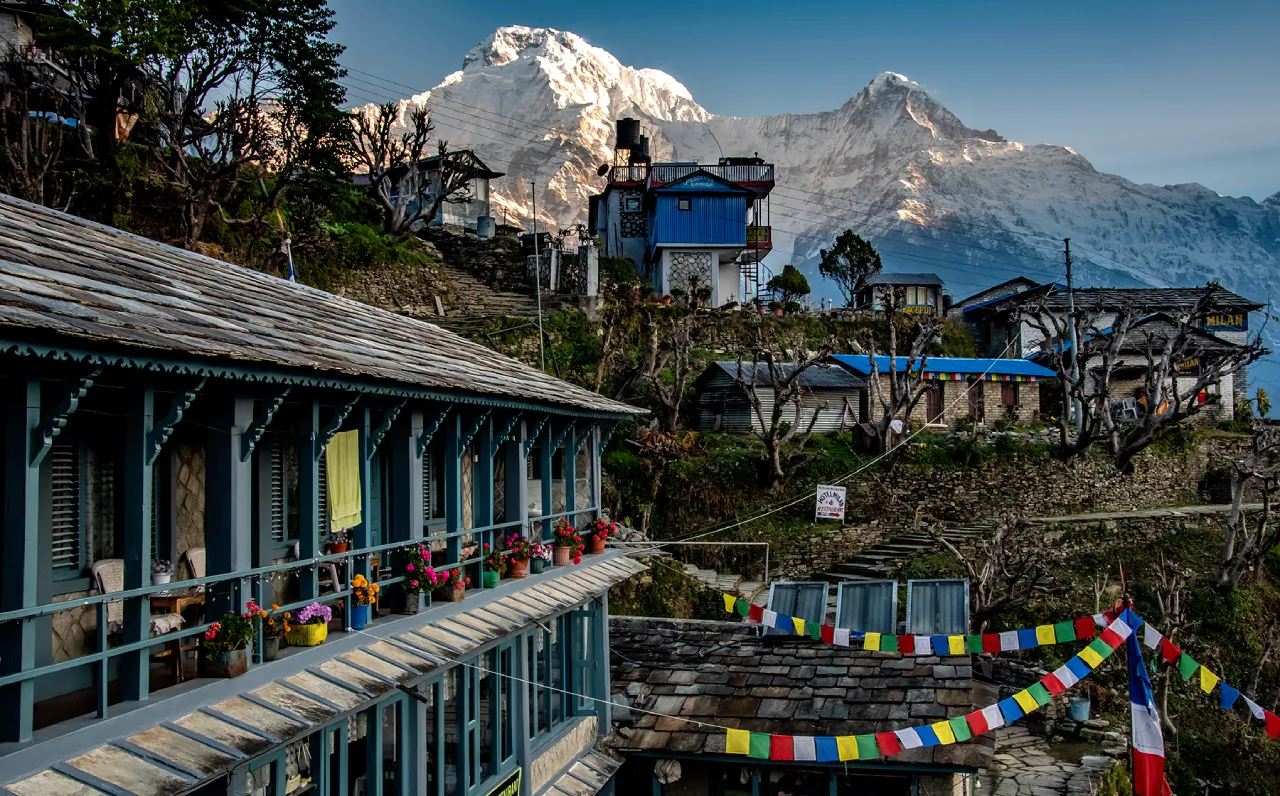
The trail goes up, passing by beautiful villages such as Ghandruk, Chhomrong, and Bamboo, which house the Gurung and Magar communities. These culturally rich villages showcase some of the hidden places in Pokhara, allowing the trekkers to encounter the traditions, hospitality, and daily life of the locals.

The journey goes further up into the dense rhododendron and bamboo forests, touching high altitudes whose skylines are dominated by the peaks of Annapurna, Machhapuchhre, and Hiunchuli.

The trek through the hidden places of Pokhara presents panoramic views of towering mountains; the landscape changes with altitude. Every step reveals a new view, new sounds and new experiences.

But the base camp itself at 4,130 meters is a hidden gem offering the trekker an amphitheater of awe-inspiring snow-capped peaks. Right in the middle of the Himalayas stands this base camp, one of the most iconic and hidden places in Pokhara which gives panoramic views that leave a lasting impression.

The feeling of achievement at reaching the base camp is unparalleled which makes it the highlight of the whole trek.

The Annapurna Conservation Area further forms part of this trek, where the real richness in biodiversity can be seen. The various species of birds and elusive animals being spotted on a trek to these hidden places in Pokhara is a great opportunity.

The flora and fauna in the protected area include a nature exploration aspect in the trek, showing another side of the usually unseen hidden places in Pokhara.

Diversity in scenery, culture, and unforgettable mountain views, the Annapurna Base Camp Trek starting from Pokhara is one thing you should not miss if you intend to uncover the hidden places in Pokhara and experience the real essence of the Himalayas.

Ghachok Village

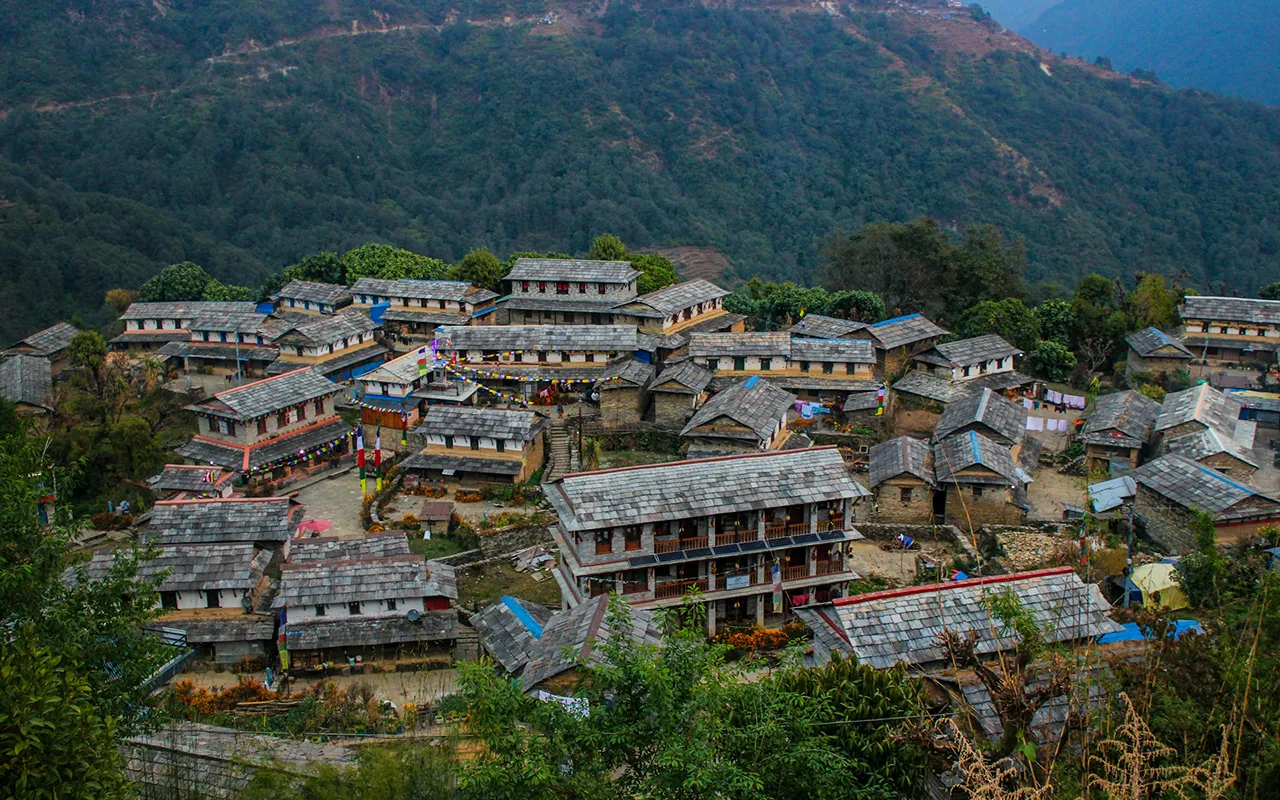
Ghachok Village is a small mountain village representing the traditional culture and lifestyle of the local Gurung at an altitude of 1,200 meters above sea level. It is only 20 kilometers from the beautiful city of Pokhara, ranking it among the hidden places in Pokhara that one should not miss.
This village is surrounded by the grand Annapurna Massif and the iconic Fishtail Mountain. This village is also a starting point for trekkers who would like adventure in the stunning Himalayas.

Ghachok Village boasts of beautiful nature and a rich cultural heritage. This village also shows the flavor of traditional houses with walls of stone and roofs thatched with slates, with intricately carved wooden sculptures epitomizing the pulse of rural Nepali life.

These range from homestays where locals accommodate tourists with high hospitality. At this point, you would engage in the daily lives of the Gurung people and relish Nepali dishes. Enjoy a plate of Dal Bhat from just-prepared, homegrown ingredients, and enjoy the warmth in hospitality that defines this great hidden Pokhara.

Not only the cultural experiences, but Ghachok also has things in store for the adventure lover. Several beautiful waterfalls in the village are suitable for afternoon hikes and refreshing swims. Trekking enthusiasts can follow trails leading to panoramic viewpoints, where breathtaking vistas of the Annapurna range await, making it one of the treasures among the hidden places of Pokhara.

Ghachok is, in fact, a peaceful atmosphere and a breathtakingly beautiful viewpoint, offering ideal conditions for nature relaxation. Nature’s tranquility, added to rich culture and warm hospitality, defines Ghachok as one of the most naturally enchanting hidden places in Pokhara.

The village holds traditional festivals related to traditional music, dance and craftsmanship, which give visitors an even closer look at the culture of the Gurungs.

Whether one seeks excitement or serenity, Ghachok offers an experience that shall remain etched in one’s heart long after one has left. With a combination of nature’s beauty and cultural heritage, Ghachok is a place that no tourist visiting Pokhara should miss out on.

Macchapuchhre Base Camp Trek

A trek to Macchapuchhre Base Camp is a brilliant way of discovering the hidden places in Pokhara and the Annapurna region of Nepal. It is an interesting trek from the lakeside city of Pokhara into one of the most famous base camps, Macchapuchhre Base Camp, for breathtaking views of the Fishtail Peak and other towering Himalayan ranges.

Starting from Nayapul, Pokhara, this trek reveals the beauty of the hidden places in Pokhara with every step away from the main city.

The trail goes through lush forests, terraced fields and charming villages like Chhomrong, Sinuwa, and Deurali while trekking onward from Nayapul. These villages are one of the few hidden places in Pokhara that give insight into the traditional life of the Gurung and Magar communities.

Walking around these areas offers a chance to experience the authentic culture and natural beauty of these hidden places in Pokhara.

The varied landscape moves on with narrow gorges, bamboo forests and high-altitude meadows including striking waterfalls, scenery and panoramic views of the grand peak of Annapurna, Hiuchuli, Gangapurna, and Macchapuchhre.

The highlight of the trek is reaching the base camp, Macchapuchhre, located 3,700 meters above sea level. The base camp upfront gives a full view of the Fishtail Peak, which overlooks the hidden places in Pokhara and sets a view of how ruggedly beautiful this Himalayan range is.

The peaceful atmosphere and the spectacular scenery make it one of the best hidden places in Pokhara for adventure- and nature-loving people.

The return journey follows the same route, which takes one through the hidden places in Pokhara from another perspective. The trek offers a wonderful combination of nature, culture and adventure, becoming an unforgettable journey along the less-explored routes.

The Macchapuchhre Base Camp Trek offers a great adventure to those who wish to experience the hidden place of Pokhara apart from the popular places here with liveliness that captures the spirit of the Annapurna region.

Exploring the hidden places of Pokhara opens it up, showing a more hidden city charm packed with natural beauty, richness in culture, and tranquility. From the breathtaking views at Annapurna Base Camp to the serene trails of Nepal Royal Trek, every location offers an opportunity to deeply bond with the landscape and the native way of life.

Off-beat hidden places in Pokhara enhance your travel experience, support sustainable tourism, preserving heritage in the region for times to come. Be it an adventurous journey or cultural insight into the living patterns of the locals, the hidden places of Pokhara spellbind one with moments not only unforgettable but simply related to this charming city.

Autumn Season in Nepal: A Blend of Festivals and Natural Beauty

The mighty Himalayas is how many people know Nepal, and indeed its majestic natural features are known all over the world. Back home, every season has its leisure, but autumn seems to stand out. October to December in Nepal is best defined as autumn and one of the most exciting experiences to have in this country.

The days are bright, there are no apologies for fans, and the numerous festivities that come with nature make it right for a holiday. For tourists, adventure seekers, and people interested in culture the autumn months in Nepal is a festival of fresh air, and beautiful scenery that combines trekking and celebration.

In this particular blog, we will provide some insights into the autumn season in Nepal and autumnal activities that are so frequently mentioned in this blog, what is special about them, and why they are so beautiful.

We aim to carry the spirit of autumn in Nepal, with its blooming celebrations including Dashain and Tihar, polyculture harvests that are followed by clear, pleasant mountain views, and trekking with elegance.

1. The Climatic Charm of Autumn in Nepal

Nepal has a pleasant weather in the fall, which is one of the reasons why this time is considered to be the best to travel to the country. The summer’s rainy periods preceding the autumn leave clear of humidity and dirt and the mountains crisp. The days are bright but not hot whereas the nights can be chilly but not so cold.

Nepal’s autumn comes with a ‘calling’ that no one can resist. The autumn season in Nepal is perfect for taking long walks in the hills or the plains, as it is comfortable for climbing high as well as wandering at low altitudes challenging the heat torpor.

Temperate weather are perfect conditions for walkabouts across the country of Nepal which stretches from the Terais to the huge ranges of Mountains in the Himalayas.

Autumn Season in Nepal


2. Dashain: The Festival of Victory and Family

Dashain is considered the most commemorative and also the longest festival, which occurs mostly in October in the autumn season in Nepal. This festival is celebrated to commemorate how good defeats evil as illustrated by goddess Durga who defeated the demon Mahishasura. For 15 days, the festival is undertaken with each day carrying its importance.

The maiden ceremony: Ghatasthapanam is the first day of this festival which commences with the sowing of barley seeds inside the houses. Over time, every devotee gets to the premises to pay homage to the goddess, and the young shoots of barley also known as Jamara become longer.

During the tenth day of the festival known as Vijayadashami, these young plants are taken as blessings and the elders put tika on their younger members of the family. Anyway, the essence of Dashain is that it brings all families together and it is, therefore, time to rejoice. Houses are cleaned, decorated, and filled with smells of appetizing dishes. New dresses are worn and new things are presented to the embraces.

Children, on their aspect, have a chance and time to defend against the hot sun with kite flying gears and bamboo swing rides. There are sights of kites in every area of the country, laughter from the children as well as women and the children indulging in performing the traditional practices.

3. Tihar: The Festival of Lights

Just a few weeks after Dashain, Nepal rejoices Tihar or festival of lights. This five-day festival celebrates the relationship of man with various animals; every day has a special animal dedicated to it, such as crows, dogs, and cows. Tihar also marks the time when Laxmi, the goddess of wealth and prosperity is revered.

Homes are beautified with oil lamps, candles, and electric bulbs and this makes towns and villages bright during Tihar. People bring colorful rangoli, that is pasted on the floor to invite Laxmi into the house during the Tihar.

Then comes the third day, Laxmi Puja, in which they clean their houses and decorate them, keeping a window or door open for the goddess to reach all houses with prosperity, wealth, and joy. It is a custom in Tihar known as Bhai Tika where sisters put tikas on their brothers’ heads and pray for their gender whereupon males reciprocate with gifts and promises of sister defense.

Tihar is thus, a festival that comes up with family, love, and appreciation of life’s blessings.

4. Autumn Trekking in Nepal

However, for many adventure enthusiasts, autumn is the best season for exploring Nepal’s frail and diverse landscape. The skies are clear and the weather is reasonably pleasant to enjoy the beautiful sight of the Everest range.

At this time of the year, all trekking routes including the most famous Everest Base Camp, Annapurna Circuit, and the less trekked routes such as Manaslu, Langtang, Upper Mustang, and many others are teeming with trekkers.

Typical for this time of year in Nepal is the largest number of tourists going to the Everest Base Camp Trek. The autumn views of Mount Everest and its surrounding peaks do not disappoint. The emphasis of the trek is on reaching the base of the tallest mountain in the world passing through beautiful Sherpa settlements, old monasteries, and rhododendron forests.

The Annapurna Circuit is one more impressive destination for trekking in autumn. The circuit is awash with breathtaking sights for trekkers, who circle the Annapurna range, being able to see Annapurna, Dhaulagiri, Machapuchare, and Manaslu right there. The gradual transformation of scenery from tropical forested zones to alpine meadows on the trek keeps the eyes interested.

Some of the other interesting treks are the Langtang Valley Trek, Manaslu Circuit Trek, and Upper Mustang Trek, each having its distinct appeal, richness in culture as well as stunning sceneries.

5. Nature’s Bounty: The Autumn Harvest

During the autumn season in Nepal, the harvest season is also witnessed. There are a myriad of crops with the most predominant being paddy which is the national food of the nation. Whenever one moves around rural areas of the country, it is common to see golden ducks, which are ready for harvesting.

One can meet farmers dressed in traditional clothes of the society who are engaged in the cultivation of rice, corn, millets, and other seasonal plants. This particular period is the season of plenty and households throw parties and maketh offerings in temples to the deity to show appreciation for the plentiful harvest.

The sense of land attachment in the population is rather strong in Nepal and the autumn holidays refer also to these ties. Yomari Punhi is one of the festivals celebrated by most of the villages after the rice harvesting season by preparing a subtle delicacy of Newars called Yomari. This festival also marks the beginning of winter and people rejoice in this day with songs, dances, and the sharing of food.

6. Wildlife and Birdwatching in Autumn

Wildlife lovers too have a fair share of opportunities during the autumn season. It is that time of the year when national parks and other conservation areas of Nepal, for example, Chitwan National Park, or Bardia National Park.

The ending of the rains allows for a more adventurous exploration of the jungles and savanna where one can easily see the tiger, along with the one-horned rhino and various deer as well.

Another interesting event for hunter-investigators in Nepal is the autumn season.

Birds flying from as far as Siberia to Tibet and Mongolia come to this country’s wintering grounds and new places of interest to their kindly hosts adding to the already magnificent number of the birds.

Avid bird watchers head to the likes of Koshi Tappu Wildlife Reserve and up Phulchowki Hill from Kathmandu for the delicious rubythroat, the northern dialect of pintails, and white kingfishers, among many others.

7. Adventure Sports in Autumn

A host of adventure sports are at one’s disposal in autumn if a person seeking adventurous travel. Autumn is particularly good for paragliding due to the clear skies and stable weather conditions. More so in the case of Pokhara where one can glide over the Phewa Lake against the stunning Annapurna range.

Similarly as autumn approaches the tourist gets the opportunity to experience white-water rafting in various rivers in Nepal such as Trishuli, Seti, and Bhote Koshi. The rivers become surged during the monsoon making it even more exciting to pursue rapids with scenic sights of the environment.

For those who would want to add bungee jumping done in the Bhote Koshi River, zip-lining done in Pokhara and mountain biking on the rugged trails there is never a dull moment.

8. Exploring Nepal’s Cultural Heritage in Autumn

Autumn season in Nepal is not only a month of various festivals and hiking; it is also a very good period for getting acquainted with the cultural aspects of Nepal. The ancient cities of Kathmandu, Bhaktapur and Patan are among many of the UNESCO World Heritage sites that the nation boasts of.

If one is a history fanatic or an architectural enthusiast, the Kathmandu Valley studded with temples, palaces and stupas will definitely entice you. The ancient Newar architecture that makes up the Durbar Squares of Kathmandu, Patan and Bhaktapur is a sight to behold because it is a remnant of the splendor of the kings of Nepal.
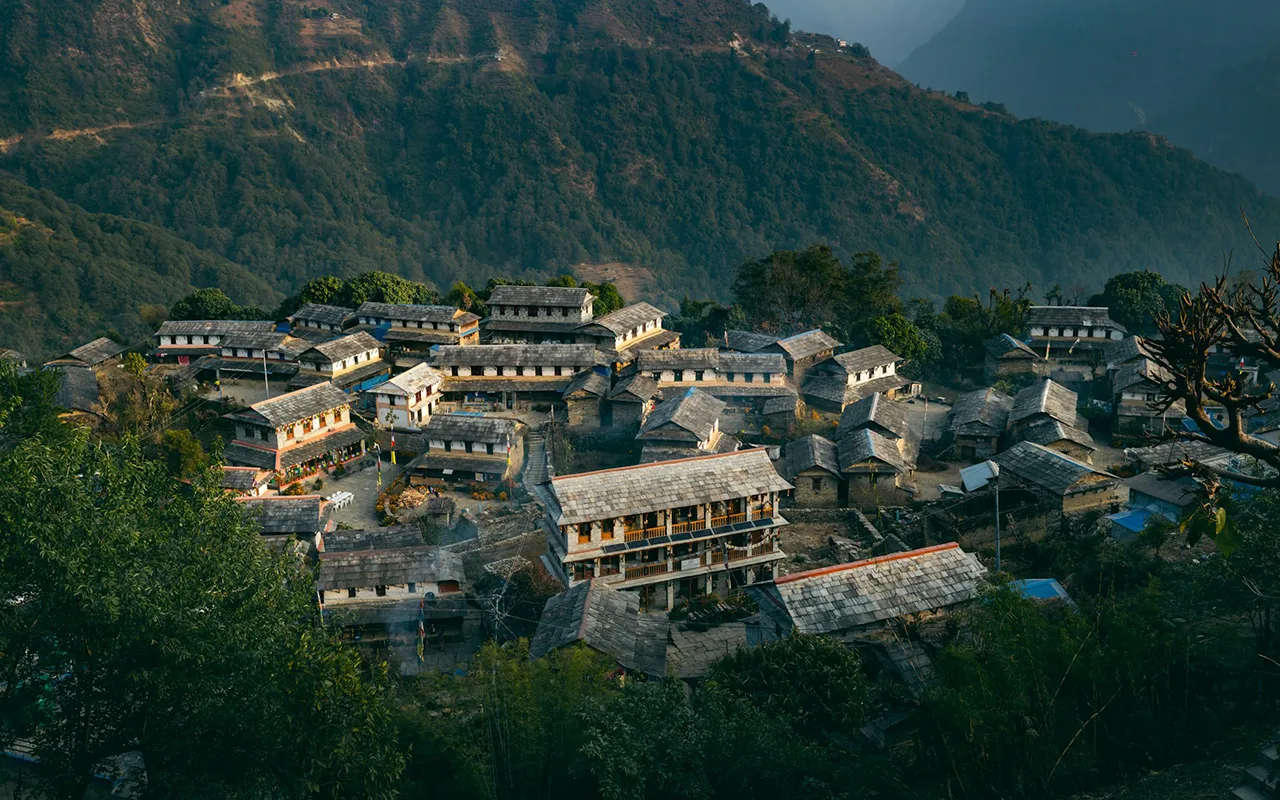
Swayambhunath, also referred to as the Monkey Temple, and the Boudhanath Stupa, both of which are found in Kathmandu, are two of the most important destinations for Buddhists. These places as well offer good time for one with the experience of visiting during the autumn season in Nepal when the weather is not as hot, the sky is bright and in some areas the hills offer breathtaking views of the town.

9. Local Cuisine and Gastronomy

Gastronomy is another enhancement that almost every visit to Nepal in autumn contains. Such events offer various traditional cuisine prepared according to Nepali ethnicity. On Dashain, people prepare a fundamental feast that comprises of meat, particularly mutton, chicken and buffalo, other accompaniments such as rice, lentils with vegetables also make part of the menu.

And during Tihar, every household prepares a sel roti, the sweet rice bread, as its essential item. Besides Yomari, tubers like Bara and Pulao can be prepared on the festivals.

Autumn is also the most suitable season for enjoying a Nepali thali – a set that includes rice, spices and lentils, curry dishes with vegetables, pickles and meat or, fish. Momo, a fantastic dumpling Momo, chatamari a unique Nepali pizza and Suku tea, dry meat can all be found on the streets of Kathmandu but it’s worth enjoying them on a nice cool clear autumn day.

Conclusion: Embrace the Autumn Magic in Nepal

Nepal offers another face of warm friendly people and beautiful natural surroundings enriched further by activities and traditions during the autumn season in Nepal. Whether you are a brawny adventurer to trek the high Mount Everest or a historical being who wishes to immerse himself in the ethnical practices of Nepal, or a green thumb who only wishes to explore the enchanting nature of Nepal, autumn has a lot in store.

From the extravagant celebrations that accompany the two main festivals of Dashain and Tihar, to bountiful harvests, clear skies, and countless activities, autumn is a season that every traveler should relish. So, grab your travel bags, wear your trekking shoes, and prepare to taste the flavor of the autumn season in Nepal because this country will excite and enlighten everyone with its natural and cultural treasures in every corner.

Everest Base Camp Trek Training Program: An Ultimate Guide for Trekkers

The Everest Base Camp trek is said to be absolutely the most pleasant and most adventurous of all trekking in many regions of the arena. The trek offers a place called Everest Base Camp that is relatively near Mount Everest the very high point but permits the climber to delight in stunning sights, and the warmth of the locals, and the success is past words.

But we need to say that it is not what you call a pleasant walk to recovery. It is mentally and physically demanding, and some preparation is required. This is a comprehensive Everest Base Camp trek training manual for all your physical training needs about the trek so that you may do the climbs without any hesitations.

Tourist admiring the evening View of Everest

Why Do You Need an Everest Base Camp Trek Training Program?

In this case, it is said that enough preparation has been done about the particular training program, let us now proceed to the reasons why adequate Everest Base Camp training is essential. As a relative, there can be obstacles and high-altitude trekkers who are bound on a limited-time basis.

As in this kind of trek, long-distance walking is required over rough and different altitudes. You will encounter steep inclinations and declines and adjust to low levels of oxygen. Everest Base Camp Training is very important for:

  1. Endurance: If a person plans to go trekking for 5 to 7 hours a day in high-altitude situations, strength is required.
  2. Strength: You will have to build muscles in your legs, core, and back. Since a lot of energy is required to lift your body, and perhaps a backpack on hostile rough ground.
  3. Mental Preparation: High-altitude trekking can be hard mentally.
  4. Acclimatization: A fit body will have a better response to altitude resulting in lower chances of developing Acute Mountain Sickness (AMS).

When to Start Training – Key Components of the Everest Base Camp Trek Training Program!

If you are planning to undertake a trek, you should begin training around 3-6 months before the day of the trek. There is a fixed time within which a body can be honed for undertaking and finishing the EBC trek. The Everest Base Camp Training program should comprise all elements of cardiovascular fitness, strength, flexibility, and mental toughness.

Gradually, using an orderly increasing and structured method will prepare you for the additional energy demands when you start walking. Your Everest Base Camp Training regimen should focus on five major areas:

  1. Cardiovascular Endurance
  2. Strength Training
  3. Flexibility
  4. Altitude Acclimatization
  5. Mental Preparation

Let’s break these down step by step.

1. Cardiovascular Endurance

Trekking for more than an hour requires good cardiovascular endurance especially because one will be doing so at a higher altitude.

Activities Recommended:

● Hiking/Walking:

Walking or hiking on various types of terrains with a concentration on inclines that is not as far removed from the conditions of the EBC trek will not be exhausting. Start the activities beginning with short-distance hiking increasing the distance and the skills required gradually. Ideally, 3-4 times a week would suffice to go hiking.

● Running:

Running is excellent if you want to develop and strengthen your aerobic conditioning quickly as running strengthens the cardiovascular systems easily. If running comes easy to you, include short and medium-distance runs weekly in your training regime. Better still, you can go trail running to toughen your legs against the uneven terrains to be encountered during the actual trek.

● Cycling:

Other persons however are not fond of running where such will make use of other forms of exercise such as cycling where one rides a bicycle instead. This helps to build up your leg muscles and increase your stamina but without the stress to your knees.

● Swimming:

It is the best workout for the entire body that increases endurance and the volume of the lungs without putting extra pressure on joints.

● Stair Climbing:

Climbing Stairs and stair masters should be included in your exercise regimen for acclimatization to the pattern of movement of ascents and descents while in the Himalayas.

Training Plan:

Let this be their initial idea: for the first month, they will stick with moderate cardio (30-45 mins, 3-4 days) with low to medium intensity to build up the time and pace as the fitness level improves. After this distance, you should be able to provide longer sessions at least once a week.

Progression:

  • Months 1-2: Here you can perform easy moderate-intensity hikes and short walks in a 30-45 minute range. You may add 1 to 2 sessions of running or cycling in a week.
  • Months 3-4: Suggestions are to increase the duration of the hiking time to two hours or more. Aim for one long hike once every two weeks. Add hill climbs or stair climbing to prep for the uphill treks.
  • Months 5-6: This time you should start practicing long-distance hiking for about 3-6 hours if the time allows, possibly with some load. Endurance should now allow for longer workouts free from intervening rest periods.

2. Strength Training

Trekking requires an individual to possess a training of muscular endurance, which can be developed through strength training. The muscles in the legs, core, and upper torso will help the hiker navigate rough terrains as well as carry the pack and maintain an erect position during the trek without feeling fatigued.

Key Exercises:

1. Leg Strength:

  • Squats: Excellent for building general leg strength.
  • Lunges: Forward stepping for trekking.
  • Step-ups: An increase in step-up height can imitate going uphill; participate in adding weights as the training intensifies.

2. Core Strength:

  • Planks: Increases the strength of the entire core which aids balance.
  • Russian Twists: Develop abdominal rotation strength.
  • Mountain Climbers: Awesome for core and leg workouts.

3. Upper Body Strength:

  • Push-ups: They build back muscles for use while carrying a loaded bag.
  • Pull-ups: More emphasis on strengthening the arms and the back offered greater endurance to carry more weight.
  • Rows: Concentrating on the toning of the back, not very recognizable but helpful.

Training Plan:

It is important to include some form of strength training at least 2-3 times a week, concentrating on functional movements that imitate those in the course of the trek.

Progression:

  • Months 1-2: Start these workouts with basic bodyweight movement patterns, including squats, lunges, presses, and planks. Complete 2-3 sets of 10-15 repetitions per exercise.
  • Months 3-4: Load the body with weights or resistance bands during the exercises. Progress towards more dynamic and advanced variations of basic body movement patterns, such as jump squats or weighted step-ups to gain in strength.
  • Months 5-6: Begin to practice endurance exercises, which can involve increasing the number of movements or increasing the period of holding certain weights. Next, you will keep working on the legs, core, and upper body to tolerate long days of trekking.

3. Flexibility and Mobility

By honing your flexibility, you will be able to perform activities with your muscles and joints coordinated thereby minimizing the possibility of injuries. Stretching exercises will be worthwhile since torn muscles will heal quickly hence maximum engagement will be expected during the walk.

Key Stretches:

  • Hamstring Stretch: Vital to avoid stiffening up after a long walk hence the muscles should be exercised.
  • Quadriceps Stretch: Important for knee stability and ease of movement of the legs.
  • Hip Flexor Stretch: It helps reduce stress that is concentrated in the hips and the lower back region of the body.
  • Calf Stretch: Relieves pain in the bottom part of the leg.
  • Upper Back Stretch: Useful when wearing a backpack for a long period.

Yoga for Flexibility:

Including yoga will be quite beneficial to the Everest Base Camp Training program because it adds flexibility, balance, and breathing. Make it a point to add one yoga class a week with a special emphasis on the hamstring, hip, and lower back stretching poses.

Training Plan:

  • Before Workouts: Dynamic stretching (leg swings, arm circles) to activate your muscle metabolism in preparation for the more strenuous activities.
  • After Workouts: Static stretching (20 to 30 seconds of stretches held in one position) to improve the range of motion to help minimize muscle stiffness.

4. Altitude Acclimatization

When one heads to Everest Base Camp, the process of acclimatization is the most critical aspect that a person must engage in. The higher you go up the mountains, the less oxygen is available, and it is healthier for the body to take some time before proceeding. It is easy to adjust one’s body to lower levels of oxygen but one cannot train this way for altitude without going to the high altitude level.

Strategies for Acclimatization:

  • Gradual Ascent: On the trek, make sure you follow a schedule that is based on gradual ascent. Many EBC treks pay enough respect to this rationale by including a few rest days.
  • Simulate High Altitude: If possible, exercises in moderate hypoxia can be such that the muscles can be trained even with a simulated relative altitude. A few days of high altitude/ low oxygen activity before the trek will serve this goal.
  • Hydration: How some physiology and the practical side of hydration are depicted, to put it simply, is very important while heading on this high-level adaptation. Water deficiency may aggravate the symptoms of high-altitude sickness.
  • Practice Breathing Techniques: Breathing exercises useful for enhancing respiratory system function and resulting in greater oxygen absorption into the body can increase lung capacity, such as deep, intense breaths and the like. Diaphragmatic breathing techniques and Pranayama are examples of such practices

Acclimatization Training Plan:

Switch to training in case you don’t reside in a high altitude area by concentrating more on aerobic type of exercises like stair climbing or HIIT to get some kind of body training of working in a low warm altitude environment.

Yellow colored tents and Prayer flags at Everest Base Camp

5. Mental Preparation

Going on the Everest Base Camp trek involves meeting both physical and psychological challenges. Increased fatigue, exhaustion, and long working hours may interfere with your mental resilience. It is very important to enhance mental strength in an individual to maintain a positive attitude and to strive through challenging situations.

Techniques of Mental Training:

  • Visualization: Imagine yourself successful in accomplishing the journey. Think about obstacles and plan what you will do to overcome them.
  • Set Small Goals: Goal the mountain trek further into achievable sections. And rather than concentrating on a whole day of the hike, prepare for a short-duration trek only.
  • Positive Self-Talk: Make use of standing quotes or positive thinking to encourage yourself further. A common, but powerful phrase – “I can do it” – can make a difference
  • Meditation: Awareness through meditation helps to relax the mind, relieve pressure, and focus attention when on a journey.

Mental Training Plan:

  • Daily: 5-10 minutes daily should be marked out for either meditation or mind training.
  • Weekly: Visually undertake a rehearsal of the entire trek again.

Gear and Equipment Preparation

While it is important and necessary to train the body and the mind, proper equipment is indispensable in terms of trekking. Below is a list of the items that should be carried to make the trek successful.

  • Footwear: A good pair of trekking boots must be put on. They go well with heavy load balancing belts and break them down before the trek to prevent sores.
  • Clothing: The use of an outer layer, middle layer, and inner layer is very important. Include thermal wear, waterproof jackets, and fabrics designed for moisture management.
  • Backpack: It’s also important to have a backpack that’s comfortable to wear even when fully loaded. One should practice with a fully packed bag to get used to the weight.
  • Trekking Poles: Aid in the weight distribution so that the knees do not suffer a lot of pressure during the barriers with downgrades being the main culprit.
  • Hydration System: It is important to avoid dehydration with water bottles to accomplish this goal. Hydration packs are important especially when one has been outside for some time and does not need to trek in the mountain terrain.

Nutrition for Everest Base Camp Trek

Also, in the same manner as exercise, the intake of relevant and proper nutrients for the body is very important. In the course of the trek trial, a lot of calories are going to be for the body and this is where the right complement of the nutrient comes in to maintain energy levels as well as stamina.

Before the Trek:

  • Carbohydrates: Carbohydrates are necessary as they provide the most readily available and efficient form of energy. It is advised, however, to focus on sources of complex carbohydrates such as whole wheat or rather oats.
  • Protein: Consume protein through lean meat in the form of chicken, fish, eggs, and legumes to help repair muscle tissue.
  • Fats: Foods, that contain healthy fats like avocados and nuts, are also beneficial as they keep energy for a long time when on a trek.
  • Hydration: The intake per unit time should allow for more fluids to be taken in the form of water and should also last throughout the day.

Throughout the Trek:

  • Snacks: Have energy bars, nuts, and dried fruit that give you a quick boost in energy when you need it.
  • Meals: In the trial of the trek, meals will generally consist of rice, lentils and vegetables. It is recommended to have high-carb dietary plans especially for active people.

Conclusion

The Everest Base Camp Trek is one of the hardest adventures that requires not only physical health but also robust mental health to bear problems.

You’ll be on the right track if you stick to this detailed Everest Base Camp Training regimen, aimed at making one fit using cardio, strength, balance, making an effort to adjust, and psychological pressure management. Let us not forget that this is not only about finishing the trek but also getting the most out of each part of it.

8 Highest Mountains of Nepal

Nepal homes eight of the highest mountains in the world, with the Himalayas adding beauty to it. These towering peaks are simply magnificent expressions of its natural beauty, attracting people from all over the world to come and see its beauty.

The eight highest mountains in Nepal, with the iconic Mount Everest on top, represent great pride for the nation and make it a haven for trekkers and climbers around the world.

Towering peaks like Kanchenjunga, Lhotse and Makalu dominate the sky, offering challenges and vistas that are beyond comparison. These towering giants are not only interlinked with Nepal’s history and culture but also with its tourism industry since these have played a vital part in shaping this country’s identity.

The eight highest peaks of Nepal offer the ultimate adventure to mountaineers and nature lovers who come into their grips of formidable heights and serene beauty thousands of times every year in search of the same.

1. Mount Everest

Mount Everest, the tallest at 8,848 meters, is one of the 8 highest peaks in both Nepal and in the world. Located on the Nepal-China (Tibet) border in the Sagarmatha Region, it has been, for a very long time, a source of inspiration to many adventurers and mountaineers alike.

mount everest
Mount Everest

Sagarmatha is the local name for Everest which means “Forehead of the Sky,” signifying the mountain as a cultural icon of human determination and natural beauty.

Combined with its immense height and rough conditions, it has definitely been the most important aim of any climber around the world. The Everest Base Camp trek, at an altitude of approximately 5,430 meters, is considered one of the most popular treks in Nepal.

Views from here include some of the breathtaking views of the Everest massif and surrounding peaks. The trail goes through the Khumbu region that is inhabited by the Sherpas, who have played a critical role in the history of Everest expeditions.

It is not only a natural wonder but also a place of historical importance. Sir Edmund Hillary, with his guide, Tenzing Norgay, who ascended for the first time in 1953, marks this date in mountaineering history. Since then, thousands have tried to reach the top, making Everest a perennial symbol of exploration and human achievement.

The rich biodiversity, flora, and fauna with ancient monasteries and Sherpa villages are the value that Mount Everest adds to this country. For being itself the highest of the 8 highest mountains of Nepal, it never stops amazing and commanding respect from those who would like to push their limits in front of nature’s toughest challenges.

2. Kanchenjunga Mountain

Situated at an altitude of 8,598 meters above sea level, Mount Kanchenjunga stands as the third highest out of the highest eight mountains in Nepal and in the world. The mountain lies in the Kanchenjunga Region of far eastern Nepal, right on the border with Sikkim, one of the Indian states.

Kanchenjunga Mountain

Kanchenjunga is referred to as the “Treasure of Snow,” the most remote and overwhelming peak, which offers the most adventurous but equally rewarding trekking experience in Nepal.

While treks to Kanchenjunga Base Camp are simply famous for their panoramic view of Jannu Himalaya landscapes, seen extending from Mirgin La Pass, the serene beauty of remote villages along the borders of Sikkim and Tibet envelops the trekkers.

Hence, this land abounds in cultural diversity and natural beauty, making the journey an experience not only of a test of physical endurance but also of immense enrichment.

Despite its lure, Kanchenjunga is one of the lesser-traveled areas due to strict government permits that really help preserve its pristine environment. So, in effect, such remoteness adds to the mystique and provides trekkers with a great opportunity to see an unspoiled region in the Himalayas.

Kangchenjunga Region is also the abode of the elusive Snow Leopard, Nepal’s national bird, the Danphe, Musk Deer, and Blue Sheep, with the legendary Yeti said to be residing in these remote reaches.

A defining factor, Kanchenjunga is one of the 8 greatest mountains of Nepal, which has housed the symbiosis between a land of untamed wilderness and rich cultural heritage that makes Nepal so unique.

3. Mount Lhotse

Mount Lhotse raises to 8,516 meters and is the fourth highest of the 8 highest mountains in Nepal and the world.

Mount Lhotse
Mount Lhotse

Situated just immediately south of Mount Everest, the Lhotse shares a tremendous geographical association to Everest because of the fact that the two peaks are linked through the South Col—a ridge that does not dip below 8,000 meters. This close proximity has led to Lhotse sometimes being mistaken as the south peak of the Everest massif, though it is an imposing peak in its own right.

The imposing and long crest of Lhotse runs east-west; the mountain is, hence, challenging, and is usually reserved for experienced mountaineers only.

Despite its height and location, Lhotse remained relatively neglected by climbers until the first ascents of Everest had been accomplished in 1953. It was then finally ascended in 1956 by Swiss climbers Fritz Luchsinger and Ernest Reiss, which was one of the significant accomplishments in Himalayan mountaineering at that time.

In addition to the main summit, Lhotse also has two sub-peaks to the east and west: Lhotse Shar next to the main summit and Nuptse, a big peak in the west ridge of the mountain respectively. The entirety of all the above features is what makes Lhotse such a complex and beautiful mountain. One of the prime targets for mountaineers looking to join the exclusive list of people who have climbed the highest peaks in the Himalayas.

Of the top 8 highest mountains in Nepal, Lhotse would be the most striking feature, depicting the rugged beauties and extreme challenges of the Himalayan region. This towering Lhotse would be inspiring, intensified by its shared history with Everest.

4. Mount Makalu

The fifth highest of the 8 highest mountains in Nepal and the world, Mount Makalu is 8,463 meters in height. This mountain is pointed in its pyramidal shape, with four sharp ridges, giving it a dynamism enhanced by its striking isolation, only 14 miles east of Mount Everest. This unique structure makes Makalu one of the most impressive-looking peaks in the Himalayas.

Mount Makalu
Mount Makalu

The ascent to the summit of Makalu has been particularly difficult. Of the first sixteen attempts, only five were successful, thus testimony in itself of the difficulty of this peak.
Unlike most of the other high giants in the vicinity around the Khumbu, Makalu wasn’t seriously tried until after the success on Everest in 1953.

In 1955, a French expedition made the first ascent of Makalu, the third major success in Himalayan mountaineering.

In addition to the main summit, Makalu has Chomo Lonzo, another subsidiary peak rising just to the north of the higher summit. This peak, trenched by a narrow saddle, contributes to the complexity of the massif.

Its sheer size and typical peak in a pyramid shape make Makalu outstanding among the 8 highest mountains in Nepal. The mountain remains highly inaccessible, hence a very prestigious and highly sought-after goal for mountaineers targeting the highest peaks in the world.

5. Mount Cho Oyu

Mt. Cho Oyu rises to the altitude of 8,201 meters above sea level, hence becoming the sixth highest among the 8 highest mountains in Nepal and the entire world. It is found in the Khumbu area in Eastern Nepal near the Tibetan border.

view of the Cho-Oyu Mount

Cho Oyu is just west of Everest and Lhotse; as such, it makes a distinctive feature in this part of the Himalayas. Its towering peak is often visible from Everest’s north face, where it forms a familiar landmark to climbers.

The climbing routes at Cho Oyu are relatively more accessible, making this the “easiest” among the 8 highest mountains in Nepal. This, of course, does nothing to detract from its grandeur or dissipate the challenge to mountaineers. First ascended in 1954, it was the third of the 8,000-meter peaks to be ascended and the first to have an Australian team climb it in autumn.

With its proximity to the Nangpa La, a 19,000-foot glacier pass and the main trade route between the Khumbu Sherpas and Tibet, Cho Oyu assumes much cultural and geographical importance in this region. This mountain’s proximity to this pass has added to the attraction for climbers, whereby, other than providing a formidable climb, it showcases abundant cultural interchange.

Among the 8 highest mountains in Nepal, Cho Oyu is still considered one of the highest peaks that international climbers want to scale, being mesmerized by its towering altitude, historical importance, and relative accessibility among the towering giants of the Himalayas.

6. Mount Dhaulagiri

Mount Dhaulagiri is the seventh highest of the 8 highest mountains in Nepal and the world, towering at 8,167 meters. Dhaulagiri, which means “White Mountain,” is an enormous Himalayan massif located in north-central Nepal. The name reflects the dazzling snow that covers its peaks and gives the region a unique landmark.

Mount Dhaulagiri
Mount Dhaulagiri

The eight highest mountains, including Mount Everest, stand for something more than just geographical features; they are the embodiment of the natural beauty, rich culture, and historic importance of Nepal. These towering peaks—from Everest to Annapurna—not only enhance the beauty of the country but also form the backbone of its tourism industry by attracting a large number of adventurers, mountaineers and nature enthusiasts worldwide.

First known to the Western world in 1808, Dhaulagiri was thought to be the world’s highest mountain, topping Ecuador’s Chimborazo, a distinction it held for nearly 30 years until Kanchenjunga was discovered and mistakenly deemed to be the highest peak in the world at that time. Although no longer considered the highest, Dhaulagiri is still an impressive and highly regarded mountain.

The crest stretches across for 30 miles, with its convoluted topography of twisted ridges, glaciers, and icefalls. Interrupting this rough landscape are a few pyramid-shaped peaks; the largest four attain an elevation over 25,000 feet and give more mass to the massif structure.

It is this dramatic landscape that presents itself as a visual feast and in the form of challenge to climbers, making Dhaulagiri one of the coveted destinations for mountaineers.

Dhaulagiri features in the list of the 8 highest mountains in Nepal; the mountain has played quite an influential role in mountaineering history. Its towering presence and complicated topography keep adventurers exploring some of the lesser-traveled yet equally breathtaking peaks in the Himalayas.

This greatness of the White Mountain ever stands as evidence of natural beauty and has remained attributed to the challenges going in the name of the Himalayan region.

7. Mount Manaslu

Mount Manaslu, the eighth seventh among the 8 highest mountains in Nepal and eighth the world, stands at 8,163 meters. It is the highest peak in the Gorkha massif and is tentatively placed some 40 miles east of the tenth highest peak, Annapurna.

Manaslu Circuit Trek
Sunset view of Mt. Manaslu

With its imposing height and magnificence, it is a dominant mountain, but the long ridges and valley glaciers oblige easy routes from all directions and relatively easy access to the peak.

The name Manaslu is derived from the Sanskrit word “Manasa,” which literally means “mountain of the spirit.” It is this spiritual connotation that confers due significance to its peak, hence being a destination to trekkers and climbers alike.

The peak rises steeply above the surrounding landscape at a view that can be breathtaking and seen from afar.

In 1956, the first all-women Japanese expedition reached the summit of Manaslu. This had become the first ascension of an 8,000-meter peak for the females. This therefore proves that Manaslu is a challenging yet rewarding mountain. Due to this, mountaineers from all over the world have been drawn to conquer its heights.

Another attraction of this place is the famous Manaslu Circuit Trekking, famous all over, presenting great mountain vistas in one hand, stern and harrowing landscapes in the other. The respect keeps coming forward to the Manaslu region, living the spirit of adventure that Himalayas render to the people of Nepal.

8. Mount Annapurna

Annapurna is the 8th highest of all the 14 mountains over 8,000 meters and the 10th highest peak in the world and in Nepal at 8,091 meters above sea level. This huge Himalayan peak is a part of one gigantic massif hanging east of the Kali Gandaki River, cutting an extremely deep gorge through the Himalayas.

Mount Annapurna
Mount Annapurna

This mountain is famous in itself, not only because of its height but also because it was the 8,000-meter peak climbed very first time in the year 1950.

The name “Annapurna” comes from Sanskrit and can be translated to mean “goddess of harvests” or simply “the provider,” thus showing the awe by which the mountain was treated.

The Annapurna massif encompasses several peaks; the two highest, at either end of the range, west and east, respectively, are Annapurna I and Annapurna II. These peaks have a lot to focus on in the dramatic landscape thrust upon the massif, including those vast glaciers slipping down its western and northwestern slopes.

On the other side, treks to the Annapurna region are some of the most famous across Nepal. The vistas offered of the complete Annapurna Range from some points are simply astounding.

The Annapurna Circuit Trek and Annapurna Base Camp Trek are extremely famous and attract many adventurers from the world over who want to experience the beauty and the challenging terrain of the region.

One among the eight highest mountains in Nepal, Annapurna epitomizes natural beauty. The trekking routes are varied by the attractions of the majestic peaks and therefore are much in number, attracting major exploration in the grandeur of the Himalayas.

The eight highest mountains in Nepal, comprising Mount Everest, do not stand as part of the geography but are rather a symbol of its natural magnificence, rich cultural heritage, and historical importance.

From Everest to Annapurna, these towering peaks standing tall add beauty to the country and form the backbone of its burgeoning tourist industry by drawing mountaineers, adventure seekers, and those in love with nature from all around the world.

These mountains are closely associated with the culture and spirituality of Nepal. The 8 highest mountains in Nepal are also linked with the lore of the Sherpas, who are the mainstays for any expedition to the Himalayas.

Added to this are the vast ranges of flora and fauna, including rare species like the Snow Leopard and the Danphe, which further enhance these areas ecological importance.
Those ranging journeys across the 8 highest mountains of Nepal are much more than a physically challenging task; they forge a spiritual journey and unite one deeply with Nature.

From remote trails of Kanchenjunga to the famous Annapurna Circuit, every trek leaves a different stamp in the memory of the wanderer who roams through these wonderful landscapes.

It is thus that Nepal’s 8 highest mountains form the nation’s heart and soul, identity, and invitation to the whole world to witness the grandeur and experience the sublime beauty of the Himalayas.

Top Compelling 10 Reasons to Trek to Annapurna Base Camp

The Annapurna base camp trek is amazing as it offers a breathtaking view of nature and private challenges amid rich traditions. Located in the middle of the Himalayas in Nepal, it offers views of many highest mountains, greenery, and vibrant locals.

It does not rely on case you are an experienced trekker or a newbie, the true trek to Annapurna Base Camp will give you risks to getting within nature, exploring flora and fauna, and this area with its friendly inhabitants.

This does not include going to the area where you dream of going but choosing to go through an adventure that has a few issues and experiences to stay in your thoughts as you pick out to head for a hike at Annapurna Base Camp.

Annapurna Base camp

What are the Reasons for Trekking to Annapurna Base Camp – Few Insights

It is great for any adventure fanatics or nature enthusiasts globally. This track lies in the deep Nepalese Himalayas rich in stunning landscapes and rooted cultures that remain forever.

Here are the top ten reasons why you should visit Annapurna Base Camp with each reason explained comprehensively:

1. Dazzling views

Among the most enticing features of Annapurna base camp trekking is its stunning look. As you move across thick forests, lovely terraced fields, and quaint hamlets, you’ll be surrounded by towering summits that touch the sky above.

a. Scenic Himalayas

In addition to Annapurna I, there are other mountain ranges such as Machapuchare(Fishtail) and Hiunchuli. At sunrise or sunset, in particular, when considered from the bottom, those huge mountains will leave you with joy. In the mountains, sunlight plays and creates a really beautiful scenery that will be imprinted in your mind till death.

b. Stunning Pictures

There is always something new to capture with the camera around every corner. The colors contrast beautifully from green vibrant mountain tops to snow-capped white summits. The untouched beauty of nature in landscapes will give you lots of ideas for photography ensuring that memories remain intact forever.

2. Different cultures

The Annapurna Base Camp Trek takes you through various settlements inhabited by Gurung and Magar people who possess distinctive cultures characterized by warm welcomes to tourists.

a. Interaction with the local population

These villages give an opportunity to easily get in touch with residents since they are always ready to share their personal stories, traits, and ways of life. For example, you could see their traditional houses or join them in celebrating local religious festivals or just share a meal that has been cooked very well by someone.

b. Traditional Food

If you could, try out some local dishes which include dal bhat (rice and lentils), momo (dumplings), and gundruk (fermented leafy veggies). All these foods are typically crafted from clean ingredients that are observed around the region, for this reason showing how human beings used to cook dinner in the past.

3. Diverse Flora and Fauna

Annapurna Conservation Area encompasses Annapurna Base Camp. It’s a home for many animals and plants. Among the most fascinating things about this characteristic is its diversity in terms of species.

a. Vegetation varies as per latitude and altitude

On your way to ABC, you will go through different vegetation zones starting from dense subtropical woods containing flowering rhododendron forests to treeless alpine meadows which are ornate with colorful wildflowers. Each zone contains unique climatic conditions and flora types.

b. Wildlife Watching

There are unusual things to see such as the Himalayan Tahr, Red Panda, many types of birds, among others, and also other animals like deer and monkeys that are common in this region. Seeing them in their natural environment and the diverse ecology of the region is a wonderful experience for trekkers.

4. Moderate Difficulty Level

Annapurna Base Camp trek may be executed by trekkers. Nevertheless, one wishes to be moderately matched while it may still be carried out through the ones who’ve little experience with mountain trekking.

Annapurna Base Camp Trek

a. Trails That Are Easy To Access

The trekking path is well-established and can be followed by a first-timer. You will have an opportunity to enjoy the surroundings, walk at your own pace as well as acclimatize to the high altitude. This trek usually takes 7-12 days depending on how busy you are so you may complete it comfortably.

b. Different Accommodation Alternatives

There are numerous places where you can find food and accommodation; these include teahouses and lodges. These offer a good place to sleep in after a long day’s walk. Many people can do this hike because there is the availability of foodstuff and accommodations no matter the person’s level of experience.

5. Adventure and Challenge

If you want an adventure, it’s what you need to do a base camp trekking trip in Annapurna. As a result, this serves as the best opportunity for those who seek fun experiences along with trying their mettle at high mountains because they will test your limitations, give you beautiful views, and make you feel proud about yourself at the end of the day.

a. Pushing Beyond Boundaries

This hike is physically demanding requiring one to cover long distances every day. Admittedly, some of the distinct landscapes and varied altitudes can be quite tough but overcoming these obstacles is pure joy. One of the most memorable events that will stay with you forever is finally reaching Base camp which is above 4130m (13550ft) sea level.

b. Bonding with Fellow Trekkers

Sometimes difficulties faced by trekkers on such journeys create strong bonds between them. You will come across people from different backgrounds who have the same liking for risky undertakings similar to yours. Relationships that are formed under difficult conditions on the way could become friendships and shared stories in the future.

6. Stargazing Opportunities

You may notice one of the best opportunities for star gazing under the clear skies of mountainous areas at night. At night there are wonderful stars in the sky when away from city lights.

a. Enchanted Experience

Imagine spending a whole night over the mountains while listening to nature sounds as you watch the Milky Way galaxy above your head. Its sparkling stars make its atmosphere magical for moments of reflection or thinking about everything. This makes the journey more exciting due to the proximity of celestial bodies.

b. Getting Closer to Nature

Seeing stars above mountains renews my affection for nature. It is a constant reminder to man about how beautiful this world is when one looks at the vastness of its dark sky and the beauty that surrounds it. People who go through this feel grateful and peaceful.

7. Ancient Traditions and Rich History

The culture and tradition of the Annapurna region are rich in history. Walking up there will enable you to understand how people lived a long time ago in the Himalayas.

a. Places with historical significance

When you are trekking, there are places on your way that have value on historical grounds as well as some monasteries that are ancient enough for one to understand what was happening then. Going through these places will enlighten you about why mountains have a spiritual meaning and also give you an insight into the customs of these people.

b. Cultural identity

Due to its rich heritage, the Annapurna vicinity has a very numerous culture that has been shaped through centuries of traditions and history. By learning local ways and their rituals, it will make your trekking adventure better improving your bond with nature.

8. Spiritual Experience

The Annapurna base camp trek is not only a physical journey, but also a spiritual one for many people. The piece of paradise, the mountains’ class, and the sensation of existing in nature could make you feel comfortable and consider yourself.

annapurna

a. Finding Inner Peace

The walk gives an opening to take a break from the hustle and bustle that characterizes most people’s lives nowadays. While walking through the hills, it’s possible to ponder over; what’s my purpose. Or What do I want to achieve in my life? Peace of nature will calm you down.

b. Meditation and Mindfulness

Lots of mountaineers have felt more mindful during their time on the hills that meditation became second nature to them. During the trail, one may either take some time off to appreciate beauty or use breaks for meditation; it provides an occasion to connect with oneself.

9. Important for Health

Trekking is an outstanding way to maintain physical fitness and good health. It takes time to trek hence there are long walks that help improve one’s cardiovascular health, increase muscle mass and at the same time enhance mental peace.

a. Physical Fitness

Regular exercising while trekking improves endurance power, muscle strength as well as body flexibility. This results from movements on those paths which involve the use of different muscles thus enhancing better body fitness.

b. Mental Well-being

It has been proven beyond doubt that nature does have a hand in reducing stress levels or even anxiety disorders. This is experienced when people engage themselves in physical exercises done in a mountain climbing arena where one ascends mountains making the whole experience worthwhile both for the mind and body. Hence offering relaxation and wellness through clean mountain air amidst beautiful sceneries that have made this adventure more beneficial to one’s body and soul as well.

10. A Lifelong Memory

Finally, trekking the Annapurna Base Camp can be a memory for an entire life. The camaraderie shared with different trekkers, the obstacles negotiated and the splendor visible are a number of the reports on the way to for all time stay etched on your coronary heart.

a. Sharing Your Experience

You would have so many stories to tell your friends and family members after you are through with this trek. The lessons you learn from these experiences can inspire others and help them venture into this destination as well. During trekking friendships may start which may last all life.

b. Reflecting on Your Journey

Sometime in the future, you’ll remember your hike with some nostalgia. You will not forget how fascinating the places were, the people you met, or what you did alone to reach there. With such a trek like Annapurna Base Camp Trek, it’s not pretty plenty a physical journey; it alters who you are inner yourself too.

Frequently Asked Questions (FAQ’s)

1. Is the Annapurna Base Camp Trek difficult?

Annapurna Base Camp Trek is a slight trek. One desires to be bodily in shape however it fits novices and experienced trekkers alike. Daily walking while trekking takes 5-7 hours on average, where there are few ups and downs slopes. The highest point of this trek reaches 4,130 meters (13,550 feet) hence acclimatization throughout the journey is critical.

2. What kind of accommodation is available on the trail?

During the Annapurna Base Camp Trek, mostly teahouses or lodges are used as accommodations. These small motels with room essentials like beds, blankets, and shared toilet facilities are owned by local families.

3. How long does it take to complete the Annapurna Base Camp trek?

Normally, it takes between seven to 12 days depending on your pace in case you walk fast or slow plus detoxification tiers that one has long gone via; others who walk at a slower tempo will not make it up on time so they have cleansing intervals of their each day ordinary. Depending on how much time you have available for your trip, this hike can be shortened or lengthened with more side trails for exploration or rest days.

4. Can you suffer from altitude sickness during the Annapurna Base camp trekking?

At Annapurna Base Camp which reaches 4,130m (13,550ft.), there is a possibility of experiencing mountain sickness. It is important to move up slowly and even acclimatize if necessary while walking. Other signs include headache, nausea, and dizziness as well as short breathing.

5. What will I be eating during this trek?

In tea houses along the way on the Annapurna Base Camp trek, one can find different dining options. Typical food served consists of dal bhat (rice with lentil soup and greens), at the same time as also travelers may additionally have dishes that encompass pasta, noodles, pancakes, or soups belonging to remote places’ cuisines.

The Final Words

The Annapurna Base Camp trek is an awe-inspiring adventure featuring with lovely environment, deep cultural insights, and a lifelong experience. Whether you’re a skilled hiker or an amateur, the ABC trek holds something worthwhile. If you are thinking about doing this incredible walk, it’s best to get yourself ready.

Do’s and Don’ts in Nepal – Things you should do and not do in Nepal

The beautiful country – Nepal is characterized by its fantastic landscapes, the local cultural wealth of Nepalese, and its kind inhabitants. Thus, make sure you abide by the local rules for a safe and enjoyable trip to Nepal. Knowing things you should or should not do in Nepal will make your journey through this incredible while you respect its inhabitants and ecology.

The dos include actions that show respect towards their way of life and help blend with the locals. Some of these small gestures include saying ‘Namaste’ while greeting people, dressing more modestly, and buying from local artisans which can go a long way. This also means respecting religious practices, using reusable water bottles, and acclimatizing properly before reaching high altitudes.

However, some don’ts should be observed to avoid offending locals or polluting the environment. For example, do not point your feet at someone or religious icons; neither should public displays of affection be practiced nor beggars be given money on sight. Here are some times, where one might find themselves littering, taking photos without consent, or being too loud to disturb wildlife.

By observing such simple dos and don’ts in Nepal, you will have a respectful, safe, and memorable time in Nepal.

Do’s in Nepal: Essential Tips for an Unforgettable Adventure

When you go to Nepal try to adopt local customs. The country has a rich cultural heritage; it is very hospitable and has breathtaking views. This means you should show respect towards the ways of life of the locals and hence be able to associate more deeply with the people you meet by following these dos during your unforgettable adventure trip.

From saying hello in a traditional way to wearing modest clothes or even buying locally made accessories; these activities will not only enhance your trip but also make you blend well with the Nepalese cultural setup that is so alive with energy. Following are some key dos that one must keep in mind while journeying through this beautiful country.

1. Say “Namaste”:

Use the traditional greeting method where you place your hands together in a prayer pose and bow down slightly. It is a cross-cultural way of being courteous and culturally sensitive to enhance understanding between you and other indigenous inhabitants of the region.

2. Be Modestly Dressed

Always ensure that you dress modestly which implies wearing clothes that cover your knees, and shoulders especially when visiting religious institutions to show respect for the customs and traditions of the locals around there. This way, you will avoid unnecessary attention and also demonstrate cultural appreciation leading to a more enjoyable interaction.

3. Speak Basic Nepali

The phrases “thank you” (Dhanyabad) and “hello” (Namaste) can be very helpful in your daily life here. These simple words can not only facilitate cross-cultural understanding but also improve your travel experience dramatically due to smoother conversations resulting from this kind of interaction.

4. Respecting Religious Practices

In religious circles, removing your shoes when entering temples or circumambulating stupas clockwise is customary. Consequently, this way helps you show respect and also understand something about local religion even if just that much which makes one more acceptable socially while visiting any sacred places whatsoever.

5. Boosting Local Economies:

Spend money on handicrafts created by artisans who live in these communities as well as eat meals at locally owned hotels to support local economy growth. In doing so, communities continue to prosper while offering an authentic taste of Nepal’s heritage and skilled artisans at once.

6. Environmental Awareness:

If you use reusable water containers rather than disposable plastic ones it will go a long way in conserving the environment and saving natural sceneries. Through such actions as effective waste management, Nepal is freed of pollutants, a situation that makes the country more attractive to people who love its virgin landscape.

7. Getting Used To Ascent

On trekking trips, several days should be allocated for the acclimatization process at higher altitudes to avoid mountain sickness. Begin to slowly acclimate yourself to how low oxygen affects you as you ascend so that you can have fun without getting ill.

8. Hire Local Guides and Porters

Local knowledge guiding; job creation in the community; better trek experience by having porters on your trek etc. They also help ensure that one obtains informed guidance about this place which is also significant towards sustaining local economies.

9. Carry Necessary Permits:

Always make sure you have all necessary trekking permits along with TIMS cards that support rules and conservation activities. Therefore, these permits are required when carrying out legal trekking activities as well as protecting future trekkers by maintaining hiking routes safe and away from destruction caused by tourism activities inside national parks areas.

10. Proper Management of Waste:

To keep trekking paths clean and the environment intact, all trash should be removed and put in necessary waste bins. The correct way of disposing of waste constitutes one of the main avenues toward upholding scenic trekking areas’ natural beauty and ecological balance.

11. Preserving Local Wildlife:

Observe these creatures by protecting their territory from human interference so that wildlife is conserved along with their habitats. By respecting its fauna it means that other trekkers will also have a chance to enjoy this nature.

12. Observe Trail Routes:

While hiking, hikers should give way to those climbing or carrying their pets along trails. Trekking routes ensure that everyone has fun, they prevent accidents and contribute to a friendly atmosphere among pedestrians.

13. Stay Hydrated:

Take plenty of clean/bottled water during your journey for fitness purposes. Good hydration is also important in high-altitude regions, especially in mountainous areas where dehydration may set in quickly because it helps maintain overall well-being and energy levels even at high altitudes.

14. Engage With The Locals

Try talking politely with them during your travel for more understanding about their traditional beliefs and practices. It is very crucial to relate well with natives to understand their history as well as the culture behind them.

15. Know Altitude Sickness:

When trekking in high altitude, it is advisable to take slow ascents and be familiar with the symptoms of mountain sickness. Identifying symptoms of mountain sickness early can prevent serious illness and make the trek safer.

16. Private Property Respect:

Avoiding entering other people’s houses or farms without permission is tantamount to an intrusion on their privacy as well as trespassing into private property. Such respect for boundaries shows concern for local communities therefore improving relations between hikers and natives.

17. Assisting Communities Locally:

Instead of giving money to individuals, donate it to local schools or health centers so that your contributions benefit everyone in the community. Through prudently supporting local institutions sustainable development is enhanced which ultimately leads to long-term gains for the community.

18. Use Registered Trekking Agencies only:

Ensure your agency is legitimate, approved by law thus guaranteeing you safety during your trekking trip. Authorized firms are more likely to comply with safety standards and ethical practices to improve your trekking experience

19. Carry a First Aid Kit:

Have some first aid with you for small illnesses and wounds to enable you to handle emergencies better while on the trek. For dealing with the usual problems that befall trekkers, it is always important to carry a well-stocked first aid kit to be ready for unforeseen situations.

20. Respect Cultural Sites:

Avoiding contact or scaling religious monuments demonstrates respect for holy places and local customs. It protects cultural sites from losing their significance thus making people understand the values of both past time and spirituality.

Don’ts in Nepal: Key Guidelines to Respect Local Culture and Customs

Some don’ts must be observed while visiting Nepal to ensure an enjoyable and respectful experience. Knowing about Nepali culture will help you avoid misunderstandings and blend with the locals more effectively.

What may not mean anything bad in one’s home country could be disrespectful in Nepal, avoid such habits as showing your foot to people, kissing each other publicly, or hitting wild animals that often lead to ensuring all the visitors feel comfortable together with residents. Here are key don’ts to always keep in mind when exploring the beauty of Nepal.

1. Avoid Pointing Your Feet at People or Religious Icons.

Nepalis consider the feet as the lowest and dirtiest part of the body. It is considered highly offensive to point your feet towards someone, religious icons, or even food. Hence, it is advisable to remember to keep your feet tucked under you when sitting in a group.

2. Don’t Show Love in Public Places:

Public displays of affection for example kissing, hugging, or intimate touching are considered unfitting in Nepal. On the other hand, if it’s about holding hands it’s usually acceptable except the more intimate gestures are believed to be done outside the eye view so as not to offend local sensibilities.

3. Do Not Give Money to Beggars:

Giving out money, especially to child beggars sustains the begging culture thus forming a dependency syndrome on it. Rather think about supporting local charities or community projects that will provide sustainable assistance for those who need it.

4. Littering is Bad:

One of Nepal’s greatest assets is its natural beauty and this can be greatly affected by littering. Carry a bag for your rubbish and put it in the right place for example designated areas to make the trekking routes and villages neat.

5. Always Seek Consent Before Taking Photos:

Photography may intrude, particularly in rural or private places. Instead of clicking away at will whenever you come cross people, religious functions, or personal homes remember that you are supposed to ask permission from those involved. It shows respect for their privacy and cultural norms.

6. Don’t Disrespect Culture:

Nepal has several unique customs and traditions which are part of Nepali culture. Ignoring them or being disrespectful about them can hurt their sentiments as well as offend locals. Such practices like removing shoes before someone’s house or temple should not be avoided.

7. Never Take Water from the Tap:

In most parts of Nepal, tap water is often unsafe due to contamination with harmful bacteria and parasites which are dangerous for human consumption such as giardiasis resulting in diarrhea hence spoiling everything during trekking trips.

So always take enough bottled or sterilized water bottles with you while on treks instead of drinking them directly from tap water to mitigate problems associated with diarrhea which might ruin your health throughout your hiking experience in the country.

8. Do not take shortcuts on trails:

Taking shortcuts off marked trails can cause soil erosion, damage plant life, and disturb the natural habitat. Stick to the established paths to help preserve the environment and prevent accidental damage.

9. No disturbance of wildlife:

When it comes to observing wildlife in Nepal, it is essential to maintain a distance. Approaching or disturbing animals can stress them and disrupt their natural behaviors. Use binoculars or cameras with zoom lenses to enjoy wildlife without causing harm.

10. Avoid High Volumes of Noise:

Villages and trekking camps are places of rest and quiet. Loud noise can disturb the peace and be disruptive to locals and other trekkers. Keep conversations at a moderate volume and avoid playing loud music.

11. No overpacking:

Only carry what you need so that porters don’t have to bear heavy loads or use excessive energy for your trip which would increase your carbon footprint on Earth unnecessarily making your trek harder than necessary

12. Beware of Disrespect in Temples

Temples are holy places where respect is highly required. Do not touch images, or objects or go to unauthorized places. Dress properly, keep quiet, and obey the specific rules of the temple.

13. No Smoking and Drinking in Public Places:

Smoking and drinking alcohol publicly can be disrespectful and are often prohibited. In public places, especially near religious or cultural centers, it is important to follow local customs by abstaining from these behaviors.

14. Avoid Purchasing Products Made from Endangered Species:

Buying products made from endangered animals encourages illegal wildlife trade and threatens biodiversity. Avoid purchasing such commodities that promote wildlife conservation efforts and protect Nepal’s natural heritage.

15. Do not Get Engaged in Public Fights:

Public disputes or loud arguments are considered rude and disrespectful in Nepal. Deal with any argument calmly but privately so that decency can be maintained for those who might happen to pass around you as well.

16. Quit Using Plastic Bags:

Nepal has been trying to reduce plastic waste production. Instead of plastics use cloth bags which can be reused several times to help reduce environmental pollution as well as support local initiatives of maintaining cleanliness and sustainability of the environment through recycling them.

17. Do Not Climb On Religious Structures

Climbing on stupas or temples is forbidden as it violates their cultural heritage. These sacred sites hold deep spiritual meaning and represent the heritage of the communities they belong to. Respecting these spaces is essential for preserving their integrity for future generations.

18. Avoid Eating With Your Left Hand

In Nepal, the left hand is seen as unclean since it was traditionally used for cleaning after defecation, so whether you are eating or handling food ensure that you use your right hand according to local dining customs.

19. Do Not Shout Or Yell

Nepal highly values peaceful behavior hence shouting or yelling even when one is under pressure is seen as an act of aggression and lack of respect. Stay calm while dealing with situations so that people can observe your patience and manners.

20. Avoid Unplanned Or Solo Trekking

You should never consider trekking without a companion or without preparing for it adequately since this may lead to safety problems later on; therefore ensure that someone else knows about your plans for hiking and think about having a guide who understands the area very well just in case there are emergencies during your trip.

FAQs on Do’s and Don’ts in Nepal

1. What is the way to greet respectfully in Nepal?
Namaste is the normal Nepalese way of greeting which shows respect or goodwill by folding hands together like praying and nodding a little.

2. When I go to Nepal, should I dress simply?
Certainly, you ought to wear clothes that cover your shoulders and knees particularly when visiting temples and rural areas as a sign of respect for their local customs.

3. Can I take people’s photos without asking permission?
No, one must always get permission before taking someone’s picture most especially in rural areas because privacy is highly esteemed by the Nepali people.

4. Is it safe to drink tap water in Nepal?
Certainly not, drinking tap water is impure. Do not drink tap water for good health but alternatively make use of bottled or purified water.

5. What should I do if I meet wildlife while trekking?
While hiking or trekking through nature’s outback staying off wild animals and not disturbing any animals constitute the key things.

6. In Nepal, Can public display of affection be tolerated?
Normally, public displays of affection are frowned upon. However, holding hands in public is acceptable although kissing and hugging are completely not allowed.

7. How do I handle beggars that I meet on the way?
Avoid giving money directly to them as this may increase their dependence. Instead, think about supporting local NGOs or community projects.

8. What do you expect from me while at temples and religious sites?
Always take off your shoes before entering and abide by the rules of the place. Never touch any sacred statues or attempt to climb religious structures.

9. How do people eat in Nepal?
While eating always use your right hand because it is unclean to eat using your left hand unlike in other cultures where both hands are considered clean. In addition, wait until everyone has been served before starting your meal.

10. Can one go alone for treks far from inhabited places?
It’s not recommended to trek isolatedly, especially in rural areas. Always let someone know where you are going and it may also be safe to hire a local guide for safety purposes

Final Words

While planning to visit Nepal, respect must be given to its culture and environment. This can be done by observing the dos such as saying “Namaste” when greeting people, wearing decently, and respecting the local economy which will show some appreciation for Nepalese traditions and thus contribute positively to the society.

Besides, engaging locals in conversation, following religious guidelines, and having a local guide will make traveling feel more like a cultural experience. Besides that, don’ts are equally important because they are the only ways of avoiding mistakes.

This means that you must not put your feet up pointing towards people or religious monuments; avoid obscene public displays of affection or giving alms to street beggars; because all these acts can be taken as disrespectful or harmful to other fellow human beings.

Above all, do not litter around you since this may promote environmental pollution that kills both humans and wildlife species. Remembering these pointers guarantees you a trip worth remembering while safeguarding the unique Nepalese culture for others to see.

Take every chance given to you, learn from them, and grow so that Nepal becomes just an unforgettable memory with unlimited knowledge of this incredible country at large.