
Nepal Tibet Tour – 15 Days


 Trip Duration
 Group Size
 Max. Altitude
 Difficulty
 Meals
Meals
- Breakfast
- Lunch
- Dinner
 Accommodation
- Hotel
- Guesthouse
 Activities
- Trekking
- Sightseeing
 Best Season
- Mar-May
- Sep-Nov
You can talk with our travel experts for departure dates and price details.
- Private trip departures everyday
- No hidden cost
- Local based company
- We can help for big group
- Over 17 years of experience
- According to your needs, we can Customize the itinerary.

Nepal Tibet Tour – 15 Days Photo Gallery
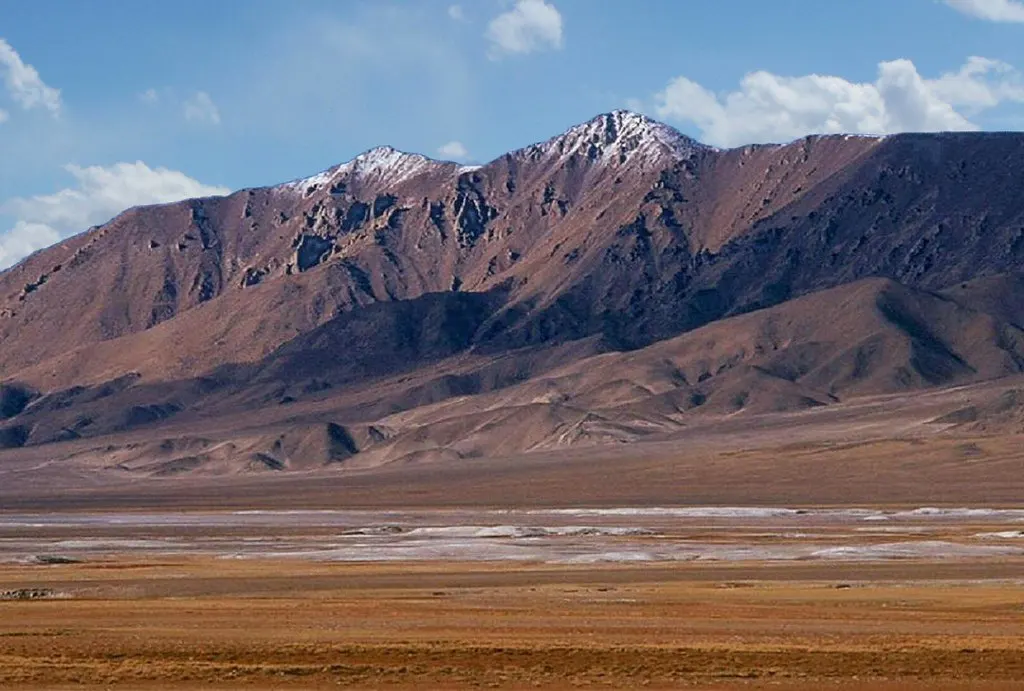
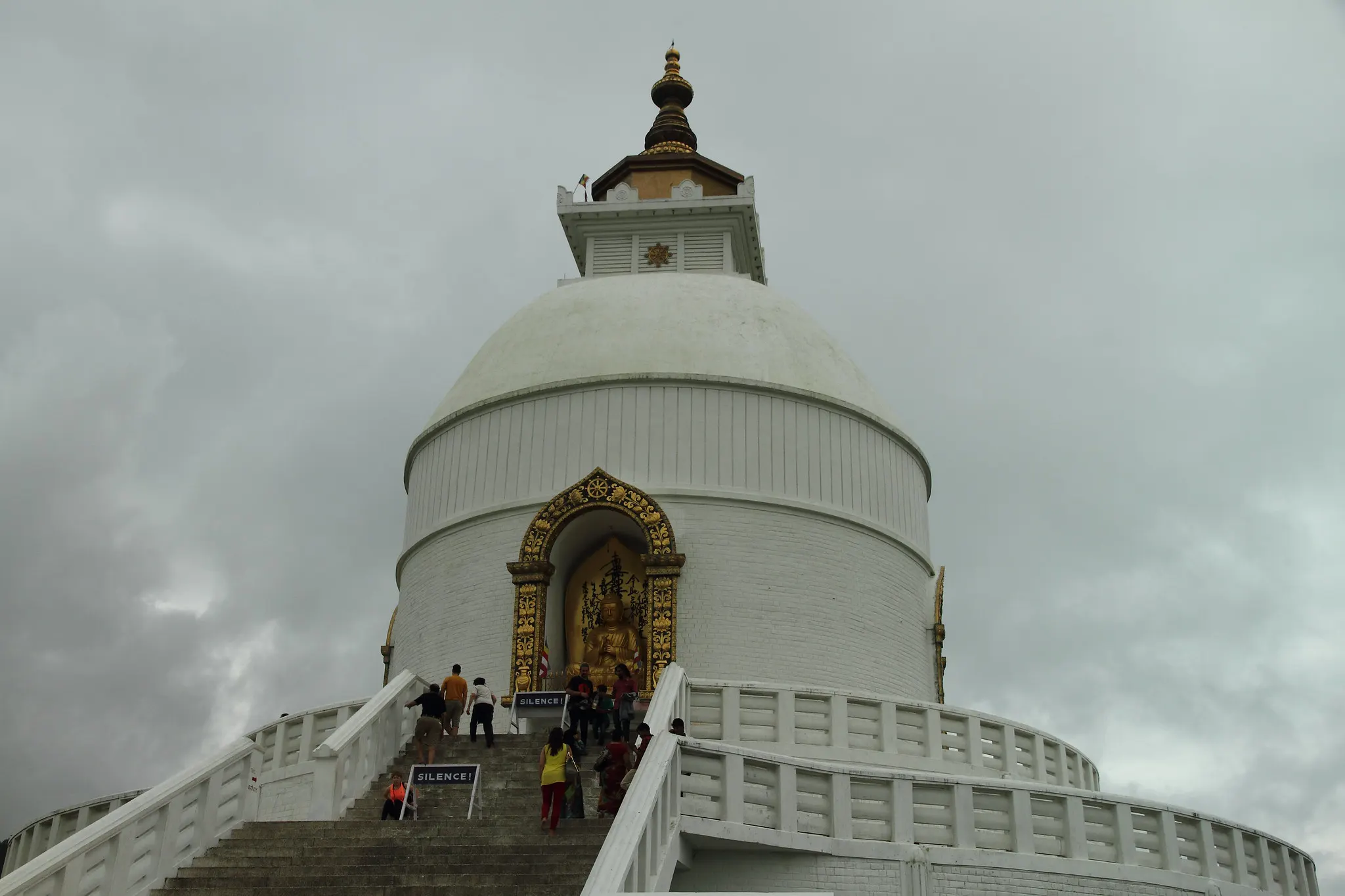
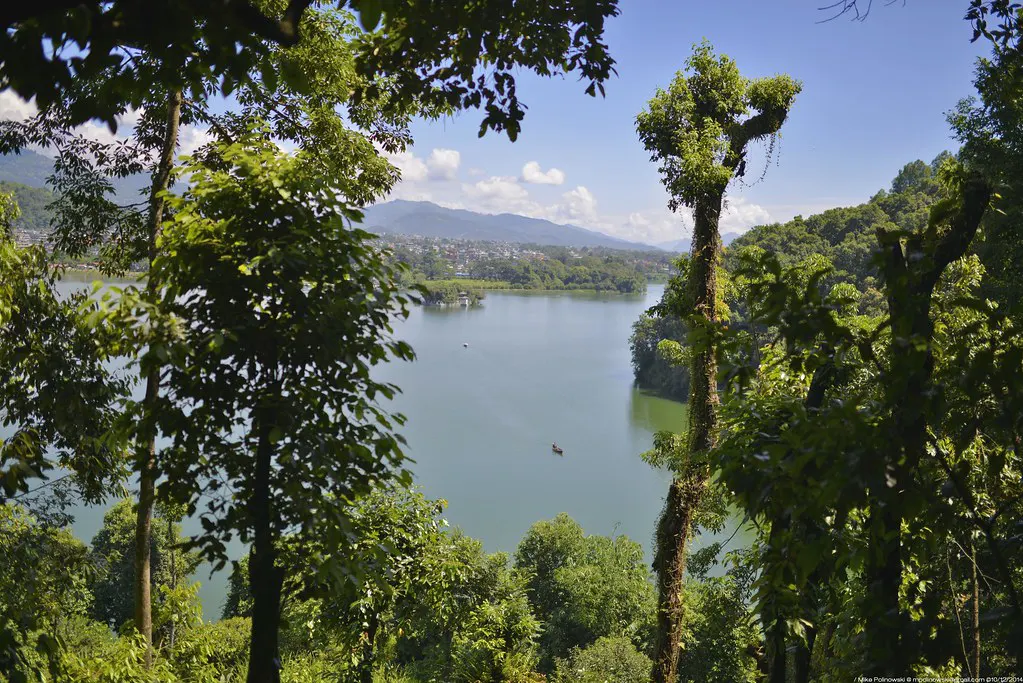
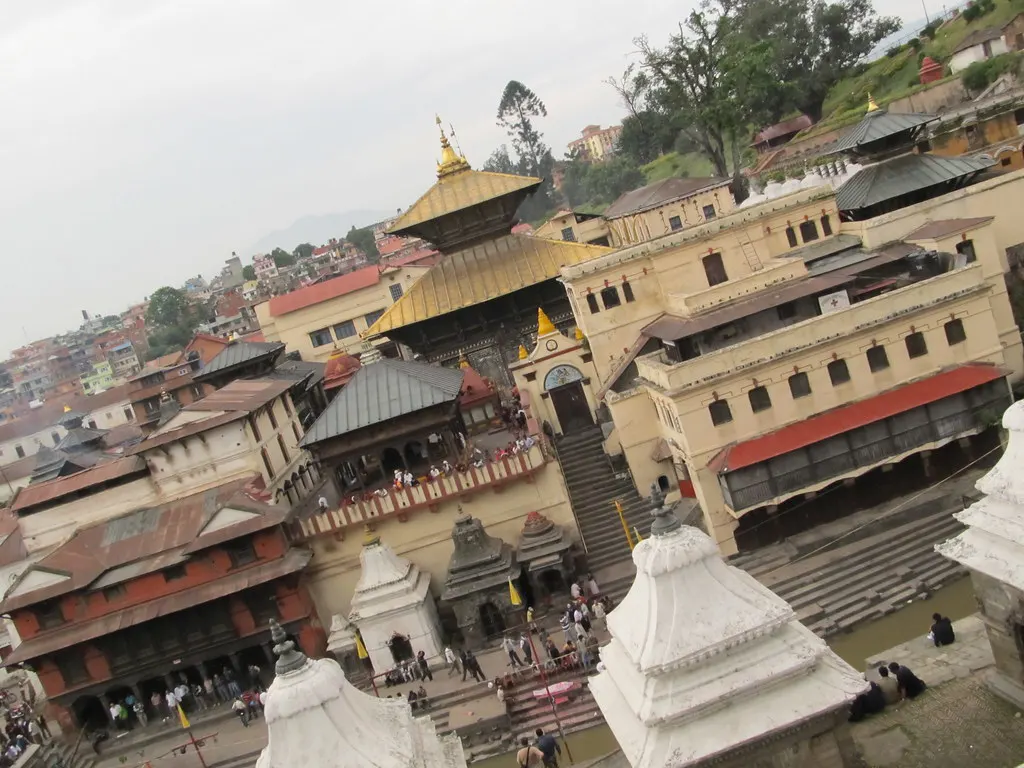
Itinerary of Nepal Tibet Tour – 15 Days
Includes/Excludes
What's included
- Airport transfers and all land transportation.
- Kathmandu-Pokhara-Kathmandu in tourist bus tickets.
- Attractions entrance fees in Nepal and Tibet.
- English-speaking guides in Nepal and Tibet.
- Tibet Travel Permit and Tibet Group Visa.
- Three-star hotels in Kathmandu, Pokhara, and Lhasa.
- Normal guesthouses in Rashuwagadhi/Kerung, Tingri, and Shigatse.
- Breakfast every day during the Nepal Tibet Tour.
- Relevant taxes and company service charge.
What is excluded
- Lunch and dinner in the Nepal Tibet Tour.
- International air travel and visa charges.
- Tibet-side Everest Base Camp optional field trip.
- Tips foe Guides and drivers.
- Travel insurance
- Travel expenses and personal expenses.
- Anything else not mentioned on the inclusion list.
Trip Information
Weather and best season
Selecting the appropriate season will ensure that your Nepal Tibet Tour is more comfortable and enjoyable. The best seasons are during spring and autumn in Nepal when the weather is clear, stable, and visibility is good. There are also blooming flowers in spring, and the autumn views of crisp mountains following the monsoon. The months are pleasant in Kathmandu and Pokhara, and it is easy to sightsee.
The climate of the high plateau in Tibet implies intense sunlight, arid air, and significant variations in temperature during the day and night. The best time to visit Tibet is from May to October, when roads are more reliable and temperatures are milder. Autumn is usually the most favorable season with clear skies in Nepal and clear weather in Tibet to enjoy a smooth ride throughout the Nepal and Tibet Tour Itinerary.
Food & drink
During the Nepal Tibet Tour, food is significant to maintain your energy level. In Nepal, it is possible to taste such dishes as dal bhat, momo, noodle soups, and vegetable curries. International meals, cafes, and bakeries are also available in Kathmandu and Pokhara. Tibetan food is also much more basic, with food choices such as noodle soup, fried rice, dumplings, and Tibetan bread.
You can also have a taste of tsampa and butter tea in traditional places. The higher the altitudes, the slower the appetite may be, and warm light meals are simpler to digest.
It is highly recommended to remain hydrated because of the dry air and long travelling days during the Nepal Tibet Tour. Keep a bottle of water and drink frequently. It is best to avoid alcohol and limit coffee in high altitudes to feel more comfortable.
Altitude sickness
Altitude awareness is highly necessary when visiting the Nepal Tibet Tour since it is a high altitude above 3,500 m (11,483 ft) and a pass over 5,000 m (16,404 ft). Some travelers might experience symptoms including a headache, nausea, fatigue, or dizziness. The most effective methods of avoiding troubles are to climb gradually, get plenty of water, and have plenty of rest.
The Nepal and Tibet Tour Itinerary is planned in such a way that your body will be able to adapt gradually. Always pay attention to your body and report to your guide in case you feel sick. Do not ignore symptoms. Descent is the safest remedy in difficult situations. The right pacing, hydration, and care can make your Nepal Tibet Tour safe and comfortable.
Nepal Tibet Tour visa and permit.
An essential component of the Nepal Tibet Tour planning is documents. Nepal provides a visa-on-arrival to most of the travelers at the airports and land borders. But Tibet needs special permits. Travelling alone in Tibet is not possible, and you should have a Tibet Travel Permit organized by a registered agency. The visitor most likely requires a Chinese group visa attached to the permit when entering Nepal.
This is not a typical Chinese visa and can substitute for any visa. These documents are facilitated by Ambition Himalaya to make the process easier. Always bring copies of your passport and photos. Rules are subject to change, and hence, you should check everything before the Nepal Tibet Tour.
Health & safety
The Nepal Tibet Tour is mainly smooth in terms of health and safety. In Nepal, be cautious of traffic and congestion. Keep your valuables properly and take care when walking on busy roads.
In Tibet, climate and altitude are the primary factors of concern. The climate is arid, and the sun is bright, so wear sunscreen, sunglasses, and lip balm. Wear in layers to cope with the temperature changes.
Keep hydrated and rest a lot, particularly when at high altitudes during the Nepal and Tibet Tour Itinerary. Food hygiene is also very importtant so eat clean and drink safe water. Be careful as your guide requests particularly at checkpoints and cultural sites.
Adhere to local norms and regulations. Being mindful and ready will ensure that you can enjoy your Nepal Tibet Tour safely and comfortably.
Transportation
In Nepal, you will travel from Kathmandu to Pokhara by tourist bus, which is a comfortable and scenic ride. Transfers to the airport and sightseeing are provided by private vehicles. In Tibet, there are licensed vehicles and an authorized guide; permits and checkpoints must be obtained. The roads may be smooth or rough, while some might be bumpy.
Bring snacks, water and personal necessities on the long Nepal and Tibet Tour Itinerary. Regular breaks and taking photos will let you take short breaks which contribute to acclimatization. The last journey is a flight from Lhasa to Kathmandu. This combination of both road and air travel ensures that the journey is planned, safe and fun.
Travel insurance
A safe Nepal Tibet Tour needs travel insurance. As the trip involves high pass crossing, which are occasionally above 5,000 m (16,404 ft), you require a policy that would cover high-altitude sickness. Ensure that your insurance covers medical care, emergency evacuation and cancellation of trips. The most basic policies might not accommodate high-altitude travel and you should look into the particulars.
You should discuss your travel with your doctor and insurer in case you have any health conditions. Insurance can also be used to cover your valuables, including luggage and electronics. Although your guide and team will assist you in the journey, insurance can offer you financial security in case of an emergency. It brings a sense of relief and prepares you in case of unforeseen circumstances during the Nepal Tibet Tour.
Your additional costs
There are certain personal expenses that are not covered in the package during a Nepal Tibet Tour. Eating out, such as lunch and dinner are often optional, so calculate a daily budget depending on your tastes. Prices can differ in Nepal and Tibet, with certain regions in Tibet being more expensive. Drinks, snacks, and shopping should also be included in your personal budget. Handicrafts, prayer flags, and local things are among the popular souvenirs.
Giving tips to guides and drivers is also anticipated, and one should always have some small cash. Other costs are laundry, internet, charging fees, and optional activities. Bring Nepali and Tibetan currency, and inquire with your guide about changing money. By planning, you will have a good time on the Nepal Tibet Tour.
Language & communication
Language is a significant factor in your comfort when you are on a Nepal Tibet Tour, but with the assistance of guides, it becomes easier. Nepali is the official language in Nepal, and most citizens in tourist spots have a basic understanding of English. Communication is generally not a problem in Kathmandu and Pokhara cities in hotels, restaurants, and shops. In Tibet, Tibetan and Mandarin Chinese are spoken, and English is not as common, particularly in major hotels.
This is why it is so helpful to have a guide. Your guide can help with the translation, hotel check-in, and daily needs. Before traveling, it is also handy to download offline maps and translation apps. Basic communication, patience, and being friendly are just some of the things that will assist you in mingling well along the way of the Nepal Tibet Tour.
Don’ts on a Nepal Tibet Tour
Knowing what not to do helps to your Nepal Tibet Tour remain respectful and easy going. In Nepal, respecting sacred objects, don’t touch or go inside any temple with shoes. Always seek permission to take pictures of individuals.
In the monasteries of Tibet, you should respect the buildings, talk quietly, and obey the photography regulations. When sitting, do not point your feet towards religious objects. Health is not to be neglected either. Altitude symptoms should never be overlooked, particularly on the higher side (2,500 m / 8,202 ft) during the Nepal Tibet Tour package.
Take your time and have a rest. Political talk and sensitive conduct should be avoided, and no photos of sensitive places, such as checkpoints, should be taken. The use of drones is also controlled, and, therefore, they do not fly without authorization. To make your Nepal Tibet Tour safe and pleasant, it is better to pack light and keep in mind some simple rules.
Trip extension
Many of the travelers decide to continue their trip after they have gone through a Nepal Tibet Tour. There are numerous options that are easy in Nepal. You can go to Chitwan to do jungle tours, Lumbini to do cultural and spiritual tourism, or Nagarkot to see the mountain. Pokhara is another good place to stay, with activities such as paragliding, hiking, or just relaxing on the lake. Bhaktapur and Patan have become excellent heritage and traditional architecture for culture lovers.
On the Tibetan side, it is possible to extend to such locations as Shannan or Mount Kailash; however, it requires special permits and prior planning. Ambition Himalaya can assist in making these extensions on the Nepal Tibet Tour package based on your time and interests. Early planning results in a pleasant and hassle-free travel.
Photography & drone rules
Photography is an excellent aspect of a Nepal Tibet Tour, but there are rules to be adhered to. Never take pictures in temples and monasteries without permission, since most of them do not permit indoor photography.
Be mindful of the local culture and respect their religion. There is a need to pay special attention to drone usage. In Nepal, drones must be registered and they are not allowed to fly near airports or restricted zones.
Drones are more strictly regulated in Tibet, and registration and authorization are necessary. Some areas may completely restrict drone use due to security issues. The best thing to do is to discuss plans with Ambition Himalaya before your trip.
By adhering to these guidelines, you can prevent issues, have a pleasant journey and make beautiful memories in the Nepal Tibet Tour package.
Tips for first-time visitors
The simple preparation can make first-time travelers enjoy a Nepal Tibet Tour. Layers of clothes are necessary to pack in because temperatures may vary rapidly particularly at higher altitudes.
Wear sunscreen and sunglasses on sunny days. Wear comfortable walking shoes when walking on rough paths and steps. Bring
Weather and best season
Selecting the appropriate season will ensure that your Nepal Tibet Tour is more comfortable and enjoyable. The best seasons are during spring and autumn in Nepal when the weather is clear, stable, and visibility is good. There are also blooming flowers in spring, and the autumn views of crisp mountains following the monsoon. The months are pleasant in Kathmandu and Pokhara, and it is easy to sightsee.
The climate of the high plateau in Tibet implies intense sunlight, arid air, and significant variations in temperature during the day and night. The best time to visit Tibet is from May to October, when roads are more reliable and temperatures are milder. Autumn is usually the most favorable season with clear skies in Nepal and clear weather in Tibet to enjoy a smooth ride throughout the Nepal and Tibet Tour Itinerary.
Food & drink
During the Nepal Tibet Tour, food is significant to maintain your energy level. In Nepal, it is possible to taste such dishes as dal bhat, momo, noodle soups, and vegetable curries. International meals, cafes, and bakeries are also available in Kathmandu and Pokhara. Tibetan food is also much more basic, with food choices such as noodle soup, fried rice, dumplings, and Tibetan bread.
You can also have a taste of tsampa and butter tea in traditional places. The higher the altitudes, the slower the appetite may be, and warm light meals are simpler to digest.
It is highly recommended to remain hydrated because of the dry air and long travelling days during the Nepal Tibet Tour. Keep a bottle of water and drink frequently. It is best to avoid alcohol and limit coffee in high altitudes to feel more comfortable.
Altitude sickness
Altitude awareness is highly necessary when visiting the Nepal Tibet Tour since it is a high altitude above 3,500 m (11,483 ft) and a pass over 5,000 m (16,404 ft). Some travelers might experience symptoms including a headache, nausea, fatigue, or dizziness. The most effective methods of avoiding troubles are to climb gradually, get plenty of water, and have plenty of rest.
The Nepal and Tibet Tour Itinerary is planned in such a way that your body will be able to adapt gradually. Always pay attention to your body and report to your guide in case you feel sick. Do not ignore symptoms. Descent is the safest remedy in difficult situations. The right pacing, hydration, and care can make your Nepal Tibet Tour safe and comfortable.
Nepal Tibet Tour visa and permit.
An essential component of the Nepal Tibet Tour planning is documents. Nepal provides a visa-on-arrival to most of the travelers at the airports and land borders. But Tibet needs special permits. Travelling alone in Tibet is not possible, and you should have a Tibet Travel Permit organized by a registered agency. The visitor most likely requires a Chinese group visa attached to the permit when entering Nepal.
This is not a typical Chinese visa and can substitute for any visa. These documents are facilitated by Ambition Himalaya to make the process easier. Always bring copies of your passport and photos. Rules are subject to change, and hence, you should check everything before the Nepal Tibet Tour.
Health & safety
The Nepal Tibet Tour is mainly smooth in terms of health and safety. In Nepal, be cautious of traffic and congestion. Keep your valuables properly and take care when walking on busy roads.
In Tibet, climate and altitude are the primary factors of concern. The climate is arid, and the sun is bright, so wear sunscreen, sunglasses, and lip balm. Wear in layers to cope with the temperature changes.
Keep hydrated and rest a lot, particularly when at high altitudes during the Nepal and Tibet Tour Itinerary. Food hygiene is also very importtant so eat clean and drink safe water. Be careful as your guide requests particularly at checkpoints and cultural sites.
Adhere to local norms and regulations. Being mindful and ready will ensure that you can enjoy your Nepal Tibet Tour safely and comfortably.
Transportation
In Nepal, you will travel from Kathmandu to Pokhara by tourist bus, which is a comfortable and scenic ride. Transfers to the airport and sightseeing are provided by private vehicles. In Tibet, there are licensed vehicles and an authorized guide; permits and checkpoints must be obtained. The roads may be smooth or rough, while some might be bumpy.
Bring snacks, water and personal necessities on the long Nepal and Tibet Tour Itinerary. Regular breaks and taking photos will let you take short breaks which contribute to acclimatization. The last journey is a flight from Lhasa to Kathmandu. This combination of both road and air travel ensures that the journey is planned, safe and fun.
Travel insurance
A safe Nepal Tibet Tour needs travel insurance. As the trip involves high pass crossing, which are occasionally above 5,000 m (16,404 ft), you require a policy that would cover high-altitude sickness. Ensure that your insurance covers medical care, emergency evacuation and cancellation of trips. The most basic policies might not accommodate high-altitude travel and you should look into the particulars.
You should discuss your travel with your doctor and insurer in case you have any health conditions. Insurance can also be used to cover your valuables, including luggage and electronics. Although your guide and team will assist you in the journey, insurance can offer you financial security in case of an emergency. It brings a sense of relief and prepares you in case of unforeseen circumstances during the Nepal Tibet Tour.
Your additional costs
There are certain personal expenses that are not covered in the package during a Nepal Tibet Tour. Eating out, such as lunch and dinner are often optional, so calculate a daily budget depending on your tastes. Prices can differ in Nepal and Tibet, with certain regions in Tibet being more expensive. Drinks, snacks, and shopping should also be included in your personal budget. Handicrafts, prayer flags, and local things are among the popular souvenirs.
Giving tips to guides and drivers is also anticipated, and one should always have some small cash. Other costs are laundry, internet, charging fees, and optional activities. Bring Nepali and Tibetan currency, and inquire with your guide about changing money. By planning, you will have a good time on the Nepal Tibet Tour.
Language & communication
Language is a significant factor in your comfort when you are on a Nepal Tibet Tour, but with the assistance of guides, it becomes easier. Nepali is the official language in Nepal, and most citizens in tourist spots have a basic understanding of English. Communication is generally not a problem in Kathmandu and Pokhara cities in hotels, restaurants, and shops. In Tibet, Tibetan and Mandarin Chinese are spoken, and English is not as common, particularly in major hotels.
This is why it is so helpful to have a guide. Your guide can help with the translation, hotel check-in, and daily needs. Before traveling, it is also handy to download offline maps and translation apps. Basic communication, patience, and being friendly are just some of the things that will assist you in mingling well along the way of the Nepal Tibet Tour.
Don’ts on a Nepal Tibet Tour
Knowing what not to do helps to your Nepal Tibet Tour remain respectful and easy going. In Nepal, respecting sacred objects, don’t touch or go inside any temple with shoes. Always seek permission to take pictures of individuals.
In the monasteries of Tibet, you should respect the buildings, talk quietly, and obey the photography regulations. When sitting, do not point your feet towards religious objects. Health is not to be neglected either. Altitude symptoms should never be overlooked, particularly on the higher side (2,500 m / 8,202 ft) during the Nepal Tibet Tour package.
Take your time and have a rest. Political talk and sensitive conduct should be avoided, and no photos of sensitive places, such as checkpoints, should be taken. The use of drones is also controlled, and, therefore, they do not fly without authorization. To make your Nepal Tibet Tour safe and pleasant, it is better to pack light and keep in mind some simple rules.
Trip extension
Many of the travelers decide to continue their trip after they have gone through a Nepal Tibet Tour. There are numerous options that are easy in Nepal. You can go to Chitwan to do jungle tours, Lumbini to do cultural and spiritual tourism, or Nagarkot to see the mountain. Pokhara is another good place to stay, with activities such as paragliding, hiking, or just relaxing on the lake. Bhaktapur and Patan have become excellent heritage and traditional architecture for culture lovers.
On the Tibetan side, it is possible to extend to such locations as Shannan or Mount Kailash; however, it requires special permits and prior planning. Ambition Himalaya can assist in making these extensions on the Nepal Tibet Tour package based on your time and interests. Early planning results in a pleasant and hassle-free travel.
Photography & drone rules
Photography is an excellent aspect of a Nepal Tibet Tour, but there are rules to be adhered to. Never take pictures in temples and monasteries without permission, since most of them do not permit indoor photography.
Be mindful of the local culture and respect their religion. There is a need to pay special attention to drone usage. In Nepal, drones must be registered and they are not allowed to fly near airports or restricted zones.
Drones are more strictly regulated in Tibet, and registration and authorization are necessary. Some areas may completely restrict drone use due to security issues. The best thing to do is to discuss plans with Ambition Himalaya before your trip.
By adhering to these guidelines, you can prevent issues, have a pleasant journey and make beautiful memories in the Nepal Tibet Tour package.
Tips for first-time visitors
The simple preparation can make first-time travelers enjoy a Nepal Tibet Tour. Layers of clothes are necessary to pack in because temperatures may vary rapidly particularly at higher altitudes.
Wear sunscreen and sunglasses on sunny days. Wear comfortable walking shoes when walking on rough paths and steps. Bring a small day bag with water, snacks and necessities.
Carry little money for tips and purchases. Higher altitudes, such as 3,650 m (11,975 ft), should be approached with caution and with a lot of water to prevent altitude problems. Do as your guide tells you, observe local traditions, including clockwise walking around stupas. Being flexible and patient will enable you to love the Nepal Tibet Tour package and make traveling worthwhile.a small day bag with water, snacks and necessities.
Carry little money for tips and purchases. Higher altitudes, such as 3,650 m (11,975 ft), should be approached with caution and with a lot of water to prevent altitude problems. Do as your guide tells you, observe local traditions, including clockwise walking around stupas. Being flexible and patient will enable you to love the Nepal Tibet Tour package and make traveling worthwhile.

Good to know, before you travel
Want to learn more about this journey in-depth? Essential Trip Information includes a thorough itinerary, information for visa processing, Accommodations, Food , Acclimatization’s and pretty much anything else you could possibly need to know about this tour. Read more inside.
Frequently Asked Question
Yes, Ambition Himalaya will be able to organize a private Nepal Tibet Tour, with a flexible date, hotels, and pacing.
It can accommodate the majority of travelers whose fitness is normal, but light walking and scenic drives, although the altitude should be paced.
Yes, individual travelers have the option to be included in the group departures, where they will share rooms except when they request a single supplement.
Yes, there are upgrades on demand, provided they are made in advance.
Wi-Fi is available in most hotels, whereas in some guesthouses, there might be a restricted connection.
Yes, a universal adapter is suggested, as well as a power bank.
Yes, in the majority of the hotels you can charge your devices on a daily basis, but there might be a few outlets in the guesthouses.
Yes, there are free airport transfers to make the Nepal Tibet Tour smooth.
Yes, extensions are possible without an imbalanced itinerary.
Yes, both in Nepal and in Tibet, there are English-speaking guides.
No, but bottled water is readily accessible, and it is suggested to have a reusable bottle with you.
Surely, it is possible to make some slight modifications or additions, provided that time is available.
Yes, all the necessary Tibet permits and group visa arrangements are done.
The overland style of travel is basic, with simple rooms having simple facilities.
There are indeed a lot of vegetarian options, and particularly so in Nepal.
Yes, there is transportation of main luggage, and you have a small daypack.
Yes, it is possible to have additional days to relax or sightsee.
The team modifies plans in a safe manner without compromising the tour experience.
Yes, it has a combination of cultural attractions and beautiful scenery.
It is advisable to book in advance when it comes to permits, hotels, and easy planning.
Quick Inquiry Form
 Read all reviews in Tripadvisor


You can talk with our travel experts for departure dates and price details.
- Private trip departures everyday
- No hidden cost
- Local based company
- Over 17 years of experience
- Trip Customization