
Beautiful Places In Nepal Near Kathmandu

Kathmandu is a beautiful big Himalayan city and also the capital of Nepal and the gateway of Tourism in Nepal. It holds a large population and diverse living culture from traditional to modern. It is also a city full of temples and shrines as it is also called ‘The City of Temples’.

Kathmandu carries a lot of historical and cultural significance, as well as beautiful places. It is also very well known for its beauty as it is covered with the most beautiful places and nature-friendly places. There is no doubt Kathmandu is a wandering city consisting of historical, cultural, and natural beauty.

Pashupatinath Temple

There are a wide number of such places that can make anyone feel mesmerized and refreshed with the odor of nature they hold soldering the hustling of the city. It can vary from greenery to altitude beauty as you can have them around Kathmandu Valley.

There are a diverse number of choices that one can have and get a chance to experience a very unique vacation or weekend. It is also a great way to get rid of long trekking and far visiting places if you have short time and hate to do so. The outskirts of Kathmandu are filled with lots of beautiful places.

So, if you want to escape the hustle and the busy schedule of your day-to-day tiring life then there are plenty of beautiful places in Nepal near Kathmandu waiting for you. It takes you a short time which gives you the most outcome as you can make yourself a little stress-free and have quality time.

So, here we have provided you with some of them for you to make it easier. Stick It until the end, to find out the best beautiful places in Nepal near Kathmandu.

Some Beautiful Places Near Kathmandu

Nagarkot

View of Nagarkot
View of Nagarkot

It is very near to the Kathmandu valley, offering you a stunning panoramic view of the mountain range and a close view of the valley. It also offers you 28 km of hiking activity east to the rushing valley. It is famous for its nature-based beauty as it also consists of dense forests with diverse ecosystems offering you a nature walk too. One can also choose to camp in different campsites and a night stay can be a great option in luxury Resorts.

The local cuisine is also available at different food stalls and restaurants which you can try. It can be the beautiful places near Kathmandu for Nature enthusiasts and for those who want a short break from the busy living style.

Phulchowki Hill

Phulchowki Hill
Phulchowki Hill

It is the highest hill around the valley. This is the place where you can find yourself in the forest, filled with rhododendrons, oak, orchids, and different species of plants and birds

It is also a great place to witness the whole valley from an altitude perspective. It can be called more nature-based as you do not find any residents in the whole hill. It is best known for the hiking near Kathmandu Valley having uphill ascending and descending paths to cover. It makes it somehow a beautiful place in Nepal near Kathmandu Valley.

Shivapuri National Park

Shivapuri Hill
Shivapuri Hill

This area is also known for its features of hiking sensational journey as it is considered the best place for short hikes near Kathmandu or in the Kathmandu Valley. It offers a wide range of dense forests, stunning mountain views several ethnic communities, and several clean and beautiful water bodies like streams and ponds which makes It already one of the most loved hikes around Kathmandu Valley.

With its diversity in beauty, culture, and diverse eco of flora and fauna Shivapuri National Park is one of the most chosen places near Kathmandu Valley. It holds a couple of hiking routes inside like hiking up to Chisapani, Sundarijalhike, and Dhap Dam hike. It also consists of rare species of plants about to extinct.

Kakani

Kakani
Kakani

Kakani is the best and most beautiful place in Nepal near Kathmandu Valley for witnessing the majestic beauty of landscapes of hills, rivers, and mountains. It also covered the stunning beauty of farmlands and the local villages. If you want to witness the breathtaking landscapes of hills in a big city then you can choose this place without hesitation.

You can reach there by vehicle or through the hike. it is an easy hike with a slight slope northeast of Kathmandu. It is more Recommended for a hiking journey as it is filled with flowing streams and farm fields across the way can be a wonderful experience as well you can also witness local technology like ‘Pani Ghatt’. So, it stands as one of the best for beautiful places in Nepal near Kathmandu.

Balthali Village

If you are willing to witness an amazing geography and the beauty of hilly vales then the Balthali Village is waiting for you. It is a small valley located at the edge of the hill above the surrounding cliffs. It is also a great place to experience the living culture of local communities and witness the unique traditional houses. There are several homestays too available for visitors who want to stay there and have time to explore more about the place.

The mesmerizing odor of farms around the village and the beauty of the village itself is a great thing to experience. It is considered that the village gets its prime beauty at the season of Monsoon. It is very near to another beautiful city called Panauti. It is also another beautiful place in Nepal near Kathmandu.

Chandragiri

A Hindu Temple on the Chandragiri Hills

Chandragiri is well known for having the most scenic and most wide view of Kathmandu Valley from the top of the hill. It lies soldering Phulchauki Hill with a stunning panorama of the Himalayan range above the valley with the massive backdrop of clouds. It makes it the most scenic in itself. The wide height of the hills makes it to cover such scenic views around the Valley. It is also now a major place to ride a cable car as it takes you to the hilltop from the edge of the valley.

If you want to enjoy the nature and the ecosystem of the hill you can also have hiking steps as various routes are available around the hill. It holds a diverse forest, stone stairs, and some unique tropical landscapes which can make your journey unique in itself. It is undoubtedly another beautiful place in Nepal near Kathmandu Valley.

Chitlang

Chitlang
Chitlang

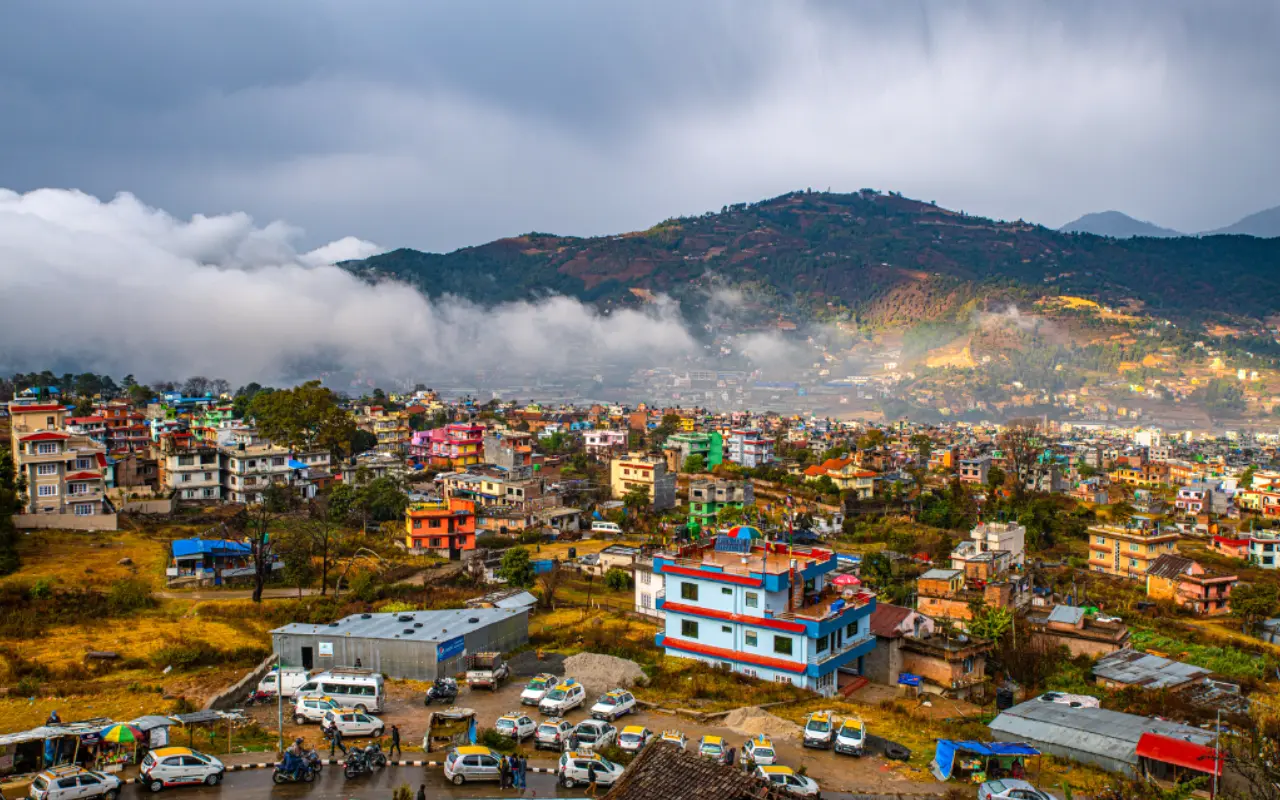
Chitlang is another beautiful Place in Nepal near Kathmandu Valley. It is located in Makwanpur district. It holds the enchanting blend of nature, adventure, and cultural significance. It is also full of green lush forests giving picturesque landscapes. It is a very popular destination near the valley with a wide range of variety of choices available.

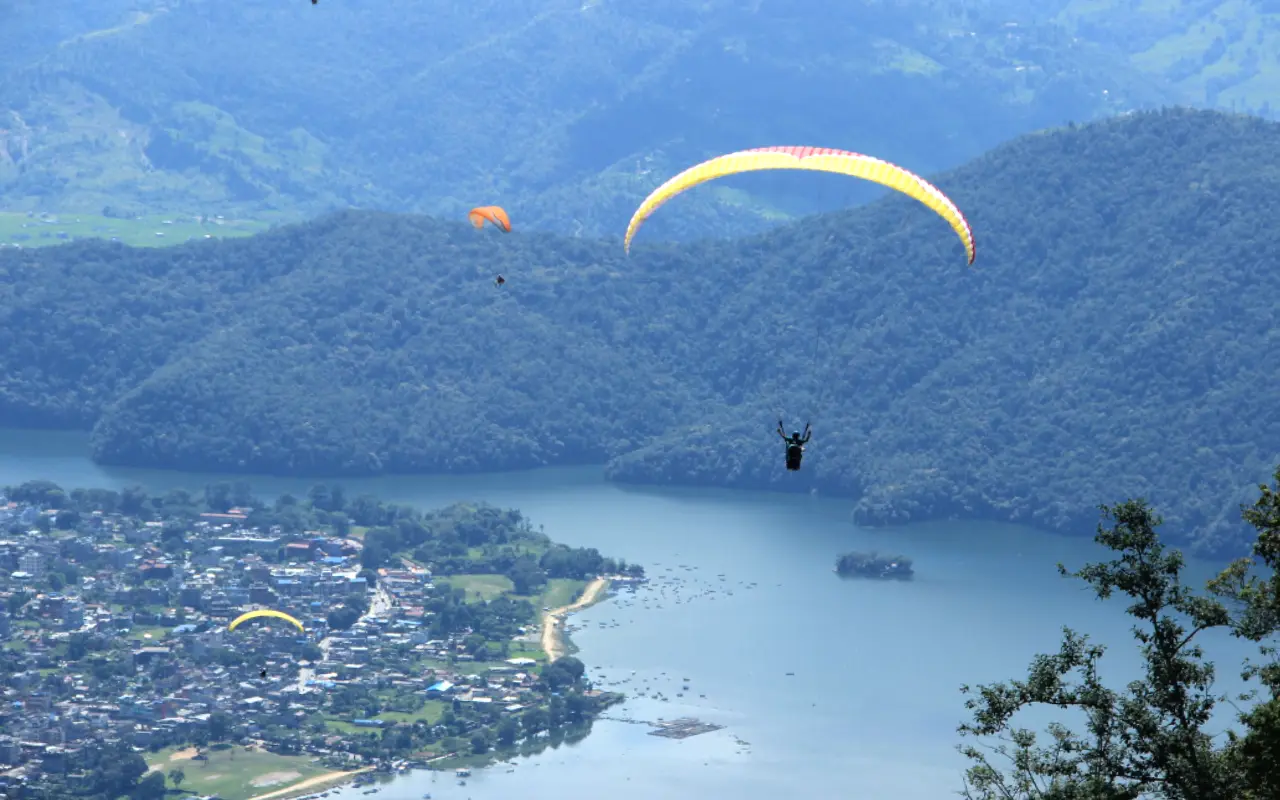
The more famous is the Chitlang hill which offers a panoramic view of the landscapes of high hills and the Himalayas. It also consists of several adventurous activities like paragliding, zipline, and hiking trekking. If you choose to go hiking or trekking to Chitlang then you can also witness several waterfalls, green lush forests, and vibrant flora with a diverse ecosystem.

Lakuri Bhanjyang

It is located at the eastern edge of the Lalitpuras a hill station with a very scenic view of the major cities like Kathmandu, Lalitpur, and Bhaktapur. It is a very popular destination for picnics and a picturesque visit. The area is also open for paragliding but biking is the most preferable who are seeking an adventurous journey.

The Lakuri Bhanjyang also offers a spectacular view of sunrise and stunning scenery of snow-capped mountains. This is also a popular hiking journey near Kathmandu Valley consisting of the beauty of the countryside and terraces. So, it is another destination for beautiful places in Nepal near Kathmandu.

Kulekhani

Kulekhani is a dam with a pretty massive blockage of water but the area is very popular for the beauty it holds and the very scenic view around the area. However, the dam was built to generate electricity it became popular as it got its beauty after the big body of water got a blockage. It is a great place, especially for internal tourism. The area offers you a day hike, picnic, and bike rides. It is also very well known for its other name ‘Indra Sarobar’.

Outdoor activities like boating are also available and the option of camping is also a great chance to have fun in such a beautiful place. The hill landscapes of ‘Bheda Farm’ are also the most talked about among travel enthusiasts.

Helambu

It is a high-altitude valley inside the Langtang Region and somehow much nearer to the Kathmandu Valley than other high-altitude sensational tourist attractions. It is very popular for the mountain views 360° of panoramic views of the Langtang range. It is very well known for the trekking trail near to valley which starts from there the trek starts from Sundarijal covering the diverse beauty of Shivapuri National Park, filled with a hug and diverse wildlife and rare species of plants.

Helambu during Spring and Autumn is the prime season for the beauty of the area. The sweet apples found in this area are also very popular. The region is also filled with several ancient monasteries and shrines. It is another sensation for beautiful places in Nepal near Kathmandu.

Kathmandu Valley

Aerial view of Kathmandu city

Yes, Kathmandu Valley itself is a very beautiful place having diverse traditions and historical significance. It can be called a melting point for the culture and the traditions of local communities of the country. As it holds engaging different and various cultures and traditions from different parts of the Nation. It also consists of several world heritage sites.

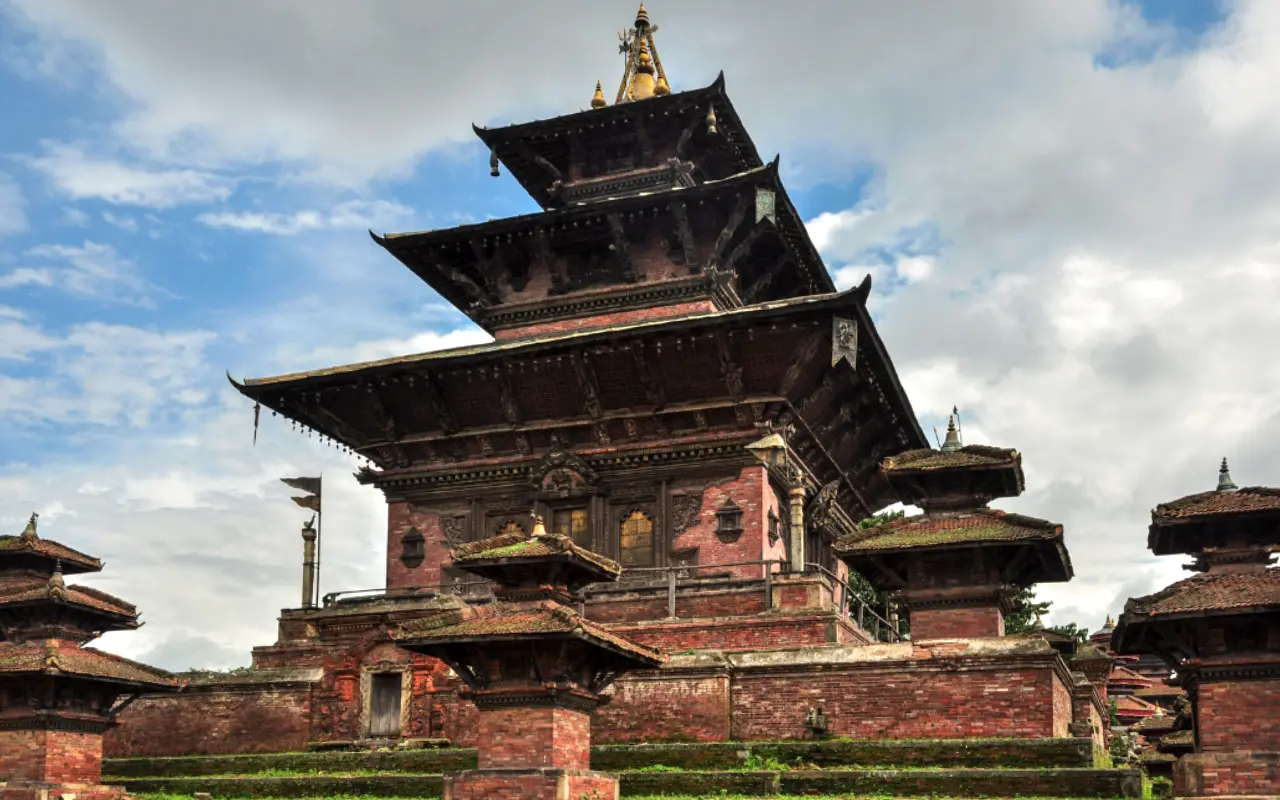
Places like Swayambhunath, Pashupatinath, Boudhanath Stupa, Kathmandu Durbar Square, etc are already a sensation for tourist attraction in themselves. The valley itself is a great place to have a diverse course of beautiful places inside the city area. It is no doubt, one of the beautiful places in Nepal near Kathmandu.

FAQ’s

• Is it suitable for budget travel in these places?

Yes. Most of the places above mentioned are very near to the valley. So, it can be done in or with budget planning. The Helambucan is a little bit more expensive than the others on the list.

• Do I need any guide to travel in this area?

You do not need any guide as most of the above covers a short distance from the Kathmandu valley. But if you are willing to have a good insight about the places and it’s significance of the places you visited then you can take the guide with you.

• Is there any place to experience nightlife near Kathmandu?

You can have It inside the Kathmandu valley. The most popular for the nightlife is Thamel. There you can find nightlife options like clubbing, bars, restaurants, and different live music restaurants inside the city.

• What currencies can I use in these places?

Only Nepalese currencies are in use in this area. You can exchange them in Kathmandu with the international exchange rate.

Conclusion

We have provided you with a little information about the beautiful places in Nepal near Kathmandu. These places are diverse in their features and beauty. You can choose any of them with your scheduled time and days.

You will never know about these places until you go by yourself and try on your own. All of them carry diverse courses of beauty and features. So, do not rely on other opinions, just get yourself out there and give it a try to make your own.

Everest Base Camp Trek Solo Vs Group: Pros and Cons

Everest Base Camp Trek is one of the best ways to explore and an opportunity to embrace Nature, its diversity, and the unique culture of native communities. In short, it is also known as the EBC trek. It lies in the geography of Everest Region a sensational tourist attraction and region. It offers a wide range of adventure and is home to Mt.Everest and other highest peaks with 8000m plus altitude class with the enormous beauty of the Himalayas and its landscapes.

EBC Trek is also well known as the best place for nature enthusiasts and adventure-seeking souls. It is also very well marked and with best features with the beauty and the diverse ecosystem of Himalayan landscapes. EBC trek is already one of the best and well known trekking trails in the world.

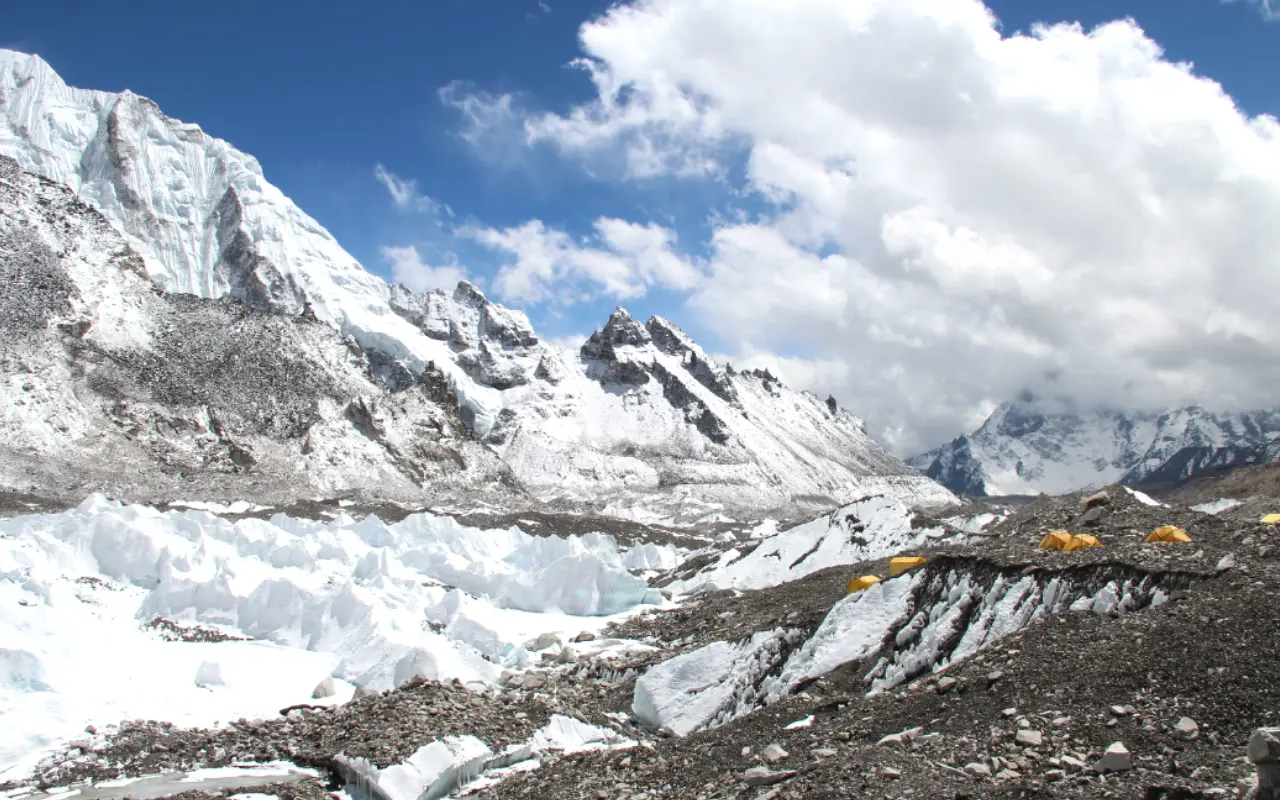
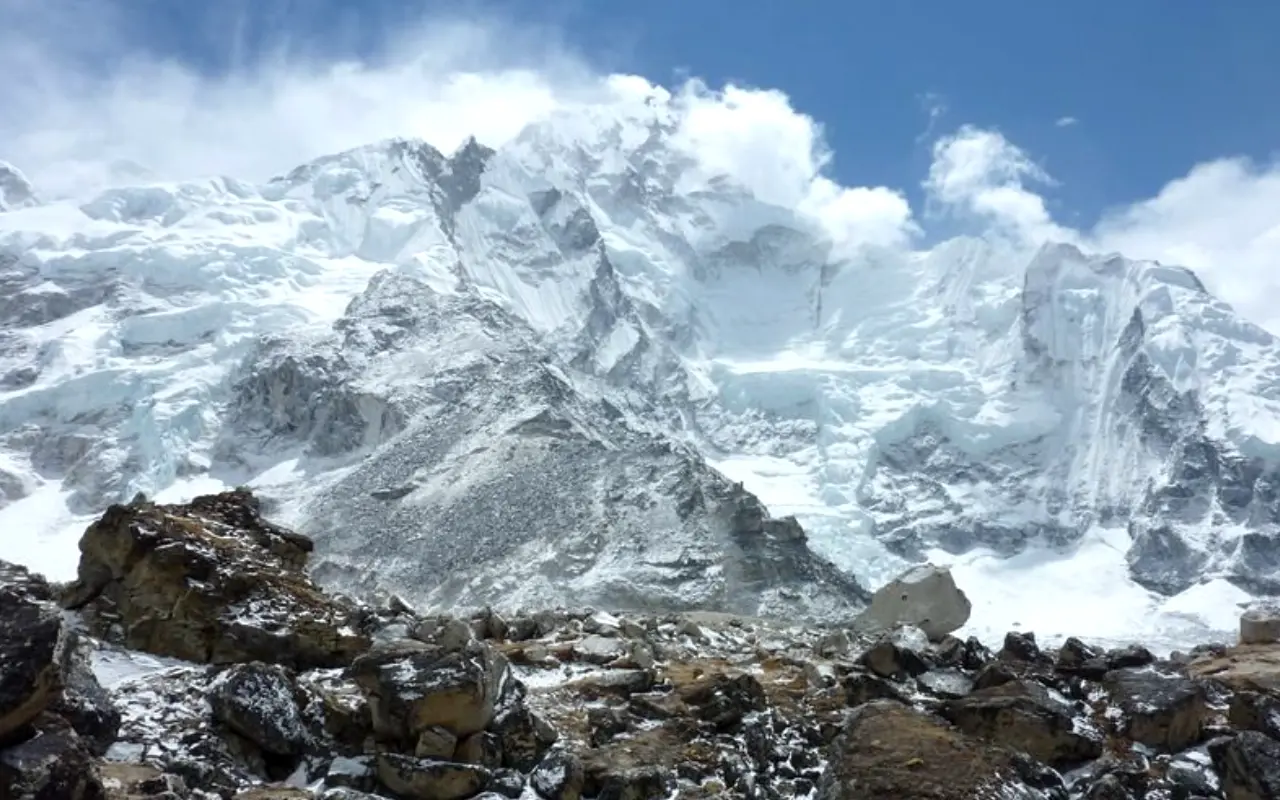
Snowy mountains of Himalayas on EBC

The region is filled with lots of options for adventures and walks which consist of the astonishing beauty of nature, the ecosystem, and the living culture of ethnic communities. It is also one of the best lands to know and witness as well as experience the footsteps over the geography of the Himalayan Land. Trekking on the EBC trail is the best thing to spend time with your family and friends as well as with yourself. And the good thing is the EBC trek provides you the chance to do both solo trekking and group trekking.

Solo trekking has been banned in Nepal since 2023 by the Nepal Government. But it can be done by hiring a guide or a potter with you. And in the case of a group, you can do it with the usual choice of group members.

So, here we are talking about the advantages and disadvantages of the pros and cons of solo and group trekking in Nepal. We will only provide you with some insights and advantages based on the features as it heavily depends on personal experience or personal interest and nature. But we provide this to you hoping this will help you lots of you are willing to do trekking in Nepal either solo or with a group.

So, stick to this with us if you want to know the actual features you could have and the disadvantages or cons you have to face in both types of trekking in Nepal.

Everest Base Camp Trek Solo

Tourist admiring the evening View of Everest

As mentioned above solo trekking in Nepal has been banned in Nepal since a year later considering the safety of trekkers and some economic aims for tourism in Nepal. But one can still do it by hiring a guide or a potter with them. It is a great chance for trekkers who want to explore more about themselves and have quality time spent alone.

If you want to walk alone then you can make some distance with your guide and the potter. It is also a better option for the proper interaction with your guide and the locals to know about their living culture and traditions gaining more time to spend over your choice and preferences.

Solo Everest Base Camp Trek Pros:

  • It allows you to explore and enjoy time as of your trekking schedules and plans. You get freedom from peer pressure and the unpleasant decisions of the group. It also gives you the proper time spending opportunity on your chosen spots to have a choice on your interest.
  • Sometimes, it is hard to determine the food and the spots you want to enjoy as to match the vibe with the group members, it is necessary to take something you barely have an interest in trying. But while in solo trekking you have a wider variety of choices than what you have in group trekking.
  • Solo trekking in the Everest Region also offers you enough time to make your own decision for walking time or the time for staying. You also get the freedom to take advantage of not racing your group or fear of leaving someone behind, to keep daily schedules. You can walk on your ability and choose to do what you can.
  • In Everest Base Camp trek solo, you also would find it easier to find proper accommodation for sleeping and eating in teahouses and guesthouses. It may sometimes be very difficult to manage such things while in a group.
  • It also, sometimes gets cheaper than the group trek. As it sometimes happens unmanaged portion of spending doing group accommodation and food.

Group Everest Base Camp Cons:

  • Everest Base Camp Trek solo can be more unsafe than with the group. Everest Region is filled with a large number of natural formations and difficult geography. So, anytime any incident can happen and in such case, you get little chance of help as you are moving alone over it. And it even gets harder when you are at very remote places where very less tourists or trekkers travel though. In such a situation, it can get even worse to tackle such an emergency.
  • Very limited routes are offered as new rules and regulations by the Nepal Board of Tourism(NBT). These routes also may not filled with all the features for which you took the Everest Base Camp Trek solo.
  • It is also hard to carry all the gears and equipment alone on such a hard trekking trail. Also, it is very hard to maintain such weight by yourself instead of enjoying walking. It can be your struggling than an enjoyable trek as the routes of Everest Base Camp Trek cover remote paths and sloppy routes over hills. It also consists of very rough paths to pass through at some points.

Everest Base Camp Group Trekking

Trekkers going to EBC

Group trekking is the best way to spend time with your family and friends. It is a great chance to explore the beauty of the Himalayas sharing opinions and talks. Interacting talks while walking with your friends family or your colleagues can be the best thing to have while trekking. Group trekking also gives you a chance to witness the different sides of the trekking experience.

Group Everest Base Camp Trek Pros

  • In group trekking you will be safer than in solo trekking as you are greater in number. It is also easy to help each other in case of any emergency or need of help. You also can help each other if you are tired.
  • In the Everest Base Camp Trek group all the necessary maintenance for food, accommodation, teahouses, guesthouses, porterage, and campsites are well organized for you. You just can enjoy your walk with your group members.
  • You also get rid of the weight of gears and equipment. All the materials can be distributed to the members equally to carry. And you have a potter too to carry the essentials of trekking for the groups.
  • The same thing goes for the Everest Base Camp Trek group as all the facilities available in the Trek and the paperwork like tickets and insurance are all managed by your traveling agencies for you. It is a great way to remove further stress from such headaches of doing lots of paperwork during your enjoyable trek.

Group Everest Base Camp Trek Cons

  • It is going to be more expensive than solo trekking. All the packages for the trekking journey are a bit expensive as they come with a guide, potter, and a well-managed journey with proper accommodation and food as of availability. And it also comes with the management of transportation facilities. So, you can guess why it can be such expensive than solo trekking.
  • It comes with limited routes and dates as the travel operator has to organize trekking in only such routes that are properly recognized or marked by the Tourism Board. You also got tied with the strict schedule and walking time to cover the trekking distance on marked time spending.
  • You have to give up on your freedom of trekking. You cannot enjoy your time where you want a bit longer or while you get tired you also do not get enough time for you to get rest as you have to follow your group or stick to It to gain the walking schedule in time and cover the trekking routes while doing Everest Base Camp Trek group.

Some Useful Insights about EBC Trek

  • The route of the EBC trek lies in the geography of the Everest Region diversely filled with ethnic traditions and enormous natural beauty. It covers the Himalayan area of the Solukhumbu district of Nepal, already a very popular district of the Himalayas and home to Mt. Everest the highest peak in the world. The region is also filled with very unique local cuisines and the culture of the Himalayan people and their traditions. You can explore them by interacting with locals in either Everest Base Camp Trek solo or in the Everest Base Camp Trek group.
  • The Everest Base Camp Trek is filled with plenty number of the best traditional and old teahouses and guesthouses with proper local cuisine and organic local taste. It is a great opportunity to can try the foods and drinks with local taste alone or with the trekking members gossiping about the culture and traditions with such organic taste in group trekking.
  • Lots of trekkers sometimes worry about the hospitality of people but you should not worry about the hospitality and the services of the people in this region as the trekking routes are traveled by a huge number of tourists every year. This makes the people of the region very familiar with better and better hospitality and the living culture of the people itself teaches them better hospitality to visitors and traveling legs. It is also appreciated by tourists and trekkers from all around the world, giving them a chance to explore more about the culture and traditions they are witnessing by better and further interacting with locals.
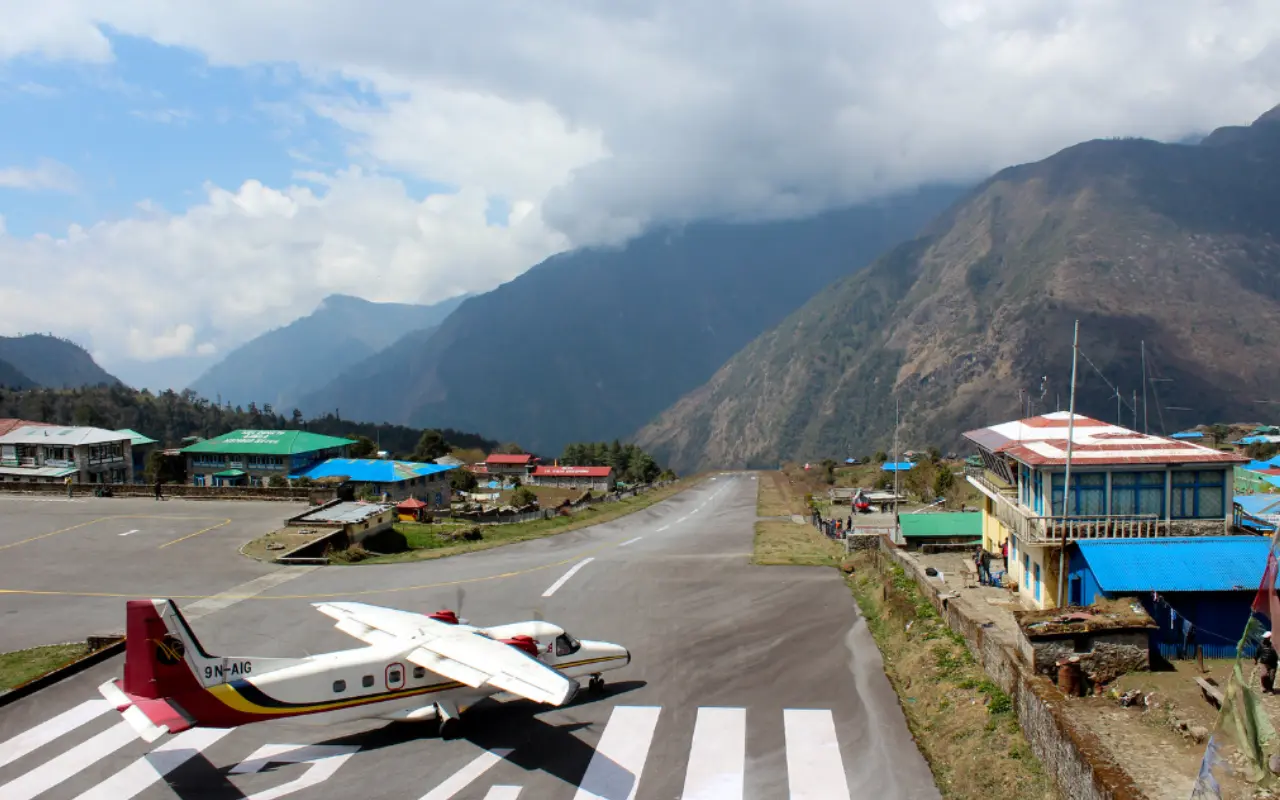
  • The journey of this diverse trail of EBC starts from the small very beautiful Himalayan town of Lukla or from the biggest Himalayan town in Khumbu Region called Namche Bazar. The journey of this Everest Base Camp covers the enormous beauty of freshwater rivers, crystal-clear lakes, massive mountain views, majestic mountain landscapes, and snow-capped glaciers. It also consists of a diverse ecosystem and is home to the very unique bond of flora and fauna.
  • The majestic beauty of the breathtaking Himalayan landscapes and range, nature walks, journey over remote paths, suspension bridges, stone stairs, forest, and adventure walks with local and organic cuisine are waiting for you as the reward of this trek both in Everest Base Camp Trek solo or Everest Base Camp Trek group.

Some Tips For You

  • Whenever you are at solo trekking or in group trekking it is very necessary to follow proper safety instructions and regulations. You should always be cautious about the warning signs and boards on the paths for both you and your team members during your trekking journey. Also, be very careful as the routes pass through very rough routes. To avoid accidents in such difficult conditions it is always very necessary to follow your safety rules and be careful. You should be more cautious when you are solo in trekking as it is hard to get some help if you get injured or have accidental incidents.
  • Everest Base Camp Trek lies over a high altitude. And with higher altitudes, it is very often to get altitude sickness as you go higher than 2500m or more in effect after you climb 3000m. So, do not make unnecessary competitions or challenges that need more respiration like running, jumping, or frequent body movements. It instantly causes you or makes you suffer from altitude sickness. You get nose bleeding, nausea, and vomiting after sickness gets its effect. In case you or your trekking members get such sickness just stay calm until it starts to recover and try to make your breathing stable and do not try to hold as it may goes further worse.
  • Do not carry or pack unnecessary and unusual things that you don’t need often in your journey. It may be a headache for you and your team on such a long journey like the EBC trek which consists of difficult stairs to climb and very remote routes to cross. Such unusual materials can make you gain heavier weight. It makes your journey more difficult for you and your team as it affects both sides.
  • It is very important and very necessary to always carry first aid and some basic medical support. The difficult trekking routes like the EBC trek consist of possible troubles and injuries so, It can be very useful to you in such conditions. It is an important attachment essential in both Everest Base Camp Trek solo and Everest Base Camp Trek group. As it is very unpredictable for accidents to happen. It is also very often to get slight and small injuries or wounds during the trekking journey in the Himalayan region. And in such a journey, it is necessary to keep aids and Medical support with you.
  • Also be very sure you carry enough medications in case you are taking some as it is nearly impossible to find such sensitive medication in the Khumbu Region because of the remoteness or very distance to reach to get access in near health post or pharmacy.
  • Mostly if you are in a group trekking always avoid unnecessary movements with equipment and gears as well as body movements as it may be very fatal for you and your team possibly causing serious accidents. It is very necessary when you or your trekking group are passing through high cliffs, narrow routes, and rough slopes of hills. So, by not making unnecessary moves and unusual stuff you can avoid big outcomes.

FAQ’s

How long is the Everest Base Camp Trek?

It takes you 12 days to complete. It sometimes depends upon the speed as it can be delayed and finished up to 15 days of walking through a trail of EBC. It takes you up to an altitude of 5,643m of altitude from the sea level.

What is the difficulty level of EBC Trek?

It is considered to be moderate in difficulty. It also depends on you or the group members who have different levels of experience in such trekking trails.

Is it suitable for beginners?

Considering the difficulty level of moderate, yes It is suitable for beginners but can be difficult if one is an absolute beginner or about to start the trekking journey with trekking trails like EBC trek.

In the Everest Base Camp Trek group, is it necessary to take tickets for individuals?

The group trek is operated by the travel operators and agencies so, you should not worry about the tickets and the paperwork you need as they all are managed under the cost of packages you paid to them. In the case of Everest Base Camp Trek solo, you need two permits from TIMS(Trekking Information Management System) and SCAP(Sagarmatha Conversation Area Permits).

Why there are limited routes for Everest Base Camp Trek solo?

It is banned by the government of Nepal considering the safety of trekkers and the possible troubles for them. It is also considered as it can provide some economic opportunities for the people of the trekking region who are associated with the tourism industry as there are very limited opportunities to earn for them.

Conclusion

We provided you the insight into the features and the possible outcomes of Everest Base Camp Trek solo and Everest Base Camp Trek group with short and small explanations. It would help you to get some idea in a short time. As Everest Base Camp Trek is a mostly traveled and trekked trail among the trekking trails in the world. You can hear great tales and stories made by the trekking enthusiast and the adventure seekers but as always you will never know the actual taste of the great journey by letting yourself try and give it a chance to run.

You can’t rely on the experience of others to choose what is right for you or what a wrong choice to make in your adventure and journeys. It is on you to get it by yourself and create your own story of travel and adventure. So, we just recommend you take yourself out there on the Everest Base Camp Trek and give yourself a try.

The Best Time for Trekking in Nepal – Best Season to Explore!

Traveling in Nepal is a captivating journey that fascinates adventurers to discover its notable viewpoints and tall peaks. Nepal gives numerous hiking trails, each offering its personal unique appeal and beauty. However, opting for the best time for trekking in Nepal is vital for a secure and enjoyable ride.

The best time for trekking in Nepal relies upon various factors, alongside climate, direction, situations, and personal opportunities. Generally, the favorable seasons for hiking are autumn (September to November) and spring (March to May). During these seasons, the climate is slight, the skies are clean, and the trails appearance beautiful, decorated with blooming flowers and plush greenery.

Autumn offers exquisite views of the snow-capped mountains along with clean blue skies, making it the best time for trekking in Nepal. Spring, as an alternative, brings vibrant rhododendron blooms, portraying the hillsides with their colorful shades. These seasons provide the best situations for hiking in famous regions like Everest, Annapurna, and Langtang.

Overall, the best time for trekking in Nepal is subjective and relies on a person’s opportunities and the proper vicinity you would love to adore. No matter whatever the season, Nepal ensures an unforgettable hiking revel in amidst its awe-inspiring views and rich cultural history.

Everest Base Camp Trek

Perfect Trekking Seasons in Nepal: Finding the Best Time for Trekking in Nepal

Hiking in Nepal is a fascinating adventure that compels lots of adventurers to immerse in all through the year, charmed with the majestic Himalayan peaks, breathtaking landscapes, and profound cultural and historical past.

But amidst the charm, there may be a question in everyone’s thoughts: what is the best time for trekking in Nepal? To answer this question, we delve into the 4 wonderful seasons that outline Nepal’s climate and trekking situations: spring, summer season (monsoon), autumn, and wintry climate.

Each season offers a completely unique tapestry of views, along with its advantages and demanding situations, offering the hiking revel in Nepal.

1. Spring (March to May):

As winter weather subsides, spring breathes new existence into the Nepalese landscapes. This season, spanning from March to May emerges as the best time for trekking in Nepal. The weather during spring is slight and first-class, with clear skies and mild temperatures, creating excellent conditions for hiking fans.

One of the exciting aspects of spring trekking in Nepal is the colorful bloom of rhododendrons. These colorful vegetation beautify the hillsides with their radiant colors, portray a beautiful scenery for trekkers as they traverse through the mountainous terrain.

Additionally, the paths are notably less crowded in comparison to the other season, offering trekkers a serene and peaceful journey amidst nature’s splendor.

2. Summer (June to August):

Summer in Nepal approaches in the monsoon season, characterized by heavy rainfall and humid situations. Trekking all through this time gives a set of limiting situations, inclusive of muddy trails, leeches, and the heightened hazard of landslides and flooding.

Despite those limitations, certain hiking routes continue to be accessible during the summer months, specially in regions with the Upper Mustang and elements of the Annapurna Circuit. These areas, settled within the rain shadow of the Himalayas, get very less rainfall, allowing adventurous souls to discover amidst the lush greenery and rivers that define the monsoon panorama.

For those seeking a unique and remote hiking experience, opting for the monsoon season can unveil unexpected splendor amidst nature’s elements.

3. Autumn (September to November):

Arguably the crown jewel of hiking seasons in Nepal, autumn unfolds as a tapestry of beauty, charming trekkers with its extraordinary splendor and perfect trekking situations. Spanning from September to November, autumn boasts mild weather, clear skies, and mild temperatures, making it an important time for hiking adventures.

The trails come alive with a flurry of pastime during this hiking season, as enthusiasts from around the world come to Nepal to adore the awe-inspiring vistas of the Himalayas. Against the backdrop of clean blue skies, snow-capped peaks stand in majestic splendor, offering trekkers an unforgettable visible dinner party.

Moreover, autumn coincides with the festive season in Nepal, with cultural celebrations inclusive of Dashain and Tihar adding an enriching layer of cultural immersion to the trekking enjoyment.

4. Winter (December to February):

As winter follows upon Nepal, covering the higher elevations with snow blurry and cold temperatures, trekking conditions become more hard in cold regions. However, reduced altitude treks, which consist of the Ghorepani Poon Hill trek and the Everest Panorama trek, retain entry during this time.

Winter trekking in Nepal unveils a pristine wonderland, with clear skies supplying breathtaking vistas of snow-capped mountains in conjunction with azure heavens. The trails, even though quieter in comparison to special seasons, give a serene and tranquil ecosystem for trekkers searching for solitude amidst nature’s grandeur.

Proper equipment and education are critical for wintry weather trekking, ensuring a steady and profitable enjoyment for those inclined to adore the elements.

The best time for trekking in Nepal is subjective, endorsed by human beings’s picks and priorities. Whether it is the blooming landscapes of spring, the adventurous attraction of monsoon trekking, the captivating splendor of autumn, or the tranquil serenity of winter, Nepal gives a hiking revel in without a distinction.

Amidst the awe-inspiring surroundings, wealthy cultural historical past, and warm hospitality of the Nepalese humans, each season unveils its specific appeal, attracting the adventurers to go on an adventure of discovery amidst the towering peaks of the Himalayas.

What is the Best Time for Trekking In Nepal – By Region

Let’s delve into our main difficulty: the best time for trekking in Nepal contemplating the areas.

1. Everest Region:

Mt Everest
Mt Everest

The Everest vicinity is home to the area’s tallest peak, Mount Everest, providing a plethora of numerous Himalayan peaks. The best time to trek in the Everest region is the fall months, from September to November, and in the spring, from March to May.

During these seasons, the weather is typically easy, and the skies are brilliant, supplying breathtaking perspectives of the tall mountains. The trails also are much less icy and snowy, making them more secure and additional accessible for trekkers.

Additionally, the temperatures are moderate, making it perfect to trek in the day. However, in extremely cold climates trekking within the Everest location is likewise possible, specifically for those who want to explore quieter trails and snowy landscapes. Winter trekking requires proper equipment and training for extreme cold climate conditions.

2. Annapurna Region:

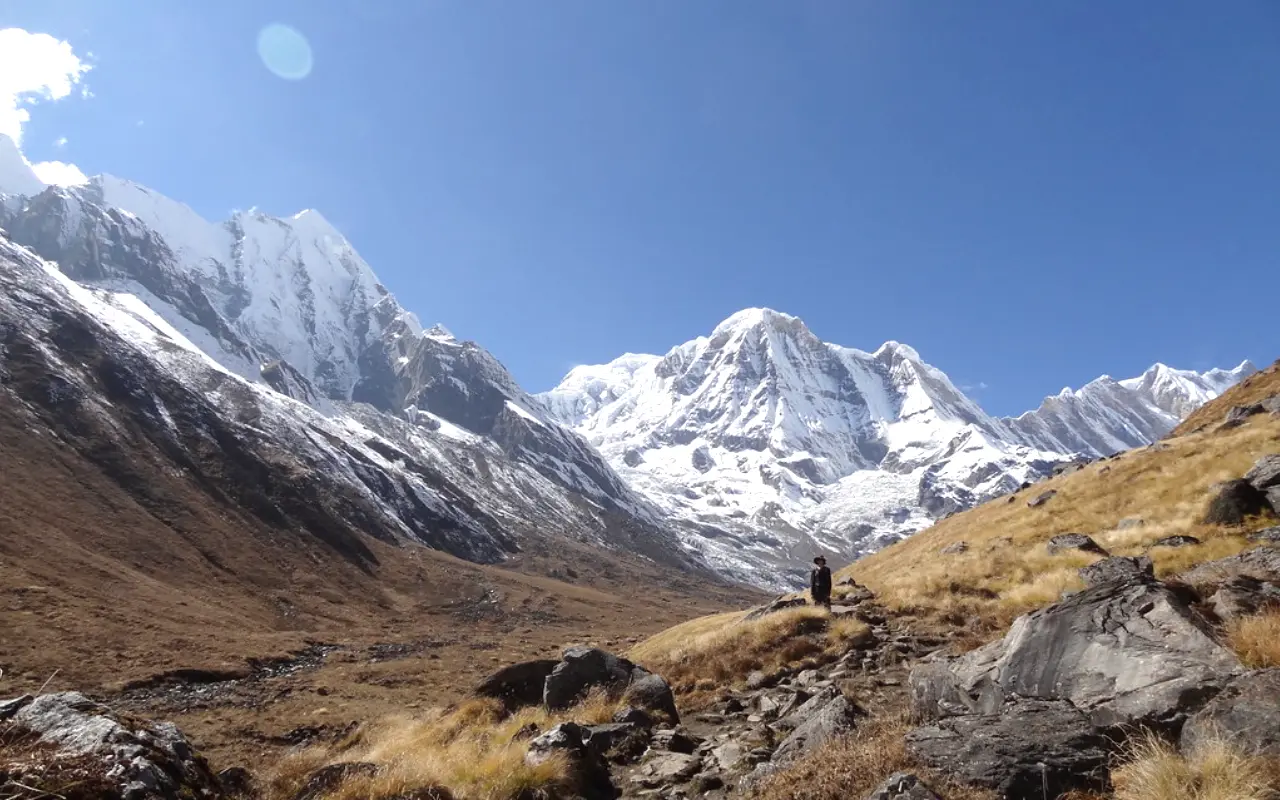
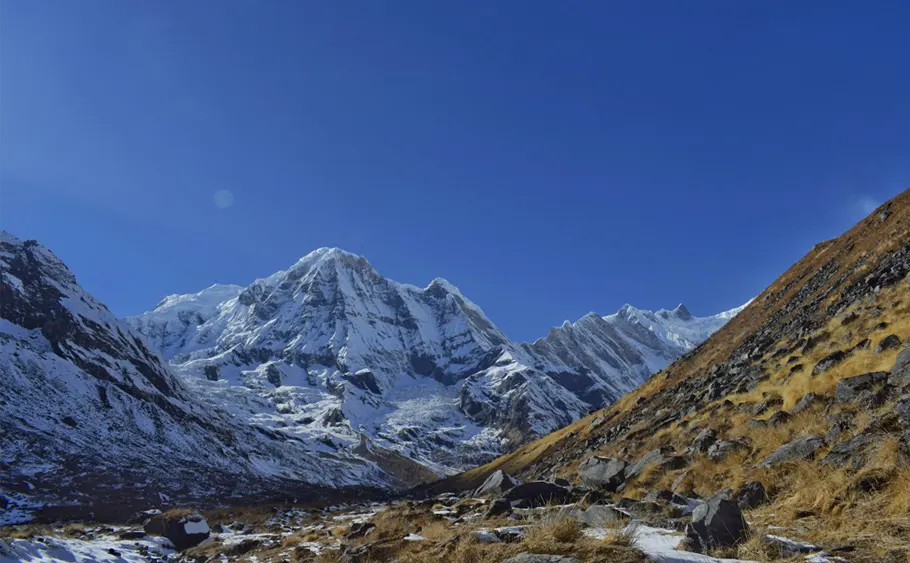
Mount Annapurna
Mount Annapurna

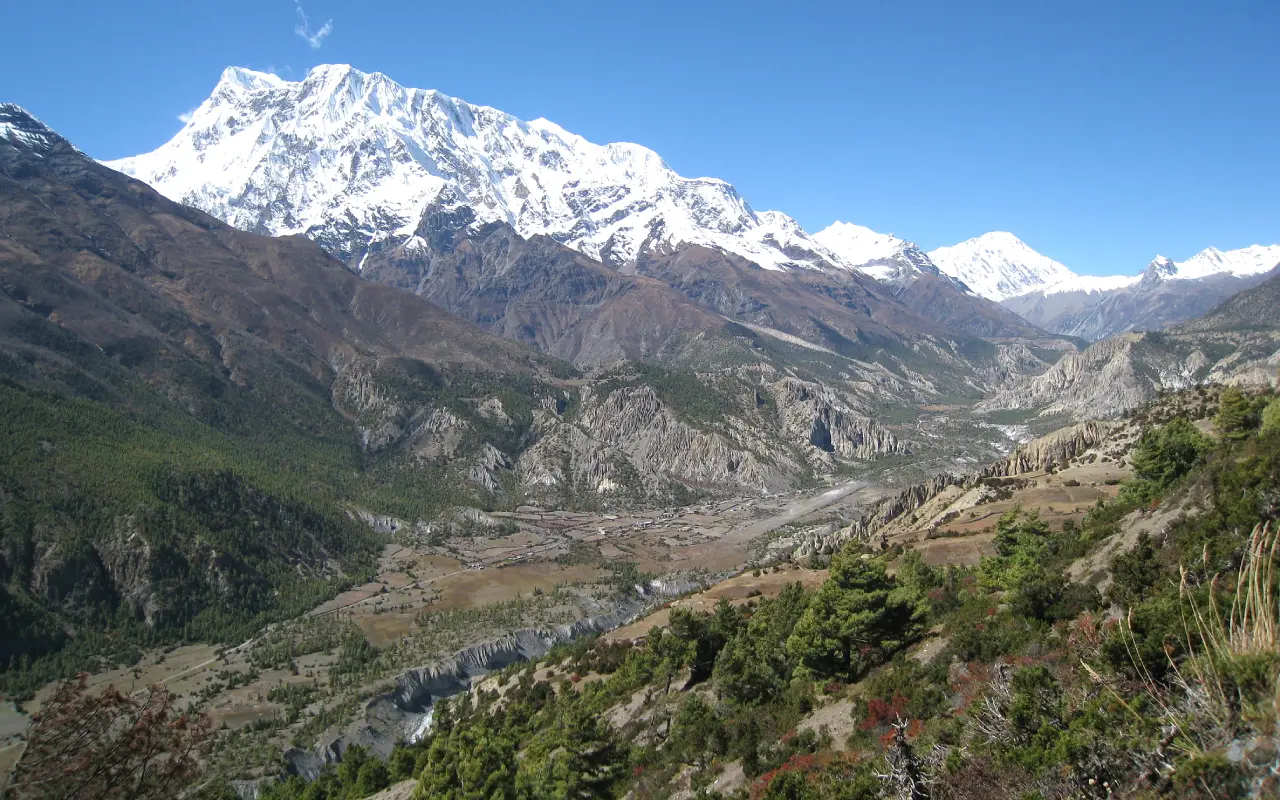
The Annapurna vicinity is known for its several landscapes, from lush forests to arid valleys, and iconic trekking routes which contain the Annapurna Circuit and the Annapurna Base Camp trek. The best time to trek within the Annapurna location is within the fall months, from September to November, and in the spring, from March to May.

During these seasons, the climate is moderate, with blue skies and favorable temperatures, making it best for trekking. The rhododendrons bloom in spring, such as a sprint of color to the panorama, at the same time as autumn gives lovely views of the snow-capped peaks in opposition to the blue skies.

Trekking in the monsoon season, from June to August, isn’t always encouraged due to heavy rainfall and the hazard of landslides and flooding.

3. Langtang Region:

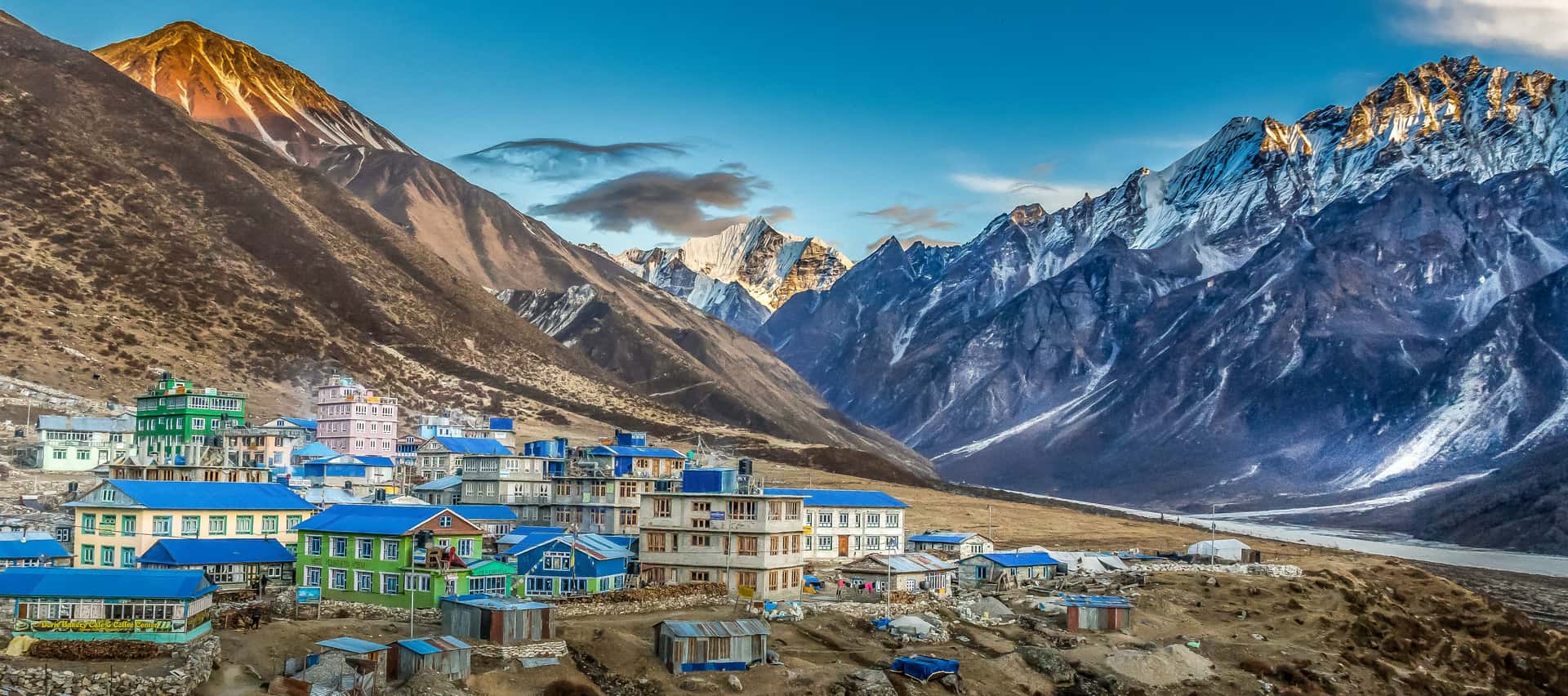
Nature reserve Langtang valley

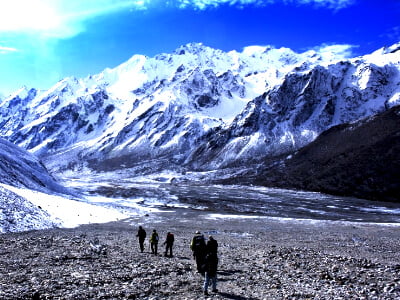
The Langtang Valley area is not as vulnerable to snow or avalanches. This method the treks just like the Langtang Valley Trek and Manaslu circuit are open in the pre-monsoon season. It’s a terrific time to hike as temperatures are milder and the paths are less crowded.

These regions also are open for hiking over the cold months. Over summer time, the paths get muddy and the weather can be uncomfortable and humid. The trails are also much much less crowded in comparison to other famous hiking places, supplying an extra peaceful and immersive revel in nature.

Winter trekking within the Langtang area is likewise feasible, with fewer travelers and lovable perspectives of the snow-capped peaks. However, trekkers need to be prepared for cold weather conditions and icy trails.

4. Mustang Region:

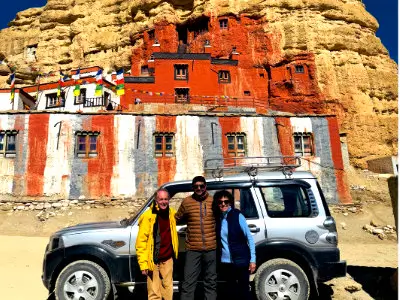
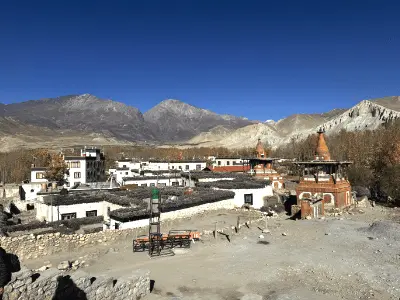
Upper Mustang (Tsarang Palace)

The Mustang vicinity, or the “Forbidden Kingdom,” is a rural placed in the shadow of Himalayas. The best time to trek in the Mustang region is the fall months, from September to November, and in the spring, from March to May.

During those seasons, the climate is dry and favorable, with smooth skies and mild temperatures, making it perfect for hiking. The panorama is arid and rugged, with an adorable wilderness-like environment, historical monasteries, and old Tibetan life.

Winter trekking in the Mustang area is likewise viable, with fewer tourists and clearer views of the snow-capped peaks. However, trekkers need to be organized for cold temperatures and icy trails.

5. Upper Dolpo Region:

Himalayan mountain Landscape in Dolpo region

The Upper Dolpo vicinity is a rural location located within the a far western part of Nepal. The ideal time to trek in the Upper Dolpo location is in the autumn, from September to November, and in the spring, from March to May.

Dolpo areas are simply out of the rain shadow. These regions don’t experience the everyday monsoon downpours. Many of the routes are still accessible within the summer season months.

6. Far Western Region/ Humla

Humla
Humla

The far western region of Nepal is one of the least visited areas of the country. The high-quality recognized trek is the Limi Valley Trek. The Humla region is out of the doors of the monsoon place in a rain shadow and lots of people trek here over summer time (June to Sept).

It is possible to trek this trail for most of the year besides icy weather (December-February) whilst snow covers the passes.

7. Rara National Park

Rara Lake, Mugu District

Rara National Park is home to Nepal’s biggest lake, Rara. This area is busy over the warm summer. The Rara Lake Trek is best in Spring (March-May) when the rhododendrons are in bloom and the panorama is at its prettiest. September to November is top season and the paths get very busy. Early iciness (December) is also feasible for trekking.

8. Dhaulagiri Region

Mt. Dhaulagiri
Mt. Dhaulagiri

The Dhaulagiri area and the Dhaulagiri circuit is a pleasant trek in Autumn and Spring. During different times of year, weather situations can be too cold or too warm and humid with a high chance of landslides.

9. Kanchenjunga area

Mt Kanchanjunga
Mt Kanchenjunga

This high-mendacity location is best hiked before or after the monsoons. Trekking season is autumn (September to November) and spring (March to May). In the fall months, the monsoon season has ended, and the skies are clear, offering beautiful views of the Kanchenjunga massif and some of the world’s highest mountains.

The best time for trekking in Nepal varies by location, with autumn and spring usually being the most favorable seasons for trekking inside the path of maximum areas. However, every season offers a completely specific experience, and trekkers should keep in mind their options, hobbies, and level of experience while making plans for his or her hiking journey in Nepal.

Whether you are attracted to the towering peaks of the Everest place, the various landscapes of the Annapurna vicinity, or the barren area of Upper Dolpo, Nepal offers a hiking revel in like no exclusive, with some element to offer for every adventurer.

When to Avoid Trekking in Nepal: Explore the Seasons and Their Challenges

Trekking in Nepal is a great journey, however, there are times even as it is the best time to prevent yourself from hitting the paths. Understanding the seasons and their challenges lets you plan a secure and enjoyable trek.

1. Monsoon Madness: June to August

During the monsoon season, from June to August, there is heavy rainfall and humid situations in Nepal. Trekking at this time may be hard and probable dangerous due to muddy trails, leeches, and the risk of landslides and flooding. The heavy rain should make the trails slippery and tough to navigate, growing the chance of injuries.

Moreover, the monsoon season brings low visibility, obscuring the lovable mountain views that trekkers come to Nepal to peer at. The regular rain also can soak down spirits and make tenting uncomfortable. Trekking during the monsoon season isn’t always advocated for most human beings, specially the ones looking for clean mountain perspectives and mild hiking situations.

2. Winter Woes: December to February

While winter trekking in Nepal can provide quieter trails and lovable snowy landscapes, it moreover comes with its challenging situations. From December to February, the higher elevations of Nepal revel in freezing temperatures and snow blurry, making trekking difficult in some areas.

Trails can be icy and slippery, offering a risk of slips and falls for trekkers. Additionally, the cold climate may be harsh, particularly at night time, requiring proper equipment and instruction to live warm and secure. The reduced daylight hours in winter however limit the quantity of time to be had for trekking each day.

However, a few lower altitude treks, collectively with the Ghorepani Poon Hill trek and the Everest Panorama trek, are accessible all through the winter months. These treks offer beautiful scenery of the snow-capped mountains along with clean blue skies, making them a feasible opportunity for those willing to experience the cold.

3. Shoulder Seasons: March, April, September, October

The shoulder seasons of March, April, September, and October can be perfect for hiking in Nepal. While these months offer mild weather and clear skies, moreover they coincide with the adverse changes between seasons, leading to unpredictable climate situations.

In March and April, during the end of winter, the trails can carry snow and cold temperatures to higher elevations, while in lower altitudes, you can enjoy occasional rain showers. Similarly, in September and October, the end of the monsoon season can convey intermittent rainfall and cloudy skies, especially within the afternoons.

Despite these demanding situations, hiking during the shoulder seasons can nevertheless be profitable, especially for those in search of quieter trails and less crowds. However, it is crucial to be organized for several weather conditions and to figure out warning signs when trekking all through those transitional seasons.

Even as Nepal offers fantastic trekking possibilities during the whole year, there are times you must avoid to-go for trekking. The monsoon season, with its heavy rainfall and chance of landslides, comes with many challenges for trekkers and is typically averted.

Similarly, winter trekking in Nepal requires the right gear and training to cope with extreme cold temperatures and icy trails. During the shoulder seasons, trekking continues to be feasible but can be harsh due to unpredictable weather change.

Regardless of when you plan to trek in Nepal, usually prioritize safety and be organized for the demanding situations. By understanding the seasons and their associated dangers, you could plan a trekking adventure that is safe, enjoyable, and unforgettable.

The Final Wrap Up

Nepal offers lots of trekking alternatives all year round, and every season has its special matters to see. If you love seeing plant life blooming, spring is the time to head. If you want to admire mountain views, autumn is the best. And in case you want to experience peaceful snowy landscapes, winter is notable.

Autumn and spring are the best times for trekking in Nepal because the climate is favorable, the skies are clean, and you can see the Himalayas sincerely well. But a few people like trekking in the monsoon season or in winter for distinct reasons. No matter what you cross, Nepal has beautiful nature, interesting culture, and friendly people to make your trek unforgettable.

So, whether you’re making plans to trek to Everest Base Camp, Annapurna Circuit, or some remote trekking, simply move whenever you adore it. The Himalayas are waiting to amaze you, irrespective of the season!

Everest Base Camp Trek in October a complete guide

Everest Base Camp Trek is one of those treks, that takes you to the home geography of the highest peak in the World Mt.Everest. Also known by its short name EBC Trek, It is located over the unique and diverse geography of the Everest Region of Nepal.

As a home to the highest peaks It gained the attention of travel enthusiasts and tourists from all over the world but after further visitors and trekkers explored the region, It became one of the most visited regions attracting a huge number of tourists and adventure seekers.

It consists of the astonishing beauty of the great Himalayan landscapes and mountains holding the highest altitude. It is also known as a high altitude tourist attraction, as it offers you several adventures, climbing, and trekking which cover high altitudes.

Yellow colored tents and Prayer flags at Everest Base Camp trek in October
Yellow-colored tents and Prayer flags at Everest Base Camp

Everest Base Camp Trek allows trekkers to explore the nature of the Himalayas and the ethnic culture of the different local communities of the region. It also provides trekkers an opportunity to challenge and to have a look at their abilities with various trekking, climbing, and hiking options.

The trekking routes consisting of Himalayan geography, traditional villages, ethnic communities, and farmlands with traditional farming styles make it a diverse trekking region. It is diversely filled with unique flora and fauna and high altitude Himalayan ecosystem. It also provides trekkers an opportunity to experience a little quarter of a climbing expedition.

The journey of Everest Base Camp Trek begins from the small Himalayan town of Lukla and ends at the foot of Mt.Everest covering an altitude of 2800m to 5364m of elevation from sea level. This trek gives you a huge opportunity to witness and explore different perceptions of nature and lifestyle. The region is also home to the ecosystem and the wildlife of the cold region.

Here, We are about to provide you with some insights about the Everest Base Camp Trek in October. In October, winter is about to start and it is considered one of the very beneficial times to explore the Everest Region and its diversity.

At, the beginning of winter the crowd starts to decrease because of the usual increase in the cold. And another good thing is you should not tackle the cold like in December and January to avoid the crowds. So, let’s talk about some advantages and benefits as well as some factors during the Everest Base Camp Trek in October.

Some advantages of Everest Base Camp trek in October

View from Mt Everest Base camp

Suitable Weather

In October, you will have very suitable weather and a stable climate. You will find warm sunlight during the day and a mild cold at night. Because of the clear weather and clear sky, you can have a chance to witness different stars, constellations, and galaxies over the highest peaks in the world. It is going to be your once-in-a-lifetime experience.

The trek is also more scenic than any other month of the year. This is one of the great advantages of Everest Base Camp Trek in October.

Festival

This month the biggest festival of Nepal Dashain and Tihar falls, which is celebrated 15 days and 5 days respectively. You can guess how big this festival is for Nepalese people. You can have an opportunity to enjoy the festival and explore more about the culture of Nepal people.

To enjoy and explore more about the festival you can stay in homestays which you can find plenty number of on the trail of EBC Trek. It is also a great time to interact with local communities as they make themselves freer than usual to celebrate the joy and the culture of a great festival. So, this is also an advantage during Everest Base Camp Trek in October.

Colorful Landscape

Another, of the adventures of Everest Base Camp Trek in October is its colorful landscape, Autumn is in its way which makes different plants gain its warm hue of leaves. It makes the landscapes colorful with the backdrop of snowcapped mountains and the blue sky. You can imagine how scenic it can be. It is also one of the best things attracting visitors during October.

Clear Sky

During October, you will find the Everest Region under the clear sky and with great visibility, which allows you to see the view of distant scenery too. You can witness different highest peaks from different viewpoints. It is also a great opportunity to enjoy the distance views with peaks over the colorful landscapes. It is also another advantage of Everest Base Camp Trek in October.

Photographic Trek

As it is obvious to get the most photographic scenic trek with such clear skies and the colorful background of great hilly landscapes beneath the great mountains. It is also good to walk through the beauty of Himalayan nature.

Trekkers and visitors also enjoy the great view of clouds and clear rivers as rainfall is very rare during this season. So, don’t forget to grab your camera during your Everest Base Camp Trek in October.

Interacting with people from around the world

Everest Base Camp Trek is undoubtedly one of the most diversely visited places by people from all around the world. It gets a little bigger crowd than in the offseason but some trekkers also take this advantage to interact with the people from different countries walking through the Himalayan geography. It can be a chance to interact with different people from all around the world and share their culture and lifestyle.

So, you can also use this as an opportunity during Everest Base Camp Trek in October.

Everest Base Camp
Everest Base Camp

Some disadvantages of Everest Base Camp trek in October

Crowd Trails

If you do not like the crowed paths and routes during your trekking experience then it can be your bad experience. In October, Everest Region gets its peak beauty which also attracts a lot of people from different parts of the world. It makes the trail and routes of the trek more crowded and busier than usual. Sometimes it also gets hard to find spots to get some rest. So, it can be your disadvantage during Everest Base Camp Trek in October.

Problems in Accommodation

Even though Everest Trek is filled with a huge number of teahouses and guesthouses it is hard to find and manage a place to stay in those accommodation options. The huge crowd made them all packed for the whole month and the month after October. You also can face a little poor service from the guesthouses during this month due to the packed rooms and with few numbers of staff, the guesthouses also face problems to provide you with proper services.

It also becomes hard to get proper sleeping essentials as the owners of stays are unable to provide you because of the unexpected arrival of tourists sometimes. Sharing a packed room also arises and it can be bad for you if you care about your privacy more. It is also hard to get spots for camping if you are planning for a camping option during your Everest Base Camp Trek in October.

Flight and Transportations

The easiest way to get to the Everest Region for trekking is getting a flight to Lukla. But unfortunately, only a flight from Kathmandu goes there.

During October a huge number of tourists head towards Lukla. The flights are also very low as compared to the number of people heading towards Everest. It makes it hard to maintain the air tickets for all in a short span. So, it gets really hard to find a flight to the Lukla, on your scheduled plan and date. It can affect your experience as you may have to wait for even days to get a flight to Lukla.

The other option of public transport up to Salleri also gets unusually packed because of large of local people also use it during October as the culture of buying and visiting relatives during the great festival happens. So, it is another disadvantage of Everest Base Camp Trek in October.

Rise in Price

During October, with the arrival of a huge number of tourists makes an opportunity to earn more for the Himalayan people as they have very less opportunities to earn a living in the area. So, you should tackle the rise of pricing in accommodation, food, and other essentials you can find in trekking routes.

You also find the trend of packages from traveling agencies getting arise. Flight tickets have also risen in price than in other seasons. If you are in a group it makes a pretty big spending difference than in other seasons. And if you are a budget traveler then It can be difficult for you to manage. It is a problem to tackle during your Everest Base Camp Trek in October.

Little Insights about Everest Base Camp Trek

  • It lies in the Everest Region, geographically covering the area of the Solukhumbu district of Nepal, which is very rich in natural features and the tradition of ethnic communities from the Himalayas. The region is a great chance to witness unique culture in practice and a taste of local cuisine.
  • The Everest Base Camp Trek begins from the small beautiful town of Lukla and ends at Base Camp beneath the summit trail of Mt.Everest. you can also start your journey after the stay in Namche Bazar, a very unique Himalayan town which is situated at a high altitude. You can see these types of managed tow at such altitudes in the world very rarely. The EBC trek consists of the enormous beauty of rivers, clear lakes, and untouched glaciers. Keep in mind sometimes it gets muddy if a pretty big monsoon happens. Astonishing massive mountain views of the region can be enjoyed throughout the journey.
  • There are enough teahouses and guesthouses for accommodation if you want to have an experience of tasting local cuisine and foods. It is also a good option over the option of camping. It may help you to reduce the burden weight of camping gear and equipment if you find them uncomfortable or unusual to carry during your Everest Base Camp Trek in October.
  • The area is always visited by foreign and local visitors so, you should not worry about the hospitality and services of the people. You can interact with them with no hesitation and can talk and interact with them about their living culture and different lifestyles. Even they are happy to share their traditions with you.
  • Besides the advantages and disadvantages of Everest Base Camp Trek in October, you will experience the warm air of the Himalayas. You will encounter the astonishing beauty of the Himalayan range, breathtaking natural walks, walks over remote paths, suspension bridges, ascending and descending stone stairs, and a unique scene of yaks and donkeys carrying goods and packages from Towns to villages and remote towns of the Himalayan region.

Some Tips

  •  During October it is obvious to have poor services due to the arrival of tourists as mentioned above. So, it is necessary to adjust yourself to limited services from teahouses, homestays, and guesthouses. Therefore we recommend not arguing about or complaining about services as it is also hard to bring goods and packages to remote places like teahouses and guesthouses in Everest trails due to the lack of transport infrastructure even in less crowded seasons. So, the problem increases more while it gets more arrival of people during Everest Base Camp Trek in October.
  • As we talked about above sometimes it gets unusually packed during October as a large number of trekkers come to enjoy the colorful beauty of Everest Landscapes. You will encounter the routes and paths that are all filled with trekkers. So we recommend you not to use your equipment and gears if not necessary as it may harm others and yourself too.
  • We recommend you carry your private camera by yourself rather than rely on a group camera. It is going to be one of the most scenic journeys of your life and we all know everybody wants to keep such memories by themselves. So, carry your own and do not regret it later.
  • Do not use alternative routes without the concern of your guide or the group to avoid the crowds. The Everest Base Camp Trek is diversely filled with enormous Himalayan geography which is sometimes very difficult to figure. So by not taking alternatives you can avoid possible troubles for you.
  • Always carry first aid during your trekking journey and some basic medical support. It applies not only in the EBC trek but in all treks you are about to do. Besides that Everest Base Camp Trek lies in proper Himalayan geography so, It brings lots of aspects that can carry you some risks. So, it is most necessary to carry these essentials with you even if it gains you more weight in your backpack.

FAQ’s

•Is October the best time to visit Everest Base Camp Trek?

Most of the trekkers claim it is. So it gets a huge crowd of tourists during October. But it hugely depends upon your interest and what features you want to enjoy during your trek in the Everest Region. Tourist who wants to enjoy scenic Nepal visit during October and nature enthusiasts who want to explore more of nature prefer off-season which falls during mid-winter.

•Which currencies can I use during the Everest Trek?

You can only use Nepalese currencies. You cannot use any other currencies from your native countries. You can exchange them in Kathmandu or Pokhara with international exchange rates.

•What is the difficulty level of Everest Base Camp Trek?

Most consider It as moderate in difficulty. But it can be stannous during the winter. As it gets extremely cold the snowfalls make the routes more difficult to walk and slippery over the high sloppy hills and cliffs. But still adventurous trekkers trek during the winter season.

•What permits do I need to get access inside the Everest Base Camp Trek?

You need two permissions from the relative Boards. One permit from TIMS( Trekking Information Management System) from the Tourism Board of Nepal and one permit from Sagarmatha National Park permit from the relative office.

•Can I have a solo trek inside the Everest Region?

Unfortunately, No. The group of trekkers of at least two members is mandatory. Solo trekking in Nepal has been banned by the Nepal Government from the recent last year 2023, considering the safety of trekkers and some advantages for tourism in Nepal. But you can still hike solo if you are taking a guide or potter with you.

•Is Everest Base Camp Trek suitable for beginners?

Yes. As it does not need any technical climbing skills it can be suitable for beginners. You have to tackle the walk of several hours per day but don’t worry the scenic journey will help you to reduce your walking stress during the Everest Base Camp Trek in October.

•Is it suitable for budget travelers too?

Yes. It is suitable for budget travelers too. If you can maintain your spending during your journey you can save a very much gap than spending than the average spending of trekkers on this trek.

Conclusion

So, we recommend some of the advantages and disadvantages of the Everest Base Camp Trek in October. We also mentioned some features and insights about the Everest Base Camp Trek in October to have a look inside it to make your pick easier.

The Everest Region is diverse with its beauty and the economy of flora and fauna and covers unique high-altitude wildlife in itself. So, make it your once-in-a-lifetime experience exploring them all. But you will never know without trying by yourself or giving a chance to witness to yourself. We only provide you with a little information about what it is about Everest Base Camp Trek. So, do not make yourself late and get yourself out and give it a try. Enjoy!

Nepal Tea House Trek – A Complete Guide

Getting ready for a tea house trek in Nepal is like heading on the adventure for a lifetime experience. You’ll get to see attention-seeking natural scenes, enjoy extraordinary cultures, and make memories you’ll never forget. Nepal Tea House Trek is special from regular tenting journeys because you get to stay in small teahouses in place of tents.

Scenic View from Tea house

Whether you are hiking to the lowest of Mount Everest or exploring the Annapurna vicinity, the Nepal tea house trek provides a thrilling experience through several top stunning mountains in the world.

What is a tea house trek in Nepal?

Visiting a tea house trek in Nepal is like going on an adventure that takes you through stunning mountains and beautiful villages. Instead of staying in tents and camping, you live in small hotels referred to as tea houses along the way. These teahouses are relaxed places to loosen up, devour, and sleep on the tour.

Imagine waking as much through breathtaking views of snow-capped mountains and lush forests of colorful vegetation. During the tour, you meet friendly locals who run teahouses. You will be welcomed with smiles and mouth-watering meals, supplying you with a perception of their subculture and traditions.

One of the most pleasing facts about the Nepal tea house trek is that you don’t need to bring food and heavy equipment. You can enjoy the lovely landscapes of Nepal without crafting a tent or cooking. It’s an amazing way to discover the Himalayas whilst feeling the warm temperature and hospitality of the locals.

An Untold History of Tea House Trek in Nepal

The history of the tea house trek in Nepal is linked to the country’s geography, culture, and tourist needs. Before the Nepal Tea House Trek, trekkers had to camp in tents and carry their food and equipment, making it inaccessible to the Himalayan trails.

In 1964, Jimmy Roberts led his first trip to Nepal with Mountain Travel. At first, the trip was like a camping trip, supporting the needs of the group. This is similar to how people used to climb mountains.

Some tourists ventured into the mountains and lived in local houses. In the 1970s, when more people arrived to travel, these dwellings were converted into teahouses. In the 1980s, there were many tea houses in the main trekking areas of Nepal.

These teahouses provided lodging and food for travelers. They have become an integral part of the travel experience in Nepal. The Jimmy Roberts walk in 1964 started it all. From tenting or staying in tea houses, hiking in Nepal has changed a lot over time.

Trekkers can now live more comfortably alongside the paths, making the trekking journey easier and more enjoyable. The idea for the Nepal Tea House Trek came about when locals started providing shelter and special meals to hikers along popular walking trails. These accommodations were usually simple tea houses or inns, providing weary travelers with a place to rest and eat.

Over time, tourism in Nepal increased and teahouse infrastructure improved dramatically. Locals invested heavily in their accommodation to meet the needs of travelers, providing comfortable rooms, hot water, and a variety of food. This development has revolutionized travel in Nepal, making it more convenient and enjoyable for the general public.

Today, Nepal tea house treks are the most popular way to explore the Himalayas. Hikers can revel in the outstanding scenery and wealthy tradition of this place and revel in the comfort and convenience of staying at local tea houses along the way.

This unique mixture of journey and hospitality continues to attract tourists from all over the world to Nepal’s Himalayas.

Facilities you can get in the Nepal Tea House Trek? Get Ready for an amazing adventure!

Get ready for an extraordinary adventure in Nepal with Nepal Tea House Trek! You’ll hike through beautiful mountains and adorable villages, staying in cozy tea homes with at-ease bedding facilities.

Try on tasty Nepali dal bhat and different yummy dishes whilst speaking to new friends. Some tea houses have Wi-Fi and locations to charge your gadgets. Just remember to drink lots of water, be respectful, and be careful of altitude problems.

With proper plans and a love for the journey, your Nepal Tea House Trek might be an incredible journey you’ll never neglect!

1. Facilities at Tea Houses:

a. Accommodations: Tea houses provide primary accommodation facilities with beds, blankets, and pillows. Rooms are frequently simple and can be shared with different trekkers.

b. Dining Areas: Most tea houses have communal eating areas wherein trekkers can enjoy their food and socialize.

c. Common Areas: Some tea houses offer cozy common areas with seating preparations wherein trekkers can relax, read, or chat with fellow travelers.

d. Hot Showers: While not necessary it should be in all tea houses, some do offer warm bath facilities at a very affordable rate.

e. Charging Points: Charging facilities for digital gadgets which include cameras, telephones, and batteries are also available at a few tea houses, even though they may also charge a bit for this service.

2. Accommodations:

a. Rooms: Accommodation in tea house treks may vary from simple rooms with more than one bed to non-public rooms with varying amenities.

b. Bedding: Beds generally come with blankets, but it is beneficial to have a sleeping bag for heat, in particular at higher altitudes.

c. Shared Facilities: Most tea houses have shared restrooms, which can be squat toilets or Western toilets. Hot showers can be available, but it’s no longer assured at all locations.

3. Toilets:

a. Toilet Facilities: Tea houses commonly have shared lavatory centers, which can be primary without running water facilities in a few rural areas.

b. Sanitation: While lavatory cleanliness can vary, it’s beneficial to bring your toilet paper and hand sanitizer.

c. Altitude Considerations: At high altitudes, toilet facilities can be more basic, and it’s critical to comply with efficient waste disposal practices to minimize environmental effects.

4. Food and Drink:

a. Meals: Tea houses usually provide food on a set menu, imparting several Nepali and famous dishes.

b. Dal Bhat: Dal Bhat, a cultural Nepali meal that includes rice, lentil soup, veggies, and meat, is a staple in many tea house menus.

c. Beverages: Tea, coffee, warm chocolate, and hard beverages are typically available. Alcoholic liquids can be available at some tea houses for an additional cost.

d. Dietary Restrictions: Tea houses can usually accommodate nutritional restrictions together with vegetarian, vegan, or allergies with earlier notice, although alternatives may be restricted in rural areas.

5. Internet and Charging:

a. Internet Access: While a few tea houses can also provide Wi-Fi, especially in famous hiking areas, the connectivity may be slow and unreliable.

b. Charging Facilities: Charging points for electronic devices are available at some tea houses, normally after paying a small fee. It’s good to bring a power bank for backup charging, mainly in backward areas with no electricity.

6. Additional Considerations:

a. Altitude Sickness: Altitude sickness is a common problem in the route of high-altitude treks. It’s critical to acclimatize well, live hydrated, and be cautious of the signs of altitude infection.

b. Trekking Permits: Trekkers need to be allowed for top hiking routes in Nepal. These let in assist tourism and promote conservation efforts inside the area.

c. Weather: Weather situations in the mountains can be unpredictable, so it’s important to be prepared for sudden changes in temperature, precipitation, and visibility. Dressing in layers and physique training is essential.

d. Waste Management: Responsible waste control is essential to preserve the beauty of the trekking routes. Trekkers must take out all non-biodegradable waste and follow Leave No Trace standards.

7. Hydration and Water Sources:

a. Drinking Water: While bottled water is expensive to buy at tea houses, it’s more environmentally friendly and cost-effective to apply water purification methods inclusive of purification filters. Many tea houses offer boiled water so that you can fill up your reusable bottles by paying a small price.

8. Trekking Gear and Equipment:

a. Packing Essentials: In addition to a hiking device along with high-quality trekking boots, comfortable wear, and a backpack, don’t forget to bring devices like a headlamp or flashlight, trekking poles, sunscreen, lip balm with SPF, and a first aid kit.

b. Renting Gear: If you have no money to buy the trekking device, you can hire devices together with baggage, down jackets, and trekking poles in important trekking hubs like Kathmandu or Pokhara before beginning your trek.

9. Local Culture and Customs:

a. Respect Local Customs: While hiking through rural villages, it is critical to respect the neighborhood traditions and customs. This includes dressing modestly, soliciting for permission earlier than taking photos of human beings, and being aware of community traditions and customs.

b. Greetings: Learn a few greeting Nepali phrases such as “Namaste” (what’s up/goodbye) and “Dhanyabad” (thanks) to greet locals and show admiration for their subculture. Engaging with locals in their native language can decorate your cultural experience and foster fine interactions.

10. Ready for Emergency Preparedness:

a. Emergency Contacts: Prepare a list of emergency contacts, with all the contact info of neighborhood authorities, hiking businesses, and facilities alongside the hiking trail. Ensure that a person knows your day-to-day itinerary and may assist in case of an emergency.

b. Altitude-related Emergencies: Try not to ignore the signs and symptoms of high-altitude illnesses. If you or someone in your organization suffer from altitude sickness along with respiration problems, severe headache, or nausea, try to move immediately at low altitude and seek medical assistance.

c. Travel Insurance: Consider travel insurance that covers emergency evacuation and remedy. Make certain to observe things to understand what’s covered and how to make an announcement in case of an emergency.

Top 5 Best Teahouse Treks in Nepal you must go for adventure

Teahouse Trekking in Nepal has grown to be very famous, offering trekkers with relaxed inns and warm hospitality along the way. Gone are the days of lugging heavy camping tools; now, you can revel in the stunning landscapes even while staying in teahouses dotted alongside the trails. Here are some most-loved Nepal tea house treks you should not miss:

1. Everest Base Camp

The Everest Base Camp Trek is one of the most famous tea house treks in Nepal and throughout the world. On this trek, you will not only see Mount Everest, but also different extraordinary mountains consisting of Cho Oyu (8201m), and Lhotse (8560m).

The trekking routes are well-maintained, and the tea house accommodations are pretty comfortable. You can get a cup of warm cappuccino and a French pastry in Namche Bazaar, with a lovely mountain vista. Everest Base Camp trek is not any surprise as it’s an attractive tourist spot.

However, in the route of peak seasons (Oct-Nov and Mar-May), this teahouse trek is regularly crowded with tourists. If you don’t want to face the crowds within the Everest region, there are several alternatives alongside the Gokyo trek and the Everest Three Passes Trek.

2. Annapurna Circuit Trek

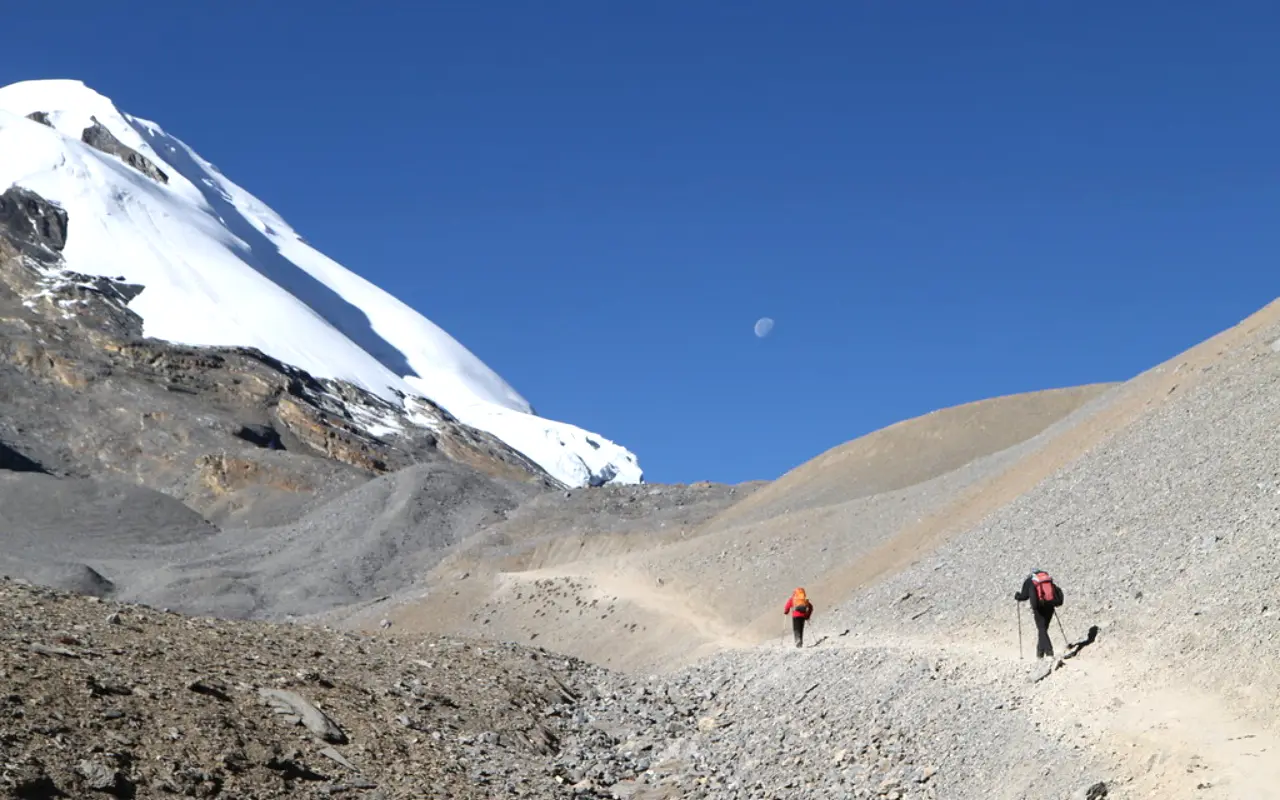
For some years, the Annapurna Circuit has remained a desired trekking route in Nepal, supplying an array of cultural encounters and delightful landscapes. Passing through breathtaking scenery encompassing terraced fields, lush forests, and high-altitude Tibetan communities, the path culminates within the awe-inspiring view of Mustang’s semi-barren region terrain after traversing Thorung La Pass at 5,416 meters.

Throughout the trek, trekkers can appreciate the sight of the Annapurna variety from diverse vantage points. With its properly appointed tea homes, meticulously maintained trails, and delectable apple pie, this trek guarantees a profitable experience for adventurers.

3. Manaslu Circuit Trek

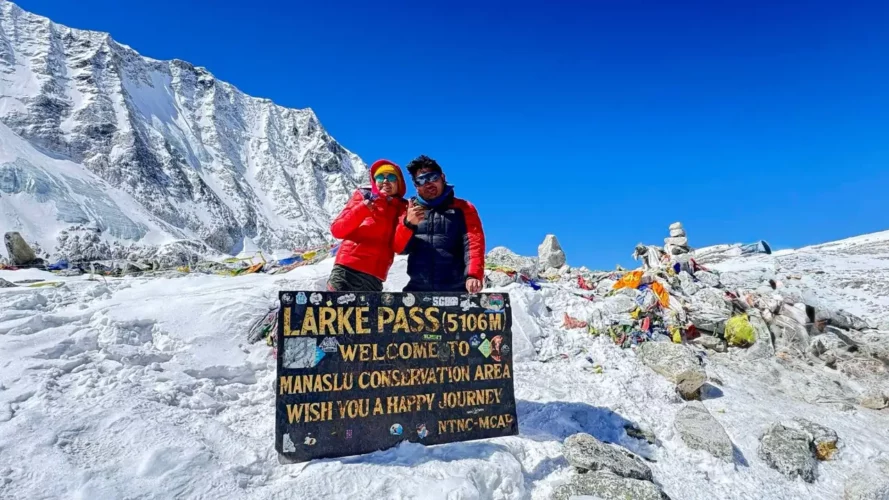
The Manaslu Circuit Trek encircles the sector’s 8th peak, offering an interesting journey via far-off trails adorned with exhilarating suspension bridges and right Tibetan villages. Emerging as actually one of Nepal’s best treks, it’s gradually gaining popularity over the Annapurna Circuit Trek. A pleasant surprise of this journey is the exhilarating crossing of Larkya La pass at 5125 meters, boasting breathtaking vistas of Mt. Manaslu, Himal Chuli, Annapurna II, and distinctive majestic peaks.

While the tea residence motels alongside the Manaslu Trek won’t be similar to those in the Everest and Annapurna regions because of its secluded place, the rugged but captivating scenery of the trek makes it a rewarding experience.

4. Langtang Valley Trek

The Langtang Valley Trek stands proud as an extraordinarily desired tea house trek in Nepal, renowned for its picturesque landscapes and immersive cultural studies. Passing through rhododendron forests, cascading waterfalls, and verdant hillsides, trekkers are offered to enjoy vistas of Langtang Lirung (7516m).

Following the route of the Langtang River, the journey leads to Kyangjin Gompa, adorned with Buddhist stupas and old Tibetan inns, presenting glimpses into the rich heritage of the Tamang folks who call this vicinity domestic.

This trek offers a satisfying mixture of Nepal’s greatest tea residence trekking stories at slight elevations. With its lovely scenery and warm hospitality of the locals, the Langtang Valley Trek guarantees an actually rewarding adventure. Moreover, the itinerary for this trek may be without problems custom designed to fit man or woman alternatives.

5. Ghorepani Poon Hill Trek

Experience the splendor of western Nepal on the Ghorepani Poon Hill Trek. Not only will you be captivated by the natural wonders, however you’ll also get to study the traditional culture of the Magar and Gurung companies whilst staying in famous tea houses along the trail.

These Nepal tea house treks offer an excellent combination of journey, lifestyle, and comfort, making them ideal for trekkers of all tiers. Tea Houses alongside the trail offer fundamental yet snug lodging, permitting you to immerse yourself within the calmness of the Himalayan desert.

Each of these tea house treks in Nepal gives its awesome beauty and adventure, making them unforgettable reviews for trekkers from around the sector.

Merit/demerits of Nepal Tea House Trek using simple language

Sure, let’s delve into the merits and demerits of tea house treks in Nepal:

Merits of Nepal Tea House Trek

1. Convenience: The Nepal tea house trek is convenient because you don’t need to bring tenting gear or food. Tea houses alongside the path offer lodging and meals so that you can enjoy the trip without annoying baggage.

2. Cultural Experience: Staying within the tea houses allows you to immerse yourself in the culture and engage with Nepali locals. You can find out their existence, traditions, and customs.

3. Affordability: Nepal Tea house treks are affordably-priced than organized tenting because the lodging and meals within the tea houses need to be paid for and this offers a huge variety of tourists with various budget ranges.

4. Flexibility: Unlike organized camping journeys, Nepal tea house treks provide flexibility in itinerary and tempo. You can determine how far you need to walk every day and adjust along the way based on your alternatives and physical situation.

5. Scenic views: Many tea house treks in Nepal offer breathtaking perspectives of the Himalayas, landscapes, and old villages and you may have lots of possibilities to respect the natural beauty of Nepal as you move from one tea house to every other.

Demerits of Nepal Tea House Trek:

1. Limited Facilities: Although tea houses provide basic accommodation and food, they will lack certain facilities as compared to resorts or inns in city areas. In remote regions, services that include warm showers, electricity, and Wi-Fi are limited or non-existent.

2. Crowds: Popular tea house treks in Nepal like Everest Base Camp and Annapurna Circuit can get crowded all through the trekking season. This can create inaccessibility to lodging and restaurant options for teahouses, mainly in regions with heavy traffic along the trail.

3. Seasonal Challenges: The climate in the Himalayas can be unpredictable, and a few tea houses may be affected by monsoon rains or harsh winter situations. It is vital to carve your tour to avoid weather challenges and ensure a thrilling moment.

4. Altitude sickness: Some treks require walking at high altitudes, which may increase the chance of altitude sickness. It is critical to adapt properly and recognize signs of altitude-related illnesses to save you from complications whilst touring.

5. Limited privateness: Since the teahouses have shared accommodation, you can have limited privacy all through your journey. Shared Bedrooms and shared lavatories are common in lots of tea houses, so be ready to share your rooms with other travelers.

The Final Wrap Up

Overall, tea house treks in Nepal offer an easy and immersive way to enjoy the splendor of the Himalayas, however, they also have a few challenging situations that travelers should be aware of earlier than leaving for the adventure.

Whether you’re an experienced trekker or a newbie, the Nepal Tea House trek is the place to go away. So get equipped to explore Nepal’s interesting teahouse treks.

Mid-winter trekking in Nepal, a complete guide

Mid-winter trekking in Nepal is like getting into a magical snow paradise. Surrounded by high mountains and delightful valleys, Nepal is a luxurious trekking destination, especially in the cold Himalayas. The air is cool and the sky is very clear, making the complete journey even more special.

The trail becomes a silent winter wonderland, covered in snow, with panoramic views of the majestic mountains. Winter is referred to as an off-season, which means you can see fewer people on the trails. Mid-winter trekking in Nepal allows adventurers to discover nature quietly and in complete immersion.

Mid-winter trekking in Nepal isn’t just about lovely scenery; it also offers exciting challenges. When the climate is very calm, the paths are covered with snow, making the journey even more enjoyable. Winter Trekking in Nepal isn’t simply a fun adventure – it’s also a way to revel in mountain subculture in snowy and comfortable surroundings.

Whether you’re hiking famous destinations just as the Annapurna Circuit or Everest Base Camp, or discovering remote trails, mid-winter trekking in Nepal offers a special journey where every step tells a brand new story about the Himalayas.

Top 10 Mid-Winter Trekking in Nepal: Discover Nepal’s Majestic Beauty

Nepal is popular for its charming snow-capped mountains and it’s far no longer limited to majestic mountains. It is an excellent destination for individuals who revel in hiking in the winter. Nepal has panoramic scenery of snow-capped mountains, serene valleys, and old-culture-rich villages protected in white snow.

Among the numerous alternatives available to travelers, a few mid-winter treks stand out because of the exceptional alternatives for mid-winter trekking in Nepal. These tours promise travelers an unforgettable experience in surroundings with cold mountain air and awe-inspiring perspectives.

One of the most inspiring mid-winter treks in Nepal is the Annapurna base camp trek. This trek takes you through beautiful rhododendron forests and small Gurung villages to the center of the Annapurna variety. Along the way, you’ll find a unique aggregate of cultural lifestyle and snowy terrain.

Another mid-winter trekking in Nepal is the Langtang Valley trek. A bit shorter than some of the other treks but it’s very lovely. Close to the Tibetan border, it gives panoramic views of snow-capped mountains, sacred lakes, and the welcoming Tamang human beings.

Let’s delve into our main concern: top 10 mid-winter trekking in Nepal.

1. Everest Panorama Trek:

Mount Everest, Lhotse and Nuptse view from Tengboche

The Everest Panorama Trek is an exciting trek that offers you the stunning surroundings of the arena alongside hiking a whole of challenges. The Everest Base Camp is located within the Khumbu vicinity of Nepal and is perfect for individuals who want to enjoy the Himalayas.

The Mid-winter trekking in Nepal starts with a scenic flight from Kathmandu to Lukla, surrounded by lovely Sherpa villages and lush rhododendron forests. The pleasant thing is the view of Mount Everest from Tengboche. Majestic mountains like Everest, Lhotse, Nuptze, and Ama Dablam form a panoramic scenery and deliver tourists an experience of pleasure and awe.

As you climb to the top, you will enjoy the views of antique monasteries chat with the friendly locals, and revel in the Sherpa lifestyle. The Everest Panorama trek isn’t too difficult, however, you can enjoy the astounding scenes of the Himalayas and revel in the nearby lifestyles.

This is a must-go alternative for humans with normal physiques. This Mid-winter trekking in Nepal captures the beauty of Everest and the nearby mountains and offers trekking in the heart of the Khumbu region.

2. Everest Base Camp Trek:

View from Everest Base Camp

Get started for a thrilling adventure on the Everest base camp trek. From Lukla, you could see high-ranging mountains all around. Along the way, there are lush forests, beautiful Sherpa villages, and colorful bridges with flags.

You will visit well-known places like Namche Bazaar inside the Khumbu Valley and Tengboche Monastery surrounded by mountains. Reaching Everest Base Camp is a huge accomplishment. The Khumbu Glacier may be visible from the Everest Base Camp.

This Mid-winter trekking in Nepal is however more suitable for new beginners or skilled trekkers. You can feel the kindness of the Sherpas, and explore the vibrant Buddhist lifestyle of the monasteries. You may even experience the power of Kalapatta, which offers scenic views of Everest and nearby mountains there.

3. Annapurna Circuit Trek:

Mount Annapurna
Mount Annapurna

The Annapurna Circuit trek is famous for its various environments, from lush tropical forests to high-terrain landscapes. This Annapurna Circuit trek offers panoramic views of Annapurna Dhaulagiri and Fishtail Peak.

While deciding on mid-winter trekking in Nepal, the Annapurna area offers clear skies and cool mountain air, supplying panoramic views of the snow-capped peaks. This Mid-winter trekking in Nepal passes through old Nepalese villages, and it permits them to immerse themselves in culture and engage with the community.

Along the way, you’ll also encounter frozen waterfalls and icy rivers, developing spectacular views. The most challenging aspect of hiking on the Annapurna Circuit in mid-winter is passing through probably risky regions, along with high mountain passes like Thorong La (5,416m).

4. Langtang Valley Trek:

Langtang Valley
Langtang Valley

Hiking in the Langtang Valley, a lovely place in the Langtang City of Nepal is a high-quality journey. It has an outstanding blend of nature, pleasant surroundings, and a fascinating subculture. The Mid-winter trekking in Nepal starts from Syabrubesi and passes through dense forests, beautiful villages, and the Langtang River.

The amazing part is seeing the remarkable Langtang Valley surrounded by high peaks like Langtang Lirung, Dorje Lakpa, and Ganesh Himal. There are a few Tamang Sherpa villages within the valley wherein you could enjoy their tradition, and go to old monasteries.

As you climb up, you’ll see open meadows, yak grazing regions, and peaceful Kyanjin Gompa. You can see the Langtang Glacier and enjoy the lovely views from Tserko Ri. The hiking is not too difficult, so it is ideal for hikers who need to revel in silent trails.

Aside from the natural splendor, what makes the Langtang Valley trek famous is meeting the local community, exploring their way of life, and seeing how the road has been rebuilt after the 2015 earthquake. This trip offers a splendid opportunity to find out about the Himalayas and make contributions to the Langtang location.

5. Mardi Himal Trek:

Mardi Himal
Mardi Himal

Mardi Himal Trek is another interesting short trek that promises cool cultural studies. You will pass through stepped fields, coniferous forests, and quaint villages inhabited by Gurungs.

The awe-inspiring part of this Mid-winter trekking in Nepal is watching the dawn from the Mardi Himal Camp. From there, you can experience thrilling views of the Annapurna and Dhaulagiri mountain ranges. It’s truly beautiful in the morning whilst the sun hits them.

Even though Mardi Himal is close to the well-known Annapurna base camp trial, things are extraordinary right here. In winter, you can enjoy the views of the snow peaks of mountains like Annapurna, Machchapuchhre, and Dhaulagiri.

Most of the route remains above 4,000 meters, so the climate is generally dry and cool, which is challenging. The highest point you’ll reach is Mardi Himal Base Camp at an altitude of 4500 meters above sea level.

6. Ghorepani Poon Hill Trek:

The alpine landscape from Ghorepani Poonhill

Going for mid-winter trekking in Nepal opens the door to an exceptional and serene journey, offering snowy landscapes, cultural exploration, and value-effective options. Below, explore a number of the famous mid-winter treks in Nepal, every with its specialty and reasons why they may be especially ideal during the mid-winter months.

The Ghorepani Poon Hill Trek stands proud as one of the maximum famous mid-winter treks in Nepal, imparting a reachable and fun journey appropriate for all ages and viable all through the year. This Mid-winter trekking in Nepal takes you to Poon Hill, a hill at an elevation of 3,210 meters within the Annapurna region.

In the winter days, the sunrise from Poon Hill is, in particular, charming, with the snow-capped peaks radiating a golden glow in the early morning. The path, generally adorned with lush greenery, transforms right into a tranquil snow-covered wooded area throughout winter weather, presenting serene trekking enjoyment.

7. Upper Mustang Trek:

Upper Mustang (Tsarang Palace)

The Upper Mustang Trek takes you to the less-explored and culturally rich region of Mustang, regularly referred to as the “Forbidden Kingdom.” This Mid-winter trekking in Nepal gives a unique mixture of Tibetan lifestyles, historic monasteries, and rugged terrain landscapes.

Upper Mustang offers clear skies and slight daylight hours temperatures, making it an excellent time to explore this arid place. The trek takes you through ancient villages, which include Lo Manthang, wherein you can enjoy the traditional Tibetan manner of life.

The winter landscapes, with snowy mountains contrasting with barren valleys, create a surreal and captivating environment. Upper Mustang can experience a cold climate and occasional snowfall in mid-winter. The trekking path entails crossing high mountain passes and navigating through rugged terrain, which may be difficult in cold situations.

8. Manaslu Circuit Trek:

Manaslu Circuit
Manaslu Circuit

The Manaslu Circuit Trek gives a less-crowded trekking trial to the Annapurna and Everest areas. This Mid-winter trekking in Nepal takes you across the majestic Manaslu Circuit vicinity, presenting beautiful views of snow-capped peaks, alpine valleys, and Tibetan-advocated villages.

During mid-winter, the Manaslu region offers clear skies and pristine landscapes, with fewer trekkers on the route. The Mid-winter trekking in Nepal passes through traditional villages inhabited by Gurung and Tibetan communities, deliberating cultural immersion and interactions with locals.

The winter surroundings, with snow-protected forests and frozen waterfalls, add to the trek’s beauty and allure. The challenging factor of trekking in the Manaslu Circuit is the ability for chill weather, mainly at higher elevations. Severe cold-climate equipment and acclimatization are essential to ensure a steady and interesting trek.

Additionally, some teahouses alongside the trial can be closed due to the cold season, requiring careful plans for lodging and provisions.

9. Kanchenjunga Base Camp Trek:

Kanchenjunga region
Kanchenjunga region

Kanchenjunga Base Camp Trek is a less-explored and hard hiking trail to the base of the arena’s third biggest mountain, Mount Kanchenjunga (8,586m). The trek gives pristine deserts, sufficient biodiversity, and cultural encounters with indigenous peoples including the Limbu Rai.

You will enjoy passing through dense forests, alpine meadows, and old villages with clean skies and stunning views of snow-capped peaks and alpine landscapes in Kanchenjunga. In the middle of winter, this trail offers an opportunity for natural world viewing and cultural immersion in the winter beauty of snowy trees and frozen rivers.

The major task challenge of hiking to Kanchenjunga Base Camp in the winter is the extraordinarily cold weather, particularly at excessively high altitudes, and the opportunity of heavy snowstorms. Proper winter gear and altitude precautions are essential.

In addition, transportation is far away and much less developed in comparison to different regions, so careful planning and guidance are required.

10. Dolpo Trek:

Phoksundo Tal or Ringmo Lake

The Dolpo Trek is a culturally rich trekking path in western Nepal, known for its rugged landscapes, ancient Bon Buddhist monasteries, and traditional Tibetan culture. This Mid-winter trekking in Nepal contains the Shey Phoksundo National Park, and the innermost lake in Nepal, Phoksundo Lake.

During mid-winter weather, the Dolpo region offers clear skies and beautiful views of the snow-capped peaks, along with Dhaulagiri and Kanjiroba. The trek passes through old villages, remote settlements, and pristine barren regions, offering opportunities for cultural encounters and natural world scenes.

The winter weather terrain, with frozen lakes and snow-covered valleys, creates a surreal and fascinating environment. The prime challenge of hiking in Dolpo is the extreme cold weather and the ability for heavy blizzards, specifically in high-altitude areas.

Proper cold-weather tools and acclimatization are critical to ensure a safe and fun trek. Additionally, the trek is much less advanced, so facilities and hotels may be not easily accessible, requiring careful planning and self-cautious.

Top Advantages and Disadvantages of Mid-winter Trekking in Nepal

Mid-winter Trekking in Nepal, which generally falls between December and February, offers both advantages and disadvantages. Here are some of them:

Top 10 Advantages of Mid-winter trekking in Nepal

1. Less crowded roads:

Fewer visitors prefer to go trekking in the middle of winter than in the spring and monsoon seasons. This means more privacy on the trails and you can enjoy the pure beauty of Nepal without the crowds. You can explore many famous spots, enhancing the peace and connection with nature.

2. Clear skies and awesome scenery:

Nepal generally has clear skies and excellent visibility during the winter months. This means eye-catching views of the snow-capped Himalayas and surrounding areas. Chill, clean air offers great visibility, allowing for stunning photographs and unforgettable memories.

3. Off-season discounts:

Since mid-winter is considered an off-season for traveling in Nepal, one usually gets a discount on prices of accommodation, permits, and other travel-related expenses. This can provide road trips that have become more affordable for budget-minded travelers or have spent more-end accommodations or experiences.

4. Unique Winter Landscape:

Traveling to Nepal in the middle of the winter season gives you a unique view of the panorama. You will come to see frozen waterfalls, icy rivers, and snow-included roads, creating a lovely winter wonderland atmosphere. The panorama turns into a pristine blanket of white, developing a unique and unforgettable journey revel in.

5. Cultural dive:

Despite being off-season, many neighborhood tea houses and motels are still open all through the mid-winter journey. This provides an opportunity to interact with the community along the paths. Learn about their lifestyle, traditions, and culture without the hustle and bustle of tourists.

6. Unique natural world encounters:

In the middle of winter, some flora and fauna species in Nepal can be very energetic or visible, particularly in the decreased elevations in which there is little snow. Trails can offer opportunities to see animals including musk deer, Himalayan antelope, and numerous birds.

7. Benefits of Photography:

Clear skies in mid-winter and pristine snow offer superb scenery for image enthusiasts. With so few travelers around, there will be lots of opportunities to capture breathtaking views of the Himalayas, frozen landscapes, and nearby subcultures without interruption or crowd backgrounds.

8. Thrilling Experiences on the Adventure:

A mid-winter hike provides an extra level of pleasure and mission to your journey. The trek accommodates snowy trails, icy rivers, and cold winds which give interesting challenges that check your abilities and stamina, and go away with a sense of accomplishment.

9. Personalized Experience:

With fewer trekkers on the trails, you will have the opportunity to have a more personalized experience. Local guides and trekkers may have enough time to accommodate your needs and preferences, offering personalized itineraries, special meals, and depth knowledge of the area, for your overall travel adventure.

10. Minimal Environmental Impact:

Out-of-season tour means reducing your environmental impact on the fragile Himalayan ecosystem. There are fewer human beings on the trails, and less stress on natural assets and flora and fauna habitat, resulting in more sustainable tour practices. By trekking in the middle of winter weather, you’re assisting to preserve the pristine lands of Nepal for upcoming generations to experience.

Top 10 Disadvantages of Mid-Winter Trekking in Nepal

1. Severe Cold:

Mid-winter trekking in Nepal offers very cold temperatures, in particular at high altitudes. Below-zero temperatures offer great challenges, together with the hazard of frostbite and hypothermia if proper precautions are not taken. It is important to be organized for intense situations.

2. Fewer tea rooms and facilities:

While some tea rooms are open in the middle of winter, many may close due to low traffic. This can limit your accommodation options and amenities such as food, water, and shelter on hiking trails. You may need to carry extra luggage or plan your travel carefully to ensure you have the right assistance.

3. Short daylight hours:

Winter days are short in Nepal and there are few daylight hours for trekking. This means less time to explore your surroundings daily. Accordingly, it is important to plan your walking route considering limited hours of daylight and possible weather challenges.

4. Hail and landslide risk:

During the winter months, the risk of hail and landslides may increase in some parts of Nepal, especially in areas where heavy snowfall or unstable terrain occurs.

5. High-altitude areas to hike:

Some of the highest mountains in Nepal can be inaccessible or extremely difficult to cross in the middle of winter due to heavy snow and ice This can restrict your hiking limit and prevent access to certain trails or sights. It is important to check trail conditions and consult with local guides before you head on at this time.

6. Increased risk of altitude sickness:

Colder temperatures and decreased oxygen levels all through the winter months can exacerbate altitude sickness. Walking at high altitudes without the right posture and precautions can motive signs and symptoms which include headache, nausea, and dizziness, which could hamper your fitness.

7. Make travel difficult:

Snow and ice can obstruct road signs and make travel difficult, especially in remote areas or less traveled areas. Footpaths are not more defined, making them more accessible to getting lost or taking a long time to destination. It is important to have the right travel skills and tools, such as maps, compasses, and GPS devices, to travel safely in winter conditions

8. Limited traffic:

During winter weather, bad weather can disrupt flights to and from hiking destinations in Nepal, flights to remote airports can be canceled or delayed, and roads main to cities can also end up difficult to travel due to snow or landslides. This can affect your travel plans and require adjustments in planning and organizing event planning.

9. Increased weight of gear:

You will need extra gear to withstand mid-winter trekking in Nepal and potential hazards from cold winds, such as fresh layers of clothing, insulated sleeping bags, and mechanical traction for the edge of the ice sheet.

10. Critical Response Time:

During an emergency or medical situation d, response time may be lengthy due to reduced access and logistics challenges. Bad weather may prevent medical facilities in remote areas from having limited resources for emergency care. It is important to have a comprehensive emergency plan and if necessary they must provide basic first aid themselves.

Overall, mid-winter trekking in Nepal offers unique experiences and stunning landscapes but the challenges posed by cold weather and limited resources require careful planning and preparation.

The Final Wrap Up

Mid-winter treks in Nepal are amazing! The snowy land makes everything look like a magical winter wonderland. Not crowded, so you can enjoy the beauty in peace. Just be sure to dress up in warm clothes, and you will have a wonderful trip with amazing views!

Not as busy as other times of the entire year, you could experience the beauty of nature in peace and relaxation. Don’t forget to pack warm garments, you’ll have an amazing trip with beauty attractions along the way to leave you with lasting reminiscences.

So, if you are prepared for mid-winter trekking in Nepal however adventurous journey, a mid-winter trek is well worth it!