
Explore the Cultural Heritage of Nepal: Amazing Traditions and History

Nepal is a Himalayan country that lies between two nations – India and China. Nepal is famous for its long and varied cultural history since a long period. The cultural heritage of Nepal is a mix of old Hindu and Buddhist traditions since the time of Lichchavi Malla. The Cultural Heritage of Nepal is a source of satisfaction for its people and tourists who explore its history.

Religion, in general Hinduism and Buddhism, performs a vital role in the Nepali lifestyle. The cultural heritage of Nepal extends past holy centers to its numerous ethnic businesses, each with its very own customs, language, and arts. Museums, cultural centers, and pictures to preserve the rich treasures of Nepal from the outside.

The Tharus of the Terai, the Gurungas of the hills, and the Sherpas of the Himalayas all make offerings to various Nepali ways of life. Nepal’s cultural heritage is not a wonder of religious culture and art; however, it is expressed through old songs, dances, and fairs.

Instruments like the sarangi and madal are followed via colorful dances. Festivals like Holi and Indra Jatra, with the Kumari Jatra and raised speech, reflect the colourful spirit of the Cultural heritage of Nepal. As Nepal moves towards modernity, trying to preserve and promote its cultural heritage is increasing. If you want to make a tour in Kathmandu around you may do Kathmandu Valley Tour.

Exploring Nepal’s Cultural Rich Tapestry: Top 12 Cultural Heritage Sites of Nepal

Nepal is a country full of the Himalayas that presents cultural wonders. Let’s explore the country’s top 12 cultural heritages. This exciting journey explores the intricacy of Nepalese history, traditions, and arts. Nepal’s cultural heritage consists of old temples, palaces, and monuments that are proof of its wealth.

If we talk about places like Pashupatinath Temple or Bhaktapur Durbar Square, each place tells a unique story. Festivals like Dashain and Tihar add shade to the cultural history of Nepal and replicate the warmth and resilience of the people.

As we set out on this journey, prepare to explore a blend of spirituality, artwork, and tradition. This defines Nepal’s culture and invites tourists to engage with the past that spans hundreds of years and exceeds the barriers of territories.

1. Boudhanath Stupa

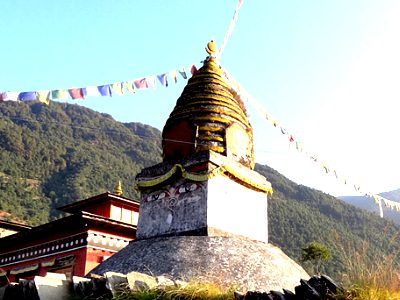
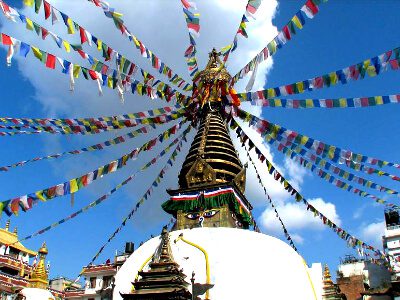
The Boudhanath Stupa is one of the best places for the Buddhist manner of lifestyle and spirituality. We also call it Baudha or Bodnath Stupa. This historic structure is a massive domed monument decorated with colorful prayer flags that flutter in the Himalayan breeze. Stupa is a bustling area where locals and tourists come to discover the cultural heritage of Nepal.

Boudhanath (also known as Boudha, Bouddhanath or Baudhanath))
Boudhanath (also known as Boudha, Bouddhanath, or Baudhanath)

Built in the 5th century, Boudhanath Stupa is one of the largest and most basic stupas (in other countries). His lower back is painted white and marks the watchful eyes of the Buddha, called the “All-Seeing Eye,” showing (by using a physical object to represent an idea or emotion) perception and the ability to do things very well.

Travelers (to holy places) and fans walk around the stupa, spinning prayer wheels and singing (words with secret powers/words or statements repeated often), developing a (like a steady drumbeat) roar that (shakes from a loud sound/makes a person feel strongly about something) with religious power.

It is not always the easiest non-(not part of the church) place for Buddhists, but it is good evidence of the deep historical and cultural history of Nepal and attracts tourists from all over the world. They come to know its peaceful beauty and discover its deep (related to religion or the soul) content.

2. Swayambhunath Stupa

This stupa is famous for the name of Monkey Temple, a lovely and ancient place in Nepal. It sits on a hill and appears over the Kathmandu Valley. The temple has a white dome and Buddha’s eyes on it. The location across the temple is calm and quiet, with masses of green plants.

Swayambhunath Stupa also known as Monkey Temple
Swayambhunath Stupa is also known as Monkey Temple.

Both Buddhists and Hindus find it crucial. If you visit, you may climb a steep staircase to the top. From there, you could see excellent views of the Kathmandu Valley and the far-off Himalayas. The temple has problematic carvings, prayer flags, and round discs that upload to the non-violent environment.

Swayambhunath is reminder to not forget Nepal’s lifestyle and records. It makes human beings reflect on the connection between religion, nature, and the beyond. The temple’s beauty and lasting nonsecular feeling make it a must-visit if you want to study Nepal’s rich culture.

3. Kathmandu Durbar Square

Street view at Kathmandu Durbar Square, UNESCO World Heritage Site

Kathmandu Durbar Square is in the busy capital of Nepal and is a cool place that shows off the cultural heritage of Nepal. Some people also call it Hanuman Dhoka Durbar Square. It’s surrounded by old palaces, big yards, and temples with amazing art and architecture.

This square used to be where the Malla kings and, later, the Shah dynasty lived. So, it’s really important in Nepal’s history. It’s like an awesome open-air museum with cool buildings and a lively atmosphere. People come right here to see Nepal’s cultural richness and royal history.

The location is so special that it’s diagnosed by UNESCO as a World Heritage Site. It’s like a meeting point for locals and visitors. You can see special buildings like Kumari Ghar, where the living goddess Kumari stays, and Taleju Temple, known for its beautifully carved wooden windows, where they follow traditions.

4. Bhaktapur Durbar Square

Bhaktapur Durbar Square is in the middle of the old city of Bhaktapur and is a vital area that suggests Nepal’s records. It has special palaces, open areas, and temples that UNESCO thinks are cool. These buildings have traditional Newari architecture, making them look unique and interesting.

The former wrestling palace highlights the historical and religious significance of the city. Exploring this is like walking through a living museum. The fifty-five-window palace is known for its artistic domestic windows and arches, and the soaring 5-story Nyatapola temple presents medieval masterpieces.

view of Nyatapola Pagoda on Taumadhi Square in Bhaktapur

The lively atmosphere of the square, busy streets, and neighborhood markets bring a dynamic detail to the cultural experience. Bhaktapur Durbar Square is not always just an organization of old homes; It is a lively place where traditions are celebrated with fairs, customs, and the talent of local artists.

This cultural heritage of Nepal welcomes visitors to the site to immerse themselves in the history and appreciate the enduring architectural beauty and the rich cultural and historical past of Bhaktapur.

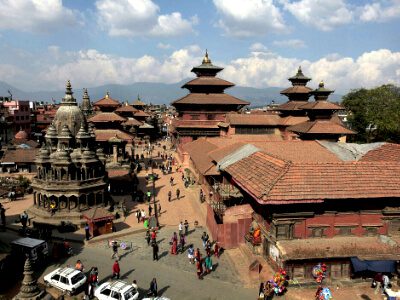
5. Patan Durbar Square

Located inside the central heart of the historic town of Lalitpur (Patan), Patan Durbar Square sorts of a cultural heritage of Nepal with rich history and innovative knowledge. This UNESCO World Heritage Site is a captivating blend of palaces, courtyards, and temples, showing the awesome Newari structure that flourished within the Kathmandu Valley.

Old Hindu temle in Patan

The square is a reminder of the metropolis’s cultural and architectural records. As you enter the Patan Durbar Square, you may be struck with the splendor of using several structures similar to the Krishna Mandir, a lovely piece of stone structure, and the Patan Museum, which is domestic to a rare collection of historic artifacts.

The rectangle’s timeless appeal is complemented by the energetic markets and busy roads around it. Local fairs and spiritual ceremonies bring power to the square, preserving and celebrating traditions.

Patan Durbar Square encourages people to immerse themselves in the cultural richness of Nepal and appreciate the art, records, and traditions that have created this website with an engaging background.

6. Pashupatinath Temple

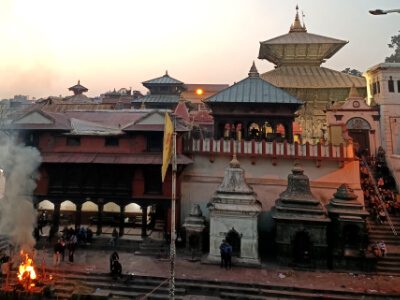
Pashupatinath Temple is a really important place in Kathmandu, Nepal, by the Bagmati River. It’s a special site for both culture and religion. People built this temple for Lord Shiva, and it’s one of the holiest Hindu places in the whole world. UNESCO even calls it a World Heritage Site.

Pashupatinath Temple

Around the temple, there are many smaller shrines, open spaces, and places for bathing where people do religious rituals. The main temple looks unique with its pagoda-style design and silver doors. It’s a symbol of deep faith and really old craftsmanship.

People from all over the world, including devotees, holy men called Sadhus, and tourists, come to see the special ceremonies at Pashupatinath Temple. The Bagmati River next to the temple is thought to be a special place for departed souls. The nearby Pashupatinath forest is considered a peaceful spot for thinking and spiritual reflection.

This temple, with its religious background, beautiful design, and cultural practices, shows Nepal’s long history of spirituality. It brings people together to share and enjoy their common beliefs.

7. Changunarayan Temple

Changunarayan Temple is on a hill close to Bhaktapur in Nepal. It’s a unique region full of the cultural heritage of Nepal and is important for both religious and historical reasons. This old Hindu temple is for Lord Vishnu and is probably one of the oldest Hindu temples still in use inside the Kathmandu Valley.

The temple is fashioned like a pagoda, and the timber elements have cool carvings showing testimonies from Hindu myths. Skilled artists from ancient times made these carvings. The temple not only shows off Nepal’s building skills but also teaches about their culture and religion.

Changunarayan Temple

People, including pilgrims and visitors, climb stone steps with statues of mythical creatures to get to the special shrine. Inside the temple courtyard, there are writings on stones from a really long time ago, telling us about Nepal’s history.

Changunarayan Temple is in a calm and green place, making it great for thinking about religion, admiring culture, and showing respect for the cultural heritage of Nepal. It’s like an invitation for people to learn about Nepal’s rich and diverse traditions.

8. Lumbini – the birthplace of Gautam Buddha

Lumbini is a critical cultural heritage of Nepal and lies in the southwest of Nepal. It’s famous for Siddhartha Gautama, who later became Lord Buddha. People from all around the globe, especially Buddhists, come here on a unique pilgrimage. It’s identified via UNESCO as a World Heritage Site.

Maya Devi Temple
Maya Devi Temple

In Lumbini’s sacred lawn, there is a temple referred to as Maya Devi Temple, where Queen Maya is believed to have given birth to Prince Siddharth beneath a special tree. There’s also the Ashoka Pillar, positioned by Emperor Ashoka a very long time in the past, showing the lessons of Buddha.

Lumbini is sort of a calm and non-violent vicinity wherein humans go to discover non-secular peace and find out about Lord Buddha’s existence. There are monasteries, meditation spots, and a museum with things from specific Buddhist traditions.

People, including pilgrims and tourists, walk around the quiet area, thinking about the ideas of peace and understanding that Buddha talked about. Lumbini shows that Nepal cares about keeping and sharing the deep history of Buddhism with the world.

9. Janaki Mandir

Located within the bustling city of Janakpur in southern Nepal, the Janaki Temple is a complete-fledged cultural heritage of Nepal, deeply intertwined with spiritual records. Dedicated to Goddess Sita, the temple may be very crucial in Hindu mythology as it’s believed to be the birthplace of Sita, the spouse of Lord Rama.

Janaki Mandir, birthplace of goddess Sita, the spouse of Lord Rama
Janaki Mandir, the birthplace of goddess Sita, the spouse of Lord Rama

Pilgrims and devotees come from all over Nepal and India to go to this sacred place, pay their respects to Goddess Sita, and try to find blessings for a happy and harmonious lifestyle. The structure of the temple reflects a mixture of cultural influences, offering particular carvings, colorful works of art, and a unique pagoda style.

The annual Vivah Panchami festival, which celebrates the marriage of Lord Rama and Goddess Sita, draws a massive variety of devotees who participate in active processions and spiritual rituals. A Janaki temple isn’t constantly simply an area of worship; moreover, it serves as a cultural center and maintains a various tapestry of Hindu mythology and traditions.

With its historical and non-secular significance, the Janaki Temple is a symbol of devotion and cultural background, weaving together the threads of mythology and spirituality in the colorful fabric of Nepal.

10. Tengboche Monastery

Tengboche Monastery is a special place high up in the Himalayas, 3,867 meters above sea level, in Nepal. It has fantastic views of Mount Everest, and many Tibetan Buddhists visit. The Sherpas who live here see this monastery as really important for their culture and religion. They come here to worship, meditate, and remember their history.

Tengboche Monastery
Tengboche Monastery

The monastery looks like a wonder with its traditional Tibetan style and pretty decoration, set against the beautiful Himalayan scenery. People who visit might see daily rituals, prayer ceremonies, and the exciting Mani Rimdu festival that attracts believers and spectators from far away.

This monastery is not just a peaceful place for spirituality, but it’s also like a museum showing the mix of Tibetan Buddhism and the special way Sherpas live. It’s a calm spot with cultural importance, making it a great place to visit and adding to the unique cultures found in Nepal’s mountains.

11. Manakamana Temple

Located on a lush hill in the Gorkha district of Nepal, Manakamana Temple is an extremely respected cultural heritage of Nepal and a secular vacation spot. Dedicated to Hithe ndu Goddess Bhagwati, the temple is loved with the help of every pilgrim and visitor.

The Manakamana Temple is a special place you can reach by a cool cable car on a steep hill. It’s not just for praying but also to show Nepal’s history and traditions. The temple has been here for a long time, and its name, ‘Manakamana,’ means fulfilling the heart’s desires.

Hindu devotees in Manakamana Temple which is believed in fulfilling the heart's desires
Hindu devotees in Manakamana Temple, which is believed to fulfilling the heart’s desires

People who visit the temple believe the goddess there can make their wishes come true. The area around the temple has awesome views of the Himalayan mountains and the Trisuli River valley, making the religious journey even more special for the visitors.

The Manakamana Temple is important because of its history, religious events, and beautiful surroundings. It’s like a special place from the old times that attracts people from different backgrounds. They come here to ask for blessings and experience the unique culture of Nepal.

12. RaniPokhari

Rani Pokhari, which means ‘Queen’s Pond,’ is an old and special place in the middle of Kathmandu, Nepal. It was made in the 17th century by King Pratap Malla to remember his late queen. The pond is a calm and pretty spot with a nice temple for Lord Shiva.

Rani_Pokhari, Queen of Pond

In the pond’s water, there’s a special thing called a Shiva lingam, making the place important for religion. The way Rani Pokhari looks shows off the rich cultural heritage of Nepal. It has a tall nine-story building with cool carvings.

People, both from Nepal and other places, come here to walk around the pond and show respect to the temple. Every year, there’s a festival called Chh, which people celebrate at Rani Pokhari. They pray and put lamps in the pond.

Even though there are some problems, they are fixing things. Rani Pokhari is still a symbol of Nepal’s old history and culture. It’s like a quiet and peaceful place in a busy city.

Frequently Asked Questions

1. What makes the cultural heritage of Nepal special?

The cultural heritage of Nepal is famous for its mix of antique traditions, art, homes, and religious practices that come from Hindu and Buddhist impacts.

2. Which unique places in Nepal are diagnosed via UNESCO?

Nepal has some locations diagnosed by using UNESCO, like the Durbar Squares within the Kathmandu Valley, Swayambhunath Stupa, Pashupatinath Temple, and Lumbini, where Lord Buddha was born.

3. Why are festivals a big deal in Nepal?

Festivals are a massive deal in Nepal. They’re active celebrations of religious and cultural occasions, like Dashain and Tihar. They convey people collectively and keep traditions alive.

4. Why are Nepali buildings important in their history?

The old buildings in Nepal, with detailed wood carvings and unique pagoda-style designs, are crucial to their cultural history. They show off the skills of local craftsmen.

5. Why is Mount Everest part of Nepal’s old culture?

Mount Everest, the tallest mountain globally, is linked to Nepal’s tradition. The Sherpas, who are from here, have a special culture tied to mountain climbing and the Himalayas.

6. How does Nepalese food add to their culture?

The food in Nepal, with its different tastes influenced by India and Tibet, is a big part of their culture. Dishes like Dal Bhat, momo, and regional foods show off their diverse cooking.

7. What’s the role of music and dance in Nepali culture?

Traditional music and dance are very important in Nepal. People perform them during festivals and celebrations. Instruments like the madal and dances like Tamang Selo add color to their culture.

8. How did the Gorkha Regiment impact Nepal’s culture?

The Gorkha Regiment, known for being brave and loyal, made a big mark on Nepalese and Indian military history. Their influence is seen in rituals, festivals, and the popularity of the khukuri knife.

9. Why are Thangka paintings special in Nepal?

Thangka paintings, detailed religious artworks that show gods and patterns, are a big part of Nepalese culture. People use them in rituals and ceremonies and as a way to tell stories visually.

10. What’s unique about the Kumari Living Goddess in Nepal?

The Kumari, a young girl chosen as a living goddess in Kathmandu, is a special tradition. Her role in religious events and festivals shows the strong spiritual beliefs of the Nepalese people.

The Final Wrap Up

The cultural heritage of Nepal is a unique series that indicates the numerous testimonies of its history and traditions. We have a sort of massive museum with antique temples, lovely palaces, and lively celebrations, all keeping the customs and beliefs of different times alive.

The shiny garments, happy songs, and engaging meals all together make Nepal’s way of life numerous and precise. Saving and playing with this cultural history is not the most effective way to make Nepal proud. But it is also a manner to make sure that the special testimonies of Nepal are retained to make humans glad in the long term.

Think of the cultural heritage of Nepal as a massive, colorful picture made up of many portions. Each piece, like the distinctive home windows in Kathmandu Durbar Square or the amusing dances at festivals, tells a distinct part of the story.

All this stuff adds up to make Nepal’s subculture energetic and non-violent. As Nepal moves forward, it’s essential to preserve and take care of its cultural background. This facilitates maintaining a strong experience of who we are and makes sure that our roots live sturdy and related.

Exploring Kathmandu’s outdoors: short hiking around Kathmandu

Settled among the Shivapuri hills in the north, Nagarkot in the east, Fulchowki in the south, and Chandragiri in the west, Kathmandu, every so often sacked as a full-of-goinner-citycentre, shows its true attraction in the nearby hills. Presentanentry to the imposing Himalayas, the city claims plentiful hiking paths across the valley, so long as smooth chance hikers with places of interest of Mount Everest.

With convenient trails like Nagarkot and Chandragiri Hills, Kathmandu’s chaotic exterior transforms into a tranquil haven adorned with terraced fields, Hindu shrines, and Buddhist monasteries canvas painted with fluttering prayer flags. Kathmandu’s messy exterior covers the peacefulness and magic initiative along its hiking paths.

Top 12 Most Popular Hiking Places in Kathmandu suggests an immersive understanding, taking the core of the city and its wonderful environments. Perfect for nature enthusiasts looking for a swift escape, these day journeys in the original foothill air allow a peaceful break from everyday pressures.

Kathmandu turns out to be not just an entry but a port, pleasing hikers to discover its charming paths, each step see-through an original surface of this charmed city and its nearby miracles. The belt on those hiking boots and get on a trip through the paths, where Kathmandu’s magic is revealed within nature’s embrace.

Aimed at individuals overwhelmed by the view of trekking in Nepal or forced by time, these hikes offer a picture-perfect view. These calm day trips let visitors breathe in the original mountain air, savor the beauty of sub-alpine forests, and escape the tensions of daily life. Kathmandu becomes not just an entry to the Himalayas but a haven for hikers seeking a quick escape into nature’s embrace. So, lace up those hiking boots and get on a trip through the charming trails of Kathmandu, where each step makes known a new side of this magic city and its nearby miracles.

12 best short hiking around Kathmandu

Nagarkot Hiking

Nagarkot
Nagarkot

Embark on a captivating 28-kilometer journey from the charming Newari village of Sankhu to the heights of Nagarkot. This 5-hour hiking adventure offers safe, short, and relaxing trails, ascending to the scenic gem of Nagarkot at an altitude of 2175 meters. The trail unfolds diverse landscapes, from pine forests and terraced fields to farmlands and the enchanting Newari Kartik village. Beyond Kartik village, the panoramas of the Himalayas and lush greenery captivate every step, with Nagarkot standing as a serene retreat.

The mesmerizing sunrise over the Himalayan panorama, including the majestic Everest, adds a magical touch to this picturesque journey. For those looking for more search, the simple route from Nagarkot to Changu Narayan Temple shows a further 4-5 hour route.

Chisapani Hike

Get on a charming 13-kilometer hike from the scenic Sundarijal to the attractive town of Chisapani, settled at an altitude of 2215 meters. This 3-4 hour trip breezes through the luxurious forests of the Shivapuri National Park, where hikers are preserved to the wonderful Sundarijal waterfall and the pleasure of canoeing in the zone. Sundarijal helps not just as an entrance to the national park but also as a center of many fun activities attractive to global hiking practice.

Chisapani Hike
Chisapani Hike

Short-lived after the Shivapuri National Park, Chisapani village, and compact forests, this refreshing hike is a limited favorite, taking less than four hours to complete.

Shivapuri Hiking

Get on a refreshing 18-kilometer hike from the holy Hindu site Budhanilkantha in Kathmandu to the peaceful heights of Shivapuri National Park, success at an altitude of 2732 meters. This 4-5 hour trip reveals the various sceneries of rhododendron, sal, and oak woodlands, presenting a transformative involvement. Beginning at the well-knownBudhanilkantha temple, loyal to Lord Vishnu, the trail strolls wide-ranging the national park, see-through the peaceful Buddhist place of Nagi Gumba at the hill’s summit.

Shivapuri Hiking
Shivapuri Hiking

The convent at Nagi Gumba affords a peaceful astronomical thought, permitting visitors to soak in stunning views of the mountain range and the city below. Meant for those looking for a lengthy exploration, the Kathmandu Shivapuri National Park and Nagarkot Hiking – 3 -Days possibility open up more termini to explore. Shivapuri Nagarjun National Park, situated in the northern outlying of Kathmandu Valley, is a popular endpoint that presents the highest sights from the Shivapuri Peak and the socially important Nagi Gumba.

Champadevi Hiking

Get on an exciting 20-kilometre hike from Hattiban to the fabulous Champadevi hills, success at an altitude of 2249 meters. This 5-hour trip explains compact forests of pine, bamboo, and rhododendrons, short-lived by the significant Newari settlements of Khokana, Bungamati, and Pharping. The hike suggests a faultless combination of cultural search and natural beauty. Champadevi, the third-highest hill in Kathmandu, mesmerizes hikers with wonderful all-around views of the Newari settlements, hills, and valleys.

The trip starts at the holy Hindu site of Budhanilkantha, winding complete the various scenes and revealing Fulchowki Hill on the right and Chandragiri on the left. Along the way, visitors encounter stupa and shrines at the hill’s summit, providing a spiritual touch to the adventure. The exploration extends to a nearby monastery and the Padmasambhava cave, adding cultural richness to the hike. The stunning sights of Langtang and Gauri Shankar range further enhance the experience.

Namo Buddha Hiking

Board on a charming 38-kilometer trip from Dhulikhel to Namo Buddha across 6 hours and success at an altitude of 2551 meters. This hiking journey completely describes the Newari villages of Dhulikhel and Balthali, presenting a combination of social survey and natural beauty. The track mains to the holy Buddhist place of Namo Buddha, the third-most vital blessed site for Buddhists in Nepal.

Namo Buddha
Namo Buddha

Settled at a height of 2551 meters, Namo Buddha offers a perfect situation for yoga and meditation, bounded by incredible views. The place holds a moving past of Prince Mahasatvya, representing self-sacrifice for the larger descent.

Amitabha Monastery/White Gumba Hike

Go on board a charming 15-kilometer hike from the iconic Swayambhu to the iconic Amitabha Monastery, also known as Seto Gumba. The journey lasts over 3-4 hours, attaining an altitude of 1500 meters. As you pass through steep, charming roads, dozens of stupas decorated with beautifully crafted murals will greet you along the way. The route suggests scenic views of the valley, giving a peaceful and peaceful feel.

Amitabha Monastery, also known as Seto Gumba

The best part of the journey is the occasion to observe both sunrise and sunset from the Amitabha Monastery, creating a perfect short hike around Kathmandu. The monastery, known for its Tibetan art, charms companions with its developed white front. Inside, ancient murals, statues, and paintings narrate tales dating back centuries, showcasing the rich Buddhist culture. The Seto Gumba stands as a testament to this cultural heritage, adorned with sacred statues crafted from medicinal clay.

Kakani Hiking

Kakani
Kakani

Board on an attractive 25-kilometer hike from Kathmandu to Kakani Hill, lasting 5 hours. The path breezes through sub-alpine forestry with delightful opinions of the Himalayan choices. Kakani, a treasured picnic spot, suggests a relaxed track for hiking, rock climbing, and cycling. Amidst woodlands, enjoy the sights of Kathmandu Valley and majestic mountain ranges. Famed for strawberry farms and local cuisine, Kakani promises a delightful blend of natural beauty and culinary delights, an ideal escape into the lap of the Himalayas.

Chandragiri Hiking

Board on an exciting Chandragiri hike southwest of Kathmandu. The path piles through luxurious plants and presents wonderful sights of the valley and Himalayan ranges. Rise to Chandragiri Hill at 2,551 meters for scenic scenes.

A Hindu Temple on the Chandragiri Hills

The hike, added by sub-alpine woods and a cable car selection, capacities a reviving practice for wildlife lovers and journey explorers. Lace-up your thigh boot and submerge physically in the charm of Chandragiri.

Jamacho Hiking

Board on a refreshing journey through the peaceful paths of Jamacho, an unseen jewel in the hills around Kathmandu. The initial energy of Kathmandu, the hike piles through luxurious forests, presenting scenic sights of the valley. The high point is the Jamacho Monastery at 2,145 meters, a divine retreat atop the hill. The trip mixtures stone-paved trails and forested trails, providing both journey and calmness. The monastery’s peaceful atmosphere and all-around sights offer a perfect setting for reflection and reproduction.

Jamacho is a perfect day hike for landscape enthusiasts, a combination of natural beauty, cultural search, and a trace of holiness. Lace up boots and let Jamacho’spaths lead to a calm haven in the Kathmandu hills.

Phulchowki Hiking

Initiate a charming trip to Phulchowki, the “Hill of Flowers,” south of Kathmandu. Recognized for ironic biodiversity, the hike tells a scene conversion, top through solid wood decorated with rhododendrons, orchids, and alpine blooms. On 2,762 meters, Phulchowki offers wonderful insights into the Himalayan series, with Langtang and Ganesh Himal. Definite paths, rare occasional flags, and a peaceful meeting variety are perfect for a peaceable retreat for a passionate hiker. Phulchowki’s various flora, fauna, and scenic scenes offer a charming Himalayan experience.

Fasten your boots and your camera, and dive into a floral paradise.

Sankhu to Nagarkot hiking

Nagarkot view
Nagarkot view

This hike is a journey from Sankhu to Nagarkot, where each step discloses the cultural fortune and natural beauty of the Kathmandu Valley. Initial in the ancient Newari town of Sankhu, the hike is taken through slight paths and old-style villages, presenting signs of limited life and architecture. Rise to Nagarkot, at a rise of 2,195 meters, incredible scenic sights of the Kathmandu Valley and the Himalayan range explain. The hike, a perfect merger of cultural survey and natural beauty, allows us to hold the traces and create eternal memories in the heart of the Himalayas.

Pilot Baba Ashram hike

Board on the transformative Pilot Baba Ashram Hike, anywhere nature’s calmness, the mystical calmness of a respected ashram. Initial within scenic scenes, the hike guides through calm traces, enclosed by crisp elevation air and the peaceful sounds of rustling leaves. Pilot Baba Ashram, settled in the emotion of the mountains, bids comfort through mystical teachings, thought practices, and the calm attendance of Pilot Baba. In place of ascending the paths, enclosed by the beauty of the Himalayan foothills, the ashram becomes a haven for meditation and innovation. The hike not only offers a physical task but also offers a chance to attach to your inside nature.

Whether a veteran hiker including spiritual seeker, this trip-potentials a sole and inspiring knowledge. Stand up on the ashram lands, overlooking scenic mountain views. You’ll feel the pleasant sound of nature’s magnificence and divine calmness. The descent back allows reflection, carrying a sense of peace and fulfillment from the Pilot Baba Ashram Hike, an invitation to explore Himalayan beauty intertwined with spiritual teachings.

FAQs

1. What are popular hiking spots near Kathmandu?

Explore Shivapuri National Park, Champadevi Hills, Namo Buddha, Amitabha Monastery (White Gumba), and Kakani Hill.

2. What’s special about the Shivapuri National Park hike?

Begin at Budhanilkantha temple, journey through rhododendron forests to Shivapuri Peak (2732m), passing Nagi Gumba and enjoying valley views.

3. What’s the Champadevi Hiking experience like?

Covering 20km, traverse the dense forests of Newari settlements and enjoy panoramic views of Langtang and Gauri Shankar. Explore stupas, shrines, and Champadevi at 2249m.

Exploring the Himalayas: 12 Best Easy Treks in Nepal for Beginners and Families

Are you looking for a few best easy treks in Nepal? Nepal, situated in the Himalayas, is a dream destination for adventure enthusiasts. With diverse landscapes, a rich history, and towering Himalayan peaks, it’s an ideal spot for trekking lovers.

People from across the globe visit to savor the excitement and beauty of this trekker’s paradise. Whether you’re an experienced trekker or trying it for the first time, you can explore lots of top best easy treks in Nepal that suit everyone.

Join us as we journey through the top 12 best easy treks in Nepal, each offering a wonderful mix of landscapes and cultural encounters. Nepal is not just about challenging treks; it’s also about embracing the beauty of its landscapes and the warmth of its people.

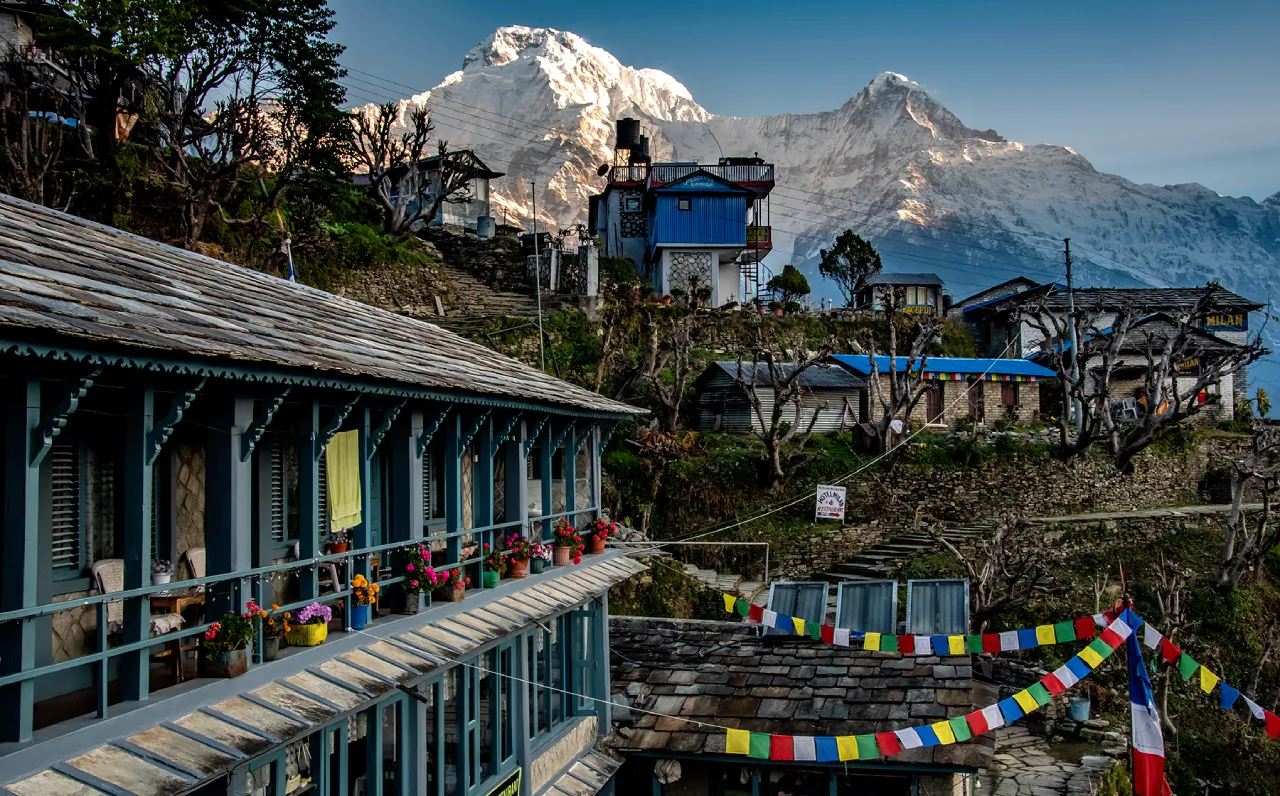
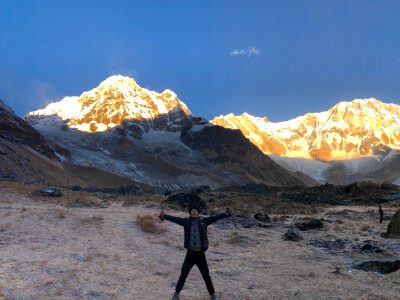
Annapurna base camp Trek

Top 12 Best Easy Treks in Nepal for Beginners and Families

The country proudly hosts some of the highest peaks globally, with Mount Everest standing tall among them. For those new to trekking or families seeking an adventure together, Nepal opens its arms to accessible trails that showcase breathtaking scenery and cultural gems.

Nepal’s charm lies not only in the thrill of conquering tough trails but also in the simplicity and accessibility of its easier treks. These best easy treks in Nepal promise a delightful journey, providing a glimpse into Nepal’s natural beauty and cultural abundance, making it an ideal starting point for your trekking adventures.

1. Everest View Trek:

Maximum Elevation: 3,885 meters
Duration: 9 days
Accommodation: Teahouse
Best season to travel: Spring and autumn

Embarking on the Everest View Trek is like stepping into a magical adventure where you get to see the famous Khumbu region and catch sight of Everest, all without the super tough climb to Everest Base Camp. It’s a mesmerizing journey filled with lush forests, Sherpa villages, and jaw-dropping views of Everest, Lhotse, and Ama Dablam.

This trek is perfect if you’re just starting because it’s not too hard, making it great for families too. You’ll be surrounded by nature’s wonders and get to soak in the rich local culture along the way. It’s like a picture-perfect experience where you can enjoy the beauty of Everest without the tough part.

So, imagine walking through green forests, passing by friendly Sherpa villages, and looking up to see the mighty Everest right in front of you. The Everest View Trek is designed for those who want to experience the thrill of being in the Everest region without the intense climb.

Prepare to see Everest and its nearby mountains, creating memories you’ll remember forever. It’s an incredible adventure blending the beauty of nature and culture. This is one of the best easy treks in Nepal, perfect for families and beginners. Get ready to be amazed by the stunning sights of Everest on this unforgettable journey!

2. Annapurna Panorama Trek:

Maximum Elevation: 3,320 meters
Duration: 7 days
Accommodation: Teahouse
Best season to travel: Winter, Spring and autumn

The Annapurna Panorama Trek is like a classic adventure in the Annapurna region, where you can see breathtaking views of giant mountains like Annapurna, Machapuchare, and Dhaulagiri. It’s a pretty easy trek, so it’s great for beginners and families.

Picture this: you’ll walk through fields that look like steps, forests full of colorful rhododendron flowers, and visit villages where the Gurung people live. What makes this one of the best treks in Nepal is the kindness of the locals. The Gurung people are known for their warm hospitality, and you’ll experience it firsthand.

Imagine waking up to the sight of huge mountains outside your window and then chatting with friendly locals in the village. Imagine a magical journey blending nature and culture. Trekking in Nepal is not too difficult, even if you’re a beginner, and it’s quite enjoyable. The views are amazing!

The Annapurna Panorama Trek treats you to breathtaking views of the Annapurna and Dhaulagiri mountain ranges. It’s like stepping into a dream, with these enormous peaks all around you. Prepare for a journey that will leave you in awe and create memories to cherish.

If you’re seeking an unforgettable adventure that’s not too tough, allowing you to witness stunning mountains and experience the welcoming local culture, the Annapurna Panorama Trek is the perfect choice.

3. Langtang Valley Trek:

Maximum Elevation: 3,798 meters
Duration: 7 days
Accommodation: Teahouse
Best season to travel: Spring and autumn

If you want a unique adventure that lets you experience a blend of Tibetan-inspired culture and breathtaking mountain scenes, the Langtang Valley Trek is perfect for you. Picture yourself walking through the enchanting Langtang National Park, where you can see different plants and animals.

The great thing is, that these top best easy treks in Nepal aren’t too challenging, making them suitable even for beginners in trekking. Imagine walking through beautiful meadows and visiting villages where the Tamang people live. They have a unique culture that’s influenced by Tibet, and you’ll get to experience it.

The real showstopper of this trek is the breathtaking views. Look up, and you’ll see Langtang Lirung and other tall, snowy mountains. It’s like stepping into a postcard with these incredible peaks all around you. Here’s the exciting part – getting to the starting point of the Langtang Valley Trek from Kathmandu, Nepal’s capital, is super easy.

No need to stress about long journeys before your adventure begins. If you’re in search of an experience that’s both awe-inspiring and suitable for beginners, the Langtang Valley Trek is ready and waiting for you. Get ready to be amazed by the wonders of Langtang!

4. Ghorepani Poon Hill Trek:

Maximum Elevation: 3,210 meters
Duration: 7 days
Accommodation: Teahouse
Best season to travel: Spring and autumn

The Ghorepani Poon Hill Trek is like a short and sweet adventure through the colorful rhododendron forests of the Annapurna region in Nepal. This trek is famous for its amazing sunrise views from a place called Poon Hill, where you can see the breathtaking Annapurna and Dhaulagiri mountains.

Imagine walking through forests filled with vibrant rhododendron flowers, like you’re in a fairy tale. The best part? The trek is not too long or hard, so it’s great for families and people who are new to trekking. Along the way, you get to stay in comfy teahouses, making the journey even more enjoyable.

The highlight of this trek is reaching Poon Hill, a famous spot where the sun rises spectacularly, painting the sky and mountains with beautiful colors. It’s like a natural painting coming to life right in front of your eyes. This trek is a classic – a must-try for anyone who loves nature and wants a taste of trekking.

The Ghorepani Poon Hill Trek takes you on a journey through the enchanting forests, leading you to the iconic Poon Hill viewpoint. From there, the sunrise panoramas of the Annapurna and Dhaulagiri ranges will leave you in awe.

If you’re looking for the short, beautiful, and beginner-friendly best easy treks in Nepal, Ghorepani Poon Hill is one of the perfect choices. Get ready for a magical experience surrounded by nature’s wonders!

5. Ghandruk Trek:

Maximum Elevation: 2,012 meters
Duration: 2-5 days
Accommodation: Teahouse
Best season to travel: Winter, Spring and Autumn

The Ghandruk Trek is like a journey through a place full of culture and not too hard to explore in the Annapurna region. The Ghandruk Trek leads you to a charming village named Ghandruk, home to the Gurung people. You get to enjoy breathtaking views of the Annapurna and Machapuchare mountains throughout the journey.

This trek is all about immersing yourself in the local way of life. In Ghandruk, you can explore traditional houses, experience Gurung culture, and feel the friendliness of the local people. The Trek is perfect for families because it’s not too difficult, giving you the chance to enjoy both the beauty of the mountains and the charm of the village.

Just picture this: strolling through fields that look like steps, looking up at towering mountains, and then stepping into a village where you can discover a whole new way of life. That’s the essence of the Ghandruk Trek which makes this place one of the best easy treks in Nepal.

It’s an incredible adventure that invites you to delve into Gurung culture while enjoying the stunning scenery of the Annapurna range. If you’re interested in culture, mountains, and moderately best treks in Nepal, Ghandruk is the perfect destination for you!

6. Balthali Village Trek:

Maximum Elevation: 1,750 meters
Duration: 3 days
Accommodation: Teahouse
Best season to travel: Winter, Spring and autumn

If you’re looking for a quiet and peaceful adventure in Nepal, the Balthali Village Trek is one of the best easy treks in Nepal for you. It’s like a hidden gem away from the busy places. This special journey takes you through beautiful fields and charming villages that most people don’t know about.

Imagine walking through these fields that look like stairs, surrounded by green landscapes, and visiting villages where people live traditionally. It’s not the usual touristy path, so you can enjoy the tranquility and feel like you’ve found a secret paradise.

This trek is especially great for families who want a calm and nature-filled getaway. You’ll get to experience the quiet beauty of Balthali Village, see the Himalayas from a distance, and get a taste of the local culture. So, if you’re tired of crowded places and want a peaceful retreat, the Balthali Village Trek is calling your name.

It’s a journey to a serene and undiscovered part of Nepal, where you can relax, enjoy the views, and experience the simplicity of rural life. Get ready for a getaway that’s both calm and beautiful!

7. Helambu Trek:

Maximum Elevation: 3,650 meters
Duration: 7 days
Accommodation: Teahouse
Best season to travel: Spring and autumn

If you are looking for the best easy treks in Nepal, consider the Helambu Trek in the Langtang region. It’s not too high, so it won’t be too hard on your body. Picture it as a stroll through pretty villages, terraced fields, and dense forests. It lets you experience both the beauty of nature and how local people live.

The best part is, that you get to see amazing views of the Langtang and Ganesh Himal mountains. It’s like a natural painting with these tall, snowy peaks in the background. Helambu is also famous for its pretty landscapes and the interesting culture of the Sherpa people.

Think about taking a leisurely walk through Sherpa villages, exploring Buddhist monasteries, and wandering in forests with vibrant rhododendron flowers. If you’re looking for a trek that’s not too challenging but offers fantastic views and a glimpse into local life, the Helambu Trek is the perfect choice.

It’s an adventure through stunning landscapes and cultural delights, making it just right for nature lovers who enjoy simplicity.

8. Tamang Heritage Trail:

Maximum Elevation: 2,380 meters
Duration: 14 days
Accommodation: Teahouse
Best season to travel: Spring and autumn

Discover the Tamang Heritage Trail, a special trek in the Langtang region that lets you experience the traditions of the Tamang people. Imagine taking a trip into a world full of special traditions, ancient monasteries, and breathtaking mountain views. This trek isn’t too tough, making it ideal for families and those new to trekking.

Just picture this: strolling through traditional villages, exploring really old monasteries, and enjoying mountain views all around. It’s an awesome way to immerse yourself in the Tamang culture, understand how they live, and learn about the region’s history.

So, if you’re interested in different cultures and want a not-too-difficult trek, the Tamang Heritage Trail is just right. It’s like a walk through a living storybook, where you can soak in the rich heritage of the Tamang people while enjoying the beauty of the mountains. Get ready for a journey that’s both cultural and breathtaking!

9. Jomsom Muktinath Trek:

Maximum Elevation: 3,750 meters
Duration: 6 days
Accommodation: Teahouse
Best season to travel: Spring and autumn

Embark on the Jomsom Muktinath Trek to explore the amazing Annapurna and Mustang regions in Mustang, Nepal. This is one of the best easy treks in Nepal that takes you through the deepest gorge globally, the Kali Gandaki Gorge, and lets you visit the sacred place called Muktinath.

Imagine walking through a valley surrounded by tall mountains and reaching a special place like Muktinath. It’s not just a trek; it’s a journey through nature’s beauty and a spot that’s important for many people.

So, if you’re curious about cool landscapes and want to see a sacred place, the Jomsom Muktinath Trek is for you. It’s like a walk through stunning valleys and mountains, leading you to a place that’s both beautiful and meaningful. Get ready for an adventure that combines nature and culture in the heart of Mustang!

10. Nagarkot-Changunarayan Trek:

Maximum Elevation: 2,175 meters
Duration: 1 day
Accommodation: Restaurants and Lodges
Season to travel: Spring and autumn

Take a break from the busy city life in Kathmandu with the Nagarkot-Changunarayan Trek. This short and easy trek leads you through beautiful fields and cute villages to Nagarkot, a hill station famous for its stunning sunrise and sunset views. Get ready for a mini getaway filled with great views and cool stories!

The journey doesn’t stop there – you’ll also get to visit the ancient Changunarayan Temple, a special place with a lot of history in the Kathmandu Valley. Imagine walking through fields and reaching a hill station where the sky turns into a painting during sunrise and sunset.

And then, visiting an old temple that’s recognized by UNESCO, meaning it’s extra special. So, if you’re looking for a quick escape with awesome views and a touch of history, the Nagarkot-Changunarayan Trek is just right. It’s like a short adventure that takes you away from the city chaos, letting you enjoy nature’s beauty and the cultural richness of Nepal.

11. Chandragiri Day Trek:

Maximum Elevation: 2,551 meters
Duration: 1 day
Accommodation: hotels
Season to travel: All year round

If you want a fast getaway from Kathmandu, the Chandragiri Day Trek is perfect. Hop on a cable car to Chandragiri Hills and be amazed by awesome views of the Himalayas, like Langtang, Everest, and Annapurna. This day’s trek is super easy and great for families and anyone new to trekking, giving you a taste of adventure near the city.

Imagine taking a cool cable car ride and suddenly seeing big, snowy mountains all around you. If you’re up for a little adventure and don’t want to go too far from Kathmandu, consider a mini-day trek to Chandragiri.

It’s a great way to get a close-up view of the majestic Himalayas. It’s like a fast journey into nature, with lush forests and breathtaking mountain views right from Chandragiri Hill. Get ready for a day of fun and natural beauty!

12. Phulchowki Day Trek:

Maximum Elevation: 2,750 meters
Duration: 1 day
Accommodation: Hotels
Best season to travel: All year round

Have a nature-filled day near Kathmandu with the Phulchowki Day Trek. This trek is all about exploring the green and lively world of the Kathmandu Valley. You’ll climb up Phulchowki, the tallest hill around, known for its pretty flowers and many kinds of birds.

It’s not a tough trek, so families and anyone who loves nature can join in for a day of fun. Just picture this: walking through forests full of colorful flowers and hearing the cheerful songs of birds. It’s like a quick adventure into a natural wonderland, and you don’t have to go far from Kathmandu.

So, if you’re up for a day of nature, the Phulchowki Day Trek is one of the best easy treks in Nepal. It’s like a short escape into the green world of the Kathmandu Valley, where you can enjoy the calm and beauty of Phulchowki Hill. Get ready for a day of fresh air, flowers, and bird tunes!

Conclusion:

These 12 best easy treks in Nepal offer a gateway to the majestic Himalayas, providing a perfect introduction for beginners and families. Whether it’s the iconic Everest View Trek, the cultural immersion of the Tamang Heritage Trail, or the serene landscapes of Balthali Village, each trek promises a unique blend of adventure, culture, and natural beauty.

So, lace up your hiking boots, embrace the Himalayan spirit, and embark on an unforgettable journey through the enchanting landscapes of Nepal.

10 Facts You Should Know Before Trekking to Everest Base Camp

Trekkers from all over the globe go to complete the trek to Everest Base Camp because it is a must-do experience.

This fantastic trek will eventually get you to Mount Everest’s base camp after passing through stunning vistas, charming communities, and challenging terrain.

Here are ten helpful tidbits of knowledge to assist you in getting ready for this fantastic adventure if you’re thinking about doing it.

10 Facts You Should Know Before Trekking to Everest Base Camp
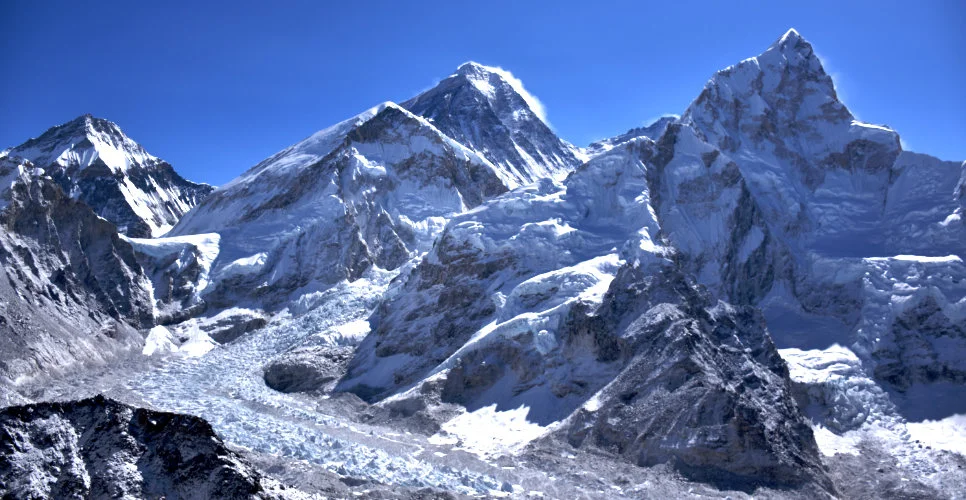
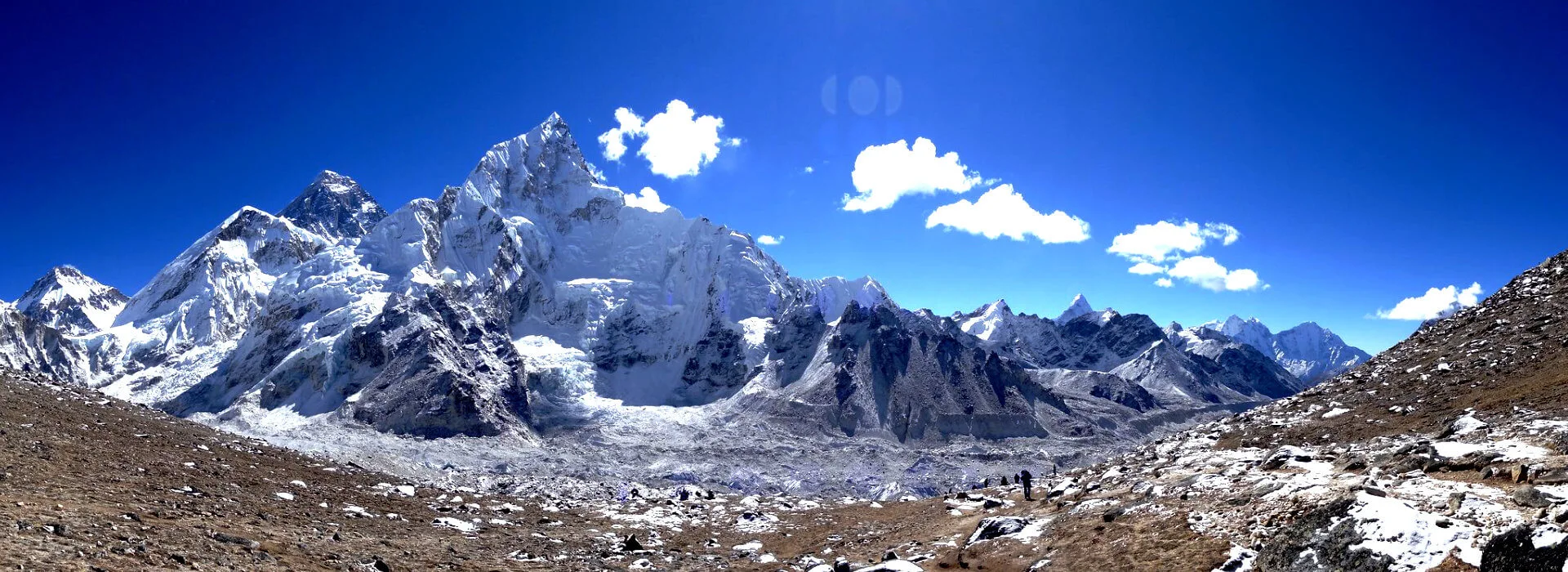
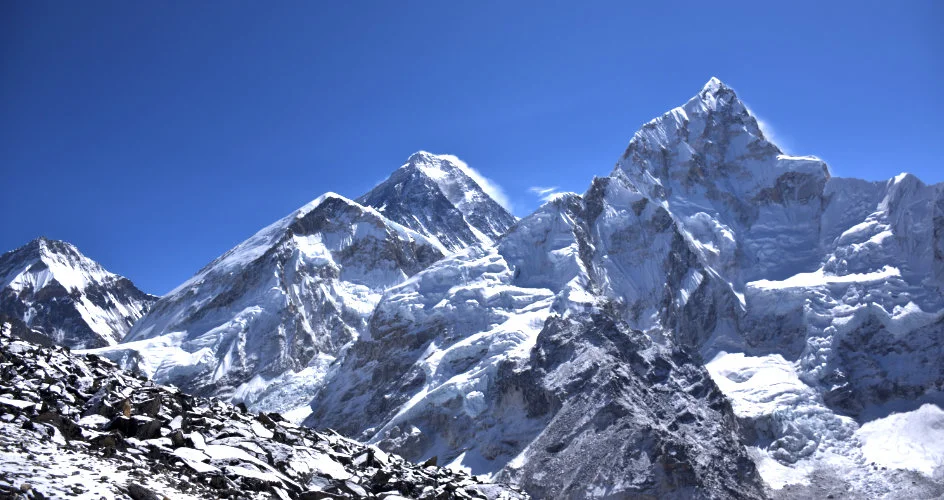
Everest region Himalayas from Kalapathar

Top 10 Facts of Everest Base Camp Trekking

1. The length and route of the trek

The Everest Base Camp journey typically at least 10 to 17 days, depending on the schedule and acclimatization days.

It’s critical to give your body adequate time to adapt to the altitude to prevent altitude sickness.

To improve your chances of a successful and pleasurable journey, consider choosing an itinerary, including acclimatization days.

2. Requirements for Fitness

While technical climbing abilities are not necessary on the Everest base camp trip, it is a strenuous journey that demands general solid fitness.

Regular cardiovascular workouts like cycling, hiking, or running help your body prepare for the voyage.

Strength training practices focusing on the legs, core, and upper body can also help you run longer and more continuously on the trail.

3. Preventing Altitude Sickness

Everyone is susceptible to altitude sickness, regardless of their degree of fitness or prior hiking experience.

Acclimatizing enough is crucial for avoiding altitude sickness because it gives the body time to get used to the thinner air.

Drinking enough water, eating well, and avoiding being too exhausted before going for a walk are suggested.

Ask your doctor about drugs that may help avoid altitude sickness, such as acetazolamide (Diamox).

4. Important Items to Pack

Having the appropriate equipment is crucial for a secure and enjoyable hike. Comfortable Trekking shoes, wicking clothing, a comfortable, warm sleeping bag, a down jacket, a waterproof cover, and sunglasses. Packing essentials should include gloves, a headlamp, sunscreen, and a first aid kit.

Water purification pills should be brought along since there may only sometimes be access to clean drinking water on the path.

5. Hostels and Tea Houses

Tea houses through the Everest Base Camp path provide hikers inexpensive lodging and food. These tea shops offer a unique cultural encounter and an opportunity to socialize with other hikers.

Given the possibility of minimal amenities, carrying a suitable sleeping bag (-15-20 degrees) with a liner for additional warmth and comfort is advised. During busy times, reserving a tea house room in advance is suggested to ensure a spot.

Lodges and Guesthouses

6. Food and sanitation

Meals always serve in various tea shops along the path, featuring both foreign and native Nepali cuisines. Choose warm, prepared meals rather than raw or undercooked ones to reduce your chance of experiencing digestive problems.

Always have hand sanitizer on hand and use basic hand hygiene to stop the transmission of germs. Bring energy bars to keep yourself going throughout a long day of hiking.

7. Weather and the Best Trekking Season

The Everest region’s weather is very unpredictable and subject to sudden changes. March through May and September through November are the best months for trekking since they occur between the spring and autumn seasons. That is because the weather is generally constant, and the sky is usually clear throughout these months.

Pack layers of clothes to adapt to changeable weather conditions and prepare for frigid temperatures, particularly at higher elevations.

8. Porter & Guide Services

While it is feasible to hike to Everest Base Camp on your own, doing so may improve your experience & boost your safety. Experienced guides may provide insightful information about the area and have a vast understanding of the path and regional culture. They can manage any unanticipated issues that may emerge throughout the hike and provide assistance with navigation.

On the other side, porters can help your Backpack, enabling you to hike more comfortably and take in the scenery. Employing a guide and porters not only makes life easier, but it also helps the economy in the area and gives the community job possibilities.

9. Entry Requirements and Permits

Securing the required permissions and meeting the entrance criteria before starting the Base Camp of Everest journey is crucial.

The two necessary permissions are the Sagarmatha National Park’s Entrance Permit & the Khumbu Pasang Lhamu Rural Municipality Permit. These entrance permits apply in Monju and Lukla, the gateway to the Everest area, or Kathmandu.

It informs you need a valid passport for at least six months from the day you enter Nepal.

10. Environmental Points to Take

It would help if you made every effort to have as little of an effect as possible on the delicate ecology since the Everest Base Camp hike is in a magnificent natural setting.

Follow the guidelines of Leaving No Trace, especially the call for disposing of your rubbish correctly, utilizing designated restrooms, and respecting regional customs and culture.

Applying a reusable water bottle and water purifying techniques can help you avoid using single-use plastic bottles.

Supporting local conservation efforts and sustainable tourism projects helps preserve the area’s natural beauty for future generations.

A once-in-a-lifetime experience, the Base Camp to Everest journey is loaded with breathtaking scenery, fascinating cultural encounters, and personal accomplishments.

You can get the most out of this fantastic tour if you are emotionally and physically prepared, respect the environment, and travel harmoniously with the local population. Always remember to take time to relax, soak in the gorgeous scenery, and make lifelong memories.

Frequently Asked Questions (FAQs)

How challenging is the journey to Everest Base Camp?

The trip to Everest Base Camp is rated as being quite challenging. Due to the long treks and high altitude, it needs solid physical endurance.

Is prior trekking experience required to complete the Everest Base Camp trek?

Although it is advantageous, prior trekking experience is not required. Individuals with ordinary fitness levels may finish the journey with the proper planning, training, and acclimatization.

How much does the climb to Everest Base Camp cost?

The price for the Everest Base Camp journey might vary based on the length, route, lodging preferences, and services used. Excluding international flights, the voyage may cost approximately $1,200 to $4000 on average, depending on the services. You May see in this link.

Is the climb to Everest Base Camp secure?

Generally, hiking to Everest Base Camp is risk-free, particularly when suitable safety precautions are taken, such as acclimatization, hiring knowledgeable guides, and walking with a respected organization.

What are the best parts of the hike to Everest Base Camp?

The Everest Base Camp journey provides experiences with Sherpa culture, customs, and stunning vistas of Everest and other high peaks.

Conclusion

The trekking trip to Everest Base Camp each day is awe-inspiring, from the bustling Sherpa settlements to the spectacular vistas.

Every step of the walk is full of excitement and mind-blowing experiences, from the physical obstacles to the cultural contacts. You may confidently go off on this fantastic adventure and make it an experience you will remember by considering the aspects and making the necessary preparations.

Top Five Reasons to Choose Langtang Valley Trek

The Langtang Valley Trek is a stunningly beautiful trekking route in the Langtang National Park of Nepal. This trek offers breathtaking views of the Himalayas, lush forests, and picturesque villages. It is an ideal destination for those looking for an adventurous yet peaceful holiday experience in the lap of nature. The Langtang Valley Trek provides an opportunity to explore the unique culture and traditions of the Tamang ethnic group, as well as to witness some of Nepal’s most spectacular natural beauty. It is a great way to escape from the hustle and bustle of everyday life and explore nature at its best. in the Himalayas.

Langtang Trekking – The Langtang National Park is an area of the Himalayas that is often called Nepal’s “Himalayan Switzerland” due to its breathtaking scenery, traditional villages and rich cultural heritage. It was established in 1955 and comprises an area of over 800 square kilometers on the southern side of Mount Langtang (6816 meters). Due to its varied bio-diversity, it was later declared a national park and UNESCO World Heritage Site in 2007. With 8 popular treks including the famous Langtang Valley Trek,

Reason #1 – Spectacular Mountain Views and Nature’s Beauty

The Langtang Valley Trek offers spectacular mountain views and nature’s beauty that will take your breath away. Located in the Rasuwa district of Nepal, the Langtang National Park is home to some of the most stunning scenery in the world. With its snow-capped peaks, lush forests, and crystal clear rivers, trekking through this region is an unforgettable experience. From breathtaking panoramic views of the mountains to tranquil moments spent admiring nature’s beauty, a trek through this area will leave you with memories that will last a lifetime. .The trek provides an immersive experience of the Himalaya, with some of the highest peaks in the world. The journey also takes you through a wide variety of landscapes from alpine meadows to riverbanks and thick forests.

Reason #2 – Cultural Experiences like No Other

The Langtang Valley Trek is a unique experience that offers travelers the opportunity to immerse themselves in the culture of Nepal. From visiting ancient Buddhist monasteries to exploring traditional villages and meeting local people, this trek is a great way to get an insight into the culture of Nepal. Not only does it offer breathtaking views of snow-capped mountains, but it also allows you to explore some of the most remote regions in Nepal. The Langtang Valley Trek is a great way to experience the culture of Nepal like no other. .The trek is divided into six fixed stages.There are no other fixed days on the trek, so you can make it as long or short as you like.

Reason #3 – Perfectly Moderate Difficulty Level

The Langtang Valley Trek is a great choice for trekkers of all levels. It offers a perfect difficulty level, allowing trekkers to experience the beauty of the Himalayas without having to worry about overly challenging terrain. With moderate difficulty, the Langtang Valley Trek allows you to take in the stunning views and explore different villages while still being able to enjoy a comfortable hike. This makes it an ideal choice for those who want to experience the Himalayas but don’t want too much challenge. However, it is important to note that this trek does have a shorter duration than many other treks in Nepal. At just 9 days long, this trek is the perfect choice for those who would like to explore the country without having to sacrifice much of their vacation time. This means you can spend more time enjoying Kathmandu and experiencing its culinary scene.

Reason #4 – Variety of Accommodation Options Available

If you are looking for a variety of accommodation options during your trek in the Himalayas, then Langtang Valley has something for everyone. From lodges to camping in the Himalayas, there is an option for everyone. Whether you are looking for a comfortable stay or an adventurous experience, Langtang Valley has something to offer.

You might choose from different types of accommodation such as homestays and guesthouses depending on what kind of experience you are looking for during your trek.

Reason #5 – The warm- hearted people

The Langtang Valley Trek is one of the most beautiful and rewarding treks in Nepal. Along with the breathtaking views of the Himalayas, this trek is also known for its warm-hearted people. The locals are very friendly and welcoming, always ready to lend a helping hand and share stories. This makes the trek even more special as you get to interact with these lovely people and learn about their culture and way of life. Not only do they help you in your journey, but they also provide valuable advice on how to make your trekking experience even better.

Conclusion of Top Five reason to choose Langtang valley trek

Langtang Valley Trek is one of the most beautiful treks in Nepal. It offers breathtaking views of snow-capped mountains, lush green valleys, and picturesque villages. This trek has something for everyone – from experienced trekkers to beginners. In this article, we’ve discussed the top five reasons why you should choose Langtang Valley Trek as your next trekking destination. From the amazing landscapes to the diverse culture and friendly locals, this trek has it all! Whether you’re looking for a challenging adventure or a peaceful retreat from everyday life, Langtang Valley Trek is sure to provide you with an unforgettable experience.

Trekking equipment for Nepal tours and trekking

Trekkers and travelers require a lot to be prepared before starting the journey. If needs and requirements are fulfilled throughout the adventure journey, traveling is more than the expected fun and luxury.

Only luxury hotels and motels are not part of the trek but everyone is highly preferred for the best backpack that resolves everything of the essentials self needs.

Nepal is accessible for the best trek among many travelers from a different corner of the world. Most of the popular treks routes are now highly accommodated and many tree houses are frequently available throughout the journey. But having your own luxury of trekking equipment for nepal tour gonna get the trek tips and resources to accomplish the journey.

The backpack of food and lodges are not that crucial if you find small treehouses in your journey which also decreases the weight to be carried.

Backpack Diaries

The backpack depends on how you have planned your trip to be. It reduces the stuff if you hire a porter that carries the daypack essentials like camera, water, rain gear. But in this article we highly recommend the best trekking equipment for Nepal tour.

We recommend a modest to medium backpack with a volume capacity up to 2000 cu in (30 liters). The duffle bag which is carried by the porter weighs upto 15kg, carried from one place to another. The high recommendation for the weight of the backpack is not more than 20% of your body weight.

Accordingly, the backpack depends on the trek you are traveling for. Also if the route is short trips or long trips or if it is mountainous, rocky or hill. The trekking trail has sufficient large and small tree houses in the route but sometimes the season is full and may get worse for accommodation. So be prepared for every prerequisite.

Don’t make the things completed only because of the trek’s basic needs that you forget to include in your backpack.

Hiking clothes

Hiking shorts and t-shirt:

If you are trekking in the lower altitude region in warm summer season shorts, t-shirt and also the cotton shirt is the best comfort wear. At lower elevations, shorts might be a good choice. If you may want to pull off your attire to allow your legs to relax, shorts are the greatest option.

Waterproof jacket:

The seasonal changes occur more often at the high altitude so taking a waterproof jacket would be the best lesson for the trip. Jacket protects you from the extremes such as wind, rain, and snow, and it also allows you to layer anything underneath.

Thermal coats and paints:

Long-sleeved vests and synthetic polypropylene long johns are needed for both shirt and pants, since they provide optimum warmth and can be worn throughout the day as well as on a cold night. They are lightweight and also work well as sleeping gear.

Down jacket:

Quality waterproofing down jacket is essential. In every trekking and backpacking, it’s critical to keep weight to a minimum. Down and synthetic jackets are light, packable, and effective in retaining body heat. So , they’ve become among one of a favorite trekking and everyday use items.

Trekking paints:

Hiking paints are necessary to protect you legs and skin from insects that are frequent in the treek trail. Trekking pants are always favourbale for the heavy weather which protect us from wind and water. The most preferred trekking paint as hardshell and softshell paints.

Innerwears: Though if you are travelling for the refreshment or either for the professional theme the very first things comes about the hygiene. So the possibility that would your whole trek takes, include sufficient innerwears and detergent in the form of foam that also be a lightweight. The natural rivers and jharana are frequently seen in the routes, you can also bath and get freshenup to your journey.

Footwears

The more you travel the more you gain the real experience. Leaving the footprint after successfully reaching the destinations is the best feeling of the journey. So, to reach to top its all about walking trip that may leads to unpabble road, gravel or sometimes a ditch. So wear comfortable trekking shoes or a boat.

Trekking boots

Hiking for hours is much more difficult if you won’t find a good pair of shoes through the journey, so take a trekking boat or any trekking shoes. Examine the shoe’s sole, support, and comfort shoes with a high cutoff for ankle support are highly advised. Sizing up is critical, donot touch the tip of the shoes by your toes as this will make downhilling harder.

Socks:

Hiking is all about more than a day. So pick up the extra cushioning and flexible shock. Liner shocks or the synthetic shock are highly preferred. As if the location is high hill mountains having cool weather better add the woolen shocks that makes your feet warm inside the shoes.

Always have a pair of good quality, warm socks on hand to keep your feet dry and snug. Carrying an extra pair of socks will come in handy, and you can change them out every day. For improved mobility in snow and hiking in the midst of the winter crampons/microspikes are the alternatives.

Head wear:

At low altitude the temperature rises right after the dawn so to protect yourself from heavy sunlight and pollution make sure to keep hats or any baseball cap.

Sleeping Bags:

Although there are frequent tree houses along the routes,local people share their local meals in their style. If you don’t have sleeping bags or tents don’t worry about the accommodation. Houses may not afford the luxury and the expensive food items but you would get what you pay. Also if you want to have a comfort zone in your own style in another form of adventure in trek take sleeping liner bags in the backpack to your comfort zone.

Gloves

Hands and feet both must be safe and protected so take warm and flexible woolen gloves that protects you in the morning and night chilling cold. If you are going to the high altitude be sure that you carry the woolen and warm fiber material gloves.

Personal supplies

All the personal supplies that you need for your comfort zone can be listed as
Quick dry towel
Bandages
Water bottles
Senitizer
Wet wipes
Sunscreen
Soap/Handwash
Shampoo
Pocket knife
So including this all to your pocket list are part of trekking safety equipment.

Accessories:

Adding some accessories in the list that we have already included above as hiking essentials. If you have knee problems then you can take hiking poles that provide support to the journey. Also sunglasses, power banks and adapter to charge the gadgets when you are out of reach of electricity. Camera,extra power supplies and headlight are the not forgettable item to add to the list for trekking equipment
Nutritions suppliers:

Dried or freeze dried food and veggies,energy bar chews or gels, nuts, seeds, bars these are the light and dry fast energy suppliers you can also include for trek.

Extra:

The best part of the trekking is enjoying the journey before reaching the destination. After all, the memories of the journey last long within us till our last breath. So never make your journey suffocate and unrealistic, just enjoy each and every walk. You can include pocket speakers, playing cards and make your journey worth it all.

Optional (opulences)

If you love to write and read nature while traveling, never forget diary, pen and reading materials, also navigational maps and Guide books in addition.

And last but not the least, always bring your personal first aid kits in your bag. Normally the painkiller, moves, paracetamols, diamox and personal medications are what you are used to.

Highlights of the contents:

Backpack is essential to carry the basics needed during travel. Getting to relate the things for every outdoor trekking equipment,and excluding the unnecessary things that add weight and make the whole journey tired and uneasy. Also don’t forget to take the required things and documents like a passport either citizen’s card and most importantly the permit that allows you to visit the place which will be checked at the various points in the trails.

Trekking equipment for the Nepal tour that are mentioned above is fastened and sought tips from Ambition Himalaya. For more enquiry and detail feel free to contact or get us notified at
[email protected]