
Khayer Lake

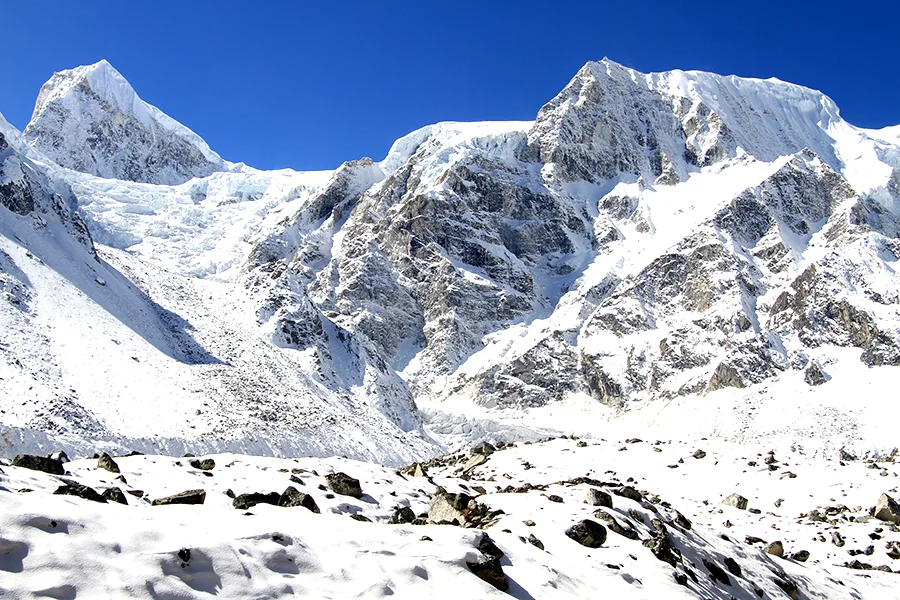
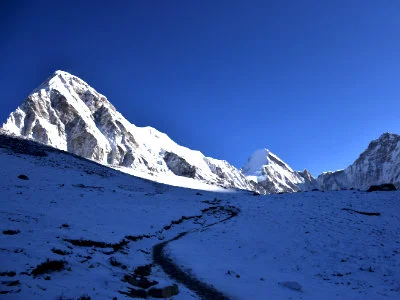
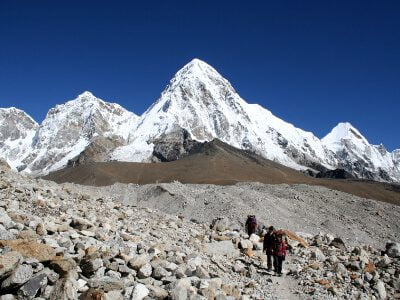
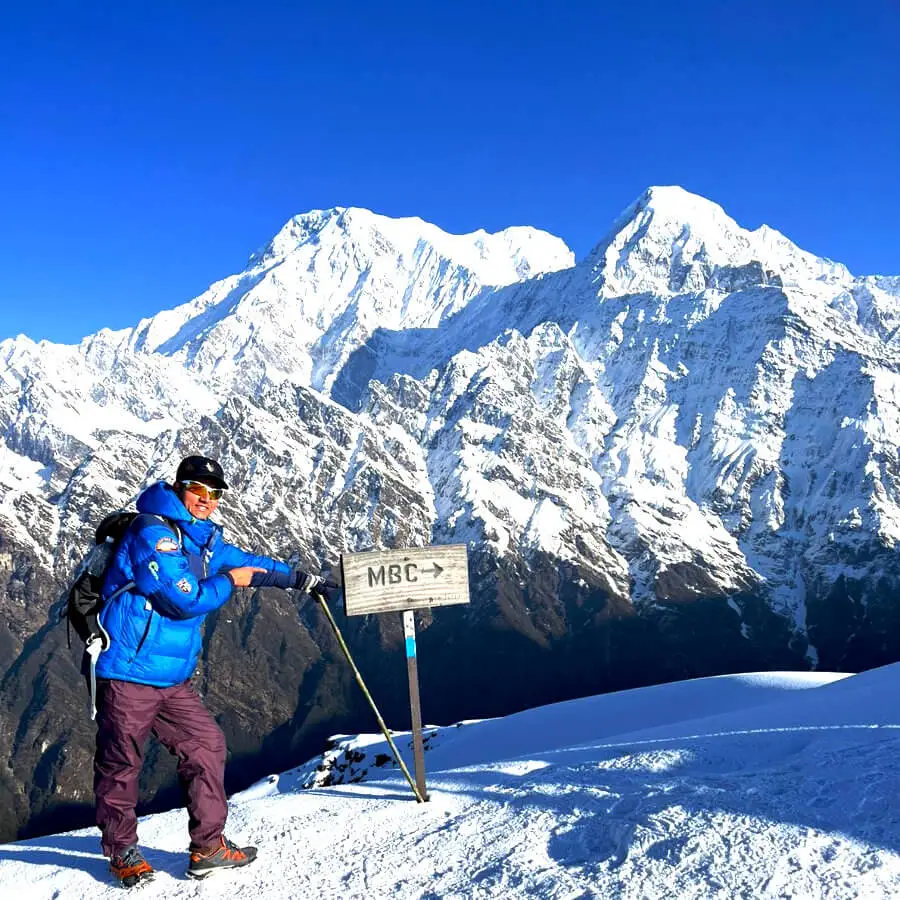
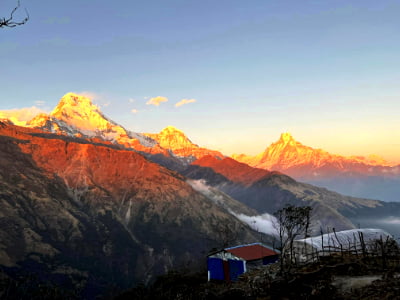
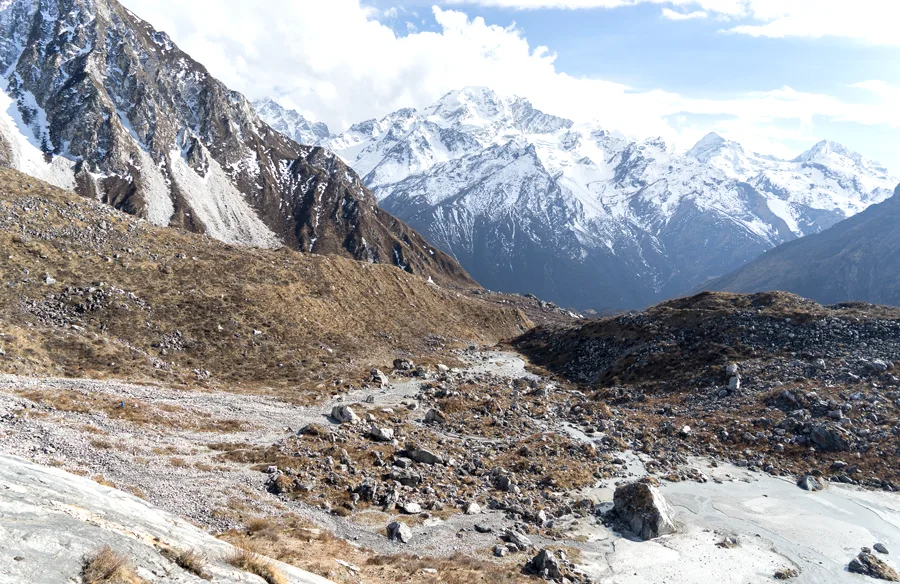
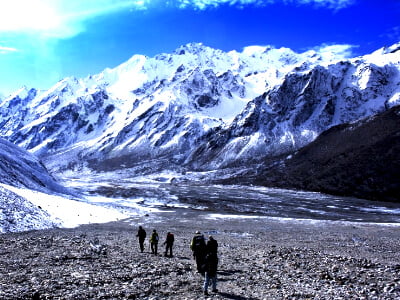
Khayer Lake is a beautiful trekking destination in Myagdi. It is a trekking destination that was only released to the public a few years ago. This lake is between two famous trekking destinations, Annapurna Base Camp and the Jomsom Trekking Trail. A less touristy trek, the trail around Khayer lake has yet to be highly disturbed by concrete buildings, leaving a natural beauty undisturbed by artificial disturbance.

Khayer lake, at an elevation of 4,700m, is also higher than the Annapurna Base Camp

Annapurna Base Camp Trek – 14 days
Khayer Lake is a beautiful trekking destination in Myagdi. It is a trekking destination that was only released...
14 Days
Moderate

US$ 620

Highlights of Khayer lake

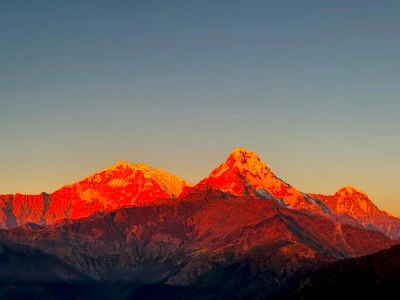
  • Views of Annapurna Range
  • Rhododendron Forest
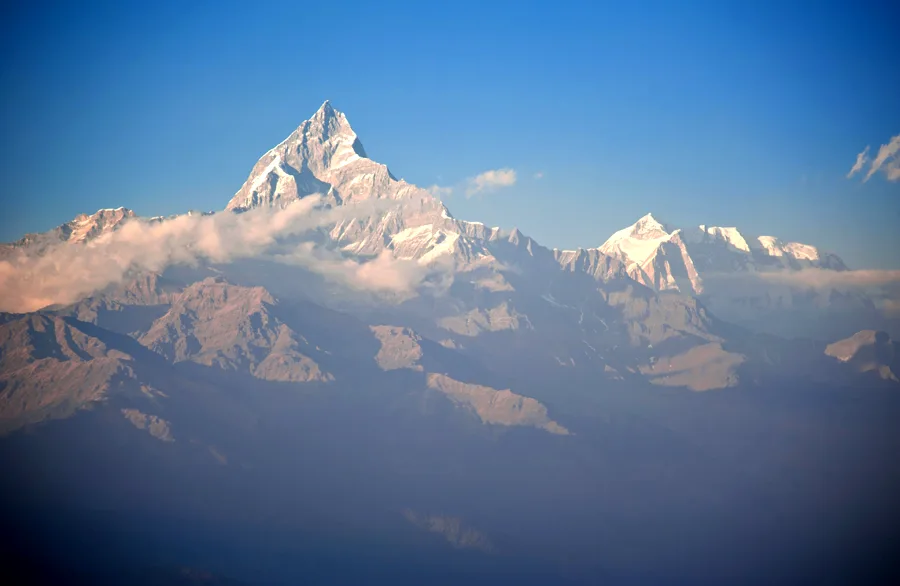
  • Views of Mt Himchuli, Mt Fishtail
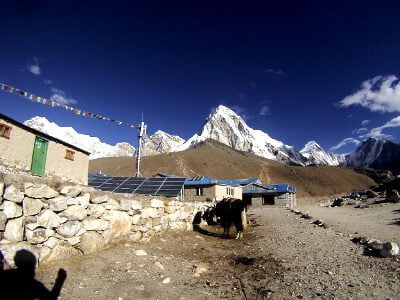
  • Yak Pastures
  • Jungle hikes
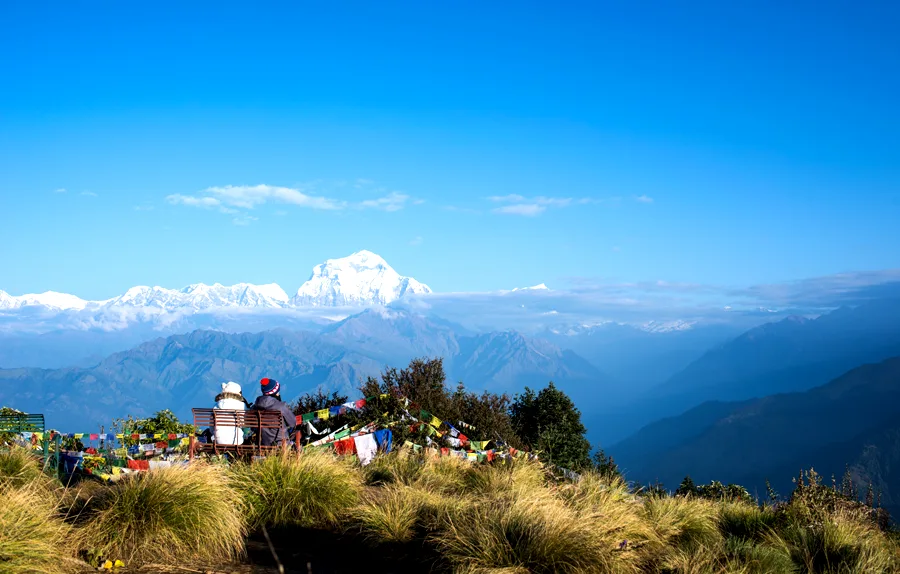
  • Views of Dhaulagiri Range and Kali Gandaki Valley
  • Swanta Village with unique local cultures

Seasons suitable for Khayer Lake Trek

If we are to talk about the best seasons for Khayer Lake Trek, most people would recommend you trek in Nepal after the fall or after the winter. They are also Nepal’s most packed and popular seasons.

But there is also another trekking season that has risen in recent years. Just after the fall of winter to the beginning of spring, there is a rise in pleasant and warm temperatures. New flowers bloom on trees and the ground during this season, making them suitable for unique treks and expeditions.

Along with these seasons, you can choose to trek in autumn and spring. Due to Autumn and Spring being some of the best seasons for treks, if you do not like the crowd, Khayer lake is one of the suitable destinations for you.

Khayer Lake’s best attractions

khayer-lake

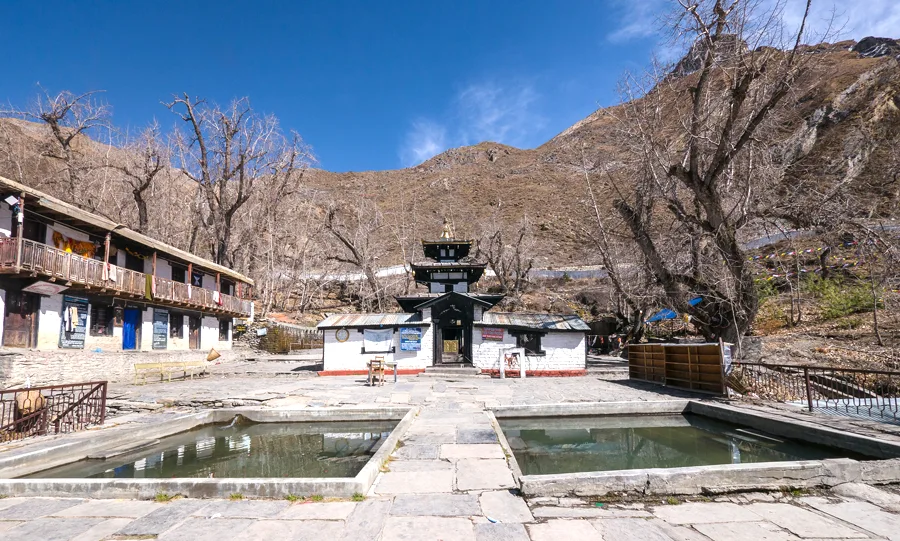
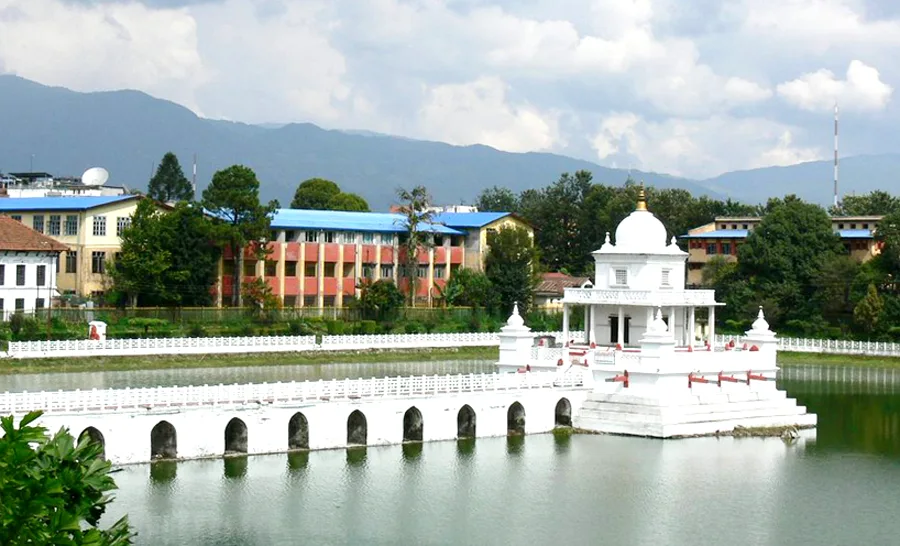
khayer-lakeKhayer  is among the best attractions for trekking in the Annapurna Region. Nestled in the heights above the Annapurna Base Camp, it is also famous in Hinduism due to its location near Khayer Barahi Temple. The Khayer Barahi Temple has more than 10,000 devotees every year. This temple also has high visits during the Janai Purnima Festival.

While less well-known, lake has enormous potential for trekkers. Khayer lake can be taken along with trekking to Annapurna Base Camp and other places in the Annapurna region. This trail in Annapurna has a high chance of being connected to other treks in the Annapurna region like Khopra Danda Trek, Ghorepani Poon Hill Trek , Ghandruk Trek, Jomsom Muktinath Trek, Annapurna Circuit Trek, etc.

Upper Mustang Trek
Khayer Lake is a beautiful trekking destination in Myagdi. It is a trekking destination that was only released...
18 Days
Moderate

US$ 1700

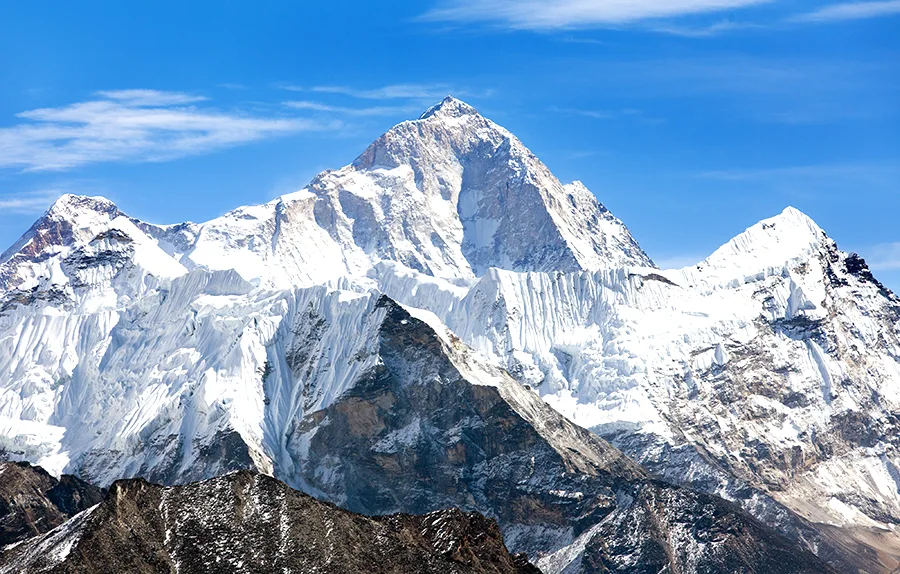
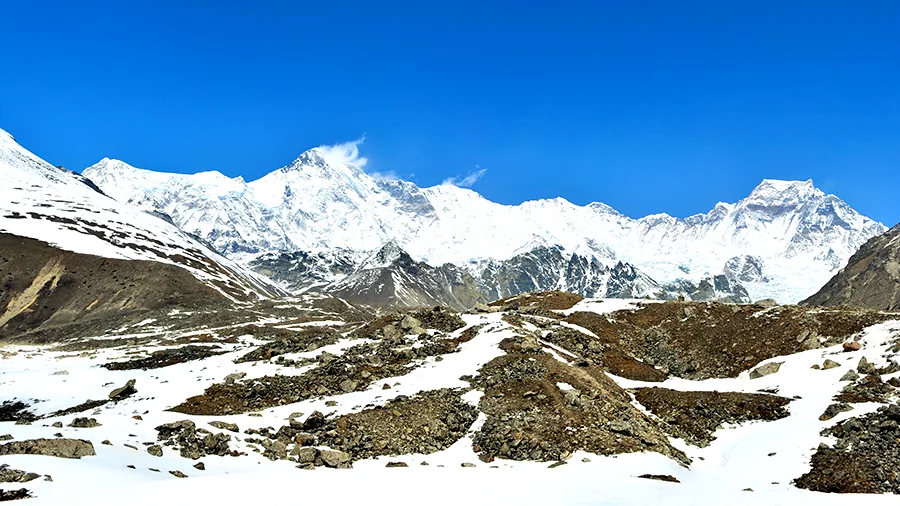
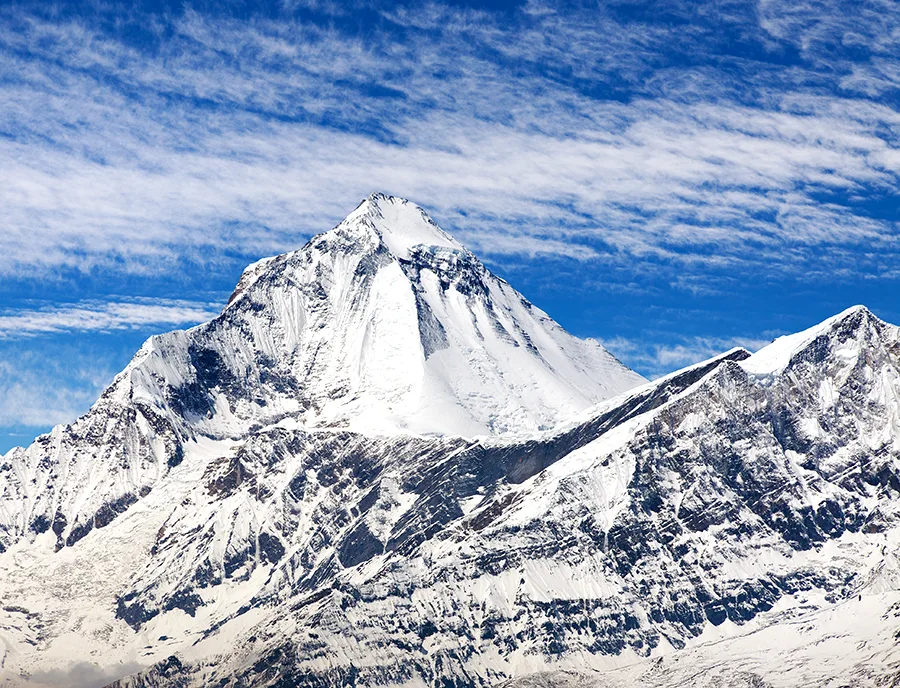
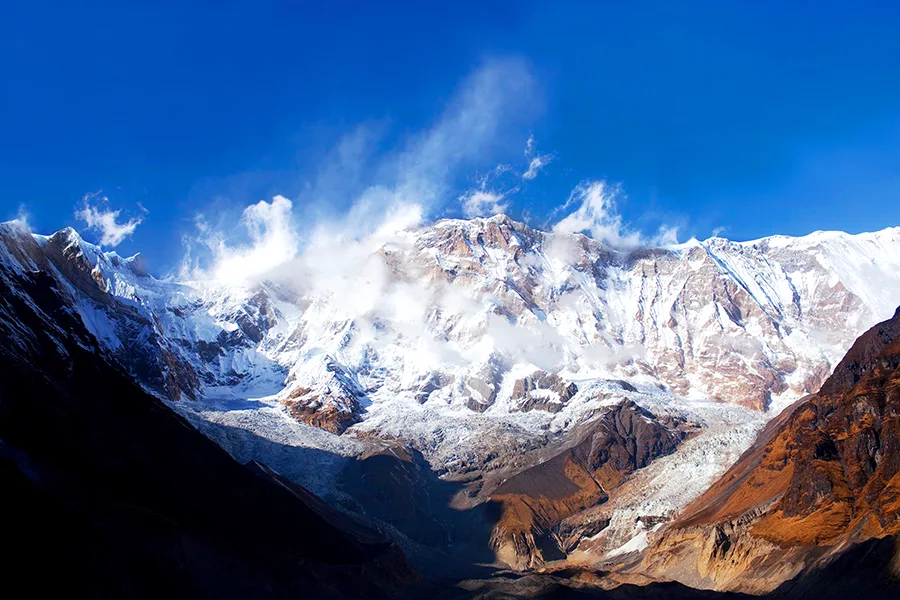
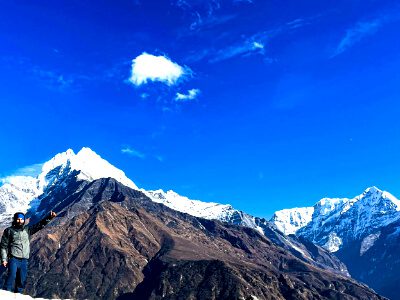
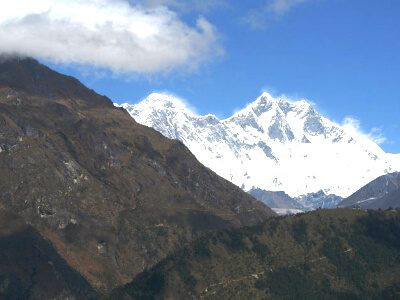
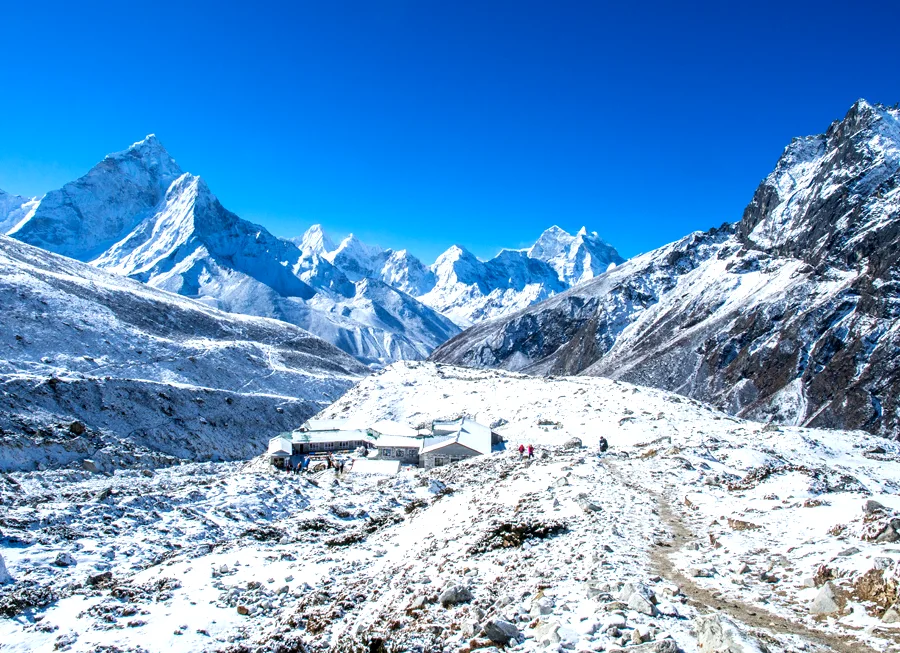
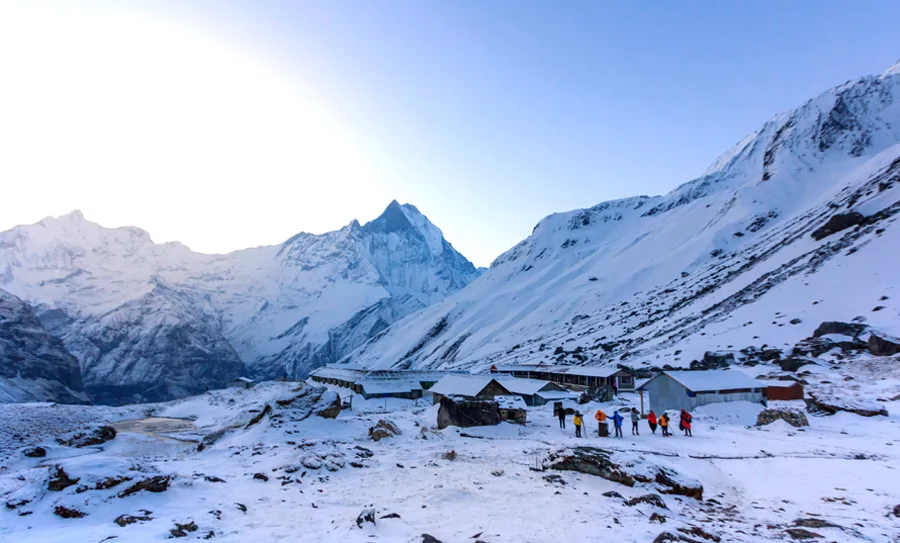
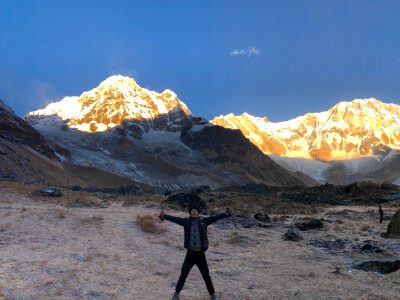
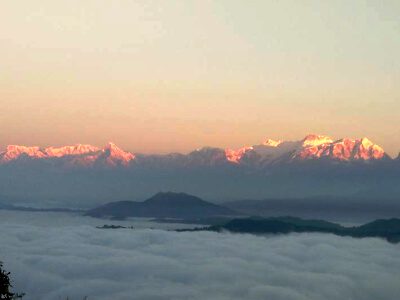
This Khayerlake trail has a beautiful view of Dhaulagiri (8,167m), Nilgiri (7,061m), Bhara Shikhar (7,647m), Annapurna I (8091m), Machhapuchhre (6,997m), and the Annapurna Range. It also includes jungle hikes, different flora and fauna views, and a beautiful rhododendron forest.

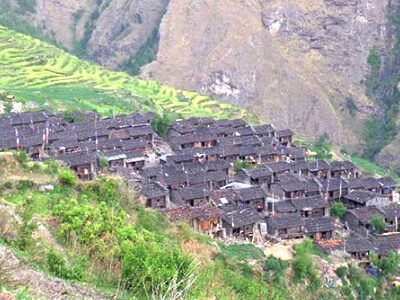
You can also enjoy the local culture and traditions of Gurung, Magar, and Swanta villages.

Hence, once you visit Khayer lake this place will definitely, captivate you, visit this place once you come to Nepal.


Difficulty level of trek in Nepal

Nepal is a country with the beauty of abundant nature Nepal and biodiversity. The huge geographical and topographical diversity in Nepal results in a diversity of trekking routes in Nepal. The diversity of the trekking trail in Nepal cannot be found in any other part of the world. Further, these trekking trails are embedded with magnificent Himalayan ambiance aspiring varieties of cultural wealth. However these all the trekking trails have a different Difficilty Level of Trek In Nepal. When it comes the question about the difficulty level of trek in Nepal, there are different factors.
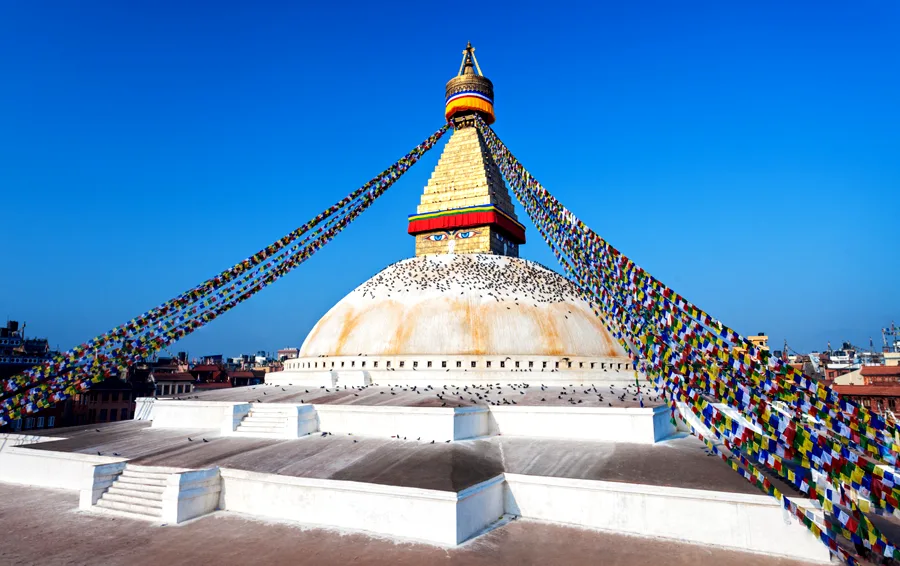
The difficulty level of trek is measured on the basis of altitude, geographical structure and time duration of the trekking. Prior to deciding the trekking destination you should consider and plan which trek is perfect for you. By analyzing all the mentioned basis of trek difficulty you can choose the suitable trekking destination based upon your fitness level and vacation.

The difficulty level of trek in Nepal are categorized into four grades
The difficulty level of Nepal is divided into easy, moderate, strenuous and challenging which are described below.

Ghorepani Poon Hill Trek – 9 days
Nepal is a country with the beauty of abundant nature Nepal and biodiversity. The huge geographical and topographical...
9 Days
Easy

US$ 370

Easy Trekking

An easy trek is perfect for those who do not have any experience of trekking. This grade of trekking is suitable for beginner trekkers. Easy trekking is favorable for people of all age groups. Even a family with children and senior parents can join this trek. Normally, it takes only a few days to complete the easy trek and this trek belongs to the altitude below 4000 meters. There will be a rare chance of altitude sickness. People with normal fitness level can choose the trek of this grade.

Some of the easy trekking routes in Nepal are :

Ghorepani Poon Hill Trek
Everest View Trek
Helambu Valley Trek
Dhampus Sarangkot Trek
Chisapani Nagarkot Trek
Chepang Heritage Trail Trek
Short Annapurna Base Camp Trek
Panchase trek and so on.

Moderate Trekking

Moderate trekking could be a bit challenging and tough for the beginner trekkers. Further, these treks are challenging for elderly people and children as the difficulty level of trek is high compared to easy trek. However, without trekking experience also you can join this trek if you are physically fit. If you are habituated of doing physical exercise regularly and your fitness level is good then you can do this trek. In this type of trekking, you have to walk for a long time and also you have to pass through higher passes but you can enjoy the spectacular views of mighty Himalayas.

Some of the moderate trekking destinations of Nepal are:

Langtang Valley Trek
Annapurna Base Camp Trek

Strenuous Trekking:

Strenuous trekking gives you the real adventure of the Himalayas. Solid Physical fitness level, high stamina, and sound health are required to complete this type of trekking. This type of trekking takes a long duration to complete as you have to give some extra days for acclimatization. You have to walk for a long time and also you have to pass through strenuous trials. Further weather change makes strenuous trek riskier. When it comes to accommodation only tea houses with basic facilities are available there. Before doing this type of trekking it is better to have some knowledge of trekking equipment and techniques.

Annapurna Circuit Trek – 18 days
Nepal is a country with the beauty of abundant nature Nepal and biodiversity. The huge geographical and topographical...
18 Days
Moderate

US$ 920

Some strenuous trekking in Nepal are

Annapurna Circuit Trek
Everest Base camp trek
Langtang Ganjala pass trek
Upper Mustang trek

Challenging trekking (Alpine trekking)

It is the last grade of the difficulty level of trek in Nepal. Challenging trekking is the tough and adventurous treks in which you have to pass through high passes, snow-filled lands. In addition, challenging Treks are the high altitude treks so high level of stamina and trekking experience is required to complete such treks. The accommodation available is camping and a few teahouses with basic facilities. The trekking duration for the trips is more than 20 days.
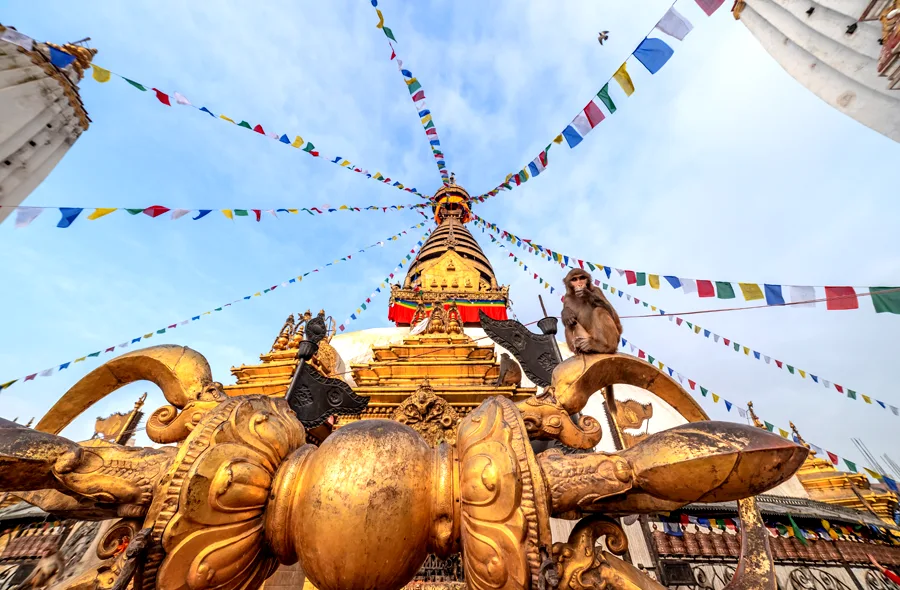
Some Challenging Trekking in Nepal are

Kanchenjunga Base Camp Trek
Upper Dolpo Trek
Everest High Passes Trek
Manaslu Circuit Trek

Best time to go Trekking in Nepal

Best Time for Annapurna Base Camp Trek

Annapurna Base Camp Trek is one of the popular trekking destinations in the Annapurna Region of Nepal. It is popular among all the adventure seekers. Annapurna Base Camp Trek can be done throughout the year. However, spring and autumn are the best time for Annapurna Base Camp Trek. Autumn and Spring are the peak trekking season in Nepal. During these seasons, the sky is clear and the temperature is moderate and pleasant due to which you can have spectacular views.
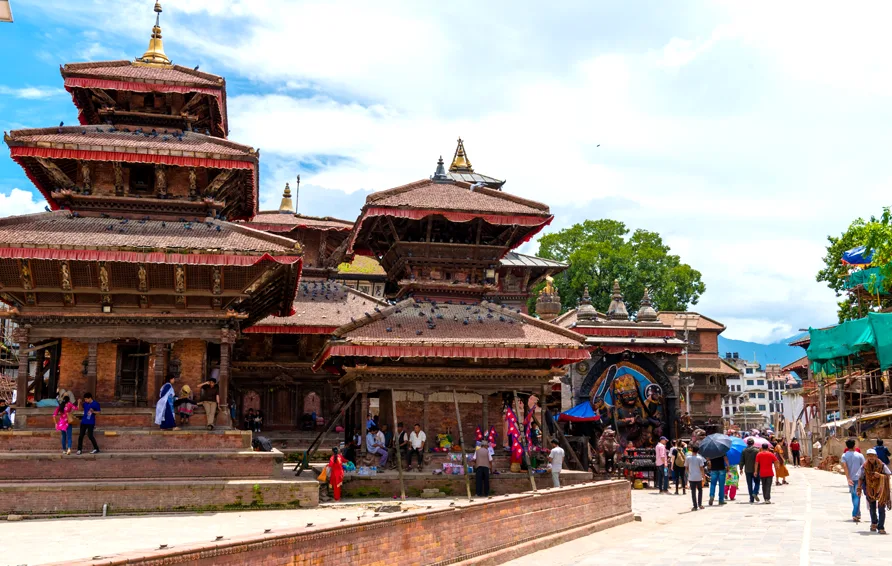
Annapurna Base Camp Trek is the perfect combination of cultural and natural sightseeing. The stunning mountain ranges, unique Gurung culture, and managed trails along with diverse flora and fauna make this treks even more wonderful.

People of all age groups can join this trek. With a slow pace and enough acclimatization, one can successfully complete Annapurna Base Camp Trek. Yet, prior to doing any kind of trekking you have to be aware of the weather condition where you are planning to go. You should keep the information regarding the weather condition. Before embarking your journey to the Annapurna Base Camp it is necessary to know about the Annapurna Base Camp weather.

Here I’m going to inform you some information regarding the Annapurna Base Camp trek  at different seasons:

Annapurna Base Camp Trek – 14 days
Annapurna Base Camp Trek is one of the popular trekking destinations in the Annapurna Region of Nepal. It...
14 Days
Moderate

US$ 620

Annapurna Base Camp Trek in Spring Season:

Spring season in Nepal is from March to May. With the warmer weather and longer days, this is the second-best trekking season for Annapurna Base Camp. You can enjoy the clear weather with a panoramic view of Annapurna and Dhaulagiri ranges.It is the time when the trekking trails bloom in rhododendron, Magnolia and many other alpine flowers. Blooming rhododendron forest covers the hillside of Annapurna which makes your trial immensely gratifying. You will feel overwhelmed and relaxed by seeing such enthralling beauty of nature.

March and April is the perfect time for crystal clear views. During this time the weather is sunny and warm with outstanding views. The average daytime temperature is around 10- degrees Celsius while the night is usually at freezing. At over 4000 m, it is usually freezing cold in the morning and evening. In May, the weather is usually warmer and there are chances of rainfall. At this time the average temperature is 15-8 degrees at day and 7-8 degrees at night.

Reasons to visit

  • Moderate temperature makes trekking a pleasant experience
  • Clear visibility which offers splendid views of Himalayan mountains

Annapurna Base Camp Trek in Summer Season:

Summer Season in Nepal is from June to August. Summer is known as the monsoon in Nepal. The temperature is quite high during the day while in the evening the temperature is quite moderate. During the summer days along with the sunny weather the rain persists too due to which the atmosphere is wet, humid and hazy. It can rain almost every day with occasional thunderstorms but after the rain, the countryside glows with lush vegetation. Further, the roads are still muddy and often leech-infested.
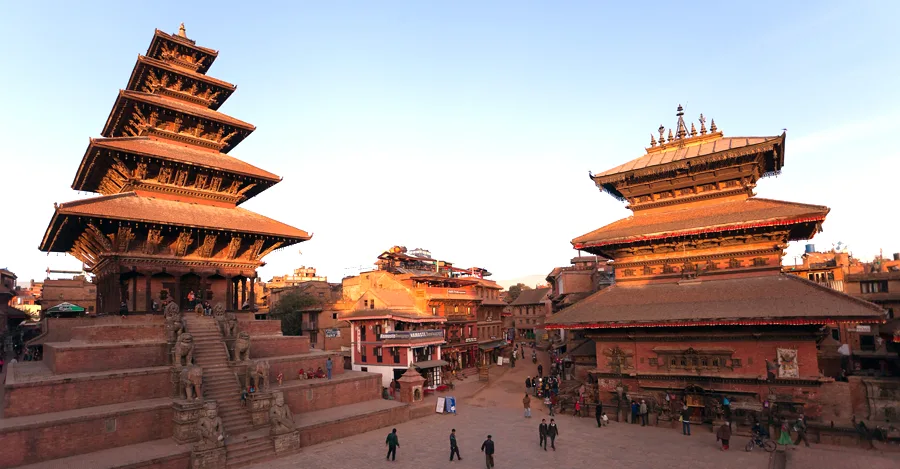
The average daily temperature of Annapurna Base Camp in summer is 18-19degrees celsius during the day, while at night it is around 10-12 degrees celsius. It is the perfect time to trek ABC for many botanists and researchers. Wide varieties of flora and fauna can be marked during this season. Additionally, the rain Keeps away the dust and pollutants. The less crowded trail in monsoon lets you experience the wilderness trekking in the Annapurna region of Nepal. Those who love to travel in less crowded routes for them, summer is the best time for Annapurna Base Camp Trek.
Reasons to visit

  • Less crowded trails so you can enjoy trekking in solitude
  • Dust-free view of hills and mountains as the rain keeps dust and pollutants away
  • Lush green forests and surrounding hills look radiant and vibrant.

Annapurna Base Camp Trek in Autumn Season:

The autumn season in Nepal is from September to November. Autumn is the best time for trekking in Nepal. Likewise, autumn is the best time for Annapurna Base Camp Trek as well. The weather is stable with mild to warm days and cold nights. The average daily temperature for ABC in this season at day is 14-15 degrees and 5-8 degrees (or even freezing temperature) at night. This is the peak season for trekking in Annapurna Base Camp so it is better to book lodges and flight in advance.
Astonishing view of Annapurna I, II, III, IV, and Dhaulagiri range are the major attractions of Annapurna Base Camp in autumn. Further, the autumn season is the best time to view stars. Dazzling nights is also the major attraction of ABC trek at this time of the year. Besides natural beauty, you can also get the opportunity to immerse yourself in the major festivals of Nepal in the autumn season.

Reasons to visit

  • Weather is stable and pleasant with a clear sky and the marvelous view
  • At this time the trek route is full of trekkers with whom you can have a great time
  • The major festivals add happiness and joy

Annapurna Base Camp Trek in Winter Season:

The winter season in Nepal is from December to February. Trekking to the Annapurna Base Camp in the winter season is really an adventurous activity. Trekking during this time of the year is definitely challenging. Annapurna Base Camp Trek in the winter season will be the best time for adventure seekers who adore some thrill during their trek. Though it is chilly and cold you will have a different adventure which makes your trip awesome and memorable.

In the winter season, the higher you go the colder you feel. Normally the daytime temperature can range around 5-12 degrees celsius while at evening the temperature can drop below zero degrees celsius. The climate in winter is exceptionally cold with frequent snowfall. The fantastic views of the snow-covered peaks are what the winter trek in Annapurna offers.

During winter mornings are foggy whereas the afternoons are clear which offers the spectacular mountain vistas. However, in the higher altitude, the passes remain blocked due to the snow.

If you can bear the cold then winter is the best time to trek Annapurna Base Camp because there will be few visitors during this time of the year. Winter season is great for those who enjoy solitude with nature.

However, trekking to Annapurna Base Camp in winter requires more planning due to the colder climates.

Reasons to visit

  • Less crowd so the trekking routes are quiet and peaceful
  • The sky is clear with perfect views for stunning views
  • Celebrate New Year or Christmas in the mountains with welcoming local people
Annapurna Base Camp Heli Trek
Annapurna Base Camp Trek is one of the popular trekking destinations in the Annapurna Region of Nepal. It...
4 days
Easy to Moderate

US$ 800

Tips For Annapurna Base Camp Trek

  • You should collect proper information regarding the climate and temperature before trekking.
  • You should collect information on Altitude sickness along with its symptoms and preventive measures.
  • Before commencing your trekking you should consult your doctor and take some necessary medicines
  • Take enough rest during the trek so that you can fully enjoy the grandeur of nature.
  • Plan extra days on the trip.
  • You have to be mentally prepared to face everything that comes in your trek journey
  • Always take a licensed guide and porter with you, especially if you are trekking for the first time.

Conclusion

Annapurna Base Camp Trek can be done at any time of the year. However, the best time to trek Annapurna Circuit depends on the preference of the trekker also. For adventure seekers who love thrill winter and summer is perfect form them. Further, this season is best for the one who loves to trek in less crowded trails.

Hence this is all about the best time to trek Annapurna Base Camp

Are you planning to trek Annapurna Base Camp? If yes then contact us without hesitation. We  Ambition Himalaya Treks and Expedition.Pvt.Ltd will provide you an adventure-filled trip along with proper safety. After all your safety is our priority.

For more information regarding this trek or any other trek in Nepal, you can contact us.

Our official contact information:

Ambition Himalaya Treks and Expeditions Pvt Ltd

Thamel, Kathmandu ( Nepal)

+977-1-4418413

+977-9851148898 (Shishir)

Flag Of Nepal

Introduction 

In the past, hundreds of kingdoms existed with unique flags and designs. Sadly, as time changed, many countries have risen and fallen. However, among them, Nepal is a nation that has been never conquered or colonized. Also, the flag of Nepal is a unique flag in the world. Nepali Flag, the national flag in Nepal is the only flag in the world that is nonquadrilateral in shape.

Color/Shape/Design

The design of the Nepali flag dates back centuries. The color used the flag-crimson and blue. 

In the upper part of the flag lies a white moon with eight rays along with a crescent below it. Also, the lower part has a stylized white sun with 12 rays. Previously, there were facial features representing both sun and moon though currently removed.

The color crimson on the flag represents the bravery of the Nepalese. The color crimson, white and blue has a huge meaning. The color crimson represents closeness, blue represents distance and white represents neutrality.

Also, the crimson color is also lucky in Hinduism.

Nepal Adventure Tour
Introduction  In the past, hundreds of kingdoms existed with unique flags and designs. Sadly, as time changed, many...
11 Days
Difficult

US$ 500

Meaning of Nepalese Flag

The meaning of the sun and moon is as long as the sun and moon exist, Nepal will continue to exist.

Also, according to Hinduism, Sun is one of the five gods in the Hindu religion and is often used in rituals. The 12 signs of the month of Nepal and Hinduism are based on the sun. It is also the symbol of the soul.

Likewise, the moon symbolizes the heart and is also the head of the asteroids.

History of Nepali Flag

The Nepali flag was not the original flag of Nepal. It is also believed that the design of the flag took inspiration from the Malla dynasty in the past.  
Instead, many also believe that this flag was based on two different pennants of the ruling  Rana Family and their rival branch. Both the pennant was made during the last centuries.  However, the flag was only accepted as a constitutional flag on 1962.

The upper portion of the moon represented the Royal Family and The lower parts symbolized the Rana Family. 

Why Nepali Flag is unique?

The Nepali flag is in nonquadrilateral shape. But there are also many countries in the world that do not follow the rectangular shape. According to many, these flags are found in many countries in mountainous regions, land-locked or not well-known nations. For example- Switzerland still has a square flag. Other examples can also include the Ethiopian national flag.

People also believe that many places in India also use such non-rectangular flags. Though, they may have been lost in Indian Independence.

Therefore, Nepali Flag is a living Fossil that showcases the lost design of the flags on the Indian Subcontinent.

Entry of the Nepali Flag into the world

The first entry of the Nepali Flag was found by M. Lupant in a book published by Perceval Laundon in 1928 (Nepal, vol. 1, pp. 233-236, Constable, London).

Proposals for Flag change

Since the end of the monarchy, there have been many proposals for flag changes.

There was a debate that believed that since the fun and moon in the flag do not advocate monarchy, the flag should be changed.

In the past, there were proposals from the parties UCPN Maoist, Rashtriya Janamorcha and Dalit Janjati Party filed the petition to change the national flag. However, the Nepali Congress, CPN-UML and Nepali Majdoor Kisan Party thwarted it.

The Constitutional Assembly of Nepal adopted 16 November the Constitution of the Federal Democratic Republic of Nepal. In article 8 and Schedule 1, the flag was described.
Constitution of the Federal Democratic Republic of Nepal

National flag

(1) The national flag of Nepal, consists of two juxtaposed triangular figures with a crimson-coloured base and deep blue borders, there being a white emblem of the crescent moon with eight rays visible out of sixteen in the upper part and a white emblem of a twelve rayed sun in the lower part.

(2) The method of drawing the flag and other particulars relating thereto shall be as set out in Schedule 1.

Schedule 1

Method of Making the National Flag of Nepal 

(A) Method of Making the shape inside the Border

(1) On the lower portion of a crimson cloth draw a line AB of the required length from left to right.

(2) From A draw a line AC perpendicular to AB making AC equal to AB plus one-third AB. From AC mark off D making the line AD equal to line AB. Join BD.

(3) From BD mark off E making BE equal to AB.

(4) Touching E draw a line FG, starting from the point F on line AC, parallel to AB to the right-hand side. Mark off FG equal to AB.

(5) Join CG.


(B) Method of making the Moon

(6) From AB mark off AH making AH equal to one-fourth of line AB and starting from H draw a line HI parallel to line AC touching line CG at the point I.

(7) Bisect CF at J and draw a line JK parallel to AB touching CG at point K.

(8) Let L be the point where lines JK and HI cut one another.

(9) Join JG.

(10) Let M be the point where line JG and HI cut one another.

(11) With centre M and with a distance shortest from M to BD mark off N on the lower portion of line HI.

(12) Touching M and starting from O, a point on AC, draw a line from left to right parallel to AB.

(13) With centre L and radius LN draw a semi-circle on the lower portion and let P and Q be the points where it touches the line OM respectively.

(14) With the centre M and radius MQ draw a semi-circle on the lower portion touching P and Q.

(15) With centre N and radius NM draw an arc touching PNQ at R and S. Join RS. Let T be the point where RS and HI cut one another.

(16) With centre T and radius TS draw a semi-circle on the upper portion of PNQ touching at two points.

(17) With centre T and radius TM draw an arc on the upper portion of PNQ touching at two points.

(18) Eight equal and similar triangles of the moon are to be made in the space lying inside the semi-circle of No (16) and outside the arc of No (17) of his Schedule.

Kathmandu Valley Tour – 3 Days
Introduction  In the past, hundreds of kingdoms existed with unique flags and designs. Sadly, as time changed, many...
3 Days
Easy

US$ 210

(C) Method of Making the Sun

(19) Bisect line AF at U, and draw a line UV parallel to AB line touching line BE at V.

(20) With centre W, the point where HI and UN cut one another and radius MN draw a circle.

(21) With centre W and radius LN draw a circle.

(22) Twelve equal and similar triangles of the sun are to be made in the space enclosed by the circle of No (20) and No (21) with the two apexes of two triangles touching line HI.


(D) Method of Making the Border

(23) The width of the border will be equal to the width of TN. This will be of deep blue colour and will be provided on all the sides of the flag. However, on the given angles of the flag, the external angles will be equal to the internal angles.

(24) The above-mentioned border will be provided if the flag is to be used with a rope. On the other hand, if it is to be hoisted on a pole, the hole on the border on the side AC can be extended according to requirements.

Explanation:- The lines HI, RS, FE, ED, JG, OQ, JK and UV are imaginary. Similarly, the external and internal circles of the sun and the other arcs except the crescent moon are imaginary. These are not shown on the flag.

Source: Constitution of Nepal, Preliminary Draft. Kathmandu: 2015

Important Tips to Know Before the Trek to Everest Base Camp

Nepal is Paradise for Travel and Trekking Destination

Nepal is a completely peaceful country holding pristine beautiful nature. The landscapes of the mountains, hills, and slopes of the Terai region hit the diamond value of nature.

The most renewed destination throughout the world is the world’s top mountain i.e Mount Everest. Every people in their lifetime holds on the high rank of mountain trek on the bucket list of their travel destination.

Travelers are the raw sources for the right and best research. If you are planning to travel this vacation to the Everest base camp trek then you are right here.

Limiting the research to the topic can get to the point but not the discussion and decision that you always crave for. Prior discussion of tips to know before the trek to Everest base camp has a lot to cover. Before that let’s get to the gist of the Everest base camp trek which is possible for everyone or not.

Everest Base Camp Trek – 14 days
Nepal is Paradise for Travel and Trekking Destination Nepal is a completely peaceful country holding pristine beautiful nature....
14 Days
Moderate

US$ 1100

Tips to know before the trek to Everest base camp

Best time to trek to Everest Base Camp

Before starting the journey to any destination, the ultimate thing to do is to research the places whether they are beautiful or only a delusion of the artificial words having appeal.
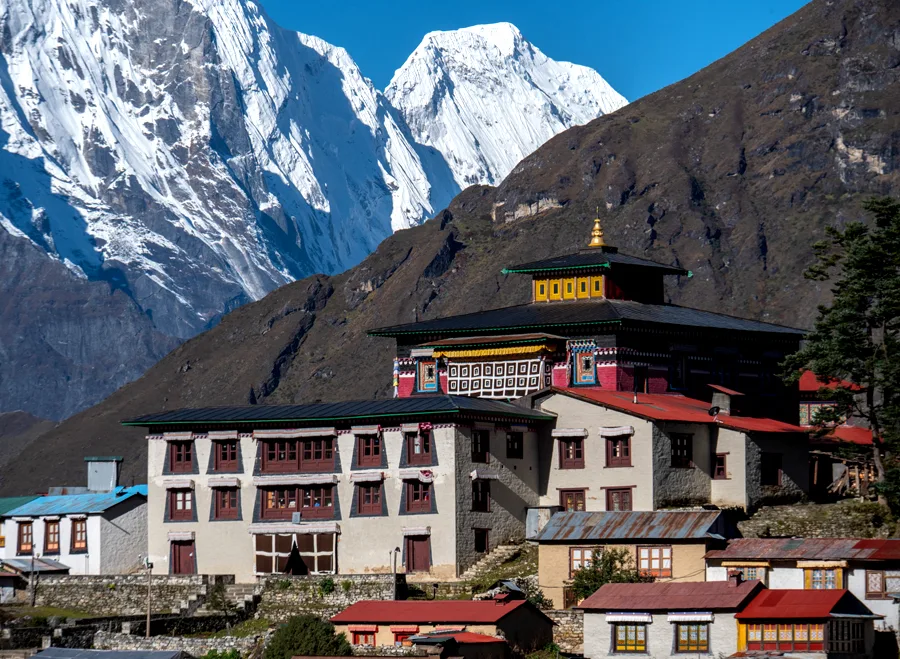
But here exaggeration about Mount Everest is beyond the truth that you will ever achieve satisfaction on the journey.
Moreover, after the destination, certain things have to be researched about the trekking season that will be best to accomplish the desired image.

Everest base camp specially offers its pristine beauty all over the year but the natural climatic season that has an impact on it has to be considered while trekking.

Generally, there are two prominent trekking seasons in the Himalayas; spring-late March to May and autumn-late September to November.  December to February is the low season.

Everest base camp trek for a beginner

Trekking is not as easy as pronouncing itself. Usually, when we go for a  day trek, it’s all about fun and the short trek, but this is gonna be a little step hard. You have to be fully prepared before the trek.

The trek to Everest base camp is stepping closer to the wild which also leads to the marvelous scenery enriching the journey experience.

The people from the Sherpa community are best on their own to excite the trekkers on the trail. The accommodation and their hospitality are the best part of the trek.

The trek is an adventure and an unforgettable journey of life, but you have to get the guts, courage, and dedication. Either one having well fitness and some physical preparation before starting the journey can grab this beautiful decision to the real experience.

How difficult is the Everest base camp trek?

People of different ages from different corners of the world have reached the summit. Normally there is no barrier for any reason that anyone cannot trek to the Himalayas. People with a strong mindset and physical fitness can conquer the journey.

No expertise and mountaineering skills are required. The trail is not harsh but the travel duration is lengthened for an overall trip to be completed within 12-15 days. Altitude is the most challenging aspect that makes the trek difficult on the average length of the same trek.

But, the static report that people reach the summit international tourists shows, how people craze subject to climb the summit of Everest.

Everest base camp trek distance and highlighted itinerary

As always, trekking could not be fastened up so you have to take care of your vacation time. The entire schedule of the trek is 12-15 days. It depends on how you have planned your trip to go to either the company you have hired has the trekking schedule.

You must schedule your trek 2-3 days extra from the whole itinerary that would benefit if you have to extend the itinerary in the meantime. Take an insight into the short highlighted itinerary:

Kathmandu-Lukla-Namche Bazaar-Tengboche-Everest base camp-Kala Patthar-Namche Bazaar-Lukla-Kathmandu

Everest base camp trek cost

Research may vary the cost accordingly to there preliminary of the company you hired for your trek. The cost is also flexible in response to the itinerary and the accommodation you want for your trip.

Usually, the Everest base camp trek cost from USD 1200 – USD 1500 per person on average. Get to know and do the best research in the cost that may have the lowest cost offer with good quality services. Compare the best possibility.

Enlisting tips to know before the trek to Everest base camp trek more:

We are enlisting the main content of our article which will be binding the real experience from the past result. People will be able to meet the expectation by the end of this article.

Not everyone dares to trek the world’s top mountain without researching and listening to the existence of the mountaineers.

And we are here to feel the gaps between the two trekkers who already reached Everest base camp and the one who is eagerly waiting for the decision to get into action.

Chola Pass with Everest Base Camp Trek – 19 days
Nepal is Paradise for Travel and Trekking Destination Nepal is a completely peaceful country holding pristine beautiful nature....
19 Days
Challenging

US$ 1150

Set yourself physically and mentally

A healthy body and healthy mind can only get the best result from any action. So before traveling to any destination be fully prepared about the place you’re going and what geographical region is it located in. People usually return from mid of the trek because they are unaware of the difficulty of the trek.

Do body cardio exercise along with cardiovascular exercise from the month back to the trek. Stretching exercise and yoga prevent cramps and exercise agility.

Do not drink and smoke while you are traveling and trekking in the field.

Drink plenty of water and use the hot water spout during the trek.

Take a nutritious diet.

There are very significant concerns when climbing at high heights in remote regions. Altitude sickness is prevalent, and evacuation may be essential in an emergency.

If you are physically healthy then the automation of the healthy mind is. Mentally preparing yourself makes you stay calm and focused on trekking.

Stay hydrated physically

The trail to the Himalayas is often difficult and makes the destination uneasy. The most important thing to remember is that you have to be concerned about the nutrients and dehydration of the body. The region is high desert and rough in the mountains so make yourself most hydrated.

Gears and equipment for backpack

The backpack session of the trek is the most essential thing to remember while going for the trek. People often take unnecessary things that make the backpack heavy.

Taking the right things at the right trek makes the journey blissful. The most required things that have to be concluded in the Everest base camp can be listed as

Backpacks

Heavy duffle bags

Luggage locks

Clothes:

Wicking clothes like a shirt, boxers, and the lightweight weight t-shirt

Synthetic or woolen T-shirt

Fleeces paint

Linear gloves

Therma coat and paint

Down jacket

Accessories:

Headlights

Trekking poles

First aid kits with required medications

Carrying the personal first aid kit, usually, the pain killer, body spray, sunscreen, and other daily used medicine is necessary. The required medications and the healthy tips are to acknowledge before the start of the journey to get started.

Travel visa and permits

Traveling to a protected and preserved area always requires a permit and a travel visa is an essential document. The required permit depends upon the routes you are planning to trek Everest base camp trek usually requires two permits:

Sagarmatha National Park permit

Khumbu Pasang Lhamu Rural Municipality entrance permit

Insurance for the whole trip

There are very significant concerns when climbing at high heights in remote regions. Life is unpredictable. We never know when things go wrong and suddenly happen.

The adventure can turn into a disaster if things go wrong. To stay away from this unpredictable moment be sure you get your full life insurance just in case.

Mountainous areas often do not provide coverage above a certain altitude. As a result, you should look for insurance companies that offer a policy that includes your insurance during the Everest Base Camp Trek, which reaches a maximum altitude of 5,545 meters.

While emergency services are available, they are prohibitively expensive, which is another reason to purchase comprehensive insurance for this trip.

Network connection

Every sightseeing journey is captured by the eyes but for the memories and the things to show for reference cameras and pictures are necessary. Updating yourself during the trek increases the engagement of people through social media.

There is a 3G network connection to the Everest base camp by the Nepal telecommunication services. Free wifi is rare in the Everest region than in the Annapurna base camp. The rest stations like Namche and Lukla have internet services but with high service charges.

The mobile internet is fast enough for connectivity. The network service is not strong throughout the trial. Enjoy the journey to the fullest besides the network and connectivity.

Jiri to Everest Base Camp Trek – 20 days
Nepal is Paradise for Travel and Trekking Destination Nepal is a completely peaceful country holding pristine beautiful nature....
20 Days
Moderate

US$ 1100

Local travel company

Researching about the travel company that has good reviews and rewards for quality service. The trail is usually well-marked or immediately evident.

In many cases, there is just one path to take. There are usually other hikers on the trail as well. However, there are several advantages to hiring a local guide.

To begin with, it’s a terrific approach to help the local economy. Trekking companies and others you encounter once on the ground can both provide guides.

The top guides are frequently booked months in advance, so do your research and hire a tour if you want the best of the best.

Facts about the Everest base camp trek

Everyone has once wishlist to climb Mount Everest once in their lifetime. But if that is going to happen then there is at least an option to Everest base camp which is the best alternative for the trek.

The main thing is that having the guts to trek is the first step to giving the route to your destination. So climb high to the top with beautiful glimpses of the journey.