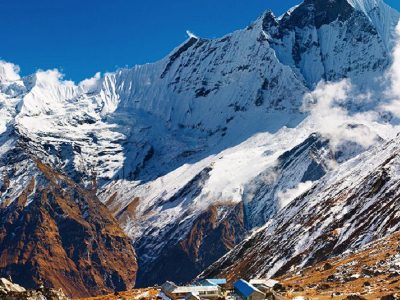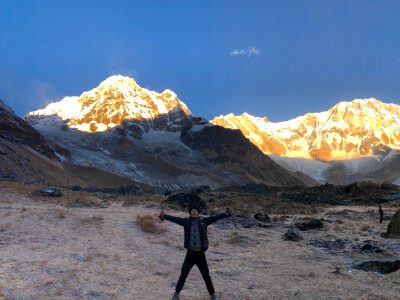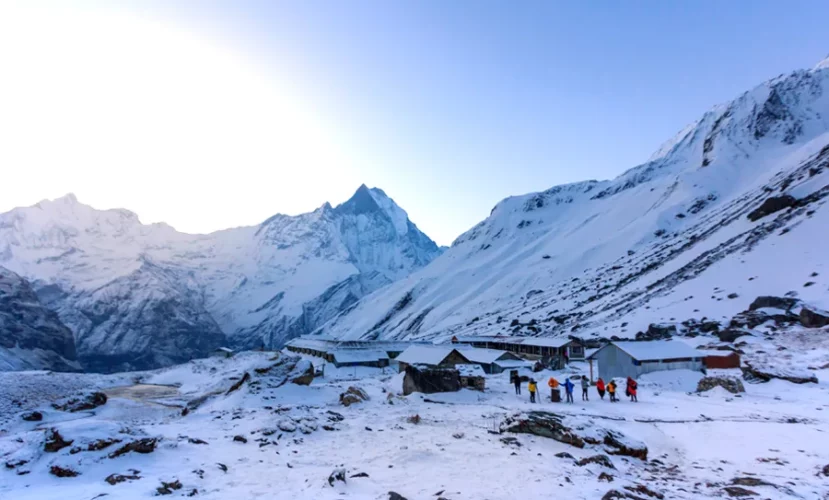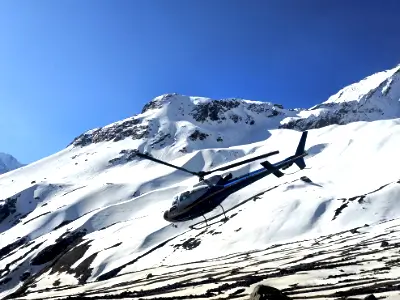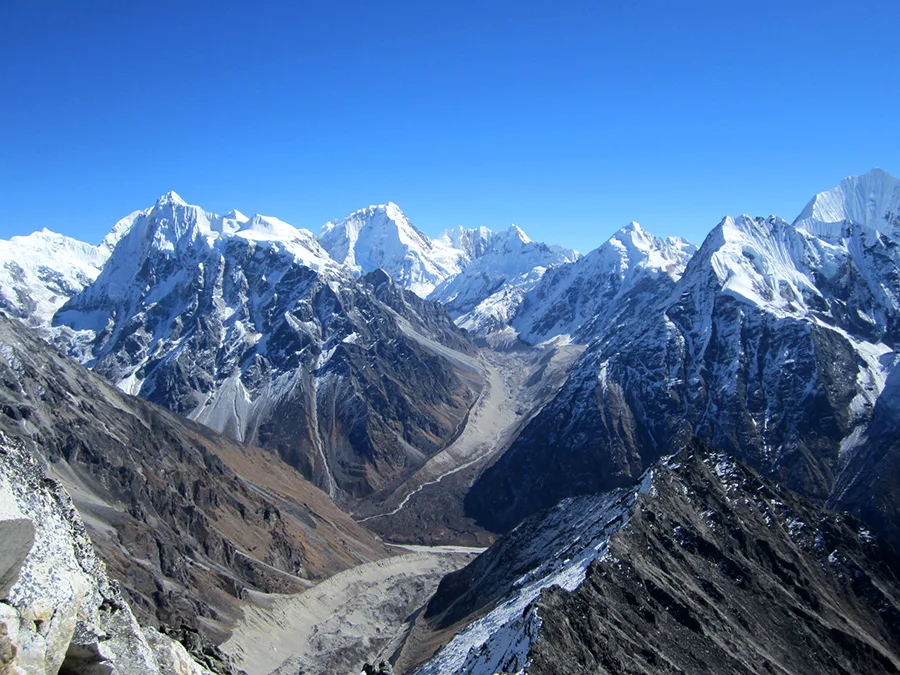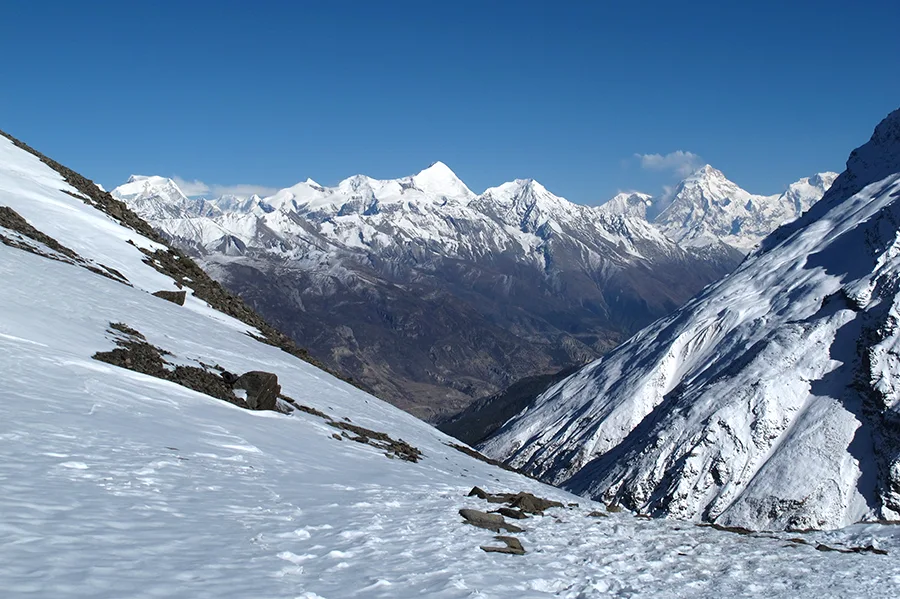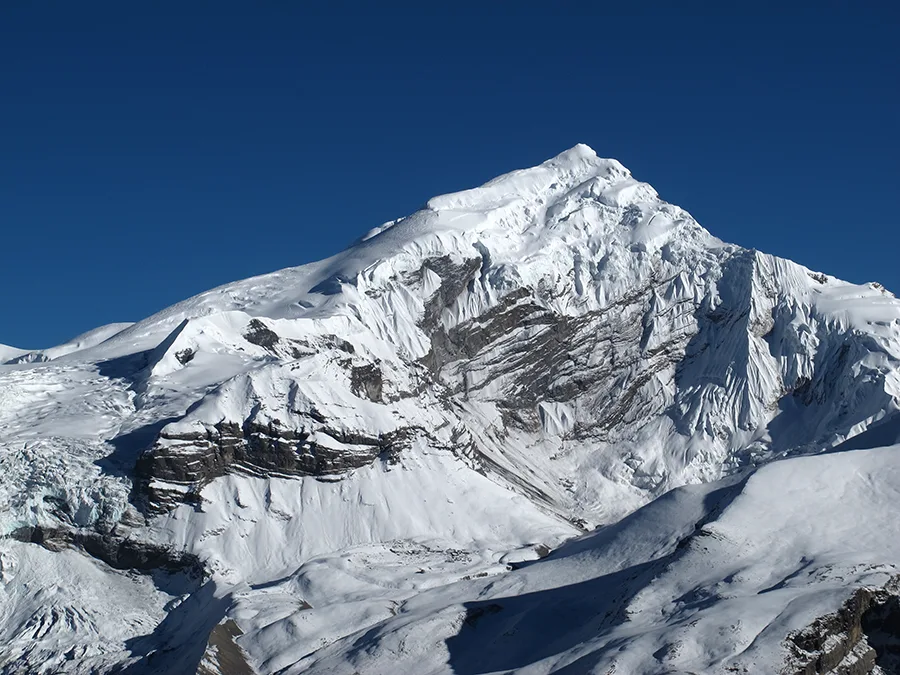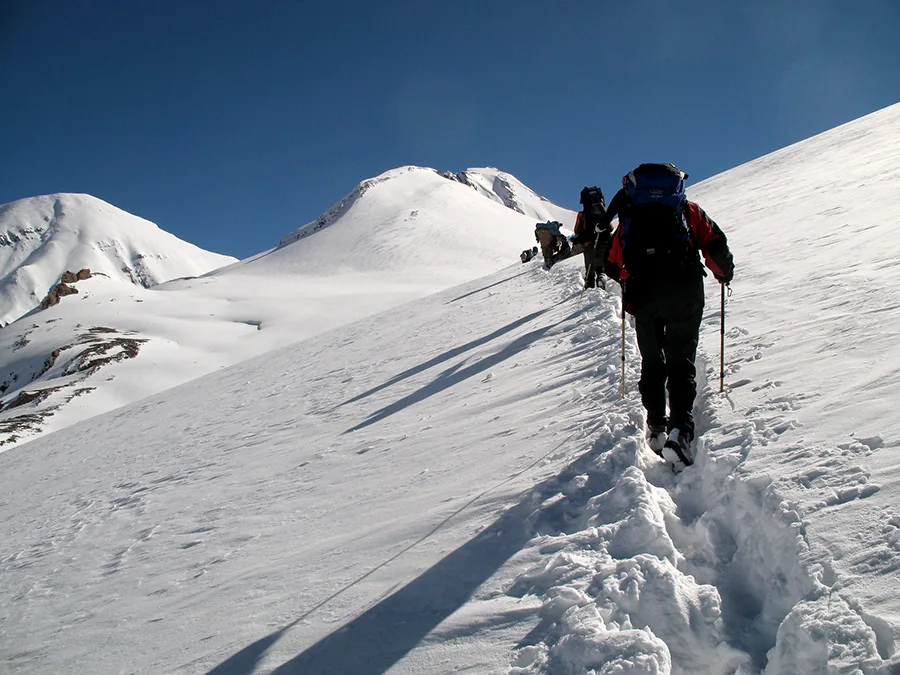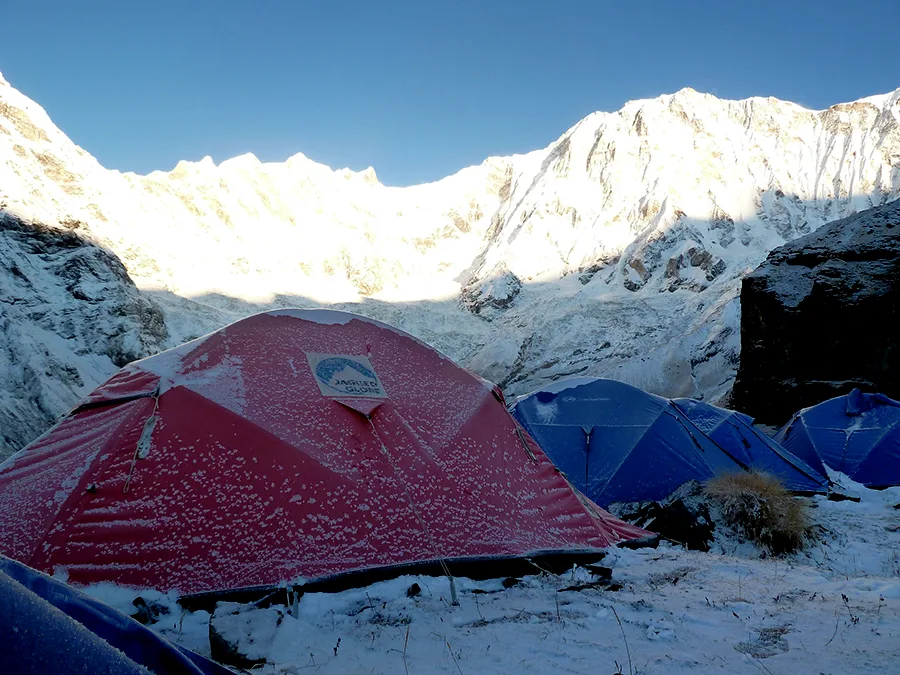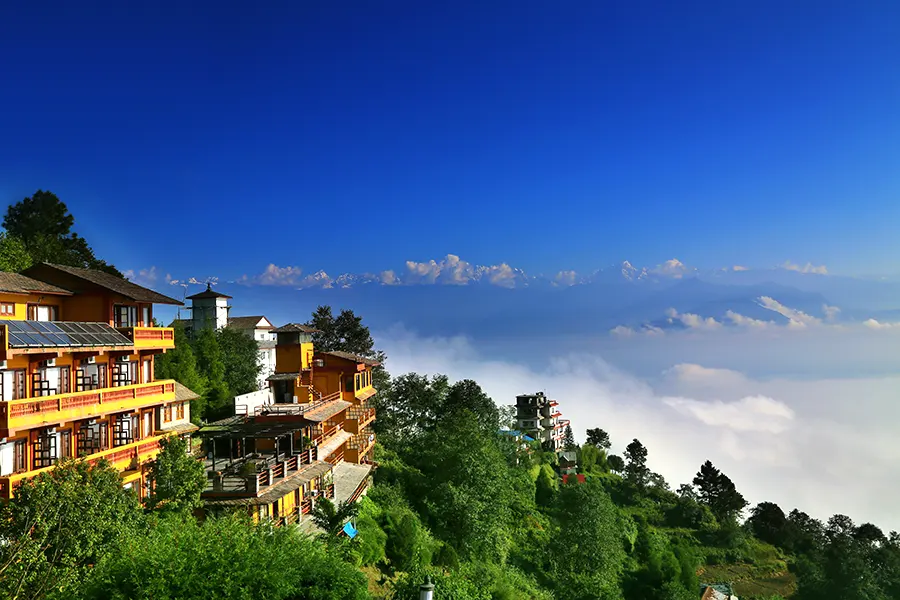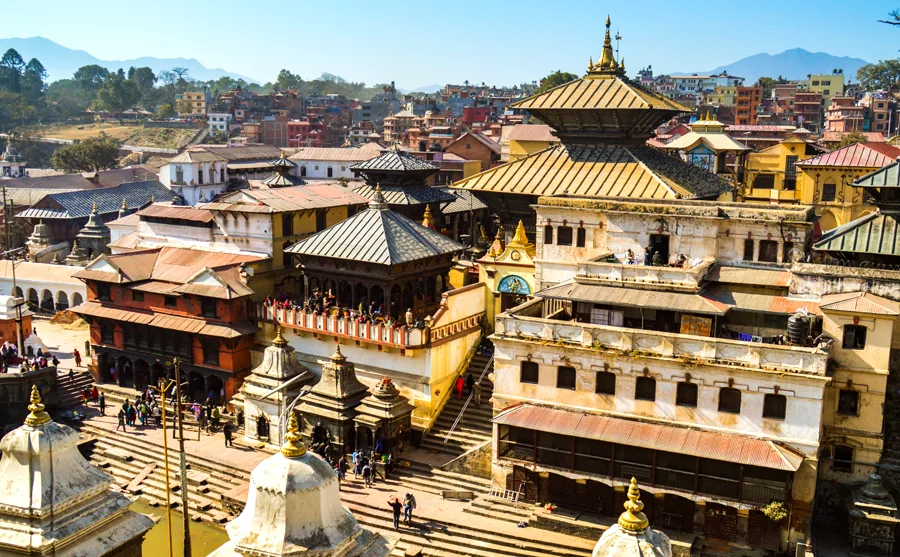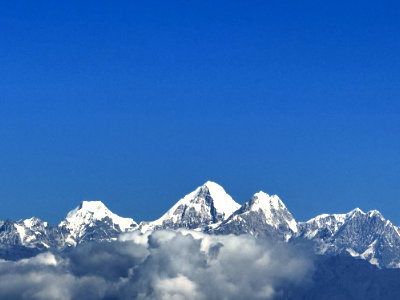

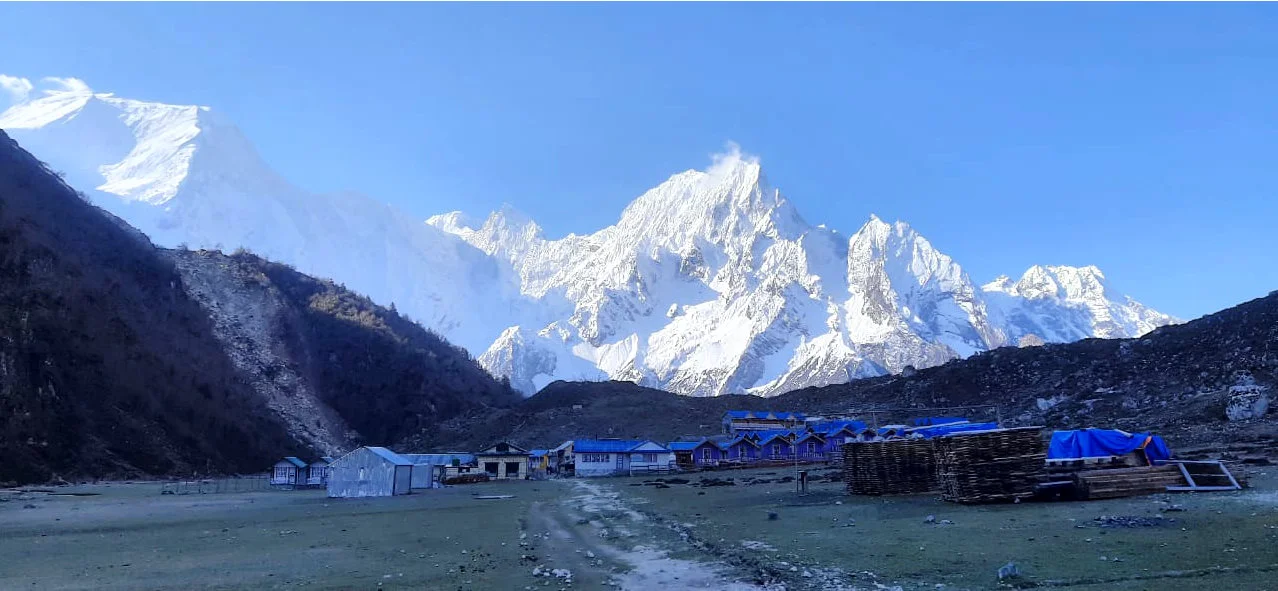
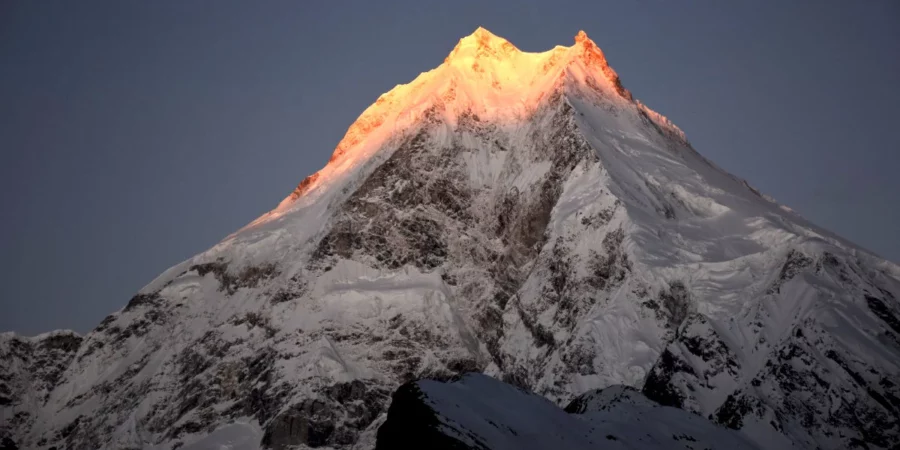
Do you know the mystery behind: Why Manaslu is called Killer Mountain? Mountain Manaslu is a stunning sight in the Himalayas, being situated at 8163 meters (26781 ft) above sea level, which makes it the eighth-highest top on Earth. In the Sanskrit language, the name “manasa” means mind or soul as it represents religious importance to the locals.
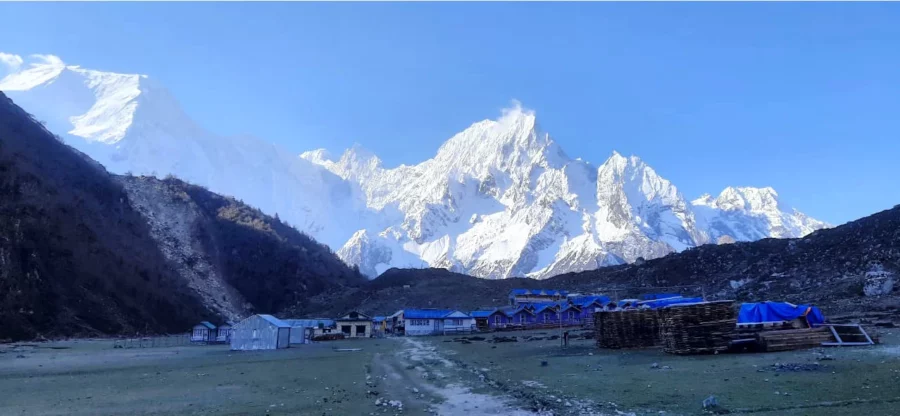
However, Manaslu is very attractive; it is also associated with danger hence being referred to as “Killer Mountain.” Geographically, Manaslu lies within the Gorkha district of Nepal’s Mansiri Himal subrange. It’s a remote place and difficult topography contributes significantly to its deathly recognition.
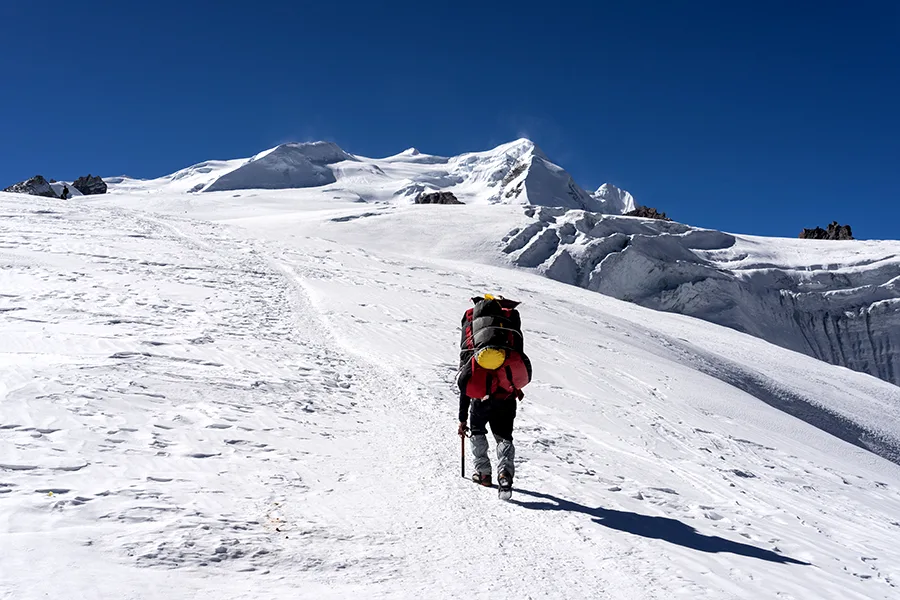
Climbing is difficult due to its steep slopes, sharp ridges, and treacherous crevasses. It is one of the hardest mountains on earth as it combines technical difficulties with outstanding height and unpredictable climate situations that make the summit unreachable even for pro climbers.
US$ 790
On May 9th, 1956, Toshio Imanishi together with Gyalzen Norbu led a Japanese expedition that first summited Manaslu. Since then several attempts to reach its summit have been successful while others were disastrous. Due to its remoteness, there are no such rescue and medical facilities available on this mountain thus enhancing the risk of climbers.
Over time, avalanches, falls and altitude sickness have taken the lives of over 80 climbers resulting in Manaslu’s fame as a killer mountain. The mountain is still popular among risk-takers due to its beauty and has not been touched by civilization and the difficulty it poses to those who dare climb it.
Conservation efforts are aimed at preserving its natural environment on the one hand and increasing interest in tourism on the other. The icy slopes that they pass through to conquer Mount Manaslu remind everyone that there is nothing more tempting than adventure while the power of the Himalayas can be compared only with deathlessness and infinite cruelty.
Let’s explore more about Why Manaslu is called Killer Mountain.
Why Manaslu is Called Killer Mountain?
Mt. Manaslu is a very tall mountain in the Himalayas of Nepal that rises to 8163 meters above sea level and has been given another name “the Killer Mountain”. The name alone suggests how dangerous this adventure to climb could be since there have been many fatalities recorded as a result of attempting this mighty peak.
It differs from some other mountains that are infamous for particular hazards like avalanches and crevasses; rather, its reputation for being a “killer” comes from several hazardous aspects that make it a real testing ground for skill, strength, and bravery on the part of mountaineers.
1. Technical Difficulty and Terrain
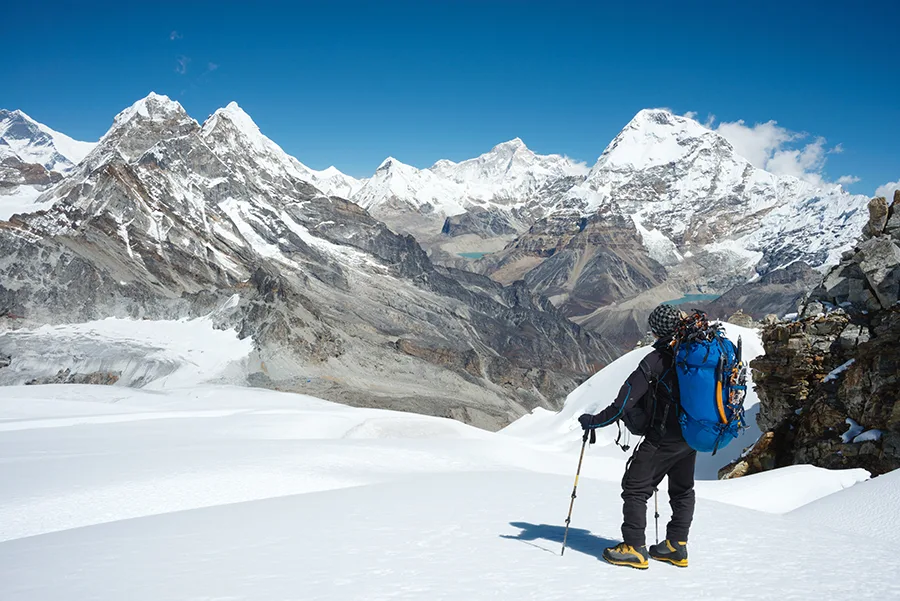
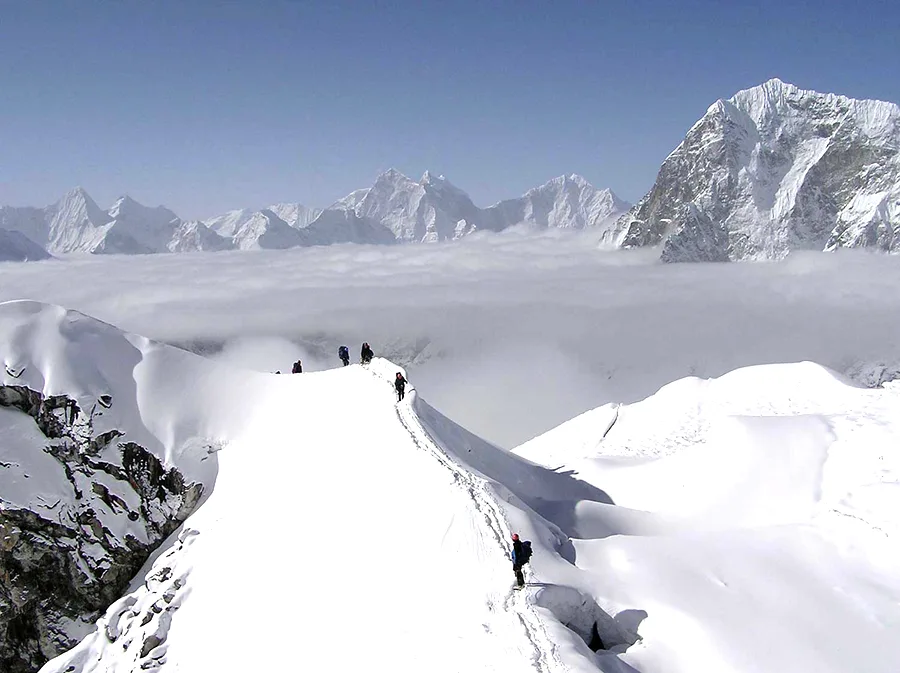
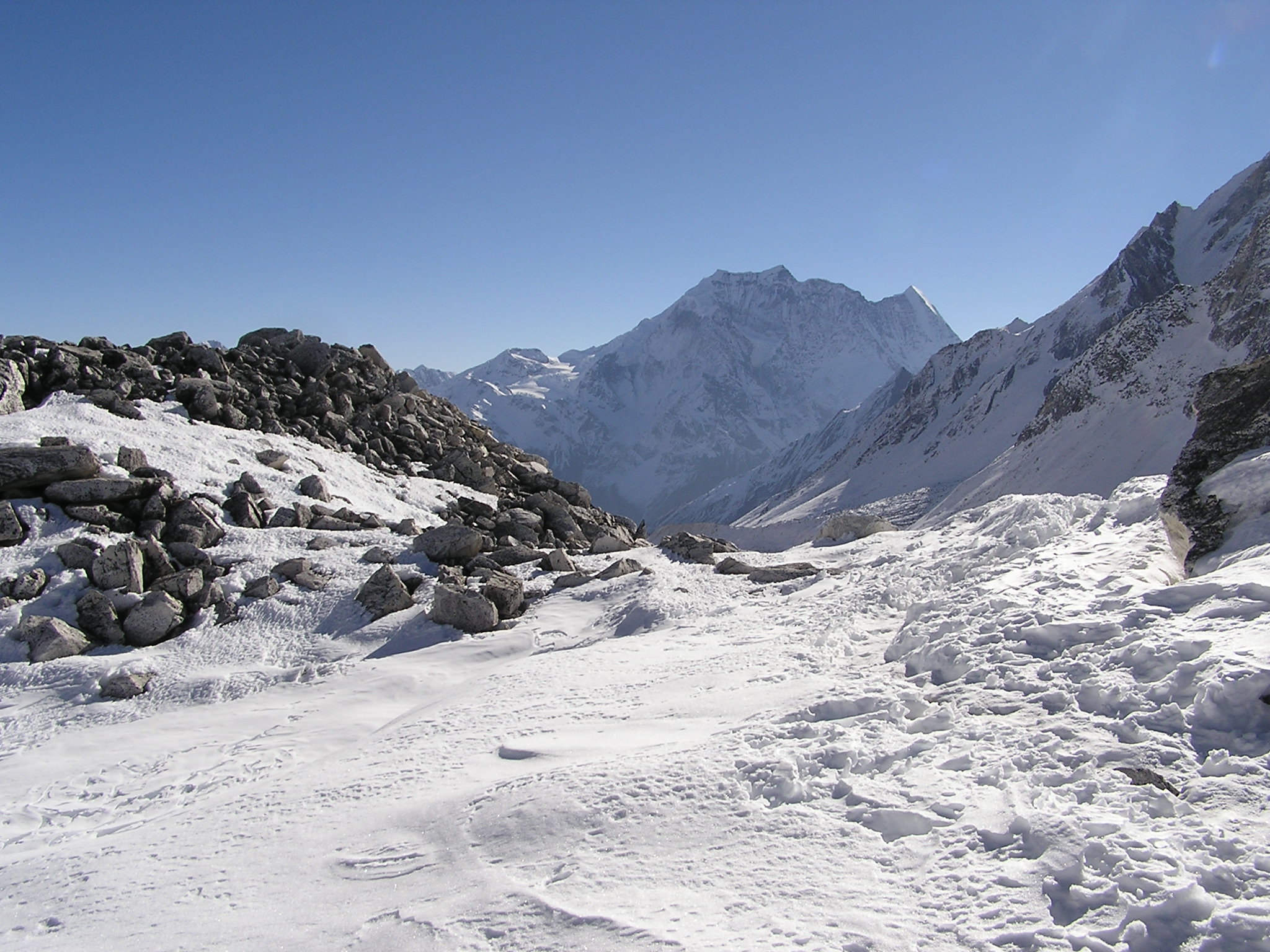
Technically speaking, Manaslu is one of the most difficult summits in the world. Steep slopes, sharp ridges with sharp edges, and intricate ice fields define its landscape thereby demanding expert mountaineering skills.
Climbers must navigate treacherous crevasses and seracs, often requiring meticulous route planning and careful execution. The technical challenge also means more accidents may occur including falls or injuries making Manaslu a challenging climb.
2. Altitude and the “Death Zone”
Beyond 8000m in the “death zone,” Manaslu has to beat extremely high elevations that pose serious physiological problems. When such an environment lacks oxygen supply, climbers face risks associated with altitude sickness like acute mountain sickness (AMS), high-altitude cerebral edema (HACE), or high-altitude pulmonary edema (HAPE).
If not attended to immediately and effectively, these conditions can easily get worse and even turn fatal. Merely setting up a camp or walking through the terrain would be unduly burdensome due to physical exhaustion from such high altitudes.
3. Unpredictable and Harsh Weather Conditions
Manaslu and other parts of the Himalayas are known for their fickle and severe weather. On exposed slopes where they can become trapped or hindered from advancing toward the top by abrupt storms or strong winds that may occur within minutes or hours, climbers will encounter sudden storms, strong winds, and extremely fast-changing weather patterns.
Monsoon rains that hit this area heavily during summer months make climbing attempts more complicated; it also raises avalanche risks and landslide possibilities. Under such circumstances any rescue mission becomes treacherous; therefore all injured climbers must be promptly evacuated.
US$ 1000
4. Avalanche Risk
Given its steep terrain as well as glaciated nature, Manaslu is highly susceptible to avalanches, especially during snow build-up periods or rapid temperature changes. Mountaineers should attentively consider avalanche risks while maneuvering through areas prone to slides with extreme vigilance.
The risk of an avalanche adds another dimension of danger to an already dangerous mountain climb thus requiring constant attention, detailed planning, as well as situational awareness throughout the ascent.
5. Remote Location and Limited Infrastructure
It is a very remote place in Gorkha District, Nepal. As such, it has numerous logistical and operational problems of mountaineering. In terms of the rescue and medical services that are available at the site, it is not as good as other easily reachable peaks like Mt Everest.
In case of any emergency, evacuations can be a daunting task and time-consuming one, thus delaying critical medical attention required by the climbers. Due to this reason, climbers must be ready for emergencies at all times to deal with them for quite some time increasing the risks involved during climbing.
6. Cultural and Spiritual Significance
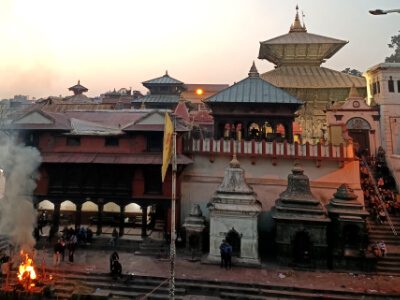
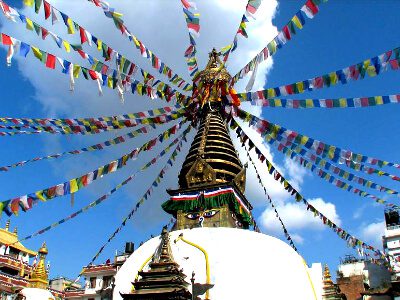
Beyond its physical challenges, Manaslu holds deep cultural and spiritual significance for the local communities. As per local mythology, it is considered god’s abode; hence it’s important in religious beliefs and rituals among others.
While climbing Manaslu, mountaineers have to take into account local customs and traditions thus enabling them to appreciate different cultures. This aspect makes mountain climbing more interesting since one learns that respect towards each other’s cultures is worth cherishing while exploring such holy places that leave you breathless.
7. Lack of Fixed Route Infrastructure
In contrast to Mount Everest whose standard directions have established fixed lines plus camps along its routes. Climbers frequently depend on their equipment and skills to cope with the challenging terrain found in the mountains.
This lack of fixed infrastructure renders climbing Manaslu more difficult and dangerous hence the need for autonomous climbers with great competence in mountain climbing technologies.
8. Environmental Impact and Conservation Challenges
The growing attraction of Manaslu as a destination for mountaineering raises concerns about its environmental impact. Mountain climbing can leave behind garbage, contribute to erosion, and disturb the habitats of animals. To mitigate these impacts, conservation efforts are important.
This includes promoting sustainable practices like proper waste management and reducing ecological footprints during expeditions. Additionally, it is important to strike a balance between adventure tourism and conservation needs thus preserving Manaslu’s natural beauty and biodiversity for future generations.
9. Permit Regulations and Logistical Challenges
For one to climb Manaslu, s/he must get permission from the Nepalese government which is responsible for regulating access to it. These permits help manage the number of climbers who undertake the task while ensuring that safety protocols are adhered to.
However, obtaining permits involves going through complex bureaucratic procedures taking up much time on the part of expedition leaders as well as climbers. Permit regulations come with logistical hick-ups adding another layer.
Manaslu is one of the world’s most difficult and treacherous mountains that is appropriately called Killer Mountain. This mountain has climbing problems and tall heights; it faces the danger of avalanches and uncertain weather but all these don’t tell everything about it because it’s in a remote area and people believe it has historical significance.
However, despite these terrifying obstacles, Manaslu keeps attracting adventurers who are fascinated by its grandeur and beauty as well as its ability to endure challenges. In this regard, every climber will yearn for something new, including those who do not know what fear is like.
The mountain is a constant reminder of how powerful nature can be found at the heart of the Himalayas. We have discussed the main aspects that describe why Manaslu is called Killer Mountain.
Historical Context behind Why Manaslu is called Killer Mountain and Climbing Attempts
Mount Manaslu, which soars beautifully in the Himalayas of Nepal, is a mountain with a renowned chronicle of triumphs and tragedies. The Japanese expedition was led by Toshio Imanishi and Gyalzen Norbu who reached its summit for the first time on May 9th, 1956.
This was an important achievement since it ranked Manaslu as the eighth-highest peak in the world to have been summoned. Ever since that groundbreaking journey, many climbers globally have attempted to ascend Mount Manaslu and conquer its treacherous slopes.
Nevertheless, several accidents happened because of its remoteness in the district of Gorkha in Nepal coupled with its difficult landscape. Manaslu has witnessed countless expeditions confronted with dangerous situations like avalanches, falls, and altitude sicknesses.
Climbers’ safety is seriously threatened due to extreme heights up to death zones above 8000 meters. Though mountaineering technology improves continuously while rescue operations become more sophisticated, these dangers limit planning meticulously, experience, and awareness about unpredictable natural processes inherent on this mountain.
Exceptional excellence attained by man and the realism of high-altitude mountains is what Manaslu Mountain stands for. History is always in the making for mountaineers who seek to reach the farthest heights.
The story of victory and defeat on Manaslu is one such story that needs to be told; it reminds climbers about the courage, skill, and tenacity required to scale one of the most difficult peaks in the Himalayas. We have also discussed the historical context behind why Manaslu is called Killer Mountain.
US$ 1200
Manaslu Mountain: The lure and efforts towards conservation
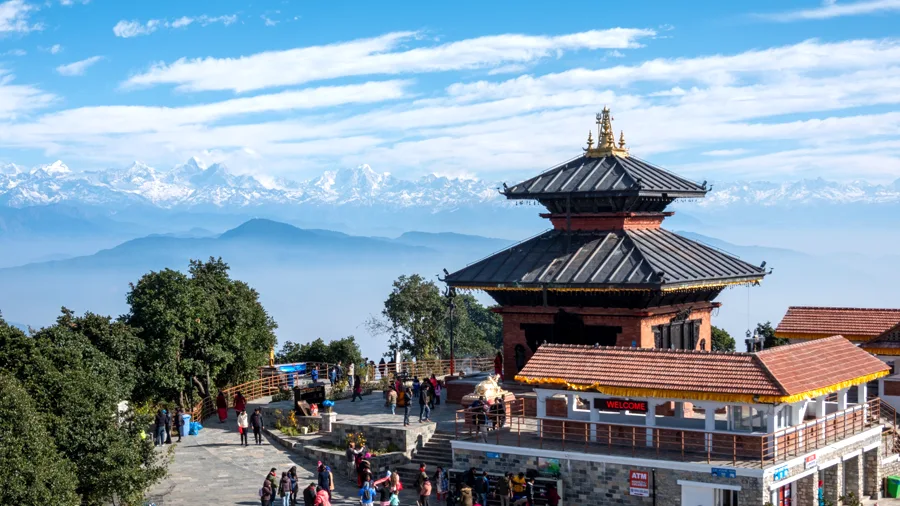
Despite being “Killer Mountain”, Mount Manaslu has a captivating appeal that goes beyond its fearsome reputation, attracting adventurers from all corners of the world. Nestled high up in the Nepalese Himalayas, Manaslu’s pristine beauty combined with its cultural importance make it a site loved by many experienced mountaineers looking for challenge as well as exploration.
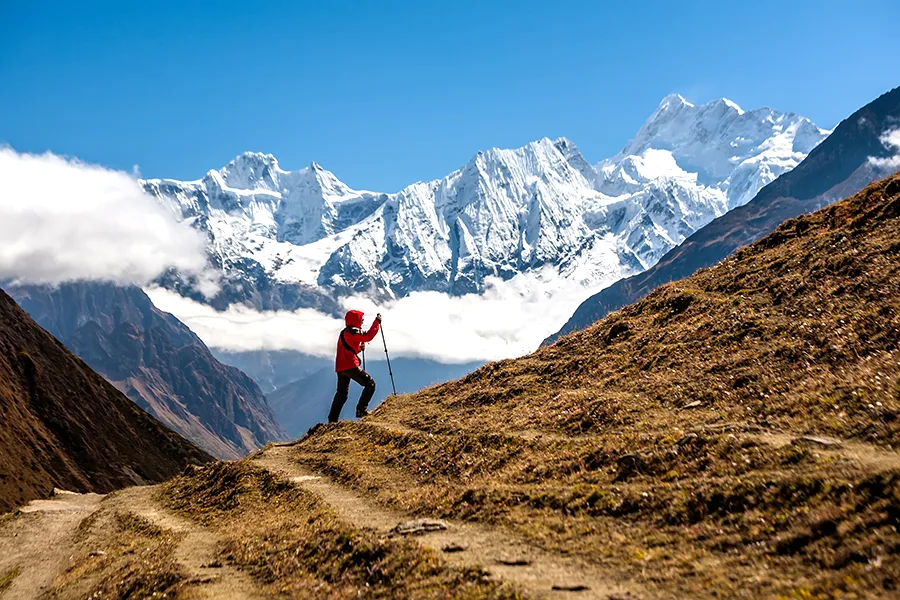
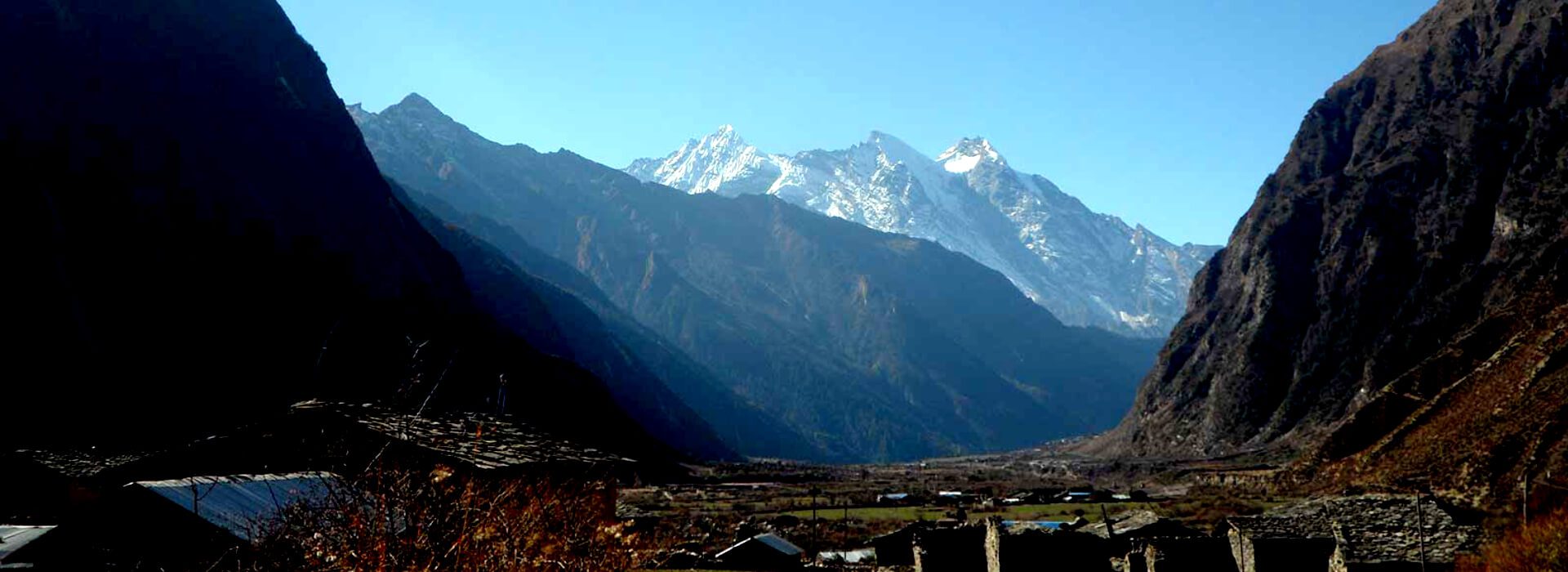
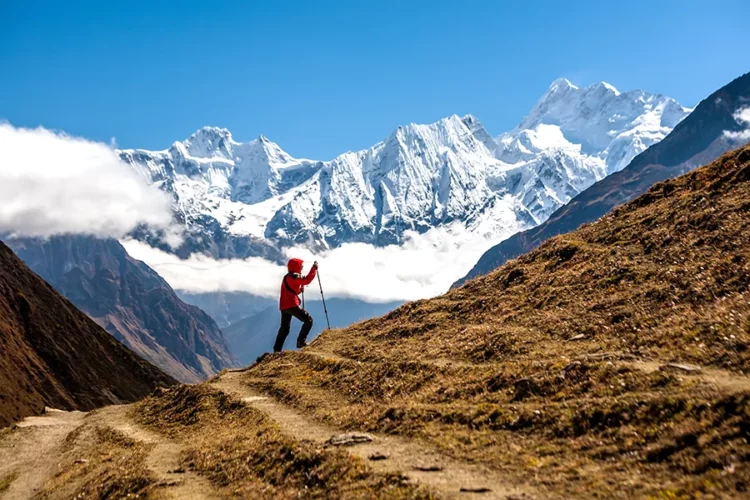
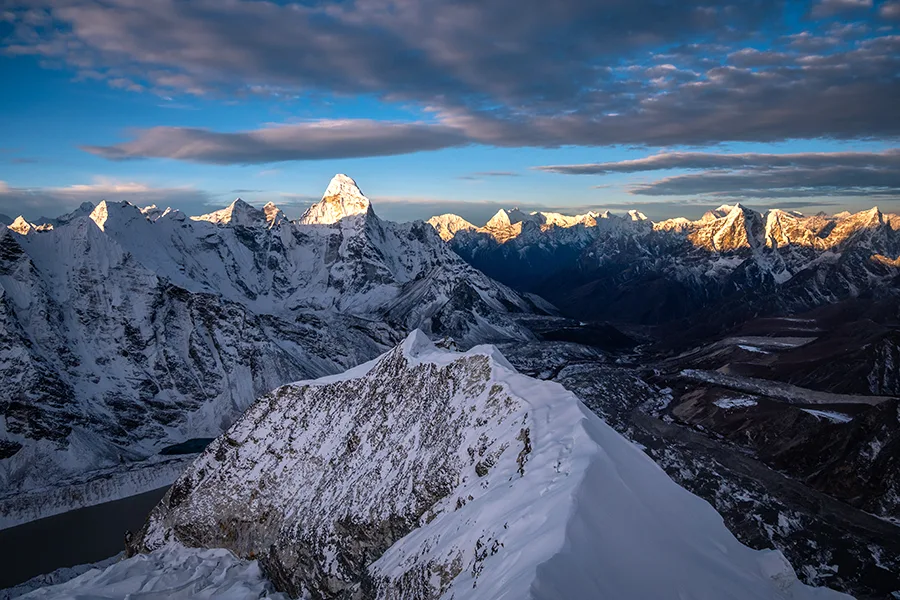
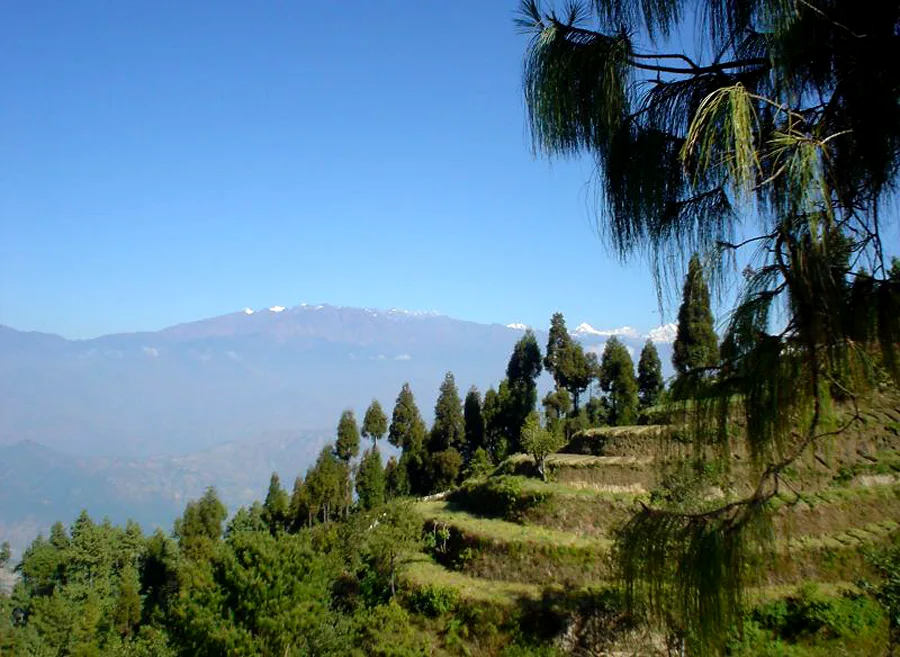
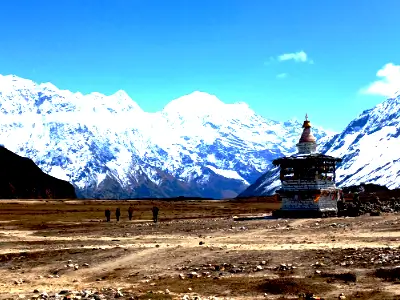
Mount Manaslus’s charm lies not only in its being the eighth highest peak on earth but also because of its rugged landscape and breathtaking views. It offers an unending landscape covered with snow-capped summits, deep valleys, and diverse ecosystems among others which are breathtaking while trekking along with rugged slopes and crevasses.
In the recent past, attempts have been made to preserve Manaslu’s environment and boost sustainable tourism. Conservation projects focus on minimizing environmental degradation during mountaineering while respecting local inhabitants’ cultural values.
These steps represent a fine line between promoting adventure and conserving the region’s natural resources and biodiversity in the long term. This fragile ecosystem is traversed by climbers who are also involved in ongoing conservation initiatives through responsible tourism practices that benefit local communities.
The adventure enthusiasts climbing Mount Manaslu show their commitment to sustainable adventure travel by loving exploration as well as keeping in mind they should still be respectful of both the environment and cultures.
If only because it is a symbol of human resilience and discovery, Mount Manaslu is thus an inspiration for responsible Himalayan tourism. Thus still its grandeur persists to inspire adventurers to sip from the cup of triumph after scaling one of the earth’s toughest peaks even as they leave its beauty intact for future generations to see and love.
Frequently Asked Questions (FAQs) about Mount Manaslu
- Why Manasalu is called Killer Mountain?
Manaslu is a dangerous peak in Nepal due to its technicality, high altitude, and unpredictable weather. With steep slopes, knife-edge ridges, and deep snow this mountain requires advanced climbing skills. Climbers face challenges in the “death zone” which starts at around 8,000 meters above sea level where oxygen levels are very low causing impaired physical and mental functioning hence increasing chances of sudden avalanches and strong winds. It means that climber safety is constantly threatened because of the proximity to the death zone.
- How many people died on Manaslu so far?
More than 80 climbers have met their tragic ends attempting to climb Mt. Manaslu according to recent reports. These fatalities demonstrate that there are risks inherent in going up this treacherous route on the mountain.
- Is Manaslu more dangerous than Mount Everest?
Both Manaslu and Everest have a significant degree of danger attached to them but for different reasons such as a lack of basic survival features compared to elsewhere on Earth or most other parts of Nepal in case one succumbs to his or her life at any attempt beyond base camp; meanwhile, it is obvious that many people are endangered by the height of Everest and number of mountaineers but the distance from any kind of civilization, as well as underdeveloped infrastructure, can make rescue operations even more complicated and increase threats.
- What is the best time to go mountain climbing in Manaslu?
Typically spring (April-May) and autumn (September-October), when there are few storms or rainfalls are the best months to go up Mount Manaslu since during such periods skies are very clear with little rainfall. The chances of achieving success are higher when climbers can see better as well as risk less from avalanches
- Are there any non-technical treks around Manaslu?
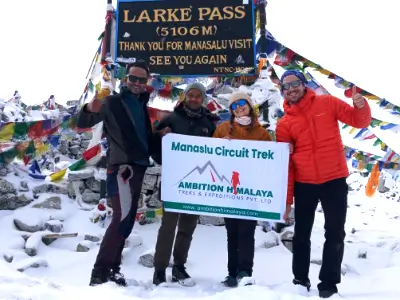
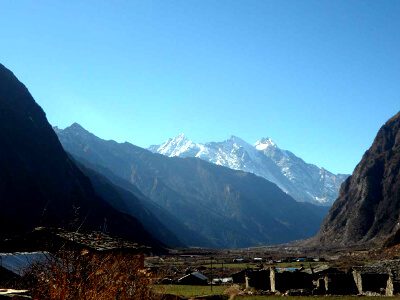
Certainly, the Manaslu Circuit Trek provides a popular way for non-climbers to explore the area without scaling its heights. This trek goes around the massif of Manaslu allowing one to have an awe-inspiring view of the peak as well as its surrounding areas.
US$ 1350
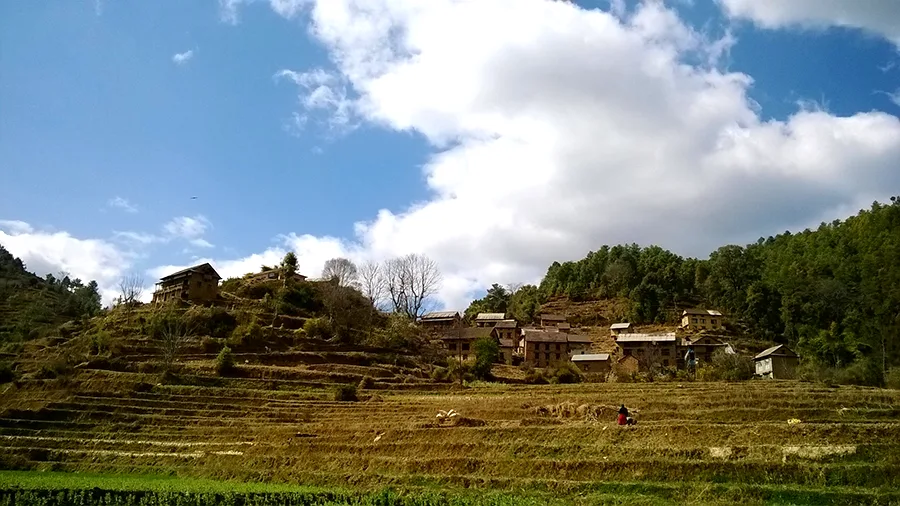
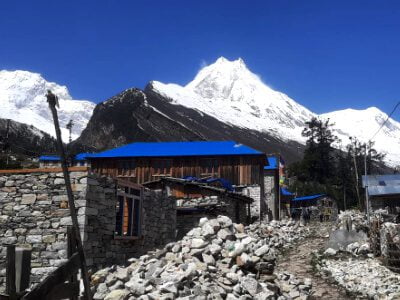
It is famous for cultural immersion because it passes through very remote villages with a mix of different ethnic groups such as Gurungs and Tibetans. Trekkers enjoy traditional hospitality, picturesque scenery, and insights into indigenous ways of life that make it worthwhile for people who do not want to climb mountains.
The Final Wrap Up
The nickname “Killer Mountain” should be taken seriously by climbers; at the same time though the name also indicates that ascending Mount Manaslu is an exhilarating challenge. Steep inclines aside, high altitudes notwithstanding, unpredictable climate despite all that – this is what truly embodies Manaslu spirit.
It challenges climbers to pit their skills and determination against nature’s harshest impediments. Manaslu stands as a great symbol for mountaineering as climbers ascend to new heights and test their limits.
We must respect its cultural significance and natural beauty while promoting sustainable tourism. Climbing Manaslu is more than attaining its summit; it is a personal journey through which one can find oneself again while connecting with nature.
Lastly, Why Manaslu is called “Killer Mountain” serves to remind us about the dangers involved in mountaineering. It highlights the sublime attraction and indomitable soul of this majestic Himalayan peak.