
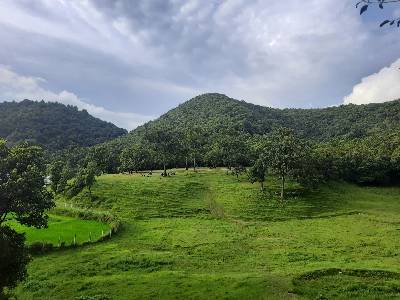
Gundu in Bhaktapur- chill place to hangout

Are you searching for a chill place in Bhaktapur?


Gundu in Bhaktapur is the best and most viral place, which is near Kathmandu.

 Gundu is located in the Bhaktapur District of the Kathmandu Valley, well known as one of the queen cities of Kathmandu. Gundu is located at a distance of nearly 2km from Suryabinayak Chowk, Bhaktapur.


Highlights of Gundu Bhaktapur

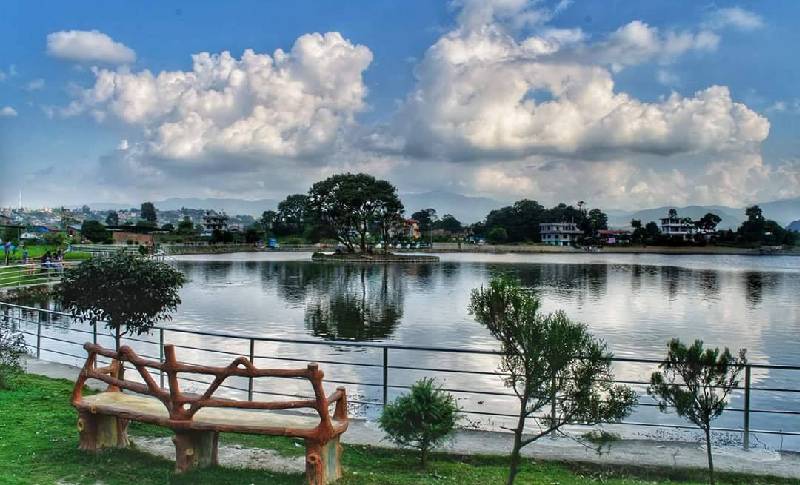
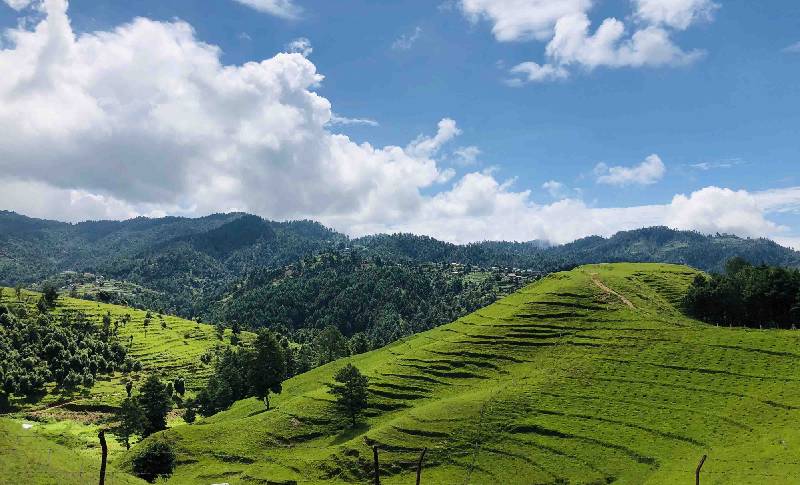
Gundu is a place that is very popular due to its natural environment. So, it is one of the best place to visit near Kathmandu. The green meadows, large fields of Makhamali flowers, and mountain views make an eye-pleasing view. This also makes Gundu popular for dry picnics. The beautiful scenery also makes it a popular spot for many photographers, video makers, and internet celebrities. It is also well known for short hiking and Camping. But, if you go camping in Gundu, be sure to pack because there are no hotels and famous restaurants around Gundu. 


Here is a short list of things you can do in Gundu.

  •  Suitable for dry picnics, photoshoots, video creation
  • Makhamali flowers fields 
  • Relaxing Environment
  • Eye Pleasing Views
  • Dummy Plane ( Plane crash area at Bhaktapur though no plane was actually crashed there, rather, it was a dummy plane built for army training)
  • Short Hiking


Location-How do you reach Gundu?

  1. Take a bus from Koteshowrto reach Suryabinayak Chowk at Bhaktapur from the Koteshowrside and take a right turn.


  1. Reach Ganesh Temple, also well known as Suryabinayak Temple. Then, retake a right turn. If you turn left, you will arrive at Pilot Baba.


  1. Go straight to reach Gundu, and then you will reach the ground. You will reach the viral location with a plane after 2 minutes, opposite that ground.


Places you can visit around Gundu or while traveling to Gundu

Suryabinayak Temple
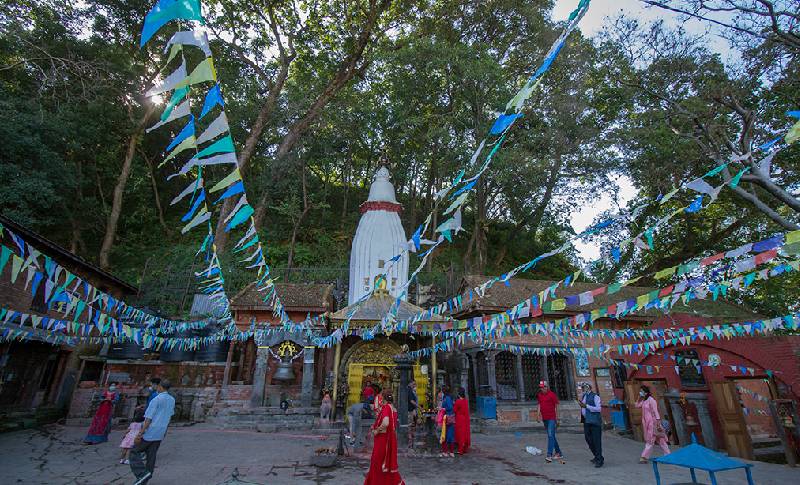
 

Suryabinayak Temple
Suryabinayak Temple

Suryabinayak Temple is one of the four famous shrines of Lord Ganesh. The temple of Suryabinayak is well known as the elder deity among the four popular Binayak temples of Kathmandu Valley. The other temples are Ashoka Binayak, Jal Binayak and Rakta Binayak. 

To reach the temple you have to climb some stone stairs. Along the stairs you will see shrines of many other deities until you get the entrance of the temple premises. There are also statues of Shivalinga, Malla kings and the mount of Lord Ganesha and Mushak in the temple. 

It is believed that the Suryabinayak Temple was built in the early 17th century during the reign of the Malla King Bhupatindra Malla. Others also believe that the temple was built by King Vishnu Dev Barma instead.

There is also a temple of Lord Shiva and Goddess Parvati aligning with the Suryabinayak Temple.


Pilot Baba Ashram
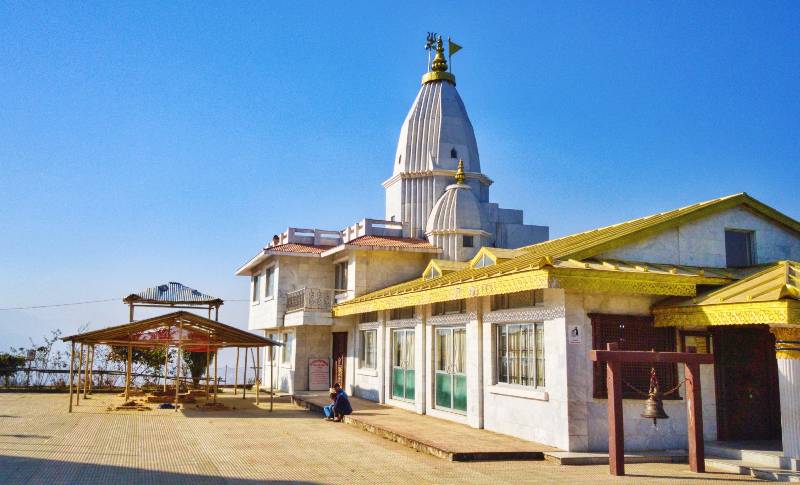
Pilot Baba Ashram
Pilot Baba Ashram


Pilot Baba Ashram is a very famous spot in Nepal. The Pilot Baba Ashram was built for the worship of spiritual leader and former Indian army, Left-wing commander Kapil Singh. It is said that Pilot Baba “Kapil Singh” left the army for Sanyash to find inner peace from the impact he suffered due to human conflicts and war.

You can visit the temple of Lord Shiva (Som Nath) and also rest in the big indoor meditation hall. 


Ghyampe Danda
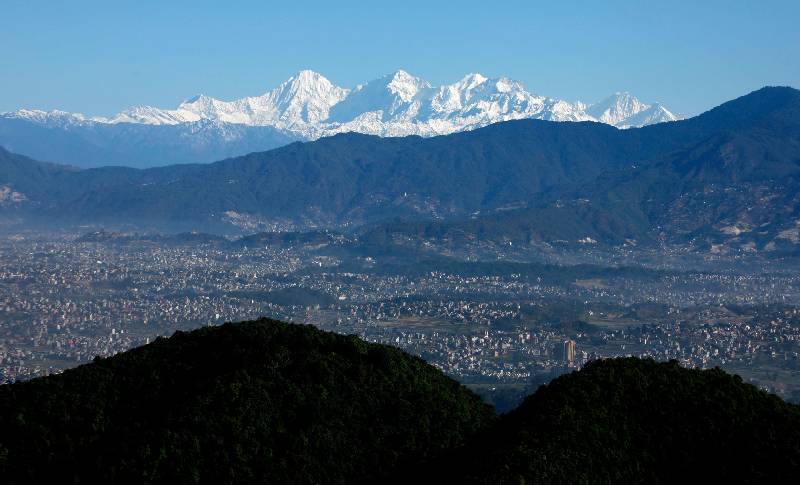


Ghyampe Danda
Ghyampe Danda

Gyampe Dhanda lies 14 kilometers from the centre of Kathmandu City.Itis one of the best place near Kathmandu. It is a rising tourist destination in Nepal. Gyampe Dhanda lies at a height of around 2,000 meters above sea level. You can see a panoramic view of Kathmandu Valley and many snow-capped mountains from Gyamphe Danda.

On the way to Ghyampe Danda you will pass through a dense forest. The forest has an area of 245.165 hectares. The forest has many flora and fauna like colorful rhododendrons forest and many others.

Gyamphe Danda is very popular for Rope cycling, Zip flying, hiking, jungle safari and more. In 2020, the government began the construction of an open National Zoological Garden in Ghyampe Danda.


Ranikot
 

Ranikot
Ranikot

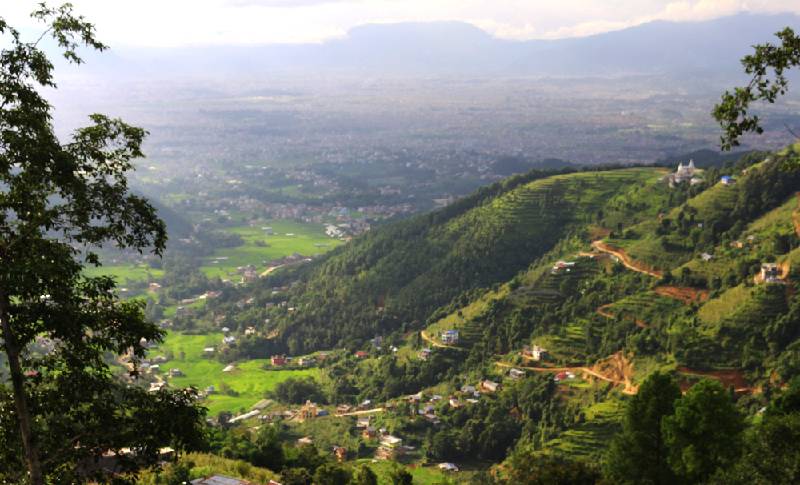
Ranikot is one of the famous historical spots in Bhaktapur. It has become very famous due to the finding of many fossils or debris of a Lichhavi-era palace. According to locals and experts, it was believed that it was a palace of one of the favorites among the wives of a certain Lichhavi King. Experts have also found many coins and fossils of sub-palaces of the Lichhavi Era.

There are around 250 long stone steps leading to the palace. When the first king of Nepal, Prithvi Narayan Shah was conquering Nepal, he used this palace as a fort.

Ranikot is also popular due to being cool in summer and cold with certain chances of snowfall in the winter. During Bala Chaturdashi, a fair will be organized in Ranikot.


Anantalingeshwor Mahadev Temple
 

Anantalingeshwor Mahadev Temple

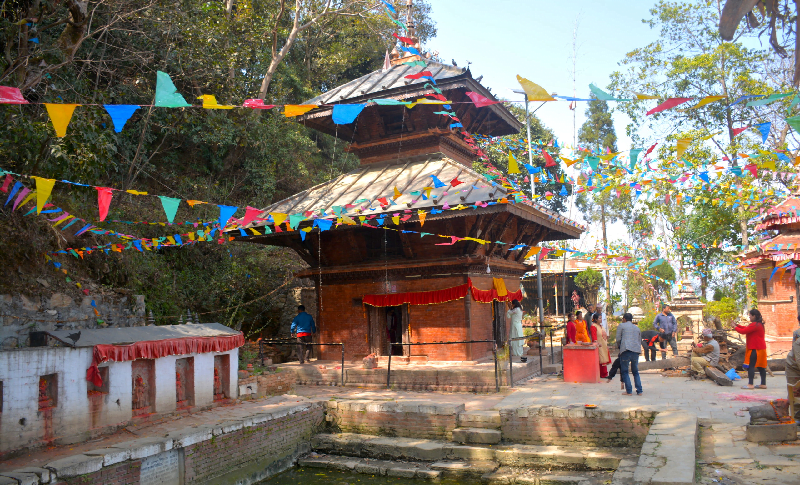
Anantalingeshwor Mahadev Temple is a famous ancient temple near Gundu in Bhaktapur. It lies on the southwestern hill station of Suryabinayak Municipality, Bhaktapur.

 Anantalingeshwor Mahadev is a form of Lord Shiva. Along with him, there are also many other stone shrines and images in the temple. 

In this temple, you can also find a pond decorated with a snake image and a panoramic view of Kathmandu Valley with many Himalayan ranges.


Bhairav Nath Temple


Bisket Jatra
Bisket Jatra

The Bhairav Nath Temple lies on the northeast of Gundugaun, Taumadhi Square, Bhaktapur Durbar Square. The Bhairav Nath Temple is right next to Nyatapole Temple. This temple is devoted to Lord Bhairava, an incarnation of Lord Shiva. Lord Bhairav Nath is also well known as Lord Kasi Vishwanath and Lord Aakash Bhairava.

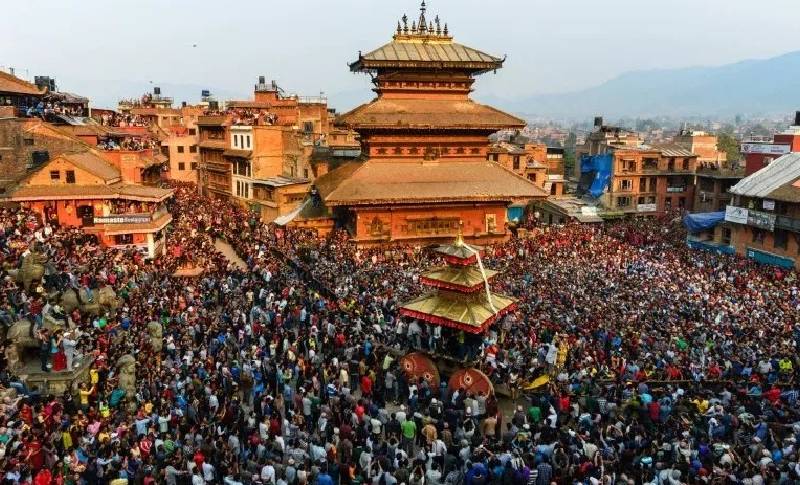
Bisket Jatra is organized every year in the belief of Lord Bhairav Nath.

Bhairav Nath was first built during the reign of King Jagjjyoti Malla (r. 1614-37) and has gone through many renovations. Bhupatindra Malla added the second tier in 1717 and the final tier of this temple was added by Mallas or was added during the renovation of the earthquake of 1934. It may go through another reconstruction due to the April 2015 earthquake. 


Bronze and Brass Museum
 

Bronze and Brass Museum

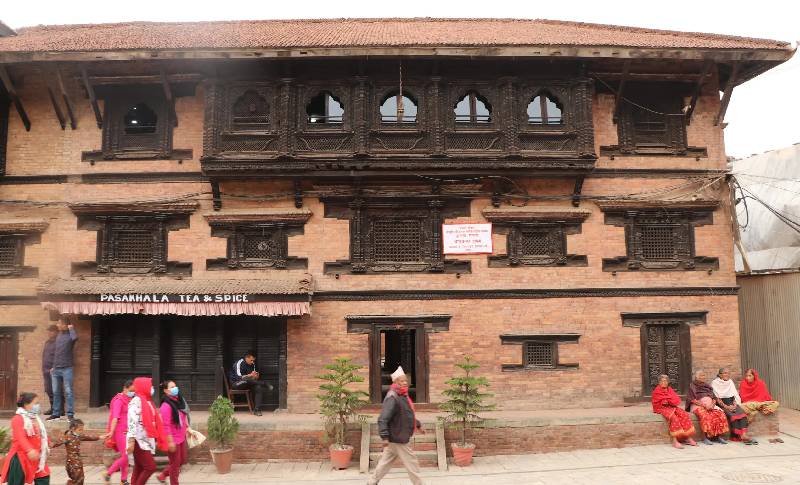
The Bronze and Brass Museum lies northeast of Gundu. It is next to the woodcarving museum in Bhaktapur. You can enter this museum with tickets of The National Art Gallery or the Woodcarving Museum. 

This museum has the traditional utensils of different eras, including many ritual vessels used in the past. Most of the artifacts in this museum are from the Malla Period. 


Siddha Pokhari
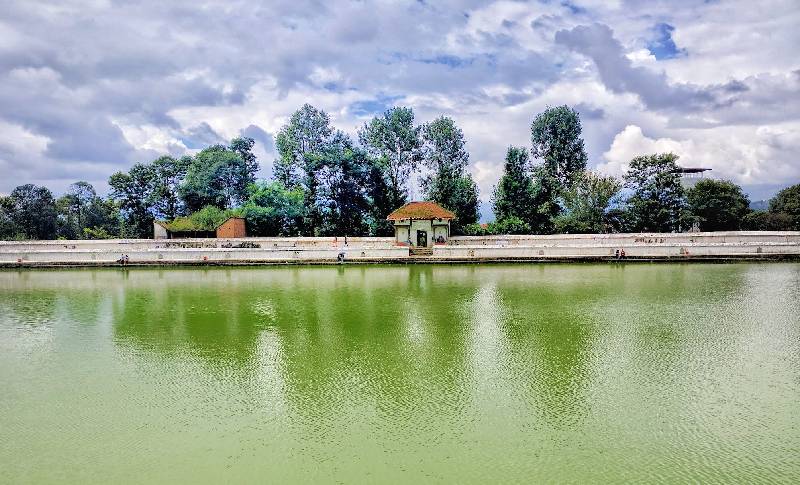
 

Siddha Pokhari
Siddha Pokhari

The Siddha Pokhari, also known as Ta-Pukhu or Indra Daha, is an artificial pond that lies on the north of Gundu in Bhaktapur, near the main gate of Bhaktapur Durbar Square. It is said to be built in the 15th century during the reign of King Yakshya Malla. 

During Ashwin Krishna Dwithiya, a large fair is held in Siddha Pokhari. The devotees dip into the holy water and worship goddess Indrayani with the belief of health and happiness due to her blessing. Small shrines of Shiva, Shakti, Baishanv and Buddha are also found around the pond. 

During Indra Jatra also known as Yenya Punhi, the idol of Indrayani is bought in Siddhapokhari and left bare during the night. Many devotees also celebrate Diwali or Dugu Puja in Siddha Pokhari. 

Similarly, SiddhaPokhari is a popular public dating spot and best place to visit near Kathmandu.


Shilu Mahadev Temple
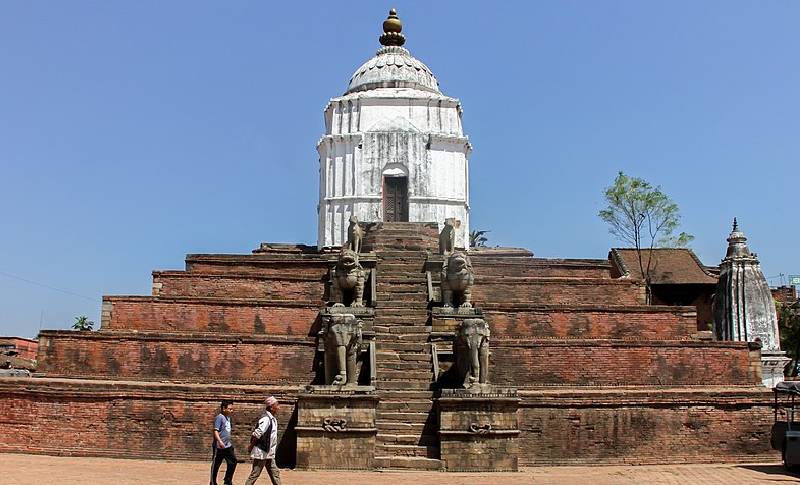
 

Shilu Mahadev Temple

The Shilu Mahadev Temple lies 4 km north of Gundu in Bhaktapur. It is also the tallest temple of Bhaktapur durbar square. This temple is more popularly called Phasidega or Phasidegal. Shilu Mahadev Temple is in the northeast of the 55 windows palace. 

The 5 layer platform in this temple is believed to be the symbol of Pancha Maha Preta, which include Rudra, Ishwor, Vishnu, Brahma, and Sadashiv. 

The Shilu Mahadev Temple was severely damaged during the devastating earthquake of April 2015.

Nyatapola Temple
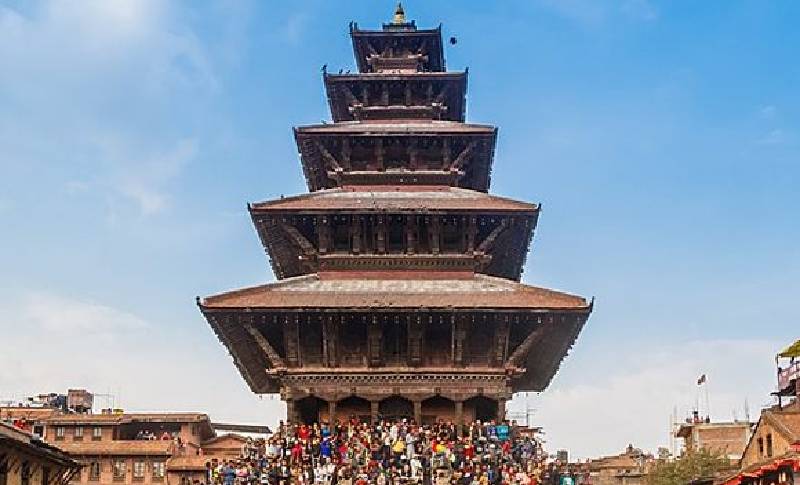
 

Nyatapola Temple
Nyatapola Temple

The Nyatapola Temple lies on the northeast of Gundu, Over Taumadhi Square, Bhaktapur. The Nyatapola temple is also well known as a five-storeyed temple or the Panch tale mandir in Nepali Language. 

It was built by the Malla King, Bhupatindra Malla in 1702. It was damaged during the 8.3 earthquakes in 1934 and the recent earthquake in 2015. 

The Nyatapola Temple is devoted to the goddess Siddhi Laxmi. . Only the priest who will worship the temple knows what she looks like. Some locals believe that she has 9 heads and 18 hands. The doors of the temple are opened only on Dashain and Pancha Prachar Puja. 

Currently, Nyatapola Temple is already more than 300 years old.

Not only Gundu , you can also visit and enjoy the above mentioned places while travelling to Gundu . In addition, you can try different famous  typical Newari  cuisines while travelling these area.
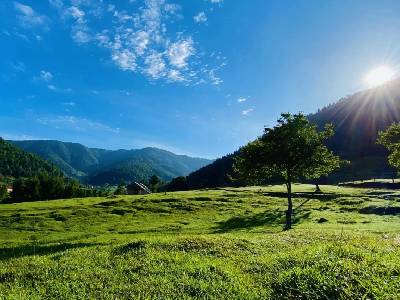
Chitlang Hiking and boating near Kathmandu

Are you interested in traveling near Kathmandu? Do you want to take a short trek/boating or a tour without leaving a large schedule in your daily life? Then, Chitlang Hiking and boating is the best tour for you.


 Chitlang is a famous place for tourism, nature and Nepalese history.

Chitlang is a suburb and a border hub to access Kathmandu city from flat land since ancient times when there was no road connection. Chitlang Hike is one of the closest and shortest trekking routes from the Kathmandu Valley and offers spectacular views of Lakpa Dorje, Mt.Jugal and various mountain ranges as the perfect backdrop for your photos. 


When you enter there, it often takes you to another time. You start to soak up the countryside atmosphere and feel nostalgic with the beautiful old archived ruins of traditional houses surrounded by big hills, monuments, temples, rock outcrops, art and architecture. A place of historical importance has always been a great option, especially for those who are short on time, as it is a short trek,and in Chitlang there is so much to see in one day. Although close to the city, resources and settlements remain untouched. It is located on the southwest side of Kathmandu and some part of the Chitlang Valley is also located in the Makawanpur district. The natural irrigation system and streams that keep flowing along the roadsides that maintain the fertile land of this place add to the fertile vegetation and the cultivation of fresh organic vegetables, reminding us that it is truly an agricultural area with beautiful sites to visit.


Best Attraction of Chitlang

If we were to talk about the most famous or the best of the best you may see in Chitlang, it includes many different types of places. The small place has a bunch of places to visit that goes from-religious, natural and man-made beauty.

If you were to visit Chitlang, here are the list of the best that you will be highly recommended to  visit:


“Majhagau” especially (Ashoka chaitya)

Swachchhanda Vairav Temple

Boating

Satdhaea (sat dhara)


“Majhagau” especially (Ashoka chaitya)

“Majhagau” also known as Ashoka Chaitya was built for the Newari people and their culture.This “Majhagau” built during the period of Ashoka, the great emperor of India. It is said that since the location of the Ashoka Chaitya was built in this place, the village was known as Chaitya which today is known as Chitlang.

The Ashoka Chaitya is very similar to the structure of Swayambhu in Kathmandu. Expert believe that we cannot claim the age of “Majhagau” without a full excavation. Though, they have already found that there used to be a buddhist monastary and pilgrimage in this place. Further information may need more research.

Swachchhanda Vairav Temple/Swachchhanda Bhairavnath Jatra.

Many local people in Chitlang believe that Swachchhanda Bhairav is the patron deity of Chitlang. Swachchhandra Vairav is one of the incarnation of Lord Shiva. The locals are full of respect to this deity. 

According to locals every year, the locals organize the the Swachchhanda Bhairavnath Jatra.

The night before the Kojagrat Purnima, the priest and the member of the respected Guthi, hold a musical procession with the idol of Lord Vairav around Chitlang and to the Bhairavthan temple at Majhgaun and perform a special puja. The puja is done by Manandhars and sacrifices are done by the Deula community.

The Bhairav statue are again taken out of the temple around Chitlang and the house of local Shyam Balami for the year. In the end of the Jatra, the Kartik Naach is performed.

Satdhara is also known as sat dhara or Seven Tap. It is well known to resemble seven taps on stone. The Satdhara is one of the trekking routes in Chitlang. Though, it only belongs to a short trek. 


Goat Cheese Factory

 Goat Cheese Factory is the first of its kind in Nepal. It started with the support of La Maison des Himalayas,Institut D’Hazebrouck and Heifer International, France. 

 It’s production started with both soft and hard cheese. Currently sold in many 5 star hotels in Nepal. Also provide many classes about cheesemaking. There is also a homestay right next to the Goat Cheese Factory. Also, a belgium filmmaker team have also made a a documentary film on the Goat Cheese factory at Chitlang Visited by israel and french ambassador. 


If you want to go for Chitlang Hiking, here are the list of the best places that you will be highly recommended to  visit


Chitlang Via Chandragiri Hills

Chitlang Via Chandragiri Hills

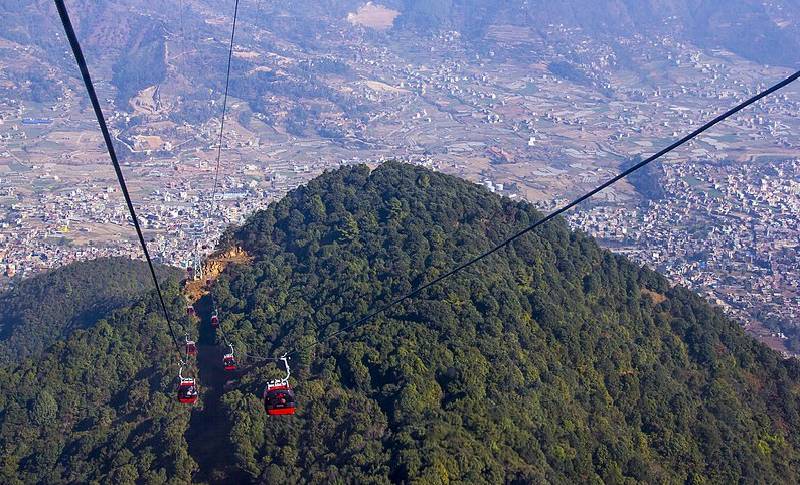
Chitlang Hiking Via Chandragiri Hills is one of the routes of Chitlang which can proceed through hiking. If you may not want a long hike you can also go through Chandragiri Cable Car. 

While on hike you can also visit the Chandragiri Temple. The Chandragiri Temple in Chandragiri Hills are one of Nepal’s famous tourist spots near Kathmandu. It is famous for their natural beauty and also one of the famous spots of snowfall near Kathmandu.

The temple of Chandragiri worships the the Bhaleshwar Mahadev. This famous temple  welcomes you with the Nepali Pagoda styles architectures, wooden windows and carving of many gods and goddeess. 

Chandragiri Hills is also one of the places of historical significance. After, Prithivi Narayan Shah established Nepal, Chandragiri Hill was one of the four major trade route in Kathmandu.

You can also enjoy the view of the great Himalayan mountain ranges in the Chandragiri Hills. 

After the visit of Chandragiri Hills, you will be walking through the Chandragiri forests to teach Chitlang.


Chitlang village to Markhu and Kulekhani Dam

Kulekhani dam
Kulekhani dam


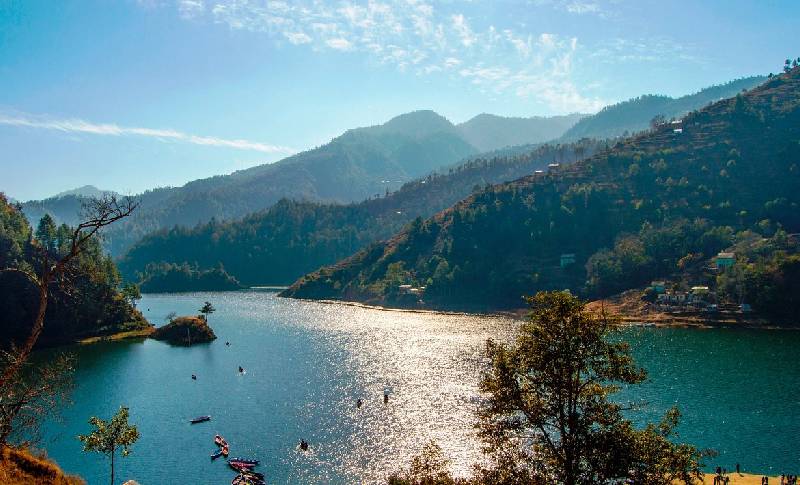
Another way to reach Chitlang is through Markhu. Here you can visit Khulekhani which is  known as Indrasaravor. The Kulekhani Dam is a hydropower dam in Makwanpur District of Nepal. Along with providing electricity to the surroundings the Kulekhani Dam is famous for its landscapes and fishing. The locals and people of Kathmandu and Hetauda also praise the Khulekhani Dam as the alternative to Fewa Lake, Pokhara.Tourist often boat on the dam and the Markhu River in Kulekhani. 

Often, you find many locals and tourists enjoying boating on the Kulekhani Dam and the Markhu River. While the rapids may not be what you expect, it gives you a peaceful, fun and adventurous ride. It is also because of this that the Kulekhqani Dam earned a title as a alternate to Phewa Lake.

You can also travel to Kulekhani Dam through Moterbike tour and more. You can also hike in Markhu Village above the Kulekhani Dam. Often, we find people hiking in Markhu Village from Kulekhani.

The major fishes in Kulekhani Dam are Bighead carp, Silver carp, Copper mahseer and Dark Masheer. They also have other species of fish. The Kulekhani was the ancient route with India before the current route was formed.


Chitlang Via Dashinkali Temple

Dashinkali Temple
Dashinkali Temple


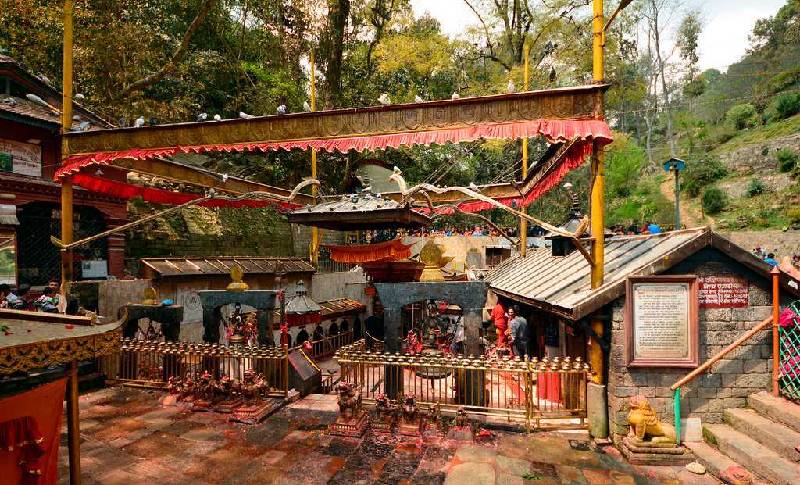
You can also go to Chitlang Hiking through Dashinkali Temple. The distance between Chitlang to Dakshinkali is 35 Km by road. You can also find the distance from Chitlang to Dakshinkali using other travel options like bus, and microbus. Dashinkali Temple is a major hindu temple detecting to Godess Kali, a form of Goddess Durga. The Dashnkali Temple was built by King Pratap Malla. It is located approx 1 hr 13 min (25.5 km) from Chitlang from ground transport while it may take approx 5 hr 15 min (22.4 km) from Chitlang. The word ‘Dakshin’, which means ‘south’, and the name ‘Kali’, which signifies that the Goddess Kali is worshipped here.Twice a week, animals mainly male goats and cocks who are uncastrated  are sacrificed at theDashinkali Temple. According to local legends Goddess Kali appeared in a dream of the Malla ruler “Pratap Malla” who reigned over Nepal in the 14th century and ordered the king to construct a temple that is devoted to worship her. The major festivals celebrated in Dashinkali is Dashain. 


Bagh Bhairav Temple

Bagh Bhairav Temple
Bagh Bhairav Temple


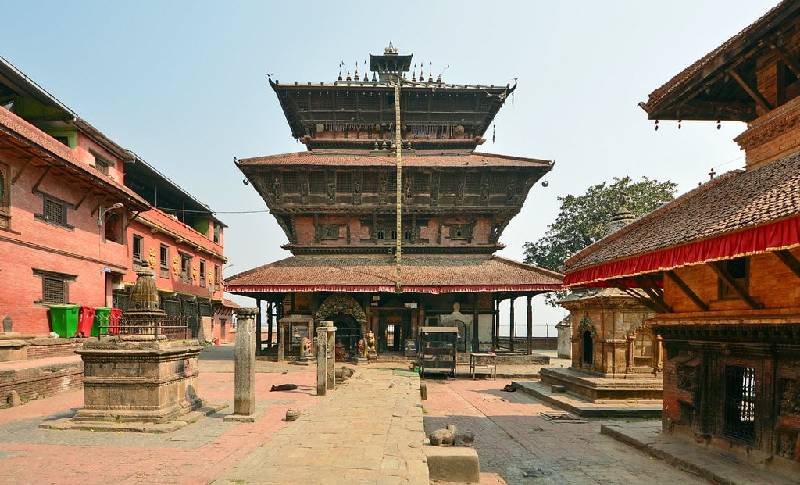
You can go for a short day Chitlang Hiking from Kiritpur. The distance from Kritipur to Chitlang is about 22km. Bagh Bhairav Temple is a temple dedicated to Bagh Bhairav, Lord Shiva in a form of a tiger. The temple was built back in the the 16th century. There are many other deities who are worshiped in Bagh Bhairav Temple along with Lord Bagh Bhairav. They are Ganesh, Barahi, Kumari, Bhramhayani, Vaishnavi, Shiva & Parbati,Lord Shiva and many more.  It is believed that the Bagh Bhairav Temple was already built in 1503, while experts believe that the Bagh Bhairav Temple was built by King Shivadeva III (1099-1126) while he ruled the valley.  The image of Bagh Bhairav Temple should not be confused with the view of other manifestations of Bhairab, which include other manifestations of Bhairab and other temples dedicated to Bhairav in Kathmandu or Lalitpur.There are many subsidiary shrines in the Temple. There are some dating to the 17th century and some images from the 4th or even the 3rd century in this temple.


Taudaha Lake

Taudaha Lake
Taudaha Lake

Taudaha lake lies on the outskirts of Kathmandu, Nepal which you can find on the way to Dashinkali temple while heading for Chitlang Hiking and boating tour. In Newari Language, ‘Ta’, meaning snake and ‘Daha’, which means lake. 

According to the locals, when goddess Manjushree cut off the Chobar Gorge from which the Bagmati River was formed then while the ancient lake died many small lakes and ponds were formed. Taudaha is believed to be one of those ponds. While the ancient pond died many nagas (half-human, half-serpent) became homeless. This made the Naga King Karkotak angry. So, the locals built an underwater palace, studded with precious stones and riches beyond imagination in the lake. 

Black kite, Black drongo, Cattle egret, Oriental magpie robin, Common myna, Jungle crow, Rose-ringed parakeet, White-throated kingfisher and Red-vented bulbul are some of the birds you often see in Taudaha. 

Common carp, Silver carp, Grass carp, Bighead carp and colourful carps along with catfishes and snakeheads are found in this river.

Due to the myth of the Naga, the locals do not allow swimming and fishing in Taudaha Lake.

Also, Taudaha Lake is the only clean water body remaining in the Kathmandu Valley.


Bhedafaram (Largest ground of Nepal)

Bheda Farm
Bheda Farm

Bhedafaram is a plain ground. What may be uncommon is that it is the largest ground in Nepal. The Bhedafaram is close to the Markhu and Kulekhani villages. So, during Chitlang Hiking you can enjoy this beautiful places as well. Often many film songs are filmed with Bhedafaram as the backdrop.

The ground are full of green grasses and lush trees often making them a perfect picnic spots.

Therefore, Chitlang is a place that can make a good tour for adventure lovers, fishers, nature and animals/birds enthusiast and also a good educational tour for students and researchers and people who are interested in Nepalese History.

Tribeni Patan-Badimalika

Tribeni Patan and  Badimalika are two of the newly popular trekking regions in the far western region of Nepal. Tribeni Patan is one of the open green landscapes and pastures in the far west. While Badimalika Temple is a Hindu temple which lies on the top of the Bajura District in Nepal. Both Badimalika Temple and Tribeni Patan lie in the SudhurPaschim region in Nepal. Along with the Karnali region in Nepal, the SudhurPaschim region is one of the most remote regions in Nepal. Due to this region, both Nepalese and people outside Nepal will find Tribeni Patan-Badimalika Temple an exotic and unique trek in Nepal.


Tribeni Patan- Why has it become a famous local spot?


Badimalika-tribenipatan-img1

Badimalika-Tribenipatan

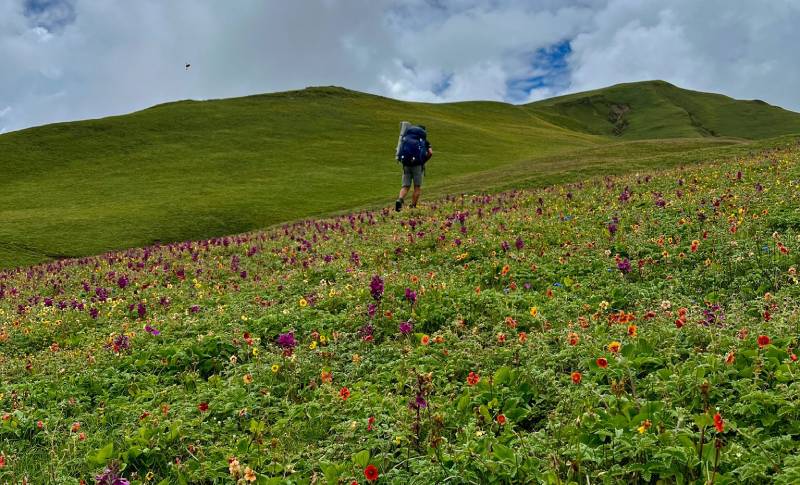
Tribeni-Patan has huge grassy meadows with a mix of small wetlands. They have a lot of wild flora and fauna. Many shepherds around the surrounding region come to graze their sheep and Yaks in this area. They create temporary homes in Madithala and Bhatejuila and go home in winter. The large meadows that show the panoramic view of the surroundings, along with the peaceful grazing of sheep and yak have made Tribeni Patan, a famous local attraction. Also, its beautiful natural environment along with its quality as a photogenic scenic spot has made Tribeni Patan more popular than the others.

Badimalika Temple-History, Local Myth and Culture

Badimalika-temple
Badimalika-temple


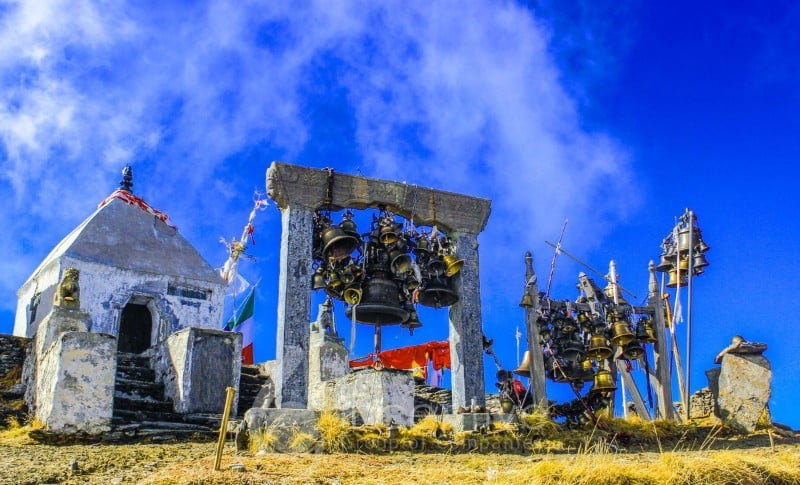
Badimalika temple, which lies on the top of Mallagiri Peak, has a height of 4200m. This temple is dedicated to Goddess Bhagawati. They also have some small shrines to many Hindu gods and goddesses. This is one of the few temples where two priests worship at the same time. Many locals believe that the Goddess descended on this temple from Kalikot. So, the temple recruits priests from both Bajura and Kalikot. This temple is also believed to be an area of Sakthi Peeth, from the parts of the shoulders of Lord Shiva’s first wife, Sati Devi. Badimalika Temple has a fair in Janaipurnima  and Ganga Dashara.


Highlights of Tribeni Patan-Badimalika Temple

  • Explore the grassy meadows in Trebeni-Patan
  • Views of Mt Api and Mt Saipal
  • Visit Madithala and Bhatejuila, Shepherd’s temporary home
  • Mallagiri Peak
  • Worship the Badimalika Goddess


Best time to trek in Tribeni Patan-Badimalika Temple


Badimalika-Tribenipatan-img1

Tribeni Patan and Badimalika Temple are two of the most beautiful and newly popular destinations in Nepal. Untouched by human traces, the best time to trek in this area is spring, summer, and autumn.

While it is possible to trek during the monsoon season, the muddy and slippery roads, leeches, and being far from public amenities, as well as the difficulties of flight and weather, may pose a significant risk to your life. Therefore, a few agencies will trek to this place during the monsoon. Most agencies discourage, if not outright prohibit, trekking during this season.


Equipments

To travel to Tribeni Patan-Badimalika Temple, you will need a full set of waterproof trekking clothes, a set of warm gloves and socks, and a set of quick-drying clothes. You will also need sets of thermal shirts and raincoats. Also, tents, medicines, sleeping bags, led lamps, trekking poles, and waterproof and dry boots are also necessary.

Please consult your guide for all the necessary medicine needed for this trek.


Notes

Although the TAAN (Trekking Agencies Authority of Nepal) has already recognized the trekking trail of Tribeni-Patan and Badimalika, the trail has not been completely developed for local and foreign tourists/trekkers. 

Therefore, make sure that you know most of the information like food, health posts and place to stay etc.

If you like the Tribeni-Badimalika Trail, we can also arrange a long trail for more remote hiking.

Top 10 Exciting Souvenirs to buy in Nepal

Souvenirs are unique gifts that are selected to be gifted to your loved ones, close friends, and colleagues. It is also used as a memory of some trips, travels, or times of your lives.

Nepal is a country blessed with amazing natural beauty and unique diversity of cultures and ethnicities. Millions of people come to Nepal every year for glimpsing the beauty and cultures of Nepal. From the world’s highest mountains to traditions that have not existed in many parts of the world Nepal is one of the city’s best destinations.

Along with natural beauty, the existence of more than 100 tribes and ethnicities living in Nepal makes it filled with unique cultures, traditions, and legends. It also leads with unique cuisine and goods that may not be found anywhere else. While many goods were either used for ancient cultural and traditional and other purposes, today there are many of them which are used as souvenirs.


Here is the list of top 10 exciting souvenirs you can buy in Nepal:


Khukuri

Khukuri-Souvenir-to buy -in-Nepal

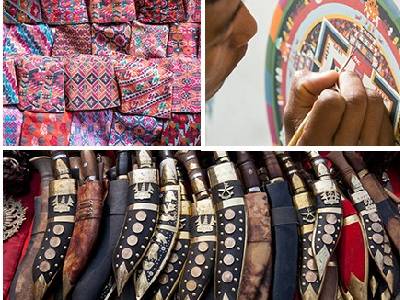
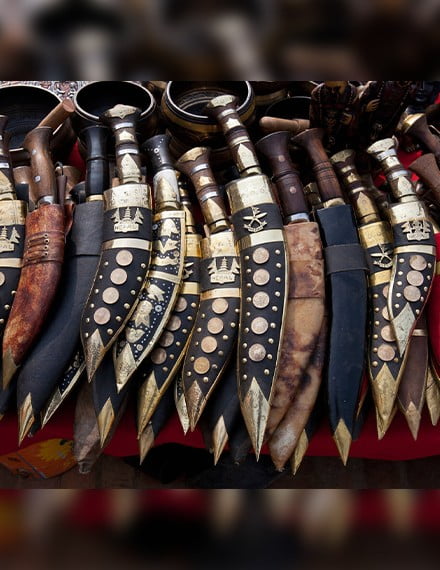
It is a curved shaped knife the national weapon of Nepal which is used by the Gorkhas of Nepal. It is commonly known for its unique khukuri traditional metalwork. It serves as a symbol of wealth, social background, and prestige in some communities as well as identifying a social purpose. The khukuri has served as both the main weapon of war and a powerful tool in times of peace, and many men from diverse communities in Nepal like always having one with them.


Pashmina 

Pasmina-souvenir-to-buy-in-Nepal

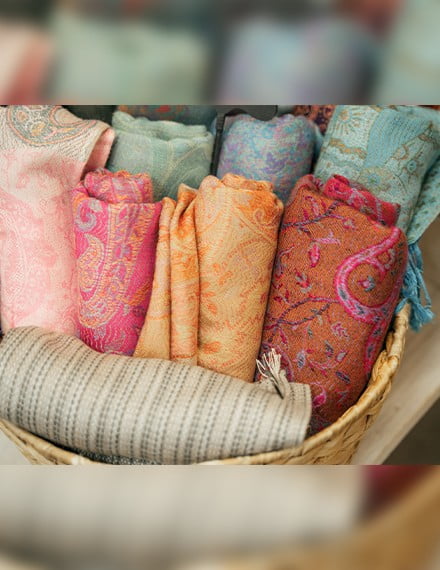
The unique natural fiber known as pashmina, which is good for human skin, is taken from the fur of mountain goats, also known as Chyangra. The term Pashm, which comes in Farsi and is used to describe the fleece of the Himalayan Goat (Changra), originates from Urdu. Making a Pashmina shawl needs at least three or four Himalayan goat’s wool of the finest quality. Although it is quite thin, a pashmina shawl is extremely soft, warm, and comfortable. It helps as an insulator by keeping the heat inside and covering the skin from the chilly wind. 

Tibetan singing bowls

Tibetan-singing-bowls-souvenir -to-buy-Nepal
Tibetan-singing-bowls-souvenir-to -buy-in Nepal


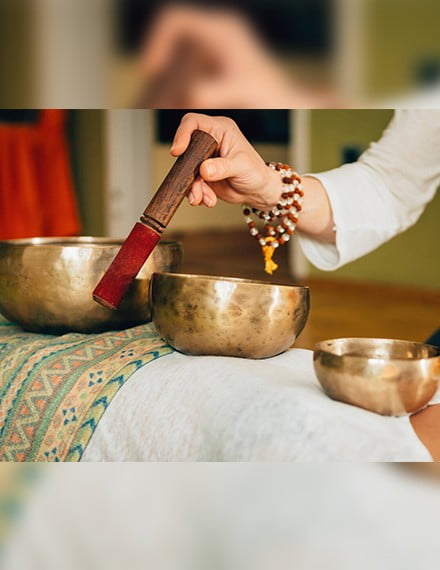
The Tibetan singing bowl is a form of a bell that vibrates and generates a deep, rich tone. It is often known as the Himalayan bowls or singing bowls. muscular repair and deep relaxation. It helps for better blood circulation, pain treatment for spine injuries, stress relief, pain relief, headaches, and migraines, as well as relief for joints, muscles, and other types of suffering. You should pour just about enough water into the bowl to fill it in half. Moreover, it is long used by Buddhist monks during their meditation practice. 

Thangka paintings

Thangka-Souvenir-to-buy-in-Nepal

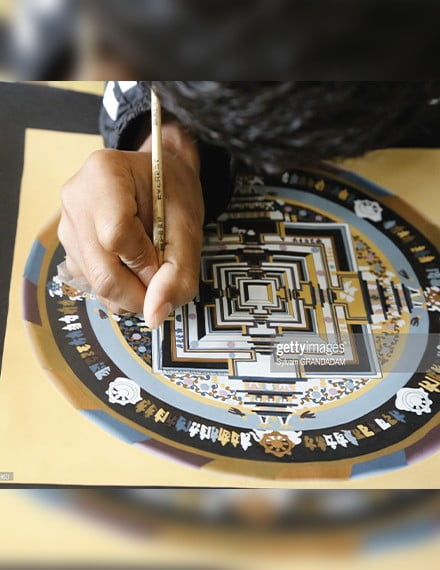
Thangka is a Tibetan painting including a Buddhist god, event, or mandala, on cotton with silk applique. It is used for both personal meditation and teaching others about Buddhist doctrine. The lives of the Buddha, several famous lamas, and other gods and bodhisattvas are portrayed in thangka, which is a significant teaching instrument. Moreover, it is also known as tangka, thanka, tanka, or Tibetan scroll painting.

Nepali Dhaka

Dhaka-Souvenir-to-buy-in-Nepal
Dhaka-Souvenir to buy in Nepal

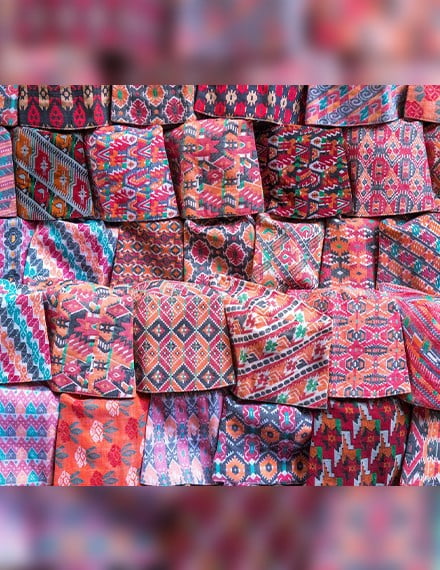
Nepali Dhaka is a traditional handmade fabric of the indigenous Limbu people of Eastern Nepal which is famous not only in Nepal but all over the world. Dhaka is a fine cotton fabric that is hand knitted in many colors and designs, commonly with geometric shapes. The Dhaka topi is a feature of Nepalese national dress and a symbol of Nepalese identity. For official photographs of passports and paperwork, Dhaka topi is recommended. At the Dashain and Tihar celebrations, Dhaka Topis are given as gifts. 


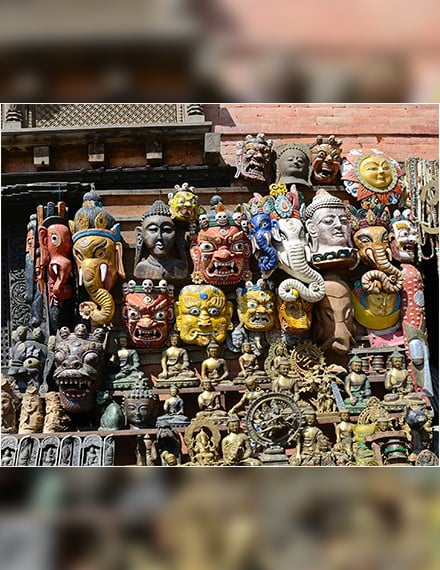
Statues and mask

Statues-and-Mask-Souvenir-to-buy-in-Nepal

Nepal is a diversified country where you can find different mask statues of different cultures’ gods and goddesses. Hence, you can bring statues of mythological gods back to your home to promote good fortune and calm when you visit Nepal. According to mythical cultures, Nepali masks come in a variety of shapes and sizes. These masks are mostly used in Lakhe dance and religious mimicry, which has made them more popular and attracted the attention of tourists. There are several statues of local Hindu and Buddhist followers across the magnificent cities of Kathmandu. So if you are in Nepal you can take statues and masks as a momentum of Nepali unique cultures.


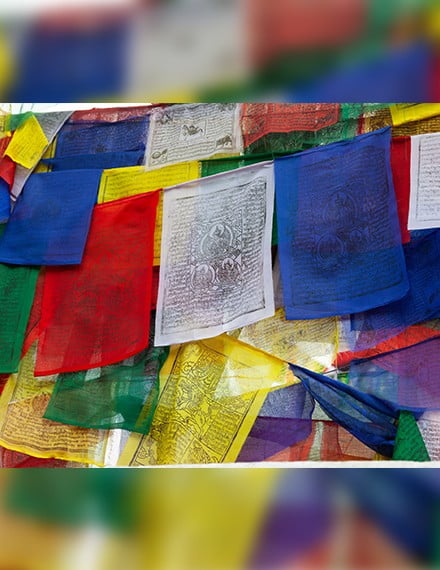
Tibetan Prayer flags

Prayer-Flags-souvenir-to-buy-in-Nepal

A Tibetan prayer flag is a rectangular flag with prayers written on it that is waved to represent wisdom, strength, and compassion. They supposedly emit positive spiritual vibrations, and the prayers are silently carried by the wind. Burning old prayer flags is a traditional Tibetan respect act that sends prayers to the sky. People are mainly used to hanging this flag outside where the wind blows them moves them and carries prayers and positive energy to a variety of places and creatures, including humans. There is a total of five colors in the prayer flag blue represents the sky, white represents air, green represents water, red represents fire and yellow represents the earth.  


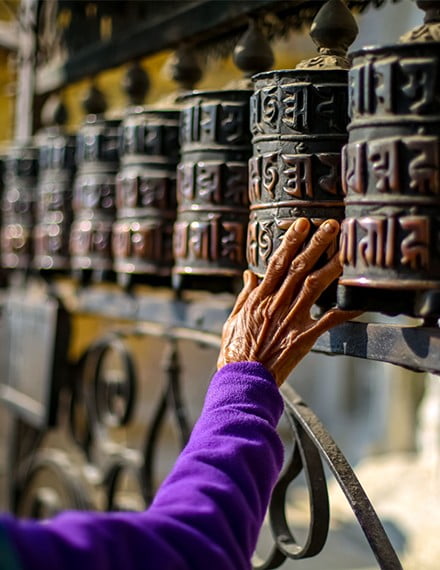
Prayer wheels

Prayer-wheeler-souvenir-to-buy-in-Nepal.

The prayer wheel is a spinning cylinder that includes prayers, and each rotation represents the repetition of a specific prayer. A tightly wrapped roll of printed mantras can be found inside each prayer wheel cylinder. About 23,000 of these mantras are printed on each of the 1,400 paper sheets inside each cylinder. Buddhists also place prayer wheels at the front of their homes so that guests can spin them as they enter and exit. Worshipers spin prayer wheels to earn merit, help all living things, and purify their karma 


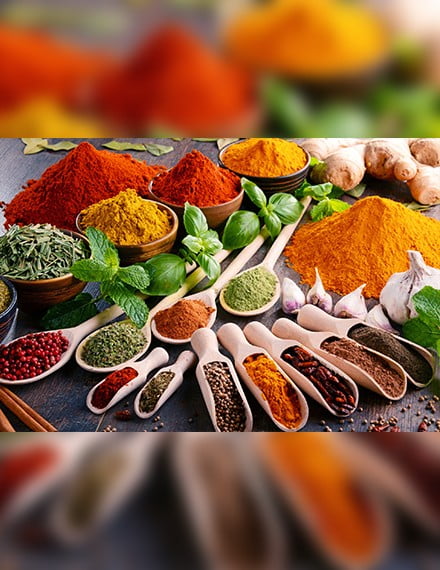
Spices

Spices-Souvenir-to-Buy-In-Nepal.

Nepal, a country in the Himalayas, is well known for its unique spices and exotic herbs. Every Nepalese kitchen emits the scent of these particular herbs which gives a unique taste to Nepal’s food. Fresh spice aroma meets you as you go through the neighborhood market and backstreets. Nepal’s bazaars have many different spices, some of which are local specialties.


Tea

Tea-Souvenir-to-buy-in-Nepal

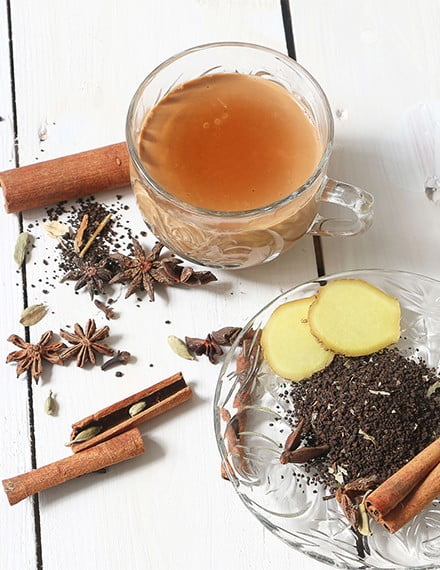
Nepalese love drinking tea as it is refreshing and has many health advantages. A large percentage of Nepal’s gardens produce diverse types of tea in the east. Tea comes in a variety of gorgeous packs, Earl Grey, green, masala, silver tips, and golden tips. The taste of the local tea also known as Nepali Chiya will make you addicted to the tea. So before leaving Nepal don’t forget to bring the packets of tea and start your day with a cup of tea from Nepal.   


Panchase Hill Trek


Panchase Hill Trek is  one of the famous hill trek of Annapurna region. Panchase hill is the name of the five hills surrounding the districts of Syangja, Parbat and Kaski. Panchase Hills and its surroundings are home to approx 70,000 people. They mostly include villages like  Kalabang, Chitre, Bhadaure, Deurali, Talibarang, Arthare and Sidhane villages.

Many ethnicities like Gurungs, Magars, Brahmins, Kshatriyas, Pariyars, Nepalis and Newars have their home in Pokhara.

The Panchase Hill ranges from 800 to 2,500 meters above sea level. 


Why is Panchase Hill famous?

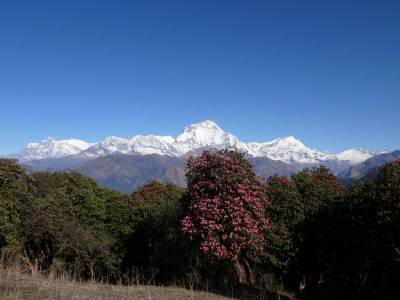
Panchase hill is famous for many reasons. Firstly, you can see the view of snowcapped mountains like Mt. Dhaulagiri, Mt. Annapurna, Mt. Gangapurna, Mt. Manaslu, Mt. Fishtail etc.

Secondly, it has a large amount of flora and fauna. Panchase hill is also the origin of famous rivers and lakes in Pokhara namely: Phewa Lake, River Harpan, River Aadhi, River Rapti, and River Jarey. 

It is also famous for its peace and yoga treks and also for its suitability as an extension to any of our tours of Kathmandu, Pokhara and Chitwan.


Panchase Hill Trek overview

Max Altitude: 2500 meters

Difficulty: Moderate

Transport: Private Vehicle & Local bus

Accommodation: Private Accommodation Tea Houses, Homestay

Meals: All Included


Famous Flora and Fauna found in Panchase Hill

The Panchase Hill is the home of more than 250 bird species, 600 plant species, 118 orchid species and more than a dozen species of herbs.

The Panchase Hill is the home of famous medicinal herbs like Satuwa, Chattre Unyu, Titte, Kurilo, Naagbeli, Paanch Aaule, Loth Salla etc.

Famous flowers like Rhododendron, Sunkhari, and Leksallo are also produced by Panchase Hill.

Animals like leopards, black bears etc are found in Panchase.

It also has plants like Loktha, Khashru, Champ, and Phalat which are the main ingredient for manufacturing Nepali Paper.

It is also home to a large number of butterflies, insects and other animals. 


Special Festival/Temples/Religion related to Panchase Hill


The five hills in Panchase hold a huge religious significance. The five hills are the home of The Temple of Shidda Baba, Homekunda, Panchasse Lake, and Balaji Phachyan Temple. It also includes Buddha Stupa which is more than 200 years old. Locals believed that many religious saints and sages have meditated in this place many centuries ago.


Panchase Hill Trek also Let you celebrates major festivals like Balachuturdashi Festival and Buddha Purnima. There are also many other religious spots like Shrawan Kumar’s Samadhi and more.


Accommodation and food in Panchase Hill

In Panchase Hill Trek, you can find many homestay services in Kalabang and Pumdi villages. Other lodges are also opening in many places of Panchase Hill.

The restaurants in Panchase serve rice, potatoes, noodles, eggs, momo, chapati etc and tea, and coffee for table drinks.

The local homestays mostly serve Dal/Bhat (a Nepalese set meal that comes with boiled rice, lentil soup, fried/cooked vegetables and pickle). You can also find soft drinks, beer, distillery drinks and local wines.


Best Time to Panchase Hill Trek

The best time to trek Panchase Hill Trek is all year round. However, it is not suitable to trek in Panchase Hill during monsoon because it is one of the largest rain-receiving places in Nepal. 

You can also come to Panchase in the winter to play in the snow.


Khayer Lake

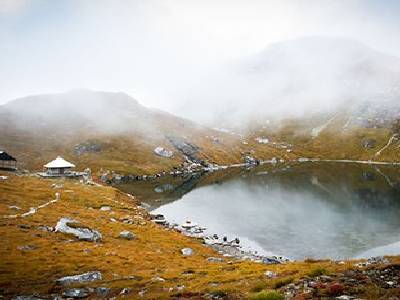
Khayer Lake is a beautiful trekking destination in Myagdi. It is a trekking destination that was only released to the public a few years ago. This lake is between two famous trekking destinations, Annapurna Base Camp and the Jomsom Trekking Trail. A less touristy trek, the trail around Khayer lake has yet to be highly disturbed by concrete buildings, leaving a natural beauty undisturbed by artificial disturbance.

Khayer lake, at an elevation of 4,700m, is also higher than the Annapurna Base Camp

Highlights of Khayer lake

  • Views of Annapurna Range
  • Rhododendron Forest
  • Views of Mt Himchuli, Mt Fishtail
  • Yak Pastures
  • Jungle hikes
  • Views of Dhaulagiri Range and Kali Gandaki Valley
  • Swanta Village with unique local cultures

Seasons suitable for Khayer Lake Trek

If we are to talk about the best seasons for Khayer Lake Trek, most people would recommend you trek in Nepal after the fall or after the winter. They are also Nepal’s most packed and popular seasons.

But there is also another trekking season that has risen in recent years. Just after the fall of winter to the beginning of spring, there is a rise in pleasant and warm temperatures. New flowers bloom on trees and the ground during this season, making them suitable for unique treks and expeditions.

Along with these seasons, you can choose to trek in autumn and spring. Due to Autumn and Spring being some of the best seasons for treks, if you do not like the crowd, Khayer lake is one of the suitable destinations for you.

Khayer Lake’s best attractions


khayer-lake
khayer-lake

Khayer  is among the best attractions for trekking in the Annapurna Region. Nestled in the heights above the Annapurna Base Camp, it is also famous in Hinduism due to its location near Khayer Barahi Temple. The Khayer Barahi Temple has more than 10,000 devotees every year. This temple also has high visits during the Janai Purnima Festival.

While less well-known, lake has enormous potential for trekkers. Khayer lake can be taken along with trekking to Annapurna Base Camp and other places in the Annapurna region. This trail in Annapurna has a high chance of being connected to other treks in the Annapurna region like Khopra Danda Trek, Ghorepani Poon Hill Trek , Ghandruk Trek, Jomsom Muktinath Trek, Annapurna Circuit Trek, etc.

This Khayerlake trail has a beautiful view of Dhaulagiri (8,167m), Nilgiri (7,061m), Bhara Shikhar (7,647m), Annapurna I (8091m), Machhapuchhre (6,997m), and the Annapurna Range. It also includes jungle hikes, different flora and fauna views, and a beautiful rhododendron forest.

You can also enjoy the local culture and traditions of Gurung, Magar, and Swanta villages.

Hence, once you visit Khayer lake this place will definitely, captivate you, visit this place once you come to Nepal.