
Top Yoga Trekking Routes in Nepal for Inner Peace and Scenic Beauty

Introduction

Yoga is a practice that connects you physically and mentally it is an act where your souls connects your inner body to retrieve peace. Meditation is one of the part of yoga sessions. To do meditation your mind craves peaceful environment.

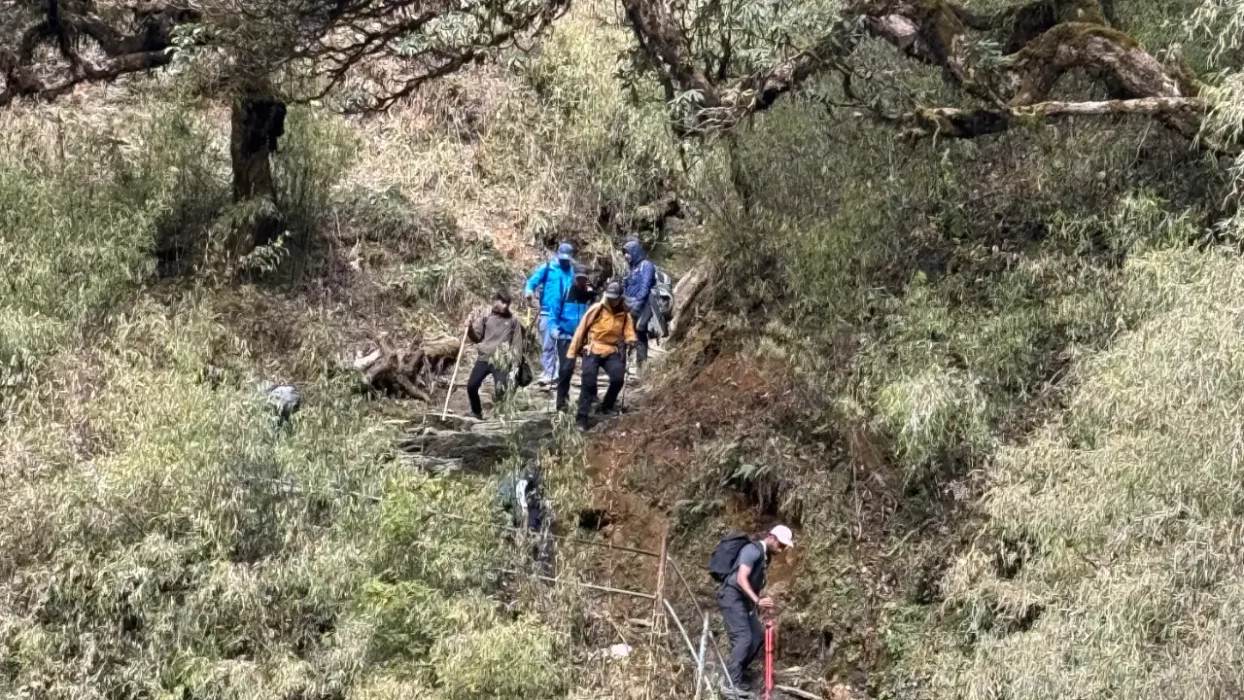
Yoga trekking is one of the unique way to travel and meditate. The process of healing your heart, soul and mind is known as yoga. Yoga trekking helps a person to overcome their stress, heal their soul and enhance the physical ability.

Whether you are a pro yogi who wants to enhance your inner power or you are someone who are just starting your yoga journey then yoga trekking in Nepal is best for you. Nepal is collectively highly influenced by spiritual culture example Buddhist and Hindu culture so yoga and meditation will be meaningful for yoga enthusiastic.

What what’s better place than Nepal to seek for peace and beauty at the same time. Nepal is surrounded by snow caps and green hills where the meaning of yoga seems to be so meaningful.

Yogis used to practice their meditation and yoga on the lap of mountains. Nepal is perfect example of the place being near the laps of beautiful mountains. For anyone who is looking for peace, yoga and trekking then Nepal is best option for you.

Yoga trekking in Nepal have gained popularity among the years as it combines physical adventure with inner healing. Serene Landscape, ancient spiritual energy, and peaceful mountain settings makes yoga trekking in Nepal perfect for yoga trekkers.

Yoga trekking in Nepal is truly transformative and life changing for the beginner yogis and pro yogis. Either you are just starting or have already been yoga expert you should give yoga trekking in Nepal a try. Yoga trekking routes offers both natural beauty and spiritual rejuvenation.

Here are some of the best places for yoga trekking in Nepal and they are listed as below:

Annapurna Yoga Treks

Are you looking for the type of trek that offers unlimited natural beauty scenery then Annapurna yoga trek is best for you. The peaceful trek’s journey starts and ends in Annapurna foothills with daily yoga and meditation sessions.

Annapurna Panorama Trek

It is one of the shortest destination of yoga trekking in Nepal as it takes 7 to 10 days. It offers a flexible timeline for those who have limited time and are busy on daily basis.

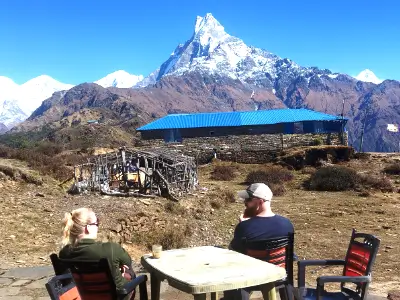
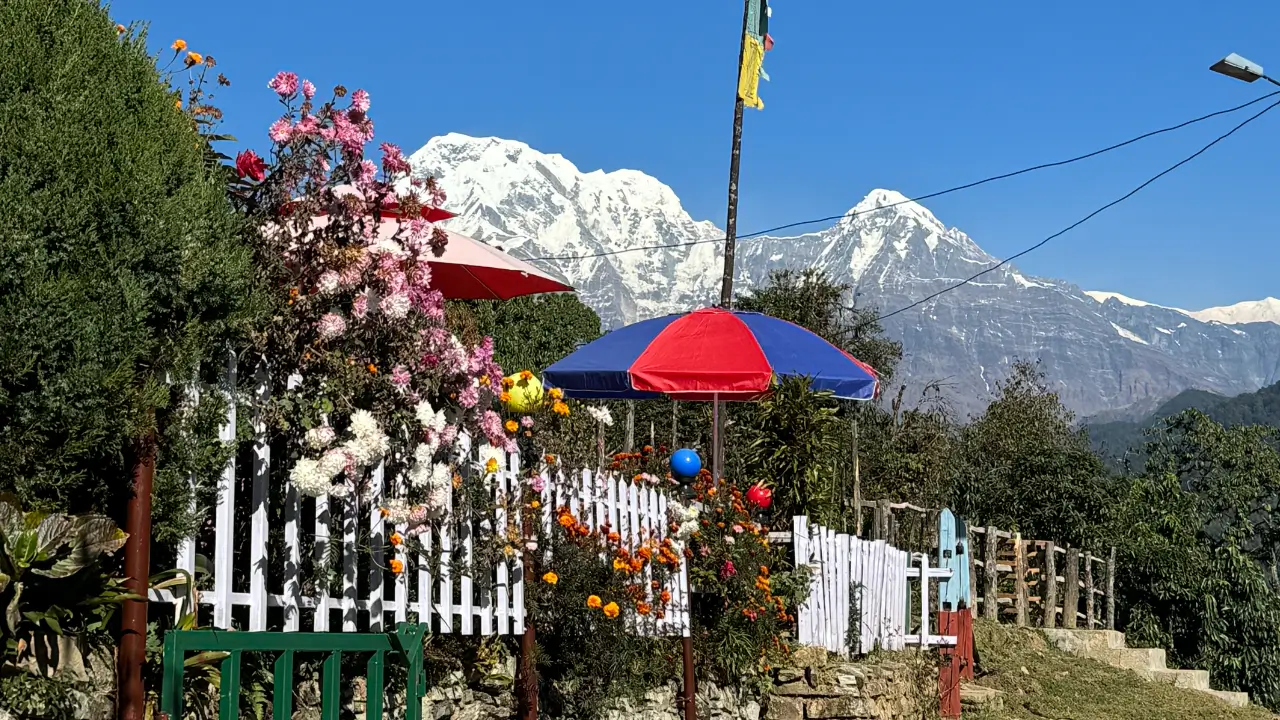
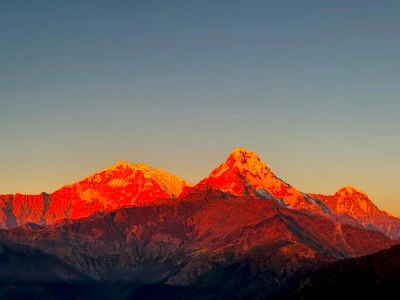
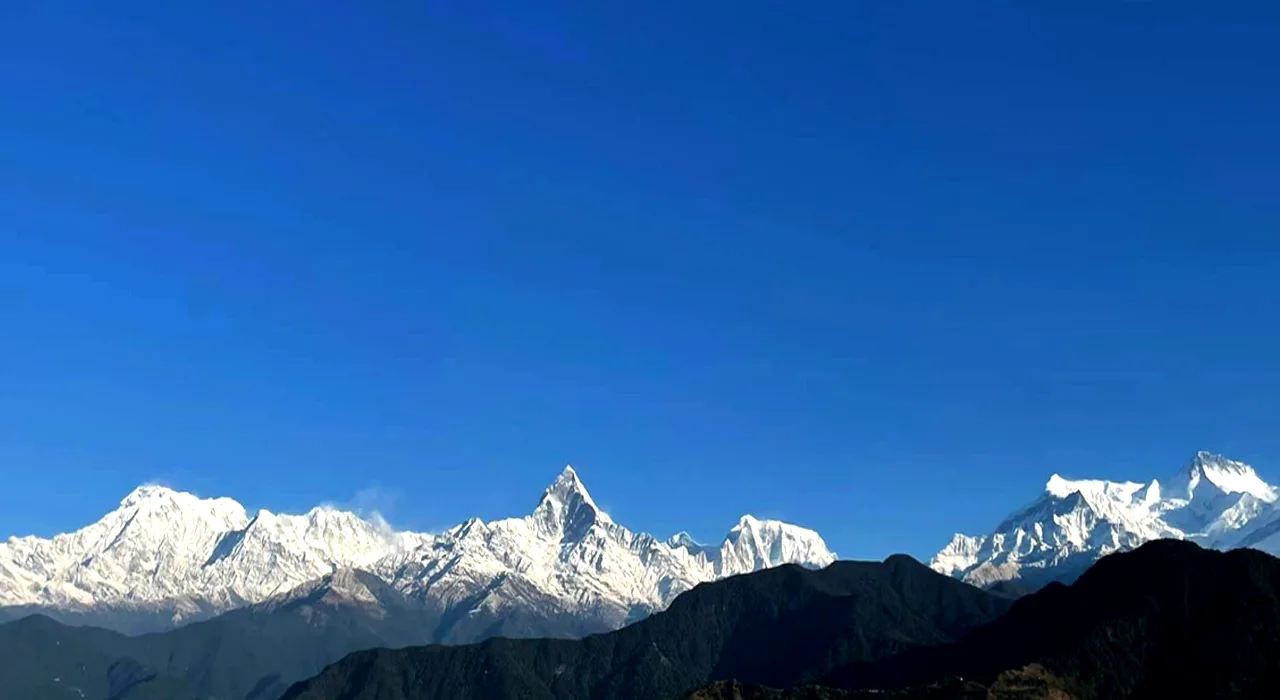
The highlight of Annapurna yoga trek is that it offers Panoramic views of Annapurna, Dhaulagiri, and Machapuchre. The village is quiet and forest are ideals for morning yoga. Natural hot spring yoga in Jhinu is the best highlight for post relaxation.

Annapurna yoga Trek is perfect for yoga trekking in Nepal because it has calm atmosphere, gentle trails, and scenic sunrise spots for meditation.

Overall, Annapurna Yoga Trek is one of the perfect place for the introvert yoga enthusiastic as the village seems to be quiet and peaceful. It is the perfect example for the yoga enthusiastic who are searching for yoga trekking in Nepal.

Therefore, Annapurna Yoga trek is the unique way to travel and meditate in the natural beauty. This trekking destination is popular among all the people as its natural beauty stand out the most. Annapurna yoga trek offers one of the best closure with the Himalayas in a short period of time with artistic, breathtaking and photographic views you will never forget. Depending on the how much time you are willing to give in the trek.

Everest view Yoga Trek

Meditating and performing yoga near the Mount Everest seems to be a fever dream of every yoga enthusiastic person. Let your fever dream come true with the Everest view Yoga Trek .Yoga trek considered as one of the popular place for yoga trekking in Nepal.

Everest Base Camp Trek With Helicopter Return

Everest View Yoga Trek is a shorter version of Everest base camp route with a focus on mindfulness and high altitude yoga.

The duration of this yoga trek journey is minimum 7 to 10 days. The duration depends on the level physical ability and the amount of time you are willing to give during the time of trekking. The Everest Base Camp difficulty level of Everest camp is serious challenge because of the high altitude and the amount of good preparation that a trekking require. Proper preparation is important in this trek because the trek is Everest base camp is no joke.

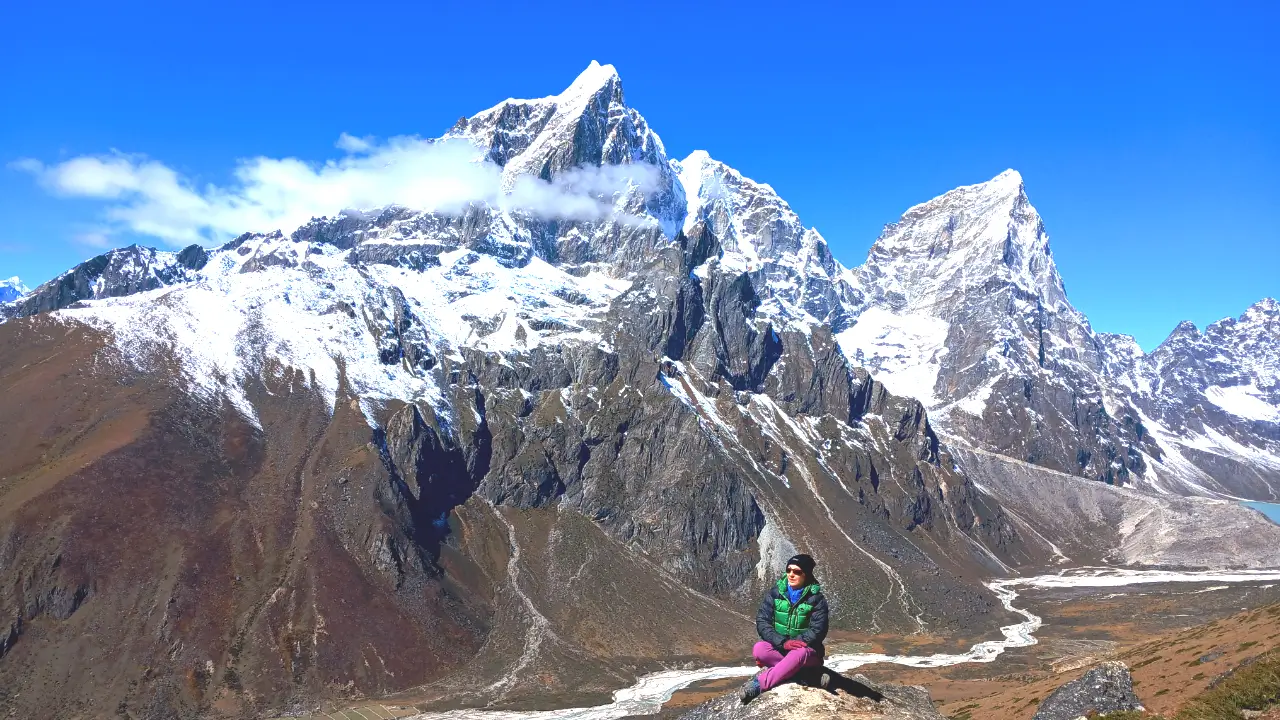
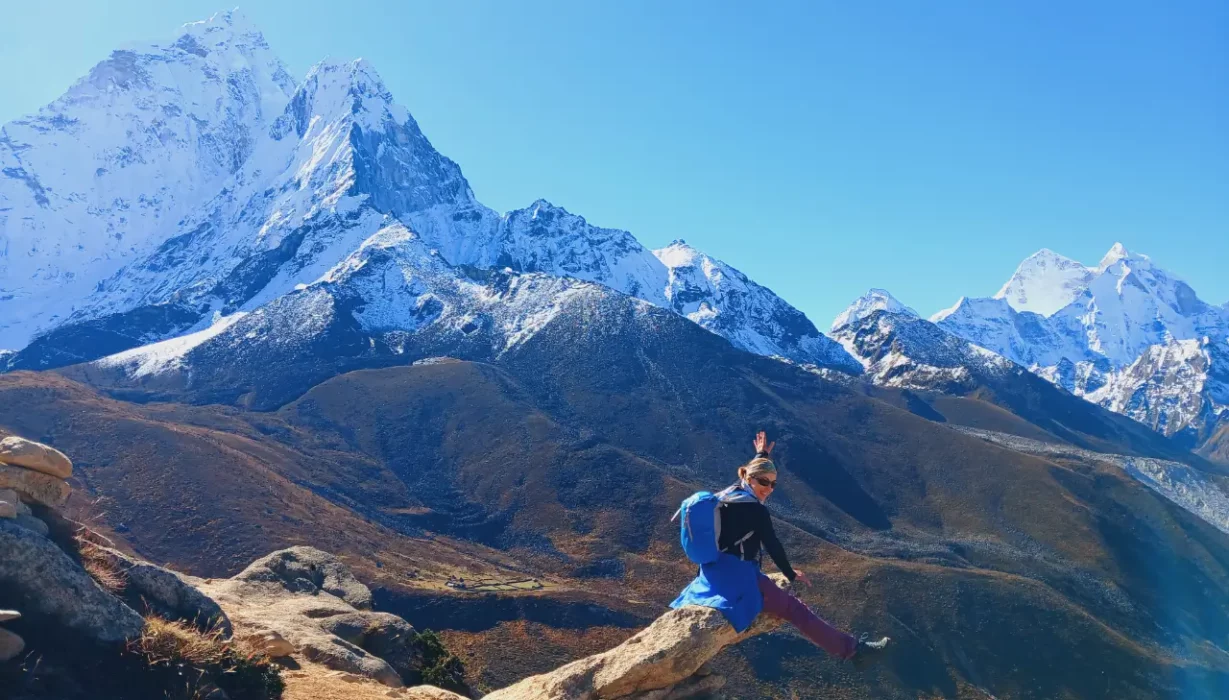
The main highlight of Everest view point yoga Trek is that it offers Spectacular views of MT Everest, Ama Dablam, and Thamserku. You will be able to visit Tengboche Monastery for the peace of mind and tradition inspiration. Not only that you will be able to acknowledge the Sherpa culture and peaceful Himalayan settings.

Everest view yoga trek is perfect for yoga trekking in Nepal because your morning sessions will starts will beautiful mountain views and serene monasteries for meditation.

Therefore Everest view yoga trek have high spiritual energy as it is influenced by Mt Everest. Everest view Yoga Trek is an experience that will be cherished for the rest of your days. Everest is the place where people realize how beautiful their life is, so you will get you experience your own realization.

Poon Hill Yoga Trek

 If you are looking for beginner friendly yoga trekking in Nepal then Poon Hill yoga trek is best option for you.

Poon Hill Trek

Poon Hill yoga Trek is a beginner friendly trek with a mix of yoga, nature, and culture. This trek takes minimum 4 to 6 days. Captivating the beautiful tradition and culture.

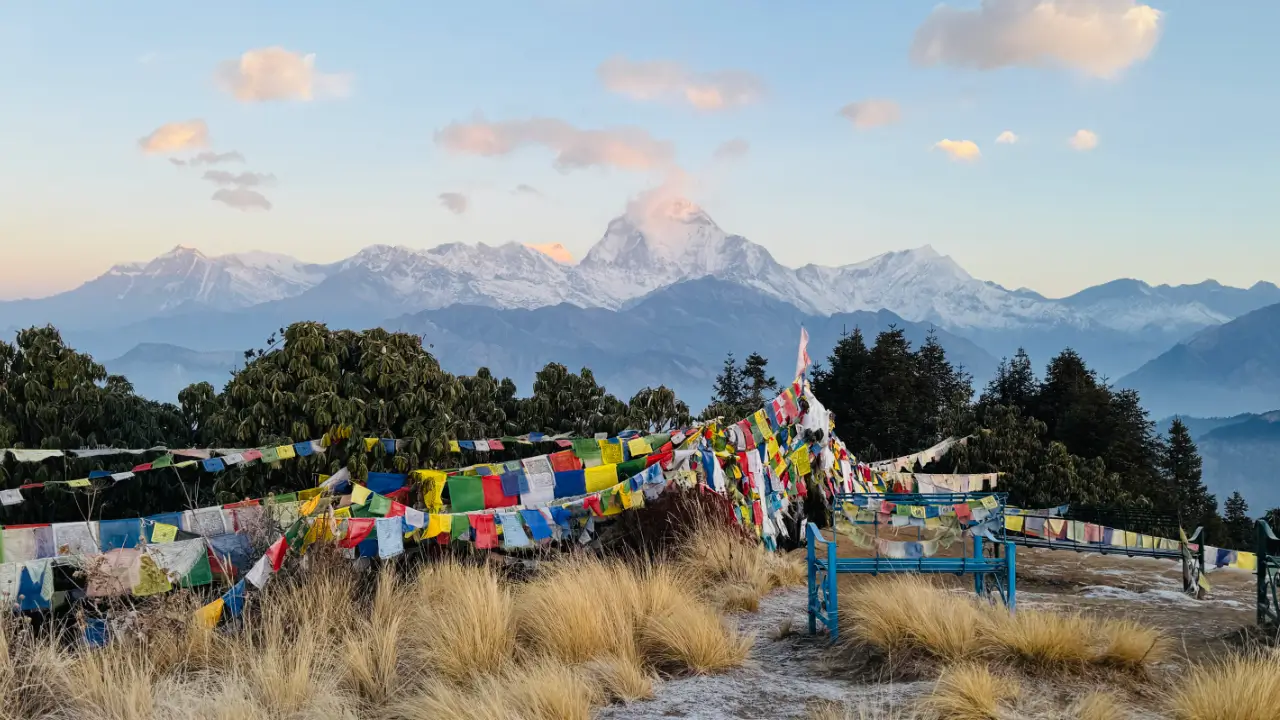
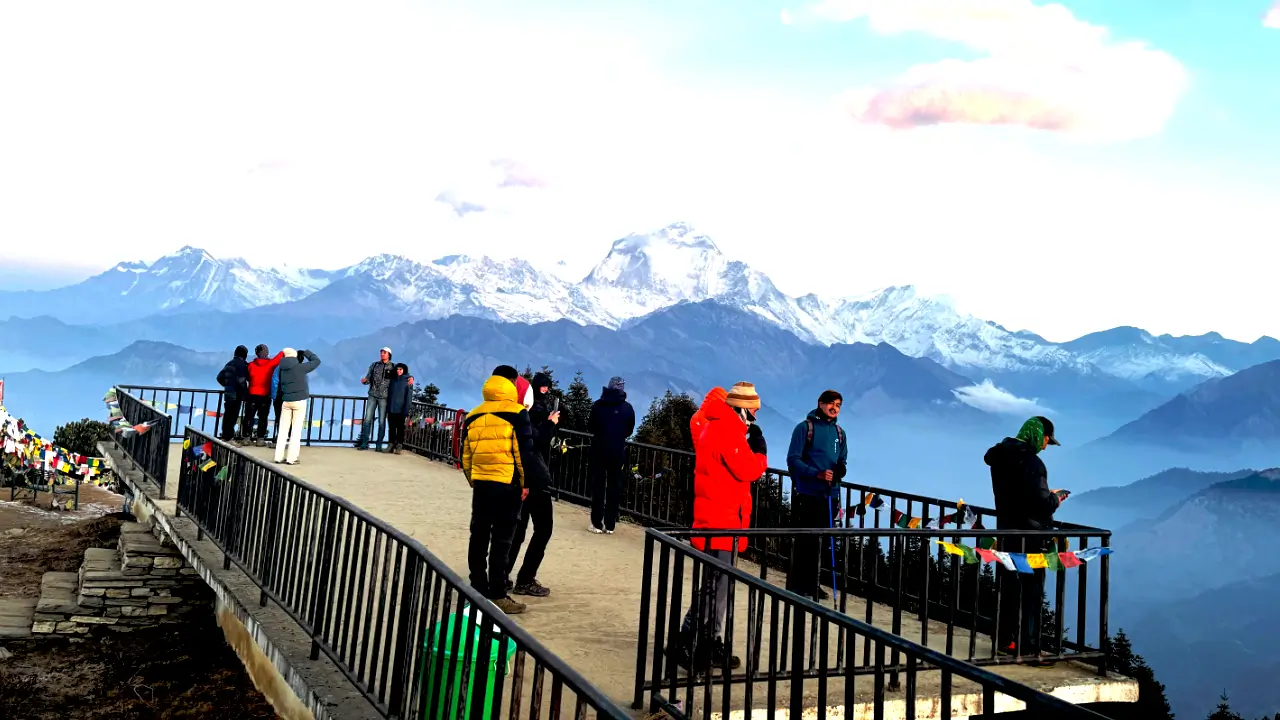
The main highlight of this yoga trekking destination is that it will let you acknowledge the incredible sunrise over Annapurna and Dhaulagiri from Poon Hill. The lodges found in Poon Hill is comparatively comfortable with yoga spaces, Rhododendron forest and Gurung village are the main attraction of this destination.

Poon Hill yoga trek is perfect for yoga trekking in Nepal because it is an easy pace, surrounded with beautiful natural surroundings and is grate for first timers.

Overall Poon hill yoga trek offers the first time yoga enthusiastic people a beginner friendly environment. Whether you are the first time yoga trekker or the pro Poon Hill yoga Trek is best option for you.  Poon Hill Trekking will also let you acknowledge the traditional villages, beautiful nature harvesting, their beautiful culture and lifestyle of ethnic groups like Gurungs, and Magars. On your way to Ghorepani Poon Hill, you will be able to witness rhododendron forests and get the closure of amazing views of mountains including Fishtail, Annapurna, and more.

Helambu Yoga Trek

Are you an introvert?? Or are you someone who believes peace comes when you are surrounded with nature and not crowd then Helambu yoga trek is the best place for yoga trekking in Nepal.

Helambu yoga trek is tranquil and less crowed trails that is close to Kathmandu. The place is rich with Buddhist culture.

The duration of this trek is only 5 to 7 days making it the short destination among all the destinations of yoga trekking in Nepal.

The major highlight of this trekking destination is that it has peaceful trails through pine forest and charming Tamang villages. You will be able to interact with the local monks and visit the monasteries with them. The altitude in Helambu is gentle and is ideal for relaxation and breath work.

Helambu yoga trek is perfect place for yoga trekking in Nepal because the route to Helambu is quiet. The spiritual energy is strong and the place is perfect example of slower peace.

Therefore Helambu is one of the peaceful pace for yoga trekking in Nepal. It is perfect fit for those who have limited time period and are introvert. Peace comes when the surrounding is good. Helambu’s surrounding is highly influenced by peaceful nature offering you the best moment in your yoga trek.

Upper Mustang Yoga Trek

Do you ever feel like you want to explore the Tibetan culture? If you want to acknowledge the beauty of Tibetan culture then Upper Mustang yoga trek is the perfect place for yoga trekking in Nepal for you.

Upper Mustang Jeep Tour

Upper Mustang Yoga Trek is a unique yoga trek because of the mythical landscapes of Tibetan influenced Mustang region.

The duration of this yoga trek ends on 10 to 14 days. It will take at least 10  to 14 days for your journey to end but the real question is do you really want your journey to end after acknowledging the mustang’s beauty??

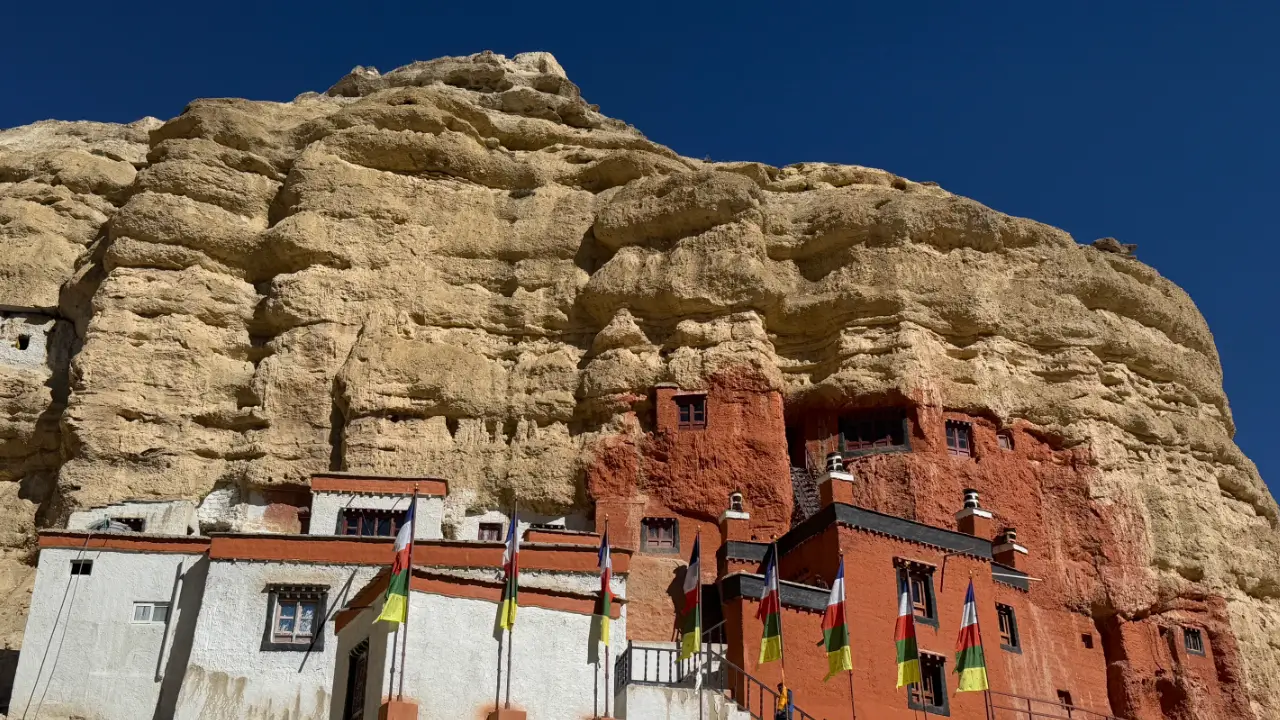
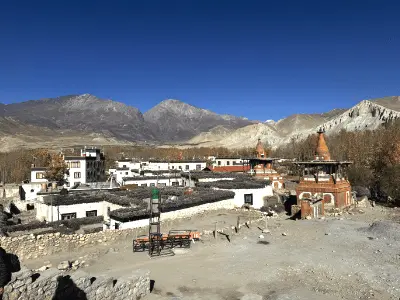
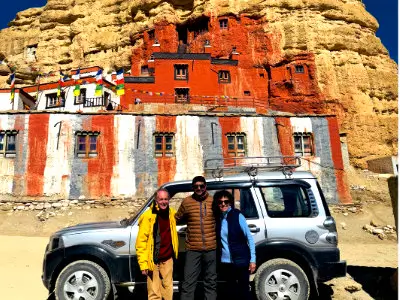
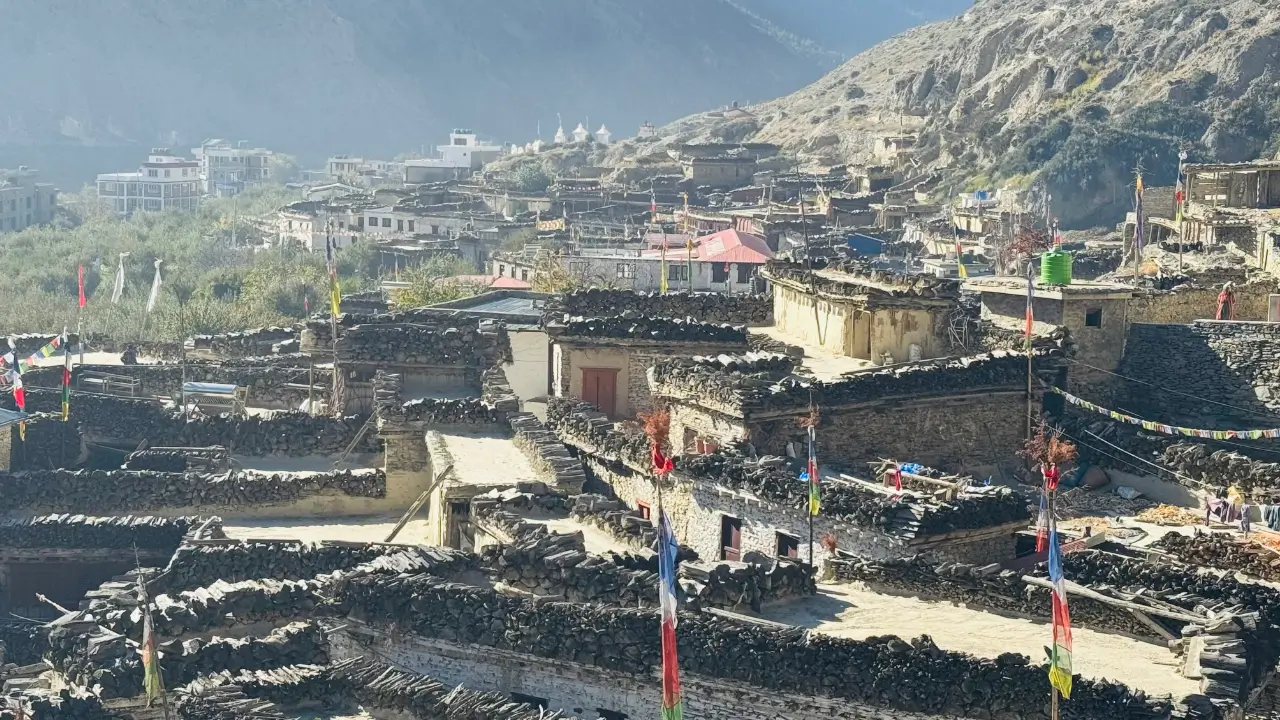
The major highlight of this whole trek is the eye catching desert like Himalayan scenery and ancient caves. Historic monasteries and meditation caves in Lo Manthang is the main highlight of this trekking destination. The trekking destination provides Cultural immersion and open spaces for deep yoga practices.

Upper Mustang Yoga Trek is perfect place for yoga trekking in Nepal because it is remote in nature. Holds the powerful energy and deeply spiritual environment.

Therefore, Upper mustang is comparatively longest destination among all the destinations of yoga trekking in Nepal. This destination is perfect fit for adventure freaks. Are you ready to perform your next meditation and yoga in Upper Mustang yoga trek?

Conclusion

 Nepal is have majority population of Buddhist and Hindu culture. The upper part of the Nepal consist of Tamang, Sherpa and Tibetan culture which are highly influenced by Lord Buddha. Lord Buddha is the god of peace which is the major highlight for the people who wants to explore peace and practice yoga.

Yoga has a deep rich history in Nepal as you can see on the pictures of god goddess and Lord Buddha in the Full lotus position, half lotus positions, and Burmese position these positions are the major form of meditation processes. Yoga is influenced by spiritual practices which connects your whole body one of the inspiration for yogi is Lord Shiva and Lord Buddha.

People always says “if you want to seek peace go to Himalayas”. Nepal is surrounded by mountains and monastery. Most of the yogis visit here to meditate and practice their yoga. Mountains have strong power which helps a person to seek peace with no disturbance.

Nepal is renowned for its stunning Himalayan scenery and rich spiritual traditions, offers various yoga trekking routes that blends the adventure with wellness including Annapurna, Everest, and Langtang Yoga treks as well as shorter options like Ghorepani Poon hill.

Nepal offers from the best to better option for yoga trekking in Nepal. Yoga trekking can help to improve physical and mental pressure, reduce stress, enhance mindfulness and foster a deeper connection with one self and the natural world.

Hiking offers some similar benefits to yoga making you not only physically but mentally fit and prepared. The great thing about yoga is it offers total body flexibility, mobility, increased strength which are essential during hiking. Like hiking, yoga brings you into the present state of mind by helping you reduce all the stress you have been carrying through your life. Yoga helps to improve your physical health, improve your mobility and flexibility reducing the level of stress you get from trekking.

For those who are craving to have deeper connection to themselves, their mind and souls and want to explore the beautiful nature with in a shorter amount of time then yoga trekking in Nepal is suitable option for you as Nepal delivers you an unforgettable moment.

Whether you are a pro yogi looking to improve your yoga practice or a trekker seeking to find a meaning of your life in the nature, Yoga Trekking in Nepal is a perfect match for you that you should not miss. You will discover a new changes and new mind development after you leave the mountains.

Yoga trekking in Nepal is a holistic adventure uniting moment and meditation, breathe and beauty, challenges and peace. Whether you choose the gentle Poon Hill or the ancient Upper mustang the journey will leave footprint in your heart, energizes your body and uplift your soul.

Are you ready to enjoy the thrilling experience of yoga trekking in Nepal? Then get ready and pack your bags.

Top 5 Destinations for Easy Trekking in Nepal for a Stress-Free Experience

Your life will be story someday, your moment will be memory and your memories will be your photographs it may be colorful one or may be black and white. With some colors your life needs little bit of mystery, spiciness and most of all thrillers.

Welcome to Nepal where you can experience the thrillers from the easiest destination to the hardest destination experiencing the story behind the traditions, cultures, landscape, diverse trekking options, rich cultural heritage  and Himalayan scenery.

Nepal offers a wide variety of trails and experiences, from the famous Everest Base Camp trek to the strenuous Annapurna Circuit, all while showcasing breathtaking Himalayan scenery and a rich cultural legacy. Nepal is a trekker’s dream place, a place where the beauty of nature and the rich cultural diversity coexist harmoniously. Trekking routes in Nepal offer a route to inner peace and self-discovery in addition to physical challenges. Not only that here are lots places that are considered as one of easy trekking in Nepal.

The chance to visit isolated mountain villages and learn about the ways of life of ethnic groups like the Sherpa, Tamangs, and Gurungs is among the most important parts of trekking in Nepal. The trekking experience gains spiritual and cultural depth from these communities, which have strong roots in Buddhist and Hindu traditions.

Trekkers can take part in traditional festivals, eat local food, and tour historic monasteries, all of which enhance their trip. Not all treks require intense physical ability and high altitude endurance. If you are looking for easy trekking in Nepal yet so meaningful and rewarding then these five easy treks which are best for you.

Ghorepani Poon Hill Trek

Ghorepani Poon Hill trek one of the easiest and beautiful destination to trek which lies on Annapurna and Dhaulagiri range with breathe taking sunrise view from Poon Hill and is one of the best place for easy trekking in Nepal. This place surrounded with Ancient trails, Rhododendron forests and stunning mountains view it’s flexible for you if you have shorter period of time to trek which takes only 4-5 days.

Annapurna Panorama Trek

Its beginner friendly as it takes only short time period having no stress of getting altitude sickness as it lies on lower altitude, so the trek is considered as one of the easiest trek in Nepal. Comfortable tea houses route will help you to reveal your stress in your short journey. Therefore, In Nepal’s Annapurna region, the Ghorepani Poon Hill trek is a well-liked short hike that is thought to be reasonably easy for hikers of all skill levels and is renowned for its breathtaking panoramic views of the Himalayas, including Annapurna and Dhaulagiri.

Ghorepani Poon Hill Trek – 9 days
Your life will be story someday, your moment will be memory and your memories will be your photographs...
9 Days
Easy

US$ 370

Therefore Ghorepani Poon Hill Trek is ideal for anyone looking for stunning Himalayan vistas without the difficulties of high-altitude trekking. This trek, which is in the Annapurna region, offers a breathtaking blend of verdant forests, terraced farmlands, quaint villages, and expansive sunrise views over the snow-capped peaks of the Dhaulagiri and Annapurna ranges.

Usually, the trip starts with a picturesque drive from Pokhara to the trek’s beginning location, Nayapul. Trekkers then proceed along well-kept stone-paved paths through charming Gurung and Magar villages, including Ulleri, which is renowned for its 3,200 steep but rewarding stone steps, and Tikhedhunga. The terrain changes into thick rhododendron forests as the hike goes on, bursting into vivid pink and red. The whole trip is calming and the destination is considered as one of the easy trekking in Nepal.

Langtang Valley Trek

Seeking peace near Kathmandu? It’s not that easy right but you can’t say it’s impossible, near the view of Kathmandu providing first time trekkers with easiest destination to trek we have Langtang Valley Trek One of Nepal’s most beautiful yet approachable trekking routes which offers the ideal fusion of rich Tamang culture, varied flora and fauna, and breathtaking Himalayan landscapes.

The trek which minimum 7 to 9 days lies in between the lap of surrounding peaks and stunning views of langtang lirung. Highly influenced with Tamang culture where you can experience their culture in Tamang village. You can not only experience the culture but also be able to capture breathtaking views of landscapes, glacier, rivers and forest. Its relatively short trekking distance compared to other Nepal treks and the altitude is easy with steady climb there is no need for a climber to have high physical ability which makes it less stressful and beginner friendly so this trek destination is considered as the easiest trekking in Nepal.

Langtang Valley Trek – 11 Days
Your life will be story someday, your moment will be memory and your memories will be your photographs...
11 Days
Moderate

US$ 500

Therefore this trek offers a profound connection with nature and local customs, whether you’re touring historic monasteries, enjoying freshly made yak cheese, or just taking in the majestic peaks of Langtang Lirung. The Langtang Trek is ideal for both novice and experienced adventurers due to its moderate difficulty level and comparatively short duration.

When you return to the vibrant city of Kathmandu at the end of this incredible journey, you will have enduring memories of the Langtang Valley‘s majestic mountains, tranquil surroundings, and friendly people.

Mardi Himal Trek

Mardi Himal trek known as the hidden gem in Annapurna region is perfect for easier and stress free trekking of Nepal as it is easy and suitable for most trekkers the journey takes only 5 to 6 days making it flexible for busy people. Most trekking routes in Nepal follow the mountain valleys, as most villages are located near the rivers but Mardi Himal trekking route is different. The trek highlights the beauty of Annapurna, Machhapuchre and Mardi himal.

mardi2

The journey will take you to the forest and pastures with minimal crowds. There is comparatively fewer crowds compared to other popular treks, making it introvert-friendly as well. The journey is short distance easy access from Pokhara making it little cheap than other trekking. This place is pretty cheap to trek and easy trekking in Nepal.

The destination consist of comfortable teahouses along the route making it stress-free for beginner trekkers. For those looking for a calm yet daring Himalayan getaway, the trek to Mardi Himal Base Camp is both difficult and rewarding. Trekkers can completely immerse themselves in the peace and quiet of the mountains on Mardi Himal, which offers a sense of private and pristine nature in contrast to more commercialized trekking routes.

Mardi Himal Trek – 9 days
Your life will be story someday, your moment will be memory and your memories will be your photographs...
9 Days
Moderate

US$ 400

This trek makes a lasting impression, whether you choose to enjoy the warm hospitality of teahouses or a breathtaking sunrise over the Annapurna range. The Mardi Himal Trek is an incredibly enlightening and remarkable experience, and you will carry with you memories of majestic peaks, colorful forests, and peaceful mountain paths as you return to Pokhara.

Therefore From roaming a bustling town of Namche Bazaar to the sacred spot of Tengboche Monastery, trekking is no end to beauty, culture, and adventure. Memories will remain as you descend back through the snow-covered peaks and prayer flags fluttering in the wind, as well as warm hospitality from the locals. The Everest View Trek is beyond a pure road in the sight-it is way more than an inspiring experience up on high hills, instilling deep appreciation for the highest world mountains themselves and the people who call them home. The whole trip offers stress free and comfortable trek making it one of the easy trekking in Nepal.

Everest View Trek

Mount Everest is a name that has been very popular among the world. Everest’s glory spread far and wide as the highest point on Earth. Just a glimpse of this beautiful mountain is a treat that you have been craving for years. Being near the Mount Everest is a kind of blessing where you can soak your sadness and pain. Everybody have a dream to be near the lap of Mount Everest if you also do dream of getting near Mount Everest the Everest view trek is perfect option for you.

Trekking al campo base del Everest

The Everest view trek allows you to soak in the beauty of Himalayas with moderate effort the journey takes 5 to 6 days and the difficulty level range from easy to moderate depends on the trekker. This view trek lies near the MT Everest so you will get an opportunity to enjoy the magnificent view of Mount Everest. 

Everest View Trek – 5 Days
Your life will be story someday, your moment will be memory and your memories will be your photographs...
5 Days
Easy

US$ 620

This trek allows you to visit Tengboche Monastery to experience Sherpa culture. Luka flights is easy access to the mountain valley trek. The trek’s location doesn’t have extreme altitude gain. The roads ways are comfortable and well managed you can enjoy the comfortable tree houses for the relaxed journey which makes this trek comfortable and stress free so we can claim that this destination is as easy trekking in Nepal.

Therefore The Everest View Trek remains a perfect selection for those who come to view the majesty of Mount Everest without the extreme demands of a high-altitude trek. This short but rewarding trip offers splendid views of Everest, Lhotse, Ama Dablam, and other Himalayan peaks while giving trekkers the opportunity to immerse themselves in the rich Sherpa culture and Buddhist heritage of the Khumbu region. The comfortable trails, well-managed teahouses, and moderate elevation make this trek suitable for tourists, families, and those with only a few days at hand this makes the trekking destination one of the easy trekking in Nepal.

Helambu Trek

Helambu Trek situated near Kathmandu is perfect fit for the people who have limited time. The trek is a quick and scenic trekking experience. The whole trip is easy compared to other trek locations. It is family friendly allowing you to have a perfect quality time with your family. It takes maximum 5 to 6 days to complete your journey.

You will be able to enjoy panoramic views of lantang and jugal himal ranges, trails on this area allows you to enjoy the forest scenery, rhododendron blooms as the trial passes through the forest. Not only that you will be able to enjoy the traditional Sherpa villages and experience their culture.

The trek is convenient access from the Kathmandu. Helambu Trek is a trail that is both environmentally and culturally rich. Helambu area is home to the Helmo, Sherpa, and a few Tamang ethnic communities. Additionally, the Helambu Trekking route offers breathtaking views of the Annapurna, Manaslu, Langtang, Jugal Himal ranges, and Mount Everest.

Its stress free and consider as easy trekking in Nepal as its range lies on low altitude with gradual ascents. There is no need of heavy acclimatization required as it is short drive from Kathmandu for easy accessibility. Therefore the trek to Helambu is the perfect short and simple trekking option for those wishing to experience Nepal’s stunning landscape and cultural heritage without having to stray far from Kathmandu.

Helambu Trek – 9 Days
Your life will be story someday, your moment will be memory and your memories will be your photographs...
9 Days
Moderate

US$ 320

With incredible views of the Langtang and Jugal Himal ranges, calm rhododendron forests, and ancient Sherpa and Tamang villages, this trek fairly offers a peaceful yet enriching experience. In the beginner’s bag, there is a descending altitude along with gentle uphill gradients, making it ideal for families and those without adequate time.

Along the way, trekkers get to experience the local culture, witness ancient monasteries, and feel the warm hospitality of the Helambu region. By the time you finish this scenic trek and return to Kathmandu, pleasant memories of panoramic mountain views, pretty villages, and the gentle beauty of Nepalese countryside will make unforgettable memories for you, marking Helambu Trek as a rewarding and simple form of recreation.

Conclusion

Trekking in Nepal is surely going to add value to all adventure freaks, nature lovers, and cultural explorers. Whether you are looking for mega-high trekking or simple trails, Nepal has everything attractive and memorable for adventure seekers and welcomes everyone with beautiful dreams and glorious adventures.

So put on your adventure boots and set foot on a true lifetime journey, and let the Himalayas leave an everlasting mark on your soul. Trekking in Nepal must be the most extensive adventure freak, from nature lovers and cultural explorers to the mega-high trekking seekers or the simple scenic trails, which are all beautiful and memorable for adventure seekers.

And the country welcomes everyone with beautiful dreams and glorious adventures. The beauty of Nepal lies not only in its towering peaks and breathtaking landscapes but also in the stories, cultures, and experiences it offers to every traveler. If you really enjoy trekking but are beginner you can start with the places which are listed as above that are easy trekking in Nepal.

Whether you seek adventure, peace, or self-discovery, Nepal’s diverse trekking routes provide something for everyone from the easiest trekking place in Nepal, stress-free trails to the most challenging high-altitude expeditions. The Ghorepani Poon Hill Trek enchants with its mesmerizing sunrise views, while the Langtang Valley Trek immerses you in the serene beauty of nature and Tamang heritage.

The Mardi Himal Trek, a hidden gem, offers a peaceful retreat amidst the Annapurna region, while the Everest View Trek brings you close to the world’s highest peak without demanding extreme endurance. For those short on time but eager for an unforgettable experience, the Helambu Trek near Kathmandu provides a perfect blend of nature and culture. Each of these treks is a journey into the heart of Nepal’s diverse landscapes and traditions, allowing you to escape daily stresses and embrace the tranquility of the mountains.

Whether you are a beginner, a busy traveler, or someone seeking an easy yet meaningful adventure, these treks offer the perfect balance of relaxation, cultural immersion, and stunning Himalayan views. So, pack your bags, step onto the trails, and let Nepal’s natural wonders and warm hospitality create memories that will last a lifetime, put on your adventure boots and set foot on a true lifetime journey, and let the Himalayas leave an everlasting mark on your soul. Get ready with the places which are easy trekking in Nepal to start your trekking journey. You can consider the following 5 places to easy trekking in Nepal.

Top 10 teahouse trekking in Nepal

Teahouse trekking in Nepal is the ideal way to see the stunning Himalayas in comfort and Nepali hospitality. The trekkers do not have to carry heavy camping gear but can reside in small, family-run teahouses with cozy rooms and home-like food. Teahouse trekking in Nepal allows visitors to see beautiful landscapes, small villages, and welcoming Nepali culture without having to worry about food and accommodation.

One of the biggest advantages of teahouse trekking in Nepal is how convenient it is. Trekkers get properly marked trails, meet other travelers, and get to rest at cozy teahouses after a day’s treacherous trek. The teahouses are plain but genuine, with boiling tea, nutritious food, and stunning mountain views right at your doorstep.

Whether you’re a beginner or an experienced trekker, teahouse trekking in Nepal is the perfect way to enjoy the beauty of the Himalayas. With well-maintained trails and friendly hosts, teahouse trekking in Nepal makes every journey unforgettable!

Let’s explore the top 10 Teahouse Trekking destinations in Nepal:

  1. Everest Base Camp Trek

Everest Base Camp Trek is the most iconic journey for teahouse trekking in Nepal. Standing at 5,364 meters (17,598 feet) above sea level, the Everest Base Camp offers breathtaking views of the highest peaks in the world. During this 12–14-day trek, you walk through spectacular landscapes, quaint Sherpa settlements, and ancient monasteries while sleeping snugly in teahouses.

These are the family-run lodges that provide comfortable beds, prepared meals, and a welcoming atmosphere, so teahouse trekking in Nepal is comfortable and also culturally enriching.

With a demanding to challenging grade, the trek requires good physical fitness but is manageable for adventure lovers in general. The trek traverses’ lush forests, high-altitude suspension bridges, and rugged landscapes before finally arriving at the fabled Everest Base Camp. The excitement of sipping hot tea while watching panoramic vistas of mountains unfold is unforgettable.

Nepal teahouse trekking adds this trip an extra dimension, where one can enjoy the magnificence of the Himalayas with a minimum of camping gear. The Everest Base Camp Trek is a once-in-a-lifetime experience!

You may read information >

Everest Base Camp Luxury Trek

Everest Base Camp Trek with Helicopter Return

Classic Everest Base Camp Trek 

  1. Annapurna Circuit Trek

Annapurna Circuit Trek is one of the great classics and the best teahouse trek option in Nepal. It is a beautiful circuit through the grand Annapurna massif with a mix of nature, culture, and adventure. Trekkers trek across green valleys, deep gorges, waterfalls, and mountain passes, along with visiting cozy teahouses along the way. The teahouses serve hot food, cozy rooms, and a place to rest at the end of a day’s trek.

The summit of Thorong La Pass reaches a height of 5,416 meters (17,769 feet), so this is a moderate to hard trek and would usually last anywhere from 14 to 18 days, depending on the trip. The single greatest advantage to teahouse trekking in Nepal is that it exposes you to Nepalese people and culture, and the Annapurna Circuit Trek has villages aplenty as well as a generous welcome of friends.

If you’re dreaming of long mountain walks, stunning views, and authentic experiences, the Annapurna Circuit is a perfect choice for teahouse trekking in Nepal.

You may visit the following for more information:

Annapurna Circuit with Tilicho Lake Trek

Short Annapurna Circuit Trek 

3. Upper Dolpo Trek

Upper Dolpo Trek is the best-kept secret among Nepal’s top 10 teahouse treks. Lying deep in Nepal’s far-western Himalayas, it will take you to one of the country’s least visited and most untouched regions. It’s a trek along peaceful valleys, ancient monasteries, and dry, dramatic landscapes that are near-mythical. Although less crowded, the few teahouses on the trail provide a friendly welcome, basic food, and a warm bed, so teahouse trekking in Nepal is even more special.

Scaling to an elevation of approximately 5,306 meters at Kang La Pass, the trek is demanding and generally takes 24 to 28 days, best suited for someone looking for a deeper experience. The beauty of Upper Dolpo lies in its ruggedness and Tibetan-dominated culture.

For anyone looking to step off the beaten path and truly connect with nature and tradition, the Upper Dolpo Trek offers a one-of-a-kind teahouse trekking experience in Nepal you’ll never forget.

  1. Makalu Base Camp Trek

The Makalu Trek is a wild and beautiful journey, perfect for those who love quiet trails and big mountain views. As one of the top 10 teahouse trekking in Nepal, this trek takes you close to Mount Makalu, the fifth-highest mountain in the world. It’s a remote and less-traveled route, filled with deep forests, high alpine meadows and peaceful villages.

Along the way, a few basic teahouses and homestays provide shelter, warm meals, and a friendly smile—showing the true spirit of teahouse trekking in Nepal.

The trek reaches a maximum elevation of around 4,870 meters at Makalu Base Camp and usually takes about 18 to 22 days. It is considered challenging, but the rewards are truly worth it—jaw-dropping scenery, rare wildlife, and a deep sense of adventure.

If you’re someone who enjoys peaceful paths, raw nature, and meaningful connections, the Makalu Trek offers a special kind of magic in the world of teahouse trekking in Nepal.

  1. Kanchenjunga Base Camp Trek

Kanchenjunga Trek is a peaceful and challenging experience, perfect for those who want to explore the peaceful side of the Himalayas. This trek leads you to the base of Mount Kanchenjunga, the third-highest mountain in the world. The trek is wild and remote, with trails twisting through dense forests, traditional villages, and high-altitude valleys.

Though the region is not as developed, simple homestays and teahouses along the trail offer good food, comfortable beds, and a chance to mingle with warm-hearted locals—teahouse trekking in Nepal is all the more worthwhile.

This hike reaches a maximum elevation of 5,143 meters at Kanchenjunga North Base Camp and usually lasts 20 to 26 days. It’s considered challenging and best for physically fit individuals and nature enthusiasts.

If you dream of serene trails, dramatic landscapes, and authentic cultural encounters, the Kanchenjunga Trek will leave you speechless. It’s one of the most authentic and rewarding teahouse trekking in Nepal experiences you can ever have.

  1. EBC with Three High Passes and Gokyo Trek

The EBC with Three High Passes and Gokyo Trek is one of the most thrilling adventures among the top 10 teahouse trekking in Nepal. It’s the perfect trip for those who are looking for something more than Everest Base Camp.

The trek passes serene trails, beautiful Gokyo Lakes, and three beautiful high passes—Kongma La (5,545 m), Cho La (5,420 m), and Renjo La (5,345 m)—each offering breathtaking views of white peaks.

Along the way, you’ll stay in welcoming teahouses that serve warm meals and offer cozy places to rest after a big day. Teahouse trekking in Nepal makes even the most challenging journeys feel homely, and this trek is no exception.

You’ll reach Everest Base Camp at 5,364 meters (17,598 feet) and walk for about 18 to 21 days, making this a challenging trek best suited for experienced hikers.

The EBC with Three High Passes and Gokyo Trek offers one of the most luxurious teahouses trekking experiences in Nepal, complete with alpine lakes, majestic mountains, and hospitable locals.

  1. Upper Mustang Trek

The Upper Mustang Trek is a magical journey through a hidden desert kingdom, and it proudly stands among the top 10 teahouse trekking in Nepal. Walking through this ancient land feels like stepping back in time.

With its red cliffs, mysterious caves, and Tibetan-influenced culture, every day on this trek feels like a discovery. The trail leads to Lo Manthang, the walled capital of the old Mustang kingdom, where traditions are still alive.

Though the landscape is rocky and dry, the hike is made comfortable by the cozy teahouses in between. The teahouses offer a warm bed, steaming home-cooked meals, and cozy conversations—reminding you why teahouse trekking in Nepal is so special.

The trek goes up to about 3,840 meters (12,500 feet) and usually lasts 12 to 15 days, moderate in difficulty.

If you are looking for something truly off the beaten path—colorful, cultural, subtle—the Upper Mustang Trek provides an experience-Nepal teahouse trek.

  1. Manaslu Circuit Trek

Manaslu Circuit Trek is a true gem, though, under the shadow of other more popular treks of Nepal, it is gradually finding its place among the top 10 teahouse treks of Nepal. It provides you with a unique experience where a person can spend a night sleeping in cozy teahouses run by warm-hearted locals while enjoying the hospitality of Nepal.

As you trek through the stunning Manaslu region, you’ll pass through charming villages, cross stunning scenery, and be awestruck by the views of mighty mountain giants like Mount Manaslu itself.

The twist? Every teahouse you stay overnight at has a warm resting spot with hot meals and a warm atmosphere to rest your body after hiking during the day. Whether you’re a seasoned trekker or a complete beginner, Manaslu Circuit Trek is an adventure of a lifetime that shows you off-the-beaten but friendly corners of Nepal.

It’s both an adventure and cultural; hence, it’s not surprising that it finds a place at the top of treks to be done by anyone looking to experience genuine Nepal.

You may read More information

Manaslu Circuit Trek 

Manaslu With Tsum Valley Trek

Manaslu Larke Pass Trek

  1. Poon Hill Ghorepani Trek

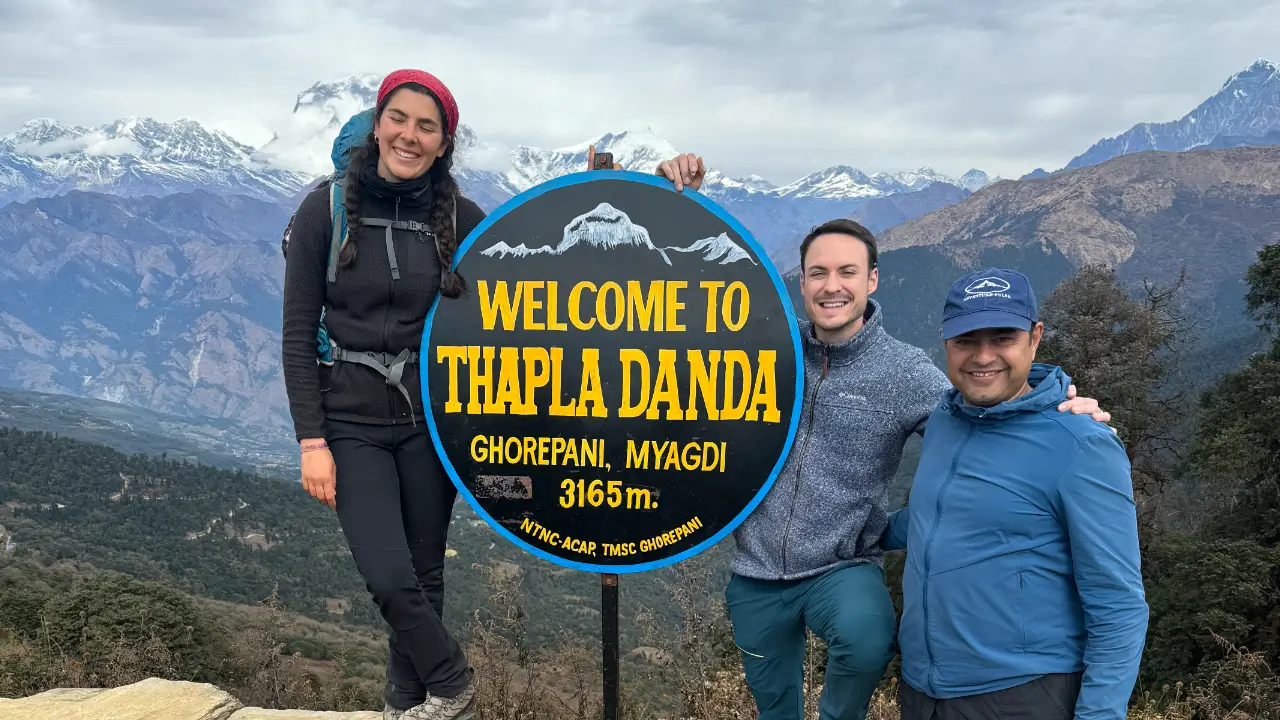
The Poon Hill Ghorepani Trek is among the best-known teahouse treks in Nepal with an unforgettable hike to the center of the Annapurna region. The Poon Hill stands at a height of 3,210 meters and is home to some of the most beautiful sunrise views of the Dhaulagiri and Annapurna range of mountains.

This 4–5-day trek is suitable for those who want the beauty of the Himalayas without the extreme challenge of the higher-altitude treks. The trek is in the easy-to-moderate category and thus can be done by trekkers with varying degrees of fitness.

Along the way, you’ll pass through traditional Gurung and Magar villages, dense rhododendron forests, and terraced fields, all while staying in friendly teahouses that offer a glimpse into the local culture.

With comfortable accommodations and delicious local meals, the Poon Hill Ghorepani Trek is a great introduction to the trekking experience in Nepal. No matter if you’re a beginner or a veteran trekker, this trek will give you everlasting memories of Nepal’s beauty and warmth.

  1. Mardi Himal Trek

The Mardi Himal Trek is a hidden gem of Nepal, offering the trekker a less crowded, less touristy option to some of the more popular trekking routes. With an altitude of 4,500 meters at the Mardi Himal Base Camp, the trek offers stunning views of the Annapurna range, including Mardi Himal, Machapuchare and Hiunchuli.

Completed in 5-7 days, it’s perfect for those looking for a challenging yet feasible trek. The trek is graded as moderate, so it’s best suited for trekkers with a decent level of fitness and previous experience.

You’ll walk through lovely forests, villages, and terraced fields along the way, resting in friendly teahouses that provide a warm welcome and an opportunity to sample the local culture. If you’re looking for isolation amidst nature or if you’re looking to challenge yourself by ascending fresh heights, then the Mardi Himal Trek is just the right combination.

It’s a good choice for someone who wishes to see the splendor of Nepal’s mountains combined with the convenience of teahouse accommodations.

Conclusion

Tea house trekking in Nepal offers an unmatched way of trekking the Himalayas with the luxury of family-owned lodges to rest and replenish along the route. On a classic trek like Everest Base Camp or one more off-the-beaten path like the Mardi Himal Trek, Nepal teahouse trekking offers adventure and hospitality.

There are friendly teahouses along established trails, where you can have a comfortable bed and decent local cuisine and experience Nepal’s genuine culture by sharing with other travelers. The treks allow you to indulge in stunning scenery, from rich forest and rural countryside to challenging mountain landscapes, without the inconvenience of carrying bulky camping gear.

With a variety of trekking trails to choose from, teahouse trekking in Nepal offers something for everyone, from first-time trekkers to seasoned climbers. Each trail offers something unique, whether it is the breathtaking view from Poon Hill or the remoteness of the Upper Dolpo.

The combination of dramatic scenery, cultural experiences and comfort of teahouses makes teahouse trekking in Nepal the choice of any traveler. It’s not a trek, it’s a lifetime journey through the heart and soul of Nepal.

Best Time to Visit Mount Kailash: Seasonal Tips for Your Journey

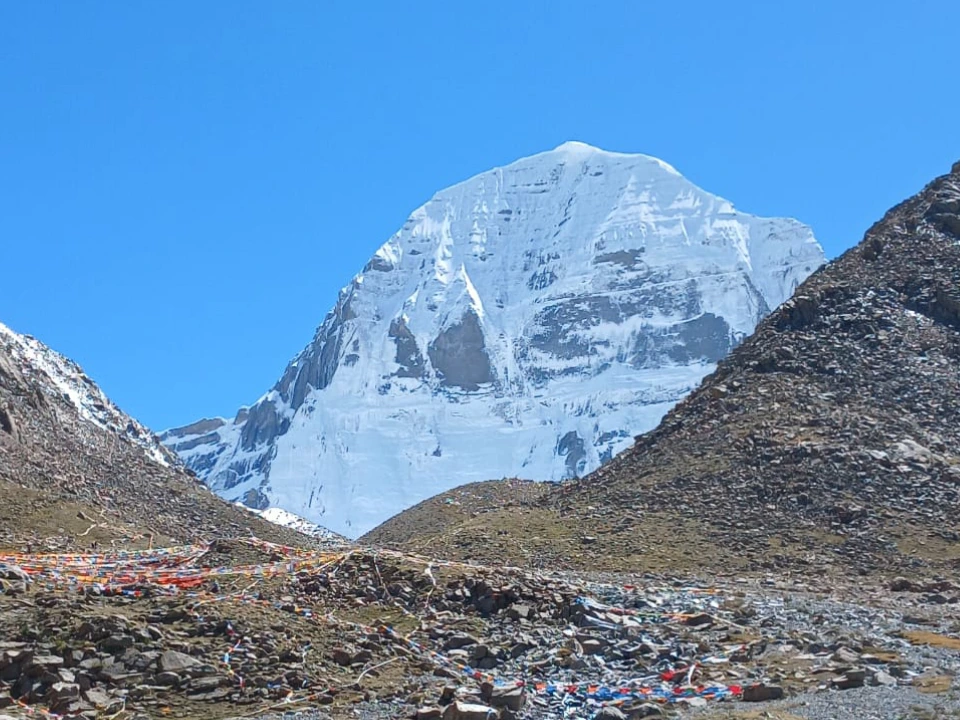
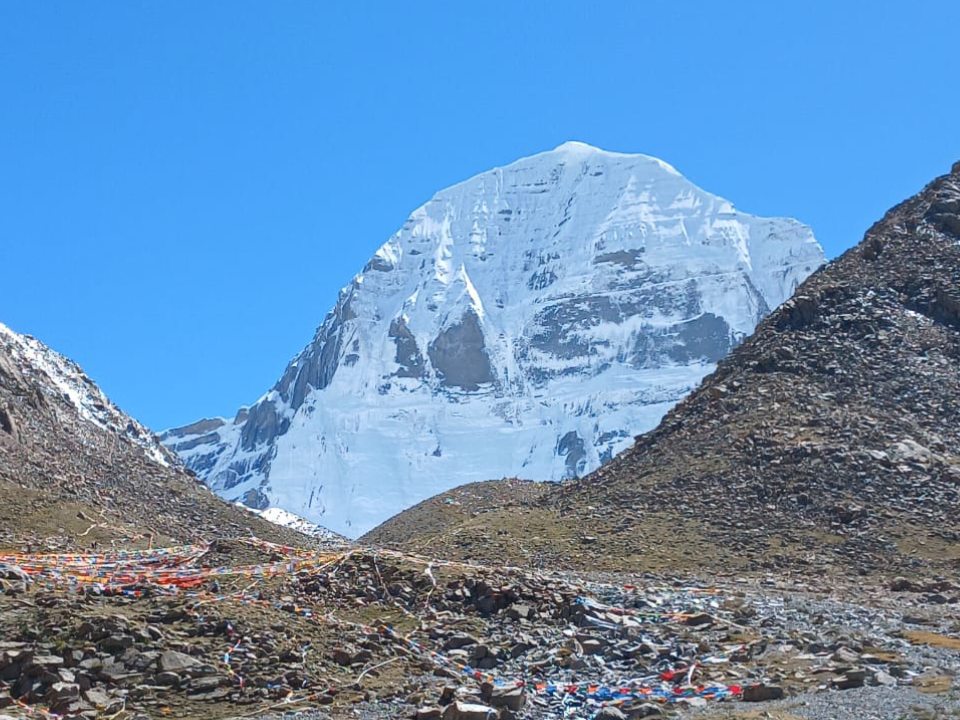
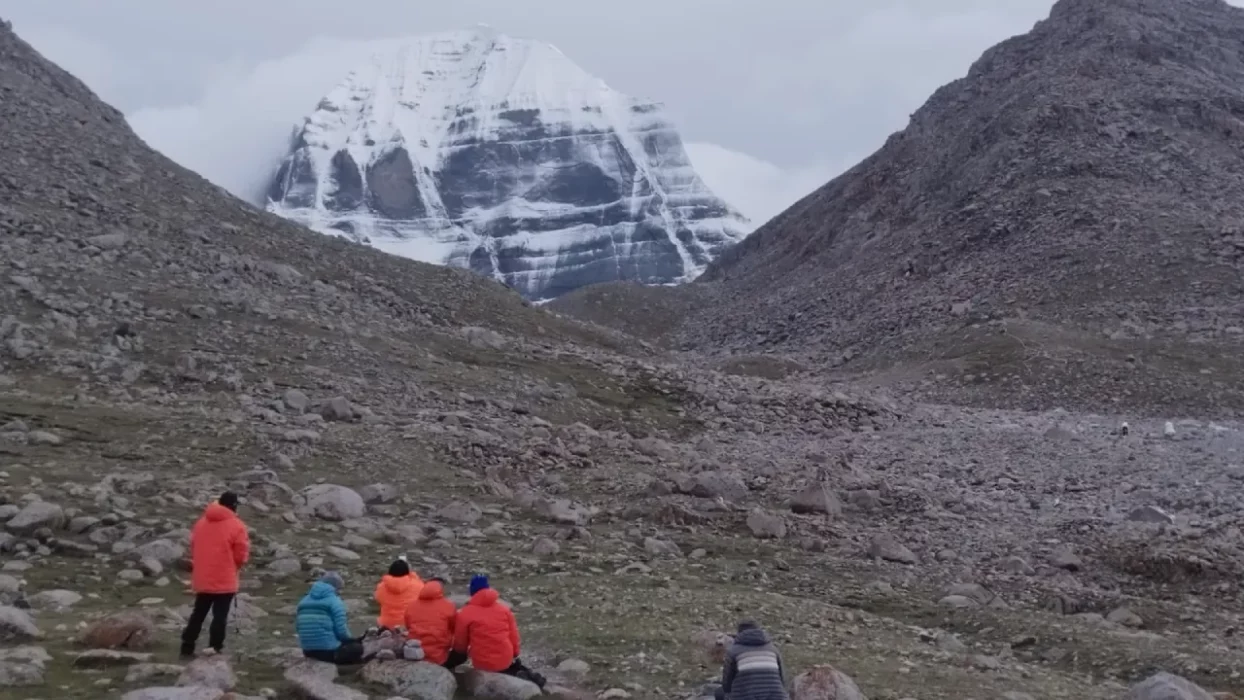
There’s a saying that Mount Kailash is the exit point of earth – “Stairway to Heavens” and indeed, the place is a treat for eyes and soul at the same time! With its location precisely on the remote Tibetan plateau, this sacred peak is believed to be the most holy mountain by followers of Hindus, Buddhists, and Jains.

As it is regarded, to Hindus the region is regarded as the residence of Lord Shiva. Buddhists see it as the center of the universe and quite a number of other religions regard it too as a sacred place. Beyond its sacredness, Mount Kailash has awe-inspiring sights and merges magnificently with the blue sky and the far-off snow-clad mountains of the Himalayas.

The outstanding character of the structure is the well-placed monasteries, lakes, and hills that are rocky which makes the place ideal for trekkers and lovers of nature. The feeling that swirls within the soul and connects with the surroundings is profound and deep, providing it with a kind of atmosphere that is par none and can never be quantified in its true sense.

Before grabbing the packed bags and heading towards the dream vacation, this loaded list of things to consider makes the journey safer and memorable for all of us. Even experienced veterans find this trip providing a lot of hardships due to the climatic and the high altitude conditions.

For devotion or trekking, in order to make the journey more enjoyable, it suggests that understanding the local culture and festival cycles and liabilities can enhance one’s journey. To witness such magnificence and beauty at Mount Kailash, it is necessary to emphasize the right visiting time for it increases the chances of avoiding bad weather and timing issues.

Mount Kailash Tour from Nepal

All You Need to Know about the Weather of Mount Kailash

Mount Kailash is located high in the Alps. It has cold and unpredictable weather throughout the year. Harsh weather conditions are part of the charm and challenge of this holy pilgrimage. Knowing what to expect each season can help you effectively prepare for a safe and memorable adventure.

Winter (November to February)

The winter season at Mount Kailash is very cruel and never forgiving. It can reach ultra-cold temperatures as low as -25 degrees celsius, and much of the area is buried beneath the snow as well. This causes an amalgamation of heavy snow and frostbitten roads which make it hard for roaming enthusiasts during this duration of time.

  • Pros: The calm and pristine beauty of winter attracts experienced hikers seeking solitude.
  • Cons: Cold and dangerous travel conditions. and closed roads make it unsuitable for most tourists.

Spring (March to May)

Spring starts to signal the rise of the temperature in Tibet region and it ranges from -5 to over 10 degree centigrade. It comes as no surprise that winters there are sometimes rough with bone chilling colds. It reveals lush valleys and flowering plants. This transitional period is suitable for those who like moderate weather and less crowds.

  • Pros: The snow melts open the roads while the vibrant landscape reveals spectacular views.
  • Cons: Some trails may still be slippery due to melting snow. Therefore, caution must be taken while hiking.

Summer (June to August)

For trekking enthusiasts, summers mark the best time to set out for Mount Kailash as the degree ranges from 5 to 15 making the journey a lot easier. It is mandatory to point out that even when the area gets roughly rainy, Mount Kailash tends to remain dry due to its extremely high elevations. However, there is rain from time to time. in the surrounding area

  • Pros: Lush greenery, clear mountain view and lively atmosphere. This makes summer a favorite among pilgrims.
  • Cons: Increased traffic leads to crowded housing and busy roads. Occasional rain can disrupt plans.

Autumn (September to October)

Autumn is considered the best time to visit Mount Kailash. The monsoon clouds dissipate. Left with a crystal clear sky and a moderate temperature between 0°C and 10°C, the scenery was bright and pristine. This makes it a photographer’s dream.

  • Pros: Perfect hiking weather. The crowd is less compared to summer. and better visibility.
  • Cons: As October progresses, the risk of snowfall increases and may close some roads.

Best time to visit Mount Kailash

The best time for visiting Mount Kailash from Nepal is from May to October. At this time, each period offers unique benefits that meet different needs and priorities.

May to Early June

This period includes the transition from spring to summer. A lot of the snow has melted. Reveals easy paths and routes. The temperature is just right. This makes it ideal for travelers looking for a quiet experience without the crowds.

Highlights: Bad weather. blooming scenery and there are fewer tourists

From mid-June to August

Summer is peak season for Mount Kailash, coinciding with the monsoons in the lower regions. Even though it rains from time to time, the mountains are still quite dry. Pilgrims pour in during this time, creating a spiritual atmosphere.

Highlights: Festivals, greenery, lively cultural interactions.

September to early October

In the autumn Clear skies and fresh air make the weather very stable. The post-monsoon season reveals a vibrant landscape. This makes it a popular place for hikers and photographers.

Highlights: Beautiful mountain views. Quiet hiking trail and golden autumn

Mount Kailash Tour from Nepal
Mt Kailash

Seasonal Tips for Your Mount Kailash Journey

Spring (March to May):

Spring brings a time of rejuvenation and transformation on Mount Kailash. The melting snow brings the scenery to life. It reveals green fields and flowering plants. With temperatures between -5°C and 10°C, hiking is more comfortable. And the route is relatively quiet compared to the peak tourist season in summer.

Pack strategically to get the most from your spring trip. Layering clothing is essential to accommodate fluctuating temperatures. This is especially true at higher altitudes where residual snow can stick. It is recommended to book accommodations and travel arrangements in advance. Access may be limited in some areas. Also, make sure you have sturdy shoes and hiking poles to navigate slippery or uneven trails.

Summer (June to August):

Summer coincides with events and celebrations on Mount Kailash. Hiking and outdoor activities are appealing because of the mild temperature which is between 5 and 15 degree centigrade and the increase in the number of pilgrims enhances the experience by adding a different cultural aspect. At this point, tourists can appreciate the vibrant atmosphere of celebrations like the Buddhist festival Saga Dava that celebrates the life of Buddha.

Summer, which can be amusing with few perks, can be a turn-off with rain and large crowds. Visitors should be equipped with waterproof gear rolls, such as a raincoat and a rucksack cover, to stay dry. The headache, which is sometimes considered as an inconvenience can still be a greater issue. Thus it is essential to properly drink water and adjust the body to a suitable altitude in this region.

Due to the popularity of this season, accommodation may be crowded. Therefore, reservations must be made in advance.

Autumn (September to October):

Autumn is the favorite season of many tourists. Because the weather is clear The sky is clear and moderate weather conditions (0°C to 10°C). Post-monsoon clarity improves the visibility of Mount Kailash and surrounding peaks. This makes it the perfect time for photography and quiet walks. The golden hues of the autumn leaves add magic to the landscape.

Travelers should pack multiple layers for cooler mornings and evenings. And avoid planning your trip too late in October to avoid snowfall. Autumn offers a quieter, more contemplative experience compared to the bustling summer months. This makes it ideal for those seeking solitude and spirituality.

Winter (November to February):

Winter at Mount Kailash? Well, it’s not for those who shy away from a bit of a challenge. I mean, we’re talking about temperatures that can plunge to a bone-chilling -25 degrees Celsius! It really transforms the whole area into this stunning snowy wonderland. But you know what? The tranquility and pristine beauty of the place? Unmatched.

That said, if you’re thinking about making the trek during this season, you better be an experienced climber with the right gear. Trust me, most trekkers would advise against it. The trails can get cold, and, honestly, they’re often pretty tough to navigate. So, if you’re not prepared, it might be best to wait for a milder time of year.

Our guests in front of Mount Kailash
Our guest in front of Mount Kailash

Preparing for Your Journey – Enjoy a Successful Journey

A successful trip to Mount Kailash demands careful planning and preparation. The region’s unique challenges, high altitude, and spiritual significance require that you approach the journey with thorough attention to detail. Whether you are traveling or trekking on top of the sacred mountain. The following tips will help you have a smooth and enjoyable experience.

Acclimatization:

To reduce health impacts that may occur from climbing Mount Kailash, which is higher than 6,000 meters, including altitude sickness. Therefore, it is necessary to develop appropriate measures to help the body adapt effectively. As altitude sickness isn’t exactly a light problem, it is advised to be resourceful with the inclusion of oxygen masks in one’s kit. And it’s important to give your body time to adjust before jumping higher.

Spend a few days in Lhasa or a nearby city at a lower altitude. This allows your body to gradually adjust. This will reduce the risk of altitude sickness and help keep you comfortable on the journey ahead. Listen to your body, don’t rush your journey. Give yourself time to rest and adjust along the way.

Get a license

Tibet is a restricted area. And it is necessary to obtain the necessary permits to enter and travel in this area. These licenses are required for foreigners. And the process can be quite complicated. It is recommended to work with a reputable travel agent specializing in Mount Kailash tours.

They are familiar with the rules and can help you obtain the necessary licenses. This includes the Tibet Travel Permit and the Mount Kailash Travel Permit. Please note that permits may take time to process. Therefore, it is important to plan and maintain safety.

Packing essentials

Proper packing is important to ensure you have everything you need for your trip. Here are the details of what you need to bring.

  1. Clothes: Due to the cold and hot weather It’s important to pack clothes that keep you warm and wick away moisture. Choose warm underwear. Windproof jackets and underwear can trap moisture and keep you dry and warm. Sturdy hiking boots with ankle support are also essential for traveling comfortably on rough terrain.
  2. Gear: Bring hiking poles to help with balance. Especially on steep or uneven roads. To reduce stress on the joints, a reliable and comfortable backpack to carry your essentials.
    Include sleeping bags suitable for winter. This is important for multi-day hikes.
  3. Supplies: High-energy snacks like trail mix, energy bars, and dried fruit will help you through long hikes. Carry a reusable water bottle and ensure you have adequate water sources throughout your trip. A well-stocked first aid kit is recommended. Including altitude sickness medicine, bandages, and equipment.
  4. Documents: Keep your passport, license and detailed itinerary in hand. It is a good idea to carry copies of these documents with you. In case of emergency

Health Precautions

It is recommended to consult a doctor before setting off for Mount Kailash, especially if you have any pre-existing medical conditions. Your doctor can provide advice on managing potential health risks and recommend medications for altitude sickness, such as Dimox. It is important to stay hydrated throughout your trip.

This is because dehydration can make altitude sickness symptoms worse. Avoid alcohol. This will cause the body to become dehydrated and impair adaptation. It is also wise to practice slowly.

Respecting local traditions

Mount Kailash is not only a natural wonder. But it is also a sacred place for many religions. Local people including Tibetans, Hindus, Buddhists, and Jains, hold the mountain in high esteem. It is important to respect their traditions and beliefs that might disturb the sanctity of the place, such as climbing mountains.

Locals believe that Mount Kailash is the spiritual home of Lord Shiva. And going up the mountain is a sacrifice. Pilgrims, instead of climbing the mountain, complete the Kailash (Pradakshina) circuit around it as a sign of devotion. Visitors should approach the mountain with humility. Respect the traditions of the local people and appreciate their religious importance.

Mount Kailash Tour from Nepal

Final Wrap Up

A trip to Mount Kailash is a profound experience that transcends physical boundaries. and provides spiritual wholeness and a deep connection with nature. The spring, summer, and autumn seasons offer ideal conditions for trekking, worshipping, and learning about the local culture.

Instead of going in the off-seasons, a better strategy is going at the seasonal peak which coincides with the preferred activities along with the milder weather and minimal tourists. Respect for the traditions of the people, and great planning assures a memorable trip along with the breathtaking view of the surroundings, don’t forget that Kailash is a sacred mountain.

Come prepared with knowledge, equipment, and an open heart. And let the mystical aura of Mount Kailash guide you on this extraordinary journey.

Helicopter Return from Everest Base Camp: A Luxurious Twist to Your Trekking Adventure

It’s a truly wonderful addition that just makes an amazing adventure special. This refers to helicopter returns from Everest Base Camp. For a journey like trekking to Everest Base Camp, which is already awesome, flying by helicopter back imparts something special. You have walked through a beautiful Everest region with the feeling of thrill, and finishing it in a helicopter is brilliant, as time and energy would be spent instead.

With the Helicopter return from Everest Base Camp, you’ll get to see some of the highest mountains in the world, like Mt. Everest, Lhotse and Ama Dablam, up close. The trek takes you through popular places in the lap of Everest like Namche Bazaar, Tengboche Monastery and the Khumbu Glacier. Once you reach Everest Base Camp, the real fun begins. The helicopter flight from Gorakshep gives you an incredible bird’s-eye view of the mountains and glaciers that you just walked past.

Ideal for those who have less time yet are willing to catch a glimpse of the beauty of Everest, this tour includes a helicopter return from Everest Base Camp, hence you won’t have to walk back to Lukla. You take a leisure helicopter ride and catch a glimpse of the sights in the Everest region one last time as you go on to Kathmandu. The perfect end to an incredible journey!

Traditional EBC Trek Route

This normal trekking at its base generally takes 12 to 14 days and provides sights of the Himalayas. From Kathmandu, take a flight to Lukla, afterward, trek uphill to reach Namche Bazaar. Halt and stay here for one day to acclimatize to the altitudinal variation. The path leading to Dingboche passes several villages along with suspension bridges-en route acclimatization.

The next one is Everest Base Camp via Lobuche and Gorakshep. On reaching Base Camp, the feeling of being 5,364 meters above sea level, with towering peaks, is beyond compare. Your trek concludes with an ascent up Kala Patthar, which offers magnificent views of Everest, especially during sunrise.

Everest Base Camp Trek

Helicopter Return from Everest Base Camp Itinerary

Day 1: Arrival in Kathmandu (1,400m)
Arrival in Kathmandu. Overnight in a hotel as per the provision for the beginning of the trek.

Day 2: Kathmandu to Lukla (2,840m) and Trek to Phakding (2,610m)
Take a spectacular flight to Lukla, and from there, the actual trek begins along the Dudh Koshi River to the peaceful village of Phakding.

Day 3: Phakding to Namche Bazaar (3,440m)
Trekking from Phakding to Namche Bazaar involves several crossings of suspension bridges with altitude gain.

Day 4: Acclimatization at Namche Bazaar
Acclimatization day in Namche, exploring the village and catching glimpses of Everest and other peaks around.

Day 5: Namche to Tengboche (3,810m)
Beautiful forest, monasteries along the way, ends at the famous Tengboche Monastery.

Day 6: Tengboche to Dingboche (4,410m)
A picturesque day with suspension bridges and alpine meadows up to Dingboche.

Day 7: Acclimatization in Dingboche
Take another extra day in Dingboche to relax and acclimatize to the high altitude.

Day 8: Dingboche to Lobuche (4,910m)
Resume your trekking route via different landscapes to the Khumbu Glacier en route to Lobuche.

Day 9: Lobuche to Gorakshep (5,140m) and Everest Base Camp (5,364m)
From Lobuche, hike to Gorakshep, the final destination being Everest Base Camp. Later in the evening, head back to Gorakshep.

Day 10: Gorakshep to Kala Patthar (5,555m) then Helicopter to Kathmandu
Hike up Kala Patthar in the morning for spectacular views of Everest. After lunch, jump into a helicopter for an exhilarating flight back to Kathmandu, seeing a bird’s-eye view of the whole Everest region.

Helicopter Return Experience

From Everest Base Camp or Kala Patthar, it’s possible to return via helicopter to Lukla or Kathmandu, which makes the journey quite quicker and exciting. Instead of 3-4 days of trekking down, it takes about 45 minutes in a helicopter, thus leaving more time to relax and enjoy the rest of your trip.

The best part is that you get divine views of mountains such as Everest, Lhotse, Nuptse, and Ama Dablam from the airside you would never get while trekking. This is a perfect option if you are short on time or if you want to end your trek on a high note.

The helicopter ride is comfortable and gives you the chance to sit back and take in the beautiful scenery. It’s a fun and easy way to skip the long walk back and see the Himalayas from a whole new angle! Whether you’re tired or just want a special end to your adventure, the helicopter return offers an unforgettable experience.

Everest Base Camp helicopter tour
Everest Base Camp helicopter tour – 1 day

Cost & Booking Information

Generally, the cost for Everest Base Camp Trek with a Helicopter return goes from $1500 to $3500 per head. The cost depends on the season and also number of people in your group. It might be a bit higher during peak seasons like Spring and Autumn.

What’s Included: The price covers your helicopter ride back from Gorakshep, permits, guides, accommodations and meals while trekking. You’ll stay in a nice hotel in Kathmandu for a couple of night, with breakfast included. Accommodations will generally be twin-sharing guesthouses or lodges that offer attached toilets on the route to Lukla, Phakding and Namche. Three meals a day will be provided, including hot drinks and seasonal fruits, in packages.

Guides for this trek, trekking permits, porters for carrying your luggage and clean drinking water are provided in the package. You’ll get transportation between Kathmandu, Manthali and Lukla and the shared helicopter ride back to Lukla. Plus, you’ll receive a trekking kit (like a duffel bag, map and sun hat) and a certificate at the end of your journey.

How to Book: It’s a good idea to make a prior booking, mainly during busy seasons. You can book with a travel and tour operator and agents.

Benefits of a Helicopter Return from Everest Base Camp

Taking a helicopter return from Everest Base Camp is an experience that makes your trek extra special on many counts. It saves much time, at least instead of walking down to Lukla in 3 or 4 days, which will surely be very tiring. The helicopter flight takes only 45 minutes. This means you can rest your legs, avoid long walks and still have plenty of time to enjoy the rest of your trip or head back to Kathmandu.

It’s also a comfortable and a much safer option. Trekking back at high altitudes can leave you feeling exhausted and descending for several days increases the risk of altitude sickness. Flying back avoids all that, letting you skip the tough climb down and return in a way that feels more relaxed and secure.

Another amazement about the experience is the view from the helicopter. You will be flying over the mountains and be able to see Everest, Lhotse, Nuptse, and other peaks from a different angle while flying over. That is a great chance to shoot breathtaking photos and see the beauty of the Himalayas in places one cannot do while trekking.

Finally, after all the hassles of reaching the top, it feels like ending your adventure in style by taking a helicopter ride. This is truly flying back as some sort of treat after having had to trek so hard to the top. This is a kind of VIP thing bonus that makes your tour to Everest Base Camp truly unforgettable. The return by helicopter completes your tour to Everest Base Camp on a high note, with lifetime memories of both the journey and the views from above.

Best Time

The best time for the return by helicopter from Everest Base Camp is during spring-from March to May during autumn-from September to November. In these months, the skies are usually crystal clear, and weather conditions are relatively stable, perfect for a helicopter scenic flight. The temperatures are mild, and the weather is predictable, so your flight is more likely to go smoothly. You’ll also get the best views of the mountains during these times.

It’s best to avoid the monsoon season (June to August) as the weather is unpredictable, with heavy rain and possible storms. The probability of delays is higher, and the visibility to fly is not that good. Trekking is also slippery and problematic during this time.

Winter starts in December and lasts until February and is very cold, which affects flights. It is less crowded, and the surroundings are peaceful, but the freezing temperature makes the journey tougher, and the possibility of delay due to snow or fog also increases.

Thus, the best seasons for helicopter return would be in spring and autumn, when one gets perfect weather and can capture the best glimpses of the Everest region without bothering about the hazardous risks and troublesome delays caused during monsoon/winter months.

Helicopter Return vs. Traditional Return

Coming down from Everest Base Camp, there are two options. The first is the return via helicopter and the second is the classic trek down to Lukla.

Helicopter Return

The Helicopter Return from Everest Base Camp is handy, as it affords a swift return from an adventure. You can skip the long trek back after reaching either Everest Base Camp or Kala Patthar, embarking on a scenic 45-minute flight to Kathmandu or Lukla. This saves you 3-4 days of hiking up handy if you are short of time or just too tired after the tough trek. You will have awesome aerial visions of the mountains which are an extraordinary experience. Still, it’s more expensive and at the mercy of the weather.

Traditional Trek Return

On the other hand, it takes 3-4 days to trek back to Lukla. Though it is a bit physically demanding and requires more preparation, it allows enjoying the beauty of the Everest region at a slow pace. You’ll walk through villages, cross suspension bridges, and descend gradually, which helps with altitude acclimatization. This option is cheaper, but it can be tiring, especially after the hard trek to Base Camp.

Comparison

The helicopter return is fast and easy, while traditional trekking gives you a more personal experience with the landscape. If you prefer comfort, the helicopter is the way to go; if you want more adventure, stick with trekking.

Helicopter Return from Everest Base Camp
Everest Base camp Trek with Helicopter Return

Tips and Suggestions for the Trek

Following are some easy tips that can prepare you for your Everest Base Camp trek with a helicopter return:

1. Get Fit

Even with the helicopter return, this trek can be tough. It is highly recommended to walk, hike, or do cardio exercises to build strength and stamina before you go.

2. Pack Light

Take only that which is essentially needed. Clothing should be warm; shoes, too, are similarly good, with a comfortable sleeping bag and a rain jacket. Keep your bag light because a porter will need to carry it.

3. Drink Plenty of Water

It gets dehydrated at altitude, so make sure that you drink a lot of water during the whole trek. Keep the water level of your body up for it to function well and get rid of sluggishness.

4. Take Rest

Your body needs some time to acclimatize to the height. Rest well at places such as Namche Bazaar and Dingboche to avoid sickness.

5. Be Prepared Unstable Weather

Weather in the mountains often changes within a very short time. Be prepared for cold, warm and rainy weather with appropriate clothes.

6. Book in Advance

Helicopter returns are a popular option so early bookings are recommended, especially during high seasons.

7. Enjoy the Moment

Relish the breathtaking views of the Himalayas. It is a lifetime experience!

Everest Base Camp
Campamento Base del Everest

Conclusion: The helicopter return from Everest Base Camp is a great combination of adventure and luxury. You can conclude the difficult trek to Everest Base Camp with an exciting helicopter ride. Instead of walking for several more days back to Lukla, you save time and energy by flying back in just 45 minutes.

It will not only make your journey easy, but it will also be an opportunity to view these breathtaking mountains from above, which will allow a wholly different view of the Himalayas.
This offers a view with an adventure for one of the most famous destinations in the world and gives extra touches at the end by getting excited. The helicopter flight is not just fast; it’s also a beautiful way to take in the views of Everest, Lhotse, Nuptse, and other peaks.

If you’re looking for a beautiful and adventurous way to wrap up your trek, the helicopter return is a great choice. Make an advance booking, as it’s a popular option, especially in peak seasons. Also, the best time to go is in spring or autumn when the weather is clear and perfect for flying. This could be the highlight of your Everest adventure!

Altitude Sickness on the Everest Base Camp Trek: How to Prepare and Prevent

Everest Base Camp is the most famous and adventurous trek in the world. This trek leads you to the base of the tallest mountain in the world, Mount Everest. This Everest base camp trek is comprised of stunning visions of snow-covered peaks, glaciers, and very beautiful landscapes within the Himalayas.

mount everest
Mount Everest

You will get to know the rich culture and traditions of the Sherpa people en route, for whom this region is home. Usually estimated to fall within 12-14 days of time duration, out of which 5,364 meters or 17,598 feet remain the highest place at Everest Base Camp. A variant, that suits people who do not have that big an amount of time, is the Short Everest Base Camp Trek, in which the above is done within a very short period.

However, most trekkers have one great challenge which all the trekkers should know-altitude sickness. While one begins to go upward, it follows that air gradually turns thin-thereby oxygen to breathe will subsequently be little; this leads to resultant symptoms of headaches, nausea, dizziness, and shortness of breath.

By worsening conditions, the mentioned symptoms are prone to increase fatal diseases related to lung or brain tissue swelling. It’s a serious risk that trekkers need to be prepared for.

The 15-day Everest Base Camp Trek gives you ample time to acclimatize and adjust to the altitude but preparation is still key. It’s important to understand what altitude sickness is, how to spot the symptoms, and how to adjust to the higher altitudes slowly.

Taking your time to acclimatize, drinking plenty of water and resting when needed are all ways to prevent altitude sickness. Knowing when to turn back and ask for help is just as important. With the right preparation, you can safely complete the Everest Base Camp Trek and have an incredible experience that you’ll never forget.

Understanding Altitude Sickness

Altitude sickness, also commonly known as Acute Mountain Sickness, or AMS, includes symptoms you may experience at high altitudes, where the air contains less oxygen. It is a common problem for trekkers visiting Everest Base Camp, especially as you ascend higher than 2,500 meters (8,200 feet).

With an increased altitude, oxygen becomes less available, and the body requires some time for acclimatization to this change. If your body doesn’t acclimate well, then you start feeling unwell with symptoms such as headaches, nausea, and tiredness.

Causes of Altitude Sickness

With increased altitude, the air becomes thin, containing less oxygen. Your body struggles to receive sufficient oxygen, especially if you ascend too quickly. If you don’t give your body time to acclimate, it can lead to altitude sickness. If one climbs too fast and without rest or appropriate rest, his body may not be in a position to put up with a shortage of oxygen, thus the occurrence of symptoms such as dizziness and headache.

Symptoms of Altitude Sickness

The initial symptoms of altitude sickness can be mild. You may have a headache, feel nauseous, dizzy, or just tired. These are common symptoms that can be dealt with by simple rest and a lot of water intake. However, if these symptoms worsen, it may imply something serious. In extreme cases, one may experience problems in breathing, confusion, or difficulty in walking.

This can eventually cause severe, dangerous conditions that include High Altitude Pulmonary Edema buildup of fluid in the lungs- or even high High-Altitude Cerebral Edema, which is swelling of the brain. These conditions are very serious and need immediate medical attention.

Elevation and Risk

Altitude sickness usually starts to be a concern above 2,500 meters (8,200 feet), but the higher you go, the worse it can get. Above 3,500 meters (11,500 feet), the symptoms can become stronger. When trekking to Everest Base Camp, you’ll reach an altitude of 5,364 meters (17,598 feet), where oxygen is much thinner. Because of this, the risk of altitude sickness is higher.

To stay safe, it’s important to climb slowly, take regular breaks, stay hydrated, and give your body time to adjust to the high altitude.

Risk Factors for Altitude Sickness

There are a few things that can heighten your chances of getting altitude sickness on your trek. Probably the worst risk is climbing too quickly without giving your body enough acclimatization time for the higher altitude. If you go up too quickly without rest, you will likely become ill. Secondly, if you have had altitude sickness previously, then you are at a greater risk of experiencing it once again.

Your physical condition is also important. If you are not in good shape or already tired, your body will have a harder time dealing with the high altitude. Age also plays a part: younger and older trekkers can be more sensitive to altitude sickness.

Pre-existing health conditions may worsen problems. Your body simply cannot take higher altitudes with respiratory and heart problems because the oxygen level is low, so that may make you more vulnerable to illness.

Lastly, speed is also important in your hike. When one tries to ascend too quickly, that does not allow the body a good chance of acclimatization with the altitude change, and this can be due to altitude sickness. The best way to stay safe is just to take it slow, drink lots of water, and give your body plenty of time to adjust to the higher altitude.

How to Prepare for Altitude Sickness

Physical Preparation

Your body should be in a very fine shape before heading out for the Everest Base Camp trek. Regular fitness exercises such as running, swimming, or cycling will enhance your stamina and make your heart and lungs stronger.

Similarly, steep hikes call for strong legs, and that requires squats and lunges. Days on the trek are going to be long with extensive walking; hence this will ward off getting extremely tired or getting hurt.

If you are on the Everest Base Camp Trek, then having your body prepared and set for physical exertion makes your trek quite enjoyable and achievable.

Acclimatization Strategies

At high altitudes, the body requires some time to acclimatize to the thin air. This process of acclimatization is necessary in preventing altitude sickness. Acclimatization should be practiced by going upward very slowly, which can give the body adequate time for the adapting process.

During the trek, spending extra days at places like Namche Bazaar and Dingboche helps your body get used to the higher elevation. These rest days are key to avoiding altitude sickness and ensuring a safe trek.

One helpful strategy to aid acclimatization is the “climb high, sleep low” rule. That is, you need to ascend higher in altitude during the day but return to a lower altitude to sleep. This way, your body gets used to it gradually, and the altitude will not be that difficult to bear after some time.

Rest Day

Other important things in preparation include rest days. After substantial elevation gains, especially upon arrival in places like Namche Bazaar or Dingboche, your body needs time to recover.

Rest days allow your body to adapt to the altitude and recover from physical exertion. During these days, you can take short walks around the area to keep your body moving without pushing yourself too hard. This balance of rest and light activity strengthens your body for the next part of the trek.

Everest Base Camp Trek

Physical training, proper acclimatization and rest days are all essential to avoid altitude sickness. If you’re tackling the Short Everest Base Camp Trek, following these steps will help you stay safe and enjoy the adventure. By listening to your body and not rushing, you can safely reach Everest Base Camp and enjoy the amazing views.

Preventive Measures for Altitude Sickness

Slow and Steady Ascent

Preventing altitude sickness requires going up gradually. The higher you go, the thinner the air, and hence your body needs time to get tuned to the rarefied atmosphere. You should always go upwards at a slower pace. The Everest Base Camp Trek follows a well-placed stride that allows for acclimatization.

During these treks, you will have planned rest days or days in places like Namche Bazaar and Dingboche. During this period, you are supposed to relax and let your body acclimatize to the altitude. Remember, taking it slow will help you avoid altitude sickness.

Hydration

Drinking plenty of water is extremely important in high-altitude trekking. Dehydration enhances the severity of altitude sickness; thus, it is very important to keep one’s body hydrated. Drink plenty of water frequently, even if you do not feel thirsty. You may also consume herbal teas and electrolyte-enhanced drinks. Keep a bottle with you and sip throughout the day. Keeping yourself hydrated will keep you feeling fresh and give your energy level while trekking.

Balanced Diet

What you eat before a trek also enables one to go out there feeling quite strong. Emphasis should start with high carbohydrate dishes, especially rice, pasta, and potatoes, that fuel your body and give it some instant energy; smaller meals ensure even stamina dispersion throughout the day. Good nutrition helps to keep you strong and full of energy on this trek.

Medications for Prevention

If you’re concerned with altitude sickness, then there is a medication known as Diamox or, generically known as acetazolamide, to help. This will help your body get accustomed to the high altitude faster and minimize the possibility of getting sick. Your doctor will be in a good position to advise when and how to take it and will always check for any possible side effects. If you do happen to take it, just make sure to follow the doctor’s advice.

Oxygen Supplementation

Higher up, there is less oxygen in the atmosphere, and some trekkers may experience breathing difficulties. Supplementation of oxygen can certainly help if one is troubled while breathing.Some places on the trek offer oxygen, especially if you’re feeling sick or breathless. This extra oxygen, if you are prone to altitude sickness, can make you feel better and continue your trek safely.

Trekking with a Guide

Having a guide along with you is one of the best ways to stay safe and avoid altitude sickness. A guide will know the symptoms of altitude sickness and take care of you accordingly in case you start feeling unwell. They will make sure that you follow all the correct procedures, including taking rest days and keeping well-hydrated. Besides, guides know shortcuts and alternatives; therefore, they are in a position to make the trek non difficult.

Mt Everest Vistas desde Kalapather
Mt Everest view from Kalapather

If you just follow these simple steps, altitude sickness is very easy to ward off, and you will be able to enjoy your trek-be it the longer Everest Base Camp trekking or a Short Everest Base Camp trek. Take it slow, drink plenty of water, eat well, and listen to your body!

What to Do if You Get Altitude Sickness?

Recognize the Symptoms

It’s important to spot the early signs of altitude sickness so you can act quickly. If you feel a headache, nausea, dizziness, or you’re unusually tired, it could be altitude sickness. These symptoms are a warning that your body is struggling with the high altitude, so it is best not to ignore them.

Immediate Actions

The most sensible thing you can do in this situation is to immediately go down to a lower altitude if the symptoms are not very serious. In this situation, for instance, you’re on the Everest Base Camp trekking, you return to where you felt all right-for example, Namche Bazaar or Dingboche-rest well, drink as much water as possible, and do not go to an even higher elevation until you begin to feel a bit better. Giving your body time to adjust by resting and hydrating can make a big difference.

When to Seek Help

If your symptoms get worse, like if you start feeling confused, have trouble breathing, or lose balance, you need to get down to a lower altitude immediately. These can be serious signs, and you should not ignore them. Your guide and porter, who are trained to handle altitude sickness, will know exactly what to do in these situations. They’ll help you get to a safer place quickly.

Helicopter Evacuation

In more severe cases-when, say, your symptoms do not improve-a helicopter evacuation may be necessary. This means it takes one to lower altitude for recuperation. If ever this happens, the guide shall be organizing for the same because of concerns regarding your safety.

Everest Base Camp Trek with Helicopter Return
Helicopter in Everest Base Camp

These signs, if recognized and acted upon in time, are what will keep you safe, enjoying your journey. Always heed your guide and take health seriously.

Conclusion

While altitude sickness may become a factor on the Everest Base Camp Trek, there is much one can do to minimize risks involved. Know the symptoms, stay hydrated, and take your time acclimatizing-your keys to safety.

Guided trekking is also a very good option for it. Such guides know about altitude sickness, and they make sure that the best path concerning your safety will be followed. Going slow and listening to your body will help you enjoy the trek without overdoing it.

The issue of safety should always be the first thing that comes to mind. Spend the needed time to prepare accordingly, which will set one up through this successful and enjoyable journey. Get the mindset right with a little care, and reach to the Everest Base Camp for one of the most amazing adventures ever. So, plan ahead, pay attention, and your trek is bound to be an experience of a lifetime.