
Do’s and Don’ts in Nepal – Things you should do and not do in Nepal

The beautiful country – Nepal is characterized by its fantastic landscapes, the local cultural wealth of Nepalese, and its kind inhabitants. Thus, make sure you abide by the local rules for a safe and enjoyable trip to Nepal. Knowing things you should or should not do in Nepal will make your journey through this incredible while you respect its inhabitants and ecology.

The dos include actions that show respect towards their way of life and help blend with the locals. Some of these small gestures include saying ‘Namaste’ while greeting people, dressing more modestly, and buying from local artisans which can go a long way. This also means respecting religious practices, using reusable water bottles, and acclimatizing properly before reaching high altitudes.

However, some don’ts should be observed to avoid offending locals or polluting the environment. For example, do not point your feet at someone or religious icons; neither should public displays of affection be practiced nor beggars be given money on sight. Here are some times, where one might find themselves littering, taking photos without consent, or being too loud to disturb wildlife.

By observing such simple dos and don’ts in Nepal, you will have a respectful, safe, and memorable time in Nepal.

Do’s in Nepal: Essential Tips for an Unforgettable Adventure

When you go to Nepal try to adopt local customs. The country has a rich cultural heritage; it is very hospitable and has breathtaking views. This means you should show respect towards the ways of life of the locals and hence be able to associate more deeply with the people you meet by following these dos during your unforgettable adventure trip.

From saying hello in a traditional way to wearing modest clothes or even buying locally made accessories; these activities will not only enhance your trip but also make you blend well with the Nepalese cultural setup that is so alive with energy. Following are some key dos that one must keep in mind while journeying through this beautiful country.

1. Say “Namaste”:

Use the traditional greeting method where you place your hands together in a prayer pose and bow down slightly. It is a cross-cultural way of being courteous and culturally sensitive to enhance understanding between you and other indigenous inhabitants of the region.

2. Be Modestly Dressed

Always ensure that you dress modestly which implies wearing clothes that cover your knees, and shoulders especially when visiting religious institutions to show respect for the customs and traditions of the locals around there. This way, you will avoid unnecessary attention and also demonstrate cultural appreciation leading to a more enjoyable interaction.

3. Speak Basic Nepali

The phrases “thank you” (Dhanyabad) and “hello” (Namaste) can be very helpful in your daily life here. These simple words can not only facilitate cross-cultural understanding but also improve your travel experience dramatically due to smoother conversations resulting from this kind of interaction.

4. Respecting Religious Practices

In religious circles, removing your shoes when entering temples or circumambulating stupas clockwise is customary. Consequently, this way helps you show respect and also understand something about local religion even if just that much which makes one more acceptable socially while visiting any sacred places whatsoever.

5. Boosting Local Economies:

Spend money on handicrafts created by artisans who live in these communities as well as eat meals at locally owned hotels to support local economy growth. In doing so, communities continue to prosper while offering an authentic taste of Nepal’s heritage and skilled artisans at once.

6. Environmental Awareness:

If you use reusable water containers rather than disposable plastic ones it will go a long way in conserving the environment and saving natural sceneries. Through such actions as effective waste management, Nepal is freed of pollutants, a situation that makes the country more attractive to people who love its virgin landscape.

7. Getting Used To Ascent

On trekking trips, several days should be allocated for the acclimatization process at higher altitudes to avoid mountain sickness. Begin to slowly acclimate yourself to how low oxygen affects you as you ascend so that you can have fun without getting ill.

8. Hire Local Guides and Porters

Local knowledge guiding; job creation in the community; better trek experience by having porters on your trek etc. They also help ensure that one obtains informed guidance about this place which is also significant towards sustaining local economies.

9. Carry Necessary Permits:

Always make sure you have all necessary trekking permits along with TIMS cards that support rules and conservation activities. Therefore, these permits are required when carrying out legal trekking activities as well as protecting future trekkers by maintaining hiking routes safe and away from destruction caused by tourism activities inside national parks areas.

10. Proper Management of Waste:

To keep trekking paths clean and the environment intact, all trash should be removed and put in necessary waste bins. The correct way of disposing of waste constitutes one of the main avenues toward upholding scenic trekking areas’ natural beauty and ecological balance.

11. Preserving Local Wildlife:

Observe these creatures by protecting their territory from human interference so that wildlife is conserved along with their habitats. By respecting its fauna it means that other trekkers will also have a chance to enjoy this nature.

12. Observe Trail Routes:

While hiking, hikers should give way to those climbing or carrying their pets along trails. Trekking routes ensure that everyone has fun, they prevent accidents and contribute to a friendly atmosphere among pedestrians.

13. Stay Hydrated:

Take plenty of clean/bottled water during your journey for fitness purposes. Good hydration is also important in high-altitude regions, especially in mountainous areas where dehydration may set in quickly because it helps maintain overall well-being and energy levels even at high altitudes.

14. Engage With The Locals

Try talking politely with them during your travel for more understanding about their traditional beliefs and practices. It is very crucial to relate well with natives to understand their history as well as the culture behind them.

15. Know Altitude Sickness:

When trekking in high altitude, it is advisable to take slow ascents and be familiar with the symptoms of mountain sickness. Identifying symptoms of mountain sickness early can prevent serious illness and make the trek safer.

16. Private Property Respect:

Avoiding entering other people’s houses or farms without permission is tantamount to an intrusion on their privacy as well as trespassing into private property. Such respect for boundaries shows concern for local communities therefore improving relations between hikers and natives.

17. Assisting Communities Locally:

Instead of giving money to individuals, donate it to local schools or health centers so that your contributions benefit everyone in the community. Through prudently supporting local institutions sustainable development is enhanced which ultimately leads to long-term gains for the community.

18. Use Registered Trekking Agencies only:

Ensure your agency is legitimate, approved by law thus guaranteeing you safety during your trekking trip. Authorized firms are more likely to comply with safety standards and ethical practices to improve your trekking experience

19. Carry a First Aid Kit:

Have some first aid with you for small illnesses and wounds to enable you to handle emergencies better while on the trek. For dealing with the usual problems that befall trekkers, it is always important to carry a well-stocked first aid kit to be ready for unforeseen situations.

20. Respect Cultural Sites:

Avoiding contact or scaling religious monuments demonstrates respect for holy places and local customs. It protects cultural sites from losing their significance thus making people understand the values of both past time and spirituality.

Don’ts in Nepal: Key Guidelines to Respect Local Culture and Customs

Some don’ts must be observed while visiting Nepal to ensure an enjoyable and respectful experience. Knowing about Nepali culture will help you avoid misunderstandings and blend with the locals more effectively.

What may not mean anything bad in one’s home country could be disrespectful in Nepal, avoid such habits as showing your foot to people, kissing each other publicly, or hitting wild animals that often lead to ensuring all the visitors feel comfortable together with residents. Here are key don’ts to always keep in mind when exploring the beauty of Nepal.

1. Avoid Pointing Your Feet at People or Religious Icons.

Nepalis consider the feet as the lowest and dirtiest part of the body. It is considered highly offensive to point your feet towards someone, religious icons, or even food. Hence, it is advisable to remember to keep your feet tucked under you when sitting in a group.

2. Don’t Show Love in Public Places:

Public displays of affection for example kissing, hugging, or intimate touching are considered unfitting in Nepal. On the other hand, if it’s about holding hands it’s usually acceptable except the more intimate gestures are believed to be done outside the eye view so as not to offend local sensibilities.

3. Do Not Give Money to Beggars:

Giving out money, especially to child beggars sustains the begging culture thus forming a dependency syndrome on it. Rather think about supporting local charities or community projects that will provide sustainable assistance for those who need it.

4. Littering is Bad:

One of Nepal’s greatest assets is its natural beauty and this can be greatly affected by littering. Carry a bag for your rubbish and put it in the right place for example designated areas to make the trekking routes and villages neat.

5. Always Seek Consent Before Taking Photos:

Photography may intrude, particularly in rural or private places. Instead of clicking away at will whenever you come cross people, religious functions, or personal homes remember that you are supposed to ask permission from those involved. It shows respect for their privacy and cultural norms.

6. Don’t Disrespect Culture:

Nepal has several unique customs and traditions which are part of Nepali culture. Ignoring them or being disrespectful about them can hurt their sentiments as well as offend locals. Such practices like removing shoes before someone’s house or temple should not be avoided.

7. Never Take Water from the Tap:

In most parts of Nepal, tap water is often unsafe due to contamination with harmful bacteria and parasites which are dangerous for human consumption such as giardiasis resulting in diarrhea hence spoiling everything during trekking trips.

So always take enough bottled or sterilized water bottles with you while on treks instead of drinking them directly from tap water to mitigate problems associated with diarrhea which might ruin your health throughout your hiking experience in the country.

8. Do not take shortcuts on trails:

Taking shortcuts off marked trails can cause soil erosion, damage plant life, and disturb the natural habitat. Stick to the established paths to help preserve the environment and prevent accidental damage.

9. No disturbance of wildlife:

When it comes to observing wildlife in Nepal, it is essential to maintain a distance. Approaching or disturbing animals can stress them and disrupt their natural behaviors. Use binoculars or cameras with zoom lenses to enjoy wildlife without causing harm.

10. Avoid High Volumes of Noise:

Villages and trekking camps are places of rest and quiet. Loud noise can disturb the peace and be disruptive to locals and other trekkers. Keep conversations at a moderate volume and avoid playing loud music.

11. No overpacking:

Only carry what you need so that porters don’t have to bear heavy loads or use excessive energy for your trip which would increase your carbon footprint on Earth unnecessarily making your trek harder than necessary

12. Beware of Disrespect in Temples

Temples are holy places where respect is highly required. Do not touch images, or objects or go to unauthorized places. Dress properly, keep quiet, and obey the specific rules of the temple.

13. No Smoking and Drinking in Public Places:

Smoking and drinking alcohol publicly can be disrespectful and are often prohibited. In public places, especially near religious or cultural centers, it is important to follow local customs by abstaining from these behaviors.

14. Avoid Purchasing Products Made from Endangered Species:

Buying products made from endangered animals encourages illegal wildlife trade and threatens biodiversity. Avoid purchasing such commodities that promote wildlife conservation efforts and protect Nepal’s natural heritage.

15. Do not Get Engaged in Public Fights:

Public disputes or loud arguments are considered rude and disrespectful in Nepal. Deal with any argument calmly but privately so that decency can be maintained for those who might happen to pass around you as well.

16. Quit Using Plastic Bags:

Nepal has been trying to reduce plastic waste production. Instead of plastics use cloth bags which can be reused several times to help reduce environmental pollution as well as support local initiatives of maintaining cleanliness and sustainability of the environment through recycling them.

17. Do Not Climb On Religious Structures

Climbing on stupas or temples is forbidden as it violates their cultural heritage. These sacred sites hold deep spiritual meaning and represent the heritage of the communities they belong to. Respecting these spaces is essential for preserving their integrity for future generations.

18. Avoid Eating With Your Left Hand

In Nepal, the left hand is seen as unclean since it was traditionally used for cleaning after defecation, so whether you are eating or handling food ensure that you use your right hand according to local dining customs.

19. Do Not Shout Or Yell

Nepal highly values peaceful behavior hence shouting or yelling even when one is under pressure is seen as an act of aggression and lack of respect. Stay calm while dealing with situations so that people can observe your patience and manners.

20. Avoid Unplanned Or Solo Trekking

You should never consider trekking without a companion or without preparing for it adequately since this may lead to safety problems later on; therefore ensure that someone else knows about your plans for hiking and think about having a guide who understands the area very well just in case there are emergencies during your trip.

FAQs on Do’s and Don’ts in Nepal

1. What is the way to greet respectfully in Nepal?
Namaste is the normal Nepalese way of greeting which shows respect or goodwill by folding hands together like praying and nodding a little.

2. When I go to Nepal, should I dress simply?
Certainly, you ought to wear clothes that cover your shoulders and knees particularly when visiting temples and rural areas as a sign of respect for their local customs.

3. Can I take people’s photos without asking permission?
No, one must always get permission before taking someone’s picture most especially in rural areas because privacy is highly esteemed by the Nepali people.

4. Is it safe to drink tap water in Nepal?
Certainly not, drinking tap water is impure. Do not drink tap water for good health but alternatively make use of bottled or purified water.

5. What should I do if I meet wildlife while trekking?
While hiking or trekking through nature’s outback staying off wild animals and not disturbing any animals constitute the key things.

6. In Nepal, Can public display of affection be tolerated?
Normally, public displays of affection are frowned upon. However, holding hands in public is acceptable although kissing and hugging are completely not allowed.

7. How do I handle beggars that I meet on the way?
Avoid giving money directly to them as this may increase their dependence. Instead, think about supporting local NGOs or community projects.

8. What do you expect from me while at temples and religious sites?
Always take off your shoes before entering and abide by the rules of the place. Never touch any sacred statues or attempt to climb religious structures.

9. How do people eat in Nepal?
While eating always use your right hand because it is unclean to eat using your left hand unlike in other cultures where both hands are considered clean. In addition, wait until everyone has been served before starting your meal.

10. Can one go alone for treks far from inhabited places?
It’s not recommended to trek isolatedly, especially in rural areas. Always let someone know where you are going and it may also be safe to hire a local guide for safety purposes

Final Words

While planning to visit Nepal, respect must be given to its culture and environment. This can be done by observing the dos such as saying “Namaste” when greeting people, wearing decently, and respecting the local economy which will show some appreciation for Nepalese traditions and thus contribute positively to the society.

Besides, engaging locals in conversation, following religious guidelines, and having a local guide will make traveling feel more like a cultural experience. Besides that, don’ts are equally important because they are the only ways of avoiding mistakes.

This means that you must not put your feet up pointing towards people or religious monuments; avoid obscene public displays of affection or giving alms to street beggars; because all these acts can be taken as disrespectful or harmful to other fellow human beings.

Above all, do not litter around you since this may promote environmental pollution that kills both humans and wildlife species. Remembering these pointers guarantees you a trip worth remembering while safeguarding the unique Nepalese culture for others to see.

Take every chance given to you, learn from them, and grow so that Nepal becomes just an unforgettable memory with unlimited knowledge of this incredible country at large.
Mount Kailash Tour Difficulty and Complete Guide for Preparation

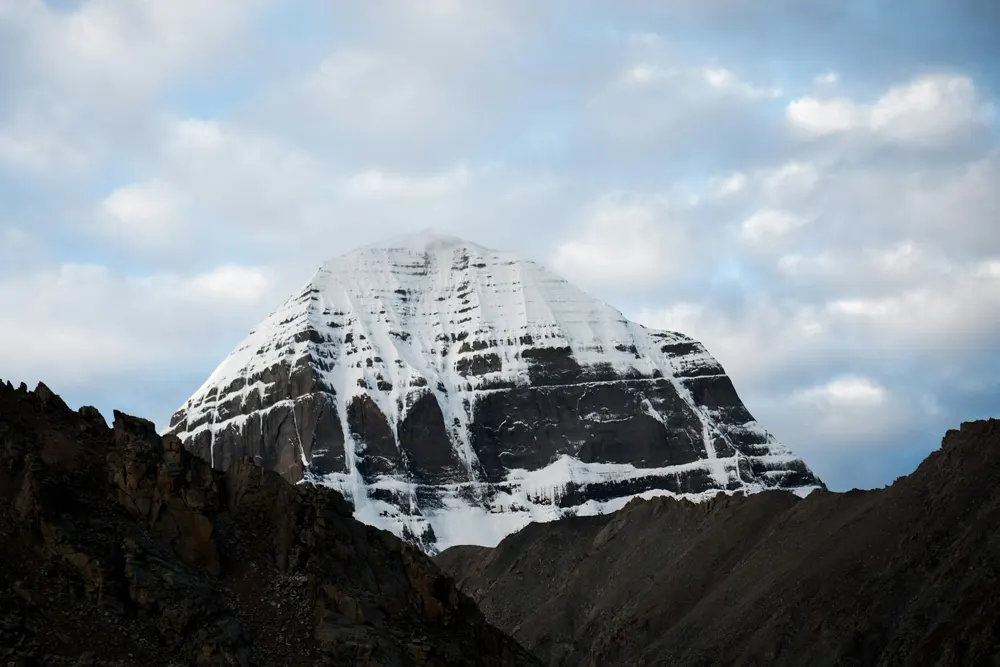
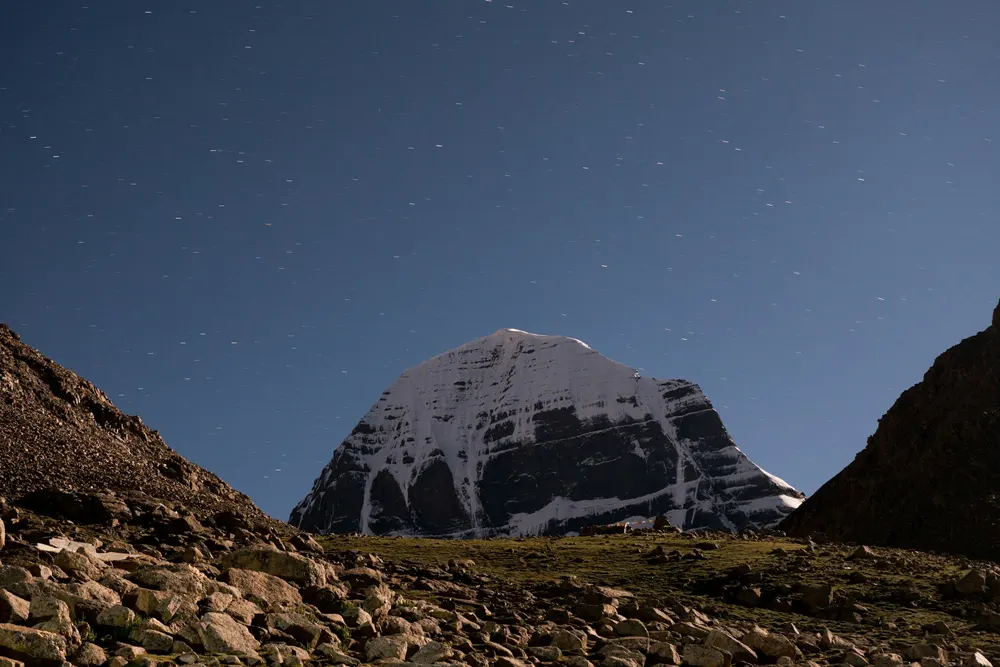
The diamond-shaped mountain in the western Himalayan ranges of the Tibetan Autonomous Region, Mount Kailash, standing magnificently at an elevation of 6638 m, is believed to be one of the holiest mountains in the world that meets ancient spirituality with awe-inspiring landscapes.

The 30-million-year-old mountain range formed during the early stages of the formation of the Himalayan mountains is said to be the sacred abode of Lord Shiva and Goddess Parvati. The mountain has extreme significance in Hinduism, Buddhism, Jainism, and Bon.

The region also houses the largest freshwater lake, the Mansarovar Lake, at an altitude of 4590 m, which is immensely pristine and carries massive spiritual relevance. The holy lake covers an area of approximately 412 sq. km. and is quite close to the mighty Mount Kailash.

The lake stands out as the purest water body, as pure as sapphire, which extends visitors the look into the deeper points of the lake. The route of the amazing trip starts with a beautiful bus ride from Kathmandu to the Nepal-China border at Kyirung.

Therefore, the Mount Kailash Tour is a journey that offers breathtaking landscapes, spiritual significance, and memories that you will cherish forever.

Mount Kailash Tour Difficulty and a Complete Guide for Preparation

Mount Kailash Tour Difficulty

Reaching the base of the holy mountain of Kailash is one of the most fulfilling things anyone can experience. This sacred pilgrimage offers stunning landscapes, positive energy, and amazing natural beauty. Though very beautiful and scenic, the tour comes with its own set of challenges and difficulties.

The Mount Kailash Tour in the beginning is very smooth and not very difficult. Once the elevation starts increasing, the difficulties of the tour also begin to increase. The high-altitude pass, rocky terrain, and unpredictable weather are a few of the problems during the Mount Kailash Tour.

In this article, we will learn about the various difficulties and how to overcome them during the Mount Kailash Tour.

Geographic challenges

Mount Kailash is located at a high elevation. The oxygen levels are low at higher altitudes. The air is very thin, making it difficult to breathe at these kinds of heights. The lower rate of oxygen can cause altitude sickness, and it is one of the major difficulties of the Mount Kailash Tour.

The tour starts at an elevation of 1,400 m in Kathmandu. There will be a gradual increase in the elevation with the distance covered. The actual trek starts from Darchen, which is at 4,670 m. This trek is done around Mount Kailash, which is known as Kora.

The risk of altitude sickness increases from this point. The trek will go up to 5,630 m on maximum at Dolma La Pass when doing the Kora. Some people may have symptoms of acute mountain sickness (AMS) like headaches, fatigue, loss of appetite, and nausea.

Weather Conditions

Mount Kailash lies in the high Tibetan plateaus in the rain shadow area; therefore, the weather in this region can be highly unpredictable. The travelers must be ready for any obstacle that might come due to the weather conditions.

The weather can suddenly change from sunny conditions to snowstorms and heavy rain at any time without any notice, yet there is a low chance of rainfall. As Mount Kailash is located in the deserted sand plateaus, there is also a slight chance of a sand storm.

Temperature

As Mount Kailash is located at a higher elevation, the temperature of the place is normally low, even during the trekking season from May to September.

The temperature in summer ranges from 8 degrees Celsius to 16 degrees Celsius in the daytime, whereas it drops to approximately 5 degrees Celsius during the night.

The monsoon season from July to mid-August in the Kailash region has a temperature of 10 to 23 degrees Celsius with very little rain.

The post-monsoon period from late August to September is considered the best season for the Mount Kailash Tour. The average temperature of this season during the day ranges around 20 degrees Celsius, whereas it drops to 10 degrees Celsius during the night.

The most difficult month for the Mount Kailash Tour is during the winter season, from October to March. The temperature drops very low, to around 20 degrees Celsius. The winds are very strong and cold during this time frame.

The snowfalls start in October and don’t stop until mid-February. Finally, the snow starts to melt in March. During the winter season, the roads are blocked due to heavy snowfall. The dropping temperatures and the harsh cold make the Kailash region inaccessible during the winter.

Many people lose their lives to the cold and harsh temperature of the Kailash region, making it one of the major difficulties of the Mount Kailash Tour.

Variation in Landscapes

The landscape throughout the Mount Kailash Tour changes a lot. The tour starts in the hilly region of Nepal, and with the gradual increment in elevation, the tour continues on the high plateaus.

The majority of time is spent at the altitude of Tibet. The trails around Mount Kailash are rugged and rocky. There are steep ascents and descents on the uneven and rocky path.

One of the major challenges when it comes to terrain and landscape is the trek through the Dolma La Pass during the Kora. The path of the pass is rough and rugged, with rocky downhills. If any carelessness is shown in this specific part of the Kailash Tour, there is a high risk and chance of mishaps and accidents.

Physical Challenges

The Mount Kailash Tour will take a minimum of 10 days to complete. As the journey is far from home and comfort, there are many physical difficulties that you may have to deal with. The tour is mostly going to be a drive, except for the Kora days.

The body has to be acclimatized to the changing elevation during the driving days. The drive requires patience and resilience, as it is going to be a long one. Though many breaks will be taken in between, it will be difficult for people to sit in the same place for a long time during the ride.

The main physical difficulties appear during the Kora days. The Kora covers a distance of 52 km and is usually completed in 3 days. During this time, travelers have to be strong physically and mentally. As Kora is done on foot, this part of the tour requires physical strength and enough stamina to walk for a minimum of 5 hours a day carrying a daypack.

There are many ups and downs during the Kora days. The constant elevation gains and loss drains the body, making it tired. Only people with good physical health and determination can complete the Kora during their Mount Kailash Tour.

Sanitation Challenges

The overall experience of the Mount Kailash Tour is clean and nice. But in Manasarovar and onwards to Kora, there are no bathrooms, and toilets have very basic facilities. This causes difficulties for travelers, especially ladies. Lack of proper bathrooms and toilets with basic facilities can be one of the difficulties on the Mount Kailash Tour.

Cultural and spiritual challenges

One of the major difficulties that may arise during the Mount Kailash Tour is the language between the travelers and locals. Though there will be guides to translate necessary information into the traveler’s comfort language, there may be some difficulties in interacting with the locals.

Being respectful towards locals and their culture is very important when interacting with them. There must be lots of patience when visiting and interacting, as they may not understand your language and you may not understand theirs.

Other Challenges

As Mount Kailash is located in a remote location, the basic amenities are limited and difficult to find. There aren’t many shops, banks, or healthcare stations. The travelers must have everything necessary for the tour, including their personal supplies, medications, and change of cash.

Traveling to Mount Kailash requires a visa and many permits. All the permits and visas must be prepared in advance. If there are any errors or problems in the documents, the travelers cannot enter the land of Tibet.

The main difficulty of the Mount Kailash Tour is self-doubt. The travelers should not doubt themselves and their abilities. There should not be any delusions about not being able to complete the trek or getting into any mishaps. Saying that overconfidence can also lead to life-threatening mishaps and accidents.

Though there are many difficulties during the Mount Kailash Tour, it is not impossible. Thousands of people throughout the year go on the Mount Kailash Tour, and most of them succeed. Therefore, with the right preparation, planning, and abilities, the Kailash tour can be completed successfully.

A Complete Guide to Preparation

Traveling to Mount Kailash is not that easy, it requires meticulous planning and preparation. Without delicate planning and proper preparation, the tour may not turn out how it is expected to. The Mount Kailash Tour involves long hours of bus rides in the Tibetan Pleatue, ascends and descends in the high Himalayan elevation, and unpredictable weather away from the comfort zone.

When preparing for the Mount Kailash Tour, there has to be an understanding that altitude sickness can be a very dangerous risk and that only proper acclimatization, hydration, and rest can prevent and cure it.

When doing the Kora or Parikrama, the terrain is very rocky, rough, and harsh. The travelers need to be fully prepared to ascend and descend on the uneven, rocky trails.

As the weather is unpredictable and can change in an instant, travelers may have to deal with strong winds, sand storms, freezing temperatures, and extreme sunlight. There has to be physical and mental fitness in the travelers so that they can complete the entire tour without any issues.

The following tips and tricks will help you prepare yourself for the Mount Kailash Tour and tackle the risks and difficulties of the tour. These tips and suggestions are going to be helpful for both beginner and experienced travelers so that you can safely and successfully reach the base of the abode of Lord Shiva.

Physical fitness training

As the Mount Kailash tour is physically demanding, the major focus of preparation must be physical fitness.

You can prepare yourself by going on long walks and hikes with a backpack twice a week before the trek in the destinations and conditions that stimulate Mount Kailash Trails.

When training, choose destinations or conditions that are similar to the Mount Kailash Trails, i.e., rugged and rocky uphill and descents.

You can also train in the gym using a treadmill and stair machine to strengthen your legs for the steep uphill and downhill. Also, do cardio workouts like swimming, running, and cycling 2 to 3 times a week. It will help you keep your breath and focus at high altitudes and will also improve your endurance skills.

You should also do the training and workouts that will help increase your strength. As there are going to be days when you will have to sit on the bus for days, training and workouts like lunges, squads, and deadlifts can prepare your body for such activities.

Proper Acclimatization

The Mount Kailash Tour difficulty level is quite high, making it very tough for travelers. To complete the tour without any problems, the body should be acclimatized to the elevation and environment.

To acclimate yourself to the environment, you should spend 2–3 days at the intermediate elevations before ascending to the higher altitudes. The ascent to the higher elevation should be very slow and gradual, without any rush, so that the risk of altitude sickness is prevented and mitigated.

You should hydrate your body enough so that it can adjust to the higher elevation. The intake of fluids or water must be adequate for the body to acclimate to the surroundings and the air pressure.

You can also consume medicines like Diamox to prevent altitude sickness, but before consumption, consult with your home doctor or physician about the medicine intake. Not just about Diamox, but it is suggested that you do your full body checkup to see the physical and mental state of your body before signing up for the Mount Kailash Tour.

What to Pack?

Lightweight and fewer items are what Kailash Yatra needs. The packing list should be tailored as per your requirements and preferences, so be mindful while packing, remembering the elevation you are going to conquer in your journey.

Here is the list of things you need to pack for your Mount Kailash tour:

  1. Go for a comfortable 10- to 20-liter backpack.
  2. Take a wide-brim cap or hat for sun protection, a warm fleece beanie for warmth, and a buff to prevent you from getting a mountain cough.
  3. Sunglasses protect from mountain winds and dust. Do bring sunglasses with high UV protection and polarized lenses.
  4. Innerwear is the most important thing to pack while traveling in any part of the region. It keeps you warm and sweat-free throughout the entire trip. Here are the innerwear items you need to pack:
  • Warm Gloves: 1 pair
  • Wicking long-sleeve T-shirts: 2 pairs
  • Quick-dry T-shirts: 2 pairs
  • Bra: 3 pairs (sports bra recommended)
  • Thermal underwear: 2 pairs
  • Underwear: 4 pairs
  1. Outerwear is like a protection shield for you in the cold. It keeps you safe from light bruises, colds, and getting wet during a trek. So, here are some outerwear items that we recommend for this yatra:
  • Fleece Jackets: 2 pairs
  • Insulated Jacket or Down Jacket: 1 pair

(Note: You can get jackets on rent, normally $10–$15.)

  • Insulated trekking pants: 2 pairs (it is not easy to predict the weather status in the Himalayas, so be ready to encounter rain or snowfall anytime). It is always best to have a pair of waterproof jackets and pants in your bag.
  • Shorts (optional)
  • Gaiters (optional)

It is highly recommended that you go for The North Face jackets or similar quality jackets.

  1. Waterproof trekking boots are highly recommended. Depending on your comfort, you can have either a low-cut boot or a higher-cut boot, but the higher-cut boot is the best. A higher-cut boot prevents water from entering your feet, as well as ankle sprains.
  • Hiking boots: 1 pair
  • Spare shoe: 1 pair
  • Camp shoe or slipper: 1 pair
  • Wool hiking socks: 4 pairs
  • Cotton socks: 2 pairs

Precaution: Wear your brand-new boots for some time before heading towards the mountains. It will prevent blistering caused by the new footwear. If you get a blister, quickly take care by applying duct tape or moleskin.

  1. On lower altitudes of the trek, blankets provided by lodges are warm enough, but when you ascend higher, the night can get extremely cold. Try to have a lightweight, four-season sleeping bag rated at -15 °C.
  2. You can get suggestions from your doctors or friends who have been in the Himalayan region regarding the first-aid toiletries that are required for the Mount Kailash Tour. The guides of the Mount Kailash Tour also carry basic first aid kits and have acquired primary first aid training.

It is recommended to have the following items in the first-aid kit:

  • Diamox (for altitude sickness)
  • Aspirin (to reduce fever, headache, etc.)
  • Pulse Oximeters
  • Antibiotics (for diarrhea)
  • Lung inhaler
  • Water Purifier
  • Hand Sanitizer
  • Deodorant
  • Wet Wipes
  • Soap
  • Body lotion
  • Nostril openers
  • Bandages
  1. While you are on this holy yatra, it is essential that you keep your body hydrated. Generally, your body needs 3 liters of water each day, so try to have water bladders.
  • 1 liter x 1 water bottle (You can bring an extra bottle.)
  • 1 water bladder

Health Precautions

Keeping yourself healthy is one of the main preparations for the Mount Kailash Yatra. You must ensure that you have taken all the necessary vaccinations up to date.

You must also have travel insurance. In case of an emergency, the insurance will come in handy by covering any accidents, medical care, or helicopter evacuation.

When preparing, make sure you work on your nutrition too. Use more calories and protein to build muscles and stay healthy. Consume foods and drinks that are rich in carbohydrates and healthy facts that will help you stay strong and strengthen your body.

Required Travel Documents

To acquire the required travel documents for Tibet or Mount Kailash, your passport must be valid for at least six months.

To enter Tibet and then reach Mount Kailash, you need to acquire three major permits: the Tibet Travel Permit, the Alien Travel Permit, and the Military Permit.

After the permits, you need to acquire a Chinese visa to enter Tibet and go to Mount Kailash.

Mental Preparation

You should prepare your mind so that you can complete the Mount Kailash Tour without any difficulties. Research the cultures and traditions and ways to prepare yourself even more.

For peace of mind, you can do yoga and meditation. It will help to manage the mental challenges and difficulties you might face during the Mount Kailash Tour.

The Mount Kailash Tour is difficult but very rewarding. You will reach the abode of Lord Shiva after tackling all challenges and difficulties. Though challenging, you can conquer the rugged trails and rocky terrain of the Kailash tour with meticulous planning and strong preparation.

You can ensure safety and a spiritually fulfilling journey by understanding the demands of the tour. Therefore, if you also take preparation as a part of the journey, you will tackle the demanding mountain and its challenges without any difficulties and have a soul-stirring journey that you will cherish for life.

Exploring the Mystery of Manaslu: Why Manaslu is Called Killer Mountain?

Do you know the mystery behind: Why Manaslu is called Killer Mountain? Mountain Manaslu is a stunning sight in the Himalayas, being situated at 8163 meters (26781 ft) above sea level, which makes it the eighth-highest top on Earth. In the Sanskrit language, the name “manasa” means mind or soul as it represents religious importance to the locals.

Why Manaslu is Called Killer Mountain?

However, Manaslu is very attractive; it is also associated with danger hence being referred to as “Killer Mountain.” Geographically, Manaslu lies within the Gorkha district of Nepal’s Mansiri Himal subrange. It’s a remote place and difficult topography contributes significantly to its deathly recognition.

 Climbing is difficult due to its steep slopes, sharp ridges, and treacherous crevasses. It is one of the hardest mountains on earth as it combines technical difficulties with outstanding height and unpredictable climate situations that make the summit unreachable even for pro climbers.

On May 9th, 1956, Toshio Imanishi together with Gyalzen Norbu led a Japanese expedition that first summited Manaslu. Since then several attempts to reach its summit have been successful while others were disastrous. Due to its remoteness, there are no such rescue and medical facilities available on this mountain thus enhancing the risk of climbers.

Over time, avalanches, falls and altitude sickness have taken the lives of over 80 climbers resulting in Manaslu’s fame as a killer mountain. The mountain is still popular among risk-takers due to its beauty and has not been touched by civilization and the difficulty it poses to those who dare climb it.

Conservation efforts are aimed at preserving its natural environment on the one hand and increasing interest in tourism on the other. The icy slopes that they pass through to conquer Mount Manaslu remind everyone that there is nothing more tempting than adventure while the power of the Himalayas can be compared only with deathlessness and infinite cruelty.

Let’s explore more about Why Manaslu is called Killer Mountain.

Manaslu Killer Mountain
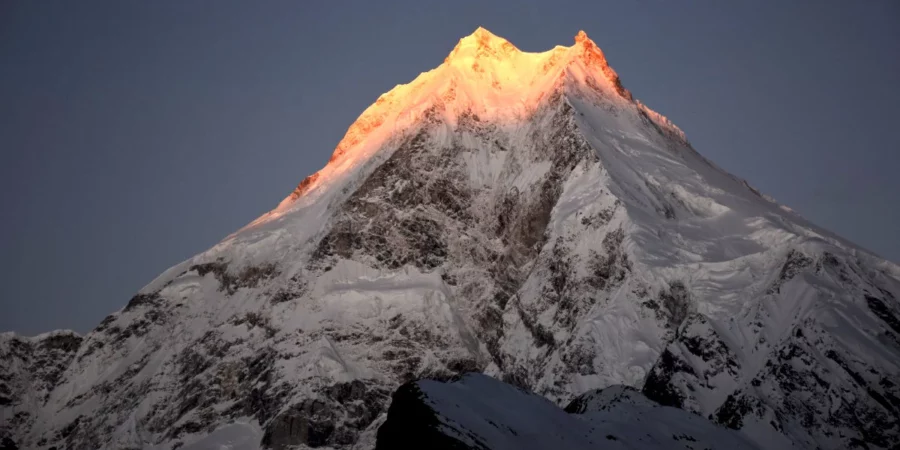
Sun Set view on Mt. Manaslu Mountain

Why Manaslu is Called Killer Mountain?

Mt. Manaslu is a very tall mountain in the Himalayas of Nepal that rises to 8163 meters above sea level and has been given another name “the Killer Mountain”. The name alone suggests how dangerous this adventure to climb could be since there have been many fatalities recorded as a result of attempting this mighty peak.

 It differs from some other mountains that are infamous for particular hazards like avalanches and crevasses; rather, its reputation for being a “killer” comes from several hazardous aspects that make it a real testing ground for skill, strength, and bravery on the part of mountaineers.

1. Technical Difficulty and Terrain

Technically speaking, Manaslu is one of the most difficult summits in the world. Steep slopes, sharp ridges with sharp edges, and intricate ice fields define its landscape thereby demanding expert mountaineering skills.

Climbers must navigate treacherous crevasses and seracs, often requiring meticulous route planning and careful execution. The technical challenge also means more accidents may occur including falls or injuries making Manaslu a challenging climb.

2. Altitude and the “Death Zone”

Beyond 8000m in the “death zone,” Manaslu has to beat extremely high elevations that pose serious physiological problems. When such an environment lacks oxygen supply, climbers face risks associated with altitude sickness like acute mountain sickness (AMS), high-altitude cerebral edema (HACE), or high-altitude pulmonary edema (HAPE).

If not attended to immediately and effectively, these conditions can easily get worse and even turn fatal. Merely setting up a camp or walking through the terrain would be unduly burdensome due to physical exhaustion from such high altitudes.

3. Unpredictable and Harsh Weather Conditions

Manaslu and other parts of the Himalayas are known for their fickle and severe weather. On exposed slopes where they can become trapped or hindered from advancing toward the top by abrupt storms or strong winds that may occur within minutes or hours, climbers will encounter sudden storms, strong winds, and extremely fast-changing weather patterns.

 Monsoon rains that hit this area heavily during summer months make climbing attempts more complicated; it also raises avalanche risks and landslide possibilities. Under such circumstances any rescue mission becomes treacherous; therefore all injured climbers must be promptly evacuated.

4. Avalanche Risk

Given its steep terrain as well as glaciated nature, Manaslu is highly susceptible to avalanches, especially during snow build-up periods or rapid temperature changes. Mountaineers should attentively consider avalanche risks while maneuvering through areas prone to slides with extreme vigilance.

The risk of an avalanche adds another dimension of danger to an already dangerous mountain climb thus requiring constant attention, detailed planning, as well as situational awareness throughout the ascent.

5. Remote Location and Limited Infrastructure

It is a very remote place in Gorkha District, Nepal. As such, it has numerous logistical and operational problems of mountaineering. In terms of the rescue and medical services that are available at the site, it is not as good as other easily reachable peaks like Mt Everest.

In case of any emergency, evacuations can be a daunting task and time-consuming one, thus delaying critical medical attention required by the climbers. Due to this reason, climbers must be ready for emergencies at all times to deal with them for quite some time increasing the risks involved during climbing.

6. Cultural and Spiritual Significance

Beyond its physical challenges, Manaslu holds deep cultural and spiritual significance for the local communities. As per local mythology, it is considered god’s abode; hence it’s important in religious beliefs and rituals among others.

While climbing Manaslu, mountaineers have to take into account local customs and traditions thus enabling them to appreciate different cultures. This aspect makes mountain climbing more interesting since one learns that respect towards each other’s cultures is worth cherishing while exploring such holy places that leave you breathless.

7. Lack of Fixed Route Infrastructure

In contrast to Mount Everest whose standard directions have established fixed lines plus camps along its routes. Climbers frequently depend on their equipment and skills to cope with the challenging terrain found in the mountains.

 This lack of fixed infrastructure renders climbing Manaslu more difficult and dangerous hence the need for autonomous climbers with great competence in mountain climbing technologies.

8. Environmental Impact and Conservation Challenges

The growing attraction of Manaslu as a destination for mountaineering raises concerns about its environmental impact. Mountain climbing can leave behind garbage, contribute to erosion, and disturb the habitats of animals. To mitigate these impacts, conservation efforts are important.

This includes promoting sustainable practices like proper waste management and reducing ecological footprints during expeditions. Additionally, it is important to strike a balance between adventure tourism and conservation needs thus preserving Manaslu’s natural beauty and biodiversity for future generations.

9. Permit Regulations and Logistical Challenges

For one to climb Manaslu, s/he must get permission from the Nepalese government which is responsible for regulating access to it. These permits help manage the number of climbers who undertake the task while ensuring that safety protocols are adhered to.

However, obtaining permits involves going through complex bureaucratic procedures taking up much time on the part of expedition leaders as well as climbers. Permit regulations come with logistical hick-ups adding another layer.

Manaslu is one of the world’s most difficult and treacherous mountains that is appropriately called Killer Mountain. This mountain has climbing problems and tall heights; it faces the danger of avalanches and uncertain weather but all these don’t tell everything about it because it’s in a remote area and people believe it has historical significance.

However, despite these terrifying obstacles, Manaslu keeps attracting adventurers who are fascinated by its grandeur and beauty as well as its ability to endure challenges. In this regard, every climber will yearn for something new, including those who do not know what fear is like.

The mountain is a constant reminder of how powerful nature can be found at the heart of the Himalayas. We have discussed the main aspects that describe why Manaslu is called Killer Mountain.

Historical Context behind Why Manaslu is called Killer Mountain and Climbing Attempts

Mount Manaslu, which soars beautifully in the Himalayas of Nepal, is a mountain with a renowned chronicle of triumphs and tragedies. The Japanese expedition was led by Toshio Imanishi and Gyalzen Norbu who reached its summit for the first time on May 9th, 1956.

This was an important achievement since it ranked Manaslu as the eighth-highest peak in the world to have been summoned. Ever since that groundbreaking journey, many climbers globally have attempted to ascend Mount Manaslu and conquer its treacherous slopes.

Nevertheless, several accidents happened because of its remoteness in the district of Gorkha in Nepal coupled with its difficult landscape. Manaslu has witnessed countless expeditions confronted with dangerous situations like avalanches, falls, and altitude sicknesses.

Climbers’ safety is seriously threatened due to extreme heights up to death zones above 8000 meters. Though mountaineering technology improves continuously while rescue operations become more sophisticated, these dangers limit planning meticulously, experience, and awareness about unpredictable natural processes inherent on this mountain.

Exceptional excellence attained by man and the realism of high-altitude mountains is what Manaslu Mountain stands for. History is always in the making for mountaineers who seek to reach the farthest heights.

The story of victory and defeat on Manaslu is one such story that needs to be told; it reminds climbers about the courage, skill, and tenacity required to scale one of the most difficult peaks in the Himalayas. We have also discussed the historical context behind why Manaslu is called Killer Mountain.

Manaslu Mountain: The lure and efforts towards conservation

Despite being “Killer Mountain”, Mount Manaslu has a captivating appeal that goes beyond its fearsome reputation, attracting adventurers from all corners of the world. Nestled high up in the Nepalese Himalayas, Manaslu’s pristine beauty combined with its cultural importance make it a site loved by many experienced mountaineers looking for challenge as well as exploration.

Mount Manaslus’s charm lies not only in its being the eighth highest peak on earth but also because of its rugged landscape and breathtaking views. It offers an unending landscape covered with snow-capped summits, deep valleys, and diverse ecosystems among others which are breathtaking while trekking along with rugged slopes and crevasses.

In the recent past, attempts have been made to preserve Manaslu’s environment and boost sustainable tourism. Conservation projects focus on minimizing environmental degradation during mountaineering while respecting local inhabitants’ cultural values.

These steps represent a fine line between promoting adventure and conserving the region’s natural resources and biodiversity in the long term. This fragile ecosystem is traversed by climbers who are also involved in ongoing conservation initiatives through responsible tourism practices that benefit local communities.

The adventure enthusiasts climbing Mount Manaslu show their commitment to sustainable adventure travel by loving exploration as well as keeping in mind they should still be respectful of both the environment and cultures.

If only because it is a symbol of human resilience and discovery, Mount Manaslu is thus an inspiration for responsible Himalayan tourism. Thus still its grandeur persists to inspire adventurers to sip from the cup of triumph after scaling one of the earth’s toughest peaks even as they leave its beauty intact for future generations to see and love.

Frequently Asked Questions (FAQs) about Mount Manaslu

  1. Why Manasalu is called Killer Mountain?

Manaslu is a dangerous peak in Nepal due to its technicality, high altitude, and unpredictable weather. With steep slopes, knife-edge ridges, and deep snow this mountain requires advanced climbing skills. Climbers face challenges in the “death zone” which starts at around 8,000 meters above sea level where oxygen levels are very low causing impaired physical and mental functioning hence increasing chances of sudden avalanches and strong winds. It means that climber safety is constantly threatened because of the proximity to the death zone.

  1. How many people died on Manaslu so far?

More than 80 climbers have met their tragic ends attempting to climb Mt. Manaslu according to recent reports. These fatalities demonstrate that there are risks inherent in going up this treacherous route on the mountain.

  1. Is Manaslu more dangerous than Mount Everest?

Both Manaslu and Everest have a significant degree of danger attached to them but for different reasons such as a lack of basic survival features compared to elsewhere on Earth or most other parts of Nepal in case one succumbs to his or her life at any attempt beyond base camp; meanwhile, it is obvious that many people are endangered by the height of Everest and number of mountaineers but the distance from any kind of civilization, as well as underdeveloped infrastructure, can make rescue operations even more complicated and increase threats.

  1. What is the best time to go mountain climbing in Manaslu?

Typically spring (April-May) and autumn (September-October), when there are few storms or rainfalls are the best months to go up Mount Manaslu since during such periods skies are very clear with little rainfall. The chances of achieving success are higher when climbers can see better as well as risk less from avalanches

  1. Are there any non-technical treks around Manaslu?

 Certainly, the Manaslu Circuit Trek provides a popular way for non-climbers to explore the area without scaling its heights. This trek goes around the massif of Manaslu allowing one to have an awe-inspiring view of the peak as well as its surrounding areas.

It is famous for cultural immersion because it passes through very remote villages with a mix of different ethnic groups such as Gurungs and Tibetans. Trekkers enjoy traditional hospitality, picturesque scenery, and insights into indigenous ways of life that make it worthwhile for people who do not want to climb mountains.

manaslu

The Final Wrap Up

The nickname “Killer Mountain” should be taken seriously by climbers; at the same time though the name also indicates that ascending Mount Manaslu is an exhilarating challenge. Steep inclines aside, high altitudes notwithstanding, unpredictable climate despite all that – this is what truly embodies Manaslu spirit.

It challenges climbers to pit their skills and determination against nature’s harshest impediments. Manaslu stands as a great symbol for mountaineering as climbers ascend to new heights and test their limits.

We must respect its cultural significance and natural beauty while promoting sustainable tourism. Climbing Manaslu is more than attaining its summit; it is a personal journey through which one can find oneself again while connecting with nature.

Lastly, Why Manaslu is called “Killer Mountain” serves to remind us about the dangers involved in mountaineering. It highlights the sublime attraction and indomitable soul of this majestic Himalayan peak.

10 Beautiful Reasons To Do Manaslu Circuit Trek

Manaslu Circuit Trek is among the most flexible and diverse trekking activities in Nepal. It is among the trekking regions with unspoiled trials and untouched geography holding the great beauty of the Himalayas. Nepal itself is a great place to have high-altitude trekking with diverse numbers and types of trekking trails all across the Himalayan region. Trekking is already established as the most done outdoor activity by trekkers and travel enthusiasts from all over the world. Here, we are going to discuss about the 10 Beautiful Reasons To Do Manaslu Circuit Trek.

Manaslu Circuit Trek is a restricted trek that takes you a journey of 14 to 22 days. It is also one of the recently opened trekking routes and still is a restricted trek but amazingly, it is also among the very few trekking trails where solo trekking is allowed to individual trekkers. The geography of this trek lies inside the Manaslu Region of Northern Nepal covering the surrounding geography of Mt. Manaslu with a height of 8163m of elevation from sea level and is the 8th tallest mountain in the world.

Manaslu Circuit Trek holds breathtaking landscapes and very beautiful nature and scenery. It is the diversity that consists of the uninfluenced culture of ethnic communities and the untouched beauty of the mountain region. It is the fellow trekking region to the Annapurna Base Camp Trek that lies alongside the Annapurna Region or can be said it lies inside It as you need permits from Annapurna Conversation Area Permits to get access inside the Manaslu Region.

With its enormous beauty, ecosystem, and untouched side of the Himalayas, it is also one of the most challenging trekking trails in Nepal. The off-beat trails that circle the Annapurna and Manaslu Region carry the most difficult tough routes, rough terrains, and very remote paths with the journey over an altitude of more than 4000m as well as a hive 5000m above sea level.

Being it’s too difficult and less explored region, the communities inside it have nearly no connection with the outer world. These communities live with their unique culture and the rituals of Buddhist religion. So, the trekker finds it much less crowded than what can be seen on the trail and routes of the Annapurna Base Camp Trek or alike Everest Base Camp Trek.

But, with such difficulty and remoteness of the region, it offers you a diverse amount of adventure, a taste of unspoiled nature, high altitude trekking experience, massive mountain peaks, and a close look at the culture of off-world ethnic people of the Himalayas. So, here we will discuss about the 10 most beautiful reasons to have or do Manaslu Circuit Trek within its challenging side. Manaslu Circuit Trek has a lot to offer for travel enthusiasts and adventure seekers with its stannous hard terrains all across the trail. Here are the reasons to do Manaslu Circuit Trek.

Reasons To Do Manaslu Circuit Trek

10 Reasons To Do Manaslu Circuit Trek

Adventurous Trek

The most and the best thing about this trekking journey is the adventurous trek. It offers a challenging journey of several days which a person with an adventure spirit seeks to have. The remote terrains, rough routes, and ultimately the difficult geography are the factors building it as an adventurous trek. You can have a different kind of adventure of high altitude hiking than in EBC trek or ABC trek as it covers a very less traveled trail and without proper infrastructure what you find in EBC or ABC even in a little portion.

The trekking trail of the Manaslu Circuit Trek is drawn over the proper and inside the mountain valleys and cliffs which cover an altitude of more than 4000m and sometimes 5000m of altitude from sea level. Here, you can guess how much the amount of adventure can be done. So, this is one of the beautiful reasons to have the Manaslu Circuit Trek.


Less Crowded

The Manaslu Circuit Trek is one of the least traveled and least explored trekking regions in Nepal. It is due to the remoteness of the region and less popularity than the Everest Base Camp Trek or Annapurna Base Camp Trek. It makes it less traveled and walked throughout the year and it is also the recently opened trekking trail for outsiders which also affects its factor of less crowded. Even in the peak season, you will find it with very less crowded routes and trails.

So, less crowded trails are always the benefits of the Manaslu Circuit Trek. You can trek over the landscapes of the Manaslu Circuit in a peaceful and lonely environment. It also adds more flavor to the adventure with fewer people traveling across the circuit making it another feature of an adventurous journey. So, ultimately less crowded or few number of trekkers is one of the beautiful reasons to do Manaslu Circuit Trek.


Beautiful Sceneries

Manaslu Circuit Trek consists of diverse beautiful Sceneries of massive mountain peaks, small and big glaciers, several terrains, high-altitude passes, and beautiful traditional villages.

The journey consists of high-altitude peaks like Annapurna II( 7939m ), Himalchuli ( 7893m ), Manaslu( 8163m ), Cheo Himal( 6820m), Ngadi Chuli( 7879m ), Ganesh Himal, and  many more as this trail circulates the sanctuary of Mt. Manaslu and some of Annapurna Range. So, you also expect to see diverse mountain peaks and ranges in your journey.

The majestic sceneries of landscapes are all over the trail. The diverse scenery of lush greenery, tropical grass landscapes, viewpoints, glaciers, rivers, and the residents of ethnic people themselves is great scenery to have. The alpine vegetation is also another great scenery you will have during this journey. Such sceneries with the backdrop of snow-capped mountains can make your trekking a lifetime experience.


Challenging Geography

Yes, the challenging paths and difficult geography are also other features you could have as they challenge your physical ability and demand your adventure spirit. The journey over the trail of Manaslu Circuit Trek is ultimately filled with remote paths, difficult slopes, high mountain cliffs, and tough terrains. It probably challenges you in every step of your trekking journey.

Manaslu Circuit Trek lies over the proper Himalayan geography covering the features and the factors of mountain landscapes.


Unspoiled Trekking Trail

As we already talked about the unspoiled nature and the trail of Manaslu sanctuary. It consists of untouched nature and the unspoiled beauty all over the trail. It is a great opportunity to explore the majestic untouched beauty and the trekking routes. Manaslu Circuit breaks every feature of light mountaineering and the trekking adventure. And the unspoiled beauty merges as the taste over it.

Untouched means even the culture and the living style is far from the modernized society and the natural beauty is unspoiled with the modern infrastructure. Trekkers are welcomed by the rich Himalayan topography. It also consists of diverse ecosystems that are barely touched by human interference. It allows nature to be bloom on its own, so, trekkers find the mesmerizing odors of pure Himalayas with their organic form making it an unspoiled trail and a beautiful reason to do Manaslu Circuit Trek.


Larkya La Pass

Another beautiful reason to do Manaslu Circuit Trek is the high passes and among them, Larkya La Pass holds the adventurous journey. It covers an altitude of 5125m in elevation from the sea level. Also, the LarkyaLa Pass covers the most beautiful sightings of Himalayan landscapes. The altitude of the pass itself is the feature to have such distinct stunning views.

Also, the rough and tough passes through or over the Larkya La Pass are another advantage you have with the vertical ascending and descending paths. This pass is all about the adventure climb and the panoramic view of astonishing mountain landscapes.

So, Larkya La Pass is one of the most admired and talked about subjects by trekkers from all around the world both in beauty and adventure making it among the beautiful reasons to do Manaslu Circuit Trek.


Fresh Water Lakes

Another diversity of the Manaslu Circuit Trek is its several lakes throughout the journey. It covers more lakes than any other trekking trail in Nepal and all of them are natural freshwater lakes holding their ecosystem in themselves. There are several small and big lakes around the geography of Manaslu Circuit and among them, Birendra Lake and Phunker Tal are the most known among travelers and trekkers. The other point is all of them lie above 3500m so, you can guess the amount of adventure you can have during your journey over the landscapes of Manaslu Circuit Trek.

These lakes lie closer to the Punhgyen Glaciers. These lakes have a Himalayan ecosystem of their own. And if you are lucky enough then sometimes you get a chance to witness very rare alpine migrant ducks on your unforgettable journey.


Himalayan Ecosystem

Manaslu Circuit Trek holds the enormous diversity of the Himalayan ecosystem. The long trail over the high mountain altitude consists of diverse wildlife, alpine forests, vegetation, lush greenery, and water bodies with their aquatic life system. So, it allows you to explore more about the Himalayan ecosystem and also be taken as an opportunity to witness such diversity of the ecosystem in the Himalayas.

The area of this trek is drawn over the Manaslu Conversation Area and some of the Annapurna Conversation Area, which is a great advantage to get interacting with the preserved nature and its wild ecosystem. And with the changing of altitude, you also can see the different course of life forms. You also get to witness various rare and endangered species of plants and birds.


Unique Culture Experience

The Culture as well as the living lifestyle is very similar to the Tibetan culture of living. You will see the culture and the lifestyle of people there like what you see similar in Tibetan people. They share very similar cultures and living systems as well as rituals. People there preserve their culture and rituals very passionately from the very beginning.

You will find the people there all followed their daily culture and even their customs are of traditional forms. You also see a number of stupas, monasteries, Buddhist prayer wheels, shrines, etc as the region is full of people following Buddhism.

Another unique aspect of this trek is the Himalayan farming style with the traditional method. You will see the amazing farming terrace at such a high altitude. This is also a great opportunity to see the very unique and different farming than the rest of the world. All the processes are of traditional methods and are very far from the modern fertilization or the pesticides process.


Tsum Valley

Tsum Valley itself is a great point of the Manaslu Circuit Trek. It can be taken as a destination to travel on this own. It is a very beautiful valley of Himalayan people which lies between the high mountains and the high hills of the mountain region far from modern society. Modern infrastructures like roads, airports, stairs, or any means of transportation or connecting methods are nearly non-existent in the valley.

People living there all depend upon their farming in the very fertile land. The Big Valley of Tsum has a very small population in comparison to the size of the valley. This provides them the opportunity to sustain themselves on their own. Most of the needed goods and packages are delivered through means of animals like Donkeys and Horses.

The valley is also known as the ‘Beyul’ with its other name. The valley is one of the most culturally preserved places in Nepal. The culture of living and rituals are all preserved by the people of Tsum Valley. The MuGompa is the largest among the several Monasteries all around the region which is in Tsum Valley. The number of scared caves can be witnessed during the journey of Tsum Valley. The caves are said to be used by the Guru Rinpoche, for the mediation. He is also called the founder of Tsum Valley.

So, with the unique and different culture with the astonishing beauty of the Tsum Valley. It also makes among the most beautiful reasons to do Manaslu Circuit Trek.


Some Tips For You

  • Follow the safety instructions and the rules very carefully. We already mentioned above that it is a difficult trek above the tough and rough routes with proper Himalayan geography. And also passes through very remote and untouched paths, so these factors of the Himalayan naturally make it a very dangerous journey if not being careful with your safety regulations.
    So, above such Himalayan topography, it becomes very important to stay on the rules and the safety instructions to avoid any kind of unfortunate accidents and injuries.
  • Only carry the necessary things that you need along the way. If you carry unusual things that you may not need much in your trekking journey then It would make your trek more difficult than you expect. As the trail goes above the very tough stone stairs, different difficult slopes and very changing ascending and descending routes with narrow entrances. And you can guess on your own how much it going to make your journey a hard course.
    The journey consists of a long trail and continuous walks of several hours a day, and with such weights, it turns out to be a burden for you. So, it is very recommended to carry only the things you usually use in the trek or important during the trekking journey as you already going to tackle as many difficult factors.
  • Another factor in this trek in Manaslu Circuit Trek is altitude sickness. As you go higher in altitude and start to climb more than the elevation of 2500m or higher you start to get under the effect of altitude sickness and above the altitude of 3000m It gets in effect. So then you do any kind of frequent activity which needs fast body movements which need more respiration than usual like running, jumping, or any stunt activities causes frequent altitude sickness.
    It is caused by the lower atmosphere pressure and the low availability of Oxygen at high altitudes. It can cause the symptoms like vomiting, nausea, and bleeding. And if not done with proper precautions in time it even gets worse. It is recommended to stay calm if you get started to feel symptoms until it gets to recover or until getting help from your trekking members. It is a high chance of getting altitude sickness on the Manaslu Circuit Trek as it covers more than the altitude of 5000m if not follow proper precautions.
  • It is very important to carry the Medical Kit or the basic life support with you for emergency use. The routes are already drawn and go over narrow paths, high cliffs, very remote geography, and highly difficult slopes making it a high chance of unfortunate accidents or incidents. And it is often very normal to have small wounds during the journey.
    So, it becomes very necessary to have the medical kit with you. It is not only recommended for the Manaslu Circuit Trek but also for any trek you do.
  • Some of the culture and the rituals may be strange for you but they carry very specific and definite value to the beliefs of the ethnic communities. Whatever you see do respect them and their traditions. As it is a signature of a real traveller or a trekker it also helps you to avoid conflict with the local people which can ruin your experience.
    Also follow the local rules made by the ethics committees in their areas as some temples, places, or monasteries may be restricted for outsiders. It is a very strategic point to follow during your Manaslu Circuit Trek.
Reasons To Do Manaslu Circuit Trek
Manaslu Circuit

Some Insights About Manaslu Circuit Trek

  • It lies over the area of the Manaslu Region covering the surrounding area of the Annapurna Region It covers the landscapes of the proper mountain region of Nepal and with some of the highest mountain peaks in the world. And as well as the living culture of ethnic communities and traditions followed by the people from back to the centuries.
    So, you can expect it to be the diversity of various features and factors of the Himalayas.
  • The trek of the Manaslu Circuit begins from the small market town of Soti Khola and ends after you circulate the whole sanctuary until you reach another point of Syange. The trail between these two points covers a distance of 171km around and an altitude of 710m to an altitude of 5165m of altitude. The duration takes between 14 days to 22 days depending upon the personal ability of trekkers.
  • The Manaslu Circuit Trek is filled with a number of Teahouses and guesthouses where you can have your accommodation and a try to the great taste of local foods and drinks. This teahouse experience is itself a great opportunity to witness and experience the living culture of foods and drinks s of Himalayan people. And you can experience more than what you can expect to have in teahouses which also the great place of interacting and have a good talks with people from different places and such teahouses can be found in various numbers all along the trail.
  • The trekking region of Manaslu Circuit Trek is less traveled but the hospitality of people there is amazingly great. The reason is their culture of great service to the visitors and the kindness of people there. So, you do not need to worry about the hospitality factor of the region. You can interact with them to explore more about their culture and their living style without hesitation as they also find themselves happy to share their living culture and traditions with the visitors.


FAQ’s

  • What permits do I need to have access to this trek?

You need the different permits from the official boards of Nepal. It needs more permits than the usual trek in Nepal. You need a permit from the TIMS( Trekking Information Management System), another form MCAP (Manaslu Conversation Area Permit), one form MRAP (Manaslu Restricted Area Permit), and from ACAP ( Annapurna Conversation Area Permit ) too as it covers the geography of fellow trekking geography of Annapurna Region and it’s sanctuary.


  • Is it suitable for beginners?

The answer is difficult. If you are an absolute beginner to the trekking journey then it might be very stannous hard for you as It already become one of the hardest trekkers for even the experienced trekkers. And if you are a beginner and have done some long treks then It might be a good try to move towards the hard one. But the adventure and the beauty of the region are worth all the hard journeys you have during this Manaslu Circuit Trek.


  • Do I need a guide?

Even though the region is untouched but is a very well-marked trekking tail. And this trekking journey also has no restrictions over solo trekking, so, it is your choice to have the guide with you or not. But we recommend you have a guide with you as the region files with various factors that might be dangerous for you and even the marked trails sometimes get very confusing. And it is also a great way to learn about the things and the places you see during your journey by having a guide with you.


  • What currencies can I use in this journey?

You can only use the currency of Nepalese Rupees. There is no use of other currency right now in the Manaslu Region. Very few luxury resorts and guesthouses in the Everest Region and Annapurna Region accept currency in Euro and Dollars but it does not work properly as discussed. So, you can change your currency with the Nepalese Rupee at the international exchange rate.


  • Is it suitable with children?

We do not recommend this trek with the children as the trail is very hard even though the minimal danger. And the trail of this trek consists of very long routes and continuous walks if several hours per day and have a long duration. Also the routes are very difficult to cross and climb throughout the circulating circuit journey.


Conclusion

So, in the above discussion, we talked about the 10 beautiful reasons to do the Manaslu Circuit Trek. All of them are listed by considering the experience of individual trekkers and travelers in the Manaslu Circuit Trek. All the features and factors above are efficient in the Manual journey. These are only the some listed features of the Manaslu Region as there are dozens of reasons to have the Manaslu Circuit Trek.

But, it is impossible to have proper insight about the experience of the great circuit trek without trying by yourself. It is really important and necessary to have a taste by yourself to see what it is like to have. And you will never know the personal adventure of trekking until you try it by yourself. So, just let yourself out and get there to try by yourself and give it a good try to make your own adventure story to tell.


Annapurna Base Camp Trek In December

Introduction

Among the most popular trekking trails in Nepal Annapurna Base Camp Trek, also known as ABC in short is a great pick. It lies in the Northern part of Nepal covering the area of Annapurna Conservation Area.

It is geographically a mountain region with diverse unspoiled beauty and an enormous ecosystem of Himalayan life. And its popularity comes from there with the appreciation of untouched beauty and as an adventure land by trekkers and tourists from all over the world. The trail is well marked and consists of tourist infrastructure to support their journey uphill in Annapurna Base Camp Trek.

ABC Trek is a diverse subject in a course of beauty and the culture of the Himalayan people. It is a once-in-a-lifetime journey for any trekker, tourist, or travel enthusiast. The trail consists of an opportunity to embrace the adventure journey and the nature of the Himalayas. The trek itself is known for its stunning mountain peaks, lush greenery, fresh water lakes, glaciers, and beautiful streams. It is also home to different ethnic communities like Gurungs, Tamang, Magar, Sherpa, etc. Having their unique living lifestyle.

With all this, we are talking here about the Annapurna Base Camp Trek in December. As in December, the winter gets in its prime which is a challenging part but also you could find a very small crowd bringing an opportunity to explore more about the trekking aspects of Annapurna Base Camp Trek.

We bring you some insights about the advantages and disadvantages considering the features you could have in the December trek as well as the challenges you have to face. Stick to It and make your journey easier. Prepare for the best experience in Annapurna Base Camp Trek in December.

Annapurna Base Camp Trek In December
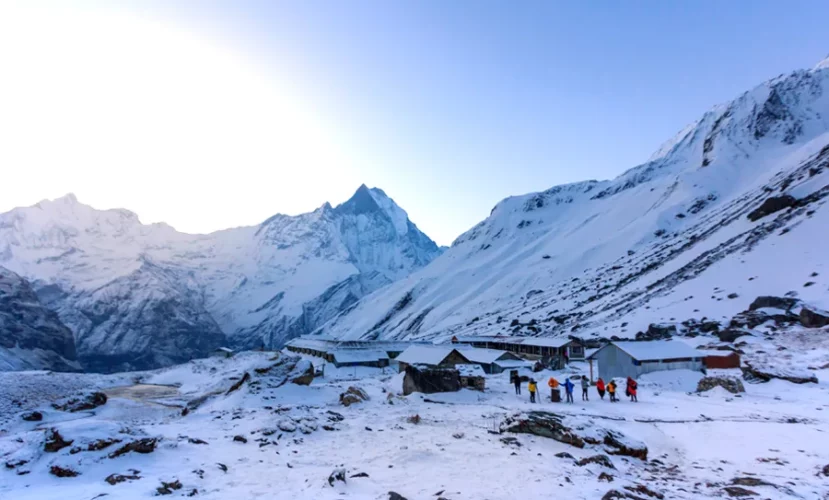
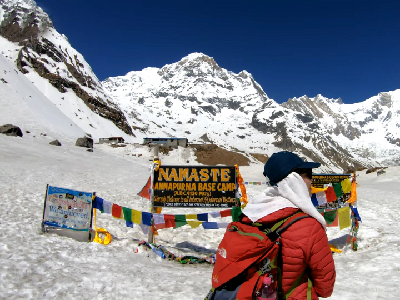
Annapurna snow mountain base camp and Machapuchare peak in background

Some Advantages

  • December brings the winter to its peak which makes it an off-season for trek. So, you will find lots of advantages such as empty routes, easier-to-manage accommodation, and cheaper packages and tickets. It becomes the ultimate time to enjoy the Annapurna Base Camp Trek with more features to get.
  • The weather becomes favorable in the winter season. It gets very favorable with stable weather. It mostly remains the clear skies all day theme over your head. And warm sunlight on a day walk comes over your body. It is a great experience in itself to get such a warm hue in the cold mountain breeze. It is also a great advantage to have during the Annapurna Base Camp Trek in December.
  • Because of the extreme cold weather in the winter, the arrival of trekkers, and visitors drastically decreases in the graph of engagement. So, you find the route more empty than in Spring and Autumn. It can be taken as a great chance to enjoy your journey with peaceful walks.
    So, it is also a very good one to take as a feature during Annapurna Base Camp Trek in December. There you find a huge number of travelers and visitors from all around the world in other seasons which can be a bit of a bitter experience for you if you want a peaceful journey.
  • The clear skies welcome you with perfect and clear scenic views all across the journey. So, you can enjoy the majestic views, stunning scenery, and mesmerizing odor of the Himalayas. The visibility also gets very clear with the range of very distant views. You possibly cannot find such clear visibility all around the year. It also brings a very scenic walk alongside the cold of the mountain.
  • Even though it is just a psychology of humans or a fact that cooked foods with soups taste better in cold and winter Annapurna is the perfect place to do so. You can enjoy the taste of different local foods and drinks in the cold. Most of the trekkers say the same.
    It also may depend on personal experience but a great feature to enjoy your journey and make it more memorable. So, it is also an advantage you will get during the Annapurna Base Camp Trek in December.
  • Another great reason tourists travel to the northern Himalayan is to witness the natural sky without pollution. Due to the pollution and the poor visibility in most parts of the world, the sky adapts to be of different colors.
  • In December the Himalayan region in Nepal offers you a very crystal clear sky which allows you to witness the real and very natural beauties of blue sky.Along them, you are also about to get a view of very clear clouds hanging on them, which is already another most talked about subject of natural beauty in the Annapurna Region.
  • During the night time, you can witness the clearest night sky offering you lots of stars and spread galaxies above the mountains which itself a great view to get as a lifetime experience. Ultimately crystal clear sky is another advantage of Annapurna Base Camp Trek in December.

Some Disadvantages

  • Even in summer it sometimes gets very cold in the Himalayan region and in December it is time when it gets worse. So, If you are a person having a summer vibe then it turns out to be your nightmare. The cold sometimes gets down to -12° c to -20° c at night-time so you can imagine the texture of the cold you have to tackle.
    The main problem is the cold breeze and the snowfall that hits you every frame you pass through some few open routes and the frost in the morning is so daring that it challenges your ability as a human.So, if you hate extreme weather or cold temperatures then It would turn out to be your catastrophic experience which can ruin your whole experience during Annapurna Base Camp Trek in December.
  • It turns out to carry more clothes and essentials during December to tackle the cold. It is also very important to protect yourself from the unbearable cold weather you have to tackle even if you are an experienced trekker. So, with those extra clothes, essentials, and equipment, you will gain extra weight in your backpack.
    You also should have to carry some professional trekking gear as the routes somewhere found to be covered with snow and ice which is very dangerous to cross with our proper safety equipment. So, It generally increases the weight and size of your backpack. Most hard is to carry bumping clothes which are essential at night to keep you warm. This weight can be a headache in your wonderful journey.
  • If you are willing or planning to have accommodation in a teahouse in December then it does not work as you planned. At the time of December, most of the teahouses and guesthouses remain closed because of the extreme weather which makes the people there flee to another place. Most of it is the frequent snowfalls and extreme cold which are very hard to maintain and tackle.
    So, it gets harder to find and manage accommodation for your journey in guesthouses and teahouses available there. And it gets harder to find as you climb higher in altitude. It is a great disadvantage as it is very important to stay in a warm lodge during night stay.
  • Camping is also very hard to maintain as snowfall and cold breezes are the problems that your tent barely can handle.
  • Due to the low number of arrival of tourists, you will find the services like accommodation, food, and stays much cheaper than in the peak season as the very less trekkers foot their journey during Annapurna Base Camp Trek in December than their capacity. So, all of them try to attract you to their stays by providing you with more discount offers. The same goes for the flight tickets and the packages from the traveling agencies.

Some Insights about ABC

  • It lies in the preserved area of the Annapurna Region which covers the most of area from the Kaski. It is ultimately rich in natural beauty and diversity of ethnic cultures and traditions followed by the living lifestyle of the Himalayan people. So, alongside the wonderful journey, you also get a chance to witness that unique culture in practice as well as different local cuisines and foods to try.
  • The trek of Annapurna Base Camp begins from the small beautiful Himalayan town of Nayapul and ends at Base Camp beneath Mt. Annapurna taking you to an altitude between 1070m to 4130m.
    It takes you through the breathtaking beauty of rivers, freshwater lakes, and mountain glaciers which you find frozen in December. The trail also consists of countless massive mountain views with the stunning backdrop of its landscapes.
  • If you want to get rid of camping gear and equipment then Annapurna Region is filled with most teahouses and guesthouses which are best in the local foods and services as of their culture.
    You can have your accommodation there as they are also focused on the hospitality services considering the arrival of tourists and a good opportunity to earn and provide good hospitality to visitors followed by their culture in itself. These teahouses and guesthouses are a good idea to try out some local foods and drinks as well as the cuisine available there.
  • As mentioned above, it is already one of the most visited tourist places in Nepal so you do not need to worry about the hospitality and the friendly environment of people there. The culture of good and better hospitality to visitors is found to be everywhere.
    So, you can harness these opportunities to explore and learn more about their culture and interact with them. They are also happy to share such things and have talks with foreigners and visitors.

Some Tips for You

  • Do always follow the given safety rules and regulations. It is very important to keep you and your trekking member safe. And in December should be more cautious as trails and routes get more dangerous with slippery ice and layers of snow at cliffs.
    Your journey covers a very tough journey in the Himalayan topography. So, it is very necessary and important to follow the safety instructions and safety precautions provided to avoid any unfortunate accidents and injuries throughout your wonderful journey.
  • Only carry necessary things as carrying unnecessary and unusual things which you do not need very often can make you gain unusual weight and as you have to travel through tough stone stairs, slopes, and ascending and descending paths through cliffs and higher mountain slopes.
    It brings you more harder journey as well as danger for yourself. It just brings more burden to your trekking hanging at your back. And we already know Annapurna Base Camp Trek in December is a hard course in itself.
  • The Annapurna Base Camp Trek lies over very high altitudes and it is often to suffer from altitude sickness. You start to suffer from it when you start to climb above 2500m and more in effect after you cross the elevation of 3000m. It happens due to the decrease of air pressure and the level of oxygen in the atmosphere at such an altitude. It causes you nosebleed, vomit, and nausea.
    It can get worse if you do not maintain it as quickly as possible. It is caused due to body movement which needs more breathing like running, jumping, and very frequent body movements. So, it becomes very necessary to maintain body movement and avoid frequent moves to do unusual challenges as it also brings danger and threat to your life if you are on a cliff. And if you suffer from altitude sickness, then just stay calm and focus on your breathing until it gets better.
  • The trails and routes of Annapurna Base Camp Trek follow very narrow paths, higher cliffs, very remote geography, and difficult slopes. And sometimes it can happen and unfortunate accidents even though you are careful. Therefore, carrying Basic Medical support or first aid is most recommended for you to have during your journey. You also get small wounds and injuries often on your journey so, do not forget to carry to prevent yourself from further infections.

FAQ’s

What is the difficulty level of the ABC trek?

The difficulty level is considered to be moderate but for the absolute beginner, it could be harder to have Annapurna Base Camp Trek in the first attempt.

Can I do a solo trek to the Annapurna Base Camp?

No, considering the safety of trekkers and focusing on some better economic gain in tourism, the Nepal government has banned solo trekking in such diverse regions of Nepal since the recent year 2023. So, you need to have a guide or trekking member with you of more than two people.

Do I need to get the guide?

Yes, you need a guide for yourself or your trekking member as it is now a mandatory rule in most of the trails in the Annapurna Region.

Does it get harder in December to do trekking in ABC?

Yes, due to the extreme weather and snowfall as well as ice a t remote and difficult paths as well as cliffs making it even harder during Annapurna Base Camp Trek in December than in other months.

What permits do I need to have access?

You need two permits from the board of TIMS( Trekking Information Management System) and one from ACAP( Annapurna Conservation Area Permits ).

Is it possible to do Annapurna Base Camp Trek in December with budget planning?

Yes, it can be done on a budget as there are enough teahouses and guesthouses that provide you with lodges at a much cheaper price than average hotels in Kathmandu and Pokhara. Also, December is known for the off-season trek where you can find a decrease in pricing for everything.

Annapurna Base Camp Trek In December
Annapurna Base Camp trek Difficulty

Conclusion

Annapurna Base Camp Trek in December is a hard course but comes with an adventure and a lifetime journey for you. You could have more features to enjoy and to have with your wonderful journey than what you find in other peak seasons in Spring or Autumn.

So, it is a better time to enjoy the aspects and the different sides of high-altitude trekking with enormous beauty and a diverse ecosystem of flora and fauna. The unique culture of people residing there is also a great chance to witness in front of you.

It also offers you challenging parts to know and explore your ability alongside its diversity of different aspects which it holds with it. But, until you go and see by yourself is just a matter of talk. There is no better option than to get yourself there and have your own experience to share. So, make yourself no late and get yourself out there to give it a try in the Annapurna Base Camp Trek in December to get your own story.

Everest Base Camp Trek in December

Introduction

Everest Base Camp Trek, also known as the EBC trek, is one of the most popular treks that lies in the Everest Region of Nepal. It is home to the highest peak in the world Mt.Everest. It helps to gain more popularity in the region all over the world and gain a reputation as one of the best trekking regions later after being further explored by visitors and trekkers. With enormous beauty of the great Himalayan range and landscapes of high hills beneath the highest peak in the world, marked it as one of the most chosen high-altitude tourist attractions.

The Everest Base Camp Trek offers trekkers and travelers an opportunity to explore the nature and ethnic culture of the region in one frame. It also allows trekkers to challenge their abilities. It consists of proper Himalayan geography, traditional villages, ethnic communities, and farmlands with Himalayan farming style. EBC trek is also diversely filled with flora and fauna and high altitude ecosystem. The journey starts from Lukla, a small modern Himalayan town, and ends at foot of the Mt.Everest taking you to an altitude of 2800m to 5364m of height from sea level. EBC trek can be a huge opportunity for you to witness different perceptions of lifestyle and nature. It is already a sensational place for nature enthusiasts and people who love to travel and trek through high hills.

So, here we are about to talk about Everest Base Camp Trek in December. Although it is a very cold month, it can be very beneficial for you if you come in this month because in the cold of December crowd of trekkers falls drastically. As usual, the EBC trek gets large traffic of people during other seasons mostly in Autumn and Spring. But in December as winter gets in its prime, it decreases in Hugh’s graph down and you can take advantage of the conditions. So, we provide you with separate advantages and some of the disadvantages of the Everest Base Camp Trek in December.

Everest Base Camp Trek in December
On the way to Everest base camp

Advantages

Less Crowd

Everest Base Camp Trek is one of the most hiked trails in the world. It gets huge crowds of people from all over the world during Spring and Autumn. And if you love to hike and empty routes then It could be a great con in your journey. But in December because of the weather, the crowd of people decreases exponentially. You will find routes all empty and only some trekkers at some points. So, if you hate to walk through the number crowds of people then December can be your great opportunity to walk on empty paths with very less trekkers.

Less Rainfall

In other seasons the weather in the Himalayas is very unpredictable. It can rain at any time. But in the winter season, the weather becomes more predictable and there will be very little rainfall. So, you should not worry about your trekking journey due to the rain and fog. And because of very little rainfall, the trail also gets easier with dry routes than with monsoon. So, Everest Base Camp Trek in December can be a great chance to avoid rainfalls.

Snowfall

Even though very little rainfall It snows sometimes and it can be a great opportunity to witness the high altitude snowfall. The landscapes are sometimes seen to be covered with snow and the view of those scenery can be your lifetime witnessing experience. The majestic views of high mountains capped with snow can be seen through your trek. No doubt snowfall is also another advantage in Everest Base Camp Trek in December.

Easy Flight

Due to the very less tourists traveling to the Lukla. It is easier to get air flights otherwise it becomes more difficult to find a flight because of a large number of tourists taking flights to Lukla. So, in December you will be free from the stress of not getting proper timing flights as you wish. It is another advantage of Everest Base Camp Trek in December.

Accommodation

You will get better accommodation in December. As the number of tourists and trekkers is very high in other seasons it is hard to get proper lodges. The problems like sharing rooms and not getting proper blankets and pillows in guesthouses arise. The owners of teahouses and guesthouses are also unable to provide you with better care of food and lodges as it is hard to manage due to a huge number of tourists getting packed in single guesthouses. But in December, it is very easy to get better and high-quality lodges. The teahouses and lodges are also able to provide you with better service as per your orders. The owners of guesthouses also offer them at cheaper rates than in peak seasons. So, better accommodation also stands as our great advantage of Everest Base Camp Trek in December.

Disadvantages

Extreme Cold

We all know Even in the summer season, sometimes it gets very cold in the Himalayan region. Then you can imagine the scenario in winter and further, if it is the month of December. It gets extreme cold which can go the temperature low up to below -30°. And worse is the frost and the freezing morning. If you are planning to go camping in December it can be very difficult to survive such cold. And if you are a person with a summer soul, then it can be your nightmare journey. More often, the cold breezes hit you every time you pass through the routes with open space. It can be sometimes unbearable for you if you come from a hot weather country and even if you come from a polar country, keep in mind that the cold weather of the Himalayas is different sensational cold than what you experience in polar countries. So, extreme cold is the main advantage of Everest Base Camp Trek in December.

Accommodation

Yes, it is an advantage and disadvantage too. Because of extreme cold, most of the guesthouses and teahouses at higher altitudes remain closed during December. So, it may be difficult to find lodges during December when the winter is at its peak. You may sometimes rely on the camping option instead of lodges which is another challenge in itself at such extreme cold. It becomes more difficult to find one when you climb higher in altitude. So, it can also turn your advantage into a disadvantage in the Everest Base Camp Trek in December.

Extra Weight

You should carry more essentials and accessories during the Everest Base Camp Trek in December. There is no guarantee that you will get lodges to stay in or not as most of them remain closed. So it is necessary to carry extra essentials for cooking and camping. You also should pack extra clothes to keep yourself warm in such extreme cold. It becomes more uncomfortable to be with such many essentials and accessories. You can hire a potter if you feel overweight. But it is still a disadvantage in Everest Base Camp Trek in December.

Some Insights About Everest Base Camp Trek

  • It covers the area of the Sholokhumbu district of Nepal, which falls under the Everest Region, very rich in natural beauty and the unique tradition and culture of the Himalayan ethnic communities. It is a great chance to see different and unique cultures than the rest of the world in practice. You can also try to have local cuisine during your journey to Camp, with the cold of December.
  • The trek starts from a small beautiful town of Lukla and Namche Bazar. During the journey trek, you are about to witness the enormous beauty of rivers, lakes, and glaciers as most of them are seen frozen in December. It can be a very unique experience to witness frozen waterfalls.
  • The Region is full of accommodation facilities like teahouses and guesthouses all across the trail so you can also have teahouses and guesthouses for accommodation over the option of camping.
  • The hospitality and services of the people are amazing in this region as lots of tourists travel there. So, make it your opportunity to explore more about their lifestyles.
  • The treat of Everest Base Camp Trek in December can be the astonishing beauty of the breathtaking Himalayan range, nature walks, remote difficult paths, suspension bridges, different stone stairs, yaks, and donkeys carrying packages to the mountain towns and the villages and the local Himalayan cuisine, culture and traditions.
Everest Base Camp Trek in December

Some Tips for You

  • During the Everest Base Camp Trek in December, you are about to encounter extreme weather with an extremely cold temperature, it is very necessary to carry enough clothes and accessories to keep yourself safe from such cold weather. Also, do not try to play and try challenging games with the cold by doing unusual challenges as it may cause you problems and can make you ill on your journey.
  • Always carry extra essentials to keep things like hot water and those materials that support the heating process. It may be harder to get and start a fire in that altitude with such freezing cold.
  • Do not open your outfit that very essential accessories during colds like gloves and clothes without proper precaution. It can make you suffer from frostbite cause further serious medical emergencies and ruin your beautiful journey.
  • Walk very carefully if you are having Everest Base Camp Trek in winter as we already talked about the snowfall in winter. So, the routes are found to be filled with snow and it is usual to find ice layers above stones and paths which may be very slippery. Therefore stay very careful and be very cautious when you are at the route covering a high height. You can eventually slip down to the sloppy route and can cause accidents if not being careful.
  • It is recommended to carry extra gear and equipment like an ice axe, ropes, and fire items when you are on a trail of proper Himalayan geography like the Everest Region, even if it makes your backpack gain extra weight. It can be very useful sometimes. Do not forget to carry first aid and basic medical supportive materials. It is very essential in every trek.

FAQ’s

What is the duration of the EBC trek?

It takes you a hike 12 days covering 80 miles of distance or 130 km taking you to an altitude of 2800m to 5364m of elevation.

Is it suitable for beginners to do the Everest Base Camp Trek in December?

It is considered as moderate trek so yes it is suitable for beginners.

Can I pre-book lodges in teahouses and guesthouses?

Only a few of them have services for pre-booking. It may be not a good idea to pre-book in the trek because it is not that easy and predictable to reach booked the house or guesthouses as of your scheduled booking.

What permits do I need to enter this trekking trail?

You need permits from two boards. One from TIMS(Trekking Information Management System) and another from Sagarmatha National Park Board.

Do I need Potter?

Yes. We recommend you take potter with you if you are having Everest Base Camp Trek in December as your essentials and accessories increase and it is hard to handle by yourself.

Can I do solo trekking?

No. As of 2023, the government of Nepal banned solo trekking.

Conclusion

Here, we provide you with some insight into the advantages and disadvantages of Everest Base Camp Trek in December. And the next thing is you will never know the actual experience of doing so without giving yourself a chance to try. It is very hard to explain the features in words. So, it is your turn to experience by yourself. We only provided you with information about the features, advantages, and disadvantages of Everest Base Camp Trek in December. So, it is now your turn to find out what it is actually all about. Give yourself a try. Enjoy!