Thinking about an adventure to the Himalayas often raises the question, “Is Nepal safe for female travelers?” The short answer is a resounding yes. Nepal attracts thousands of solo women every year, and nearly all return with wonderful stories and no major incidents. In fact, Nepal is widely considered one of the safer destinations in Asia for women travellers.
Locals uphold the traditional greeting “Atithi Devo Bhava” (Guest is God) – a deep cultural ethos meaning visitors (especially women) are treated with respect and kindness. World-travelers consistently note that Nepali people tend to be calm, hospitable, and attentive without being intrusive. In Nepal, you’re a guest, not a walking wallet – you’ll be welcomed with tea, directions, and warm smiles rather than hassle.
Many trekkers find that simply walking the trails – even alone – is a peaceful, low-stress experience. As one travel writer put it, “I experienced zero problems. I walked everywhere through Kathmandu and even down quiet back alleys, and I felt safe the entire time”.
Nepal’s tourism industry also supports women’s safety: for example, programs like Empowering Women of Nepal (EWN) and She Treks Nepal train hundreds of female guides and porters, and even a female-only trekking company (3 Sisters Adventure) has run tours since 1994. This means you’ll often find knowledgeable, empathetic Nepali women as guides – making treks both safe and culturally enriching.
Warm Hospitality and Cultural Respect
Nepali people are generally humble in their hospitality all over the country. Communities tend to treat visitors as part of the family, particularly women. People often hear that Nepalis tend to refer to girls and women as their sisters, daughters, and that they take care of you subconsciously.
In tourist towns and on trails, locals will help you with directions, offer extra tea, or even warn you if a jeep’s brakes are faulty. For example, one female trekker described being rescued by a Nepali guide who risked his own safety to bring her back up a washed-out mountain path – and he did it with politeness and care. Such gestures highlight the kindness you’ll find everywhere.
Combining Hindu and Buddhist cultures, the society in Nepal is a respectful place to live in. “Many Nepalis are deeply spiritual, and that gentleness seeps into everyday life,” wrote one solo traveler. Tourists often note that Nepalis keep a polite distance and don’t resort to noisy sales tactics or harassment on the street.
Of course, as in any country, there are exceptions – but the vast majority of visitors experience curiosity and helpfulness rather than aggression. By understanding and observing local customs (like dressing conservatively in temples and public places), female visitors blend right in and enjoy a warm reception.
Importantly, crime against women is relatively low in Nepal. According to Nepal travel advisories, serious crimes involving tourists are rare. Petty theft or street scams can occur in crowded markets or on busy streets, but these are non-gender-specific issues – the risk for a solo woman is similar to that for any tourist.
In general, Nepali women themselves often work or travel freely, and Nepali culture still holds women in high regard as mothers, sisters, and daughters. When local women see you, they may step in to help – for instance, letting you sit together on a crowded bus or guiding you to safe accommodations if needed. This “informal safety network” is part of daily life here.
Smart, Prepared Travel Tips
Even in a friendly country, it’s wise to use common-sense precautions. Dress modestly to respect local norms and avoid unwanted attention. Women in Nepal often cover their shoulders and knees, and you’ll blend in more easily (and stay warmer on high-altitude treks!) if you do the same.
Avoid flashy jewelry or leaving valuables in plain view: pickpocketing can happen in tourist zones, just as it can in any city. Carry a small cross-body bag and keep important documents locked in your hotel or a secure money belt.
Travel during daylight when possible, especially in cities. Kathmandu and Pokhara are generally safe for daytime exploring, but like any big city, use caution after dark. Stick to well-lit tourist areas (Thamel in Kathmandu, Lakeside in Pokhara) and walk in groups at night. Thamel and Lakeside are bustling and well-patrolled.
Most women feel comfortable in well-lit tourist areas at night, though normal caution is still important. If you do go out late, it’s smart to take a taxi or stay in small groups. Nepali tourist police (hotline 1144) and local guides are always ready to help if you feel unsafe.
When trekking, always go with a guide or group. Thousands of women trek in Nepal safely each year by joining organized groups or hiring a guide for independent travel. Guides from reputable companies have first-aid training, know the terrain, and speak English.
They not only make the trek smoother and more fun, but they also greatly boost safety: you’ll have someone to carry gear in emergencies, show you the correct paths, and liaise with teahouse owners or porters. (In fact, Nepal’s government now requires licensed guides on many popular trails, so you’ll never be truly “alone” on routes like Annapurna and Langtang.)
The Annapurna Circuit is often recommended for solo women because it is one of the most well-traveled routes, with teahouses at every stop and fellow trekkers around.
Pack appropriate gear and clothing for your trekking region and season. In the mountains, layers will protect you from sunburn and chilly weather alike. During spring (March-May) and autumn (late September-November), the skies are clear, and lodges are open, so you’ll have company on the trail and full facilities each night.
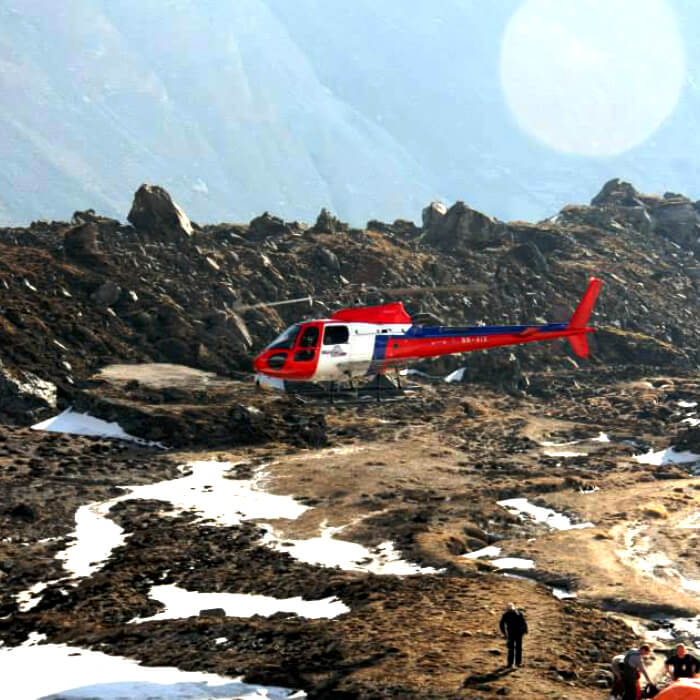
A good travel insurer (covering hiking and helicopter rescue) is essential – check permit requirements ahead of time, too. It’s also wise to register your trek with a friend or your agency and carry a local SIM card. That way, family or your hotel knows where you are, even if the mobile signal drops in the valleys.
On transportation, opt for tourist buses and flights for comfort and safety. Tourist buses stop at designated spots with better amenities, and their drivers tend to drive more carefully than rickety local buses. Short domestic flights are routine, but weather and mountain terrain can cause delays and affect flight schedules.
If you do take a local bus or flight, be aware of altitude changes and have bottled water. In cities, official blue-and-white taxis and ride-share apps like Pathao/InDrive are trustworthy. It’s a good habit (some local women do this) to note down the taxi’s license plate before hopping in alone.
Thankfully, harassment in taxis is uncommon, and most drivers are professional and respectful. Local guides often note that harassment by taxi drivers is rare.
Top Regions for Women Adventurers
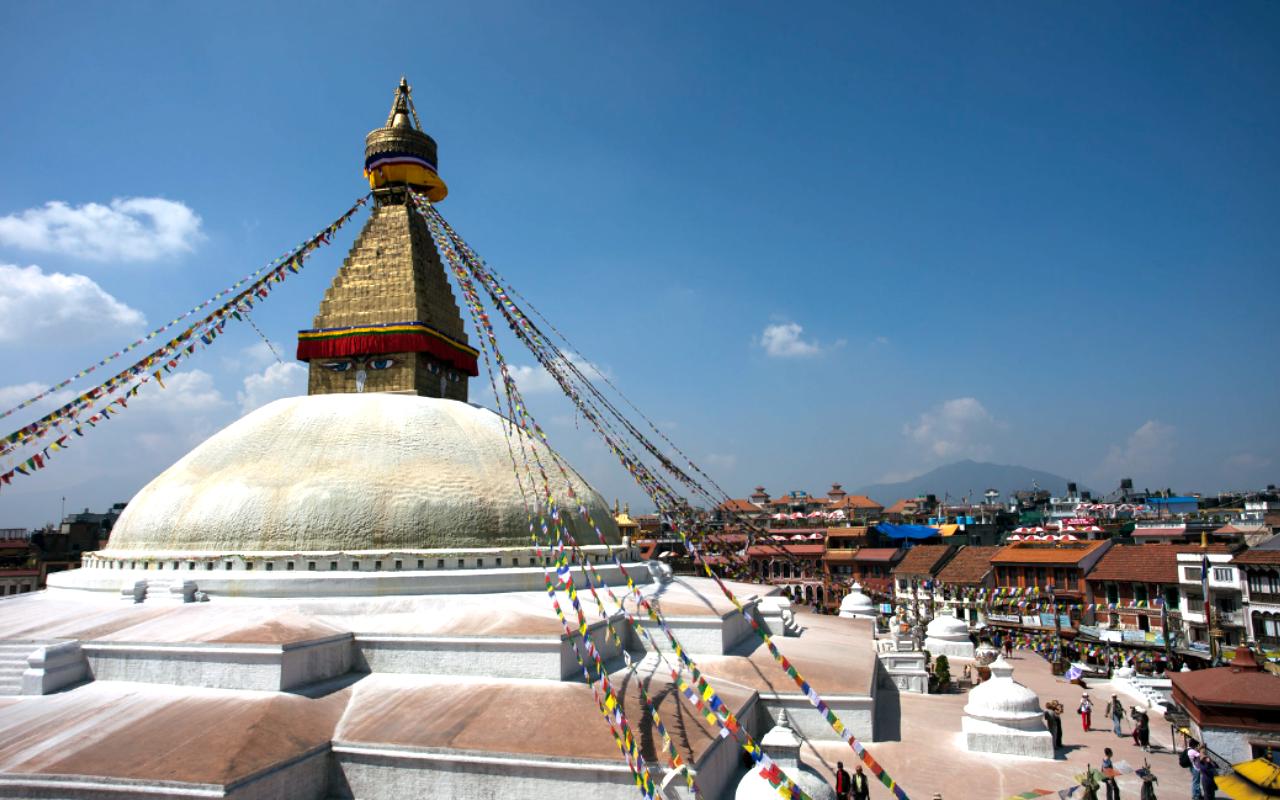
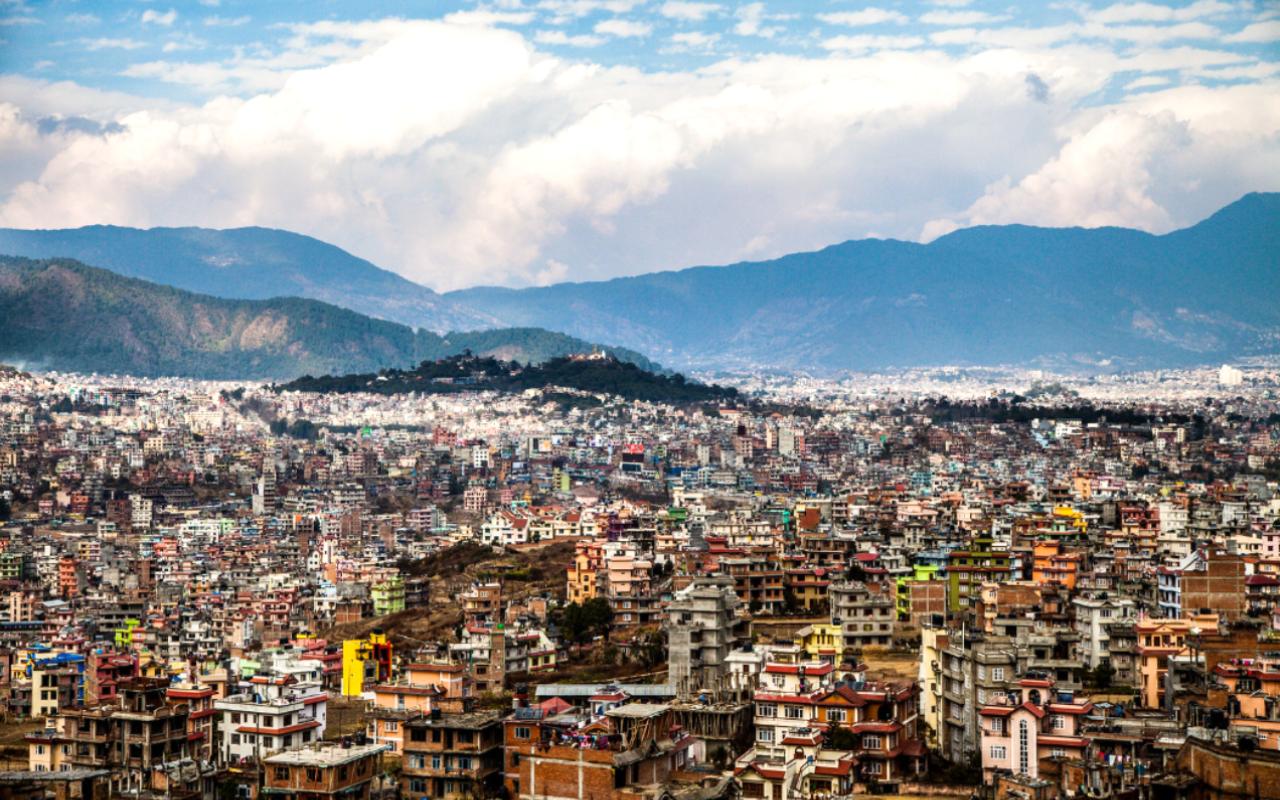
Kathmandu Valley (Kathmandu, Bhaktapur, Patan): Nepal’s capital and its surrounding heritage cities are tourist-friendly and generally safe. Women travel freely through sites like Boudhanath and Durbar Square during the day.
As a visitor, you’ll be greeted with smiles and namaste greetings. Just use normal urban caution: keep an eye on your bag in markets, don’t wander dark alleyways at midnight, and consider a guided city tour if it’s your first time.
Kathmandu Valley
Kathmandu is vibrant and bold – its positive side is the rich culture and easy access to services (and dozens of female-owned cafes and shops). At night, stick to busy areas or your hotel’s surroundings.
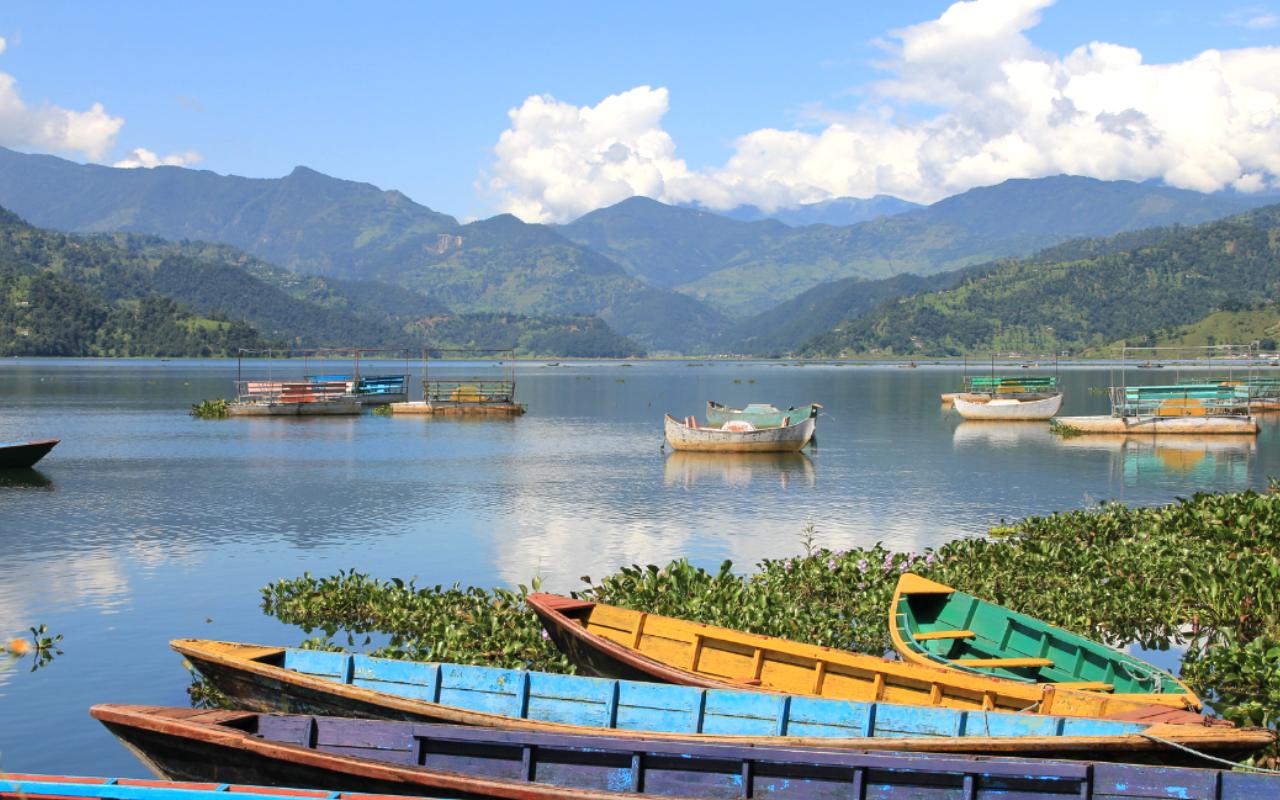
Pokhara and Lakeside: This tranquil lakeside city is especially beloved by women travelers. With stunning mountain views, calm Phewa Lake, and a pedestrian-friendly lakeside promenade, Pokhara feels safe and serene.
Fewa lake
Local shopkeepers and boat operators are accustomed to foreign women – many travelers note the easygoing atmosphere and helpful locals here. The boathouses and cafes around Lakeside are lit well at night, and you can even safely rent a bike or ATV to explore the gentle hills and waterfalls nearby. If you’re worried about trekking fatigue, Pokhara is also the best place to hire guides and porters for Annapurna treks, which adds an extra layer of safety and comfort.
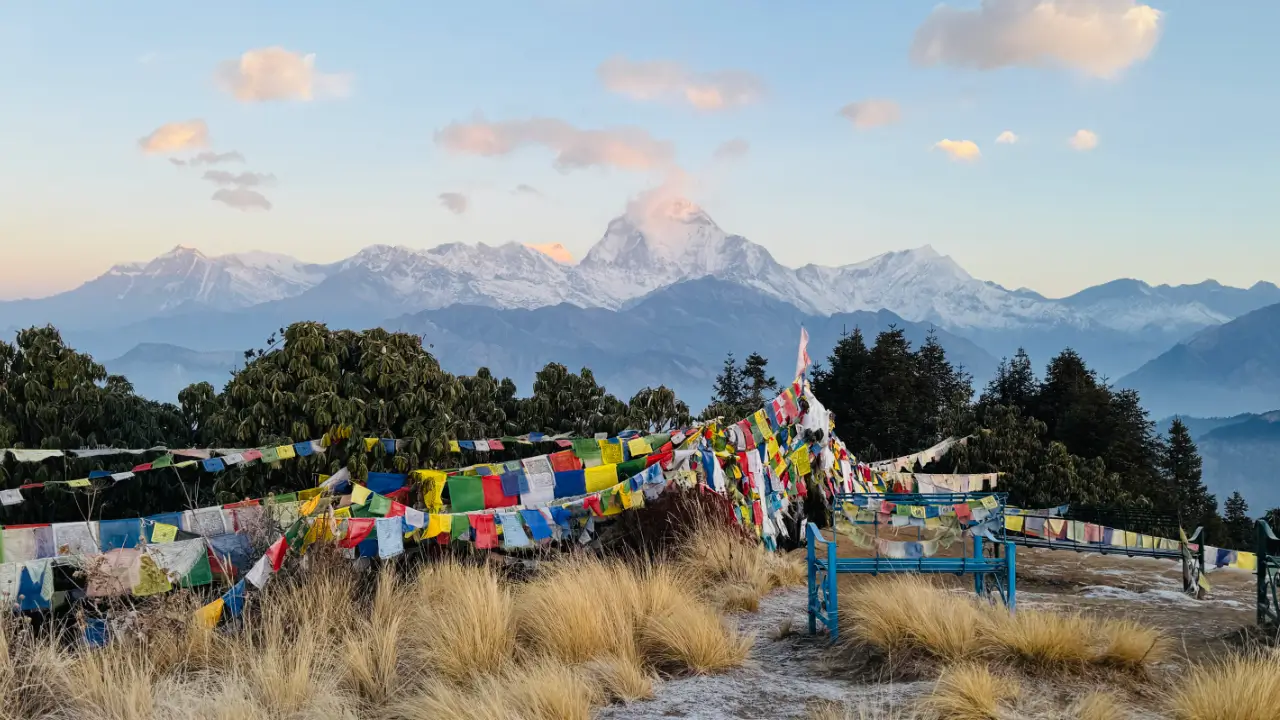
Annapurna Region (Annapurna Circuit, ABC, Poon Hill): These mountain routes rank among the best for female solo trekkers. Well-maintained trails and a string of lodges make it easy to hike in company. The scenery is breathtaking, and the infrastructure is excellent – teahouses have separate rooms or floors for women, and many trekkers end up making friends over shared meals of dal-bhat (the Nepali staple).
Poon Hill
Guides and porters trained by local agencies will point out any hazards like river crossings or steep descents. In fact, one writer explicitly notes that “Easier trekking routes for solo travelers in Nepal include the Annapurnas”, especially during peak trekking seasons.
The Annapurna Sanctuary trek (to ABC) is gentle on altitude and highly supervised, while the PoonHill trail is short and crowd-friendly. In all cases, travel in spring or autumn to enjoy crowded trails and avoid monsoon landslides or winter cold.
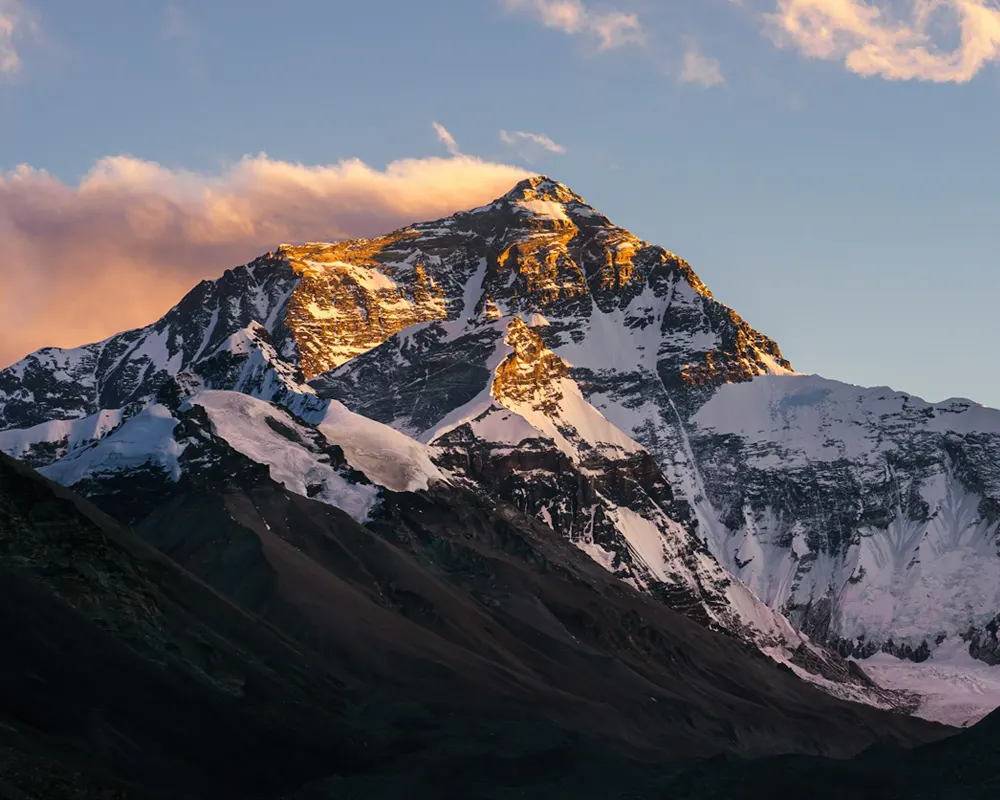
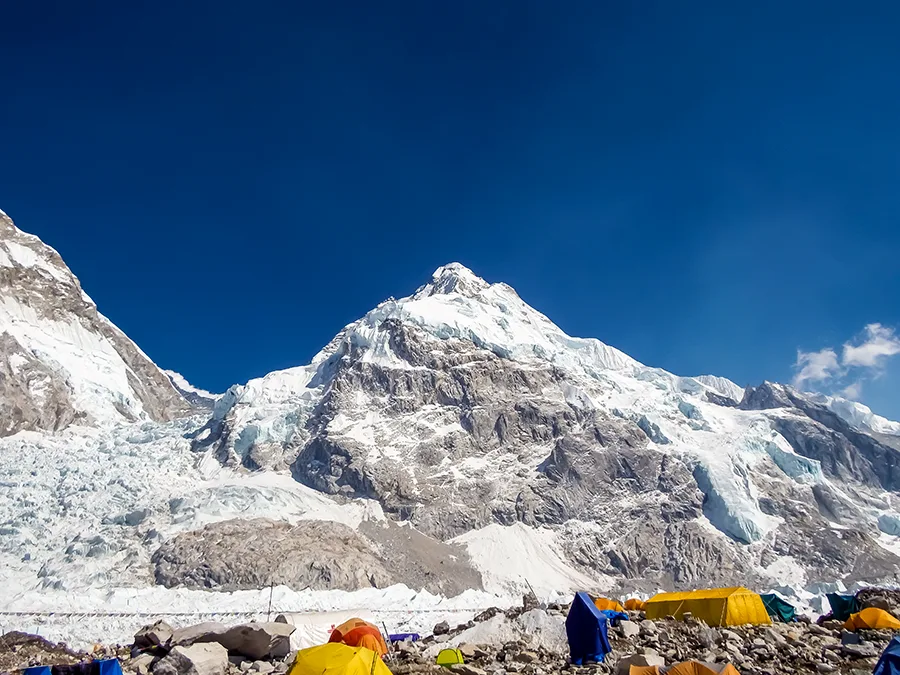
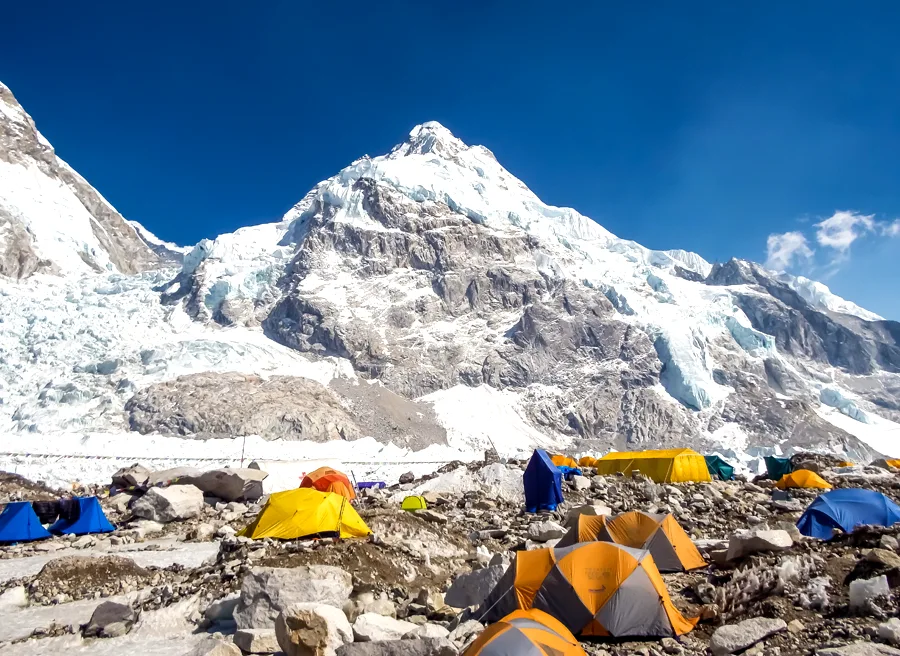
Everest Region (Everest Base Camp, Gokyo Lakes): The Everest trail has become remarkably accessible. Though the altitude is high, the route (via Namche Bazaar and Tengboche) has lodges almost every day. As one guide notes, “Although tourists are often approached in Thamel, trekking areas do not see harassment.
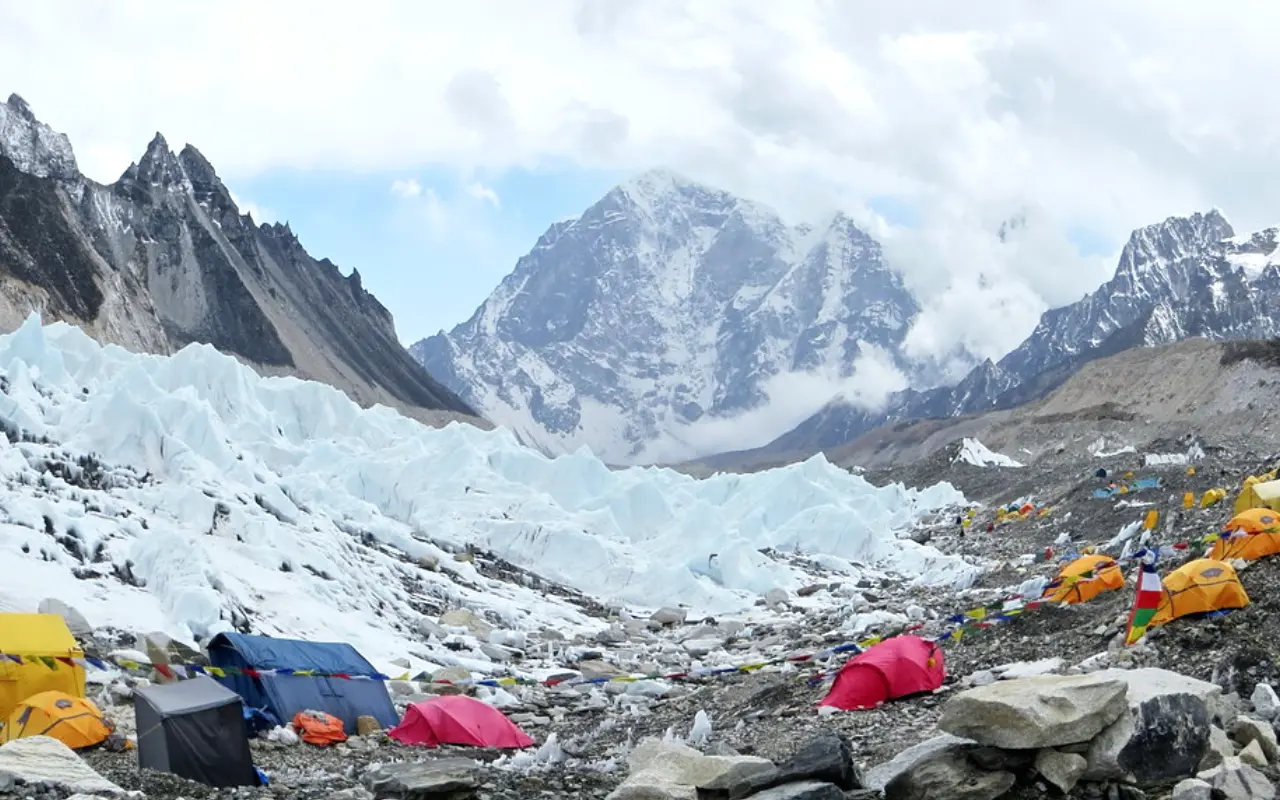
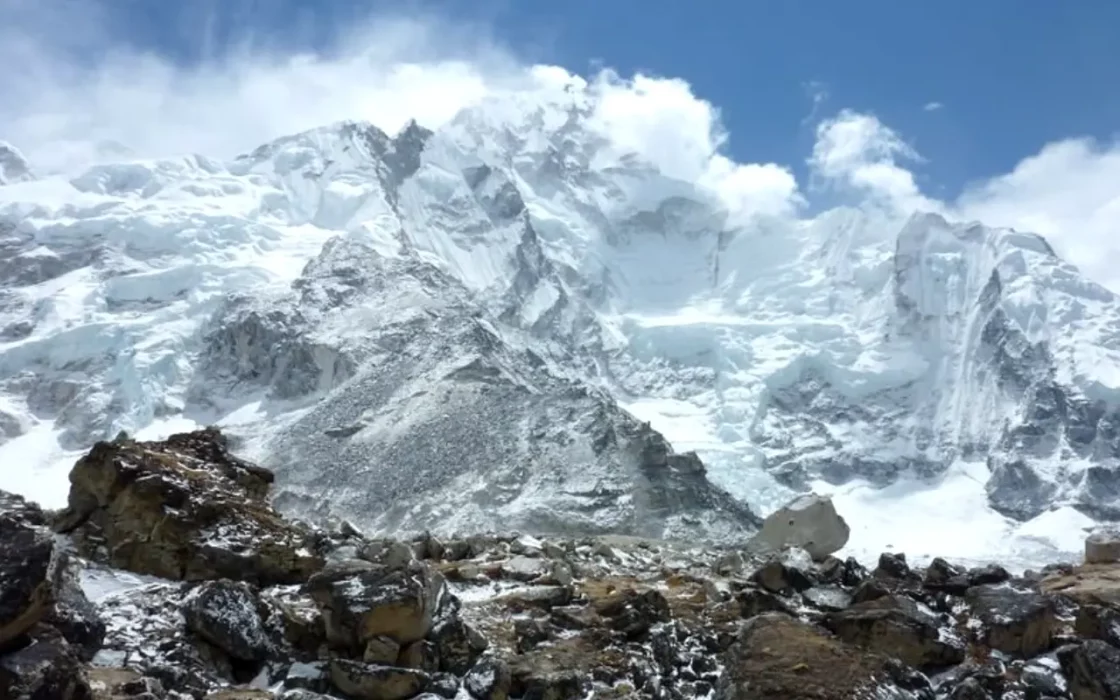
Journey to Everest Base Camp across Khumbu Glacier
Many drivers and locals are genuinely okay and sometimes go out of their way to help”. Many female trekkers choose to hire guides (including experienced Sherpas or female guides) to ensure safety. In fact, popular trekking agencies and porters’ associations have certified dozens of Nepali women to lead groups on Everest and Annapurna treks.
With such support, women exploring the Everest trails regularly report feeling secure. (Remember: always acclimatize, and never attempt the Hillary Step or other climbs unless you are properly roped with guides.)
Empowerment Through Female Guides
A heartening trend in Nepal is the rise of women guides and leaders. Organizations like EWN and the Trekking Agencies’ Association of Nepal now offer scholarships and training programs specifically to get Nepali women outdoors. Many adventurous Nepali women have become licensed hiking guides, mountain bike leaders, and whitewater rafting instructors.
Hiring a female Nepali guide can give you added confidence. In addition to safety, female guides often provide a unique understanding perspective: they know the local culture deeply and can address any concerns you have.
As one recent blog points out, “female guides ensure safety during treks and tours, making them an excellent choice for solo women”. Best of all, choosing a female guide directly empowers Nepalese women and promotes gender equality in the region.
Whether you pick a male or female guide, go with a professional, licensed company. A good guide will carry first-aid gear, understand altitude protocols, and have reliable communication. They’ll also advise on attire (for example, wearing a light shawl if needed and modest clothes at temple visits) and share insider tips on the safest tea houses or pit stops.
Connecting with local guides means you’ll hear real-time advice: for instance, Nepali drivers sometimes share that flooding or landslides block the road ahead, and guides will reroute you. In short, going with a team makes your adventure far smoother – as one traveler noted, “the network of guides, porters, teahouses, and fellow travelers is vast and genuinely supportive. Being a solo female doesn’t mean being truly alone”.
Traveling with Ambition Himalaya
When planning your trip, consider booking with a reputable company like Ambition Himalaya. We specialize in tailoring adventures that are secure, culturally sensitive, and empowering for women. Our local guides are fully licensed and bilingual; many are female or have worked extensively with female clients, so they understand your needs.
We only send trekkers on well-marked, registered routes and book certified accommodations. We also offer women-only group departures on popular treks, which means you’ll be trekking in the company of other solo female adventurers if you wish. (This can be a great way to feel extra safe and make friends.) In Kathmandu and Pokhara, our guides will always arrange your airport pick-up and help you with local communications.
Beyond trekking, Ambition Himalaya can pair you with cultural tours led by local female experts – for instance, a Kathmandu Valley heritage walk with a Nepali guide, or a village homestay run by local women. Our women-guided tours emphasize community-based tourism, helping ensure that your visit benefits local families and women’s cooperatives.
In short, choosing a professional guide service like ours means you see Nepal with both your eyes and our expertise. We are here to confidently answer the question, is it safe? and to make your voyage on the way a fulfilling one, at the beginning and the end.
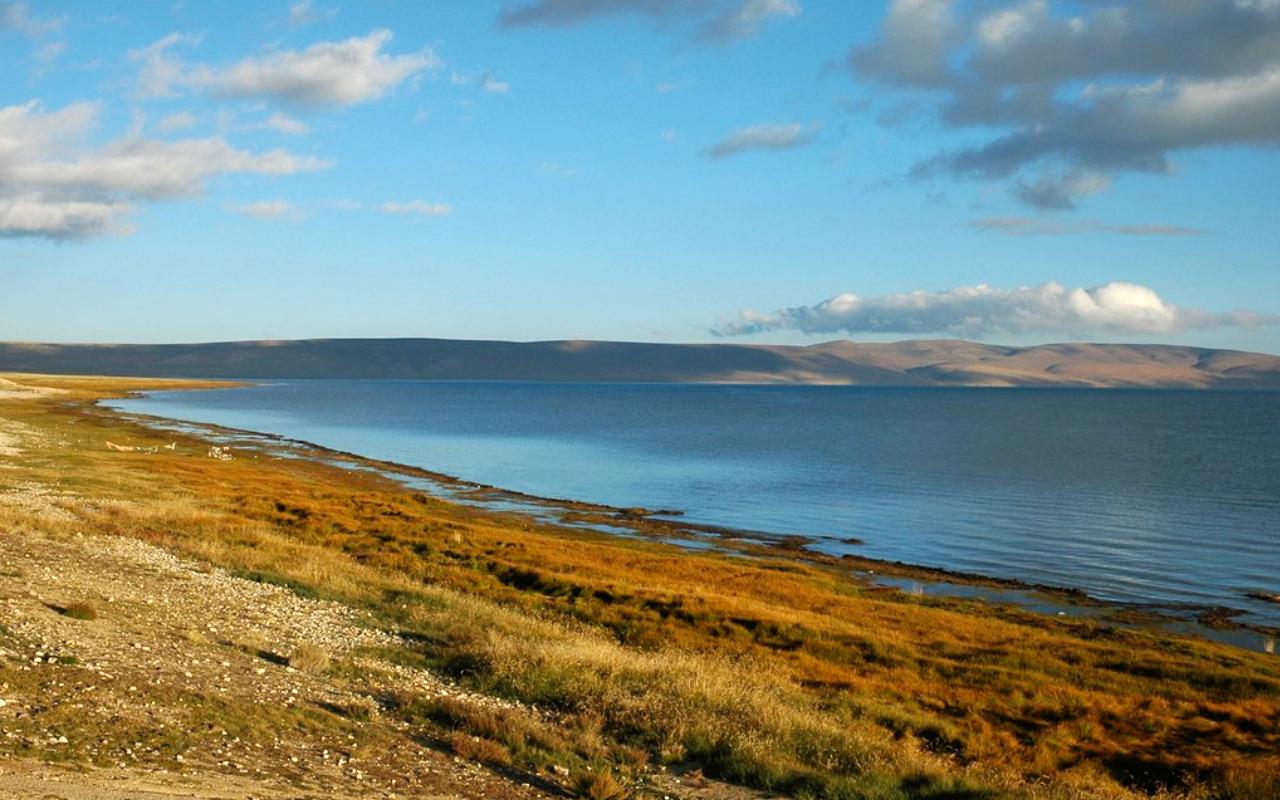
Kailash Mansarovar Yatra is one of the most holy tours of numerous spiritual travelers in the world. Thousands of pilgrims every year have a dream of being in the presence of the mighty MountKailash, by the Holy waters of LakeMansarovar, and a three-day-long parikrama around the sacred mountain. In case you are thinking of attending this beautiful pilgrimage in 2026 or 2027, knowing how much you will spend and what the package will entail will be very important.
This is a guide that describes the cost of the Kailash Mansarovar Yatra in an easy and polite manner. It concentrates on the overland traffic via Nepal, which is the most preferred by international travelers, Nepalese pilgrims, and non-Indians groups.
Here, we are not referring to the yatra conducted by the Indian government, as the procedure and the costs there are highly different. It is all in simple and soft language so that any traveler can easily know the costs incurred and select the appropriate package to afford and provide comfort.
How much the yatra will cost in 2026 and 2027 is the first question that most travelers will have. The fact is that the Kailash Mansarovar yatra price depends on your traveling style, accommodation, group of traveling people, and level of service. However, in most cases, the prices of the overland route via Nepal in 2026 are within a reasonable forecast.
The averagegrouppackages will be USD 1,800 to USD 4,000 in the year 2026. These are packages with all that you require during the yatra-permits, accommodation, meals, guides, and vehicles, and other support services.
Premiumor luxuryprivatepackages are also offered at a price that normally ranges between USD 4,500 and USD 8,000 or higher in case you want to have a more comfortable experience. Even the USD 10,000 can be surpassed by some of the highly customized itineraries.
In the case of 2027, the price will go up slightly, as every year, travel companies need to change their prices to accommodate inflation, visa-related fluctuations, and operating expenses. The price could increase on average by 510 percent. Due to the example, a tour that would cost USD 2,500 in 2026 would be estimated to cost USD 2,650 to USD 2,750 in 2027. They are healthy and gradual changes that occur annually.
2026 has one particular fact. The Tibetan calendar predicts that 2026 is the Year of the Horse. This year is said to be one of the most favorable years to visit Mount Kailash. Due to this, the yatra bookings will be in high demand as compared to the normal demand, particularly during the summer.
The demand could be high, and in that case, the prices can go a bit higher, or some dates could be occupied very fast. By the year 2027, there is a possibility of a level demand, although the prices will still rise slightly because of annual adjustments.
Many factors depend on the total cost that you pay. The major ones are the kind of accommodation that you will have, your transport, the size of the group, the season that you will be travelling during, as well as the type of comfort that you will be expecting. This guide expounds all these in detail, ensuring that you know how your money is spent.
Cost Breakdown: Detailed Inclusions and Exclusions
A Kailash Mansarovar Yatra is a journey that takes a long distance in Nepal and Tibet. To ensure that the pilgrimage is safe and comfortable, several permits, travel arrangements, safety preparations, and support services are required. It is worth knowing the cost elements so that you can plan the trip in a better way and select the correct package for your needs.
The key elements of cost are as described below in simple language.
Visa and Permit Fees
Foreign travelers require a number of special permits because the mountain Kailash is situated in a sensitive area in Tibet. With these permits, you are able to enter Tibet, move around various limited areas, Mount Kailash, and the parikrama of the holy mountain.
Your tour operator takes care of all the paperwork, so that you can do nothing on your own. They take your passport, complete the paperwork, organize the group visa, and send it to the Chinese embassy in Kathmandu.
The Tibet Travel Permit, the Alien Travel Permit, the Military Permit, and the Foreign Affairs Permit are the most vital permits. You must also apply to have a Chinese Group Visa should you be entering Tibet via Nepal, and this is mandatory for every pilgrim.
All these permits and visas normally cost between USD 200 and USD 400 per individual. This is determined by your nationality and the speed at which the visa should be issued. Normal processing consumes approximately five working days. However, the permit preparation in Lhasa requires an additional 7–10 days, so the full preparation time is at least two weeks before the trip.
In case the group requires urgent processing, the cost is increased. The permit fees are normally considered as part of your tour package, and therefore, you do not have to pay an extra amount at the last minute.
Transportation (Nepal to Tibet and Back)
The transport cost makes up a significant portion of the total yatra cost since the distance is several hundred kilometers through remote mountains and high-altitude routes. In the overland route, the package will cover all transportation, starting at Kathmandu and finishing at Kathmandu.
A private bus or jeep will pick you up and take you to Kathmandu to the Nepal border with China (Rasuwagadhi or Kerung). Once you cross the immigration, you will get another Tibetan vehicle for your group, most likely a bus, van, or 4WD Land Cruiser, depending on the type of package you have. This car will make you ride around Kerung, Saga, Lake Mansarovar, Darchen, and other significant destinations of the trip.
Transport involves fuel, drivers, road taxes, border fees, and any kind of emergency or maintenance. Big groups will have a bus, which will lower the price per head. The smaller groups or personal groups tend to use the jeep or SUV, which is less comfortable and costly.
Overall, the transportation fee will likely cost USD 600 to USD 1,200 per person because Tibetan vehicles, fuel, and long-distance high-altitude travel are expensive. The flights to Nepal are also not covered as part of the yatra package and, therefore, you need to book your international flights independently.
Accommodation and Lodging
Kailash Mansarovar Yatra has two kinds of accommodation, one in Kathmandu, where one stays in a hotel, and another in the Tibetan journey, where one stays in simple guesthouses. The Nepal side has good hotels that are based on your package level. Most of the budget tours involve clean 3-star hotels, whereas mid-range and luxury tours involve 4 or 5-star hotels with comfortable rooms and decent facilities.
The side of Tibet is quite different. It is a distant area with, scarcity of resources and severe weather. Even the finest guesthouses available are plain, simple, and they are created to fulfill the necessary needs.
Most of the rooms are shared, the bathrooms are communal, and the facilities, such as hot showers, heating, or individual rooms, are not common. These guesthouses are not meant to offer luxury but to provide a clean place to stay. Even the luxury packages will have to be on basic accommodations since this area does not have luxury hotels.
The prices are also higher because all guesthouses in Tibet are government-regulated, and foreigners can stay only in approved properties. You are also included in your package in all your accommodations in the trip (Kathmandu and Tibet).
Meals and Drinking Water
Food also forms a very important component of the yatra, particularly due to the fact that during the trip, you go to very high altitudes, and what you require is a warm and energetic body. Every Kailash Yatra package entails day-to-day vegetarian food after you leave Kathmandu. This involves breakfast, lunch, and dinner. Other hotels in Kathmandu also offer breakfast, and you can have a welcome dinner or a good-bye dinner according to your package.
The cuisine during the trip in Tibet is usually plain and yet cozy and healthy. The tour operators have many who come along with kitchen staff who make fresh vegan meals with the group. The dishes usually consist of dal, rice, vegetable curry, noodles, soups, chapati, and hot food such as tea. Filtered drinking or boiled water is also provided on a daily basis so that the pilgrims remain hydrated.
The food costs tend to constitute approximately 10 percent of the total package price. Personal expenses are extra snacks, tea, coffee, or soft drinks that you buy during rest stops. Some of your favorite snacks should be brought home, as they may not be available and may cost more in Tibet.
Guides and Support Staff Fees
The guides are important in the success of the Kailash Yatra. Each group is led by a licensed Tibetan guide who is knowledgeable of the area, culture, rules, and language. Nepal tour operators also usually send a group leader based in Kathmandu who helps in the coordination, communication, and group management.
During the parikrama, support staff can be in the form of cooks, helpers, drivers, and assistants. Their presence will make sure that the group moves without any difficulties, eats at the right time, and stays safe. Your package includes the salaries, meals, and accommodation of the whole support staff. Their services are not offered separately, and tipping is not mandatory at the conclusion of the trip.
Health and Safety rules
The Kailash Yatra is a region where safety is very crucial, considering that it is at an altitude of over 5,600 meters at Dolma La Pass. The majority of the tour operators offer simple health care so as to maintain the good health of the travelers. This will consist of a first aid kit, blood pressure checking, portable oxygen cylinders, and necessary medicines for common altitude symptoms.
At Dolma La Pass (5,600m), oxygen levels fall to about 50% of sea level, so slow walking and proper acclimatization are very important.
Other premium packages offer other safety gear like portable altitude chambers (PAC bags), which can temporarily alleviate symptoms of altitude sickness until a medical professional arrives. It can also have a medical assistant or a guide who has been trained on addressing the altitude-related problems when they are in larger or more premium groups.
Although the operator supplies some rudimentary medical supplies, all the travelers are required to buy personal travel insurance. The package does not include insurance. High altitude trekking and emergency evacuation should be included in a good insurance policy.
Extra Gear and Services
Most of the traveling organizations provide pilgrims with free products. These can be a duffle bag with your stuff, a backpack, a down jacket (rented sometimes), a rain poncho, or a yatra cap. Others also offer city tours in Kathmandu, airport transfers, and spiritual services like a visit to Pashupatinath Temple or special arrangements of puja.
These additional features add value and comfort to the travel. These items will be included depending on your package level.
What’s Included in a 2026/27 Kailash Tour Package
Most of the tour packages include virtually everything when you arrive in Kathmandu. This ensures that your trip is easy, well planned, and hassle-free. The inclusions normally include accommodation, meals, permits, guides, transport, and minimum safety considerations.
Kathmandu and Tibet accommodation.
Vegetarian food and consuming water.
All the required entry permits and a Chinese group visa.
All ground transportation
Tibetan guide and Nepal team leader.
Kitchen staff, drivers, and support staff.
First aid kit and oxygen cylinders.
Duffel bag/ jacket (depends on operator)
Airport transfers and a partial sightseeing.
Any taxes of the government and services.
This is because when you embark on the tour, most of your basic needs would be covered.
What’s Not Included (Extra Costs to Budget)
The packages are thorough, though they lack some significant expenses. The traveler must pay these.
Significant Exclusions (bold to make clear):
International Airline flights in and out of Kathmandu.
Nepal visa fees
Personal travel insurance
Individual shopping, snacks, and beverages.
Tips for staff
Emergency evacuation costs
Additional hotel stays in case of a change of trip.
Hiring a horse or a porter during the parikrama.
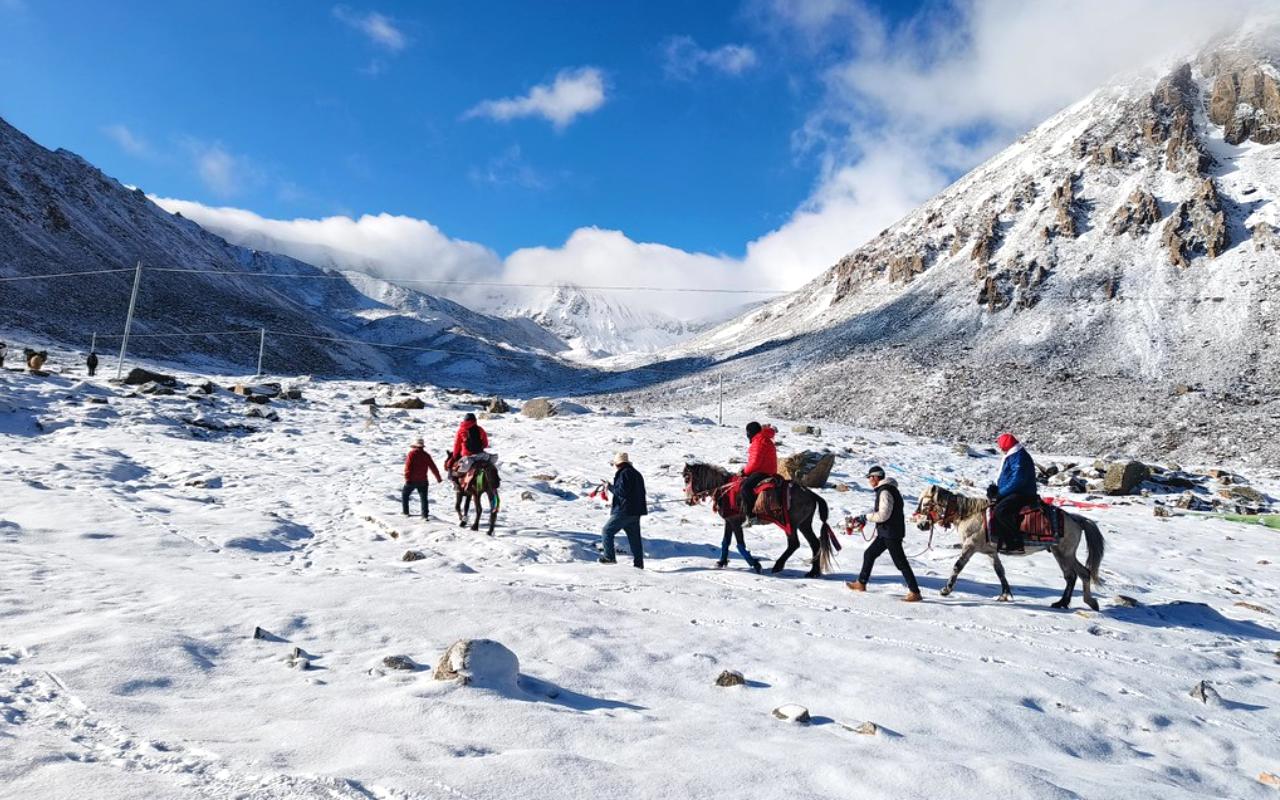
It is usual to hire a horse to do the parikrama, and it would be approximately USD 300-400 or more per day, and the horse would do three days. Prices are higher in peak season.
Package Price Tiers for 2026/27: Budget, Standard, and Premium
Kailash Yatra has three major packages, namely, Budget (Standard), Mid-Range (Deluxe), and Premium (Luxury). They all journey along the same path and provide the same religious experience, with the difference in degrees of comfort.
Budget (Standard) Package USD 1,800 to USD 2500
The least costly alternative is budget packages. They are operated in bigger groups and simple guesthouses and provide simple and clean services. You have all the necessary inclusions, but without additional comfort. This is suitable for people who wish to make the pilgrimage at the lowest possible cost and those who are not rigid about shared facilities.
Mid-Range (Deluxe) Package – USD 2,500- USD 4,000
Mid-range packages are comfortable and cheaper. It is normally smaller in size, the Kathmandu hotels are superior, and the vehicles are more comfortable. Such packages can also come along with improved health care services, more structured meals, and the addition of speed in serving during the journey. This is a favorite choice of many foreign travelers due to its value.
Premium (Luxury) Package – USD 4,500 to USD 8,000 and above
Premium packages will be offered to people who would like to enjoy the maximum comfort, privacy, and personalized service. These consist of a luxurious hotel in Kathmandu, a personal car, there might be a personal guide, and highly caring service. Even some of the luxury packages have helicopter segments or special add-ons such as meditation sessions, portable showers, or luxury tents.
Luxury tents are usually arranged only at Lake Mansarovar, not in Saga, Darchen, or Kerung. It is a more comfortable experience, but the price is greater.
Physical and Mental Preparation for the Kailash Yatra
Kailash Mansarovar Yatra is not only a pilgrimage, but it is also an adventure that entails physical and mental preparation. The road is over 5,000 meters, and prolonged driving days and high elevation may become challenging even for resolute travellers. The best thing is to prepare your body several weeks or months before the journey so as to make it more comfortable.
The difference can be easily noticed as a result of a basic routine of walking 45 minutes to 1 hour every day, which should be part of the parikrama. You can include light walking or even stair climbing uphill, as much as possible, so as to make your legs stronger.
The breathing exercises, inhaling deeply and exhaling slowly, can make your lungs more effective at higher altitudes. Frequent stretching ensures your muscles are loose and not stiff, as is usually the case in long road trips.
It is also important to be mentally prepared. Kailash Yara imparts some lessons of patience, discipline, and serenity. Certain days can be exhausting as they can be long drives or weather delays. The slow pace of the trip makes you feel free to move, and a calm attitude makes the journey easy to go through.
Being able to listen to your body, rest when you need to, and always stay positive will make your experience worthwhile. The physical and mental preparation makes the journey more comfortable and spiritually rewarding.
The Significance of Acclimatization Days
One of the most significant aspects of the Kailash Yatra is acclimatization, but most of the travelers are not well aware of its importance. Acclimatization refers to the process of letting your body gradually adapt to the reduced oxygen level at high altitude. Sometimes it works against you, as when you climb too fast, your body might fail, which results in headaches, no appetite, and worse things.
Tour operators also incorporate the acclimatization days in areas such as Kerung and Saga to allow the body to prepare naturally. During such days, you will rest, eat cozy meals, drink much water, and take short walks to stimulate your muscles gently. This gradual and gradual technique is safe to your health, as well as it minimizes the occurrence of altitude sickness during the parikrama.
Although it might seem that the days of acclimatization are going to be a slow one and they will not have much to offer, they are necessary for your safety. These rest days will enable your heart, lungs, and circulation to rectify themselves so that you will be able to go over the high Dolma La Pass with more strength and fewer complications.
It is never advisable to forego acclimatization. When you learn about this process, it will enable you to appreciate in your mind the importance of being slow and allow your body the time it requires to adjust.
The Daily Life on the Yatra
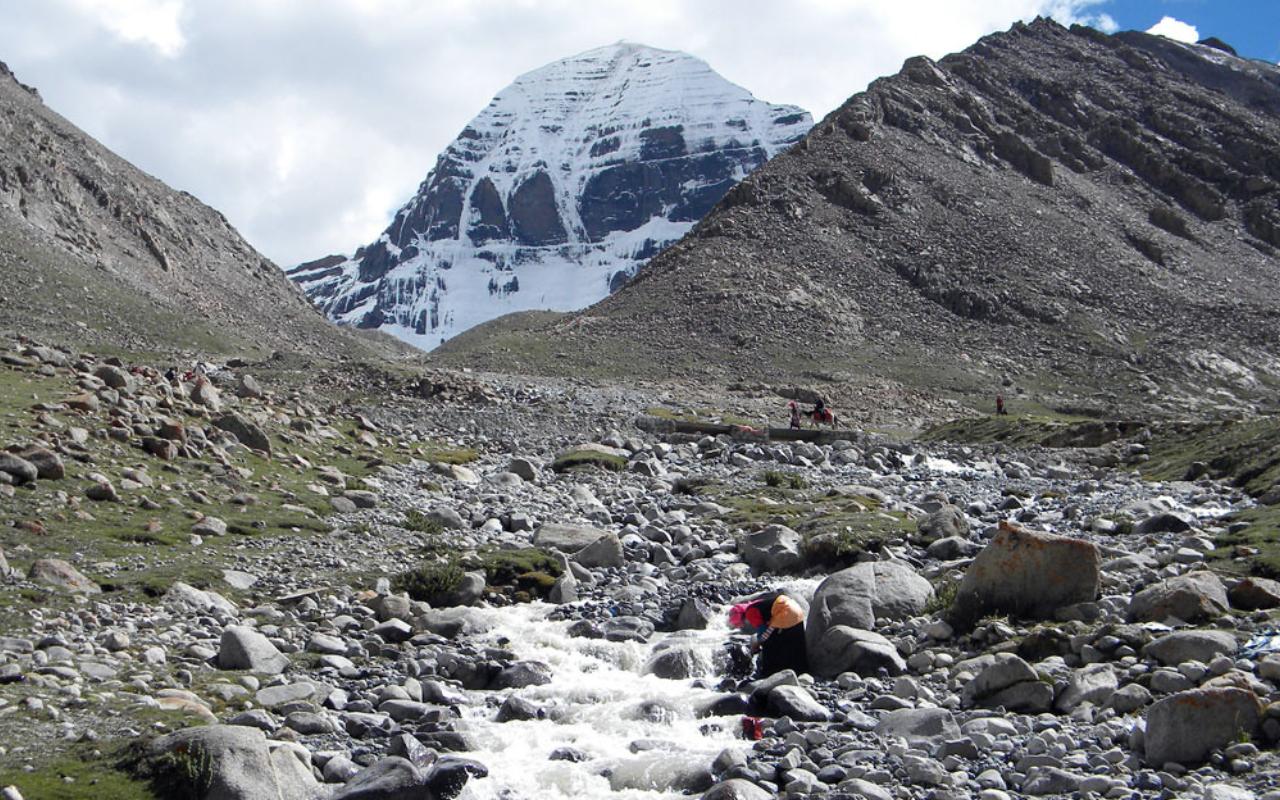
Mount Kailash, Dolma La Pass
A number of pilgrims understand what every day of the Kailash Yatra is. It is a straightforward day filled with tranquility and calm to keep you safe, relaxed, and spiritually in tune. An average day starts early in the morning with warm tea and breakfast. On packing bags, the group starts the day by taking the trip, either driving through the picturesque areas or walking through the parikrama. Everything is slow and gradual.
You will pass through huge open valleys, huge blue sky, snow-white mountains, and tiny Tibetan villages. Rest stops are provided where the group has hot meals, which are prepared by the kitchen crew. Lunch is modest yet invigorating and is usually taken in a warm lunch or in a guesthouse. Evenings are usually quiet.
Dinner among pilgrims starts early and is followed by checking the oxygen level or blood pressure (when necessary) and a certain amount of rest, meditation, and conversation with group members.
Power supply and Internet can be reduced to a minimum, thus the trip is inherently quiet and without connection to the external world. Nights are so chill, yet warm blankets and hot soup assist in making you sleep well. This routine daily aspect offers a simplicity that most travelers find relaxing.
Slowly, disconnection with stress, noise, and fast schedules happens, and your mind is in touch with the beauty and meaning of the pilgrimage.
Tips for Budgeting Your Kailash Mansarovar Yatra
It is a good idea to plan in order to minimize unnecessary costs and enjoy your trip. The following are some useful tips written in easy-to-understand human words:
One of the best ways to save money is to book your trip in advance. Earlybooking also tends to provide better prices from the travel firms, and also in the departure dates, there is more choice. Taking a group tour on behalf of a private tour also saves you a lot of money since most of the costs are shared by a group.
The other option of ensuring that your budget does not go out of hand is by using the overlandroute. Helicopter routes are scenic and very costly. There is no direct helicopter route to Mount Kailash — only flights to Simikot and the Hilsa border, and the rest of the journey continues by road. In case you are not afraid of going on a road, you can have a cheaper experience and much more meaning on the overland route.
Off-peak travel, e.g., in May or late September, will also help reduce your costs. Price is elevated between June and August, which are peak months because of high demand. Coming a bit earlier or later will provide you with a less crowded and cost-effective trip.
It is also convenient to compose a small personal budget for expenditure. Although the package is inclusive of most things, you will still have to spend additional money on snacks, tips, or unexpected changes. Having USD 300 to USD 500 saved means that you are prepared to do anything.
It is necessary to buy good travel insurance. Although it increases your expenses, it helps to save you a lot of higher expenses in case of an emergency. High-altitude trekking is a very important area that needs to be covered by a policy regarding high-altitude trekking.
Pre-travel purchases are also cost-saving. Products such as jackets, gloves, shoes, and snacks are costly in Tibet. Without having to spend your money on buying a bag, you can carry your necessities as well as be comfortable.
Finally, I would travel with a light bag in order to minimize the use of porters when carrying out the parikrama. When you are able to carry your own backpack, you will save more money and have a more rewarding experience.
Conclusion
Kailash Mansarovar Yatra is a pilgrimage of religion, prayer, and self-happiness. The yatra might appear expensive initially, but when you realize what all is involved in the package, such as permits, meals, support staff, medical facilities, and long-distance travel logistics, you will know that the price is well deserved to give this pilgrimage a safe and viable chance.
Regardless of whether you decide on an inexpensive group tour or a high-end luxury trip, the sacred circuit of Mount Kailash remains the same to all. All pilgrims share this strong force of this sacred place and the same divinity of the calm Lake Mansarovar.
Early planning, researching all the costs, selecting the appropriate package level, and spending the money in the most clever way can allow you to have a pleasant and meaningful experience in 2026 or 2027. May the blessings, peace, and spiritual fulfillment of the Kailash Yatra be with you.
High-mountain climbers respect the fourteen “eight-thousanders” – peaks with summits above 8,000 meters – as the ultimate “crown jewels” of mountaineering. These giants all lie in the Himalayan/Karakoram ranges, and ascending any of them means entering the infamous “death zone” above 8,000m, where oxygen is perilously thin.
Remarkably, eight of the world’s fourteen 8000m peaks sit (at least partly) in Nepal, making Nepal a prime target for high-altitude adventures. Despite Everest’s six-figure price tag, many of these peaks can be climbed for far less – in the range of USD 10,000–20,000 rather than $50–100k. For example, joining a group expedition on Mt. Manaslu (8,163m) often costs only $11,000–15,000 per person, a fraction of an Everestexpedition.
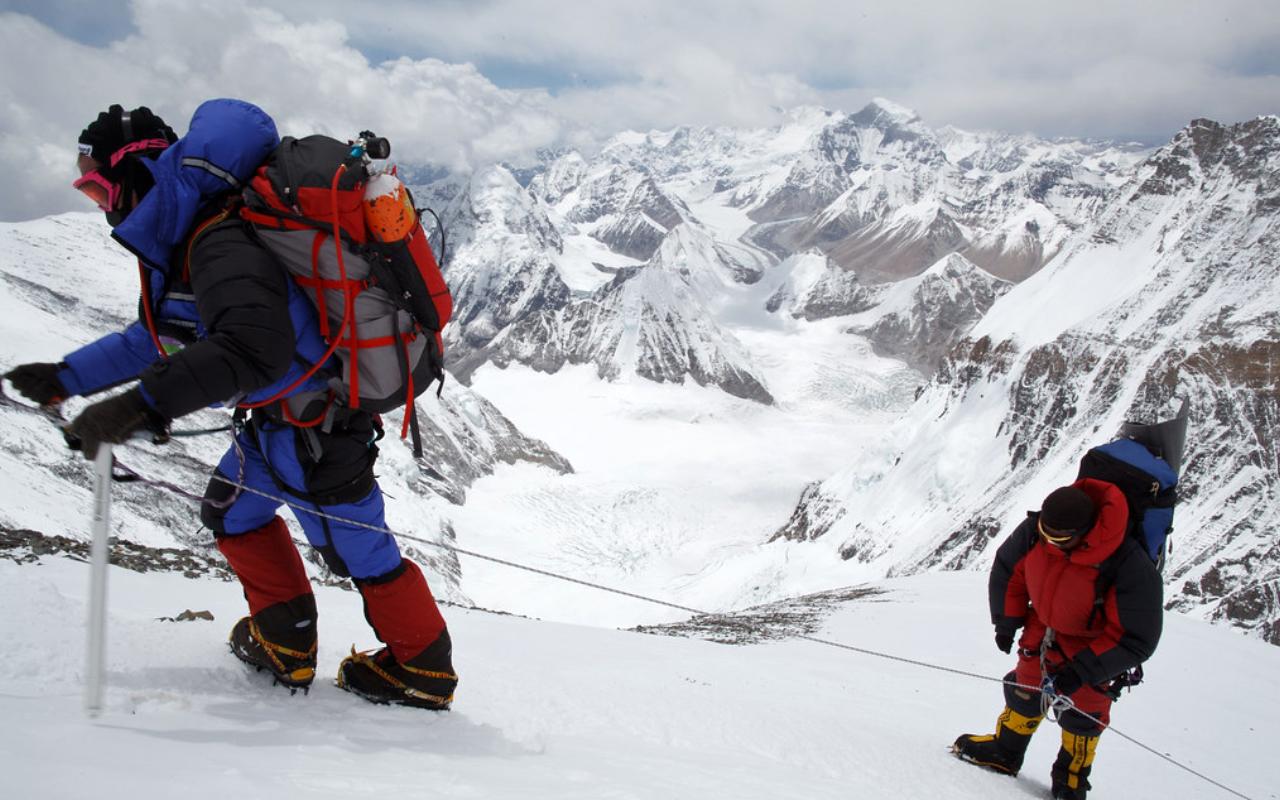
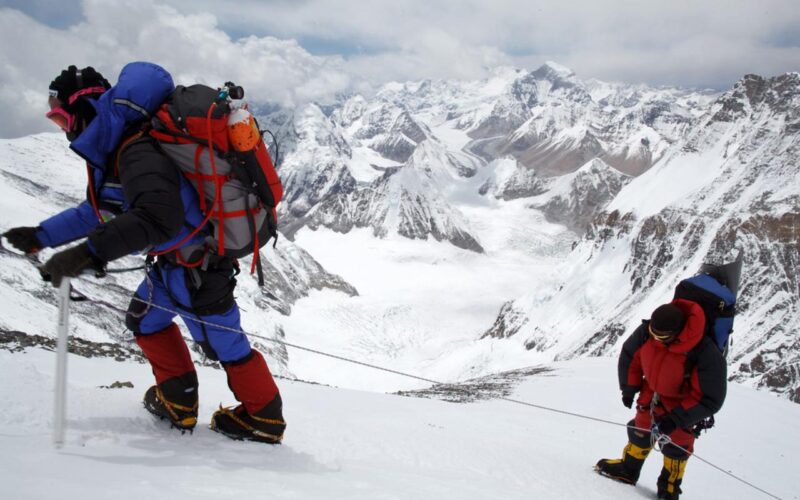
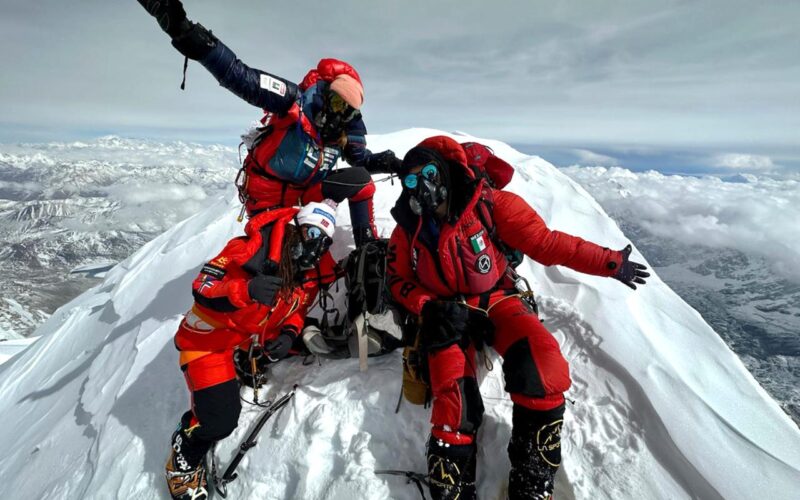
Climbers on the Everest Expedition: Conquering the World’s Highest Peak
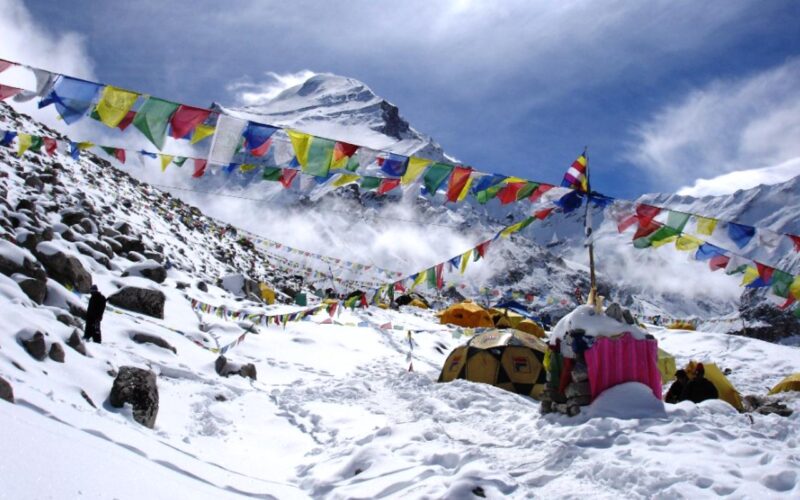
This guide explains why climbers call these mountains the “cheapest 8000m peak to climb” by breaking down the costs and highlighting the most affordable 8000m summits in Nepal and beyond. The towering peaks of the Manasluregion (shown above) exemplify the challenge and allure of 8,000-meter climbing. In total, there are 14 such peaks worldwide, and climbers often dream of reaching the summit of the cheapest 8000m peak to climb.
Notably, Nepal alone contains eight of them (Everest, Lhotse, Makalu, Cho Oyu, DhaulagiriI, Manaslu, AnnapurnaI, Kangchenjunga), each with its own terrain and expense. Contrary to popular belief, you don’t need $70,000+* to attempt one of these giants. With smart planning and local support, several 8000m expeditions are achievable for under $15,000–$20,000.
This budget mountaineering guide will walk through the major cost factors, ways to save, and which peaks offer the best value – so that your “cheapest 8000m peak to climb” can actually become a reality.
Understanding the Costs of 8000m Expeditions
Climbing any 8000m mountain is a complex operation, and costs can add up quickly. Major cost categories include permits, logistics, equipment, guides, oxygen, and insurance. By unpacking each, budget climbers can spot where to economize.
1. Major Cost Components
1.1 Permits and royalties
Most countries charge a steep fee to climb their 8000m peaks, often the single largest fixed cost. From September 1, 2025, Nepal raised 8000 m peak royalties. For peaks other than Everest, the fee is USD 3,000 (spring), USD 1,500 (autumn), and USD 750 (winter/monsoon).
Manaslu is an exception at USD 1,500 (spring), USD 3,000 (autumn), and USD 1,500 (winter/monsoon). Everest (south side) costs USD 15,000 in spring. In contrast, permit fees on the Chinese side of peaks like Cho Oyu or Shishapangma are much lower – one analysis notes China charges far less for peak permits than Nepal or Pakistan.
In Pakistan, the 2025 Gilgit-Baltistan fee schedule sets Broad Peak, Gasherbrum I, Gasherbrum II, and Nanga Parbat at USD 2,500 (summer), USD 1,800 (autumn), and USD 1,200 (winter) per foreign climber, while K2 costs USD 3,500 in summer. Always research the current permit costs for each country and season.
1.2 Logistics (transport, porters, base camp support).
Getting to base camp involves flights, jeeps, and high-altitude porters. A one-way flight to Lukla (the Everest area) now runs $300–$500, while a Kathmandu–Tumlingtar (for Makalu/Kanch.) flight is $200–$250. Road access can cut costs, as on Manaslu and Dhaulagiri (see below). Porters or yaks are hired to haul gear to base camp, typically costing $20–$40 per porter per day.
Transporting gear (food, tents, fuel) from Kathmandu to Lukla or Pokhara and then to base camp can run $1,000 or more. Campsite and dining tents, staff wages, and communications equipment at base camp also factor in – often 15–30% of the total budget. In the Karakoram, for example, one cost analysis found “base camp equipment and high camp fixed ropes” comprised up to 25% of expedition costs.
1.3 Oxygen and high-altitude gear
Nearly all commercial teams on 8000ers use supplemental oxygen. Expect $550 per bottle of oxygen with a summit push often needing 4–6 bottles per climber (so $3,000–4,000 just for your O2). Masks and regulators add another $900. Many teams also use oxygen for Sherpas and offer extra bottles for their support (at additional cost).
High-altitude clothing, boots, crampons, down suits, and hardware easily add $5,000–$8,000 to your expenses (though renting some gear in Kathmandu can cut this expense). Don’t forget glacier equipment, tents, ropes, and other mountaineering systems at each camp, which some operators include as a bulk cost. In aggregate, technical gear and oxygen can be 20–25% of an expedition budget.
1.4 Guides, Sherpas, and support team
Hiring experienced guides and Sherpas is a major cost – often the single largest expense. A western-led Everest expedition can cost $70,000–$75,000 (all-inclusive), whereas a Nepali Sherpa-led expedition might be closer to $40,000. For budget 8000ers, many climbers choose Nepali outfitters who run group trips.
Such teams still provide 1:1 Sherpa support during summit rotations, but save on Western guide fees. On peaks outside Nepal, local Karakoram operators also offer Sherpa-led expeditions; e.g., Pakistani guiding agencies will bundle Gasherbrum II with K2 training climbs at far lower per-person rates than Western companies.
1.5 Insurance and rescue.
Emergency plans are a must. Climbing permits often require proof of high-altitude rescue insurance. Helicopter evacuation coverage for mountainous regions can cost several hundred dollars (permitted rates).
1.6 Trip cancellation and medical insurance
This might add another few hundred to a few thousand, depending on age and policy. Compared to permits and guides, insurance is modest (<5% of total), but it’s essential for safety and sometimes mandatory.
2. Smart Ways to Cut Costs
Even with these expenses, savvy planning can trim the budget. For example, choosing a Nepali operator instead of a Western guide service often saves tens of thousands. (Data show the median all-inclusive Everest expedition with a Nepali-led team is $39,900, versus $51,000 with a Western leader.). Similarly, joining a group departure spreads costs – group climbs share fixed expenses.
On Manaslu, climbers joining a 4–10-person group typically pay $10,000–$15,000 each, whereas a solo climb can reach $18,000. Look for fixed-date group expeditions on lower-cost peaks to get these savings. Another cost saver is choosing peaks with road-accessible approaches.
For instance, Manaslu’s base camp trek starts at the village of Soti Khola (reachable by jeep from Kathmandu), eliminating the need for an expensive flight. Dhaulagiri’s (8,167m) approach goes up the Myagdi Valley, also accessible by road to Beni and then trek, saving travel costs.
In general, any 8000m expedition that skips a chartered helicopter or extra flights will be cheaper. Renting climbing gear in Kathmandu instead of buying new can save thousands. Similarly, scheduling your climb in the post-monsoon (autumn) season can halve permit fees (e.g., Nepal permits drop from $3,000 in spring to $1,500 in autumn), though weather windows are tighter.
Ultimately, combining these strategies – local operators, group logistics, road treks, and renting gear – is how climbers reach some 8000ers on budgets of only $15,000–$20,000.
3. Cheapest 8000m Peaks in Nepal (Ranked & Explained)
Below are the top candidates for budget climbers – Nepal’s 8000ers ranked roughly by affordability and ease. All cost figures are approximate expedition prices per person for a full-service climb.
3.1 Manaslu (8,163 m) – The Best Budget 8000er
Manaslu Expedition
• Cost: $10,000–$16,000 per person for a joint group. (Solo climbs can reach ~$18,000.)
•Access: Manaslu Base Camp is reached via the Budhi Gandaki valley. A jeep from Kathmandu to Soti Khola/Arughat gets you directly into the trailhead, minimizing expensive flights.
• Difficulty: Manaslu is considered the second easiest 8000m mountain after Everest because of the technically non-icefall routes. Slopes are fairly moderate and stable, and there are high chances of success compared to steep mountains.
Due to these reasons, Manaslu has been termed as being the cheapest 8000m peak to achieve in Nepal, such that the climbers achieve a safe and achievable 8000er, with a modest budget.
• Ideal For: First-time 8000m climbers. Manaslu’s straightforward logistics, guided Sherpa support (1:1 above Base Camp), and lower cost make it a classic “starter” eight-thousander. It gives climbers critical experience in the death zone without as much technical exposure as peaks like Annapurna or Makalu.
3.2 Lhotse (8,516 m) – Everest’s Affordable Sibling
Mount Lhotse
• Cost: $13,000–$20,000 per person, often done as a tandem with Everest logistics. For example, a 2025 all-inclusive package is listed at $18,500. (Group discounts can bring this toward $15k.)
•Access: Lhotse shares the first portion of its route with Everest up to Camp 3 on the South Col. Essentially, you climb Everest’s Khumbu Icefall and Western Cwm, then branch off toward Lhotse’s summit pyramid above Camp 3. This shared logistics means you only need one permit and one big setup for base camps – a big savings if added onto an Everest trip.
• Difficulty: Shorter than Everest, Lhotse avoids the treacherous Yellow Band but has some steep sections on the final pitches. It’s still very challenging, but experienced Everest climbers with full base camp experience find it more straightforward. In general, Lhotse could be considered a shorter and a little bit cheaper version of an Everest plus expedition.
• Ideal For: Climbers who have previously experienced Everest or wish to have an additional summit on the south side of Everest. Lhotse, coupled with Everest, is much cheaper per summit in comparison to two trips.
3.3 Dhaulagiri I (8,167 m) – Wild and Remote Adventure
Mount Dhaulagiri I
• Cost: $12,000–$18,000 per person. (Local outfitters quote group climbs around $17,100.)
• Access: Dhaulagiri lies in Nepal’s remote west. The trek begins near Darbang in Myagdi District after a flight or drive to Beni. A newly built road up the Kali Gandaki valley streamlines access (though some trekking is still required). This road approach helps keep costs lower than older, fully remote expeditions.
• Difficulty: Dhaulagiri is steeper and more technical than Manaslu, but it lacks Everest’s bureaucracy and crowding. It’s still considered slightly cheaper than routes like Kangchenjunga. The normal route ascends well-tracked snow and ice, with fixed ropes on difficult sections. The lower number of clients also means more intimate Sherpa support.
• Ideal For: Strong climbers seeking solitude. Dhaulagiri’s wild Myagdi approach is scenically spectacular and far less crowded. Its costs and logistics are moderate compared to Everest, making it attractive for experienced alpinists not afraid of harder climbing.
3.4 Annapurna I (8,091 m) – Legendary but Dangerous
Mt Annapurna I
• Cost: $14,000–$20,000 per person. (Special packages list $17,100 as a starting price.)
• Access: Trekking through the Annapurna Sanctuary (via Chomrong to Base Camp) is a classic route. Approaches from Pokhara are straightforward (and road access reaches well up the valley). This ease partly explains why Annapurna was first summited in 1950.
• Difficulty: Annapurna has by far the highest fatality rate of any 8000m mountain – historically, about 32–33% of summiteers perish. Its avalanche-prone Southeast Face and corniced slopes make it extremely risky. While not the most technical 8000er, the objective hazards and steep gullies demand expert climbing.
• Ideal For: Very experienced mountaineers only. Its scenery – glaciers, valleys, and mountain vistas – is breathtaking, but Annapurna is strictly for those who can accept its dangers. In terms of budget, Annapurna is still cheaper than Everest (no icefall fees), but its cost is comparable to other hard Nepali 8000ers.
The central Annapurna massif from base camp (the Annapurna Sanctuary). While Annapurna I yields spectacular views, its steep snow faces and avalanche risk make it extremely challenging (the world’s deadliest 8000m peak).
3.5 Makalu (8,485 m) – Technically Challenging but Reasonable
Makalu Base Camp
• Cost: $12,000–$17,000 per person in a group. (Group-join trips typically run $12k–$18k; solo expeditions can exceed $20k.)
• Access: Makalu’s base camp is reached via Tumlingtar in eastern Nepal. You must fly (or drive) from Kathmandu to Tumlingtar, then trek through Makalu-Barun National Park. This route is longer and more remote than the Everest region, but recently built airstrips and better roads have reduced costs slightly.
• Difficulty: Makalu is one of the steepest 8000m peaks. The standard route (Northwest Ridge) involves knife-edge ridges and fixed ladders. However, technical climbers rate it as easier than Everest’s summit difficulty. The payoff is an astonishing view from the top of Everest, Lhotse, and beyond.
• Ideal For: Skilled mountaineers seeking a true challenge with a bit more wilderness. Makalu’s expense is kept moderate by Nepal-based teams, and its summit panorama is unmatched.
3.6 Kangchenjunga (8,586 m) – Remote & Majestic
Mt Kangchenjunga
• Cost: $14,000–$22,000 per person. (Packages often run in the upper teens; western companies may quote higher.)
• Access: Far eastern Nepal is the setting. Climbing Kangchenjunga requires special Restricted Area Permits (RAP) and a long approach trek from Taplejung. Roads reach many villages in the area, but not Base Camp, so logistics involve multiple porter shifts. These factors add cost, though local operators can still offer shared expeditions.
• Difficulty: Kangchenjunga is technically and logistically demanding. Crevassed glaciers and steep mixed terrain define its route. The weather tends to be erratic. However, because fewer climbers go there, costs can be kept lower by sharing staff and gear.
• Ideal For: Endurance experts. If you want to be truly isolated on a big peak, Kangchenjunga’s remoteness and strict permit system offer that (and training in patience). It’s the highest peak accessible only through Nepal (no Tibetan side) and tests every aspect of high-altitude skill.
4. Other Affordable 8000m Peaks Outside Nepal.
Even beyond Nepal, several 8000m peaks present relatively low budgets:
4.1 Cho Oyu (8,188 m) – Nepal/Tibet Border
Cho Oyu Advanced Base Camp (ABC)
• Cost: $12,000–$18,000 per person (some operators advertise $15k–$25k).
• Access: The standard route is via Tibet/China. Climbing Cho Oyu involves a relatively short approach from Lhasa or Kathmandu (driving to the Chinese base camp). Chinese visa/tour fees and permits (often $800–900, included by outfitters) are typically cheaper than Nepal’s.
• Difficulty: Cho Oyu is considered to be the safest and easiest among the 8000m peaks. It has gentle and well-travelled slopes and a very high success rate. The most common route does not have any technical icefall to guide through.
• Ideal For: First-time 8000m climbers on a budget. Its relative simplicity and shorter climb time (about 6 weeks total) make it an excellent step up from 7000m peaks. Because it’s in Tibet, organizing with Chinese operators can also reduce permit and guide fees compared to Nepalese peaks.
4.2 Shishapangma (8,027 m) – Tibet’s Solo Peak
Shishapangma
• Cost: $10,000–$15,000 per person if Tibet is accessible.
• Access: Shishapangma is entirely in Tibet/China. Its approach starts from Nyalam or Lhasa, taking about 4–5 days to Base Camp. Historically, China’s permit fees for Shisha have been very low (around $650), but in practice, Chinese operators often include permits in their package costs. In recent years, access can be restricted, and national park fees may apply, so costs fluctuate.
• Difficulty: Technically one of the easiest 8000ers. The normal route is a straightforward snow climb with no serious technical pitches. It does, however, require good fitness and often involves some hauling through the base camp from high altitudes.
• Ideal For: Climbers looking for an affordable, non-technical 8000m. It is the lowest of the fourteen peaks, which means slightly less time in the death zone. When Tibet permits are available, Shishapangma is often chosen as the least expensive Himalayan 8000m adventure.
4.3 Gasherbrum II (8,035 m) – Pakistan’s Budget Giant
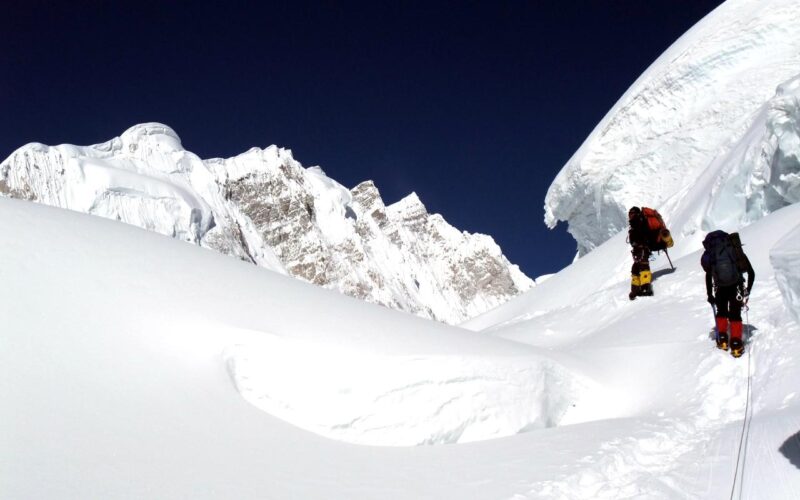
Moving beneath the icy serac of Gasherbrum II
• Cost: $8,000–$14,000 per person. (Some express-style expeditions advertise starting around $9,000 for full summit service.)
• Access: In Pakistan’s Karakoram, Gasherbrum II is surprisingly cheap due to generous Pakistani permit policies (flat $4,000 each as of 2025) and established base camp support. The Gilgit–Skardu region has robust trekking infrastructure, and many climbers combine it with Gasherbrum I or even K2 training.
• Difficulty: Considered one of the easiest 8000m climbs (along with Cho Oyu) in technical terms. The normal route has a moderate slope profile and an established network of fixed ropes, earning it a high success rate.
• Ideal For: Budget climbers seeking a reliable 8000m summit. GII’s well-equipped base camp and stable weather windows make it a great value. Many teams do an “express ascent” in just over 40 days, giving maximum efficiency for the money spent.
4.4 Broad Peak (8,047 m) – Karakoram Classic
• Cost: $9,000–$15,000 per person. (Group trips often start at $9,000 for climbing service.)
• Access: Broad Peak is just a few kilometers from Gasherbrum in the Baltoro region. Trekking to Concordia base camp (via Askole) is the same route as K2/Gasherbrums, spreading out the access costs. Shared logistics with other Pakistani 8000ers keep the price down.
• Difficulty: The climb is fairly straightforward, though it involves traversing glaciers and a snow ridge to the summit. Broad Peak is often done in combination with K2 training, making it ideal for climbers prepping for higher technical climbs.
• Ideal For: Fit climbers who want maximum altitude per dollar. Its terrain is moderate, and because it is near K2, it often sees full support infrastructure but fewer crowds. Broad Peak is a smart value climb on the way to K2.
5. Hidden Costs You Shouldn’t Ignore
Even after the big expenses above, several smaller costs can blow a budget if forgotten:
• Travel and visa: International flights to Kathmandu (or Islamabad/Lhasa) can vary widely. A low-cost airline ticket is ideal, but busy seasons may see airfares climb. Don’t forget the visa: Nepal tourist visa fees: 15 days USD 30, 30 days USD 50, 90 days USD 125.
Indian or Chinese visas (for expeditions) have their own fees. Getting to Kathmandu often involves multiple flights (e.g., Europe–Gulf–Kathmandu) that can add $800–$1,200 or more. Domestic flights (Kathmandu–Lukla/Pokhara/Tumlingtar) are $100–300 each.
• Communication and weather info: Satellite phone rental (required on most 8000m expeditions) costs $300/week. Hiring a private weather forecaster or expedition manager may add a few hundred. While optional, these services enhance safety.
• High-altitude consumables: Expect to spend on base camp supplies. In remote camps, food is included by your operator, but personal snacks (protein bars, energy drinks) and fuel (gas canisters) might be extra. Bottled oxygen refills can cost $50–$100 each if a fix is needed.
• Tips and miscellaneous: Tipping local staff (Sherpas, cooks, porters) is customary – often 10–15% of the total expedition cost divided among the crew. Also budget for emergency cash or medicine, and any unforeseen helicopter evacuations (which can run $5,000–$10,000 per flight unless covered by insurance).
• Insurance and rescue deposits: In Pakistan, climbers must pay a refundable $500 rescue deposit. In Nepal, a Refundable garbage deposit: USD 3,000 for most >8,000 m (Everest USD 4,000). This is separate from personal insurance.
• Liaison Officer (LO): required on major peaks; the LO cost (commonly USD 2,500–3,000) is billed by your operator as part of the expedition package, not included in the government royalty itself. These are not additional costs to the climber, but they are part of the permits detailed above.
6. Cost Comparison Table (Expanded)
Peak
Height (m)
Country
Cost (USD)
Difficulty
Ideal For
Manaslu
8,163
Nepal
10,000–16,000
Moderate
First 8000er
Lhotse
8,516
Nepal
13,000–20,000
Hard
Everest climbers
Dhaulagiri I
8,167
Nepal
12,000–18,000
Technical
Experienced climbers
Annapurna I
8,091
Nepal
14,000–20,000
Very Hard (Deadly)
Experts only
Makalu
8,485
Nepal
12,000–17,000
Technical
Advanced climbers
Kangchenjunga
8,586
Nepal
14,000–22,000
Hard
Endurance experts
Cho Oyu
8,188
Nepal/Tibet border
12,000–18,000
Moderate (easiest)
Novice high-altitude
Shishapangma
8,027
Tibet
10,000–15,000
Moderate
Training/prep expedition
Gasherbrum II
8,035
Pakistan/China
8,000–14,000
Moderate
Budget climbers
Broad Peak
8,047
Pakistan/China
9,000–15,000
Difficult
Pre-K2 technical training
Note: Nepal’s new climbing permit fees took effect on 1 September 2025 (spring USD 3,000 / autumn USD 1,500 for most 8,000m peaks; Manaslu is the reverse). Pakistan’s 2025 schedule sets 8,000m permits at USD 2,500 (summer), USD 1,800 (autumn), USD 1,200 (winter), with K2 at USD 3,500 in summer.
7. Best Season to Climb Budget 8000ers
• Nepal (Himalayas): Pre-monsoon spring (April–May) and post-monsoon autumn (Sept–Oct) are the prime seasons. Spring has slightly more stable weather but higher costs and traffic. Autumn sees fewer storms and permit fees at half the spring rate (e.g., Nepali peaks $1,500 vs. $3,000).
• Pakistan (Karakoram): The climbing season is roughly June–August, when the monsoon bypasses the Karakoram. This period has long daylight and relatively lower wind on peaks like Gasherbrum and Broad. (Early June can be a bit stormy.)
• Tibet (Cho Oyu/Shishapangma): May and September–October are best. Summer monsoon affects the Tibetan plateau less than Nepal, but permits are more readily issued in pre- and post-monsoon windows.
Keep in mind: spring climbs often cost more due to higher permit fees and gear rental demand, but they usually have safer weather. Autumn offers cheaper climbs (and better vistas of the Karakoram) but shorter summit windows.
In Nepal, autumn permit fees are about half the spring rate — USD 3,000 in spring and USD 1,500 in autumn for most 8,000m peaks (Manaslu’s fees are the opposite: USD 1,500 in spring and USD 3,000 in autumn). Winter climbs exist, but costs drop even more (permits are lowest) – yet that is only feasible for very hardy teams.
8. How to Find a Trustworthy Budget Operator
Finding a reliable low-cost expedition operator is critical. Here are key tips:
• Check official registration: Nepali operators should be registered with the Nepal Mountaineering Association (NMA) and the Department of Tourism. Verify they have a current Government license for high-altitude expeditions. For Pakistan, look for KPO (Karakoram Permit Office) listings or Pakistan Alpine Club membership.
• Research experience and track record: Choose companies with experienced climbing leaders and good client feedback. Even low-cost teams should provide an experienced Nepali expedition leader (many have decades of high-altitude experience). Read independent reviews (e.g. on ExpedReview) to confirm past success and safety records.
• Shared vs. private logistics: Group departures with fixed dates are much cheaper than private teams. If you’re on a strict budget, opt for a group climb with shared tents, guides, and ropes. This is very common on Manaslu, Cho Oyu, Gasherbrum, etc.
• Beware “no-permit” or ultra-cheap offers: Any operator claiming to bypass permits or drastically undercut standard fees is dangerous and illegal. Governments require authorized licensed companies and officials (e.g., Liaison Officers). Steer clear of such scams – not only is it unethical, it can ruin your trip or get you banned.
• Ask for a detailed cost breakdown: A reputable company will provide an itemized quote: permits, oxygen, staff, meals, etc. Verify what is included (dining tents, emergency rescue, etc.) and what is not. Comparing apples to apples is key to spotting hidden upcharges.
In short, the “cheapest 8000m peak to climb” won’t do you any good if the operator cuts corners on safety. Prioritize well-reviewed, licensed agencies that demonstrate fair practices, even if it means paying a small premium over the absolute bottom dollar.
When comparing operators, verify key inclusions like the Liaison Officer (LO) cost, refundable garbage deposit, oxygen provisioning, and rescue plan. This ensures you’re comparing similar full-service packages rather than partial quotes.
9. Training for an 8000m Peak on a Budget
• Climbing an 8000m involves serious preparation. But it is no great cost to train, even without costlier expeditions.
• Progressivealpineclimbs: Build your resume on 6000m–7000m peaks first. In Nepal, classics include Island Peak (6,189m), Mera Peak (6,476m), Baruntse (7,129m) or Himlung Himal (7,126m). These climbs teach you crampon, ice-axe, and basic high-altitude skills at low cost. A guided Mera Peak trek, for example, costs under $2,000.
• Treks for acclimatization and endurance: Long treks such as Everest Base Camp, Annapurna Circuit, or Manaslu Circuit. They enhance cardio health and subject you to trekking beyond 4,000-5,000m. They also condition your body to sleep high and carrying loads, which cannot be replaced with summit pushes.
• Stamina training: Regular cardio (running, cycling, stair-climbing) and weighted hill-trekking mimic base camp load carrying. Do multi-day hikes with a 20–25 kg pack. Altitude gyms (if available) or Hypoxico’s altitude tent can simulate lower oxygen.
• Mountaineering courses: Consider glacier travel and crevasse rescue courses in Nepal or the Alps. A 5–7 day introductory course (~$1,000) will teach rope team techniques, crevasse rescue, and high camp routines. These skills are life-saving on any 8000m peak.
• Mental prep and reading: Guides journey manuals, reports on expeditions, and last-summit accounts. Get to know the particular difficulties of your objective summit (i.e., avalanches on Annapurna, technical pitches on Makalu). Just basic home workouts and a good attitude will do.
Smart training is another form of “budget gear” – it makes you efficient on the mountain and reduces the risk of expensive failed attempts. Remember, time on the mountain is precious and costly; better-trained climbers make the most of it.
10. Conclusion
Summiting an 8000m peak doesn’t have to drain your savings. With smart choices, you don’t need $70,000 to live your high-altitude dream. Many eight-thousanders can be reached for $15k–$20k with local support.
Among these, Manaslu (Nepal) and Cho Oyu (Tibet/Nepal) stand out as the easiest and cheapest – ideal for a first 8000m. More technical climbs like Dhaulagiri I or Gasherbrum II demand experience, but they still cost far less than Everest while offering equally epic scenery.
It is advisable to always keep in mind that cheapness is never an alternative to safety. Select seasoned Sherpas, acclimate, and ensure the rescue. With a wise choice when choosing your peak, season, and operator, you will be able to make your 8000m experience cheap and successful.
FAQs
Q: What is the cheapest 8000m peak in Nepal?
A: Manaslu (8,163m) is regarded as the cheapest 8000m mountain to climb in Nepal. The average price of a guided trip is approximately between $10,000 and 16,000. The road approach is easier to access, is not highly technical, and has a high success rate, thus an option for first-time 8000m climbers.
Q: Is it possible to hike an 8000m mountain without oxygen?
A: Yes, but it is hard and risky. The supplemental oxygen used by the majority of the climbers is due to the fact that the air is very thin at that altitude. Very experienced mountaineers only attempt it. To be on the safe side, estimate 4 to 6 oxygen bottles per person.
Q What is the easiest, Manaslu or Cho Oyu?
A: The two are some of the easier 8000m peaks. Cho Oyu is softer and has a higher success rate, and Manaslu is cheaper and reachable through Nepal, as one does not have to obtain a Tibet permit.
Q: How long is an 8000m expedition?
A: The average time of expeditions is 6-8 weeks. This involves hiking to base camp, acclimatizing, and hiking to the summit. A Manaslu ascent would require approximately 45 days, whereas a Cho Oyu ascent would require approximately 40 days, since the approach is shorter.
Nestled about 90 kilometers north of Kathmandu in Nepal’s Sindhupalchokdistrict, Ama Yangri is a sacred peak rising to about 3,770meters. This modestly high Himalayan summit crowns the Helambu region — a lush, terraced landscape famed for its Tibetan Buddhist heritage and alpine forests.
From Ama Yangri’s summit, the entire Kathmandu Valley and surrounding ranges unfold like a map, making it an unparalleled viewpoint.
The name itself means “MotherProtector”, reflecting the mountain’s guardian role in local lore. Fit hikers even see it as a weekend pilgrimage: leave Kathmandu on Friday, summit early Sunday, and return by evening. For many, Ama Yangri is like Kathmandu’s closest high Himalaya escape. The Helambu villages are primarily inhabited by the Hyolmo (Sherpa) people, whose language and customs closely resemble those of Tibet.
In fact, the very name Helambu comes from the Sherpa words “ha” (potato) and “labu” (radish) – staple crops historically grown here. Nearly all villagers practice Tibetan Buddhism of the Nyingma lineage (often blending in Bon animist rituals). So you’ll see prayer flags, rock-carved mani walls, and small stupa shrines decorating every trail and village.
In 2015, a massive earthquake devastated much of Helambu (flattening old gompas and homes). The communities have rebuilt most structures with sturdy materials, so today’s trekkers find mostly new tea-houses and lodges. Your visit helps this recovery: at each stop, your spending directly supports local families.
Spiritual and Cultural Significance of Ama Yangri
For the Hyolmo people and local Buddhists, Ama Yangri is far more than a scenic peak – it is a living deity. Traditional lore says Ama Yangri was a dakini (femalespiritbeing) who became the guardian goddess of Helambu through her compassion. Villagers pray to her mountain form for longlife, safety, and good fortune before long journeys.
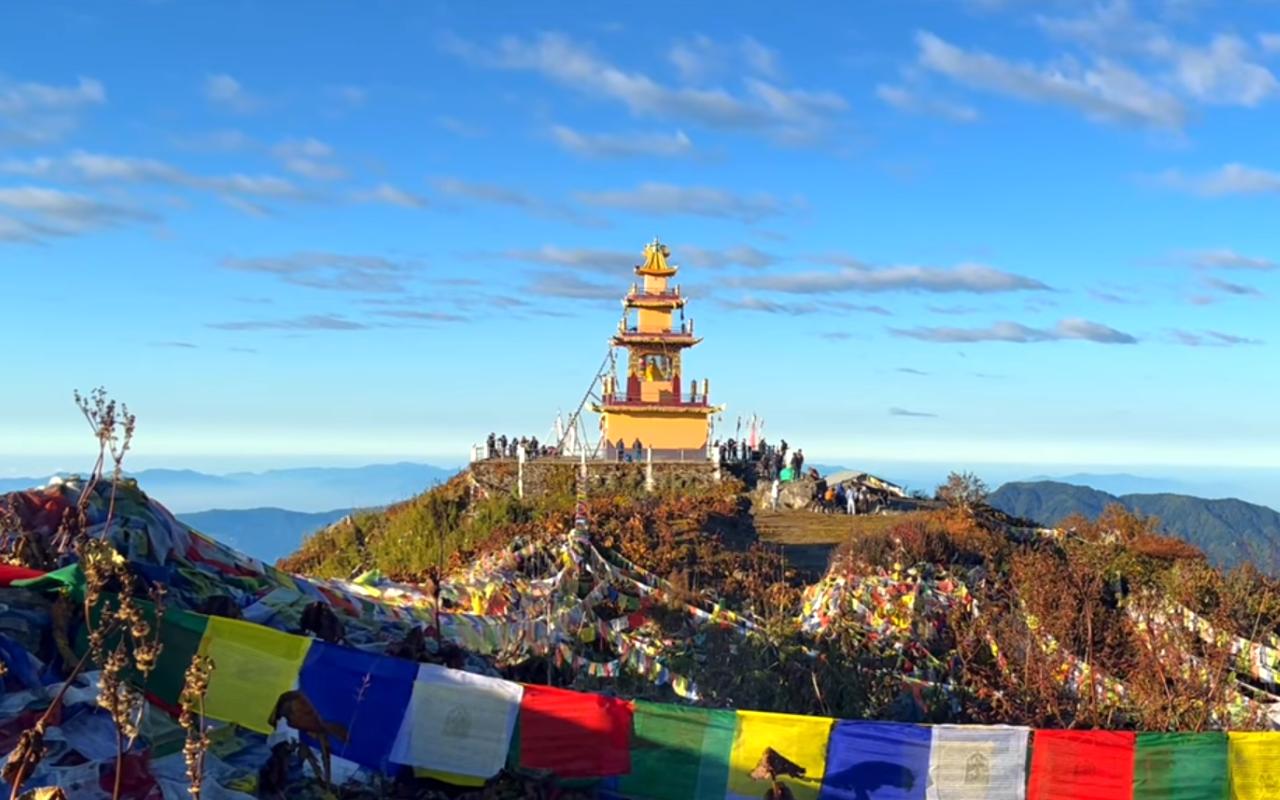
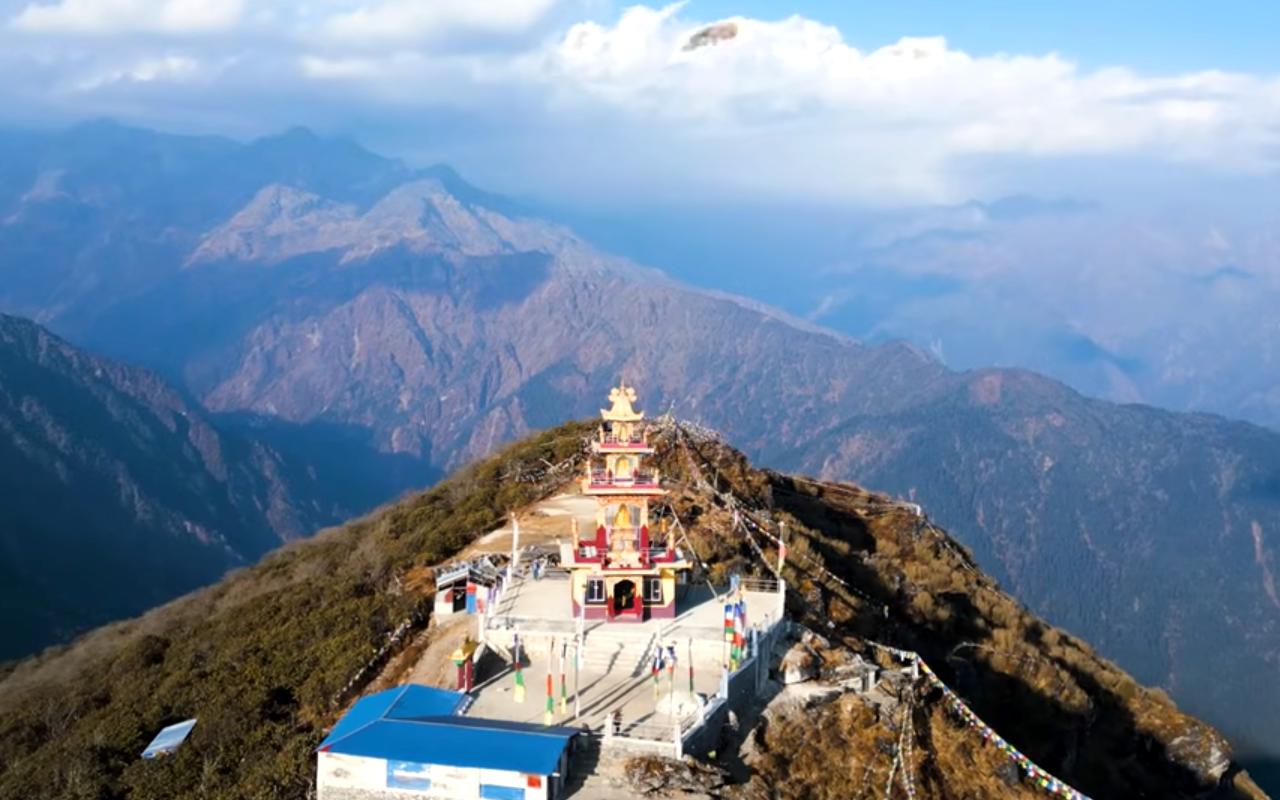
It is common to make offerings (flowers, grains, incense) at the little shrine on the trail or even at the summit to seek her blessings. In fact, at the peak of Ama Yangri is a tinygompa (shrine) called AmaYangriZangdopelri – pilgrims circle its prayer wheels and place stones there as offerings.
Ama Yangri’s star event is the Chaitrafull–moonpuja (around March/April). On that sacred day, Hyolmo villagers from across Helambu wake before dawn and climb Ama Yangri’s slopes. A monk conducts a morning-longpuja (blessing ritual) at the summit, and by mid-day the community gathers to danceand offerlocaldrinks – barley beer (chang), home-brewed wine (raksi), buttertea, and sweet ricewine – in the goddess’s honor. By evening, the rituals end and the mountain is left silent again, the incense smoke drifting down through its forests.
The spiritual tapestry of Helambu is also woven with legendsofPadmasambhava (Guru Rinpoche), the 8th-century Buddhist master. Old texts and oral history say Padmasambhava meditated in the Helambu valley before traveling to Tibet.
His disciples later built some of the first monasteries and placed mani stones as they trekked these trails. Even today, you’ll pass through mani walls and small chortens (stupas) tracing his legacy. For example, the village of Tarkeghyang has a historic 19th-century gompa lined with prayer wheels – pilgrims pause here to chant and spin the wheels for merit.
Himalayan Majesty: Views, Flora, and Fauna
Ama Yangri lives up to its name as a viewpoint. From the summit’s 3,770 meters, you have an unobstructed 360° panorama of the Himalayas. To the north soar the rugged LangtangLirung (7,227m) and even distant Shishapangma (8,013m). GaneshHimal and DorjeLakpa stand to the east, the Annapurnarangeand Manaslu to the west.
On a clear morning, the slanting sun paints these peaks in gold and pink before dawn. In the softly lit pre-dawn hours, snowfields and ridges glint gold as the first rays streak across the sky – a magical Himalayan sunrise. This sweeping view rivals those of more famous treks, even though Ama Yangri’s trail is relatively short.
The climb to Ama Yangri winds through richly forested Helambu slopes. Initially, you pass mossy groves of fir, pine, and oak. In spring (April–May), the hills are ablaze with rhododendron – Nepal’s national flower – in brilliant reds, pinks, and whites.
You’ll also see magnoliaand mapleblossoms. In autumn, the forests glow golden with oaks; even in winter, the gnarled rhododendron trunks stand out stark against frost. Each season has its charm here: after the monsoon, new green shoots cover the understory, and even winter’s dustings of snow add a fresh feel to the trail.
This lush habitat supports surprising wildlife. Trekkers often spot graylangurmonkeys leaping through the treetops and barkingdeer (musk deer) grazing quietly. With luck, you may glimpse the elusive redpanda or see beartracks in damp brush.
In higher alpine meadows, hardy Himalayantahr (goat-antelopes) move sure-footed on rocky slopes. Birdwatchers will enjoy pheasants calling from the ridges, sunbirds darting among blossoms, and eagles or hawks circling above. Every step brings something new to see – a rare wildflower, an iridescent butterfly, or the gentle murmur of a prayer.
Planning Your Visit
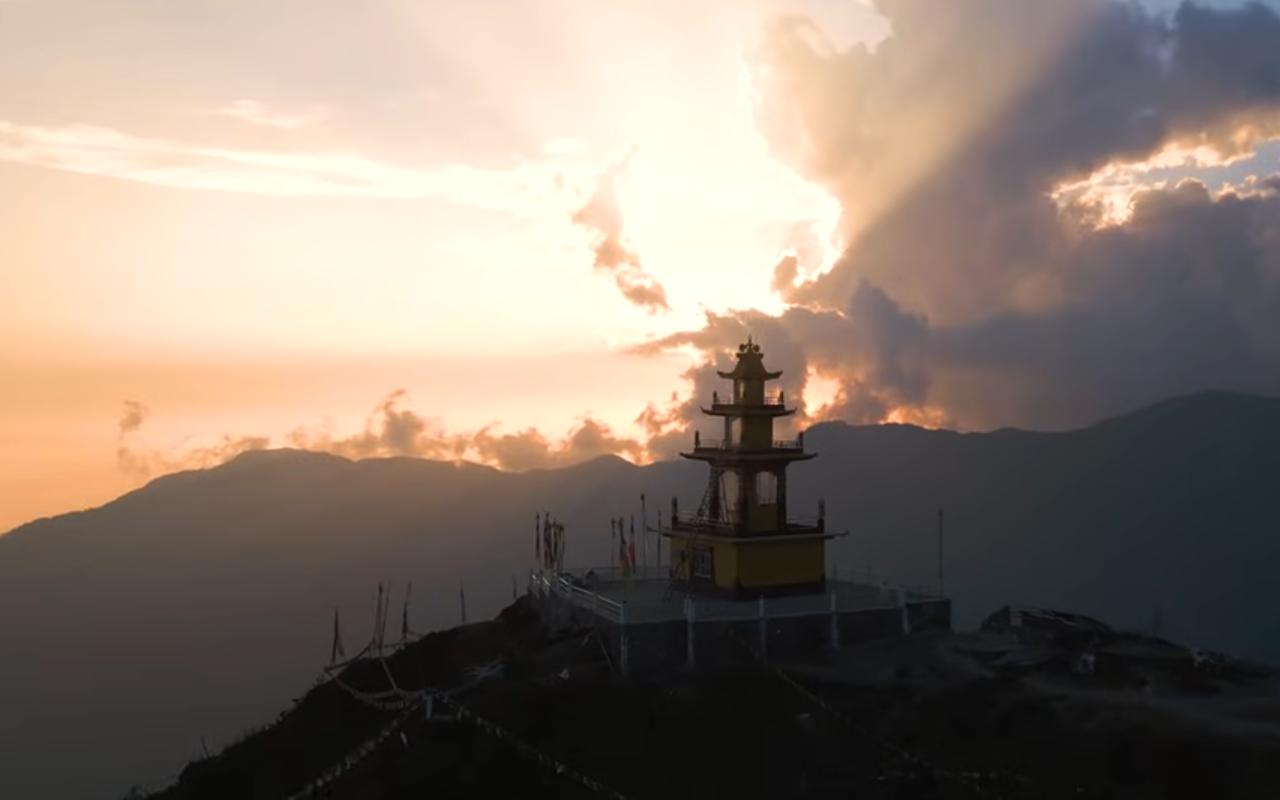
Ama yangri sunset view
Reaching Ama Yangri is relatively easy by Himalayan standards. The Helambu region is about 90 km north of Kathmandu, connected by the Melamchi-Sundarijal highway. From Kathmandu, you can catch a minibus or jeep heading east out of Ratna Park or Sundarijal to Timbu, a small road head village at 1,600 m. The drive takes roughly 5–6 hours on a winding, bumpy road (note: heavy rains often cause landslides that block this road in the monsoon).
At Timbu, you must switch to a local jeep or walk. The motorable road currently ends just short of Tarkeghyang (2,600 m), so travelers usually hire a 4WD for the last 1–2 hours or walk (1 hour) from Timbu up to Tarkeghyang village. Tarkeghyang is a well-known trekking hub (2,600 m) with several lodges and tea-houses, plus the old gompa. Many itineraries break the ascent into two stages: overnight in Tarkeghyang, trek up to Ama Yangri Base Camp (3,300 m) on day 2, and summit on day 3.
BaseCamp (Chyomuthang) has only a few simple tents/tea-houses, so it’s wise to reserve spots ahead of peak days. The next morning, you set out very early (often before 4 AM) for the 1–2 hour climb to Ama Yangri’s summit (3,770 m). On a clear day, you arrive in time to watch the sunrise paint the peaks before descending. Then you return to Tarkeghyang and walk or jeep back to Timbu for the return drive to Kathmandu.
Duration: Most trekkers plan about 3–5 days for this route (Kathmandu→Timbu→Tarkeghyang→Ama Yangri→return). A sample itinerary is: Day 1 – Kathmandu to Tarkeghyang; Day 2 – Tarkeghyang acclimatize or short hike (e.g., Shermathang); Day 3 – Tarkeghyang → Ama Yangri Base Camp; Day 4 – Summit Ama Yangri → back to Tarkeghyang; Day 5 – Tarkeghyang → Timbu → Kathmandu.
Fitter hikers can shorten it to 2–3 days by driving higher on Day 1 or sleeping in tents (a few nights of rough camping is also an option). (If absolutely necessary, some ambitious teams start at midnight on Day 2 from Tarkeghyang and do Tarkeghyang→summit→back in one very long day.)
BestSeason: Ama Yangri can be trekked year-round, but spring (Mar–May) and autumn (Sep–Nov) are ideal. In spring, the rhododendrons bloom, and the weather is mild. After the monsoon, autumn skies tend to be crystal clear. Winter (Dec–Feb) is cold and often snowy, but offers solitude and stunning white scenery (nights often drop below –10°C).
Monsoon (June–Aug) brings frequent rains, muddy trails, and leeches on the lower paths, so fewer trekkers attempt Ama Yangri then. (One perk: post-monsoon, the forests are emerald-green, but always check the road status before you go.)
Permits: Ama Yangri lies within the Langtang National Park buffer zone, so trekkers need a Langtang National Park Permit (NPR 3,000) and a TIMSCard (NPR 1,000). No separate Helambu permit is required.
If you extend into Langtang National Park (e.g., hiking via Shermathang or beyond), you’ll also need the Langtang Park permit (~NPR 3,000). Guides and agencies can arrange all permits in advance; independent trekkers often buy TIMS and Langtang permits in Kathmandu and get the Helambu permit in Timbu (cash only). Always keep permit and passport copies with you – rangers occasionally check.
AltitudeTips: Ama Yangri’s summit is 3,770 m, but the climb is gradual (only one night above 3,000 m). Altitude sickness is uncommon if you ascend slowly. Drink plenty of water and rest if you feel headaches or nausea.
Taking an extra day to acclimatize in Tarkeghyang or Shermathang can help. If you do feel unwell, simply stop or descend – there’s no rush. (Note: Ama Yangri is a trekking peak, not a technical climb – you do not need ice axes or ropes, just good boots and fitness.)
Gear & Essentials: As with any Himalayan trek, be prepared for big temperature swings. Pack a sturdy pair of hiking boots (with ankle support). Dress in layers: moisture-wicking base layers, a warm fleece/down jacket, and a waterproof rain shell. Nights at 3,300+ m are cold, so a warm sleeping bag (rated –5°C or lower) is wise.
Bring sunglasses and sunscreen for the intense mountain sun. Also pack a hat and gloves for the wind. A water bottle (1–2 L) and purification tablets or a filter are very helpful, since taps are limited. A simple first-aid kit (band-aids, painkillers, altitude pills) and some high-energy snacks (nuts, bars) are advised. Headlamps are essential for the pre-dawn summit walk.
Checklist Packing
This is what you should carry to your Ama Yangri trip:
Warm clothes– Pack layers of base layer, fleece, and an insulated jacket, as well as a waterproof raincoat Gloves and hat – Keep your hands and your head warm, particularly in the mornings and evenings Good hiking boots – Select ankle-supported waterproofs and wear warm trekking socks Trekking poles -They come in handy during steep or slippery paths Sleeping bag – A warm bag with a rating of approximately -5 °C and a light sleeping pad where camping Water bottle and purifier– Pack at least a litre of water and purification tablets or a filter Headlamp or torch – With spare batteries, the first climb in the early morning, or lodges in the dark Small first-aid kit– Contain blister plasters, painkillers, and simple altitude medicine Snacks– Nuts, energy bars, or dried fruit to have instant power on the trail Cash and documents – Bring Nepali rupees in small notes (no ATMs after Timbu) and passport, and permit copies Travel insurance – This is important to ensure that it is inclusive of trekking above 3,000 m. Toiletries – Toilet paper, soap, and hand sanitizer; most lodges have rudimentary squat toilets and little running water. Connectivity – Mobile phone coverage (Nepal Telecom) works in most Helambu villages, so you can often text or call from lodges. Wi-Fi is rare. Electricity is limited – most tea-houses use solar panels or small generators after dark. Bring a power bank or solar charger. And carry enough cash (Nepali rupees) since there are no ATMs beyond Timbu.
Hidden Trails and Extensions
Ama Yangri may serve as the focal point of a more extended Helambu expedition. There are a few side roads, which lead off the road:
– MelamchiGhyang(3-4 hrs from Tarkeghyang): It is a Tibetan-inspired village with an ancient gompa and stone houses. You may spend the night at this place and taste dhindo (buckwheat porridge) or yak cheese stew, which has been cooked by a local family.
– Sermathang – (5-6hr via Melamchi Ghyang): Head south through pine and oak forest to Shermathang and then on to Sermathang. The monastery in Sermathang (3,100 m) is massive and hosts festivals, as well as has sweeping views. The path is smooth and picturesque. There are numerous tea-houses and homestays in Sermathang, which are ideal for spending another night.
– HelambuCircuit (7–10 days): For those with more time, you can join the full Helambu Circuit. After Sermathang, you’d cross Tharepati Pass (3,690 m), then descend via Gul Bhanjyang, Chisapani, Chipling, and Tatopani back toward Timbu. This route connects dozens of villages and showcases Helambu’s rich culture and forests.
Even a short detour can enrich the trip. Examples include going to a local gompa or village festival, or walking to a waterfall. These are the ways off-road that allow tourists to explore the Tamang farmers and Sherpa families and find themselves in the village life on a personal level. Homestay hosts tend to invite tourists to share Nepali foods, gardening, or livestock farming, which is indeed a real village life.
Responsible Travel and Cultural Etiquette
Ama Yangri is not only a beautiful hiking trail, but it is also a holy mountain. There should be respect and mindfulness at all times. Remember the following rules:
– Dress/Behavior: Wear simple dresses (Shoulders and legs covered) in villages and religious places. Shoes should be removed when entering gompas or stupas, and one should walk clockwise around shrines and keep one’s voice low. Asking to take photos of people or ceremonies is always good.
– Support Locals: Spend the night in communal lodges and homestays and purchase locally available art or food. Ingular homestays such as Dorje Lhakpa, Ama Yangri, and Yangrima Eco Lodge (in Sermathang) will make sure your money is helpful in Hyolmo families. Find handicraft products, yak cheeses, wool hats, or apricot jam that are made by local people.
– Leave No Trace: Clean up any non-biodegradable waste (do not use plastic bottles, carry reusable dishes). Use the marked trails to save the sensitive forests. Do not meddle with animals or religious items. Every conscious deed contributes to the conservation of the holy and natural heritage of Ama Yangri.
Helambu Hospitality: Local Foods and Homestays
No trek is complete without sampling Helambu’s hearty mountain cuisine. Meals here reflect the Tibetan/Sherpa-influenced traditions of the Hyolmo people. A typical dinner features dalbhat (boiled rice with lentil soup and vegetable or meat curry) – Nepal’s staple dish.
Other local specialties include rildhok (spicy potato stew with mashed potato dumplings), shyakpaor thukpa (noodle soup with vegetables), and dhindo (maize or buckwheat porridge). You may also find Tibetan-style momos (meat or vegetable dumplings) on menus. For beverages, buttertea (suyou cha) and hotmilletorbarleybeer are common – and a welcome treat after a long trek.
Villages like Tarkeghyang, Sermathang, and Melamchi Ghyang offer many simple tea-houses and family homestays. For example, Sermathang alone has over a dozen homestays (run by Lamas, Sherpas, and others) and the Yangrima Eco-Lodge. In Tarkeghyang, you’ll find several guesthouses with hot showers and even solar electricity.
Staying in these small lodges means room and board are very affordable (often US$5–$10 per night), and the hosts cook dinner on wood stoves. Guests often end the day sharing stories over butter tea or hot Nepali chiya. When you book community-based homestays (through Visit Helambu network), you are investing in local families and contributing to the preservation of the culture and environment of Helambu.
In Summary
Ama Yangri is a trip into the very core of the Himalayas of Nepal- it is a voyage of spiritual awakening, cultural experience, and the stunning mountainous landscape. The trekkers are treated with prayer flags in the morning, the warm hospitality of the Sherpas, and sweeping views of the Himalayas.
Ama Yangri is less traveled compared to the popular trails, hence making the route feel wild and peaceful. Those who go on a trek with respect and curiosity will not only see the breathtaking scenery but will also appreciate the mountain culture of Nepal. One should be made to remember how large the world can be as they stand on the peak overlooking the sunrise and the friendliness of the people who make their home in the mountains.
Don’t forget about the basics. Before you head out, you need to have: valid permits, a pair of good-quality boots, some warm clothes, and a polite demeanor. A small dose of planning and an open heart will also help Ama Yangri to provide travelers with a memorable 3-5 day tour out of Kathmandu – an adventure that will reach not only the earth but the soul.
Detail Information
Location – Helambu region, Sindhupalchok District, Nepal (90 km N of Kathmandu) PeakElevation – 3,770 m (12,370 ft) Duration– 3–5 days (Kathmandu→Timbu→Tarkeghyang→Ama Yangri→return) Difficulty – Moderate (steep final ascent but well-graded paths) Best Seasons – Spring (Mar–May) & Autumn (Sep–Nov); winter (Dec–Feb) cold; monsoon (Jun–Aug) wet and risky Permits – TIMS card; Helambu entry permit (~NPR 500); Langtang NP permit if visiting beyond Ama Yangri MustHave – Gear Hiking boots; warm jacket; rain gear; sleeping bag (–5°C); sunscreen; headlamp
By trekking to Ama Yangri with care and curiosity, you’ll not only stand on one of Helambu’s hidden gems but also forge a profound connection with Nepal’s living mountain traditions. This is one Himalayan adventure that truly touches both earth and spirit.
Dolma La Pass is located in western Tibet (Ngari Prefecture), on the Kailash Kora Route, a perfect blend of spirits and breathtaking scenarios located at an altitude of ~5,630–5,650 m (≈18,471 ft.). This pass marks the highest point of the Kailash kora route around one of the majestic peaks that stands tall over the sky, Mount Kailash. Mount Kailash is regarded as a holy place of Buddhism and Hinduism. This place is often believed to have a spiritual importance where an individual can be reborn and cleanse their karma.
Kailash Mansarovar Yatra is not just a journey to the Himalayas; it is a journey to reconnect your soul to peace. Followers or Pilgrims from all around the world, especially from the Hindu, Buddhist, Jains, and Bon communities, consider this as one of the transformative and sacred paths where one can gain spiritual experience. Dolma La Pass lies at a high point on the kora (circumambulation) route, between Dirapuk and Zuthulpuk, one of the challenging and hardest points to reach Mount Kailash. This journey takes you through the holiest and thrilling experience.
Dolma La Pass
What is Dolma La Pass?
Dolma La Pass is located at the highest point of Kailash Parikrama, one of the sacred perambulations of Mount Kailash. Dolma la Pass, sitting at the height of ≈5,630 m, is marked as one of the dramatic yet explicate moments that can be felt within 3 days of trek around this holy mountain Kailash.
Dolma La lies at the heart of Tibet that connecting Parikrama (Dirapuk to Dolma La) with Zuthulpuk Monastery. The Path to this pass is exhausting, the ascent of this pass is exhausting, and so it can take hours of trekking. Air becomes thin, and once you keep trekking to the top air starts to become thinner. Every step feels. Like you fighting with cold and thin air. Once you are at the top, you will find yourself surrounded by snow patches, mountains, and a bundle of prayer flags fluttering in the cold and icy wind.
Dolma La pass is not just about trekking, but it is about feeling the spiritual energy. Without crossing this pass, your Kailash Yatra is incomplete. Many of the beliefs say that the person crossing this pass is equivalent to losing their past sins.
Mount Kailash
Mythological and spiritual significance
Tibetan Buddhism Mythology and Spiritual Significance
Dolma la Pass is believed to have Spiritual and mythological importance, as this pass is named after a Tibetan Buddhist goddess, Dolma (Tara). A goddess of forgiveness and compassion. Climbers or followers believed that, while someone is attempting to climb this pass, Dolma watches them, which provides. Pilgrims’ spiritual strength, especially for those who struggle.
Hindu Mythology and Spiritual Significance
In Hindu mythology, this pass adds another layer of significance. It is believed that crossing the Dolma La pass will represent the journey from one life to the next life for many pilgrims. They believed that ascending and descending the path represents the individual’s cycle of birth and death or death and rebirth. This pass acts like a bridge between Death and rebirth.
Mount Kailash
Jain Tradition, Mythology, and Spiritual Significance
For Jains, Dolma La Pass is one of the parts of the Kailash Mansarovar Yatra. Jains revere the Kailash-Ashtapad, and Dolma la is part of wider pilgrimage circuit. They treat hardship as a foundation of discipline before crossing Dolma La Pass; they meditate, fast, and keep vows of silence and practice austerities. Despite being a difficult path, this journey symbolizes the soul’s struggle towards moksha. This extreme journey represents tapas and burning away karmas.
Bon Tradition, Mythology, and Spiritual Significance
In Bon Tradition, Dolma La Pass is crossed in the opposite direction, where the pilgrim moves counterclockwise around Mount Kailash. At the pass, Bon’s offers player flags, personal tokens, and incense to the spirits and their deities in the sake of protection and blessing. For Bon Dolma, La Pass represents death and rebirth. The climb represents the cleansing of the soul and renewing life.
Pilgrims often leave their personal belongings, offerings, and prayer flags behind. This symbolizes the token of devotion and leaving a burden behind. Therefore, this pass is not just a pass that tests your physical ability but also your spiritual belief.
Dolma La Pass is located in western Tibet (Ngari Prefecture), on the Kailash Kora Route, a perfect blend...
17 Days
Easy
Gauri Kund – The Lake of Compassion
Below the sacred Dolma La Pass, there is a holy Lake Gauri Kund, also known to be the “Lake of Compassion”. This vibrant lake holds spiritual significance in Hindu tradition as this lake is believed to the part of Goddess Parvati, also known as Gauri, where the goddess performed self-punishment.
According to many historical stories, this lake is the very spot where goddess Parvati used to take a bath, and climbers or pilgrims today take home this holy water as a blessing. Direct descent is dangerous and restricted for most pilgrims. Many pilgrims and trekkers pause to offer prayers from above.
Gauri Kund
The beauty of Gauri Kund is commendable. Shiny snow and rock make this lake breathtaking. For many, this Lake acts as a retreat from the difficult path of Dolma La Pass.
The Physical Challenge of Crossing Dolma La Pass
Dolma La Pass is the toughest crossing. The toughest part of the entire Kailash Mansarovar Yatra, which starts from Dirapuk, a place where trekkers have to face steep ascent for several hours in thin air, and at high altitude, where every step feels heavy.
This whole trek is like battling with extreme cold, unpredictable snowfall, and icy cold wind. Ascend will take you approximately 4 to 6 hours, while descending towards Zuthulpuk can take you approximately 3 to 4 hours, making your whole trek approximately 8 to 10 hours of trekking. Challenging and steep slopes require your physical stamina and mental resilience. Your determination plays a huge role here.
Aside from the difficulty, pilgrims take this day as a memorable experience. The execution while ascending and descending feels like an achievement.
Preparing for Dolma La Pass
Here are some tips mentioned to help you prepare for Dolma La Pass.
Acclimatization
You have to spend most of the days and hours at a high altitude where the air is slightly thinner. Before attempting the Parikrama plan, proper acclimatization is required to help you from burning.
Fitness Training
Attempting Dolma La Pass requires physical strength as it is the toughest part of the journey. Try doing cardiovascular activities such as cycling, swimming, and running to build stamina. Strength and stamina will help you go through the difficulty you are going to face while attempting Dolma La Pass.
Gear essentials
Here are some trekking gear essentials you will need: trekking poles to maintain your balance, proper layered clothing to help you get through harsh weather conditions, water waterproof jacket, waterproof gloves, high-altitude boots, sunglasses, a charger, a Satellite phone, and lastly energy-rich snacks. Water purifying tablets are necessary.
Mental Readiness
You have to keep yourself mentally prepared to climb this challenging path. One should have a positive, determined, and strong mentality. To keep yourself mentally positive, consider doing meditation, chanting prayers, and mantras.
Best time to cross the Dolma La Pass
The best seasons to cross the Dolma La pass are late April – June and mid-September – mid-October, when the weather conditions are comparatively suitable. During this month, snow melts, which makes it easy to pass the trials. Even the skies are clearer.
Winter, from the month of November to March, is unfavorable due to heavy snowfall, subzero temperatures, and blocked trails. Same as winter, monsoon Season from the month of July to August increases the risk level due to landslides, slippery trails, and unpredictable weather.
Don’t think the best and favorable weather doesn’t brings any risk, as the weather at Dolma La Pass can change at any minute. So, trekkers and Pilgrims should prepare accordingly.
Pilgrim & Trekkers experience
Many of the pilgrims and Trekkers feel this trek to one of an emotional and rewarding Journey. The sights of the spiritual scenario, prayer Flags, and holy places make them feel attached to their soul. Some cry in relief and some cry in happiness as they bow to the goddess Dolma before crossing Dolma La Pass.
Some of the sayings of pilgrims and trekkers are mentioned below,
“The trek to Dolma la Pass tested my faith and pushed my endurance to its limits, but the strength I drew from the prayers and mantras carried me through,” and “Crossing Dolma la Pass was an intensely emotional experience, fulfilling a lifelong dream of completing the Mount Kailash kora”.
“I thought I could not take another step, but when I saw the flags and heard the chants, something carried me forward. It was as if the mountain itself gave me strength.”
For many people, physical burden seems nothing once they have achieved their goal to pass Dolma la Pass. One this that is very necessary is that you need to be determined to get to the height.
Travel Information
Permits
Mount Kailash lies in western Tibet, so all of the pilgrims and trekkers need to obtain permits, which are basically issued by the Chinese authorities. The Yatra is organized by authorized government-approved travel agencies in Nepal and India.
Support Team
roups include medical staff, guides, porters, and yaks. Porters and Yak are there for you to carry your belongings.
Group Size
Most of the group consists of ~15 to 30 people, which ensures both safety and companionship.
Emergency Protocols
In case of any difficulties like altitude sickness, there are facilities for jeeps and horses. Oxygen supplies are often available.
Accommodation
Pilgrims can stay in the basic guesthouses and tents along the routes.
Frequently Asked Questions
How difficult is Dolma La Pass?
Dolma La Pass is the toughest part of the entire Kailash Mansarovar Yatra. This requires determination, physical stamina, and proper acclimatization.
What altitude problems may occur?
Altitude problems that may occur are altitude sickness, breathlessness, headache, fatigue, and nausea, which is basically occurred due to thin air and lack of oxygen.
Do all pilgrims attempt the full pass?
Yes, pilgrims attempt the full pass as it is one of the important parts of Parikrama; however, if the condition is worse, some of them return.
How long does it take to cross Dolma La Pass?
It will take ~ 6 to 8 hours, depending on the weather conditions and fitness.
Is Gauri Kund accessible to everyone?
Gauri Kund is not always accessible due to a steep path, which is very difficult for pilgrims, so most of the pilgrim offers prayers from above.
Can elderly pilgrims cross Dolma La safely?
Yes, elderly pilgrims can cross Dolma La Safely with proper preparation, planned acclimatization, and support of yaks and porters. Many of the elderly pilgrims have successfully crossed Dolma La.
What is the best season for the Kailash Parikrama?
Months from April to September are the best season for the Kailash Parikarma.
Conclusion
Dolma La Pass is one of the spiritually as well as physically tiring journeys. It is the toughest part of the entire Kailash Mansarovar Yatra. This yatra challenges your body but uplifts your heart and soul. Crossing Dolma La Pass is not just about reaching the highest point of the trek; it is about feeling the spiritual energy, taking blessings, and enjoying the raw beauty of the Himalayas. This journey will teach you to let go of the burden in life and regain new positive energy. For Pilgrims crossing the Dolma La Pass is not about adventure, it is about their belief and faith. For trekkers, this journey is about the adventure of life lifetime. Dolma la pass is overall a holy destination, a destination that is believed to reconnect you with your soul. A journey that is a bridge between death and rebirth. This journey is meaningful to each and every person, whether he/she is a pilgrim or just a trekker seeking adventure.
The journey from Dolma La Pass to Kailash Mansarovar Yatra should be felt by each and every person. Are you ready to reconnect with the world?
Mount Everest facts emphasize the highest mountain in the world, with a height of 8,848.86m above sea level. As the “Roof of the World,” it continues to be a destination for climbers and adventurers looking to conquer its awe-inspiring and treacherous slopes.
The harsh environment outlined in Mount Everest facts makes the mountain-climbing process a risk-prone venture. Temperatures go as low as -60 °C and wind speed reaches 160km/h, which means that this mountain challenges human strength and capabilities to their extremes.
Mount Everest
The cultural and spiritual values are also found among the Mount Everest facts. To the Sherpa people and the people in the local communities, the mountain is considered sacred and deserves a great level of respect with inspiring traditional customs and a high connection to nature and origins.
Mount Everest was first successfully climbed in 1953, so the facts remain a highlight of exploration in the world. Its massive stature has been used as a symbol of human endurance and exploration, urging humans to look up to such a sight of splendor and avail themselves of its powers.
1. Mount Everest is the Tallest Mountain in the World
Mount Everest facts tell us that it is the tallest mountain on earth, at a height of 8,848.86 meters (29,031.7 feet) according to the 2020 official measurements. This stunning height impresses the imagination of climbers and all lovers of nature.
Everest is a fold mountain, uplifted where the Indian and Eurasian tectonic plates collide. Its sheer height and unforgiving weather continue to test climbers and captivate people around the world.
Mount Everest
2. Everest Lies on the Border of Nepal and Tibet
Mount Everest lies both in Nepal in the south and in Tibet in the north as well. Both nations share the mountain, which is consequential to different cultures.
This location impacts the climbing route and rules. Facts about Mount Everest reveal various entry options to this mountain, though climbers prefer going through the southern region of Nepal, where the mountain is situated its access point of many historical and cultural values.
3. Everest Has Beautiful Local Names
It is also known as Sagarmatha in the Nepali language, meaning forehead of the sky. This name is an acknowledgment of the great height of this mountain as well as how revered it is by the Nepali people.
In Tibet, it is named Chomolungma, meaning Mother Goddess of the World. This is an indication of spiritual beliefs whereby Mount Everest facts have been intricately intertwined with elements of cultural reverence and religious sanctification of the mountain.
View from Mt Everest Base camp
4. The Summit Rocks Were Once Part of the Ocean
Another interesting Mount Everest fact is that marine limestone fossils have been discovered at the summit, showing that once upon a time, it was under the ancient Tethys Sea. What makes it a unique destination and phenomenon is evident in its rock formations and a history that is incorporated into this fascinating destination.
The tectonic forces brought up the oceanic rocks, forming the high mountain that we now behold. Facts about Mount Everest are evidence of a living planet that over time creates ancient oceans, only to transform into high mountains.
5. Everest is Still Growing Every Year
Mount Everest facts show that it is still increasing its height by a few millimeters every year because of tectonic plate shifting as well. That process is constantly continuing, and therefore, Everest is not a solid fixed mountain; it is a living geographical object.
This expansion is a consequence of the collision of the Indian and the Eurasian plates. Facts about Mount Everest outline how the natural forces continue defining our planet, and Everest is one spectacular demonstration of how the Earth fosters the forces of nature.
Everest Base Camp
6. It Was Once Called Peak XV
The facts about Mount Everest can tell us that before being given an official name in 1865, the mountain was known to the British surveyors as Peak XV. By that time, mapping and naming of the Himalayan Mountains were still going on in detail.
The name was finally changed to Everest in honor of Sir George Everest, Surveyor General of India. This change of name shows the history of exploration and the new popularity of the mountain among Western geographers.
7. First Climbed in 1953
Another Mount Everest fact is, it was first climbed in 1953 by Sir Edmund Hillary of New Zealand and Tenzing Norgay Sherpa of Nepal. This accomplishment was radical.
Their ascent was not just a mark of a milestone in the history of mountaineering that has inspired many more generations of mountaineers. Mount Everest facts show that their collaborative effort signified unity among all nations and also represented human resilience against all odds.
8. First Woman to Summit Everest
In 1975, Junko Tabei of Japan made history, becoming the first woman to summit Mount Everest. The climb broke ground for women in the male-oriented domain of extreme high-altitude and remote climbing and allowed climbing to overcome gender barriers competitors faced in the realms of sport.
Her successful journey to Mount Everest encouraged several people and demonstrated that the mountain can be approached by both genders as long as they have great courage and determination that outweigh the physical handicap.
9. Everest Has Been Climbed Thousands of Times
Another Mount Everest facts since 1950s is over 6,000 individual climbers all over the world have managed to complete the journey over 11,000 summits in total. The mountain is a hotspot for adventurers whose main intention is to test their limits and enjoy the splendorous beauty.
Everest is an attraction to international mountaineers due to its rising popularity. Nonetheless, details of Mount Everest warn against crowding and pollution, and proper climbing techniques in order to pass it on to future generations.
10. Sherpas Perform a Sacred Puja Before Every Expedition
Mount Everest facts highlight the spiritual practices of the Sherpa people, who perform a puja ceremony before each climbing expedition. The puja ceremony is performed in hopes of receiving blessings and being granted safe passage by the mountain gods.
The puja is reflective of deep respect for the sacred nature of Everest and melds cultural heritage with adventure. Thus, Mount Everest facts can represent physical challenges as well as spiritual depth.
11. Everest Expeditions Attract Global Adventurers
Another Mount Everest is that climbers from over 116 nations have travelled to take a chance at the peak. This surprising level of international popularity serves as evidence of how Everest is the mountaineering challenge of the planet as a whole.
The multicultural encounter of climbers adds value at the base camps of Everest, with exchange of cultures as they share their stories. The facts about Mount Everest demonstrate that the mountain makes people unite as it encourages boldness, cooperation, and perseverance among different nations.
12. Kami Rita Sherpa Holds the Record for Most Ascents
Mount Everest facts honor Kami Rita Sherpa, who has a marvelous achievement record of more than 28 ascents to Mount Everest. His successes portray the critical role and unparalleled expertise that Sherpas play to facilitate expeditions in this daunting mountain.
The record of Kami Rita is of excellent patience and ability. The Mount Everest facts underline not only the physical challenges of attempting to repeatedly climb it but also the awe people have towards it due to its reputation as a living legend in the mountaineering world.
13. Everest Hosts Special Records
The Mount Everest facts indicate that the youngest person to ever have climbed the Everest is only 13 years old named Jordan Romero (USA, 2010), whereas the oldest is an 80-year-old Yuichiro Miura (Japan, 2013). Such milestone events are moving climbers of all ages.
The all-encompassing difficulty of the mountain invites both the juvenile energy and the aged expertise. The facts about Mount Everest portray it as a place where different adventurers can achieve new heights because of determination and preparation.
14. Helicopter Landed on the Summit
In 2005, a helicopter became the first such aircraft to land and even takes off at the world-famous Mount Everest. Didier Delsalle from France is the first person to land a Eurocopter AS350 B3 on May 14, 2005. Such an amazing event reflected the progressive nature of aviation and the challenge of nature in the Everest.
This helicopter landing became rare in the history of flying. Facts about Mount Everest are used to show how technology and human dexterity blend to produce superb accomplishments on the tallest mountain on the planet.
Helicopter Landed on the Summit
15. The “Death Zone”
The death zone at 8000 meters (26247 feet) on Mount Everest is a life-threatening zone due to dangerously low oxygen levels. The human body simply does not work at this level; therefore, survival and simple task become extremely difficult for climbers.
Although you can rest for a while above 8000 meters, acclimatization is not achievable due to the impossibility of prolonged survival in low oxygen levels.
16. Everest Creates Its Own Weather
Mount Everest facts give illustrations on how the great height of the mountain has generates strong orographic clouds and jet-stream winds that can be seen from afar. These are the clouds created when damp air is caused to rise and cool quickly, and are commonly seen miles away in the direction of the summit.
This rare atmospheric weather condition causes climbing to be unpredictable and unsafe. An overview of the mountain Everest facts may bring to the fore how this tall mountain dominates the landscape and other factors that climbers and scientists should observe keenly.
17. Everest Glaciers Are Huge and Beautiful
Fast Mount Everest facts display the Khumbu Glacier, a glacier in Mount Everest in the south that stretches to be one of the longest glaciers in the Himalayas. It has massive ice flows and plenty of water supply to the area.
These glaciers are sensitive environments that are at risk of being sacrificed to climate change. It is important to keep such natural jewels intact so that the biodiversity in the Himalayas can be preserved and that there is water to draw downstream.
18. Wildlife Lives Around Everest
Mount Everest has a wide variety of wildlife living on the slopes and surrounding areas of the mountain. Snow leopards are elusive and rare, and often roam around lower elevations areas including Sagarmatha National Park. The jumping spider’s lives in Everest periphery up to 6,700 meters, even in the most extreme conditions. Mount Everest facts illustrate the ability of nature to adapt itself, expressed in the way that life forms must undergo various changes in the different environments of Everest.
19. Prayer Flags Add Color to the Landscape
The Mount Everest facts describe the colorful prayer flags mounted by the climbers across the mountain. The bright colors of these flags waving up in the Himalayan winds bring blessings and wishes into the bleak landscape, and much cultural meaning to the landscape.
The flags depict peace, pity, and good luck since people have a spiritual relationship with Everest. Facts about Mount Everest replicate how the cultural traditions and nature integrate into one on the holy mountain.
20. Everest Inspires Festivals and Legends
Mount Everest facts document how the Sherpa people host festivals to honor the mountain, and by doing so, they weave together elements of ancient tradition and spirituality to pay homage to the mountain. These rituals with components, for example, asking for protection and to give thanks, regard Mount Everest as a living deity.
These types of celebrations represent the deep ties that bind a community together while also conserving its past. Mount Everest facts also show that Mount Everest is more than just a physical challenge; it serves to inspire, motivate faith, and ignite a sense of identity for the people who live in proximity to it.
Conclusion
Some interesting Mount Everest facts can sound amazing, telling about how extraordinary the mountain is due to being so high, having a history, as well as a surprising nature. Everest has enthralled people since it came into being, and there are still remarkable records being set in climbing the mountain.
Mount Everest is not just a great mountain in terms of size, but it also has an enormous cultural and spiritual meaning. Customs, celebrations, and rites associated with the peak depict the power of the strong bond between the population and this monumental mountain.
Lastly, Mount Everest is one of the symbols of human bravery, perseverance, and natural beauty. These twenty astonishing facts are evidence of the inexplicable phenomenon, which makes Everest one of the most exciting places on the planet, where one can explore and take his/her hat off.