
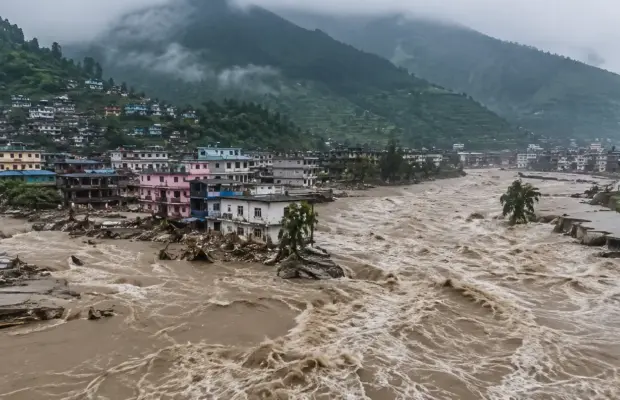
Nepal Flood 2026: What Travelers and Trekkers Need to Know
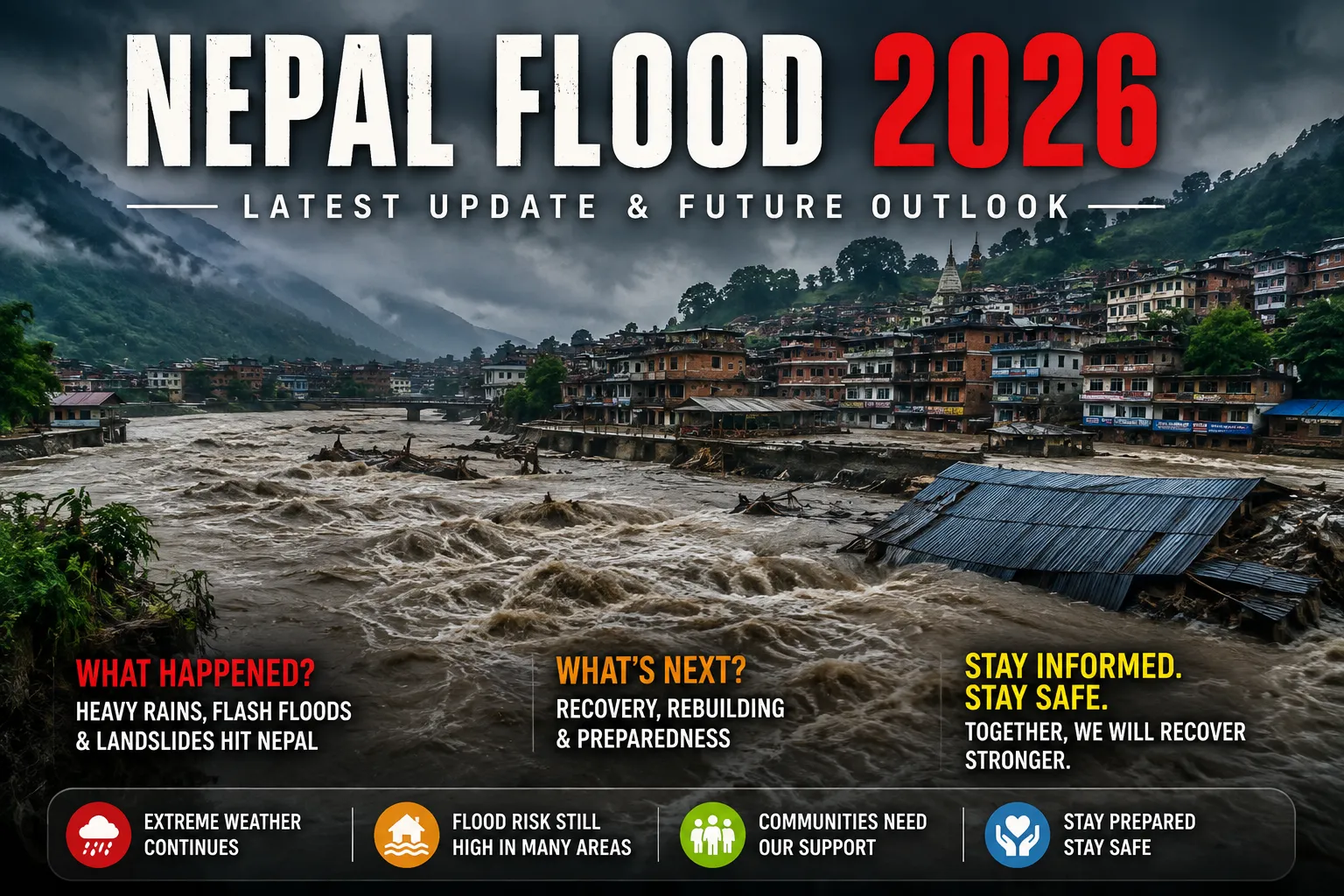
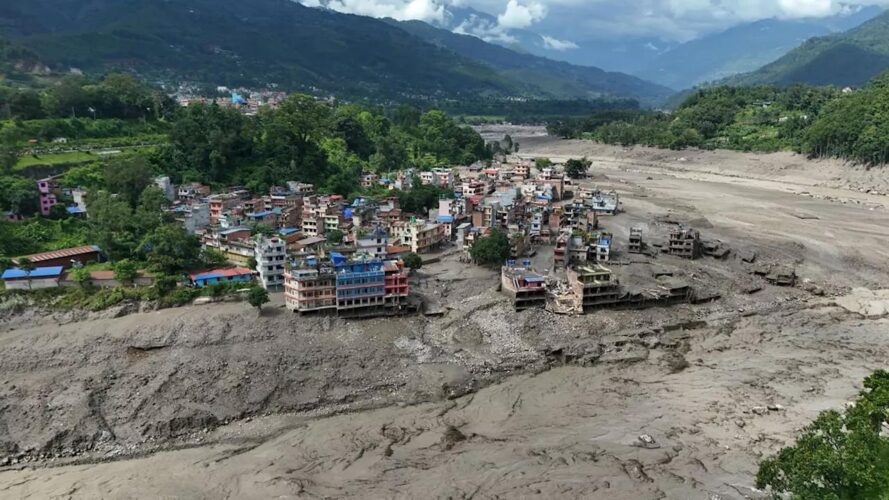 Nepal has experienced a devastating flash flood in the Bhote Koshi River area following the events of August 26, 2026. The disaster has caused significant loss of life, damaged roads and bridges, and affected communities and travelers in parts of northern Nepal.
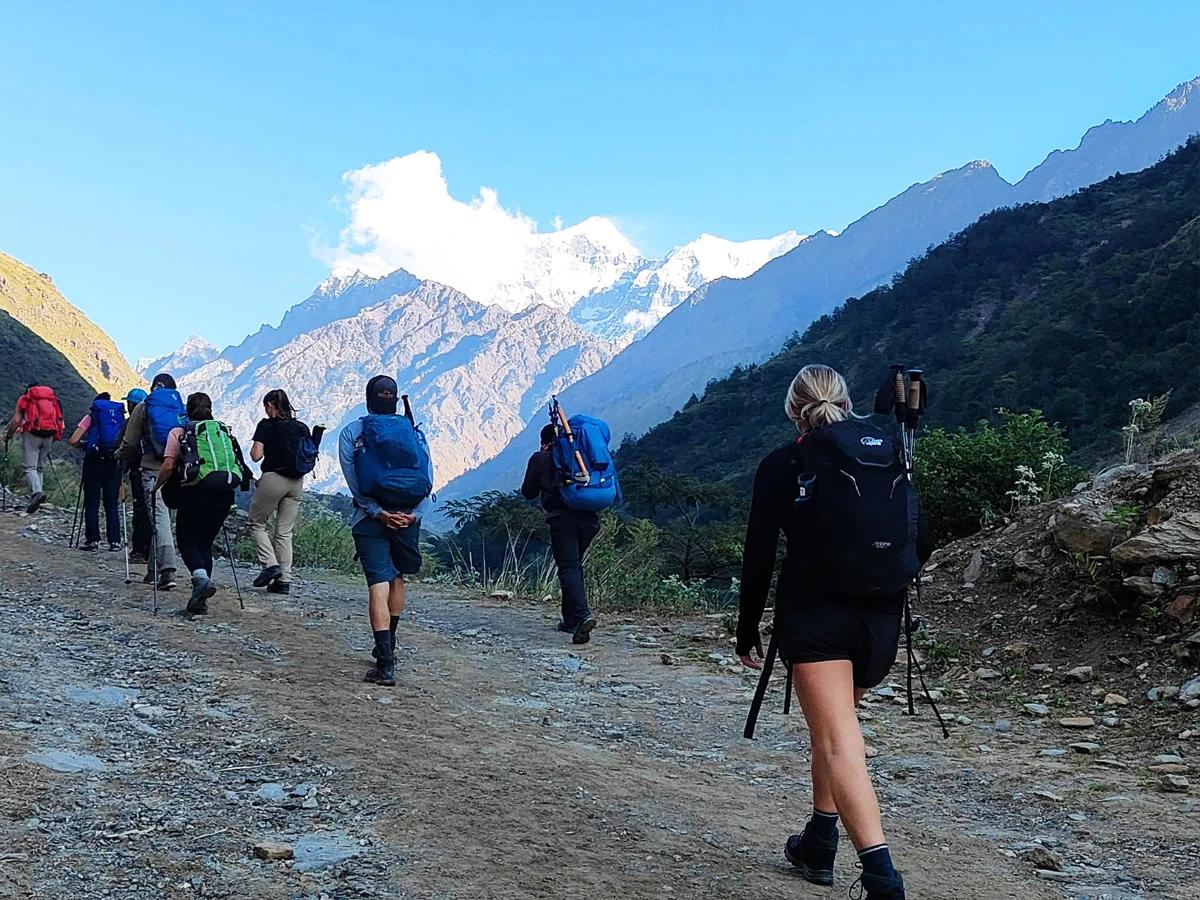
For people planning a trek or holiday in Nepal, the most important thing to understand is that the impact is concentrated in specific areas. Nepal as a whole remains open to international visitors, while authorities continue rescue, recovery, infrastructure assessment, and safety monitoring in the affected regions.
At Ambition Himalaya, we believe travelers should have clear and responsible information before making decisions about their journey. This guide explains what happened, which areas were affected, what travelers should know, and how to plan a Nepal trip safely.
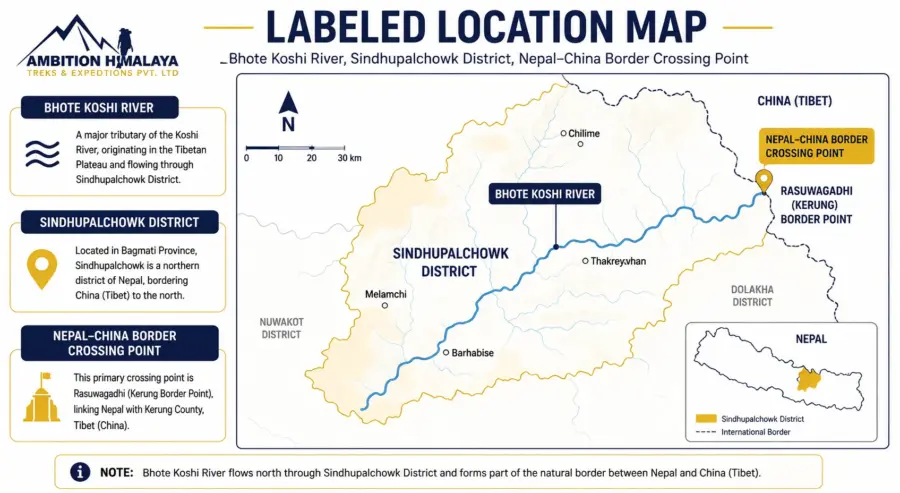
What Happened in the Bhote Koshi River Area?
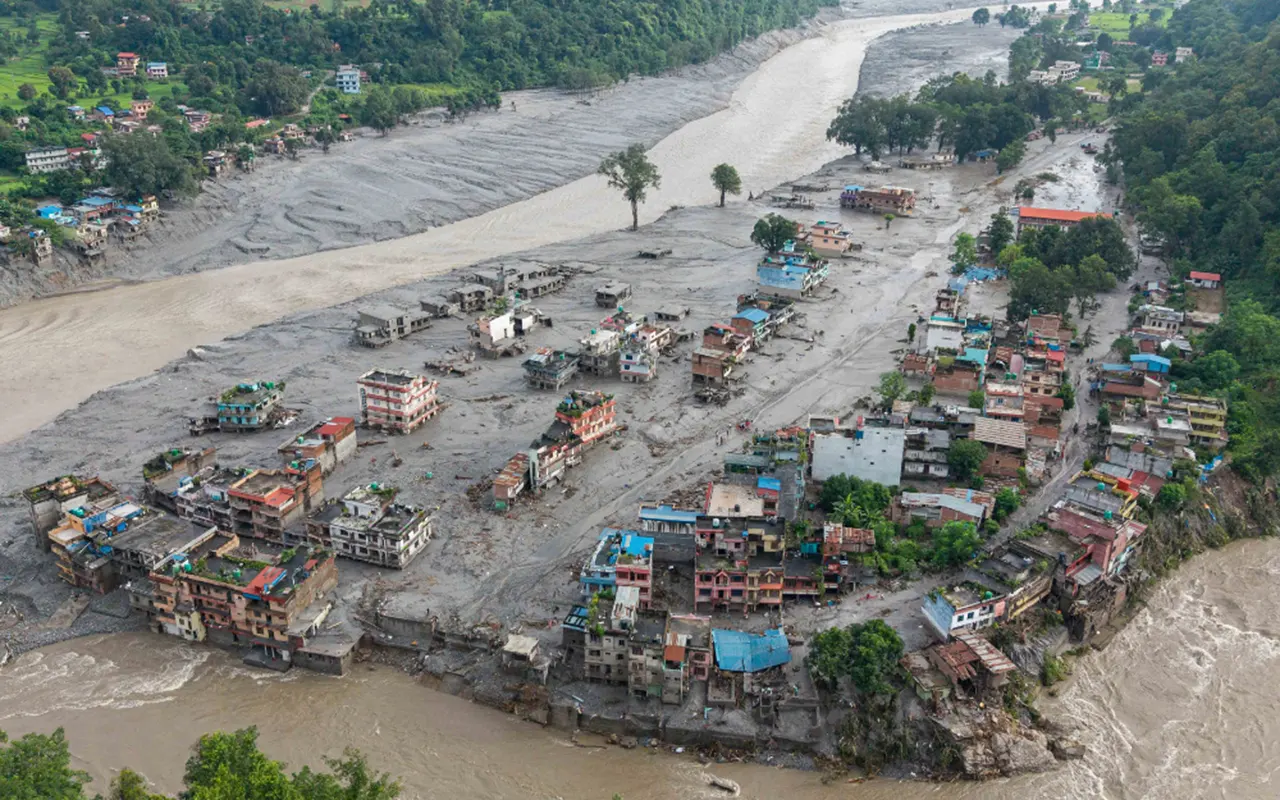
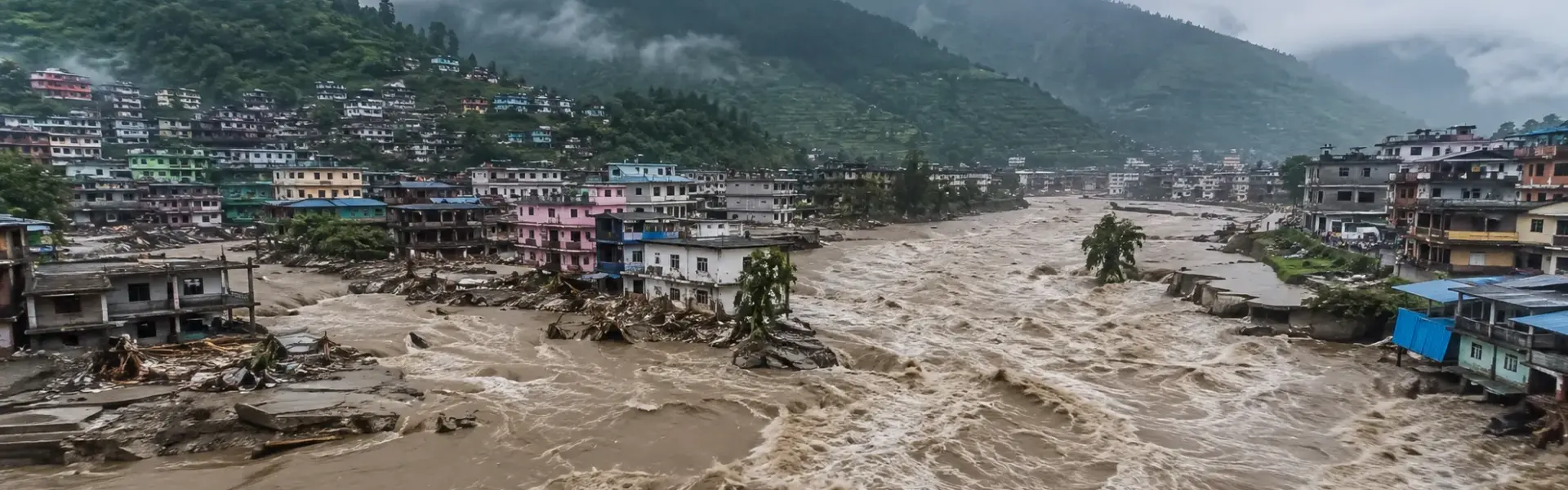
A severe flash flood struck the Bhote Koshi River area of Nepal on August 26, 2026. The flooding caused extensive damage across parts of the affected region, including houses, roads, bridges, hydropower infrastructure and other important facilities.
The sudden rise in water created extremely dangerous conditions for communities located close to the river system. Rescue teams, security personnel, local authorities and emergency services were mobilized to assist people in affected areas.
The exact scientific cause of the event is still being assessed. Initial reports have pointed toward a possible glacier- or slope-related event in the Himalayan region, rather than a conventional rainfall-driven flood.
Because the situation developed rapidly, information and casualty figures have changed as rescue teams have reached areas that were initially difficult to access.
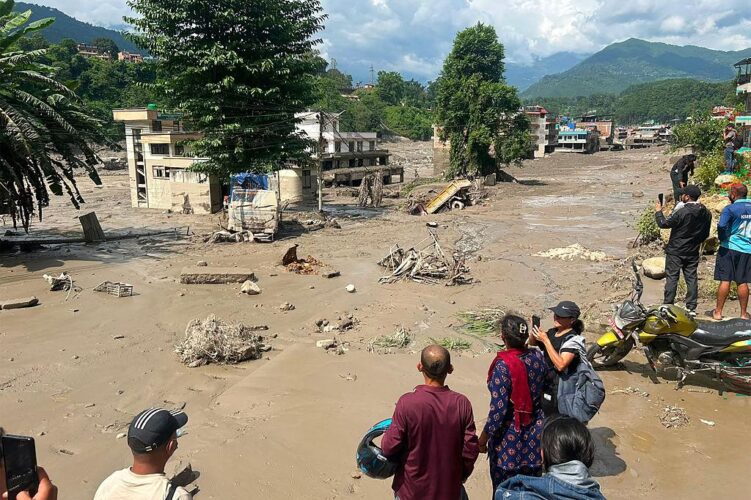
How Serious Was the Flood?
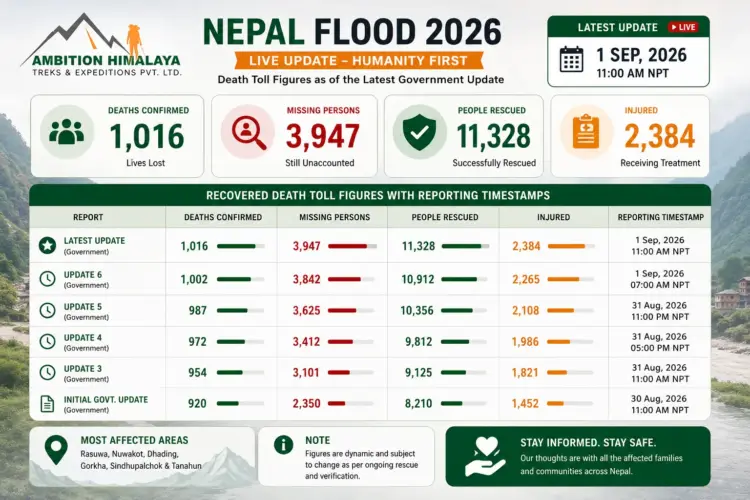
The disaster has resulted in a major humanitarian emergency in the affected river corridor.
According to the Government of Nepal’s Ministry of Foreign Affairs update of August 28, 538 bodies had been recovered from the river areas, while many people were still missing. The government also reported extensive damage to infrastructure and continued search-and-rescue operations.
The authorities have emphasized that the situation is being continuously assessed and that information may change as recovery operations progress.
For travelers, this is an important reminder that Himalayan conditions can change quickly, particularly during the monsoon season and in areas close to major rivers and steep mountain terrain.
Which Areas Were Most Affected?
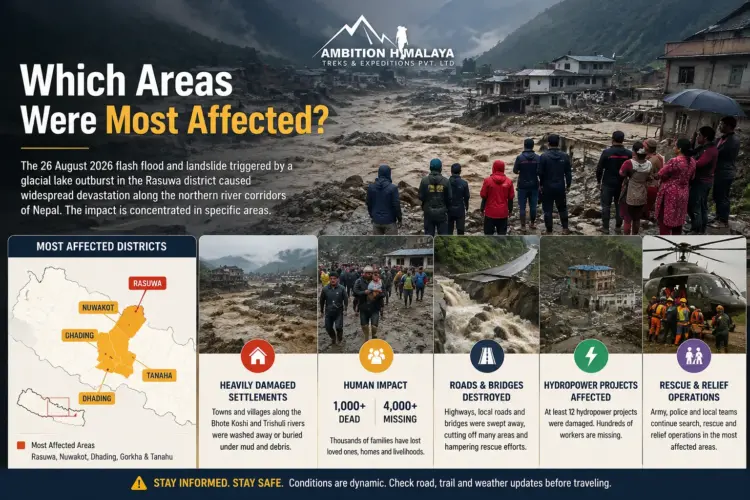
The most serious impact has been reported around the Bhote Koshi River corridor and parts of Rasuwa, near Nepal’s northern border.
Infrastructure damage in the affected area has included:
- Roads and highway sections
- Bridges and river crossings
- Houses and local settlements
- Hydropower infrastructure
- Border and transport facilities
- Other essential community infrastructure
Some locations remain difficult to reach because roads and bridges were damaged.
Travelers who are planning to visit Rasuwa, Langtang or other destinations connected to the affected corridor should therefore check the latest local conditions before departure and work with an experienced local trekking company.
Is Nepal Still Open for Tourists?
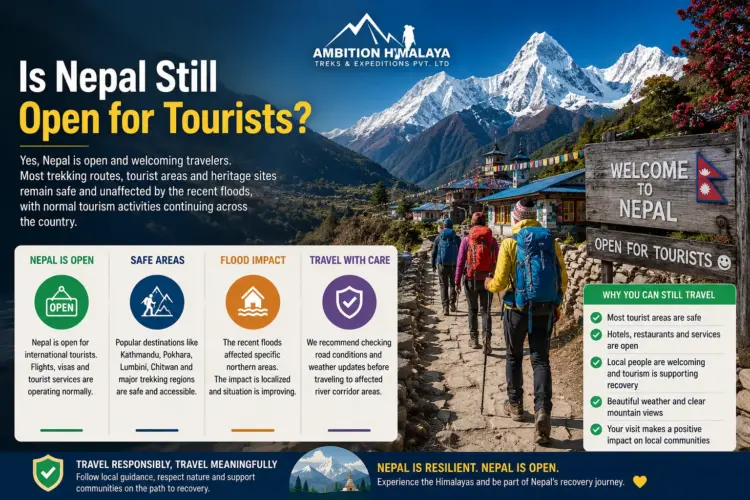
Yes. Nepal remains open to international travelers.
The flood has affected specific areas rather than the entire country. Nepal’s Ministry of Foreign Affairs stated in its August 28 update that Nepal remained open for international travelers and tourists, while rescue and relief operations continued in the affected region.
This distinction is important.
Nepal is a large country with many independent trekking and tourism regions. A natural disaster affecting one river corridor does not automatically mean that every trekking destination in Nepal is closed.
However, travelers should always check the latest route conditions before starting a trek, particularly during the monsoon period.
Are Popular Treks Such as Everest Base Camp Affected?
The Bhote Koshi flood should not be interpreted as a nationwide closure of Nepal’s trekking routes.
Popular destinations such as Everest, Annapurna and other major trekking regions are geographically separate from the primary flood-affected corridor.
However, conditions can change quickly in the Himalayas. Road access, domestic flights, bridges, trails and weather conditions should always be checked shortly before departure.
For trekkers planning an Everest Base Camp Trek, Annapurna Trek, Manaslu Trek or another Himalayan journey, the safest approach is to confirm the current route condition with a registered local operator before travelling.
What About Langtang Trek?
Langtang requires particular attention because parts of the region are connected to the wider Rasuwa area.
This does not automatically mean that the Langtang Valley Trek is closed. Instead, travelers should check the condition of the specific access road, bridges and trekking route at the time of travel.
A responsible trekking operator should verify current conditions before confirming transportation and itinerary arrangements.
At Ambition Himalaya, we recommend that travelers planning Langtang or nearby routes contact us before departure so that the latest available information can be reviewed and the itinerary adjusted if necessary.
Why Can Floods Happen So Suddenly in the Himalayas?
The Himalayas are an extremely dynamic mountain environment.
High-altitude glaciers, steep slopes, unstable terrain, rivers and rapidly changing weather can combine to create sudden hazards. One of these hazards is a Glacial Lake Outburst Flood (GLOF).
A GLOF can occur when water stored behind a natural glacier- or moraine-dammed lake is suddenly released. A large volume of water and debris can then travel rapidly downstream through narrow mountain valleys.
However, it is important not to describe every Himalayan flood as a GLOF before scientific investigations are complete.
In the case of the August 2026 Bhote Koshi event, authorities and scientists have been investigating the precise trigger.
What Is the Government Doing?
Nepal’s government has mobilized multiple agencies for the emergency response.
The response includes:
Search and Rescue
Nepal’s security forces and emergency teams have been involved in searching affected areas and assisting people who are stranded or displaced.
Evacuation and Emergency Assistance
People in vulnerable locations have been evacuated where necessary, with emergency medical and humanitarian assistance being provided.
Infrastructure Assessment
Authorities are assessing damaged roads, bridges, hydropower facilities and other infrastructure needed to restore access.
Monitoring of River Systems
River conditions and downstream flood risks are being monitored because secondary hazards can occur after major flooding.
Assistance for Foreign Nationals
Nepal’s Ministry of Foreign Affairs has established an emergency response mechanism to assist foreign nationals affected by the disaster and to coordinate information with diplomatic missions.
Emergency Contact for Foreign Nationals
The Government of Nepal has established an Emergency Response Team for foreign nationals affected by the Bhote Koshi flood.
For urgent assistance concerning affected or missing foreign nationals:
Emergency Hotline / WhatsApp:
+977-9744441227
+977-9744441228
Available: 7:00 AM – 10:00 PM Nepal Time
Email:
[email protected]
The Ministry has also advised families and members of the public to rely on official information and avoid spreading unverified reports on social media.
Should You Cancel Your Nepal Trip?
Not necessarily.
The right decision depends on where you are travelling, when you are travelling and which route you will use.
If your itinerary is completely outside the affected region, the flood does not automatically mean that your Nepal holiday should be cancelled.
If your trip includes Rasuwa, Langtang or routes that depend on infrastructure in the affected corridor, your itinerary may require additional checking or modification.
Before travelling, consider:
- Current road conditions
- Trail and bridge status
- Weather forecasts
- Local authority notices
- Domestic flight conditions
- Trekking permits and access requirements
- Advice from your local trekking operator
Avoid making decisions based solely on social media posts or old news articles.
What Should Trekkers Do Before Starting Their Journey?
A few simple precautions can make a significant difference.
1. Check the Latest Information
Conditions in the mountains can change quickly. Check current information shortly before departure.
2. Use a Registered Local Trekking Company
A local operator can monitor route conditions and communicate with guides, transport providers and local authorities.
3. Keep Your Itinerary Flexible
During periods of unstable weather or infrastructure disruption, a flexible itinerary can be much safer than a rigid schedule.
4. Take Travel Insurance
Travel insurance should provide appropriate coverage for trekking and emergency situations at the altitude and destination you are visiting.
5. Follow Your Guide’s Advice
Your guide is often the person with the most up-to-date information about trail conditions, weather and local risks.
6. Avoid Restricted Areas
Never attempt to cross damaged bridges, blocked roads or restricted sections simply because they appear passable.
Nepal Remains a Himalayan Destination Worth Exploring
Natural disasters are a serious part of life in mountain regions, but they should not define an entire country.
Nepal continues to welcome travelers who want to experience its mountains, culture, villages, wildlife and diverse landscapes. From the Everest region and Annapurna to cultural journeys around Kathmandu and wildlife experiences in the Terai, the country offers destinations far beyond the area affected by the Bhote Koshi disaster.
The key is responsible travel.
Choose the right route, check conditions before departure, listen to local advice and allow your trekking company to make adjustments when conditions require them.
Travel Nepal With Local Experience
At Ambition Himalaya Treks & Expeditions, we understand that planning a Himalayan journey requires more than simply booking a package.
Our team works with experienced local guides and support staff and provides trekking, tours, helicopter experiences, climbing and customized Himalayan adventures across Nepal and other Himalayan destinations.
We have been operating since 2009 and focus on creating well-organized journeys with experienced local teams, transparent arrangements and ongoing support throughout the trip.
If you are planning to visit Nepal in the coming weeks or months and are unsure whether your chosen route is operating normally, contact our team before making your final arrangements.
We can help you review your itinerary and, where necessary, consider an alternative route or destination.
Frequently Asked Questions
Is Nepal safe to visit after the 2026 flood?
Nepal remains open to international travelers. However, conditions vary by region, and travelers should check the latest information before visiting areas affected by the flood.
Is Everest Base Camp Trek open?
The Bhote Koshi flood does not mean that the entire Everest region is closed. Travelers should still confirm current transportation, weather and route conditions before departure.
Is Langtang Trek affected?
The Langtang region requires additional attention because of its proximity and access connections to Rasuwa. Check the latest local route and road conditions before travelling.
Was the flood caused by a glacial lake outburst?
A glacier- or slope-related event has been investigated as a possible trigger. The exact scientific cause should be confirmed through official assessments rather than assumed from preliminary reports.
Can foreigners get emergency assistance?
Yes. Nepal’s Ministry of Foreign Affairs has established an Emergency Response Team for foreign nationals affected by the disaster. The official emergency numbers are +977-9744441227 and +977-9744441228.
Should I book my Nepal trek now?
You can plan your trip, but if your itinerary passes through an affected or potentially disrupted area, confirm current route conditions with a trusted local operator before finalizing your travel arrangements.
The August 2026 Bhote Koshi flood has been a tragic event for Nepal, particularly for communities and travelers caught in the affected areas.
At the same time, it is important to understand the situation accurately. A serious disaster in one part of Nepal does not mean the entire country is closed or unsafe for travel.
For anyone planning a Himalayan adventure, the best approach is informed and responsible travel: stay updated, choose your route carefully, follow local guidance and travel with an experienced team.
Nepal is still waiting to welcome you to the Himalayas.
Information in this article is based on official Government of Nepal updates available at the time of publication. Because rescue operations and route conditions can change, travelers should verify the latest information before departure.