
Where to Travel in Nepal After the Flood? Safe Destinations and Alternative Routes
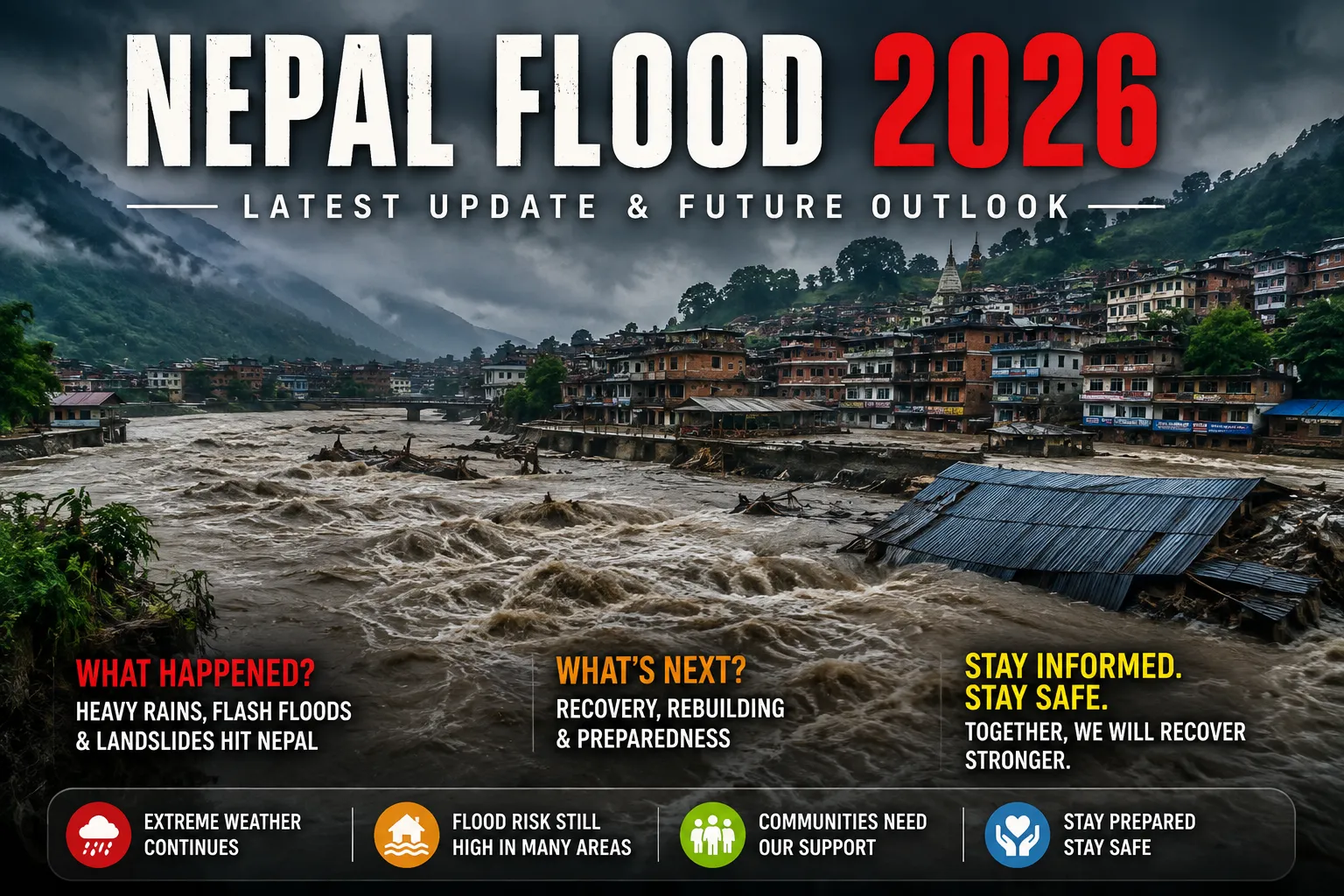
Nepal remains open to travelers after the major flash flood that affected Rasuwa and sections of the Bhotekoshi and Trishuli river corridors on August 26, 2026. The disaster caused serious damage around Rasuwagadhi, Timure and Syabrubesi, while several roads and bridges in the surrounding areas have also been affected.
To travelers who are wondering where they can go in Nepal after the flood, there are still many destinations to visit, although some routes un the north may require alternative arrangements.
The impact, however, is not nationwide. Many popular trekking regions are outside the direct flood affected area and remain possible for travelers with normal weather and transportation checks. Some destinations near Rasuwa may also be reached through alternative routes, depending on current trail conditions.
For travelers planning a trip to Nepal, there is no need to assume that the entire country is closed. The right destination, route and current local information can make a big difference.
Nepal Travel After the Recent Flood
The most serious travel disruption is concentrated in northern Rasuwa and along sections of the Bhotekoshi and Trishuli river corridors. Rasuwagadhi and Timure were badly affected, while the usual road approach toward Syabrubesi has also been disrupted.
This has created difficulties for travelers heading toward Langtang, Gosaikunda, Ganesh Himal and Ruby Valley. These destinations may remain safe in their trekking areas, but the usual roads used to reach them have been affected.
The situation is different in many other parts of Nepal. Current trekking information indicates that Everest, Annapurna, Manang, Mustang, Manaslu, Kanchenjunga, Makalu, Dhaulagiri, Dolpa and several destinations in western Nepal were not directly affected by the Rasuwa flood.
The monsoon season is also an important factor. Heavy rain can cause road or trail problems in any part of the country, so travelers should continue checking conditions even when their destination is outside the flood area.
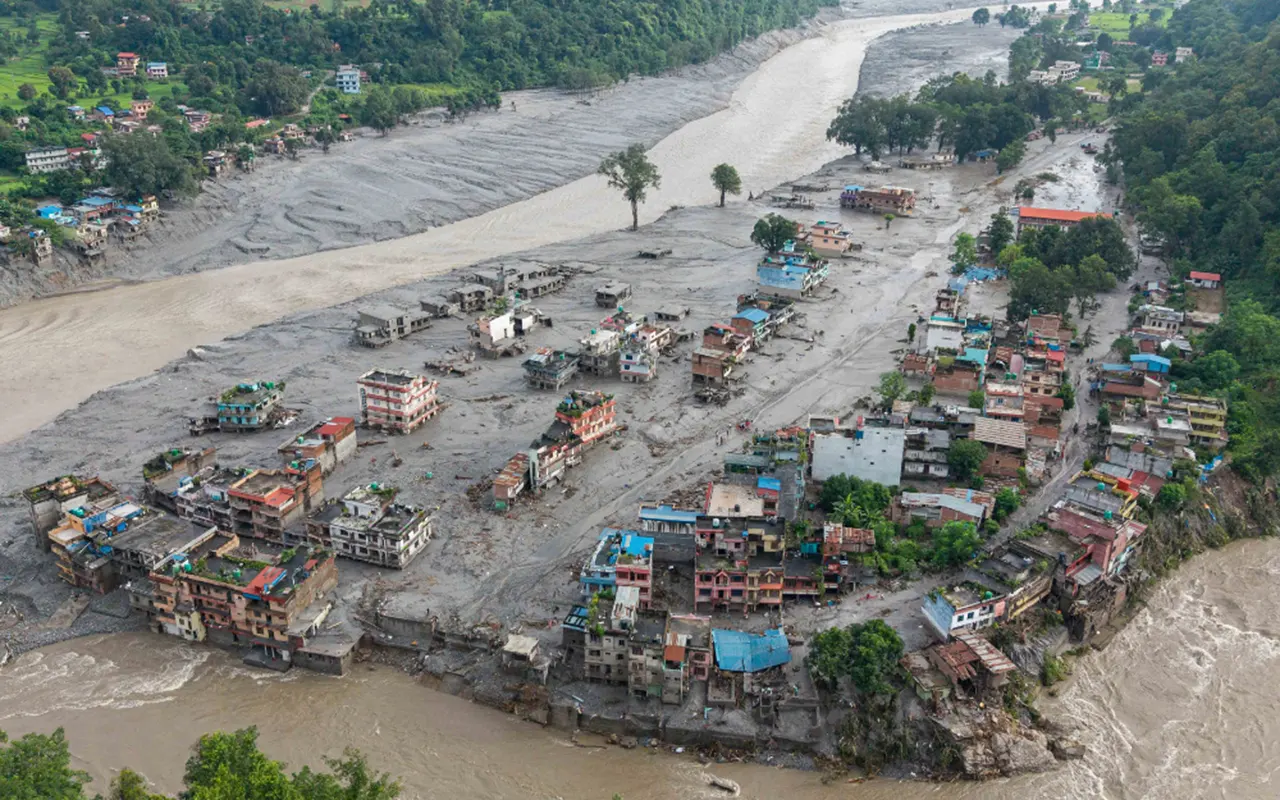
Where to Travel in Nepal After the Flood?
Travelers still have many choices for a Nepal trip.
Everest, Annapurna, Manang and Mustang
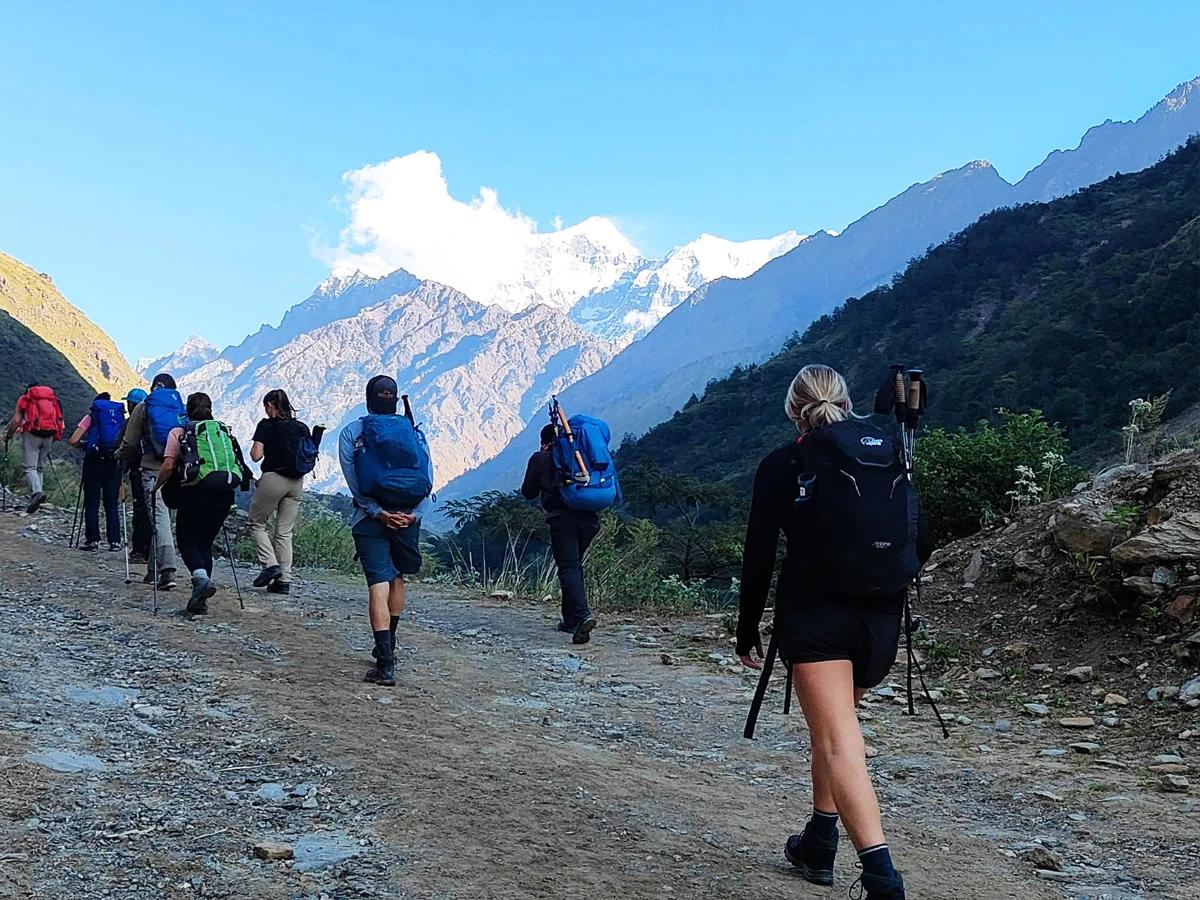
The Everest region was outside the direct impact of the Rasuwa flood. Travelers planning Everest Base Camp and other Khumbu treks can continue preparing while checking current flight, weather and trail conditions.
Annapurna, Manang and Mustang were also not directly affected by the Rasuwa disaster. These areas remain possible choices for travelers planning an autumn trip. Road conditions in the mountain areas can still change after rainfall, so transportation should be confirmed before departure.
Manaslu, Kanchenjunga and Makalu
The Manaslu trekking area, including Tsum Valley and the Nubri and Larke Pass areas, was reported as safe from the direct impact of the flood. The main concern is reaching the trailhead because some approach roads have been affected.
Kanchenjunga and Makalu are also outside the direct flood affected area. Both regions require careful planning because they are remote and have limited transportation options.
Dhaulagiri, Dolpa and Western Nepal
Dhaulagiri and Dolpa remain possible options for travelers who want to explore regions away from northern central Nepal.
Rara, Jumla, Humla, Saipal, Khaptad, Badimalika and Api Himal were also reported as outside the direct impact of the Rasuwa flood.
These destinations still require normal travel preparation. Travelers should check flights, roads, weather and local trail conditions before departure.
The main message is simple: the recent flood has disrupted certain routes, but it has not stopped trekking throughout Nepal.
Can You Still Travel to Langtang?
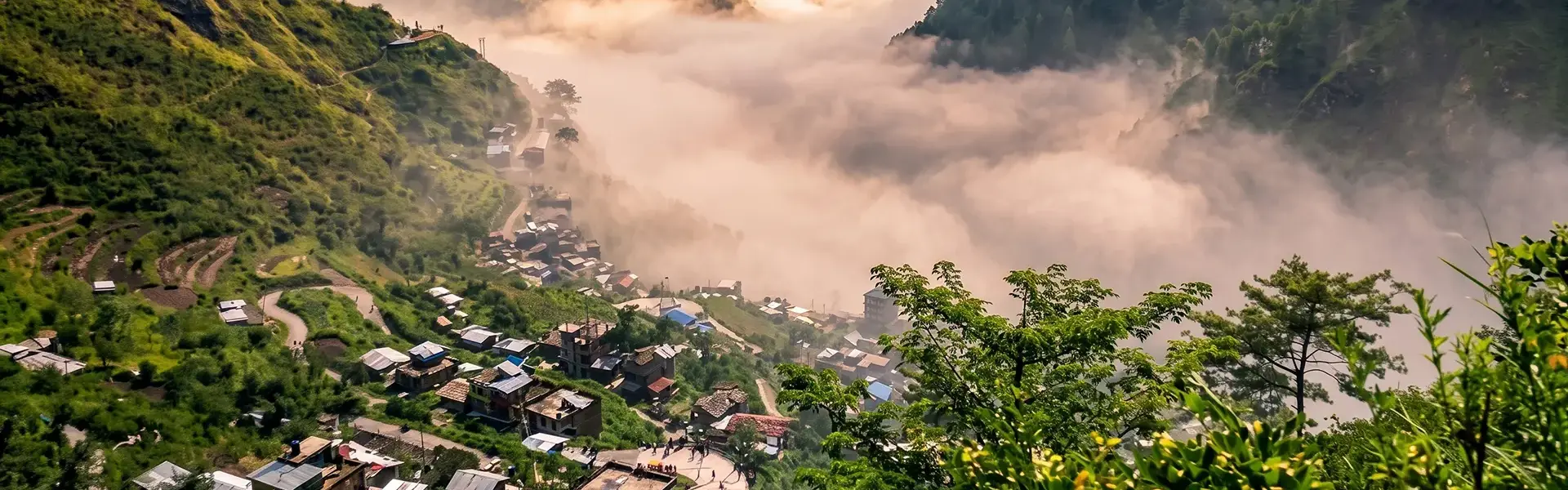
Langtang and Gosaikunda can still be considered for travel, but their usual access routes have been affected. The upper Langtang and Kyanjin Valley areas were reported as safe, while the normal road through Trishuli and Syabrubesi has been disrupted.
Gosaikunda was also reported as safe, although the usual Rasuwa access route is affected. Travelers can consider alternative approaches, depending on current trail and weather conditions.
Before starting either trek, check the latest road, trail and accommodation conditions with a local trekking agency or guide.
Alternative Trekking Routes for Langtang and Gosaikunda
A suggested alternative approach toward Langtang is:
Kathmandu → Sundarijal → Chisapani → Thadepati → Ghoptebhir → Gosaikunda → Thulosyabru → Pairo → Lama Hotel → Langtang → Kyanjin
This is a trekking approach rather than a simple replacement for the normal road journey. It can take more time and requires proper preparation.
Travelers should confirm current trail conditions, accommodation and weather before choosing this route. It should not be treated as a guaranteed open route because conditions can change during the monsoon and recovery period.
Gosaikunda itself was reported as safe, but its normal access through the affected Rasuwa corridor has been disrupted. An alternative approach is:
Kathmandu → Dupcheshwor → Sisipu → Talu → Phedi → Suryakunda Pass → Gosaikunda
The same caution applies here. Check the latest condition of trails, bridges and accommodation before departure.
What About Ganesh Himal, Ruby Valley and Manaslu?
Ganesh Himal and Ruby Valley were not directly affected in the same way as the main Rasuwa flood zone, but their usual access through Dhunche and Syabrubesi has been affected.
Alternative approaches through Dhading Besi or Arughat may be considered depending on current road conditions.
Manaslu was also reported as safe from direct flood impact. However, travelers should check the approach route toward the trailhead. The Benighat and Arughat route may be useful where the usual road is affected.
These alternatives should always be confirmed locally before travel. A road that was available a few days earlier can change after heavy rainfall.
Which Routes Should You Avoid?
The Rasuwagadhi and Kerung border route is currently affected and closed. Travelers planning to enter Tibet through this crossing should not assume that normal overland travel is available.
The normal road approach toward Syabrubesi is also affected. Travelers heading toward Langtang, Gosaikunda, Ganesh Himal or Ruby Valley should therefore check current access rather than following an old itinerary.
Travelers should also avoid damaged bridges, closed roads and restricted areas. Disaster affected locations are not suitable for sightseeing, and local instructions should always be followed.
For Kailash Mansarovar travelers, alternative arrangements may include the Kodari and Tatopani route, Simikot and Hilsa, or flying to Lhasa and continuing toward Kailash. Each option has different permits and transportation requirements, so current arrangements must be confirmed before booking.
Quick Travel Status After the Flood
| Destination or Route | Current Situation | Travel Advice |
| Rasuwagadhi and Kerung | Affected and closed | Wait for updated border information |
| Langtang | Upper area reported safe, access affected | Check alternative approach |
| Gosaikunda | Destination reported safe, access affected | Confirm alternative route |
| Ganesh Himal | Destination reported safe, access affected | Check current approach |
| Ruby Valley | Destination reported safe, access affected | Confirm road conditions |
| Manaslu | No direct flood impact reported | Check trailhead access |
| Everest | No direct flood impact reported | Normal travel checks |
| Annapurna | No direct Rasuwa impact | Check roads and weather |
| Mustang | No direct Rasuwa impact | Check road conditions |
| Kanchenjunga | No direct flood impact | Normal trekking preparation |
| Makalu | No direct flood impact | Check local conditions |
| Western Nepal | No direct Rasuwa impact | Check roads and flights |
This table describes the direct impact of the August 26 flood. It does not guarantee that every road or trail in these destinations is open because weather conditions can cause separate disruptions.
Should You Cancel Your Nepal Trip?
There is no need to cancel a Nepal trip because of the recent flood. The impact is limited to specific areas and access routes, while many popular trekking regions remain outside the affected zone.
Travelers planning Everest, Annapurna, Mustang, Manaslu, Kanchenjunga or Makalu can continue with their plans while checking current weather, road and transportation conditions.
Langtang and Gosaikunda need some additional route planning because their usual access has been affected. Alternative routes may still be possible depending on current conditions. With flexible planning and updated local information, travelers can continue enjoying their Nepal journey.
Practical Tips for Nepal Travel After the Flood
The travelers will make their travels easier by checking the conditions just before every part of the trip.
Confirm transportation and check road conditions before leaving Kathmandu. When trekking, consult our experienced local guide regarding current trail conditions.
Look at the weather forecast, particularly when transporting via mountain roads, passes and crossings of rivers.
Keep some flexibility in the itinerary so that you can change your route if conditions become difficult.
Avoid closed roads, damaged bridges and restricted areas. Do not enter disaster affected locations for sightseeing.
Most importantly, do not depend on old social media posts or travel information published before the flood. Conditions are changing as authorities continue assessment and recovery work.
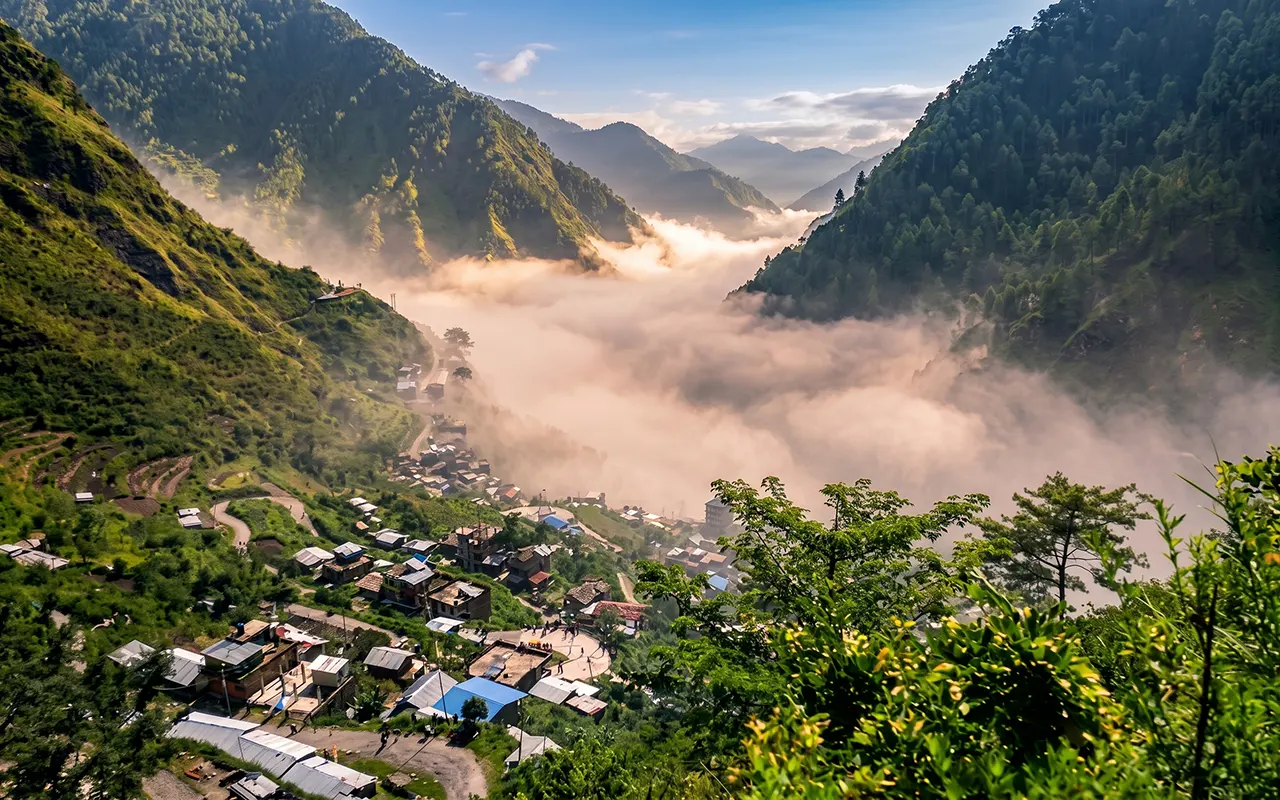
Nepal Travel During the Autumn Season
The recent flood may affect access to some northern routes, but Nepal’s autumn trekking season has not been cancelled nationwide.
Travelers still have many destinations to consider, including Everest, Annapurna, Manaslu, Mustang, Kanchenjunga, Makalu, Dhaulagiri and Dolpa. Several destinations in western Nepal also remain options.
Some affected routes may become easier to use as roads are inspected, debris is cleared and damaged infrastructure is repaired. Travelers who can adjust their dates or destinations will have more flexibility.
A practical approach is to plan ahead, check current conditions and remain ready to adjust the route if necessary.
Conclusion
The Rasuwa flood has caused serious damage around several northern areas and disrupted routes toward Rasuwagadhi, Timure and Syabrubesi. Travelers heading toward these areas should check the latest information and avoid routes that remain closed or damaged.
The situation is not the same across Nepal. Many major trekking regions are outside the direct flood affected area and remain possible for travelers. Everest, Annapurna, Manaslu, Mustang, Kanchenjunga, Makalu, Dhaulagiri, Dolpa and several western destinations can still be considered.
Langtang and Gosaikunda need additional planning because their normal access routes have been affected, but alternative trekking approaches may provide options when conditions allow.
For travelers wondering where to travel in Nepal after the flood, cancelling the entire trip is not necessarily required. Choosing another destination, changing the route or adjusting travel dates can provide a practical solution.
Nepal’s travel situation will continue to develop as recovery work progresses. Checking current local information and keeping your plans flexible will help you make a safer and more informed decision.
Frequently Asked Questions
Where can I travel in Nepal after the flood?
Travelers can consider Everest, Annapurna, Manaslu, Mustang, Kanchenjunga, Makalu, Dhaulagiri, Dolpa and several destinations in western Nepal, subject to current weather and access conditions.
Is Langtang Trek possible after the flood?
The upper Langtang and Kyanjin Valley areas were reported as safe, but the normal road access through Syabrubesi has been affected. An alternative trekking approach may be possible after confirming current conditions.
Can I still visit Gosaikunda?
Gosaikunda was reported as safe, but normal access through the affected Rasuwa corridor has been disrupted. Travelers can consider an alternative approach after checking current trail conditions.
Is the Rasuwagadhi border open?
The Rasuwagadhi and Kerung route is currently affected and closed. Travelers are advised to review the most recent border information before making travel arrangements.
Should I cancel my Nepal trip?
Not necessarily. If your destination is outside the affected areas, you may still consider traveling. If your planned route is through an affected area, it may be more suitable to change the destination, use a verified alternative route, or postpone the trip.