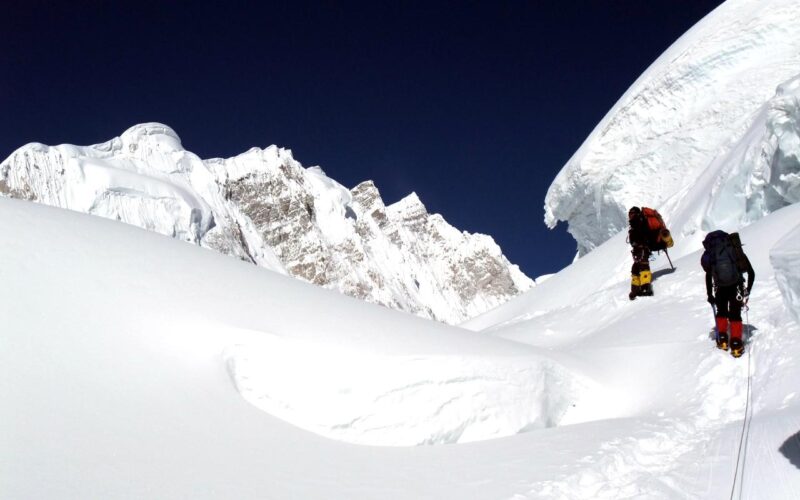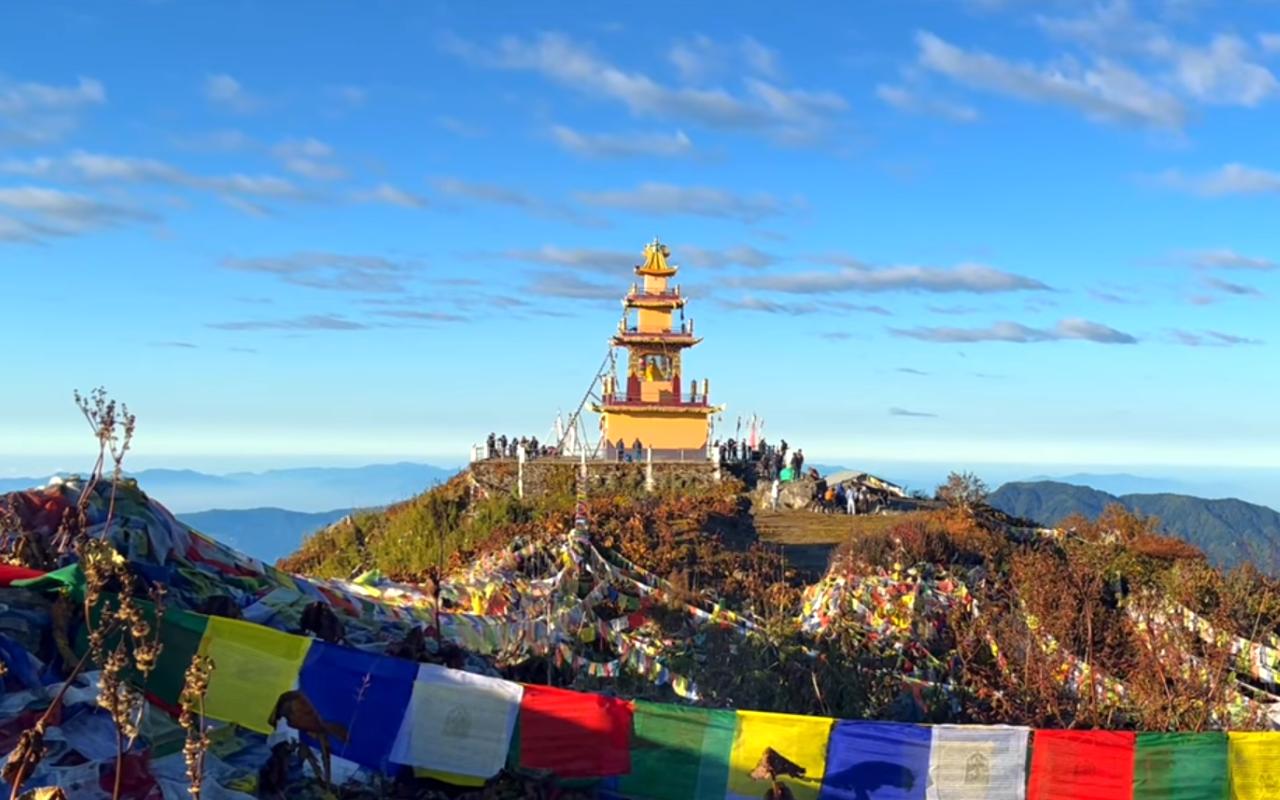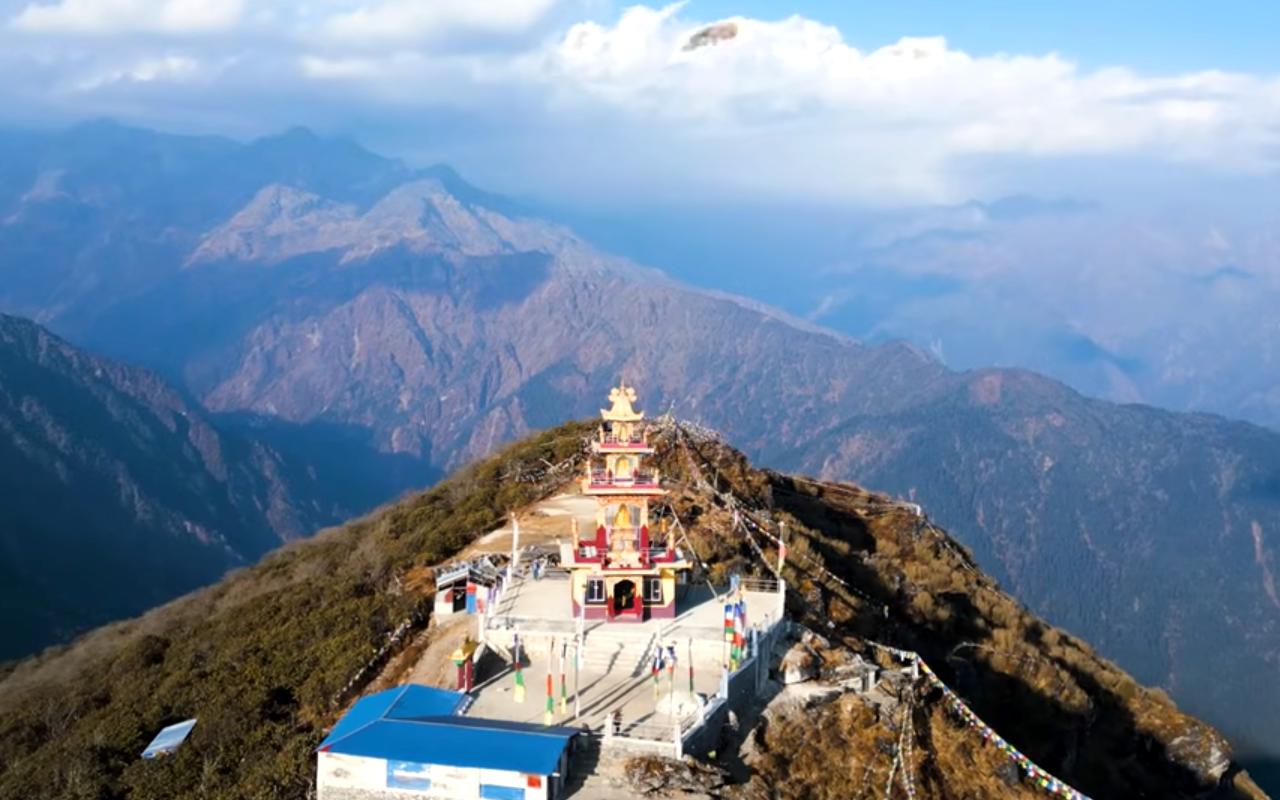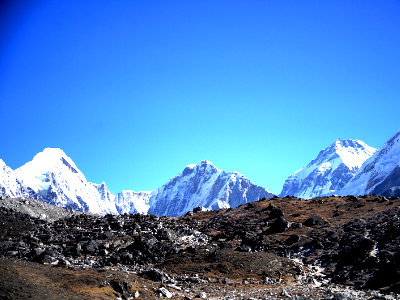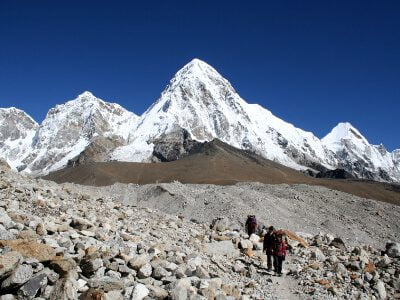

Ama Yangri: A Blend of Spirituality, Culture, and Mountain Majesty

Ama yangri
Ama yangri

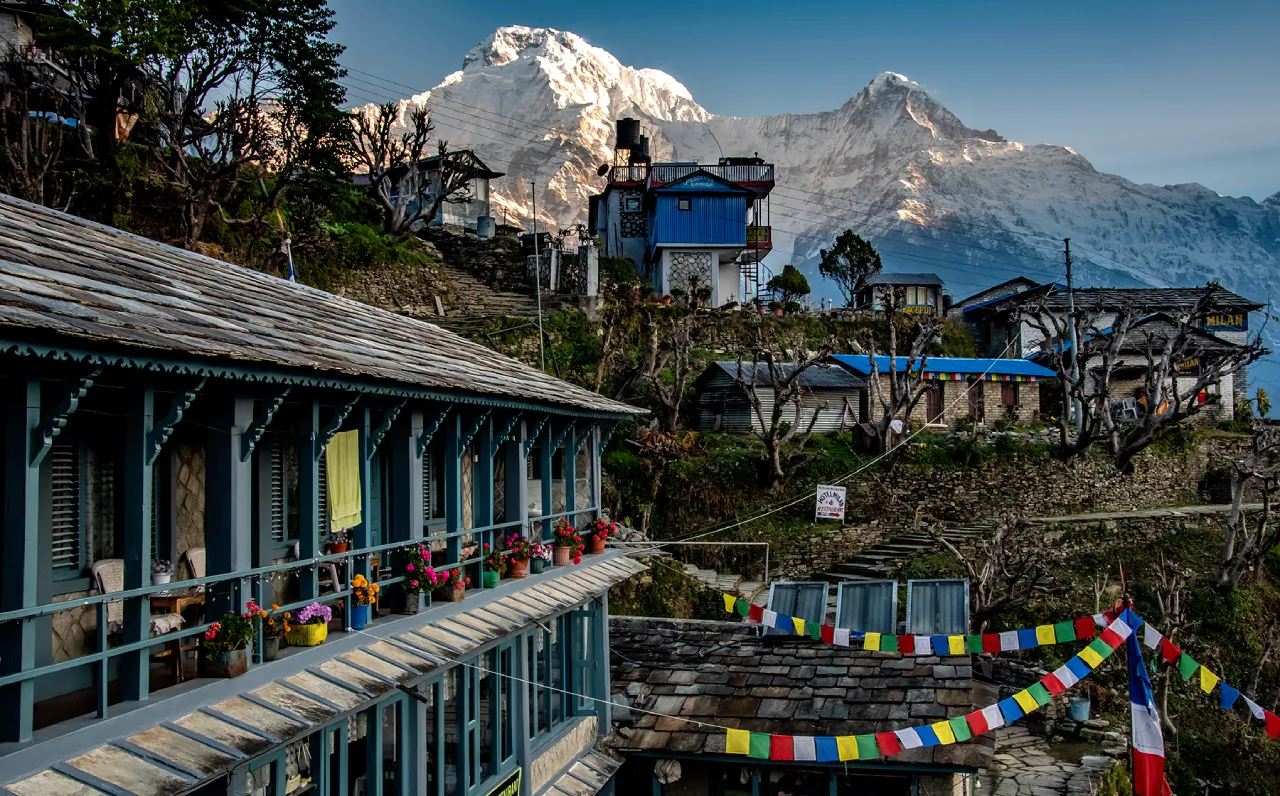
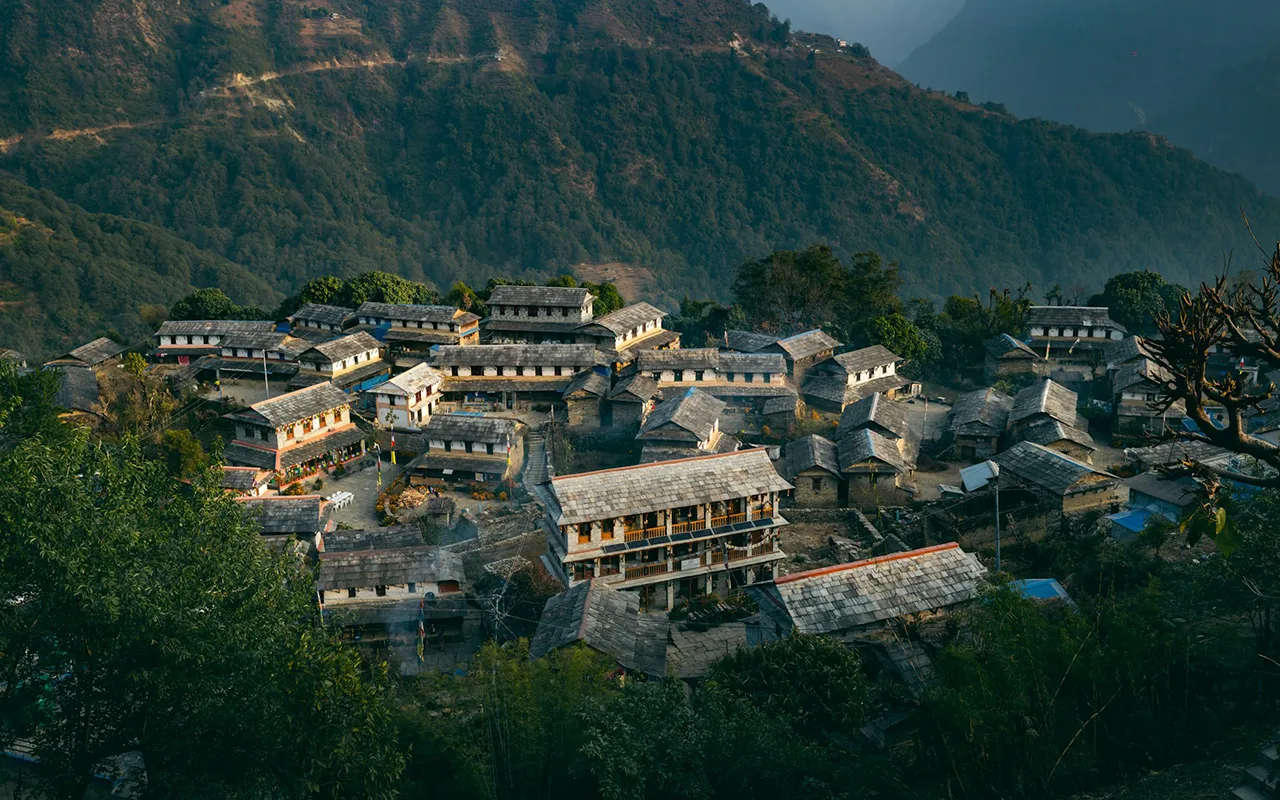
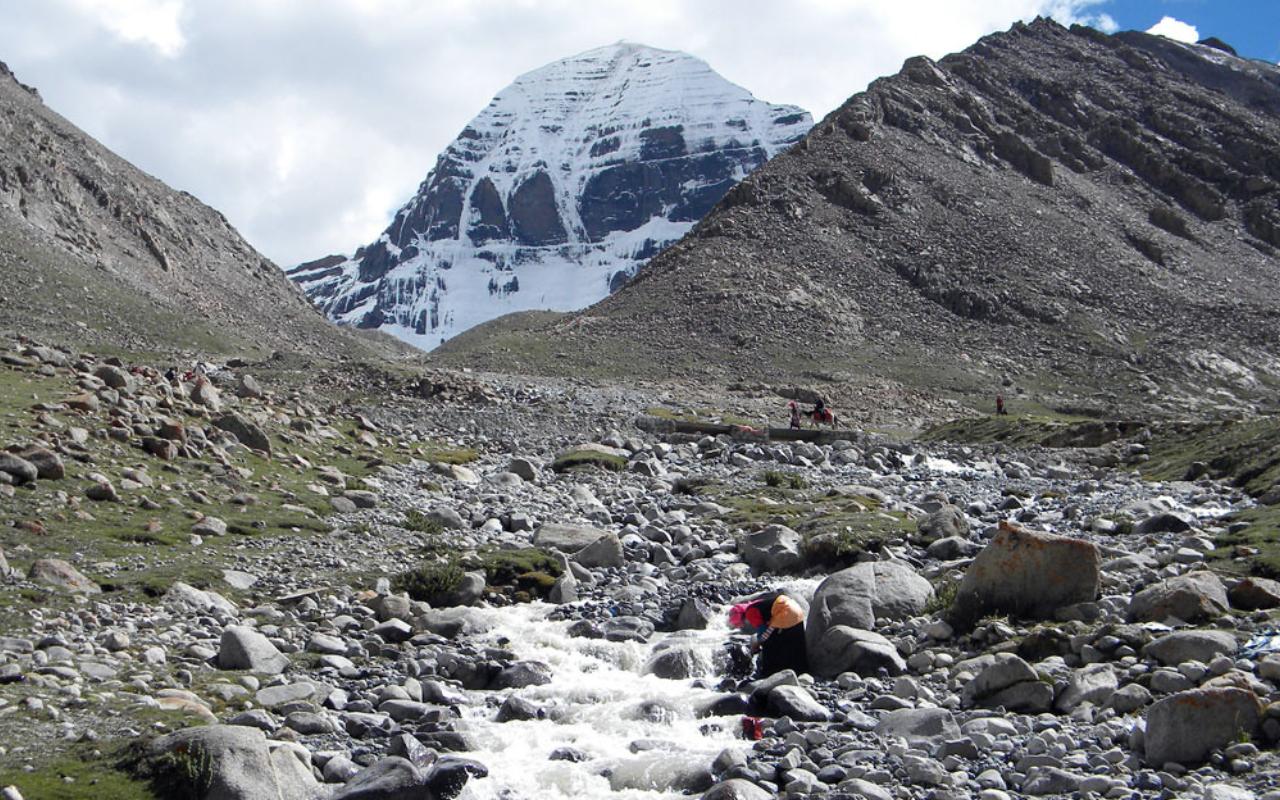
Nestled about 90 kilometers north of Kathmandu in Nepal’s Sindhupalchok district, Ama Yangri is a sacred peak rising to about 3,770 meters. This modestly high Himalayan summit crowns the Helambu region — a lush, terraced landscape famed for its Tibetan Buddhist heritage and alpine forests.

From Ama Yangri’s summit, the entire Kathmandu Valley and surrounding ranges unfold like a map, making it an unparalleled viewpoint.

The name itself means “Mother Protector”, reflecting the mountain’s guardian role in local lore. Fit hikers even see it as a weekend pilgrimage: leave Kathmandu on Friday, summit early Sunday, and return by evening. For many, Ama Yangri is like Kathmandu’s closest high Himalaya escape. The Helambu villages are primarily inhabited by the Hyolmo (Sherpa) people, whose language and customs closely resemble those of Tibet.

In fact, the very name Helambu comes from the Sherpa words “ha” (potato) and “labu” (radish) – staple crops historically grown here. Nearly all villagers practice Tibetan Buddhism of the Nyingma lineage (often blending in Bon animist rituals). So you’ll see prayer flags, rock-carved mani walls, and small stupa shrines decorating every trail and village.

In 2015, a massive earthquake devastated much of Helambu (flattening old gompas and homes). The communities have rebuilt most structures with sturdy materials, so today’s trekkers find mostly new tea-houses and lodges. Your visit helps this recovery: at each stop, your spending directly supports local families.

Spiritual and Cultural Significance of Ama Yangri

For the Hyolmo people and local Buddhists, Ama Yangri is far more than a scenic peak – it is a living deity. Traditional lore says Ama Yangri was a dakini (female spirit being) who became the guardian goddess of Helambu through her compassion. Villagers pray to her mountain form for long life, safety, and good fortune before long journeys.

It is common to make offerings (flowers, grains, incense) at the little shrine on the trail or even at the summit to seek her blessings. In fact, at the peak of Ama Yangri is a tiny gompa (shrine) called Ama Yangri Zangdopelri – pilgrims circle its prayer wheels and place stones there as offerings.

Ama Yangri’s star event is the Chaitra fullmoon puja (around March/April). On that sacred day, Hyolmo villagers from across Helambu wake before dawn and climb Ama Yangri’s slopes. A monk conducts a morning-long puja (blessing ritual) at the summit, and by mid-day the community gathers to dance and offer local drinks – barley beer (chang), home-brewed wine (raksi), butter tea, and sweet rice wine – in the goddess’s honor. By evening, the rituals end and the mountain is left silent again, the incense smoke drifting down through its forests.

The spiritual tapestry of Helambu is also woven with legends of Padmasambhava (Guru Rinpoche), the 8th-century Buddhist master. Old texts and oral history say Padmasambhava meditated in the Helambu valley before traveling to Tibet.

His disciples later built some of the first monasteries and placed mani stones as they trekked these trails. Even today, you’ll pass through mani walls and small chortens (stupas) tracing his legacy. For example, the village of Tarkeghyang has a historic 19th-century gompa lined with prayer wheels – pilgrims pause here to chant and spin the wheels for merit.

Himalayan Majesty: Views, Flora, and Fauna

Ama Yangri lives up to its name as a viewpoint. From the summit’s 3,770 meters, you have an unobstructed 360° panorama of the Himalayas. To the north soar the rugged Langtang Lirung (7,227 m) and even distant Shishapangma (8,013 m). Ganesh Himal and Dorje Lakpa stand to the east, the Annapurna range and Manaslu to the west.

On a clear morning, the slanting sun paints these peaks in gold and pink before dawn. In the softly lit pre-dawn hours, snowfields and ridges glint gold as the first rays streak across the sky – a magical Himalayan sunrise. This sweeping view rivals those of more famous treks, even though Ama Yangri’s trail is relatively short.

The climb to Ama Yangri winds through richly forested Helambu slopes. Initially, you pass mossy groves of fir, pine, and oak. In spring (April–May), the hills are ablaze with rhododendronNepal’s national flower – in brilliant reds, pinks, and whites.

You’ll also see magnolia and maple blossoms. In autumn, the forests glow golden with oaks; even in winter, the gnarled rhododendron trunks stand out stark against frost. Each season has its charm here: after the monsoon, new green shoots cover the understory, and even winter’s dustings of snow add a fresh feel to the trail.

This lush habitat supports surprising wildlife. Trekkers often spot gray langur monkeys leaping through the treetops and barking deer (musk deer) grazing quietly. With luck, you may glimpse the elusive red panda or see bear tracks in damp brush.

In higher alpine meadows, hardy Himalayan tahr (goat-antelopes) move sure-footed on rocky slopes. Birdwatchers will enjoy pheasants calling from the ridges, sunbirds darting among blossoms, and eagles or hawks circling above. Every step brings something new to see – a rare wildflower, an iridescent butterfly, or the gentle murmur of a prayer.

Planning Your Visit

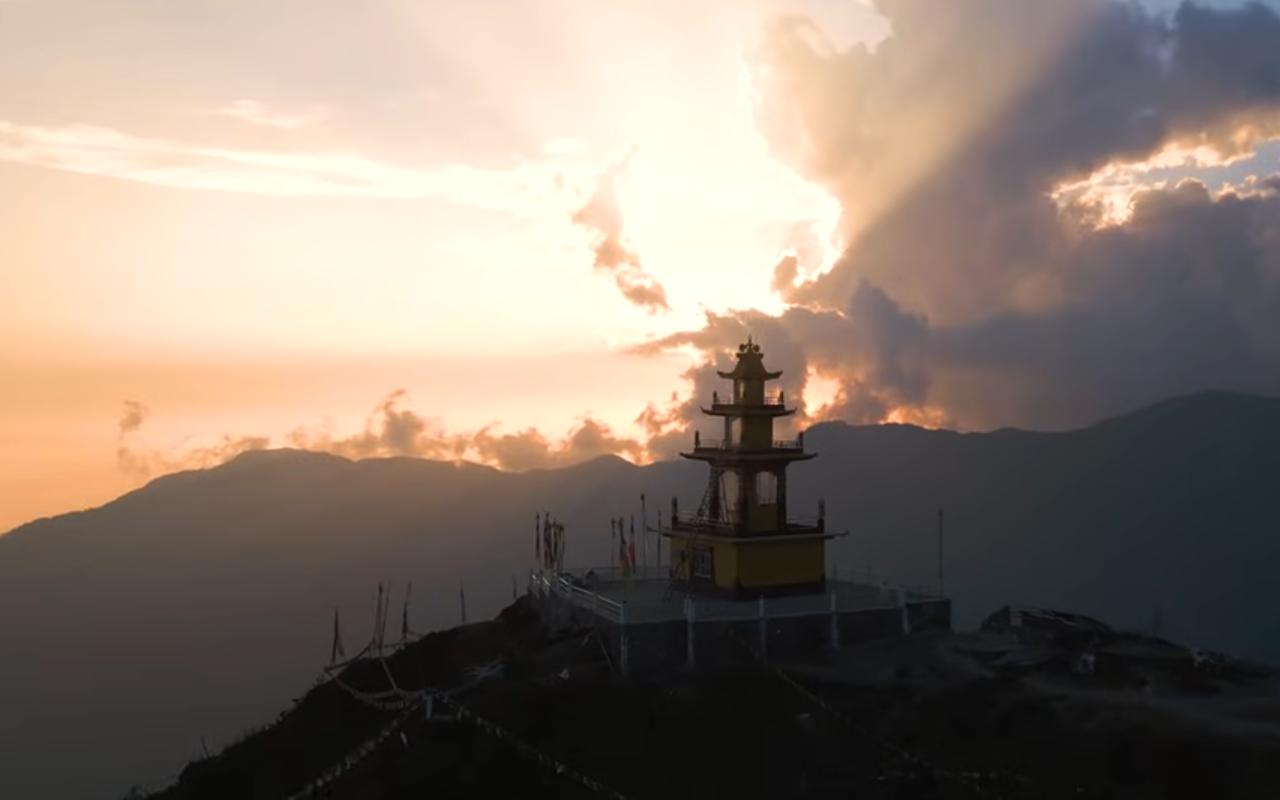
Ama yangri sunset view

Reaching Ama Yangri is relatively easy by Himalayan standards. The Helambu region is about 90 km north of Kathmandu, connected by the Melamchi-Sundarijal highway. From Kathmandu, you can catch a minibus or jeep heading east out of Ratna Park or Sundarijal to Timbu, a small road head village at 1,600 m. The drive takes roughly 5–6 hours on a winding, bumpy road (note: heavy rains often cause landslides that block this road in the monsoon).

At Timbu, you must switch to a local jeep or walk. The motorable road currently ends just short of Tarkeghyang (2,600 m), so travelers usually hire a 4WD for the last 1–2 hours or walk (1 hour) from Timbu up to Tarkeghyang village. Tarkeghyang is a well-known trekking hub (2,600 m) with several lodges and tea-houses, plus the old gompa. Many itineraries break the ascent into two stages: overnight in Tarkeghyang, trek up to Ama Yangri Base Camp (3,300 m) on day 2, and summit on day 3.

Base Camp (Chyomuthang) has only a few simple tents/tea-houses, so it’s wise to reserve spots ahead of peak days. The next morning, you set out very early (often before 4 AM) for the 1–2 hour climb to Ama Yangri’s summit (3,770 m). On a clear day, you arrive in time to watch the sunrise paint the peaks before descending. Then you return to Tarkeghyang and walk or jeep back to Timbu for the return drive to Kathmandu.

Duration: Most trekkers plan about 3–5 days for this route (Kathmandu→Timbu→Tarkeghyang→Ama Yangri→return). A sample itinerary is: Day 1 – Kathmandu to Tarkeghyang; Day 2 – Tarkeghyang acclimatize or short hike (e.g., Shermathang); Day 3 – Tarkeghyang → Ama Yangri Base Camp; Day 4 – Summit Ama Yangri → back to Tarkeghyang; Day 5 – Tarkeghyang → Timbu → Kathmandu.

Fitter hikers can shorten it to 2–3 days by driving higher on Day 1 or sleeping in tents (a few nights of rough camping is also an option). (If absolutely necessary, some ambitious teams start at midnight on Day 2 from Tarkeghyang and do Tarkeghyang→summit→back in one very long day.)

Best Season: Ama Yangri can be trekked year-round, but spring (Mar–May) and autumn (Sep–Nov) are ideal. In spring, the rhododendrons bloom, and the weather is mild. After the monsoon, autumn skies tend to be crystal clear. Winter (Dec–Feb) is cold and often snowy, but offers solitude and stunning white scenery (nights often drop below –10°C).

Monsoon (June–Aug) brings frequent rains, muddy trails, and leeches on the lower paths, so fewer trekkers attempt Ama Yangri then. (One perk: post-monsoon, the forests are emerald-green, but always check the road status before you go.)

Permits: Ama Yangri lies within the Langtang National Park buffer zone, so trekkers need a Langtang National Park Permit (NPR 3,000) and a TIMS Card (NPR 1,000). No separate Helambu permit is required.

If you extend into Langtang National Park (e.g., hiking via Shermathang or beyond), you’ll also need the Langtang Park permit (~NPR 3,000). Guides and agencies can arrange all permits in advance; independent trekkers often buy TIMS and Langtang permits in Kathmandu and get the Helambu permit in Timbu (cash only). Always keep permit and passport copies with you – rangers occasionally check.

Altitude Tips: Ama Yangri’s summit is 3,770 m, but the climb is gradual (only one night above 3,000 m). Altitude sickness is uncommon if you ascend slowly. Drink plenty of water and rest if you feel headaches or nausea.

Taking an extra day to acclimatize in Tarkeghyang or Shermathang can help. If you do feel unwell, simply stop or descend – there’s no rush. (Note: Ama Yangri is a trekking peak, not a technical climb – you do not need ice axes or ropes, just good boots and fitness.)

Gear & Essentials: As with any Himalayan trek, be prepared for big temperature swings. Pack a sturdy pair of hiking boots (with ankle support). Dress in layers: moisture-wicking base layers, a warm fleece/down jacket, and a waterproof rain shell. Nights at 3,300+ m are cold, so a warm sleeping bag (rated –5°C or lower) is wise.

Bring sunglasses and sunscreen for the intense mountain sun. Also pack a hat and gloves for the wind. A water bottle (1–2 L) and purification tablets or a filter are very helpful, since taps are limited. A simple first-aid kit (band-aids, painkillers, altitude pills) and some high-energy snacks (nuts, bars) are advised. Headlamps are essential for the pre-dawn summit walk.

Checklist Packing

This is what you should carry to your Ama Yangri trip:

Warm clothes– Pack layers of base layer, fleece, and an insulated jacket, as well as a waterproof raincoat
Gloves and hat – Keep your hands and your head warm, particularly in the mornings and evenings
Good hiking boots – Select ankle-supported waterproofs and wear warm trekking socks
Trekking poles -They come in handy during steep or slippery paths
Sleeping bag – A warm bag with a rating of approximately -5 °C and a light sleeping pad where camping
Water bottle and purifier– Pack at least a litre of water and purification tablets or a filter
Headlamp or torch – With spare batteries, the first climb in the early morning, or lodges in the dark
Small first-aid kit– Contain blister plasters, painkillers, and simple altitude medicine
Snacks– Nuts, energy bars, or dried fruit to have instant power on the trail
Cash and documents – Bring Nepali rupees in small notes (no ATMs after Timbu) and passport, and permit copies
Travel insurance – This is important to ensure that it is inclusive of trekking above 3,000 m.
Toiletries – Toilet paper, soap, and hand sanitizer; most lodges have rudimentary squat toilets and little running water.
Connectivity – Mobile phone coverage (Nepal Telecom) works in most Helambu villages, so you can often text or call from lodges. Wi-Fi is rare. Electricity is limited – most tea-houses use solar panels or small generators after dark. Bring a power bank or solar charger. And carry enough cash (Nepali rupees) since there are no ATMs beyond Timbu.

Hidden Trails and Extensions

Ama Yangri may serve as the focal point of a more extended Helambu expedition. There are a few side roads, which lead off the road:

Melamchi Ghyang (3-4 hrs from Tarkeghyang): It is a Tibetan-inspired village with an ancient gompa and stone houses. You may spend the night at this place and taste dhindo (buckwheat porridge) or yak cheese stew, which has been cooked by a local family.

Sermathang (5-6hr via Melamchi Ghyang): Head south through pine and oak forest to Shermathang and then on to Sermathang. The monastery in Sermathang (3,100 m) is massive and hosts festivals, as well as has sweeping views. The path is smooth and picturesque. There are numerous tea-houses and homestays in Sermathang, which are ideal for spending another night.

Helambu Circuit (7–10 days): For those with more time, you can join the full Helambu Circuit. After Sermathang, you’d cross Tharepati Pass (3,690 m), then descend via Gul Bhanjyang, Chisapani, Chipling, and Tatopani back toward Timbu. This route connects dozens of villages and showcases Helambu’s rich culture and forests.

Even a short detour can enrich the trip. Examples include going to a local gompa or village festival, or walking to a waterfall. These are the ways off-road that allow tourists to explore the Tamang farmers and Sherpa families and find themselves in the village life on a personal level. Homestay hosts tend to invite tourists to share Nepali foods, gardening, or livestock farming, which is indeed a real village life.

Responsible Travel and Cultural Etiquette

Ama Yangri is not only a beautiful hiking trail, but it is also a holy mountain. There should be respect and mindfulness at all times. Remember the following rules:

Dress/Behavior: Wear simple dresses (Shoulders and legs covered) in villages and religious places. Shoes should be removed when entering gompas or stupas, and one should walk clockwise around shrines and keep one’s voice low. Asking to take photos of people or ceremonies is always good.

Support Locals: Spend the night in communal lodges and homestays and purchase locally available art or food. Ingular homestays such as Dorje Lhakpa, Ama Yangri, and Yangrima Eco Lodge (in Sermathang) will make sure your money is helpful in Hyolmo families. Find handicraft products, yak cheeses, wool hats, or apricot jam that are made by local people.

Leave No Trace: Clean up any non-biodegradable waste (do not use plastic bottles, carry reusable dishes). Use the marked trails to save the sensitive forests. Do not meddle with animals or religious items. Every conscious deed contributes to the conservation of the holy and natural heritage of Ama Yangri.

Helambu Hospitality: Local Foods and Homestays

No trek is complete without sampling Helambu’s hearty mountain cuisine. Meals here reflect the Tibetan/Sherpa-influenced traditions of the Hyolmo people. A typical dinner features dal bhat (boiled rice with lentil soup and vegetable or meat curry) – Nepal’s staple dish.

Other local specialties include rildhok (spicy potato stew with mashed potato dumplings), shyakpa or thukpa (noodle soup with vegetables), and dhindo (maize or buckwheat porridge). You may also find Tibetan-style momos (meat or vegetable dumplings) on menus. For beverages, butter tea (suyou cha) and hot millet or barley beer are common – and a welcome treat after a long trek.

Villages like Tarkeghyang, Sermathang, and Melamchi Ghyang offer many simple tea-houses and family homestays. For example, Sermathang alone has over a dozen homestays (run by Lamas, Sherpas, and others) and the Yangrima Eco-Lodge. In Tarkeghyang, you’ll find several guesthouses with hot showers and even solar electricity.

Staying in these small lodges means room and board are very affordable (often US$5–$10 per night), and the hosts cook dinner on wood stoves. Guests often end the day sharing stories over butter tea or hot Nepali chiya. When you book community-based homestays (through Visit Helambu network), you are investing in local families and contributing to the preservation of the culture and environment of Helambu.

In Summary

Ama Yangri is a trip into the very core of the Himalayas of Nepal- it is a voyage of spiritual awakening, cultural experience, and the stunning mountainous landscape. The trekkers are treated with prayer flags in the morning, the warm hospitality of the Sherpas, and sweeping views of the Himalayas.

Ama Yangri is less traveled compared to the popular trails, hence making the route feel wild and peaceful. Those who go on a trek with respect and curiosity will not only see the breathtaking scenery but will also appreciate the mountain culture of Nepal. One should be made to remember how large the world can be as they stand on the peak overlooking the sunrise and the friendliness of the people who make their home in the mountains.

Don’t forget about the basics. Before you head out, you need to have: valid permits, a pair of good-quality boots, some warm clothes, and a polite demeanor. A small dose of planning and an open heart will also help Ama Yangri to provide travelers with a memorable 3-5 day tour out of Kathmandu – an adventure that will reach not only the earth but the soul.

Detail Information

Location – Helambu region, Sindhupalchok District, Nepal (90 km N of Kathmandu)
Peak Elevation – 3,770 m (12,370 ft)
Duration–  3–5 days (Kathmandu→Timbu→Tarkeghyang→Ama Yangri→return)
Difficulty – Moderate (steep final ascent but well-graded paths)
Best Seasons – Spring (Mar–May) & Autumn (Sep–Nov); winter (Dec–Feb) cold; monsoon (Jun–Aug) wet and risky
Permits – TIMS card; Helambu entry permit (~NPR 500); Langtang NP permit if visiting beyond Ama Yangri
Must Have – Gear Hiking boots; warm jacket; rain gear; sleeping bag (–5°C); sunscreen; headlamp

By trekking to Ama Yangri with care and curiosity, you’ll not only stand on one of Helambu’s hidden gems but also forge a profound connection with Nepal’s living mountain traditions. This is one Himalayan adventure that truly touches both earth and spirit.

Tengboche Monastery: A Peaceful Himalayan Sanctuary Above the Clouds

Introduction

Tengboche Monastery is a peaceful monastery located in the Khumbu region, Nepal, at 3,867 meters on the Everest Base Camp trail. Its exceptional site provides a spectacular panorama of the awesome giants of the Himalaya.

This monastery has very strong spiritual importance to both the Sherpa community and the trekkers. It is an energetic hub in the Buddhist religion and meditation, as well as the cultural conservation in the high-altitude Sherpa villages around it.

Tengboche is also an important cultural center beyond spirituality, which includes yearly festivals such as the Mani Rimdu that combine arts, dance, and ritual. It attracts pilgrims and other visitors to the world, which brings the communities together and creates a sense of respect for tradition.

The background of Tengboche features classic mountains like Mount Everest, Ama Dablam, and Lhotse. This deep relation between the monastery and the mountains adds to the spiritual atmosphere, evoking admiration and respect for the natural landscape in the Himalayas.

The History and Significance of Tengboche Monastery

Tengboche Monastery is established in 1916 by Lama Gulu aimed to be a ceremonial place of peace, only accessible after climbing to a high altitude in the Himalayas. His efforts helped the Tengboche Monastery emerge as the center of Buddhist faith in a remote region of Nepal, surrounded by the imposing Everest Mountains.

The monastery quickly evolved into the traditional center of Tibetan Buddhism in Khumbu, guiding spiritual practices and rituals to numerous Sherpa communities. It continues to be an important site of study, prayer, and local religious ceremonies.

In 1989, a devastating fire destroyed much of Tengboche, threatening its historical and spiritual legacy. However, the community and monks utilized their resources and the community spirit to restore the monastery, validating, once again, the importance of the monastery in the region’s ritual and religious life.

During the restoration, many of the sacred artifacts and scriptures were preserved or restored. As a result, the monastery demonstrated the continuity of many of the ancient traditions passed on to generations of practitioners and was able to reclaim its status as a living center of Himalayan Buddhist culture and heritage.

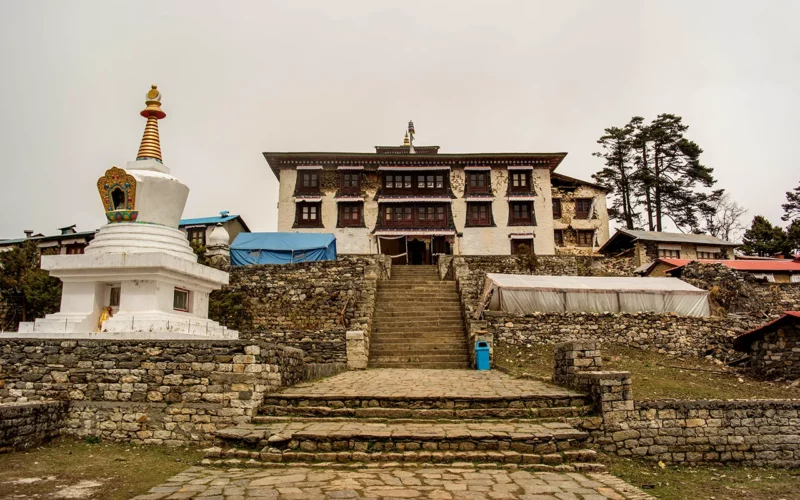
Tengboche monastery

Spiritual Life at Tengboche

The daily rhythm of resident monks at Tengboche Monastery starts with prayers and chants. Through ritual, they call upon their gods for peace, protection, and blessings for the surrounding Khumbu villages and all visitors traveling through the area.

The monastery is also important for blessing trekkers and climbers before they set out to face the mighty challenge of Everest. These ceremonies have ritual meaning and provide adventure tourists with spirituality, courage, and safety for the arduous journeys in the Himalayas that lie ahead.

Tengboche also serves as a place of teachings, sharing Buddhist philosophy and practices. Monks provide guidance and wisdom to both local villagers and tourists interested in learning more. Mindfulness and compassion are cultivated within this remote mountain landscape during the experience of learning and this mission of cadres and monks.

The calm spiritual essence enveloping Tengboche attracts visitors worldwide. It engenders quiet to individual introspection, contemplation, and refreshment. The atmosphere, encouraged by a common belief in peace and the constant possibility of sacredness in the mountains, overcomes all cultural experiences.

Architectural Beauty and Location

The Tengboche Monastery presents the traditional Tibetan architecture, richly painted with various colors, carved with wood pieces, and a lot of prayer wheels. It has a huge courtyard, which is used as a place of worship during rituals and festivals, and has sweeping mountain views.

The site of the monastery offers a spectacular panoramic view of the Himalayas, such as Everest, Lhotse, Nuptse, Ama Dablam, and Thamserku. Such grandiose mountains serve as a spectacular setting that enhances the spiritual meaning and place of the monastery.

There are sacred statues of Buddha and valuable deities in the main hall, which symbolize wisdom, compassion, and protection. These sculptures are a symbol of the Buddhist beliefs, which are the subjects of prayer and meditation performed every day by the monks and visitors.

The design of this monastery represents the unity of man and nature. Its location, color, and sacred artwork also have profound spiritual connotations, allowing adherents to connect with the forces of the cosmos and make their stay in this serene Himalayan shrine richer.

The Mani Rimdu Festival

Mani Rimdu Festival is a colorful annual festival every year in the month of October or November at Tengboche Monastery. It is the end of the cycles of intensive meditation and spiritual practice of the monks in the region.

At the festival, monks do amazing mask dances, which are called Cham, and they represent protective gods and historical events. The rituals involve blessings and prayers that are directed to the peace, health, and prosperity of the Sherpa people and visiting parties.

It is also included in Mani Rimdu, where mass blessings are given to the community, and they are given the spiritual protection as well as healing. The chanting of religious texts by the monks is a good atmosphere that brings stronger faith and unity among all the people of this Holy Himalayan ceremony.

This festival is essential in terms of maintaining the cultural identity of Sherpas and Buddhism. It has transmitted old traditions and practices involving the younger generations in an active, dynamic spiritual culture that has strong roots in the Khumbu region.

Trekking to Tengboche Monastery

Hiking to Tengboche Monastery has a usual beginning as a point of Lukla and follows through the Sherpa villages of Phakding and Namche Bazaar to Tengboche, which is 3,867 meters. This path takes the picturesque valley of the Dudh Kosi River and provides the classic Himalayan scenery.

The trek is moderate in nature; thus, one would need a good level of fitness because of steep climbs, altitude, and unpredictable weather. The Trekkers need to adjust well, and in most cases, they have to spend an additional day in Namche Bazaar to acclimatize to the altitude safely.

The Sagarmatha National Park Entry Permit and Khumbu Pasang Lhamu Rural Municipality Permit are needed to allow one to hike in the Everest region. These are available at Kathmandu or at the entrance gate of the park in Monjo.

This is the best trek to take if a person is on the Everest Base Camp or Everest View Trek and wants to experience culture and enrich their spiritual lives. Tengboche Monastery offers a serene retreat with breathtaking mountain scenery and rich Sherpa culture.

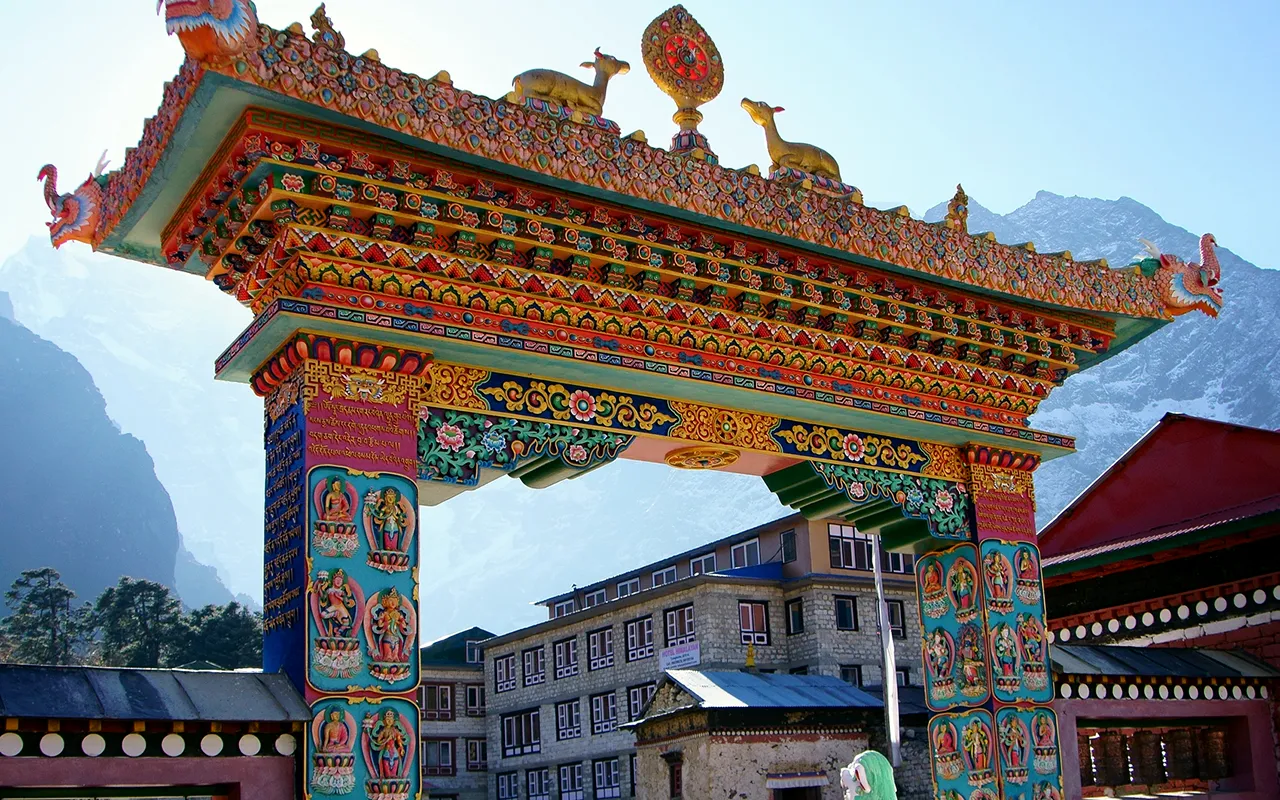
Tengboche Monastery gate

The Tranquillity and Experience

The morning chants of Tengboche Monastery are done before dawn, and the monks sit in the prayer hall and recite mantras and prayers. They sing with the help of horns and cymbals, and the echo fills the Himalayan valleys, producing an immense feeling of peace.

This serene setting is a drastic contrast to life in the city, and it is silent in the presence of massive mountains. The quiet environment of the monastery without noise and distractions enables the visitor and monks to internalize the aspects of stillness and calm that make them have a deep level of relaxation and mindfulness.

This peaceful environment makes one think about spirituality and makes the visitors relate to the teachings of Buddhism and the mountain nature. The natural beauty around Tengboche gives a sense of gratitude and introspection and welcomes a symbiotic relationship between inner harmony and the impressive Himalayan scenery.

Mindfulness, in this case, is not exclusive to the monks but also to trekkers who stop by the monastery. All these elements of ritual, sacred chants, and breathtaking sceneries make the experience a combination of transformation due to the spiritual grounding and connection to the vastness of nature.

Tips for Travelers

Spring (March to May) and autumn (September to November) are the best time to visit Tengboche Monastery because of the stable weather and the clear views of the mountains. The times also coincide with the important cultural events, such as the Mani Rimdu festival.

Visitors are required to wear modest attire without exposing the body and take off shoes before entering. Whether in the inner or outside, respectful behavior involves keeping silence, refraining from physical contact with monks, and clockwise circling of the monastery as a way of respecting traditions.

The accommodation around Tengboche is mostly tea houses and lodges that have simple facilities. These give the trekkers and visitors good places to rest and cultural trekking experience achieved by socializing with the local Sherpa hospitality and food.

Tengboche Monastery entry fees are around 300 NPR, and it depends on festivals, such as Mani Rimdu. Photography is not prohibited; however, visitors should seek permission to take pictures of monks or religious practices to remain respectful.

The best times to visit the monastery are during the daylight hours when one is likely to get the full benefit of the serene atmosphere and rituals of the monastery. It would be better to make reservations during festival seasons. Adhering to the local instructions is a guarantee of a fulfilling spiritual experience in this Himalayan shrine that will be respected.

Conclusion

Tengboche Monastery is a perfect combination of spirituality, culture, and Himalayan grandeur. It is the spirit of Tibetan Buddhism and Sherpa culture in the spectacular mountain view.

Its topography of being on the trekking route of Everest Base Camp makes it one of the most essential destinations the trekkers and climbers in need of relaxation and blessings. The history of Tengboche, the religious practices, and the amazing scenery establish an exclusive cultural and spiritual attraction.

Tengboche is a sanctuary that has to be visited by all tourists going to the Everest region. Its serene nature, yearly celebrations such as Mani Rimdu, and association with the magnificent Himalayas give one a reason to think, spiritually developed value this magnificent mountain world.

Top Things to Do in Namche Bazaar During Your Everest Trek

Namche Bazaar, popularly known as the entry gateway to Everest, is a cultural hub of the Khumbu region of Nepal. The vibrant town is located at a sea level of 3,440 meters in the midst of a great mountain landscape with Sherpa villages, which is both traditional and adventurous.

Namche Bazaar is the most significant acclimatization point for trekkers moving towards the Everest Base Camp. It is the ideal location to have a comfortable stay, settle, and learn more about the Sherpa world, and venture to a higher altitude.

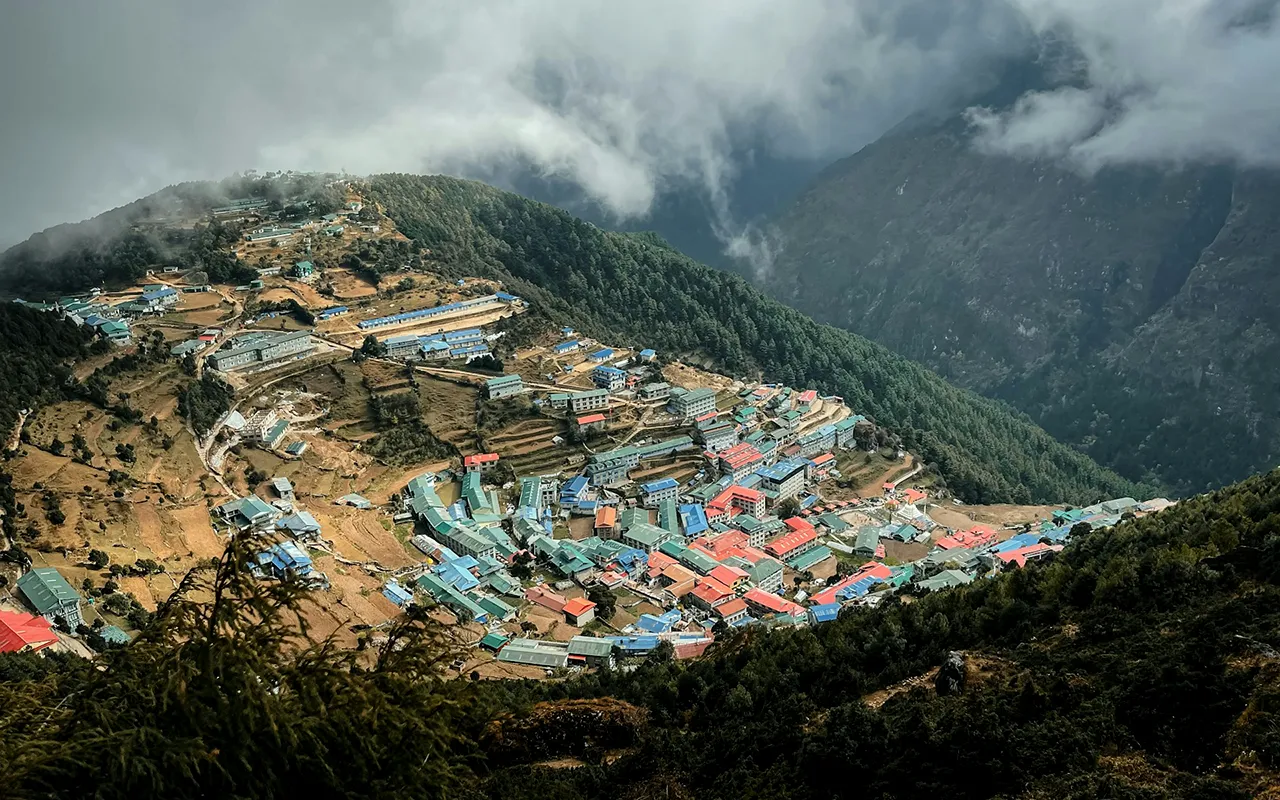
The distinct horseshoe shape of the town provides impressive mountain views, lovely lodges, and the local market is very busy. Namche Bazaar startles the visitors with Himalayan comfort and modern convenience, starting with traditional yak-butter tea houses, moving to the bakeries, and ending with gear stores.

In addition to taking a rest and preparation, Namche Bazaar welcomes the travelers to the Sherpa heritage, Buddhist culture, and warm hospitality. It has monasteries, museums, and mountain points that combine to form an experience that people will never forget in the Himalayas- a place where nature, spirituality, and community come together in a perfect combination.

Explore the Vibrant Streets of Namche Bazaar

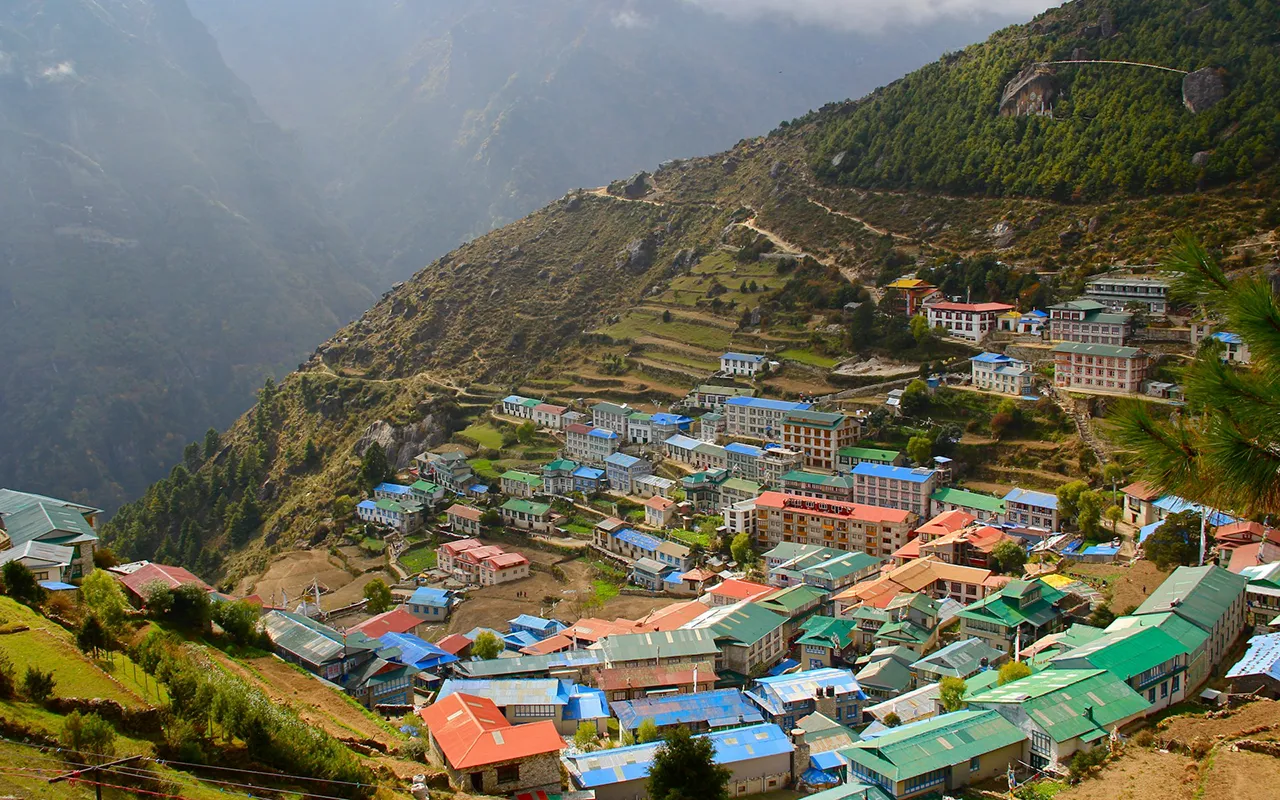
Namche Bazaar’s lovely horseshoe-shaped design ascends the hillside, providing breathtaking mountain views in every direction. The small, paved streets run through groups of colorful lodges, cafes, and shops, providing a bustling ambiance that ideally represents the life of the Himalayan villages.

The visit to Namche Bazaar is a kind of entering the world of the mix of tradition and adventure. The aroma of fresh pastries of the local bakeries co-exists with the natural smell of the yak butter tea, locals, and yaks will be walking along the cobbled streets together.

The busy market in the town presents contemporary trekking equipment items, fine handicrafts, and Tibetan pieces and artifacts. The prayer flags are brightly coloured, and it is above stalls selling pashmina scarves, handmade jewelry, woolen hats, and souvenirs made of Himalayan wood and stone.

Namche Bazaar hosts its popular weekend market every Saturday and Sunday. Here, traders of Thame, Khumjung, and Tibet meet and exchange goods, tales, and jesting. Such a centuries-old practice is the pulse of the social and cultural life of Namche.

Visit the Sherpa Museum and Everest Photo Gallery

The Sherpa Museum is situated above Namche Bazaar, which provides invaluable information about the amazing history and the strength of the Sherpa people. This museum safeguards the accounts of the lives in the high Himalayas, from ancient trade paths to the present-day mountaineering exploits.

Indoors, the visitors get to see interesting displays of Sherpa family items, climbing gear, traditional garments, and religious artifacts. The museum is a great representation of how Sherpa people juggle between their spiritual dedication and their strong attachment to the harsh yet motivating mountain world.

One of the most memorable parts of the visit is the Everest Photo Gallery that presents uncommon shots of first-time expeditions, and famous explorers as Sir Edmund Hillary and Tenzing Norgay. Their historic 1953 ascent to Everest still inspires the adventurers of the world.

In addition to the exhibits, the museum also offers a real-life insight into the life of the Sherpa people, Buddhism, and the high life in Tibet. It is a wealth of experience that enhances the appreciation of the people who make the land of the Everest memorable and beautiful.

Everest Base Camp Trek for Beginners
Namche Bazaar, popularly known as the entry gateway to Everest, is a cultural hub of the Khumbu region...
18 Days
Moderate

US$ 2700

Hike to the Everest View Hotel (3,880 m)

It is a quick but enjoyable climb that will bring one to the ever-famous Everest View Hotel, sitting at 3,880 meters. This acclimatization walk slowly ascends past the town, providing the panoramas of the Khumbu Valley and snow-capped mountain ranges, which keep expanding.

Prayer flags are blowing along the trail over mani walls, and friendly yaks are grazing on alpine meadows. The snowy air of the mountains and the regular sound of bells are the elements that form a serene mood of the journey itself, and the feeling of the journey is as memorable as the destination that follows.

At the hotel terrace, trekkers get to enjoy gorgeous sceneries of Mount Everest, Lhotse, Ama Dablam, and other magnificent Himalayan peaks. Having breakfast or coffee in one of these places is a dream, embraced with clouds and eternal mountain calm.

Everest View Hotel is the favorite acclimatization and photography point. When the travelers are done with the scenery, they head back to Namche Bazaar refreshed, perfectly adjusted for higher adventures toward Tengboche or Everest Base Camp.

Namche Bazaar
Namche Bazaar

Visit Khumjung Village and Hillary School

One of the most beautiful Sherpa villages in the Khumbu valley is Khumjung. It is a half-day walk scenic journey that can be taken via Namche Bazaar. The route lies through the quiet pine forest, offering breathtaking scenery of Ama Dablam and Everest along its route.

Khumjung Village is also the location of the old-fashioned Hillary School, which was founded by Sir Edmund Hillary in 1961. This school changed the education situation in the Everest area, providing Sherpa children with the possibility to learn, which had not been possible in these remote mountain villages.

Wandering through the village, you will gain the impression of the life of Sherpa people in its authenticity: stone houses, potato fields, and smiling locals who are willing to share their culture. The serene setting offers good cultural exchange and a refreshing change to the more active Namche Bazaar trails.

Don’t miss the Khumjung Monastery that houses the legendary Yeti Skull, which is an intriguing artifact that attracts visitors. It is true or not, this is a stop that is well balanced with the Himalayan legend, spirituality, and active Sherpa heritage.

Experience Spirituality at Namche Monastery

The Namche Monastery (Namche Gompa) is located on a distant hill above Namche Bazaar, exuding tranquility and calmness. It is enclosed by waving prayer flags and mountainous landscapes as a peaceful escape compared to the busy trekking trails.

Tourists can observe every day of Buddhism monks- Morning Prayer, repetitive singing, and the soft Tibetan horn sounds. Juniper incense smells like heaven, which contributes to a religious mood and inner silence.

The colorful murals and sacred statues in the monastery portray the tales of compassion, wisdom, and protection. Trekkers usually take a rest here to request blessings for a successful journey to go on, giving the Everest adventure of Namche Bazaar a spiritual touch.

To the locals, Namche Monastery is still an important center of community faith and cultural identity. To the travelers, it is an opportunity to immerse themselves in the Himalayan spirituality and the ancient beat of Sherpa life.

Everest Base Camp Trek – 14 days
Namche Bazaar, popularly known as the entry gateway to Everest, is a cultural hub of the Khumbu region...
14 Days
Moderate

US$ 1100

Enjoy Himalayan Cafés and Bakeries

The Namche Bazaar is also famous because of its cozy cafes and bakeries, which are pleasant to the trekker at such high altitudes. The scent of hot coffee and fresh pastries can be felt in the air in the mountain, which welcomes all the people to slow down and have a treat.

These cafes offer comfort treats such as apple pie, chocolate croissants, homemade cakes, and local delicacies such as yak cheese sandwiches and butter tea. It is the ultimate luxury after a strenuous walk in the rough Khumbu trails.

More than just food stops, these bakeries are social places where trekkers worldwide come. Spreading coffee beans over the fireplace, the travelers tell and retell stories, give tips on the trail, and become friends, which frequently lasts longer than Namche Bazaar.

Places such as Hermann bakery and café de 8848 are well known among adventurers. They offer the ideal environment to relax and enjoy the Himalayan lifestyle with a panoramic view and warm hospitality.

Acclimatization Walks Around Namche

Acclimatization is one of the most crucial stages of any Everest trek; Namche Bazaar is the place to find the ideal trails that ease the process of your body acclimatization. Minor elevations throughout the town integrate low-level progress with stunning scenery and heritage.

The popular acclimatization walks are the Syangboche Airstrip, Khunde Village, and the scenic viewpoint above Namche Bazaar. The paths all have rewards for trekkers, which include mountain panoramas and glimpses of the Sherpa villages scattered across the rugged Himalayan hills.

At these elevations, you can find grazing yaks, rhododendron forests, and fluttering prayer flags on snow-capped mountains. The trails provide relaxing time to enjoy the natural beauty in the region, and the stamina is built on the trails to be used on the higher altitude adventures to come.

These mild trips not only facilitate physical adaptation but also enhance your trip as well. Wandering in the area of Namche Bazaar will enable you to relax and feel the nature, all the beauty of trekking in the Himalayas.

Namche Bazaar-

Shop for Local Handicrafts and Souvenirs

Namche Bazaar is among the most favorable locations in the Everest area to purchase the original Himalayan souvenirs. Its mini-stores and market stalls are filled with colorful Sherpa handicrafts, Tibetan artifacts, and well-crafted goods, created by the local artisans.

Hand-woven woolen hats, scarves, and gloves are among the most favored products- the ideal souvenirs of your expedition. There are also elaborately painted Thangkas, traditional jewelry, carved wooden masks, and prayer wheels depicting the rich Buddhist tradition in the region.

Purchasing locally produced goods assists in keeping the mountain communities afloat, and the practice of ancient craftsmanship is maintained. Every single purchase gives direct aid to the Sherpa families and artisans whose life depends on tourism to continue their rich cultural heritage.

Shopping in Namche Bazaar is not just a hunt for souvenirs; it is a means to be meaningfully in contact with the Himalayas. Each of the hand-crafted pieces is a narrative of a culture, strength, and mountain craftsmanship.

Indulge in the Local Cuisine

Namche Bazaar is a blend of Sherpa, Tibetan, and Nepali cuisines. Teahouses and restaurants in the town serve feasts that keep the body warm after spending days traversing the mountain in the chilly Himalayan air.

An explorer will be able to enjoy such local meals as Sherpa stew, steaming bowls of Thukpa noodle soup, and rich yak chees, which are prepared with local ingredients. These delicious meals give much-needed energy and the real Khumbu hospitality.

The visit to Namche Bazaar is not complete without having a taste of Nepali dal bhat, consisting of rice, lentils, and vegetables. Shared in cozy teahouses, it reflects the warmth, simplicity, and nurturing spirit of the Himalayan culture.

Relax and Enjoy the Mountain Views

The Namche Bazaar is in the midst of some of the most breathtaking Himalayan views that one can ever take. The trekkers can get a glimpse of the marvelous peaks of Everest, Lhotse, Ama Dablam, and Thamserku standing tall above the pits of the Khumbu valleys.

These are best observed in the early morning hours or in the late afternoon. The gentle light of the sunset and the sunrise is a golden paint on the mountains, leaving a memorable experience in both photography and tranquility.

Whenever you sit on the balcony of a lodge and have a cup of tea or on the Namche outlook, the mountainous scenery provides calm and motivation. Such situations make every traveler realize why the Himalayas are so timelessly magical.

Conclusion

Namche Bazaar is not just a restroom on the road leading to Everest Base Camp, but the cultural as well as emotional center of the Khumbu region. Each of the corners is a reflection of the peculiar spirit of the Himalayas and Sherpa hospitality.

Namche Bazaar is a very vibrant mountain town that is well-balanced in terms of comfort, culture, and nature. Combining intimate cafes and monasteries with expansive vistas and markets, Namche Bazaar is a dream destination for all travelers in terms of adventure and rest.

Exploring Namche is one of the ways to enrich your Everest trek. Take your time, smell the mountain air, and meet the people and the places that can make this Himalayan jewel memorable- a highlight of your whole adventure.

Things to Do in Ghandruk Village: Where Tradition Meets the Himalayas

Introduction

Ghandruk Village, an impressive Gurung village is a unique experience of the mountain, Gurung culture, and spectacular scenery of the Himalayas in the Annapurna region of Nepal. It has been a favorite tourist destination, particularly for tourists who are interested in the traditional village setting.

It has a reputation for Gurung food, hospitality, celebrations, and homes, which enables the visitors to explore, celebrate, and learn Gurung culture in a very serene environment. The visitors never feel like getting out of the experience due to the warm and welcoming Gurung community, and the tranquil lifestyle of the people surrounds visitors, and the ethnic diversity that is so rich in Nepal.

However, the culture and food are not the only things. Ghandruk has spectacular panoramic views of the Annapurna and Machapuchare peaks, which make it a dream for nature and photo lovers. These stunning trails and natural scenery are a perfect way of finishing off the trekking scene, forming a remarkable hiking and sightseeing experience in the Himalayas.

Tourists will appreciate Ghandruk due to adventure as well as tranquility. Trails and cultural traditions that people can explore are numerous. This will easily become one of the most unbelievable places in Nepal to have a glimpse of a rural mountain village.

Ghandruk Village

How to Reach Ghandruk Village

Ghandruk Village can be reached by jeep, bus, or by trekking as well, with some flexibility on travel. The jeep or bus roads will cover about 40-45 kilometers, and it takes 4-5 hours, depending on the condition of the road.​

The trip using a jeep normally takes a period of 2.5-3.5 hours because of the twisty mountainous routes. Nayapul is a popular point of starting the journey, where trekkers start walking to the Ghandruk village.​

The trip by Trekking Nayapul to Ghandruk requires 4-6 hours. The path is picturesque and follows waterfall areas, woodland, agricultural lands, and smaller villages, such as Birethanti, Kimche, and Syauli Bazaar, but with some sharp climbs.​

The road is mostly unpaved rural mountain road. The jeep path is a circuitous hill road, which has some scenic stopovers and is suitable for those who want to be comfortable. The trekking path gives one a natural adventure experience, which is ideal for individuals who like sinking deep into the Himalayas and the culture of the lands.

The Charm of Ghandruk Village

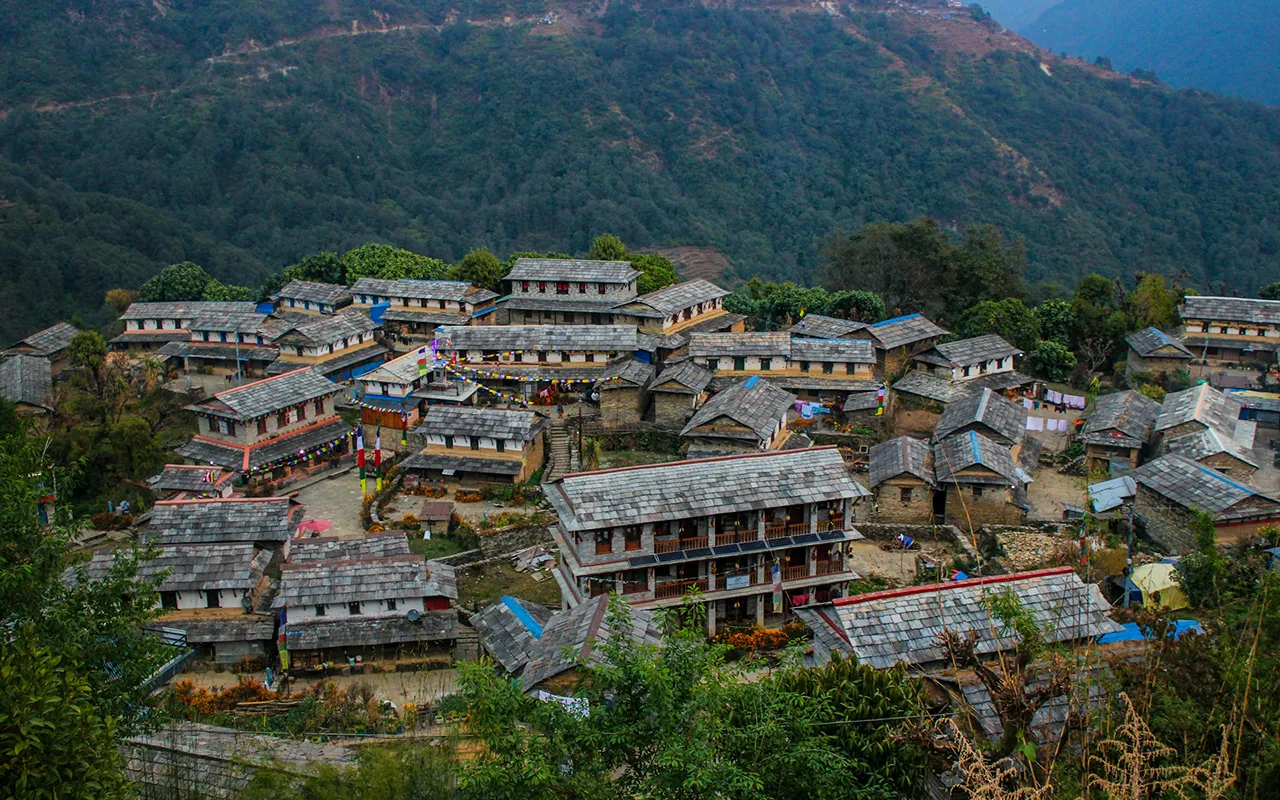
Ghandruk village is a village that is famous for its traditional stone houses with slate roofs, a complex constructed of local stone, wood, and mud. The timeless Gurung construction artistry and mountain flexibility are apparent in these two-storied houses with wooden windows and a balcony.​

The streets of the village are delightfully stone-paved, and the houses are densely packed together, giving it a delightful village look. The courtyards are vibrant family areas, and they depict the community and cultural life, which is very strong in this Gurung settlement.​

The Gurung community in Ghandruk is known to be very hospitable, and they receive the guests with utmost sincerity and hospitality. Homestays offer interactive experiences, which enable the guests to enjoy traditional foods and attend local festivals and household tasks.​

Ghandruk is located in the stunning backdrop of great peaks, Annapurna South, Hiunchuli, and Machhapuchhre (Fishtail). These massive mountains make the village more attractive with an iconic Himalayan scene, which attracts trekkers and photographers.

Top Things to Do in Ghandruk Village

Explore Traditional Gurung Culture

Ghandruk is a real-life experience of the Gurung people, who are very courageous and hospitable. The Gurung Museum is worth a visit that houses ancient tools, weapons, and cultural artifacts that portray their rich heritage and long traditions.

Tourists may have a glimpse of the Gurung houses built of stone and wood in traditional style to adapt to the Himalaya climatic conditions. Hospitable locals are likely to provide food prepared at home, smiles, and narrations concerning the history and lives of their ancestors.

You also get to see colorful dances, folk songs, and the traditional dress code of the Gurung people. Their attire, jewellery, and musical instruments signify the profound cultural value and social pride of the region, which has been transferred across generations.

Learning about their farming and handicrafts makes the visitors realize that culture and way of life go hand in hand in the mountain background of the Annapurna region.

Enjoy Himalayan Sunrise and Sunset Views

Ghandruk’s viewpoint has become known to provide one of the most incredible Himalayan visits  in Nepal. The rays in the early morning hit the snow-covered mountains of Annapurna South, Hiunchuli, and Machhapuchhre and depict them in spectacular gold hues.

The rise of Ghandruk is something special, as the whole valley gradually wakes up, birds sing, and the far mountains glitter in the blue sky. It is an ideal place to capture photographs and lovers of nature who want to enjoy the serenity of the mountains.

The sunset scenes, too, with the dying sun lighting up the mountains with a crimson glow, are equally wonderful and give off peaceful, idyllic scenes. This has been described as one of the most spiritual experiences in the journey by many visitors.

Take a camera, sit back and take in the continuously changing colors of the Himalayas; such times are the moments that define the true Himalayan getaway, and memories of a permanent trip.

Ghandruk
Ghandruk

Visit Monasteries and Temples

In addition to a picturesque landscape, the village of Ghandruk also has spiritual richness represented by small monasteries and Hindu shrines, which dot the village. These religious places indicate the peaceful interweaving of the Buddhist and Hindu cultures in the area.

Prayer flags, spinning and Buddha statues in the local monasteries exude a profound feeling of tranquility and faith. Prayers are frequently chanted by the monks, and this provides a soothing spiritual ambiance to the visiting travelers.

Temples of Hindus to gods such as Shiva and Devi are placed along green paths, with residents gathering during festivals and rituals, presenting a unity of culture and admiration of the god of nature.

These monasteries and shrines make such a visit a chance to meditate, reflect, and experience the ultimate tranquility of the spiritual life in the Himalayas, when they are not crowded with visitors.

Hike to Kimrong Danda or Tadapani

The quick walk to Kimrong Danda or Tadapani is a fulfilling journey with the breathtaking Himalayan sightseeing. The routes are through rhododendron forests, farmlands, and beautiful Gurung villages, where one gets ideal views of the Annapurna South and Machhapuchhre.

It is a perfect pre-warming-up trip to individuals who are about to proceed to the Annapurna Base Camp, as it also gives the adventurers acclimatization and an easy adventure. You will meet smiling villagers, grazing animals, and colorful plants on the way, which illustrate the mountain variety in Nepal.

These routes will be of particular concern to bird lovers who can look forward to species of birds of the Himalayan color, such as the sunbirds and the danphe. It is a refreshing outdoor adventure due to the cool mountain air and the serene environment.

Both Kimrong Danda and Tadapani are scenic rest stations where trekkers get to have a tea break and capture the mountain sceneries in addition to absorbing a continuous mountain tranquility before going back down to Ghandruk village.

Taste Authentic Local Food

Ghandruk is also known for its delicious Gurung cuisine, which is an indication of the local Himalayan life of the community. Common foods are millet bread, dhido, gundruk soup, and homemade pickles, which are accompanied by fresh organic vegetables and lentil curry.

These meals may be taken in small teahouses and in communal kitchens where people make food using wood-fired cookstoves. The local spice aroma and the hospitality make each of the dining experiences better.

You should not forget to taste such traditional drinks as chhyang (rice beer) or raksi (local spirit), which are usually served at festivals and family meetings. These beverages symbolize friendship, celebration, and the culture of the mountains.

Every meal is not just a meal; it is a cultural adventure into Gurung culture. Giving food to people locally enables the traveler to learn the importance of community, simplicity, and sustainability that are entrenched in mountain living.

Stay in a Local Homestay

The Ghandruk local homestay of choice introduces a real cultural interaction. The families are very accommodating to the visitors and offer them traditional food, simple rooms, and a glimpse of their daily village lives and traditions.

Several evenings are also spent sitting around the kitchen fire, where tales of ancestors, legends of the mountain, and tales of trekking adventures are told. You can even participate in folk dances or songs by local young people.

The Homestay experiences are beneficial to sustainable tourism in that they directly benefit local families. The visitors contribute to the local economy as they get to know about the traditional craftsmanship, farming, and the environmentally friendly mountain lifestyle.

These visits leave a lasting impression – genuine hospitality based on kindness, respect, and mutual learning. It is an emotional bond that makes the travelers appreciate the Nepalese life in the countryside.

Learn About Women’s Empowerment Projects

Ghandruk is a model village of community development, particularly the project of empowering women. Cooperatives, craft centers, and small enterprises operated by the local women’s groups help to contribute to education, income, and gender equality.

Visitors can visit local workshops or cooperatives to see how such handmade items as woolcraft, baskets, and traditional clothes are made using eco-friendly materials. Anything tells the story of alternatives in terms of ability, pride, and cultural preservation.

The mentored engagements with these women provide an understanding of how tourism gives them the strength to become financially independent and retain their heritage at the same time. It is a positive model of inclusive rural development.

Travelers can ensure the livelihoods of women by patronizing or buying local crafts. Such exchanges keep us in mind of how tourism in its most responsible form can help elevate whole communities as well as pay tribute to authenticity and creativity.

Ghandruk Village

Best Time to Visit Ghandruk

Ghandruk is best visited in spring (March -May), when the weather is pleasant and clear. Rhododendron forests are blooming and make their colors red and pink along the trek paths. The mountain sceneries of the Annapurna massif are crisp and magnificent with blue skies, which complement the scenery.

Autumn (September-November) is said to be the best season to have a trek, which has cool air and stable weather. After the monsoon, the clouds clear leaving a clear view of a panoramic view of the Himalayas. The pleasant weather and the holiday spirit that surrounds the local villages make it an exciting and enjoyable season for the tourists.

The winter season is less peaceful and quiet, with snow-white mountains forming fantastic landscapes. During the day, the temperatures are low, and the trekking may be cold, but the snow-covered scenery offers a Himalayas adventure to those who love to spend their time alone and enjoy the best scenery of the Himalayas.

The monsoon (June -August) is the time of green vegetation, lush green landscapes and vibrant vegetation. However, rains cause trails to be slippery, and not quite ideal for trekking, but this season is the best season to be taken by travelers who want tranquility and more vegetation. It has opposing beauty; however, it entails more traveling difficulties because of wet weather.​

What to Pack and Expect

Traveling in Ghandruk, one should wear light, breathable clothes during the journey in order to feel comfortable because the temperatures may increase. Pack warm clothing such as a fleece jacket, a thermal top, and a down jacket on early mornings and evenings when it becomes cold at elevated levels.

Hiking boots or shoes need to be sturdy and comfortable., well-worn, and used on uneven trails and rugged terrain. Fitted shoes will help to avoid blisters and will help to take long walks. Do not leave your camera or smartphone at home because you will have to capture some amazing Himalayan panoramas and moments in the village.

Ghandruk has a very simple facility, such as power supply in most teahouses, although electricity is intermittent. Wi-Fi is available in some lodges, but there is a possibility of slow or weak connection speed. Teahouses prepare food and hot showers, so that the accommodation is not fancy but homely.

Combine Ghandruk with Nearby Treks

Ghandruk is the best starting point of the Poon Hill Trek, which is a moderately difficult trip with a distance of approximately 30 km in 4-5 days. Trekkers are also able to have beautiful Himalayan scenery and colorful Gurung culture as well-developed trails.​

Ghandruk-Landruk-Dhampas loop is a 3-4 day trekking route that takes one through beautiful villages, terraced hills, and forests. It is perfect for people who wish to achieve a shorter and more culturally enriching mountain journey that includes varied landscapes and native culture.​

Ghandruk is also an easy start or finish point of the short trek to Annapurna Base Camp. Such versatility enables trekkers to tailor-make itineraries at the same time enjoying stunning mountainous scenery and the Himalayan age-old culture.​

Responsible Travel Tips

In observance of local culture, dress modestly, particularly in cultural and religious regions of Ghandruk. You should greet locals by saying Namaste (palms together) to them as a sign of respect. This etiquette helps develop positive relationships and an appreciation of different cultures.​

Plastic waste should be avoided by using reusable water bottles and bags. Plastic pollution negatively affects the mountain environment; thus, the use of refillable bottles and a reduction in the use of single-use plastics would ensure that the mountain environment of Ghandruk remains clean to be enjoyed by future visitors and locals.​

Promote sustainable tourism by supporting the local homestays and shops in Ghandruk. Purchasing local goods and staying at family-owned hotels can uplift the economy of the community and helps preserve traditional lifestyle, craft art, and Gurung culture.

Conclusion

Ghandruk is an embodiment of a particular combination of nature, culture, and simplicity that blend perfectly together. It is located in the midst of the Himalayan Annapurna mountain ranges, surrounded by ancient Gurung culture and stunning views of the Himalayan ranges. The village is a calm escape from the busy modern world.​

Tourists are advised to take their time and immerse themselves in village rhythm. The experience is enhanced by the establishment of genuine relationships with locals during homestays and cultural interactions. The slow pace is a welcome change to experience the Himalayan life more than sightseeing.​

Ghandruk welcomes tourists to enjoy the harmony between the beauty of nature and culture. It is a monument of sustainable tourism and preservation of the community, as it makes people admire the nature and the hospitality of the Gurungs.​

When Is the Best Time to Visit Bhutan? Weather, Festivals and Tips

Introduction

Bhutan is a small Himalayan kingdom where time slows down, monasteries hang on cliffs, and nature blossoms at all times of the year. It is a mystical land that attracts travelers who want peace, spirituality, stunning scenery, and ancient culture.

The best time to visit Bhutan is throughout the year, depending on what you would like to see and do. Some travelers prefer sunny days and hiking trips, while others celebrate colorful cultures and a tranquil escape in nature.

When to go is a decision that will significantly impact your experience, be it mountain-chasing or the Bhutanese culture. All seasons have their own climate patterns, celebrations, and landscapes, which depict the country with different colors.

This blog provides an overview of the weather conditions in Bhutan throughout the year, its festivals, and professional travel advice. It assists you in planning a trip depending on your choice, to make your Himalayan trip memorable and rewarding.

Overview: Bhutan’s Climate and Travel Seasons

The elevation of Bhutan is very uneven, as it has a lower altitude of 200 meters in the southwest plains and a higher altitude of 7,500 meters in the Himalayas. This large diversity provides a wide range of climatic conditions from subtropical lowlands to temperate mid-hills to alpine highlands.

Bhutan has four major seasons that provide different experiences as far as tourism is concerned. The period between March and May transforms the valley into a vibrant bloom with dazzling rhododendrons and blue skies, which can be enjoyed by trekkers and nature lovers.

The summer or monsoon is characterized by green scenery and intense rainfall, particularly along the southern parts of Bhutan. Tourist numbers drop, making it a quieter time to travel because the wet weather may complicate the plans.

The months of September to November are the most advisable months to view the mountains clearly. December to February is snowy and cold in the mornings.

Ura Yakchoe

Spring (March to May)

Spring in Bhutan (March to May) is mild with temperatures between 15 °C and 25 °C in the valleys. This season is filled with the blooming of rhododendrons and wildflowers, painting the country with beautiful and colorful scenery.

Spring is an ideal season for nature walks, photography, and cultural tours. The pleasant weather and blooming flowers make it a famous season, the varied natural beauty of Bhutan and discovering the traditional village life at a leisurely pace.

The highlight in the spring season is Paro Tsechu, held in March or April, an event described as colorful and cultural displays of mask dances of mystic spirits. Another important festival that takes place is Ura Yakchoe in May, celebrated in Bumthang with sacred rituals.

The season brings in clear mountain views and colorful context, also very occurring, however, not overcrowded in every place. Springtime travel offers a sweet spot between the beauty of Mother Nature and the richness of the cultural fabric in Bhutan, with none of the tourist congestion associated with peak.

Traveling in spring offers a perfect blend of perfect conditions, attractive landscapes, and rich cultural experiences. It remains a famous season and time period when lots of travelers desire to experience the natural and spiritual beauty of the Himalayan kingdom.

Summer / Monsoon (June to August)

The summer season includes warm days and lots of rain in Bhutan, particularly in the southern valleys. The landscapes are transformed into bright green vegetation, which makes the scenery appear serene and refreshing.

This is the season that is favorable to travelers who want discounted hotel rates and solitude. The silence of the season enables one to explore peacefully and to be able to enjoy Bhutan without the flock of tourists that is common in the other seasons.

Summer festivals such as Kurjey Tshechu in June are when sacred mask dances are performed, and Haa Summer Festival in July, when the local culture is celebrated with sports and traditional rituals. The two provide interesting insights into cultures.

Tourists are advised to be cautious because of the poor mountain visibility and occasional roadblocks, which may arise as a result of heavy rainfall. The weather is unpredictable, and travel plans may be disrupted in remote high-altitude locations; therefore, there should be flexibility and readiness.

Nevertheless, summer is ideal for travelers seeking solitude, dramatic skies, and lush scenery. It is a peaceful period to enjoy the natural beauty of Bhutan in peace, without the commotion of people.

Autumn (September to November)

In Bhutan, autumn is characterized by clear skies, warm temperatures of about 20°C during the day, and cool nights. This season offers ideal conditions for outdoor adventures and cultural exploration.

The environment is optimal for trekking, cultural tours, scenic mountain flights, and photography. The abundance of natural, stunning landscapes and the presence of untouched cultural heritage contribute to the representation of the beautiful Bhutan, which boasts good weather and the possibility of seeing the stunning views.

Major autumnal festivals are Thimphu Tsechu, Wangdue Phodrang Tsechu, or Jambay Lhakhang Drup. The colorful mask dances and joyful celebrations are a part of these events, further providing the traveler with good cultural experiences and a lifetime of memories.

It is also the colorful season of autumn, during which golden fields and fertile foliage can be seen in addition to the already marvelous view of the country. The highest points of the Himalayas are as clear as ever and attract both photographers and nature lovers.

The season is well considered as the best season to visit Bhutan, which matches the best weather and rich cultural celebrations, making every trip deeply rooted and to be remembered.

Winter (December to February)

The winter months (December to February) in Bhutan is cold in the morning, and the temperatures range between 0°C and 10°C. Clear skies dominate in the early morning with snow cover at high altitudes, making the scenery a magical and serene one.

Culture sightseeing, bird watching, photography, and quiet meditation retreats are best carried out during this season. The tranquil surroundings enable the tourists to have a strong association with the religious culture as well as the beauty of Bhutan.

Some important festivals in winter are Punakha Drubchen and Trongsa Tsechu. Bhutan boasts a rich cultural background with dances done in masks and other historical re-enactments in these festivals.

In winter, the days remain sunny despite cold mornings; there are fewer visitors here, and the hotel and travel services are cheap. There is a more intimate feeling of the place, and most cultural attractions are accessible only within the quieter setting.

Winter travel offers tranquility and meaningful interaction with the locals. This season offers an authentic local experience to the off-season explorers needing some tranquility and localness without the crowd and noise in Bhutan.

Best Time to Visit Bhutan for Specific Experiences

ExperienceIdeal Time(s)Notes
Cultural FestivalsMarch – April, September – NovemberMany tsechus and local festivals are held during spring and autumn.
Trekking & HikingMarch – May, September – NovemberTrails are drier, skies clearer, and stable weather is more likely.
Photography (landscapes, sharp colours)October – November, March – AprilCrisp light, clearer skies, great mountain visibility.
Budget TravelJune – August, December – FebruaryOff-peak months see fewer tourists and more deals. But beware of monsoon disruptions (Jun–Aug).
Honeymoon & Luxury ToursMarch – May, October – NovemberPleasant weather, beautiful scenery, and comfortable travel conditions.
Wildlife Watching & BirdingFebruary – MaySpring is great for bird migration, blooming forests, and active wildlife.

Travel Tips for Visiting Bhutan

If you plan on visiting Bhutan, reserve the flights as soon as possible since Drukair and Bhutan Airlines are the only companies operating flights into Paro. Tickets are limited, especially during peak travel seasons, so you will want to be sure to secure your tickets well in advance for a seamless trip.

Visitors to Bhutan must have a visa arranged through a licensed Bhutan tour operator. You are not permitted to travel independently in Bhutan, as all tourism is regulated to ensure that sustainable tourism maintains the culture and environmental integrity of the country while also providing a safe, organized experience for visitors.

The fee for SDF that travellers are required to pay per night is USD 100.  The fee is for responsible and sustainable tourism management in the kingdom.

You should pack layers, since temperatures can fluctuate frequently. Warm layers are essential in winter at higher elevations, a rain jacket is a must in summer, while hats and sunscreen are necessary in spring and autumn as sun protection. Bring a motion-sickness medication for the winding mountain roads and ensure your health safety.

Paro Airport

Combining Bhutan with Nepal or Tibet

The multi-country tours offer some of the richest heritage, beautiful landscapes, and spiritual sites. Paro International Airport offers seamless flight connections to Nepal and India.

The most preferable season when Bhutan and the surrounding countries of Nepal or Tibet should be visited is the spring and autumn. These are the months with clear skies, cool weather, and festivals, which make for great trekking, a cultural tour, and photography opportunities in all destinations.

We can customize the itineraries based on your preferences. Our guided excursions guarantee seamless logistics and the most amazing visits so that you have the opportunity to experience the cultural richness and natural magnificence of the Himalayas in its fullness.

Conclusion

Bhutan has amazing scenery and a cultural wealth all around the year, although the best season to visit depends on one’s preferences. Choose spring for vibrant colours, autumn for clear mountain views, winter for serenity, or the monsoon for solitude.

Responsible travel means that you learn to love the natural and cultural setting of Bhutan, and you enjoy the slow, spiritual ways of Bhutan. This conscious attitude makes these meaningful experiences, and conserves the untainted practices of Bhutan for the coming generation.

Mark your tour in Bhutan with us; we schedule your trip depending on your interests in the field, be it trekking, festival tours, or cultural journeys. In any case, your Himalayan adventure is once in a lifetime.

Dolma La Pass: The Holiest and Toughest Point on the Kailash Mansarovar Yatra

Dolma La Pass is located in western Tibet (Ngari Prefecture), on the Kailash Kora Route, a perfect blend of spirits and breathtaking scenarios located at an altitude of ~5,630–5,650 m (≈18,471 ft.). This pass marks the highest point of the Kailash kora route around one of the majestic peaks that stands tall over the sky, Mount Kailash. Mount Kailash is regarded as a holy place of Buddhism and Hinduism. This place is often believed to have a spiritual importance where an individual can be reborn and cleanse their karma.

Kailash Mansarovar Yatra is not just a journey to the Himalayas; it is a journey to reconnect your soul to peace. Followers or Pilgrims from all around the world, especially from the Hindu, Buddhist, Jains, and Bon communities, consider this as one of the transformative and sacred paths where one can gain spiritual experience. Dolma La Pass lies at a high point on the kora (circumambulation) route, between Dirapuk and Zuthulpuk, one of the challenging and hardest points to reach Mount Kailash. This journey takes you through the holiest and thrilling experience.

Dolma La Pass
Dolma La Pass

What is Dolma La Pass?

Dolma La Pass is located at the highest point of Kailash Parikrama, one of the sacred perambulations of Mount Kailash. Dolma la Pass, sitting at the height of ≈5,630 m, is marked as one of the dramatic yet explicate moments that can be felt within 3 days of trek around this holy mountain Kailash.

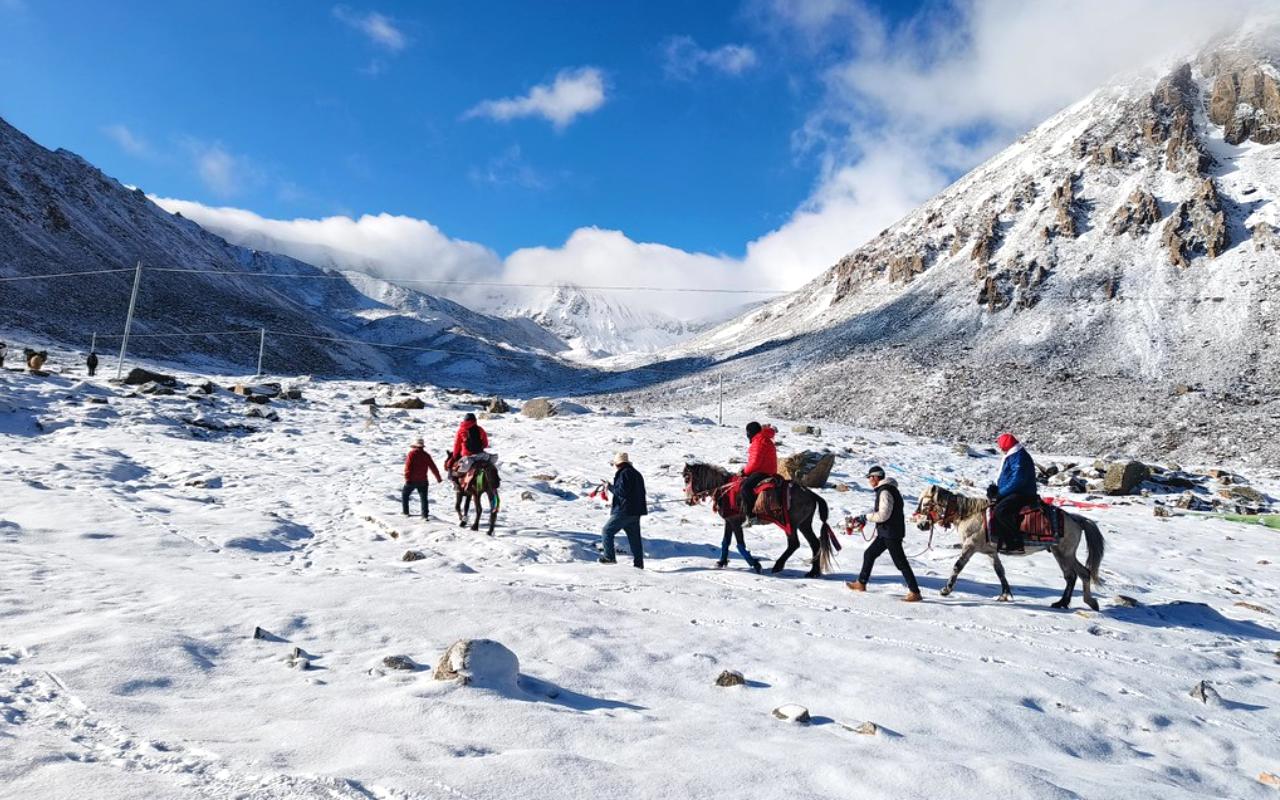
Dolma La lies at the heart of Tibet that connecting Parikrama (Dirapuk to Dolma La) with Zuthulpuk Monastery. The Path to this pass is exhausting, the ascent of this pass is exhausting, and so it can take hours of trekking. Air becomes thin, and once you keep trekking to the top air starts to become thinner. Every step feels. Like you fighting with cold and thin air. Once you are at the top, you will find yourself surrounded by snow patches, mountains, and a bundle of prayer flags fluttering in the cold and icy wind.

Dolma La pass is not just about trekking, but it is about feeling the spiritual energy. Without crossing this pass, your Kailash Yatra is incomplete. Many of the beliefs say that the person crossing this pass is equivalent to losing their past sins.

Mount Kailash
Mount Kailash

Mythological and spiritual significance

Tibetan Buddhism Mythology and Spiritual Significance

Dolma la Pass is believed to have Spiritual and mythological importance, as this pass is named after a Tibetan Buddhist goddess, Dolma (Tara). A goddess of forgiveness and compassion. Climbers or followers believed that, while someone is attempting to climb this pass, Dolma watches them, which provides. Pilgrims’ spiritual strength, especially for those who struggle.

Hindu Mythology and Spiritual Significance

In Hindu mythology, this pass adds another layer of significance. It is believed that crossing the Dolma La pass will represent the journey from one life to the next life for many pilgrims. They believed that ascending and descending the path represents the individual’s cycle of birth and death or death and rebirth. This pass acts like a bridge between Death and rebirth.

Mount Kailash
Mount Kailash

Jain Tradition, Mythology, and Spiritual Significance

For Jains, Dolma La Pass is one of the parts of the Kailash Mansarovar Yatra. Jains revere the Kailash-Ashtapad, and Dolma la is part of wider pilgrimage circuit. They treat hardship as a foundation of discipline before crossing Dolma La Pass; they meditate, fast, and keep vows of silence and practice austerities. Despite being a difficult path, this journey symbolizes the soul’s struggle towards moksha. This extreme journey represents tapas and burning away karmas.

Bon Tradition, Mythology, and Spiritual Significance

In Bon Tradition, Dolma La Pass is crossed in the opposite direction, where the pilgrim moves counterclockwise around Mount Kailash. At the pass, Bon’s offers player flags, personal tokens, and incense to the spirits and their deities in the sake of protection and blessing. For Bon Dolma, La Pass represents death and rebirth. The climb represents the cleansing of the soul and renewing life.

Pilgrims often leave their personal belongings, offerings, and prayer flags behind. This symbolizes the token of devotion and leaving a burden behind. Therefore, this pass is not just a pass that tests your physical ability but also your spiritual belief.

Mount Kailash Tour from Nepal
Dolma La Pass is located in western Tibet (Ngari Prefecture), on the Kailash Kora Route, a perfect blend...
17 Days
Easy

Gauri Kund – The Lake of Compassion

Below the sacred Dolma La Pass, there is a holy Lake Gauri Kund, also known to be the “Lake of Compassion”. This vibrant lake holds spiritual significance in Hindu tradition as this lake is believed to the part of Goddess Parvati, also known as Gauri, where the goddess performed self-punishment.

According to many historical stories, this lake is the very spot where goddess Parvati used to take a bath, and climbers or pilgrims today take home this holy water as a blessing. Direct descent is dangerous and restricted for most pilgrims. Many pilgrims and trekkers pause to offer prayers from above.

Gauri Kund
Gauri Kund

The beauty of Gauri Kund is commendable. Shiny snow and rock make this lake breathtaking. For many, this Lake acts as a retreat from the difficult path of Dolma La Pass.

The Physical Challenge of Crossing Dolma La Pass

Dolma La Pass is the toughest crossing. The toughest part of the entire Kailash Mansarovar Yatra, which starts from Dirapuk, a place where trekkers have to face steep ascent for several hours in thin air, and at high altitude, where every step feels heavy.

This whole trek is like battling with extreme cold, unpredictable snowfall, and icy cold wind. Ascend will take you approximately 4 to 6 hours, while descending towards Zuthulpuk can take you approximately 3 to 4 hours, making your whole trek approximately 8 to 10 hours of trekking. Challenging and steep slopes require your physical stamina and mental resilience. Your determination plays a huge role here.

Aside from the difficulty, pilgrims take this day as a memorable experience. The execution while ascending and descending feels like an achievement.

Preparing for Dolma La Pass

Here are some tips mentioned to help you prepare for Dolma La Pass.

Acclimatization

You have to spend most of the days and hours at a high altitude where the air is slightly thinner. Before attempting the Parikrama plan, proper acclimatization is required to help you from burning.

Fitness Training

Attempting Dolma La Pass requires physical strength as it is the toughest part of the journey. Try doing cardiovascular activities such as cycling, swimming, and running to build stamina. Strength and stamina will help you go through the difficulty you are going to face while attempting Dolma La Pass.

Gear essentials

Here are some trekking gear essentials you will need: trekking poles to maintain your balance, proper layered clothing to help you get through harsh weather conditions, water waterproof jacket, waterproof gloves, high-altitude boots, sunglasses, a charger, a Satellite phone, and lastly energy-rich snacks. Water purifying tablets are necessary.

Mental Readiness

You have to keep yourself mentally prepared to climb this challenging path. One should have a positive, determined, and strong mentality. To keep yourself mentally positive, consider doing meditation, chanting prayers, and mantras.

Best time to cross the Dolma La Pass

The best seasons to cross the Dolma La pass are late April – June and mid-September – mid-October, when the weather conditions are comparatively suitable. During this month, snow melts, which makes it easy to pass the trials. Even the skies are clearer.

Winter, from the month of November to March, is unfavorable due to heavy snowfall, subzero temperatures, and blocked trails. Same as winter, monsoon Season from the month of July to August increases the risk level due to landslides, slippery trails, and unpredictable weather.

Don’t think the best and favorable weather doesn’t brings any risk, as the weather at Dolma La Pass can change at any minute. So, trekkers and Pilgrims should prepare accordingly.

Pilgrim & Trekkers experience

Many of the pilgrims and Trekkers feel this trek to one of an emotional and rewarding Journey. The sights of the spiritual scenario, prayer Flags, and holy places make them feel attached to their soul. Some cry in relief and some cry in happiness as they bow to the goddess Dolma before crossing Dolma La Pass.

Some of the sayings of pilgrims and trekkers are mentioned below,

“The trek to Dolma la Pass tested my faith and pushed my endurance to its limits, but the strength I drew from the prayers and mantras carried me through,” and “Crossing Dolma la Pass was an intensely emotional experience, fulfilling a lifelong dream of completing the Mount Kailash kora”.

“I thought I could not take another step, but when I saw the flags and heard the chants, something carried me forward. It was as if the mountain itself gave me strength.”

For many people, physical burden seems nothing once they have achieved their goal to pass Dolma la Pass. One this that is very necessary is that you need to be determined to get to the height.

Travel Information

Permits

Mount Kailash lies in western Tibet, so all of the pilgrims and trekkers need to obtain permits, which are basically issued by the Chinese authorities. The Yatra is organized by authorized government-approved travel agencies in Nepal and India.

Support Team

roups include medical staff, guides, porters, and yaks. Porters and Yak are there for you to carry your belongings.

Group Size

Most of the group consists of ~15 to 30 people, which ensures both safety and companionship.

Emergency Protocols

In case of any difficulties like altitude sickness, there are facilities for jeeps and horses. Oxygen supplies are often available.

Accommodation

Pilgrims can stay in the basic guesthouses and tents along the routes.

Frequently Asked Questions

How difficult is Dolma La Pass?

Dolma La Pass is the toughest part of the entire Kailash Mansarovar Yatra. This requires determination, physical stamina, and proper acclimatization.

What altitude problems may occur?

Altitude problems that may occur are altitude sickness, breathlessness, headache, fatigue, and nausea, which is basically occurred due to thin air and lack of oxygen.

Do all pilgrims attempt the full pass?

Yes, pilgrims attempt the full pass as it is one of the important parts of Parikrama; however, if the condition is worse, some of them return.

How long does it take to cross Dolma La Pass?

It will take ~ 6 to 8 hours, depending on the weather conditions and fitness.

Is Gauri Kund accessible to everyone?

Gauri Kund is not always accessible due to a steep path, which is very difficult for pilgrims, so most of the pilgrim offers prayers from above.

Can elderly pilgrims cross Dolma La safely?

Yes, elderly pilgrims can cross Dolma La Safely with proper preparation, planned acclimatization, and support of yaks and porters. Many of the elderly pilgrims have successfully crossed Dolma La.

What is the best season for the Kailash Parikrama?

Months from April to September are the best season for the Kailash Parikarma.

Conclusion

Dolma La Pass is one of the spiritually as well as physically tiring journeys. It is the toughest part of the entire Kailash Mansarovar Yatra. This yatra challenges your body but uplifts your heart and soul. Crossing Dolma La Pass is not just about reaching the highest point of the trek; it is about feeling the spiritual energy, taking blessings, and enjoying the raw beauty of the Himalayas. This journey will teach you to let go of the burden in life and regain new positive energy.
For Pilgrims crossing the Dolma La Pass is not about adventure, it is about their belief and faith. For trekkers, this journey is about the adventure of life lifetime. Dolma la pass is overall a holy destination, a destination that is believed to reconnect you with your soul. A journey that is a bridge between death and rebirth. This journey is meaningful to each and every person, whether he/she is a pilgrim or just a trekker seeking adventure.

The journey from Dolma La Pass to Kailash Mansarovar Yatra should be felt by each and every person. Are you ready to reconnect with the world?