
When Is the Best Time to Visit Bhutan? Weather, Festivals and Tips

Introduction

Bhutan is a small Himalayan kingdom where time slows down, monasteries hang on cliffs, and nature blossoms at all times of the year. It is a mystical land that attracts travelers who want peace, spirituality, stunning scenery, and ancient culture.

The best time to visit Bhutan is throughout the year, depending on what you would like to see and do. Some travelers prefer sunny days and hiking trips, while others celebrate colorful cultures and a tranquil escape in nature.

When to go is a decision that will significantly impact your experience, be it mountain-chasing or the Bhutanese culture. All seasons have their own climate patterns, celebrations, and landscapes, which depict the country with different colors.

This blog provides an overview of the weather conditions in Bhutan throughout the year, its festivals, and professional travel advice. It assists you in planning a trip depending on your choice, to make your Himalayan trip memorable and rewarding.

Overview: Bhutan’s Climate and Travel Seasons

The elevation of Bhutan is very uneven, as it has a lower altitude of 200 meters in the southwest plains and a higher altitude of 7,500 meters in the Himalayas. This large diversity provides a wide range of climatic conditions from subtropical lowlands to temperate mid-hills to alpine highlands.

Bhutan has four major seasons that provide different experiences as far as tourism is concerned. The period between March and May transforms the valley into a vibrant bloom with dazzling rhododendrons and blue skies, which can be enjoyed by trekkers and nature lovers.

The summer or monsoon is characterized by green scenery and intense rainfall, particularly along the southern parts of Bhutan. Tourist numbers drop, making it a quieter time to travel because the wet weather may complicate the plans.

The months of September to November are the most advisable months to view the mountains clearly. December to February is snowy and cold in the mornings.
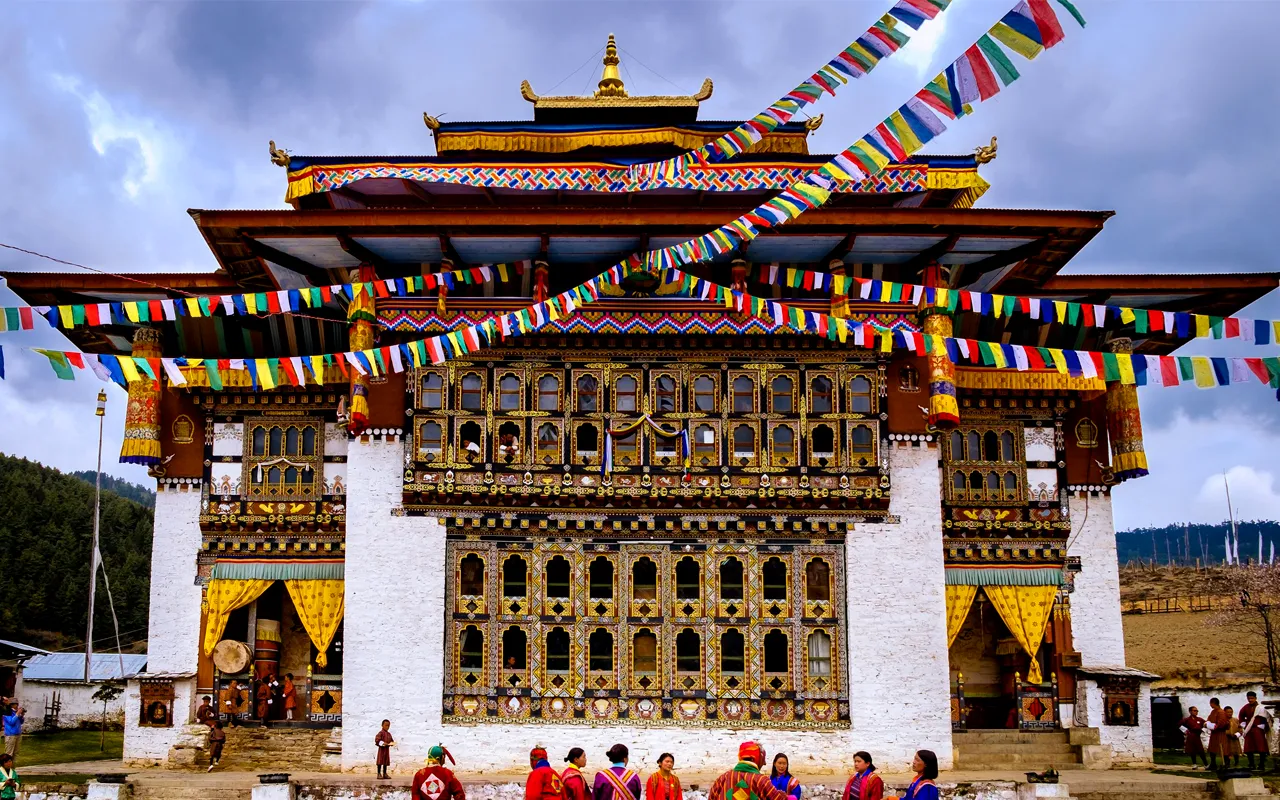
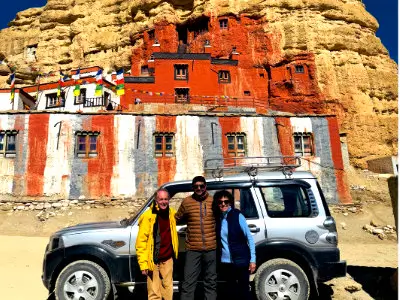
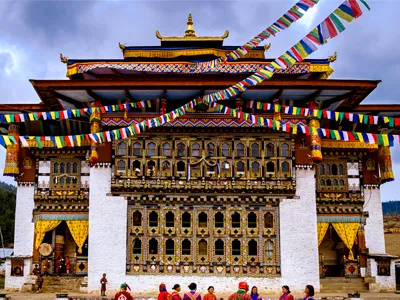
Ura Yakchoe

Spring (March to May)

Spring in Bhutan (March to May) is mild with temperatures between 15 °C and 25 °C in the valleys. This season is filled with the blooming of rhododendrons and wildflowers, painting the country with beautiful and colorful scenery.

Spring is an ideal season for nature walks, photography, and cultural tours. The pleasant weather and blooming flowers make it a famous season, the varied natural beauty of Bhutan and discovering the traditional village life at a leisurely pace.

The highlight in the spring season is Paro Tsechu, held in March or April, an event described as colorful and cultural displays of mask dances of mystic spirits. Another important festival that takes place is Ura Yakchoe in May, celebrated in Bumthang with sacred rituals.

The season brings in clear mountain views and colorful context, also very occurring, however, not overcrowded in every place. Springtime travel offers a sweet spot between the beauty of Mother Nature and the richness of the cultural fabric in Bhutan, with none of the tourist congestion associated with peak.

Traveling in spring offers a perfect blend of perfect conditions, attractive landscapes, and rich cultural experiences. It remains a famous season and time period when lots of travelers desire to experience the natural and spiritual beauty of the Himalayan kingdom.

Summer / Monsoon (June to August)

The summer season includes warm days and lots of rain in Bhutan, particularly in the southern valleys. The landscapes are transformed into bright green vegetation, which makes the scenery appear serene and refreshing.

This is the season that is favorable to travelers who want discounted hotel rates and solitude. The silence of the season enables one to explore peacefully and to be able to enjoy Bhutan without the flock of tourists that is common in the other seasons.

Summer festivals such as Kurjey Tshechu in June are when sacred mask dances are performed, and Haa Summer Festival in July, when the local culture is celebrated with sports and traditional rituals. The two provide interesting insights into cultures.

Tourists are advised to be cautious because of the poor mountain visibility and occasional roadblocks, which may arise as a result of heavy rainfall. The weather is unpredictable, and travel plans may be disrupted in remote high-altitude locations; therefore, there should be flexibility and readiness.

Nevertheless, summer is ideal for travelers seeking solitude, dramatic skies, and lush scenery. It is a peaceful period to enjoy the natural beauty of Bhutan in peace, without the commotion of people.

Autumn (September to November)

In Bhutan, autumn is characterized by clear skies, warm temperatures of about 20°C during the day, and cool nights. This season offers ideal conditions for outdoor adventures and cultural exploration.

The environment is optimal for trekking, cultural tours, scenic mountain flights, and photography. The abundance of natural, stunning landscapes and the presence of untouched cultural heritage contribute to the representation of the beautiful Bhutan, which boasts good weather and the possibility of seeing the stunning views.

Major autumnal festivals are Thimphu Tsechu, Wangdue Phodrang Tsechu, or Jambay Lhakhang Drup. The colorful mask dances and joyful celebrations are a part of these events, further providing the traveler with good cultural experiences and a lifetime of memories.

It is also the colorful season of autumn, during which golden fields and fertile foliage can be seen in addition to the already marvelous view of the country. The highest points of the Himalayas are as clear as ever and attract both photographers and nature lovers.

The season is well considered as the best season to visit Bhutan, which matches the best weather and rich cultural celebrations, making every trip deeply rooted and to be remembered.

Winter (December to February)

The winter months (December to February) in Bhutan is cold in the morning, and the temperatures range between 0°C and 10°C. Clear skies dominate in the early morning with snow cover at high altitudes, making the scenery a magical and serene one.

Culture sightseeing, bird watching, photography, and quiet meditation retreats are best carried out during this season. The tranquil surroundings enable the tourists to have a strong association with the religious culture as well as the beauty of Bhutan.

Some important festivals in winter are Punakha Drubchen and Trongsa Tsechu. Bhutan boasts a rich cultural background with dances done in masks and other historical re-enactments in these festivals.

In winter, the days remain sunny despite cold mornings; there are fewer visitors here, and the hotel and travel services are cheap. There is a more intimate feeling of the place, and most cultural attractions are accessible only within the quieter setting.

Winter travel offers tranquility and meaningful interaction with the locals. This season offers an authentic local experience to the off-season explorers needing some tranquility and localness without the crowd and noise in Bhutan.

Best Time to Visit Bhutan for Specific Experiences

ExperienceIdeal Time(s)Notes
Cultural FestivalsMarch – April, September – NovemberMany tsechus and local festivals are held during spring and autumn.
Trekking & HikingMarch – May, September – NovemberTrails are drier, skies clearer, and stable weather is more likely.
Photography (landscapes, sharp colours)October – November, March – AprilCrisp light, clearer skies, great mountain visibility.
Budget TravelJune – August, December – FebruaryOff-peak months see fewer tourists and more deals. But beware of monsoon disruptions (Jun–Aug).
Honeymoon & Luxury ToursMarch – May, October – NovemberPleasant weather, beautiful scenery, and comfortable travel conditions.
Wildlife Watching & BirdingFebruary – MaySpring is great for bird migration, blooming forests, and active wildlife.

Travel Tips for Visiting Bhutan

If you plan on visiting Bhutan, reserve the flights as soon as possible since Drukair and Bhutan Airlines are the only companies operating flights into Paro. Tickets are limited, especially during peak travel seasons, so you will want to be sure to secure your tickets well in advance for a seamless trip.

Visitors to Bhutan must have a visa arranged through a licensed Bhutan tour operator. You are not permitted to travel independently in Bhutan, as all tourism is regulated to ensure that sustainable tourism maintains the culture and environmental integrity of the country while also providing a safe, organized experience for visitors.

The fee for SDF that travellers are required to pay per night is USD 100.  The fee is for responsible and sustainable tourism management in the kingdom.

You should pack layers, since temperatures can fluctuate frequently. Warm layers are essential in winter at higher elevations, a rain jacket is a must in summer, while hats and sunscreen are necessary in spring and autumn as sun protection. Bring a motion-sickness medication for the winding mountain roads and ensure your health safety.
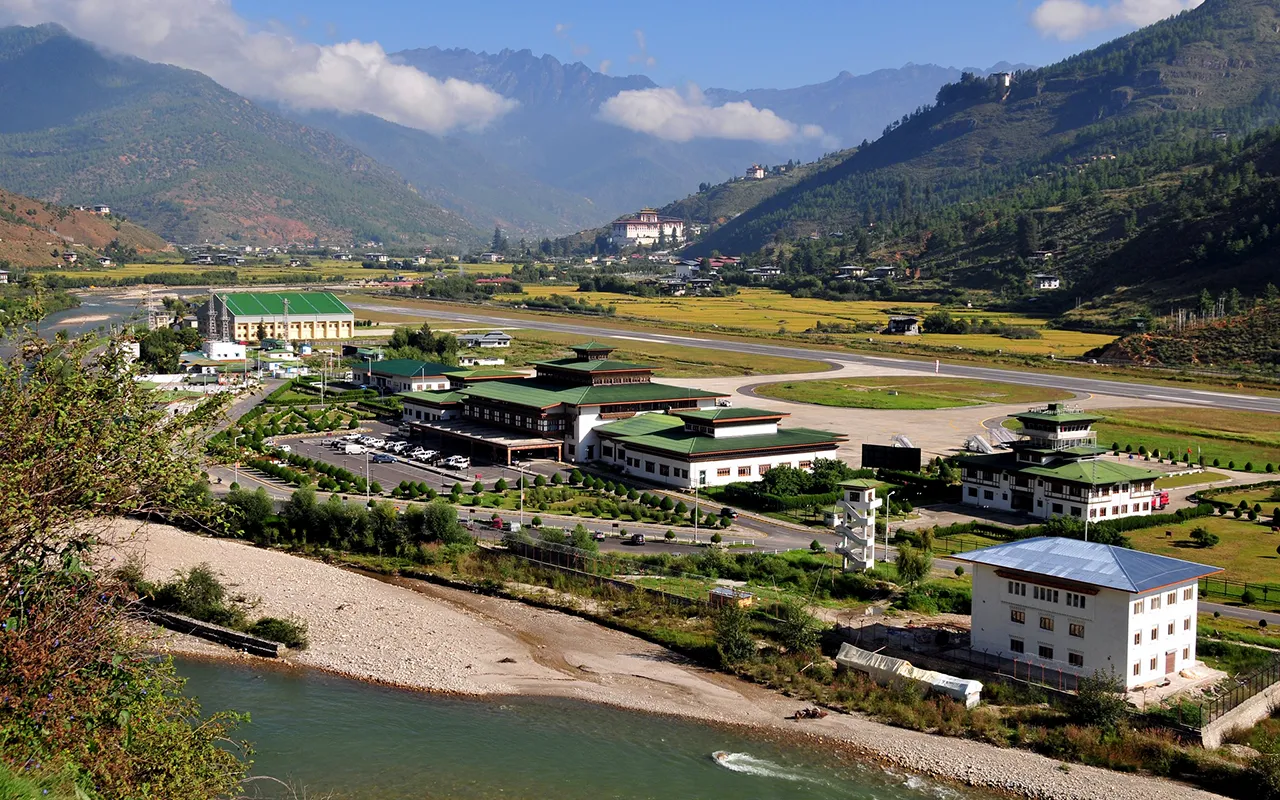
Paro Airport

Combining Bhutan with Nepal or Tibet

The multi-country tours offer some of the richest heritage, beautiful landscapes, and spiritual sites. Paro International Airport offers seamless flight connections to Nepal and India.

The most preferable season when Bhutan and the surrounding countries of Nepal or Tibet should be visited is the spring and autumn. These are the months with clear skies, cool weather, and festivals, which make for great trekking, a cultural tour, and photography opportunities in all destinations.

We can customize the itineraries based on your preferences. Our guided excursions guarantee seamless logistics and the most amazing visits so that you have the opportunity to experience the cultural richness and natural magnificence of the Himalayas in its fullness.

Conclusion

Bhutan has amazing scenery and a cultural wealth all around the year, although the best season to visit depends on one’s preferences. Choose spring for vibrant colours, autumn for clear mountain views, winter for serenity, or the monsoon for solitude.

Responsible travel means that you learn to love the natural and cultural setting of Bhutan, and you enjoy the slow, spiritual ways of Bhutan. This conscious attitude makes these meaningful experiences, and conserves the untainted practices of Bhutan for the coming generation.

Mark your tour in Bhutan with us; we schedule your trip depending on your interests in the field, be it trekking, festival tours, or cultural journeys. In any case, your Himalayan adventure is once in a lifetime.
Everest Rainbow Valley: Stories of Climbers Who Never Returned

Introduction

For every climber in the world, Everest is regarded as the peak of mountaineering. Climbing the mountain to its peak signifies the conquest of the tallest mountain on Earth, which motivates millions of adventurers to overcome severe heights, climatic conditions, and physical abilities.

There exists an ugly reality beyond the beautiful landscape of Everest. The so-called Rainbow Valley (after the colorful climbing gear abandoned therein) is a cold spot where we find frozen corpses. It is a ghostly meeting of breathtaking scenery and crushing loss on the mountain.

Rainbow Valley reminds us of nature’s power and Everest’s dangers. So many of the climbers who overstepped it never came back. Their frozen relics act as living witnesses with tales of heroism, sacrifice, and the ultimate cost that some may pay in their quest to achieve their mountaineering goals.

This blog discusses the dark story behind the Rainbow Valley frozen bodies. Through these tales, we honor the dead and catch a glimpse of the darker face of Everest–where the dream of summit attainment all too frequently results in loss of life itself.

What is Everest Rainbow Valley?

Rainbow Valley is on the north slope of Everest. The name gives an impression of a green nature at first sight, but the truth is rather uglier. Rainbow Valley is over 8000 meters in altitude, and is the notorious Death Zone.

It has become the final burial place of dozens of climbers who did not return from the top or lived long enough to do so. It is referred to as Rainbow Valley due to the bright colored mountaineering suits, jackets, sleeping bags, and climbing gear littering the snow behind.

On the contrasting white backdrop of the Himalayan mountains, the reds, blues, yellows, and greens pretend to be a nightmare canvas. Yet these are not colors on flags or ornaments. They are among those frozen climbers who did not find their way home and whose bodies were still in their condition, frozen where they last fell.

Rainbow Valley is not covered by avalanches or ice like the other regions of the mountain. The air is thin, the slope is steep, and the topography is treacherous. There are practically no attempts to retrieve fallen climbers at these heights. This has made Rainbow Valley a landmark and a warning: the peak is almost in reach, and so is death.

This duality of Everest Rainbow Valley is what makes it haunting. On the one hand, climbers who go through will see one of the most stunning sights on Earth. On the other hand, they have to pay the price of their ambition. It is a beautiful location trapped in tragedy, a lesson that Everest must be respected, at times, and it will take away more than it gives.

The Death Zone and Its Dangers

Once past 8,000 meters, Everest reaches what is known by the mountaineers as the Death Zone. The name is no exaggeration. An increase in elevation also reduces the oxygen level to only a third of what is required by humans at sea level.

The human body starts to deteriorate very fast without the use of supplemental oxygen. The brain cannot regenerate cells, some processes in the body find it hard to operate, and each move becomes a marathon.

The dangers here are many. One of the most widespread dangers is exhaustion, one of the most common killers. Even the most powerful athletes can stagger just several hundred meters to safety after several days of climbing in thin air.

High-altitude cerebral edema (HACE) and high-altitude pulmonary edema (HAPE) are two forms of altitude sickness that can strike suddenly, making you feel confused, with fluid in your lungs, or with deadly swelling in your brain. Hypothermia and frostbite make fingers and toes black in hours.

Another risk that is always present is falls. There is not much room to make a mistake in the icy slopes, changing weather, and sheer cliffs of Everest. One slip and a climber will go crashing down into complete oblivion. Avalanches, hidden crevasses, and blizzards add to the risks. These dangers explain why Everest has claimed so many lives.

Bodies can hardly be recovered in the Death Zone. At those altitudes, the helicopters cannot fly safely. Already in a lowered oxygen state, rescue teams put their own lives in jeopardy when they attempt to drag up the load of an extra human. In the vast majority of cases, no one carries dead climbers across the Death Zone. The mountain serves as their cemetery.

Rainbow Valley acts as a concentrated reminder of this ugly truth. Every climber lying there was able to endure the full force of the Death Zone. In their stories, we are reminded that Everest is not conquered but survived.

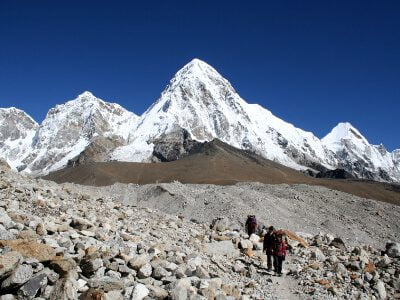
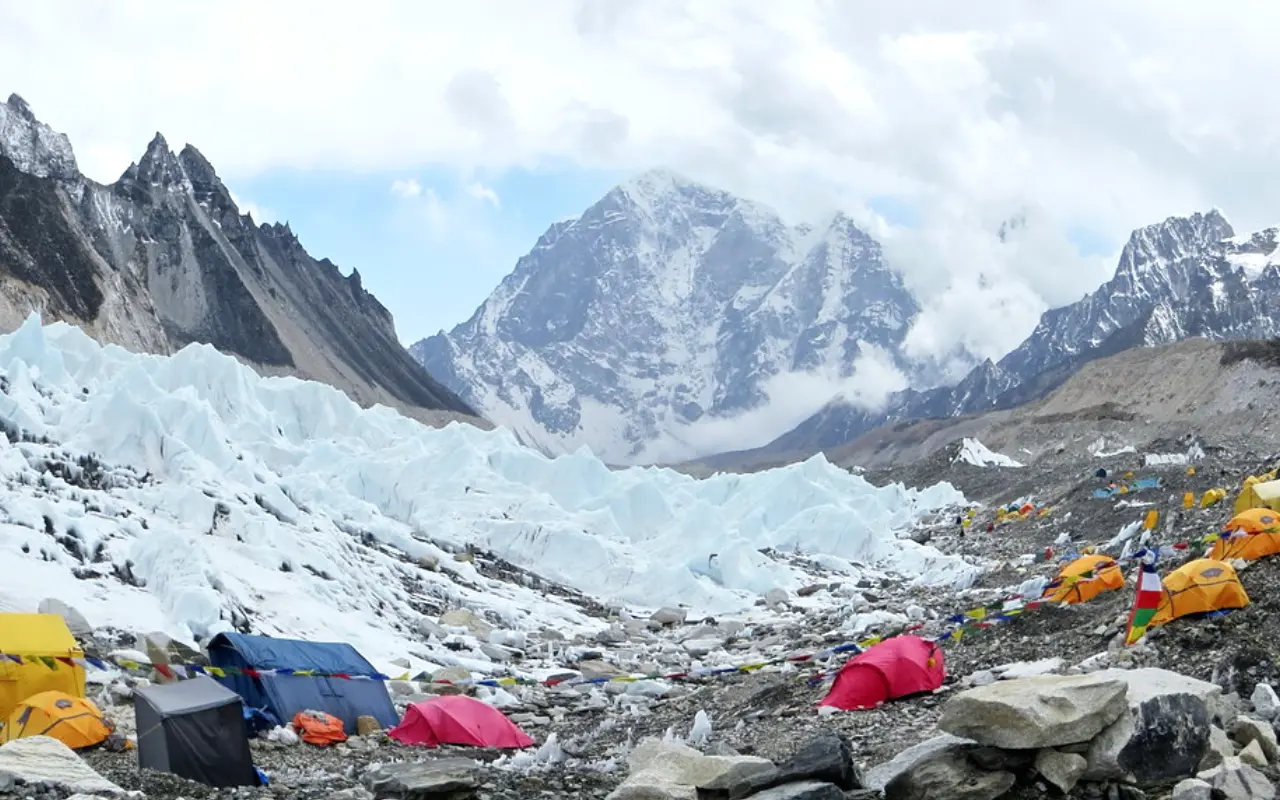
Journey to Everest Base Camp across Khumbu Glacier

Famous Stories of Climbers Who Rest in Everest Rainbow Valley

Everest Rainbow Valley is more than a name; it is a group of human stories. All of the bodies illustrate an example of a climber who, at one point, had a dream of being on the top of the world. Some names have become a part of the history of Everest, forever tied to the slopes where they now rest.

 George Mallory/Andrew Irvine (George Mallory) (1924)

The loss of George Mallory and Andrew Irvine is a mystery of Everest. They had tried the mountain way up in 1924 when only oxygen tanks and experimental equipment were available. They never returned.

It is controversial whether they ever made it to the top before they died or not. Mallory was discovered in 1999, and his body was very well preserved. His history serves as a chilling account of the eternity of the mountain.

“Green Boots” (Tsewang Paljor, 1996)

Green Boots, known later as Tsewang Paljor, an Indian climber who died in the 1996 Everest disaster, is the best-known character in Everest Rainbow Valley. And for years, his corpse had lain in a cave of limestone on the Northeast Ridge that every mountaineer who came past could see his green boots. Green Boots turned into a famous icon of the danger of Everest.

Scott Fischer (1996 Disaster)

The Everest season of 1996 was actually among the worst seasons when several climbers were lost. They included Scott Fischer, who was an American senior skills guide and a mountaineer.

Fischer died of exhaustion and high altitude sickness, trapped in a storm on the face of a mountain. It was immortalized in books and films, as that season brought out the ambition and weaknesses of those climbing Everest.

Francys Arsentiev- Sleeping Beauty (1998)

Francys Arsentiev was the first American woman to summit Everest without any additional oxygen. However, on the way down, she fainted at the Death Zone. Several climbers attempted to assist, but not one was able to bring her down.

She perished in the hills and is called Sleeping Beauty in reason of her peaceful demeanor, highlighting her narrative as victory and defeat in one ascendancy.

The 2019 Overcrowding Tragedy

In 2019, horrifying photographs were taken of what has been dubbed a traffic jam near the summit of Everest, where hundreds of mountaineers have been forced to wait in line in the Death Zone.

11 climbers died in that season, due to delays, fatigue, and a shortage of oxygen. Instead, it grew again, Everest Rainbow Valley left the world in no doubt about how human ambition can sometimes have too much of a good thing.

Although heartbreaking, these stories are a part of the history of Everest. They are testaments to human drive as well as tragedies. Each climber was a boundary pusher; they all went through incredible odds, and they all became one with the mountain they cared about.

The Ethics of Everest Rainbow Valley

Given that there are so many corpses on Everest, this brings up related hard ethical dilemmas. Should workers of the climbing set themselves the task to save the lives of sufferers even at their own peril? Or should survival come first in the Death Zone?

Rescue in the Death Zone is different from a rescue situation at lower altitudes. In fact, a climber who chooses to assist another in difficulty is putting their own safety at risk. To carry another human being at an altitude of 8,000 meters, even for a short period of time, could be the end of life for both parties.

Many of the climbers left for dead are dying despite others being in proximity. For people from the outside world, this is incomprehensible, but on the mountain, it is more an arithmetic computation than anything else.

Another debate is whether bodies should be retrieved or left frozen in place. Some argue that climbers should rest where they fell. Others feel body retrieval is an act of respect towards the dead and provides closure for families who were left with uncertainty.

Sherpas, who risk their lives by taking climbers to the mountain, also have their own cultural views of body retrieval. Many Sherpas view the mountain as sacred and do not wish to disturb anyone left behind.

In recent years, some of the bodies, such as Green Boots and Francys Arsentiev, have been moved to less prominent locations on the mountain out of respect for the dead. But many others remain, still occupying the Everest Rainbow Valley. The arguments continue, and the debates go on. But what is certain is that each climber who lies in Rainbow Valley is a reminder of Everest’s brutal character.

Everest Base Camp Trek – 14 days
Introduction For every climber in the world, Everest is regarded as the peak of mountaineering. Climbing the mountain...
14 Days
Moderate

US$ 1100

Lessons from Everest Rainbow Valley

Everest Rainbow Valley isn’t just a haunting landmark. It’s an educator. Every climber passing through Rainbow Valley learns valuable lessons about risk, respect, and humility in the face of nature’s magnitude.

First, Everest is more than glory. Climbing to the top of Everest is an accomplishment, but surviving is a challenge. The summit is not what counts. What matters most is that you returned safely.

Second, preparation is everything. Proper acclimatization, physical preparation, and climbing with knowledgeable guides can mean the difference between life and death. More than a few climbers who met their fate in Everest Rainbow Valley can attribute their fate to always living in the Death Zone or misinterpreting their limitations.

Third, the valley teaches respect. The bodies in the valley aren’t an obstacle, and they aren’t a tourist trap. They were people who dreamed, trained, and loved. You shouldn’t look at them as another part of the landscape. You should consider them with reverence.

Finally, Everest Rainbow Valley is a cautionary tale to climbers. The mountain will not forgive. Careless ambition can kill. If you are going to climb, you will need to bring brain with brawn.

Everest Rainbow Valley

Conclusion

Mount Everest is an ambition and an obstacle. To most people, it is the pinnacle of human success. But to the people of Everest Rainbow Valley, it was the ending.

Everest Rainbow Valley is a hymn and a scold. It is lovely when you can see its bright colors play against the white snow. However, it is also a tragedy since every color is the life that has been broken.

Everest has left its mark on the climbers who camp there. They remind us that the mountain cannot be conquered; it can only be endured, respected, and occasionally survived at a high price. Their tales remain timeless lessons to all future climbers and a reminder to all of us that we should honor the power of nature.

To have Everest in your dreams is to have greatness in your dreams. Rainbow Valley has to be remembered together with the cost of that dream. Finally, we learn the lesson of the mountain, humility, and the ambition of man being submissive always to the power of the earth.

Best Time for a Jeep Tour in Nepal: Seasons, Weather, and Road Conditions

Nepal is proud of Mighty Mountains, an ancient culture rich in history and opportunities for wild adventures. Most people associate Nepal with trekking, but now there are jeep tour in Nepal that are quickly becoming a new method of traveling to explore the country’s beauty, especially for those looking for comfort and accessibility.

The success of your Jeep Tour in Nepal has fully rested on your decision to go. Why? Well, due to constantly changing weather conditions and soft seasonal or slippery roads, the terrain will differ a lot. Before heading to the Himalayas, it is good to know that there are optimal travel windows during the year.

In this article, we will cover the seasons in Nepal, their relevance concerning travel, which routes are best suited for particular times of the year, and more. Let’s start!

Overview of Nepal’s Favourable Climate and Seasons

Within a short distance, the land transforms from flat tropical plains into some of the highest mountains in the world, providing a highly beautiful geographical variety for the country. For this reason, it forms a series of climates, such as warm and humid in the south and cool in the north, with cold temperatures.

As a result, any type of travel plan, especially a jeep tour plan, requires an understanding of Nepal’s seasonal climate. Nepal experiences four main seasons, each with its character and impact on road conditions and accessibility.

This diverse category of height and climate means that different parts of the country are best visited during specific times of the year. For example, while the Terai region can be uncomfortable and humid during summer, high Himalayan regions remain cool and more pleasant.

Conversely, regions such as Upper Mustang are located in the shade of rain, and may be ideal during monsoon, when other areas are less accessible. This is a unique seasonal balance that makes Nepal a one -year -round travel destination, provided that your route and journey program is well aligned with the weather patterns.

Understanding these seasonal differences is important to choose the safest and most beautiful routes for a jeep tour adventure.

Spring (March–May)

Spring is one of the breathtaking seasons to visit Nepal. The temperature is moderate, and nature explodes with beauty. The forests and hills are full of wild flowers and flourishing trees. Jeep tour in Nepal are favorable for this season and in the mountainous and mountainous regions, where the weather is stable, visibility is high, and the roads are mainly dry.

Summer/Monsoon (June–August)

This stage of spring marks the advent of the monsoon season. Life is offered in the fields due to this rain; however, traveling becomes a great challenge. Roads in the hilly and mountainous regions become smooth and muddy. Torrential downpours greatly increase the chances of landslides occurring.

Autumn (September–November)

The autumn season is considered the high travel period for Nepal. After the rain is finished, the air is fresh, the sky is clear, and the roads are dry. The mountains are also visible, which makes the experience memorable. This is also the best time for jeep and trekking Tours.

Winter (December–February)

Winter is cold and dry in high altitudes, where snow and ice accumulate. Accessing roads and mountains can be difficult. Still, everything else in Mustang and Terai is pleasant. Travelers should prepare for the chilly temperatures during the cold Mustang mornings and late nights.

Comprehending these stations allows travelers to choose the correct time for a scenic and memorable jeep tour across Nepal.

Best Seasons for a Jeep Tour in Nepal

In terms of scenery to explore, Nepal has a lot to offer all year long. However, for Jeep Tour  in nepal, their best Asons Tuo is during autumn (September to November) and spring (March to May). This period provides not only the best weather, but also guarantees access to the wonderful views and all the ways that make your journey easier.

Spring (Marh–Mcay)

Spring is one of the most loved seasons for travelers, avid explorers, and wanderers from all over the globe. It is known for long drives, adventures, and the feeling of freedom every road tripper dreams of.

Why Spring is Great for Jeep Tours:

  • Ideal Driving Conditions: Spring offers excellent temperatures across various regions. The climate during spring is hot on the plains and cold in the mountains, making long units pleasant without heat or extreme cold.
  • Mother Nature Flowering Season: Spring causes almost all areas to come to life with forests full of wild flowers and flourishing rods, along with red -tone -covered slopes, purple and pink.
  • Uninterrupted fantastic views: Dhaulagiri snow-covered mountain ranges, Annapurna, and Langtang are totally visible during spring due to light skies.
  • Accessible Roads: A majority of jeep routes during spring are dry which means fewer delays or road closures that are caused by mud or landslides.

Top Jeep Tour Routes in Spring:

During this time of year, nature enthusiasts will be pleased by the variety of rugged trails blooming with vibrant flowers, making for a picturesque spring.

  • Manang Valley – Full of wild beauty and unique culture
  • Lower and Upper Mustang – A journey through a semi-desert Himalayan landscape
  • Rara Lake – An undisturbed drive towards the biggest lake in Nepal.
  • Langtang Valley is an area renowned for its dense forests, along with major Tibetan cultural influences.

Travel Tip For The Spring: Remember to pack a warm jacket for cool spring mornings and evenings.

Autumn (September–November)

Autumn is usually referred to as the golden season for Nepal, as it is well-known for cultural as well as mountain exploration.

Reasons Why Jeep Tours are Great in Autumn:

  • Snow White Peaks: The sky is clear and dust-free, making it a must for photography as well as sightseeing.
  • Dry and Sunny Climates: Rainfall is rare during this season, and it is mostly sunny. Perfect to be riding for long hours on rugged paths.
  • Cultural Experience: Dashain and Tihar are major festivals celebrated in Nepal during this time.

Roads are in Excellent Condition: The ground is dry-making remote highways accessible to high-altitude roads.

Top Jeep Tour routes of Autumn:

Embrace autumn like never before with the best Jeep tour routes that combine vibrant fall colors, stunning landscapes, and crisp air for an off-roading experience you won’t forget.

  •  Mustang, Langtang, Manang, and Rara Lake – all have become highly accessible.
  • High Mountain Passes and Viewpoints – Clear skies mean stunning scenic spots are at their best

Autumn Travel Tip: Since this is Nepal’s peak tourist season, it’s wise to book jeeps, hotels, and guides in advance to avoid last-minute hassles. Whether you love flowers blooming in the hills or the joy of festivals with perfect views, Spring and Autumn promise the most rewarding jeep tour experiences in Nepal.

Challenging Seasons for Jeep Tour in Nepal

Although Jeep Tour in Nepal can be done at any time of the year, travelers need to consider the unique challenges presented during the seasons of the monsoons (June to August) and winter (December to February). Both times require additional flexibility and improved safety measures to ensure comfort and safety.

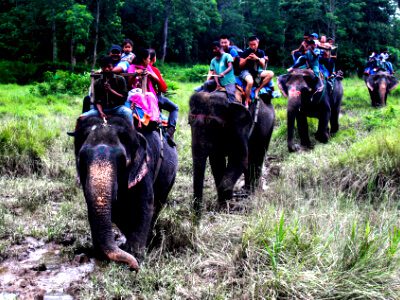
Chitwan Jungle Safari – 3 Days
Nepal is proud of Mighty Mountains, an ancient culture rich in history and opportunities for wild adventures. Most...
3 Days
Easy

US$ 130

1. Monsoon (June – August)

The strong rains are a feature of the monsoon season, especially for the mountainous and mountainous regions of Nepal. Constant rain makes the roads dangerously slippery and leads to landslides, especially on narrow and unpaved mountain roads.

These landslides can obstruct the highways for long periods, making trips incredibly frustrating. Furthermore, thick clouds and fog restrict visibility, concealing the stunning mountains that many travelers come to visit.

There is still some good news! Tours by Jeep to Lumbini and Chitwan National Park in the southern lowlands (Terai) regions are still accessible. These areas are less impacted by the rainfall and have better maintained roads.

Guidelines for Monsoon Travel: Check your forecast and local weather conditions. Waterproof bags for personal items should be used, and plans should be flexible to accommodate delays.

Winter (December–February)

Winter brings cold temperatures and ice to high elevations. Jeep tours are not possible in places like Upper Mustang due to snow-covered and icy roads. The nights in the mountains can be very cold, especially above 2,500 meters.

However, Lower Mastang, Chitwan, Lumbini, and Bandipur remain accessible and pleasant, providing a cold travel experience with fewer tourists and clear skies in Terai. Another benefit of traveling in winter is a peaceful atmosphere and unique views of winter.

The snowy landscape and empty trails produce a sense of solitude that finds many travelers refreshed. Wildlife visions are also common in Chitwan National Park during the cooler months, and cultural villages like Bandipur offer warm hospitality and beautiful hill views.

Just remember, the winter journey requires careful planning – avoid the high passes that are closed due to warm layers, thermal wear, and snow. Always check with local guides about the condition of the route before setting.

Tips for winter travel: Pack the dress in warm layers, thermal wear, and avoid the high passes that are closed due to snow. Always check with local guides about the condition of the route.

Key Jeep Tour Routes and Their Seasonal Highlights

Nepal is blessed with breathtaking jeep tour routes that combine natural beauty, culture, and adventure. Below are five popular destinations for Jeep Tour in Nepal, along with their seasonal highlights and travel tips:

Lower Mustang

Best Seasons: Spring, Autumn, and Early Winter

Upper Mustang Jeep Tour

Highlights:

  • Unique dry landscapes with a Tibetan feel.
  • Apple orchards and picturesque villages.
  • Majestic views of the Nilgiri and Dhaulagiri mountains.
  • Rich Buddhist culture and ancient monasteries.

Road Conditions:

Lower Mustang is accessible most of the year, thanks to the dry climate and relatively stable road infrastructure. It is one of the few destinations of the Himalayas that can be explored even in the early winter.

Upper Mustang

Best Seasons: Spring and Autumn

Jeep tour in nepal

Highlights:

  • Restricted region with a strong Tibetan influence.
  • Desert-like landscapes and historic Lo Manthang town.
  • Mysterious sky caves and ancient monasteries.

Important Notes:

Upper Mustang requires special permission due to its restricted status. In winter, strong snowfall usually leads to the closure of the roads, making trips difficult or impossible.

Upper Mustang Trek
Nepal is proud of Mighty Mountains, an ancient culture rich in history and opportunities for wild adventures. Most...
18 Days
Moderate

US$ 1700

Manang Valley

Best Seasons: Spring and Autumn

Highlights:

  • Stunning alpine scenery with lakes like Tilicho Lake
  • Traditional villages with authentic Himalayan life
  • Rich biodiversity and mountain views

Challenges:

Roads are rugged and steep. Snowfall during winter can completely block access, especially beyond Chame or Manang town.

Rara Lake

Best Seasons: Spring and Autumn

Highlights:

  • Nepal’s largest lake with deep blue waters.
  • Surrounded by dense pine and spruce forests.
  • Peaceful and untouched by mass tourism.

Challenges:

The journey is long and remote. During monsoon, roads become muddy and slippery, while winter brings extreme cold, making access difficult.

Langtang Valley

Best Seasons: Spring and Autumn

Langtang Valley Trek

Highlights:

  • Close to Kathmandu yet remote in feel
  • Home to the Tamang community and Buddhist culture
  • Beautiful valley landscapes and mountain views

Risks:

Winter snow can obstruct roads and trails. However, in good weather, this route offers the fastest escape in the Himalayas through the Jeep.

Langtang Valley Trek – 11 Days
Nepal is proud of Mighty Mountains, an ancient culture rich in history and opportunities for wild adventures. Most...
11 Days
Moderate

US$ 500

Road Conditions and Preparation – Have a Safe Journey

Jeep tour in Nepal give adventure, beauty, and access to remote areas, but the condition of the road can vary widely.

Types of Roads

Nepal’s road network includes everything from paved highways to Rocky Mountain Trails.

  • The highways in the Terai and Kathmandu Valley are usually maintained well, but may be crowded.
  • Gravel roads and off-road trails dominate the hills and mountains. These routes can be narrow, bumpy, and uneven, which are often affected by the weather.

In high-altitude areas such as Mustang, Manang, or RARA, the rolled areas with river crossings, landslide-prone classes, and unexpected routes are expected. These roads require patience and efficient driving.

Importance of 4WD and Experienced Drivers

To navigate the mountain ranges, a 4WD is essential. It provides greater safety and traction on irregular surfaces, as well as muddy or snow-covered roads.

Locally hired drivers are also an obligation. With their vast knowledge of the region, they can navigate challenging land and deal with sudden challenges such as landslides and obstacles.

Key Preparation Tips for a Safe Journey

For the preparation of the adventure, here are some beneficial recommendations:

  1. Check your car: If you are using a jeep or vehicle, make certain it’s running properly, checking lighting, brakes, tires, and fluids.
  2. The required package deal: Be sure to keep the equipment, a spare tire, a primary aid kit, and food and water.
  3. Plan your course: Be certain to realize the weather conditions, whether there will be a map or GPS, and the difficulty level of the path.
  4. Inform someone: Over your anticipated return time with friends or family, share your plans.
  5. Appropriately dress: For external adventures, wear comfortable clothes suitable for the weather with strong shoes.
  6. Drive carefully: Stabilize your speed to match the given area and avoid taking careless turns.
  7. Stay connected: For an emergency, a charged cell phone or satellite communicator is to be able to reach out.

If you keep these safety tips in mind, then your adventure will be both pleasant and safe!

Final Thoughts

A jeep tour in Nepal is a great way to reveal the country’s culture, landscape, and treasures. However, to maximize your adventure, it takes the right time. Spring (March to May) and Autumn (September to November) are the best seasons for Jeep Tours.

During spring, the climate is pleasant with moderate temperatures, so that effective, surprising ideas on flowers and valleys should not be forgotten, as well as with floral flora. Autumn is undoubtedly more famous for light and sunny skies, dry roads, festive vibrations, and overall, the busiest journey.

These twice-a-year offers not only provide an excellent climate, but also for trips to Mustang, Manang, Langtang, Rara, and other popular sites. To ride a comfortable jeep in Nepal, to check the weather and road conditions in advance, keep yourself flexible with your plans, and always keep an eye on the climate updates.

A jeep tour in Nepal is not just a trip; It is an experience through strong mountains, cultural places, and amazing ideas that you will never forget. Finally, be prepared for the elements, in combination with selecting the right weather properly. Then you will be on your way to experience one of the most beautiful road trips of your life.

Now, when are you set? Be sure to plan accordingly, whether it is a dry attraction of the Mustang, the cool water of the RARA, or icy Langtang’s icy peaks. Need help organizing your jeep tour? We can guide you with a custom journey program, permit, gear list, and much more. Just reach out, and make your Nepal visit smooth, visible, and luxurious.

How to Prepare for Trekking in Nepal: A Complete Guide for First-Time Trekkers

Annapurna Panorama Trek
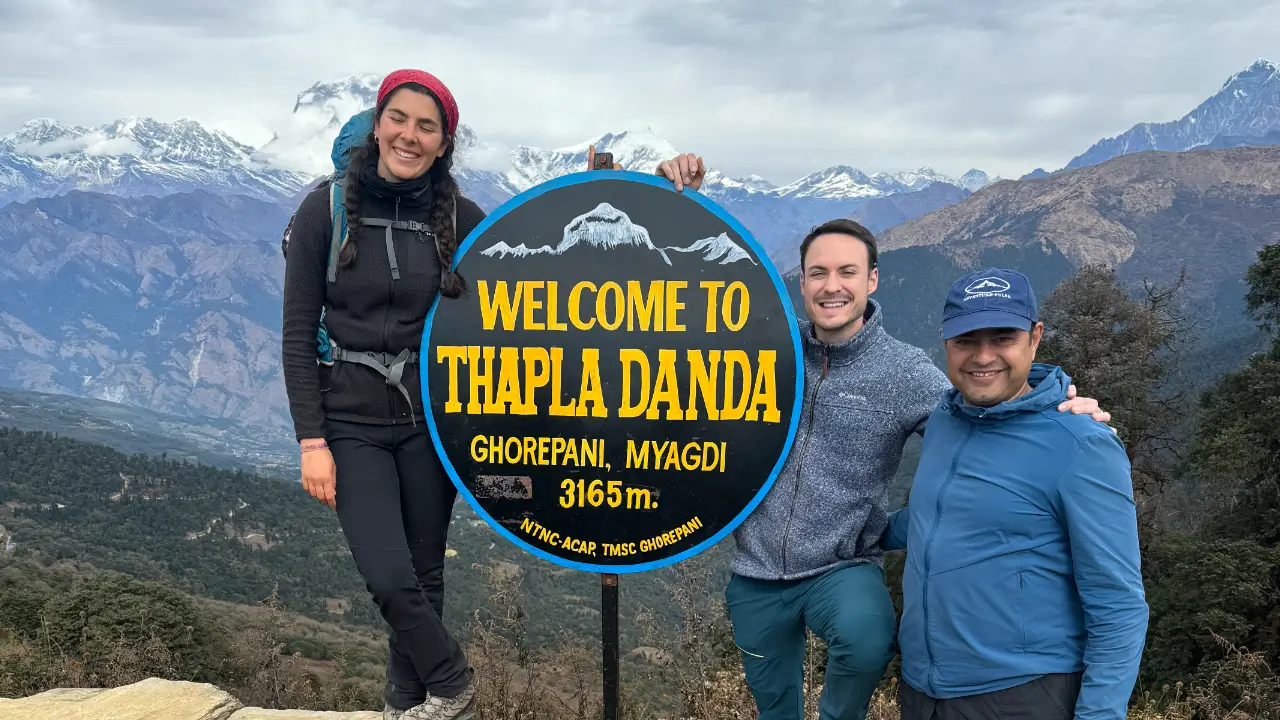
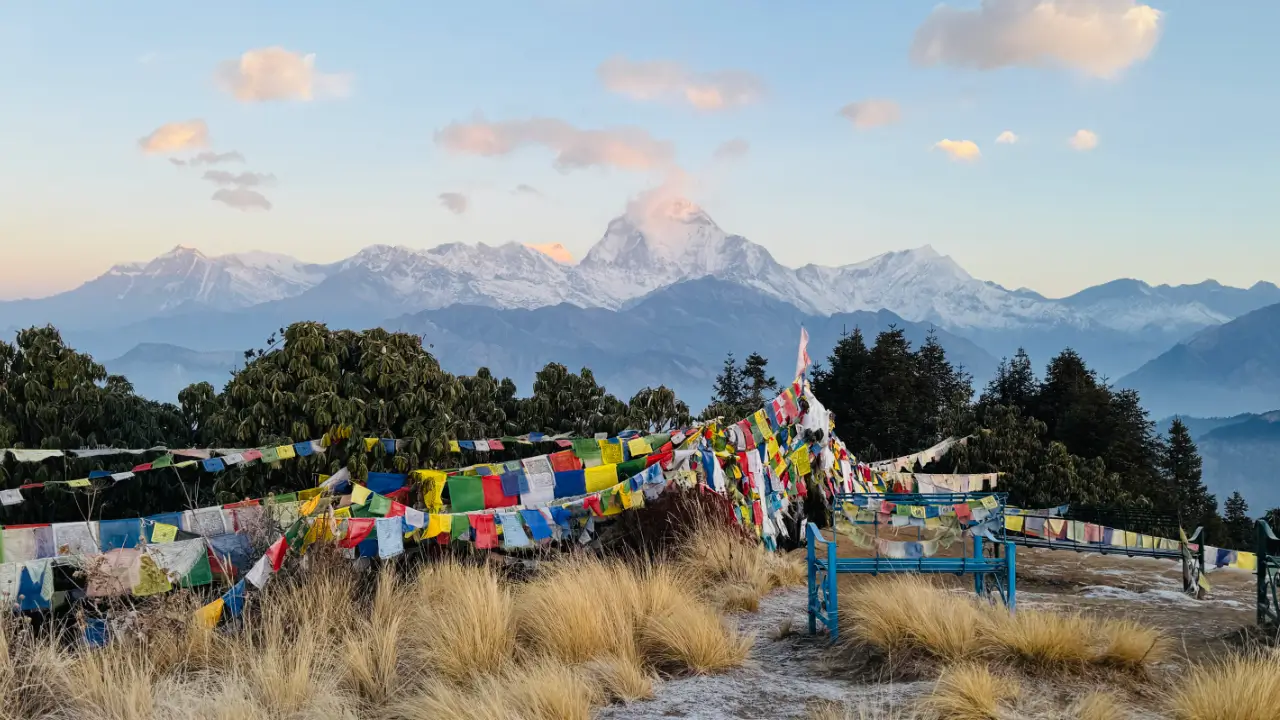
Thapa danda another view point near Poon Hill

Nepal is famous all around the world as a popular destination for trekking because trekking has been a way of life here since the early 1960s when the concept of commercial trekking was invented in the country. Situated in the heart of the Himalayas, Nepal has not just stunning natural, it has a rich cultural diversity with more than 70 ethnic groups making their home in the country.

Trekking in Nepal combines phenomenally beautiful mountains while experiencing and interacting with some of the country’s local communities, which are rife with culture and spirituality. The combination of these factors makes Trekking in Nepal an experience unlike anywhere else in the world.

There are many factors to consider when planning to trek in Nepal. Acclimatization is an important factor to be considered when trekking in high altitudes above base camp. In addition to acclimatization, trekking in Nepal requires all the appropriate gear for your chosen trekking region, including sturdy trekking boots, trekking poles, layer clothing, etc. for easy navigation in rough terrain.

During the trek, trekkers will walk through suspension bridges over roaring rivers, deep forests, and rugged mountain passes which require physical preparation and planning. Similarly, applying for permits, determining the weather, and managing accommodation and guides are all critical logistical hurdles that will allow you to have an enjoyable and safe trek.

This guide will address the question “How to prepare for trekking in Nepal” to help first-time trekkers who may be unaware of the physical requirements of trekking in Nepal. This guide also helps solo traveler who prefers independence, and budget-minded adventurers to navigate the trek. Whether a novice who wants to take the classic trek to Everest Base Camp trek or someone who prefers an easier trek to experience Nepal, this guide will help you to successfully navigate trekking in Nepal. It covers everything from picking appropriate treks for your physical levels to cultural awareness and safety.

By adhering to this guide, novice trekkers will receive the information necessary to prepare for the trek in Nepal. Trekking is not merely a physical trek – it is also a cultural pilgrimage, allowing a connection with nature and local culture in an extraordinary way. With the right preparation, your trek in Nepal can go from a daunting challenge to a gratifying and life-changing experience.

Choose the Right Trek for You

Understanding how to prepare for trekking in Nepal begins with choosing the right trek that aligns with your fitness level, interests, time, and budget. It will dictate the extent to which you can experience fun and safety on your trek. Some treks can last a few days and remain at lower elevations. However, your budget will ultimately dictate your trek, because longer and remote treks will usually cost more because of permits, guides, and equipment.

Nepal offers treks for everyone, from easy walks to strenuous treks. If you are a novice or want easier trekking experience, you can do treks such as Poon Hill and the Royal Trek. These treks can be completed in relatively short distances and are low elevation gains, making it very achievable for someone at most fitness levels, and a first trekking experience. For those who want to experience adventure and altitude, moderate treks like Langtang Valley or Mardi Himal have a good balance of reward and challenge.

For more experienced trekkers seeking a more genuine challenge, treks like Everest Base Camp and the Manaslu Circuit may be genuinely achievable but if you are looking for high altitude, difficult terrain, and extended duration you certainly need to be fit, seasoned, and prepared for an adventure requiring strong endurance and previous trekking experience.

The key is to align your trek with your capacity for fitness and with your interests to have a safe journey. Overestimating your level of fitness poses the danger of causing fatigue, illness, or injury, which will make the experience unpleasant and unsafe. Conversely, underestimating your fitness may result in boredom and a desire for a more authentic trekking experience. So, it is important to consider your expectations before the trek.

In the end, the ‘right trek’ is one that makes you excited, fits your capability, and fits with your time and budget parameters. It encourages you to take time to research and prepare for the walk. Trekking experience in Nepal’s mountainous region will create enduringly positive memories for the future.

Physical preparation is important for trekking in Nepal because trekkers will ascend and descend for 5 to 6 hours daily. So, you should begin your preparations 4 to 6 weeks before your trek, which allows your body to safely build the stamina, strength, and cardiovascular endurance to venture across long days on irregular terrain. Working out earlier mitigates the chance of injury while improving the overall trekking experience.

Mardi Himal Trek – 9 days
Nepal is famous all around the world as a popular destination for trekking because trekking has been a...
9 Days
Moderate

US$ 400

Cardiovascular training is important for the treks and to develop your heart and lung capacity. Walking, running and step climbing are good examples since they mimic the excursion movement and intensity of trekking. Regular cardiovascular workouts will develop endurance and allow you to sustain a given pace for some time. You should also incorporate interval training alternately switching between high and moderate efforts. This will increase aerobic capacity and help you adjust to the variable effort required on mountain trails.

Strength training is also essential, emphasizing the legs, core, and back. Strong legs will help you power up steep ascents and provide stability on uneven ground. A strong core will help to maintain balance and reduce fatigue. Squats, lunges, planks, and back extensions are arguably the four best strength exercises to do. Additionally, Building up muscle strength will reduce your likelihood of injury and develop shoulder endurance for carrying backpacks.

Consider mock hiking and interval training to prepare for altitude. Practice hiking with a loaded backpack over some uneven terrain before your trip so you know what to expect. Interval training will help the body to adapt to the oxygen fluctuation changes you will experience at altitude. Additionally, you can spend some time outside at higher elevations whenever possible.

Manaslu Tsum Valley Trek
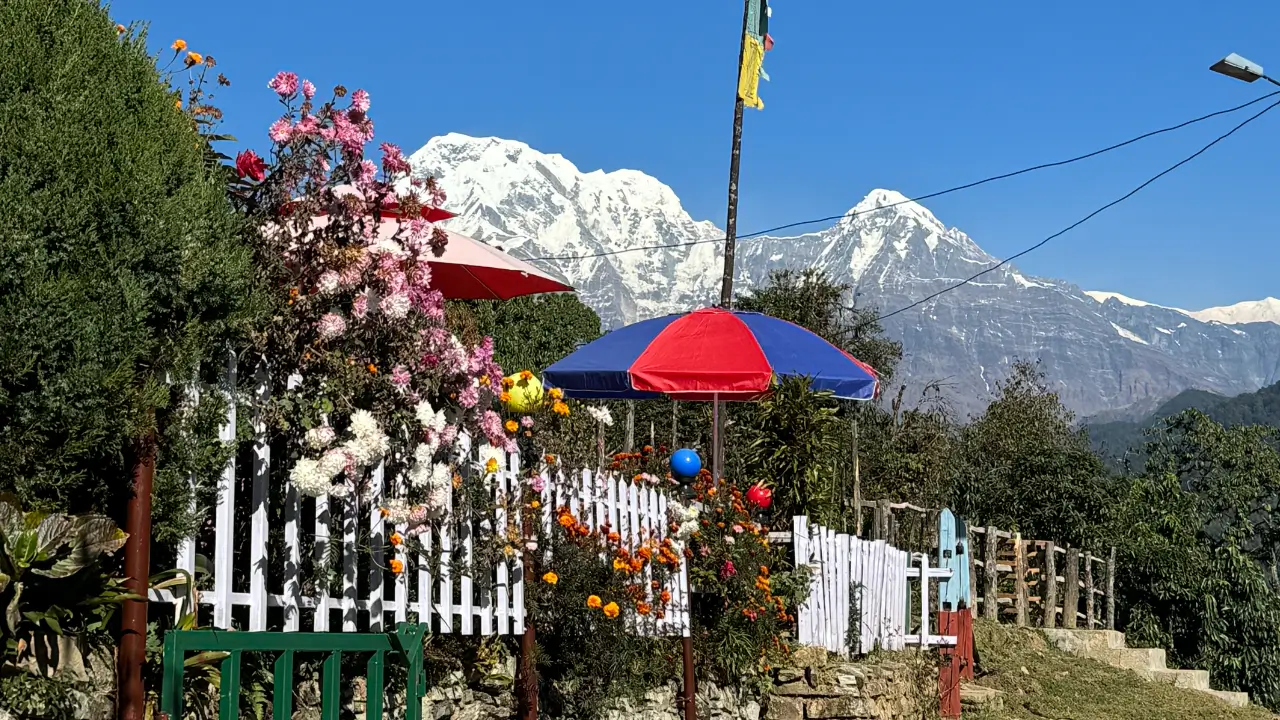
Beautiful place to take photos

Essential Documents & Permits

To guarantee a smooth trekking experience in Nepal, it is crucial to get the necessary permits and documents. The Trekkers’ Information Management System card is the minimal permit needed for a hike in Nepal, costing approximately USD 20 for individual trekkers and USD 10 for trekkers trekking with a registered agency.

Trekkers require a Conservation Area permit in addition to the TIMS Card. These permits are required while trekking in the protected area including Annapurna Conservation Area (ACAP), Manaslu Conservation Area (MCAP), Sagarmatha National Park, and many more. The permits support the conservation of the cultural heritage, communities, and environment of Nepal. You can expect to pay anywhere between USD 20 to USD 30 depending on the area trekked.

The Nepal Tourism Board and authorized trekking agencies in Nepal are the sources of these licenses. However, some permits and TIMS cards can be available online. We recommend you arrange them before the trek starts to avoid any unnecessary delays.

In addition to the permits, trekkers need to carry a valid passport with at least six months’ validity, as well as a tourist visa for Nepal, which may be obtained on arrival in Nepal. We also highly recommend you carry travel insurance because it will cover high-altitude trekking and emergency evacuations to protect in the event of an accident, illness, or evacuation costs. Preparing to trek in Nepal is not just about physical preparation, it is also about ensuring all legal documentation and permits to meet the regulations to have a safer journey.

Packing Smart: Gear Checklist

Clothing:

Clothing is the basis foundation of your gear list. So, it is important to set up a proper layering system to deal with the different mountain weather in Nepal. You must start packing with a moisture-wicking base layer to keep sweat away from your skin, a fleece or down jacket for warmth, and an outer shell that is waterproof and windproof to protect you from rain, snow, and cold winds.

You will also need thermal underwear for cold mornings and evenings, a good fleece for extra insulation when on a rest stop, and breathable and quick-drying fabrics to make yourself comfortable during the daytime.

Gear:

In terms of gear, a backpack of 35 to 50 liters capacity is recommended for most treks, allowing enough space for essentials without being overly bulked. Trekking poles are extremely helpful in keeping balance and relieving stress on knees during steep ascents and descents. For off-the-beaten-path treks or overnight stays in rudimentary lodges, a sleeping bag rated for cooler temperatures will be required. Additionally, you need comfortable trekking shoes, a hat, gloves, and sunglasses for UV protection at altitude.

Essentials:

A good headlamp is important if you are hiking early in the morning or need to move at night. Water purification tablets for clean drinking water power banks to charge up devices, and a first aid kit including blister care, pain killers, and altitude sickness medication are also essential during the trek. Lastly, to protect from UV rays in higher altitudes don’t forget to bring your sunscreen and SPF lip care.

Budget Tip:

For budget-conscious, trekkers renting gear in Kathmandu or Pokhara can be a good choice. Some shops rent quality trekking gear at reasonable daily rates. Renting gear not only saves money but also means that you will not have to carry items on your international flights. Before making a purchase, you can test the equipment by renting it.

You’ll need some personal gear like sleeping bags and base layers to keep yourself clean and comfortable. With wise packing strategies, you can adequately prepare yourself for your trip while finding the optimal balance between what you will rent and what you will pack.

Acclimatization and Altitude Safety

Altitude sickness, also referred to as Acute Mountain Sickness (AMS), means your body does not have the ability to rapidly acclimatize to lower oxygen levels, or lower air pressure at higher elevations, typically at altitudes above 2,500 meters (8,200 feet). Anyone rising rapidly to high altitudes can be at risk for developing altitude illness, but the risk varies by individual and is not necessarily related to fitness or age.

Signs and symptoms of altitude sickness normally include headache, fatigue, nausea and dizziness, loss of appetite, insomnia, and shortness of breath. These conditions are generally considered as high-altitude pulmonary edema (HAPE) and cerebral edema (HACE). Any suspected conditions of HAPE or HACE would require immediate descent while seeking medical attention. Recognizing these early signs is extremely important to prevent potentially life-threatening conditions.

Acclimatizing gradually is the key to preventing altitude sickness. Climbers should ascend slowly, not more than 300-500 meters a day above 2,500 meters, and should take rest days to allow the body to acclimatize. During this time climbers should ensure they remain hydrated by drinking 2-3 liters of water daily and should eat nutritious high-calorie food to ensure their energy needs are met.

Acetazolamide (Diamox) is a drug that can ease acclimatization and reduce symptoms. However, the medication should be taken only after consultation with a medical professional. In emergencies, supplemental oxygen, and helicopter evacuation may be needed. Learning about the possibility of altitude sickness and adhering to the previously listed precautions can help you have a more pleasurable and healthy trek in Nepal.

Food, Water & Accommodation Expectations

An essential part of understanding how to prepare for trekking in Nepal is knowing what to expect when it comes to food, water, and accommodations along the trails. The primary meal on the trails is dal bhat, which includes steamed rice, soup lentils, vegetable curry, pickles, and sometimes meat curry, and is often served unlimited. There are also other popular food options such as momos, fried rice, noodles with vegetables or eggs, and Tibetan-style soups like thukpa. Many teahouses have Western food such as pasta and pizza, but it is costly.

Meal prices along the trail vary by region and elevation but you can generally expect to pay between USD 3 to 7 for dal bhat, while there are higher prices for snacks and western-style food. Bottled water is sold on the trails at varying prices depending on where you are, but generally, it will cost from USD 1 to 3 per liter at higher elevations. To stay safe, it is recommended that trekkers use water purification tablets or portable filters to purify tap or stream water because untreated water can make trekkers sick to their stomachs.

In Nepal, accommodations on trekking routes are teahouses, lodges, and homestays. They provide basic rooms and local meals. However, for trekkers who want to have a cultural experience, homestays can be a good option. Facilities on the routes might vary greatly, especially at higher elevations, and it’s vital to be ready for the possibility of limited access to hot water, electricity, or drinking water.

As a first-time trekker in the planning stage for trekking in Nepal, knowing what you should expect from food, water, and accommodation will help you set realistic goals for your experience, and allow you to travel comfortably and safely. It would be helpful to comprehend the comfort and financial management in order to know what to expect from tea houses and lodges.

Money & Budgeting

When planning your trekking journey in Nepal, budgeting is important for a seamless and pleasurable experience.  For the budget trekker, the total daily expenses can vary between $25-$45 for food, lodging, permits, and basic service fees. A budget in that area covers lodging in tea houses with basic accommodation, affordable local meals like dalbhat, and transportation costs.

Currency exchange should be done in main cities, where the exchange is at a better rate like in Kathmandu or Pokhara. Even though such cities have ATMs, these services are not available in remote areas.  So, it is highly recommended to collect enough cash for the entire trek and some spare cash for unforeseen problems, since it is impractical to depend on credit cards or accessible ATMs along the trekking route.

During the trek, carrying cash resolves unnecessary stress for the paying process on permits, lodging, food, and tips. It’s advisable to bring US dollars or Euros because they are accepted and straightforwardly converted to Nepali Rupees.  Lastly, always use authorized money changers and banks that provide receipt options to reduce counterfeiting risks.

Tipping is an important step in trekking culture in Nepal. It is a wonderful way to express gratitude to the guides and porters who work hard to provide a safe and enjoyable journey. Budgeting tips for guiding and porters is important to the local trekking community when preparing for a trek in Nepal.

De camino a Namche Bazar

Cultural Etiquette & Responsible Trekking

It is important to understand and respect local cultural etiquette when preparing for a trek in Nepal. An important aspect of cultural etiquette, trekkers can dress modestly to demonstrate respect for local norms and culture. When visiting temples or monasteries, it is expected to remove shoes and act quietly in respect of local sacred areas. Touching sacred objects is forbidden, and taking a photo generally requires permission.

Also, responsible trekking minimizes the impact on the environment which can be reduced by using reusable water bottles and avoiding plastic during the trek. Local trekking lodges often sell and provide filtered water or refills; using such water sources to reduce waste in remote locations. You should pack a small bag to pack out any trash you produce while trekking, it helps to protect the natural beauty of the area.

The trekking experience will be further enhanced by interaction with locals. Greeting people with Namaste and a slight bow shows an appreciation of Nepali culture may result in a warm welcome. Always have permission while taking photographs of individuals. Additionally, be mindful of local customs during festivals and avoid escalating situations.

Part of your responsibility as a trekker is to support community lodges and local businesses. When you choose to stay in teahouses operated by local families or homestays, you promote local tourism in the communities you are visiting. Additionally, purchasing handicrafts manufactured in the area and using local guides and porters supports local economies while encouraging equitable, sustainable tourism. Thoughtful planning on how to prepare for trekking in Nepal enhances the experience while respecting the history and livelihoods of the people living in the Himalayas.

Final Prep Checklist Before You Go

  • Book your flights and secure travel insurance that covers high-altitude trekking along with emergency evacuation.
  • Confirm your intended trek route, ensuring that it is within your fitness and interests, and make sure that you obtain all the required permits before your trek.
  • Be sure to book your accommodation and transportation in advance to avoid a last-minute issue while on your trek.
  • Let family or friends know your trekking plans and itinerary to contact you, so they will be aware of your location.
  • Get hold of contact information of local guides, embassy, insurance agencies, and emergency services and keep them within your access.
  • Make photocopies of your documents such as passport, trekking permits, travel insurance, and itinerary.
  • Make sure you are well prepared by making a checklist of everything and ensuring that everything in the checklist is packed correctly.

Conclusion

If you’re a first-time trekker, understanding how to prepare for trekking in Nepal is essential for a safer, smoother, and more rewarding adventure. By learning about altitude sickness, training physically, obtaining permits, and packing wisely, you can take full advantage of the amazing scenery and diverse culture found in the Himalayas. Proper planning will help you avoid future risks and stress so you can enjoy your trip in peace.

If you are planning a visit to Nepal, remember to respect local traditions, reduce environmental impact, and support local businesses.  This simple act will not only add an interesting dimension to your trek but also support the sustenance of Nepal’s culture and environment so that future trekkers will be able to enjoy their visit to Nepal too. Ready to get started? Don’t forget to look at our packing Guide for trekking in Nepal or a guided Trekking Package to make sure you have the most enjoyable and smooth introduction to your first Himalayan trekking experience!


Upper Mustang Trek vs Tour: Which Is Right for You?

Introduction

Upper Mustang, part of western Nepal is the home of rich history, beautiful landscapes, and long-standing customs. Upper Mustang was formerly known as the Kingdom of Lo. As it is still a prohibited area, a special permit is needed to enter, as part of a law to protect the extremely fragile ecosystem, the rich Tibetan Buddhist culture and lifestyle, and the Loba people. The isolated area supports ancient traditions that have been passed down to the present day. Upper Mustang is full of dramatic scenery including the sharp cliffs, caves in the walls, and windswept Kali Gandaki esplanade enjoyed by many travelers. They also come to watch and experience forgotten rituals and the architecture of the old villages, like Lo Manthang, which was once the royal capital of Lo. The astonishing mixture of beautiful natural scenery and everyday living history makes Upper Mustang one of the most special destinations in the Himalayas. So, to make it easy for many travelers, Jeep tours and treks both explorations have special benefits.

Trekking is an experience that takes some time and allows travelers to interact and experience the region in more intimate ways with its land and people while experiencing some of the solitude and scale of the Himalayas. Alternatively, a Jeep tour is a faster mode of exploration in terms of comfort for travelers with less time and physical ability. Jeep tours cover large distances in short periods and provide convenient access to monasteries and villages.

This article will assist the reader in determining whether to pursue trekking or touring. Whether your interests are focused more on the challenge and intimacy of a trek, or the convenience and breadth of a tour, being familiar with what each can provide can facilitate a greater experience into the ageless and timeless landscape and culture of Upper Mustang.

What Is the Upper Mustang Trek?

Upper Mustang Jeep Tour
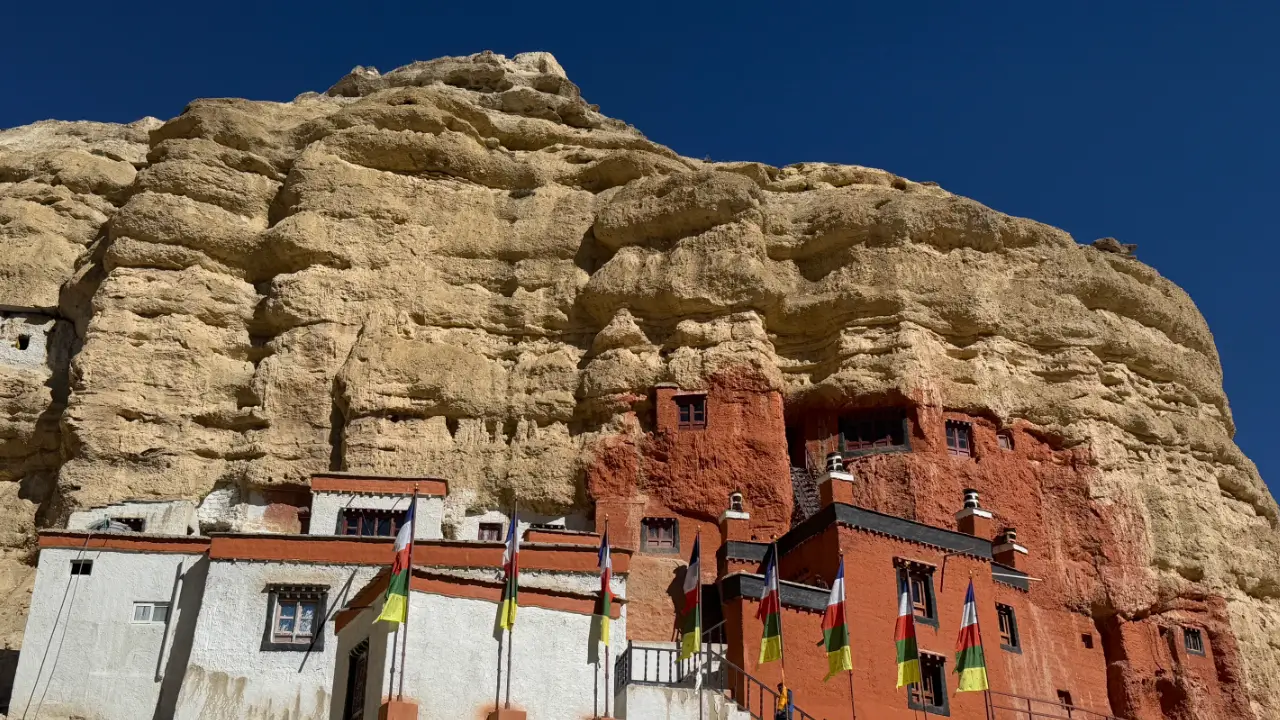
Monaster in rock wall

Upper Mustang Trek is a unique experience that will lead you to an isolated area influenced by Tibetan culture. The trail passes through traditional villages, such as Lo Manthang, ancient monasteries, and stunning rock formations, set in a high-altitude desert landscape. The beautiful landscapes of the Himalayas, dry rough terrain, and a 1,000-year-old Buddhist culture make the trips more memorable. But the trekking is moderately difficult, as the travelers spend time at altitudes, ranging from 2,700 to 4,000 meters. However, the trek will not involve any technical walking and trekking experiences but needs to be guided because it requires permits as the trek passes through a restricted area.

Upper Mustang Trek
Introduction Upper Mustang, part of western Nepal is the home of rich history, beautiful landscapes, and long-standing customs....
18 Days
Moderate

US$ 1700

Route details:

Day 1: Pokhara to Jomsom to Kagbeni

We start our Upper Mustang Trek by flying from Pokhara to Jomsom (8,907 feet) and trek the next 3 hours following the Kali Gandaki River Valley to Kagbeni.

Day 2: Kagbeni to Chele

On this day we trek for approximately 6 hours through the villages of Tangbe and Chhusang and enjoy the vast barren landscape, apple gardens, and red cliffs along the way.

Day 3: Chele to Syangboche

It involves 6 hour walk from Chele to reach Syangboche which offers panoramic views of the surrounding mountains peaks.

Day 4: Syangboche to Ghami

The hike will take around 5 hours, along rocky terrain, and cross Nyi La Pass to get to Ghami. The vibrant prayer flags and rocks adorned the winding trail.

Day 5: Ghami to Charang

This trek from Ghami to Charang will take you about 4 hours, you will encounter ancient mani-walls as you trek across the barren Mustang landscape.

Day 6: Charang to Lo Manthang

After a five-hour trek, you will arrive at Lo Manthang from Charang, a medieval town enclosed in a wall with breathtaking architecture.

Day 7: Acclimatization and Exploration Day in Lo Manthang

Travelers spend the day exploring known monasteries like Jampa Gompa, and Thubchen Gompa, as well as the well-known Chhoser cave complex and local area.

Day 8: Lo Manthang to Dhakmar (3810 m)

A 6 to 7-hour trek with some of the most outstanding red cliffs, caves, and beautiful desert vistas travelers reach Dhakmar.

Day 9: Dhakmar to Ghiling (3800 m)

From Dhakmer it will take 5 to 6 hours to reach Ghiling passing through arid landscapes dotted with traditional villages, furthering your round cultural experience.

Day 10: Ghiling to Chhusang (3050 m)

After a 5 to 6-hour descent walk along the Kali Gandaki Valley and Tibetan-style village, travelers reach Chusang located at an elevation of 3,050.

Day 11: Chhusang to Jomsom (2720m)

Finally, after a 5 to 6-hour trek down from Chhusang travelers reach Jomsom where they relax before the flight back to Pokhara.

The trekkers will walk about 5 to 7 hours per day, which requires physical fitness and a good level of endurance. The trails consist of significant climbing and descending on dry and rough terrain with elevation gains up to 4,230 which increases the risk of Altitude sickness. So, gradual acclimatization ensures a safe and enjoyable trek. Additionally, cardiovascular fitness, leg strength, and some previous trekking experience will help with this trek.

What Is the Upper Mustang Tour (Jeep Tour)?

The Upper Mustang Jeep tour covers longer distances in a short period, ensuring you see everything you want during the trip. The tour starts from Kathmandu or Pokhara, through a drive or a flight to Jomsom, where the Upper Mustang Trek begins. Travelers can experience the combination of driving and visiting culturally significant villages including Kagbeni, Chhusang, Tsarang, and the walled city of Lo Manthang. Traveler’s journey will also be complemented by visiting ancient monasteries, cave complexes, and sacred sites like Muktinath Temple. Traveling through Upper Mustang leads travelers to stunning panoramic views of the Kali Gandaki valley and the majestic Himalayan peaks surrounding the valley.

Upper Mustang Jeep Tour
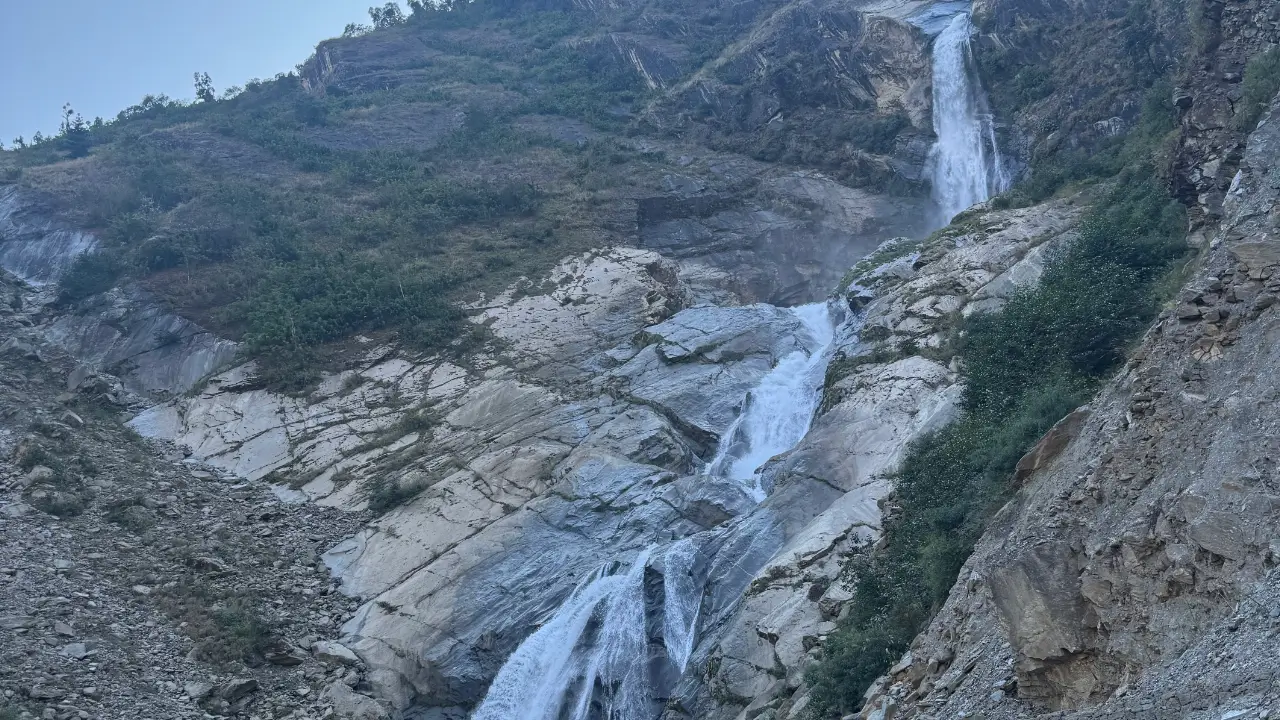
Rupse water Fall

In the recent years, the road access has been improved, while the roads are rough and connected to major settlements. Upper Mustang tour provides some level of off-road adventure. Jeep tours typically last anywhere from 7 – 11 days, giving an ample opportunity for cultural and human interaction, and to take in the barren beauty of the region at a high altitude. Highlights often include visits to Marpha’s apple orchards, the hot springs at Tatopani, ancient cave monasteries, and vibrant local festivals, such as the Tiji Festival in Lo Manthang. The upper Mustang jeep tour will be suitable for travelers with limited time and mobility to ensure a comfortable touring experience rather than dealing with strenuous activities. The Jeep tour is suitable for a wide range of travelers wanting a deeper cultural and visual understanding of the Upper Mustang and its scenery without the challenges of multi-day trekking.

Upper Mustang Jeep Tour
Introduction Upper Mustang, part of western Nepal is the home of rich history, beautiful landscapes, and long-standing customs....
13 days
Difficult

US$ 1300

Key Differences: Trek vs Tour

Physical Challenge & Fitness Level

Upper Mustang trekking involves 5 to 7 hours of walking each day and requires moderate to high levels of physical fitness. Beyond physical fitness and endurance the required proper acclimatization to prevent altitude sickness. In contrast, the Jeep tour requires little physical activity, making it feasible for travelers with restricted mobility, families with young children, and limited time for exploration.

Time Required

The upper Mustang trek usually lasts for 10 to 14 days and allows enough time to interact with locals and learn about and visit remote villages. While the Jeep tour requires 4 to 7 days to complete the tour. Depending on the itinerary requirement of travelers the jeep tour can be arranged.

Cost & Budget

Jeep tours are expensive as they include hiring a rental Jeep and special permits compared to trekking. However, the cost of trekking can increase with guides, porters, and permits.

Experience with Nature & Culture

Trekking provides close interaction with nature and local culture with amazing scenery of landscape while touring provides less time for cultural interaction with stunning views along the way.

Comfort & Accommodation

Jeep tours provide comfortable rides and less stress to the body, providing an opportunity to stay at comfortable guest houses. Whereas trekking involves staying in a teahouse with basic facilities with little or no luxury.

Access to Remote Areas

The trekking experience allows access to much more remote and less accessible sites, including hidden caves or off-the-trail sites that vehicular access will not allow. While jeep tours will typically address major cultural and natural highlights.

Pros and Cons

Upper Mustang Trek

Pros

  • Trekkers will get an opportunity to immerse themselves in rich Tibetan culture and explore ancient monasteries and village traditions which allows authentic engagement with local experiences.
  • Travelers can witness beautiful views of desert-like environments, red cliffs, Himalayan peaks, and hidden caves.
  • In addition to cardiovascular fitness and muscle strength, provide a sense of accomplishment to trekkers.
  • Less crowded trails compared to popular busier trails including Everest and Annapurna trails.

Cons

  • Challenging for travelers with lower physical fitness, and there is an increased risk of altitude sickness above 3,800 meters.
  • During peak seasons, it is difficult to obtain reasonable accommodations.
  • Unpaved and dusty road between Kagbeni and Lo Manthang can make partes of the trail uncomfortable.
  • Seasonal weather is not ideal, increased the cancelation of the trek due to landslides and rainfall.
  • Permits are extremely pricey as the area is restricted.

Upper Mustang Tour

Pros

  • Jeep covers large distances in a short period compared to trekking and provides an off-road experience.
  • Less strenuous to reach the area.
  • The Jeep allows access to villages and monasteries that may be more difficult to reach by foot for some travelers.
  • Involve the exploration with local guides and experienced drivers to ensure safe travels.
  • Ideal for families and elders with limited mobility.

Cons

  • Expensive compared to trekking due to the cost of rental vehicles, fuels, permits, and guides.
  • Less physical challenges than trekking for adventure-seekers.
  • Travelling through vehicles may erode the road, contribute to pollution, and disturb wildlife habitats.
  • Jeep tours have fixed itineraries and no freedom for travelers for their agendas.
  • There is no possibility of gradual acclimatization in vehicle rides, which increases the risk of altitude sickness.

Who Should Choose the Trek?

Upper Mustang trek is a good option for those seeking an adventurous journey. Trekkers will be rewarded with an amazing experience with a walk of 5 to 7 hours for 14 days. The trails passed through arid landscapes, higher elevated steep, and ancient trading routes. Travelers may not require prior trekking experience but good determination, stamina, and open-mindedness are essential to enjoy the journey. Trekking will be beneficial to those who want to engage fully in the beautiful Himalayan scenery, from towering cliffs and deep canyons to sweeping views of white peaks, and who enjoy traveling remote high-altitude routes.

Tibetan Buddhist heritage, age-old monasteries, and Meeting the local people in traditional villages like Lo Manthang delighted the cultural adventure of Upper Mustang. The remoteness has kept their unique practices, architecture, and ways of life intact, providing a precious insight into a living Buddhist kingdom. In the evenings, trekkers sleep in basic but comfortable tea houses and experience local hospitality and food. For trekkers searching for peace, Upper Mustang is a “magical, lifetime expedition” that will take the trekker back in time. However, as a warning to those who suffer from serious health problems, please consult your physician before this trek due to the altitude and physical demands. Overall, the Upper Mustang trek is for culturally inclined, adventure enthusiasts who want to experience a truly forbidden kingdom.

Who Should Choose the Tour?

The upper Mustang Jeep tour is a great option for families, seniors, and travelers who have limited time but still want to experience this amazing remote Himalayan area. Unlike trekking, the Jeep tour does not require trekking daily on long hikes, which means that this is appropriate for all ages, senior travelers, and those with people with mobility problems. Travelers can experience the rugged terrain, remote villages, and cultural highlights of Upper Mustang in a short period without facing difficulties in accommodations. The Jeep tour will be great for a family adventure or group adventure with different needs.

Jeep tour is also good for elderly people or travelers with health issues, as it provides a safe ride to high altitude places like Lo Manthang without trekking. The tour allows local festival attendance, exploration of ancient cave complexes, and Tibetan-influenced culture with the comfort of private transport and quality accommodation. Whether you are completing a family holiday or a relaxed cultural adventure that does not demand high fitness levels, the Upper Mustang Jeep tour is a rewarding and memorable Himalayan experience at your pace and with your many interests.

Important Things to Consider

Upper Mustang is a restricted area and requires a Restricted Area Permit (RAP).  Travelers are required to pay USD 500. Registered trekking agency of Nepal and licensed travel guide will secure RAP for travelers. Travelers will pay 500 USD to explore for 10 days and will pay 50 USD each day for additional stay to the place. In addition to the RAP, trekkers must also have an Annapurna Conservation Area Permit (ACAP) and a Trekkers Information Management System (TIMS) card, which was established for environmental protection and controlled tourism.

Also, weather and timing are another important factors for a successful trek. Spring (March to May) and autumn (September to November) are the perfect seasons to visit the Upper Mustang. These seasons have clear skies, making it the best time to travel to Upper Mustang. Whereas, the summer months will invite monsoon rains which can create slippery trails and less enjoyable hiking experiences. Winters are cold at higher elevations leading to restricted access.

Lastly, one important consideration of the trek is to travel guided or independently. In the Upper Mustang, independent trekking is not permitted. A registered trekking agency organized a group tour with a licensed guide. This organizational structure is to ensure travel compliance with local rules and regulations, provide safety measures, and respect the cultural context of the region. Additionally, the guide can share their knowledge of the region’s history, culture, and geography, enriching your overall experience, and they are there to assist in managing acclimatization and emergencies.

Conclusion

Upper Mustang has two popular ways to discover its stunning landscape and rich culture: trekking and Jeep touring. Trekking is an immersive way to experience the Tibetan culture, exploring remote villages and beautiful scenery for 10 to 14 days. Trekking which requires physical fitness and time will be rewarded by cultural interactions, monasteries, and an incredible sense of accomplishment. While the Jeep tour is a much less immersive way to travel through less challenging beautiful landscapes without requiring an extreme level of Physical fitness. Also, jeep touring involves exploration of the places for travelers with limited time, generally seeing the main sights in 4 days to a week. Travelers looking for comfort without walking will fit easily into the Jeep tour, observing the unique environment and history of the Upper Mustang.

Travelers choose a trek or tour depending on individual desires, level of physical fitness, and available time. Trekking is the best option for physically fit and resilient travelers looking for adventure. Upper Mustang by jeep will be beneficial for travelers emphasizing comfort, speed, and having family members. Whatever your emphasis is, traveler priorities will help to decide how to best experience the expectation that they want.

Either way, Upper Mustang will leave you amazed. Whether you hiking on its rugged trails or by Jeep and its stunning Himalayan views, the more than 800-year-old walled city of Lo Manthang, and its living Buddhist culture will take you on an amazing journey. This “Forbidden Kingdom” will amaze travelers with its beauty time and time again, which means every traveler will leave with memories and wonder of one of Nepal’s special places.

Top Yoga Trekking Routes in Nepal for Inner Peace and Scenic Beauty

Introduction

Yoga is a practice that connects you physically and mentally it is an act where your souls connects your inner body to retrieve peace. Meditation is one of the part of yoga sessions. To do meditation your mind craves peaceful environment.

Yoga trekking is one of the unique way to travel and meditate. The process of healing your heart, soul and mind is known as yoga. Yoga trekking helps a person to overcome their stress, heal their soul and enhance the physical ability.

Whether you are a pro yogi who wants to enhance your inner power or you are someone who are just starting your yoga journey then yoga trekking in Nepal is best for you. Nepal is collectively highly influenced by spiritual culture example Buddhist and Hindu culture so yoga and meditation will be meaningful for yoga enthusiastic.

What what’s better place than Nepal to seek for peace and beauty at the same time. Nepal is surrounded by snow caps and green hills where the meaning of yoga seems to be so meaningful.

Yogis used to practice their meditation and yoga on the lap of mountains. Nepal is perfect example of the place being near the laps of beautiful mountains. For anyone who is looking for peace, yoga and trekking then Nepal is best option for you.

Yoga trekking in Nepal have gained popularity among the years as it combines physical adventure with inner healing. Serene Landscape, ancient spiritual energy, and peaceful mountain settings makes yoga trekking in Nepal perfect for yoga trekkers.

Yoga trekking in Nepal is truly transformative and life changing for the beginner yogis and pro yogis. Either you are just starting or have already been yoga expert you should give yoga trekking in Nepal a try. Yoga trekking routes offers both natural beauty and spiritual rejuvenation.

Here are some of the best places for yoga trekking in Nepal and they are listed as below:

Annapurna Yoga Treks

Are you looking for the type of trek that offers unlimited natural beauty scenery then Annapurna yoga trek is best for you. The peaceful trek’s journey starts and ends in Annapurna foothills with daily yoga and meditation sessions.

Annapurna Panorama Trek

It is one of the shortest destination of yoga trekking in Nepal as it takes 7 to 10 days. It offers a flexible timeline for those who have limited time and are busy on daily basis.

The highlight of Annapurna yoga trek is that it offers Panoramic views of Annapurna, Dhaulagiri, and Machapuchre. The village is quiet and forest are ideals for morning yoga. Natural hot spring yoga in Jhinu is the best highlight for post relaxation.

Annapurna yoga Trek is perfect for yoga trekking in Nepal because it has calm atmosphere, gentle trails, and scenic sunrise spots for meditation.

Overall, Annapurna Yoga Trek is one of the perfect place for the introvert yoga enthusiastic as the village seems to be quiet and peaceful. It is the perfect example for the yoga enthusiastic who are searching for yoga trekking in Nepal.

Therefore, Annapurna Yoga trek is the unique way to travel and meditate in the natural beauty. This trekking destination is popular among all the people as its natural beauty stand out the most. Annapurna yoga trek offers one of the best closure with the Himalayas in a short period of time with artistic, breathtaking and photographic views you will never forget. Depending on the how much time you are willing to give in the trek.

Everest view Yoga Trek

Meditating and performing yoga near the Mount Everest seems to be a fever dream of every yoga enthusiastic person. Let your fever dream come true with the Everest view Yoga Trek .Yoga trek considered as one of the popular place for yoga trekking in Nepal.

Everest Base Camp Trek With Helicopter Return

Everest View Yoga Trek is a shorter version of Everest base camp route with a focus on mindfulness and high altitude yoga.

The duration of this yoga trek journey is minimum 7 to 10 days. The duration depends on the level physical ability and the amount of time you are willing to give during the time of trekking. The Everest Base Camp difficulty level of Everest camp is serious challenge because of the high altitude and the amount of good preparation that a trekking require. Proper preparation is important in this trek because the trek is Everest base camp is no joke.

The main highlight of Everest view point yoga Trek is that it offers Spectacular views of MT Everest, Ama Dablam, and Thamserku. You will be able to visit Tengboche Monastery for the peace of mind and tradition inspiration. Not only that you will be able to acknowledge the Sherpa culture and peaceful Himalayan settings.

Everest view yoga trek is perfect for yoga trekking in Nepal because your morning sessions will starts will beautiful mountain views and serene monasteries for meditation.

Therefore Everest view yoga trek have high spiritual energy as it is influenced by Mt Everest. Everest view Yoga Trek is an experience that will be cherished for the rest of your days. Everest is the place where people realize how beautiful their life is, so you will get you experience your own realization.

Poon Hill Yoga Trek

 If you are looking for beginner friendly yoga trekking in Nepal then Poon Hill yoga trek is best option for you.

Poon Hill Trek

Poon Hill yoga Trek is a beginner friendly trek with a mix of yoga, nature, and culture. This trek takes minimum 4 to 6 days. Captivating the beautiful tradition and culture.

The main highlight of this yoga trekking destination is that it will let you acknowledge the incredible sunrise over Annapurna and Dhaulagiri from Poon Hill. The lodges found in Poon Hill is comparatively comfortable with yoga spaces, Rhododendron forest and Gurung village are the main attraction of this destination.

Poon Hill yoga trek is perfect for yoga trekking in Nepal because it is an easy pace, surrounded with beautiful natural surroundings and is grate for first timers.

Overall Poon hill yoga trek offers the first time yoga enthusiastic people a beginner friendly environment. Whether you are the first time yoga trekker or the pro Poon Hill yoga Trek is best option for you.  Poon Hill Trekking will also let you acknowledge the traditional villages, beautiful nature harvesting, their beautiful culture and lifestyle of ethnic groups like Gurungs, and Magars. On your way to Ghorepani Poon Hill, you will be able to witness rhododendron forests and get the closure of amazing views of mountains including Fishtail, Annapurna, and more.

Helambu Yoga Trek

Are you an introvert?? Or are you someone who believes peace comes when you are surrounded with nature and not crowd then Helambu yoga trek is the best place for yoga trekking in Nepal.

Helambu yoga trek is tranquil and less crowed trails that is close to Kathmandu. The place is rich with Buddhist culture.

The duration of this trek is only 5 to 7 days making it the short destination among all the destinations of yoga trekking in Nepal.

The major highlight of this trekking destination is that it has peaceful trails through pine forest and charming Tamang villages. You will be able to interact with the local monks and visit the monasteries with them. The altitude in Helambu is gentle and is ideal for relaxation and breath work.

Helambu yoga trek is perfect place for yoga trekking in Nepal because the route to Helambu is quiet. The spiritual energy is strong and the place is perfect example of slower peace.

Therefore Helambu is one of the peaceful pace for yoga trekking in Nepal. It is perfect fit for those who have limited time period and are introvert. Peace comes when the surrounding is good. Helambu’s surrounding is highly influenced by peaceful nature offering you the best moment in your yoga trek.

Upper Mustang Yoga Trek

Do you ever feel like you want to explore the Tibetan culture? If you want to acknowledge the beauty of Tibetan culture then Upper Mustang yoga trek is the perfect place for yoga trekking in Nepal for you.

Upper Mustang Jeep Tour

Upper Mustang Yoga Trek is a unique yoga trek because of the mythical landscapes of Tibetan influenced Mustang region.

The duration of this yoga trek ends on 10 to 14 days. It will take at least 10  to 14 days for your journey to end but the real question is do you really want your journey to end after acknowledging the mustang’s beauty??

The major highlight of this whole trek is the eye catching desert like Himalayan scenery and ancient caves. Historic monasteries and meditation caves in Lo Manthang is the main highlight of this trekking destination. The trekking destination provides Cultural immersion and open spaces for deep yoga practices.

Upper Mustang Yoga Trek is perfect place for yoga trekking in Nepal because it is remote in nature. Holds the powerful energy and deeply spiritual environment.

Therefore, Upper mustang is comparatively longest destination among all the destinations of yoga trekking in Nepal. This destination is perfect fit for adventure freaks. Are you ready to perform your next meditation and yoga in Upper Mustang yoga trek?

Conclusion

 Nepal is have majority population of Buddhist and Hindu culture. The upper part of the Nepal consist of Tamang, Sherpa and Tibetan culture which are highly influenced by Lord Buddha. Lord Buddha is the god of peace which is the major highlight for the people who wants to explore peace and practice yoga.

Yoga has a deep rich history in Nepal as you can see on the pictures of god goddess and Lord Buddha in the Full lotus position, half lotus positions, and Burmese position these positions are the major form of meditation processes. Yoga is influenced by spiritual practices which connects your whole body one of the inspiration for yogi is Lord Shiva and Lord Buddha.

People always says “if you want to seek peace go to Himalayas”. Nepal is surrounded by mountains and monastery. Most of the yogis visit here to meditate and practice their yoga. Mountains have strong power which helps a person to seek peace with no disturbance.

Nepal is renowned for its stunning Himalayan scenery and rich spiritual traditions, offers various yoga trekking routes that blends the adventure with wellness including Annapurna, Everest, and Langtang Yoga treks as well as shorter options like Ghorepani Poon hill.

Nepal offers from the best to better option for yoga trekking in Nepal. Yoga trekking can help to improve physical and mental pressure, reduce stress, enhance mindfulness and foster a deeper connection with one self and the natural world.

Hiking offers some similar benefits to yoga making you not only physically but mentally fit and prepared. The great thing about yoga is it offers total body flexibility, mobility, increased strength which are essential during hiking. Like hiking, yoga brings you into the present state of mind by helping you reduce all the stress you have been carrying through your life. Yoga helps to improve your physical health, improve your mobility and flexibility reducing the level of stress you get from trekking.

For those who are craving to have deeper connection to themselves, their mind and souls and want to explore the beautiful nature with in a shorter amount of time then yoga trekking in Nepal is suitable option for you as Nepal delivers you an unforgettable moment.

Whether you are a pro yogi looking to improve your yoga practice or a trekker seeking to find a meaning of your life in the nature, Yoga Trekking in Nepal is a perfect match for you that you should not miss. You will discover a new changes and new mind development after you leave the mountains.

Yoga trekking in Nepal is a holistic adventure uniting moment and meditation, breathe and beauty, challenges and peace. Whether you choose the gentle Poon Hill or the ancient Upper mustang the journey will leave footprint in your heart, energizes your body and uplift your soul.

Are you ready to enjoy the thrilling experience of yoga trekking in Nepal? Then get ready and pack your bags.