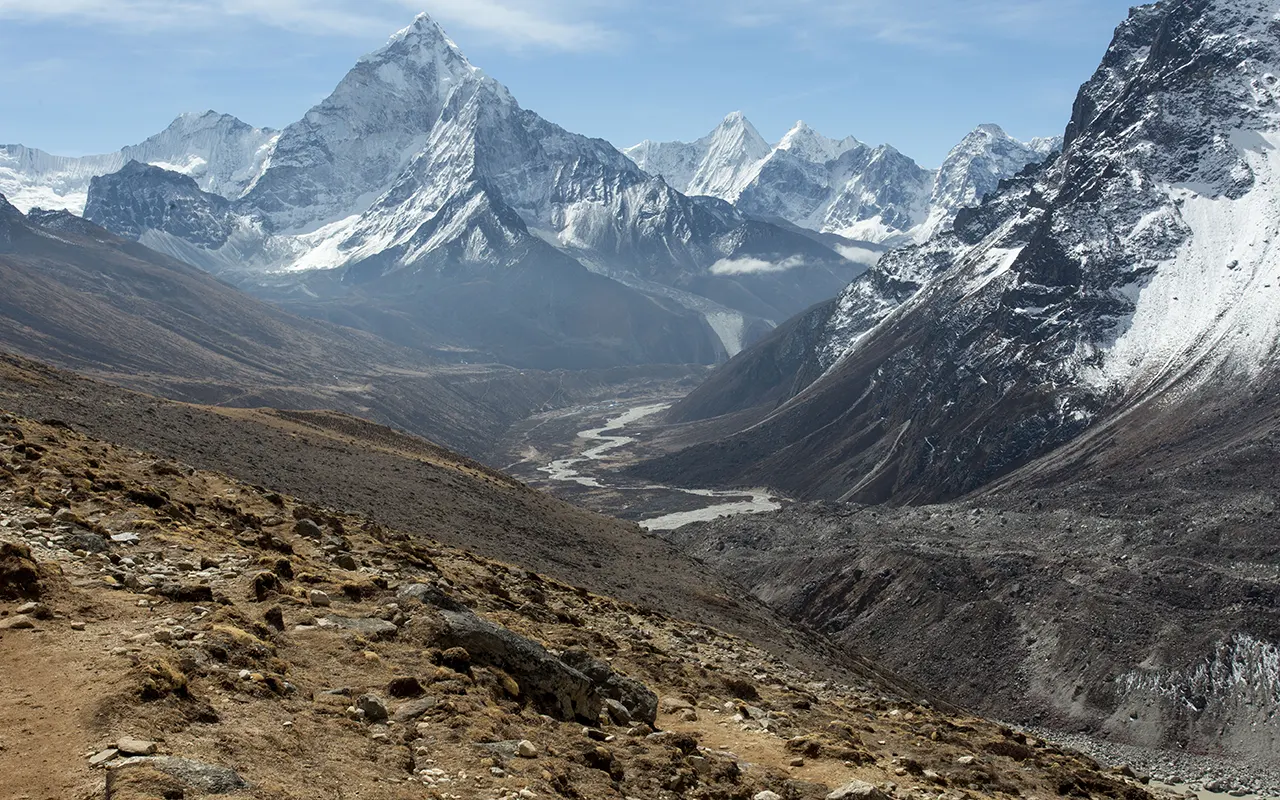

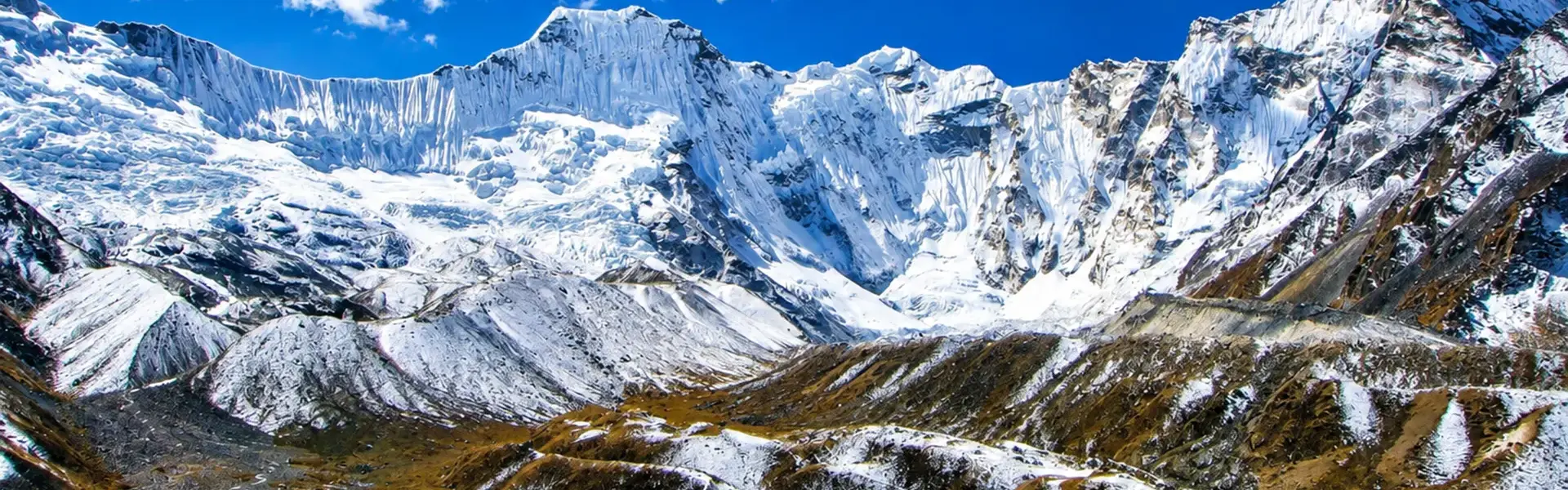
Ama Dablam Base Camp Trek with Gokyo and Renjo La Pass
- Breakfast
- Lunch
- Dinner
- Lodge
- Trekking
- Sightseeing
Mar to May & Oct to Nov
You can talk with our travel experts for departure dates and price details.
- Private trip departures everyday
- No hidden cost
- Local based company
- We can help for big group
- Over 17 years of experience
- According to your needs, we can Customize the itinerary.
Highlights of Ama Dablam Base Camp Trek with Gokyo and Renjo La Pass

- Fly from Kathmandu to Lukla and start the trek in the Khumbu
- Have an acclimatization day in Namche, Khumjung and Khunde.
- Walk to Ama Dablam Base Camp from Pangboche
- Follow the less direct trail through Phortse and Dole toward Gokyo
- Explore Gokyo Ri, the upper Gokyo lakes and the Fifth Lake area
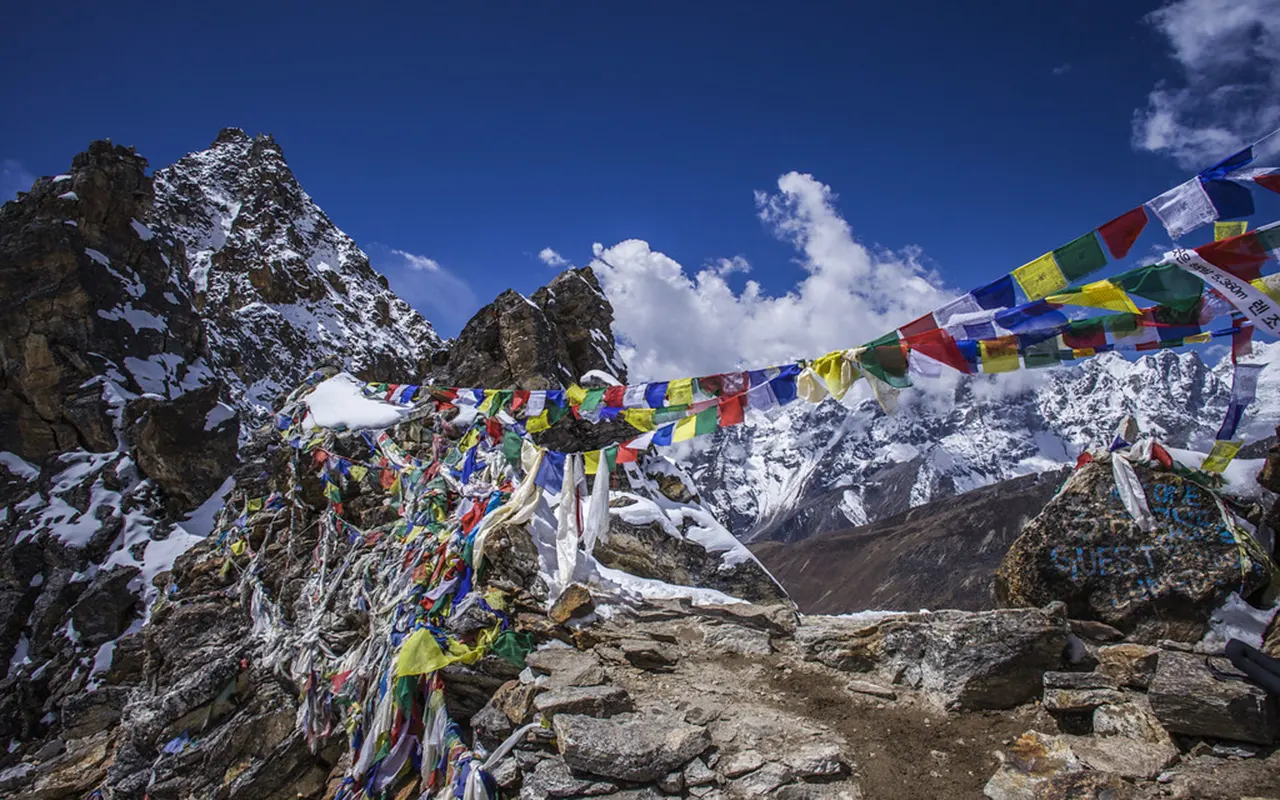
- Cross Renjo La Pass at approximately 5,360m
- Finish the circuit by Merlung, Thame and Namche before going back to Lukla
Overview of Ama Dablam Base Camp Trek with Gokyo and Renjo La Pass
The Ama Dablam Base Camp Trek combines the classic Khumbu trail with a scenic journey through the Gokyo Valley and across the challenging Renjo La Pass. The route begins with a flight to Lukla and an easy first walk to Phakding. From there, the trail follows the Dudh Koshi Valley toward Namche Bazaar, where you will spend a day allowing your body to adjust to the increasing elevation.
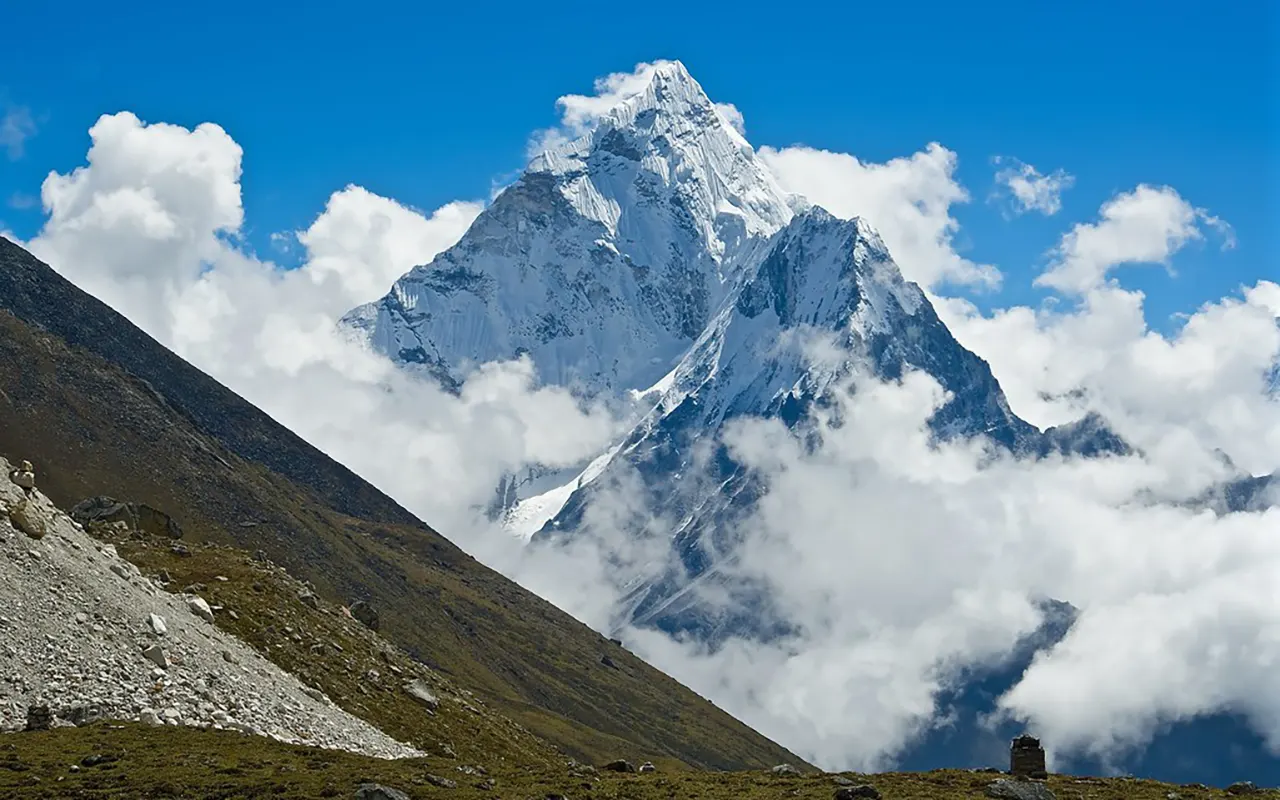
The route then heads toward Pangboche and the Ama Dablam area. A separate day is kept for the hike to Ama Dablam Base Camp, allowing you to reach the base camp and return to Pangboche without carrying overnight equipment to the higher elevation. The base camp sits at around 4,600m and is reached by a demanding day hike from Pangboche. The round trip is approximately 7 to 10 km, depending on the exact trail followed and seasonal trail conditions.
After the Ama Dablam section, the trail crosses toward Phortse and Dole before continuing through Machhermo to Gokyo. This part of the journey changes the character of the trek. The forest becomes thinner, the valley opens up and the landscape becomes increasingly dominated by glaciers, high ridges and rocky slopes.
The Gokyo section adds another important part to the journey, taking you through the high mountain landscapes around the Gokyo Lakes and Gokyo Ri. You will have time to explore Gokyo Ri and the upper lakes before preparing for the Renjo La crossing. Nepal Tourism Board describes Gokyo as a valley in the western part of Khumbu and confirms that it lies within Sagarmatha National Park. Gokyo Ri reaches 5,357m and provides views across the surrounding Himalayan peaks and lakes.
The final high section crosses Renjo La Pass at approximately 5,360m and descends toward Merlung. From there, the trail continues through the Thame side of the Khumbu before returning to Namche Bazaar and eventually Lukla.
This Ama Dablam Base Camp Trek is designed for trekkers who want a route with several different highlights rather than following the standard Everest Base Camp trail. It includes a high altitude base camp visit, the Gokyo Valley, Gokyo Ri, the Fifth Lake area and a high pass crossing within one itinerary.
Ambition Himalaya Treks will arrange the flights, permits, accommodation, meals, guide and porter support according to the package. Our team will also provide a pre trip meeting in Kathmandu so that you can check your equipment and understand the walking plan before leaving for the mountains.
Quick Facts
| Trip Information | Details | |
| Trip Name | Ama Dablam Base Camp Trek with Gokyo and Renjo La Pass | |
| Duration | 13 Days | |
| Trek Region | Everest and Gokyo Region | |
| Starting Point | Lukla | |
| Ending Point | Lukla | |
| Highest Point | Gokyo Ri, 5,357m | |
| Ama Dablam Base Camp | Around 4,600m | |
| Gokyo | Around 4,790m | |
| Gokyo Ri | 5,357m | |
| Main Destinations | Ama Dablam Base Camp, Gokyo Valley, Gokyo Ri and Renjo La Pass | |
| Main Acclimatization Stop | Namche Bazaar | |
| Accommodation | Lodges and teahouses | |
| Transportation | Domestic flight and trekking | |
| Difficulty | Challenging | |
| Best Seasons | March to May and October to November | |
| Meals | Breakfast, lunch and dinner | |
| Trek Style | Guided teahouse trekking |
Ama Dablam Base Camp Trek Route Overview
The route begins at Lukla and follows the established trail through Phakding and Namche Bazaar. After the acclimatization day in Namche, we continue toward Tengboche and Pangboche. Tengboche is an important point on the route, and the trail continues from there toward Pangboche before turning toward the Ama Dablam Base Camp area.
The Ama Dablam Base Camp day is planned as a return hike from Pangboche. This is important because the base camp is around 4,600m, while Pangboche provides a lower sleeping elevation. The trail gains significant height during the day, so we will keep the pace controlled and allow time for rest.
From Pangboche, the route crosses toward Phortse before joining the Gokyo Valley trail at Dole. The Pangboche to Phortse section is around 5 to 6 km, while Phortse to Dole is roughly 4 to 5 km, making the combined route about 10 to 11 km. This is why the original client estimate of 13 km is better adjusted downward for the package.
Dole to Gokyo is divided naturally into two sections in standard route descriptions. Dole to Machhermo is about 6 km and Machhermo to Gokyo is around 6 to 7 km. The total is therefore approximately 12 to 13 km, with walking time depending on pace and the condition of the trail.
Gokyo is then used for exploration before the route moves toward Renjo La. The Fifth Lake lies north of Gokyo and requires a separate walk along the upper valley. A current route mapping source puts the Fifth Lake return from Gokyo at about 7 km, although side routes and glacier conditions can add distance.
The Renjo La crossing is the longest high altitude day. Current trekking route information commonly places the Gokyo to Renjo La to Marlung section at about 13 to 14 km and 8 to 9 hours.
Route Summary
| Day | Route | Approx. Distance | Walking Time |
| 1 | Lukla to Phakding | 8 km | 3 to 4 hours |
| 2 | Phakding to Namche Bazaar | 11 km | 6 to 7 hours |
| 3 | Namche acclimatization hike | 4 to 6 km | 3 to 4 hours |
| 4 | Namche to Pangboche via Tengboche | 14 to 15 km | 7 to 8 hours |
| 5 | Pangboche to Ama Dablam Base Camp and back | 7 to 10 km | 6 to 8 hours |
| 6 | Pangboche to Dole via Phortse | 10 to 11 km | 6 to 7 hours |
| 7 | Dole to Gokyo | 12 to 13 km | 6 to 7 hours |
| 8 | Gokyo Ri and local exploration | 4 to 6 km | 4 to 5 hours |
| 9 | Fifth Lake and glacier area | Around 7 km | 4 to 5 hours |
| 10 | Gokyo to Merlung via Renjo La | 13 to 14 km | 8 to 9 hours |
| 11 | Merlung to Namche Bazaar via Thame | Around 13 km | 7 to 9 hours |
| 12 | Namche Bazaar to Lukla | 18 to 19 km | 6 to 8 hours |
| 13 | Lukla to Kathmandu | Flight | 30 to 40 minutes |
These are planning figures. Walking times can change with weather, trail conditions, rest stops and the pace of the group.
Itinerary of Ama Dablam Base Camp Trek with Gokyo and Renjo La Pass
Detail Itinerary - Day to Day Route Description
Fly to Lukla and Trek to Phakding
We will take the early flight toward Lukla. The flight normally lasts 30-40 minutes but this depends on the weather, visibility and airport activities. After the plane arrives, our guide and porter team will arrange the baggage and we will start walking.
The first trail section is not particularly long. The trail is slowly descending toward Lukla, passing through small settlements and following the Dudh Koshi River. You will pass stone houses, cultivated fields and several small bridges before reaching Phakding.
This first day is deliberately easier than the following trekking days. It gives you time to settle into the walking routine without immediately facing a long climb. Phakding is lower than Lukla, so the first night also gives your body a little time to adjust before the trail climbs toward Namche.
We will have dinner at the lodge and discuss the following day’s walk with the guide.
Trek from Phakding to Namche Bazaar
The walk from Phakding to Namche is the first substantial climb of the trek. We will follow the Dudh Koshi Valley, crossing suspension bridges and passing through small villages before reaching the Sagarmatha National Park entry area.
The trail becomes steeper after the Hillary Bridge. This is where a steady pace becomes useful. Rather than trying to cover the climb quickly, we will walk at a speed that allows the group to breathe comfortably and take short breaks when necessary.
Namche Bazaar is situated at around 3,440m and has many lodges, shops and small restaurants. It is also an important acclimatization point for trekkers heading farther into the Khumbu.
Once we reach Namche, we will check into the lodge. The evening is best kept quiet, with time to eat, rest and prepare for the acclimatization day.
Acclimatization Day in Namche Bazaar
We will spend a second night at Namche so your body has more time to adjust to the elevation. Staying active during the day is generally more useful than remaining inside the lodge, so our guide will lead a short hike around the surrounding villages and viewpoints.
The planned walk can include the Everest View Hotel area, followed by Khumjung and Khunde depending on the weather and the condition of the group. The Everest View area reaches around 3,880m, providing a useful higher point before returning to Namche to sleep.
The afternoon can be kept free. Some trekkers prefer to rest, while others use the time to explore Namche, check their equipment or make a few final purchases.
This acclimatization day is particularly important because the route will soon move above 4,000m. We will also discuss altitude symptoms with the group and remind everyone to report any unusual headache, dizziness, nausea or weakness to the guide.
Trek from Namche Bazaar to Pangboche via Tengboche
The trail leaves Namche and continues toward Tengboche. The first part follows a relatively open hillside, giving views across the Khumbu valley before the trail moves through forested sections.
Tengboche is an important stop on the route. The monastery sits on a ridge with views toward several major peaks. After passing the Tengboche area, the trail descends before climbing again toward Pangboche.
The total distance is longer than several of the earlier days. Current Ama Dablam route itineraries put the Namche to Tengboche section at about 9.6 km, followed by the shorter section to Pangboche.
Pangboche is located at around 3,930m and is the overnight base for the Ama Dablam Base Camp hike. We will arrive with enough time to settle into the lodge, eat dinner and prepare for the following day.
Hike to Ama Dablam Base Camp and Return to Pangboche
Today is the main Ama Dablam day. We will leave Pangboche after breakfast and begin the climb toward the base camp area. The trail crosses the Imja Khola and continues through open mountain terrain toward the foot of Ama Dablam.
The distance is not especially long, but the elevation gain makes this a demanding day. Current route sources place the round trip from Pangboche at roughly 7 to 10 km, with about 670m of elevation gain. Walking time can be around 6 to 8 hours depending on the group and trail conditions.
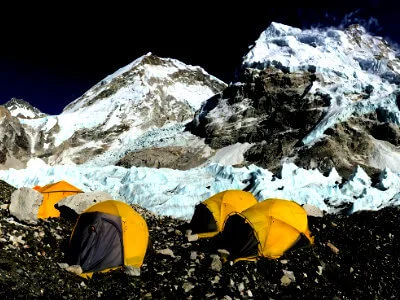
Ama Dablam Base Camp sits at approximately 4,600m. The exact appearance of the base camp depends on the season and whether climbing expeditions are operating at the mountain. During climbing seasons, expedition tents and equipment may be present.
We will spend some time in the base camp area before beginning the descent to Pangboche. Sleeping back at Pangboche is an important part of the day’s plan because it avoids spending the night at the higher base camp elevation.
The return journey can be tiring, particularly after the long climb. We will keep the pace controlled and make sure everyone has enough time to recover once we return to the lodge.
Trek from Pangboche to Dole via Phortse
The trail now turns toward the Gokyo side of the region. We will leave Pangboche and walk toward Phortse, following a less direct high trail rather than returning through Tengboche.
Pangboche to Phortse is around 5 to 6 km depending on the exact trail measurement. From Phortse, the trail continues toward Dole, adding roughly another 4 to 5 km.
There are several changes in elevation during the day, so the distance alone does not tell the full story. Some parts of the trail are narrow and exposed, while other sections pass through vegetation and open grazing areas.
After Phortse, the trail climbs toward Dole. The landscape becomes increasingly alpine, with fewer trees and more open slopes. Dole is at around 4,038m and is an established overnight stop on the Gokyo route.
We will arrive in the afternoon, have a meal and keep the evening quiet. The next few days involve a steady increase in altitude, so conserving energy is useful.
Trek from Dole to Gokyo
We will leave Dole and continue toward Machhermo. The trail climbs gradually through Lhabarma and Luza before reaching Machhermo. This section is shorter than the full day to Gokyo, but the increasing elevation makes it important to walk slowly.
Dole to Machhermo is generally around 6 km and takes about 3 to 4 hours. From Machhermo, the trail continues for another 6 to 7 km toward Gokyo.
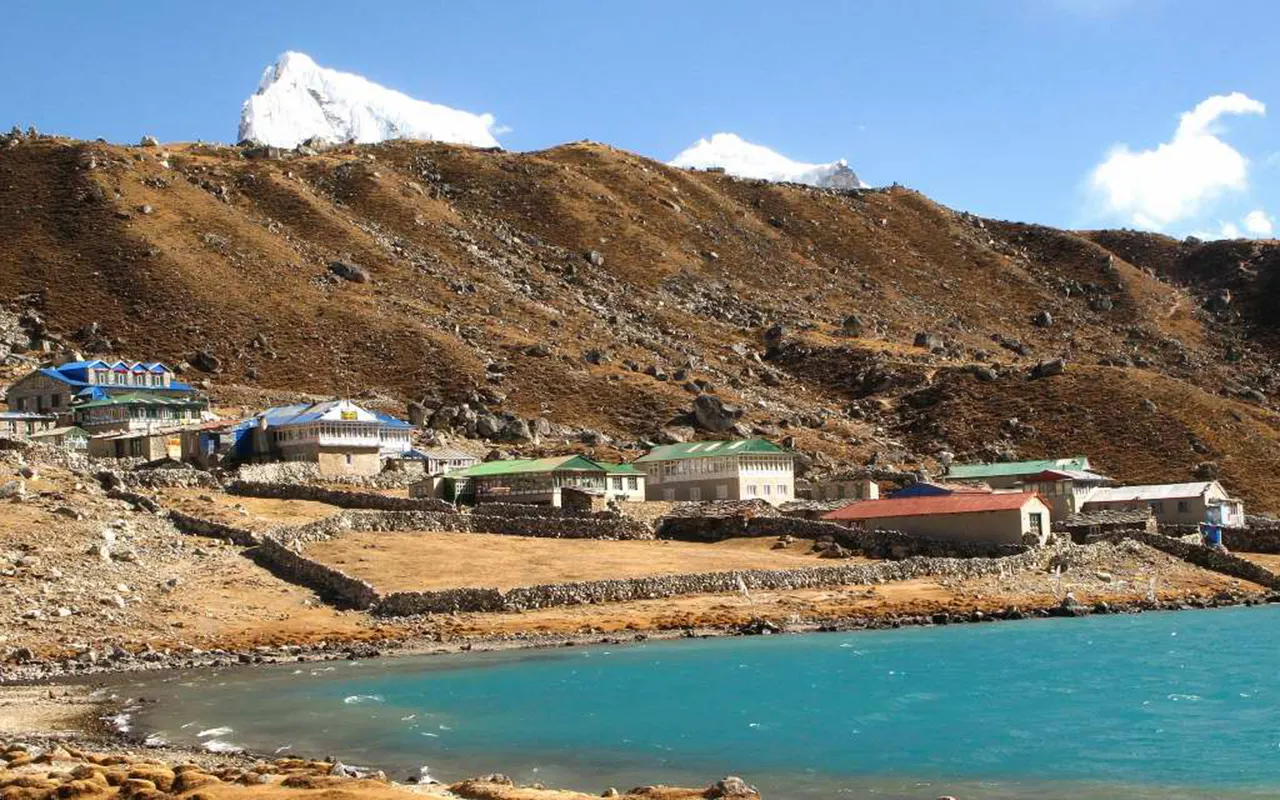
The second section follows the Dudh Koshi Valley and eventually reaches the terminal moraine of the Ngozumpa Glacier. The trail passes the lower lakes before reaching the main Gokyo settlement beside Dudh Pokhari.
Gokyo sits at around 4,790m, so the final approach should not be rushed. Once we arrive, you will have time to settle into the lodge and rest.
The evening is usually quiet at this elevation. We will keep the following morning flexible enough to allow a comfortable start for the Gokyo Ri hike.
Gokyo Ri and Gokyo Valley Exploration
We will start early for the climb to Gokyo Ri. The trail rises steadily from Gokyo and becomes more demanding as the elevation increases. The distance is not excessive, but walking above 5,000m requires more effort than the same distance at lower elevations.
Gokyo Ri reaches 5,357m. Nepal Tourism Board lists it as the main viewpoint above the Gokyo Valley and notes that the area provides views toward Cho Oyu, Everest, Lhotse and Makalu.
Once we reach the viewpoint, we will spend some time there depending on the weather. Clear conditions can reveal the Gokyo lakes below and the high mountain ranges beyond them.
After descending to Gokyo, the rest of the day will be easier. You can walk around the main lake, rest at the lodge or simply recover from the morning climb.
Explore the Fifth Lake and Glacier Area
Today we will head north from Gokyo toward the upper lakes and glacier area. The Fifth Lake is farther from the settlement than the main Gokyo lake, so the trail involves a longer walk across the high valley.
A current route source places the Fifth Lake return from Gokyo at around 7 km, with the exact distance varying when side trails are included.
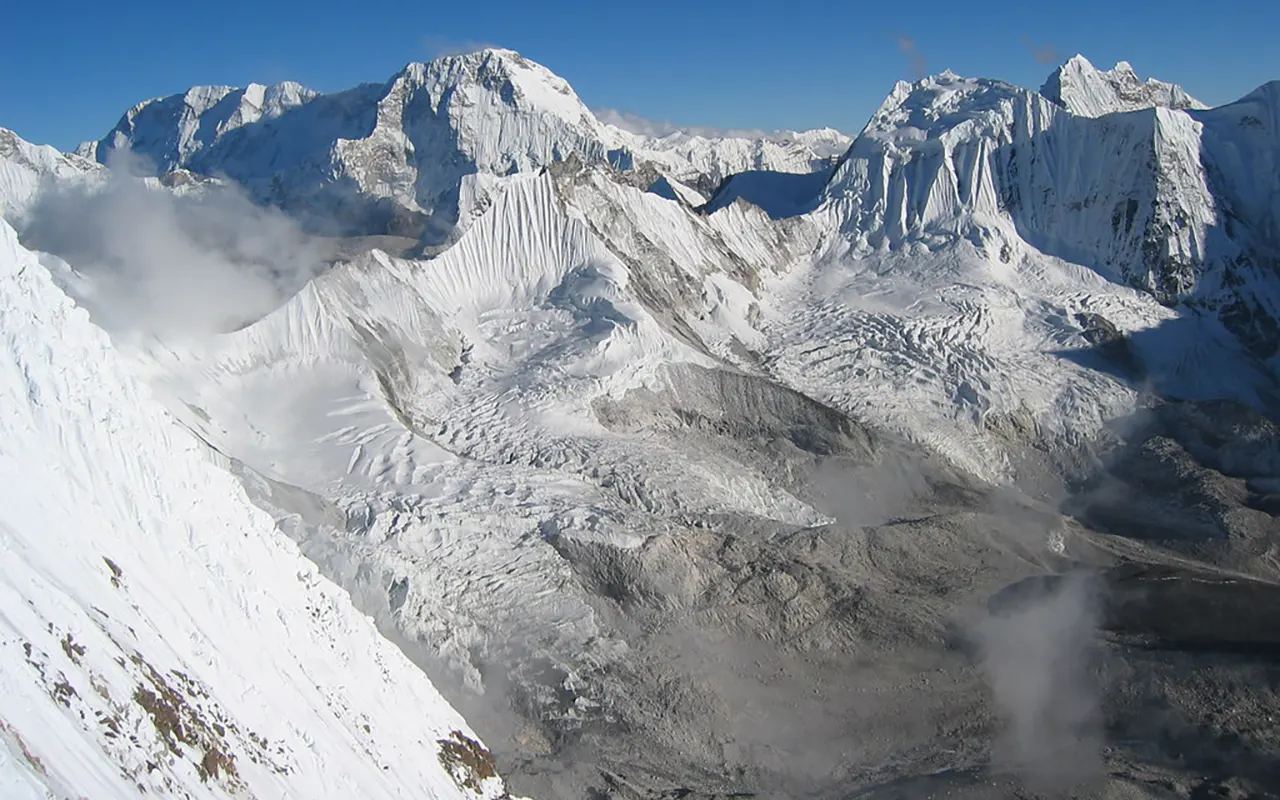
The walk takes you deeper into the high mountain landscape around the Ngozumpa Glacier. There is little vegetation at this elevation, and the surroundings are dominated by rock, ice, moraine and snow covered peaks.
We will not rush this section. The guide will consider weather, visibility and the condition of the group before deciding how far to continue. The Fifth Lake itself sits at around 5,000m, so this is another demanding high altitude outing.
After returning to Gokyo, we will have time to rest and prepare for the Renjo La crossing. This second night at Gokyo is useful because the following day is the longest and highest section of the route.
Today we will head north from Gokyo toward the upper lakes and glacier area. The Fifth Lake is farther from the settlement than the main Gokyo lake, so the trail involves a longer walk across the high valley.
A current route source places the Fifth Lake return from Gokyo at around 7 km, with the exact distance varying when side trails are included.
The walk takes you deeper into the high mountain landscape around the Ngozumpa Glacier. There is little vegetation at this elevation, and the surroundings are dominated by rock, ice, moraine and snow covered peaks.
We will not rush this section. The guide will consider weather, visibility and the condition of the group before deciding how far to continue. The Fifth Lake itself sits at around 5,000m, so this is another demanding high altitude outing.
After returning to Gokyo, we will have time to rest and prepare for the Renjo La crossing. This second night at Gokyo is useful because the following day is the longest and highest section of the route.
Cross Renjo La Pass and Trek to Merlung
We will leave Gokyo early because Renjo La is a long high altitude day. The trail gradually climbs away from the lakes before becoming steeper as it approaches the pass.
Renjo La reaches approximately 5,360m . Current route descriptions place the Gokyo to Renjo La to Merlung section at around 13 to 14 km, normally requiring about 8 to 9 hours.
The climb needs patience. At this elevation, even a modest incline can take considerable effort. We will keep the pace even and pause where needed instead of trying to climb to the top fast.
The trail starts on the pass and leads down the other side of the mountain. The downhill can be rugged at some areas and under snow or ice conditions depending on the season.
Merlung is lower than the pass, so reaching the lodge will bring some relief after the long day. Dinner and rest will be the priority once everyone arrives.
This is the most physically demanding day of the Ama Dablam Base Camp Trek with Gokyo and Renjo La Pass, and trekkers should be prepared for a long period above 4,500m.
Trek from Merlung to Namche Bazaar via Thame
The trail now heads toward the lower Khumbu. We will leave Merlung after breakfast and follow the route along the Bhote Koshi side of the valley.
The trail continues toward Thame before gradually heading back toward Namche. This section has a different feel from the Gokyo side because the route passes through older settlements and the traditional Thame Valley.
The distance is approximately 13 to 16 km, depending on the exact trail and seasonal conditions. The walk generally takes around 7 to 9 hours for a prepared trekking group.
The lower elevation will make breathing easier than during the Renjo La crossing, although the walking distance is still considerable. There are several uphill and downhill sections along the way.
Once we reach Namche, you will return to the familiar surroundings from the beginning of the trek. We will have dinner and spend the night in the lodge before the final long walk to Lukla.
Trek from Namche Bazaar to Lukla
Today is the final walking day. We will leave Namche and retrace the lower section of the Dudh Koshi Valley toward Lukla.
The trail passes through several villages and suspension bridges. The route involves both descents and short climbs, so it is not simply a continuous downhill walk.
The distance is long, generally around 18 to 19 km. Current route sources commonly give about 6 to 8 hours depending on pace and trail conditions.
After several days at high elevation, the lower valley will feel warmer and more settled. The forest also becomes thicker as we lose altitude.
When we reach Lukla, the trekking section of the trip is complete. We will check into the lodge and confirm the following day’s flight arrangements with the guide and local staff.
Fly from Lukla to Kathmandu
We will have breakfast and prepare for the flight from Lukla to Kathmandu. Flight times can change because mountain weather and airport operations affect the schedule, so we recommend keeping your onward travel plans flexible.
The flight normally takes around 30 to 40 minutes. If operations require flights to use Ramechhap rather than Kathmandu, the necessary road transfer will be arranged according to the flight schedule.
After reaching Kathmandu, our team will assist with the airport arrangements. The 13 day trek ends here.
If you have selected additional services, such as a Kathmandu hotel or sightseeing tour, Ambition Himalaya Treks can arrange them according to your plans.
Not satisfied with this itinerary? Customize Now
Includes/Excludes
What's included
- Round trip domestic airfare between Kathmandu or Ramechhap and Lukla, according to the operating airport
- All applicable domestic airfare taxes
- TIMS card
- Sagarmatha National Park Entry Permit
- Applicable local trekking entry requirements
- Lodge accommodation during the trekking section
- Breakfast, lunch and dinner during the trek
- Seasonal fruits after the evening meal during trekking
- Experienced English speaking trekking guide
- Guide’s food, accommodation, transportation and insurance
- Porter service based on two trekkers sharing one porter
- Porter’s food, accommodation and insurance
- Assistance guide for groups of more than six people
- Sleeping bag for use during the trek
- Down jacket for use during the trek
- Duffle bag for use during the trek when necessary
- Complimentary Ambition Himalaya Treks T shirt
- Trekking map
- Trek achievement certificate
- Normal first aid kit carried by the guide
- Necessary taxes and paperwork
- Required trekking documentation
- Company service fee
- Pre trip meeting in Kathmandu
- Complimentary welcome dinner at an authentic Nepali restaurant, if selected
- Assistance and coordination for rescue or medical evacuation in serious emergencies
Optional Addons
(Available addons on extra cost)
Kathmandu Hotel
Hotel accommodation in Kathmandu can be arranged before or after the trek at an additional cost. This is a comfortable alternative when your international flight plan needs an additional night in the city, when you land in Nepal earlier than the trek or when you want to have a rest in Kathmandu after the trek. The hotel types may be organized as per your comfort level and budget.
Kathmandu Sightseeing Tour
A Kathmandu sightseeing tour can be included in your itinerary in case you have more time before or after the trek. The tour can be customized according to your available time and interests, allowing you to explore some of the city’s cultural and historical attractions. A full-day or shorter sightseeing program can be arranged depending on your schedule.
Booking Information
The Ama Dablam Base Camp Trek with Gokyo and Renjo La Pass is best planned with enough time for flight, lodge and guide arrangements. Once your dates and group size are confirmed, Ambition Himalaya Treks will organize the main services and explain what you need to prepare before leaving Kathmandu.
We will arrange the required permits and trekking documents and provide a pre trip meeting before departure. This is a useful opportunity to check the sleeping bag, down jacket, duffle bag and other equipment provided for the trek.
Because the route includes both Gokyo Ri and Renjo La, physical preparation should begin well before the departure date. Regular walking and uphill training will make the longer days more manageable.
The Lukla flights also require some flexibility. Weather can affect mountain aviation, so we recommend avoiding a tight international connection immediately after the scheduled return flight.
Ambition Himalaya Treks can arrange the trek for private groups as well as other group sizes. Kathmandu hotel accommodation and sightseeing can be added separately if required.
The Ama Dablam Base Camp Trek ends in Kathmandu after the flight from Lukla. If you have additional time in Nepal, our team can also assist with other travel arrangements according to your plans.
What is excluded
- Travel insurance
- Rescue and emergency evacuation insurance costs
- International flights to and from Nepal
- Kathmandu hotel accommodation
- Kathmandu sightseeing and other activities in the city
- Extra food and drinks outside the stated meals
- Alcoholic beverages
- Tea, coffee and desserts outside the included meals
- Telephone bills
- Laundry charges
- Shower fees
- Wi Fi charges
- Battery charging fees
- Personal trekking equipment not provided by the company
- Personal medical expenses
- Personal shopping and other expenses
- Tips or gratuities for guides and porters
- Costs caused by natural disasters, accidents or other circumstances beyond the company’s control
- Expenses resulting from voluntarily leaving the trek
- Any service not specifically mentioned under the included services
Trip Information
Ama Dablam Base Camp Trek Difficulty
The Ama Dablam Base Camp Trek is challenging because it combines long trekking days with several high altitude sections. There is no technical climbing involved in the standard trekking route, but that does not mean the trek is easy.
The base camp hike reaches around 4,600m, while Gokyo is around 4,790m and Gokyo Ri reaches 5,357m. Renjo La is around 5,360m . The route therefore includes several days where the altitude itself becomes a major part of the physical challenge.
The longest days are not necessarily the hardest. The Gokyo Ri and Fifth Lake hikes have shorter distances but take place at high elevation. The Renjo La crossing combines a long distance, steep climbing and a pass above 5,300m.
You should be comfortable walking for six to eight hours on mountain trails. Prior experience is useful, but consistent preparation is more important. Regular walking, uphill hiking, stair climbing and longer weekend walks can help prepare your legs and lungs for the route.
Our guide will monitor the group’s pace. We do not expect everyone to walk at the same speed, and there will be regular breaks during the longer days.
Ama Dablam Base Camp Trek Distance and Walking Hours
The walking distance changes from day to day. The first part of the route includes relatively moderate distances, while the final circuit includes several longer days.
The Ama Dablam Base Camp section itself is a return hike from Pangboche, while the Gokyo and Renjo La sections involve longer high altitude walks.
| Day | Route | Distance | Walking Time |
| 1 | Lukla to Phakding | 8 km | 3 to 4 hours |
| 2 | Phakding to Namche | 11 km | 6 to 7 hours |
| 3 | Namche acclimatization | 4 to 6 km | 3 to 4 hours |
| 4 | Namche to Pangboche | 14 to 15 km | 7 to 8 hours |
| 5 | Ama Dablam Base Camp return | 9 to 10 km | 6 to 8 hours |
| 6 | Pangboche to Dole via Phortse | 10 to 11 km | 6 to 7 hours |
| 7 | Dole to Gokyo | 12 to 13 km | 6 to 7 hours |
| 8 | Gokyo Ri | 4 to 6 km | 4 to 5 hours |
| 9 | Fifth Lake return | Around 7 km | 4 to 5 hours |
| 10 | Gokyo to Merlung via Renjo La | 13 to 14 km | 8 to 9 hours |
| 11 | Merlung to Namche | Around 13 km | 7 to 8 hours |
| 12 | Namche to Lukla | 18 to 19 km | 6 to 8 hours |
The distances are approximate because the trail has several side paths, local diversions and seasonal changes. For example, current route sources give the Fifth Lake return as about 7 km, while the Ama Dablam Base Camp round trip is generally around 7 to 10 km.
Altitude and Acclimatization
Altitude is perhaps the most important factor to consider before joining this trek. The route begins at around 2,860m in Lukla and reaches more than 5,300m on two separate high points, Gokyo Ri and Renjo La.
The itinerary includes an acclimatization day in Namche. This is not a spare day added without purpose. It allows you to spend a second night at 3,440m before moving higher.
The plan also gives you two nights in Gokyo. One day is used for Gokyo Ri and another for the Fifth Lake and glacier area. These activities are demanding, but they also allow the group to spend additional time at high altitude before attempting Renjo La.
We will not encourage anyone to push through symptoms. Headache, dizziness, nausea, unusual weakness and difficulty sleeping can occur at altitude. More serious symptoms require immediate attention and may require descent.
Drinking enough water, walking slowly and allowing your body time to adjust are important throughout the route.
| Location | Approx. Altitude | Acclimatization Purpose |
| Lukla | 2,860m | Starting point of the trek |
| Namche Bazaar | 3,440m | Acclimatization night before gaining more elevation |
| Gokyo | 4,790m | Two nights for adjustment and high altitude activities |
| Gokyo Ri | 5,357m | High point reached during the Gokyo section |
| Renjo La Pass | Approx. 5,360m | Highest point of the trek |
Best Time for Ama Dablam Base Camp Trek
Spring and autumn are generally the most suitable seasons for this route. March, April and May provide trekking conditions before the main monsoon period, while October and November are usually preferred for clear mountain views and stable weather.
The higher sections around Gokyo and Renjo La can be cold even during the main trekking seasons. Mornings at high altitude can be particularly cold, so warm layers should remain accessible rather than packed at the bottom of the bag.
Winter trekking is possible for experienced trekkers, but snow and cold temperatures can make Renjo La more difficult. The condition of the pass can change, so the guide will assess the route before attempting the crossing.
The monsoon months from June to September bring more rain to the lower sections and can also affect mountain flights. Clouds can make the high mountain views less reliable during this period.
| Season | Months | General Conditions |
| Spring | March to May | Mild lower valley weather and generally good visibility |
| Monsoon | June to September | Rain, cloud and possible flight disruption |
| Autumn | October to November | Generally stable weather and good visibility |
| Winter | December to February | Cold conditions and possible snow at higher elevations |
Accommodation During the Trek
Accommodation throughout the trek is arranged in local lodges and teahouses. Rooms are generally simple and are normally shared by two trekkers, although arrangements depend on availability.
Namche has more accommodation choices and better facilities than the smaller settlements farther along the route. As the trail climbs toward Dole, Machhermo and Gokyo, the facilities become simpler.
Gokyo has several teahouses because it is an established trekking destination, but accommodation availability can become limited during busy periods. Advance arrangements are therefore useful.
Bathrooms may be shared, and hot showers and charging facilities can cost extra. Facilities can also become less reliable at higher elevations.
Ambition Himalaya Treks will arrange the lodge accommodation according to the itinerary. Our guide will coordinate with the lodges during the trek so that the group has a place to stay each night.
Food During the Trek
Breakfast, lunch and dinner are included during the trekking days. Teahouses along the route serve practical meals suited to trekkers, with dal bhat, noodles, pasta, rice, potatoes, soup, eggs and bread commonly available.
Dal bhat is a popular choice because it combines rice, lentils and vegetables and provides a filling meal before or after a long walking day. Other dishes are available depending on the lodge and the location.
Food choices become more limited as the route moves higher because supplies have to be carried into the mountains. At Gokyo and beyond, it is better to choose simple meals that you know you can eat comfortably.
Seasonal fruits are also included after the evening meal according to the client’s package arrangement.
Tea, coffee, bottled drinks, alcoholic beverages, desserts and other additional food or drinks outside the stated meals are not included.
Ama Dablam Base Camp Trek Permits
The route passes through Sagarmatha National Park, so the appropriate national park entry permit is required. The package also includes the TIMS card.
Nepal Tourism Board currently lists Gokyo Trek and Gokyo Renjo La Pass Trek among the Everest region routes requiring a licensed trekking guide and an agency issued TIMS card.
Sagarmatha National Park entry is also required for the route. Nepal Tourism Board currently lists the foreign national entry fee for Sagarmatha National Park at NPR 3,000 per person.
The Khumbu Pasang Lhamu Rural Municipality also has a local entry requirement. Nepal Tourism Board currently lists USD 20 per person per week for the first four weeks and USD 25 per person per week beyond that period for the applicable Solukhumbu area.
Ambition Himalaya Treks will handle the required trekking paperwork and documentation included in the package.
| Permit or Requirement | Current Fee / Requirement | Purpose |
| Sagarmatha National Park Entry Permit | NPR 3,000 per foreign national | Entry into Sagarmatha National Park |
| TIMS Card | Agency issued | Trekker registration for applicable Everest region routes |
| Khumbu Pasang Lhamu Rural Municipality Entry | USD 20 per person per week for the first 4 weeks; USD 25 per week thereafter | Local entry requirement for the applicable Solukhumbu area |
| Licensed Trekking Guide | Required for applicable routes | Guide requirement for Gokyo and Renjo La routes |
Gokyo Valley, Gokyo Ri and the Fifth Lake
The Gokyo section gives the trek a different character from the Ama Dablam side of the route. The valley lies west of the main Khumbu trail and contains a series of glacial lakes.
The main Gokyo settlement sits beside Dudh Pokhari, commonly referred to as the third lake. The upper lakes require additional walking north of the settlement. The Fourth Lake and Fifth Lake are higher and farther from Gokyo, which is why the client itinerary gives a separate day for this exploration.
Gokyo Ri is another major point of the route. At 5,357m, it provides a broad view of the surrounding mountains. Nepal Tourism Board specifically identifies views toward Cho Oyu, Everest, Lhotse and Makalu from the Gokyo Ri area.
The Fifth Lake day should not be treated as a casual walk. It takes place at high altitude and can involve several hours of walking. Weather, visibility and trail conditions can affect how far the group travels.
Renjo La Pass
Renjo La is the highest pass on this itinerary, reaching approximately 5,360m . It provides the connection between the Gokyo Valley and the trail toward Merlung and Thame.
The crossing starts with a gradual climb away from Gokyo before becoming steeper. The final approach to the pass can require careful footing, especially when snow or ice is present.
After crossing the pass, the trail descends toward the Bhote Koshi side. The full Gokyo to Merlung section is around 13 to 14 km and can take approximately 8 to 9 hours.
Because this is such a long day, we will start early and maintain a steady pace. It is important to carry enough water and snacks for the day and keep warm layers accessible.
Lukla Flight Information
The flight to Lukla is an essential part of the trek. Mountain weather can change quickly, so departure times are not always fixed.
The flight itself is usually around 30 to 40 minutes. During periods when Lukla flights are operated from Ramechhap because of airport traffic management, additional road transportation may be required.
We recommend keeping flexibility around both the outbound and return flight days. A delay will influence the trekking schedule especially when the aircraft is not able to operate due to bad weather.
Our team will monitor the flight arrangements and provide the latest information before departure. In case of any necessary changes, we will assist in arranging the required transport and accommodation based on the circumstances.
Altitude Sickness and Safety
Altitude sickness is a main concern on the Ama Dablam Base Camp Trek because the route spends several days above 4,000m and reaches more than 5,000m.
Common early symptoms can include headache, dizziness, nausea, tiredness and difficulty sleeping. Not every symptom means serious altitude sickness, but any unusual change should be reported to the guide.
More serious symptoms such as confusion, severe difficulty breathing at rest, loss of coordination or a rapid worsening of symptoms require immediate action. Continuing upward despite serious symptoms can be dangerous.
Our guide will monitor the group during the trek and help decide when rest or descent is necessary. The package includes a normal first aid kit with the guide and arrangements for rescue and medical evacuation in serious situations.
Travel and rescue insurance remains the responsibility of the trekker. Your insurance should specifically cover high altitude trekking and emergency evacuation at the elevations reached by this route.
Mobile Network, Internet and Charging Facilities
Mobile network coverage is available in parts of the Khumbu, but it becomes less reliable as the trail moves into higher and more remote areas.
Namche generally has better communication facilities than the smaller settlements. At Gokyo and beyond, the quality of the connection can vary with weather, location and local service.
Many teahouses provide Wi Fi for an additional fee, although the connection may be slower than what you are used to in Kathmandu. Charging facilities are also available in many lodges, usually for an additional charge.
A power bank is recommended. Keeping your phone on airplane mode when you do not need the network can also help preserve battery life.
Packing List for the Trek
The right equipment makes a noticeable difference on a high altitude route. You do not need technical climbing equipment for the standard trek, but warm clothing and reliable footwear are important.
Clothing
- Thermal base layers
- Fleece or warm mid layer
- Down jacket
- Waterproof jacket
- Waterproof trousers
- Trekking trousers
- Warm socks
- Gloves
- Warm hat
- Sun hat
Trekking Equipment
- Comfortable trekking boots
- Lightweight camp shoes or sandals
- Sleeping bag
- Daypack
- Trekking poles
- Headlamp
- Water bottles or hydration system
- Sunglasses
- Sunscreen
- Lip balm with sun protection
Personal Items
- Passport
- Travel insurance documents
- Personal medicines
- Basic toiletries
- Small first aid supplies
- Power bank
- Camera or phone
- Small amount of Nepalese cash
Ambition Himalaya Treks provides a sleeping bag, down jacket and duffle bag for use during the trek according to the package arrangement.
Tips for First Time Trekkers
If you are joining a high altitude trek for the first time, begin preparing several weeks before departure with regular walking, stair climbing and uphill hikes. Try to build up the length of your walks gradually instead of doing a few very hard training sessions just before the trip.
Comfortable trekking boots should be used before departure so that you do not discover problems with them on the trail. Keep warm layers, water and personal medication where they are easy to reach, especially on the Gokyo and Renjo La days. Walk at the pace set by the guide, eat regularly and drink enough water.
Do not ignore a headache, dizziness, nausea or unusual weakness simply because you want to stay with the schedule. Tell the guide early so that the situation can be assessed properly. Most importantly, be prepared for the possibility that weather may change the flight or trekking plan.
Ama Dablam Base Camp Trek Cost
The total cost depends on the services selected for the trip and the size of the trekking group. Domestic flights, guide and porter services, lodge accommodation, meals, permits and company services form the main part of the package.
The client package also includes several items that are not always included in basic trekking packages, such as a sleeping bag, down jacket, duffle bag, trekking map, achievement certificate, seasonal fruit and an Ambition Himalaya Treks T shirt.
Kathmandu hotel accommodation and Kathmandu sightseeing are listed separately as optional add ons. This means the standard package price does not include those services.
Travel insurance, personal expenses, Wi Fi, battery charging, laundry, shower fees and tips are also excluded.
When requesting a current price, it is useful to provide your travel dates and group size. Flight availability and lodge availability can vary by season, so the final price should be confirmed for the actual travel period.
Good to know, before you travel
Want to learn more about this journey in-depth? Essential Trip Information includes a thorough itinerary, information for visa processing, Accommodations, Food , Acclimatization’s and pretty much anything else you could possibly need to know about this tour. Read more inside.
Frequently Asked Question
No. Ama Dablam Base Camp is around 4,600m, while Gokyo is around 4,790m.
Gokyo Ri is approximately 5,357m according to Nepal Tourism Board.
Yes. The crossing is challenging because it reaches more than 5,300m and involves a long walking day from Gokyo to Merlung.
Yes. Nepal Tourism Board currently includes Gokyo Renjo La Pass Trek among Everest region routes requiring a licensed trekking guide and agency issued TIMS card.
Yes. The itinerary includes a separate exploration day from Gokyo toward the Fifth Lake and glacier area.
No. The standard trek to the base camp does not require technical climbing equipment. It is a demanding high altitude hike.
You will stay in local lodges and teahouses along the route, with simpler facilities at higher elevations.
Breakfast, lunch and dinner are included during the trekking section. Additional drinks, desserts and personal food purchases are not included.
Yes. The arrangement provides one porter for every two trekkers, including the porter’s food, accommodation and insurance.
Yes. Mountain weather and airport operations can affect flight schedules. We recommend keeping some flexibility around the flight dates.
The itinerary takes 13 days, including the flight to Lukla, trekking days, high altitude exploration and the return flight to Kathmandu.
No. Kathmandu hotel accommodation is available as an optional add on.
Previous experience is helpful but not essential for a properly prepared trekker. You should be comfortable walking for several hours on consecutive days and understand that the route reaches above 5,000m.
Quick Inquiry Form
Trip Reviews
![]()
Scott GVerified
It felt like the real nepal Honestly, i didn’t know much about the tsum valley before starting this trek, and that made the experience even better. the trail felt peaceful, the villages were beautiful, and every day had something different to see. i really enjoyed meeting local nepali people because everyone was so friendly and welcoming. our guide also made a big difference he knew the trail well, helped whenever we were tired, and shared interesting things about local life and culture. it felt more like experiencing real nepal than simply completing a trek. i would happily do this route again.![]()
David UVerified
Amazing guide and very communicative office I just finished the Annapurna circuit trek with ambition himalaya. Very good experience. My guide, Bharat, was very professional, and yet also funny and an amazing musician! During the trek came a storm that interrupted the trek, and we had to be rescued by helicopter. Both my guide and Shishir (the agency manager), helped a lot, and as soon as we got connection we called the office and they made great efforts to help with the rescue. Shishir is very communicative, and very willing to help. The hotels I were booked before and after the trek were fine, but there many cheap hotels in these areas (the thamel in kathmandu and lakeside in pokharar) so you could also book on your own for more flexibility. Overall It was a very good experience, and the guide took care of everything durring the trek, leaving me mostly with very little to worrie about.![]()
WroAnaVerified
Manaslu circuit trek with Tsum valley, park Chitwan and sightseeing Kathmandu This was my first trip of this kind. Communication via WhatsApp was fantastic; Shishir answers every question almost immediately :). He can organize and combine various excursions into one—you just have to say what you want. On a day off, he’ll show you what’s worth seeing on a map or arrange a guide and transport. In the event of illness or an accident (which I wouldn't wish on anyone), he’ll take you to a doctor and help with translation. The trek was organized to perfection. I highly recommend the jeep option for a small extra fee—it offers total comfort. Our guide, Ghaman, was very friendly; he looked after us, checked on how we were feeling, shared stories, and adjusted the daily distance to our capabilities. He chose the best spots for overnight stays, offering beautiful views. The guys doing the "heavy lifting"—despite their unassuming appearance—are truly tough as nails 👏💪. Always funny and polite; you can always count on a helping hand :). They adapt to your needs: if you want company, they’ll chat; if you want to be alone, they’ll discreetly step back, yet they always keep a watchful eye on your safety. Tsum offers a chance to discover a different world, with amazing, warm, and open people. The Manaslu Circuit offers a more "modern" feel. Incredible views (though, unfortunately, weather-dependent ;)). It presents altitude-related challenges, but it’s totally doable with a great team. Unforgettable high-altitude moments :). Chitwan offers a completely different atmosphere; the safari lets you see animals up close. Unforgettable moments include walking across the town bridge with a crocodile on the riverbank below :). Don't worry—it's safe. You always choose your meals from the menu yourself. The staff is always very friendly. Nepal is a country of very polite people :). A huge thank you for helping me make my dreams come true—it wouldn't have been possible without you ♥️. My best all-inclusive vacation ever—you took care of everything, and I just had a great time 😊.![]()
Patricia R CVerified
The mountains felt much closer than i expected I still remember the morning we started walking toward abc. the trail was a mix of stone steps, forest, little villages, and plenty of uphill walking, so it was not always easy. my legs were pretty tired by the end of some days, but the views kept making me want to continue. i enjoyed the simple teahouses and talking with other trekkers along the way. reaching ABC early in the morning, with the mountains all around us, was the moment i had been waiting for. it felt peaceful, exciting, and completely worth the effort.![]()
Gloria WVerified
Tsum Valley and Manaslu Circuit Trek. Hello! This was my first trek and I couldn't imagine it better. We've got the best team ever ( guide Ghaman and porters Gagan and Man Bahadur ). They were always caring about us, if there was anything you could hit you had heard "mind your head" or "careful careful". They even made a way from rocks when it was hard to cross the river. We were playing card games together (they taught us their game and we taught ours.) Very funny time spent. Man Bahadur and Gagan also had been carrying fruits for us for everyday FOR ALL TREK. They are really strong! Moreover in this beautiful place Tsum Valley with amazing people in guesthouses I could go to the kitchen and prepare Chapatti ( I liked this food and was curious how to make it) and it was possible because our guide arranged it ;) From wonderful Tsum Valley we went straight to Manaslu Circuit Trek. Here was harder but also awesome! Team was always supportive, when we felt bad, they were stopping for us to give us a time we needed. We achieved Base Camp and Larkya La Pass thanks to them. All trip was great planned for what we are thankful for managing director Shishir. After long and hard day there was shorter so we weren't too tired. Although he wasn't with us in mountains, he was asking if everything is fine. I am honestly very satisfied, proud and above all VERY glad. Perfect adventure with perfect people! Thank you so so much!! I can truly recommend. ✯ᴗ✯![]()
Wiktoria WVerified
Manaslu circuit trek with Tsum Valley, Chitwan and sightseeing Khatmandu. The trek was demanding and long, but every day was very well planned, so we were not that exhausted and could appreciate the journey. The whole trek lasted 18 days, but after that we also spent 2 days in Chitwan. Our guide for the trek was named Ghaman and we had two porters: Man Bahadur and Gagan. All three where wonderful and very attentive, making sure we get the best available rooms, are eating well and get to see every wild animal they could have spotted. They were always ready to help with more difficult parts of the trek like crossing the river. The views and their company rewarded all the hardships. Our travel agency manager was also very helpful. He helped us with applying for all the necessary permits, made sure we had a proper guides and transportation to all of our destinations. He was also ready to assist us in case of a medical emergency. Journey was 10/10 and thank you Shisir for an unforgettable stay in Nepal.![]()
Chris L GVerified
Our abc trek was worth every step We were still talking about the abc trek on the flight home. my partner and i loved the mix of forest trails, villages, stone steps, and mountain views. Some days were tiring, but our guide was patient, helpful, and always checked that we were comfortable. everything was arranged smoothly, including accommodation, meals, and transport. reaching base camp together was the highlight, and we both came back happy with the experience.![]()
Adam P TVerified
A Memorable annapurna base camp trek One thing i will remember from annapurna base camp is how quickly the scenery changes during the trek. we walked through small villages, forests, and plenty of stone steps, with the mountains getting closer each day. some afternoons were tiring and the weather changed quickly, but our guide handled everything calmly. he was helpful with our pace, meals, and small things we needed along the way. the early morning view from base camp was absolutely worth the effort. it was a simple, genuine, and memorable trekking experience.![]()
Wanda J EstesVerified
Never thought my first trek would Be ebc I never thought my first trek would turn out this good. everest base camp was challenging for me, especially on the longer walking days, but having the ambition himalaya team made a big difference. the guides were friendly, patient and always around when i needed help. shishir was also very nice and personally looked after things. somehow everything went smoothly, and finishing ebc is a memory i will keep for a long time. i’d happily trek with them again.![]()
DanielVerified
45 Days in nepal, and this became my favorite memory After 45 days of traveling around nepal, this trek was easily one of my favorite experiences. the annapurna views were incredible, but honestly, it was the people and the little moments along the way that i will remember most. everyone we met was so warm and welcoming. i booked with ambition himalaya and everything felt easy and relaxed from the start. our guide was friendly, helpful, and never made us feel rushed. reaching annapurna base camp after days of walking was an unforgettable moment. i was exhausted, but standing there surrounded by those mountains made every step worth it.Verified by TrustindexTrustindex verified badge is the Universal Symbol of Trust. Only the greatest companies can get the verified badge who has a review score above 4.5, based on customer reviews over the past 12 months. Read more
You can talk with our travel experts for departure dates and price details.
- Private trip departures everyday
- No hidden cost
- Local based company
- Over 17 years of experience
- Trip Customization