
Everest Rainbow Valley: Stories of Climbers Who Never Returned

Introduction

For every climber in the world, Everest is regarded as the peak of mountaineering. Climbing the mountain to its peak signifies the conquest of the tallest mountain on Earth, which motivates millions of adventurers to overcome severe heights, climatic conditions, and physical abilities.

There exists an ugly reality beyond the beautiful landscape of Everest. The so-called Rainbow Valley (after the colorful climbing gear abandoned therein) is a cold spot where we find frozen corpses. It is a ghostly meeting of breathtaking scenery and crushing loss on the mountain.

Rainbow Valley reminds us of nature’s power and Everest’s dangers. So many of the climbers who overstepped it never came back. Their frozen relics act as living witnesses with tales of heroism, sacrifice, and the ultimate cost that some may pay in their quest to achieve their mountaineering goals.

This blog discusses the dark story behind the Rainbow Valley frozen bodies. Through these tales, we honor the dead and catch a glimpse of the darker face of Everest–where the dream of summit attainment all too frequently results in loss of life itself.

What is Everest Rainbow Valley?

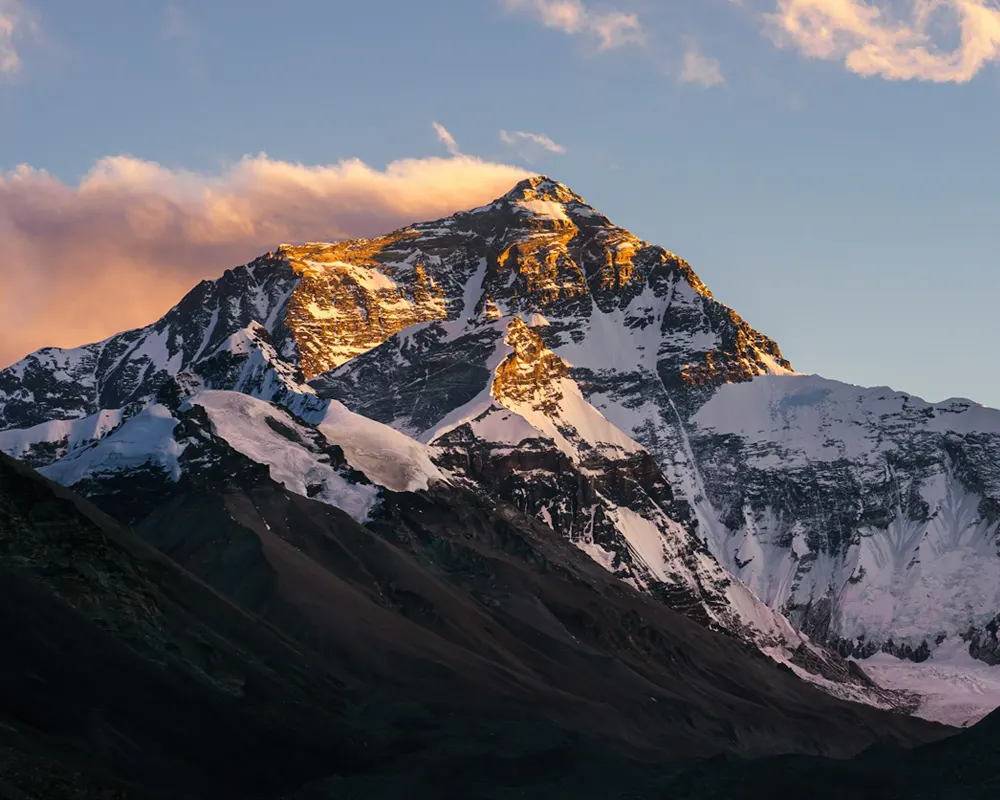
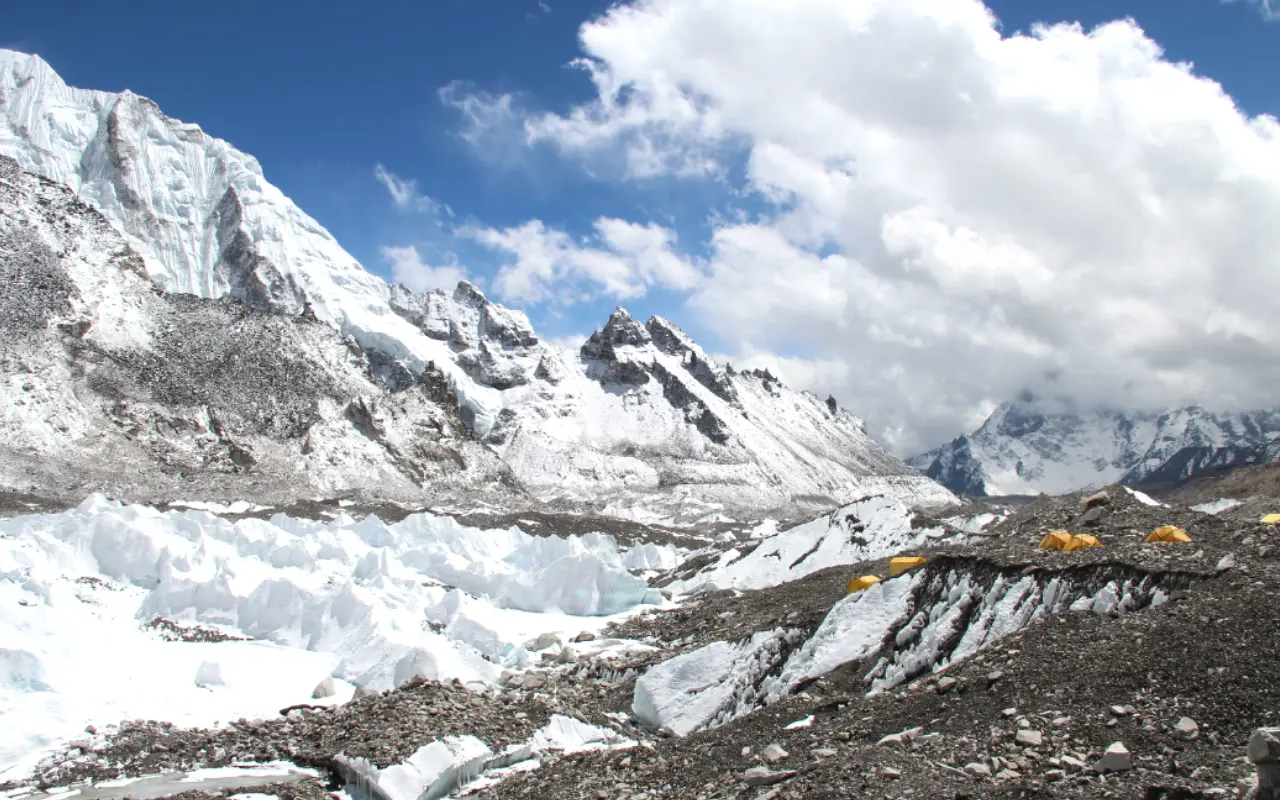
Rainbow Valley is on the north slope of Everest. The name gives an impression of a green nature at first sight, but the truth is rather uglier. Rainbow Valley is over 8000 meters in altitude, and is the notorious Death Zone.

It has become the final burial place of dozens of climbers who did not return from the top or lived long enough to do so. It is referred to as Rainbow Valley due to the bright colored mountaineering suits, jackets, sleeping bags, and climbing gear littering the snow behind.

On the contrasting white backdrop of the Himalayan mountains, the reds, blues, yellows, and greens pretend to be a nightmare canvas. Yet these are not colors on flags or ornaments. They are among those frozen climbers who did not find their way home and whose bodies were still in their condition, frozen where they last fell.

Rainbow Valley is not covered by avalanches or ice like the other regions of the mountain. The air is thin, the slope is steep, and the topography is treacherous. There are practically no attempts to retrieve fallen climbers at these heights. This has made Rainbow Valley a landmark and a warning: the peak is almost in reach, and so is death.

This duality of Everest Rainbow Valley is what makes it haunting. On the one hand, climbers who go through will see one of the most stunning sights on Earth. On the other hand, they have to pay the price of their ambition. It is a beautiful location trapped in tragedy, a lesson that Everest must be respected, at times, and it will take away more than it gives.

The Death Zone and Its Dangers

Once past 8,000 meters, Everest reaches what is known by the mountaineers as the Death Zone. The name is no exaggeration. An increase in elevation also reduces the oxygen level to only a third of what is required by humans at sea level.

The human body starts to deteriorate very fast without the use of supplemental oxygen. The brain cannot regenerate cells, some processes in the body find it hard to operate, and each move becomes a marathon.

The dangers here are many. One of the most widespread dangers is exhaustion, one of the most common killers. Even the most powerful athletes can stagger just several hundred meters to safety after several days of climbing in thin air.

High-altitude cerebral edema (HACE) and high-altitude pulmonary edema (HAPE) are two forms of altitude sickness that can strike suddenly, making you feel confused, with fluid in your lungs, or with deadly swelling in your brain. Hypothermia and frostbite make fingers and toes black in hours.

Another risk that is always present is falls. There is not much room to make a mistake in the icy slopes, changing weather, and sheer cliffs of Everest. One slip and a climber will go crashing down into complete oblivion. Avalanches, hidden crevasses, and blizzards add to the risks. These dangers explain why Everest has claimed so many lives.

Bodies can hardly be recovered in the Death Zone. At those altitudes, the helicopters cannot fly safely. Already in a lowered oxygen state, rescue teams put their own lives in jeopardy when they attempt to drag up the load of an extra human. In the vast majority of cases, no one carries dead climbers across the Death Zone. The mountain serves as their cemetery.

Rainbow Valley acts as a concentrated reminder of this ugly truth. Every climber lying there was able to endure the full force of the Death Zone. In their stories, we are reminded that Everest is not conquered but survived.

Journey to Everest Base Camp across Khumbu Glacier

Famous Stories of Climbers Who Rest in Everest Rainbow Valley

Everest Rainbow Valley is more than a name; it is a group of human stories. All of the bodies illustrate an example of a climber who, at one point, had a dream of being on the top of the world. Some names have become a part of the history of Everest, forever tied to the slopes where they now rest.

 George Mallory/Andrew Irvine (George Mallory) (1924)

The loss of George Mallory and Andrew Irvine is a mystery of Everest. They had tried the mountain way up in 1924 when only oxygen tanks and experimental equipment were available. They never returned.

It is controversial whether they ever made it to the top before they died or not. Mallory was discovered in 1999, and his body was very well preserved. His history serves as a chilling account of the eternity of the mountain.

“Green Boots” (Tsewang Paljor, 1996)

Green Boots, known later as Tsewang Paljor, an Indian climber who died in the 1996 Everest disaster, is the best-known character in Everest Rainbow Valley. And for years, his corpse had lain in a cave of limestone on the Northeast Ridge that every mountaineer who came past could see his green boots. Green Boots turned into a famous icon of the danger of Everest.

Scott Fischer (1996 Disaster)

The Everest season of 1996 was actually among the worst seasons when several climbers were lost. They included Scott Fischer, who was an American senior skills guide and a mountaineer.

Fischer died of exhaustion and high altitude sickness, trapped in a storm on the face of a mountain. It was immortalized in books and films, as that season brought out the ambition and weaknesses of those climbing Everest.

Francys Arsentiev- Sleeping Beauty (1998)

Francys Arsentiev was the first American woman to summit Everest without any additional oxygen. However, on the way down, she fainted at the Death Zone. Several climbers attempted to assist, but not one was able to bring her down.

She perished in the hills and is called Sleeping Beauty in reason of her peaceful demeanor, highlighting her narrative as victory and defeat in one ascendancy.

The 2019 Overcrowding Tragedy

In 2019, horrifying photographs were taken of what has been dubbed a traffic jam near the summit of Everest, where hundreds of mountaineers have been forced to wait in line in the Death Zone.

11 climbers died in that season, due to delays, fatigue, and a shortage of oxygen. Instead, it grew again, Everest Rainbow Valley left the world in no doubt about how human ambition can sometimes have too much of a good thing.

Although heartbreaking, these stories are a part of the history of Everest. They are testaments to human drive as well as tragedies. Each climber was a boundary pusher; they all went through incredible odds, and they all became one with the mountain they cared about.

The Ethics of Everest Rainbow Valley

Given that there are so many corpses on Everest, this brings up related hard ethical dilemmas. Should workers of the climbing set themselves the task to save the lives of sufferers even at their own peril? Or should survival come first in the Death Zone?

Rescue in the Death Zone is different from a rescue situation at lower altitudes. In fact, a climber who chooses to assist another in difficulty is putting their own safety at risk. To carry another human being at an altitude of 8,000 meters, even for a short period of time, could be the end of life for both parties.

Many of the climbers left for dead are dying despite others being in proximity. For people from the outside world, this is incomprehensible, but on the mountain, it is more an arithmetic computation than anything else.

Another debate is whether bodies should be retrieved or left frozen in place. Some argue that climbers should rest where they fell. Others feel body retrieval is an act of respect towards the dead and provides closure for families who were left with uncertainty.

Sherpas, who risk their lives by taking climbers to the mountain, also have their own cultural views of body retrieval. Many Sherpas view the mountain as sacred and do not wish to disturb anyone left behind.

In recent years, some of the bodies, such as Green Boots and Francys Arsentiev, have been moved to less prominent locations on the mountain out of respect for the dead. But many others remain, still occupying the Everest Rainbow Valley. The arguments continue, and the debates go on. But what is certain is that each climber who lies in Rainbow Valley is a reminder of Everest’s brutal character.

Everest Base Camp Trek – 14 days
Introduction For every climber in the world, Everest is regarded as the peak of mountaineering. Climbing the mountain...
14 Days
Moderate

US$ 1100

Lessons from Everest Rainbow Valley

Everest Rainbow Valley isn’t just a haunting landmark. It’s an educator. Every climber passing through Rainbow Valley learns valuable lessons about risk, respect, and humility in the face of nature’s magnitude.

First, Everest is more than glory. Climbing to the top of Everest is an accomplishment, but surviving is a challenge. The summit is not what counts. What matters most is that you returned safely.

Second, preparation is everything. Proper acclimatization, physical preparation, and climbing with knowledgeable guides can mean the difference between life and death. More than a few climbers who met their fate in Everest Rainbow Valley can attribute their fate to always living in the Death Zone or misinterpreting their limitations.

Third, the valley teaches respect. The bodies in the valley aren’t an obstacle, and they aren’t a tourist trap. They were people who dreamed, trained, and loved. You shouldn’t look at them as another part of the landscape. You should consider them with reverence.

Finally, Everest Rainbow Valley is a cautionary tale to climbers. The mountain will not forgive. Careless ambition can kill. If you are going to climb, you will need to bring brain with brawn.

Everest Rainbow Valley

Conclusion

Mount Everest is an ambition and an obstacle. To most people, it is the pinnacle of human success. But to the people of Everest Rainbow Valley, it was the ending.

Everest Rainbow Valley is a hymn and a scold. It is lovely when you can see its bright colors play against the white snow. However, it is also a tragedy since every color is the life that has been broken.

Everest has left its mark on the climbers who camp there. They remind us that the mountain cannot be conquered; it can only be endured, respected, and occasionally survived at a high price. Their tales remain timeless lessons to all future climbers and a reminder to all of us that we should honor the power of nature.

To have Everest in your dreams is to have greatness in your dreams. Rainbow Valley has to be remembered together with the cost of that dream. Finally, we learn the lesson of the mountain, humility, and the ambition of man being submissive always to the power of the earth.

20 Amazing Mount Everest Facts You Probably Didn’t Know

Introduction

Mount Everest facts emphasize the highest mountain in the world, with a height of 8,848.86m above sea level. As the “Roof of the World,” it continues to be a destination for climbers and adventurers looking to conquer its awe-inspiring and treacherous slopes.

The harsh environment outlined in Mount Everest facts makes the mountain-climbing process a risk-prone venture. Temperatures go as low as -60 °C and wind speed reaches 160km/h, which means that this mountain challenges human strength and capabilities to their extremes.

Mount Everest
Mount Everest

The cultural and spiritual values are also found among the Mount Everest facts. To the Sherpa people and the people in the local communities, the mountain is considered sacred and deserves a great level of respect with inspiring traditional customs and a high connection to nature and origins.

Mount Everest was first successfully climbed in 1953, so the facts remain a highlight of exploration in the world. Its massive stature has been used as a symbol of human endurance and exploration, urging humans to look up to such a sight of splendor and avail themselves of its powers.

1. Mount Everest is the Tallest Mountain in the World

Mount Everest facts tell us that it is the tallest mountain on earth, at a height of 8,848.86 meters (29,031.7 feet) according to the 2020 official measurements. This stunning height impresses the imagination of climbers and all lovers of nature.

Everest is a fold mountain, uplifted where the Indian and Eurasian tectonic plates collide. Its sheer height and unforgiving weather continue to test climbers and captivate people around the world.

mount everest
Mount Everest

2. Everest Lies on the Border of Nepal and Tibet

Mount Everest lies both in Nepal in the south and in Tibet in the north as well. Both nations share the mountain, which is consequential to different cultures.

This location impacts the climbing route and rules. Facts about Mount Everest reveal various entry options to this mountain, though climbers prefer going through the southern region of Nepal, where the mountain is situated its access point of many historical and cultural values.

3. Everest Has Beautiful Local Names

It is also known as Sagarmatha in the Nepali language, meaning forehead of the sky. This name is an acknowledgment of the great height of this mountain as well as how revered it is by the Nepali people.

In Tibet, it is named Chomolungma, meaning Mother Goddess of the World. This is an indication of spiritual beliefs whereby Mount Everest facts have been intricately intertwined with elements of cultural reverence and religious sanctification of the mountain.

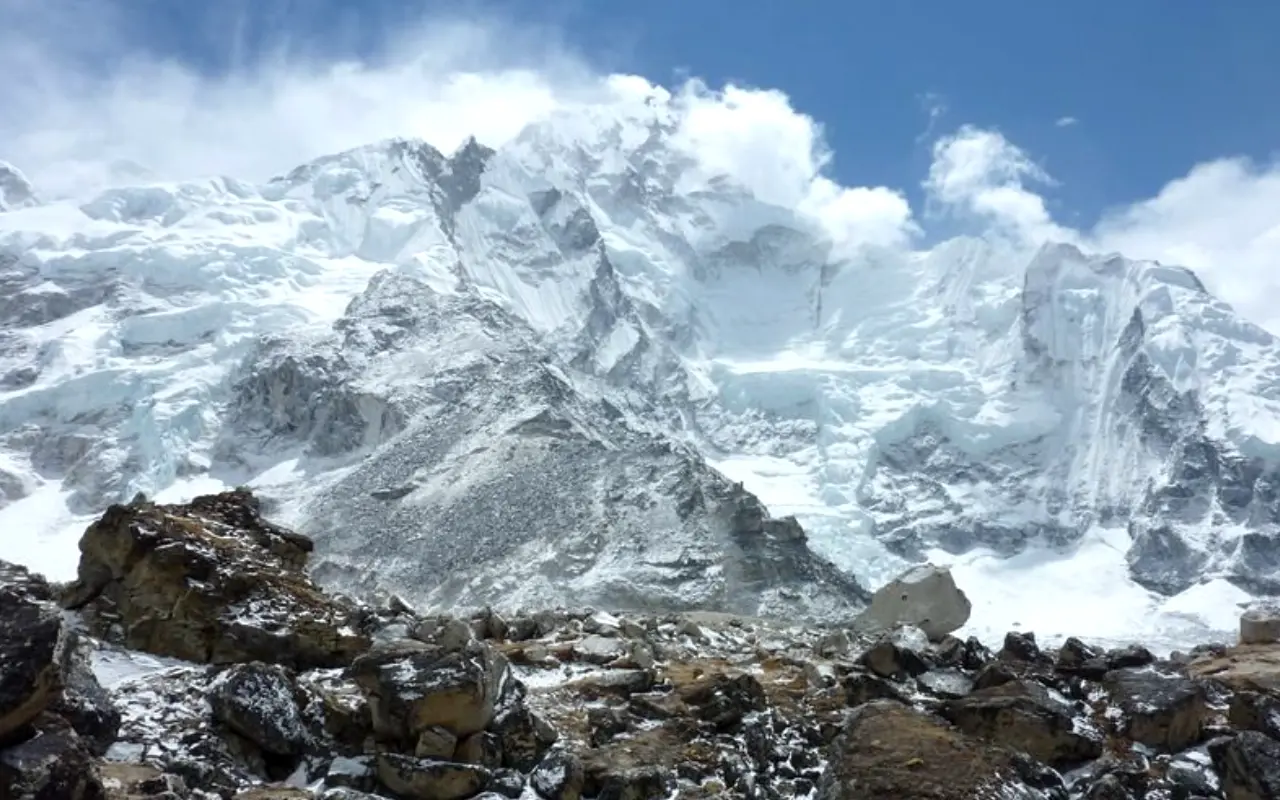
View from Mt Everest Base camp

4. The Summit Rocks Were Once Part of the Ocean

Another interesting Mount Everest fact is that marine limestone fossils have been discovered at the summit, showing that once upon a time, it was under the ancient Tethys Sea. What makes it a unique destination and phenomenon is evident in its rock formations and a history that is incorporated into this fascinating destination.

The tectonic forces brought up the oceanic rocks, forming the high mountain that we now behold. Facts about Mount Everest are evidence of a living planet that over time creates ancient oceans, only to transform into high mountains.

5. Everest is Still Growing Every Year

Mount Everest facts show that it is still increasing its height by a few millimeters every year because of tectonic plate shifting as well. That process is constantly continuing, and therefore, Everest is not a solid fixed mountain; it is a living geographical object.

This expansion is a consequence of the collision of the Indian and the Eurasian plates. Facts about Mount Everest outline how the natural forces continue defining our planet, and Everest is one spectacular demonstration of how the Earth fosters the forces of nature. 

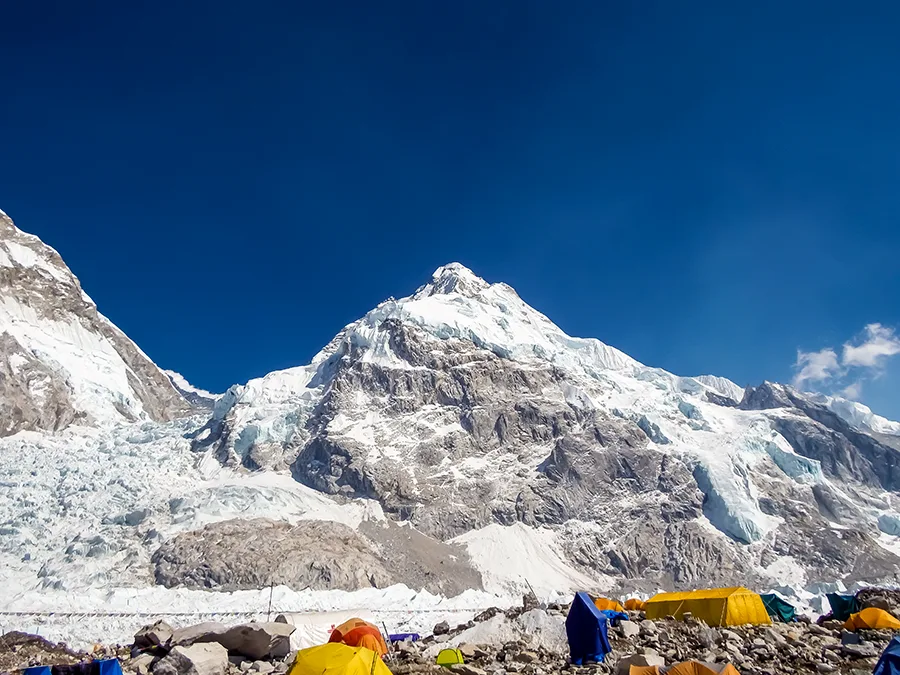
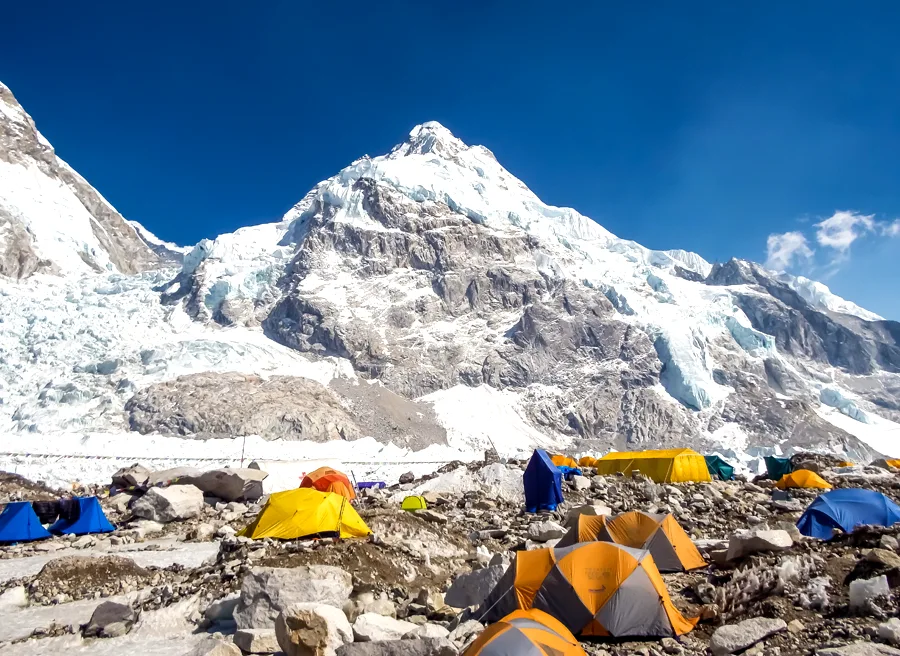
Everest Base Camp
Everest Base Camp

6. It Was Once Called Peak XV

The facts about Mount Everest can tell us that before being given an official name in 1865, the mountain was known to the British surveyors as Peak XV. By that time, mapping and naming of the Himalayan Mountains were still going on in detail.

The name was finally changed to Everest in honor of Sir George Everest, Surveyor General of India. This change of name shows the history of exploration and the new popularity of the mountain among Western geographers.

7. First Climbed in 1953

Another Mount Everest fact is, it was first climbed in 1953 by Sir Edmund Hillary of New Zealand and Tenzing Norgay Sherpa of Nepal. This accomplishment was radical.

Their ascent was not just a mark of a milestone in the history of mountaineering that has inspired many more generations of mountaineers. Mount Everest facts show that their collaborative effort signified unity among all nations and also represented human resilience against all odds.

8. First Woman to Summit Everest

In 1975, Junko Tabei of Japan made history, becoming the first woman to summit Mount Everest. The climb broke ground for women in the male-oriented domain of extreme high-altitude and remote climbing and allowed climbing to overcome gender barriers competitors faced in the realms of sport.

Her successful journey to Mount Everest encouraged several people and demonstrated that the mountain can be approached by both genders as long as they have great courage and determination that outweigh the physical handicap.

9. Everest Has Been Climbed Thousands of Times

Another Mount Everest facts since 1950s is over 6,000 individual climbers all over the world have managed to complete the journey over 11,000 summits in total. The mountain is a hotspot for adventurers whose main intention is to test their limits and enjoy the splendorous beauty.

Everest is an attraction to international mountaineers due to its rising popularity. Nonetheless, details of Mount Everest warn against crowding and pollution, and proper climbing techniques in order to pass it on to future generations.

10. Sherpas Perform a Sacred Puja Before Every Expedition

Mount Everest facts highlight the spiritual practices of the Sherpa people, who perform a puja ceremony before each climbing expedition. The puja ceremony is performed in hopes of receiving blessings and being granted safe passage by the mountain gods.

The puja is reflective of deep respect for the sacred nature of Everest and melds cultural heritage with adventure. Thus, Mount Everest facts can represent physical challenges as well as spiritual depth.

11. Everest Expeditions Attract Global Adventurers

Another Mount Everest is that climbers from over 116 nations have travelled to take a chance at the peak. This surprising level of international popularity serves as evidence of how Everest is the mountaineering challenge of the planet as a whole.

The multicultural encounter of climbers adds value at the base camps of Everest, with exchange of cultures as they share their stories. The facts about Mount Everest demonstrate that the mountain makes people unite as it encourages boldness, cooperation, and perseverance among different nations.

12. Kami Rita Sherpa Holds the Record for Most Ascents

Mount Everest facts honor Kami Rita Sherpa, who has a marvelous achievement record of more than 28 ascents to Mount Everest. His successes portray the critical role and unparalleled expertise that Sherpas play to facilitate expeditions in this daunting mountain.

The record of Kami Rita is of excellent patience and ability. The Mount Everest facts underline not only the physical challenges of attempting to repeatedly climb it but also the awe people have towards it due to its reputation as a living legend in the mountaineering world.

13. Everest Hosts Special Records

The Mount Everest facts indicate that the youngest person to ever have climbed the Everest is only 13 years old named Jordan Romero (USA, 2010), whereas the oldest is an 80-year-old Yuichiro Miura (Japan, 2013). Such milestone events are moving climbers of all ages.

The all-encompassing difficulty of the mountain invites both the juvenile energy and the aged expertise. The facts about Mount Everest portray it as a place where different adventurers can achieve new heights because of determination and preparation.

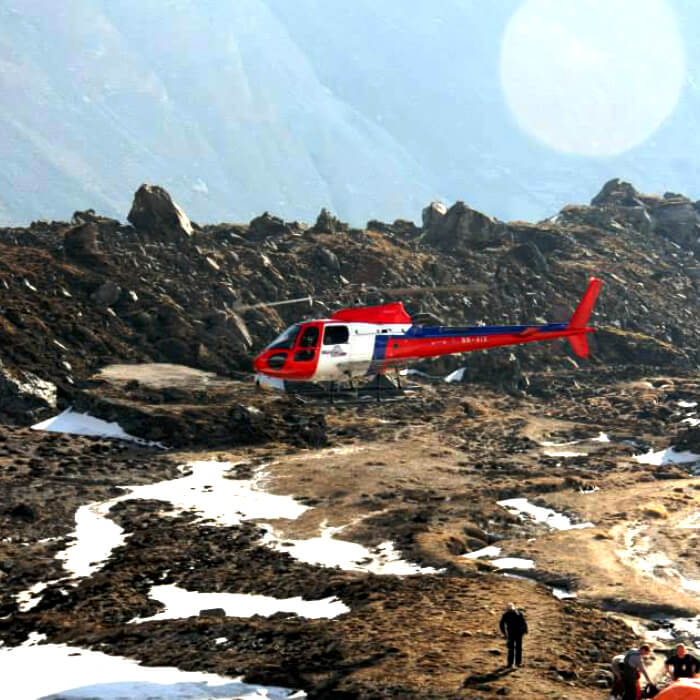
14. Helicopter Landed on the Summit

In 2005, a helicopter became the first such aircraft to land and even takes off at the world-famous Mount Everest. Didier Delsalle from France is the first person to land a Eurocopter AS350 B3 on May 14, 2005. Such an amazing event reflected the progressive nature of aviation and the challenge of nature in the Everest.

This helicopter landing became rare in the history of flying. Facts about Mount Everest are used to show how technology and human dexterity blend to produce superb accomplishments on the tallest mountain on the planet.

Helicopter Landed on the Summit

15. The “Death Zone”

The death zone at 8000 meters (26247 feet) on Mount Everest is a life-threatening zone due to dangerously low oxygen levels. The human body simply does not work at this level; therefore, survival and simple task become extremely difficult for climbers.

Although you can rest for a while above 8000 meters, acclimatization is not achievable due to the impossibility of prolonged survival in low oxygen levels.

16. Everest Creates Its Own Weather

Mount Everest facts give illustrations on how the great height of the mountain has generates strong orographic clouds and jet-stream winds that can be seen from afar. These are the clouds created when damp air is caused to rise and cool quickly, and are commonly seen miles away in the direction of the summit.

This rare atmospheric weather condition causes climbing to be unpredictable and unsafe. An overview of the mountain Everest facts may bring to the fore how this tall mountain dominates the landscape and other factors that climbers and scientists should observe keenly.

17. Everest Glaciers Are Huge and Beautiful

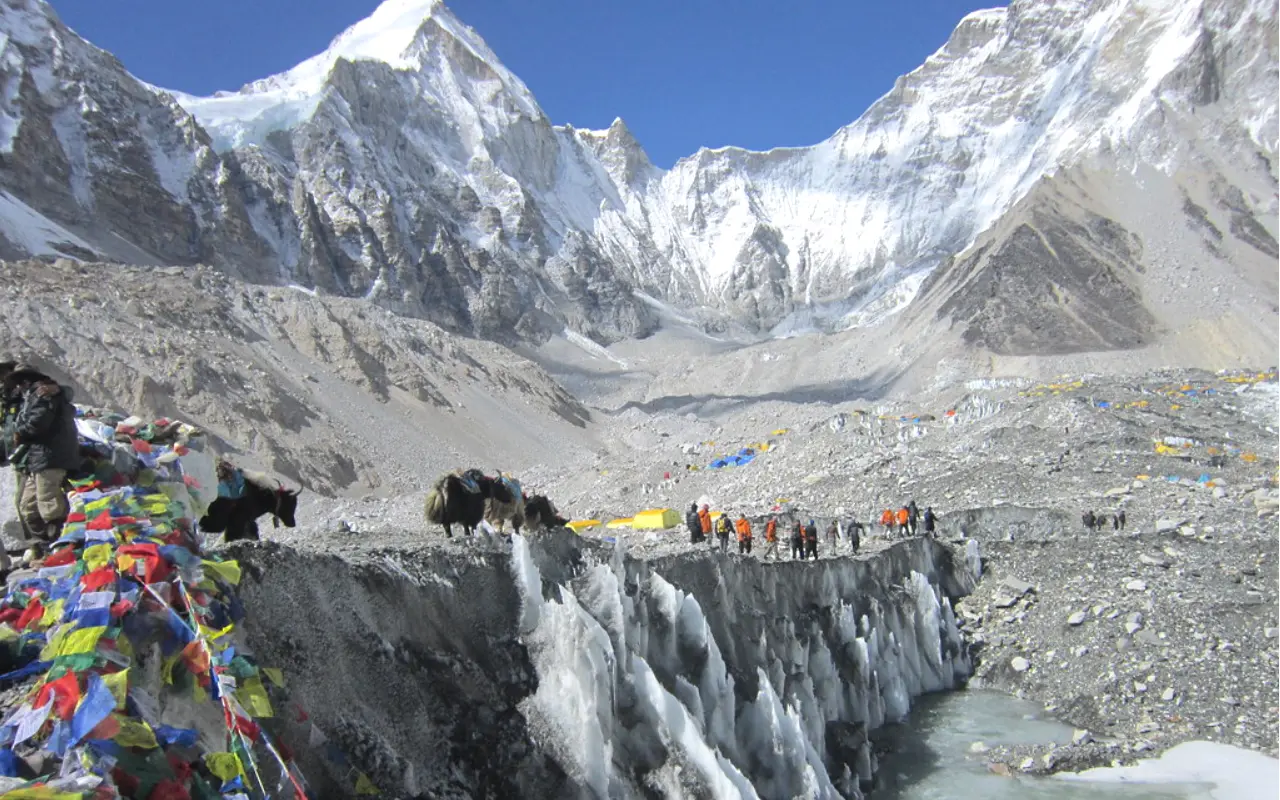
Fast Mount Everest facts display the Khumbu Glacier, a glacier in Mount Everest in the south that stretches to be one of the longest glaciers in the Himalayas. It has massive ice flows and plenty of water supply to the area.

These glaciers are sensitive environments that are at risk of being sacrificed to climate change. It is important to keep such natural jewels intact so that the biodiversity in the Himalayas can be preserved and that there is water to draw downstream.

18. Wildlife Lives Around Everest

Mount Everest has a wide variety of wildlife living on the slopes and surrounding areas of the mountain. Snow leopards are elusive and rare, and often roam around lower elevations areas including Sagarmatha National Park. The jumping spider’s lives in Everest periphery up to 6,700 meters, even in the most extreme conditions. Mount Everest facts illustrate the ability of nature to adapt itself, expressed in the way that life forms must undergo various changes in the different environments of Everest.

19. Prayer Flags Add Color to the Landscape

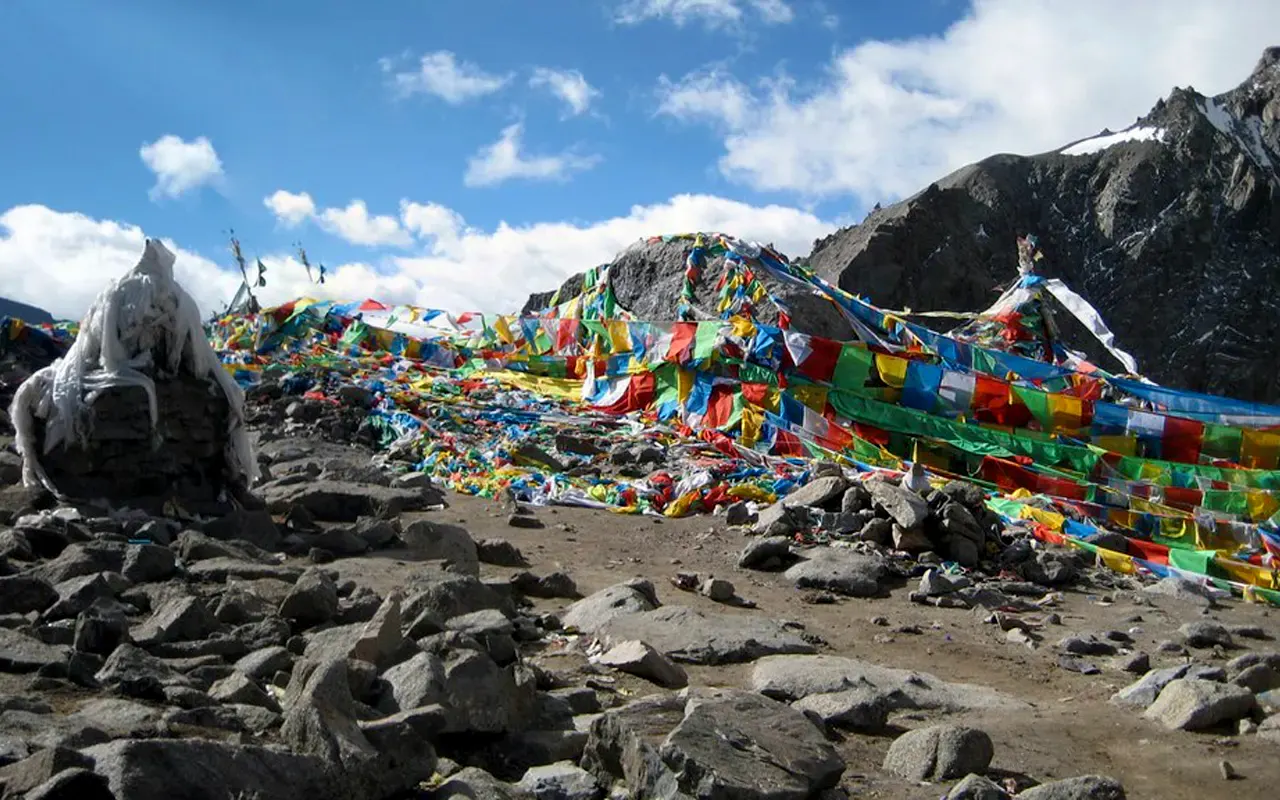
The Mount Everest facts describe the colorful prayer flags mounted by the climbers across the mountain. The bright colors of these flags waving up in the Himalayan winds bring blessings and wishes into the bleak landscape, and much cultural meaning to the landscape.

The flags depict peace, pity, and good luck since people have a spiritual relationship with Everest. Facts about Mount Everest replicate how the cultural traditions and nature integrate into one on the holy mountain.

20. Everest Inspires Festivals and Legends

Mount Everest facts document how the Sherpa people host festivals to honor the mountain, and by doing so, they weave together elements of ancient tradition and spirituality to pay homage to the mountain. These rituals with components, for example, asking for protection and to give thanks, regard Mount Everest as a living deity.

These types of celebrations represent the deep ties that bind a community together while also conserving its past. Mount Everest facts also show that Mount Everest is more than just a physical challenge; it serves to inspire, motivate faith, and ignite a sense of identity for the people who live in proximity to it.

Conclusion

Some interesting Mount Everest facts can sound amazing, telling about how extraordinary the mountain is due to being so high, having a history, as well as a surprising nature. Everest has enthralled people since it came into being, and there are still remarkable records being set in climbing the mountain.

Mount Everest is not just a great mountain in terms of size, but it also has an enormous cultural and spiritual meaning. Customs, celebrations, and rites associated with the peak depict the power of the strong bond between the population and this monumental mountain.

Lastly, Mount Everest is one of the symbols of human bravery, perseverance, and natural beauty. These twenty astonishing facts are evidence of the inexplicable phenomenon, which makes Everest one of the most exciting places on the planet, where one can explore and take his/her hat off.

Everest Base Camp Trek by Road: A Complete Alternative to the Lukla Flight

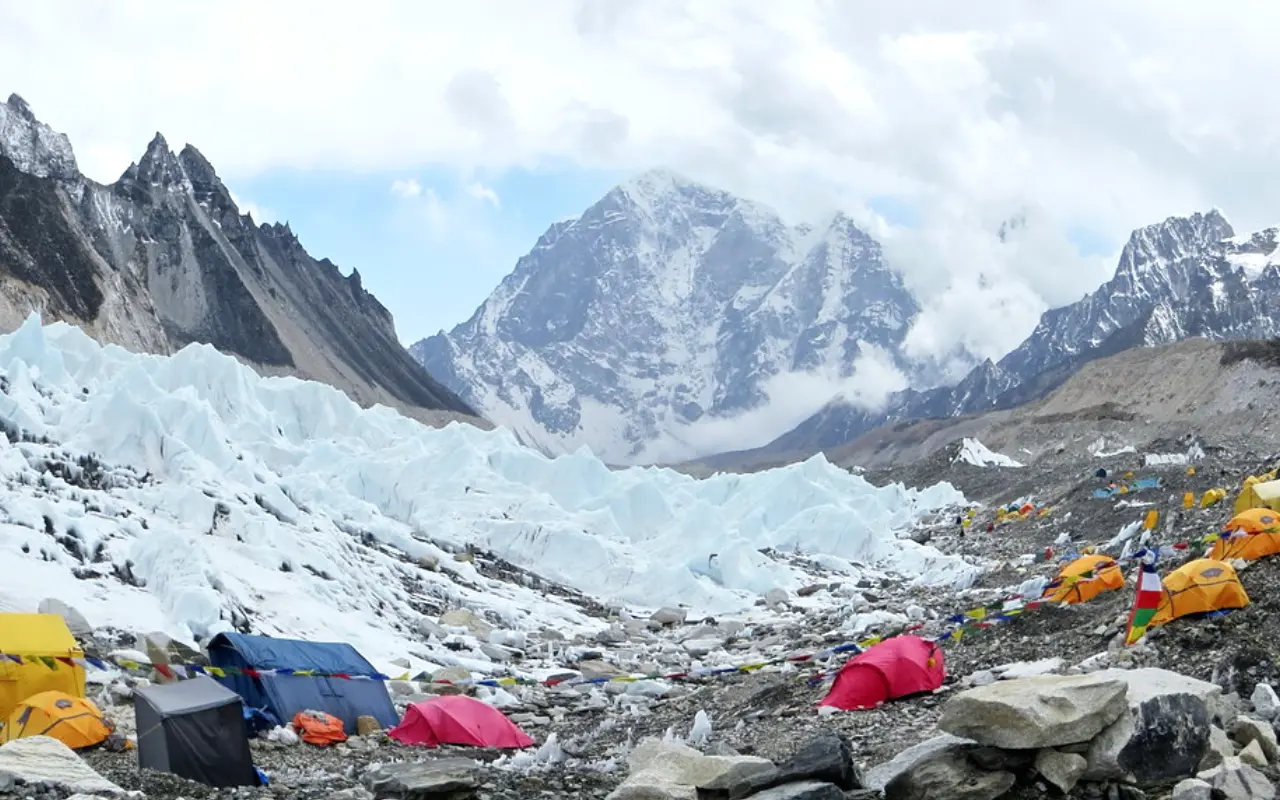
Journey to Everest Base Camp across Khumbu Glacier

The Everest Base Camp trek by road has gained popularity as an alternative to flying into Lukla, especially for those looking for a safer and more affordable option. While most trekkers fly to Lukla, taking the road option adds a new dimension to the adventure.

There are many benefits to choosing the Everest Base Camp trek by road, including avoiding both the flight delays and risks of the Lukla Airport and its sometimes inconceivable weather. The roads into the Everest region also present great views of the overall natural beauty and cultural richness of the region, making the journey not just the destination.

In this blog, we will provide the best routes for the Everest Base Camp trek by road, a detailed itinerary, and the positives and negatives of a road trek. You will also find cost estimates and useful tips that will help prepare you for your alternative trekking adventure.

Why Choose the Road to Everest Base Camp?

The Lukla flights to the Everest Base Camp are notorious for delays and cancellations because of the changing mountain weather. The problems have the potential to spoil trekking plans and cause stress. Safety is another issue that worries a majority of travelers, and therefore, the Everest Base Camp route by road becomes an attractive option.

The road trek to Everest Base Camp is an alternative with a drive option that passes through really nice scenery. This trail offers slow walking, adjusting to the altitude, and minimizing the risks of altitude illness. By road, it is more flexible and less tense, thereby giving an overall experience.

Budget-conscious tourists tend to choose the Everest Base Camp trek by road since it makes the trip much affordable. Flying to Lukla is an expensive option compared to the use of roads. This renders the road route affordable to various travellers who wish to travel efficiently without cutting corners.

Fearful flyers can choose to take the road to trekking in the Everest Base Camp. It provides an exclusive experience to visit the Everest region without the pressure of air travel. This path is suitable for the perspective of those passengers who appreciate security, culture, as well as natural beauty.

Everest Base Camp Trek – 14 days
The Everest Base Camp trek by road has gained popularity as an alternative to flying into Lukla, especially...
14 Days
Moderate

US$ 1100

Kathmandu to Everest Base Camp by Road: The Route Explained

Traveling from Kathmandu to Everest Base Camp by road starts with a jeep ride of 8–10 hours to Salleri or Phaplu. The journey is quite picturesque and has some nice villages and hills, and is a great alternative to flying, while still enjoying the area.

From Salleri or Phaplu, the trek follows the normal route to Lukla, while from Lukla, the well-trodden path to Everest Base Camp goes through the Sherpa villages, including Namche Bazaar, Tengboche, and Dingboche. Along the whole trek, there will be a chance for gradual acclimatization.

The Everest Base Camp trek by road originates directly in Salleri, giving an opportunity to the trekking groups that can innately start their trek closer to the mountains. This means that the route is much longer as it involves trekking through remote villages, various landscapes, and overcoming obstacles.

Alternatively, there is a route where travelers can reduce the journey by driving to Phaplu instead of Salleri. This alternative minimizes the number of trekking days, and it does not deprive you of the true EBC experience. It is best suited to time-constrained people who wish to do a combination of traveling by road and trekking economically and efficiently.

Some of the outstanding scenic wonders that can be witnessed through the Everest Base Camp trek by road include non-stop mountainous roads, rustic settlements of the Sherpas, and sparkling rivers. These natural and cultural attractions are both beauties that make the road option a valuable experience of touring the nature and culture in Nepal, particularly the Everest region.

Detailed Itinerary

The 1st day of the Everest Base Camp road trip itinerary starts with a drive from Kathmandu valley to Salleri (2,300 m). This 12-hour-long scenic passage takes tourists to eye-pleasing mountain ridges and villages.

On day 2 of the Everest Base Camp trek by road, you will go to Nunthala (2,200m). The path runs through idyllic woodland and picturesque villages and gives your trek an assuredly calm beginning.

Day 3 of the Everest Base Camp via road will pass through Nunthala to Bupsa (2,300m). The walk of this day consists of moderate elevation gain along the course, with chances to enjoy the Sherpa culture on the way.

On the 4th day of the Everest Base Camp road trek itinerary, you would trek through the Bupsa to Surke/Chaurikharka (2,300m). You will get an opportunity to witness richly vegetated land and mountain landscapes along the way.

On day 5 of the Everest Base Camp trek itinerary by road, you trek to Phakding (2,610m). This forms the entry point to the traditional Everest trekking route, rhododendron trees, and Dudh Koshi River.

On the 6th day of the Everest base camp trek, you will reach Namche Bazaar (3,440m). It is a cultural centre, and this important Sherpa town is ideal for acclimatizing before climbing higher.

From Namche Bazaar, you will continue your walk to the Everest Base Camp, passing Tengboche, Dingboche, Lobuche, and finally, the Base Camp and back through the same path.

The Everest Base Camp trek itinerary by road takes a total of about 16-18 days, as compared to the 12-14 days one using the Lukla flight, though it is slower and more scenic.

Road vs Flight to Lukla – Which is Better?

Flight Pros:

Saves a lot of time to Lukla.

● Riddled with Himalayan views that are spectacular aerially

● This is something everybody knows and is accustomed to.

Convenient access to the starting point of the trek.

Flight Cons:

Very costly compared to road travel.

Constant weather-related cancellations and delays.

Unsafe approach to short, steep landing.

Low intra-off-season flights.

Road Pros:

Safer option in place of a risky flight to Lukla.

● Enables slow acclimatization to altitude

Affordable as compared to air travel.

● Creates an out-of-the-ordinary trekking experience.

Road Cons:

● Takes a longer time to trek.

● Rides on a Jeep can be bumping and painful.

● There are very rough and basic road sections.

Poor infrastructure as an alternative to flight options.

Best Time for Everest Base Camp Trek by Road

Everest Base Camp, Gateway to the world’s highest peak.

The Everest Base Camp trek by road is best in Spring (March to May), with stable and clear weather. Spring trekking has beautiful colors added to it by rhododendron forests, which blossom in this season.

The Everest Base Camp trek by road is best experienced during the autumn (September-November) with good visibility and the perfect trekking time. The skies are clear with temperatures being mild, and this provides the most beautiful panoramas of the Himalayas.

The winter is cold, with not so many crowds on the road trip to Everest Base Camp. It can only be accommodated to seasoned trekkers who are used to low temperatures because there are hues of snow and seasoned ice terrain amidst some of the tracks.

Monsoon (June–August) is not a good time to trek to Everest Base Camp by road. This is the time of heavy rains. In the monsoon, roads become muddy and there are landslide risks, making road travel dangerous and uncomfortable.

Cost of EBC Trek by Road

A jeep to Kathmandu to Salleri may cost around 25-35 dollars per individual, depending on the number of occupants. This mode of transport is a mandatory element in the Everest Base Camp trek via road and will provide picturesque scenery all along the trip.

The difference in costs of the Everest Base Camp trek on the road compared to the Lukla route is minimal, including the cost of accommodations, permits, and food. These costs can guarantee ease and safety in trekking during an exploration of the beautiful Everest region.

Traveling to the Everest base camp by road is cheaper than by air, which would cost over 200 dollars one way. It can be utilized as an affordable option because the total budget, including the price of a guide or porters, is between $1000 and $2200.

Permits Required

Trekking to Everest Base Camp will require two primary permits, the Sagarmatha National Park Entry Permit and the Khumbu Pasang Lhamu Rural Municipality Permit. These permits are obligatory for every trekker to allow entrance into the guarded Everest area and trek in it.

Sagarmatha National Park Entry Permit may be acquired at the office of Nepal Tourism Board in Kathmandu or the entry point at the park in Monjo. The permit aids in the national park protection, and it is approximately NPR 3,000 (about 30 dollars) for foreign nationals.

The Khumbu Pasang Lhamu Rural Municipality Permit is given in order to promote local development and preserve trekking infrastructure. It may be bought by the trekkers on arrival either at Lukla or Monjo. This permit will cost roughly NPR 2,000, and it will keep the trekking in the Khumbu region safe.

Tips for Road-Based EBC Trekkers

Everest base Camp Trek
Everest Base Camp Trek by road

While traveling the Everest Base Camp trek by road, it is important that you book a jeep. Shared jeeps are known to fill up fast, particularly in the high season of trekking, so you should book a seat well in advance so that your adventure starts all the easier.

Take snacks and motion sickness pills to be ready to endure rough and long jeep rides. The rugged mountain roads may be difficult; hence, these little luxuries are what you need during the Everest Base Camp trek by road to make the journey pleasant.

Plan additional days in your schedule to overcome road or weather delays. The weather in the mountains is highly unpredictable, and it may turn bad very fast. The buffer days will guarantee that you do not feel hurried or miss important aspects of the trek to the Everest Base Camp via road.

An individual should hire a local guide in Salleri to Lukla to facilitate their way forward in remote places. Also, bring enough cash, as ATMs are extremely few outside Kathmandu and Namche Bazaar along the Everest Base Camp trek by road.

FAQs

1. How long does it take to trek EBC by road?

The trek to Everest Base Camp by road usually takes between 16 – 18 days.

2. Is the road route to Everest Base Camp safe?

The road route to Everest Base Camp is generally safer than taking the flight into Lukla, because it is more gradual with regard to altitude acclimatization.

3. Can beginners do the Salleri to Everest trek?

Yes, beginners can do the Salleri to Everest Base Camp trek; it’s just important to be fit, and good preparation is important too.

4. Do I still need to trek through Lukla?

Yes, once you reach Salleri or Phaplu by road, you still need to trek through Lukla.

5. Is the EBC trek by road cheaper than by flight?

Yes, the Everest Base Camp trek by road is typically less expensive than flying to Lukla because transportation costs are lower.

Conclusion

EBC by road is a secure, cost-effective, and distinct service that complements the existing path of flying into Lukla. It enables slow adaptation with a display of original mountain landscape and culture; the trip turns into a memory and is effectively worthwhile.

The road route is ideal for trekkers who do not want the stress and the expense of flights in and out of Lukla. The trails take you on an alternative route, with stunning scenic drives, and allow you to slow down and truly enjoy the Everest region.

If Everest Base Camp is your dream, the road less traveled can take you there just as surely—and with new stories to tell. Embrace this alternative and experience the magic of the Himalayas in a fresh, unforgettable way.

Bardiya National Park Travel Information: Wildlife, Activities, and Accommodation

Bengal Tiger
Bengal Tiger

Bardiya National Park is the largest uninterrupted and undisturbed national park of Nepal, which covers an area of 968 square km, situated in the Terai of Nepal along the Karnali and Babai River banks. It was formed in 1988 and is famous for its dense biodiversity with diverse landscapes and grasslands, subtropical forests, and river valleys.

Tourists of Bardiya can have thrilling experiences such as jungle safaris, bird watching, nature walks, and river trips. Another culturally rich element is the relationship with the local Tharu people, thus completing the bond between nature and culture.

This guide to Bardiya National Park will allow you to learn all the information about Bardiya. You will know its wildlife, activities you can enjoy, and the places to stay in order to pack your bags and arrange a trip to the Nepalese wilderness to spend the holiday there.

Overview of Bardiya National Park

Bardiya National Park is located in the western part of Nepal in the Terai region with an area of 968 square kilometers. It is easily accessible by road/air from Kathmandu, Pokhara, and Nepalgunj to the National Park. The park can be reached in approximately three hours by car from Nepalgunj.

The Royal Hunting Reserve of 1969 received an additional park section, and in 1976, it became a Royal Karnali Wildlife Reserve. After undergoing multiple expansions, it became Royal Bardiya National Park in 1988 and then became Bardiya National Park under the Republic of Nepal.

Visitors can experience three sub-tropical monsoon-based climates at National Bardiya when visiting: Hot, Monsoon, and cool dry winter (July to October, March to June, and October to February) respectively. During our visit to the Park, expect to see forests, grassland, river valleys, and wetlands, all providing established habitats for a large variety of fauna and flora.

Before visitors can make their way to Bardiya National Park, an entry permit must be purchased by the visitor. It will cost the Nepali citizen 100 NPR/person, a SAARC member 750 NPR, and a world tourist 1,500 NPR. Children less than 10 years will get in free of charge, and all visitors will need to be authorized.

Wildlife in Bardiya National Park

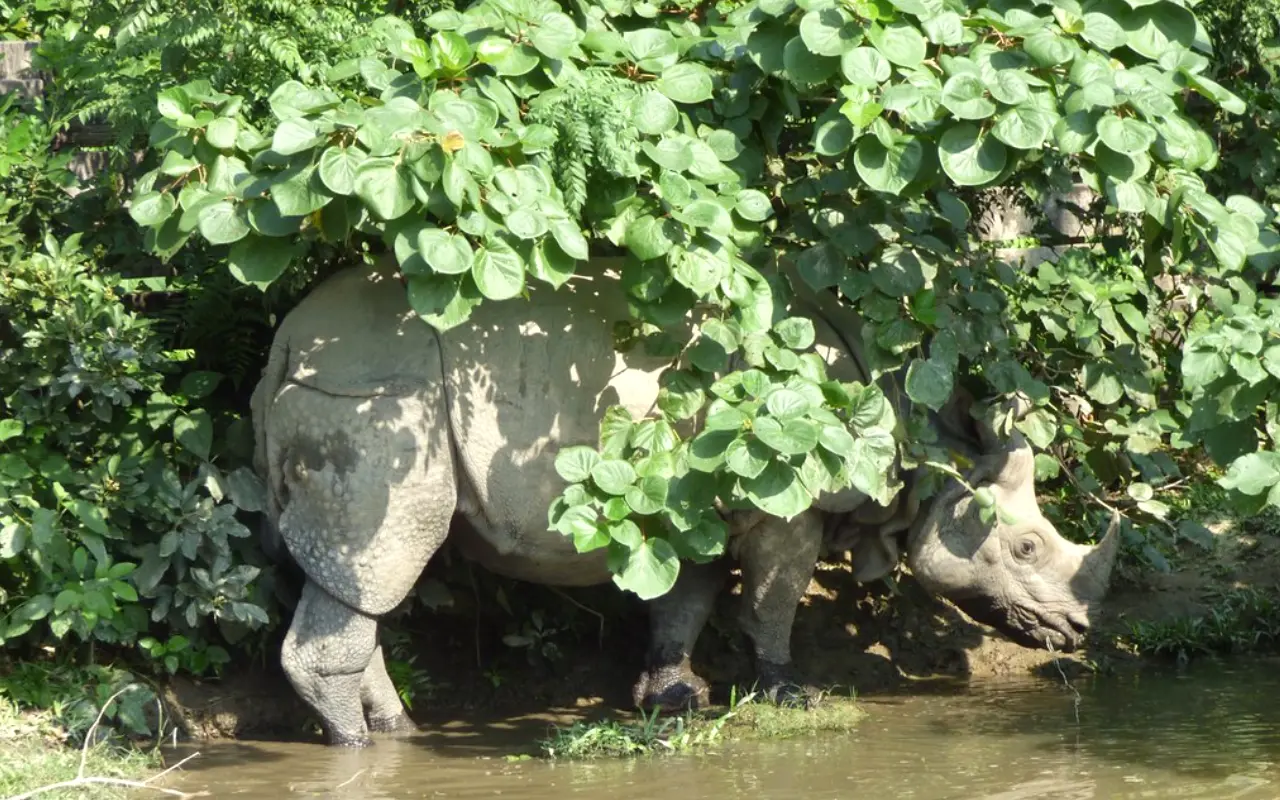
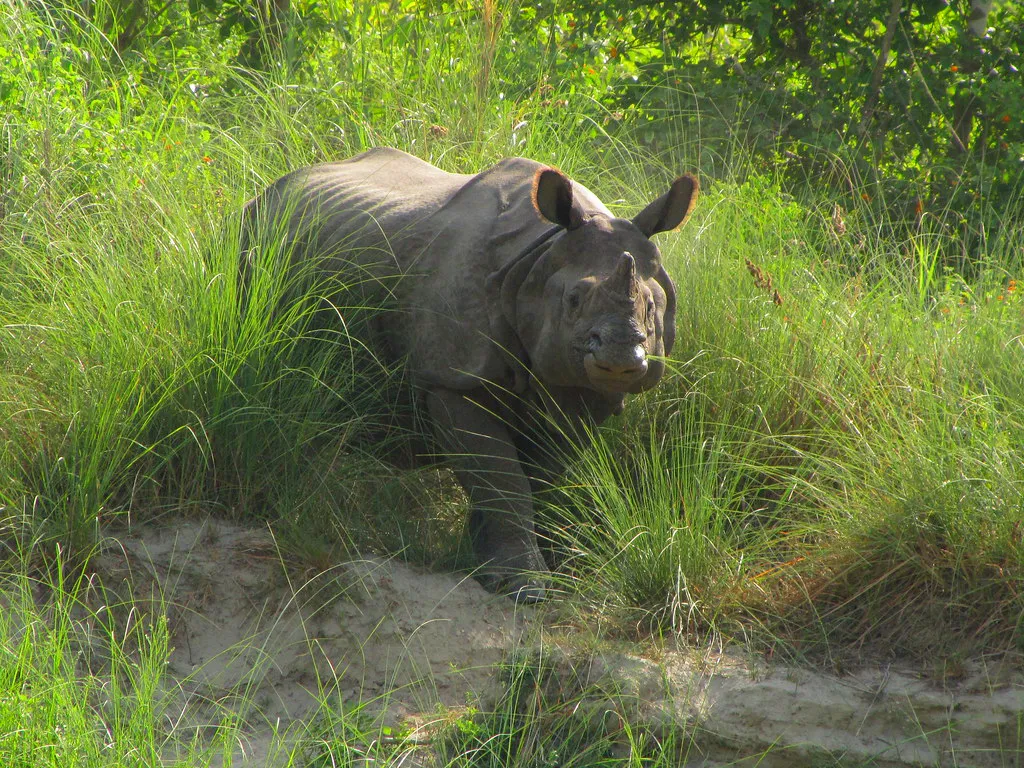
One-Horned Rhino in Bardiya National Park

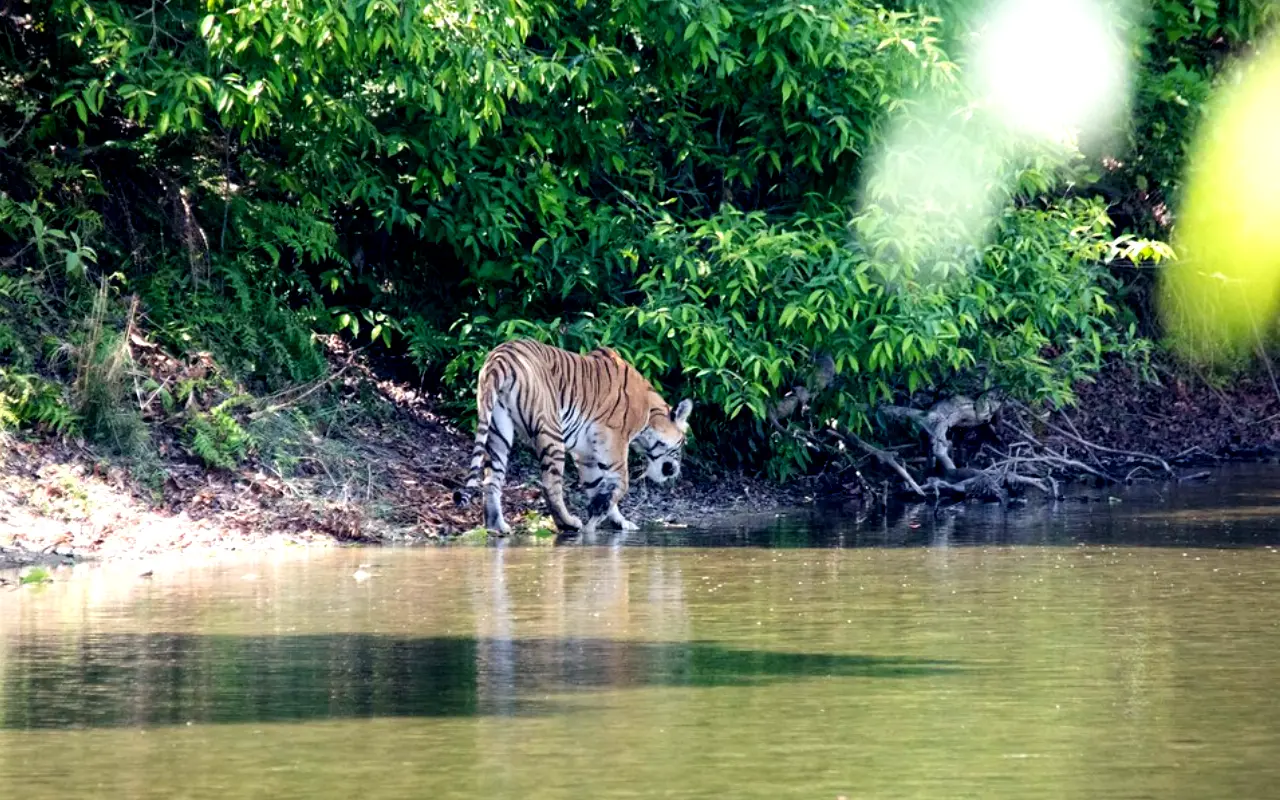
Bardiya National Park is a habitat of many significant species such as Bengal Tiger, Greater One-horned Rhinoceros, Asian Elephant, Gangetic Dolphin, and Swamp Deer. In-situ wildlife viewing is therefore an excellent chance to check out these wildlife in their real environment.

It is home to more than 400 bird species, including some spectacular avian species such as Bengal Florican, Lesser Florican, Sarus Crane, Great Hornbill, and many raptors.

October to February is the best time to visit Bardiya because the winter season is dry and the best for wildlife viewing. This is the time when animals will gather in places where there is water, making it easier to see and observe wildlife. In these months, the animals can be more easily spotted and are usually more relaxed, letting you spot more hard-to-find animals, such as tigers and dolphins.

Please practice respectable norms while viewing wildlife responsibly, keep a distance, no running or shaking loudly, observe and follow the rules and regulations given by the park officials. These tips may be used to improve your experience without causing damage to the wildlife and the environment.

Top Activities in Bardiya National Park

You will ride in a Jeep Safari ride that will pass form forested areas, to grasslands, and riverbanks for 4 to 8 hours. Prices are between USD100- USD250. Visitors get great opportunities in spotting Bengal tigers, rhinos, and elephants using guided tours, and thus making it a memorable adventure.

Walking Safari is safe, and guided tours are for an intimate view of wildlife on foot. Naturalist guides focus more on low-impact, leading to information inaccessible by vehicle, including flora and fauna that adds value to the visitor.

Birdwatching occurs in grasslands and riverbanks, and there are 400+ species here. Rare birds like Bengal Florican and Great Hornbill are more likely to be found in peaceful environments at complacent times of day, i.e., early morning and late afternoon.

Rafting in the Karnali River is adventurous, and the river view with the riverine forest and wildlife is amazing. This tour blends nature appreciation and adventure with the opportunity to spot wildlife such as the aquatic Gangetic dolphins, off the water.

Local tours close to the Tharu villages exhibit local, colorful traditions, hospitable attitudes, and ways of life. Tourists can get to know how locals relate harmoniously with nature, and it helps them understand the cultures and ecology of Bardiya.

Photographing nature thrives on safaris, bird watching, and rafting all over the park. Various landscapes, wild animals, and culture give inexhaustible beautiful objects to photographers who want to shoot natural beauty and wildlife.

Bardia National Park Tour – 4 days
Bardiya National Park is the largest uninterrupted and undisturbed national park of Nepal, which covers an area of...
4 Days
Easy

US$ 700

Accommodation Options in Bardiya National Park

Within the park, guests can visit jungle camps and eco camps surrounded by wildlife and providing a comfortable stay. Known lodges are Tiger Tops Karnali Lodge and Samsara Safari Camp, which combine nature and comfort.

There are guesthouses and economy hotels close to the park entrance with basic, comfortable stays. These are appropriate, where the traveller requires easy access and staying in local hospitality, but in non-luxury form, frequently offering breakfast and safari services.

Luxury and green resorts emphasize sustainability, comfort, and other unique aspects like swimming pools, escorted safaris, and cultural interactions. Generally, budget guesthouses will charge you USD 20 to USD 25 per night, Mid-range lodges will charge USD 60 to USD 150 per night, and Luxury eco-resorts will charge around USD 200 to USD 300.

December to February are liked by many travelers, which ultimately raises the prices. You can get the best deals off-season, but these seasons are not preferred by many travelers as they involve considerable risks. Early booking will secure lodging and guides.

Best Time to Visit Bardiya National Park

Bardiya has four different seasons- winter (Dec-Jan), spring (Mar-May), summer (Jun-Aug), and autumn (Sep-Nov). Visiting Bardiya is best in spring and autumn. It is more comfortable, and wildlife movements are usually vibrant in the park at these times of the year.

From October to May, you will see the wildlife in Bardiya. During the dry months, wildlife is around water holes, and your chances of seeing a Bengal tiger, Rhinos, elephants, etc. are far higher while on a jeep safari.

Bardiya monsoon season lasts from June to August, and it could be a very beautiful landscape, but you will not spot any wildlife. It may be hard to travel during this period as it may be raining, but it is only favorable to nature lovers as they enjoy biodiversity or green areas, and there would be less competition with other tourists as well.

Summer is hot, so it is recommended that tourists pack light and breathable clothes, but winter has cold weather, so warm layers are advisable during this period of the year. During the monsoon, it is possible to rain, and therefore a rain jacket would be an important gear. Binoculars, hard shoes, and insect repellent are other facilities that would minimize discomfort and increase the ability to spot the best views of animals.

Travel Tips for Bardiya National Park Visitors

Water kingfisher
Water kingfisher

Bring lightweight, airy, natural-colored clothing to camouflage in the jungle and against insects and the sun. Also bring long sleeves clothing, a wide-brimmed hat, insect repellent, binoculars, a camera, sunscreen, etc.

In case of jungle safaris, carry a light backpack with water, snacks, and a flashlight together with a good pair of walking shoes. Do not use flashy colors or any noise to least disturb wildlife and to be safe.

Always be with your guide and adhere to his descriptions on how to be safe in the habitats of the wildlife. Maintain a distance between you and animals, sudden movement or bright shining lights, and times around early mornings or evenings, since these are times that animals are on the move.

Booking the services of qualified, local guides or naturalists adds value to your safari as it provides a professional knowledge of wildlife, as well as maintaining a responsible behavior in the park. Guides are also useful in navigating and having the best possibilities of locating rare animals such as tigers and Gangetic dolphins.

Dress in a modest way and seek permission to take photos of the Tharu when paying a visit to the communities. Interact with locals in a friendly manner, respect their culture, and embrace community-based tourism practices to show mutual respect.

Carry Nepalese rupees in case you need cash to buy some small items, give tips, or in case local services need some cash; there might not be ATMs and card services near the park. Carry your own medicine and simple first aid items.

Pack for variable weather and be ready to wear rain gear during the monsoon (June to September) and warm clothes during cool, dry winters (October to February). Remaining hydrated and using sun protection is necessary all year round in order to be comfortable and healthy.

These pieces of advice will contribute to making your experience in the Bardiya National Park safe, pleasant, and without any disrespect to nature and local cultures. Please feel free to ask us about any further packing lists or safety tips.

Suggested Itinerary (2–4 days)

Day 1

You will be flying into Nepalgunj by a short flight, either via Kathmandu or Pokhara, and then drive through a picturesque two-hour ride into the core of Bardiya. As soon as you get there and get comfortable in your lodge, the night is filled with the rhythm of Tharu drums, colorful local dances, and ancient tales. It is the first impression of a human spirit and the hospitality of the locals.

Day 2

This is your time to jump into the wild. You will ride on a jeep or elephant-back safari into the thick sal forests or grasslands of Bardiya National Park. You may see a tiger moving stealthily through the tall grass or a rhino browsing at the river. You will also tour the Elephant Breeding Center, where you will get close-up views of young elephants and the efforts the park is making towards conserving the elephant.

Day 3

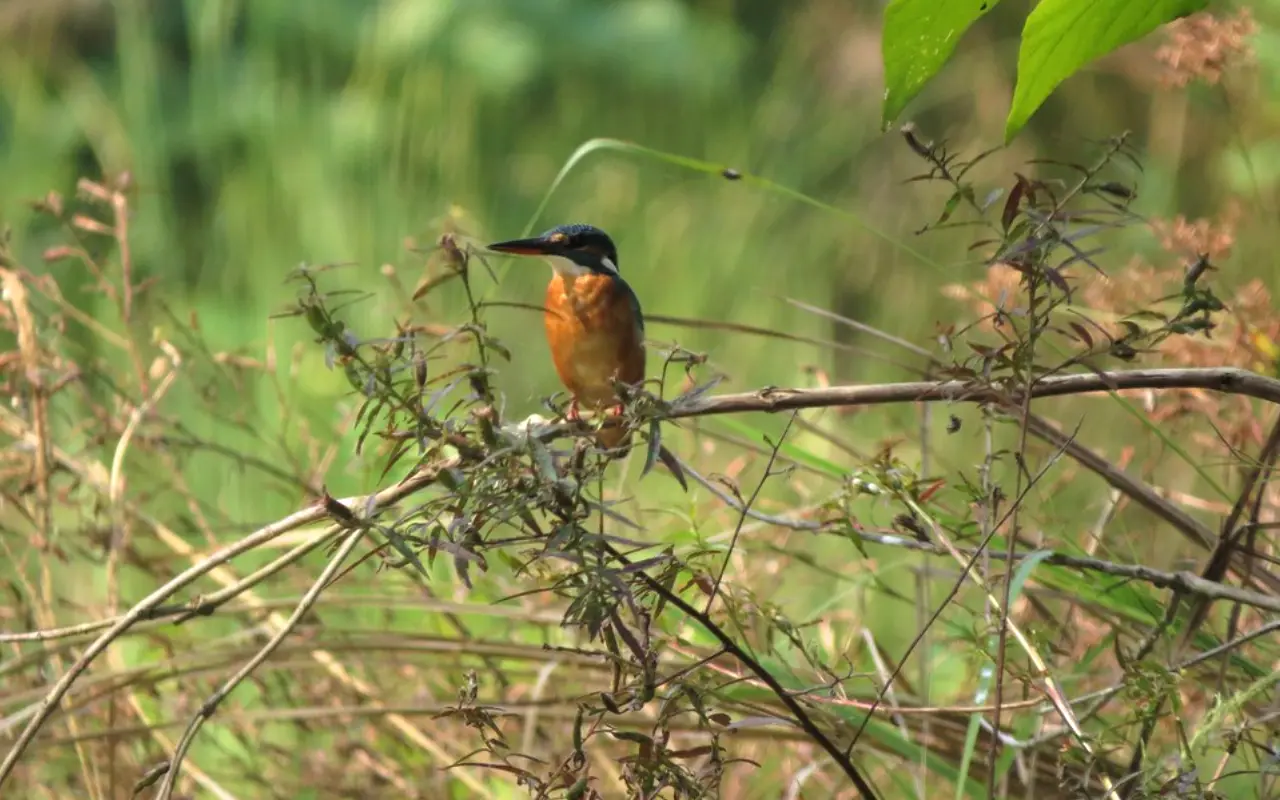
You can see a calm River in the morning, when you will ride in a canoe along the Karnali River. If you get lucky, you can spot shimmering smooth-backed Gangetic dolphins rolling the surface, as well as crocodiles basking in the sun. Next, you will be out on a nature walk exploring the beautiful jungles with chances of sighting the colorful kingfishers and getting an idea of the trees, plants, and flowers that make this park so beautiful.

Day 4

You will stay at the lodge or do a short nature walk in the morning, which allows you to get a chance to observe more birds and wildlife. In the morning, after having breakfast, you will drive back to Nepalgunj and fly back to Kathmandu or Pokhara, and your adventure comes to an end.

Conclusion

Bardiya National Park is considered to be the largest and most pristine wilderness region of Nepal, with unique biodiversity and iconic species such as Bengal tiger, one-horned rhinoceros, wild elephants, and Gangetic dolphins. It is a special nature destination as the visitors are taken on exciting jungle safaris, birdwatching, river activities, and tours to the local indigenous Tharu communities.

With its varied terrain of forests and grasslands, rivers, as well as cultural customs that are deeply rooted in the soil, Bardiya is a memorable wildlife encounter with a dose of cultural experience. One cannot fail to visit when s/he is in Nepal and yearns to see the beauty of nature, and also gets to understand how people relate harmoniously with their surroundings in this great national park.

Larke Pass: Why It’s the Main Highlight of the Manaslu Circuit Trek

Manaslu Larke Pass Trek
Top of the Larke Pass

The Manaslu Circuit Trek is an iconic adventure in the Himalaya featuring amazing views of stunning landscapes and a rich cultural experience. This trek offers solitude and tranquility compared to the overrun sections of Everest Base Camp and Annapurna Circuit, with many opportunities to intermingle with nature and traditions.

Larke Pass or Larkya La is the highest point of the trek at 5,106 meters. It is considered the highest and most challenging climb between Dharamsala and Bhimtang. This makes the Larke Pass a key component of the trek and a physical challenge for trekkers.

No trek is complete without mentioning the views; the Larke Pass does not disappoint. Few words can describe the breathtaking views of all of the nearby steepness of the Himalaya’s peaks above, including Mt. Manaslu, Annapurna, Himlung Himal, and more. From the combination of its high altitude, toughness of the trek, and fabulous scenery, Larke Pass is a highlight of the trek.

In addition to physical challenges, the Larke Pass has a unique ecological and cultural transition area populated by Tibetan-influenced ethnic groups. Instead, the trek becomes not just a beautiful experience of the natural surroundings of the Himalayas but the experience of trekking in the remote mountains, reflecting on traditional ways of living in the mountain spaces.

Where is Larke Pass?

Larke Pass is situated in the Gorkha District at an elevation of 5,206 meters, the highest point of the Manaslu Circuit Trek. Larke Pass was between Dharmashala and Bhimtang on the route.

Annapurna Conservation Area and Manaslu Conservation Area are connected by the Larke Pass. You will get an opportunity to see the amazing view of Manaslu and the Annapurna region because of the physical links.

Usually, it takes around 10 to 11 days to trek to the Larke pass from the start of the Manaslu Circuit Trek. The trek often starts near Soti Khola or Arughat, and after a variety of villages, and after the familiarization of Samagaon and Dharmasala, it goes upwards to the top of the pass.

Trekking includes acclimatization days sometimes, and individual speed rates also vary, so it is safe to say that the loop could take anywhere from 11 to 14 days.

Manaslu Larke Pass Trek
Views one way to Manaslu

The Journey to Larke Pass: Trail Transformation

The trail on the Manaslu Circuit packs a lot of variety. You will walk while changing the landscapes from alpine meadows to rocky ridges. You will start your trek in lush greenery and pass the various terraced farms and forests.

You will pass Samagaon, Samdo, and Dharmasala village along the way. You will witness Tibetan influences and hospitality in both Samagaon and Samdo villages, while Dharamsala is the last point before attempting the pass.

As trekkers will gain elevation, it is critical to acclimatize on the trek to the Larke Pass. Slope starts and slower ascents, rest days at Samayaon or Samdo, and continued hydration will help trekkers’ bodies acclimatize to air thinning, thus reducing the possibility of altitude sickness when the trek to Manaslu reaches similar heights as 5,106 m.

The days leading up to Larke Pass can be more mentally tiring than physically tiring because of excitement, thinning air, and the challenges. Trekkers must monitor their sense of stability between excitement and caution, as their greatest challenge is about to become their greatest joy.

Manaslu Larke Pass Trek
Our group Resting

Crossing the Pass: What to Expect

Trekkers usually begin their Larke Pass crossing very early in the morning, between 3 and 4 AM. Starting early in the day avoids the winds and weather changes that take place around midday, but it also means trekkers will finally have the chance to cross the snowfields before the sun softens them and the ice becomes unsafe to drive on.

The first part of your ascent follows rocky ridges before opening into snowfields steadily higher above the valley below. As you arrive at the top, there is a small accumulation of prayer flags and stone chortens that mark success at the highest point of the Manaslu Circuit.

The passage over the Larke Pass does take a considerable 3-5 hours, not just to go up, but also because you need to descend a long, steep slope on the other side. The total effort of traversing could take anywhere from 8-10 hours based on how your group manages their effort (strength, stamina, and pacing).

Safety is a priority in scenic places like the Himalayas. With altitude sickness being only one of your risks lurking on the snow fields and, trekkers need to ensure they are well-acclimatized, follow their guide, and remain aware of the terrain beneath their feet for the slippery slope ahead.

In reaching the summit, there are so many feelings: relief, pride, and gratitude at the least, for some awe may be the dominating emotion.  It feels as if those moments are imprinted on your soul, a blending of achievements and the view of the climbing Himalayan peaks in the distance, with colorful prayer flags waving in the alpine wind.

Manaslu Circuit Trek – 16 Days
The Manaslu Circuit Trek is an iconic adventure in the Himalaya featuring amazing views of stunning landscapes and...
16 Days
Strenuous

US$ 950

Scenic Rewards: Views You’ll Never Forget

Hikers are blessed with the spectacular scenery of the Himalayan giants, including Mt. Manaslu, Himlung Himal, Cheo Himal, Annapurna II, Kang Guru, and more. The snow-topped mountains rise sharply out of the valley in every direction and capture the attention of all trekkers.

Above the breathtaking wilderness that envelops Larke Pass, the contrast of white snow and ice on blue skies is with steep valley terrain cutting deep into the fold of mountains. The fluttering, colorful prayer flags hanging over the wilderness make you feel like you are on another planet.

Few places in any part of the world combine such a pure alpine wilderness and a beautiful high point at once, and Larke Pass affords the trekkers both isolation and view. The openness to the panorama is overwhelming, standing in the center of an amphitheater of mountains.

There are a few places on the Earth where you can brag of both serenity and massive mountains with unobstructed views of the Himalayas, like the Larke Pass does. Trekkers will often find that their visits to Larke Pass eclipse some of Nepal’s most well-known trekking vistas.

Cultural and Symbolic Significance

At Larke Pass, the colorful prayer flags and mani walls symbolize the belief in Buddhism and are intended to spread blessings through the wind. These sacred markers infuse an already high mountain environment with a sacred quality, turning it into a site of spirituality and meditation.

Recent progressions through the Larke Pass have been viewed as a type of spiritual crossing. Trekkers symbolically leave one region, culture, and state of mind behind to embark on another. In essence, crossing the Larke Pass embodies Buddhist teachings relating to transience, metamorphosis, and the re-emergence of self.

Local mythologies emphasize centuries of use by traders and pilgrims who crossed this mountain pass, attributing beliefs that mountain spirits grant safe passage to travelers who respect their existence. The crossing of the Larke Pass is viewed as an earthly short-term acceptance of a sacred threshold, amidst parochial guardian deities and ancestors looking over those who cross.

There are stories from the Tibetan influence villagers at the base of the pass, associated with personal victories, miraculous escapes, and rites performed for safe traversing. These incredible stories continue to strengthen the connection between nature, faith, and the human spirit that is stronger than ever in the Manaslu area.

Sense of Accomplishment

Crossing the Larke Pass feels like a personal victory as it shows overcoming such extreme physical and mental challenges at high altitude. You will require great resilience and mental strength to reach the Larke pass, and the accomplishment is symbolized by an exhilarating feeling.

Trekkers usually experience that mixture of exhaustion and amazement, where everything sinks in. The enormity of the mountains and landscapes starts to solidify as they appreciate the beauty of the world around them while also reflecting on their accomplishments.

When trekkers appreciate that they have conquered the second-highest pass in Nepal on a remote and challenging route, some exhilaration builds. It is a moment of demonstrating one’s self-belief and fight, often shared quietly together with fellow adventurers.

This moment of emotion is the peak experience of the Manaslu Circuit, not only physically but spiritually as well. It is the purest experience of emotion you can imagine, a mixture of relief and excitement while symbolically connecting on some deeper level with the self and the experience.

How Larke Pass Compares to Other Passes in Nepal

Larke Pass is more remote and has fewer travel routes compared to the famous Thorong La, Renjo La, and Cho La passes in Nepal. You will get a challenging adventure in the Larke Pass because the trail is less groomed and restricted.

You will feel a sense of isolation and exploration in Larke Pass, while Thorong La has many trekkers despite its higher elevations (5,416m vs 5,106m). Renjo La and Cho La provide stunning views of Everest, and are also more traveled, commercialized routes with easier logistics and resources.

Larke Pass is great for trekkers searching for solitude in the wilderness, an off-the-beaten-path trek with some challenging hiking, and some authentic mountain culture. Adventurers searching for the raw landscapes and remote experiences, away from the crowds, will be more than satisfied with Larke Pass.

Manaslu Larke Pass Trek 14 Days
The Manaslu Circuit Trek is an iconic adventure in the Himalaya featuring amazing views of stunning landscapes and...
14 Days
Difficult

US$ 1000

When to Trek the Larke Pass Safely

Larke Pass is in its best condition to climb during March–May and September–November. These months have stable weather, excellent visibility, and low chances of rain and snow. These conditions will lead to the best conditions and visuals for you while crossing.

Heavy snowfall and bad storms happen in winter and early spring, which can block the pass or make it unsafe. Before and during the climb, always check the weather forecast to make necessary changes because of snow closure and weather changes at high altitude.

Because you will reach a higher elevation at 5,106 meters, altitude sickness is a potential danger. To have a safe and enjoyable journey, walk slowly while having acclimatization days in your itinerary, stay hydrated, and make sure you have good knowledge of altitude sickness.

Packing Tips & Gear for Larke Pass Crossing

When crossing the Larke Pass, the ability to put on and take off layers for fluctuating temperatures is always good. Gloves, a warm hat, and a good headlamp are a must to start early. Trekking poles allow for a stable walk over rocky and icy sections.

You should pack some emergency snacks that provide quality energy fast, such as nuts or energy bars. Hydration is also very important, bringing one or more water bottles, or hydration bladders, along with some purification tablets to have safe drinking water during your time on the trail.

Pack your backpack light and wisely to avoid fatigue. Pack clothes, snacks, a water bottle, and safety gear in light clothing to keep your feet light and agile. Additionally, pack sturdy and waterproof boots with ankle support, moisture-wicking clothing, and gear like sun protectants, gaiters to protect against snow, sun, and wind.

Conclusion

Larke Pass is the pinnacle of the Manaslu Circuit Trek, exhausting trekkers with its altitude and terrain, yet offering them a profoundly spiritual experience through the cultural symbols and sacred landscape.

Every trekker is marked deeply by the sight from the summit and the feeling of success. It’s a mix that can never be forgotten of the natural charm, the conquering of the inner self, and the relationship with culture that becomes a part of you forever.

Adventurers who are going to come after will be given not just a hard journey but a life-changing one by the Larke Pass. Being ready and having a strong will, it can become a gratifying journey that lifts not only the body but also the spirit in the paradise of the Himalayas.

Frequently Asked Questions

Is the Larke Pass safe to cross solo?

Crossing the Larke Pass without a guide is risky by oneself due to difficult terrain, high altitude, and changeable weather on a remote trek. A guide helps with a safe itinerary, contacts for assistance, navigation, every safe step, and assistance to keep you safe in difficulties.

How hard will the ascent and descent be?

The ascent and descent will be moderately or very hard for the average trekker with sections that are steep, rocky, or icy. You should be very fit and in good shape, with a good level of stamina, and a background in above-average high altitude trekking.

Can a beginner cross the Larke Pass?

Beginners who are in good physical shape and have taken the time to acclimatize may plan to cross; however, it is generally more suitable for experienced trekkers, due to altitude, prior trekking experience, and technical difficulty.

Are there tea houses before and after the pass?

Yes, there are tea houses in a couple of villages (Samagaon, Samdo, and Dharmasala) before and after the Larke Pass. They provide an adequate and basic meal, room, and accommodation.

What precautions should I take at altitude?

Take time to acclimatize, including rest days, keep well hydrated, no alcohol, know the symptoms of altitude sickness, and if symptoms get worse, you should descend immediately to be safe.

Best Time to Trek the Annapurna Circuit: A Month-by-Month Weather & Trail Guide

Trekkers on the way to the Annapurna Circuit

With stunning scenery and rich cultural experiences, the Annapurna Circuit trek is a classic long-distance trek in Nepal. To have such an experience, it is important to know the best time to trek the Annapurna Circuit because weather, trail conditions, visibility, and terrain have a direct impact on the trek.

While it’s technically possible to trek the Annapurna Circuit year-round, your travel preferences have a high impact on the selection of the time. Generally, many travelers’ favorite time to trek the Annapurna Circuit is in spring and autumn because of the clear skies, vibrant trails, and well-established trails.

In the spring, the days are warm, rhododendron forests rise to the skies, and wildflowers flourish – a great time for nature lovers looking for vibrant landscapes. In the fall, you get great visibility of the mountains, comfortable temperatures, and dry trails – although it is the peak season for trekking, so expect the trail to be busy with lots of beautiful scenery around.

Winter (December to February) is possible, but it is cold, you risk trail closures due to snow, and at the very least, the higher passes will still have quite a lot of snow. The monsoon season (June to August) features low to heavy rain, slippery trails, and risk of landslides. We do not recommend trekking in the monsoon season unless you are a seasoned trekker and feel comfortable trekking in wet conditions.

Overview of Annapurna Circuit Weather and Seasons

You will walk at an elevation of about 760 meters (Besisahar) to 5,416meters (Thorong La Pass) in the Annapurna Circuit trek. During the trek, you will be exposed to serious altitude gains and a variety of climates.

You will walk in subtropical valleys in lower elevations to temperate and alpine zones in higher elevations. With an increase in altitude, the temperature level also changes and becomes colder.

You will experience freezing temperatures and low oxygen levels at Thorong La Pass. Therefore, acclimatization is important to safely complete the trek.

Four primary trekking seasons:

• Spring (March–May):

Spring is one of the best times to trek the Annapurna Circuit. Days are warm, the rhododendrons will all be blooming, and the forests will be lush with new growth. Spring often provides the best trek adventures and an abundance of nature. Spring clear skies and moderate temperatures make for pleasant daily hiking and vibrant scenery all around.

Sometimes, early spring will see the occasional rain, so make sure to always pack wet-weather gear, whether it rains or not. Trails in the spring will likely be less crowded than in the autumn. Spring has loads of daylight, so trekkers can take advantage of hours of sunlight to hike longer and enjoy the majestic mountain views under clear blue skies.

• Summer/Monsoon (June–August):

During the monsoon period, the trekking environment becomes different. Heavy rains will arrive in a continuous pattern daily, with slippery trails and an increased risk of landslides. The trekking environment becomes even more difficult and dangerous. Visibility is often reduced due to clouds and mist.

However, the monsoon will change the surroundings into a unique and lush green environment, and reduce the number of trekkers on the usual popular trail. Experienced trekkers may appreciate the solitude, as long as they prepare for the rainy, slippery conditions, and navigate the daily challenges of trekking with constant weather assessments.

• Autumn (September–November):

Autumn season is the height of trekking season when the weather tends to be stable and dry, with crisp mountain air in front of you. Trails will be dry and safe to make for the clearest views of Annapurna and the surrounding Himalayan peaks.

This season has colorful cultural festivals and busy trekking paths, but the beauty of trekking draws us as they are in excellent condition, and the reliable weather. It is just the perfect time for walkers who will be rewarded with spectacular mountain views.

• Winter (December–February):

Winter trekking can be cold and snowy, especially at high passes like Thorong La. On the whole, with a few exceptions, the trails will be the quietest, which means that your trekking experience will be exclusive, but only for experienced walkers.

The high-altitude passes may be closed due to snow, and temperatures can drop significantly. It’s important that you have cold-weather gear ready and be prepared, as treks like a winter hike can present more of a physical challenge, and there could be occasional flight delays.

Annapurna Circuit Trek – 18 days
With stunning scenery and rich cultural experiences, the Annapurna Circuit trek is a classic long-distance trek in Nepal....
18 Days
Moderate

US$ 920

Month-by-Month Trekking Conditions

Annapurna Circuit
Annapurna Circuit

• January

Pros:

  • Clear weather.
  • Quiet roads.
  • Great views of the mountains.
  • Winter holiday vibe.
  • Fewer travelers.

Cons:

  • Very cold weather at elevation.
  • Risk of avalanches and road closures.
  • Possibly icy sections on the trail.
  • Fewer open teahouses.
  • Delayed flights.

Recommended for experienced backpackers with the appropriate winter gear, and those who want to have a very quiet trekking experience. Only do this if you are comfortable with severe conditions along the Annapurna Circuit. Trail conditions are not suitable for beginner trekkers.

• February

Pros:

  • Better visibility.
  • Less snow on the lower elevation.
  • More lonely trails.
  • Clear crisp air.
  • Magnificent sunrise views.

Cons:

  • Still very cold, especially at night.
  • Ice and slippery paths.
  • Daylight hours are shorter.
  • Closed high passes.
  • Limited means of services in very remote areas.

Recommended for winter trekkers who are looking for quietness and unspoiled beauty. During this period, you will find more solitude as there are not too many other travelers; yet, it is a very viable option for experienced trekkers who can withstand the cold on the Annapurna Circuit, but not for novice trekkers.

• March

Pros:

  • The beginning of spring.
  • Rhododendrons and wildflowers are blooming.
  • Warming weather.
  • More daylight.
  • Clear mountain views

Cons:

  • The trails are becoming busier.
  • Spots of rain.
  • Snow melt may cause muddy trails in several areas.
  • Nighttime temperatures can still be cold.
  • Higher chance for minor avalanches at high altitude (very high).

Recommended for trekkers who want beautiful landscapes but don’t want to deal with large crowds. A good month if you want to experience moderate weather and nature while trekking the Annapurna Circuit, and it is among the best times to trek the Annapurna Circuit.

• April

Pros:

  • Peak spring bloom.
  • Stable, nice weather.
  • Forests and hills are covered with flowers.
  • Great trail conditions.
  • Clear visibility of mountain views.

Cons:

  • Moderate to high foot traffic.
  • Teahouses are filling up quickly in popular areas.
  • Some teahouses may charge higher prices.
  • Some famous viewpoints can get busy.
  • Some haze in the lower sections of the trail.

Recommended for those who appreciate nature, first-time trekkers who want comfort, scenery, and stable weather, as April is again highlighted as one of the best times to trek the Annapurna Circuit.

• May

Pros:

  • Warmer temperatures.
  • Fewer hikers than in April.
  • Long daylight hours.
  • Quiet villages.
  • Still lush and green.

Cons:

  • Haze may obstruct distant views.
  • May be early monsoon showers towards the end of the month.
  • Higher humidity.
  • Most bugs and insects are returning.
  • Risk of afternoon showers.

Recommended for hikers who want to have quieter trails and long warm days– great greenery before monsoon rain makes trekking less enjoyable. Overall, May is the Best time to trek the Annapurna Circuit.

• June

Pros:

  • Lush, lively vegetation.
  • Cultural insight into unique village life
  • Super cheap, especially due to the lower number of visitors.
  • Cooler temperatures in higher regions.
  • Make money/room bookings easily.

Cons:

  • Monsoon starts with heavy rain.
  • The trails are extremely slippery.
  • Poor visibility, lots of clouds, and a mountain.
  • Increased risk of landslides.
  • Certain sections can be flooded.

Recommended only for experienced trekkers who can handle dangerous paths and unreliable weather. Most people should not be trekking, as it is not the best time for the Annapurna Circuit.

• July

Pros:

  • The lushest landscapes.
  • The living local village life.
  • The emptiest trails.
  • The best chance to see rare flora.
  • Occasionally, clear mornings.

Cons:

  • The peak monsoon, with heavy rain.
  • Leech-infested trails.
  • Muddy, slippery, dangerous slopes.
  • High landslide danger.
  • Constant clouds and mist.

Recommended only for very experienced, loose trekkers seeking a remote experience and comfortable trekking through severe weather. In general, this is not the best time to trek the Annapurna Circuit.

• August

Pros:

  • The monsoon has finished, and the weather is clearing.
  • Excitingly bright mornings every now and then.
  • Little to no competition for rooms.
  • Waterfalls are at full capacity and bursting with life.
  • Rare rain-washed beauty to delight the eye.

Cons:

  • Still wet and muddy.
  • Uncertain weather.
  • The leeches are still active.
  • Crossing high rivers can be difficult.
  • The risk of bad trail erosion.

Recommended for off-season adventurers seeking solitude and a different view of the circuit – be ready for challenging conditions. This is not the best time to trek the Annapurna Circuit.

• September

Pros:

  • The post-monsoon clarity is returning.
  • Fresh green scenery.
  • The weather is improving from mid-September on.
  • Fewer crowds compared to October.
  • Outstanding mountain views.

Cons:

  • The remainder of the rains are possible in early September.
  • Some muddy trail sections.
  • Roads could be cleared from landslides.
  • Insects are around.
  • Unpredictable weather in the early part of the month.

Recommended for trekkers who want a fresh landscape with moderate crowds – late September is one of the best months to trek the Annapurna Circuit, and a common start for high season.

• October

Pros:

  • Clear, stable weather.
  • Fabulous mountain views.
  • The best trekking conditions.
  • Safe and dry trails.
  • Most teahouses open.

Cons:

  • A very busy circuit for trekkers and teahouses.
  • Higher cost for accommodation.
  • Better to reserve accommodation well in advance.
  • Get competitive for the best accommodation.
  • Busiest checkpoints.

Recommended for first-time trekkers and photographers looking for the best views. October, in brief, is considered the best time to trek the Annapurna Circuit with the best overall climate and safety.

• November

Pros:

  • The air is crisp and dry.
  • The trails seem quieter than in late October.
  • Visibility is often spectacular.
  • Cultural festivals are held in village locations.
  • There are great mountain conditions.

Cons:

  • Nights are colder, especially at altitude.
  • Some sections of the trails may begin to ice up.
  • Days are slightly shorter.
  • Higher passes risk early snow.
  • Some teahouses will close, as the month is nearly done.

Recommended for trekkers who want great weather and fewer trekkers than in October. This is still arguably one of the best times to trek the Annapurna Circuit, with fantastic views and fewer trekking people to deal with.

• December

Pros:

  • Nice, clear skies.
  • The trails are very quiet and peaceful.
  • A festive local atmosphere for a holiday.
  • Likelihood of some clear sunny days.
  • Pretty snow-capped mountains.

Cons:

  • Cold temperatures, especially at night.
  • Possible snowfall to close high passes.
  • Short daylight.
  • Fewer open teahouses.
  • More equipment is needed to stay warm at night.

Recommended for experienced off-season trekkers ready to embrace winter trekking challenges and meet their great solitude. Not recommended for beginners, not prepared for the cold, or those who want easy logistics in the Himalaya. In fact, for the vast majority of people, this is not the best time to trek the Annapurna Circuit.

Best Time to Trek Based on Your Preferences

The best times to trek the Annapurna Circuit for the best photographic opportunities are October to November. These months usually provide clear skies, stable weather, and stunning mountain views, which offer amazing backgrounds to capture the dramatic landscapes and rich colors of the Annapurna Circuit under the sharp autumn light.

March and April are the best times to trek the Annapurna Circuit to enjoy the natural scenery. Rhododendron and many other alpine flowers cover the forests and create vibrant trails. Mild temperatures and flowering landscapes will ensure those looking for botanical beauty will visit during the best trekking conditions on the Annapurna Circuit.

However, if you are seeking fewer crowds and solitude, then December to February, late May, or early September is the time to trek. The trails will be quiet, which allows you to explore in peace, but it is fair to say that trekking in the off-season does require a decent level of preparation and flexibility to meet some of the conditions.

Those looking to immerse themselves in festivals will want to trek in October. These are the times when many of the major Nepali festivals take place, providing a wealth of music, color, and vibrancy to the chasing of mountains, accompanied by many cultural experiences, which few places like this in the world can offer.

Lastly, for budget travelers, January–February and June–August offer the lowest costs. With fewer visitors, discounts are generally easier to find, and accommodation in some very desirable places is generally easier to find. Some weather conditions on the Annapurna Circuit do make the trek a bit more challenging at these times, though.

Annapurna Circuit Trek – 14 days
With stunning scenery and rich cultural experiences, the Annapurna Circuit trek is a classic long-distance trek in Nepal....
14 Days
Moderate

US$ 750

Tips for Choosing the Right Season

  • Think about the altitude, as the weather and temperature change significantly with elevation.
  • Book your permits and lodging in advance during busy months such as October and April if you plan to access the area then.
  • Require adequate clothing, specifically layering, waterproofing, and a warm sleeping bag.
  • Obtain current conditions for the trail and for Thorong La Pass before departing on your trek.
  • Maintain flexibility in your itinerary to accommodate weather or trail alterations.

Conclusion

There is no one “best” month to hike the Annapurna Circuit, because every season has its highlights: lush green flowers and colorful festivals, beautiful, quiet time away from people, and dramatic evolving views.

Choosing the “best” time for you depends on your travel preferences – good weather with clear views, lots of color and flowers, fewer people, and costs on the trek. With a little planning and the right gear, the Annapurna Circuit can be a great trip at any time of year.