
Weather in Nepal in February: What to Expect Before You Go

Visiting Nepal during the month of February provides a special combination of blue skies, snow-free trails, and winter scenery. The weather in Nepal in February is cool and dry, with warming days and clear blue skies, providing excellent mountain visibility.

By the end of winter and the beginning of spring, there will be a smaller number of people, breathtaking mountainous views topped with snow, and all the colorful cultural events in the country.

Air is fresh and clear, so views of the mountains are particularly bright, and the peaceful environment enables a more engaging experience in the city and the countryside. Some of the cities, such as Kathmandu and Pokhara, are less busy than during peak seasons, and the travelers have the opportunity to visit temples, markets, and lakesides without the normal congestion.

Nepal is at its most scenic in trekking areas such as Everest, Annapurna, Mustang, and Langtang. Trails of snow, rivers, and valleys of ice sparkle, making them the best places to take pictures and a few Himalayan birds and sometimes animals on the lower parts are found in the winter season.

The cool climate and shorter days also make the trekking more demanding, yet more fulfilling, as you will have the opportunity to experience solitude and silence with nature and locals.

No matter what you are planning to do, be it a city tour, a mid-level trek, or a high-end adventure, knowing the level of the weather in February will guide you to prepare adequately in terms of cold nights, sunny days, and even snow.

To help you make the most of your trip to Nepal in February, we have broken down the conditions in each key destination, showcasing the best treks (and those that are more challenging during winter), and offering some handy advice to make sure your trip is safe, comfortable, and unforgettable.

February Weather Overview in Nepal

Overall Climate: February is in the dry spell of Nepal, and this is characterized by stable weather with high pressure. This usually has dry weather that is calm and receives almost no rainfall, and good visibility is experienced nationwide. Days are generally sunny, and sunny and with progress in the month, the temperatures start rising to spring. Nevertheless, the evening is chilly, and warm clothes are needed after the sun has gone down.

Climate Zones: Nepal has a good climate that varies with the locality and elevation. Even in the lowland Terai plains in southern Nepal, in February, it may seem like the start of the summer already, with the daytime temperatures up to 30 degrees Celsius in some places.

Days in the mid-hill regions are warm and pleasant, with chilly nights in Kathmandu and Pokhara, cities found in the mid-hill regions. The high Himalaya, on the other hand are very cold, and the snow has settled on the highest points.

In Kathmandu, the average day-to-day temperature is approximately 21 degrees Celsius, and the average night-to-night temperatures are approximately 5 degrees Celsius, whereas in Pokhara, which is at a lower altitude, the average day-to-day temperatures are about 22 degrees Celsius, and night-to-night temperatures are about 9 degrees Celsius.

In most of the higher trekking areas, temperatures are much lower. The highest temperatures are 6 degrees Celsius in the day and about minus six degrees Celsius at night in Namche Bazaar in the Everest area, which is at 3440 meters, and in Jomsom in Mustang, which is at about 2700 meters. The maximum temperature is approximately 4 degrees Celsius in the day and about 12 degrees Celsius at night.

Daylight Hours: February has moderate days with an average of eleven hours of daylight. In the middle of the month, the sunrise is about 6:30 am, and the sunset is at about 5:30 pm. This gives sufficient time to walk every day, but the days are shorter than in summer. Early hiking is recommended, to arrive at the next place way before nightfall, since in the afternoon the temperature drops so fast.

Pros of February Travel: The benefits of traveling in February are enormous. The mountain sceneries are frequently magnificent, and the skies are crystal and blue, with little haze or cloudy cover, and therefore it is among the most favorable seasons of the year to see Himalayan sights.

February is still off-season, and thus, the tourist count is very low, giving people the opportunity to trek without a crowd and explore the tourist sites peacefully. This period can even have discounted hotel and tour rates for the traveler.

Cultural sightseeing in cities becomes very comfortable as the weather in mid to late February starts to become a bit warmer. Moreover, winter festivals like Maha Shivaratri occasionally occur in February, and the visitors should observe the colorful local events.

Cons of February Travel: Cold temperatures, on the other hand, are the primary challenge. Areas with elevation are extremely low in temperature, especially during the night, thus the need to carry good insulating equipment.

Certain mountain passes and high-altitude routes can be snowbound or even closed, which complicates trekking above 4000 meters and may necessitate technical gear. They even get very cold in the morning and evening even in the cities, with the Kathmandu temperature often going down to the brink of freezing.

Days are mostly sunny, but the landscape has not started to blossom, and flowers and green plants can be seen only as spring comes. Lastly, weather factors like fog or snow may at times interfere with flights to mountain airstrips, e.g. Lukla to the Everest region.

All in all, one needs to prepare thoroughly to go to Nepal during the month of February and be ready to face cold weather conditions, yet they can enjoy the reward of natural scenery, breathtaking mountain views, and an authentic cultural experience.

Kathmandu in February: Sunny Days & Crisp Nights
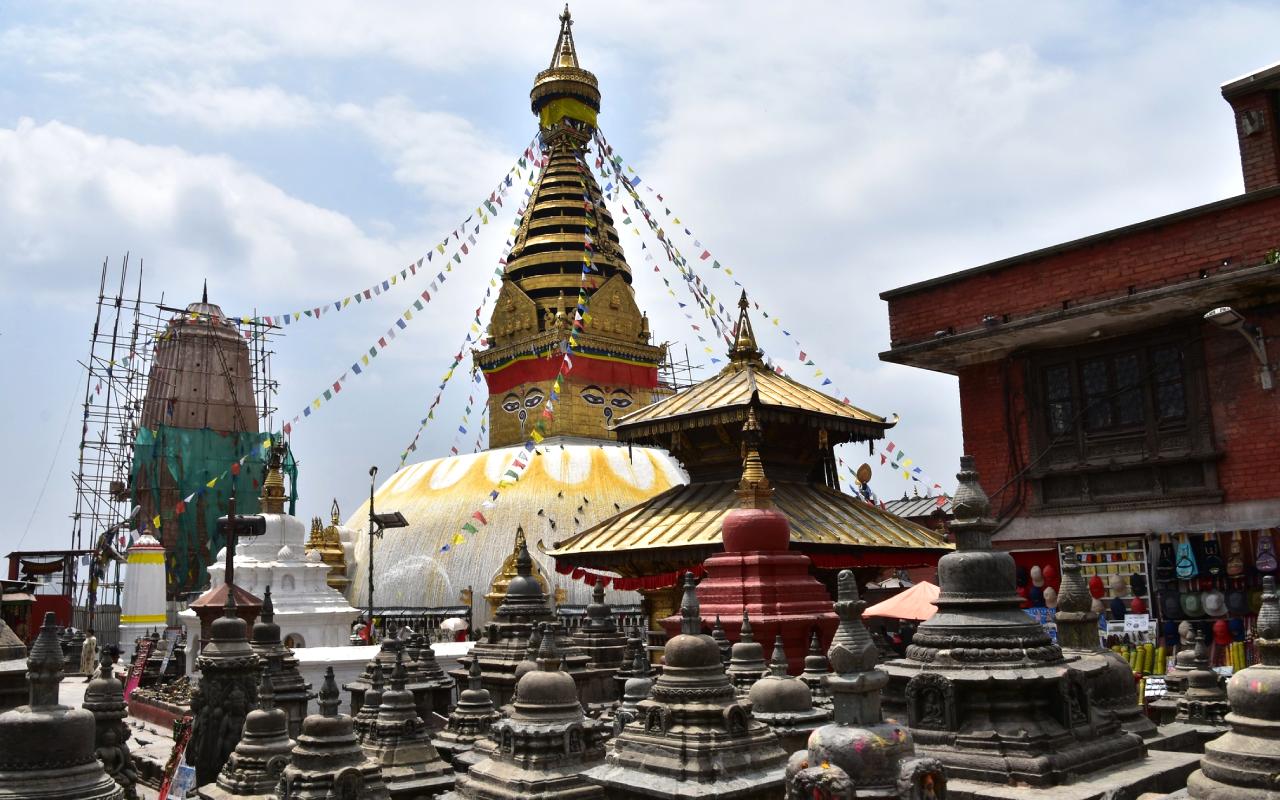
Swayambhunath
Swayambhunath

Weather: Kathmandu is situated at an altitude of about 1,400 meters, which means it has pleasant days and cold nights in February. The mean of the high temperature is approximately 20 to 21 degrees Celsius, and thus it is warm in the middle of the day to visit the UNESCO heritage sites and to walk around the markets.

The sky is a blue sky that is perfect for seeing mountains at the lookouts of the city. Rain is virtually nonexistent, and humidity is low. However, once the sun sets, the temperature drops quickly. Nighttime lows average 4 to 5 degrees

Celsius and can occasionally approach zero degrees on the coldest nights. Frost or snow is not usual in Kathmandu, but you will certainly need a warm jacket during evenings and early mornings.

Daylight: Kathmandu sees roughly 11 hours of daylight in February, with sunrise around 6:30 in the morning. Mornings can start off with a light mist or valley fog on some days, but the sun usually burns it off quickly, revealing clear skies. By 5:30 to 6 in the evening, it gets dark, and temperatures tumble, so plan indoor activities or a cozy café in Thamel for the evenings.

Trekking and Activities: While Kathmandu itself is not a trekking destination, many travelers spend a few days here acclimatizing and sightseeing before and after their treks. February’s comfortable daytime weather makes it a great time to explore Kathmandu’s cultural sites.

Medieval palaces of Durbar Square, Swayambhunath, or Monkey Temple, hilltop view, and Boudhanath Stupa are all nice to visit without the heat or rain that are common in other seasons. The city has narrow streets and busy markets that are easier to handle in these moderate climates.

There are also day hikes of short hikes around the valley rim, e.g., Nagarkot or Champadevi day hikes, which give panoramic views of the Himalayas. In the city, the air is hazy at times in winter, although visibility is often better in February than in early winter, and on the clearest days, you can even see snow-topped mountains in Kathmandu.

February Festivals in Kathmandu: Kathmandu has a significant Hindu festival in February called the Maha Shivaratri, which usually takes place during this month. Thousands of followers and holy men (sadhus) of the Hindu religion come to the Pashupatinath Temple in Kathmandu during the time of Shivaratri and celebrate Lord Shiva.

The temple premises are alive with flickering bonfires, religious rituals, music, and carnival-like worship moods. And as long as you are in Kathmandu in the month of Shivaratri, which is typically at the end of February or at the beginning of March, according to the lunar calendar, it is a cultural treat.

Just be ready to see crowds of people and a little bit of order and controlled chaos around the temple. February occasionally overlaps with other events except the Shivaratri.

The vibrant Holi festival sometimes takes place at the end of February, and sometimes it is in March. Provided you are fortunate to be there, you might have an early Holi with people throwing colored powders, but this is more typical in March.

Pros and Cons: Kathmandu in February has good weather conditions to see the sights, and fewer tourists compared to the high seasons, so you are likely to have time to sightsee at a slow pace. Hotel rates may be lower, and it is easy to get tables at popular restaurants.

The main challenge is the chill after dark. Budget hotels may not have heating, so pack warm sleepwear or choose accommodation with a heater. Also, remember that some winter haze can linger in the valley. If you want the absolute best mountain views, consider a short side trip to Nagarkot or Phulchowki hill on a clear morning.

Pokhara in February: Gateway to the Annapurnas
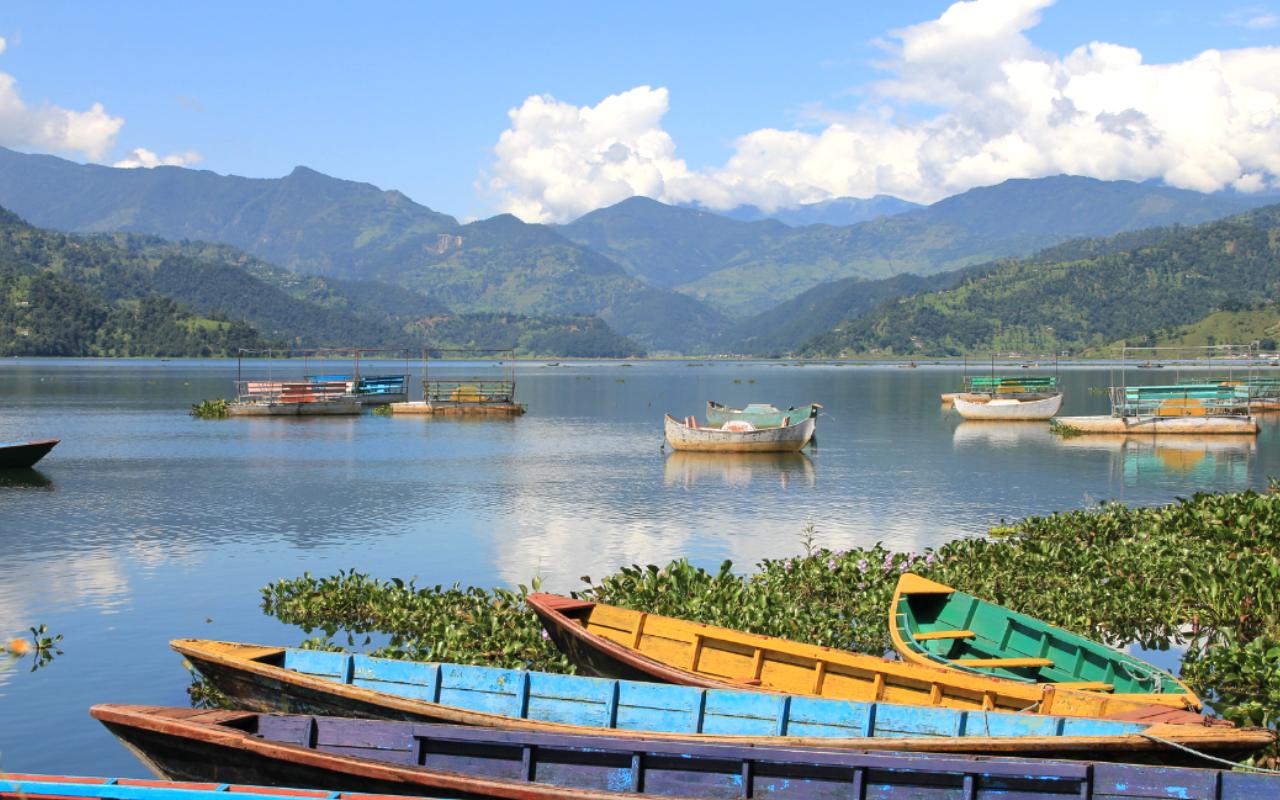
Fewa lake
Fewa lake

Weather: Pokhara, sitting at about 822 meters by the lakeside, has a milder climate than Kathmandu. February days here are pleasantly warm and great for outdoor activities. Expect average daytime highs around 22 degrees Celsius, with bright sunshine reflecting off Phewa Lake.

In fact, Pokhara tends to be a few degrees warmer than Kathmandu on average, so an afternoon might even feel t-shirt warm. Rain is minimal because February is a dry month, though Pokhara’s location means it is generally more humid than Kathmandu.

Mornings can sometimes bring a layer of fog or low cloud over the lake, but this usually clears, unveiling the towering Annapurna and Machapuchare peaks on the horizon. Nighttime temperatures in Pokhara drop to around 8 to 10 degrees Celsius. Evenings are cool but not frigid, and a fleece or light down jacket is typically enough, though late at night it can approach 5 degrees Celsius on rare occasions.

Daylight: Like Kathmandu, Pokhara enjoys roughly 11 hours of daylight in February. The sun rises a bit later here, closer to 7 in the morning, due to the surrounding hills, but by mid-morning, you will have sunny skies. Sunset over the lake around 6 in the evening is often beautiful, with pastel colors reflecting in the water, and the Annapurna range glowing in the last light.

Trekking and Activities: Pokhara is the starting point for many Annapurna region treks, ranging from easy walks to challenging circuits. In February, while the high Annapurna Circuit and Base Camp routes might have snow, lower-altitude treks accessible from Pokhara are ideal.

Popular short treks, such as Ghandruk Village or the Ghorepani to Poon Hill trek, with a maximum elevation of 3,210 meters, are very doable in February. Days will be cool and clear, with only light snow at the highest points, if any. Trekkers on these routes enjoy temperate daytime hiking conditions with the bonus of crystal-clear mountain views.

If you are not trekking, Pokhara offers plenty of adventure. Paragliding from Sarangkot, boating on Phewa Lake, mountain biking, or visiting local waterfalls and caves are all enjoyable in February’s mild weather. You will not be drenched in sweat or interrupted by rain.

Pros and Cons: Pokhara’s February weather is nearly perfect for travelers, with warm days, cool nights, and sharp mountain views almost every morning. Tourist crowds are still low compared to autumn, so you can relish a peaceful sunrise at the World Peace Pagoda or Lakeside cafes without bustle.

The main thing to be aware of is that nights are cooler than you might expect in a lakeside resort, so do not forget a jacket for those sunset walks by the lake. Also, while generally clear, mountain weather can change, and on the off chance of a western disturbance, the Annapurnas might hide behind clouds for a day or two.

These are a few in the month of February. All in all, Pokhara is a pleasure to visit in the fall season, as it has pleasant weather and is also close to both cultural attractions and outdoor activities.

Everest Region in February: High-Altitude Cold & Clear Views
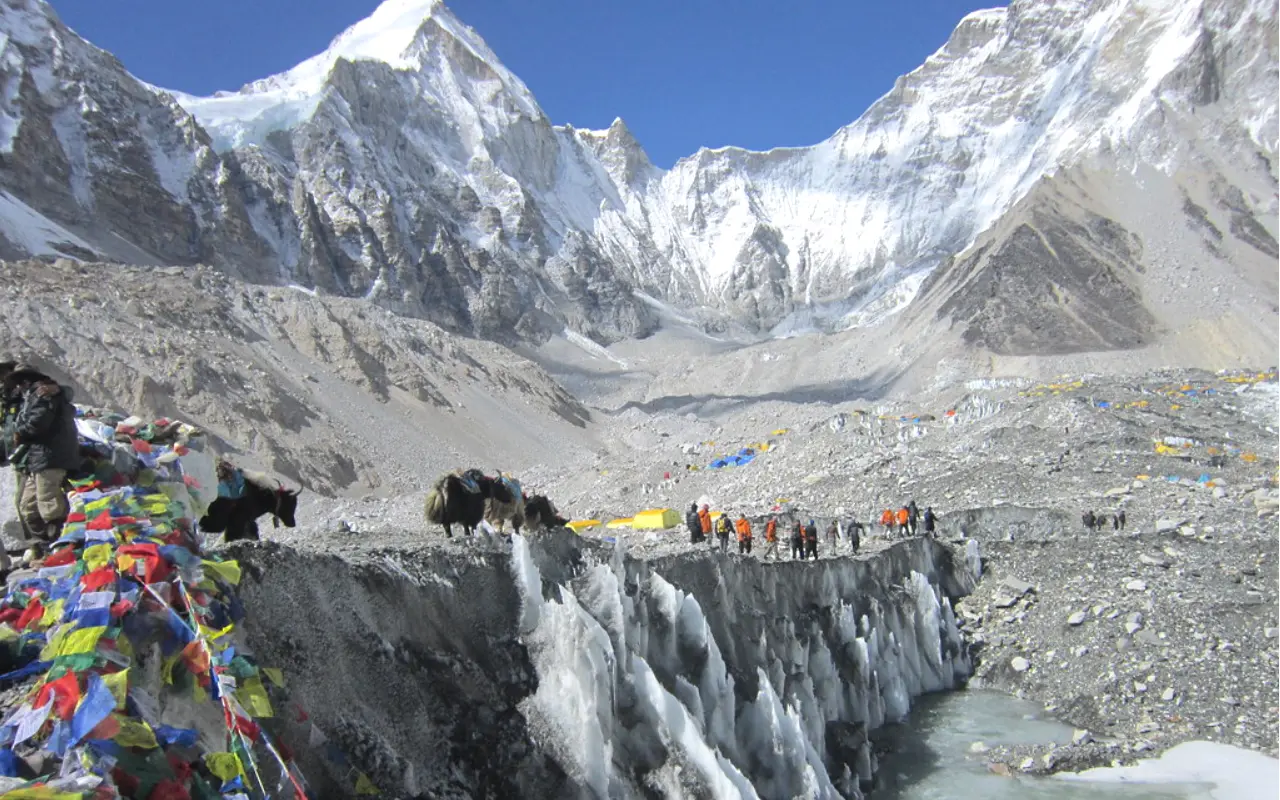
Everest base Camp
Everest Base Camp

Weather: Daytime temperatures in Lukla (2,800 m) and Namche Bazaar (3,400 m) reach 5-7 o C, and the night temperatures fall down to -5 o C. Everest Base Camp (5,364 3 C) has temperatures in the highs of -5 o C and lows of -20 o C at night.

At low elevations, it may be warm in the direct sunshine, but cold in the shade or in the breeze. Trails in the morning are commonly frozen over by Frost and light snowfall occasionally covers the higher elevations.

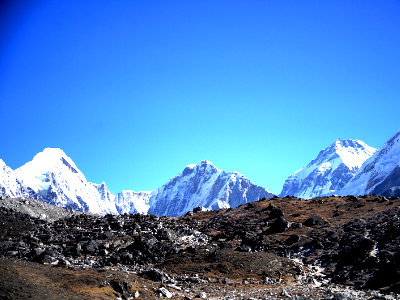
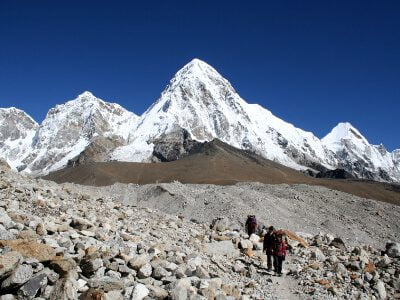
The weather is mainly clear with spectacular views of Everest, Lhotse, Nuptse, and Ama Dablam. Mountain panoramas, even in winter, are so sharp in the thin winter air, and you can see tens of kilometers.

Trekking Conditions: At lower altitudes, the trails are generally dry, but the higher trails have snow or ice. Seasoned mountaineers are able to traverse these using appropriate winter equipment. Teahouses are not closed yet, and some have fewer services and reduced hours.

The winter season is very quiet, and trekkers can find a feeling of solitude, and they may share their trail with only wildlife such asthe  Himalayan Thar or red panda in the lower forests. The early mornings are icy, and the afternoons are hot and cold at the height.

Pros & Cons:

  • Pros: beautiful views and sharpness, trails with few tourists, magic snowy scenes, mountain air, breathtaking sunset and sunrise, the possibility to see Everest in serene winter light.
  • Cons: Extreme cold, altitude sickness, lack of lodge facilities, possible flight delays to Lukla, icy or snowy tracks that require caution, and harsh winds on exposed ridges.

Annapurna Region in February: Snowy Trails & Brilliant Skies

Annapurna Base Camp
Annapurna Base Camp

Weather: Lower villages (1,000–2,000 m) experience 10–15 °C days and 0–5 °C nights, while higher elevations (3,000–4,130 m) have 0–5 °C daytime temperatures and –10 °C nights. Annapurna Base Camp often has snow, creating a sparkling winter wonderland.

Frost and thin ice may cover some lower trails in the morning. Clear skies offer breathtaking mountain vistas, and distant peaks glimmer in the crisp sunlight. Winter also makes a gentle golden light on the surrounding landscapes in the sunrise and sunset.

Trekking Conditions: Lower trails are mostly snow-free, higher trails can either be icy or snow-covered, and therefore necessitate microspikes or crampons. Winter trekking is best suited to Annapurna Base Camp, Ghorepani-Poon hill and short village treks. Thorong La Pass is normally avoided because of a great deal of snow and avalanche danger. Lodges have fewer services, but a slow, immersive adventure is possible on quiet trails.

Pros & Cons:

  • Pros: Trails, winter scenery, panoramic view of the mountains, easy trekking in the lower altitudes, serene village life, opportunity to view wildlife during the quieter months.
  • Cons: Cold nights and mornings, snow and ice at higher elevations, reduced availability of amenities, absence of rhododendron blooms and lush greenery, and icy mornings on exposed ridges.

Mustang in February: The High Desert Winter
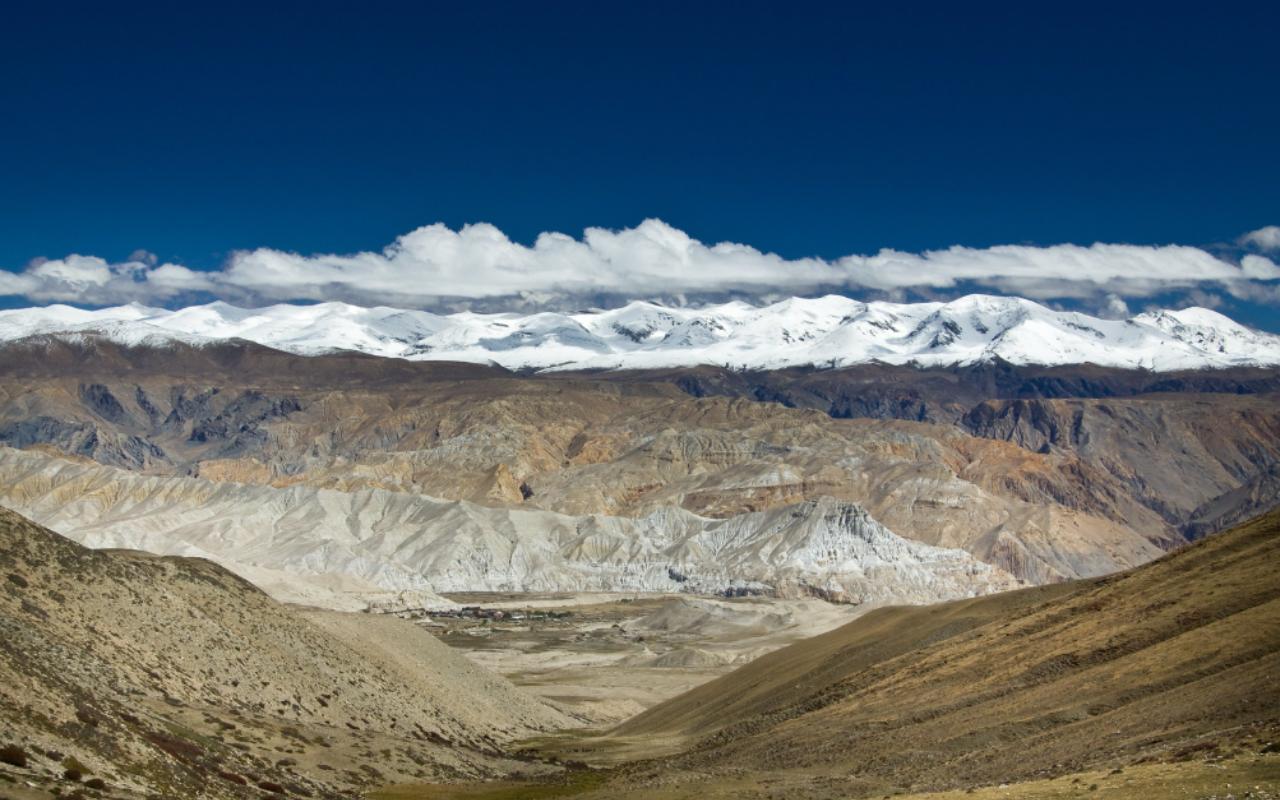
Lo Manthang
Lo Manthang

Weather: Upper Mustang (Lo Manthang, 3,800 m) has daytime temperatures of 0–5 °C and nighttime lows of –15 to –20 °C. Lower Mustang villages (Jomsom, Kagbeni, Marpha) are slightly warmer but windy.

Snow is rare, skies are bright and crystal-clear, and sunlight feels sharper at high altitudes. Desert-like terrain is enhanced by bare cliffs, colored caves, and the snowcapped Himalayas farther on. The strongest winds are usually in the afternoon, which creates a chill factor.

Trekking Conditions: It can be done in winter, with adequate preparation in Lower Mustang, whereas in Upper Mustang, it is more remote and permits and local guides are required. Trails are non-technical and dry and are very cold.

Trekking would provide a chance to see ancient villages, caves, and Buddhist monasteries in relative isolation. With fewer visitors, winter brings out the stark beauty of the Mustang landscape.

Pros & Cons:

  • Pros: Clear skies, amazing stargazing, unique Tibetan-inspired culture, desert scenery, low trail usage, colorful rock formations, and ancient monasteries that are in plain sight.
  • Cons: The extreme cold, lack of facilities, remote trails, dependence on permits and guides, strong afternoon winds, and trailing remote trails that need thorough planning and provision.

Langtang in February: Solitary Trails in the Snow
Langtang

Langtang

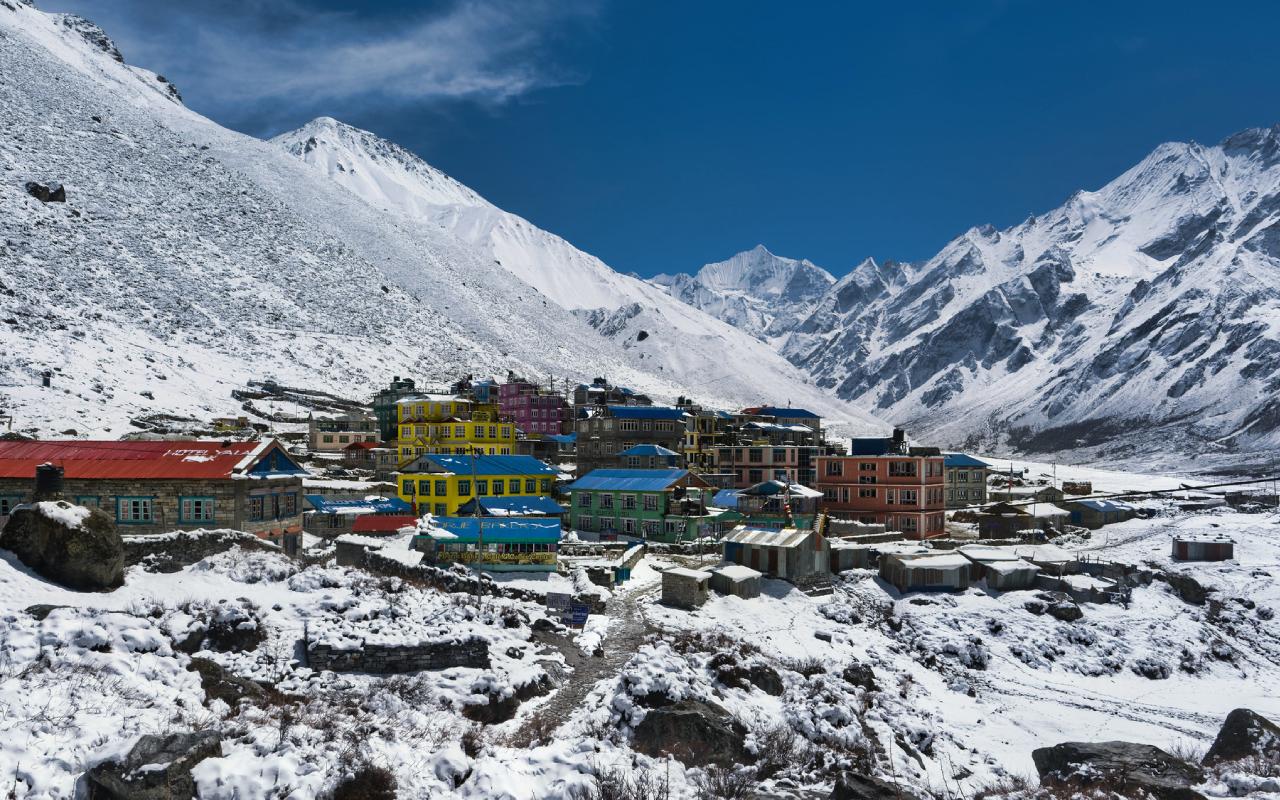
Weather: Lower Langtang villages (1,500 m) have temperatures of 12 °C in the day and 0°C at night, but the temperature in Kyanjin Gompa (3,870 m) is 5 0 -10 at night and day respectively.

The low-lying paths are generally dry, the higher ones covered with snow. Pine wood shines with frost, ice falls form their fairy-tale scenes, and snow may rest until afternoon at the higher altitudes. The mountains are made to look nearer and sharper in clear winter Skies, making them perfect to take pictures.

Trekking Conditions: The main Langtang Valley trek is safe in winter; side trips such as Kyanjin Ri or Gosainkunda Lake are more dangerous with snow and ice. Teahouses are open but minimally operated.

Winter trekking gives the chance of quiet and immersive experiences, with the possibility of seeing wildlife tracks in the snow and having almost empty trails. The snow gives a mature, contemplative look to the valley.

Pros & Cons:

  • Pros: There are tranquil, silent routes, stunning snow-covered sceneries and wildlife, fewer trekkers, a tranquil winter experience, and one-on-one photography with frost and snow.
  • Cons: Freezing water, cold nights, few facilities, frozen trails, and snow hazards, which may not be easy to reach high altitudes, and the presence of some road bypasses.

What to Pack and Wear for February Trekking

  • Layered Clothing: Base layers that wick moisture, insulator clothes, windproof/waterproof outerwear, down jacket over >3,000 m. Layering enables you to be able to adjust to changing temperatures.
  • Footwear: Trekking boots with insulation, heavy socks, and micro-spikes when walking on the snowy trail, and gaiters so that the snow does not get into the boots.
  • Sleeping Gear: Sleeping bag -15 -20 C, optional liner or small down blanket to keep warmer.
  • Accessories: Sunglasses, high-SPF sunscreen, thermostat, trekking poles, hand warmers, headlamp, and warm hat and gloves.
  • Special Winter Equipment: Gaiters, waterproof gloves, face protection, an optional ice axe for high passes, and crampons on icy parts.
  • City/Lowland Wear: Evening light jacket, casual day wear, work shoes, and scarves to deal with cold mornings.

Safety Tips for High-Altitude & Winter Trekking

  • Acclimatization: Climb a little higher with rest days compulsory above 3,000m. Watch out for altitude sickness and consider carrying portable oxygen in high passes.
  • Keep Warm and dry: Dress in layers, do not over-sweat, cover up extremities, and bring waterproof clothing in case of snow.
  • Start Early, Finish Early: When the winter days are short and the nights cold, the early starts are a necessity.
  • Communication & Navigation: Have a guide, bring maps/GPS/satellite phone, and tell other people about your path.
  • Emergency Preparedness: Be familiar with evacuation routes, have emergency contacts, and purchase travel insurance with winter trekking cover.

Summary

In Nepal, February provides a peaceful trail, uninterrupted Himalayan views, and a greatly reduced number of people. The cold is the biggest problem, but the benefits are solitude, immersion in culture, and clear landscapes with remarkable photography scenes. Ranging from exploration of the city, middle-level hikes, and hikes up the mountains, all this can be done with the right equipment and planning.

The snow-white mountains covered with golden rays, peaceful villages, and local festivals and traditions in a very quiet winter atmosphere are the things travelers may see. The remote atmosphere is more conspicuous in wildlife observations, and mountain panoramas are particularly impressive with the fresh air.

February offers a great mix of exploration and contemplation to people who want to adventure without focusing so much on particular details, but rather on the natural beauty.

Through proper planning and understanding of the seasonal issues, there will be memorable Himalayan trips, memorable experiences with the local cultures, and a feeling of achievement that will come once one has trekked in some of the most famous mountain ranges in the world.
Tengboche Monastery: A Peaceful Himalayan Sanctuary Above the Clouds

Introduction

Tengboche Monastery is a peaceful monastery located in the Khumbu region, Nepal, at 3,867 meters on the Everest Base Camp trail. Its exceptional site provides a spectacular panorama of the awesome giants of the Himalaya.

This monastery has very strong spiritual importance to both the Sherpa community and the trekkers. It is an energetic hub in the Buddhist religion and meditation, as well as the cultural conservation in the high-altitude Sherpa villages around it.

Tengboche is also an important cultural center beyond spirituality, which includes yearly festivals such as the Mani Rimdu that combine arts, dance, and ritual. It attracts pilgrims and other visitors to the world, which brings the communities together and creates a sense of respect for tradition.

The background of Tengboche features classic mountains like Mount Everest, Ama Dablam, and Lhotse. This deep relation between the monastery and the mountains adds to the spiritual atmosphere, evoking admiration and respect for the natural landscape in the Himalayas.

The History and Significance of Tengboche Monastery

Tengboche Monastery is established in 1916 by Lama Gulu aimed to be a ceremonial place of peace, only accessible after climbing to a high altitude in the Himalayas. His efforts helped the Tengboche Monastery emerge as the center of Buddhist faith in a remote region of Nepal, surrounded by the imposing Everest Mountains.

The monastery quickly evolved into the traditional center of Tibetan Buddhism in Khumbu, guiding spiritual practices and rituals to numerous Sherpa communities. It continues to be an important site of study, prayer, and local religious ceremonies.

In 1989, a devastating fire destroyed much of Tengboche, threatening its historical and spiritual legacy. However, the community and monks utilized their resources and the community spirit to restore the monastery, validating, once again, the importance of the monastery in the region’s ritual and religious life.

During the restoration, many of the sacred artifacts and scriptures were preserved or restored. As a result, the monastery demonstrated the continuity of many of the ancient traditions passed on to generations of practitioners and was able to reclaim its status as a living center of Himalayan Buddhist culture and heritage.

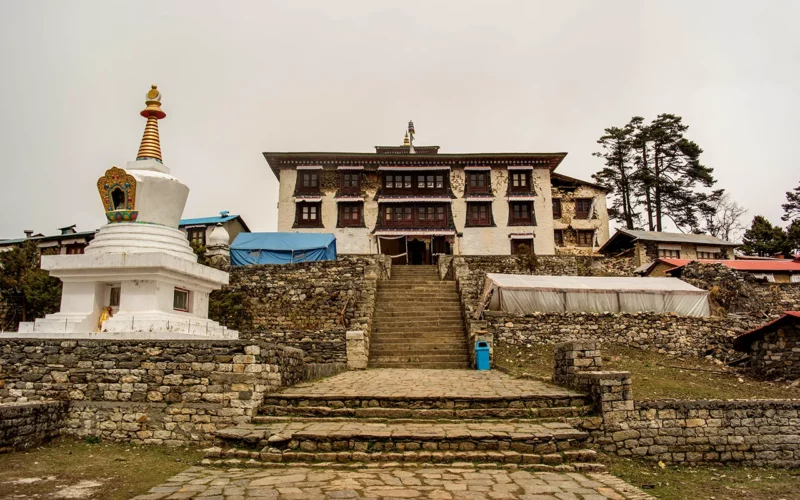
Tengboche monastery

Spiritual Life at Tengboche

The daily rhythm of resident monks at Tengboche Monastery starts with prayers and chants. Through ritual, they call upon their gods for peace, protection, and blessings for the surrounding Khumbu villages and all visitors traveling through the area.

The monastery is also important for blessing trekkers and climbers before they set out to face the mighty challenge of Everest. These ceremonies have ritual meaning and provide adventure tourists with spirituality, courage, and safety for the arduous journeys in the Himalayas that lie ahead.

Tengboche also serves as a place of teachings, sharing Buddhist philosophy and practices. Monks provide guidance and wisdom to both local villagers and tourists interested in learning more. Mindfulness and compassion are cultivated within this remote mountain landscape during the experience of learning and this mission of cadres and monks.

The calm spiritual essence enveloping Tengboche attracts visitors worldwide. It engenders quiet to individual introspection, contemplation, and refreshment. The atmosphere, encouraged by a common belief in peace and the constant possibility of sacredness in the mountains, overcomes all cultural experiences.

Architectural Beauty and Location

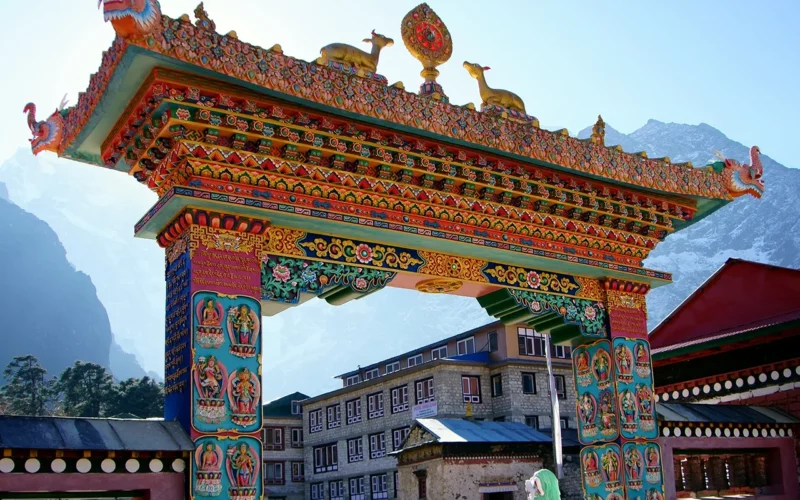
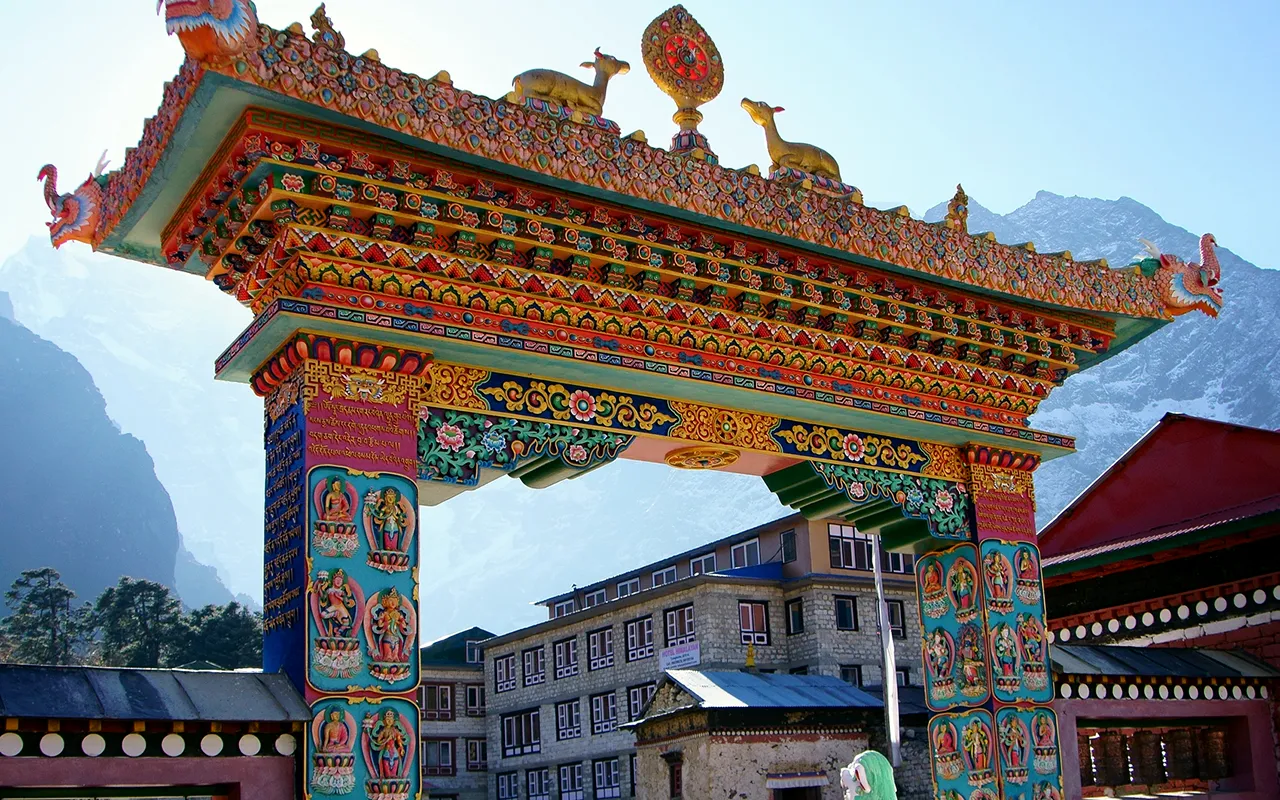
The Tengboche Monastery presents the traditional Tibetan architecture, richly painted with various colors, carved with wood pieces, and a lot of prayer wheels. It has a huge courtyard, which is used as a place of worship during rituals and festivals, and has sweeping mountain views.

The site of the monastery offers a spectacular panoramic view of the Himalayas, such as Everest, Lhotse, Nuptse, Ama Dablam, and Thamserku. Such grandiose mountains serve as a spectacular setting that enhances the spiritual meaning and place of the monastery.

There are sacred statues of Buddha and valuable deities in the main hall, which symbolize wisdom, compassion, and protection. These sculptures are a symbol of the Buddhist beliefs, which are the subjects of prayer and meditation performed every day by the monks and visitors.

The design of this monastery represents the unity of man and nature. Its location, color, and sacred artwork also have profound spiritual connotations, allowing adherents to connect with the forces of the cosmos and make their stay in this serene Himalayan shrine richer.

The Mani Rimdu Festival

Mani Rimdu Festival is a colorful annual festival every year in the month of October or November at Tengboche Monastery. It is the end of the cycles of intensive meditation and spiritual practice of the monks in the region.

At the festival, monks do amazing mask dances, which are called Cham, and they represent protective gods and historical events. The rituals involve blessings and prayers that are directed to the peace, health, and prosperity of the Sherpa people and visiting parties.

It is also included in Mani Rimdu, where mass blessings are given to the community, and they are given the spiritual protection as well as healing. The chanting of religious texts by the monks is a good atmosphere that brings stronger faith and unity among all the people of this Holy Himalayan ceremony.

This festival is essential in terms of maintaining the cultural identity of Sherpas and Buddhism. It has transmitted old traditions and practices involving the younger generations in an active, dynamic spiritual culture that has strong roots in the Khumbu region.

Trekking to Tengboche Monastery

Hiking to Tengboche Monastery has a usual beginning as a point of Lukla and follows through the Sherpa villages of Phakding and Namche Bazaar to Tengboche, which is 3,867 meters. This path takes the picturesque valley of the Dudh Kosi River and provides the classic Himalayan scenery.

The trek is moderate in nature; thus, one would need a good level of fitness because of steep climbs, altitude, and unpredictable weather. The Trekkers need to adjust well, and in most cases, they have to spend an additional day in Namche Bazaar to acclimatize to the altitude safely.

The Sagarmatha National Park Entry Permit and Khumbu Pasang Lhamu Rural Municipality Permit are needed to allow one to hike in the Everest region. These are available at Kathmandu or at the entrance gate of the park in Monjo.

This is the best trek to take if a person is on the Everest Base Camp or Everest View Trek and wants to experience culture and enrich their spiritual lives. Tengboche Monastery offers a serene retreat with breathtaking mountain scenery and rich Sherpa culture.

Tengboche Monastery gate

The Tranquillity and Experience

The morning chants of Tengboche Monastery are done before dawn, and the monks sit in the prayer hall and recite mantras and prayers. They sing with the help of horns and cymbals, and the echo fills the Himalayan valleys, producing an immense feeling of peace.

This serene setting is a drastic contrast to life in the city, and it is silent in the presence of massive mountains. The quiet environment of the monastery without noise and distractions enables the visitor and monks to internalize the aspects of stillness and calm that make them have a deep level of relaxation and mindfulness.

This peaceful environment makes one think about spirituality and makes the visitors relate to the teachings of Buddhism and the mountain nature. The natural beauty around Tengboche gives a sense of gratitude and introspection and welcomes a symbiotic relationship between inner harmony and the impressive Himalayan scenery.

Mindfulness, in this case, is not exclusive to the monks but also to trekkers who stop by the monastery. All these elements of ritual, sacred chants, and breathtaking sceneries make the experience a combination of transformation due to the spiritual grounding and connection to the vastness of nature.

Tips for Travelers

Spring (March to May) and autumn (September to November) are the best time to visit Tengboche Monastery because of the stable weather and the clear views of the mountains. The times also coincide with the important cultural events, such as the Mani Rimdu festival.

Visitors are required to wear modest attire without exposing the body and take off shoes before entering. Whether in the inner or outside, respectful behavior involves keeping silence, refraining from physical contact with monks, and clockwise circling of the monastery as a way of respecting traditions.

The accommodation around Tengboche is mostly tea houses and lodges that have simple facilities. These give the trekkers and visitors good places to rest and cultural trekking experience achieved by socializing with the local Sherpa hospitality and food.

Tengboche Monastery entry fees are around 300 NPR, and it depends on festivals, such as Mani Rimdu. Photography is not prohibited; however, visitors should seek permission to take pictures of monks or religious practices to remain respectful.

The best times to visit the monastery are during the daylight hours when one is likely to get the full benefit of the serene atmosphere and rituals of the monastery. It would be better to make reservations during festival seasons. Adhering to the local instructions is a guarantee of a fulfilling spiritual experience in this Himalayan shrine that will be respected.

Conclusion

Tengboche Monastery is a perfect combination of spirituality, culture, and Himalayan grandeur. It is the spirit of Tibetan Buddhism and Sherpa culture in the spectacular mountain view.

Its topography of being on the trekking route of Everest Base Camp makes it one of the most essential destinations the trekkers and climbers in need of relaxation and blessings. The history of Tengboche, the religious practices, and the amazing scenery establish an exclusive cultural and spiritual attraction.

Tengboche is a sanctuary that has to be visited by all tourists going to the Everest region. Its serene nature, yearly celebrations such as Mani Rimdu, and association with the magnificent Himalayas give one a reason to think, spiritually developed value this magnificent mountain world.

Top Things to Do in Namche Bazaar During Your Everest Trek

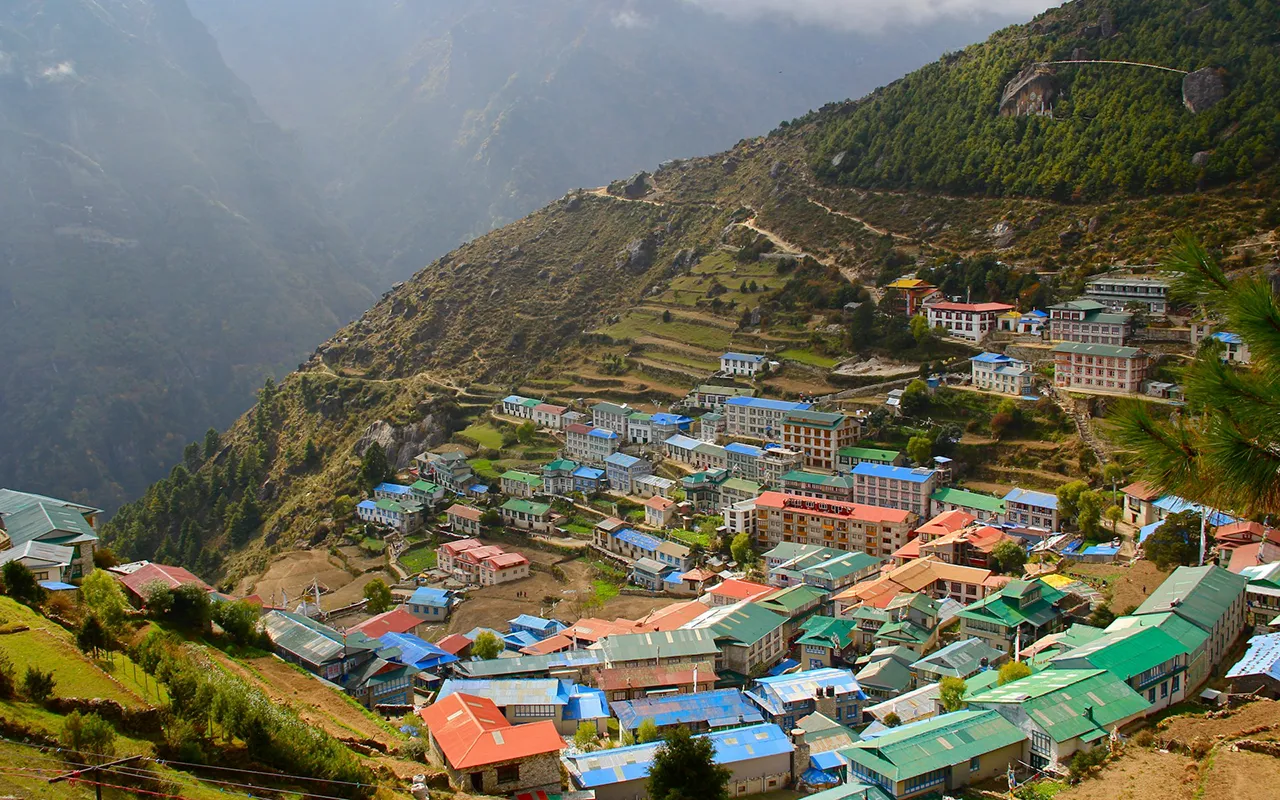
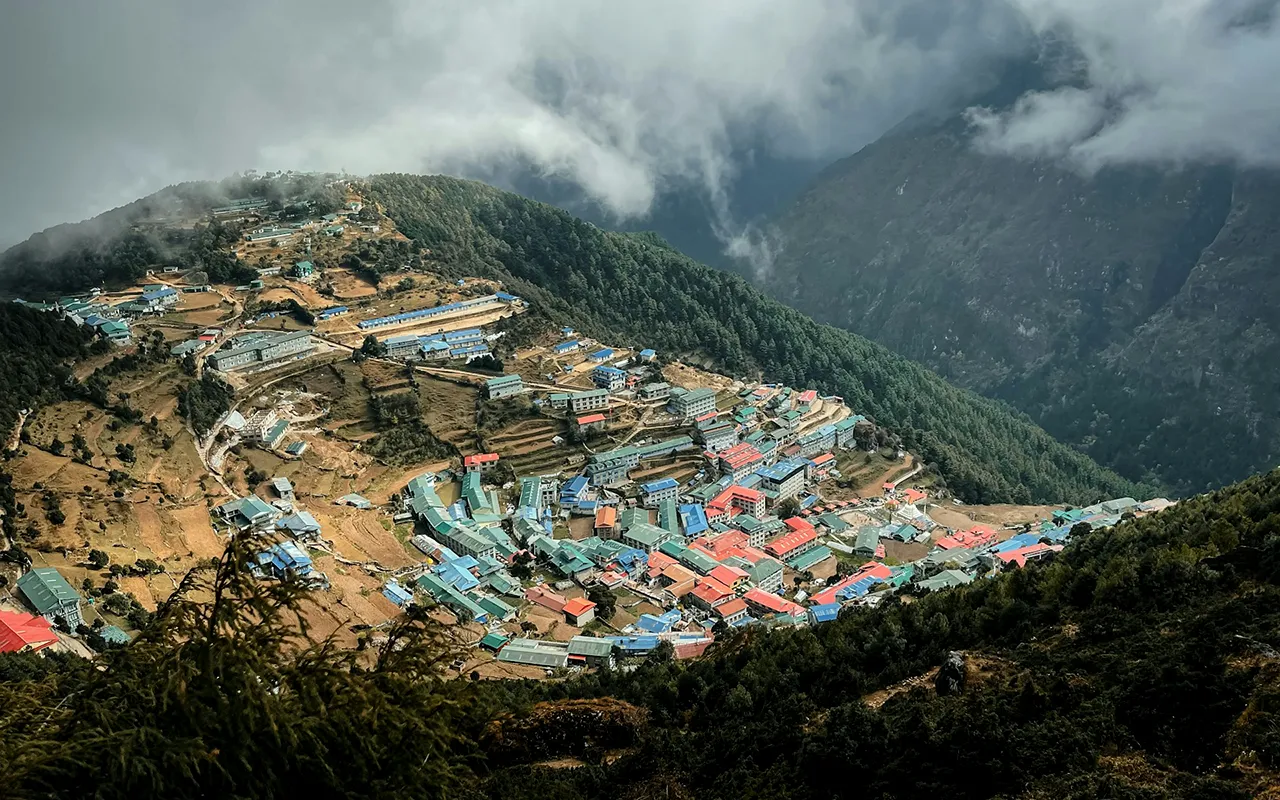
Namche Bazaar, popularly known as the entry gateway to Everest, is a cultural hub of the Khumbu region of Nepal. The vibrant town is located at a sea level of 3,440 meters in the midst of a great mountain landscape with Sherpa villages, which is both traditional and adventurous.

Namche Bazaar is the most significant acclimatization point for trekkers moving towards the Everest Base Camp. It is the ideal location to have a comfortable stay, settle, and learn more about the Sherpa world, and venture to a higher altitude.

The distinct horseshoe shape of the town provides impressive mountain views, lovely lodges, and the local market is very busy. Namche Bazaar startles the visitors with Himalayan comfort and modern convenience, starting with traditional yak-butter tea houses, moving to the bakeries, and ending with gear stores.

In addition to taking a rest and preparation, Namche Bazaar welcomes the travelers to the Sherpa heritage, Buddhist culture, and warm hospitality. It has monasteries, museums, and mountain points that combine to form an experience that people will never forget in the Himalayas- a place where nature, spirituality, and community come together in a perfect combination.

Explore the Vibrant Streets of Namche Bazaar

Namche Bazaar’s lovely horseshoe-shaped design ascends the hillside, providing breathtaking mountain views in every direction. The small, paved streets run through groups of colorful lodges, cafes, and shops, providing a bustling ambiance that ideally represents the life of the Himalayan villages.

The visit to Namche Bazaar is a kind of entering the world of the mix of tradition and adventure. The aroma of fresh pastries of the local bakeries co-exists with the natural smell of the yak butter tea, locals, and yaks will be walking along the cobbled streets together.

The busy market in the town presents contemporary trekking equipment items, fine handicrafts, and Tibetan pieces and artifacts. The prayer flags are brightly coloured, and it is above stalls selling pashmina scarves, handmade jewelry, woolen hats, and souvenirs made of Himalayan wood and stone.

Namche Bazaar hosts its popular weekend market every Saturday and Sunday. Here, traders of Thame, Khumjung, and Tibet meet and exchange goods, tales, and jesting. Such a centuries-old practice is the pulse of the social and cultural life of Namche.

Visit the Sherpa Museum and Everest Photo Gallery

The Sherpa Museum is situated above Namche Bazaar, which provides invaluable information about the amazing history and the strength of the Sherpa people. This museum safeguards the accounts of the lives in the high Himalayas, from ancient trade paths to the present-day mountaineering exploits.

Indoors, the visitors get to see interesting displays of Sherpa family items, climbing gear, traditional garments, and religious artifacts. The museum is a great representation of how Sherpa people juggle between their spiritual dedication and their strong attachment to the harsh yet motivating mountain world.

One of the most memorable parts of the visit is the Everest Photo Gallery that presents uncommon shots of first-time expeditions, and famous explorers as Sir Edmund Hillary and Tenzing Norgay. Their historic 1953 ascent to Everest still inspires the adventurers of the world.

In addition to the exhibits, the museum also offers a real-life insight into the life of the Sherpa people, Buddhism, and the high life in Tibet. It is a wealth of experience that enhances the appreciation of the people who make the land of the Everest memorable and beautiful.

Everest Base Camp Trek for Beginners
Namche Bazaar, popularly known as the entry gateway to Everest, is a cultural hub of the Khumbu region...
18 Days
Moderate

US$ 2700

Hike to the Everest View Hotel (3,880 m)

It is a quick but enjoyable climb that will bring one to the ever-famous Everest View Hotel, sitting at 3,880 meters. This acclimatization walk slowly ascends past the town, providing the panoramas of the Khumbu Valley and snow-capped mountain ranges, which keep expanding.

Prayer flags are blowing along the trail over mani walls, and friendly yaks are grazing on alpine meadows. The snowy air of the mountains and the regular sound of bells are the elements that form a serene mood of the journey itself, and the feeling of the journey is as memorable as the destination that follows.

At the hotel terrace, trekkers get to enjoy gorgeous sceneries of Mount Everest, Lhotse, Ama Dablam, and other magnificent Himalayan peaks. Having breakfast or coffee in one of these places is a dream, embraced with clouds and eternal mountain calm.

Everest View Hotel is the favorite acclimatization and photography point. When the travelers are done with the scenery, they head back to Namche Bazaar refreshed, perfectly adjusted for higher adventures toward Tengboche or Everest Base Camp.

Namche Bazaar
Namche Bazaar

Visit Khumjung Village and Hillary School

One of the most beautiful Sherpa villages in the Khumbu valley is Khumjung. It is a half-day walk scenic journey that can be taken via Namche Bazaar. The route lies through the quiet pine forest, offering breathtaking scenery of Ama Dablam and Everest along its route.

Khumjung Village is also the location of the old-fashioned Hillary School, which was founded by Sir Edmund Hillary in 1961. This school changed the education situation in the Everest area, providing Sherpa children with the possibility to learn, which had not been possible in these remote mountain villages.

Wandering through the village, you will gain the impression of the life of Sherpa people in its authenticity: stone houses, potato fields, and smiling locals who are willing to share their culture. The serene setting offers good cultural exchange and a refreshing change to the more active Namche Bazaar trails.

Don’t miss the Khumjung Monastery that houses the legendary Yeti Skull, which is an intriguing artifact that attracts visitors. It is true or not, this is a stop that is well balanced with the Himalayan legend, spirituality, and active Sherpa heritage.

Experience Spirituality at Namche Monastery

The Namche Monastery (Namche Gompa) is located on a distant hill above Namche Bazaar, exuding tranquility and calmness. It is enclosed by waving prayer flags and mountainous landscapes as a peaceful escape compared to the busy trekking trails.

Tourists can observe every day of Buddhism monks- Morning Prayer, repetitive singing, and the soft Tibetan horn sounds. Juniper incense smells like heaven, which contributes to a religious mood and inner silence.

The colorful murals and sacred statues in the monastery portray the tales of compassion, wisdom, and protection. Trekkers usually take a rest here to request blessings for a successful journey to go on, giving the Everest adventure of Namche Bazaar a spiritual touch.

To the locals, Namche Monastery is still an important center of community faith and cultural identity. To the travelers, it is an opportunity to immerse themselves in the Himalayan spirituality and the ancient beat of Sherpa life.

Everest Base Camp Trek – 14 days
Namche Bazaar, popularly known as the entry gateway to Everest, is a cultural hub of the Khumbu region...
14 Days
Moderate

US$ 1100

Enjoy Himalayan Cafés and Bakeries

The Namche Bazaar is also famous because of its cozy cafes and bakeries, which are pleasant to the trekker at such high altitudes. The scent of hot coffee and fresh pastries can be felt in the air in the mountain, which welcomes all the people to slow down and have a treat.

These cafes offer comfort treats such as apple pie, chocolate croissants, homemade cakes, and local delicacies such as yak cheese sandwiches and butter tea. It is the ultimate luxury after a strenuous walk in the rough Khumbu trails.

More than just food stops, these bakeries are social places where trekkers worldwide come. Spreading coffee beans over the fireplace, the travelers tell and retell stories, give tips on the trail, and become friends, which frequently lasts longer than Namche Bazaar.

Places such as Hermann bakery and café de 8848 are well known among adventurers. They offer the ideal environment to relax and enjoy the Himalayan lifestyle with a panoramic view and warm hospitality.

Acclimatization Walks Around Namche

Acclimatization is one of the most crucial stages of any Everest trek; Namche Bazaar is the place to find the ideal trails that ease the process of your body acclimatization. Minor elevations throughout the town integrate low-level progress with stunning scenery and heritage.

The popular acclimatization walks are the Syangboche Airstrip, Khunde Village, and the scenic viewpoint above Namche Bazaar. The paths all have rewards for trekkers, which include mountain panoramas and glimpses of the Sherpa villages scattered across the rugged Himalayan hills.

At these elevations, you can find grazing yaks, rhododendron forests, and fluttering prayer flags on snow-capped mountains. The trails provide relaxing time to enjoy the natural beauty in the region, and the stamina is built on the trails to be used on the higher altitude adventures to come.

These mild trips not only facilitate physical adaptation but also enhance your trip as well. Wandering in the area of Namche Bazaar will enable you to relax and feel the nature, all the beauty of trekking in the Himalayas.

Namche Bazaar-

Shop for Local Handicrafts and Souvenirs

Namche Bazaar is among the most favorable locations in the Everest area to purchase the original Himalayan souvenirs. Its mini-stores and market stalls are filled with colorful Sherpa handicrafts, Tibetan artifacts, and well-crafted goods, created by the local artisans.

Hand-woven woolen hats, scarves, and gloves are among the most favored products- the ideal souvenirs of your expedition. There are also elaborately painted Thangkas, traditional jewelry, carved wooden masks, and prayer wheels depicting the rich Buddhist tradition in the region.

Purchasing locally produced goods assists in keeping the mountain communities afloat, and the practice of ancient craftsmanship is maintained. Every single purchase gives direct aid to the Sherpa families and artisans whose life depends on tourism to continue their rich cultural heritage.

Shopping in Namche Bazaar is not just a hunt for souvenirs; it is a means to be meaningfully in contact with the Himalayas. Each of the hand-crafted pieces is a narrative of a culture, strength, and mountain craftsmanship.

Indulge in the Local Cuisine

Namche Bazaar is a blend of Sherpa, Tibetan, and Nepali cuisines. Teahouses and restaurants in the town serve feasts that keep the body warm after spending days traversing the mountain in the chilly Himalayan air.

An explorer will be able to enjoy such local meals as Sherpa stew, steaming bowls of Thukpa noodle soup, and rich yak chees, which are prepared with local ingredients. These delicious meals give much-needed energy and the real Khumbu hospitality.

The visit to Namche Bazaar is not complete without having a taste of Nepali dal bhat, consisting of rice, lentils, and vegetables. Shared in cozy teahouses, it reflects the warmth, simplicity, and nurturing spirit of the Himalayan culture.

Relax and Enjoy the Mountain Views

The Namche Bazaar is in the midst of some of the most breathtaking Himalayan views that one can ever take. The trekkers can get a glimpse of the marvelous peaks of Everest, Lhotse, Ama Dablam, and Thamserku standing tall above the pits of the Khumbu valleys.

These are best observed in the early morning hours or in the late afternoon. The gentle light of the sunset and the sunrise is a golden paint on the mountains, leaving a memorable experience in both photography and tranquility.

Whenever you sit on the balcony of a lodge and have a cup of tea or on the Namche outlook, the mountainous scenery provides calm and motivation. Such situations make every traveler realize why the Himalayas are so timelessly magical.

Conclusion

Namche Bazaar is not just a restroom on the road leading to Everest Base Camp, but the cultural as well as emotional center of the Khumbu region. Each of the corners is a reflection of the peculiar spirit of the Himalayas and Sherpa hospitality.

Namche Bazaar is a very vibrant mountain town that is well-balanced in terms of comfort, culture, and nature. Combining intimate cafes and monasteries with expansive vistas and markets, Namche Bazaar is a dream destination for all travelers in terms of adventure and rest.

Exploring Namche is one of the ways to enrich your Everest trek. Take your time, smell the mountain air, and meet the people and the places that can make this Himalayan jewel memorable- a highlight of your whole adventure.

Things to Do in Ghandruk Village: Where Tradition Meets the Himalayas

Introduction

Ghandruk Village, an impressive Gurung village is a unique experience of the mountain, Gurung culture, and spectacular scenery of the Himalayas in the Annapurna region of Nepal. It has been a favorite tourist destination, particularly for tourists who are interested in the traditional village setting.

It has a reputation for Gurung food, hospitality, celebrations, and homes, which enables the visitors to explore, celebrate, and learn Gurung culture in a very serene environment. The visitors never feel like getting out of the experience due to the warm and welcoming Gurung community, and the tranquil lifestyle of the people surrounds visitors, and the ethnic diversity that is so rich in Nepal.

However, the culture and food are not the only things. Ghandruk has spectacular panoramic views of the Annapurna and Machapuchare peaks, which make it a dream for nature and photo lovers. These stunning trails and natural scenery are a perfect way of finishing off the trekking scene, forming a remarkable hiking and sightseeing experience in the Himalayas.

Tourists will appreciate Ghandruk due to adventure as well as tranquility. Trails and cultural traditions that people can explore are numerous. This will easily become one of the most unbelievable places in Nepal to have a glimpse of a rural mountain village.

Ghandruk Village

How to Reach Ghandruk Village

Ghandruk Village can be reached by jeep, bus, or by trekking as well, with some flexibility on travel. The jeep or bus roads will cover about 40-45 kilometers, and it takes 4-5 hours, depending on the condition of the road.​

The trip using a jeep normally takes a period of 2.5-3.5 hours because of the twisty mountainous routes. Nayapul is a popular point of starting the journey, where trekkers start walking to the Ghandruk village.​

The trip by Trekking Nayapul to Ghandruk requires 4-6 hours. The path is picturesque and follows waterfall areas, woodland, agricultural lands, and smaller villages, such as Birethanti, Kimche, and Syauli Bazaar, but with some sharp climbs.​

The road is mostly unpaved rural mountain road. The jeep path is a circuitous hill road, which has some scenic stopovers and is suitable for those who want to be comfortable. The trekking path gives one a natural adventure experience, which is ideal for individuals who like sinking deep into the Himalayas and the culture of the lands.

The Charm of Ghandruk Village

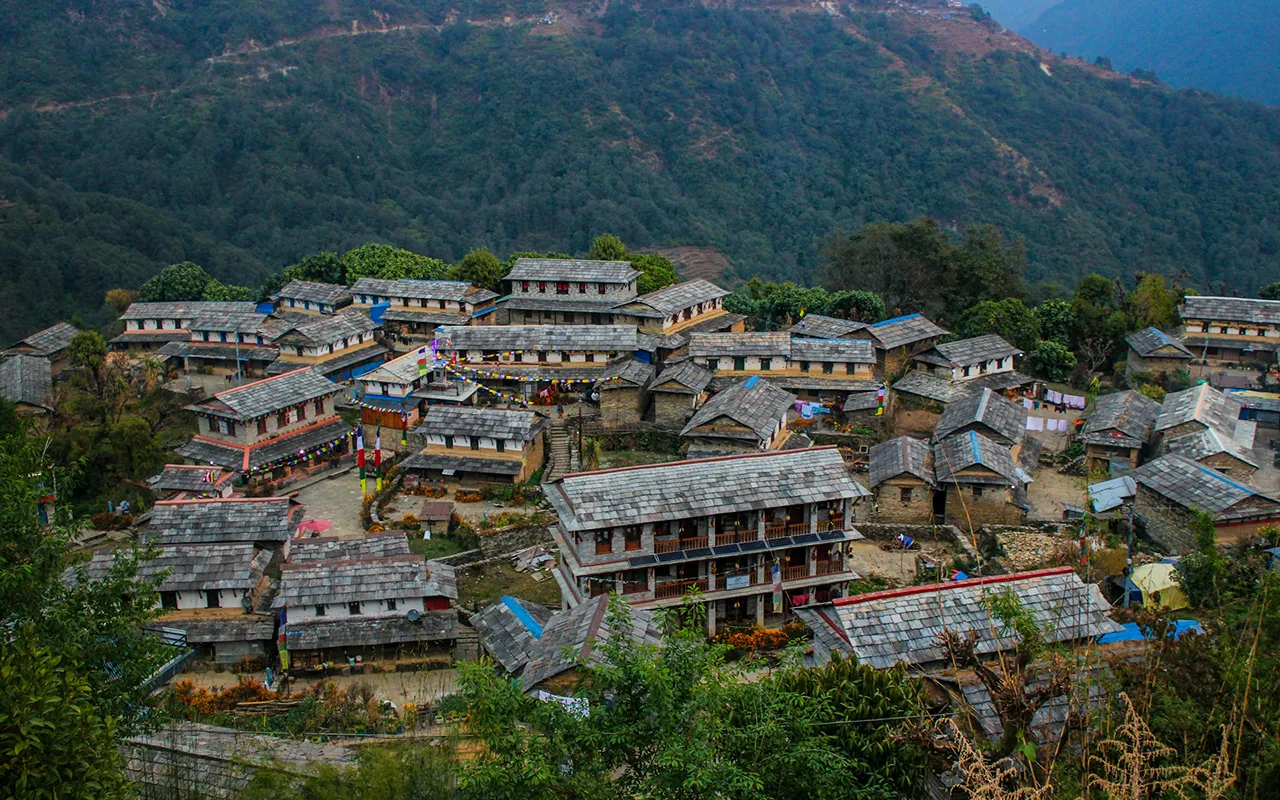
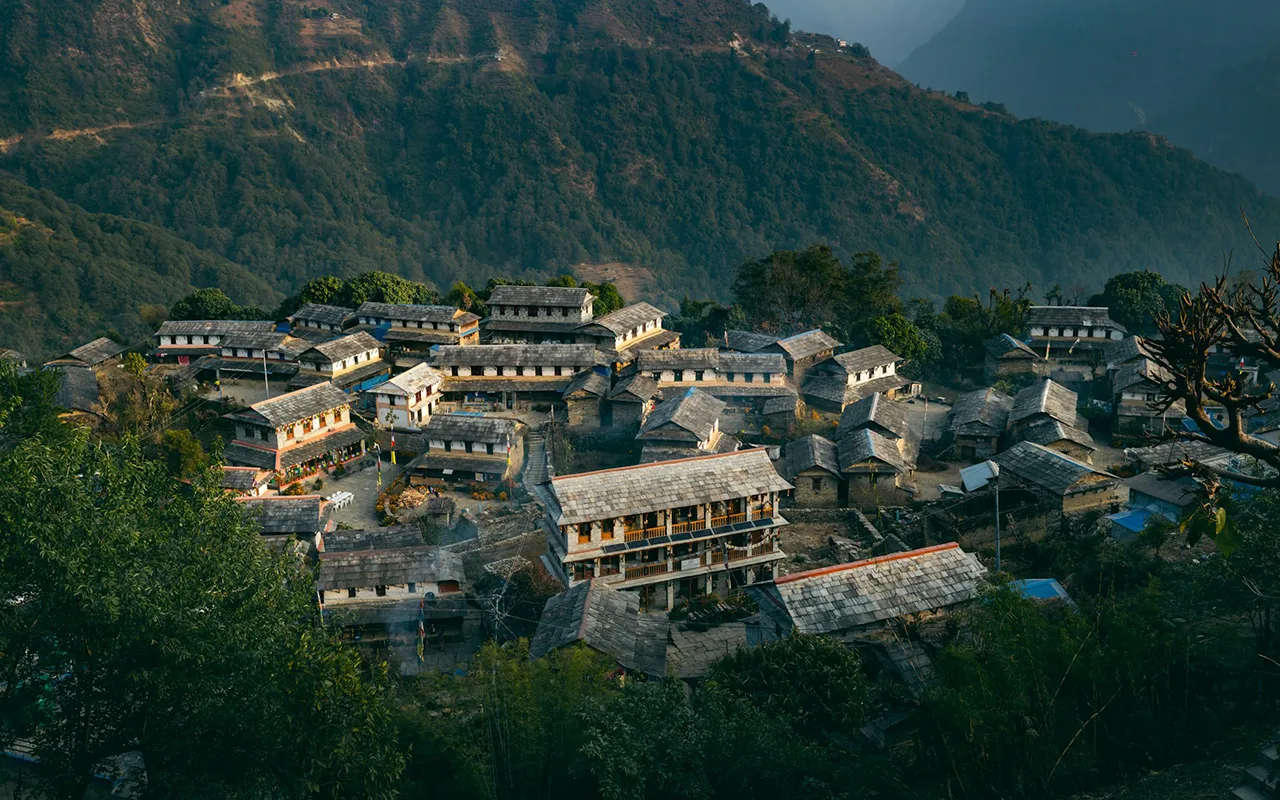
Ghandruk village is a village that is famous for its traditional stone houses with slate roofs, a complex constructed of local stone, wood, and mud. The timeless Gurung construction artistry and mountain flexibility are apparent in these two-storied houses with wooden windows and a balcony.​

The streets of the village are delightfully stone-paved, and the houses are densely packed together, giving it a delightful village look. The courtyards are vibrant family areas, and they depict the community and cultural life, which is very strong in this Gurung settlement.​

The Gurung community in Ghandruk is known to be very hospitable, and they receive the guests with utmost sincerity and hospitality. Homestays offer interactive experiences, which enable the guests to enjoy traditional foods and attend local festivals and household tasks.​

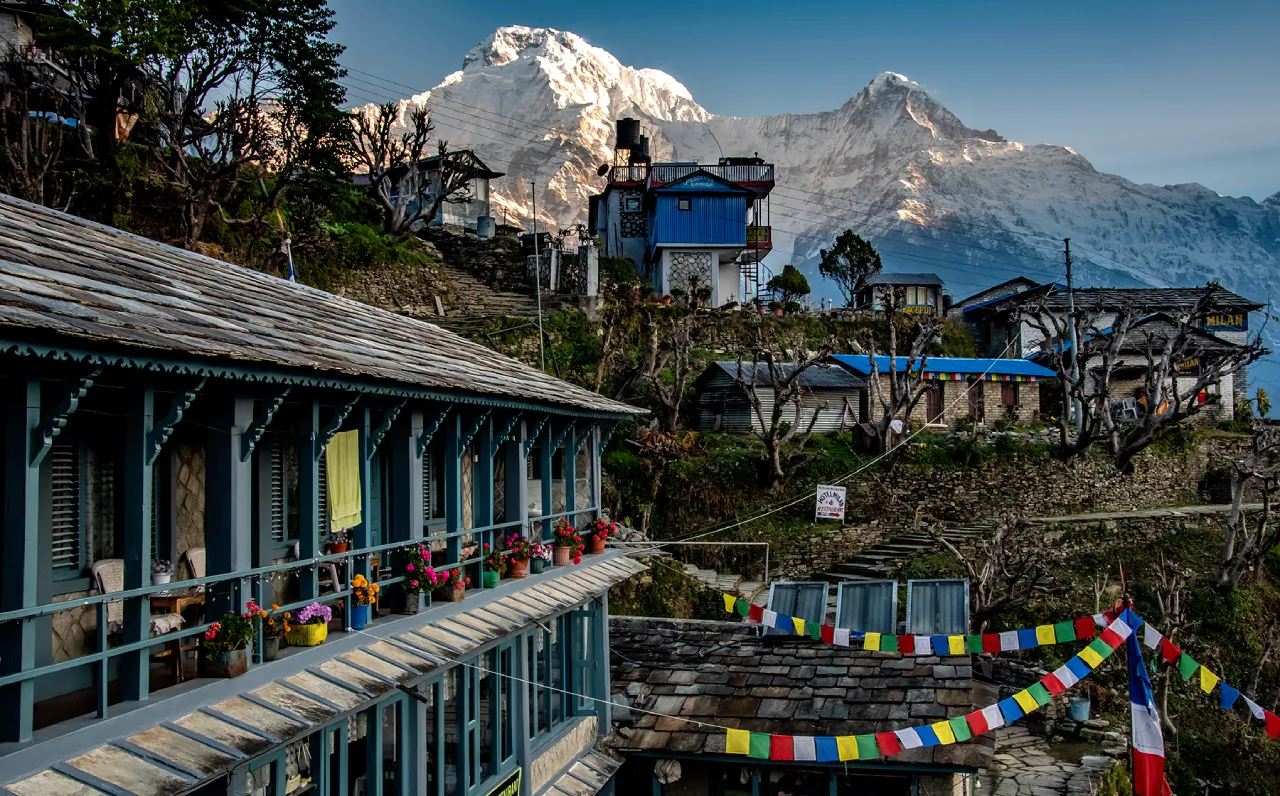
Ghandruk is located in the stunning backdrop of great peaks, Annapurna South, Hiunchuli, and Machhapuchhre (Fishtail). These massive mountains make the village more attractive with an iconic Himalayan scene, which attracts trekkers and photographers.

Top Things to Do in Ghandruk Village

Explore Traditional Gurung Culture

Ghandruk is a real-life experience of the Gurung people, who are very courageous and hospitable. The Gurung Museum is worth a visit that houses ancient tools, weapons, and cultural artifacts that portray their rich heritage and long traditions.

Tourists may have a glimpse of the Gurung houses built of stone and wood in traditional style to adapt to the Himalaya climatic conditions. Hospitable locals are likely to provide food prepared at home, smiles, and narrations concerning the history and lives of their ancestors.

You also get to see colorful dances, folk songs, and the traditional dress code of the Gurung people. Their attire, jewellery, and musical instruments signify the profound cultural value and social pride of the region, which has been transferred across generations.

Learning about their farming and handicrafts makes the visitors realize that culture and way of life go hand in hand in the mountain background of the Annapurna region.

Enjoy Himalayan Sunrise and Sunset Views

Ghandruk’s viewpoint has become known to provide one of the most incredible Himalayan visits  in Nepal. The rays in the early morning hit the snow-covered mountains of Annapurna South, Hiunchuli, and Machhapuchhre and depict them in spectacular gold hues.

The rise of Ghandruk is something special, as the whole valley gradually wakes up, birds sing, and the far mountains glitter in the blue sky. It is an ideal place to capture photographs and lovers of nature who want to enjoy the serenity of the mountains.

The sunset scenes, too, with the dying sun lighting up the mountains with a crimson glow, are equally wonderful and give off peaceful, idyllic scenes. This has been described as one of the most spiritual experiences in the journey by many visitors.

Take a camera, sit back and take in the continuously changing colors of the Himalayas; such times are the moments that define the true Himalayan getaway, and memories of a permanent trip.

Ghandruk
Ghandruk

Visit Monasteries and Temples

In addition to a picturesque landscape, the village of Ghandruk also has spiritual richness represented by small monasteries and Hindu shrines, which dot the village. These religious places indicate the peaceful interweaving of the Buddhist and Hindu cultures in the area.

Prayer flags, spinning and Buddha statues in the local monasteries exude a profound feeling of tranquility and faith. Prayers are frequently chanted by the monks, and this provides a soothing spiritual ambiance to the visiting travelers.

Temples of Hindus to gods such as Shiva and Devi are placed along green paths, with residents gathering during festivals and rituals, presenting a unity of culture and admiration of the god of nature.

These monasteries and shrines make such a visit a chance to meditate, reflect, and experience the ultimate tranquility of the spiritual life in the Himalayas, when they are not crowded with visitors.

Hike to Kimrong Danda or Tadapani

The quick walk to Kimrong Danda or Tadapani is a fulfilling journey with the breathtaking Himalayan sightseeing. The routes are through rhododendron forests, farmlands, and beautiful Gurung villages, where one gets ideal views of the Annapurna South and Machhapuchhre.

It is a perfect pre-warming-up trip to individuals who are about to proceed to the Annapurna Base Camp, as it also gives the adventurers acclimatization and an easy adventure. You will meet smiling villagers, grazing animals, and colorful plants on the way, which illustrate the mountain variety in Nepal.

These routes will be of particular concern to bird lovers who can look forward to species of birds of the Himalayan color, such as the sunbirds and the danphe. It is a refreshing outdoor adventure due to the cool mountain air and the serene environment.

Both Kimrong Danda and Tadapani are scenic rest stations where trekkers get to have a tea break and capture the mountain sceneries in addition to absorbing a continuous mountain tranquility before going back down to Ghandruk village.

Taste Authentic Local Food

Ghandruk is also known for its delicious Gurung cuisine, which is an indication of the local Himalayan life of the community. Common foods are millet bread, dhido, gundruk soup, and homemade pickles, which are accompanied by fresh organic vegetables and lentil curry.

These meals may be taken in small teahouses and in communal kitchens where people make food using wood-fired cookstoves. The local spice aroma and the hospitality make each of the dining experiences better.

You should not forget to taste such traditional drinks as chhyang (rice beer) or raksi (local spirit), which are usually served at festivals and family meetings. These beverages symbolize friendship, celebration, and the culture of the mountains.

Every meal is not just a meal; it is a cultural adventure into Gurung culture. Giving food to people locally enables the traveler to learn the importance of community, simplicity, and sustainability that are entrenched in mountain living.

Stay in a Local Homestay

The Ghandruk local homestay of choice introduces a real cultural interaction. The families are very accommodating to the visitors and offer them traditional food, simple rooms, and a glimpse of their daily village lives and traditions.

Several evenings are also spent sitting around the kitchen fire, where tales of ancestors, legends of the mountain, and tales of trekking adventures are told. You can even participate in folk dances or songs by local young people.

The Homestay experiences are beneficial to sustainable tourism in that they directly benefit local families. The visitors contribute to the local economy as they get to know about the traditional craftsmanship, farming, and the environmentally friendly mountain lifestyle.

These visits leave a lasting impression – genuine hospitality based on kindness, respect, and mutual learning. It is an emotional bond that makes the travelers appreciate the Nepalese life in the countryside.

Learn About Women’s Empowerment Projects

Ghandruk is a model village of community development, particularly the project of empowering women. Cooperatives, craft centers, and small enterprises operated by the local women’s groups help to contribute to education, income, and gender equality.

Visitors can visit local workshops or cooperatives to see how such handmade items as woolcraft, baskets, and traditional clothes are made using eco-friendly materials. Anything tells the story of alternatives in terms of ability, pride, and cultural preservation.

The mentored engagements with these women provide an understanding of how tourism gives them the strength to become financially independent and retain their heritage at the same time. It is a positive model of inclusive rural development.

Travelers can ensure the livelihoods of women by patronizing or buying local crafts. Such exchanges keep us in mind of how tourism in its most responsible form can help elevate whole communities as well as pay tribute to authenticity and creativity.

Ghandruk Village

Best Time to Visit Ghandruk

Ghandruk is best visited in spring (March -May), when the weather is pleasant and clear. Rhododendron forests are blooming and make their colors red and pink along the trek paths. The mountain sceneries of the Annapurna massif are crisp and magnificent with blue skies, which complement the scenery.

Autumn (September-November) is said to be the best season to have a trek, which has cool air and stable weather. After the monsoon, the clouds clear leaving a clear view of a panoramic view of the Himalayas. The pleasant weather and the holiday spirit that surrounds the local villages make it an exciting and enjoyable season for the tourists.

The winter season is less peaceful and quiet, with snow-white mountains forming fantastic landscapes. During the day, the temperatures are low, and the trekking may be cold, but the snow-covered scenery offers a Himalayas adventure to those who love to spend their time alone and enjoy the best scenery of the Himalayas.

The monsoon (June -August) is the time of green vegetation, lush green landscapes and vibrant vegetation. However, rains cause trails to be slippery, and not quite ideal for trekking, but this season is the best season to be taken by travelers who want tranquility and more vegetation. It has opposing beauty; however, it entails more traveling difficulties because of wet weather.​

What to Pack and Expect

Traveling in Ghandruk, one should wear light, breathable clothes during the journey in order to feel comfortable because the temperatures may increase. Pack warm clothing such as a fleece jacket, a thermal top, and a down jacket on early mornings and evenings when it becomes cold at elevated levels.

Hiking boots or shoes need to be sturdy and comfortable., well-worn, and used on uneven trails and rugged terrain. Fitted shoes will help to avoid blisters and will help to take long walks. Do not leave your camera or smartphone at home because you will have to capture some amazing Himalayan panoramas and moments in the village.

Ghandruk has a very simple facility, such as power supply in most teahouses, although electricity is intermittent. Wi-Fi is available in some lodges, but there is a possibility of slow or weak connection speed. Teahouses prepare food and hot showers, so that the accommodation is not fancy but homely.

Combine Ghandruk with Nearby Treks

Ghandruk is the best starting point of the Poon Hill Trek, which is a moderately difficult trip with a distance of approximately 30 km in 4-5 days. Trekkers are also able to have beautiful Himalayan scenery and colorful Gurung culture as well-developed trails.​

Ghandruk-Landruk-Dhampas loop is a 3-4 day trekking route that takes one through beautiful villages, terraced hills, and forests. It is perfect for people who wish to achieve a shorter and more culturally enriching mountain journey that includes varied landscapes and native culture.​

Ghandruk is also an easy start or finish point of the short trek to Annapurna Base Camp. Such versatility enables trekkers to tailor-make itineraries at the same time enjoying stunning mountainous scenery and the Himalayan age-old culture.​

Responsible Travel Tips

In observance of local culture, dress modestly, particularly in cultural and religious regions of Ghandruk. You should greet locals by saying Namaste (palms together) to them as a sign of respect. This etiquette helps develop positive relationships and an appreciation of different cultures.​

Plastic waste should be avoided by using reusable water bottles and bags. Plastic pollution negatively affects the mountain environment; thus, the use of refillable bottles and a reduction in the use of single-use plastics would ensure that the mountain environment of Ghandruk remains clean to be enjoyed by future visitors and locals.​

Promote sustainable tourism by supporting the local homestays and shops in Ghandruk. Purchasing local goods and staying at family-owned hotels can uplift the economy of the community and helps preserve traditional lifestyle, craft art, and Gurung culture.

Conclusion

Ghandruk is an embodiment of a particular combination of nature, culture, and simplicity that blend perfectly together. It is located in the midst of the Himalayan Annapurna mountain ranges, surrounded by ancient Gurung culture and stunning views of the Himalayan ranges. The village is a calm escape from the busy modern world.​

Tourists are advised to take their time and immerse themselves in village rhythm. The experience is enhanced by the establishment of genuine relationships with locals during homestays and cultural interactions. The slow pace is a welcome change to experience the Himalayan life more than sightseeing.​

Ghandruk welcomes tourists to enjoy the harmony between the beauty of nature and culture. It is a monument of sustainable tourism and preservation of the community, as it makes people admire the nature and the hospitality of the Gurungs.​