
Weather in Nepal in February: What to Expect Before You Go
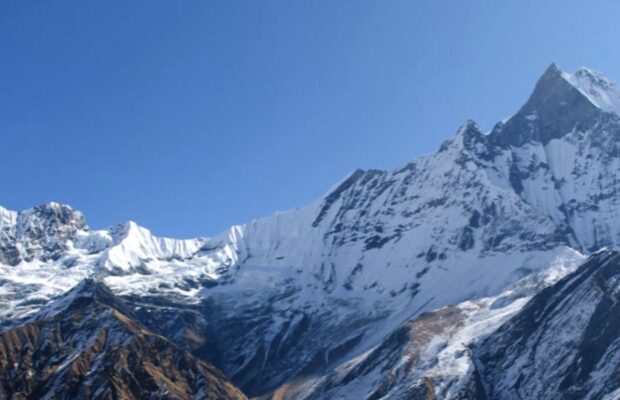
Visiting Nepal during the month of February provides a special combination of blue skies, snow-free trails, and winter scenery. The weather in Nepal in February is cool and dry, with warming days and clear blue skies, providing excellent mountain visibility.
By the end of winter and the beginning of spring, there will be a smaller number of people, breathtaking mountainous views topped with snow, and all the colorful cultural events in the country.
Air is fresh and clear, so views of the mountains are particularly bright, and the peaceful environment enables a more engaging experience in the city and the countryside. Some of the cities, such as Kathmandu and Pokhara, are less busy than during peak seasons, and the travelers have the opportunity to visit temples, markets, and lakesides without the normal congestion.
Nepal is at its most scenic in trekking areas such as Everest, Annapurna, Mustang, and Langtang. Trails of snow, rivers, and valleys of ice sparkle, making them the best places to take pictures and a few Himalayan birds and sometimes animals on the lower parts are found in the winter season.
The cool climate and shorter days also make the trekking more demanding, yet more fulfilling, as you will have the opportunity to experience solitude and silence with nature and locals.
No matter what you are planning to do, be it a city tour, a mid-level trek, or a high-end adventure, knowing the level of the weather in February will guide you to prepare adequately in terms of cold nights, sunny days, and even snow.
To help you make the most of your trip to Nepal in February, we have broken down the conditions in each key destination, showcasing the best treks (and those that are more challenging during winter), and offering some handy advice to make sure your trip is safe, comfortable, and unforgettable.
February Weather Overview in Nepal
Overall Climate: February is in the dry spell of Nepal, and this is characterized by stable weather with high pressure. This usually has dry weather that is calm and receives almost no rainfall, and good visibility is experienced nationwide. Days are generally sunny, and sunny and with progress in the month, the temperatures start rising to spring. Nevertheless, the evening is chilly, and warm clothes are needed after the sun has gone down.
Climate Zones: Nepal has a good climate that varies with the locality and elevation. Even in the lowland Terai plains in southern Nepal, in February, it may seem like the start of the summer already, with the daytime temperatures up to 30 degrees Celsius in some places.
Days in the mid-hill regions are warm and pleasant, with chilly nights in Kathmandu and Pokhara, cities found in the mid-hill regions. The high Himalaya, on the other hand are very cold, and the snow has settled on the highest points.
In Kathmandu, the average day-to-day temperature is approximately 21 degrees Celsius, and the average night-to-night temperatures are approximately 5 degrees Celsius, whereas in Pokhara, which is at a lower altitude, the average day-to-day temperatures are about 22 degrees Celsius, and night-to-night temperatures are about 9 degrees Celsius.
In most of the higher trekking areas, temperatures are much lower. The highest temperatures are 6 degrees Celsius in the day and about minus six degrees Celsius at night in Namche Bazaar in the Everest area, which is at 3440 meters, and in Jomsom in Mustang, which is at about 2700 meters. The maximum temperature is approximately 4 degrees Celsius in the day and about 12 degrees Celsius at night.
Daylight Hours: February has moderate days with an average of eleven hours of daylight. In the middle of the month, the sunrise is about 6:30 am, and the sunset is at about 5:30 pm. This gives sufficient time to walk every day, but the days are shorter than in summer. Early hiking is recommended, to arrive at the next place way before nightfall, since in the afternoon the temperature drops so fast.
Pros of February Travel: The benefits of traveling in February are enormous. The mountain sceneries are frequently magnificent, and the skies are crystal and blue, with little haze or cloudy cover, and therefore it is among the most favorable seasons of the year to see Himalayan sights.
February is still off-season, and thus, the tourist count is very low, giving people the opportunity to trek without a crowd and explore the tourist sites peacefully. This period can even have discounted hotel and tour rates for the traveler.
Cultural sightseeing in cities becomes very comfortable as the weather in mid to late February starts to become a bit warmer. Moreover, winter festivals like Maha Shivaratri occasionally occur in February, and the visitors should observe the colorful local events.
Cons of February Travel: Cold temperatures, on the other hand, are the primary challenge. Areas with elevation are extremely low in temperature, especially during the night, thus the need to carry good insulating equipment.
Certain mountain passes and high-altitude routes can be snowbound or even closed, which complicates trekking above 4000 meters and may necessitate technical gear. They even get very cold in the morning and evening even in the cities, with the Kathmandu temperature often going down to the brink of freezing.
Days are mostly sunny, but the landscape has not started to blossom, and flowers and green plants can be seen only as spring comes. Lastly, weather factors like fog or snow may at times interfere with flights to mountain airstrips, e.g. Lukla to the Everest region.
All in all, one needs to prepare thoroughly to go to Nepal during the month of February and be ready to face cold weather conditions, yet they can enjoy the reward of natural scenery, breathtaking mountain views, and an authentic cultural experience.
Kathmandu in February: Sunny Days & Crisp Nights
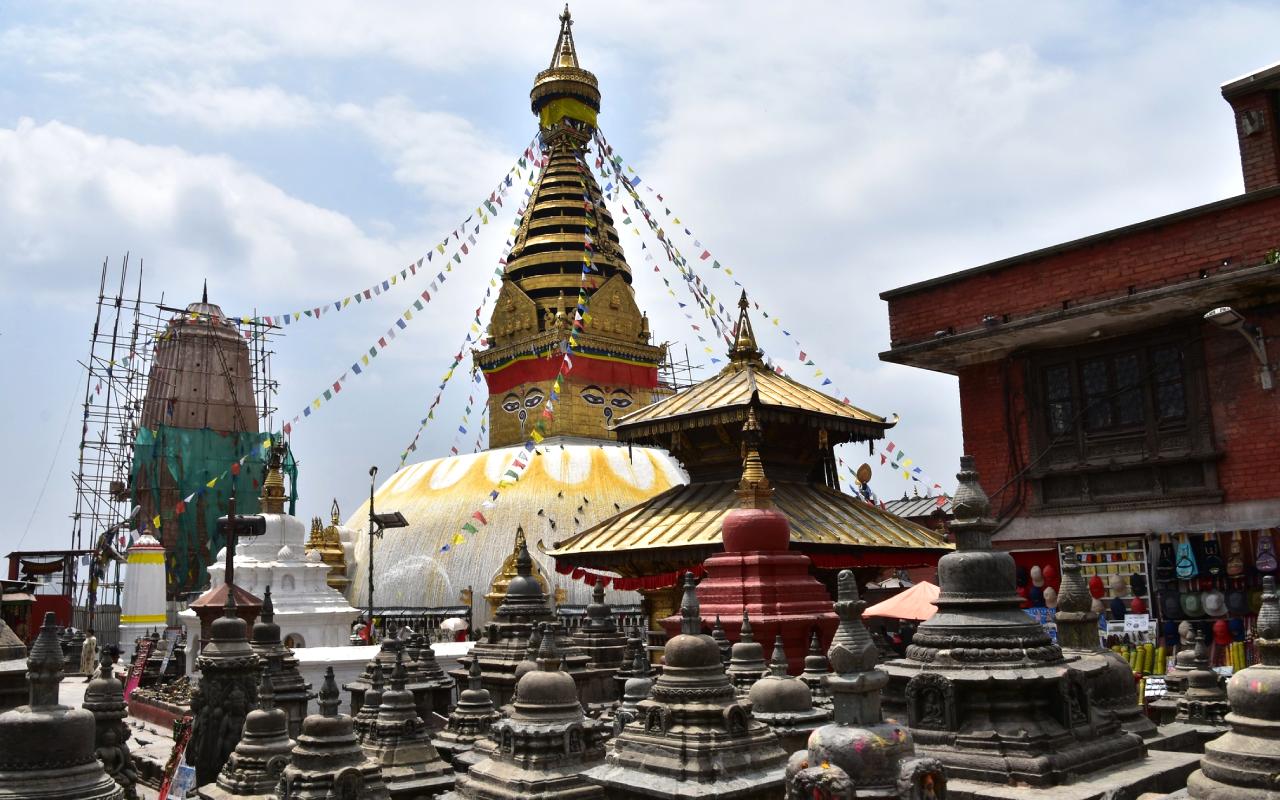
Weather: Kathmandu is situated at an altitude of about 1,400 meters, which means it has pleasant days and cold nights in February. The mean of the high temperature is approximately 20 to 21 degrees Celsius, and thus it is warm in the middle of the day to visit the UNESCO heritage sites and to walk around the markets.
The sky is a blue sky that is perfect for seeing mountains at the lookouts of the city. Rain is virtually nonexistent, and humidity is low. However, once the sun sets, the temperature drops quickly. Nighttime lows average 4 to 5 degrees
Celsius and can occasionally approach zero degrees on the coldest nights. Frost or snow is not usual in Kathmandu, but you will certainly need a warm jacket during evenings and early mornings.
Daylight: Kathmandu sees roughly 11 hours of daylight in February, with sunrise around 6:30 in the morning. Mornings can start off with a light mist or valley fog on some days, but the sun usually burns it off quickly, revealing clear skies. By 5:30 to 6 in the evening, it gets dark, and temperatures tumble, so plan indoor activities or a cozy café in Thamel for the evenings.
Trekking and Activities: While Kathmandu itself is not a trekking destination, many travelers spend a few days here acclimatizing and sightseeing before and after their treks. February’s comfortable daytime weather makes it a great time to explore Kathmandu’s cultural sites.
Medieval palaces of Durbar Square, Swayambhunath, or Monkey Temple, hilltop view, and Boudhanath Stupa are all nice to visit without the heat or rain that are common in other seasons. The city has narrow streets and busy markets that are easier to handle in these moderate climates.
There are also day hikes of short hikes around the valley rim, e.g., Nagarkot or Champadevi day hikes, which give panoramic views of the Himalayas. In the city, the air is hazy at times in winter, although visibility is often better in February than in early winter, and on the clearest days, you can even see snow-topped mountains in Kathmandu.
February Festivals in Kathmandu: Kathmandu has a significant Hindu festival in February called the Maha Shivaratri, which usually takes place during this month. Thousands of followers and holy men (sadhus) of the Hindu religion come to the Pashupatinath Temple in Kathmandu during the time of Shivaratri and celebrate Lord Shiva.
The temple premises are alive with flickering bonfires, religious rituals, music, and carnival-like worship moods. And as long as you are in Kathmandu in the month of Shivaratri, which is typically at the end of February or at the beginning of March, according to the lunar calendar, it is a cultural treat.
Just be ready to see crowds of people and a little bit of order and controlled chaos around the temple. February occasionally overlaps with other events except the Shivaratri.
The vibrant Holi festival sometimes takes place at the end of February, and sometimes it is in March. Provided you are fortunate to be there, you might have an early Holi with people throwing colored powders, but this is more typical in March.
Pros and Cons: Kathmandu in February has good weather conditions to see the sights, and fewer tourists compared to the high seasons, so you are likely to have time to sightsee at a slow pace. Hotel rates may be lower, and it is easy to get tables at popular restaurants.
The main challenge is the chill after dark. Budget hotels may not have heating, so pack warm sleepwear or choose accommodation with a heater. Also, remember that some winter haze can linger in the valley. If you want the absolute best mountain views, consider a short side trip to Nagarkot or Phulchowki hill on a clear morning.
Pokhara in February: Gateway to the Annapurnas
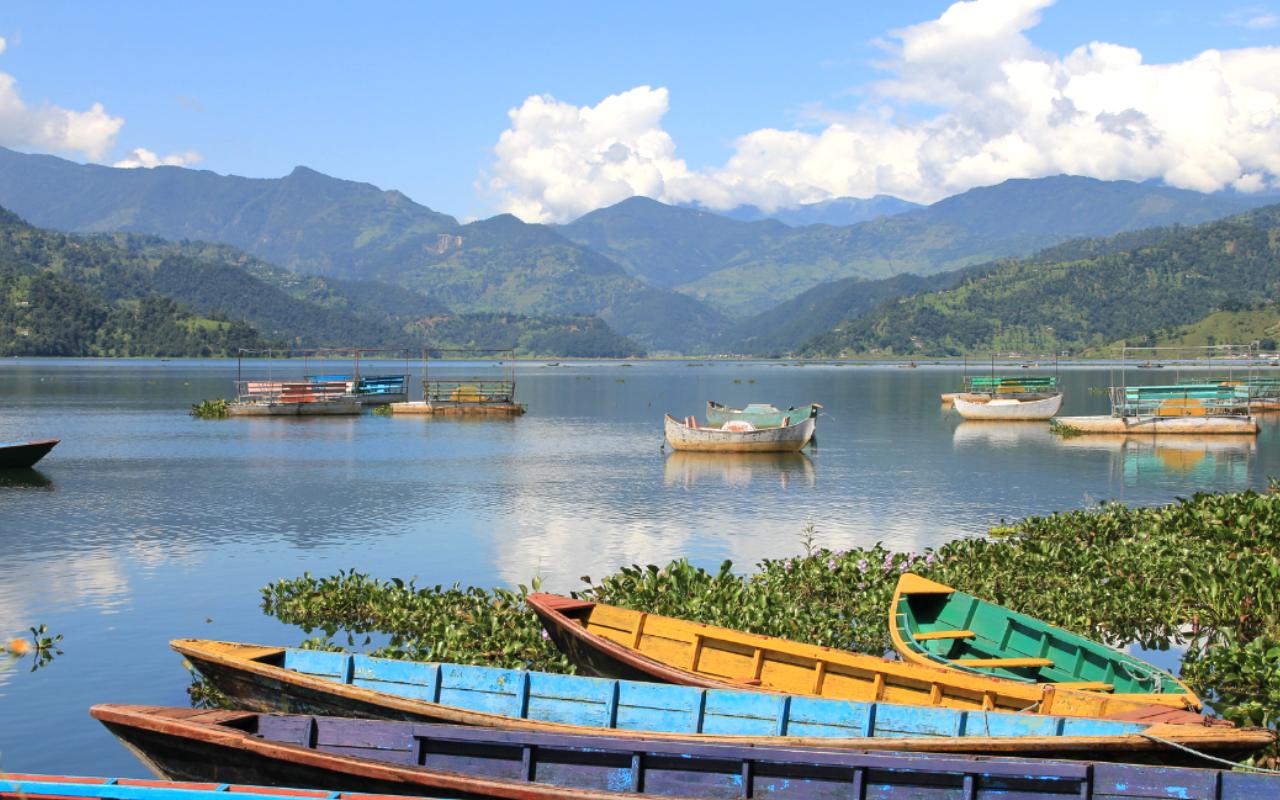
Weather: Pokhara, sitting at about 822 meters by the lakeside, has a milder climate than Kathmandu. February days here are pleasantly warm and great for outdoor activities. Expect average daytime highs around 22 degrees Celsius, with bright sunshine reflecting off Phewa Lake.
In fact, Pokhara tends to be a few degrees warmer than Kathmandu on average, so an afternoon might even feel t-shirt warm. Rain is minimal because February is a dry month, though Pokhara’s location means it is generally more humid than Kathmandu.
Mornings can sometimes bring a layer of fog or low cloud over the lake, but this usually clears, unveiling the towering Annapurna and Machapuchare peaks on the horizon. Nighttime temperatures in Pokhara drop to around 8 to 10 degrees Celsius. Evenings are cool but not frigid, and a fleece or light down jacket is typically enough, though late at night it can approach 5 degrees Celsius on rare occasions.
Daylight: Like Kathmandu, Pokhara enjoys roughly 11 hours of daylight in February. The sun rises a bit later here, closer to 7 in the morning, due to the surrounding hills, but by mid-morning, you will have sunny skies. Sunset over the lake around 6 in the evening is often beautiful, with pastel colors reflecting in the water, and the Annapurna range glowing in the last light.
Trekking and Activities: Pokhara is the starting point for many Annapurna region treks, ranging from easy walks to challenging circuits. In February, while the high Annapurna Circuit and Base Camp routes might have snow, lower-altitude treks accessible from Pokhara are ideal.
Popular short treks, such as Ghandruk Village or the Ghorepani to Poon Hill trek, with a maximum elevation of 3,210 meters, are very doable in February. Days will be cool and clear, with only light snow at the highest points, if any. Trekkers on these routes enjoy temperate daytime hiking conditions with the bonus of crystal-clear mountain views.
If you are not trekking, Pokhara offers plenty of adventure. Paragliding from Sarangkot, boating on Phewa Lake, mountain biking, or visiting local waterfalls and caves are all enjoyable in February’s mild weather. You will not be drenched in sweat or interrupted by rain.
Pros and Cons: Pokhara’s February weather is nearly perfect for travelers, with warm days, cool nights, and sharp mountain views almost every morning. Tourist crowds are still low compared to autumn, so you can relish a peaceful sunrise at the World Peace Pagoda or Lakeside cafes without bustle.
The main thing to be aware of is that nights are cooler than you might expect in a lakeside resort, so do not forget a jacket for those sunset walks by the lake. Also, while generally clear, mountain weather can change, and on the off chance of a western disturbance, the Annapurnas might hide behind clouds for a day or two.
These are a few in the month of February. All in all, Pokhara is a pleasure to visit in the fall season, as it has pleasant weather and is also close to both cultural attractions and outdoor activities.
Everest Region in February: High-Altitude Cold & Clear Views
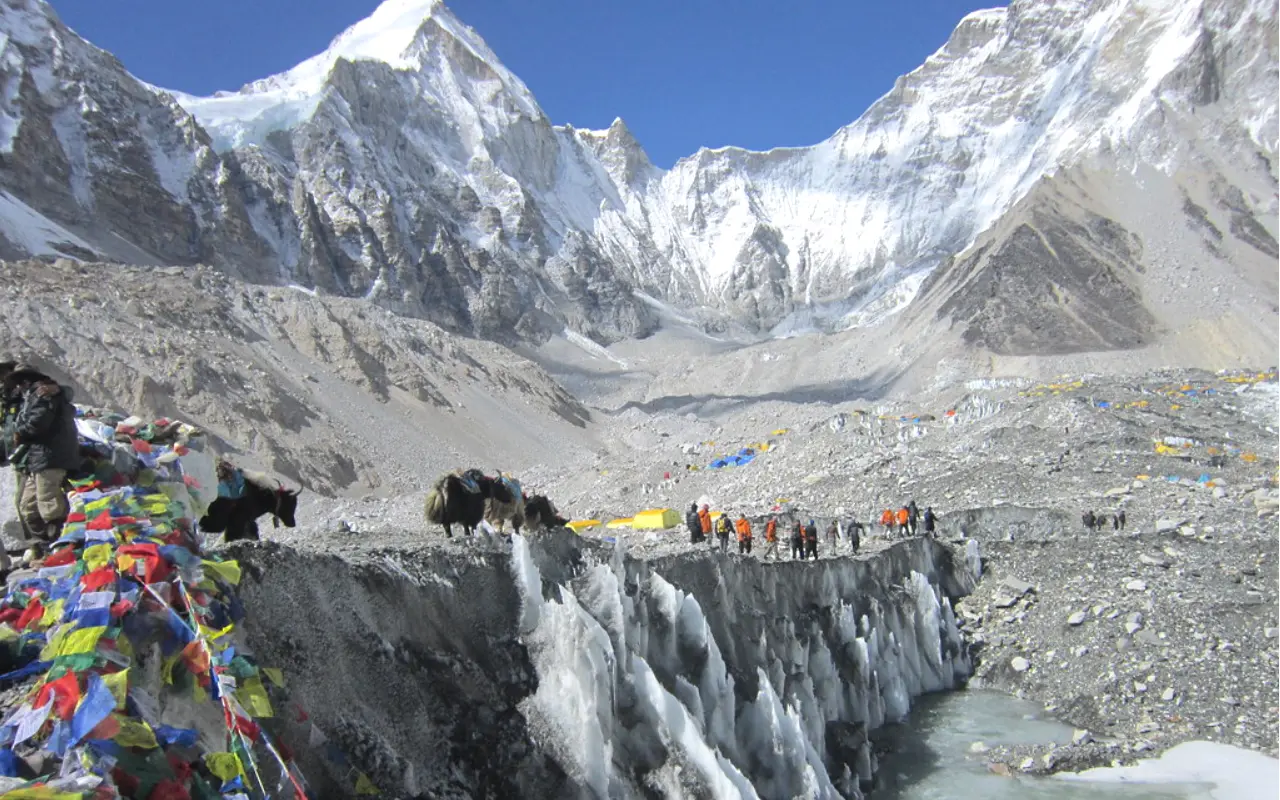
Weather: Daytime temperatures in Lukla (2,800 m) and Namche Bazaar (3,400 m) reach 5-7 o C, and the night temperatures fall down to -5 o C. Everest Base Camp (5,364 3 C) has temperatures in the highs of -5 o C and lows of -20 o C at night.
At low elevations, it may be warm in the direct sunshine, but cold in the shade or in the breeze. Trails in the morning are commonly frozen over by Frost and light snowfall occasionally covers the higher elevations.
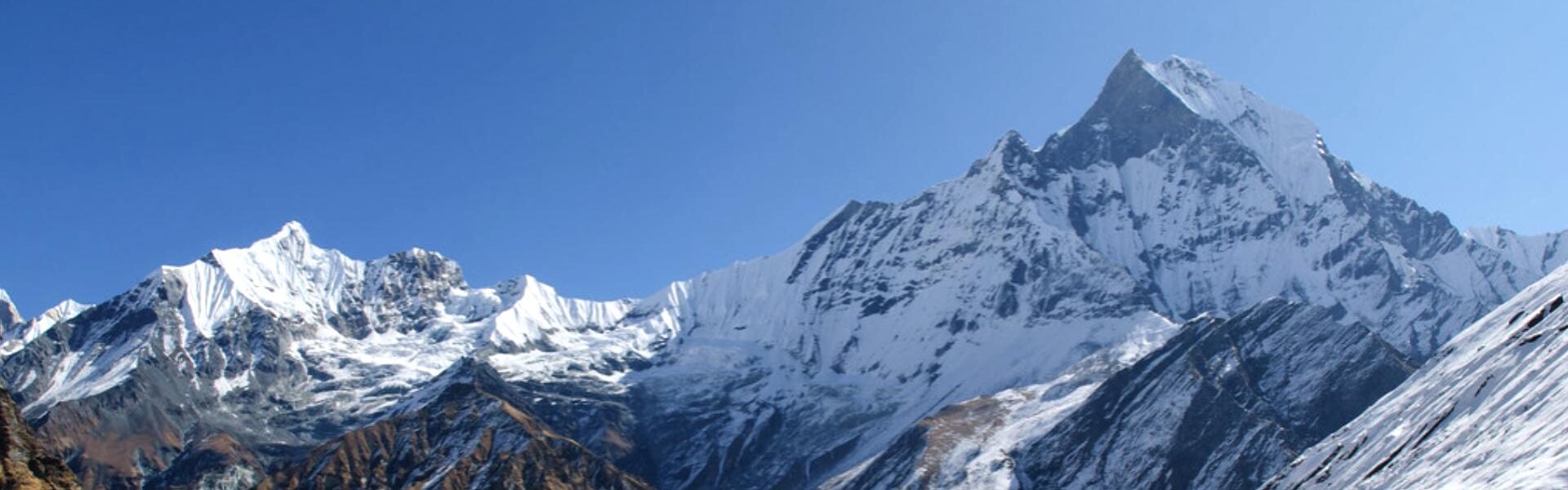
The weather is mainly clear with spectacular views of Everest, Lhotse, Nuptse, and Ama Dablam. Mountain panoramas, even in winter, are so sharp in the thin winter air, and you can see tens of kilometers.
Trekking Conditions: At lower altitudes, the trails are generally dry, but the higher trails have snow or ice. Seasoned mountaineers are able to traverse these using appropriate winter equipment. Teahouses are not closed yet, and some have fewer services and reduced hours.
The winter season is very quiet, and trekkers can find a feeling of solitude, and they may share their trail with only wildlife such asthe Himalayan Thar or red panda in the lower forests. The early mornings are icy, and the afternoons are hot and cold at the height.
Pros & Cons:
- Pros: beautiful views and sharpness, trails with few tourists, magic snowy scenes, mountain air, breathtaking sunset and sunrise, the possibility to see Everest in serene winter light.
- Cons: Extreme cold, altitude sickness, lack of lodge facilities, possible flight delays to Lukla, icy or snowy tracks that require caution, and harsh winds on exposed ridges.
Annapurna Region in February: Snowy Trails & Brilliant Skies

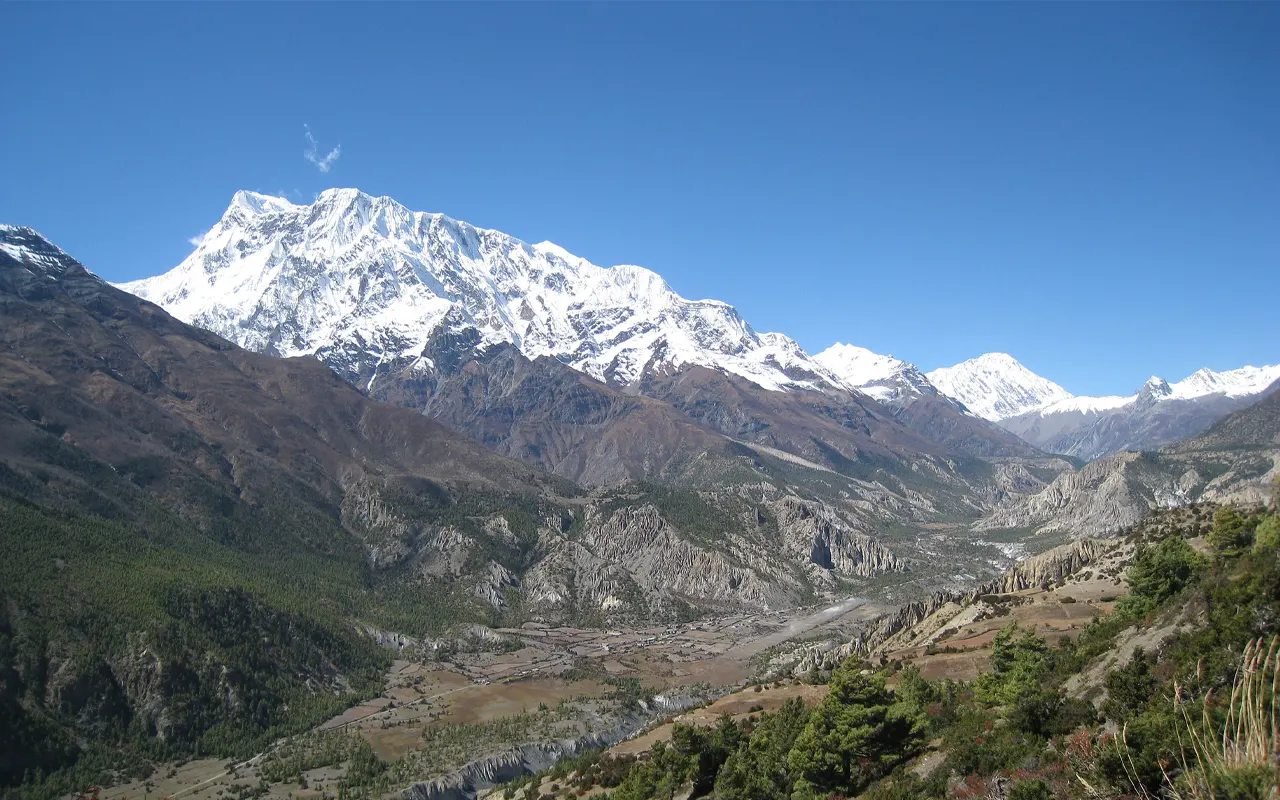
Weather: Lower villages (1,000–2,000 m) experience 10–15 °C days and 0–5 °C nights, while higher elevations (3,000–4,130 m) have 0–5 °C daytime temperatures and –10 °C nights. Annapurna Base Camp often has snow, creating a sparkling winter wonderland.
Frost and thin ice may cover some lower trails in the morning. Clear skies offer breathtaking mountain vistas, and distant peaks glimmer in the crisp sunlight. Winter also makes a gentle golden light on the surrounding landscapes in the sunrise and sunset.
Trekking Conditions: Lower trails are mostly snow-free, higher trails can either be icy or snow-covered, and therefore necessitate microspikes or crampons. Winter trekking is best suited to Annapurna Base Camp, Ghorepani-Poon hill and short village treks. Thorong La Pass is normally avoided because of a great deal of snow and avalanche danger. Lodges have fewer services, but a slow, immersive adventure is possible on quiet trails.
Pros & Cons:
- Pros: Trails, winter scenery, panoramic view of the mountains, easy trekking in the lower altitudes, serene village life, opportunity to view wildlife during the quieter months.
- Cons: Cold nights and mornings, snow and ice at higher elevations, reduced availability of amenities, absence of rhododendron blooms and lush greenery, and icy mornings on exposed ridges.
Mustang in February: The High Desert Winter
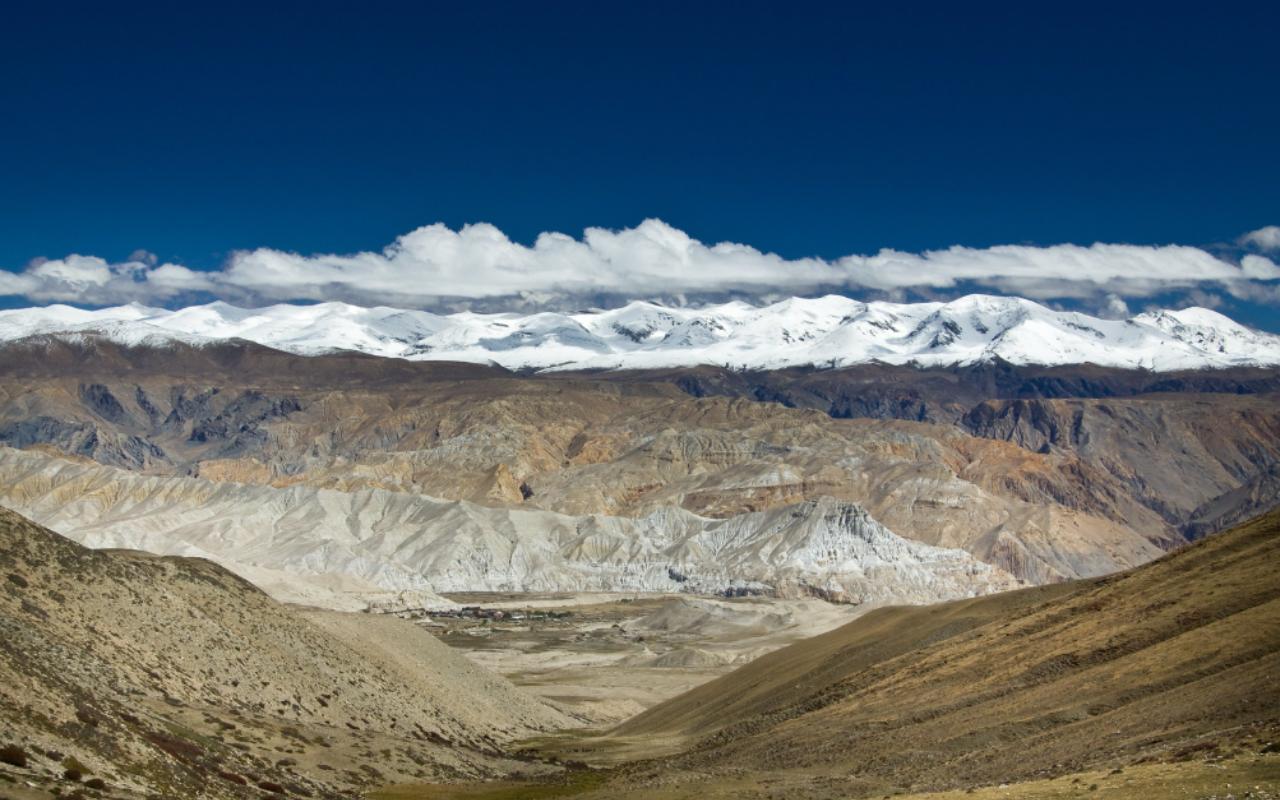
Weather: Upper Mustang (Lo Manthang, 3,800 m) has daytime temperatures of 0–5 °C and nighttime lows of –15 to –20 °C. Lower Mustang villages (Jomsom, Kagbeni, Marpha) are slightly warmer but windy.
Snow is rare, skies are bright and crystal-clear, and sunlight feels sharper at high altitudes. Desert-like terrain is enhanced by bare cliffs, colored caves, and the snowcapped Himalayas farther on. The strongest winds are usually in the afternoon, which creates a chill factor.
Trekking Conditions: It can be done in winter, with adequate preparation in Lower Mustang, whereas in Upper Mustang, it is more remote and permits and local guides are required. Trails are non-technical and dry and are very cold.
Trekking would provide a chance to see ancient villages, caves, and Buddhist monasteries in relative isolation. With fewer visitors, winter brings out the stark beauty of the Mustang landscape.
Pros & Cons:
- Pros: Clear skies, amazing stargazing, unique Tibetan-inspired culture, desert scenery, low trail usage, colorful rock formations, and ancient monasteries that are in plain sight.
- Cons: The extreme cold, lack of facilities, remote trails, dependence on permits and guides, strong afternoon winds, and trailing remote trails that need thorough planning and provision.
Langtang in February: Solitary Trails in the Snow
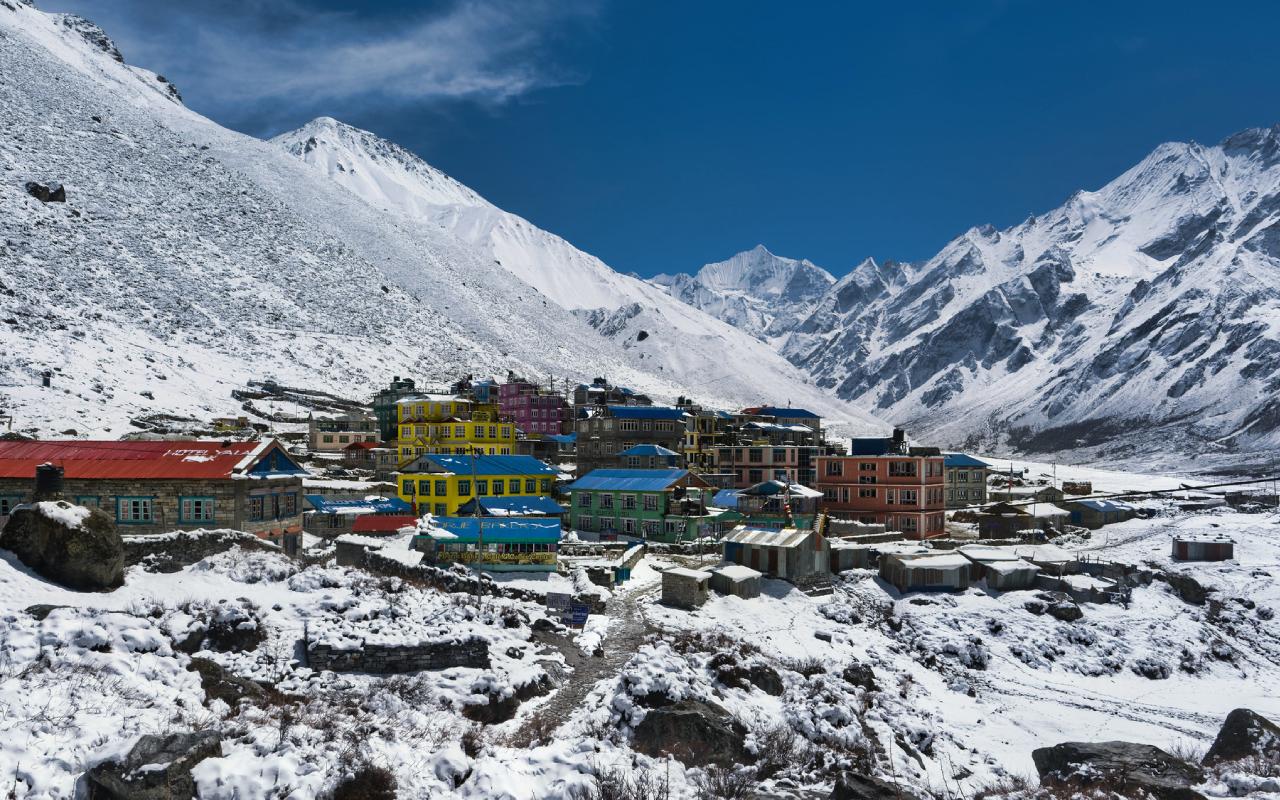
Langtang
Weather: Lower Langtang villages (1,500 m) have temperatures of 12 °C in the day and 0°C at night, but the temperature in Kyanjin Gompa (3,870 m) is 5 0 -10 at night and day respectively.
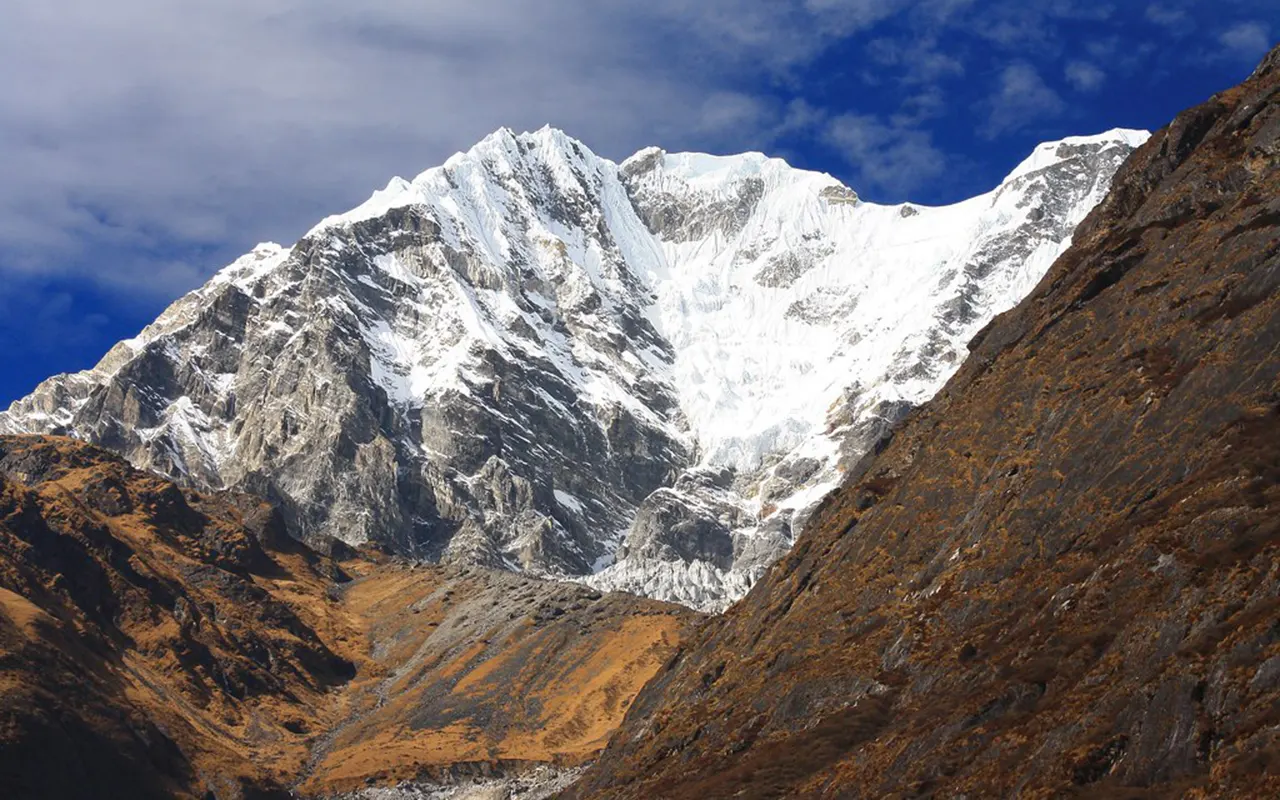
The low-lying paths are generally dry, the higher ones covered with snow. Pine wood shines with frost, ice falls form their fairy-tale scenes, and snow may rest until afternoon at the higher altitudes. The mountains are made to look nearer and sharper in clear winter Skies, making them perfect to take pictures.
Trekking Conditions: The main Langtang Valley trek is safe in winter; side trips such as Kyanjin Ri or Gosainkunda Lake are more dangerous with snow and ice. Teahouses are open but minimally operated.
Winter trekking gives the chance of quiet and immersive experiences, with the possibility of seeing wildlife tracks in the snow and having almost empty trails. The snow gives a mature, contemplative look to the valley.
Pros & Cons:
- Pros: There are tranquil, silent routes, stunning snow-covered sceneries and wildlife, fewer trekkers, a tranquil winter experience, and one-on-one photography with frost and snow.
- Cons: Freezing water, cold nights, few facilities, frozen trails, and snow hazards, which may not be easy to reach high altitudes, and the presence of some road bypasses.
What to Pack and Wear for February Trekking
- Layered Clothing: Base layers that wick moisture, insulator clothes, windproof/waterproof outerwear, down jacket over >3,000 m. Layering enables you to be able to adjust to changing temperatures.
- Footwear: Trekking boots with insulation, heavy socks, and micro-spikes when walking on the snowy trail, and gaiters so that the snow does not get into the boots.
- Sleeping Gear: Sleeping bag -15 -20 C, optional liner or small down blanket to keep warmer.
- Accessories: Sunglasses, high-SPF sunscreen, thermostat, trekking poles, hand warmers, headlamp, and warm hat and gloves.
- Special Winter Equipment: Gaiters, waterproof gloves, face protection, an optional ice axe for high passes, and crampons on icy parts.
- City/Lowland Wear: Evening light jacket, casual day wear, work shoes, and scarves to deal with cold mornings.
Safety Tips for High-Altitude & Winter Trekking
- Acclimatization: Climb a little higher with rest days compulsory above 3,000m. Watch out for altitude sickness and consider carrying portable oxygen in high passes.
- Keep Warm and dry: Dress in layers, do not over-sweat, cover up extremities, and bring waterproof clothing in case of snow.
- Start Early, Finish Early: When the winter days are short and the nights cold, the early starts are a necessity.
- Communication & Navigation: Have a guide, bring maps/GPS/satellite phone, and tell other people about your path.
- Emergency Preparedness: Be familiar with evacuation routes, have emergency contacts, and purchase travel insurance with winter trekking cover.
Summary
In Nepal, February provides a peaceful trail, uninterrupted Himalayan views, and a greatly reduced number of people. The cold is the biggest problem, but the benefits are solitude, immersion in culture, and clear landscapes with remarkable photography scenes. Ranging from exploration of the city, middle-level hikes, and hikes up the mountains, all this can be done with the right equipment and planning.
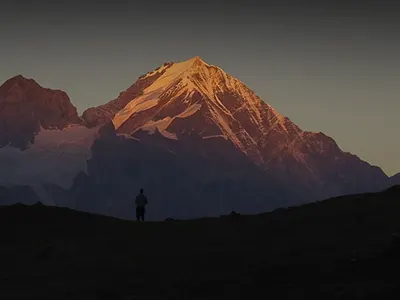
The snow-white mountains covered with golden rays, peaceful villages, and local festivals and traditions in a very quiet winter atmosphere are the things travelers may see. The remote atmosphere is more conspicuous in wildlife observations, and mountain panoramas are particularly impressive with the fresh air.
February offers a great mix of exploration and contemplation to people who want to adventure without focusing so much on particular details, but rather on the natural beauty.
Through proper planning and understanding of the seasonal issues, there will be memorable Himalayan trips, memorable experiences with the local cultures, and a feeling of achievement that will come once one has trekked in some of the most famous mountain ranges in the world.