
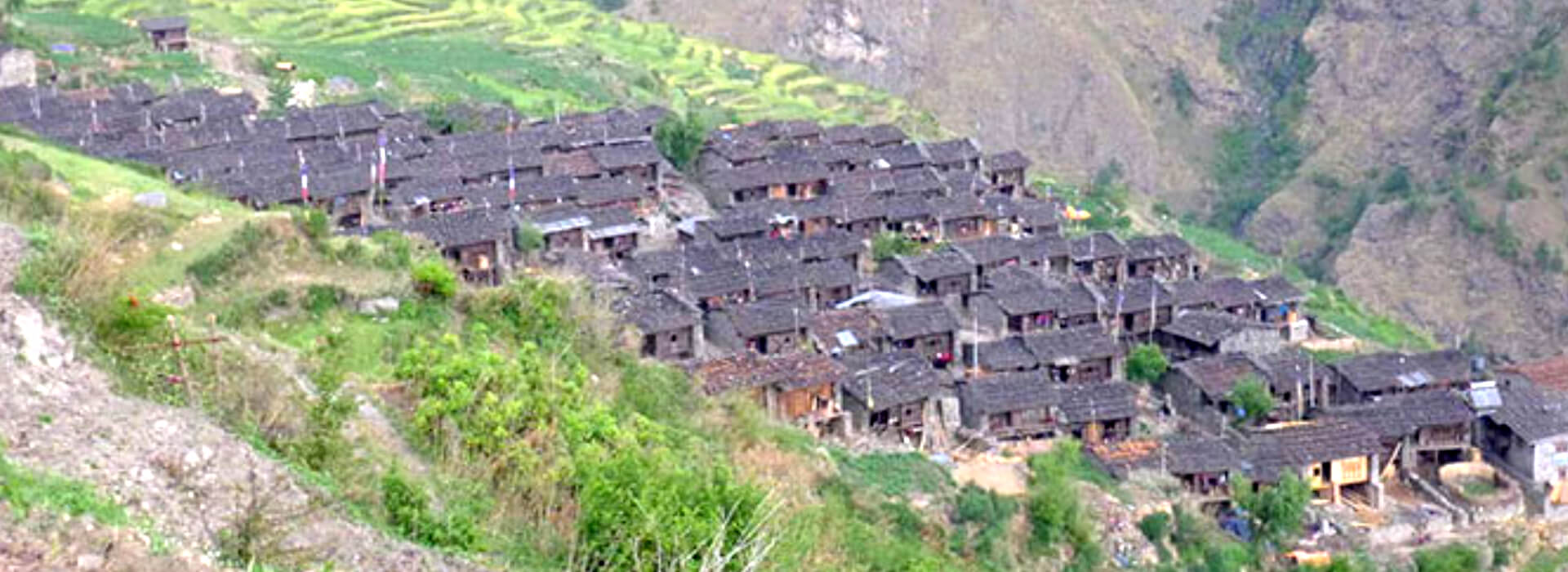
Tamang Heritage Trek – 9 days


 Trip Duration
  Group Size
  Max. Altitude
  Difficulty
 Meals
Meals - 8 Breakfast
- 7 lunch
- 7 Dinner
 Accommodation
 - 2 Nights Hotel
- 6 Night Lodge
 Activities
- Trekking
- Hiking
 Best Season
 - Sep – Dec
- Feb – June
$ 338USD
- No. of Pax Per person
- 1 personUS$ 600
- 2 - 2 peopleUS$ 450
- 3 - 5 peopleUS$ 420
- 6 - 9 peopleUS$ 380
- 10 - 15 peopleUS$ 360
- 16 + people 9999 US$ 338
Total Cost:
US$ 600
- Private trip departures everyday
- No hidden cost
- Local based company
- We can help for big group
- Over 17 years of experience
- According to your needs, we can Customize the itinerary.

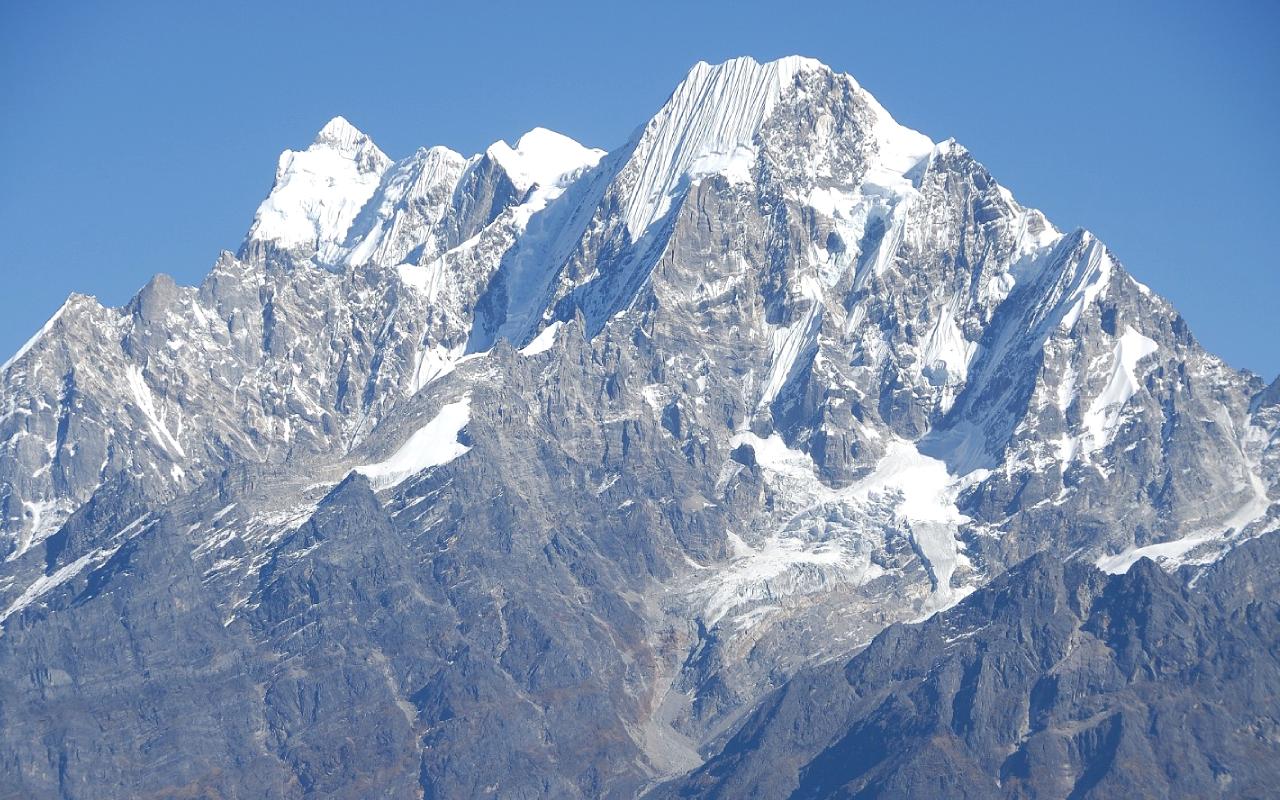
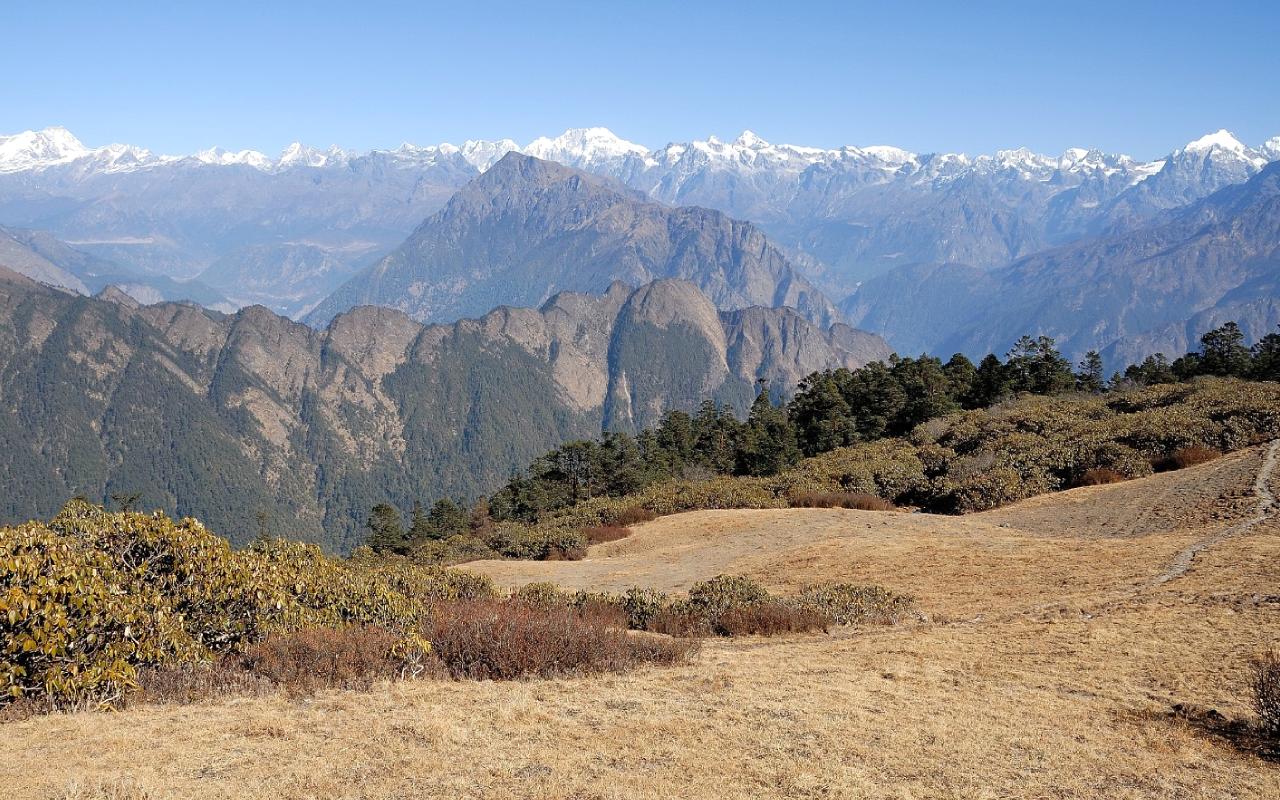
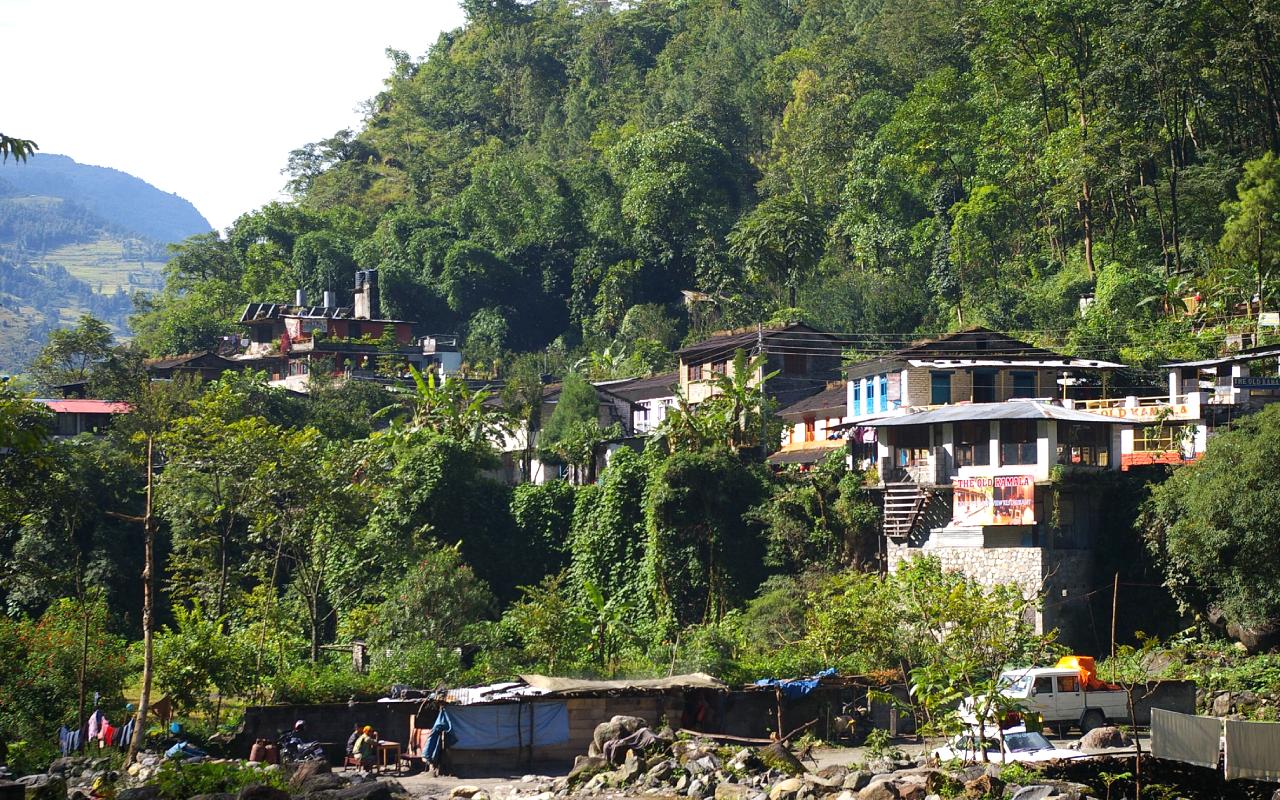
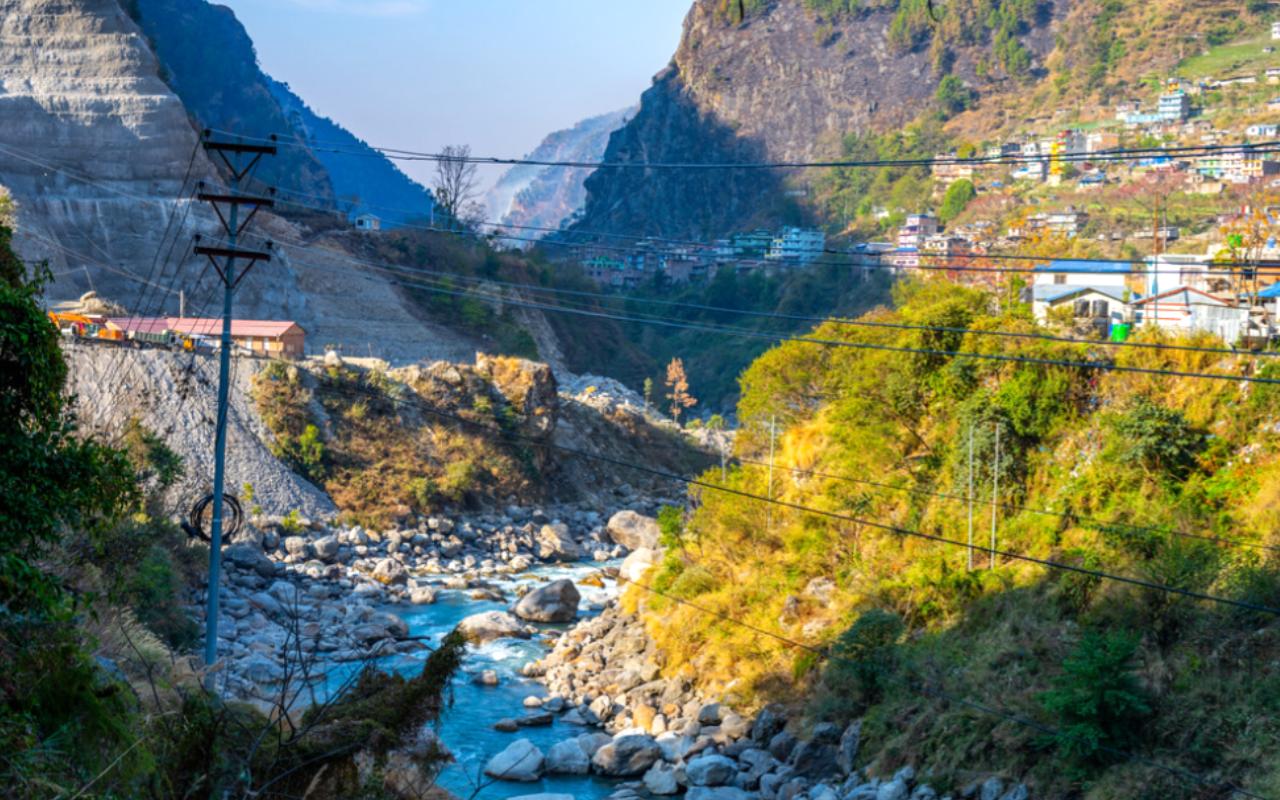
Tamang Heritage Trek – 9 days Photo Gallery
Itinerary of Tamang Heritage Trek – 9 days
| Day | Mode | Route Itinerary | Elev.(m) | Duration | Overnight | Included |
|---|---|---|---|---|---|---|
| 01 | Flight | Arrival Kathmandu - Hotel | 1,300 | ---- | Hotel | Dinner |
| 02 | Drive | kathmandu - Syabrubesi | 1,460 | 7/8 hrs | Guesthouse | B - L - D |
| 03 | Trek | Syabrubesi - Gatlang | 2,238 | 5/6 hrs | Home stay | B - L - D |
| 04 | Trek | Gatlang - Tatopani | 2,380 | 5/6 hrs | Home stay | B - L - D |
| 05 | Trek | Tatopani - Thuman | 2,238 | 5/6 hrs | Home stay | B - L - D |
| 06 | Trek | Thuman - Briddim | 2,239 | 4/5 hrs | Home Stay | B - L - D |
| 07 | Trek | Briddim - Syabrubesi | 1460 | 4/5 hrs | Lodge | B - L - D |
| 08 | Drive | Syabrubesi - Kathmandu | 1,300 | 7/8 hrs | Hotel | B - D |
| 09 | Flight | Kathmandu - Own Country | ---- | ---- | ----- | Breakfast |
Includes/Excludes
What's included
- Airport pickup and drop services by private vehicle including before and after the trek
- Hotel in Kathmandu as per the itinerary / with complimentary breakfast
- Kathmandu to Syabrubesi and back by Local bus (optional private jeep)
- All required trekking permits and necessary paper works
- 3 meals [Breakfast, Lunch and Dinner] during the trek
- Accommodation in lodge/Home Stay during the trek
- Trekking Guide [English speaking, eco-friendly, Government licensed, Ministry of Tourism Trained, First Aid Trained] with his all expenses and insurances
- Assistant trekking guide for groups over 6 people with meals, accommodation, salary and insurance
- Down jacket, sleeping bag, and duffle bag to use in trekking
- Ambition Himalaya T-Shirt and trekking Map
- First aid medications / medicines with the guide
- Necessary paper works, government and local taxes, company service charges
- Complementary welcome dinner in Kathmandu at a typical Nepali restaurant
- Certificate of Achievement signed by director of the company and your guide
What is excluded
- International Airfares,
- Visa Fees,($ 30 for 15 days, $ 50 for 30 days and $ 125 for 90 days)
- Travel and Rescue Insurance, Emergency Evacuation
- Bars and Beverage bills, cold drinks, mineral water,
- Tea – Coffee, hot shower, telephone bills, laundry
- Extra activities than mentioned in the itinerary,
- Porter Cost ( if you need porter we provide with extra cost)
- Lunch and Dinner in Kathmandu [Meals not included also in the cases of early returns from the trips]
- Extra accommodation caused due to early arrival, flight delays, natural disasters etc.]
- Tips / Gratitude for Guide and Porters
- Any services not mentioned in Service Includes Section unless specified on booking of the trekking
Equipment you need to bring
Pair of trek boot, sleeping bag, down jacket, pullovers, neck scarf for evening/night/morning.
Sun hat and casual warm clothes for day.
Some pairs of good quality socks, slippers, suntan lotions, personal medications etc.
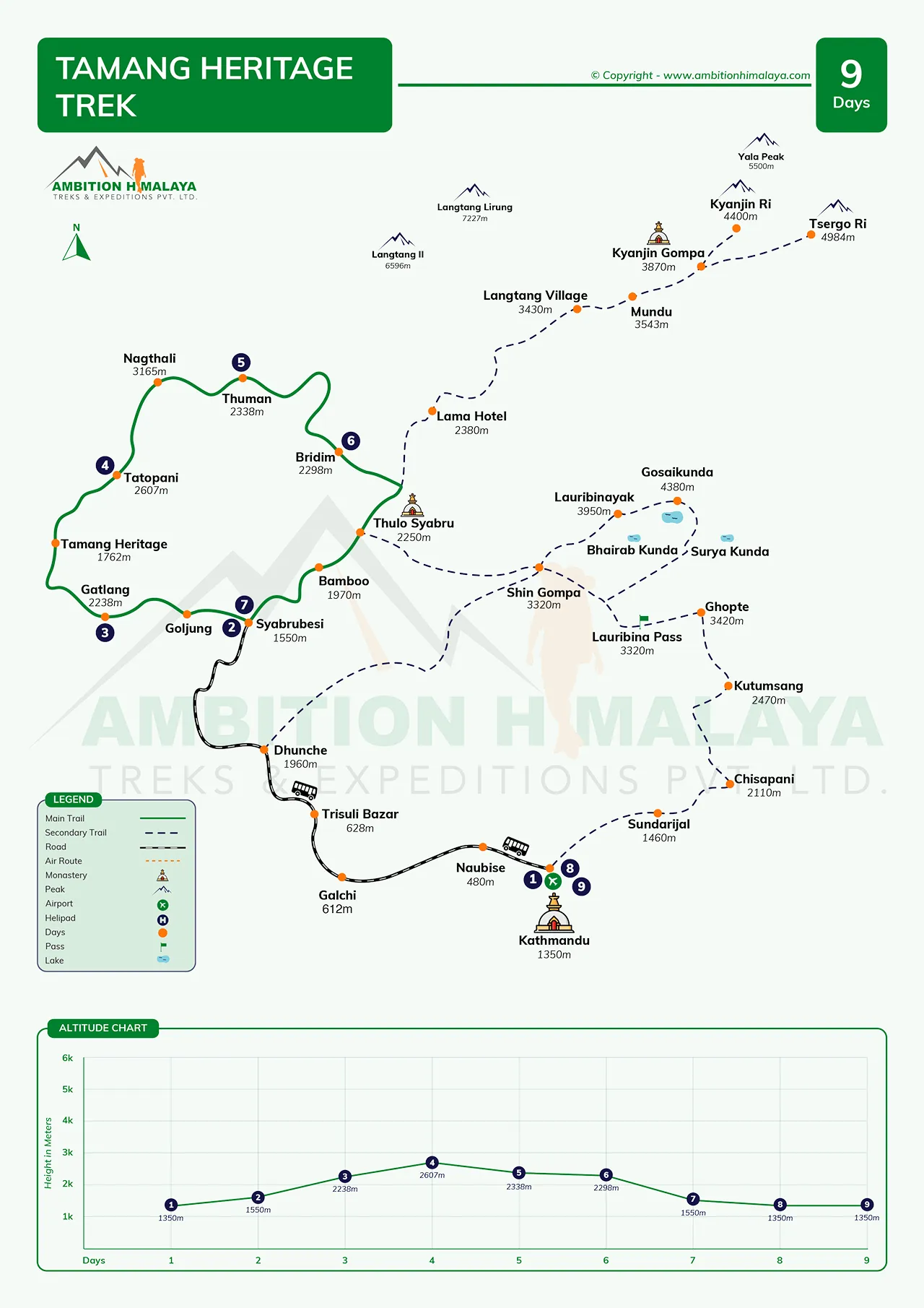
Route Map & Altitude Chart
Private Group Discounts Available
| No. of People | Price Per Person |
| 1 Pax | US$ 600 |
| 2 Pax | US$ 450 |
| 3-5 Pax | US$ 420 |
| 6-9 Pax | US$ 380 |
| 10-15 Pax | US$ 360 |
| 16 Over | US$ 338 |
Trip Information
Best Time
The Tamang Heritage Trek can best be taken during September to November or between March and May, which are the autumn and spring seasons, respectively. These seasons are usually stable, the skies are clear, and the views of the mountains are at their best, displaying scenic experiences.
Autumn is the period after the monsoon season, with cool and crisp air, interesting landscapes, and thus, this is the best season to go trekking. The spring, in turn, is characterized by blossoming rhododendrons, new greenery, and moderate temperatures, which make the trail very vivid and colorful.
The trekking in these months is also comfortable to walk. The temperature is usually pleasant enough to do hiking without cumbersome clothes, and the night is cool, which provides sore feet with the much-needed rest after several days of active walking.
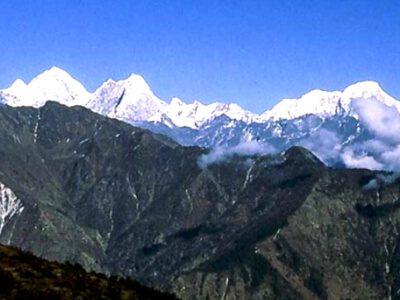
The rains are very minimal, and this lessens the chances of slippery tracks, and thus visiting the village is enjoyable and safe. These months offer the best lighting, clearer skies, and views of the Langtang and Ganesh Himal long vistas to photographers and nature enthusiasts, and each step along the trail is aesthetically compensated.
Out of these recommended months, travelling could be a problem. The monsoon period attracts lots of rain, landslides, and muddy roads, whereas winters can be freezing with possible snowfall and few services on the road. The most appropriate time to plan the trek is in autumn or during spring to maximize the safety, comfort, and scenic pleasure.
However, the Tamang Heritage Trek in such seasons does not only guarantee any favorable weather pattern, but also adds to cultural and natural experiences where the trekkers have a good chance to be immersed in the village structure, mountain scenery, as well as the local culture. It can be concluded that the selection of the season is the most important factor to make the trip safe, rewarding, and really memorable.
Elevation and Distance
The Tamang Heritage Trek is observed in many various altitudes, the starting point of the trek being approximately 1,300 meters in Kathmandu and the maximum height of ~2,600 meters in Tatopani.
The day-to-day increase in height is slow and steady, and it is normally around 200 to 400 meters each day. The gradual climb enables the body to get used to it, and the mountain hike is enough to accommodate most trekkers who are of moderate fitness, limiting the chances of experiencing some form of discomfort caused by altitude.
The walking lengths change during the walk. There are days walking of lesser distances of 4 or 5 hours, and there are longer days walking of approximately 6 or 7 hours. These habits ensure a good proportionality between physical exercises and all-time relaxation.
It is a path through beautiful forests, terraced fields, wastelands, and ancient villages, a combination of hilly slopes and dales that are easy to walk up and down, as well as picturesque.
In sum, the trek is a perfect combination of both trekking and cultural touring. The average increase in altitude and the fact that the walking distances covered daily are not very high enable the trekkers to do it at a slow rate. They will have plenty of time to explore the local scenery, meet the locals, and see the way village life was done in the past.
Good timing, rest intervals, and ample hydration are all necessary to make sure that trekkers are comfortable during the whole trek. This consideration of heights and the distance renders the trek safe, fun, and worthwhile to people who are willing to enjoy a Himalayan experience without doing anything draining.
Difficulty and Altitude Sickness
The Tamang Heritage Trek is considered a moderate one; this is the reason why it can attract not only beginners but also experienced trekkers. The trail will be gradual uphill and downhill, as the majority of days will be walking hours of between 4 and 6, hence, the trekkers will not need to walk too fast, nor strain themselves too much.
The landscape is part forest trail, part village trail, and a series of small ridges, and this changes without being so difficult overall.
Even the threat of serious altitude sickness cannot be regarded as a serious factor, as even the top of the mountain is only ~2,600 meters in altitude, which means that the mountain treks in the higher parts of the Himalayas are even more dangerous.
The trekkers can have little ailments such as shortness of breath and mild headache, or even fatigue, however. It is also appropriate to learn to listen to the body and take it gradually on the trail.
To decrease the risks, the acclimatization tips, like going slow, consuming lots of water, and having occasional breaks in the ascents, would have made the experience safe. A slow pace of movement that allows time to be taken in villages helps the body to adapt.
These are the general precautions that would assist in making the Tamang Heritage Trek an enjoyable and secure adventure for all the participants.
Maximum and Minimum Walking hours per day
The length of time taken to walk during the Tamang Heritage Trek is meant to be accommodating and enjoyable to a large variety of trekkers. Light treading on a smooth or slightly sloping pathway, the shortest walking day is usually composed of four or so hours of effortless walking.
Such shorter days enable trekkers to explore the environment, take photographs, visit villages, and be involved in cultural events without rushing to finish the programmes. They also give time to relax and rest, and enjoy the surroundings of the Himalayan countryside.
Mostly, the maximum number of hours of walking is between six and seven, whereby the walking distance is increased with slow upslopes or downslopes. The speed is maintained to a nice, manageable level even on these extended days with frequent rest breaks to take a break, rehydrate, and have snacks or meals along the way.
The walking hours are naturally interrupted by the existence of photographic opportunities, communication with the locals, and the ability to appreciate scenic views in order to make the day pleasant.
Such a balance between the highest and the lowest amount of walking hours allows trekkers to stay energy-sufficient within the trekking period. It gives all the people, including beginners to those with moderate levels of experience in walking, the ability to go through the trek without straining too much.
It takes a careful walk and adequate rest time to complete the trek, which makes the Tamang Heritage Trek not tiring and exhausting, but rather an adventure, a cultural trip, and sightseeing in the natural beauty.
Accommodation
The hike is a comfortable, localized, and easy accommodation that is supposed to provide a local experience. Trekkers staying in Kathmandu spend their time luxuriously sleeping in neat hotels before and after the trek in private rooms, with hot showers among other modern facilities.
The local lodges and a diversity of homestays are the largest types of accommodation on the hiking path. The lodges also have basic but comfortable rooms, which are principally twin beds with shared bathrooms.
The homestays are also characteristic of this trip since the trekkers can be able to stay in the Tamang households of the village, enjoy local food prepared by the households, and get to know the life of the village.
This kind of stay can be described as warm, welcoming, and culturally associated rather than fancy. The type of accommodation serves the local inhabitants and makes the Tamang Heritage Trek augmented, and is, therefore, significant and memorable to the tourists.
Food and Drink
The meals are also simple, nutritious, and prepared using local foodstuffs during the trek. The usual foodstuffs include the dal bhat (rice, lentils, and vegetables), noodles, soups, potatoes, and vegetables during the seasons. Such products as porridge, eggs, Tibetan bread, or pancakes are a traditional part of breakfast that provide one with enough forces to walk throughout the day.
The lodges and the villages along the route serve water which is in either form of boiled water or bottled water. It is also recommended that the trekkers carry along water purification pills or a filter, which can be used repeatedly, so that the consumption of plastic materials is reduced and the safety of the trekkers is ensured at all times.
Most of the nutritional needs can be fulfilled in advance. The vegetarian food is extremely popular, and even special alterations of the taste can be carried out. It is good to eat often and to be hydrated enough to maintain the level of energy and to have a nice trek.
Alternative Routes
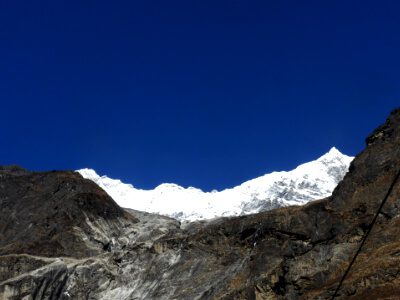
The trekkers may wish to extend or diversify their trip, and in this case, there are some alternative routes that are more appropriate for this trekking region. The most used is the Langtang valley path that continues deeper into the Langtang region and has better mountain views, glaciers, and alpine regions. This one is worth it for those people who have the extra time and are fit.
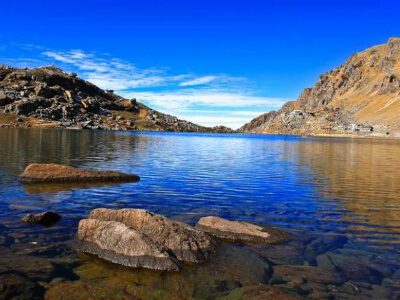
The other option is the Gosainkunda option, in which trekkers are guided to the divine, blessed lakes of high altitudes of Gosainkunda. The trail creates further challenges to the spiritual and physical aspects since the lakes are one of the historic pilgrimage sites.
The two alternatives will give the travelers the opportunity to design their experience and explore more of the natural and cultural diversity found in the region.
Can a Beginner Join This Trek?
It is so that the Tamang Heritage Trek can be enjoyed by a beginner suffering from a simple moderate level of fitness, though willing to remain positive towards walking and being outdoors.
The trekking time is average, usually including four to six hours per day, and the path is not associated with technical climbing, steep ascents, and extraordinary high-altitude requirements. This renders the trek easy for those who have never been recognized to do the trek, and the person is willing to exert moderate physical effort.
Preparation-wise, walking daily, slight workouts, or brief hikes in the weeks leading to the journey are normally adequate. These practices can be used to enhance endurance, balance, and confidence, thus making the trekking days comfortable and fun. Good shoes and a compact day bag are also a part of a smoother process.
The hike would be appropriate for a broad age group. Middle-aged travelers, young adults, and active seniors will be able to go through the end of the journey at a comfortable pace with frequent rest stops. There are people (guides) who lead the way and make sure that they are safe and have the knowledge about the land and the culture.
The Tamang Heritage Trek boasts of gradual ascents, moderate distances daily, and well-calculated accommodations, making it a good option for any willing individual who is seeking a safe, culturally diverse, and gratifying Himalayan trekking biological nurture.
The beginners will get a chance to be impressed by the scenic location, the interaction with the locals, and the quiet paths on the way, and manage to finish the journey successfully and with a high level of confidence, even without having prior experience in trekking.
Preparation and Fitness
It may be cooked properly, and a pleasant, pleasant walk is promised. Exercising a lot is unnecessary in physical preparation, provided that it is performed before the trip.
An exercise session of a few weeks on the leg aerobics, walking, light jogging, cycling, or climbing stairs will be used to aid in building stamina and leg strength. The decision to practice a short hike using a daypack may also be used as a balance and confidence training on the uneven trails.
It should also be indicated that an individual must be mentally ready. Some of the activities in the isolated mountains, which are related to a simple way of living, unpredictable weather patterns, and walking long distances, are associated with trekking.
Being flexible, tolerant, and able to experience new things is a good way to be. Facing a certain physical exercise and early mornings, even basic facilities along the way, one may use a positive outlook.
Packing is enormous insofar as comfort is concerned. The equipment required would be dirty trekking shoes, warm-ups, a rain jacket, sunscreen, a reusable water bottle, as well as personal drugs. It is also advisable to keep the amount of luggage that one carries to a minimum, thus guaranteeing that one walks, that is, in hilly regions.
The Tamang Heritage Trek and cultural and natural attractions associated with the same can be enjoyed even by the simple act of fitness, deep reflection on the path, and the right state of mind.
Gadget Charging, Internet, and Communication
In the majority of cases, the lodges and homestays all over the route are equipped with minimum charging facilities (solar, sparse power). It may charge a small amount of money to charge electronic devices such as phones and cameras, and a power supply in distant locations may not be available. Carrying a power bank is very recommendable in a bid to maintain the power of the gadgets during the marathon.
Mobile network connections are possible in most of the villages, though weak or intermittent in some areas along the trail. The Ncell and NTC tend to have more coverage within the area, but the quality of the connection can change depending on the weather and position.
The Wi-Fi is poor and limited to larger villages or lodges, and it is often offered at a premium price. The speeds are also not fast, and they are only suitable when conveying simple messages. Trekkers are obliged to be prepared to be slightly disconnected and enjoy the lack of connection and focus on the nature and culture surrounding them.
Permits
To enjoy the Tamang Heritage Trek, the trekkers have to obtain two government permits before arriving in the region. The former is the Information Management System (TIMS) card of Trekkers that helps in maintaining the safety of the trekkers by keeping track of them on their route.
This is a mandatory permit required by all foreign trekkers, and it is possible to get it at Kathmandu with the help of a registered trekking agency.
According to the revised TIMS provision effective from March 31, 2023, trekkers entering protected areas must be accompanied by a licensed guide and carry a TIMS card issued through a trekking agency, and since Langtang National Park is a protected area, this rule applies to this trek. The other permit required is the Langtang National Park Permit.
The permit will open the protected areas within the Langtang region and will also assist in preserving the Langtang and the trails. The permit is usually checked at the entrance points of the trail; therefore, it must always be presented.
The two permits are also mandatory when undertaking the Tamang Heritage Trek, and would be compulsory before the actual trek. Your trekking agency normally does the paperwork so that the trekkers enjoy a hassle-free process.
Transportation
This walk is arranged through personalized transportation to make the transportation of the trekkers comfortable and burdensome. The drive between Kathmandu and Syabrubesi and back drive after the trek, takes up about seven or eight hours in each direction. The distance can be determined by the exact length of roads, climate, and traffic congestion.
Using private transport would be flexible as one can indulge in brief pauses, refreshments, and photographs of the scenery of the scenic areas, which makes the journey much better than using a mode of transport.
The state of the roads in the drive is varied. The first part is on paved highways, which are normally at smooth levels and stable. The road tends to narrow and become rough with increasing proximity to the mountainous regions where the vehicle is heading, as the start point of the trek. There are also some roads, which are not Polished and can be a bit bumpy, which also makes the journey interesting.
This may be experienced during particular seasons, especially in the monsoon months, when the muddy roads, landslides, or temporary traffic delays may affect road travel. Even though these difficulties exist, the route is carried out cautiously by the experienced drivers, well aware of the terrain. To maintain safety and reliability, well-kept cars that can be used on mountain roads are involved.
Altogether, the implementation of private transport is a convenient and stress-free means of transportation to the trailhead and back to Kathmandu and, thus, will help the trekkers to start and finish their journey in comfort.
Insurance
Every trekker who has participated in this expedition is strongly encouraged to ensure he or she has travel insurance. A comprehensive policy should encompass trekking adventures, health services, and unplanned misfortunes like delays, cancellations, or emergencies.
Even though the increment is at a moderate level, accidents or health complications may still arise in isolated locations where healthcare facilities are scarce and professional assistance may take some time to arrive. The right insurance means that all things may go wrong and be sorted with ease.
Among the points that are of specific importance is emergency evacuation coverage. Helicopter evacuation is, in fact, the only open option in extreme situations, and the cost involved in this act is extremely expensive unless insured properly.
Travel insurance must thus be country-specific, as trekking in Nepal includes emergency rescue, medical attention, and even repatriation where needed. This gives the trekkers and home-based families relief.
One should also carry a copy of the insurance information along the way. This will ensure that the guide or local authorities are able to get very essential information fast in case of an emergency.
The right insurance not only covers the risk of financial overload but also enables the trekkers to concentrate on enjoying the Tamang Heritage Trek, visiting the villages, mountains, as well as the cultural experience, without fear. Travel insurance preparation is a marginal measure that really pays off in peace of mind and security on the trail.
What to Expect
The Tamang Heritage Trek will not only give you a very rich cultural experience, but also a serene mountainous landscape. The visitors can speculate on the fact that they will be involved in the life of the Tamang villages on a daily basis, to the point of observing the common stone houses, the prayer flags, and the small monasteries.
The villagers are hospitable, and through the homestays, the traveler would be able to share meals, hear stories, and perform the cultural activities, and this makes the journey very interactive as well as comprehensive.
These homestays provide another feature to the trekkers; that is, warm local hospitality, opportunity to observe the authenticity of the traditional cooking techniques, and have first-hand information about the festivals and rituals practiced in the area.
The real tracks are also silent and are not followed frequently as the usual walking tracks, thus one has a feeling that he or she is alone and relaxed. When one walks through the forest, terraced lands, and open glens, they are also able to experience the natural setting, absorbing the simplicity of the rural Himalayan way of life.
In between, hikers can see the wildlife around them, including streams, colorful flowers of different seasons that contribute to the serene environment. The calmness of the route promotes introspection, filming, and closeness to the natural surroundings, and every stride is a worthwhile element of the trip.
There are comfortable and tonifying meal plans, and evenings are accompanied by insights into the locals, whether it is music or prayerful rituals. Evenings may include storytelling sessions, demonstrations of traditional handicrafts, or casual conversations with the families, giving visitors a richer understanding of the culture. Trekkers must be ready to live in a modest way and in touch with the environment, and with fewer comforts of the contemporary world.
All said and done, the Tamang Heritage Trek is the best place to find a balance amidst scenic views, cultural immersion, and, at the same time, a soft adventure. The combination of calm trails, vibrant village life, panoramic mountain vistas, and intimate cultural experiences makes it an unforgettable journey for anyone seeking both relaxation and meaningful exploration in the Himalayas.

Good to know, before you travel
Want to learn more about this journey in-depth? Essential Trip Information includes a thorough itinerary, information for visa processing, Accommodations, Food , Acclimatization’s and pretty much anything else you could possibly need to know about this tour. Read more inside.
Frequently Asked Question
Yes, the expedition can be regarded as safe for beginners. The path is clearly distinguished, the number of hours during which we walk is average, and the rooms are in good condition. Having breaks after being advised by guides can keep one equally safe.
Solo travel is possible, but in protected areas, foreign trekkers must trek with a licensed guide or porter-guide and carry a TIMS card issued by a trekking agency, as per NTB rules.
Yes, families with children above 10 years enjoy the trek comfortably. It is also not very challenging and has safe trails that are appropriate to young active trekkers.
The most favourable months are between September and November or between March and May. The seasons are temperate, the seasons are clear, and the mountain scenery is excellent during such periods.
Hotels in Kathmandu, lodges on the trail, and homestays in the villages are all accommodations. Homestays are cultural experiences, and lodges are simple comforts and meals.
Depending on the part of the trail, one will expect to walk between 4 and 7 hours a day. Slow uphill and downhill walks ensure that it is not too demanding for the majority of hikers.
Trekkers are required to have a TIMS card and a Langtang National Park Permit. The two permits are required, and they can be obtained by using a registered trekking agency.
Trekkers will have the view of Buddhist monasteries, prayer flags, and local rituals. When staying in the homestays, one can experience some traditional meals, music, and cultural performances.
The maximum altitude is ~2,600 meters; hence, the altitude sickness is not serious. Such non-characteristic symptoms as weakness or a slight headache may take place, so it is advised to pace and drink a lot.
Yes, one can make extensions to Langtang Valley or the Gosainkunda route in case they want to have longer trekking opportunities.
Quick Inquiry Form
 Read all reviews in Tripadvisor
$ 338USD
- No. of Pax Per person
- 1 personUS$ 600
- 2 - 2 peopleUS$ 450
- 3 - 5 peopleUS$ 420
- 6 - 9 peopleUS$ 380
- 10 - 15 peopleUS$ 360
- 16 + people 9999 US$ 338
Total Cost:
US$ 600
- Private trip departures everyday
- No hidden cost
- Local based company
- Over 17 years of experience
- Trip Customization