
Breaking: Nepal Allows Solo Permit Applications for Restricted-Area Treks – Everything You Need to Know
Nepal has made a major update which has been long awaited by many trekkers. The government is now allowing solo travelers to apply for permits to trek in restricted areas. This is a change that is included in the updated The March 2026 permit update for restricted areas and a direct impact on how people plan their remote trekking trip.
In the past, trekkers were required to have a minimum of two people to get a permit to these areas. That rule often gave travelers who wanted to plan a private journey problems. Many had to wait in Kathmandu, change destinations or join random groups.
Now, with Nepal Allows Solo Trekking in Restricted Areas, the process has become more flexible. However, it is very important to know what “solo” actually means in this context.
You can now go off as a single client but you still cannot trek on your own in restricted areas.
There remains the need for a licensed guide and a registered trekking agency. This system maintains a balance between flexibility and safety.
This blog will explain what changed, what’s still the same and how you can plan your trek under the new system.
What are restricted trekking areas in Nepal?
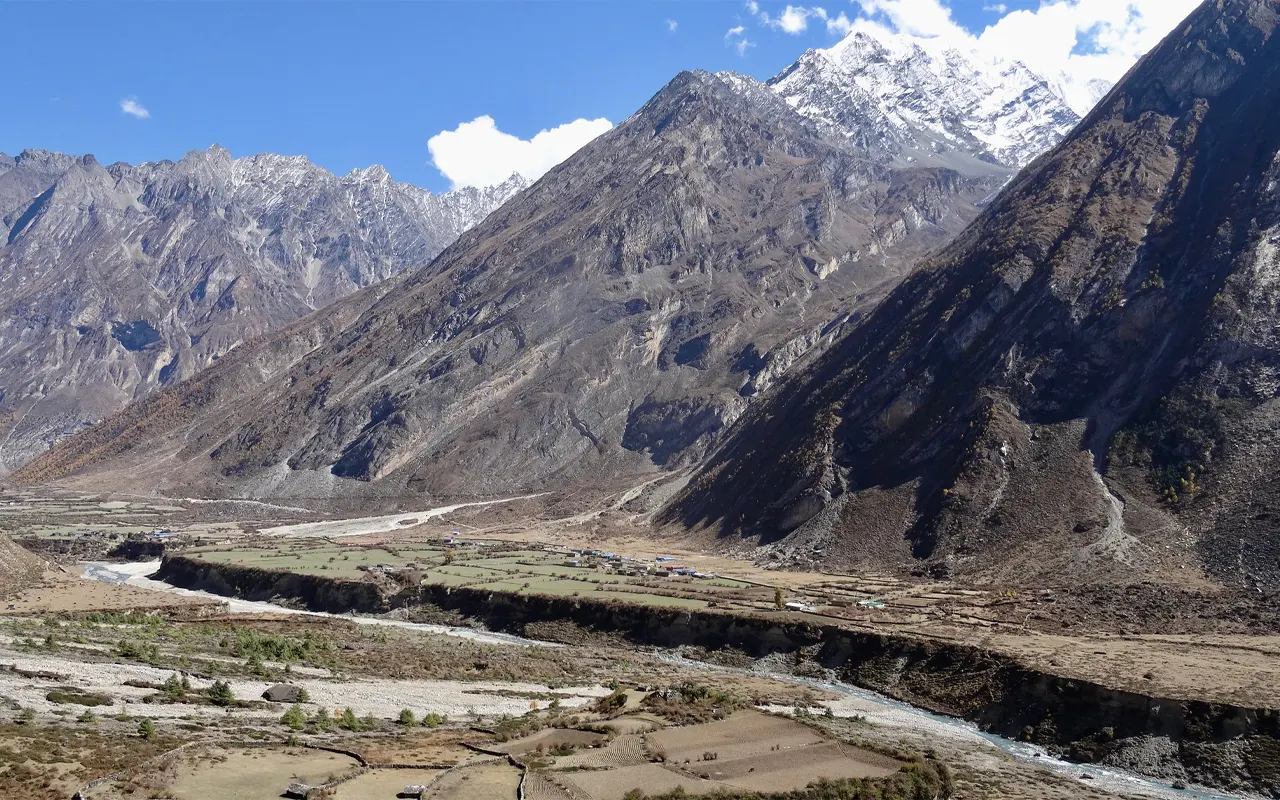
Restricted areas in Nepal are special regions for trekking, which are under the control of the Government. These areas are typically near to international borders or in remote mountain areas.
Because of their location and significance to culture, these areas are visited by special permit. Normal trekking permit is not sufficient. You require Nepal restricted area permit, which is issued by a registered trekking agency.
Some of the famous restricted areas are Upper Mustang, Upper Dolpo, Manaslu, Nar Phu Valley, Tsum Valley and parts of Humla.
These regions differ from popular trekking routes such as Everest or Annapurna. They are not as crowded and are a more traditional experience, but they require more control and management.
Before this update, solo trekking in restricted areas Nepal was not allowed at all. A group of people of at least two had to be present for trekkers. This meant that it was difficult for travelers who wanted a private trekking experience.
What changed under The March 2026 permit update for restricted areas?
The main change is a simple change but a significant one. Solo travelers can now apply for restricted area permits Nepal as individual clients.
This eliminates the need of forming group with another foreign trekker. It gives more room for planning and for those who want to make the trip easier on many travelers.
The permit system remains in the hands of the trekking agencies still but it is getting more organized. Agencies now have better handling of documentation and the traveler is required to provide visa details while applying.
Key updates you should know:
- Solo travelers can now book Nepal Allows Solo Trekking in Restricted Areas routes as individual clients
- No need to strike group of two trekkers
- Permits processing is done through registered agencies
- Visa information required for permit application
- Planning private trekking trips has become easier
These changes make it more accessible to trek and yet keep the management in place.
What has not changed?
Even though now, Nepal allows solo bookings, there are still some important rules the same. These rules are important for safety as well as proper trekking management.
You cannot yet trek all by yourself in restricted areas. A licensed guide is required for all trekkers in these regions because they are necessary for safety, navigation, and to adhere to government regulations in remote areas.
Permits also have to be arranged for through a registered trekking agency. Restricted permits are not available to apply for yourself.
Permit fees are also still required and depend on the region. Some places have fixed rates according to a certain number of days; others by day.
You may also need more permits expedition depending on your trekking route. These can be conservation area permits such as ACAP or MCAP.
Important rules to remember:
- A licensed guide is obligatory
- Trek must be organised through a registered agency
- Nepal Restricted area permit required
- Additional permits may be required based on the route
- Solo booking is permitted, Independent trekking is not.
This is one of the most important things to understand when reading about Nepal Allows Solo Trekking in Restricted Areas.
Why this change matters for travelers
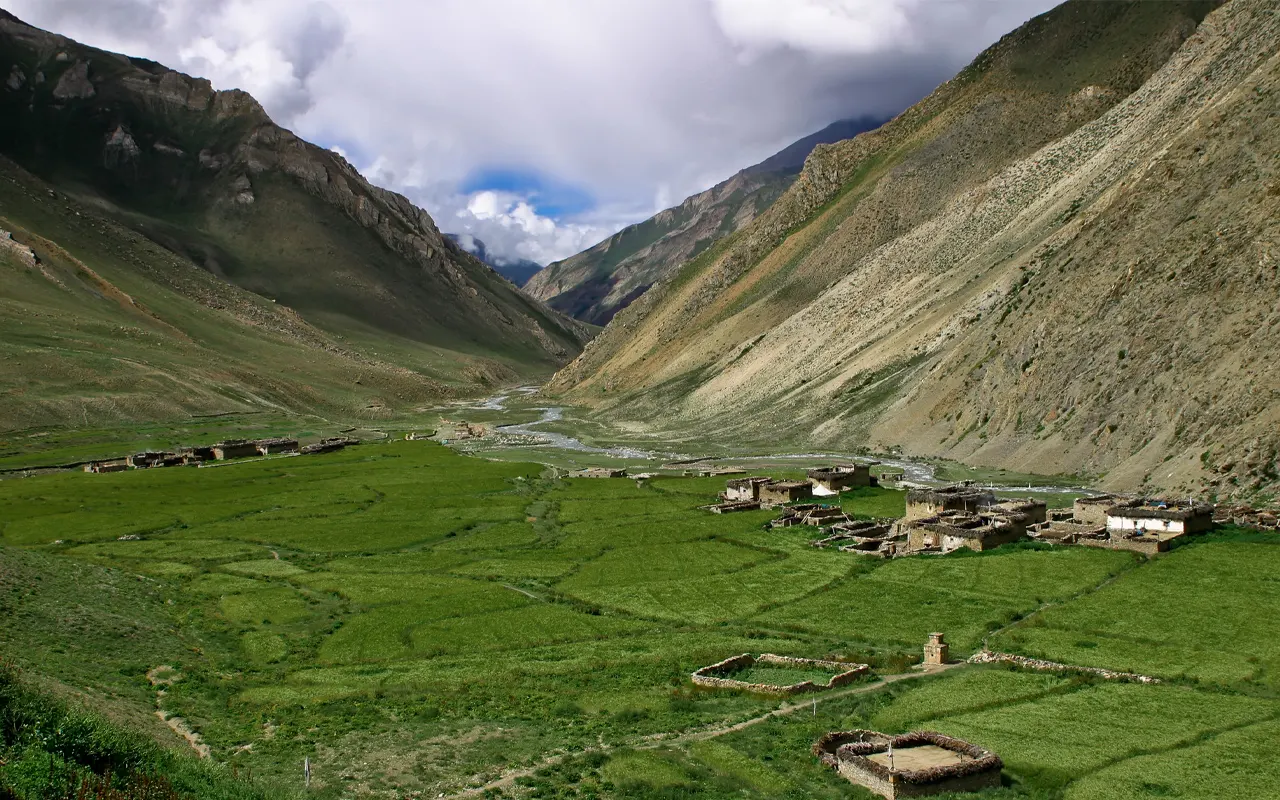
This update is particularly useful to travellers who prefer to take private trips. Many people are interested in traveling their own way and not fitting a group schedule.
Earlier, trekkers were forced to wait to find a partner or join a group just to meet permit rules. This frequently caused delays or altered travel plans.
Now, solo trekking in restricted areas Nepal becomes easier in terms of booking. You can schedule your trip according to your own time and preferences.
This helps also during the quieter seasons. Even if there is a lesser number of trekkers, you can go ahead with your plan without waiting.
Benefits for trekkers:
- Greater flexibility in planning
- No need to rely on another traveler
- Easier to organize private trekking trips
- Access to less congested and remote areas
- Better travel experience for the solo traveler
- This change may also aid in promoting local tourism.
Which trekking routes benefit the most?
Several restricted trekking routes are likely to be more popular due to this update.
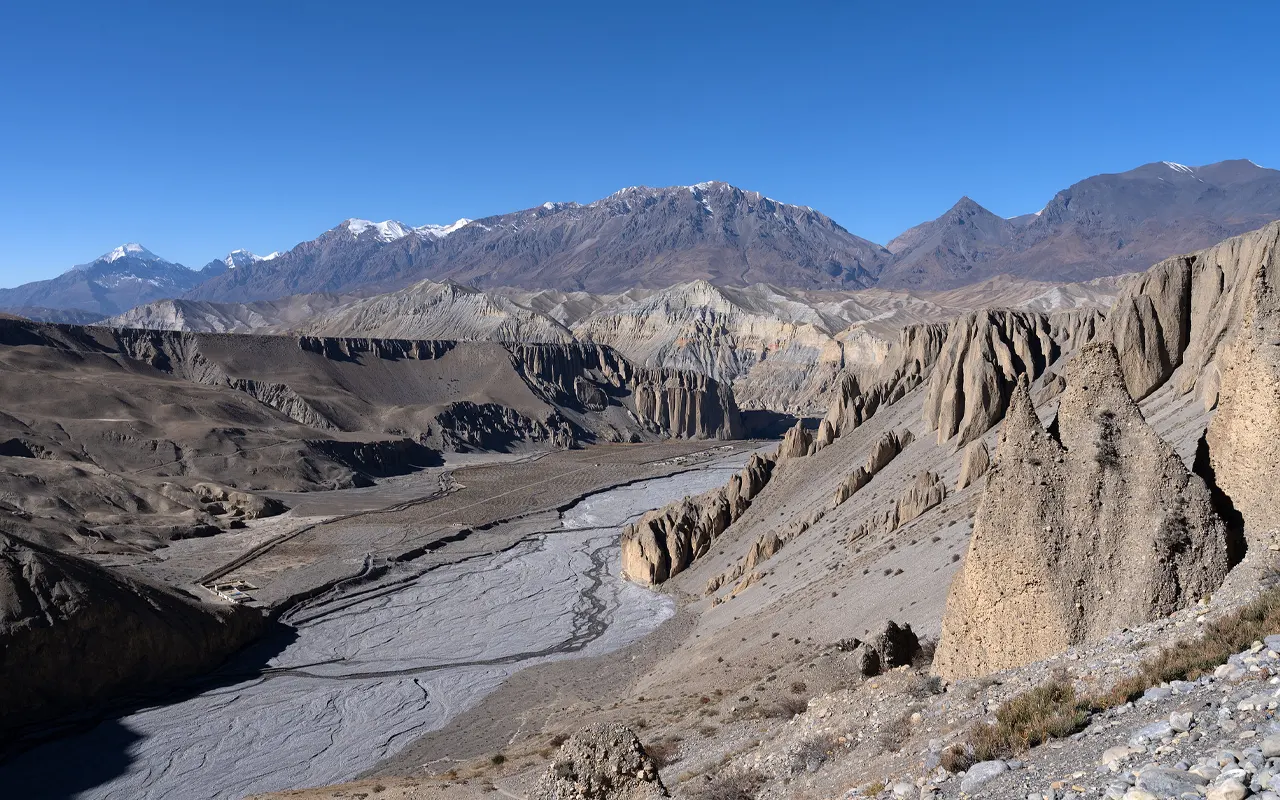
One of the most known restricted areas is Upper Mustang. It has a unique landscape and has a system for permits so it’s a good choice for solo travellers.
The Manaslu Circuit is another popular choice. It has a combination of mountain views and cultural experience and connects with the Annapurna region.
Nar Phu Valley is also a good option for those seeking a less crowded route. It is less crowded and creates a more remote trekking experience.
Upper Dolpo and other far western areas may also experience a greater interest. These parts are less travelled and provide a different type of journey.
Even with the new rules, these treks do require proper planning. Transport, permits and logistics are important.
How to plan your trek under the new system
Planning a trek under the new rules is easier, but you still need to take the proper steps.
Start by selecting your trekking region depending on your interest, time and budget. Some areas are more costly and take longer to visit.
Next, contact a trekking agency that is registered in Nepal. They will assist you on permits, guidance and logistics.
The visa information should be prepared before the permit application. This is now a part of the application process.
Simple planning steps:
- Choose your trekking route
- Contact with a registered trekking agency
- Share details about passport and visa
- Confirm guide and itinerary
- Apply for restricted areas permit Nepal
- Prepare your budget and gear
This process is now more smooth than in the past.
Cost and permit system explained simply
The price of restricted area permits Nepal varies with the region you choose. Each area has their own fee structure.
Permit fees vary by region. Some places have fixed rates according to a certain number of days; others by day.
For example the Upper Mustang and Upper Dolpo have a higher permit cost. Other regions such as Manaslu might have less expensive costs yet still require multiple permits.
Apart from the restricted permit, you may also require conservation permits based on your route.
It is always better to check the current permit cost with your trekking agency before planning your trek.
Best time for restricted area trekking in Nepal
The best time for Nepal Allows Solo Trekking in Restricted Areas routes is during spring and autumn.
Spring (March to May) has stable weather and good visibility. Autumn (September to November) is also a popular time because of clear skies and comfortable temperatures.
Winter trekking is possible in some regions but could be cold and more challenging. Monsoon season can have an impact on trails, especially in the lower regions, although some areas such as Upper Mustang are not so impacted by the rain.
The right season makes your trek more comfortable and safer.
Tips for solo trekkers
Even though you are going as a solo client, preparation is important. Remote trekking areas require careful planning.
It is important to communicate with your guide. A good guide is good for navigating, keeping you safe, and understanding the area.
Packing the right gear is also important. Weather conditions can change rapidly so proper clothing is necessary.
Travel insurance is highly recommended. It should include trekking at high altitudes as well as emergency evacuation.
Useful tips:
- Choose a good trekking agency
- Communicating clearly with your guide
- Walk at a constant and comfortable pace
- Pack appropriate clothing and equipment
- Get travel insurance (that includes evacuation coverage)
- Keep extra days for delays
- Avoid the mistake of thinking “solo” means totally independent trekking. There is still a need for support and structure in the system.
What this means for the future of trekking in Nepal
This revision reflects that Nepal is coping with the modern needs of travel. Many travelers are now going for flexible and private trips.
At the same time, the country is upholding the standards of safety by retaining the guide system.
Nepal Allows Solo Trekking in Restricted Areas may attract more travelers to less visited regions. This can help in reducing pressure on popular trekking routes.
It can also serve local communities by increasing the visitor base in remote areas.
Overall this change results in a balance between flexibility and responsible tourism.
Common mistakes to avoid in restricted area trekking
Even though the update that Nepal Allows Solo Trekking in Restricted Areas makes planning easier, many trekkers still make small mistakes that can affect their overall experience. Understanding these early can help you to avoid unnecessary problems during your trip.
One mistake is very common: misunderstanding what “solo” means. Many travelers think that solo trekking in restricted areas Nepal means they can trek completely alone. This is not correct. You can travel as an individual client, but a licensed guide as well as agency support is still required.
Another mistake is underestimating the permit process. Some trekkers think that they can arrange permits upon arriving in the region. In fact, restricted area permits Nepal have to be organized beforehand through a registered agency. Missing this step can slow you down from your trek.
Budget planning is another thing where people are wrong. Restricted areas typically are more expensive, with permits fees and additional expenses for transport, guides, and accommodation. Not planning your budget correctly can cause stress during the trip.
Some trekkers also don’t pay any importance to the physical preparation. Even though the trails are not technical they can be long and demanding. Without the proper preparation, walking as a daily routine can be more difficult than you think.
Weather and timing are also important. Choosing the wrong season can make a difference in the visibility, trail conditions and overall comfort. It is better to plan your trek during the stable seasons.
Common mistakes to avoid:
- Thinking by oneself means trekking without a guide
- Failure to arrange for permits in advance
- Underestimating the total costs of trekking
- Neglecting physical preparation
- Choosing the wrong season of trekking
Avoiding the following simple mistakes can make your trekking experience that much smoother: As more travelers explore routes under Nepal Allows Solo Trekking in Restricted Areas, being well prepared will help you enjoy the journey without unnecessary stress.
Final thoughts
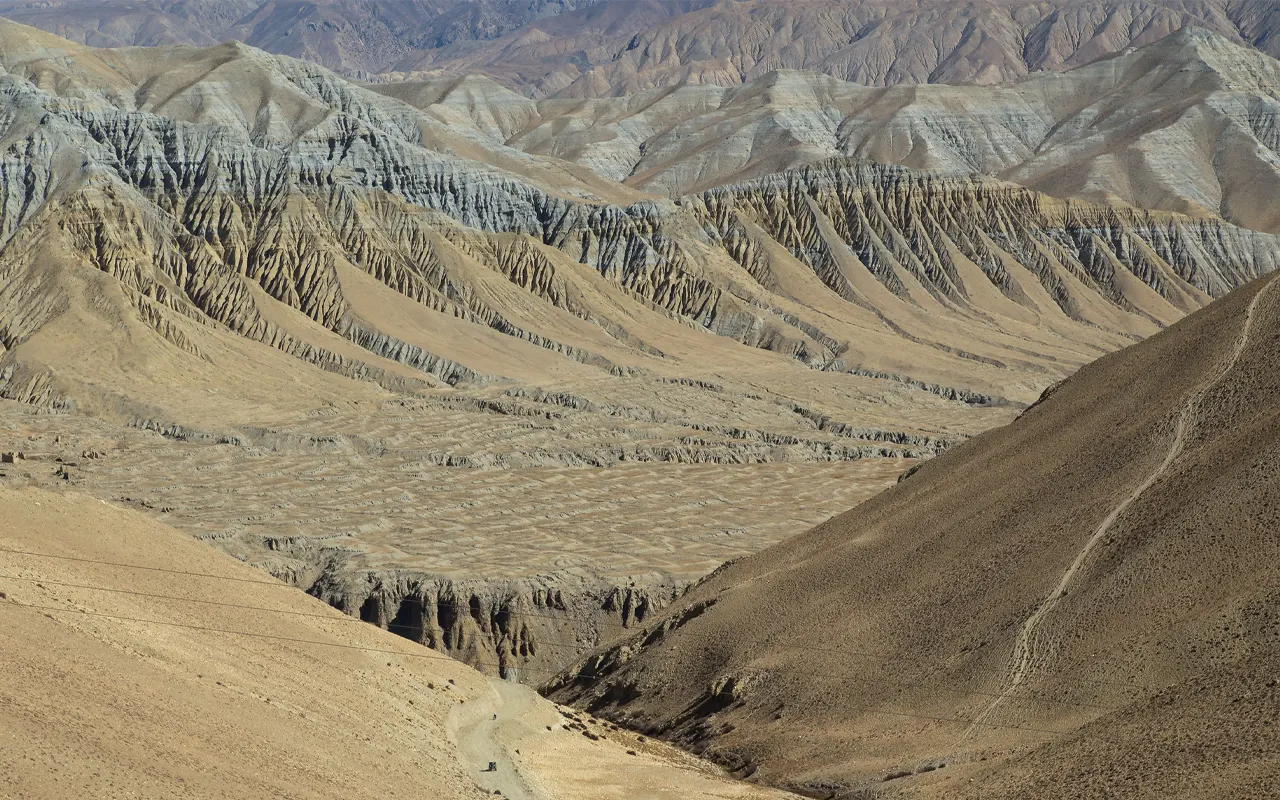
The update that Nepal Allows Solo Trekking in Restricted Areas is a positive step for travelers. It eliminates one of the largest limitations that were present before.
You may now plan your trek as an individual without the need for a partner. However trekking is organized via agencies and also requires the presence of a licensed guide.
If you are interested in trekking paths in remote areas, this is a good time to explore them. With the right planning, permissions and preparation, your journey can be a smooth and enjoyable one.
Understanding the rules clearly will allow you to avoid confusion and make better decisions on planning your trip. Understanding the rules clearly will help you avoid confusion and make better decisions while planning your trip.