
National Parks in Nepal : Complete Guide (2026 Updated List)
Nepal’s national parks are globally significant for their extraordinary biodiversity packed into a remarkably small country. Nepal protects all types of ecosystems, from tropical jungles in the Terai plains and even some of the highest alpine ecosystems on the planet, covering only 0.1% of the total land area of the world. This dramatic increase in height, up from approximately 60 meters above the sea level to the top of Mount Everest, gives one of the most diverse natural landscapes in the whole world.
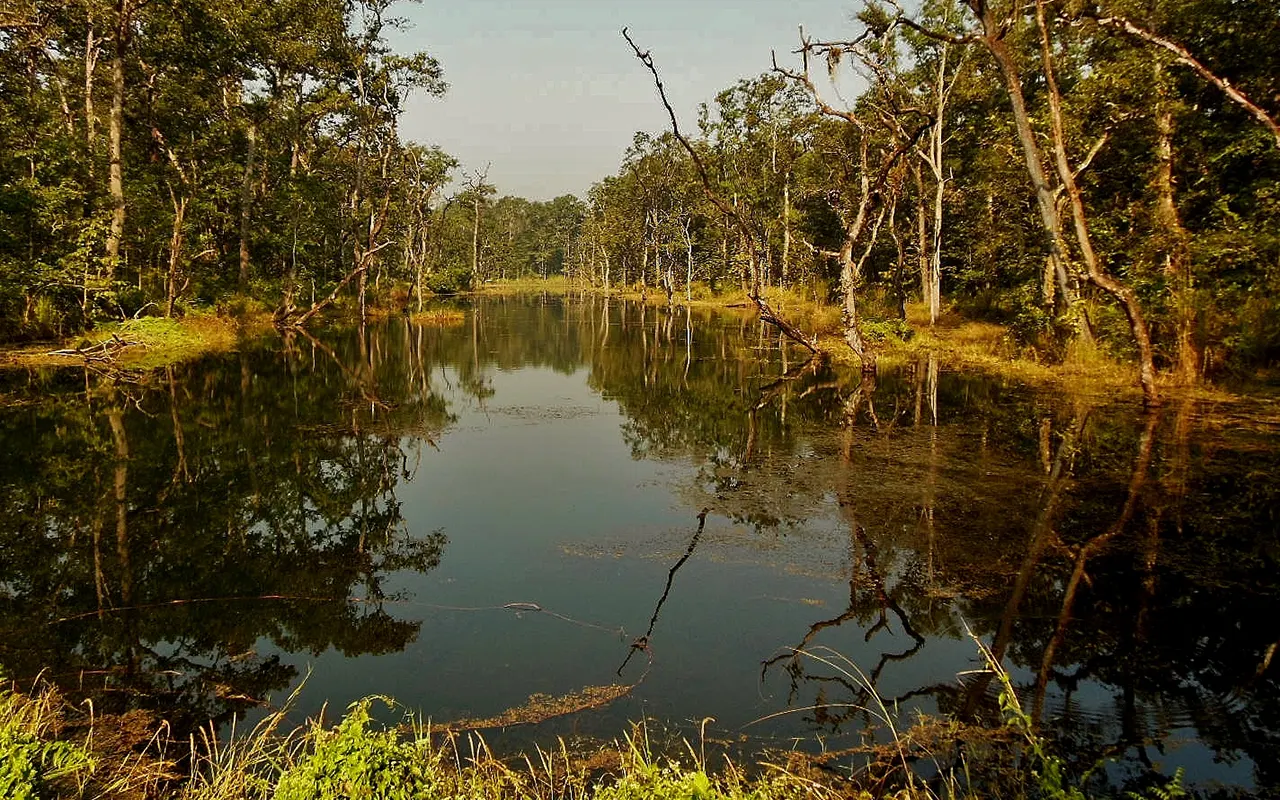
By 2026, there will be 13 national parks in Nepal, two of which are UNESCO World Heritage Sites, Chitwan National Park and Sagarmatha National Park. Collectively, these preserves ensure the survival of endangered animals like the one-horned rhinoceros, Bengal tiger, red panda, and snow leopard, as well as the conservation of glaciers, rivers, forests, grasslands, and the holy mountain scenery.
This is the complete, updated guide to all the national parks in Nepal in one very convenient list, divided into regions (Terai, mid-hills, Himalayas), wildlife, when to go, permit details, responsible travel, and sample itineraries. Are you going to a jungle safari or a Himalayan trek? This guide will enable you to discover the wild side of Nepal with a lot of confidence.
Overview of Nepal’s National Parks
National parks are government-established and legally safeguarded zones that are used to protect wildlife, natural environments, landscapes, and ecological processes. Hunting, logging, and large-scale development are highly controlled or forbidden, whereas controlled tourism, research, and education are allowed.
Nepal National Parks are administered and managed by the Department of National Parks and Wildlife Conservation. They are mainly aimed at preserving endangered species, conserving vulnerable ecosystems, and biodiversity of the various regions in the country, which share different climatic conditions. These parks are also conservation balanced and involve the community through buffer zones, which enable residents to use the natural resources sustainably.
From the sub-tropical jungles to the glaciers in the Alps, the national parks of Nepal are home to wildlife and provide responsible visitors with well-regulated chances to enjoy nature.
Nepal’s Protected Area Network at a Glance
By 2026, there will be 13 national parks in Nepal, both lowland and high-Himalayan. These are internationally acclaimed places like Chitwan National Park and Sagarmatha National Park.
In addition to national parks, the system of Nepal’s protected areas includes wildlife reserves and conservation areas, which safeguard wetlands, mountain areas, and biodiversity corridors. These conserved lands comprise more than 23 percent of the total land area of Nepal, which is among the most successful countries in Asia with regard to the percentage of land under conservation.
The great extent of this network can be discussed as the good intention of Nepal to preserve its natural heritage and encourage eco-tourism and the development process.
Complete List of National Parks in Nepal (2026 Updated)
This list of 13 national parks in Nepal is updated according to region. Location, landscape, wildlife, and the best time to visit are featured in each mini-profile.
Terai & Lowland Parks
These parks are found in the southern plains of Nepal, which include tropical forests, river systems, and the expansive grasslands. They are the most favorable locations to have jungle safaris and observe rhinos, tigers, and elephants.
Chitwan National Park
Location: Central Terai between Bharatpur and Sauraha.
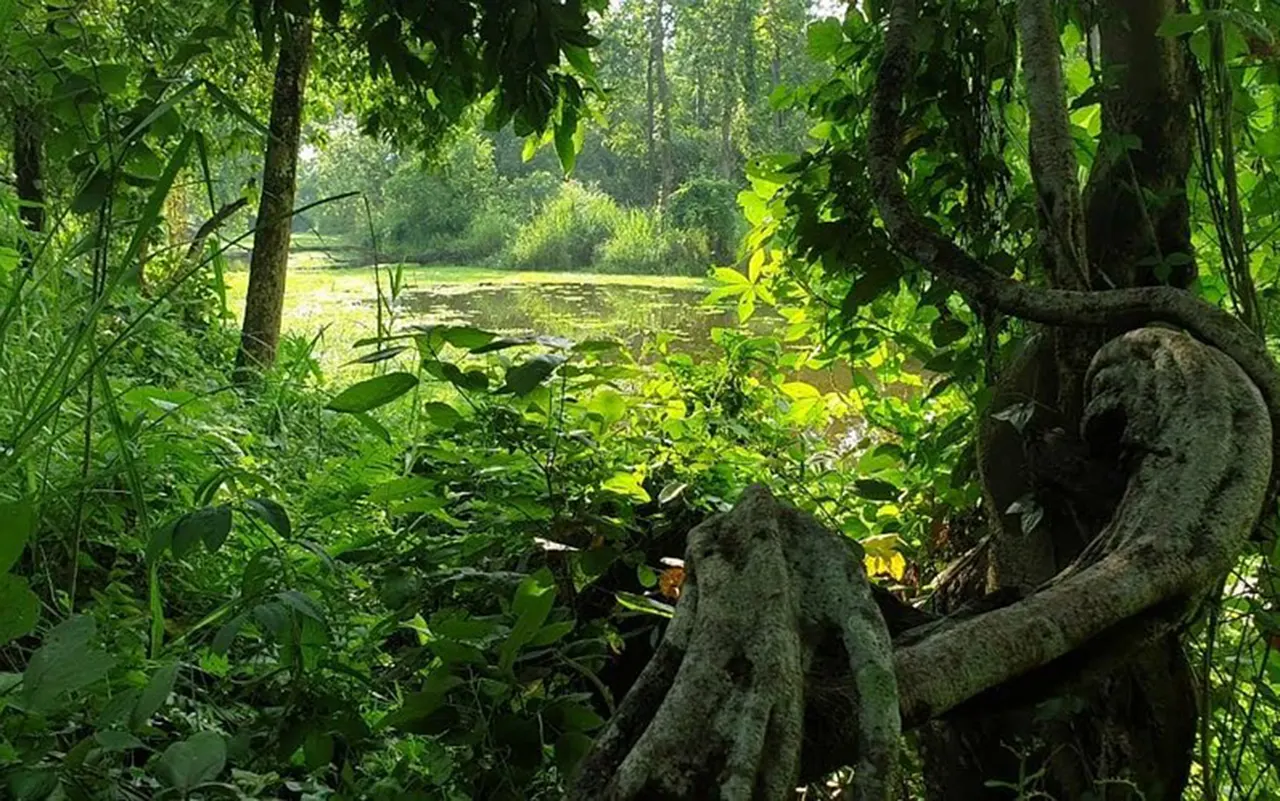
Chitwan is the first national park in Nepal (1973) and a UNESCO World Heritage Site, which preserves the subtropical forests, river systems, and grasslands. It harbors one-horned rhinos, Bengal tigers, gharial crocodiles, and more than 500 species of birds.
Best known for: Rhino sightseeing and the traditional jungle safaris.
Ideal season: October-March.
Bardiya National Park
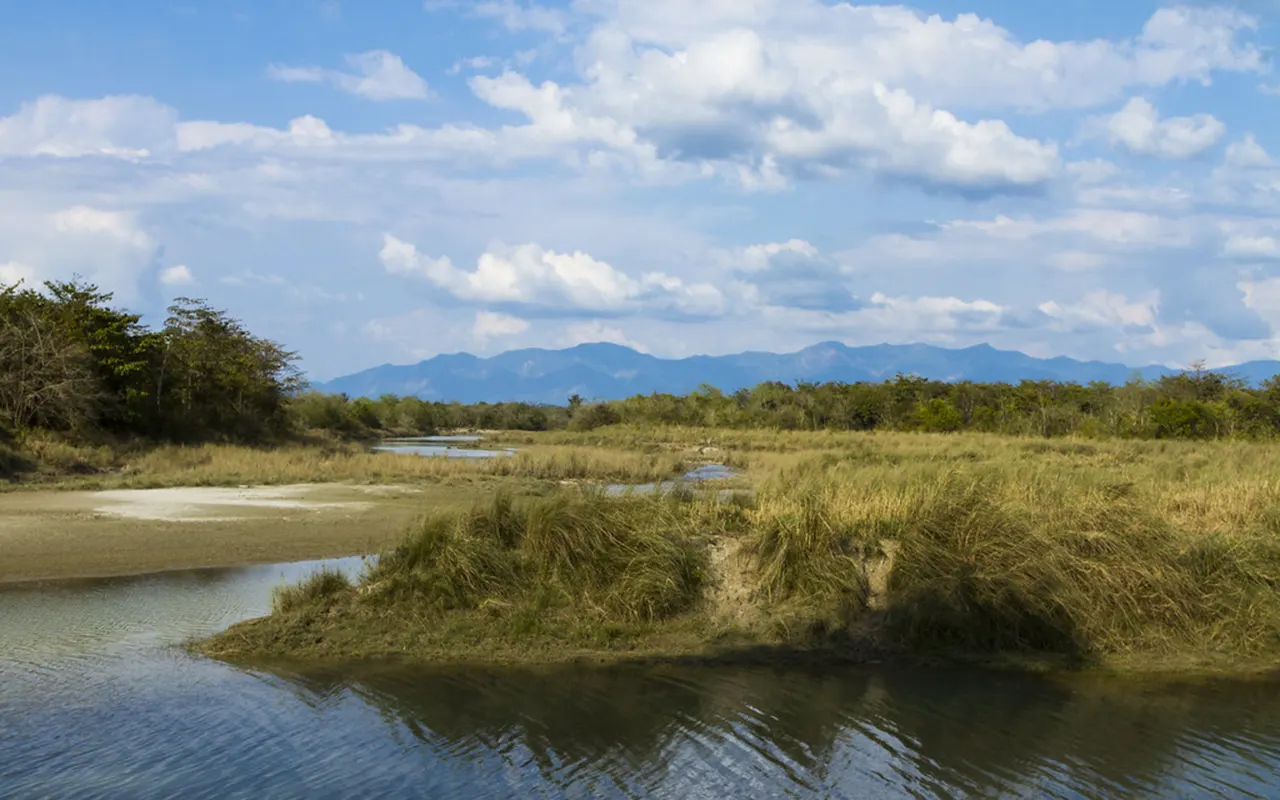
Location: Nepalgunj, Western Terai
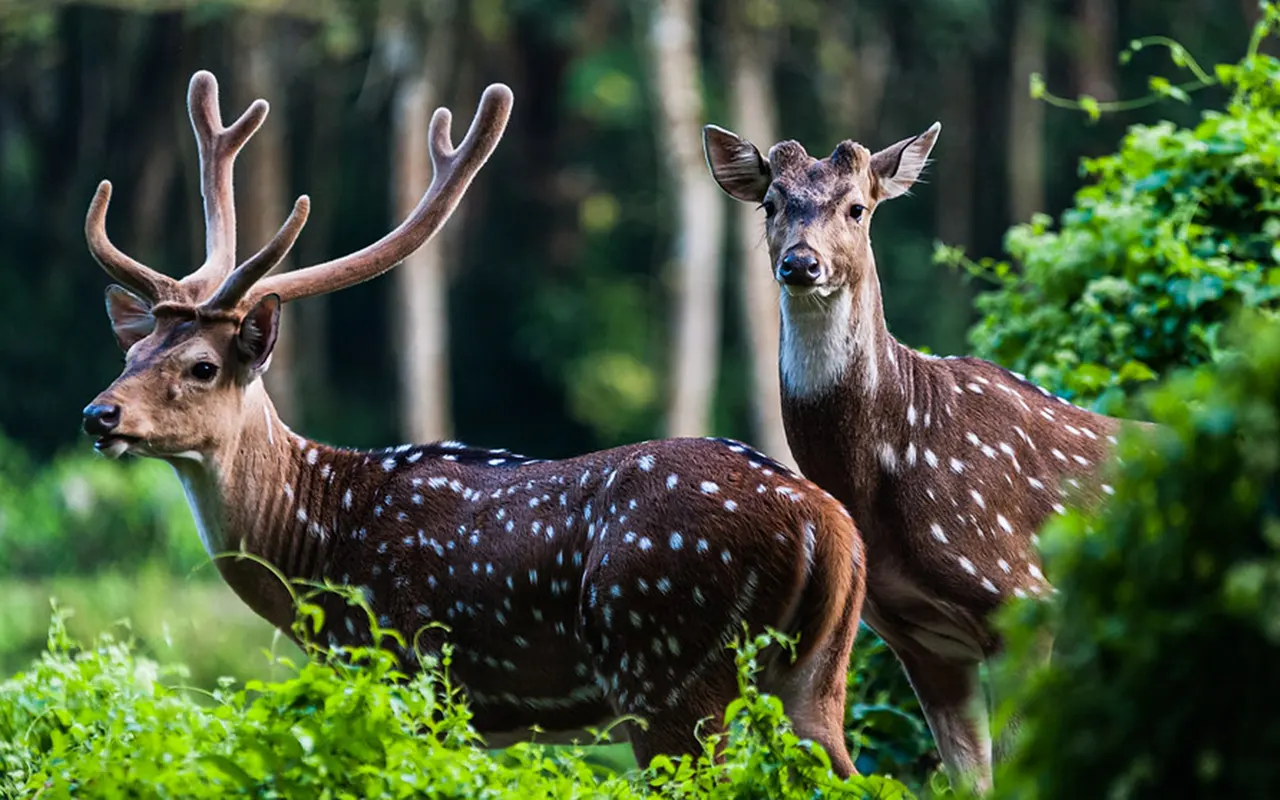
Bardiya is one of the Nepal lowland parks that are highly clean with vast grasslands and sal forests along the river Karnali. It contributes to a good population of tigers, wild elephants, rhinos, and river dolphins. Being less busy than Chitwan, it gives an impression of a wild wilderness.
Best known for: Excellent viewing of tigers.
Ideal season: November-February.
Shuklaphanta National Park

Location: Close to Mahendranagar, Far-Western Terai
A vast open grassland with a wetland, Shuklaphanta has the world’s largest population of swamp deer. There are also tigers and elephants, and some rare grassland birds that include the Bengal florican.
Best known for: Open grassland and herds of mass swamp deer.
Ideal season: November-February.
Parsa National Park
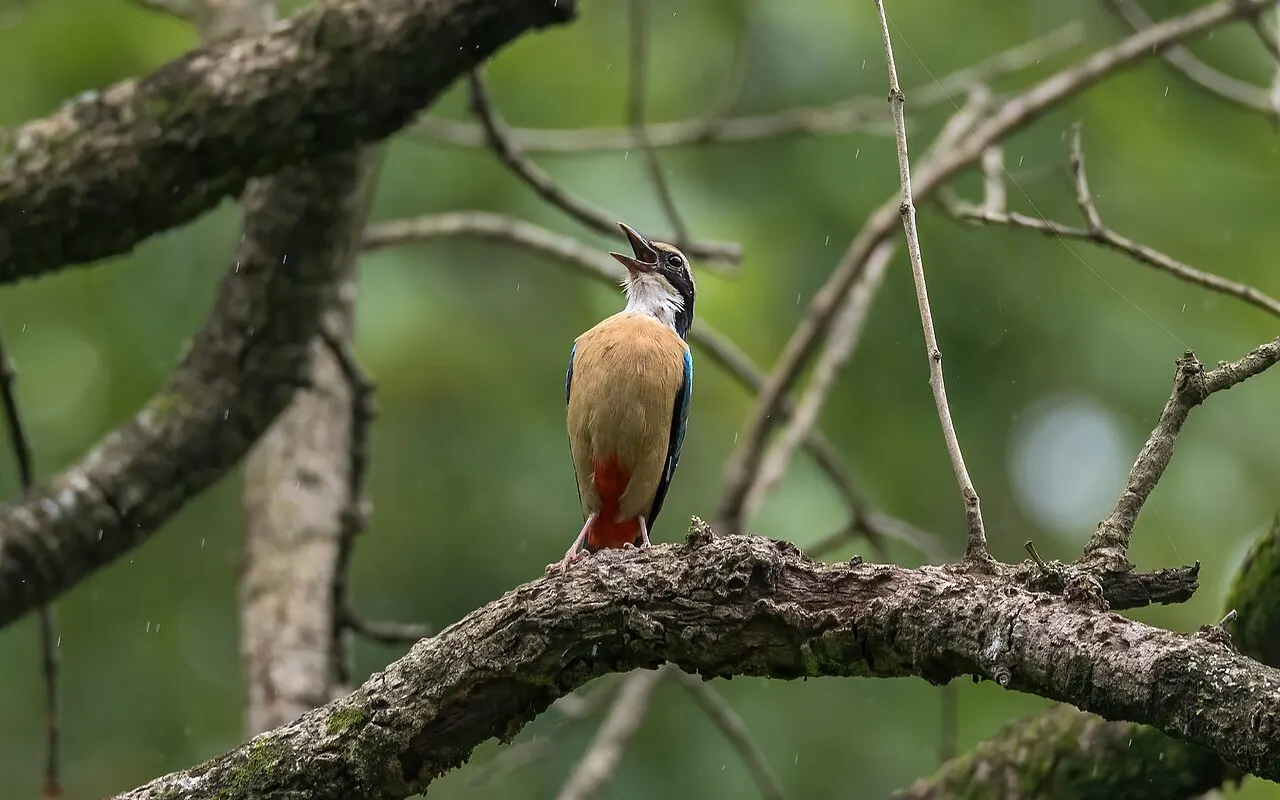
Location: Birgunj, South-central Terai
Parsa is an area that borders Chitwan National Park and preserves thick sal forests and Churia hills. It acts as an important wildlife passageway to the tigers and the elephants. Tourism is minimal, which is more of a jungle experience.
Best known for: Connectivity of the undisturbed forest ecosystem and tiger habitat.
Ideal season: October-March.
Banke National Park
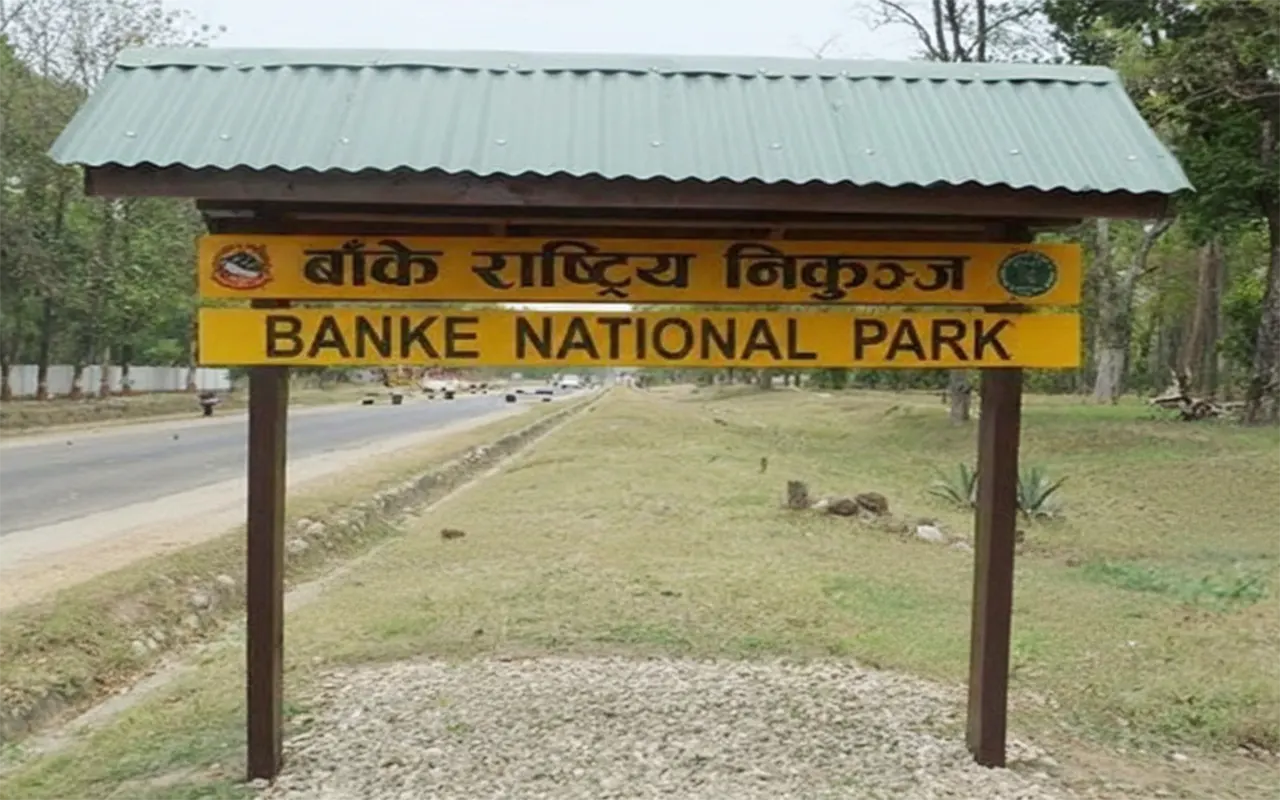
Location: Nepalgunj, Western Terai
Banke was founded in 2010 to expand the tiger conservation area of western Nepal. The park consists of sal forests, floodplains, and wetlands. This is a developing safari destination that has tigers, leopards, sloth bears, and more than 300 species of birds.
Best known for: New foundations of tiger preservation.
Ideal season: November-March.
Mid-Hill Parks
These parks are situated in the plains and high Himalayas, in the temperate hills between the plains and the high Himalayas, with forests, lakes, and rolling landscapes. They provide hiking, birdwatching, and mountain views in a peaceful way.
Shivapuri Nagarajun National Park.
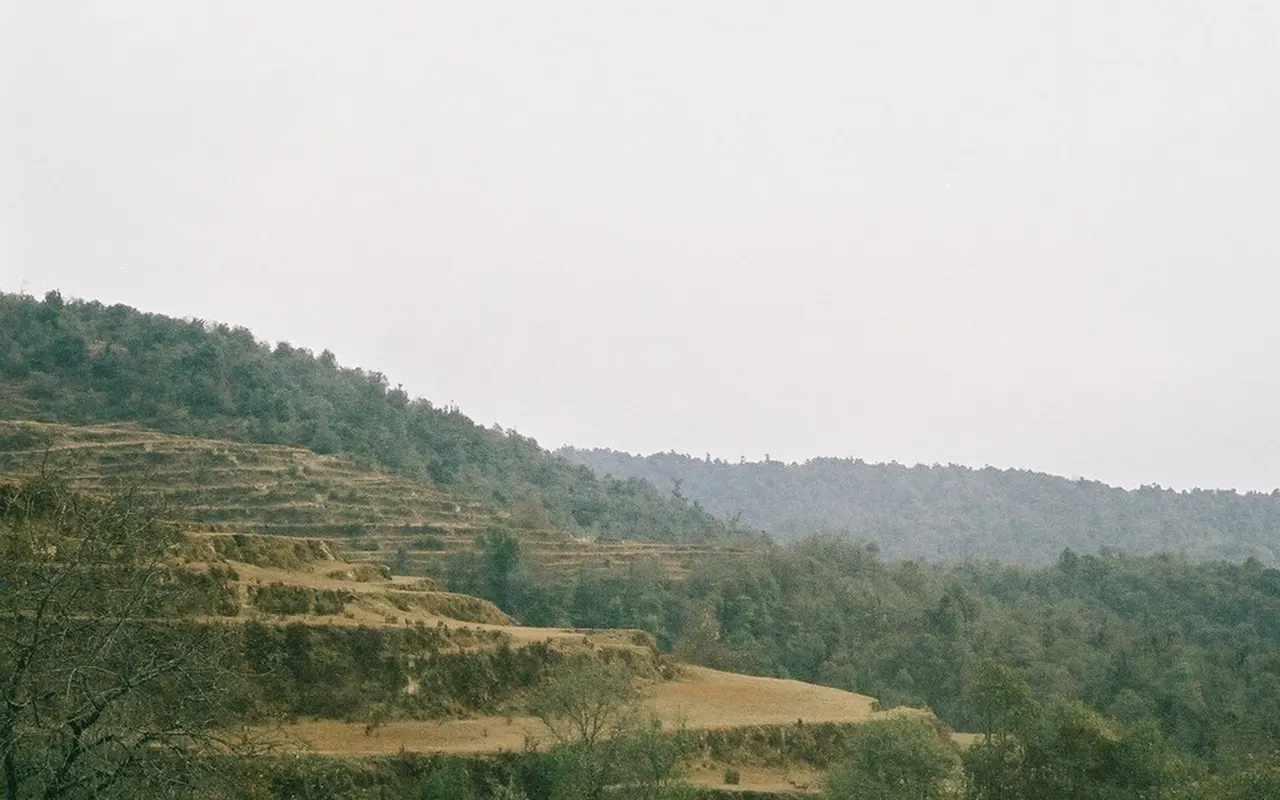
Location: Kathmandu Valley, Northern rim.
This mid-hill park is forested and is a protection of the Kathmandu Valley water source, just minutes away from the capital of Nepal. The forests comprise oak, pine, rhododendron, where leopards, deer, langurs, and more than 300 species of birds, including the endemic spiny babbler of Nepal, can be found.
Best known for: Hiking and birdwatching in and around Kathmandu.
Ideal season: October-April.
Makalu Barun National Park
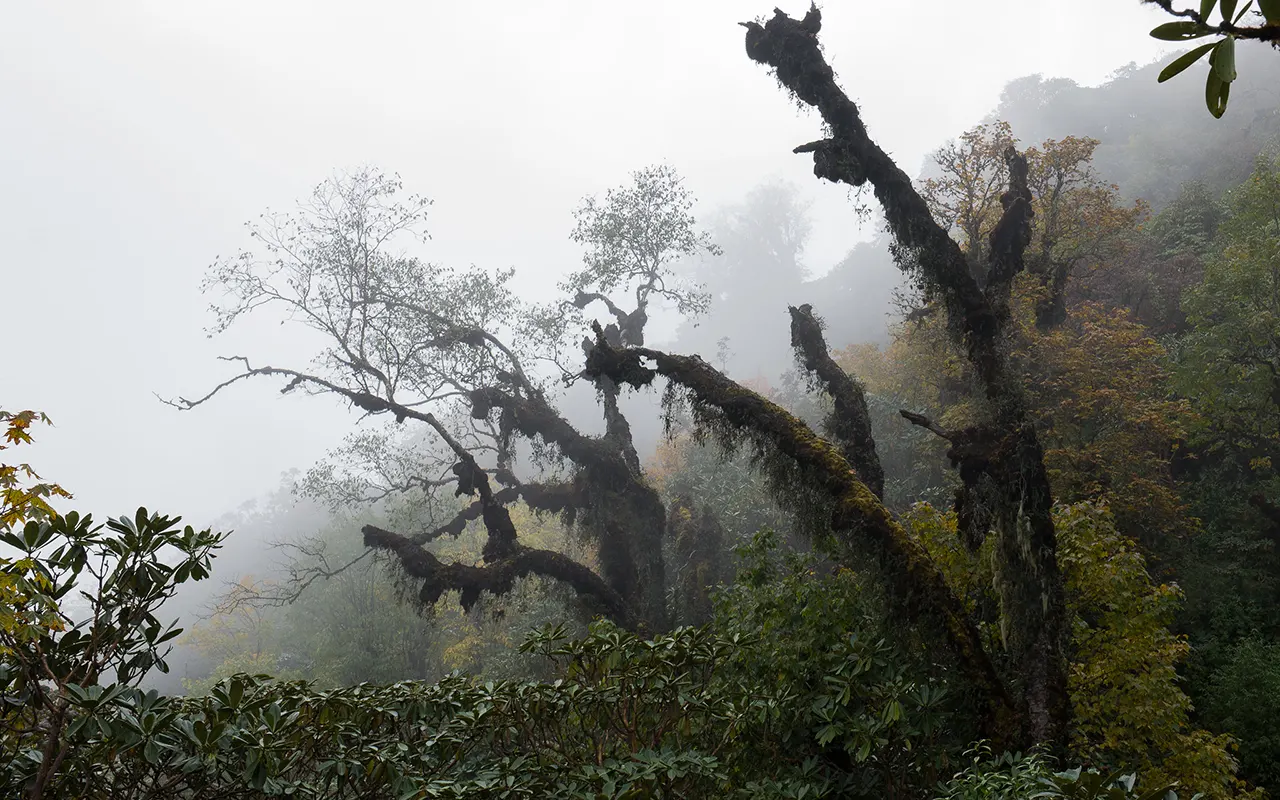
Location: Eastern Himalaya around Tumlingtar.
This park covers subtropical plains and alpine glaciers, and it is the home to the fifth-highest mountainon Earth (Mount Makalu 8,485m). It protects red pandas, snow leopards, Himalayan black bears, and rare orchids because of its remote terrain.
Best known for: Untouched wilderness and the Makalu Base Camp trek.
Ideal season: April-May and October-November.
Himalayan & Mountain Parks
These parks extend across the Nepal high altitude areas, and they preserve the glaciers, the alpine valleys, and the high peaks. They are best suited for trekking, mountain landscape and exotic wildlife such as snow leopards and red pandas.
Sagarmatha National Park
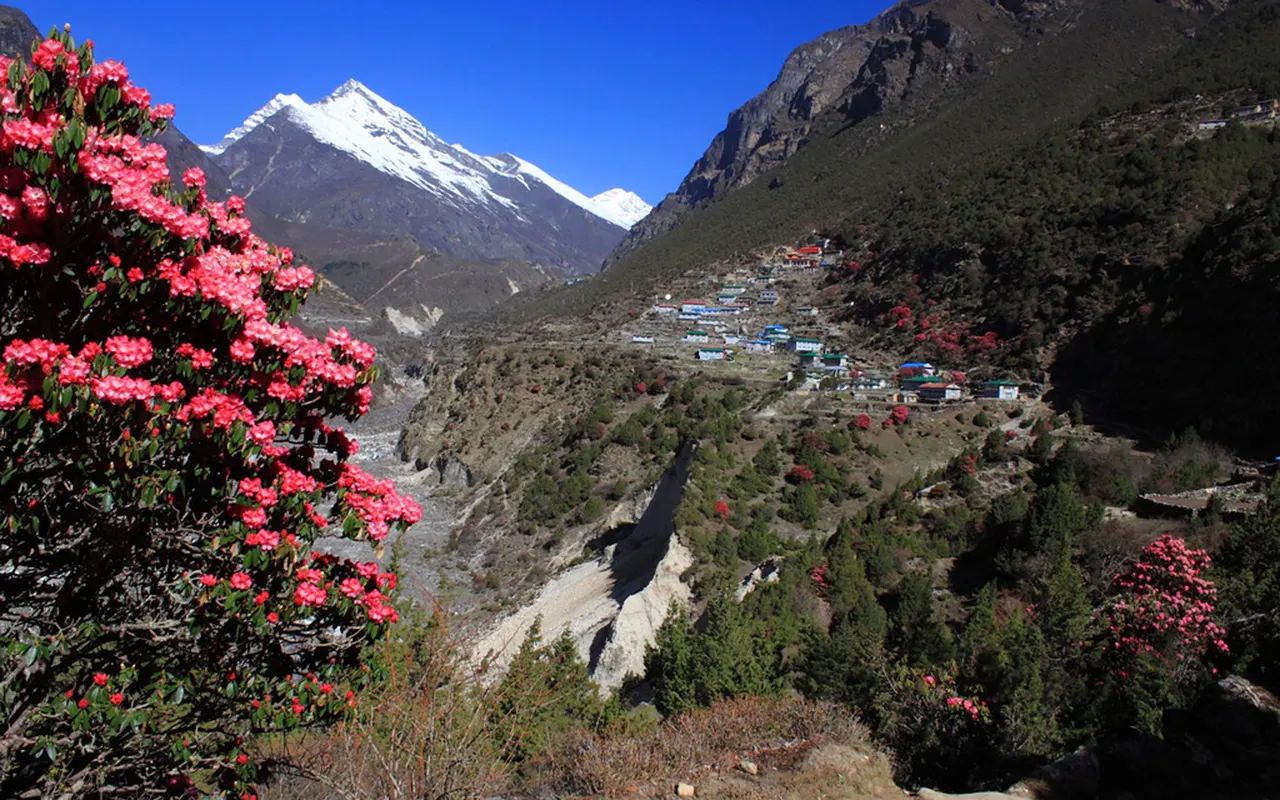
Location: Everest area, through Lukla.
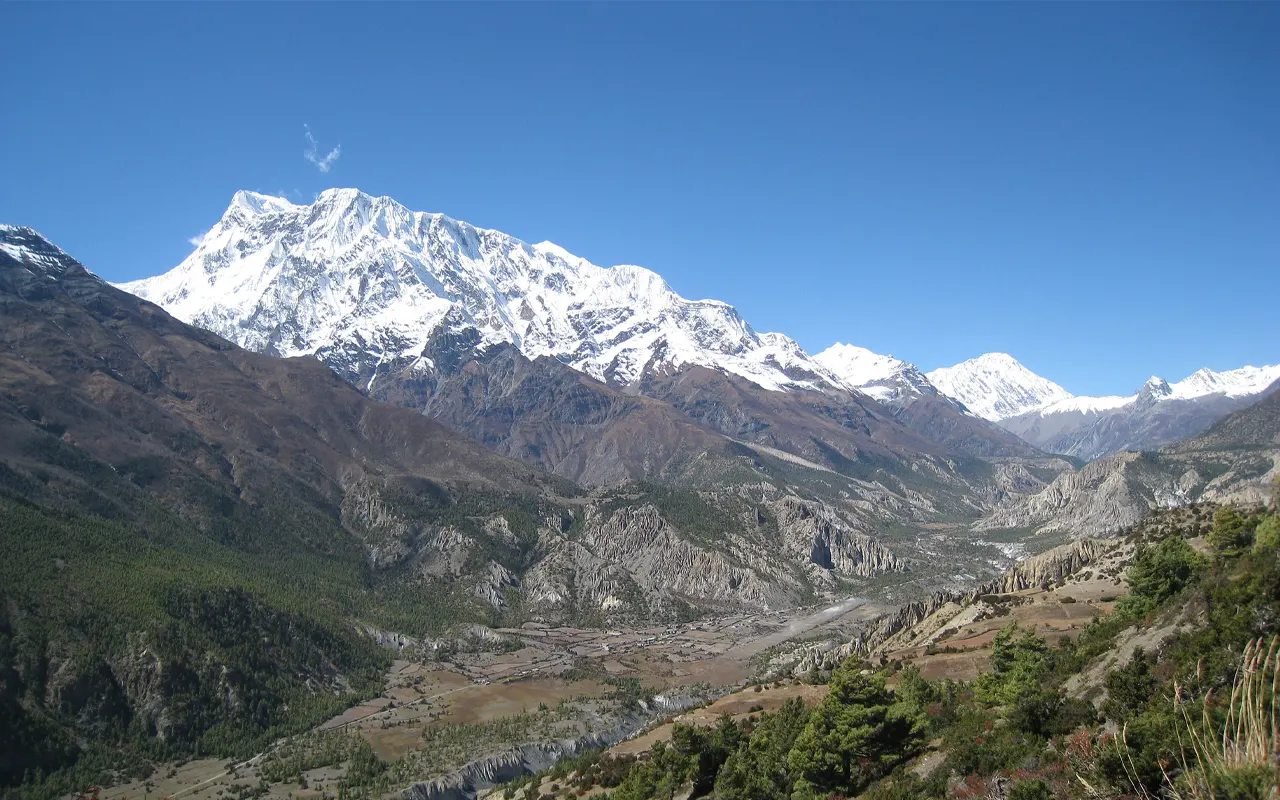
Sagarmatha National Park is a UNESCO World Heritage Site that contains Mount Everest and some of the highest mountains in the world. It is characterized by glaciers, Sherpa villages, monasteries and alpine animals.
Best known for: Himalayan panoramas and Everest Base Camp trekking.
Ideal season: March-May and October-November.
Langtang National Park
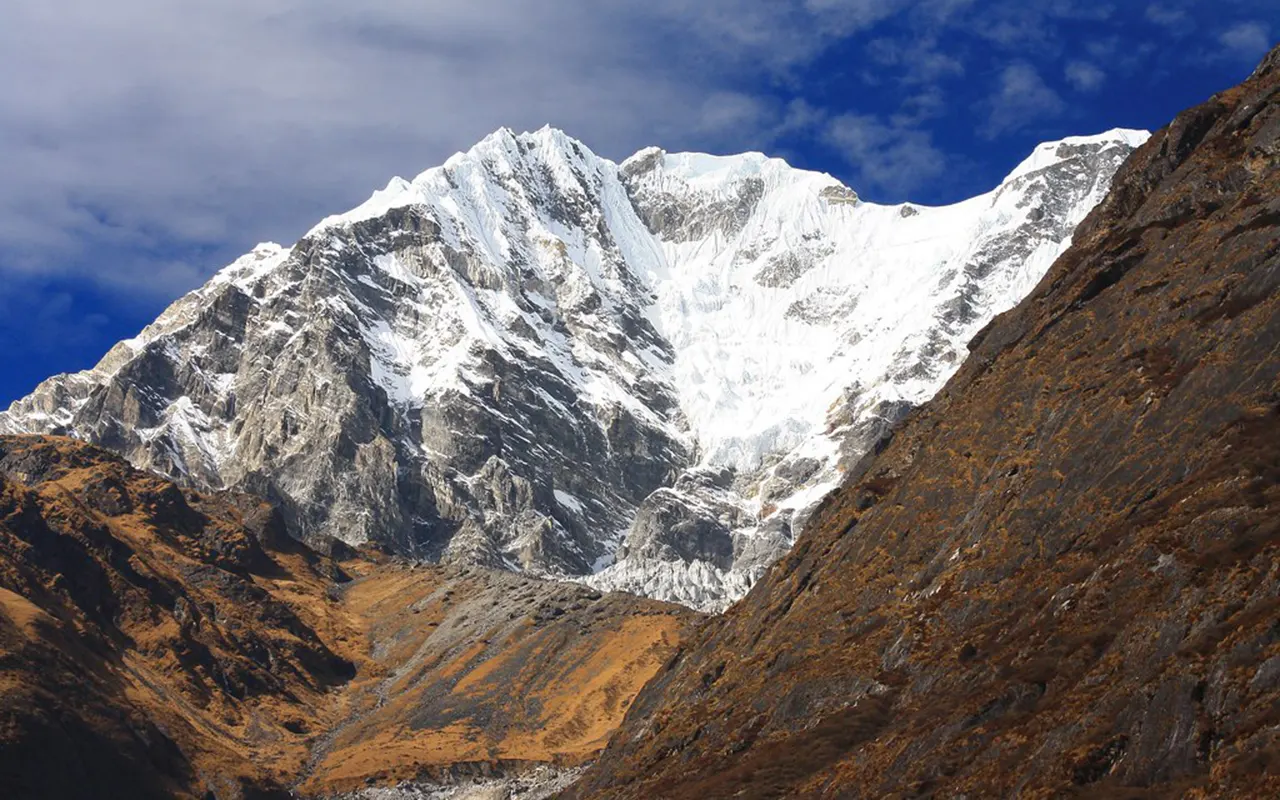
Location: North of Kathmandu through Syabrubesi.
Langtang is one of the most conveniently reachable Himalayan parks of Nepal, which has glaciers, alpine valleys, sacred lakes and Tamang cultural villages. Wild animals are red pandas, Himalayan black bears and musk deer.
Best known for: Langtang Valley trek and red panda habitat.
Ideal season: March-May and October- November.
Rara National Park
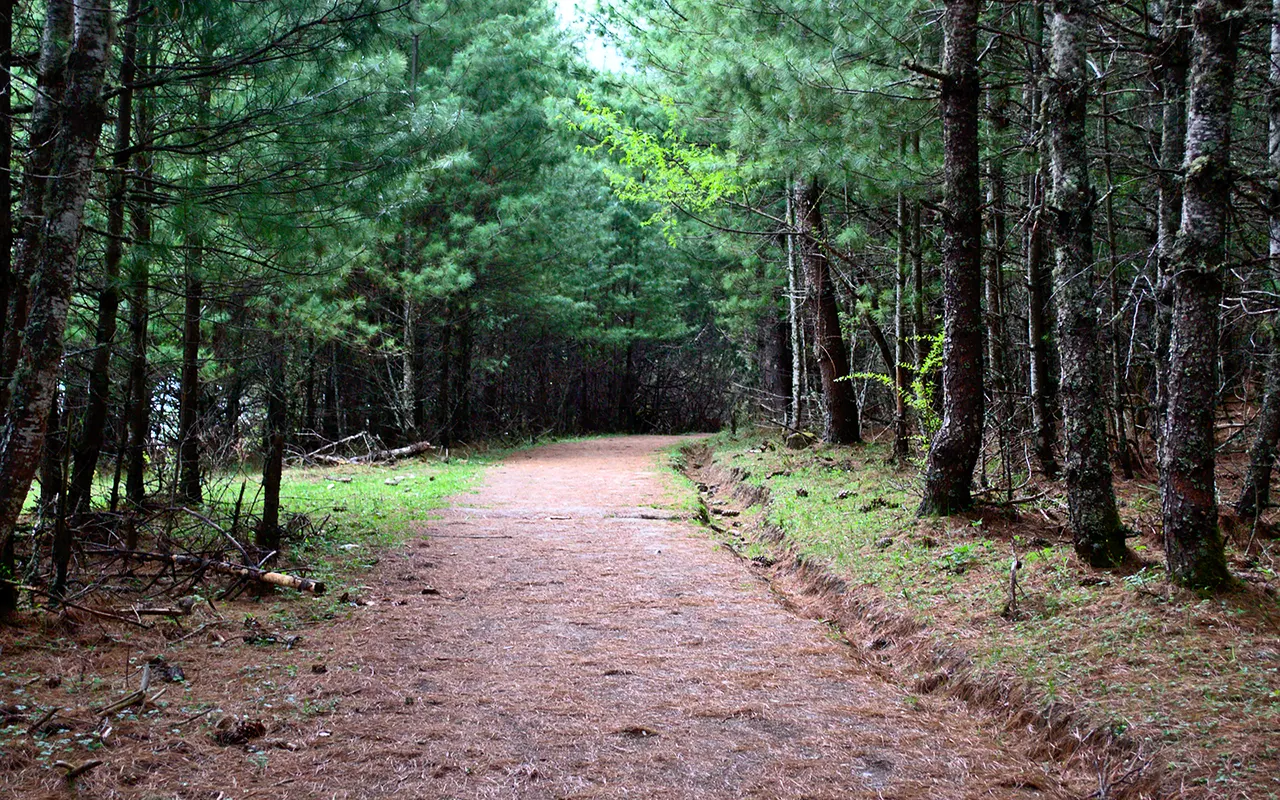
Location: Northwest Nepal, close to the Talcha Airport (Mugu).
The largest freshwater lake in Nepal is Rara Lake, which has been preserved by the smallest national park in Nepal, which is nearly 3000 meters above sea level. It is bordered by pine trees and snowy mountains, which provide peaceful hiking and birding.
Best known for: The serene beauty of the Rara Lake.
Ideal season: April-June and September-October.
Shey Phoksundo National Park
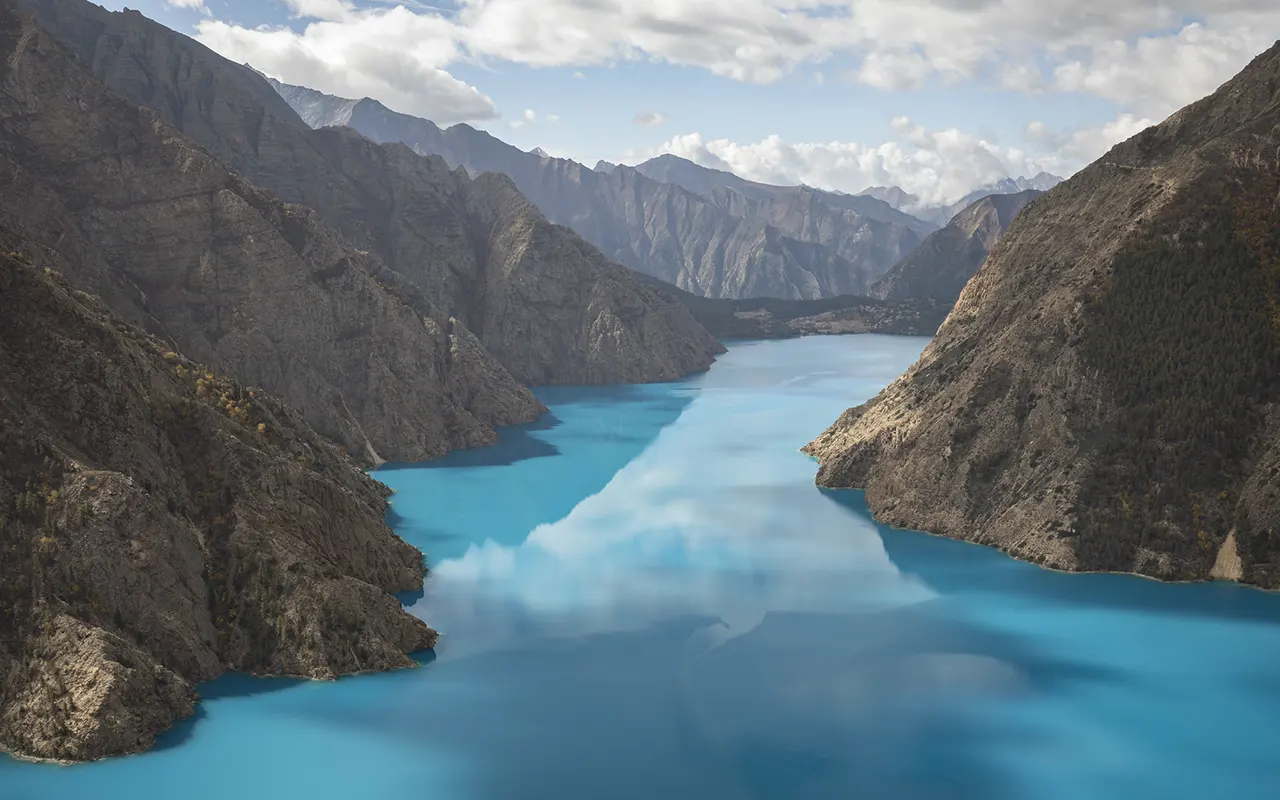
Location: Dolpa, through Juphal.
The biggest national park in Nepal includes trans-Himalayan desert sceneries and the blue Phoksundo Lake. Snow leopards, blue sheep, and ancient Bon and Tibetan Buddhist culture are all found in the park.
Best known for: Phoksundo Lake and far-off Upper Dolpo trekking.
Ideal season: May-June and September-October.
Khaptad National Park
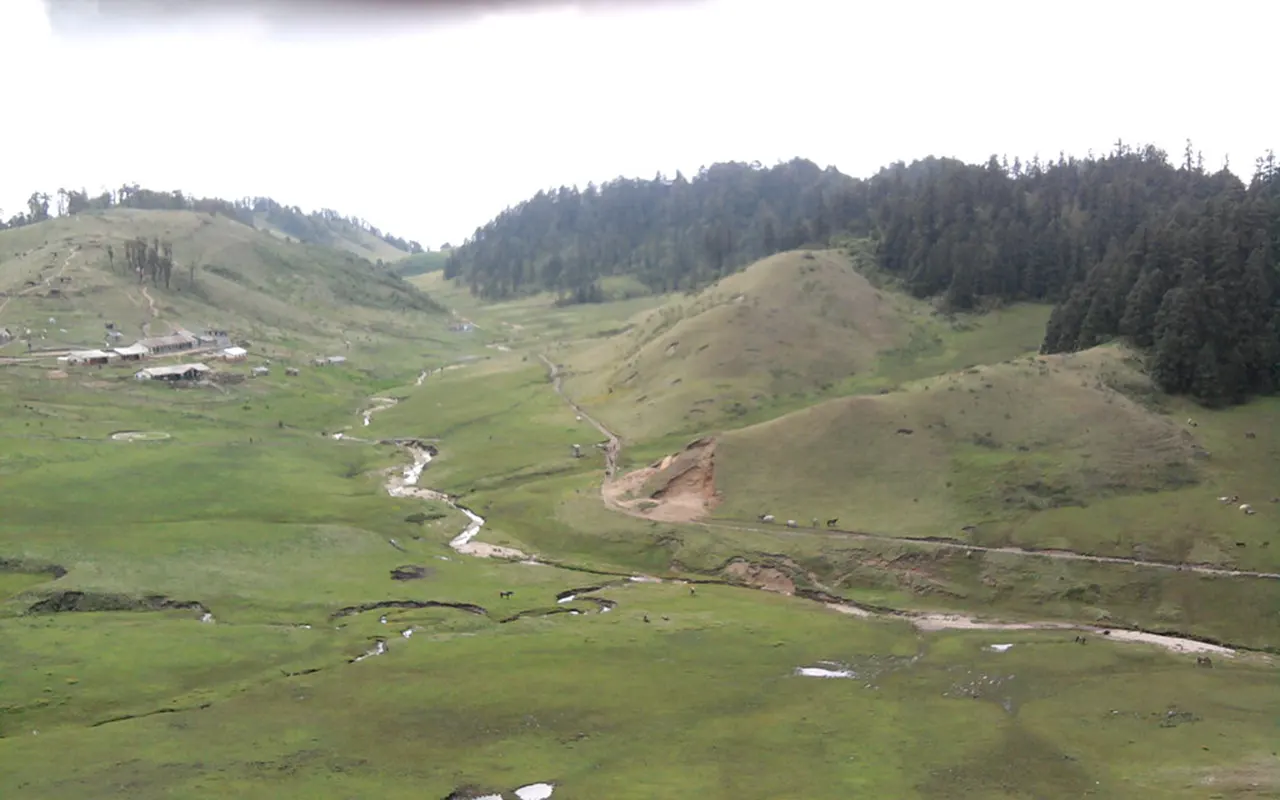
Location: Far-Western mid-hills, in and around Dhangadhi/Silgadhi.
Based around Khaptad Plateau, the serene park is an area of rolling grasslands, oak trees, and spiritual places associated with Khaptad Baba. It is full of birds and wildflowers that grow seasonally.
Best known for: Alpine meadows and religious peace.
Ideal season: March-May and September-November.
Api Nampa National Park
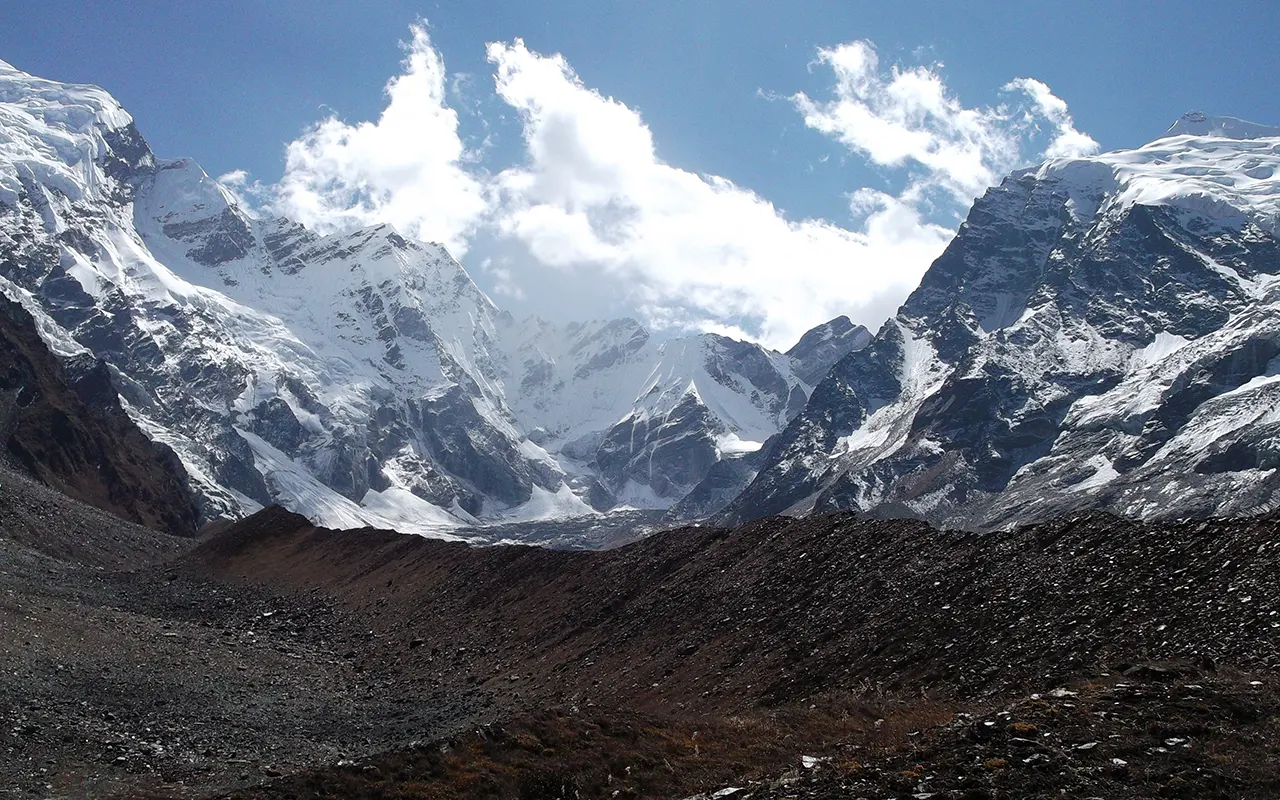
Location: Far-Western Himalaya, Darchula District.
The isolated park is named after the two mountain peaks Api (7,132m) and Nampa, which are rugged Himalayan ranges, alpine grazing ground, and the traditional Byasi people. Snow leopards, Himalayan black bears, and blue sheep are wildlife.
Best known for: High altitude trekking and cultural authenticity.
Ideal season: April-June and September-October.
Wildlife Highlights in the National Parks of Nepal
The national parks of Nepal preserve some of the most iconic and endangered wildlife of Asia, which occur and flourish in radically different ecosystems.
Bengal Tiger: Nepal is among the tiger strongholds across the world. The lowland parks include Chitwan, Bardiya, Banke, Parsa, and Shuklaphanta, which are good places to see the tigers, and they can be found in the dense sal forests and tall grasslands. The past few years of conservation have seen a huge influx of tigers, and Nepal is now a global model for thecomeback of big cats.
One-Horned Rhinoceros: The greater one-horned rhinoceros is mostly found in Chitwan National Park, and some other populations are found in Bardiya and Shuklaphanta. After being extremely close to extinction, the population of the rhinos has steadily recovered through the enforcement of protection and anti-poaching efforts.
Snow Leopard: The Himalayan parks, Sagarmatha, Langtang, Shey Phoksundo, Makalu Barun, and Api Nampa, are home to the rare snow leopard, which is found in the alpine cliffs and remote valleys. These parks are important habitats for this iconic mountain predator, though they are rarely observed.
Red Panda: The red panda is an endangered species found in the temperate bamboo forests in Langtang and Makalu Barun and is among the most popular wildlife to be seen in Nepal. The early morning walks with the seasoned guides present the greatest opportunity of sighting one.
Asian Elephant: Wild elephant herds can be found in the Terai parks, especially Bardiya, Chitwan, and Banke, as they cross forest corridors joining Nepal and India.
Birdlife Diversity: Nepal has more than 870 species of birds, and thus, a paradise for birdwatchers. The national parks are home to outstanding bird diversity at varying altitudes; Bengal floricans in Terai grasslands and Himalayan monals in alpine forests.
Best Time to Visit Nepal’s National Parks
The different geography of Nepal implies that the best time to visit the country is a question of whether you are going to the jungles of the Terai or the high Himalayan parks.
Autumn (October-November)
The greatest season, generally, is autumn. The weather is clear following the monsoon, and the mountainous areas are spectacular in such parks as Sagarmatha, Langtang, and Makalu Barun. There are moderate temperatures throughout the country.
In jungle reserves like Chitwan and Bardiya, the wildlife is more active due to the drying conditions, but the grasses are still quite high at the beginning of the month.
Winter (December-February)
Jungle safari is best during winter. Low temperatures in the Terai render wildlife watching comfortable, and shorter grass enhances better visibility in viewing rhinos and tigers. There are also migratory birds that come to wetlands.
Heavy snowfall and freezing temperatures may cause high passes in mountain parks, therefore restricting the trekking opportunities.
Spring (March-April)
The spring is the best season to go trekking in the Himalayas. There are the blooming rhododendron forests, the weather is normal and the trails are busy but, compared to autumn, not as crowded.
Wildlife is still active in the Terai, but in the early months of April, the heat can make the midday safaris uncomfortable.
Monsoon (June-September)
The monsoon is characterized by heavy rainfall, thick foliage and poor visibility in jungle parks,which can make safaris a nightmare.
Landslides make mountain trekking difficult, as does cloud cover, except in rain-shadow areas such as Dolpo. This is the most unfavorable season for most of the travelers.
Visiting Nepal’s National Parks: Permits, Fees & Logistics
Touring can be made to the national parks of Nepal by obtaining basic permits and a little bit of logistics planning, particularly in mountain areas.
Entry Permits: Every national park requires an entry fee. To foreigners, the fee is generally NPR 1,000-3,000 (around USD 8-25) per park. As an illustration, Sagarmatha and Chitwan are higher end, with the rest of the parks being a bit lower. At the entrance gates of the parks, permits may be bought, or at the Nepal Tourism Board in Kathmandu.
TIMS & Trek Permit: In Himalayan national parks, including Sagarmatha, Langtang, Makalu Barun, and others, trekkers are required to purchase a TIMS (Trekkers Information Management System) card and employ a licensed guide since it is not possible to do independent trekking without a guide in most places. Certain regions, such as Upper Dolpo, need special permission, which is obtained through registered agencies.
Guide Service and Safari: Guided jeep safari, walking safari, and canoe ride are the major activities in jungle parks (Chitwan, Bardiya, Shuklaphanta). Many in-park activities and highly advisable in safety and wildlife tracking require the hiring of certified guides.
Transportation: Terai parks can be accessed via road (5-12 hours from Kathmandu) or by short domestic flights that are short. It is typical to fly to mountain parks on remote airstrips and then hike over several days.
Safety: Adhere to park regulations, observe wildlife, be ready to the elevation in mountain parksand avoid mosquitoes in lowland jungles.
Responsible & Sustainable Travel Tips
Watch animals and keep a safe distance. Do not feed, touch or provoke wild animals, and never disobey your guide on a safari or a trek. You may cause stress to animals and disturb their normal behavior due to sudden movements or loud noises.
Dispose of all garbage, plastic bottles and food wrappers. Follow established paths so as to avoid soil erosion and do not disturb delicate habitats. When it comes to trekking areas, it is best to reduce fire consumption and to preserve water and fuel.
Employ skilled local guides and porters, stay in locally run lodges or homestays and buy local products. Responsible tourism has direct impacts on livelihoods and enhances conservation in the communities along the buffer zones.
Instead of using plastic bottles that need to be purchased individually, bring a reusable water bottle and a means of purifying water. It is also advisable to avoid packaged snacks, and waste should be properly disposed of in the designated places.
There are numerous parks with monasteries, temples, and traditional villages. Wear simple clothes, do not take photos without consent, and do not go against local traditions in areas of the Himalayas, Buddhist, and Terai indigenous communities.
Popular National Park Packages
7 Day Wildlife-Focused Trip (Chitwan + Bardiya)
An extended 7-day wildlife adventure in Chitwan and Bardiya National Parks will provide the best Terai safari adventure. This is the trip where you are most likely to see Bengal tigers, one-horned rhinos, wild elephants, and crocodiles whilst exploring two different jungle-like settings.
Option A: Chitwan + Bardiya Combination
Day 1: Kathmandu to Chitwan (road or short flight). Tharu Cultural evening in Tharu village.
Day 2: Canoe tour, jungle walk, and jeep safari in Chitwan (rhinos, crocodiles, birds).
Day 3: Full day Safari in Chitwan with attention to tiger hunting and the river ecosystem.
Day 4: Flight to Bardiya (flight via Nepalgunj or long road journey).
Day 5: Jeep safari in the main area of Bardiya – good habitat of tigers and wild elephants.
Day 6: Karnali River trip and walking safari (possibility to see dolphins and an abundance of birds).
Day 7: Return to Kathmandu.
Option B: Chitwan Only (Slower Pace)
Visit 4-5 nights in Chitwan with a jeep safari, canoeing, bird watching, village touring, and buffer zone cycling to immerse in the wildlife without the need to spend a lot of time in transportation.
7-Day Himalayan National Park Trek (Langtang Example)
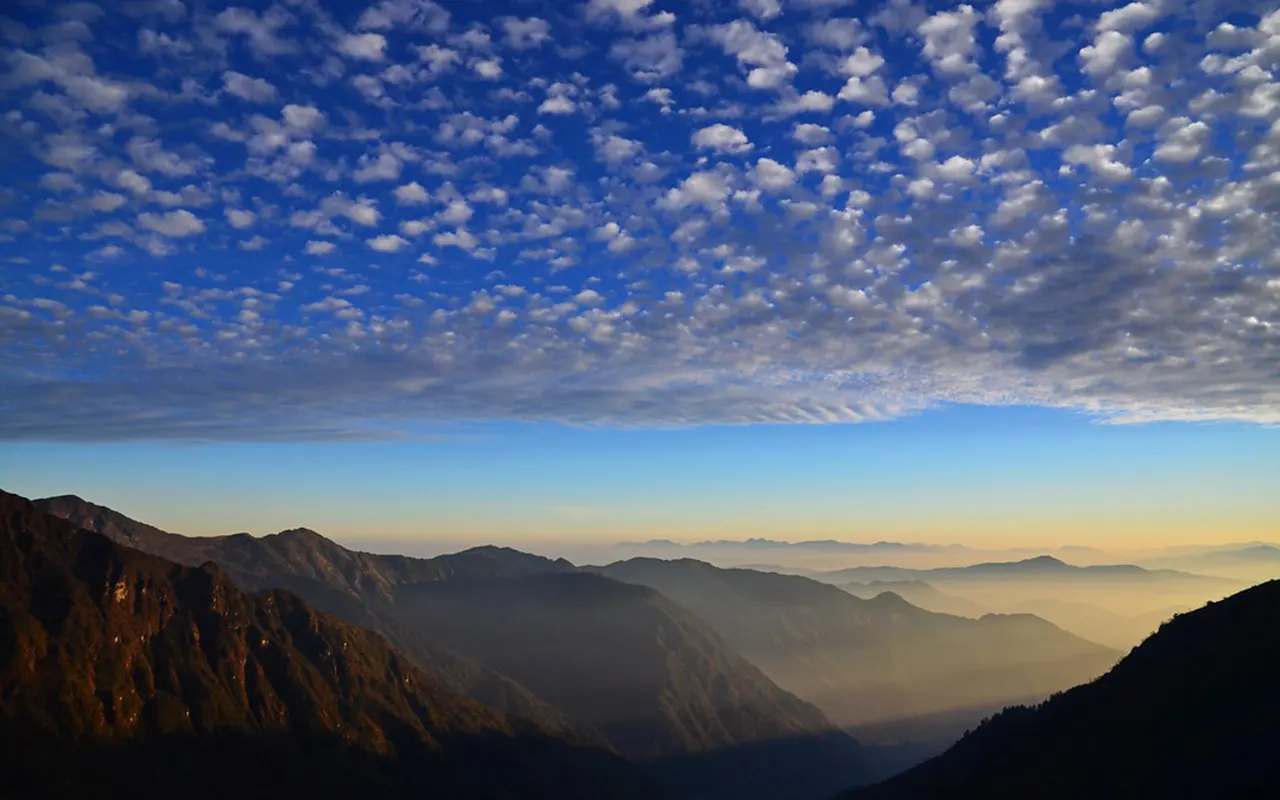
The 7-day trek in the Langtang National Park provides an enjoyable experience of the Himalayas and is not very far from Kathmandu. This is a combination of alpine views, the old-fashioned Tamang culture, and a scenic mountain view in a manageable trip of one week.
Day 1: Drive from Kathmandu to Syabrubesi (Gate to Langtang).
Day 2: Hiking through forested river valleys to Lama Hotel.
Day 3: Hike to Langtang Village (and the scenery starts to be alpine).
Day 4: Hike to Kyanjin Gompa, monastery, and cheese plant.
Day 5: Hiking to Kyanjin Ri viewpoint (panoramic Himalayan views).
Day 6: Descend to Lama Hotel.
Day 7: Back trip to Syabrubesi and back to Kathmandu by vehicle.
Alternative: Substitute with Langtang by a short Everest Panorama Trek within the Sagarmatha National Park to experience the Sherpa culture and views of Everest in one week.
The two itineraries are balanced in terms of accessibility, wildlife, mountain features, and realistically traveling within the Nepal landscape.
Conclusion
The national parks of Nepal represent one of the most amazing diversities in the world, in terms of forms of life, subtropical jungles with rhinos and tigers, and the highest mountains on Earth with snow leopards wandering under the snow-white mountains. It is difficult to find any other country that provides such a high ecological contrast in such a small territory.
It is an honor and a duty to visit these secure places. Through responsible traveling, community development, and appropriate treatment of wildlife and cultural landscapes, visitors add to the conservation success stories in Nepal.
Although better-known parks are Everest and Chitwan, other Nepal parks of lesser-known fame, such as grasslands in Shuklaphanta and the remote Dolpo and Api Nampa valleys, are also equally potent experiences. Go outside the comfort zone, and you will learn that there is a land where wilderness is still huge, authentic, and alive.
Ready to Plan Your Trekking? Contact us
More Blog Posts
National Parks in Nepal : Complete Guide (2026 Updated List)