
Mount Kailash Tour Difficulty and Complete Guide for Preparation
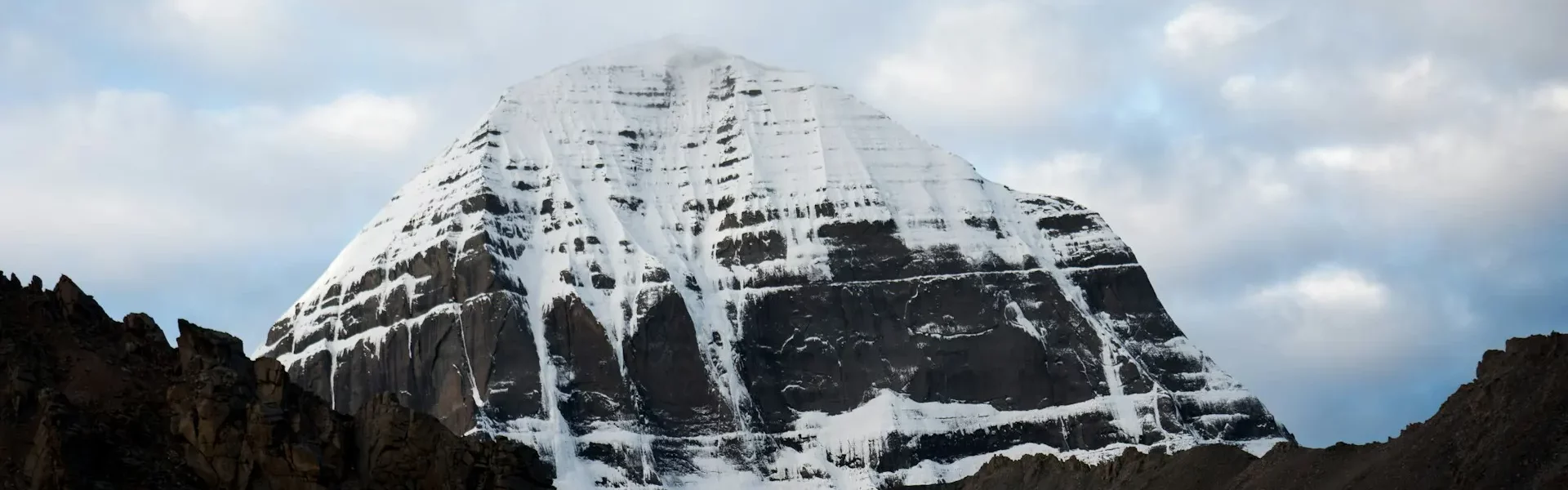
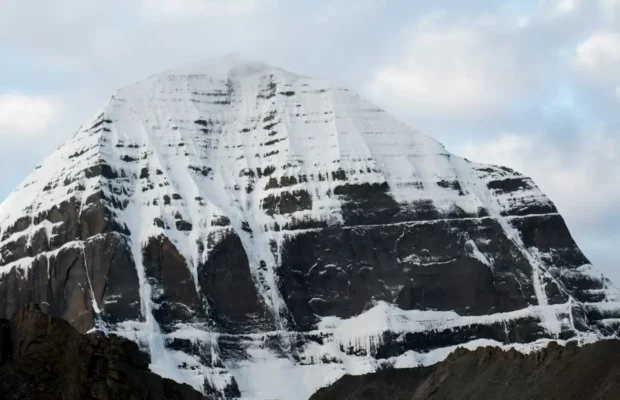
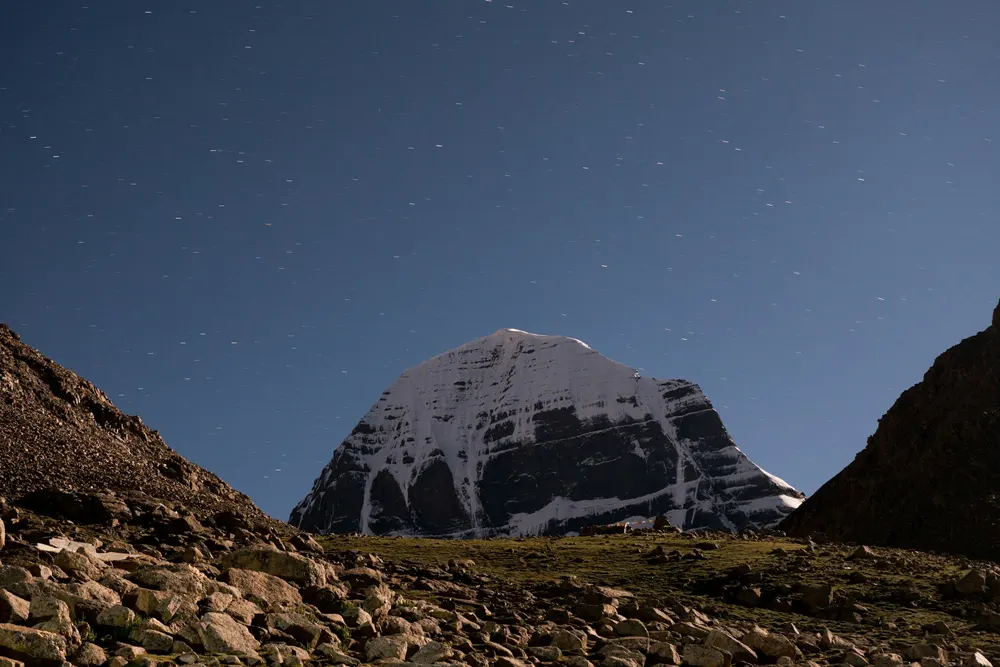
The diamond-shaped mountain in the western Himalayan ranges of the Tibetan Autonomous Region, Mount Kailash, standing magnificently at an elevation of 6638 m, is believed to be one of the holiest mountains in the world that meets ancient spirituality with awe-inspiring landscapes.
The 30-million-year-old mountain range formed during the early stages of the formation of the Himalayan mountains is said to be the sacred abode of Lord Shiva and Goddess Parvati. The mountain has extreme significance in Hinduism, Buddhism, Jainism, and Bon.
The region also houses the largest freshwater lake, the Mansarovar Lake, at an altitude of 4590 m, which is immensely pristine and carries massive spiritual relevance. The holy lake covers an area of approximately 412 sq. km. and is quite close to the mighty Mount Kailash.
The lake stands out as the purest water body, as pure as sapphire, which extends visitors the look into the deeper points of the lake. The route of the amazing trip starts with a beautiful bus ride from Kathmandu to the Nepal-China border at Kyirung.
Therefore, the Mount Kailash Tour is a journey that offers breathtaking landscapes, spiritual significance, and memories that you will cherish forever.
Mount Kailash Tour Difficulty
Reaching the base of the holy mountain of Kailash is one of the most fulfilling things anyone can experience. This sacred pilgrimage offers stunning landscapes, positive energy, and amazing natural beauty. Though very beautiful and scenic, the tour comes with its own set of challenges and difficulties.
The Mount Kailash Tour in the beginning is very smooth and not very difficult. Once the elevation starts increasing, the difficulties of the tour also begin to increase. The high-altitude pass, rocky terrain, and unpredictable weather are a few of the problems during the Mount Kailash Tour.
In this article, we will learn about the various difficulties and how to overcome them during the Mount Kailash Tour.
Geographic challenges
Mount Kailash is located at a high elevation. The oxygen levels are low at higher altitudes. The air is very thin, making it difficult to breathe at these kinds of heights. The lower rate of oxygen can cause altitude sickness, and it is one of the major difficulties of the Mount Kailash Tour.
The tour starts at an elevation of 1,400 m in Kathmandu. There will be a gradual increase in the elevation with the distance covered. The actual trek starts from Darchen, which is at 4,670 m. This trek is done around Mount Kailash, which is known as Kora.
The risk of altitude sickness increases from this point. The trek will go up to 5,630 m on maximum at Dolma La Pass when doing the Kora. Some people may have symptoms of acute mountain sickness (AMS) like headaches, fatigue, loss of appetite, and nausea.
Weather Conditions
Mount Kailash lies in the high Tibetan plateaus in the rain shadow area; therefore, the weather in this region can be highly unpredictable. The travelers must be ready for any obstacle that might come due to the weather conditions.
The weather can suddenly change from sunny conditions to snowstorms and heavy rain at any time without any notice, yet there is a low chance of rainfall. As Mount Kailash is located in the deserted sand plateaus, there is also a slight chance of a sand storm.
Temperature
As Mount Kailash is located at a higher elevation, the temperature of the place is normally low, even during the trekking season from May to September.
The temperature in summer ranges from 8 degrees Celsius to 16 degrees Celsius in the daytime, whereas it drops to approximately 5 degrees Celsius during the night.
The monsoon season from July to mid-August in the Kailash region has a temperature of 10 to 23 degrees Celsius with very little rain.
The post-monsoon period from late August to September is considered the best season for the Mount Kailash Tour. The average temperature of this season during the day ranges around 20 degrees Celsius, whereas it drops to 10 degrees Celsius during the night.
The most difficult month for the Mount Kailash Tour is during the winter season, from October to March. The temperature drops very low, to around 20 degrees Celsius. The winds are very strong and cold during this time frame.
The snowfalls start in October and don’t stop until mid-February. Finally, the snow starts to melt in March. During the winter season, the roads are blocked due to heavy snowfall. The dropping temperatures and the harsh cold make the Kailash region inaccessible during the winter.
Many people lose their lives to the cold and harsh temperature of the Kailash region, making it one of the major difficulties of the Mount Kailash Tour.
Variation in Landscapes
The landscape throughout the Mount Kailash Tour changes a lot. The tour starts in the hilly region of Nepal, and with the gradual increment in elevation, the tour continues on the high plateaus.
The majority of time is spent at the altitude of Tibet. The trails around Mount Kailash are rugged and rocky. There are steep ascents and descents on the uneven and rocky path.
One of the major challenges when it comes to terrain and landscape is the trek through the Dolma La Pass during the Kora. The path of the pass is rough and rugged, with rocky downhills. If any carelessness is shown in this specific part of the Kailash Tour, there is a high risk and chance of mishaps and accidents.
Physical Challenges
The Mount Kailash Tour will take a minimum of 10 days to complete. As the journey is far from home and comfort, there are many physical difficulties that you may have to deal with. The tour is mostly going to be a drive, except for the Kora days.
The body has to be acclimatized to the changing elevation during the driving days. The drive requires patience and resilience, as it is going to be a long one. Though many breaks will be taken in between, it will be difficult for people to sit in the same place for a long time during the ride.
The main physical difficulties appear during the Kora days. The Kora covers a distance of 52 km and is usually completed in 3 days. During this time, travelers have to be strong physically and mentally. As Kora is done on foot, this part of the tour requires physical strength and enough stamina to walk for a minimum of 5 hours a day carrying a daypack.
There are many ups and downs during the Kora days. The constant elevation gains and loss drains the body, making it tired. Only people with good physical health and determination can complete the Kora during their Mount Kailash Tour.
Sanitation Challenges
The overall experience of the Mount Kailash Tour is clean and nice. But in Manasarovar and onwards to Kora, there are no bathrooms, and toilets have very basic facilities. This causes difficulties for travelers, especially ladies. Lack of proper bathrooms and toilets with basic facilities can be one of the difficulties on the Mount Kailash Tour.
Cultural and spiritual challenges
One of the major difficulties that may arise during the Mount Kailash Tour is the language between the travelers and locals. Though there will be guides to translate necessary information into the traveler’s comfort language, there may be some difficulties in interacting with the locals.
Being respectful towards locals and their culture is very important when interacting with them. There must be lots of patience when visiting and interacting, as they may not understand your language and you may not understand theirs.
Other Challenges
As Mount Kailash is located in a remote location, the basic amenities are limited and difficult to find. There aren’t many shops, banks, or healthcare stations. The travelers must have everything necessary for the tour, including their personal supplies, medications, and change of cash.
Traveling to Mount Kailash requires a visa and many permits. All the permits and visas must be prepared in advance. If there are any errors or problems in the documents, the travelers cannot enter the land of Tibet.
The main difficulty of the Mount Kailash Tour is self-doubt. The travelers should not doubt themselves and their abilities. There should not be any delusions about not being able to complete the trek or getting into any mishaps. Saying that overconfidence can also lead to life-threatening mishaps and accidents.
Though there are many difficulties during the Mount Kailash Tour, it is not impossible. Thousands of people throughout the year go on the Mount Kailash Tour, and most of them succeed. Therefore, with the right preparation, planning, and abilities, the Kailash tour can be completed successfully.
A Complete Guide to Preparation
Traveling to Mount Kailash is not that easy, it requires meticulous planning and preparation. Without delicate planning and proper preparation, the tour may not turn out how it is expected to. The Mount Kailash Tour involves long hours of bus rides in the Tibetan Pleatue, ascends and descends in the high Himalayan elevation, and unpredictable weather away from the comfort zone.
When preparing for the Mount Kailash Tour, there has to be an understanding that altitude sickness can be a very dangerous risk and that only proper acclimatization, hydration, and rest can prevent and cure it.
When doing the Kora or Parikrama, the terrain is very rocky, rough, and harsh. The travelers need to be fully prepared to ascend and descend on the uneven, rocky trails.
As the weather is unpredictable and can change in an instant, travelers may have to deal with strong winds, sand storms, freezing temperatures, and extreme sunlight. There has to be physical and mental fitness in the travelers so that they can complete the entire tour without any issues.
The following tips and tricks will help you prepare yourself for the Mount Kailash Tour and tackle the risks and difficulties of the tour. These tips and suggestions are going to be helpful for both beginner and experienced travelers so that you can safely and successfully reach the base of the abode of Lord Shiva.
Physical fitness training
As the Mount Kailash tour is physically demanding, the major focus of preparation must be physical fitness.
You can prepare yourself by going on long walks and hikes with a backpack twice a week before the trek in the destinations and conditions that stimulate Mount Kailash Trails.
When training, choose destinations or conditions that are similar to the Mount Kailash Trails, i.e., rugged and rocky uphill and descents.
You can also train in the gym using a treadmill and stair machine to strengthen your legs for the steep uphill and downhill. Also, do cardio workouts like swimming, running, and cycling 2 to 3 times a week. It will help you keep your breath and focus at high altitudes and will also improve your endurance skills.
You should also do the training and workouts that will help increase your strength. As there are going to be days when you will have to sit on the bus for days, training and workouts like lunges, squads, and deadlifts can prepare your body for such activities.
Proper Acclimatization
The Mount Kailash Tour difficulty level is quite high, making it very tough for travelers. To complete the tour without any problems, the body should be acclimatized to the elevation and environment.
To acclimate yourself to the environment, you should spend 2–3 days at the intermediate elevations before ascending to the higher altitudes. The ascent to the higher elevation should be very slow and gradual, without any rush, so that the risk of altitude sickness is prevented and mitigated.
You should hydrate your body enough so that it can adjust to the higher elevation. The intake of fluids or water must be adequate for the body to acclimate to the surroundings and the air pressure.
You can also consume medicines like Diamox to prevent altitude sickness, but before consumption, consult with your home doctor or physician about the medicine intake. Not just about Diamox, but it is suggested that you do your full body checkup to see the physical and mental state of your body before signing up for the Mount Kailash Tour.
What to Pack?
Lightweight and fewer items are what Kailash Yatra needs. The packing list should be tailored as per your requirements and preferences, so be mindful while packing, remembering the elevation you are going to conquer in your journey.
Here is the list of things you need to pack for your Mount Kailash tour:
- Go for a comfortable 10- to 20-liter backpack.
- Take a wide-brim cap or hat for sun protection, a warm fleece beanie for warmth, and a buff to prevent you from getting a mountain cough.
- Sunglasses protect from mountain winds and dust. Do bring sunglasses with high UV protection and polarized lenses.
- Innerwear is the most important thing to pack while traveling in any part of the region. It keeps you warm and sweat-free throughout the entire trip. Here are the innerwear items you need to pack:
- Warm Gloves: 1 pair
- Wicking long-sleeve T-shirts: 2 pairs
- Quick-dry T-shirts: 2 pairs
- Bra: 3 pairs (sports bra recommended)
- Thermal underwear: 2 pairs
- Underwear: 4 pairs
- Outerwear is like a protection shield for you in the cold. It keeps you safe from light bruises, colds, and getting wet during a trek. So, here are some outerwear items that we recommend for this yatra:
- Fleece Jackets: 2 pairs
- Insulated Jacket or Down Jacket: 1 pair
(Note: You can get jackets on rent, normally $10–$15.)
- Insulated trekking pants: 2 pairs (it is not easy to predict the weather status in the Himalayas, so be ready to encounter rain or snowfall anytime). It is always best to have a pair of waterproof jackets and pants in your bag.
- Shorts (optional)
- Gaiters (optional)
It is highly recommended that you go for The North Face jackets or similar quality jackets.
- Waterproof trekking boots are highly recommended. Depending on your comfort, you can have either a low-cut boot or a higher-cut boot, but the higher-cut boot is the best. A higher-cut boot prevents water from entering your feet, as well as ankle sprains.
- Hiking boots: 1 pair
- Spare shoe: 1 pair
- Camp shoe or slipper: 1 pair
- Wool hiking socks: 4 pairs
- Cotton socks: 2 pairs
Precaution: Wear your brand-new boots for some time before heading towards the mountains. It will prevent blistering caused by the new footwear. If you get a blister, quickly take care by applying duct tape or moleskin.
- On lower altitudes of the trek, blankets provided by lodges are warm enough, but when you ascend higher, the night can get extremely cold. Try to have a lightweight, four-season sleeping bag rated at -15 °C.
- You can get suggestions from your doctors or friends who have been in the Himalayan region regarding the first-aid toiletries that are required for the Mount Kailash Tour. The guides of the Mount Kailash Tour also carry basic first aid kits and have acquired primary first aid training.
It is recommended to have the following items in the first-aid kit:
- Diamox (for altitude sickness)
- Aspirin (to reduce fever, headache, etc.)
- Pulse Oximeters
- Antibiotics (for diarrhea)
- Lung inhaler
- Water Purifier
- Hand Sanitizer
- Deodorant
- Wet Wipes
- Soap
- Body lotion
- Nostril openers
- Bandages
- While you are on this holy yatra, it is essential that you keep your body hydrated. Generally, your body needs 3 liters of water each day, so try to have water bladders.
- 1 liter x 1 water bottle (You can bring an extra bottle.)
- 1 water bladder
Health Precautions
Keeping yourself healthy is one of the main preparations for the Mount Kailash Yatra. You must ensure that you have taken all the necessary vaccinations up to date.
You must also have travel insurance. In case of an emergency, the insurance will come in handy by covering any accidents, medical care, or helicopter evacuation.
When preparing, make sure you work on your nutrition too. Use more calories and protein to build muscles and stay healthy. Consume foods and drinks that are rich in carbohydrates and healthy facts that will help you stay strong and strengthen your body.
Required Travel Documents
To acquire the required travel documents for Tibet or Mount Kailash, your passport must be valid for at least six months.
To enter Tibet and then reach Mount Kailash, you need to acquire three major permits: the Tibet Travel Permit, the Alien Travel Permit, and the Military Permit.
After the permits, you need to acquire a Chinese visa to enter Tibet and go to Mount Kailash.
Mental Preparation
You should prepare your mind so that you can complete the Mount Kailash Tour without any difficulties. Research the cultures and traditions and ways to prepare yourself even more.
For peace of mind, you can do yoga and meditation. It will help to manage the mental challenges and difficulties you might face during the Mount Kailash Tour.
The Mount Kailash Tour is difficult but very rewarding. You will reach the abode of Lord Shiva after tackling all challenges and difficulties. Though challenging, you can conquer the rugged trails and rocky terrain of the Kailash tour with meticulous planning and strong preparation.
You can ensure safety and a spiritually fulfilling journey by understanding the demands of the tour. Therefore, if you also take preparation as a part of the journey, you will tackle the demanding mountain and its challenges without any difficulties and have a soul-stirring journey that you will cherish for life.