
Larke Pass: Why It’s the Main Highlight of the Manaslu Circuit Trek
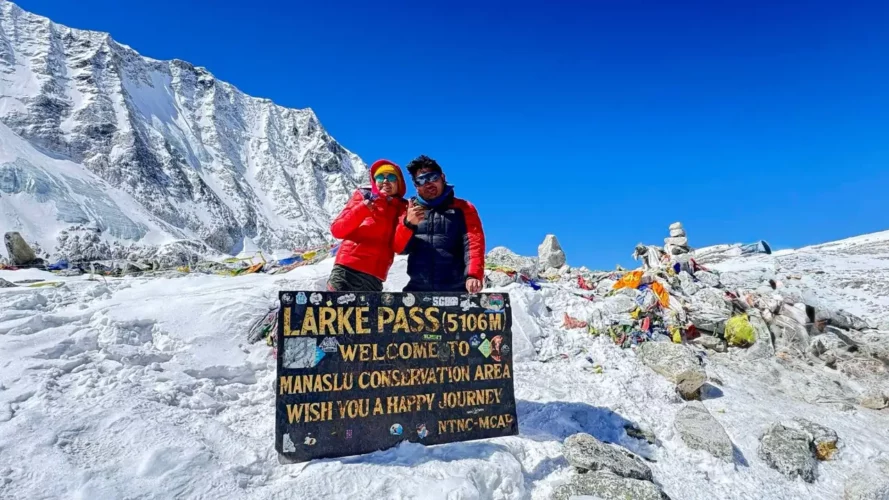
The Manaslu Circuit Trek is an iconic adventure in the Himalaya featuring amazing views of stunning landscapes and a rich cultural experience. This trek offers solitude and tranquility compared to the overrun sections of Everest Base Camp and Annapurna Circuit, with many opportunities to intermingle with nature and traditions.
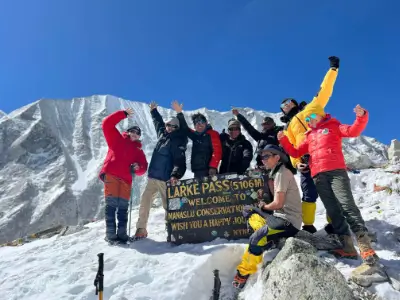
Larke Pass or Larkya La is the highest point of the trek at 5,106 meters. It is considered the highest and most challenging climb between Dharamsala and Bhimtang. This makes the Larke Pass a key component of the trek and a physical challenge for trekkers.
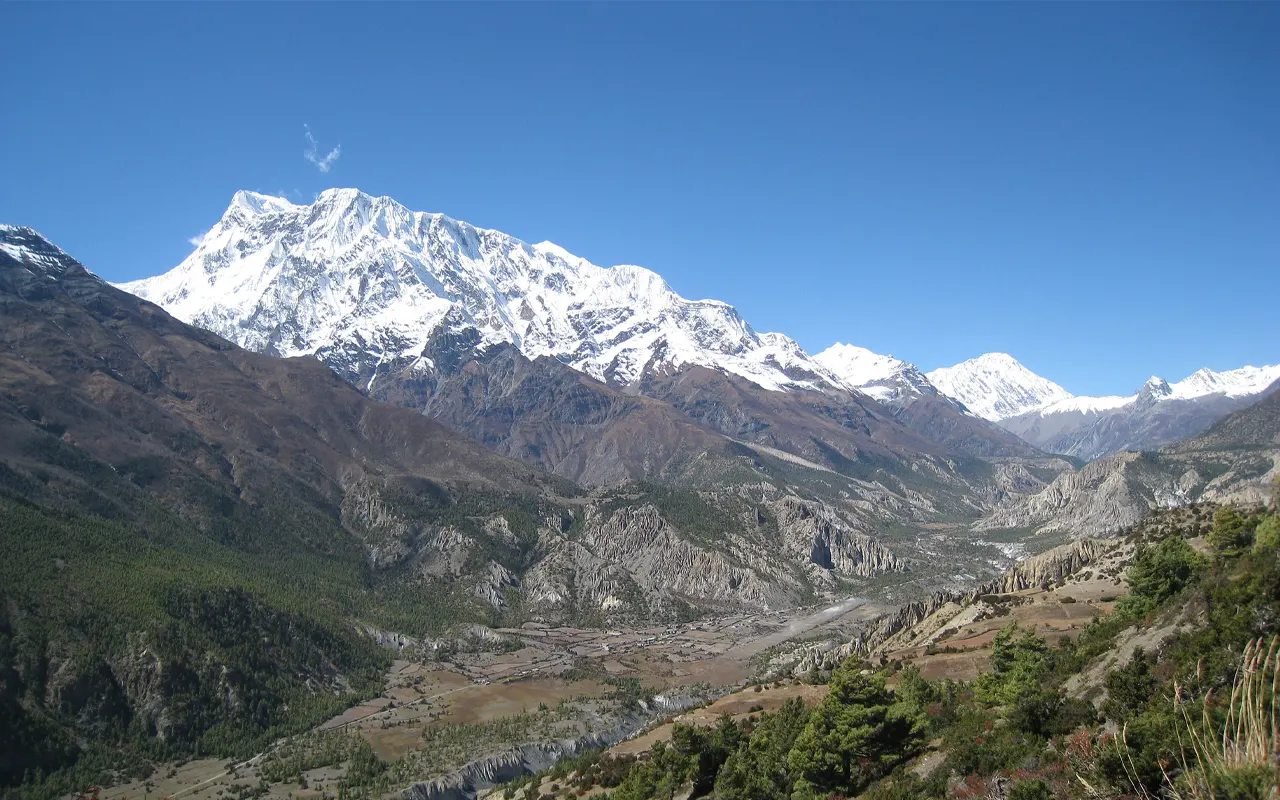
No trek is complete without mentioning the views; the Larke Pass does not disappoint. Few words can describe the breathtaking views of all of the nearby steepness of the Himalaya’s peaks above, including Mt. Manaslu, Annapurna, Himlung Himal, and more. From the combination of its high altitude, toughness of the trek, and fabulous scenery, Larke Pass is a highlight of the trek.
In addition to physical challenges, the Larke Pass has a unique ecological and cultural transition area populated by Tibetan-influenced ethnic groups. Instead, the trek becomes not just a beautiful experience of the natural surroundings of the Himalayas but the experience of trekking in the remote mountains, reflecting on traditional ways of living in the mountain spaces.
Where is Larke Pass?
Larke Pass is situated in the Gorkha District at an elevation of 5,206 meters, the highest point of the Manaslu Circuit Trek. Larke Pass was between Dharmashala and Bhimtang on the route.
Annapurna Conservation Area and Manaslu Conservation Area are connected by the Larke Pass. You will get an opportunity to see the amazing view of Manaslu and the Annapurna region because of the physical links.
Usually, it takes around 10 to 11 days to trek to the Larke pass from the start of the Manaslu Circuit Trek. The trek often starts near Soti Khola or Arughat, and after a variety of villages, and after the familiarization of Samagaon and Dharmasala, it goes upwards to the top of the pass.
Trekking includes acclimatization days sometimes, and individual speed rates also vary, so it is safe to say that the loop could take anywhere from 11 to 14 days.
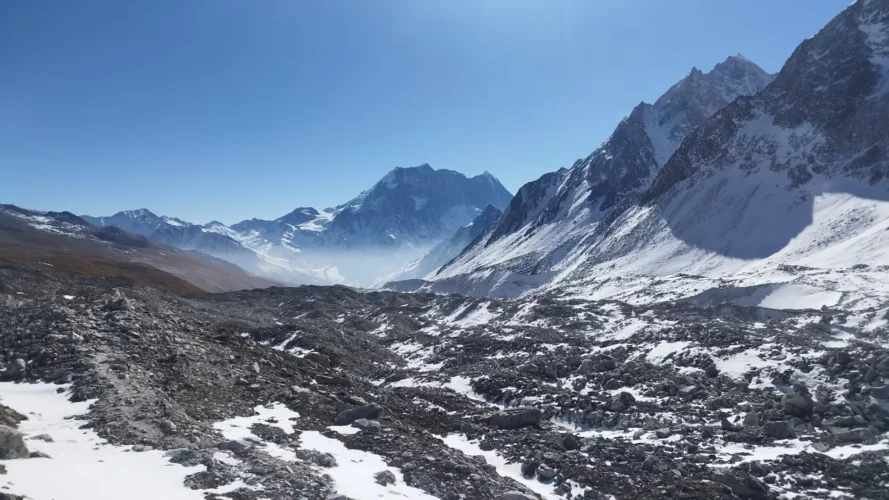
The Journey to Larke Pass: Trail Transformation
The trail on the Manaslu Circuit packs a lot of variety. You will walk while changing the landscapes from alpine meadows to rocky ridges. You will start your trek in lush greenery and pass the various terraced farms and forests.
You will pass Samagaon, Samdo, and Dharmasala village along the way. You will witness Tibetan influences and hospitality in both Samagaon and Samdo villages, while Dharamsala is the last point before attempting the pass.
As trekkers will gain elevation, it is critical to acclimatize on the trek to the Larke Pass. Slope starts and slower ascents, rest days at Samayaon or Samdo, and continued hydration will help trekkers’ bodies acclimatize to air thinning, thus reducing the possibility of altitude sickness when the trek to Manaslu reaches similar heights as 5,106 m.
The days leading up to Larke Pass can be more mentally tiring than physically tiring because of excitement, thinning air, and the challenges. Trekkers must monitor their sense of stability between excitement and caution, as their greatest challenge is about to become their greatest joy.
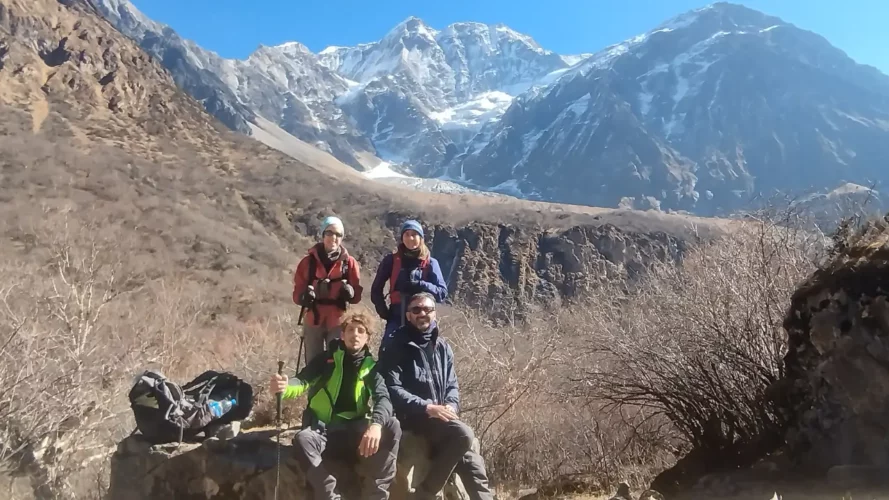
Crossing the Pass: What to Expect
Trekkers usually begin their Larke Pass crossing very early in the morning, between 3 and 4 AM. Starting early in the day avoids the winds and weather changes that take place around midday, but it also means trekkers will finally have the chance to cross the snowfields before the sun softens them and the ice becomes unsafe to drive on.
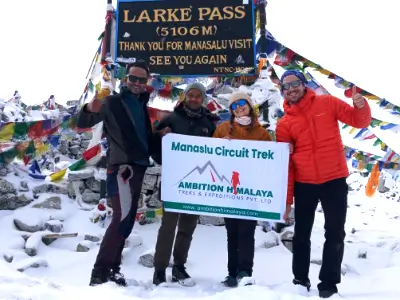
The first part of your ascent follows rocky ridges before opening into snowfields steadily higher above the valley below. As you arrive at the top, there is a small accumulation of prayer flags and stone chortens that mark success at the highest point of the Manaslu Circuit.
The passage over the Larke Pass does take a considerable 3-5 hours, not just to go up, but also because you need to descend a long, steep slope on the other side. The total effort of traversing could take anywhere from 8-10 hours based on how your group manages their effort (strength, stamina, and pacing).
Safety is a priority in scenic places like the Himalayas. With altitude sickness being only one of your risks lurking on the snow fields and, trekkers need to ensure they are well-acclimatized, follow their guide, and remain aware of the terrain beneath their feet for the slippery slope ahead.
In reaching the summit, there are so many feelings: relief, pride, and gratitude at the least, for some awe may be the dominating emotion. It feels as if those moments are imprinted on your soul, a blending of achievements and the view of the climbing Himalayan peaks in the distance, with colorful prayer flags waving in the alpine wind.
US$ 950
Scenic Rewards: Views You’ll Never Forget
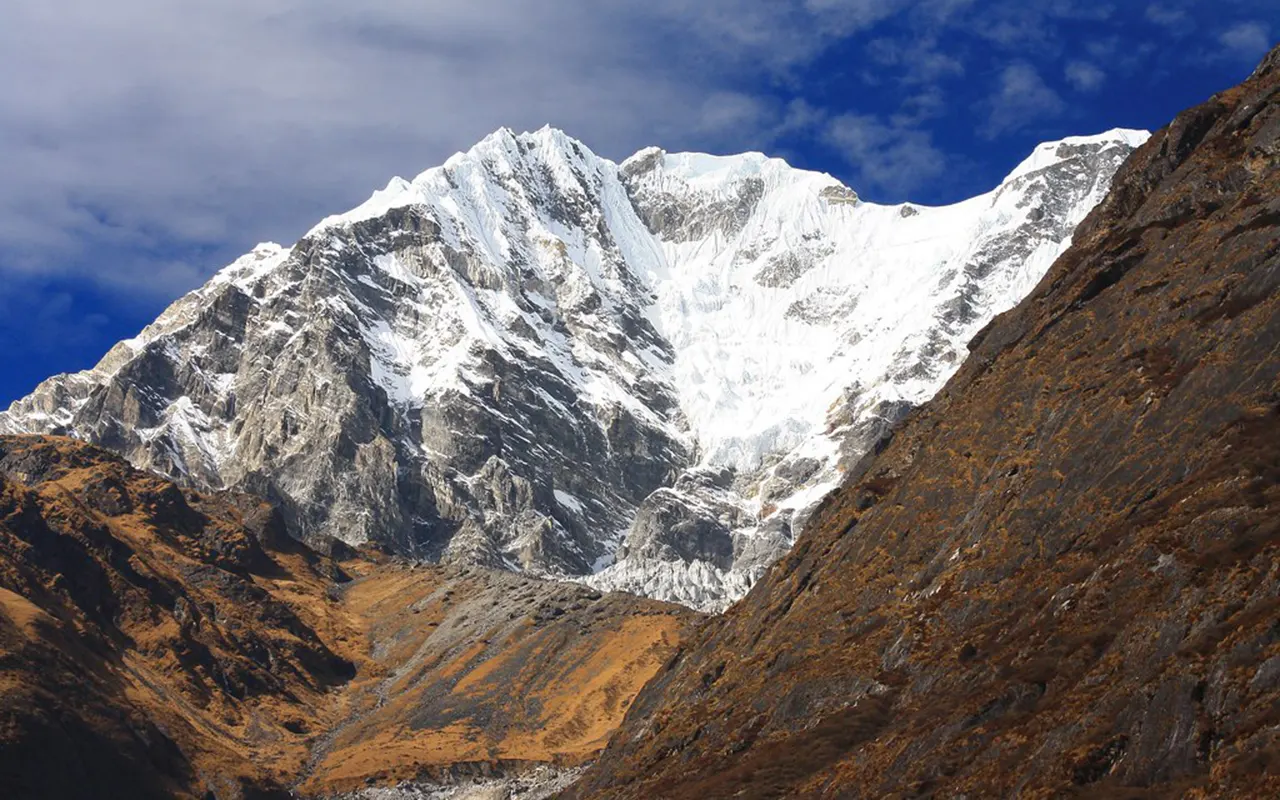
Hikers are blessed with the spectacular scenery of the Himalayan giants, including Mt. Manaslu, Himlung Himal, Cheo Himal, Annapurna II, Kang Guru, and more. The snow-topped mountains rise sharply out of the valley in every direction and capture the attention of all trekkers.
Above the breathtaking wilderness that envelops Larke Pass, the contrast of white snow and ice on blue skies is with steep valley terrain cutting deep into the fold of mountains. The fluttering, colorful prayer flags hanging over the wilderness make you feel like you are on another planet.
Few places in any part of the world combine such a pure alpine wilderness and a beautiful high point at once, and Larke Pass affords the trekkers both isolation and view. The openness to the panorama is overwhelming, standing in the center of an amphitheater of mountains.
There are a few places on the Earth where you can brag of both serenity and massive mountains with unobstructed views of the Himalayas, like the Larke Pass does. Trekkers will often find that their visits to Larke Pass eclipse some of Nepal’s most well-known trekking vistas.
Cultural and Symbolic Significance
At Larke Pass, the colorful prayer flags and mani walls symbolize the belief in Buddhism and are intended to spread blessings through the wind. These sacred markers infuse an already high mountain environment with a sacred quality, turning it into a site of spirituality and meditation.
Recent progressions through the Larke Pass have been viewed as a type of spiritual crossing. Trekkers symbolically leave one region, culture, and state of mind behind to embark on another. In essence, crossing the Larke Pass embodies Buddhist teachings relating to transience, metamorphosis, and the re-emergence of self.
Local mythologies emphasize centuries of use by traders and pilgrims who crossed this mountain pass, attributing beliefs that mountain spirits grant safe passage to travelers who respect their existence. The crossing of the Larke Pass is viewed as an earthly short-term acceptance of a sacred threshold, amidst parochial guardian deities and ancestors looking over those who cross.
There are stories from the Tibetan influence villagers at the base of the pass, associated with personal victories, miraculous escapes, and rites performed for safe traversing. These incredible stories continue to strengthen the connection between nature, faith, and the human spirit that is stronger than ever in the Manaslu area.
Sense of Accomplishment
Crossing the Larke Pass feels like a personal victory as it shows overcoming such extreme physical and mental challenges at high altitude. You will require great resilience and mental strength to reach the Larke pass, and the accomplishment is symbolized by an exhilarating feeling.
Trekkers usually experience that mixture of exhaustion and amazement, where everything sinks in. The enormity of the mountains and landscapes starts to solidify as they appreciate the beauty of the world around them while also reflecting on their accomplishments.
When trekkers appreciate that they have conquered the second-highest pass in Nepal on a remote and challenging route, some exhilaration builds. It is a moment of demonstrating one’s self-belief and fight, often shared quietly together with fellow adventurers.
This moment of emotion is the peak experience of the Manaslu Circuit, not only physically but spiritually as well. It is the purest experience of emotion you can imagine, a mixture of relief and excitement while symbolically connecting on some deeper level with the self and the experience.
How Larke Pass Compares to Other Passes in Nepal
Larke Pass is more remote and has fewer travel routes compared to the famous Thorong La, Renjo La, and Cho La passes in Nepal. You will get a challenging adventure in the Larke Pass because the trail is less groomed and restricted.
You will feel a sense of isolation and exploration in Larke Pass, while Thorong La has many trekkers despite its higher elevations (5,416m vs 5,106m). Renjo La and Cho La provide stunning views of Everest, and are also more traveled, commercialized routes with easier logistics and resources.
Larke Pass is great for trekkers searching for solitude in the wilderness, an off-the-beaten-path trek with some challenging hiking, and some authentic mountain culture. Adventurers searching for the raw landscapes and remote experiences, away from the crowds, will be more than satisfied with Larke Pass.
US$ 1000
When to Trek the Larke Pass Safely
Larke Pass is in its best condition to climb during March–May and September–November. These months have stable weather, excellent visibility, and low chances of rain and snow. These conditions will lead to the best conditions and visuals for you while crossing.
Heavy snowfall and bad storms happen in winter and early spring, which can block the pass or make it unsafe. Before and during the climb, always check the weather forecast to make necessary changes because of snow closure and weather changes at high altitude.
Because you will reach a higher elevation at 5,106 meters, altitude sickness is a potential danger. To have a safe and enjoyable journey, walk slowly while having acclimatization days in your itinerary, stay hydrated, and make sure you have good knowledge of altitude sickness.
Packing Tips & Gear for Larke Pass Crossing
When crossing the Larke Pass, the ability to put on and take off layers for fluctuating temperatures is always good. Gloves, a warm hat, and a good headlamp are a must to start early. Trekking poles allow for a stable walk over rocky and icy sections.
You should pack some emergency snacks that provide quality energy fast, such as nuts or energy bars. Hydration is also very important, bringing one or more water bottles, or hydration bladders, along with some purification tablets to have safe drinking water during your time on the trail.
Pack your backpack light and wisely to avoid fatigue. Pack clothes, snacks, a water bottle, and safety gear in light clothing to keep your feet light and agile. Additionally, pack sturdy and waterproof boots with ankle support, moisture-wicking clothing, and gear like sun protectants, gaiters to protect against snow, sun, and wind.
Conclusion
Larke Pass is the pinnacle of the Manaslu Circuit Trek, exhausting trekkers with its altitude and terrain, yet offering them a profoundly spiritual experience through the cultural symbols and sacred landscape.
Every trekker is marked deeply by the sight from the summit and the feeling of success. It’s a mix that can never be forgotten of the natural charm, the conquering of the inner self, and the relationship with culture that becomes a part of you forever.
Adventurers who are going to come after will be given not just a hard journey but a life-changing one by the Larke Pass. Being ready and having a strong will, it can become a gratifying journey that lifts not only the body but also the spirit in the paradise of the Himalayas.
Frequently Asked Questions
Is the Larke Pass safe to cross solo?
Crossing the Larke Pass without a guide is risky by oneself due to difficult terrain, high altitude, and changeable weather on a remote trek. A guide helps with a safe itinerary, contacts for assistance, navigation, every safe step, and assistance to keep you safe in difficulties.
How hard will the ascent and descent be?
The ascent and descent will be moderately or very hard for the average trekker with sections that are steep, rocky, or icy. You should be very fit and in good shape, with a good level of stamina, and a background in above-average high altitude trekking.
Can a beginner cross the Larke Pass?
Beginners who are in good physical shape and have taken the time to acclimatize may plan to cross; however, it is generally more suitable for experienced trekkers, due to altitude, prior trekking experience, and technical difficulty.
Are there tea houses before and after the pass?
Yes, there are tea houses in a couple of villages (Samagaon, Samdo, and Dharmasala) before and after the Larke Pass. They provide an adequate and basic meal, room, and accommodation.
What precautions should I take at altitude?
Take time to acclimatize, including rest days, keep well hydrated, no alcohol, know the symptoms of altitude sickness, and if symptoms get worse, you should descend immediately to be safe.