
How to Prepare for Trekking in Nepal: A Complete Guide for First-Time Trekkers
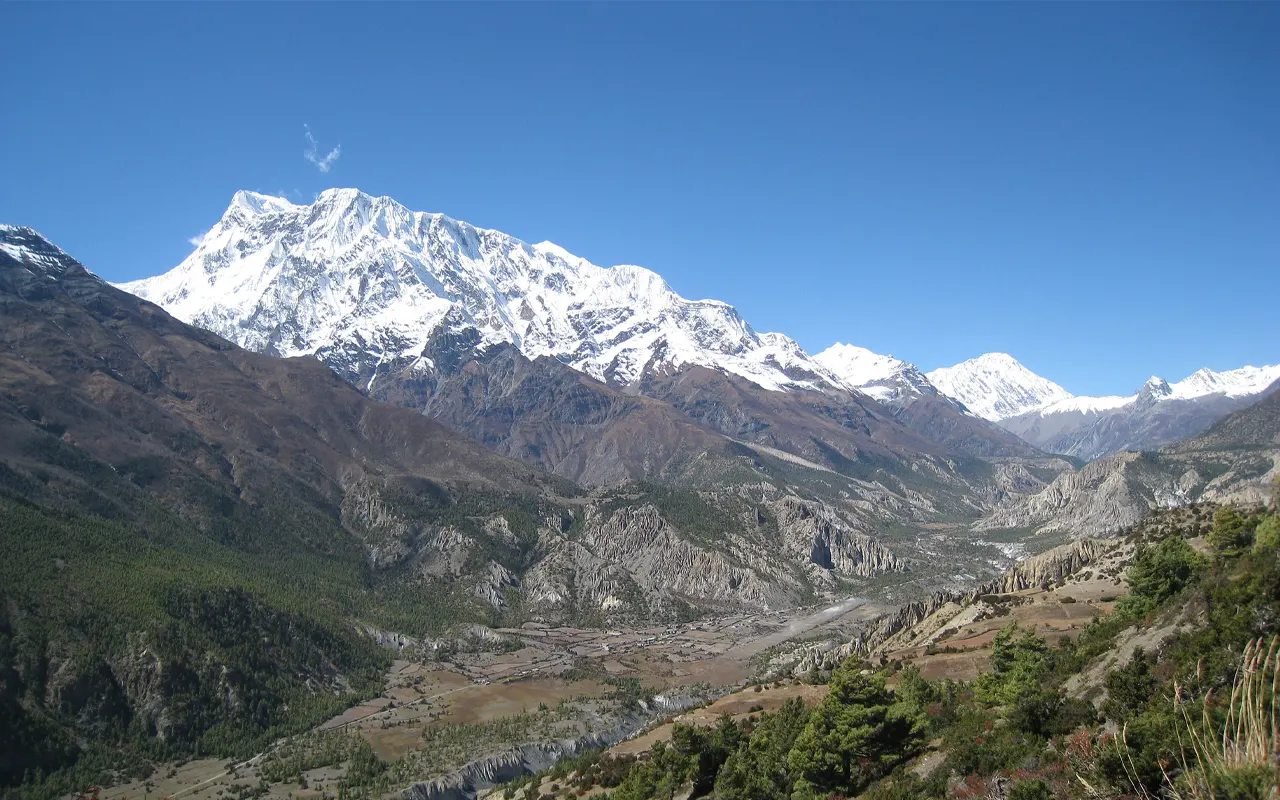
Nepal is famous all around the world as a popular destination for trekking because trekking has been a way of life here since the early 1960s when the concept of commercial trekking was invented in the country. Situated in the heart of the Himalayas, Nepal has not just stunning natural, it has a rich cultural diversity with more than 70 ethnic groups making their home in the country.
Trekking in Nepal combines phenomenally beautiful mountains while experiencing and interacting with some of the country’s local communities, which are rife with culture and spirituality. The combination of these factors makes Trekking in Nepal an experience unlike anywhere else in the world.
There are many factors to consider when planning to trek in Nepal. Acclimatization is an important factor to be considered when trekking in high altitudes above base camp. In addition to acclimatization, trekking in Nepal requires all the appropriate gear for your chosen trekking region, including sturdy trekking boots, trekking poles, layer clothing, etc. for easy navigation in rough terrain.
During the trek, trekkers will walk through suspension bridges over roaring rivers, deep forests, and rugged mountain passes which require physical preparation and planning. Similarly, applying for permits, determining the weather, and managing accommodation and guides are all critical logistical hurdles that will allow you to have an enjoyable and safe trek.
This guide will address the question “How to prepare for trekking in Nepal” to help first-time trekkers who may be unaware of the physical requirements of trekking in Nepal. This guide also helps solo traveler who prefers independence, and budget-minded adventurers to navigate the trek. Whether a novice who wants to take the classic trek to Everest Base Camp trek or someone who prefers an easier trek to experience Nepal, this guide will help you to successfully navigate trekking in Nepal. It covers everything from picking appropriate treks for your physical levels to cultural awareness and safety.
By adhering to this guide, novice trekkers will receive the information necessary to prepare for the trek in Nepal. Trekking is not merely a physical trek – it is also a cultural pilgrimage, allowing a connection with nature and local culture in an extraordinary way. With the right preparation, your trek in Nepal can go from a daunting challenge to a gratifying and life-changing experience.
Choose the Right Trek for You
Understanding how to prepare for trekking in Nepal begins with choosing the right trek that aligns with your fitness level, interests, time, and budget. It will dictate the extent to which you can experience fun and safety on your trek. Some treks can last a few days and remain at lower elevations. However, your budget will ultimately dictate your trek, because longer and remote treks will usually cost more because of permits, guides, and equipment.
Nepal offers treks for everyone, from easy walks to strenuous treks. If you are a novice or want easier trekking experience, you can do treks such as Poon Hill and the Royal Trek. These treks can be completed in relatively short distances and are low elevation gains, making it very achievable for someone at most fitness levels, and a first trekking experience. For those who want to experience adventure and altitude, moderate treks like Langtang Valley or Mardi Himal have a good balance of reward and challenge.
For more experienced trekkers seeking a more genuine challenge, treks like Everest Base Camp and the Manaslu Circuit may be genuinely achievable but if you are looking for high altitude, difficult terrain, and extended duration you certainly need to be fit, seasoned, and prepared for an adventure requiring strong endurance and previous trekking experience.
The key is to align your trek with your capacity for fitness and with your interests to have a safe journey. Overestimating your level of fitness poses the danger of causing fatigue, illness, or injury, which will make the experience unpleasant and unsafe. Conversely, underestimating your fitness may result in boredom and a desire for a more authentic trekking experience. So, it is important to consider your expectations before the trek.
In the end, the ‘right trek’ is one that makes you excited, fits your capability, and fits with your time and budget parameters. It encourages you to take time to research and prepare for the walk. Trekking experience in Nepal’s mountainous region will create enduringly positive memories for the future.
Physical preparation is important for trekking in Nepal because trekkers will ascend and descend for 5 to 6 hours daily. So, you should begin your preparations 4 to 6 weeks before your trek, which allows your body to safely build the stamina, strength, and cardiovascular endurance to venture across long days on irregular terrain. Working out earlier mitigates the chance of injury while improving the overall trekking experience.
US$ 400
Cardiovascular training is important for the treks and to develop your heart and lung capacity. Walking, running and step climbing are good examples since they mimic the excursion movement and intensity of trekking. Regular cardiovascular workouts will develop endurance and allow you to sustain a given pace for some time. You should also incorporate interval training alternately switching between high and moderate efforts. This will increase aerobic capacity and help you adjust to the variable effort required on mountain trails.
Strength training is also essential, emphasizing the legs, core, and back. Strong legs will help you power up steep ascents and provide stability on uneven ground. A strong core will help to maintain balance and reduce fatigue. Squats, lunges, planks, and back extensions are arguably the four best strength exercises to do. Additionally, Building up muscle strength will reduce your likelihood of injury and develop shoulder endurance for carrying backpacks.
Consider mock hiking and interval training to prepare for altitude. Practice hiking with a loaded backpack over some uneven terrain before your trip so you know what to expect. Interval training will help the body to adapt to the oxygen fluctuation changes you will experience at altitude. Additionally, you can spend some time outside at higher elevations whenever possible.
Essential Documents & Permits
To guarantee a smooth trekking experience in Nepal, it is crucial to get the necessary permits and documents. The Trekkers’ Information Management System card is the minimal permit needed for a hike in Nepal, costing approximately USD 20 for individual trekkers and USD 10 for trekkers trekking with a registered agency.
Trekkers require a Conservation Area permit in addition to the TIMS Card. These permits are required while trekking in the protected area including Annapurna Conservation Area (ACAP), Manaslu Conservation Area (MCAP), Sagarmatha National Park, and many more. The permits support the conservation of the cultural heritage, communities, and environment of Nepal. You can expect to pay anywhere between USD 20 to USD 30 depending on the area trekked.
The Nepal Tourism Board and authorized trekking agencies in Nepal are the sources of these licenses. However, some permits and TIMS cards can be available online. We recommend you arrange them before the trek starts to avoid any unnecessary delays.
In addition to the permits, trekkers need to carry a valid passport with at least six months’ validity, as well as a tourist visa for Nepal, which may be obtained on arrival in Nepal. We also highly recommend you carry travel insurance because it will cover high-altitude trekking and emergency evacuations to protect in the event of an accident, illness, or evacuation costs. Preparing to trek in Nepal is not just about physical preparation, it is also about ensuring all legal documentation and permits to meet the regulations to have a safer journey.
Packing Smart: Gear Checklist
Clothing:
Clothing is the basis foundation of your gear list. So, it is important to set up a proper layering system to deal with the different mountain weather in Nepal. You must start packing with a moisture-wicking base layer to keep sweat away from your skin, a fleece or down jacket for warmth, and an outer shell that is waterproof and windproof to protect you from rain, snow, and cold winds.
You will also need thermal underwear for cold mornings and evenings, a good fleece for extra insulation when on a rest stop, and breathable and quick-drying fabrics to make yourself comfortable during the daytime.
Gear:
In terms of gear, a backpack of 35 to 50 liters capacity is recommended for most treks, allowing enough space for essentials without being overly bulked. Trekking poles are extremely helpful in keeping balance and relieving stress on knees during steep ascents and descents. For off-the-beaten-path treks or overnight stays in rudimentary lodges, a sleeping bag rated for cooler temperatures will be required. Additionally, you need comfortable trekking shoes, a hat, gloves, and sunglasses for UV protection at altitude.
Essentials:
A good headlamp is important if you are hiking early in the morning or need to move at night. Water purification tablets for clean drinking water power banks to charge up devices, and a first aid kit including blister care, pain killers, and altitude sickness medication are also essential during the trek. Lastly, to protect from UV rays in higher altitudes don’t forget to bring your sunscreen and SPF lip care.
Budget Tip:
For budget-conscious, trekkers renting gear in Kathmandu or Pokhara can be a good choice. Some shops rent quality trekking gear at reasonable daily rates. Renting gear not only saves money but also means that you will not have to carry items on your international flights. Before making a purchase, you can test the equipment by renting it.
You’ll need some personal gear like sleeping bags and base layers to keep yourself clean and comfortable. With wise packing strategies, you can adequately prepare yourself for your trip while finding the optimal balance between what you will rent and what you will pack.
Acclimatization and Altitude Safety
Altitude sickness, also referred to as Acute Mountain Sickness (AMS), means your body does not have the ability to rapidly acclimatize to lower oxygen levels, or lower air pressure at higher elevations, typically at altitudes above 2,500 meters (8,200 feet). Anyone rising rapidly to high altitudes can be at risk for developing altitude illness, but the risk varies by individual and is not necessarily related to fitness or age.
Signs and symptoms of altitude sickness normally include headache, fatigue, nausea and dizziness, loss of appetite, insomnia, and shortness of breath. These conditions are generally considered as high-altitude pulmonary edema (HAPE) and cerebral edema (HACE). Any suspected conditions of HAPE or HACE would require immediate descent while seeking medical attention. Recognizing these early signs is extremely important to prevent potentially life-threatening conditions.
Acclimatizing gradually is the key to preventing altitude sickness. Climbers should ascend slowly, not more than 300-500 meters a day above 2,500 meters, and should take rest days to allow the body to acclimatize. During this time climbers should ensure they remain hydrated by drinking 2-3 liters of water daily and should eat nutritious high-calorie food to ensure their energy needs are met.
Acetazolamide (Diamox) is a drug that can ease acclimatization and reduce symptoms. However, the medication should be taken only after consultation with a medical professional. In emergencies, supplemental oxygen, and helicopter evacuation may be needed. Learning about the possibility of altitude sickness and adhering to the previously listed precautions can help you have a more pleasurable and healthy trek in Nepal.
Food, Water & Accommodation Expectations
An essential part of understanding how to prepare for trekking in Nepal is knowing what to expect when it comes to food, water, and accommodations along the trails. The primary meal on the trails is dal bhat, which includes steamed rice, soup lentils, vegetable curry, pickles, and sometimes meat curry, and is often served unlimited. There are also other popular food options such as momos, fried rice, noodles with vegetables or eggs, and Tibetan-style soups like thukpa. Many teahouses have Western food such as pasta and pizza, but it is costly.
Meal prices along the trail vary by region and elevation but you can generally expect to pay between USD 3 to 7 for dal bhat, while there are higher prices for snacks and western-style food. Bottled water is sold on the trails at varying prices depending on where you are, but generally, it will cost from USD 1 to 3 per liter at higher elevations. To stay safe, it is recommended that trekkers use water purification tablets or portable filters to purify tap or stream water because untreated water can make trekkers sick to their stomachs.
In Nepal, accommodations on trekking routes are teahouses, lodges, and homestays. They provide basic rooms and local meals. However, for trekkers who want to have a cultural experience, homestays can be a good option. Facilities on the routes might vary greatly, especially at higher elevations, and it’s vital to be ready for the possibility of limited access to hot water, electricity, or drinking water.
As a first-time trekker in the planning stage for trekking in Nepal, knowing what you should expect from food, water, and accommodation will help you set realistic goals for your experience, and allow you to travel comfortably and safely. It would be helpful to comprehend the comfort and financial management in order to know what to expect from tea houses and lodges.
Money & Budgeting
When planning your trekking journey in Nepal, budgeting is important for a seamless and pleasurable experience. For the budget trekker, the total daily expenses can vary between $25-$45 for food, lodging, permits, and basic service fees. A budget in that area covers lodging in tea houses with basic accommodation, affordable local meals like dalbhat, and transportation costs.
Currency exchange should be done in main cities, where the exchange is at a better rate like in Kathmandu or Pokhara. Even though such cities have ATMs, these services are not available in remote areas. So, it is highly recommended to collect enough cash for the entire trek and some spare cash for unforeseen problems, since it is impractical to depend on credit cards or accessible ATMs along the trekking route.
During the trek, carrying cash resolves unnecessary stress for the paying process on permits, lodging, food, and tips. It’s advisable to bring US dollars or Euros because they are accepted and straightforwardly converted to Nepali Rupees. Lastly, always use authorized money changers and banks that provide receipt options to reduce counterfeiting risks.
Tipping is an important step in trekking culture in Nepal. It is a wonderful way to express gratitude to the guides and porters who work hard to provide a safe and enjoyable journey. Budgeting tips for guiding and porters is important to the local trekking community when preparing for a trek in Nepal.
Cultural Etiquette & Responsible Trekking
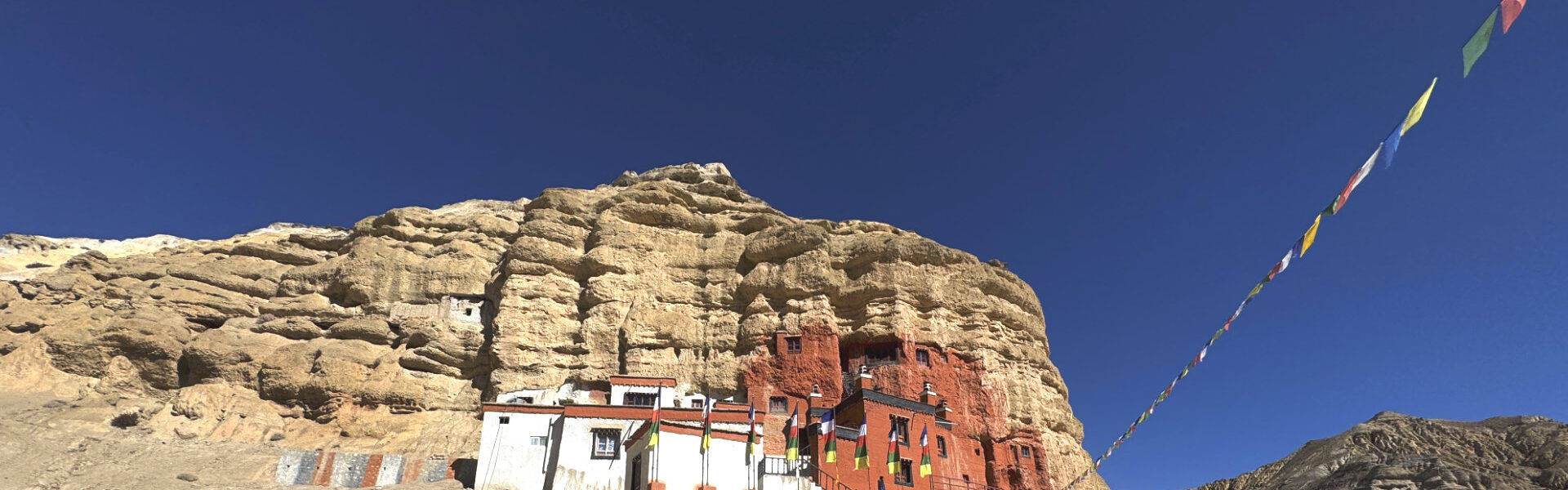
It is important to understand and respect local cultural etiquette when preparing for a trek in Nepal. An important aspect of cultural etiquette, trekkers can dress modestly to demonstrate respect for local norms and culture. When visiting temples or monasteries, it is expected to remove shoes and act quietly in respect of local sacred areas. Touching sacred objects is forbidden, and taking a photo generally requires permission.
Also, responsible trekking minimizes the impact on the environment which can be reduced by using reusable water bottles and avoiding plastic during the trek. Local trekking lodges often sell and provide filtered water or refills; using such water sources to reduce waste in remote locations. You should pack a small bag to pack out any trash you produce while trekking, it helps to protect the natural beauty of the area.
The trekking experience will be further enhanced by interaction with locals. Greeting people with Namaste and a slight bow shows an appreciation of Nepali culture may result in a warm welcome. Always have permission while taking photographs of individuals. Additionally, be mindful of local customs during festivals and avoid escalating situations.
Part of your responsibility as a trekker is to support community lodges and local businesses. When you choose to stay in teahouses operated by local families or homestays, you promote local tourism in the communities you are visiting. Additionally, purchasing handicrafts manufactured in the area and using local guides and porters supports local economies while encouraging equitable, sustainable tourism. Thoughtful planning on how to prepare for trekking in Nepal enhances the experience while respecting the history and livelihoods of the people living in the Himalayas.
Final Prep Checklist Before You Go
- Book your flights and secure travel insurance that covers high-altitude trekking along with emergency evacuation.
- Confirm your intended trek route, ensuring that it is within your fitness and interests, and make sure that you obtain all the required permits before your trek.
- Be sure to book your accommodation and transportation in advance to avoid a last-minute issue while on your trek.
- Let family or friends know your trekking plans and itinerary to contact you, so they will be aware of your location.
- Get hold of contact information of local guides, embassy, insurance agencies, and emergency services and keep them within your access.
- Make photocopies of your documents such as passport, trekking permits, travel insurance, and itinerary.
- Make sure you are well prepared by making a checklist of everything and ensuring that everything in the checklist is packed correctly.
Conclusion
If you’re a first-time trekker, understanding how to prepare for trekking in Nepal is essential for a safer, smoother, and more rewarding adventure. By learning about altitude sickness, training physically, obtaining permits, and packing wisely, you can take full advantage of the amazing scenery and diverse culture found in the Himalayas. Proper planning will help you avoid future risks and stress so you can enjoy your trip in peace.
If you are planning a visit to Nepal, remember to respect local traditions, reduce environmental impact, and support local businesses. This simple act will not only add an interesting dimension to your trek but also support the sustenance of Nepal’s culture and environment so that future trekkers will be able to enjoy their visit to Nepal too. Ready to get started? Don’t forget to look at our packing Guide for trekking in Nepal or a guided Trekking Package to make sure you have the most enjoyable and smooth introduction to your first Himalayan trekking experience!