

Hidden Lake Trek – 11 days

Based on389 Reviews
Trip Duration
Group Size
Max. Altitude
Difficulty
Meals - Breakfast
- Lunch
- Dinner
Accommodation - Hotel
- Teahouse
Activities- Trekking
Best Season - Mar-May
- Sep-Nov
$ 550USD
- No. of Pax Per person
- 1 - 1 personUS$ 850
- 2 - 2 peopleUS$ 750
- 3 - 5 peopleUS$ 700
- 6 - 9 peopleUS$ 650
- 10 - 15 peopleUS$ 600
- 16 + people 9999 US$ 550
Total Cost:
US$ 850
- Private trip departures everyday
- No hidden cost
- Local based company
- We can help for big group
- Over 17 years of experience
- According to your needs, we can Customize the itinerary.
Highlights of Hidden Lake Trek – 11 days
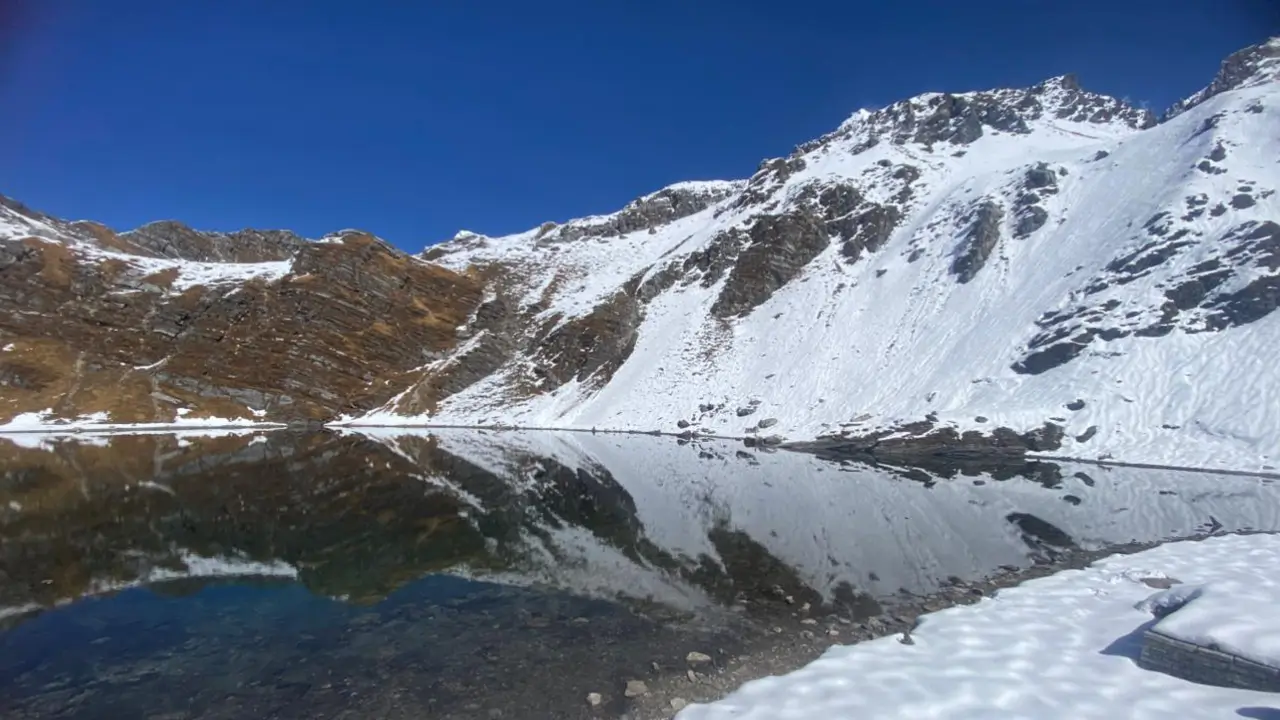
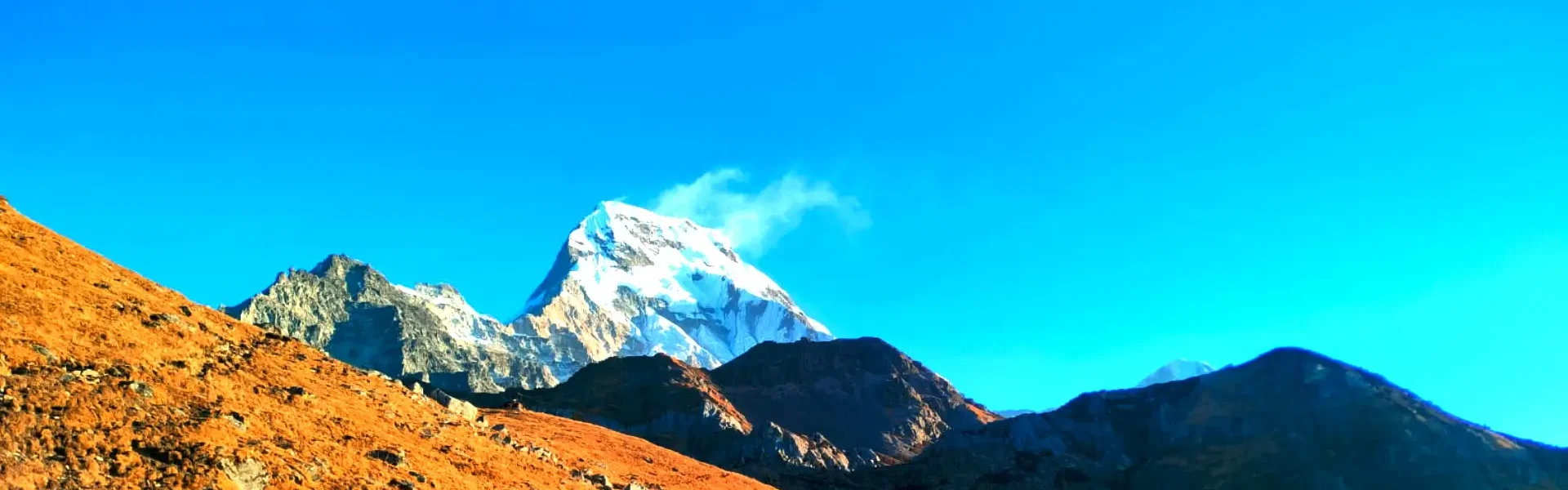
- Hidden Lake’s mirror surface reflects Annapurna South’s snowfields
- Gurung villages maintain archery traditions where bamboo bows shoot targets 50 meters distant during Maghe Sankranti festivals
- Rhododendron forests between 2,100-2,400 meters host many different bird species, including the crimson-bellied woodpecker
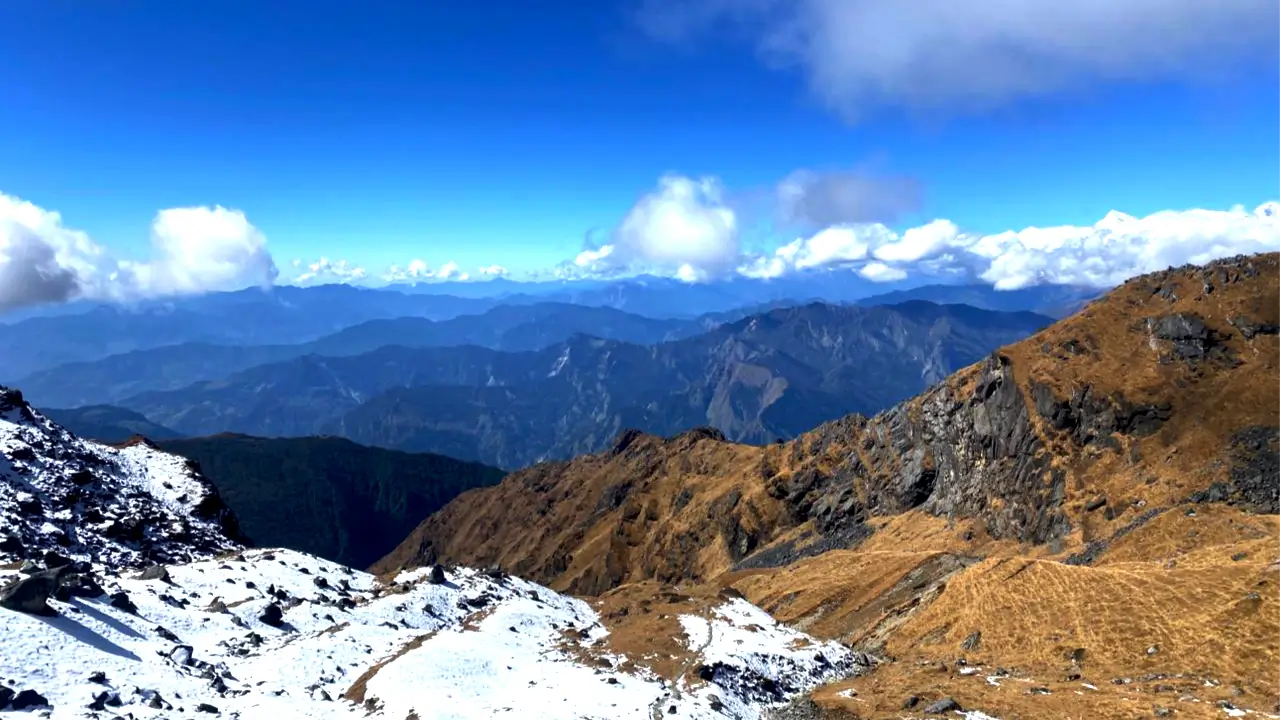
- Enjoying a panoramic view from the Muldai viewpoint on day 5.
- Experience an overall intimate trek with fewer crowds and more nature.
Overview of Hidden Lake Trek – 11 days
Hidden Lake Trek delivers an unparalleled journey through Nepal’s Annapurna foothills, where glacial geology meets living Gurung culture. We traverse 11 days across six distinct ecological zones, from Kathmandu’s 1,400-meter urban sprawl to Pode Kharka’s 4,060-meter alpine threshold, one of Nepal’s highest permanent settlements.
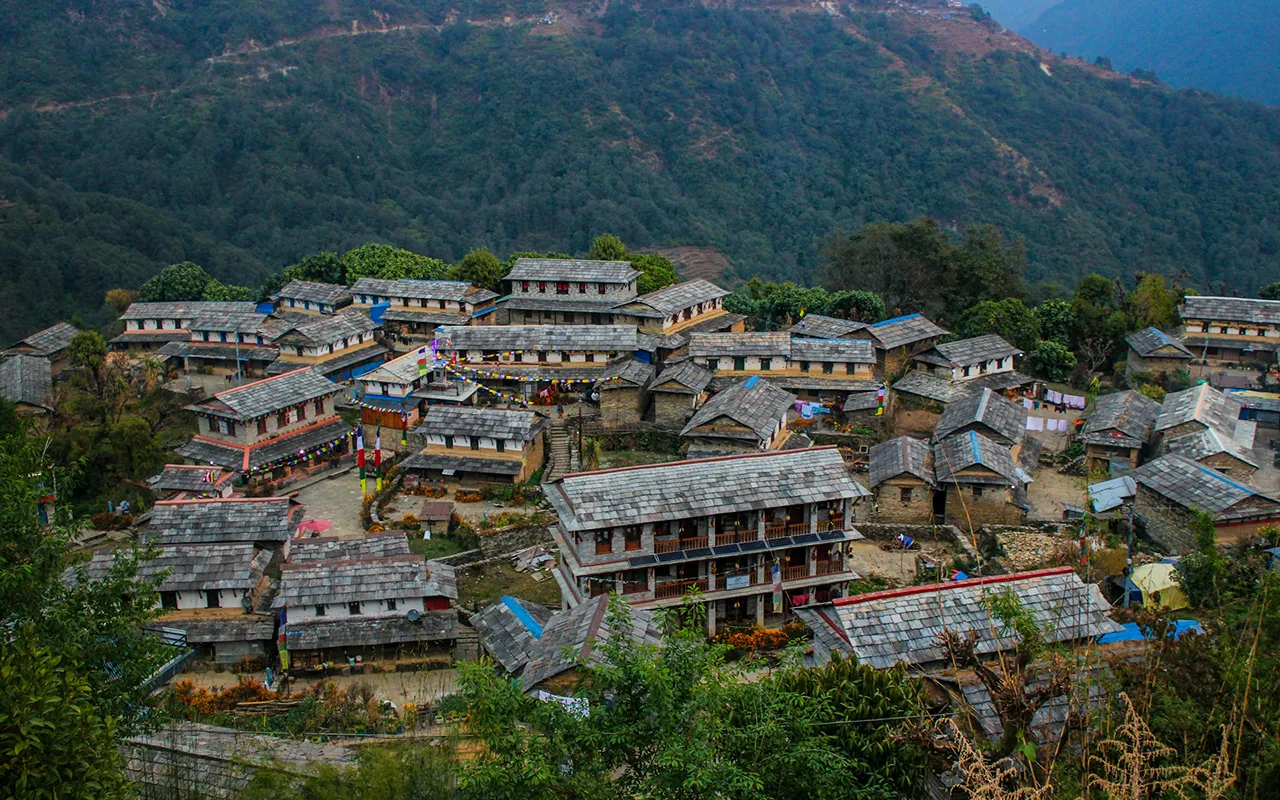
This route reveals Hidden Lake, a 0.4-hectare glacial body formed hundreds of thousands of years ago with high water clarity. You’ll walk among 85% Gurung communities in Ghandruk (1,940m), where slate-roofed stone houses and prayer flags honor traditions shaped when Gurung men became legendary Gurkha soldiers for the British Empire.
The trail follows the Modi River canyon, exposing sedimentary rock layers while crossing over a dozen suspension bridges, including the 45-meter Chhomrong High Bridge spanning a raging gorge.
Our path weaves through rhododendron forests blooming crimson in spring, dwarf juniper dominates above 3,500 meters, and terraced farms where Gurung farmers cultivate organic potatoes using compost methods passed down generations.
At 4,060 meters in Pode Kharka, you’ll taste the glacial water from a single stone-enclosed source sustaining year-round households. The trek’s climax at Hidden Lake (4,270m) offers mirror-like reflections of Annapurna South’s 6,993-meter snowfields, visible only during the clear-skied October-November window when daytime temperatures hover at 15-22°C.
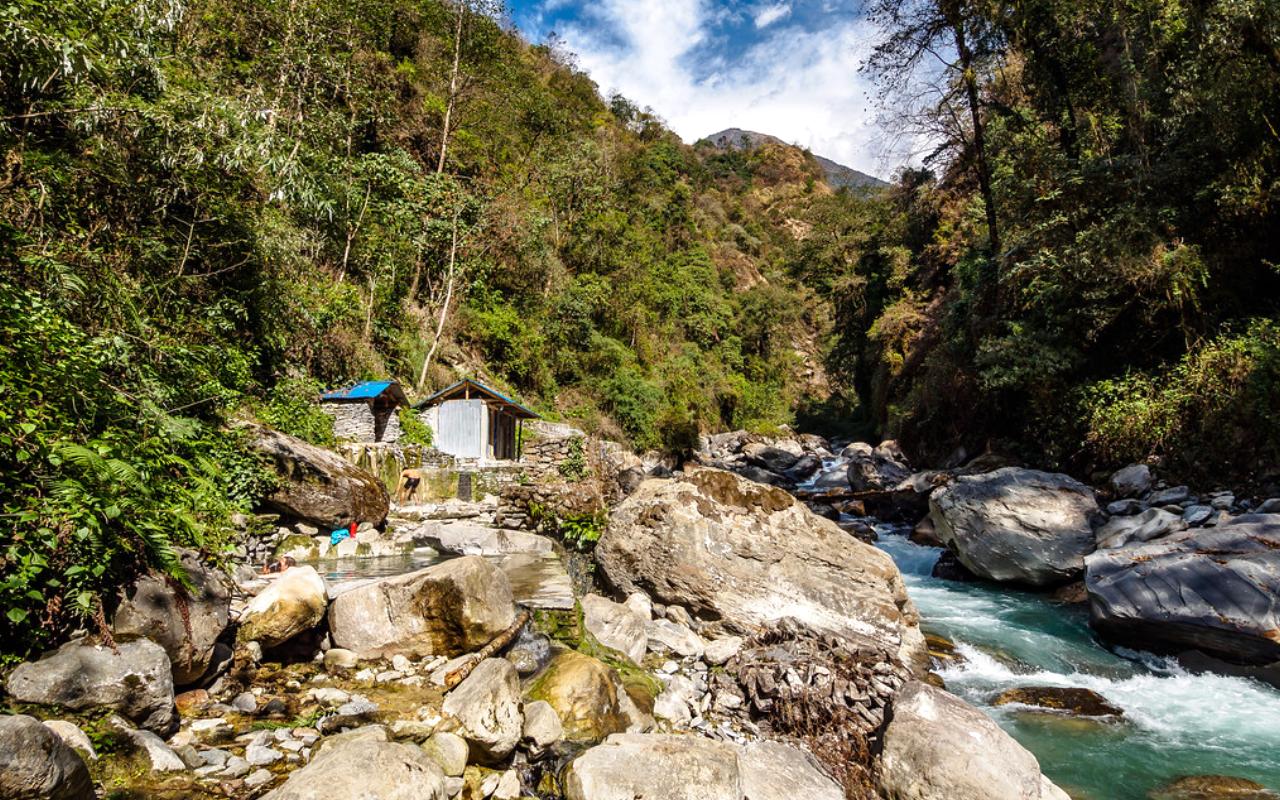
We descend through Jhinu Danda’s natural hot springs (42°C), believed to reduce muscle inflammation after high-altitude exertion.
Our Hidden Lake Trek route avoids crowded Annapurna Circuit trails while delivering authentic cultural immersion: witness Gurung archery festivals in Ghandruk, share dal bhat meals in family-run teahouses, and navigate thousands of stone steps.
Unlike generic treks, we include ACAP permits (about $25), TIMS cards (approx. $17), and pulse oximeter monitoring at critical elevation checkpoints. You’ll experience Nepal’s ecological transition from subtropical valleys (85% humidity) to alpine zones (27% oxygen reduction) across 115 kilometers; all while supported by English-speaking, first-aid-certified guides and porters carrying gear via traditional forehead harnesses.
This isn’t just a trek; it’s a well-planned altitude adaptation journey ending with Pokhara’s lakeside serenity at 800 meters. Book now to claim your spot on one of the most inspiring and scenic trekking destinations in Nepal.
Itinerary of Hidden Lake Trek – 11 days
| Day | Mode | Route Itinerary | Elev.(m) | Duration | Overnight | Included |
|---|---|---|---|---|---|---|
| 01 | Flight | Arrival day in Kathmandu | 1,300 | ..... | Hotel | Dinner |
| 02 | Drive | Kathmandu- Pokhara (200 Km) | 820 | 7-8 hrs | Hotel | Breakfast |
| 03 | Drive/Hike | Pokhara - Ghandruk drive and little hike around visit museum etc. | 1,940 | 3-4 hrs | Guesthouse | B L D |
| 04 | Trek | Ghandruk - Tadapani | 2,630 | 4-5 hrs | Guesthouse | B L D |
| 05 | Trek | Tadapani - Dobato | 3,550 | 5-6 hrs | Guesthouse | B L D |
| 06 | Trek | Dobato - Pode Kharka | 4,060 | 4-5 hrs | Guesthouse | B L D |
| 07 | Trek | Pode Kharka - Hidden lake visit and back to pode kharke and trek to Tribung | 3,430 | 5-6 hrs | Guesthouse | B L D |
| 08 | Trek | Tribung - Jhinu Danda ( Enjoy with Natural hot spring | 1,560 | 5-6 hrs | Guesthouse | B L D |
| 09 | Drive | Jhinu danda - Pokhara | 820 | 3 hrs | Hotel | B L |
| 10 | Drive | Pokhara City - Kathmandu City | 1,300 | 7-8 hrs | Hotel | Breakfast |
| 11 | Flight | Departure from Kathmandu or extend your days | ...... | ...... | ..... | Breakfast |
Detail Itinerary - Day to Day Route Description
Arrival at Kathmandu (1,400m/4,264 ft)
Kathmandu hits you first with its scent; diesel fumes tangled with incense smoke and street food sizzling on open grills.
Our Hidden Lake Trek team tracks your flight; you’ll spot one of our reps holding a weathered company sign before baggage claim.
Skip the visa line chaos: you can apply for an e-visa before your arrival in Nepal, shaving thirty minutes off your wait.
This city breathes at 1,400 meters, but don’t mistake that number for comfort. Concrete valleys trap heat, making hotel rooms feel heavier than the altitude suggests.
We’ve learned most travelers underestimate Kathmandu’s humidity after high-altitude flights; you’ll want that quick shower before stepping outside.
Thamel’s maze of shops isn’t just for souvenirs. We route you through back alleys to avoid the taxi crowding main streets.
Your guide points out the *real* momo stalls; the ones with plastic stools and no menus, where locals queue for steamed dumplings stuffed with buffalo meat.
Altitude sickness won’t trouble you here, but jet lag might. That’s why we schedule your permit check after dinner, not before.
Drive to Pokhara (800m/2,624 ft)
On Day 2 of the Hidden Lake Trek, we drive from Kathmandu to Pokhara, covering 200 kilometers along the Prithvi Highway. This journey takes six to seven hours under typical road conditions.
We descend 600 meters from Kathmandu’s 1,400 meters to Pokhara’s 800 meters. The route begins onthe Tribhuvan Highway toward Naubise before switching to the Prithvi Highway.
You pass through river valleys with the Trishuli River visible alongside stretches of the road. Terraced hillsides and small villages like Mugling mark the landscape.
Road conditions include narrow lanes and occasional bumps requiring cautious driving. Frequent stops let you stretch and photograph scenic viewpoints.
We recommend departing by 6 AM to avoid afternoon traffic congestion. You experience Nepal’s ecological diversity, transitioning from subtropical zones to temperate hills.
Travel time ranges from six to seven hours, depending on vehicle type and weather. Tourist buses and private jeeps share this primary transport route.
You arrive in Pokhara’s Lakeside district near Phewa Lake, ready for rest. The road’s gradual elevation drop prepares you for higher altitude trekking ahead. Our drivers navigate sharp curves with expertise built over years on mountain roads.
Pokhara to Ghandruk (1,940m/6,364 ft)
The next day, we depart Pokhara early for the 55-kilometer drive to the Nayapul trailhead. This two-hour road journey navigates winding mountain routes with frequent stops to manage Nepal’s uneven terrain.
You descend slightly from Pokhara’s 800 meters to Nayapul’s starting elevation before the ascent begins. The road surface shifts from paved sections to rough dirt tracks requiring careful navigation through river valleys.
The Hidden Lake Trek starts with a steady climb up stone steps alongside the Modi River valley. You gain 870 meters over 12 kilometers through terraced farmlands and subtropical forests toward Ghandruk’s 1,940 meters.
We cross multiple suspension bridges over rushing streams that characterize this river system. Gurung cultural markers appear in traditional stone houses and prayer flags lining the trail.
Trekking duration averages five to six hours at a sustainable pace suitable for most travelers.
You pass through small settlements like Birethanti, where locals farm hillside vegetable plots using centuries-old techniques.
Stone staircases form the primary path, testing stamina while providing natural rest points with valley views. The trail winds through rhododendron forests that bloom vibrantly during the spring months.
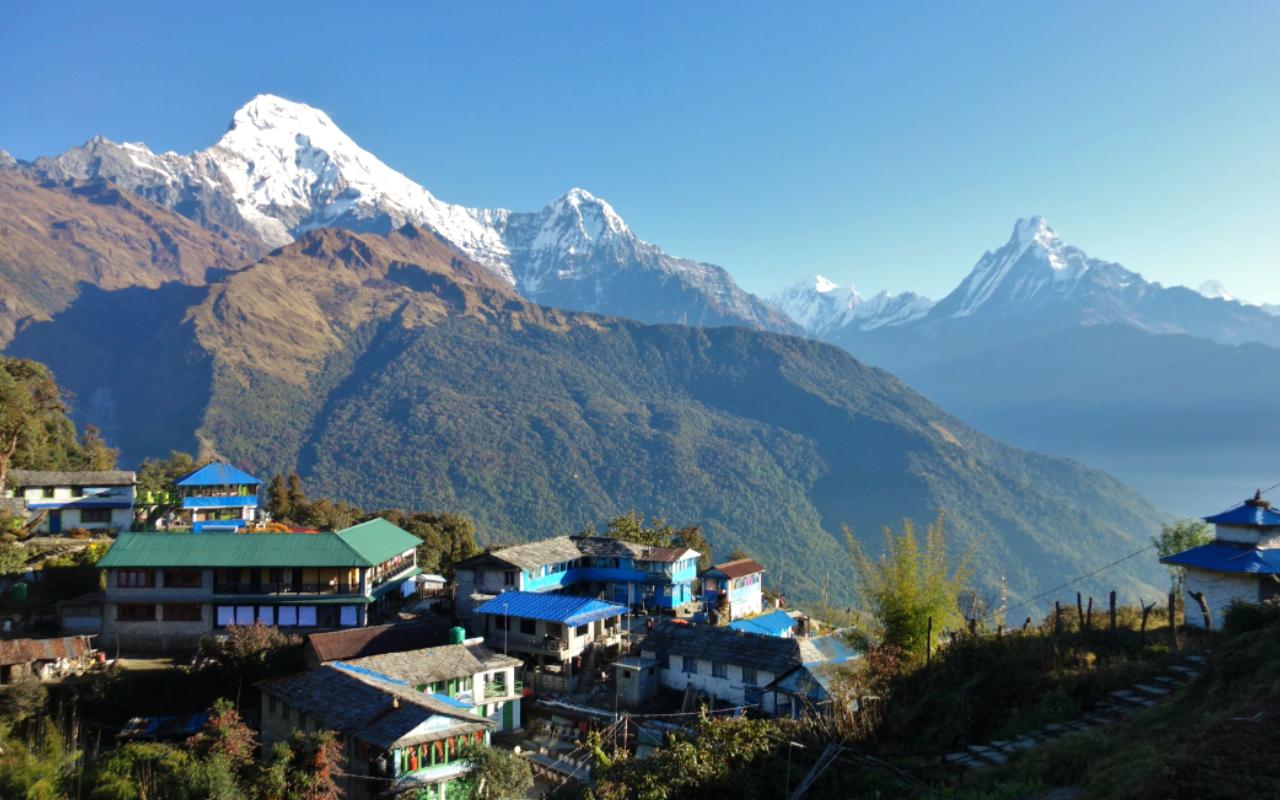
We reach Ghandruk by late afternoon, greeted by panoramic views of Annapurna South and Machhapuchhre peaks when weather permits.
The last time we were at Ghandruk, we got to see a really beautiful traditional Gurung dance and music performance.
This Gurung heritage village sits at 1,940 meters with traditional stone houses featuring slate roofs.
You explore community spaces where locals gather for daily activities and cultural preservation efforts.
Trek to Tadapani (2,610m/8,563 ft)
Stone staircases constructed by local communities form a major part of the trail surface between Ghandruk and Tadapani.
We begin with a 186-meter descent through terraced farmlands where farmers harvest buckwheat using hand tools skill passed down for generations.
The path then ascends 848 meters over 8 kilometers through mixed oak and rhododendron forests that dominate Annapurna’s mid-elevation zones. Most travelers complete this moderate-difficulty trek in five hours with regular rest breaks at stone shelters maintained by village councils.
You gain elevation steadily at 105 meters per kilometer while navigating major switchbacks carved into the mountainside.
Birdwatchers identify at least twelve species, including the scarlet minivet and white-throated laughingthrush, during morning hours.
Two reinforced log bridges cross the Chhomrong Khola tributary, requiring cautious footing on wet wooden planks. Trail markers consist of painted stone cairns every 200 to 300 meters.
We pass through bamboo groves between 2,100 and 2,400 meters, where seasonal mushrooms sprout after monsoon rains.
Hydration stations with bamboo and steel spouts appear at three designated stops along the route, each fed by natural springs above 2,300 meters.
Temperature drops 7°C from Ghandruk’s morning warmth to Tadapani’s afternoon chill due to the 670-meter elevation gain.
The final kilometer climbs 150 vertical meters through pine forest to reach Tadapani’s clustered stone lodges at 2,610 meters.
You’ll notice traditional Gurung architecture featuring slate roofs and carved wooden windows in the village center.
Trek from Tadapani to Dobato (3,350m/10,991 ft) (visiting Muldai View Point)
On the 5th day of the Hidden Lake Trek, we leave Tadapani by 6 AM to reach Muldai View Point before clouds obscure the mountain panorama. This strategic timing ensures clear views of Annapurna South’s snowfields during optimal morning visibility windows.
Last season, a group left an hour late and got to see blocked views. The initial 90-minute climb gains 490 meters through rhododendron forests where spring blooms create vivid crimson pathways.
Trail surfaces alternate between natural rock steps and damp soil sections, requiring careful footing on shaded slopes.
You ascend 739 meters total over 5 kilometers at a sustainable gradient. Muldai View Point sits at 3,100 meters elevation, offering unobstructed panoramas of Hiunchuli Peak and Machhapuchhre’s eastern face.
Photographers capture the Annapurna range alignment here before afternoon cloud formation typically begins around 11 AM. We spend twenty minutes at this vantage point documenting the landscape through our preferred gadgets.
The descent toward Dobato follows a ridge trail with three distinct switchbacks. You pass through Dobato’s clustered settlement, where stone houses feature solar panels.
Villagers cultivate hardy potato varieties in terraced plots using organic compost methods adapted to high-altitude conditions.
Trail markers consist of blue-painted stones every couple of hundred meters, maintained by the Annapurna Conservation Area Project.
Dobato’s elevation at 3,350 meters requires deliberate breathing patterns to manage reduced oxygen levels.
Most travelers complete the 5 to 6-hour trek by early afternoon to avoid afternoon fog accumulation in the valley.
We recommend carrying two liters of water as natural springs become scarce above 3,000 meters in elevation.
Trek from Dobato to Pode Kharka (4,060m/13,320 ft)
The following day on the Hidden Lake Trek, early morning temperatures at Dobato hover near freezing as we begin the 710-meter ascent to Pode Kharka.
This 8-kilometer trek demands deliberate pacing through thinning air where oxygen levels drop noticeably compared to sea level.
About a year ago, our guides saved trekkers from serious altitude sickness by teaching them proper deliberate pacing. The trail immediately transitions from clustered stone houses to exposed alpine terrain with no tree cover beyond 3,500 meters.
We navigate multiple switchbacks carved directly into bedrock, each requiring three to four deliberate steps to maintain rhythm.
You will get to see the impeccable rhythm of our porters. Glacial streams cross the path at 3,700 and 3,900 meters, their icy flows fed by Annapurna III’s western glaciers. Stone cairns replace painted markers here, built higher during winter months to remain visible above snowdrifts.
Porters carrying 25-kilogram loads move ahead using traditional rope harnesses anchored around their foreheads. We did this trek for the first time decades ago; the only thing that hasn’t changed is the beauty of the trail and the forehead straps of the local porters.
Above 3,900 meters, the path traverses ancient glacial moraines. Pode Kharka’s elevation at 4,060 meters makes this one of Nepal’s highest permanent settlements with year-round residents.
Last spring, this village was overwhelmed with visitors, a rare sight. Our Hidden Lake Trek guides monitor for altitude symptoms using pulse oximeters at three designated checkpoints along the route.
Pode Kharka to Hidden Lake, back to Pode Kharka, and Trek to Tiribung (3,430m/11,253 ft)
We start the 7th day of the Hidden Lake Trek pre-dawn at 4,060 meters to reach the lake before the wind disrupts its mirror surface.
The 2.3-kilometer ascent gains 210 meters over glacial deposits visible as parallel ridges along the trail. Trail markers here use stacked slate stones rather than paint. Water clarity reaches 15 meters in depth, allowing visibility.
The lake spans 0.4 hectares at 4,270 meters with water temperatures averaging 3°C. We spend about 45 minutes at the shore appreciating the beauty of the lake.
The return trek to Pode Kharka demands controlled descents on unstable scree slopes where each step displaces loose rock fragments.
You cover the 4.6-kilometer round trip in 2 hours 15 minutes using zigzag patterns to minimize joint impact.
Afternoon departure from Pode Kharka begins a 620-meter descent through dwarf juniper forests adapted to extreme altitude conditions. Trail width expands to 1.8 meters on this path designed for safe downhill travel.
We cross three seasonal streams fed by snowmelt, where water flow doubles during May afternoons. Tiribung’s elevation at 3,430 meters places it within the subalpine zone where rhododendron shrubs dominate the landscape.
The village features over a dozen permanent structures built with double-layered stone walls for thermal regulation. Nighttime temperatures here average 4°C colder than Dobato due to its position in a wind funnel valley.
You completed 14 kilometers total today with 830 meters of cumulative elevation change. Trekking poles prove essential during the final 90-minute descent, where loose rocks create slippery conditions.
Most groups time their Tiribung arrival between 3:30 and 4:30 PM to avoid afternoon hailstorms common in June. The day’s physical demands require increased caloric intake; teahouses serve dal bhat portions larger than those in lower elevations.
Trek from Tiribung to Jhinu Danda (1,564m/5,131 ft)
Tiribung’s thin air gives way to humid valleys as we begin today’s 1,866-meter descent toward Jhinu Danda. This 15-kilometer trek demands controlled downhill technique to protect knees during the 8-hour journey through different, distinct ecological zones.
Stone steps carved by Gurung and communities form the majority of the trail surface, with each step measuring 20-25 centimeters in height.
You transition from subalpine juniper forests at dawn to a subtropical environment by afternoon as the elevation drops 122 meters per kilometer.
Last season was the fastest we dropped down to Jhinu Danda. It was done by a group of experienced trekkers; we do not recommend attempting to clear it in a hurry.
The trail cuts through Chhomrong, where river erosion exposes sedimentary rock layers visible along the path.
We cross many suspension bridges, including the iconic Chhomrong High Bridge spanning 45 meters above the Modi River gorge. Trail width narrows to 40 centimeters in landslide-prone sections, requiring single-file movement.
Temperature rises 14°C from Tiribung’s morning chill to Jhinu Danda’s afternoon warmth due to the dramatic elevation loss.
You pass through Chhomrong village’s stone stairway featuring thousands of consecutive steps, where local farmers sell wild strawberries between May and July. Water sources increase below 2,500 meters.
Trek from Jhinu Danda and drive to Pokhara (800m/2,624 ft)
On the last trekking day of the Hidden Lake Trek, we cover 16 kilometers from Jhinu Danda’s hot springs to Nayapul trailhead in four hours using downhill momentum while conserving energy.
Personally, our trekkers like this part of the trail as it is downhill. This final trekking segment loses 636 meters of elevation through subtropical river valleys where humidity rises by midday.
Start by 7 AM to cross many river fords before the afternoon meltwater increases the bridges. Our porters will usually be at the back, making sure no one in the groups is left behind.
You pass through Syauli Bazaar, where locals trade trekking gear and fresh produce at market hours.
Nayapul’s elevation at 1,010 meters marks the trek’s lowest point before our 45-minute drive to Pokhara.
As your travel partner, we will have your vehicles ready for your arrival in the town. Road vehicles wait at designated parking zones 200 meters from the trail end to prevent congestion.
Comfy jeeps will take you all the way back to Pokhara. Hotels near Phewa Lake provide hot showers using solar-heated water within 20 minutes of arrival.
You change into dry clothes while analyzing step count data from trekking apps showing 28,500 footsteps today.
Drive back to Kathmandu (1,400m/4,264 ft)
Pokhara’s morning mist lifts as we board vehicles for the 200-kilometer transition back to Kathmandu’s urban rhythm.
Our porters and guides will leave in a separate vehicle. This road journey presents unique physiological demands after ten days of high-altitude trekking through Annapurna’s ecosystems.
Usually, most of our trekkers go through all the beautiful memories they made on this trek during this ride.
The Prithvi Highway upgrade project creates intermittent smooth asphalt sections alternating with bumpy reconstruction zones.
You experience distinct motion patterns as the bus navigates many major curves along the Trishuli River.
Road conditions vary significantly, with recent monsoon repairs completed but new potholes forming overnight from heavy truck traffic. We maintain 30 to 40 km/h average speed through the 200-kilometer route.
We personally make sure that the speed of the vehicle is not dangerously high. The journey requires different muscle engagement than trekking, as our bodies absorb road vibrations during the six-hour minimum transit time.
Restaurants along the route serve dal bhat, fish, meat, veggies, different international dishes, and more.
We recommend wearing noise-canceling earplugs during the drive if you want to take a nap or just sleep the way through.
Final Departure
We arrive at Tribhuvan International Airport three hours before international departure to navigate security protocols specific to international travel.
But before all that, we will hold a brief farewell session at our office. We will thank you for choosing our support for your trek with high hopes to see you soon.
Not satisfied with this itinerary? Customize Now
Includes/Excludes
What's included
- Airport pickup and drop-off services by private vehicle
- 3 tar category hotel in Kathmandu as per the itinerary, with breakfast
- Kathmandu-Pokhara-Kathmandu transportation by deluxe tourist bus (optional flight with extra cost)
- Standard accommodation in Pokhara as per the itinerary, with breakfast
- Pokhara to Ghandruk and Jhinu to Pokhara transportation by private transport
- Annapurna Conservation Area Project [ACAP] Permits
- Trekkers Information Management System [TIMS] Permits
- Meals on full board during the trek [breakfast, lunches and dinner]
- Seasonal fruits in the evening after dinner
- Accommodation in a lodge or guest house during the trek
- Trekking Guide [English speaking, eco-friendly, government licensed, Ministry of Tourism trained, First Aid trained] with salary, food, accommodations, transportation, and insurance
- Assistant trekking guide for groups of over 6 people with meals, accommodation, salary, and insurance
- Strong porters [1 porter shared between 2 paying people] with porter salary, food, accommodation, transportation, and insurance
- Down jacket, sleeping bag, trekking map, Ambition Himalaya T-shirt, and duffel bag [the down jacket, sleeping bag, and duffel bag must be returned after completing the trek].
- First aid medications or medicines with the guide
- Necessary paperwork, government, and local taxes, and company service charges
- Complimentary welcome dinner in Kathmandu at a typical Nepali restaurant
- Certificate of Achievement signed by a director of the company and your guide
Optional Addons
(Available addons on extra cost)
- Deluxe Hotel in City
- Flight or Private Kathmandu to Pokhara and Pokhara to Kathmandu
What is excluded
- International Airfares and Visa Fees: $30 for 15 days, $500 for 30 days, and $125 for 90 days
- Travel and Rescue Insurance, Emergency Evacuation
- Bar and beverage bills, cold and hot drinks, mineral water, telephone bills, laundry, hot showers, and battery charges
- Extra activities beyond those mentioned in the itinerary
- Lunch and dinner in Kathmandu and Pokhara [meals not included in the cases of early returns from the trips]
- [Extra accommodation caused due to early arrival, flight delays, natural disasters, etc.]
- Tip (as appreciation or gratitude) for guides and porters
- Any services not mentioned in the Service Includes Section unless specified on the booking of the trekking
Equipment you need to bring
Pair of trekking boots, sleeping bag, down jacket, pullovers, and neck scarf for evening, night, or morning. a sun hat and casual, warm clothes for the day. Some pairs of good-quality socks, slippers, suntan lotions, personal medications, etc.
Private Group Discounts Available
| No. of People | Price Per Person |
| 1 Pax | US$ 850 |
| 2 Pax | US$ 750 |
| 3-5 Pax | US$ 700 |
| 6-9 Pax | US$ 650 |
| 10-15 Pax | US$ 600 |
| 16 Over | US$ 550 |
Trip Information
How does our trip start?
You meet our airport representative holding a sign immediately after you exit the immigration section at Tribhuvan International Airport. You clear immigration within 60 minutes using the dedicated tourist lane available 24 hours daily. Our driver transfers you to a 3-star Kathmandu hotel within 30 minutes, avoiding rush hour congestion.
Hotel check-in completes with rooms ready for early arrivals at no extra cost. You receive a detailed briefing packet, including digital maps and emergency contact cards, before noon. The night includes a mandatory permit verification session at the hotel, preferably after dinner. You confirm trekking dates with your guide while acclimatizing at 1,400 meters elevation.
Evening features a group orientation dinner serving traditional Nepalese cuisine, excluding alcoholic beverages. Kathmandu’s urban environment requires different breathing patterns than mountain trails; we begin acclimatization protocols immediately.
You sleep in soundproofed rooms, great for post-flight recovery with blackout curtains and warm blankets. Our representative will personally select the rooms for our trekkers, making sure they are up to standard.
How Difficult is Hidden Lake Trekking
The Hidden Lake Trek averages moderate difficulty with daily elevation changes under 1,000 meters for the majority of the route. On a scale of 10, our experienced guides have rated it a 7.5. You face several distinct challenge zones requiring specific techniques above 3,000 meters in elevation.
The Dobato to Pode Kharka segment gains 710 meters over 8 kilometers with many bedrock switchbacks demanding precise footwork. Last June, one of our trekkers gave up all hope of reaching the destination because of fatigue.
The guide stepped up, motivated them, and supported them physically to reach the village. Hidden Lake’s final approach crosses unstable scree fields where ankle protection becomes critical.
Stone staircases constitute a huge chunk of the trail surface between 2,000 and 3,500 meters, requiring quads endurance. Oxygen saturation drops significantly at Pode Kharka’s 4,060 meters, affecting even experienced trekkers.
Personally, we haven’t had any issues till now, at this elevation, as we make sure to follow all the altitude sickness preventive measures. We recommend trekking poles with rubber tips, reducing joint impact force on descent sections.
Neither our guides nor our porters carry extra trek gear, so make sure you have all that you need. This Hidden Lake Trek suits travelers completing 5-kilometer daily walks at home with moderate fitness levels.
Best seasons for Hidden Lake Trek
October through November delivers optimal conditions with clear summit visibility and daytime temperatures between 15-22°C. Our crew members personally prefer this season for the Hidden Lake Trek. These months follow monsoon rains washing dust from the atmosphere, while pre-winter snow hasn’t yet accumulated.
December and January provide crisp mountain views but require thermal gear as nighttime temperatures drop to -5°C above 4,000 meters. Once, one of our guides woke up to frozen shoelaces as he forgot to bring them inside.
February and March offer blooming rhododendron forests with daytime highs reaching 18°C in lower valleys. We avoid July through September when monsoon rains increase trail slip hazards and river crossings become dangerous.
Usually, the rivers are not dangerous at all, but the chances are never zero. April and May present moderate conditions with afternoon cloud formation typically beginning at 2 PM daily.
Spring months feature stable weather windows between 6 AM and 12 PM for critical high-elevation segments. Spring is yet another preferred choice of our guides. October records the lowest precipitation monthly, making it Nepal’s driest trekking season.
Many people prefer humidity as well; in such cases, other seasons are better for them. The Winter Hidden Lake Trek requires specialized equipment as snow covers the trail above 3,500 meters between December and February.
Monsoon season sees limited trail usability above 2,500 meters due to landslides and washed-out paths. The rains also increase the weight of the load our porters carry. September and October attract 45% of annual trekkers, creating manageable trail traffic without congestion.
Accommodation, Food and Drink
Teahouses provide basic twin-sharing rooms with foam mattresses and shared toilet facilities throughout the Hidden Lake Trek. Our guides and porters stay in similar rooms. Most lodges feature heated dining areas with panoramic mountain windows essential for evening comfort.
You must rent sleeping bags rated to -10°C with thermal liners for high-elevation nights. The locals in the region go all year without any heated floors or walls. Dining halls serve three daily meals plus three tea/coffee servings included in your package.
Dal bhat constitutes the primary meal featuring rice, lentil soup, vegetables, and pickles with unlimited refills. However, unlimited refills do not really mean you can empty their ration; the services are provided based on a mutual understanding. The teahouses are happy to refill your plates till you are full, not till they run out of supplies.
Higher elevation lodges (above 3,500m) offer smaller portions due to cooking challenges in thin air. You receive hot lemon ginger tea upon arrival at each lodge to aid acclimatization. Once you get used to ginger tea, there’s nothing more relaxing and soothing in the high elevation areas.
Dining areas maintain temperatures between 15-18°C through wood-burning stoves in communal spaces. Some lodges provide hot water bottles for beds at 3,500+ meters where nighttime temperatures drop below freezing.
Our guides will also warn you of freezing water bottles in the region. We verify all food safety standards through our quality control system. Teahouses near Jhinu Danda feature natural hot springs at 42°C for muscle recovery.
Transportation
We use private vehicles for all Kathmandu airport transfers, meeting international safety standards. The Kathmandu-Pokhara route employs deluxe tourist buses with reclining seats and AC. Meanwhile, the crew members will take a van to Kathmandu, as it is faster.
You can opt for a van ride instead, but it will be cramped and congested for most tourists who has bigger physique compared to the average Nepalese. These buses complete the 200-kilometer journey in 6-7 hours, including a Malekhu fish lunch stop.
Road conditions vary, with 30 to 40 km/h average speed due to mountain terrain and occasional construction zones. We schedule early morning departures to avoid afternoon traffic congestion on the Prithvi Highway. Being your trek partner, there’s not much we can do to make your travel faster. We also give you the option to upgrade to a flight at additional costs.
River crossings use reinforced suspension bridges engineered to withstand tons of loads during the monsoon season. Porters carry group gear using traditional rope harnesses at 25-kilogram loads max.
We coordinate with local transport authorities for real-time road condition updates via satellite communication. This transportation network moves 87% of international trekkers through the Annapurna region annually. Our system prioritizes safety while ensuring timely transitions between trekking segments and urban centers.
Permits for Hidden Lake Trek
We obtain two mandatory permits before the Hidden Lake Trek commencement through official NTNC channels. The Annapurna Conservation Area Permit (ACAP) costs $25 USD (NPR 3,000) for all foreign trekkers.
SAARC nationals pay reduced fees of NPR 1,000 (approximately $8 USD) for the same permit. TIMS Card (Trekkers’ Information Management System) requires an additional NPR 2,000 ($17) processing fee. Permit verification occurs at many official checkpoints where police inspect documentation before trail access.
We process permits through the NTNC system, requiring passport copies. Physical permits must remain visible throughout the trek. Permit fees fund conservation efforts, maintaining 85% of the trail surface through local community projects.
We include all permit costs in your package with no hidden fees or surcharges. Our team handles permit logistics, allowing you to focus on acclimatization and preparation. This system ensures legal compliance while supporting environmental protection in Nepal’s protected areas.
Trip preparation and fitness
We require 12 weeks of structured preparation before departure, focusing on cardiovascular endurance. Daily training includes 5-kilometer walks carrying 5-kilogram packs on varied terrain three times weekly.
Strength training targets quads and core muscles essential for sustained ascents and descents. Foot care is also critical; we recommend breaking in boots for at least 50+ kilometers before the Hidden Lake Trek.
Hydration protocols start 3 days pre-departure with 3 liters daily plus electrolyte supplementation (optional). Medical clearance requires tests confirming no cardiac abnormalities for high-altitude exposure.
We provide personalized training plans based on your fitness assessment completed over a period of 90 days before departure. Pack weight management remains essential with maximum 15-kilogram loads, including personal gear.
Pre-trek nutrition focuses on carbohydrate loading during the final two days before departure. Our preparation system reduces injury risk compared to untrained trekkers attempting similar routes.
Fitness benchmarks include climbing 100 stairs continuously without stopping and maintaining a 5-kilometer hourly pace. This regimen ensures you arrive physically prepared for the trek’s specific demands.
Alternative routes for Hidden Lake Trek
The standard Hidden Lake Trek route avoids the high-risk Thorong La Pass used in Annapurna Circuit treks. We offer a modified Ghandruk extension, adding two days to explore Gurung cultural sites below 2,500 meters.
Personally, we have done this modification a couple of times, as trekkers seem to love Ghandruk. The Nayapul shortcut reduces total trekking distance by 18 kilometers for time-constrained travelers.
However, it might be a bit too fast for some beginners who are not used to the altitude or the physical demands of the Hidden Lake Trek. Monsoon season routes bypass landslide-prone Chhomrong using higher ridge trails above 2,800 meters.
We contact helicopter evacuation options from Dobato or Pode Kharka for medical emergencies. We do not personally provide such services; the expenses related to it will be covered by your insurance company. The Ghorepani Poon Hill variant adds panoramic mountain views at a lower elevation for beginners.
Alternative itineraries maintain the same endpoint while reducing daily elevation gain to 300 meters. These routes traverse different ecological zones with unique flora and fauna observations. If we were to recommend the best alternative, we would tell you to choose to spend a couple more nights in Ghandruk and explore the village totally.
Our guides customize daily segments based on real-time weather and group fitness levels. The Modi River valley route provides flatter terrain during the monsoon season with minimal elevation change.
Low elevation change also means fewer chances of altitude sickness. Alternative paths require updated permits processed through ACAP offices within 24 hours of modification. These options ensure safety while preserving the trek’s core cultural and natural experiences.
Cost & Budget
The base Hidden Lake Trek package costs $____ per person covering all essentials except international flights. This includes 3-star Kathmandu accommodation with breakfast and farewell dinner, excluding alcohol. Pokhara transfers cost $24 total ($12 each way) for deluxe tourist bus transportation.
Full board meals during the trek feature unlimited dal bhat portions larger than standard servings. Lodge accommodations on the trail run $15 nightly, included in your package. Guide and porter services cost $45 daily for the team included in your base price. Permit fees total $42 ($25 ACAP + $17 TIMS) processed before departure with no additional charges.
Gadgets charging & Internet
Teahouses charge $1-3 per device for charging using solar-powered systems, with prices increasing at higher elevations. Pode Kharka’s 4,060-meter elevation doubles charging costs to $5 per device due to limited solar capacity. The rates we have mentioned are subject to change and also depend on the teahouse; it’s not a fixed rate but an educated estimation.
We recommend carrying power banks charged daily during lunch stops to minimize expenses. USB charging proves more reliable than AC outlets at elevations above 3,500 meters. WiFi costs $2-5 daily with connection speeds averaging 2 Mbps, sufficient for messaging apps. If you want to use mobile data instead of WiFi, you have to get a local SIM card.
Signal strength varies with NTC, providing high coverage through the Annapurna region below 3,500 meters. Above 4,000 meters, satellite messengers become essential as cellular networks drop out completely.
Our Hidden Lake Trek guide will carry a satellite phone to contact the emergency services if needed. Charging stations operate 9 AM-6 PM with priority for medical devices during power shortages.
Many lodges restrict charging to dining areas to manage electricity demand. Power fluctuations damage electronics; we advise using surge protectors on all devices. Your personal devices should be taken care of by yourself; we can not be held liable for any damages. This system balances technological needs with environmental constraints in remote mountain areas.
Your Extra expenses
Visa fees cost $50 for 30-day tourist visas obtained at Kathmandu Airport using cash. You need $25 daily for meals in Kathmandu and Pokhara, including dinners. Tips constitute 10% of your package price, distributed among guides and porters.
Charging electronics costs $15-2,5 depending on device usage and elevation zones. Hot showers cost $2 per session, with prices doubling above 3,500 meters due to fuel scarcity. Emergency oxygen canisters cost $20 each available at high-elevation lodges.
Travel insurance minimum costs $85, covering medical evacuation up to $10,000. Currency exchange fees average 1.5% when converting rupees at airport counters. Souvenirs average $30 with authentic handicrafts.
Unplanned accommodation costs $15 nightly for early returns due to health issues. These extras total $300-400, ensuring comprehensive financial preparation for your Hidden Lake Trek.

Good to know, before you travel
Want to learn more about this journey in-depth? Essential Trip Information includes a thorough itinerary, information for visa processing, Accommodations, Food , Acclimatization’s and pretty much anything else you could possibly need to know about this tour. Read more inside.
Frequently Asked Question
General
Depending on your trekking experience, we can shorten this trek by 2 to 4 days max.
As long as they are well prepared for the physical demands, children over 7 years of age can join the trek.
Pode Kharka is the highest point of the trek, reaching 4060 meters above sea level.
Preparation & Fitness
You can simply go on long walks, covering about 5 km.
You need to train for at least 90 days before attempting the Hidden Lake Trek.
You must have shades, sunscreen, gaiters, trekking poles, boots, etc.
Permits
Our Hidden Lake Trek package covers both the wages of porters and guides.
No, the permits are controlled by the local government and they do not refund them.
Guides & Support Staff
Every two trekkers in the group will share a single porter.
Our guides are capable of recognising early altitude sickness signs and also help you communicate with the locals.
Accommodation and Facilities
We recommend simple vegetarian meals, with dal bhat being the best option.
No, you will have to pay for them separately.
Beds are very basic in high altitude teahouses; the mattresses are not that thick, and they provide normal blankets.
Weather & Seasons
Usually, the weather conditions in Annapurna are great for outdoor activities, unless you visit in winter.
Summer, autumn, and spring are great for scenic views.
Health & Safety
It is pretty safe for female solo travelers. The locals are very helpful to trekkers.
On a daily basis, we suggest 3 to 4 liters.
Not really, we stay away from landslide-prone zones as much as possible.
Booking & Payment
We require at least 50% payment in advance to book the trek.
We are content with any means of payment you prefer or are habitual with.
Transportation & Flight
From Pokhara, the drive will cost you only a couple of dollars. It’s included in our trek package.
We generally select vehicles based on comfort.
Quick Inquiry Form
Trip Reviews
David ExpositoVerified Maravillosa!! De las mejores experiencias que he tenido nunca, desde el primer momento. Bhakta y Hari, el porteador y guía respectivamente, de lo mejor. Gente super agradable, simpática, atenta, que están pendiente continuamente de que te sientas bien. Te sientes arropado en todo momento. El trekking es precioso. Las vistas, la gente, los poblados. Es necesario vivirlo para sentirlo.Sin duda, volveré a hacer otro de los trekkings al campo base con ellos. Freedom57809069101Verified 1000% would recommend My husband and I travelled with Ambition Himalaya in 2025. We had a super easy time communicating with Shishir and he was amazing in helping us set an itinerary that worked for us. Ghaman (our guide) and Mohan (porter) were friendly, welcoming, and extremely helpful. We were unable to hike our original route due to some non-altitude related health issues and they adjusted the plan so we could still make the most of our time. We also got sick at the end of the trek and had to change our flights home and Shishir was super accommodating and helpful while we navigated that. 1000% would recommend them. chiara fVerified Beautiful 3 days experience A wonderful experience! We did a three-day trek, passing through the villages of Ghorepani, Tadapani, and Gandruk. We saw the sunrise from Poon Hill and from Tadapani itself. We really enjoyed the refreshment stops along the way, where we always found great hospitality and delicious meals. We loved the accommodation in Ghorepani, which had a beautiful common room surrounded by mountains, served good food, and had a lovely, convivial atmosphere. All of this was organized by Shishir with great professionalism: communicating with him before departure was quick and easy; we had no problems at all; he guided us with expertise, cheerfulness, and discretion at the same time. Thank you, and see you soon! Werner FVerified Private Manaslu Trekking, 2nd part of Long Trekking Manaslu - Tilicho - Annapurna circuit Our group: 4 persons, 65 to 79 years old: Details see 1st part of trekking: Tsum valleyguide: Nauser, excellent tour guide, responsible for guests, lodges, meals, transports3 strong and friendly porters, also helpful in lodgesduration of 2nd part: 6 daysExcellent tranportationItinerary: Deng - Sama - Larkya La - ChameIn one day from Sama to Dharamsal High camp before heavy snow fallMarvellous views of Manaslu and other high mountainsPass crossing with good conditions, descent to Marsyandi valley with much snowExcellent choice of lodges, especially Tilicho Guest House in ChameNobody sick, nobody had accident.Super preparation for following Annapurna Circuit Trek Francisco VVerified Immerse in the Nepalese Shambhala. Travelling in Nepal with Shishir from Ambition Himalaya to enjoy and learn about their culture is a luxury and a privilege. It’s the third year in a row that we go to November to see the snowy Himalayas and we plan to come back in the next year 2026 with it too. Explore10590520561Verified Wonderful experience Everything went well during the trek, it was well organized by the guide. Very friendly and attentive to us. The lodges comfortable, comfortable and the food very rich.I recommend the experience with this company that takes care of everything in the organization. I would certainly repeat with them. DaanVerified Thanks Ambition Himalaya - Great trip, excellent guide, perfect weather, what more to expect! We booked the Everest View trek at Ambition Himalaya, a beautiful hike with the highlight of the view from the Everest View Hotel. The trip was excellently arranged by Ambition Himalaya, with good information in advance.Special thanks to our guide, Ganesh, who was tremendously helpful, and made the trip even easier, cozier and more beautiful! I would definitely recommend booking with Ambition Himalaya.Due to delayed flights in the days prior to our flight to Lukla unfortunately had one day delay. The arrangements that this entailed were picked up by our guide from Ambition Himalaya, including arranging an affordable overnight stay. SooVerified Enchanting Australian Base Camp, Dhampus and Sarangkot trek I recently went on a 3 day trek in Nepal in December 2025. We started from Kande village, trekked to Australian Base Camp then to Dhampus village and finally to Sarangkot village which overlooks Pokhara city.My guide was Shishir who is also the owner of the trekking company.Even though the trek was shorter and easier than the other popular treks like EBC and ABC treks, this short trek packed value for money. Along much of the trail we witnessed the astounding and breathtaking vistas of the mighty Annapurna range. We also trekked through pristine and beautiful villages and got to experience firsthand the diverse cultural heritage.Shishir notwithstanding being the owner of the trekking company was also a very experienced guide. He led me to explore a new, hardly trodden path from Dhampus to Sarangkot that maximized the view of the Annapurna range.This was the third straight year I had employed the services of this company. I had done the EBC trek in 2023 and the ABC trek in 2024.Shishir and his staff provided excellent and thoughtful service and you’re guaranteed to be well taken care of from the moment you arrive in Kathmandu till the time you depart from this magical country. eduardo bVerified Manaslu Trek Excellent experience! Communication with Shishir, the owner, was smooth and quick. The trek was great value for money. We were accompanied by Ghaman (guide) and Ghagam (porter). They were both professional and friendly, taking care of us throughout the entire trip. Highly recommended! Romina RVerified Gokyo-Ri Trekking Our 10-day trek to Gokyo Ri was an amazing experience from beginning to end. Everything was very good organized.Our guide was really thoughtful, attentive, and always willing to adapt to what we wanted. We felt safe and we enjoyed the time a lot.Every day was sunny, clear and beautiful, and the views of the Himalayas mountains were absolutely stunning. From the moment we arrived, everything was taken care of. We were given warm sleeping bags and jackets, and we also got help with exchanging money and organziing a Nepali SIM cardAt the end we received a T-shirt and a scarf on our departure day. This was lovely.We can wholeheartedly recommend this tour to anyone who loves trekking. It was an unforgettable memory.Verified by TrustindexTrustindex verified badge is the Universal Symbol of Trust. Only the greatest companies can get the verified badge who has a review score above 4.5, based on customer reviews over the past 12 months. Read more
$ 550USD
- No. of Pax Per person
- 1 - 1 personUS$ 850
- 2 - 2 peopleUS$ 750
- 3 - 5 peopleUS$ 700
- 6 - 9 peopleUS$ 650
- 10 - 15 peopleUS$ 600
- 16 + people 9999 US$ 550
Total Cost:
US$ 850
- Private trip departures everyday
- No hidden cost
- Local based company
- Over 17 years of experience
- Trip Customization




Read all reviews in Tripadvisor