
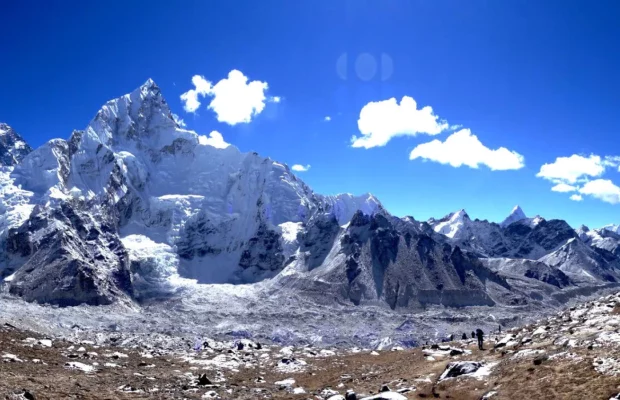
Helicopter Return from Everest Base Camp: A Luxurious Twist to Your Trekking Adventure
It’s a truly wonderful addition that just makes an amazing adventure special. This refers to helicopter returns from Everest Base Camp. For a journey like trekking to Everest Base Camp, which is already awesome, flying by helicopter back imparts something special. You have walked through a beautiful Everest region with the feeling of thrill, and finishing it in a helicopter is brilliant, as time and energy would be spent instead.
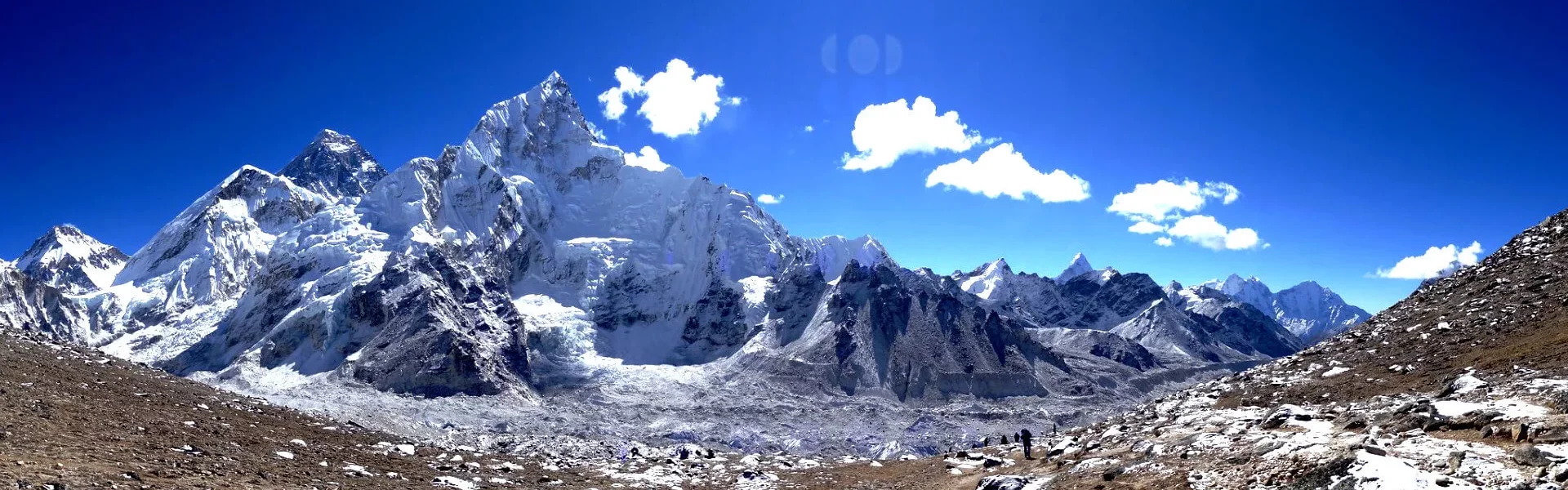
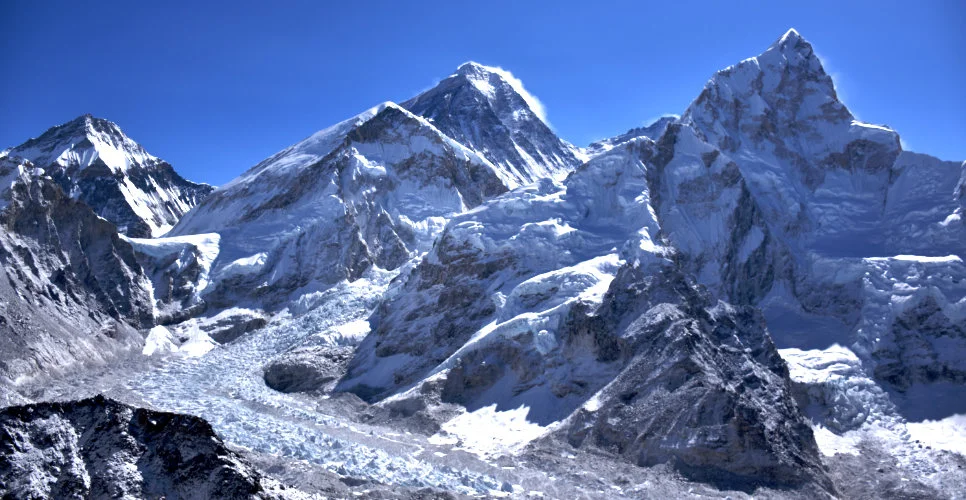
With the Helicopter return from Everest Base Camp, you’ll get to see some of the highest mountains in the world, like Mt. Everest, Lhotse and Ama Dablam, up close. The trek takes you through popular places in the lap of Everest like Namche Bazaar, Tengboche Monastery and the Khumbu Glacier. Once you reach Everest Base Camp, the real fun begins. The helicopter flight from Gorakshep gives you an incredible bird’s-eye view of the mountains and glaciers that you just walked past.
Ideal for those who have less time yet are willing to catch a glimpse of the beauty of Everest, this tour includes a helicopter return from Everest Base Camp, hence you won’t have to walk back to Lukla. You take a leisure helicopter ride and catch a glimpse of the sights in the Everest region one last time as you go on to Kathmandu. The perfect end to an incredible journey!
Traditional EBC Trek Route
This normal trekking at its base generally takes 12 to 14 days and provides sights of the Himalayas. From Kathmandu, take a flight to Lukla, afterward, trek uphill to reach Namche Bazaar. Halt and stay here for one day to acclimatize to the altitudinal variation. The path leading to Dingboche passes several villages along with suspension bridges-en route acclimatization.
The next one is Everest Base Camp via Lobuche and Gorakshep. On reaching Base Camp, the feeling of being 5,364 meters above sea level, with towering peaks, is beyond compare. Your trek concludes with an ascent up Kala Patthar, which offers magnificent views of Everest, especially during sunrise.
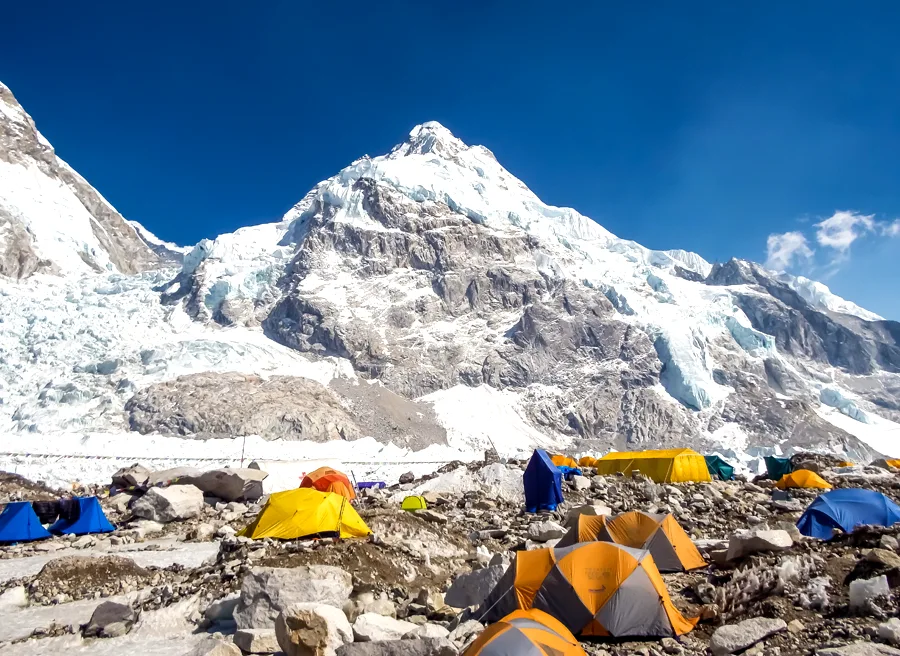
Helicopter Return from Everest Base Camp Itinerary
Day 1: Arrival in Kathmandu (1,400m)
Arrival in Kathmandu. Overnight in a hotel as per the provision for the beginning of the trek.
Day 2: Kathmandu to Lukla (2,840m) and Trek to Phakding (2,610m)
Take a spectacular flight to Lukla, and from there, the actual trek begins along the Dudh Koshi River to the peaceful village of Phakding.
Day 3: Phakding to Namche Bazaar (3,440m)
Trekking from Phakding to Namche Bazaar involves several crossings of suspension bridges with altitude gain.
Day 4: Acclimatization at Namche Bazaar
Acclimatization day in Namche, exploring the village and catching glimpses of Everest and other peaks around.
Day 5: Namche to Tengboche (3,810m)
Beautiful forest, monasteries along the way, ends at the famous Tengboche Monastery.
Day 6: Tengboche to Dingboche (4,410m)
A picturesque day with suspension bridges and alpine meadows up to Dingboche.
Day 7: Acclimatization in Dingboche
Take another extra day in Dingboche to relax and acclimatize to the high altitude.
Day 8: Dingboche to Lobuche (4,910m)
Resume your trekking route via different landscapes to the Khumbu Glacier en route to Lobuche.
Day 9: Lobuche to Gorakshep (5,140m) and Everest Base Camp (5,364m)
From Lobuche, hike to Gorakshep, the final destination being Everest Base Camp. Later in the evening, head back to Gorakshep.
Day 10: Gorakshep to Kala Patthar (5,555m) then Helicopter to Kathmandu
Hike up Kala Patthar in the morning for spectacular views of Everest. After lunch, jump into a helicopter for an exhilarating flight back to Kathmandu, seeing a bird’s-eye view of the whole Everest region.
Helicopter Return Experience
From Everest Base Camp or Kala Patthar, it’s possible to return via helicopter to Lukla or Kathmandu, which makes the journey quite quicker and exciting. Instead of 3-4 days of trekking down, it takes about 45 minutes in a helicopter, thus leaving more time to relax and enjoy the rest of your trip.
The best part is that you get divine views of mountains such as Everest, Lhotse, Nuptse, and Ama Dablam from the airside you would never get while trekking. This is a perfect option if you are short on time or if you want to end your trek on a high note.
The helicopter ride is comfortable and gives you the chance to sit back and take in the beautiful scenery. It’s a fun and easy way to skip the long walk back and see the Himalayas from a whole new angle! Whether you’re tired or just want a special end to your adventure, the helicopter return offers an unforgettable experience.
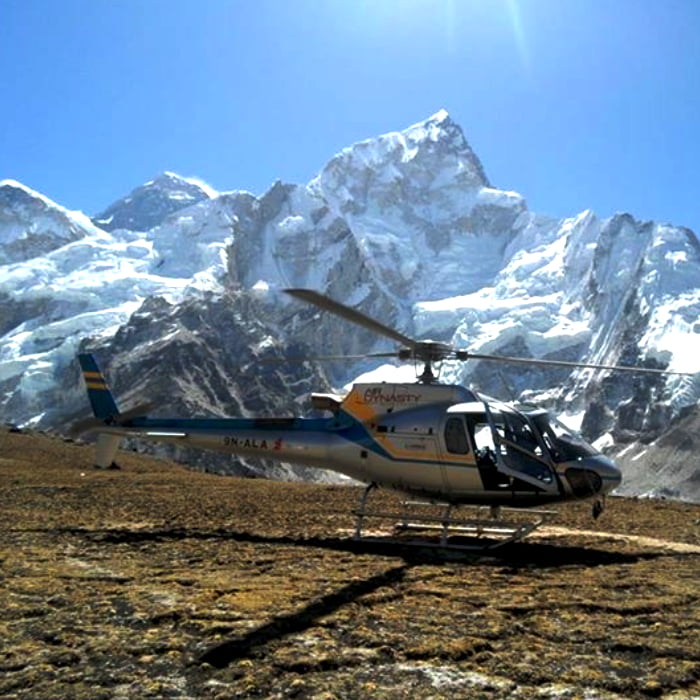
Cost & Booking Information
Generally, the cost for Everest Base Camp Trek with a Helicopter return goes from $1500 to $3500 per head. The cost depends on the season and also number of people in your group. It might be a bit higher during peak seasons like Spring and Autumn.
What’s Included: The price covers your helicopter ride back from Gorakshep, permits, guides, accommodations and meals while trekking. You’ll stay in a nice hotel in Kathmandu for a couple of night, with breakfast included. Accommodations will generally be twin-sharing guesthouses or lodges that offer attached toilets on the route to Lukla, Phakding and Namche. Three meals a day will be provided, including hot drinks and seasonal fruits, in packages.
Guides for this trek, trekking permits, porters for carrying your luggage and clean drinking water are provided in the package. You’ll get transportation between Kathmandu, Manthali and Lukla and the shared helicopter ride back to Lukla. Plus, you’ll receive a trekking kit (like a duffel bag, map and sun hat) and a certificate at the end of your journey.
How to Book: It’s a good idea to make a prior booking, mainly during busy seasons. You can book with a travel and tour operator and agents.
Benefits of a Helicopter Return from Everest Base Camp
Taking a helicopter return from Everest Base Camp is an experience that makes your trek extra special on many counts. It saves much time, at least instead of walking down to Lukla in 3 or 4 days, which will surely be very tiring. The helicopter flight takes only 45 minutes. This means you can rest your legs, avoid long walks and still have plenty of time to enjoy the rest of your trip or head back to Kathmandu.
It’s also a comfortable and a much safer option. Trekking back at high altitudes can leave you feeling exhausted and descending for several days increases the risk of altitude sickness. Flying back avoids all that, letting you skip the tough climb down and return in a way that feels more relaxed and secure.
Another amazement about the experience is the view from the helicopter. You will be flying over the mountains and be able to see Everest, Lhotse, Nuptse, and other peaks from a different angle while flying over. That is a great chance to shoot breathtaking photos and see the beauty of the Himalayas in places one cannot do while trekking.
Finally, after all the hassles of reaching the top, it feels like ending your adventure in style by taking a helicopter ride. This is truly flying back as some sort of treat after having had to trek so hard to the top. This is a kind of VIP thing bonus that makes your tour to Everest Base Camp truly unforgettable. The return by helicopter completes your tour to Everest Base Camp on a high note, with lifetime memories of both the journey and the views from above.
Best Time
The best time for the return by helicopter from Everest Base Camp is during spring-from March to May during autumn-from September to November. In these months, the skies are usually crystal clear, and weather conditions are relatively stable, perfect for a helicopter scenic flight. The temperatures are mild, and the weather is predictable, so your flight is more likely to go smoothly. You’ll also get the best views of the mountains during these times.
It’s best to avoid the monsoon season (June to August) as the weather is unpredictable, with heavy rain and possible storms. The probability of delays is higher, and the visibility to fly is not that good. Trekking is also slippery and problematic during this time.
Winter starts in December and lasts until February and is very cold, which affects flights. It is less crowded, and the surroundings are peaceful, but the freezing temperature makes the journey tougher, and the possibility of delay due to snow or fog also increases.
Thus, the best seasons for helicopter return would be in spring and autumn, when one gets perfect weather and can capture the best glimpses of the Everest region without bothering about the hazardous risks and troublesome delays caused during monsoon/winter months.
Helicopter Return vs. Traditional Return
Coming down from Everest Base Camp, there are two options. The first is the return via helicopter and the second is the classic trek down to Lukla.
Helicopter Return
The Helicopter Return from Everest Base Camp is handy, as it affords a swift return from an adventure. You can skip the long trek back after reaching either Everest Base Camp or Kala Patthar, embarking on a scenic 45-minute flight to Kathmandu or Lukla. This saves you 3-4 days of hiking up handy if you are short of time or just too tired after the tough trek. You will have awesome aerial visions of the mountains which are an extraordinary experience. Still, it’s more expensive and at the mercy of the weather.
Traditional Trek Return
On the other hand, it takes 3-4 days to trek back to Lukla. Though it is a bit physically demanding and requires more preparation, it allows enjoying the beauty of the Everest region at a slow pace. You’ll walk through villages, cross suspension bridges, and descend gradually, which helps with altitude acclimatization. This option is cheaper, but it can be tiring, especially after the hard trek to Base Camp.
Comparison
The helicopter return is fast and easy, while traditional trekking gives you a more personal experience with the landscape. If you prefer comfort, the helicopter is the way to go; if you want more adventure, stick with trekking.
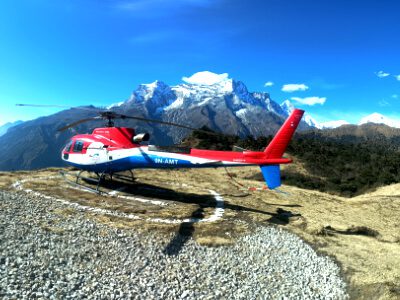
Tips and Suggestions for the Trek
Following are some easy tips that can prepare you for your Everest Base Camp trek with a helicopter return:
1. Get Fit
Even with the helicopter return, this trek can be tough. It is highly recommended to walk, hike, or do cardio exercises to build strength and stamina before you go.
2. Pack Light
Take only that which is essentially needed. Clothing should be warm; shoes, too, are similarly good, with a comfortable sleeping bag and a rain jacket. Keep your bag light because a porter will need to carry it.
3. Drink Plenty of Water
It gets dehydrated at altitude, so make sure that you drink a lot of water during the whole trek. Keep the water level of your body up for it to function well and get rid of sluggishness.
4. Take Rest
Your body needs some time to acclimatize to the height. Rest well at places such as Namche Bazaar and Dingboche to avoid sickness.
5. Be Prepared Unstable Weather
Weather in the mountains often changes within a very short time. Be prepared for cold, warm and rainy weather with appropriate clothes.
6. Book in Advance
Helicopter returns are a popular option so early bookings are recommended, especially during high seasons.
7. Enjoy the Moment
Relish the breathtaking views of the Himalayas. It is a lifetime experience!
Conclusion: The helicopter return from Everest Base Camp is a great combination of adventure and luxury. You can conclude the difficult trek to Everest Base Camp with an exciting helicopter ride. Instead of walking for several more days back to Lukla, you save time and energy by flying back in just 45 minutes.
It will not only make your journey easy, but it will also be an opportunity to view these breathtaking mountains from above, which will allow a wholly different view of the Himalayas.
This offers a view with an adventure for one of the most famous destinations in the world and gives extra touches at the end by getting excited. The helicopter flight is not just fast; it’s also a beautiful way to take in the views of Everest, Lhotse, Nuptse, and other peaks.
If you’re looking for a beautiful and adventurous way to wrap up your trek, the helicopter return is a great choice. Make an advance booking, as it’s a popular option, especially in peak seasons. Also, the best time to go is in spring or autumn when the weather is clear and perfect for flying. This could be the highlight of your Everest adventure!