
Everest Base Camp Trek Training Program: An Ultimate Guide for Trekkers
The Everest Base Camp trek is said to be absolutely the most pleasant and most adventurous of all trekking in many regions of the arena. The trek offers a place called Everest Base Camp that is relatively near Mount Everest the very high point but permits the climber to delight in stunning sights, and the warmth of the locals, and the success is past words.
But we need to say that it is not what you call a pleasant walk to recovery. It is mentally and physically demanding, and some preparation is required. This is a comprehensive Everest Base Camp trek training manual for all your physical training needs about the trek so that you may do the climbs without any hesitations.
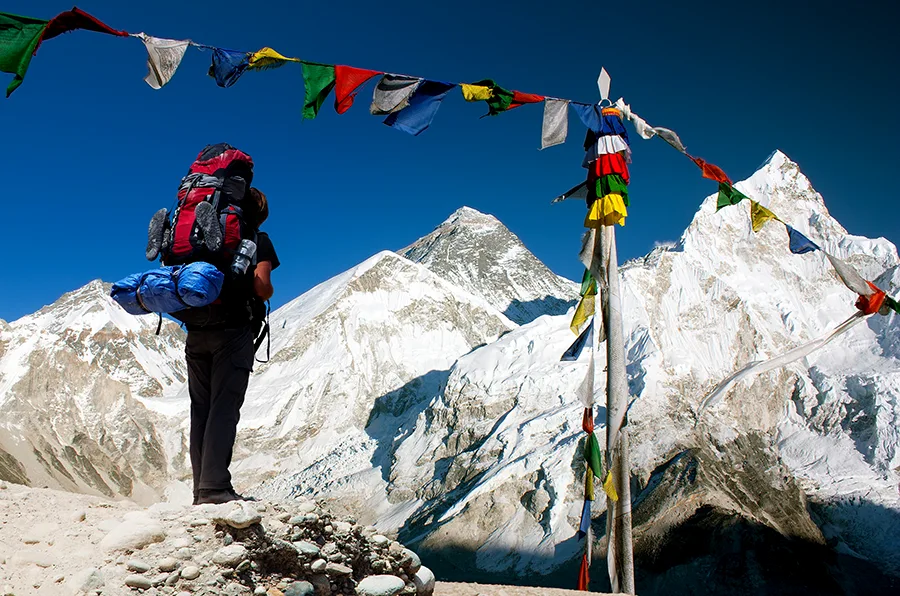
Why Do You Need an Everest Base Camp Trek Training Program?
In this case, it is said that enough preparation has been done about the particular training program, let us now proceed to the reasons why adequate Everest Base Camp training is essential. As a relative, there can be obstacles and high-altitude trekkers who are bound on a limited-time basis.
As in this kind of trek, long-distance walking is required over rough and different altitudes. You will encounter steep inclinations and declines and adjust to low levels of oxygen. Everest Base Camp Training is very important for:
- Endurance: If a person plans to go trekking for 5 to 7 hours a day in high-altitude situations, strength is required.
- Strength: You will have to build muscles in your legs, core, and back. Since a lot of energy is required to lift your body, and perhaps a backpack on hostile rough ground.
- Mental Preparation: High-altitude trekking can be hard mentally.
- Acclimatization: A fit body will have a better response to altitude resulting in lower chances of developing Acute Mountain Sickness (AMS).
When to Start Training – Key Components of the Everest Base Camp Trek Training Program!
If you are planning to undertake a trek, you should begin training around 3-6 months before the day of the trek. There is a fixed time within which a body can be honed for undertaking and finishing the EBC trek. The Everest Base Camp Training program should comprise all elements of cardiovascular fitness, strength, flexibility, and mental toughness.
Gradually, using an orderly increasing and structured method will prepare you for the additional energy demands when you start walking. Your Everest Base Camp Training regimen should focus on five major areas:
- Cardiovascular Endurance
- Strength Training
- Flexibility
- Altitude Acclimatization
- Mental Preparation
Let’s break these down step by step.
1. Cardiovascular Endurance
Trekking for more than an hour requires good cardiovascular endurance especially because one will be doing so at a higher altitude.
Activities Recommended:
● Hiking/Walking:
Walking or hiking on various types of terrains with a concentration on inclines that is not as far removed from the conditions of the EBC trek will not be exhausting. Start the activities beginning with short-distance hiking increasing the distance and the skills required gradually. Ideally, 3-4 times a week would suffice to go hiking.
● Running:
Running is excellent if you want to develop and strengthen your aerobic conditioning quickly as running strengthens the cardiovascular systems easily. If running comes easy to you, include short and medium-distance runs weekly in your training regime. Better still, you can go trail running to toughen your legs against the uneven terrains to be encountered during the actual trek.
● Cycling:
Other persons however are not fond of running where such will make use of other forms of exercise such as cycling where one rides a bicycle instead. This helps to build up your leg muscles and increase your stamina but without the stress to your knees.
● Swimming:
It is the best workout for the entire body that increases endurance and the volume of the lungs without putting extra pressure on joints.
● Stair Climbing:
Climbing Stairs and stair masters should be included in your exercise regimen for acclimatization to the pattern of movement of ascents and descents while in the Himalayas.
Training Plan:
Let this be their initial idea: for the first month, they will stick with moderate cardio (30-45 mins, 3-4 days) with low to medium intensity to build up the time and pace as the fitness level improves. After this distance, you should be able to provide longer sessions at least once a week.
Progression:
- Months 1-2: Here you can perform easy moderate-intensity hikes and short walks in a 30-45 minute range. You may add 1 to 2 sessions of running or cycling in a week.
- Months 3-4: Suggestions are to increase the duration of the hiking time to two hours or more. Aim for one long hike once every two weeks. Add hill climbs or stair climbing to prep for the uphill treks.
- Months 5-6: This time you should start practicing long-distance hiking for about 3-6 hours if the time allows, possibly with some load. Endurance should now allow for longer workouts free from intervening rest periods.
2. Strength Training
Trekking requires an individual to possess a training of muscular endurance, which can be developed through strength training. The muscles in the legs, core, and upper torso will help the hiker navigate rough terrains as well as carry the pack and maintain an erect position during the trek without feeling fatigued.
Key Exercises:
1. Leg Strength:
- Squats: Excellent for building general leg strength.
- Lunges: Forward stepping for trekking.
- Step-ups: An increase in step-up height can imitate going uphill; participate in adding weights as the training intensifies.
2. Core Strength:
- Planks: Increases the strength of the entire core which aids balance.
- Russian Twists: Develop abdominal rotation strength.
- Mountain Climbers: Awesome for core and leg workouts.
3. Upper Body Strength:
- Push-ups: They build back muscles for use while carrying a loaded bag.
- Pull-ups: More emphasis on strengthening the arms and the back offered greater endurance to carry more weight.
- Rows: Concentrating on the toning of the back, not very recognizable but helpful.
Training Plan:
It is important to include some form of strength training at least 2-3 times a week, concentrating on functional movements that imitate those in the course of the trek.
Progression:
- Months 1-2: Start these workouts with basic bodyweight movement patterns, including squats, lunges, presses, and planks. Complete 2-3 sets of 10-15 repetitions per exercise.
- Months 3-4: Load the body with weights or resistance bands during the exercises. Progress towards more dynamic and advanced variations of basic body movement patterns, such as jump squats or weighted step-ups to gain in strength.
- Months 5-6: Begin to practice endurance exercises, which can involve increasing the number of movements or increasing the period of holding certain weights. Next, you will keep working on the legs, core, and upper body to tolerate long days of trekking.
3. Flexibility and Mobility
By honing your flexibility, you will be able to perform activities with your muscles and joints coordinated thereby minimizing the possibility of injuries. Stretching exercises will be worthwhile since torn muscles will heal quickly hence maximum engagement will be expected during the walk.
Key Stretches:
- Hamstring Stretch: Vital to avoid stiffening up after a long walk hence the muscles should be exercised.
- Quadriceps Stretch: Important for knee stability and ease of movement of the legs.
- Hip Flexor Stretch: It helps reduce stress that is concentrated in the hips and the lower back region of the body.
- Calf Stretch: Relieves pain in the bottom part of the leg.
- Upper Back Stretch: Useful when wearing a backpack for a long period.
Yoga for Flexibility:
Including yoga will be quite beneficial to the Everest Base Camp Training program because it adds flexibility, balance, and breathing. Make it a point to add one yoga class a week with a special emphasis on the hamstring, hip, and lower back stretching poses.
Training Plan:
- Before Workouts: Dynamic stretching (leg swings, arm circles) to activate your muscle metabolism in preparation for the more strenuous activities.
- After Workouts: Static stretching (20 to 30 seconds of stretches held in one position) to improve the range of motion to help minimize muscle stiffness.
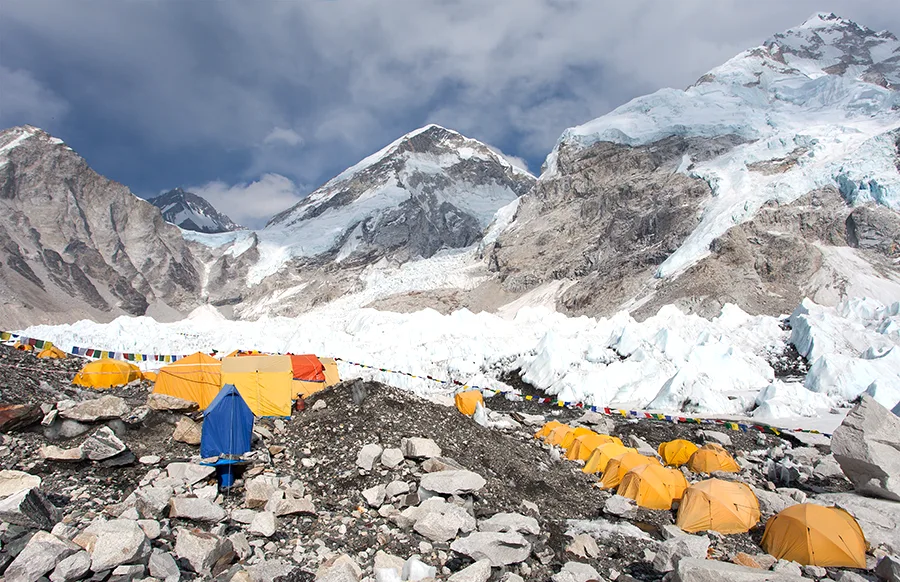
4. Altitude Acclimatization
When one heads to Everest Base Camp, the process of acclimatization is the most critical aspect that a person must engage in. The higher you go up the mountains, the less oxygen is available, and it is healthier for the body to take some time before proceeding. It is easy to adjust one’s body to lower levels of oxygen but one cannot train this way for altitude without going to the high altitude level.
Strategies for Acclimatization:
- Gradual Ascent: On the trek, make sure you follow a schedule that is based on gradual ascent. Many EBC treks pay enough respect to this rationale by including a few rest days.
- Simulate High Altitude: If possible, exercises in moderate hypoxia can be such that the muscles can be trained even with a simulated relative altitude. A few days of high altitude/ low oxygen activity before the trek will serve this goal.
- Hydration: How some physiology and the practical side of hydration are depicted, to put it simply, is very important while heading on this high-level adaptation. Water deficiency may aggravate the symptoms of high-altitude sickness.
- Practice Breathing Techniques: Breathing exercises useful for enhancing respiratory system function and resulting in greater oxygen absorption into the body can increase lung capacity, such as deep, intense breaths and the like. Diaphragmatic breathing techniques and Pranayama are examples of such practices
Acclimatization Training Plan:
Switch to training in case you don’t reside in a high altitude area by concentrating more on aerobic type of exercises like stair climbing or HIIT to get some kind of body training of working in a low warm altitude environment.
5. Mental Preparation
Going on the Everest Base Camp trek involves meeting both physical and psychological challenges. Increased fatigue, exhaustion, and long working hours may interfere with your mental resilience. It is very important to enhance mental strength in an individual to maintain a positive attitude and to strive through challenging situations.
Techniques of Mental Training:
- Visualization: Imagine yourself successful in accomplishing the journey. Think about obstacles and plan what you will do to overcome them.
- Set Small Goals: Goal the mountain trek further into achievable sections. And rather than concentrating on a whole day of the hike, prepare for a short-duration trek only.
- Positive Self-Talk: Make use of standing quotes or positive thinking to encourage yourself further. A common, but powerful phrase – “I can do it” – can make a difference
- Meditation: Awareness through meditation helps to relax the mind, relieve pressure, and focus attention when on a journey.
Mental Training Plan:
- Daily: 5-10 minutes daily should be marked out for either meditation or mind training.
- Weekly: Visually undertake a rehearsal of the entire trek again.
Gear and Equipment Preparation
While it is important and necessary to train the body and the mind, proper equipment is indispensable in terms of trekking. Below is a list of the items that should be carried to make the trek successful.
- Footwear: A good pair of trekking boots must be put on. They go well with heavy load balancing belts and break them down before the trek to prevent sores.
- Clothing: The use of an outer layer, middle layer, and inner layer is very important. Include thermal wear, waterproof jackets, and fabrics designed for moisture management.
- Backpack: It’s also important to have a backpack that’s comfortable to wear even when fully loaded. One should practice with a fully packed bag to get used to the weight.
- Trekking Poles: Aid in the weight distribution so that the knees do not suffer a lot of pressure during the barriers with downgrades being the main culprit.
- Hydration System: It is important to avoid dehydration with water bottles to accomplish this goal. Hydration packs are important especially when one has been outside for some time and does not need to trek in the mountain terrain.
Nutrition for Everest Base Camp Trek
Also, in the same manner as exercise, the intake of relevant and proper nutrients for the body is very important. In the course of the trek trial, a lot of calories are going to be for the body and this is where the right complement of the nutrient comes in to maintain energy levels as well as stamina.
Before the Trek:
- Carbohydrates: Carbohydrates are necessary as they provide the most readily available and efficient form of energy. It is advised, however, to focus on sources of complex carbohydrates such as whole wheat or rather oats.
- Protein: Consume protein through lean meat in the form of chicken, fish, eggs, and legumes to help repair muscle tissue.
- Fats: Foods, that contain healthy fats like avocados and nuts, are also beneficial as they keep energy for a long time when on a trek.
- Hydration: The intake per unit time should allow for more fluids to be taken in the form of water and should also last throughout the day.
Throughout the Trek:
- Snacks: Have energy bars, nuts, and dried fruit that give you a quick boost in energy when you need it.
- Meals: In the trial of the trek, meals will generally consist of rice, lentils and vegetables. It is recommended to have high-carb dietary plans especially for active people.
Conclusion
The Everest Base Camp Trek is one of the hardest adventures that requires not only physical health but also robust mental health to bear problems.
You’ll be on the right track if you stick to this detailed Everest Base Camp Training regimen, aimed at making one fit using cardio, strength, balance, making an effort to adjust, and psychological pressure management. Let us not forget that this is not only about finishing the trek but also getting the most out of each part of it.