
Everest Base Camp Trek by Road: A Complete Alternative to the Lukla Flight
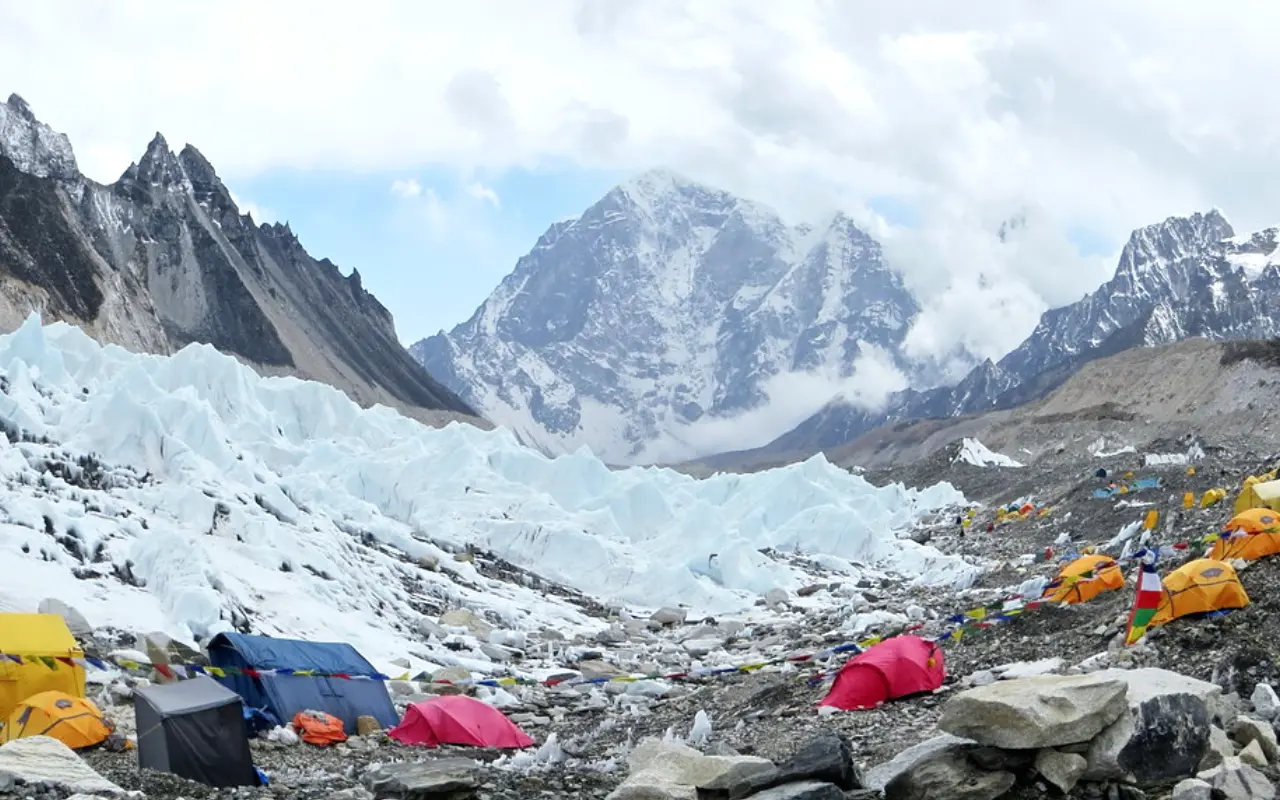
The Everest Base Camp trek by road has gained popularity as an alternative to flying into Lukla, especially for those looking for a safer and more affordable option. While most trekkers fly to Lukla, taking the road option adds a new dimension to the adventure.
There are many benefits to choosing the Everest Base Camp trek by road, including avoiding both the flight delays and risks of the Lukla Airport and its sometimes inconceivable weather. The roads into the Everest region also present great views of the overall natural beauty and cultural richness of the region, making the journey not just the destination.
In this blog, we will provide the best routes for the Everest Base Camp trek by road, a detailed itinerary, and the positives and negatives of a road trek. You will also find cost estimates and useful tips that will help prepare you for your alternative trekking adventure.
Why Choose the Road to Everest Base Camp?
The Lukla flights to the Everest Base Camp are notorious for delays and cancellations because of the changing mountain weather. The problems have the potential to spoil trekking plans and cause stress. Safety is another issue that worries a majority of travelers, and therefore, the Everest Base Camp route by road becomes an attractive option.
The road trek to Everest Base Camp is an alternative with a drive option that passes through really nice scenery. This trail offers slow walking, adjusting to the altitude, and minimizing the risks of altitude illness. By road, it is more flexible and less tense, thereby giving an overall experience.
Budget-conscious tourists tend to choose the Everest Base Camp trek by road since it makes the trip much affordable. Flying to Lukla is an expensive option compared to the use of roads. This renders the road route affordable to various travellers who wish to travel efficiently without cutting corners.
Fearful flyers can choose to take the road to trekking in the Everest Base Camp. It provides an exclusive experience to visit the Everest region without the pressure of air travel. This path is suitable for the perspective of those passengers who appreciate security, culture, as well as natural beauty.
US$ 1100
Kathmandu to Everest Base Camp by Road: The Route Explained
Traveling from Kathmandu to Everest Base Camp by road starts with a jeep ride of 8–10 hours to Salleri or Phaplu. The journey is quite picturesque and has some nice villages and hills, and is a great alternative to flying, while still enjoying the area.
From Salleri or Phaplu, the trek follows the normal route to Lukla, while from Lukla, the well-trodden path to Everest Base Camp goes through the Sherpa villages, including Namche Bazaar, Tengboche, and Dingboche. Along the whole trek, there will be a chance for gradual acclimatization.
The Everest Base Camp trek by road originates directly in Salleri, giving an opportunity to the trekking groups that can innately start their trek closer to the mountains. This means that the route is much longer as it involves trekking through remote villages, various landscapes, and overcoming obstacles.
Alternatively, there is a route where travelers can reduce the journey by driving to Phaplu instead of Salleri. This alternative minimizes the number of trekking days, and it does not deprive you of the true EBC experience. It is best suited to time-constrained people who wish to do a combination of traveling by road and trekking economically and efficiently.
Some of the outstanding scenic wonders that can be witnessed through the Everest Base Camp trek by road include non-stop mountainous roads, rustic settlements of the Sherpas, and sparkling rivers. These natural and cultural attractions are both beauties that make the road option a valuable experience of touring the nature and culture in Nepal, particularly the Everest region.
Detailed Itinerary
The 1st day of the Everest Base Camp road trip itinerary starts with a drive from Kathmandu valley to Salleri (2,300 m). This 12-hour-long scenic passage takes tourists to eye-pleasing mountain ridges and villages.
On day 2 of the Everest Base Camp trek by road, you will go to Nunthala (2,200m). The path runs through idyllic woodland and picturesque villages and gives your trek an assuredly calm beginning.
Day 3 of the Everest Base Camp via road will pass through Nunthala to Bupsa (2,300m). The walk of this day consists of moderate elevation gain along the course, with chances to enjoy the Sherpa culture on the way.
On the 4th day of the Everest Base Camp road trek itinerary, you would trek through the Bupsa to Surke/Chaurikharka (2,300m). You will get an opportunity to witness richly vegetated land and mountain landscapes along the way.
On day 5 of the Everest Base Camp trek itinerary by road, you trek to Phakding (2,610m). This forms the entry point to the traditional Everest trekking route, rhododendron trees, and Dudh Koshi River.
On the 6th day of the Everest base camp trek, you will reach Namche Bazaar (3,440m). It is a cultural centre, and this important Sherpa town is ideal for acclimatizing before climbing higher.
From Namche Bazaar, you will continue your walk to the Everest Base Camp, passing Tengboche, Dingboche, Lobuche, and finally, the Base Camp and back through the same path.
The Everest Base Camp trek itinerary by road takes a total of about 16-18 days, as compared to the 12-14 days one using the Lukla flight, though it is slower and more scenic.
Road vs Flight to Lukla – Which is Better?
Flight Pros:
● Saves a lot of time to Lukla.
● Riddled with Himalayan views that are spectacular aerially
● This is something everybody knows and is accustomed to.
● Convenient access to the starting point of the trek.
Flight Cons:
● Very costly compared to road travel.
● Constant weather-related cancellations and delays.
● Unsafe approach to short, steep landing.
● Low intra-off-season flights.
Road Pros:
● Safer option in place of a risky flight to Lukla.
● Enables slow acclimatization to altitude
● Affordable as compared to air travel.
● Creates an out-of-the-ordinary trekking experience.
Road Cons:
● Takes a longer time to trek.
● Rides on a Jeep can be bumping and painful.
● There are very rough and basic road sections.
● Poor infrastructure as an alternative to flight options.
Best Time for Everest Base Camp Trek by Road
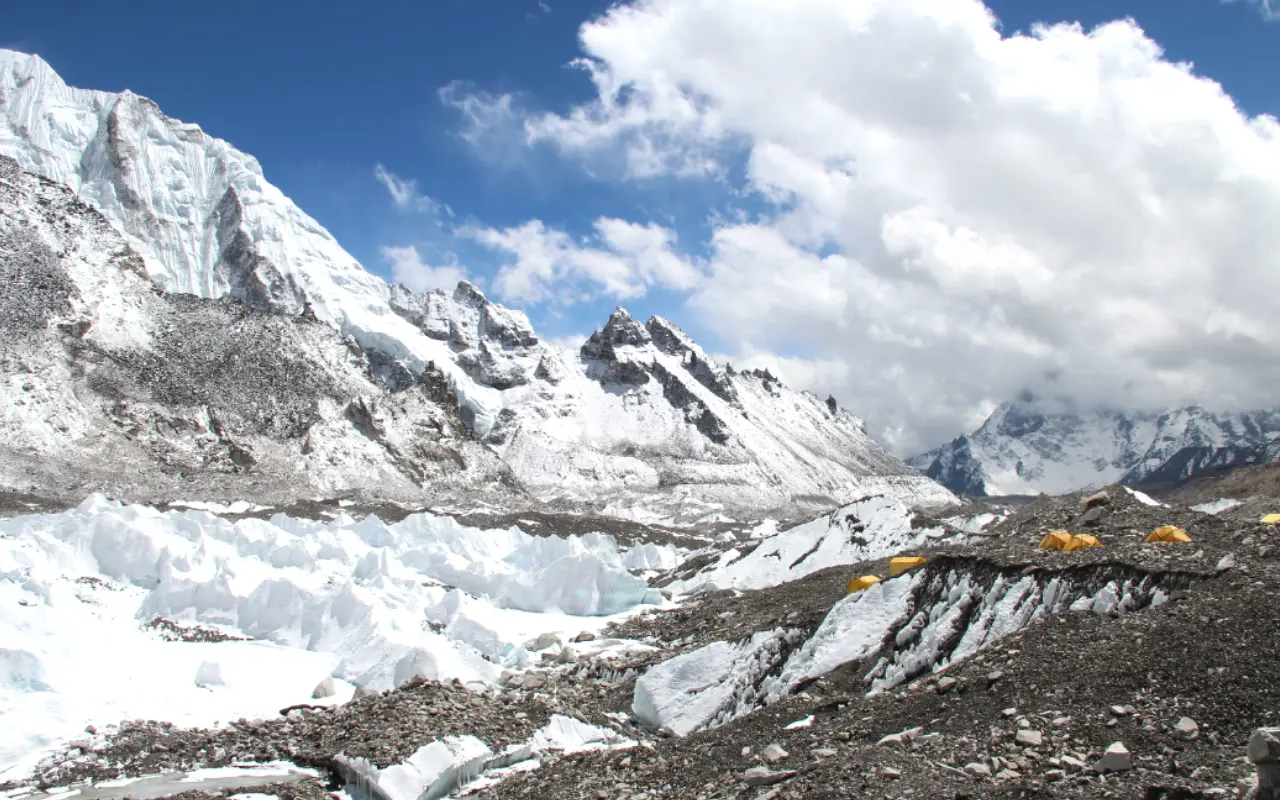
The Everest Base Camp trek by road is best in Spring (March to May), with stable and clear weather. Spring trekking has beautiful colors added to it by rhododendron forests, which blossom in this season.
The Everest Base Camp trek by road is best experienced during the autumn (September-November) with good visibility and the perfect trekking time. The skies are clear with temperatures being mild, and this provides the most beautiful panoramas of the Himalayas.
The winter is cold, with not so many crowds on the road trip to Everest Base Camp. It can only be accommodated to seasoned trekkers who are used to low temperatures because there are hues of snow and seasoned ice terrain amidst some of the tracks.
Monsoon (June–August) is not a good time to trek to Everest Base Camp by road. This is the time of heavy rains. In the monsoon, roads become muddy and there are landslide risks, making road travel dangerous and uncomfortable.
Cost of EBC Trek by Road
A jeep to Kathmandu to Salleri may cost around 25-35 dollars per individual, depending on the number of occupants. This mode of transport is a mandatory element in the Everest Base Camp trek via road and will provide picturesque scenery all along the trip.
The difference in costs of the Everest Base Camp trek on the road compared to the Lukla route is minimal, including the cost of accommodations, permits, and food. These costs can guarantee ease and safety in trekking during an exploration of the beautiful Everest region.
Traveling to the Everest base camp by road is cheaper than by air, which would cost over 200 dollars one way. It can be utilized as an affordable option because the total budget, including the price of a guide or porters, is between $1000 and $2200.
Permits Required
Trekking to Everest Base Camp will require two primary permits, the Sagarmatha National Park Entry Permit and the Khumbu Pasang Lhamu Rural Municipality Permit. These permits are obligatory for every trekker to allow entrance into the guarded Everest area and trek in it.
Sagarmatha National Park Entry Permit may be acquired at the office of Nepal Tourism Board in Kathmandu or the entry point at the park in Monjo. The permit aids in the national park protection, and it is approximately NPR 3,000 (about 30 dollars) for foreign nationals.
The Khumbu Pasang Lhamu Rural Municipality Permit is given in order to promote local development and preserve trekking infrastructure. It may be bought by the trekkers on arrival either at Lukla or Monjo. This permit will cost roughly NPR 2,000, and it will keep the trekking in the Khumbu region safe.
Tips for Road-Based EBC Trekkers
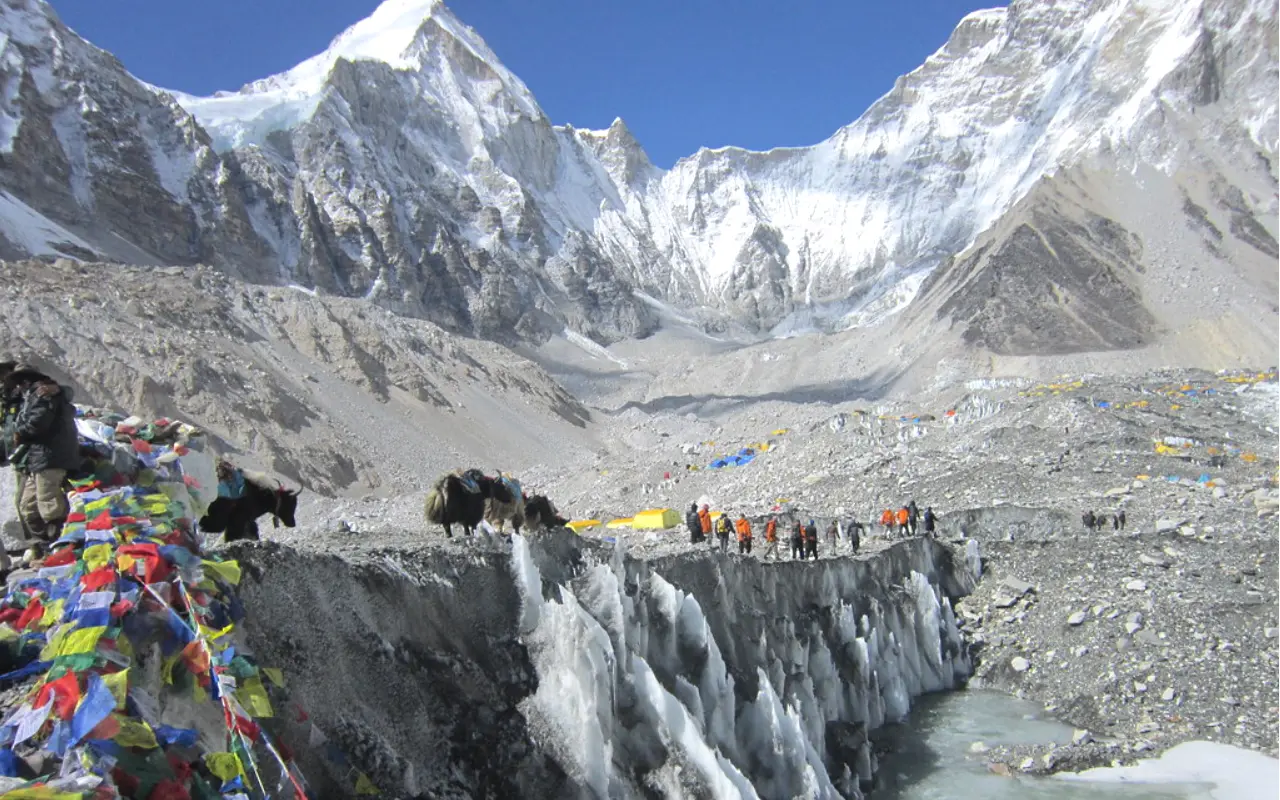
While traveling the Everest Base Camp trek by road, it is important that you book a jeep. Shared jeeps are known to fill up fast, particularly in the high season of trekking, so you should book a seat well in advance so that your adventure starts all the easier.
Take snacks and motion sickness pills to be ready to endure rough and long jeep rides. The rugged mountain roads may be difficult; hence, these little luxuries are what you need during the Everest Base Camp trek by road to make the journey pleasant.
Plan additional days in your schedule to overcome road or weather delays. The weather in the mountains is highly unpredictable, and it may turn bad very fast. The buffer days will guarantee that you do not feel hurried or miss important aspects of the trek to the Everest Base Camp via road.
An individual should hire a local guide in Salleri to Lukla to facilitate their way forward in remote places. Also, bring enough cash, as ATMs are extremely few outside Kathmandu and Namche Bazaar along the Everest Base Camp trek by road.
FAQs
1. How long does it take to trek EBC by road?
The trek to Everest Base Camp by road usually takes between 16 – 18 days.
2. Is the road route to Everest Base Camp safe?
The road route to Everest Base Camp is generally safer than taking the flight into Lukla, because it is more gradual with regard to altitude acclimatization.
3. Can beginners do the Salleri to Everest trek?
Yes, beginners can do the Salleri to Everest Base Camp trek; it’s just important to be fit, and good preparation is important too.
4. Do I still need to trek through Lukla?
Yes, once you reach Salleri or Phaplu by road, you still need to trek through Lukla.
5. Is the EBC trek by road cheaper than by flight?
Yes, the Everest Base Camp trek by road is typically less expensive than flying to Lukla because transportation costs are lower.
Conclusion
EBC by road is a secure, cost-effective, and distinct service that complements the existing path of flying into Lukla. It enables slow adaptation with a display of original mountain landscape and culture; the trip turns into a memory and is effectively worthwhile.
The road route is ideal for trekkers who do not want the stress and the expense of flights in and out of Lukla. The trails take you on an alternative route, with stunning scenic drives, and allow you to slow down and truly enjoy the Everest region.
If Everest Base Camp is your dream, the road less traveled can take you there just as surely—and with new stories to tell. Embrace this alternative and experience the magic of the Himalayas in a fresh, unforgettable way.