
Best Time to Visit Mount Kailash: Seasonal Tips for Your Journey
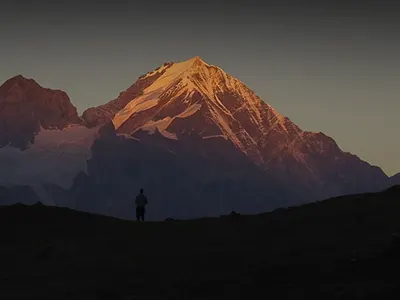
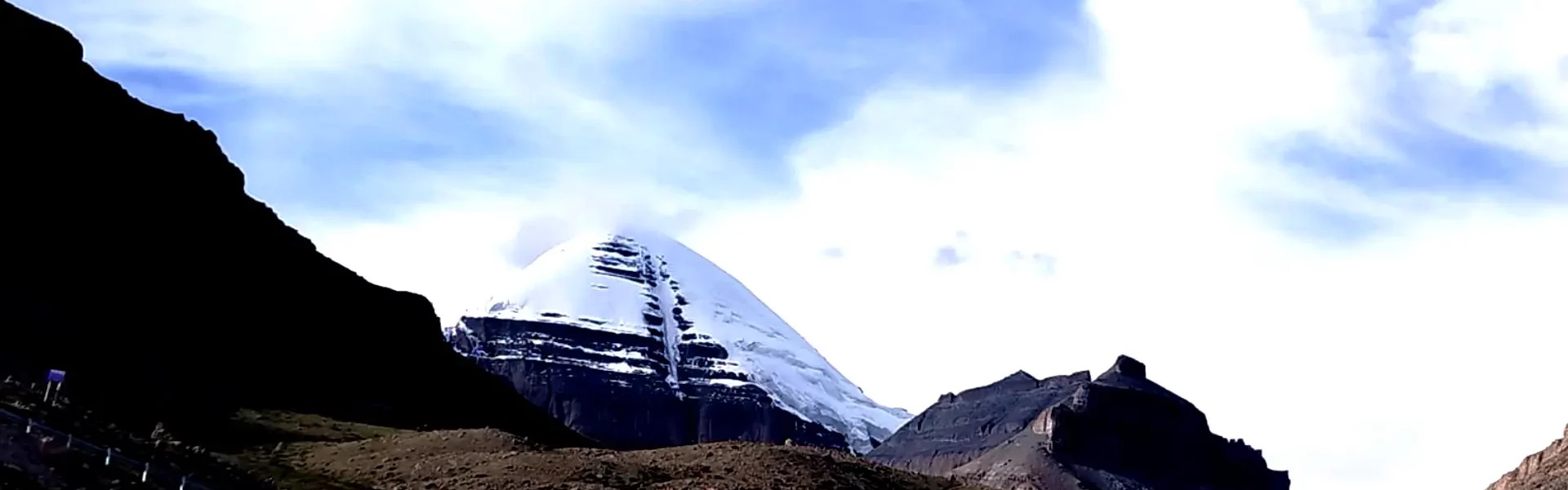
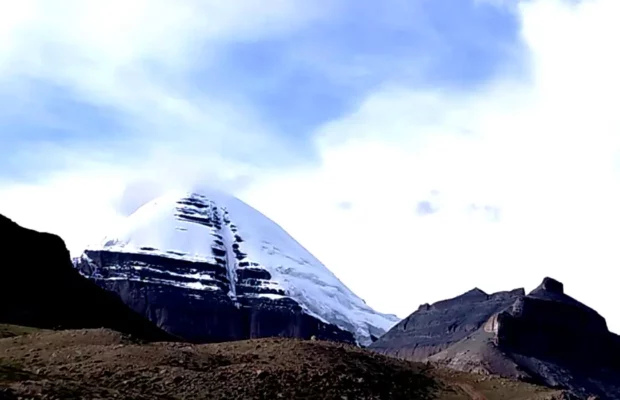
There’s a saying that Mount Kailash is the exit point of earth – “Stairway to Heavens” and indeed, the place is a treat for eyes and soul at the same time! With its location precisely on the remote Tibetan plateau, this sacred peak is believed to be the most holy mountain by followers of Hindus, Buddhists, and Jains.
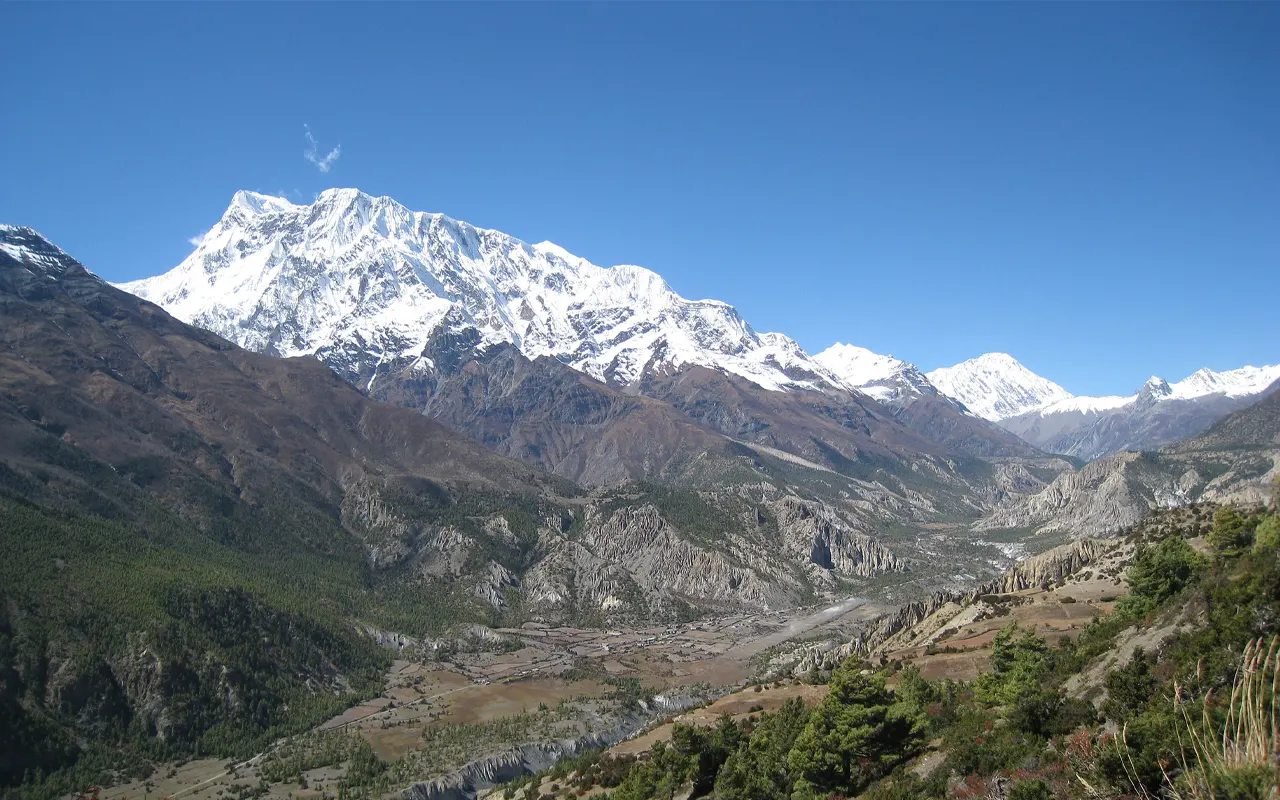
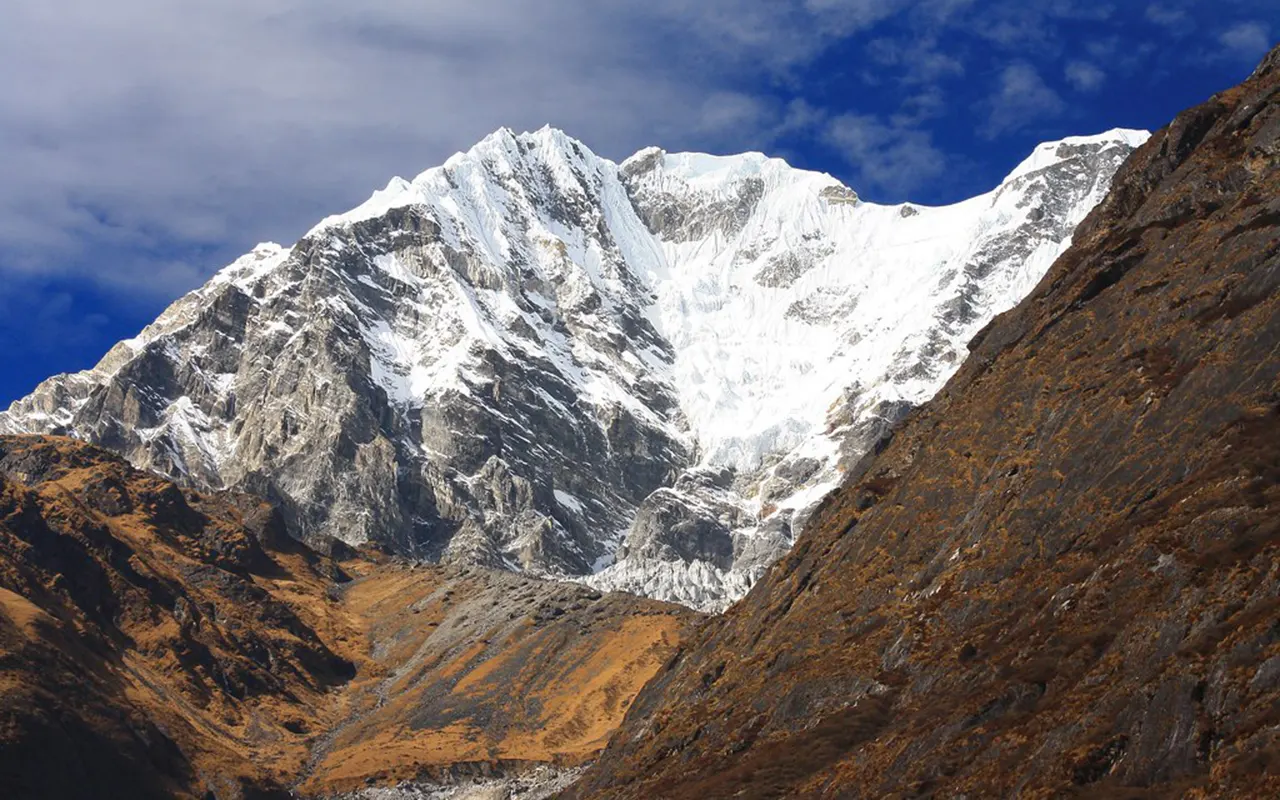
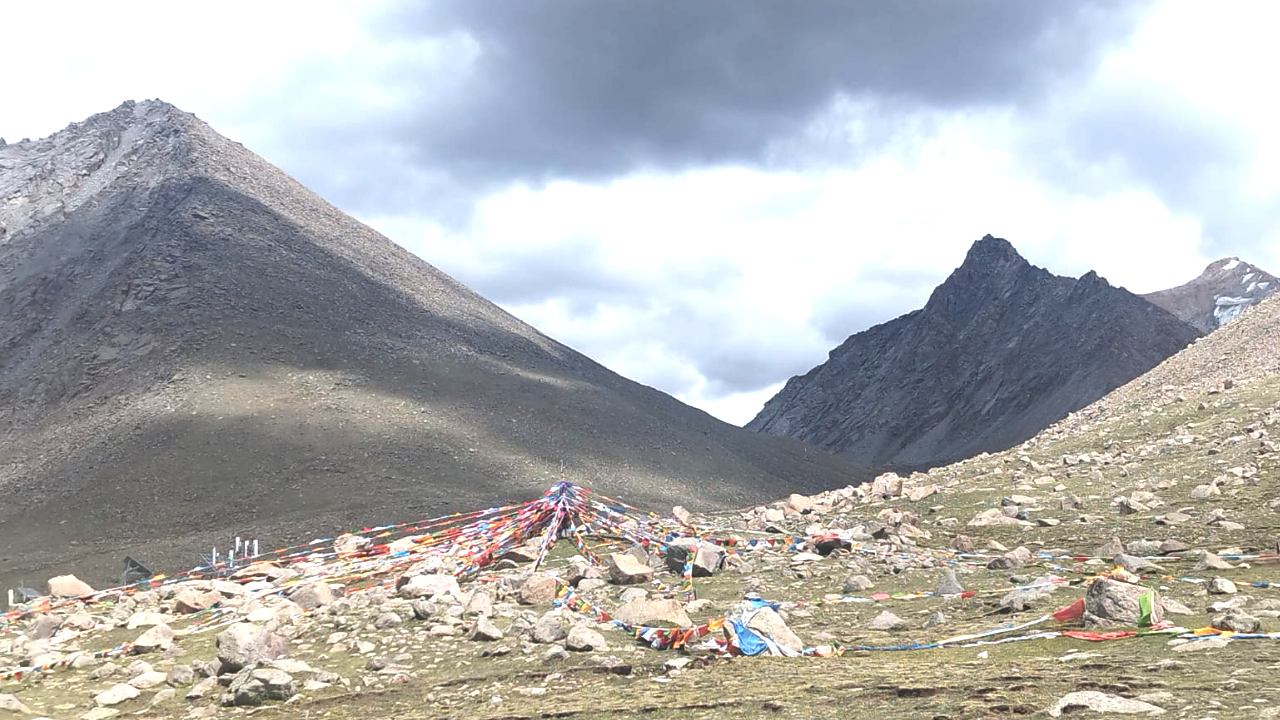
As it is regarded, to Hindus the region is regarded as the residence of Lord Shiva. Buddhists see it as the center of the universe and quite a number of other religions regard it too as a sacred place. Beyond its sacredness, Mount Kailash has awe-inspiring sights and merges magnificently with the blue sky and the far-off snow-clad mountains of the Himalayas.
The outstanding character of the structure is the well-placed monasteries, lakes, and hills that are rocky which makes the place ideal for trekkers and lovers of nature. The feeling that swirls within the soul and connects with the surroundings is profound and deep, providing it with a kind of atmosphere that is par none and can never be quantified in its true sense.
Before grabbing the packed bags and heading towards the dream vacation, this loaded list of things to consider makes the journey safer and memorable for all of us. Even experienced veterans find this trip providing a lot of hardships due to the climatic and the high altitude conditions.
For devotion or trekking, in order to make the journey more enjoyable, it suggests that understanding the local culture and festival cycles and liabilities can enhance one’s journey. To witness such magnificence and beauty at Mount Kailash, it is necessary to emphasize the right visiting time for it increases the chances of avoiding bad weather and timing issues.
All You Need to Know about the Weather of Mount Kailash
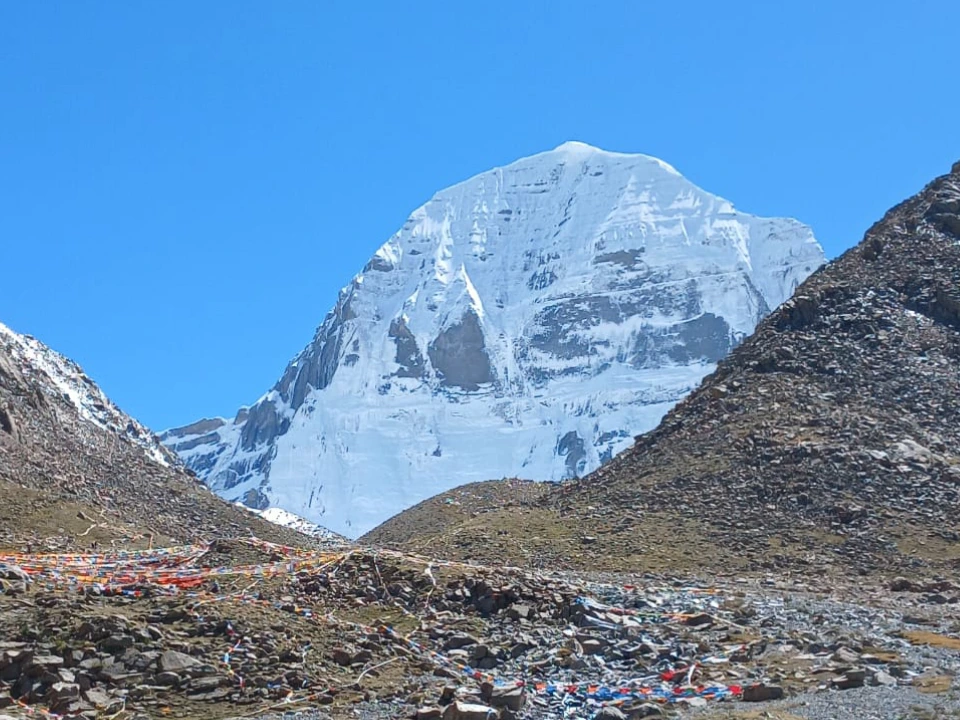
Mount Kailash is located high in the Alps. It has cold and unpredictable weather throughout the year. Harsh weather conditions are part of the charm and challenge of this holy pilgrimage. Knowing what to expect each season can help you effectively prepare for a safe and memorable adventure.
Winter (November to February)
The winter season at Mount Kailash is very cruel and never forgiving. It can reach ultra-cold temperatures as low as -25 degrees celsius, and much of the area is buried beneath the snow as well. This causes an amalgamation of heavy snow and frostbitten roads which make it hard for roaming enthusiasts during this duration of time.
- Pros: The calm and pristine beauty of winter attracts experienced hikers seeking solitude.
- Cons: Cold and dangerous travel conditions. and closed roads make it unsuitable for most tourists.
Spring (March to May)
Spring starts to signal the rise of the temperature in Tibet region and it ranges from -5 to over 10 degree centigrade. It comes as no surprise that winters there are sometimes rough with bone chilling colds. It reveals lush valleys and flowering plants. This transitional period is suitable for those who like moderate weather and less crowds.
- Pros: The snow melts open the roads while the vibrant landscape reveals spectacular views.
- Cons: Some trails may still be slippery due to melting snow. Therefore, caution must be taken while hiking.
Summer (June to August)
For trekking enthusiasts, summers mark the best time to set out for Mount Kailash as the degree ranges from 5 to 15 making the journey a lot easier. It is mandatory to point out that even when the area gets roughly rainy, Mount Kailash tends to remain dry due to its extremely high elevations. However, there is rain from time to time. in the surrounding area
- Pros: Lush greenery, clear mountain view and lively atmosphere. This makes summer a favorite among pilgrims.
- Cons: Increased traffic leads to crowded housing and busy roads. Occasional rain can disrupt plans.
Autumn (September to October)
Autumn is considered the best time to visit Mount Kailash. The monsoon clouds dissipate. Left with a crystal clear sky and a moderate temperature between 0°C and 10°C, the scenery was bright and pristine. This makes it a photographer’s dream.
- Pros: Perfect hiking weather. The crowd is less compared to summer. and better visibility.
- Cons: As October progresses, the risk of snowfall increases and may close some roads.
Best time to visit Mount Kailash
The best time for visiting Mount Kailash from Nepal is from May to October. At this time, each period offers unique benefits that meet different needs and priorities.
May to Early June
This period includes the transition from spring to summer. A lot of the snow has melted. Reveals easy paths and routes. The temperature is just right. This makes it ideal for travelers looking for a quiet experience without the crowds.
Highlights: Bad weather. blooming scenery and there are fewer tourists
From mid-June to August
Summer is peak season for Mount Kailash, coinciding with the monsoons in the lower regions. Even though it rains from time to time, the mountains are still quite dry. Pilgrims pour in during this time, creating a spiritual atmosphere.
Highlights: Festivals, greenery, lively cultural interactions.
September to early October
In the autumn Clear skies and fresh air make the weather very stable. The post-monsoon season reveals a vibrant landscape. This makes it a popular place for hikers and photographers.
Highlights: Beautiful mountain views. Quiet hiking trail and golden autumn
Seasonal Tips for Your Mount Kailash Journey
Spring (March to May):
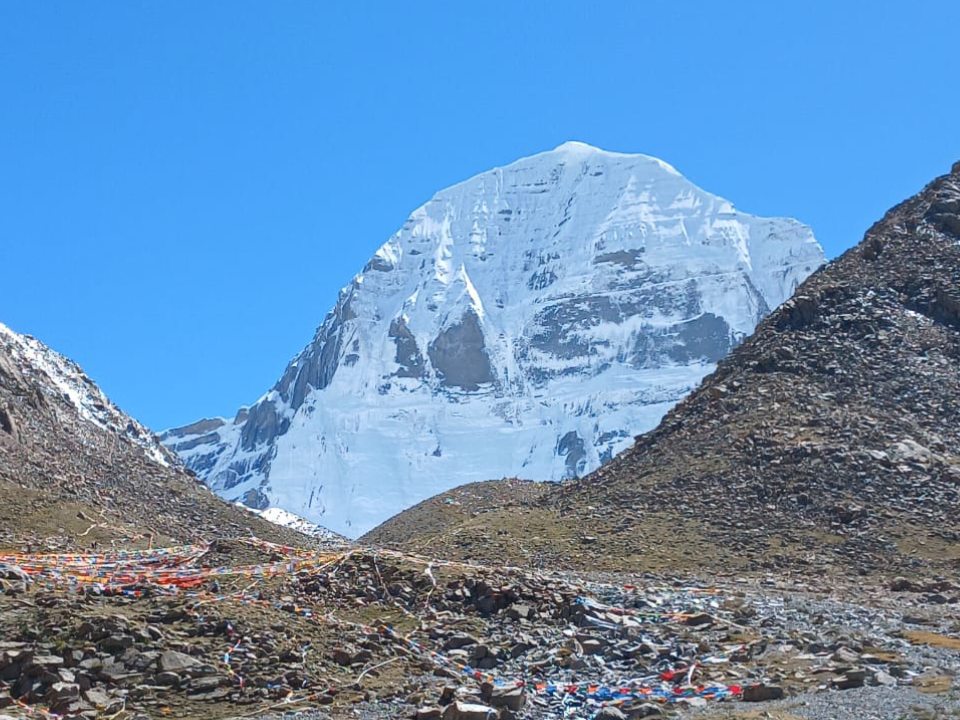
Spring brings a time of rejuvenation and transformation on Mount Kailash. The melting snow brings the scenery to life. It reveals green fields and flowering plants. With temperatures between -5°C and 10°C, hiking is more comfortable. And the route is relatively quiet compared to the peak tourist season in summer.
Pack strategically to get the most from your spring trip. Layering clothing is essential to accommodate fluctuating temperatures. This is especially true at higher altitudes where residual snow can stick. It is recommended to book accommodations and travel arrangements in advance. Access may be limited in some areas. Also, make sure you have sturdy shoes and hiking poles to navigate slippery or uneven trails.
Summer (June to August):
Summer coincides with events and celebrations on Mount Kailash. Hiking and outdoor activities are appealing because of the mild temperature which is between 5 and 15 degree centigrade and the increase in the number of pilgrims enhances the experience by adding a different cultural aspect. At this point, tourists can appreciate the vibrant atmosphere of celebrations like the Buddhist festival Saga Dava that celebrates the life of Buddha.
Summer, which can be amusing with few perks, can be a turn-off with rain and large crowds. Visitors should be equipped with waterproof gear rolls, such as a raincoat and a rucksack cover, to stay dry. The headache, which is sometimes considered as an inconvenience can still be a greater issue. Thus it is essential to properly drink water and adjust the body to a suitable altitude in this region.
Due to the popularity of this season, accommodation may be crowded. Therefore, reservations must be made in advance.
Autumn (September to October):
Autumn is the favorite season of many tourists. Because the weather is clear The sky is clear and moderate weather conditions (0°C to 10°C). Post-monsoon clarity improves the visibility of Mount Kailash and surrounding peaks. This makes it the perfect time for photography and quiet walks. The golden hues of the autumn leaves add magic to the landscape.
Travelers should pack multiple layers for cooler mornings and evenings. And avoid planning your trip too late in October to avoid snowfall. Autumn offers a quieter, more contemplative experience compared to the bustling summer months. This makes it ideal for those seeking solitude and spirituality.
Winter (November to February):
Winter at Mount Kailash? Well, it’s not for those who shy away from a bit of a challenge. I mean, we’re talking about temperatures that can plunge to a bone-chilling -25 degrees Celsius! It really transforms the whole area into this stunning snowy wonderland. But you know what? The tranquility and pristine beauty of the place? Unmatched.
That said, if you’re thinking about making the trek during this season, you better be an experienced climber with the right gear. Trust me, most trekkers would advise against it. The trails can get cold, and, honestly, they’re often pretty tough to navigate. So, if you’re not prepared, it might be best to wait for a milder time of year.
Preparing for Your Journey – Enjoy a Successful Journey
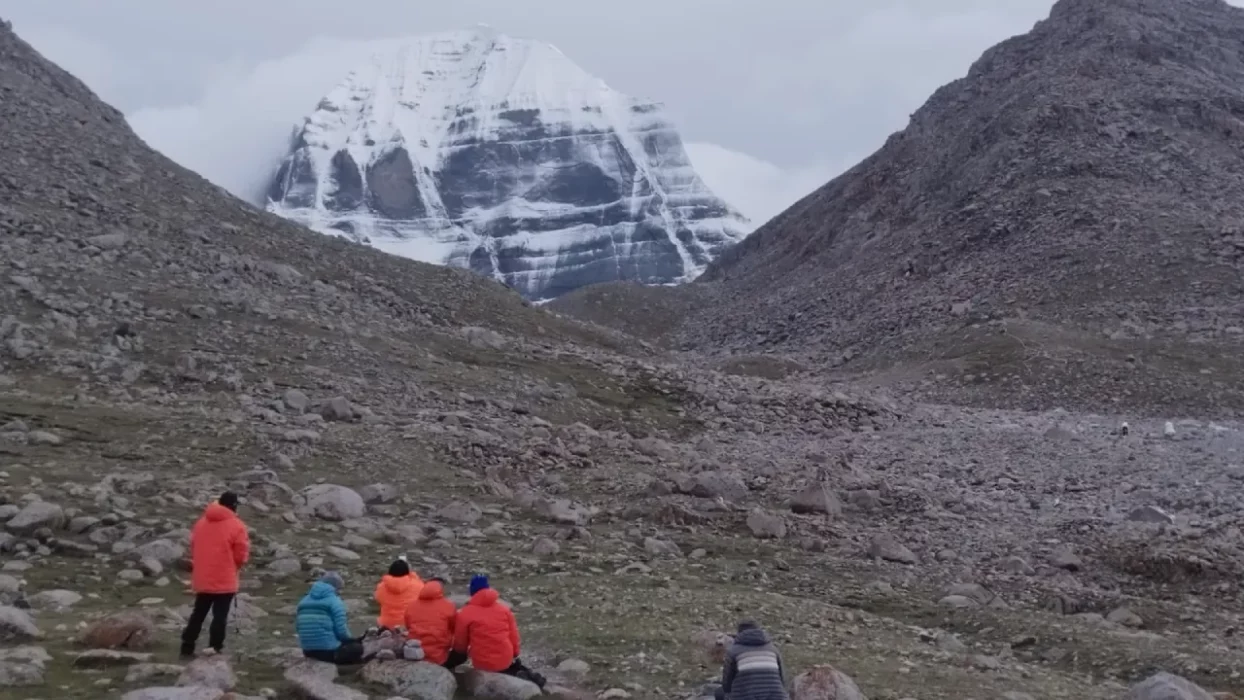
A successful trip to Mount Kailash demands careful planning and preparation. The region’s unique challenges, high altitude, and spiritual significance require that you approach the journey with thorough attention to detail. Whether you are traveling or trekking on top of the sacred mountain. The following tips will help you have a smooth and enjoyable experience.
Acclimatization:
To reduce health impacts that may occur from climbing Mount Kailash, which is higher than 6,000 meters, including altitude sickness. Therefore, it is necessary to develop appropriate measures to help the body adapt effectively. As altitude sickness isn’t exactly a light problem, it is advised to be resourceful with the inclusion of oxygen masks in one’s kit. And it’s important to give your body time to adjust before jumping higher.
Spend a few days in Lhasa or a nearby city at a lower altitude. This allows your body to gradually adjust. This will reduce the risk of altitude sickness and help keep you comfortable on the journey ahead. Listen to your body, don’t rush your journey. Give yourself time to rest and adjust along the way.
Get a license
Tibet is a restricted area. And it is necessary to obtain the necessary permits to enter and travel in this area. These licenses are required for foreigners. And the process can be quite complicated. It is recommended to work with a reputable travel agent specializing in Mount Kailash tours.
They are familiar with the rules and can help you obtain the necessary licenses. This includes the Tibet Travel Permit and the Mount Kailash Travel Permit. Please note that permits may take time to process. Therefore, it is important to plan and maintain safety.
Packing essentials
Proper packing is important to ensure you have everything you need for your trip. Here are the details of what you need to bring.
- Clothes: Due to the cold and hot weather It’s important to pack clothes that keep you warm and wick away moisture. Choose warm underwear. Windproof jackets and underwear can trap moisture and keep you dry and warm. Sturdy hiking boots with ankle support are also essential for traveling comfortably on rough terrain.
- Gear: Bring hiking poles to help with balance. Especially on steep or uneven roads. To reduce stress on the joints, a reliable and comfortable backpack to carry your essentials.
Include sleeping bags suitable for winter. This is important for multi-day hikes. - Supplies: High-energy snacks like trail mix, energy bars, and dried fruit will help you through long hikes. Carry a reusable water bottle and ensure you have adequate water sources throughout your trip. A well-stocked first aid kit is recommended. Including altitude sickness medicine, bandages, and equipment.
- Documents: Keep your passport, license and detailed itinerary in hand. It is a good idea to carry copies of these documents with you. In case of emergency
Health Precautions
It is recommended to consult a doctor before setting off for Mount Kailash, especially if you have any pre-existing medical conditions. Your doctor can provide advice on managing potential health risks and recommend medications for altitude sickness, such as Dimox. It is important to stay hydrated throughout your trip.
This is because dehydration can make altitude sickness symptoms worse. Avoid alcohol. This will cause the body to become dehydrated and impair adaptation. It is also wise to practice slowly.
Respecting local traditions
Mount Kailash is not only a natural wonder. But it is also a sacred place for many religions. Local people including Tibetans, Hindus, Buddhists, and Jains, hold the mountain in high esteem. It is important to respect their traditions and beliefs that might disturb the sanctity of the place, such as climbing mountains.
Locals believe that Mount Kailash is the spiritual home of Lord Shiva. And going up the mountain is a sacrifice. Pilgrims, instead of climbing the mountain, complete the Kailash (Pradakshina) circuit around it as a sign of devotion. Visitors should approach the mountain with humility. Respect the traditions of the local people and appreciate their religious importance.
Final Wrap Up
A trip to Mount Kailash is a profound experience that transcends physical boundaries. and provides spiritual wholeness and a deep connection with nature. The spring, summer, and autumn seasons offer ideal conditions for trekking, worshipping, and learning about the local culture.
Instead of going in the off-seasons, a better strategy is going at the seasonal peak which coincides with the preferred activities along with the milder weather and minimal tourists. Respect for the traditions of the people, and great planning assures a memorable trip along with the breathtaking view of the surroundings, don’t forget that Kailash is a sacred mountain.
Come prepared with knowledge, equipment, and an open heart. And let the mystical aura of Mount Kailash guide you on this extraordinary journey.