
Best Time to Trek the Annapurna Circuit: A Month-by-Month Weather & Trail Guide
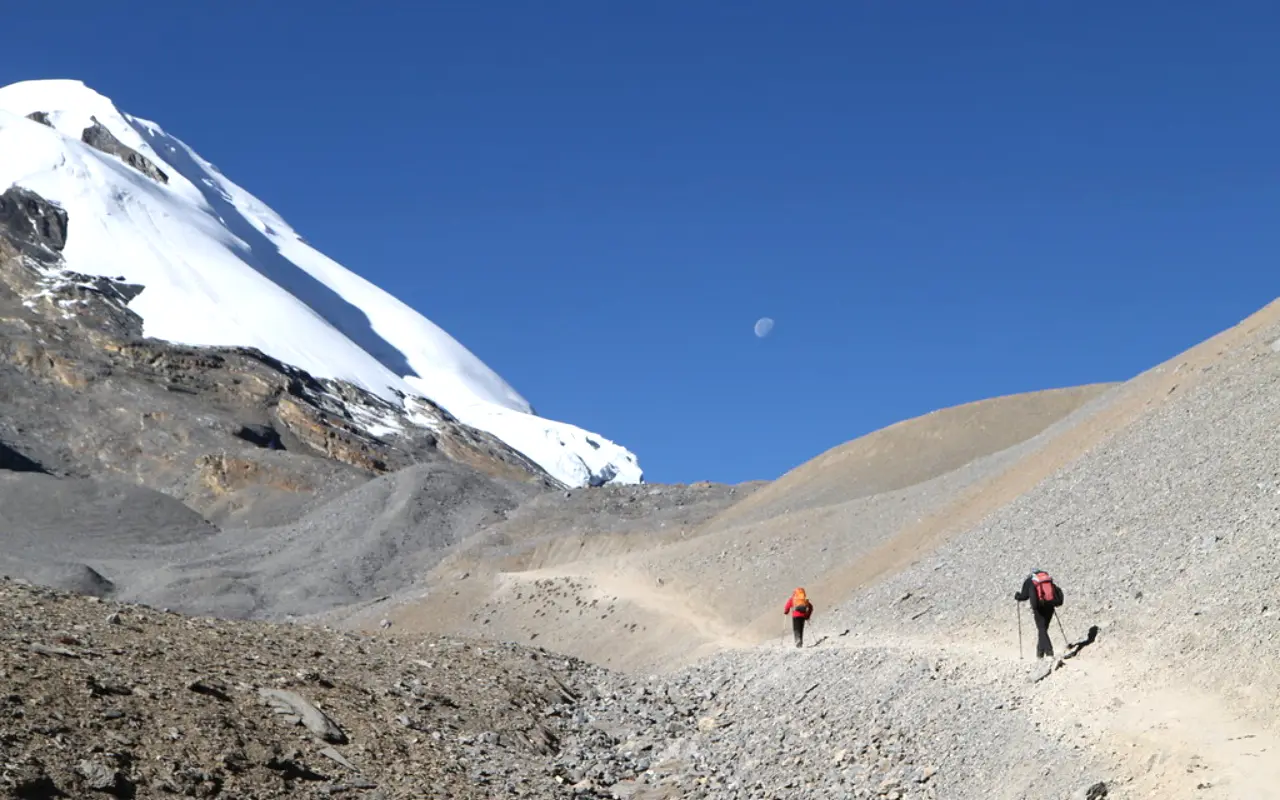
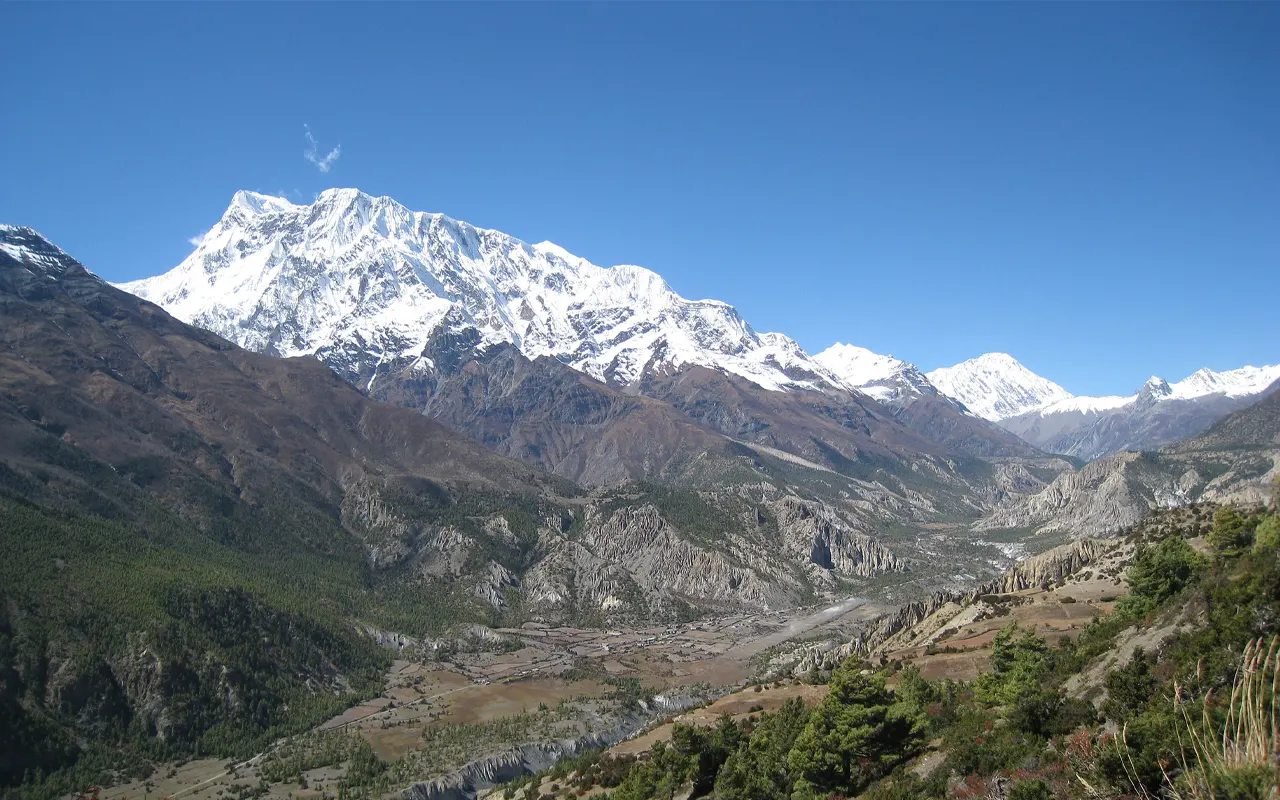
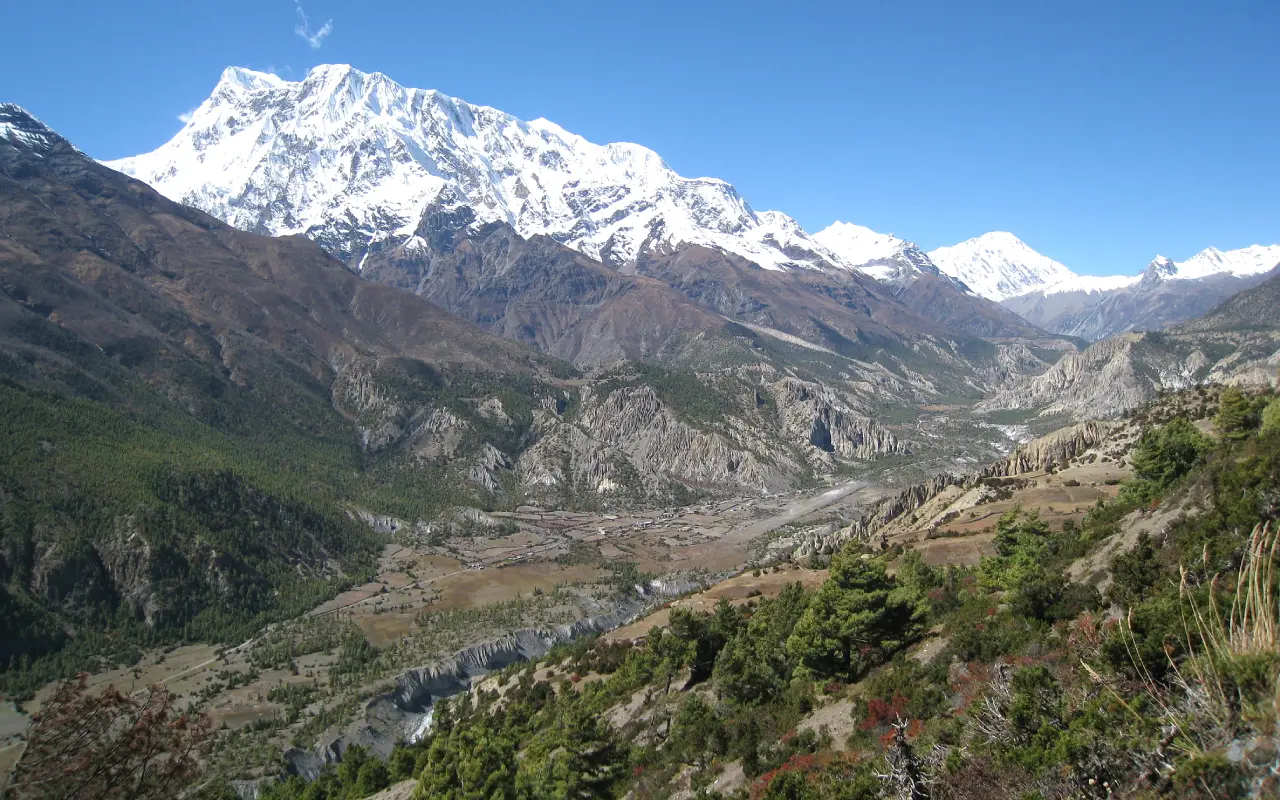
With stunning scenery and rich cultural experiences, the Annapurna Circuit trek is a classic long-distance trek in Nepal. To have such an experience, it is important to know the best time to trek the Annapurna Circuit because weather, trail conditions, visibility, and terrain have a direct impact on the trek.
While it’s technically possible to trek the Annapurna Circuit year-round, your travel preferences have a high impact on the selection of the time. Generally, many travelers’ favorite time to trek the Annapurna Circuit is in spring and autumn because of the clear skies, vibrant trails, and well-established trails.
In the spring, the days are warm, rhododendron forests rise to the skies, and wildflowers flourish – a great time for nature lovers looking for vibrant landscapes. In the fall, you get great visibility of the mountains, comfortable temperatures, and dry trails – although it is the peak season for trekking, so expect the trail to be busy with lots of beautiful scenery around.
Winter (December to February) is possible, but it is cold, you risk trail closures due to snow, and at the very least, the higher passes will still have quite a lot of snow. The monsoon season (June to August) features low to heavy rain, slippery trails, and risk of landslides. We do not recommend trekking in the monsoon season unless you are a seasoned trekker and feel comfortable trekking in wet conditions.
Overview of Annapurna Circuit Weather and Seasons
You will walk at an elevation of about 760 meters (Besisahar) to 5,416meters (Thorong La Pass) in the Annapurna Circuit trek. During the trek, you will be exposed to serious altitude gains and a variety of climates.
You will walk in subtropical valleys in lower elevations to temperate and alpine zones in higher elevations. With an increase in altitude, the temperature level also changes and becomes colder.
You will experience freezing temperatures and low oxygen levels at Thorong La Pass. Therefore, acclimatization is important to safely complete the trek.
Four primary trekking seasons:
• Spring (March–May):
Spring is one of the best times to trek the Annapurna Circuit. Days are warm, the rhododendrons will all be blooming, and the forests will be lush with new growth. Spring often provides the best trek adventures and an abundance of nature. Spring clear skies and moderate temperatures make for pleasant daily hiking and vibrant scenery all around.
Sometimes, early spring will see the occasional rain, so make sure to always pack wet-weather gear, whether it rains or not. Trails in the spring will likely be less crowded than in the autumn. Spring has loads of daylight, so trekkers can take advantage of hours of sunlight to hike longer and enjoy the majestic mountain views under clear blue skies.
• Summer/Monsoon (June–August):
During the monsoon period, the trekking environment becomes different. Heavy rains will arrive in a continuous pattern daily, with slippery trails and an increased risk of landslides. The trekking environment becomes even more difficult and dangerous. Visibility is often reduced due to clouds and mist.
However, the monsoon will change the surroundings into a unique and lush green environment, and reduce the number of trekkers on the usual popular trail. Experienced trekkers may appreciate the solitude, as long as they prepare for the rainy, slippery conditions, and navigate the daily challenges of trekking with constant weather assessments.
• Autumn (September–November):
Autumn season is the height of trekking season when the weather tends to be stable and dry, with crisp mountain air in front of you. Trails will be dry and safe to make for the clearest views of Annapurna and the surrounding Himalayan peaks.
This season has colorful cultural festivals and busy trekking paths, but the beauty of trekking draws us as they are in excellent condition, and the reliable weather. It is just the perfect time for walkers who will be rewarded with spectacular mountain views.
• Winter (December–February):
Winter trekking can be cold and snowy, especially at high passes like Thorong La. On the whole, with a few exceptions, the trails will be the quietest, which means that your trekking experience will be exclusive, but only for experienced walkers.
The high-altitude passes may be closed due to snow, and temperatures can drop significantly. It’s important that you have cold-weather gear ready and be prepared, as treks like a winter hike can present more of a physical challenge, and there could be occasional flight delays.
US$ 920
Month-by-Month Trekking Conditions
• January
Pros:
- Clear weather.
- Quiet roads.
- Great views of the mountains.
- Winter holiday vibe.
- Fewer travelers.
Cons:
- Very cold weather at elevation.
- Risk of avalanches and road closures.
- Possibly icy sections on the trail.
- Fewer open teahouses.
- Delayed flights.
Recommended for experienced backpackers with the appropriate winter gear, and those who want to have a very quiet trekking experience. Only do this if you are comfortable with severe conditions along the Annapurna Circuit. Trail conditions are not suitable for beginner trekkers.
• February
Pros:
- Better visibility.
- Less snow on the lower elevation.
- More lonely trails.
- Clear crisp air.
- Magnificent sunrise views.
Cons:
- Still very cold, especially at night.
- Ice and slippery paths.
- Daylight hours are shorter.
- Closed high passes.
- Limited means of services in very remote areas.
Recommended for winter trekkers who are looking for quietness and unspoiled beauty. During this period, you will find more solitude as there are not too many other travelers; yet, it is a very viable option for experienced trekkers who can withstand the cold on the Annapurna Circuit, but not for novice trekkers.
• March
Pros:
- The beginning of spring.
- Rhododendrons and wildflowers are blooming.
- Warming weather.
- More daylight.
- Clear mountain views
Cons:
- The trails are becoming busier.
- Spots of rain.
- Snow melt may cause muddy trails in several areas.
- Nighttime temperatures can still be cold.
- Higher chance for minor avalanches at high altitude (very high).
Recommended for trekkers who want beautiful landscapes but don’t want to deal with large crowds. A good month if you want to experience moderate weather and nature while trekking the Annapurna Circuit, and it is among the best times to trek the Annapurna Circuit.
• April
Pros:
- Peak spring bloom.
- Stable, nice weather.
- Forests and hills are covered with flowers.
- Great trail conditions.
- Clear visibility of mountain views.
Cons:
- Moderate to high foot traffic.
- Teahouses are filling up quickly in popular areas.
- Some teahouses may charge higher prices.
- Some famous viewpoints can get busy.
- Some haze in the lower sections of the trail.
Recommended for those who appreciate nature, first-time trekkers who want comfort, scenery, and stable weather, as April is again highlighted as one of the best times to trek the Annapurna Circuit.
• May
Pros:
- Warmer temperatures.
- Fewer hikers than in April.
- Long daylight hours.
- Quiet villages.
- Still lush and green.
Cons:
- Haze may obstruct distant views.
- May be early monsoon showers towards the end of the month.
- Higher humidity.
- Most bugs and insects are returning.
- Risk of afternoon showers.
Recommended for hikers who want to have quieter trails and long warm days– great greenery before monsoon rain makes trekking less enjoyable. Overall, May is the Best time to trek the Annapurna Circuit.
• June
Pros:
- Lush, lively vegetation.
- Cultural insight into unique village life
- Super cheap, especially due to the lower number of visitors.
- Cooler temperatures in higher regions.
- Make money/room bookings easily.
Cons:
- Monsoon starts with heavy rain.
- The trails are extremely slippery.
- Poor visibility, lots of clouds, and a mountain.
- Increased risk of landslides.
- Certain sections can be flooded.
Recommended only for experienced trekkers who can handle dangerous paths and unreliable weather. Most people should not be trekking, as it is not the best time for the Annapurna Circuit.
• July
Pros:
- The lushest landscapes.
- The living local village life.
- The emptiest trails.
- The best chance to see rare flora.
- Occasionally, clear mornings.
Cons:
- The peak monsoon, with heavy rain.
- Leech-infested trails.
- Muddy, slippery, dangerous slopes.
- High landslide danger.
- Constant clouds and mist.
Recommended only for very experienced, loose trekkers seeking a remote experience and comfortable trekking through severe weather. In general, this is not the best time to trek the Annapurna Circuit.
• August
Pros:
- The monsoon has finished, and the weather is clearing.
- Excitingly bright mornings every now and then.
- Little to no competition for rooms.
- Waterfalls are at full capacity and bursting with life.
- Rare rain-washed beauty to delight the eye.
Cons:
- Still wet and muddy.
- Uncertain weather.
- The leeches are still active.
- Crossing high rivers can be difficult.
- The risk of bad trail erosion.
Recommended for off-season adventurers seeking solitude and a different view of the circuit – be ready for challenging conditions. This is not the best time to trek the Annapurna Circuit.
• September
Pros:
- The post-monsoon clarity is returning.
- Fresh green scenery.
- The weather is improving from mid-September on.
- Fewer crowds compared to October.
- Outstanding mountain views.
Cons:
- The remainder of the rains are possible in early September.
- Some muddy trail sections.
- Roads could be cleared from landslides.
- Insects are around.
- Unpredictable weather in the early part of the month.
Recommended for trekkers who want a fresh landscape with moderate crowds – late September is one of the best months to trek the Annapurna Circuit, and a common start for high season.
• October
Pros:
- Clear, stable weather.
- Fabulous mountain views.
- The best trekking conditions.
- Safe and dry trails.
- Most teahouses open.
Cons:
- A very busy circuit for trekkers and teahouses.
- Higher cost for accommodation.
- Better to reserve accommodation well in advance.
- Get competitive for the best accommodation.
- Busiest checkpoints.
Recommended for first-time trekkers and photographers looking for the best views. October, in brief, is considered the best time to trek the Annapurna Circuit with the best overall climate and safety.
• November
Pros:
- The air is crisp and dry.
- The trails seem quieter than in late October.
- Visibility is often spectacular.
- Cultural festivals are held in village locations.
- There are great mountain conditions.
Cons:
- Nights are colder, especially at altitude.
- Some sections of the trails may begin to ice up.
- Days are slightly shorter.
- Higher passes risk early snow.
- Some teahouses will close, as the month is nearly done.
Recommended for trekkers who want great weather and fewer trekkers than in October. This is still arguably one of the best times to trek the Annapurna Circuit, with fantastic views and fewer trekking people to deal with.
• December
Pros:
- Nice, clear skies.
- The trails are very quiet and peaceful.
- A festive local atmosphere for a holiday.
- Likelihood of some clear sunny days.
- Pretty snow-capped mountains.
Cons:
- Cold temperatures, especially at night.
- Possible snowfall to close high passes.
- Short daylight.
- Fewer open teahouses.
- More equipment is needed to stay warm at night.
Recommended for experienced off-season trekkers ready to embrace winter trekking challenges and meet their great solitude. Not recommended for beginners, not prepared for the cold, or those who want easy logistics in the Himalaya. In fact, for the vast majority of people, this is not the best time to trek the Annapurna Circuit.
Best Time to Trek Based on Your Preferences
The best times to trek the Annapurna Circuit for the best photographic opportunities are October to November. These months usually provide clear skies, stable weather, and stunning mountain views, which offer amazing backgrounds to capture the dramatic landscapes and rich colors of the Annapurna Circuit under the sharp autumn light.
March and April are the best times to trek the Annapurna Circuit to enjoy the natural scenery. Rhododendron and many other alpine flowers cover the forests and create vibrant trails. Mild temperatures and flowering landscapes will ensure those looking for botanical beauty will visit during the best trekking conditions on the Annapurna Circuit.
However, if you are seeking fewer crowds and solitude, then December to February, late May, or early September is the time to trek. The trails will be quiet, which allows you to explore in peace, but it is fair to say that trekking in the off-season does require a decent level of preparation and flexibility to meet some of the conditions.
Those looking to immerse themselves in festivals will want to trek in October. These are the times when many of the major Nepali festivals take place, providing a wealth of music, color, and vibrancy to the chasing of mountains, accompanied by many cultural experiences, which few places like this in the world can offer.
Lastly, for budget travelers, January–February and June–August offer the lowest costs. With fewer visitors, discounts are generally easier to find, and accommodation in some very desirable places is generally easier to find. Some weather conditions on the Annapurna Circuit do make the trek a bit more challenging at these times, though.
US$ 750
Tips for Choosing the Right Season
- Think about the altitude, as the weather and temperature change significantly with elevation.
- Book your permits and lodging in advance during busy months such as October and April if you plan to access the area then.
- Require adequate clothing, specifically layering, waterproofing, and a warm sleeping bag.
- Obtain current conditions for the trail and for Thorong La Pass before departing on your trek.
- Maintain flexibility in your itinerary to accommodate weather or trail alterations.
Conclusion
There is no one “best” month to hike the Annapurna Circuit, because every season has its highlights: lush green flowers and colorful festivals, beautiful, quiet time away from people, and dramatic evolving views.
Choosing the “best” time for you depends on your travel preferences – good weather with clear views, lots of color and flowers, fewer people, and costs on the trek. With a little planning and the right gear, the Annapurna Circuit can be a great trip at any time of year.