
Bardiya National Park Travel Information: Wildlife, Activities, and Accommodation
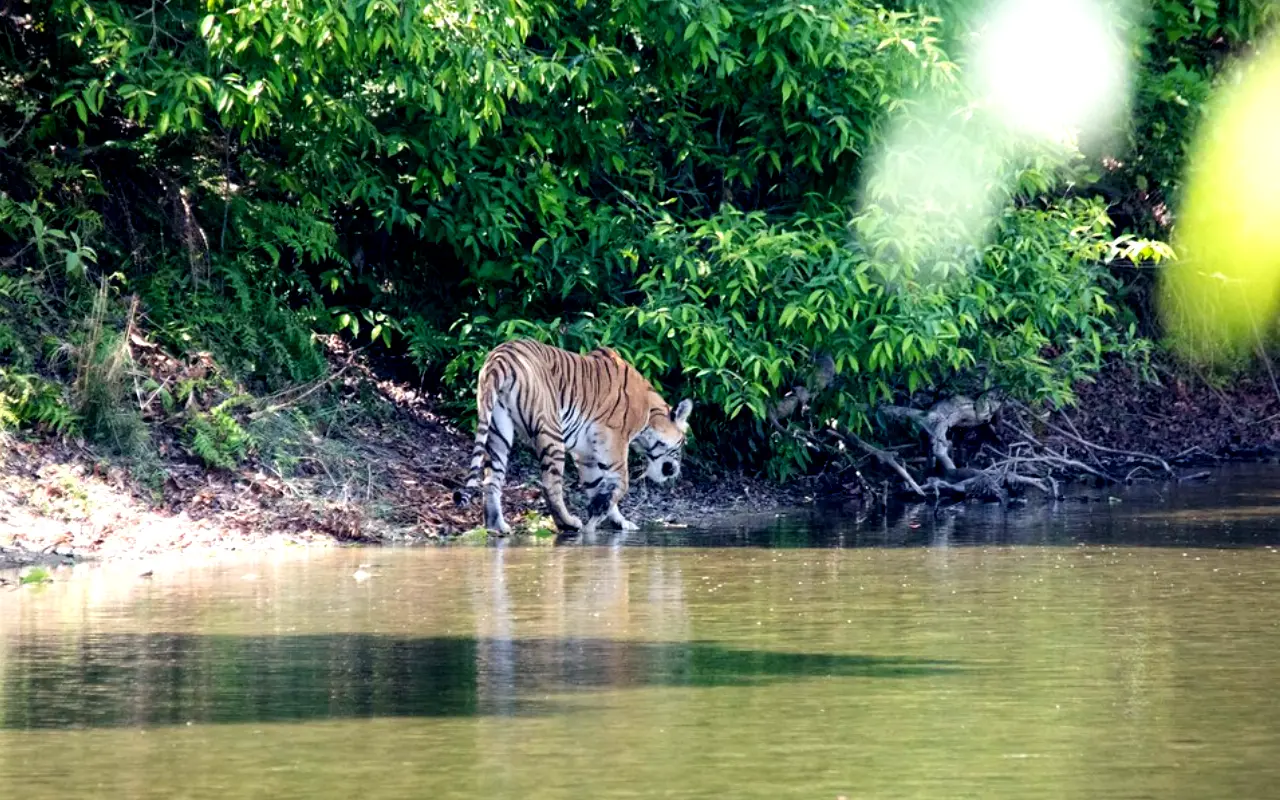
Bardiya National Park is the largest uninterrupted and undisturbed national park of Nepal, which covers an area of 968 square km, situated in the Terai of Nepal along the Karnali and Babai River banks. It was formed in 1988 and is famous for its dense biodiversity with diverse landscapes and grasslands, subtropical forests, and river valleys.
Tourists of Bardiya can have thrilling experiences such as jungle safaris, bird watching, nature walks, and river trips. Another culturally rich element is the relationship with the local Tharu people, thus completing the bond between nature and culture.
This guide to Bardiya National Park will allow you to learn all the information about Bardiya. You will know its wildlife, activities you can enjoy, and the places to stay in order to pack your bags and arrange a trip to the Nepalese wilderness to spend the holiday there.
Overview of Bardiya National Park
Bardiya National Park is located in the western part of Nepal in the Terai region with an area of 968 square kilometers. It is easily accessible by road/air from Kathmandu, Pokhara, and Nepalgunj to the National Park. The park can be reached in approximately three hours by car from Nepalgunj.
The Royal Hunting Reserve of 1969 received an additional park section, and in 1976, it became a Royal Karnali Wildlife Reserve. After undergoing multiple expansions, it became Royal Bardiya National Park in 1988 and then became Bardiya National Park under the Republic of Nepal.
Visitors can experience three sub-tropical monsoon-based climates at National Bardiya when visiting: Hot, Monsoon, and cool dry winter (July to October, March to June, and October to February) respectively. During our visit to the Park, expect to see forests, grassland, river valleys, and wetlands, all providing established habitats for a large variety of fauna and flora.
Before visitors can make their way to Bardiya National Park, an entry permit must be purchased by the visitor. It will cost the Nepali citizen 100 NPR/person, a SAARC member 750 NPR, and a world tourist 1,500 NPR. Children less than 10 years will get in free of charge, and all visitors will need to be authorized.
Wildlife in Bardiya National Park
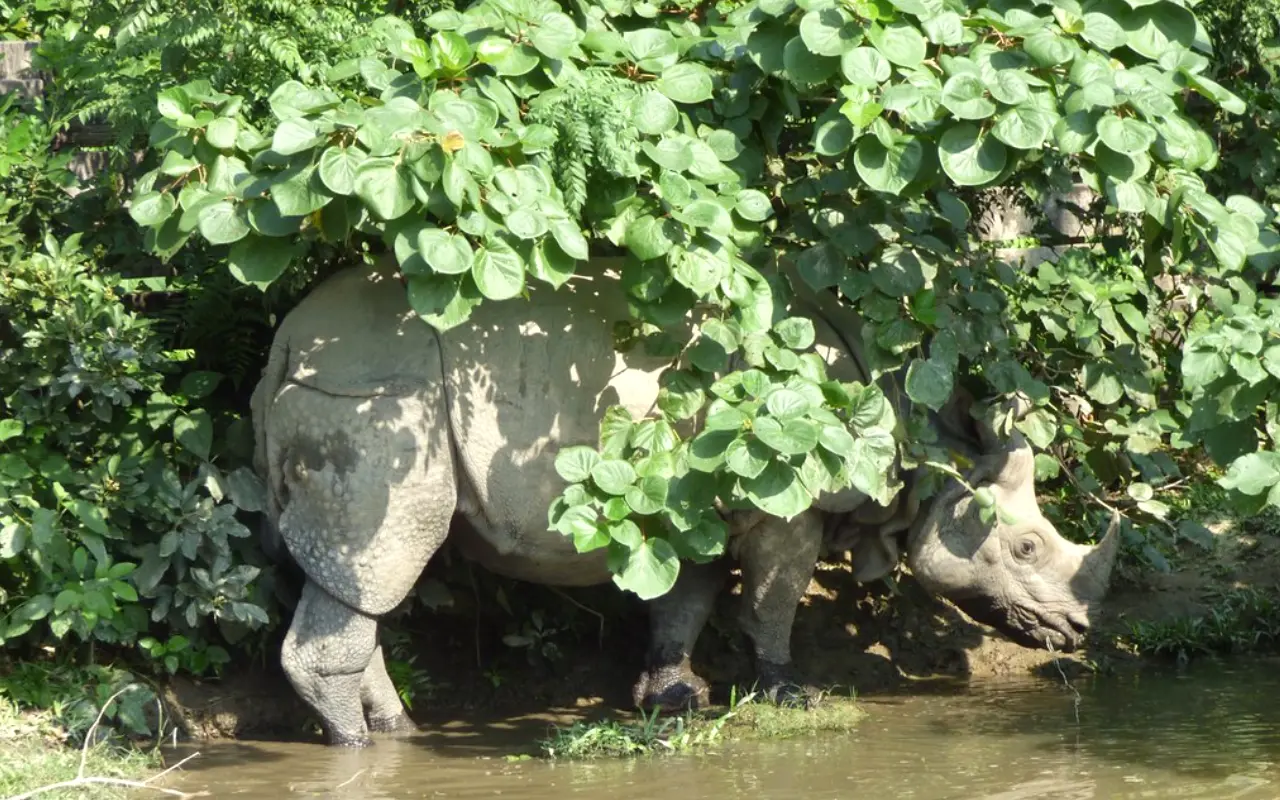
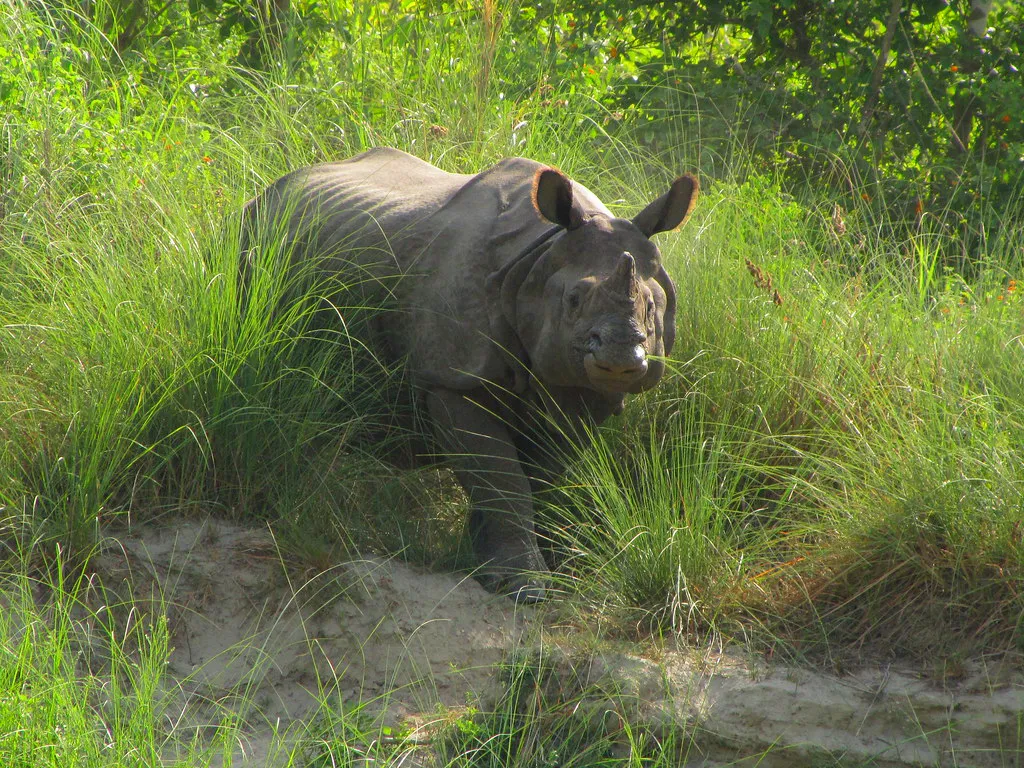
Bardiya National Park is a habitat of many significant species such as Bengal Tiger, Greater One-horned Rhinoceros, Asian Elephant, Gangetic Dolphin, and Swamp Deer. In-situ wildlife viewing is therefore an excellent chance to check out these wildlife in their real environment.
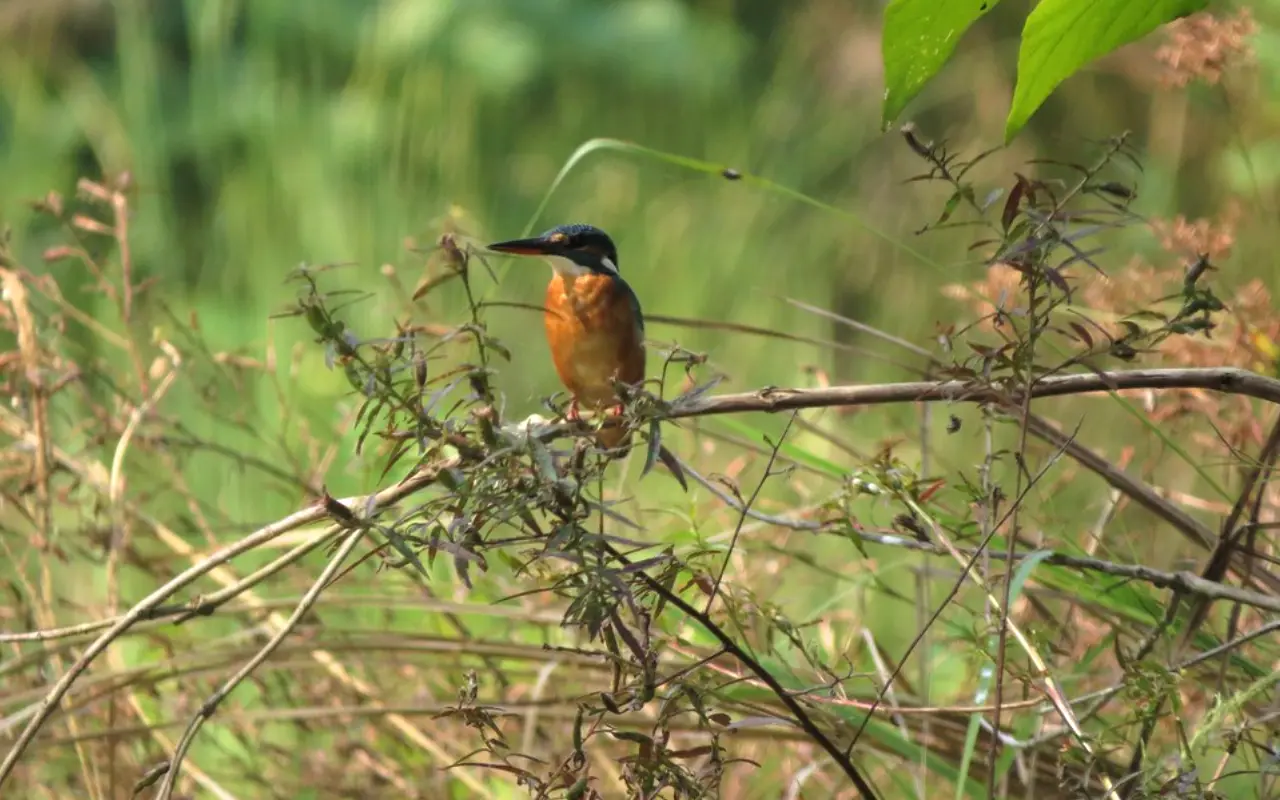
It is home to more than 400 bird species, including some spectacular avian species such as Bengal Florican, Lesser Florican, Sarus Crane, Great Hornbill, and many raptors.
October to February is the best time to visit Bardiya because the winter season is dry and the best for wildlife viewing. This is the time when animals will gather in places where there is water, making it easier to see and observe wildlife. In these months, the animals can be more easily spotted and are usually more relaxed, letting you spot more hard-to-find animals, such as tigers and dolphins.
Please practice respectable norms while viewing wildlife responsibly, keep a distance, no running or shaking loudly, observe and follow the rules and regulations given by the park officials. These tips may be used to improve your experience without causing damage to the wildlife and the environment.
Top Activities in Bardiya National Park
You will ride in a Jeep Safari ride that will pass form forested areas, to grasslands, and riverbanks for 4 to 8 hours. Prices are between USD100- USD250. Visitors get great opportunities in spotting Bengal tigers, rhinos, and elephants using guided tours, and thus making it a memorable adventure.
Walking Safari is safe, and guided tours are for an intimate view of wildlife on foot. Naturalist guides focus more on low-impact, leading to information inaccessible by vehicle, including flora and fauna that adds value to the visitor.
Birdwatching occurs in grasslands and riverbanks, and there are 400+ species here. Rare birds like Bengal Florican and Great Hornbill are more likely to be found in peaceful environments at complacent times of day, i.e., early morning and late afternoon.
Rafting in the Karnali River is adventurous, and the river view with the riverine forest and wildlife is amazing. This tour blends nature appreciation and adventure with the opportunity to spot wildlife such as the aquatic Gangetic dolphins, off the water.
Local tours close to the Tharu villages exhibit local, colorful traditions, hospitable attitudes, and ways of life. Tourists can get to know how locals relate harmoniously with nature, and it helps them understand the cultures and ecology of Bardiya.
Photographing nature thrives on safaris, bird watching, and rafting all over the park. Various landscapes, wild animals, and culture give inexhaustible beautiful objects to photographers who want to shoot natural beauty and wildlife.
US$ 700
Accommodation Options in Bardiya National Park
Within the park, guests can visit jungle camps and eco camps surrounded by wildlife and providing a comfortable stay. Known lodges are Tiger Tops Karnali Lodge and Samsara Safari Camp, which combine nature and comfort.
There are guesthouses and economy hotels close to the park entrance with basic, comfortable stays. These are appropriate, where the traveller requires easy access and staying in local hospitality, but in non-luxury form, frequently offering breakfast and safari services.
Luxury and green resorts emphasize sustainability, comfort, and other unique aspects like swimming pools, escorted safaris, and cultural interactions. Generally, budget guesthouses will charge you USD 20 to USD 25 per night, Mid-range lodges will charge USD 60 to USD 150 per night, and Luxury eco-resorts will charge around USD 200 to USD 300.
December to February are liked by many travelers, which ultimately raises the prices. You can get the best deals off-season, but these seasons are not preferred by many travelers as they involve considerable risks. Early booking will secure lodging and guides.
Best Time to Visit Bardiya National Park
Bardiya has four different seasons- winter (Dec-Jan), spring (Mar-May), summer (Jun-Aug), and autumn (Sep-Nov). Visiting Bardiya is best in spring and autumn. It is more comfortable, and wildlife movements are usually vibrant in the park at these times of the year.
From October to May, you will see the wildlife in Bardiya. During the dry months, wildlife is around water holes, and your chances of seeing a Bengal tiger, Rhinos, elephants, etc. are far higher while on a jeep safari.
Bardiya monsoon season lasts from June to August, and it could be a very beautiful landscape, but you will not spot any wildlife. It may be hard to travel during this period as it may be raining, but it is only favorable to nature lovers as they enjoy biodiversity or green areas, and there would be less competition with other tourists as well.
Summer is hot, so it is recommended that tourists pack light and breathable clothes, but winter has cold weather, so warm layers are advisable during this period of the year. During the monsoon, it is possible to rain, and therefore a rain jacket would be an important gear. Binoculars, hard shoes, and insect repellent are other facilities that would minimize discomfort and increase the ability to spot the best views of animals.
Travel Tips for Bardiya National Park Visitors
Bring lightweight, airy, natural-colored clothing to camouflage in the jungle and against insects and the sun. Also bring long sleeves clothing, a wide-brimmed hat, insect repellent, binoculars, a camera, sunscreen, etc.
In case of jungle safaris, carry a light backpack with water, snacks, and a flashlight together with a good pair of walking shoes. Do not use flashy colors or any noise to least disturb wildlife and to be safe.
Always be with your guide and adhere to his descriptions on how to be safe in the habitats of the wildlife. Maintain a distance between you and animals, sudden movement or bright shining lights, and times around early mornings or evenings, since these are times that animals are on the move.
Booking the services of qualified, local guides or naturalists adds value to your safari as it provides a professional knowledge of wildlife, as well as maintaining a responsible behavior in the park. Guides are also useful in navigating and having the best possibilities of locating rare animals such as tigers and Gangetic dolphins.
Dress in a modest way and seek permission to take photos of the Tharu when paying a visit to the communities. Interact with locals in a friendly manner, respect their culture, and embrace community-based tourism practices to show mutual respect.
Carry Nepalese rupees in case you need cash to buy some small items, give tips, or in case local services need some cash; there might not be ATMs and card services near the park. Carry your own medicine and simple first aid items.
Pack for variable weather and be ready to wear rain gear during the monsoon (June to September) and warm clothes during cool, dry winters (October to February). Remaining hydrated and using sun protection is necessary all year round in order to be comfortable and healthy.
These pieces of advice will contribute to making your experience in the Bardiya National Park safe, pleasant, and without any disrespect to nature and local cultures. Please feel free to ask us about any further packing lists or safety tips.
Suggested Itinerary (2–4 days)
Day 1
You will be flying into Nepalgunj by a short flight, either via Kathmandu or Pokhara, and then drive through a picturesque two-hour ride into the core of Bardiya. As soon as you get there and get comfortable in your lodge, the night is filled with the rhythm of Tharu drums, colorful local dances, and ancient tales. It is the first impression of a human spirit and the hospitality of the locals.
Day 2
This is your time to jump into the wild. You will ride on a jeep or elephant-back safari into the thick sal forests or grasslands of Bardiya National Park. You may see a tiger moving stealthily through the tall grass or a rhino browsing at the river. You will also tour the Elephant Breeding Center, where you will get close-up views of young elephants and the efforts the park is making towards conserving the elephant.
Day 3
You can see a calm River in the morning, when you will ride in a canoe along the Karnali River. If you get lucky, you can spot shimmering smooth-backed Gangetic dolphins rolling the surface, as well as crocodiles basking in the sun. Next, you will be out on a nature walk exploring the beautiful jungles with chances of sighting the colorful kingfishers and getting an idea of the trees, plants, and flowers that make this park so beautiful.
Day 4
You will stay at the lodge or do a short nature walk in the morning, which allows you to get a chance to observe more birds and wildlife. In the morning, after having breakfast, you will drive back to Nepalgunj and fly back to Kathmandu or Pokhara, and your adventure comes to an end.
Conclusion
Bardiya National Park is considered to be the largest and most pristine wilderness region of Nepal, with unique biodiversity and iconic species such as Bengal tiger, one-horned rhinoceros, wild elephants, and Gangetic dolphins. It is a special nature destination as the visitors are taken on exciting jungle safaris, birdwatching, river activities, and tours to the local indigenous Tharu communities.
With its varied terrain of forests and grasslands, rivers, as well as cultural customs that are deeply rooted in the soil, Bardiya is a memorable wildlife encounter with a dose of cultural experience. One cannot fail to visit when s/he is in Nepal and yearns to see the beauty of nature, and also gets to understand how people relate harmoniously with their surroundings in this great national park.