
Autumn Season in Nepal: A Blend of Festivals and Natural Beauty
The mighty Himalayas is how many people know Nepal, and indeed its majestic natural features are known all over the world. Back home, every season has its leisure, but autumn seems to stand out. October to December in Nepal is best defined as autumn and one of the most exciting experiences to have in this country.
The days are bright, there are no apologies for fans, and the numerous festivities that come with nature make it right for a holiday. For tourists, adventure seekers, and people interested in culture the autumn months in Nepal is a festival of fresh air, and beautiful scenery that combines trekking and celebration.
In this particular blog, we will provide some insights into the autumn season in Nepal and autumnal activities that are so frequently mentioned in this blog, what is special about them, and why they are so beautiful.
We aim to carry the spirit of autumn in Nepal, with its blooming celebrations including Dashain and Tihar, polyculture harvests that are followed by clear, pleasant mountain views, and trekking with elegance.
1. The Climatic Charm of Autumn in Nepal
Nepal has a pleasant weather in the fall, which is one of the reasons why this time is considered to be the best to travel to the country. The summer’s rainy periods preceding the autumn leave clear of humidity and dirt and the mountains crisp. The days are bright but not hot whereas the nights can be chilly but not so cold.
Nepal’s autumn comes with a ‘calling’ that no one can resist. The autumn season in Nepal is perfect for taking long walks in the hills or the plains, as it is comfortable for climbing high as well as wandering at low altitudes challenging the heat torpor.
Temperate weather are perfect conditions for walkabouts across the country of Nepal which stretches from the Terais to the huge ranges of Mountains in the Himalayas.

2. Dashain: The Festival of Victory and Family
Dashain is considered the most commemorative and also the longest festival, which occurs mostly in October in the autumn season in Nepal. This festival is celebrated to commemorate how good defeats evil as illustrated by goddess Durga who defeated the demon Mahishasura. For 15 days, the festival is undertaken with each day carrying its importance.
The maiden ceremony: Ghatasthapanam is the first day of this festival which commences with the sowing of barley seeds inside the houses. Over time, every devotee gets to the premises to pay homage to the goddess, and the young shoots of barley also known as Jamara become longer.
During the tenth day of the festival known as Vijayadashami, these young plants are taken as blessings and the elders put tika on their younger members of the family. Anyway, the essence of Dashain is that it brings all families together and it is, therefore, time to rejoice. Houses are cleaned, decorated, and filled with smells of appetizing dishes. New dresses are worn and new things are presented to the embraces.
Children, on their aspect, have a chance and time to defend against the hot sun with kite flying gears and bamboo swing rides. There are sights of kites in every area of the country, laughter from the children as well as women and the children indulging in performing the traditional practices.
3. Tihar: The Festival of Lights
Just a few weeks after Dashain, Nepal rejoices Tihar or festival of lights. This five-day festival celebrates the relationship of man with various animals; every day has a special animal dedicated to it, such as crows, dogs, and cows. Tihar also marks the time when Laxmi, the goddess of wealth and prosperity is revered.
Homes are beautified with oil lamps, candles, and electric bulbs and this makes towns and villages bright during Tihar. People bring colorful rangoli, that is pasted on the floor to invite Laxmi into the house during the Tihar.
Then comes the third day, Laxmi Puja, in which they clean their houses and decorate them, keeping a window or door open for the goddess to reach all houses with prosperity, wealth, and joy. It is a custom in Tihar known as Bhai Tika where sisters put tikas on their brothers’ heads and pray for their gender whereupon males reciprocate with gifts and promises of sister defense.
Tihar is thus, a festival that comes up with family, love, and appreciation of life’s blessings.
4. Autumn Trekking in Nepal
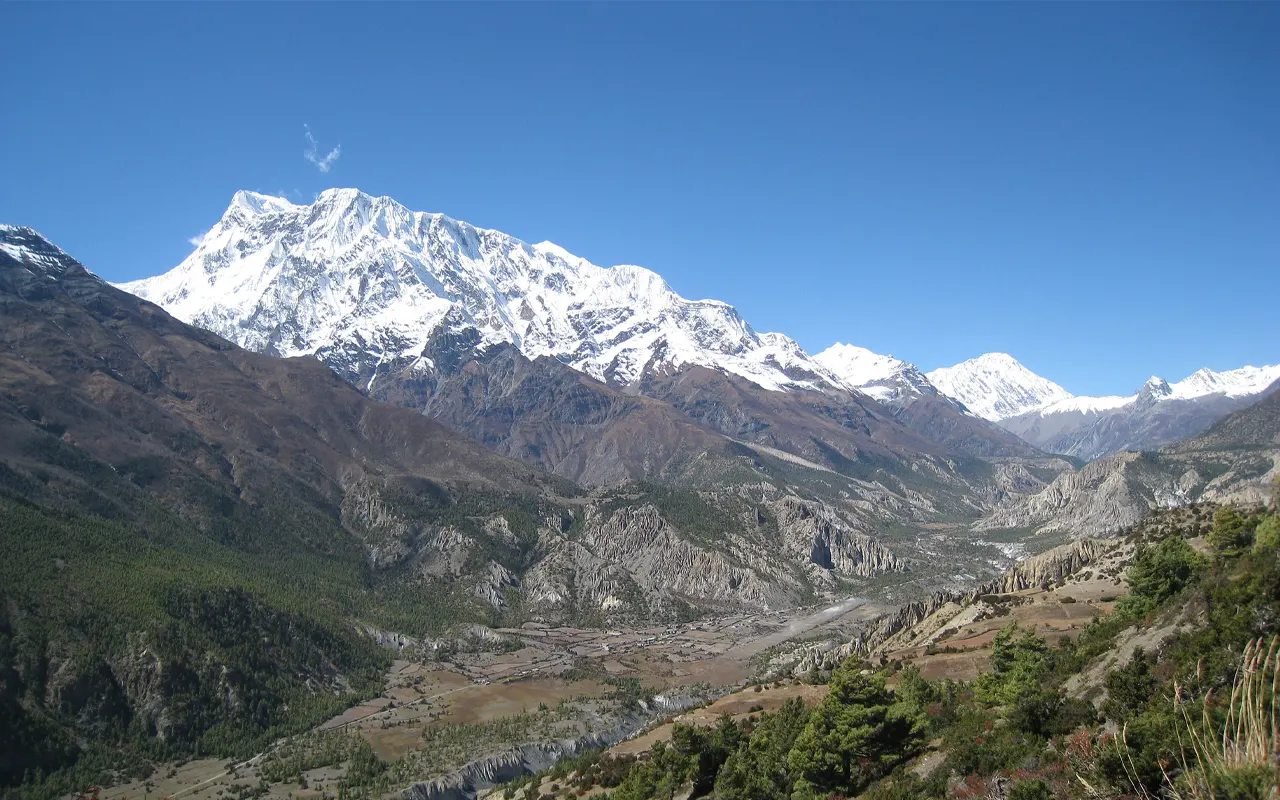
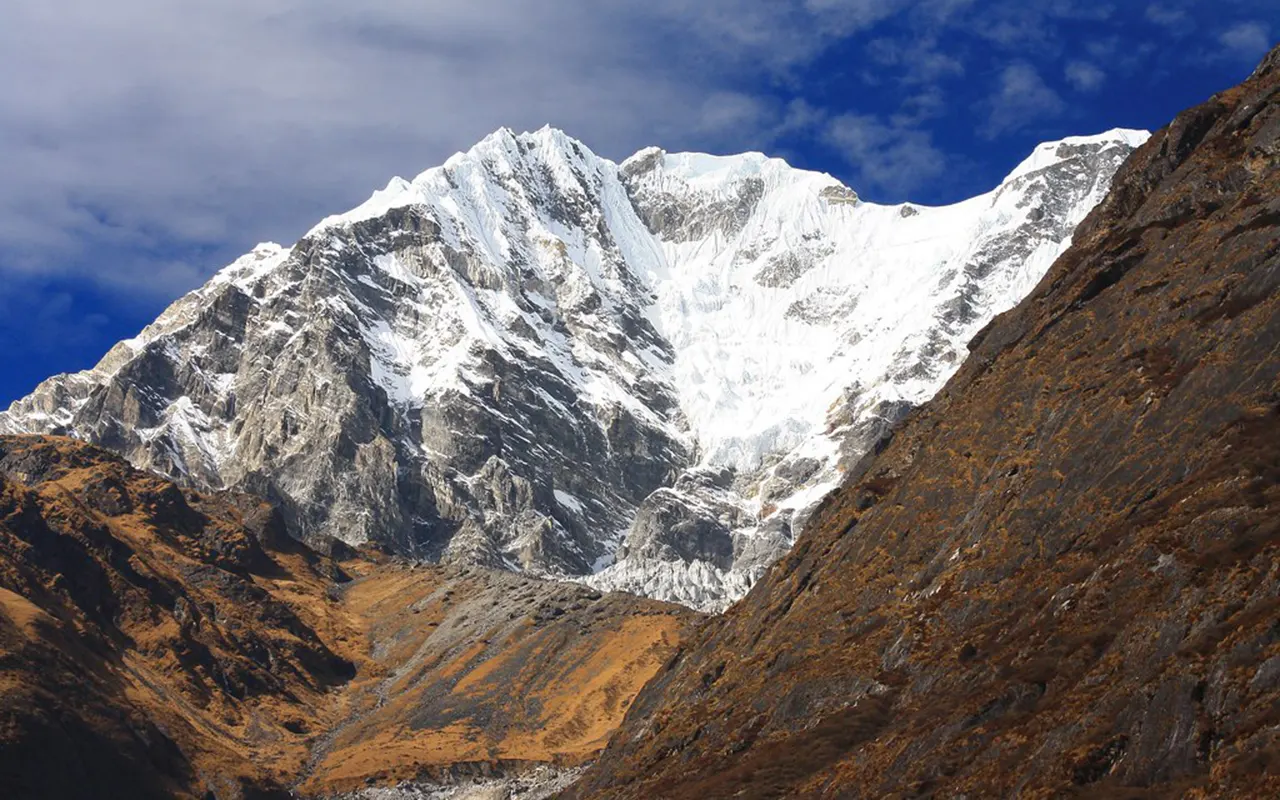
However, for many adventure enthusiasts, autumn is the best season for exploring Nepal’s frail and diverse landscape. The skies are clear and the weather is reasonably pleasant to enjoy the beautiful sight of the Everest range.
At this time of the year, all trekking routes including the most famous Everest Base Camp, Annapurna Circuit, and the less trekked routes such as Manaslu, Langtang, Upper Mustang, and many others are teeming with trekkers.
Typical for this time of year in Nepal is the largest number of tourists going to the Everest Base Camp Trek. The autumn views of Mount Everest and its surrounding peaks do not disappoint. The emphasis of the trek is on reaching the base of the tallest mountain in the world passing through beautiful Sherpa settlements, old monasteries, and rhododendron forests.
The Annapurna Circuit is one more impressive destination for trekking in autumn. The circuit is awash with breathtaking sights for trekkers, who circle the Annapurna range, being able to see Annapurna, Dhaulagiri, Machapuchare, and Manaslu right there. The gradual transformation of scenery from tropical forested zones to alpine meadows on the trek keeps the eyes interested.
Some of the other interesting treks are the Langtang Valley Trek, Manaslu Circuit Trek, and Upper Mustang Trek, each having its distinct appeal, richness in culture as well as stunning sceneries.
5. Nature’s Bounty: The Autumn Harvest
During the autumn season in Nepal, the harvest season is also witnessed. There are a myriad of crops with the most predominant being paddy which is the national food of the nation. Whenever one moves around rural areas of the country, it is common to see golden ducks, which are ready for harvesting.
One can meet farmers dressed in traditional clothes of the society who are engaged in the cultivation of rice, corn, millets, and other seasonal plants. This particular period is the season of plenty and households throw parties and maketh offerings in temples to the deity to show appreciation for the plentiful harvest.
The sense of land attachment in the population is rather strong in Nepal and the autumn holidays refer also to these ties. Yomari Punhi is one of the festivals celebrated by most of the villages after the rice harvesting season by preparing a subtle delicacy of Newars called Yomari. This festival also marks the beginning of winter and people rejoice in this day with songs, dances, and the sharing of food.
6. Wildlife and Birdwatching in Autumn
Wildlife lovers too have a fair share of opportunities during the autumn season. It is that time of the year when national parks and other conservation areas of Nepal, for example, Chitwan National Park, or Bardia National Park.
The ending of the rains allows for a more adventurous exploration of the jungles and savanna where one can easily see the tiger, along with the one-horned rhino and various deer as well.
Another interesting event for hunter-investigators in Nepal is the autumn season.
Birds flying from as far as Siberia to Tibet and Mongolia come to this country’s wintering grounds and new places of interest to their kindly hosts adding to the already magnificent number of the birds.
Avid bird watchers head to the likes of Koshi Tappu Wildlife Reserve and up Phulchowki Hill from Kathmandu for the delicious rubythroat, the northern dialect of pintails, and white kingfishers, among many others.
7. Adventure Sports in Autumn
A host of adventure sports are at one’s disposal in autumn if a person seeking adventurous travel. Autumn is particularly good for paragliding due to the clear skies and stable weather conditions. More so in the case of Pokhara where one can glide over the Phewa Lake against the stunning Annapurna range.
Similarly as autumn approaches the tourist gets the opportunity to experience white-water rafting in various rivers in Nepal such as Trishuli, Seti, and Bhote Koshi. The rivers become surged during the monsoon making it even more exciting to pursue rapids with scenic sights of the environment.
For those who would want to add bungee jumping done in the Bhote Koshi River, zip-lining done in Pokhara and mountain biking on the rugged trails there is never a dull moment.
8. Exploring Nepal’s Cultural Heritage in Autumn
Autumn season in Nepal is not only a month of various festivals and hiking; it is also a very good period for getting acquainted with the cultural aspects of Nepal. The ancient cities of Kathmandu, Bhaktapur and Patan are among many of the UNESCO World Heritage sites that the nation boasts of.
If one is a history fanatic or an architectural enthusiast, the Kathmandu Valley studded with temples, palaces and stupas will definitely entice you. The ancient Newar architecture that makes up the Durbar Squares of Kathmandu, Patan and Bhaktapur is a sight to behold because it is a remnant of the splendor of the kings of Nepal.
Swayambhunath, also referred to as the Monkey Temple, and the Boudhanath Stupa, both of which are found in Kathmandu, are two of the most important destinations for Buddhists. These places as well offer good time for one with the experience of visiting during the autumn season in Nepal when the weather is not as hot, the sky is bright and in some areas the hills offer breathtaking views of the town.
9. Local Cuisine and Gastronomy
Gastronomy is another enhancement that almost every visit to Nepal in autumn contains. Such events offer various traditional cuisine prepared according to Nepali ethnicity. On Dashain, people prepare a fundamental feast that comprises of meat, particularly mutton, chicken and buffalo, other accompaniments such as rice, lentils with vegetables also make part of the menu.
And during Tihar, every household prepares a sel roti, the sweet rice bread, as its essential item. Besides Yomari, tubers like Bara and Pulao can be prepared on the festivals.
Autumn is also the most suitable season for enjoying a Nepali thali – a set that includes rice, spices and lentils, curry dishes with vegetables, pickles and meat or, fish. Momo, a fantastic dumpling Momo, chatamari a unique Nepali pizza and Suku tea, dry meat can all be found on the streets of Kathmandu but it’s worth enjoying them on a nice cool clear autumn day.
Conclusion: Embrace the Autumn Magic in Nepal
Nepal offers another face of warm friendly people and beautiful natural surroundings enriched further by activities and traditions during the autumn season in Nepal. Whether you are a brawny adventurer to trek the high Mount Everest or a historical being who wishes to immerse himself in the ethnical practices of Nepal, or a green thumb who only wishes to explore the enchanting nature of Nepal, autumn has a lot in store.
From the extravagant celebrations that accompany the two main festivals of Dashain and Tihar, to bountiful harvests, clear skies, and countless activities, autumn is a season that every traveler should relish. So, grab your travel bags, wear your trekking shoes, and prepare to taste the flavor of the autumn season in Nepal because this country will excite and enlighten everyone with its natural and cultural treasures in every corner.