
Annapurna Circuit Guided Trek vs Independent Trek: Which Is Better?
The Annapurna Circuit Trek is one of the most iconic trekking trails in the Himalayas. It lies inside the breathtaking geography of the Annapurna region in Nepal. This trekking journey offers an unforgettable adventure through dramatic landscapes, remote villages, ancient cultures, and high mountain passes.
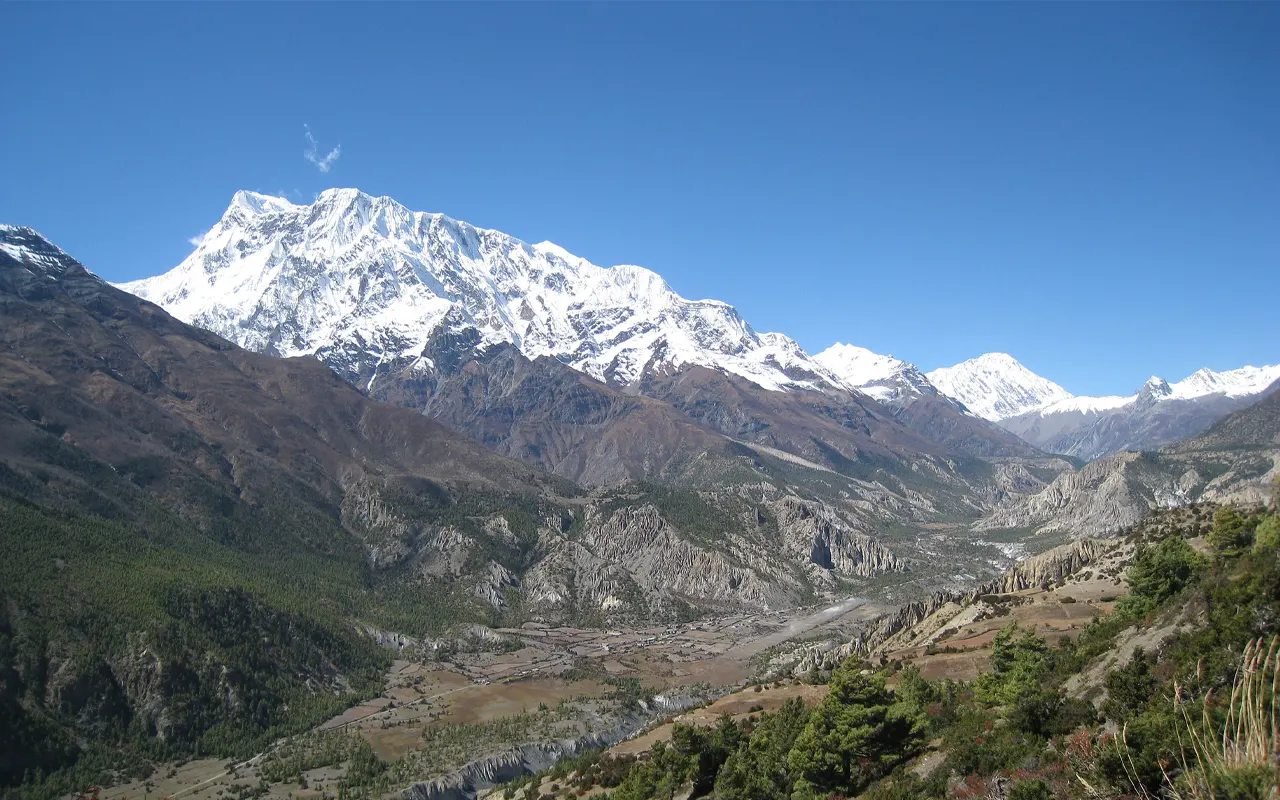
For decades, trekkers from all across the world have traveled to Nepal just to experience the Annapurna Circuit and its magic. The trail of the Annapurna Circuit trek revolves the massive Annapurna Range. It passes through the lush forests, meadows, rugged terrains, valleys as well as high-altitude deserts like geography. The Annapurna trek is popular among trekkers and travelers for its natural diversity, both in terms of nature as well cultural experiences of Himalayas.
With such diverse trekking trails, trekkers are often left with a dilemma: whether to trek with the guide or trek independently. Both options offer features of adventures of their sides and unique challenges. The decision between these two options, often depends on your trekking experience, budget, and your personal preference for your trekking journey.
A guided trek refers to joining an organized trek which is managed by a trekking company, where a professional and experienced team manages your logistics as well provides support during your trek. While, on the other hand, an independent trek involves planning and managing every aspect such as itinerary, logistics and route planning for a trekking journey on your own.
So, in this guide, we will talk about the differences between guided and independent treks for the Annapurna Circuit trek. We will too provide insight from both sides with it’s pros and cons. It will help you to decide which options are better for you and your trekking journey according to your preference in the your journey in the Himalayas.
Overview of the Annapurna Circuit Trek
The Annapurna Circuit Trek is located in the Annapurna Region, which is itself known for its spectacular secrecy and diversity of nature. It is one of Nepal’s most popular trekking destination. The trail circles the Annapurna massif, crossing the high mountain terrains which offer incredible natural beauty.
Distance and Duration
The Annapurna circuit covers about 230km, traditionally, but with the recent road development in some sections, the modern trekking trail typically covers the distance of 160km to 200km. It also depends on the starting and ending places of the journey.
Most trekkers complete the circuit trek in between 12 and 20 days. Again, it also depends upon the pace of trekkers as well as the itinerary.
Major highlights of the Annapurna Circuit Trek
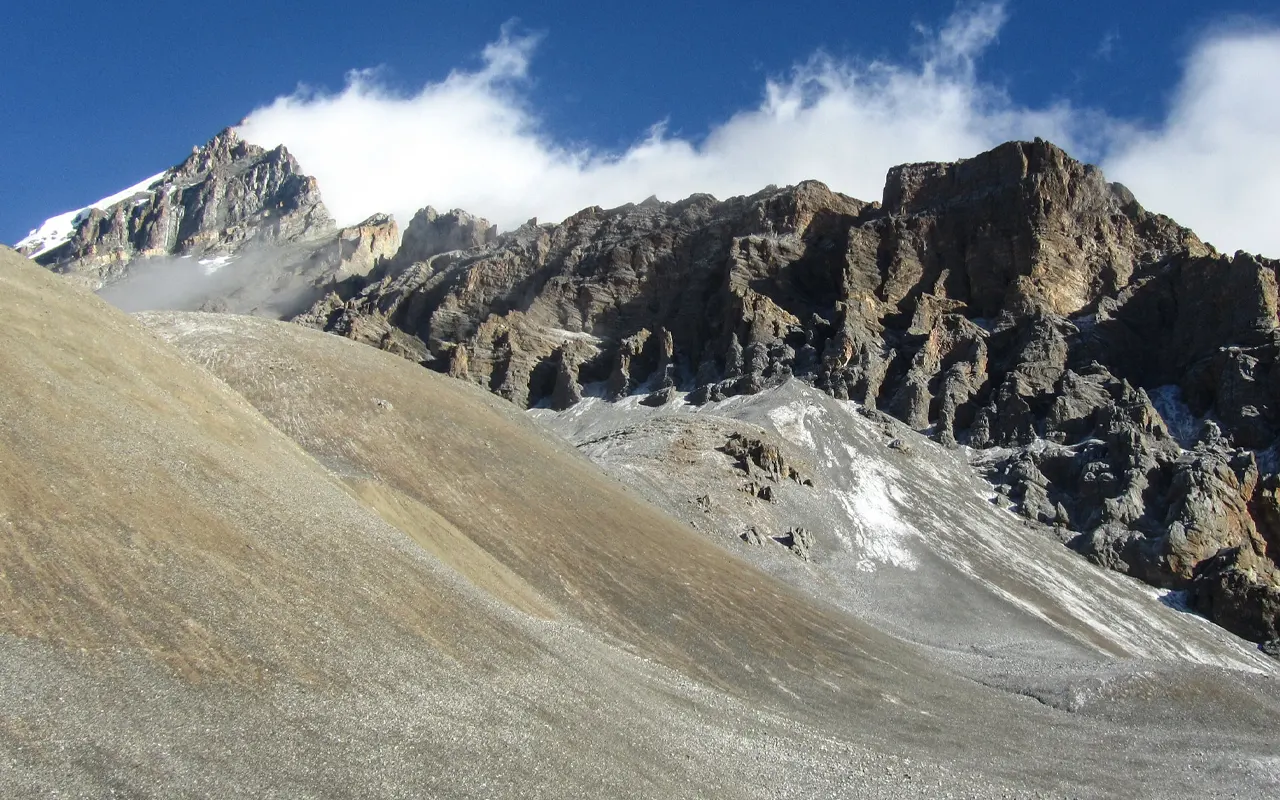
Thorong La Pass (5,416 m)
The most popular highlighted section of this trek is the Thorong La Pass, which stands at an elevation of 5416m. Crossing such high altitudes during the trek is considered a difficult task in a long-duration journey.
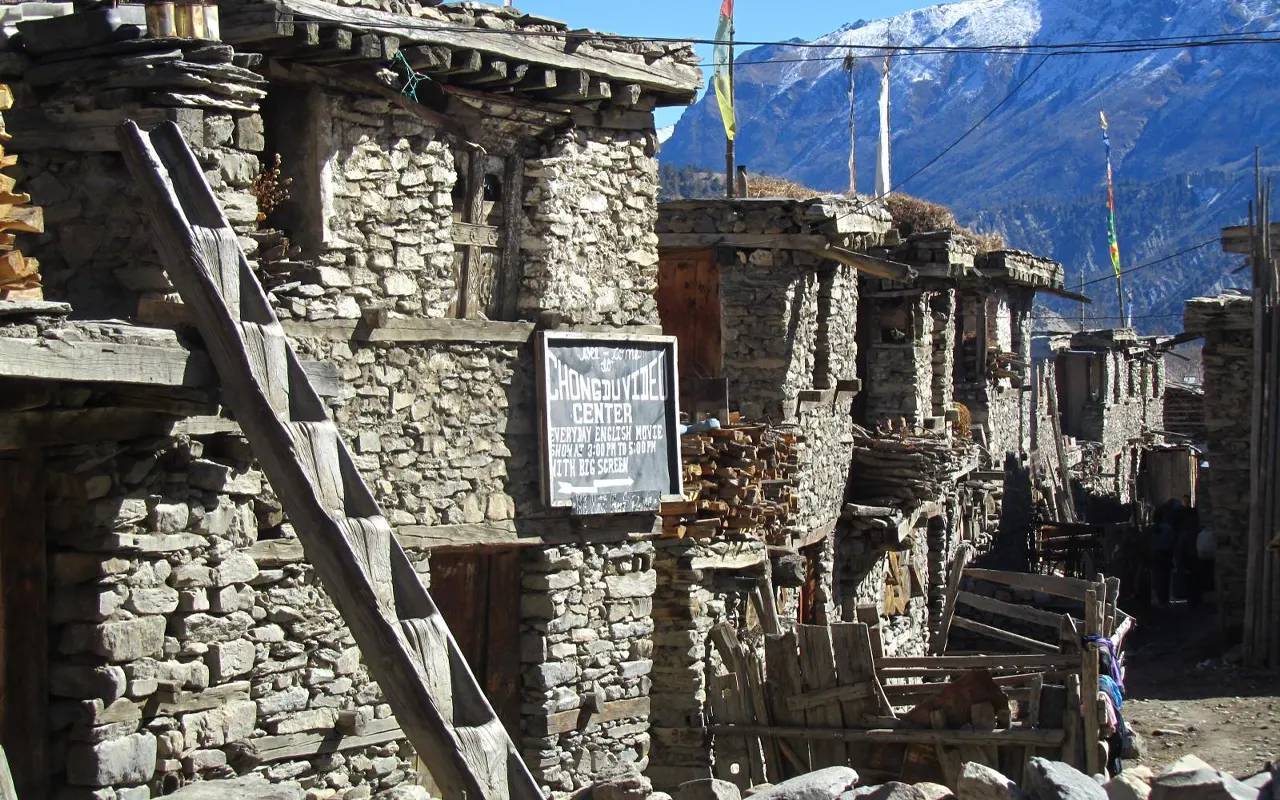
Manang Village
Another popular stop during the trek is the Manang Village. It is a very beautiful high-altitude settlement surrounded by towering peaks and dramatic landscapes. Trekker’s usually keep it as a stop and to spend an extra day here for acclimatization as well as attempting to summit the Thorong La Pass. Manang also offers majestic views, teahouses, and fascinating Tibetan-influenced culture.
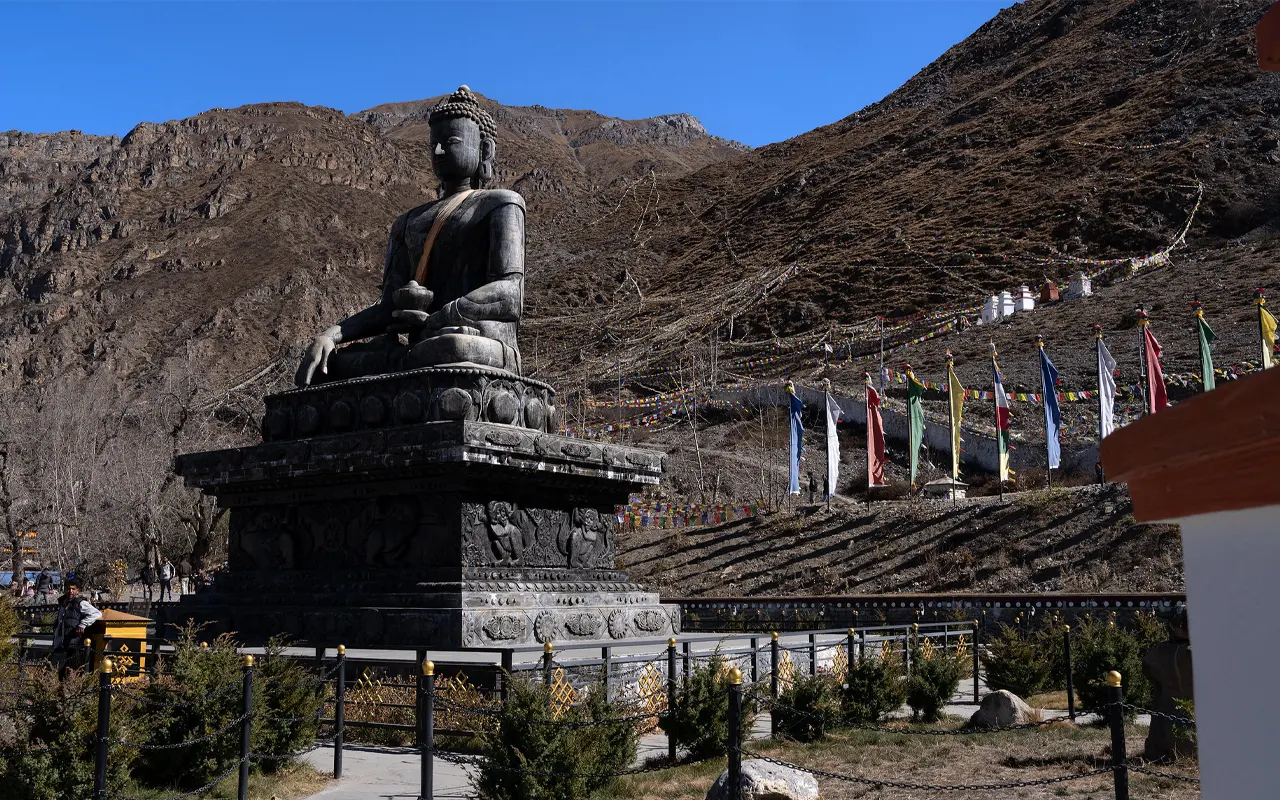
Muktinath Temple
After passing through the Thorong La Pass, trekkers descend to the Muktinath temple. It is also a sacred pilgrimage site for both Hindus and Buddhists.
The area of the temple is known as 108 water spouts with eternal flame, which makes it a spiritual destination in the Himalayas.
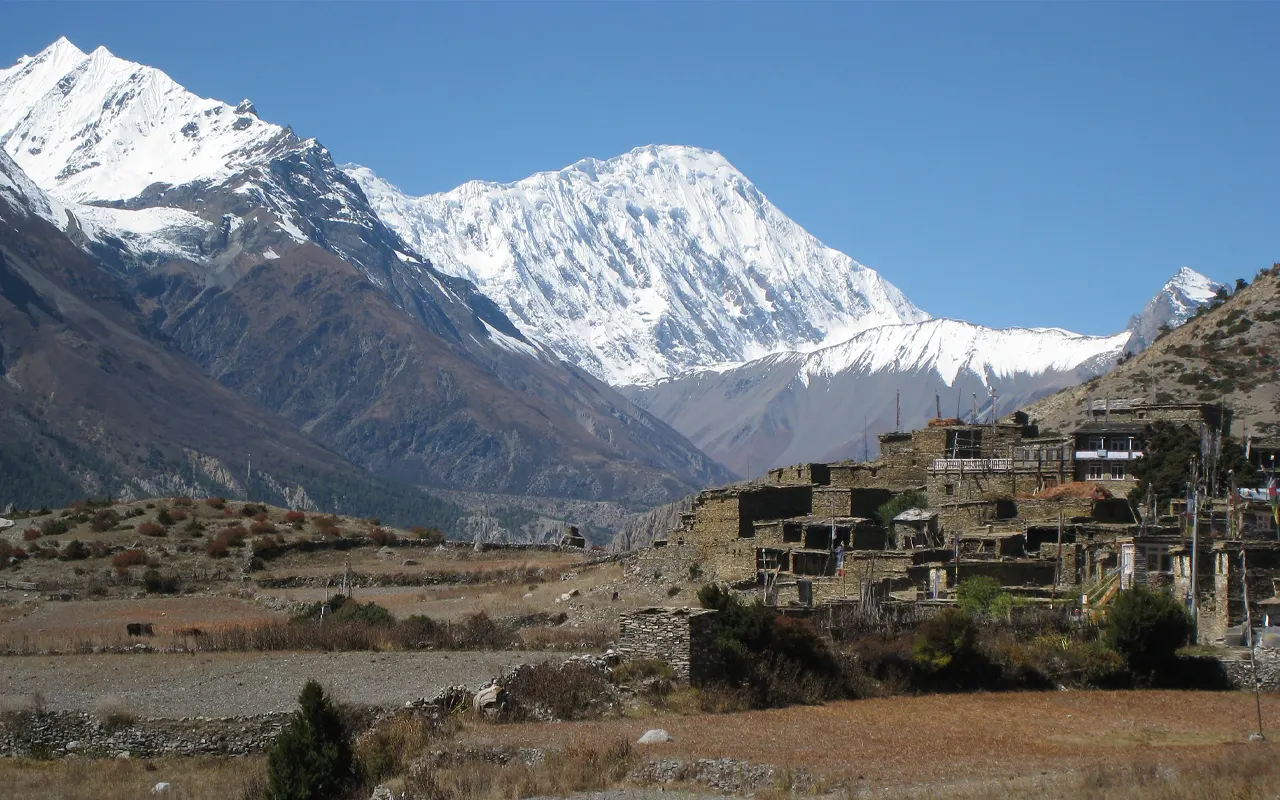
Diverse landscapes and cultures
The main reason that makes the Annapurna Region a popular and highly chosen among the trekkers is its diverse landscapes and cultures. It offers,
- Subtropical forests
- Terraced farmlands with traditional farming
- High alpine valleys
- Desert-like high altitude terrain in Mustang
The routes also pass through the villages where Gurung, Thakali, and Tibetan-influenced communities offer unique cultural experiences.
Difficulty level and altitude challenges
The difficulty for the Annapurna Circuit Trek is considered moderately difficult as well as challenging in some sections. So it is more about the adventurous trek.
Trekkers are recommended to properly acclimatize in different sections before heading to the higher altitude gap to avoid Altitude Sickness. It is more important while crossing Thorong La Pass, which is above an altitude of 5000m.
What is a Guided Annapurna Circuit Trek?
A guided Annapurna Circuit Trek is a trekking journey that is organized by a professional trekking agency with an experienced team.
In a guided trek, travelers join in a planned itinerary which is led by the licensed trekking guide who manages navigation, safety, and basic logistics during the trek.
Guided treks are very common in Nepal, and are more popular among international trekkers.
What’s included in a guided Trek?
A guided trek includes,
Licensed trekking guide
A professional guide leading the trek ensures that the trekkers stay on the correct route while providing information about aspects such as local culture, mountains, and traditions that are encountered during the trekking journey.
Porter support
Guided trek includes the porters if needed. It is necessary to carry heavy backpacks and essentials, allowing trekkers to walk comfortably without a heavy load, which helps to enhance the experience.
Accommodation and meals
Most packages in guided trek include accommodation in teahouses along with breakfast and meals.
Permits (ACAP & TIMS)
To do adventure activities like trekking inside the Annapurna Circuit Trek, trekkers must obtain permits such as
- Annapurna Conservation Area Permits
- TIMS Card
So, trekking agencies in guided treks usually arrange these permits in advance.
Transportation and logistics
Guided trek often offers transportation to the starting point as well as from the ending point of the trekking routes.
Who Usually Chooses Guided Treks
A guided trek is a well-managed trekking journey with a properly designed itinerary. So, it is often chosen by,
- First-time and beginner trekkers in the Himalayas
- International travelers who are unfamiliar with the region
- Trekkers who prefer a comfortable and well-managed trekking experience.
Pros of a Guided Annapurna Circuit Trek
Safety and Local Expertise
The biggest advantage of a guided trek is safety. Professional guides understand and know the nature of terrains, whether patterns and altitude risks properly. They also monitor trekkers for symptoms of altitude sickness to avoid its further effects and adjust the itinerary if necessary.
Cultural Insights
Guides provide insights about the local culture and traditions in the practice of mountain communities. During the trek, you will get to know about local customs, religious practices, and the history of villages.
Logistics Handled for You
Organizing a long-duration trek in the Himalayas often gets complicated. So guided treks help to avoid the burden and stress of carrying and managing the trekking aspects, such as
- Permit works
- Accommodation
- Route planning and trail navigation
- Transportation arrangements
It ensures trekkers simply focus on enjoying the trekking journey.
Emergency Support
In the uncertain case of injury or altitude sickness, a guided trek gives trekkers the flexibility to arrange emergency evacuation or medical assistance in an emergency.
Cons of a Guided Annapurna Circuit Trek
Guided trek offers advantages, while they also have some drawbacks to follow,
Higher Costs
Guided treks are more expensive than the independent trek as they include expenses such as guide fees, porter wages, and agency service charges.
Less flexibility in the itinerary
During the guided trek, trekkers must follow the planned itinerary designed by the agency, which limits the ability to change plans midway or for a longer stay in certain villages. Also, group schedules may limit the independence of pace and schedule during the trek.
What is an Independent Annapurna Circuit Trek?
An independent trek refers to a trekking journey that is done without a guide or is an unorganized tour. Independent trekkers have to plan and manage every aspect of the trek by themselves, which includes navigation, accommodation, permits, and daily route management.
What You Must Arrange for Yourself
Independent trekkers must organize several aspects that are necessary during the trek. Such as,
Trek permits
Trekkers must get the permits, such as the Annapurna Conservation Areas Permits and the Trekkers Information Management Systems.
Accommodation
Teahouses are available through the trails of the Annapurna Circuit. But trekkers must find and manage them while on a trek, which sometimes feels overwhelming.
Route planning
Although the Annapurna Circuit trail is a well-marked trekking trail, trekkers must plan for their route and navigate themselves on their own and carefully.
Transportation and gear
Independent trekkers must arrange for transportation on their own, ensuring they can carry the proper gear. It is a headache in itself.
Who chooses the independent trek in the Annapurna Circuit Trek?
- Experienced trekkers who know the trekking aspects properly
- Budget travelers who want to spend their expenses wisely
- Adventure seekers who prefer flexibility and who want their own pace
Pros of an Independent Annapurna Circuit Trek
Lower Cost
One of the best advantages of an independent trek is the lower cost it requires. Without guide wages or agency fees, trekkers can significantly reduce their expenses by planning on their own.
Freedom and Flexibility
Independent trekkers hold their own flexibility and freedom to choose their own pace and choices during the trek.
They can
- Choose their own pace.
- Spend extra days in certain villages.
- Can adjust routes and trails on weather or interests
- Personal adventure experience with one’s own decision, with independent exploration of certain regions
Cons of an Independent Trek
Navigation Challenges
Most of the section of the Annapurna Circuit trek is generally clear, but some sections can be confusing, especially in bad weather.
Safety Concerns
Without an experienced guide and proper navigation, trekkers must handle the emergencies themselves, which can often turn vital if delayed.
Logistics Planning
Independent trekkers need to handle all the planning themselves during the journey. It can be time-consuming as well as overwhelming while you are on a longer trekking journey.
Cost Comparison: Guided vs Independent Trek
Here is the proper comparison of the cost between a guided trek and an independent trek.
| Trek Type Average Cost |
| Guided Trek $900 – $2000+ |
| Independent Trek $400 – $900 |
Also, there are some factors that can affect the total cost during the journey.
- Guide and porter fees
- Accommodation standards
- Trek duration
- Transportation costs
Safety Considerations
After the altitude gain of 35000m, trekkers may experience altitude sickness if proper precautions are not followed. Proper acclimatization as well as hydration are needed.
Weather conditions in the Himalayas
Weather conditions are always uncertain at higher altitudes due to natural factors. So, weather conditions need proper navigation.
Emergency Planning
Guides can properly improve the journey by
- Adjusting the health conditions
- Monitoring the pace
- Arranging emergency evacuation if needed
Who Should Choose a Guided Trek?
A guided trek should be chosen by those who are first-time trekkers in the Himalayas or who are beginners in trekking experience. Solo travelers who seek safety, as well as trekkers unfamiliar with the high-altitude factors. Also, people who want to get proper cultural insights from local guides.
Who Should Choose an Independent Trek?
An independent trek is ideal and better for those who are experienced and seek budget travelling. Adventure seekers who prefer flexibility also prefer to do independent treks. And for those trekkers who seek to navigate the remote trails and routes comfortably.
Best Time for the Annapurna Circuit Trek
The best time for trekking in the Annapurna Circuit Trek is considered and picked for the seasons of Spring and Autumn.
During the spring, the landscapes bloom and become scenic. Due to the pre-monsoon rain, the visibility gets clearer and refreshing. You will also get longer days to have your own pace properly. The weather will get stable. Overall, during the spring season, you will get a refreshing as well as scenic journey.
During the season of Autumn, you will get a colorful trail with a mesmerizing journey with a warm hue. The pleasant temperature offers stable weather and the clearest visibility of any other season of the year. Overall, you will get a pleasant and mesmerizing journey with picturesque trails during the season of Autumn.
The season of winter and monsoon can also be considered for empty trails. But factors like colder temperatures and heavy rainfall can be challenging.
Final Verdict: Which Is Better?
Both guided trek and independent trek are incredible experiences, depending on your choice and preference.
A guided trek is generally better for the trekkers who seek and prioritize safety, convenience, and cultural insights during the journey.
An independent trek is preferred for those who are experienced trekkers and want flexibility as well as lower budgets.
Ultimately, it depends upon the choice of trekkers, such as
- Trekking experience
- Budget
- Preferred travel style
Conclusion
The Annapurna Circuit Trek remains one of the most admired trekking trails in Nepal. With the breathtaking landscapes, diverse culture, and thrilling challenges, it offers trekkers an unforgettable lifetime experience.
Both guided and independent trekking options are equally feasible, as per personal preference. Both provide unique experiences on their side. Guided treks offer safety and convenience, as well as proper navigation, and are helpful for beginners, too. On the other hand, an independent trek offers freedom and adventure on your own.
By choosing any of them according to your needs and interests, you can fully enjoy the spectacular journey of Annapurna Circuit Trek, the magic of the Himalayas.